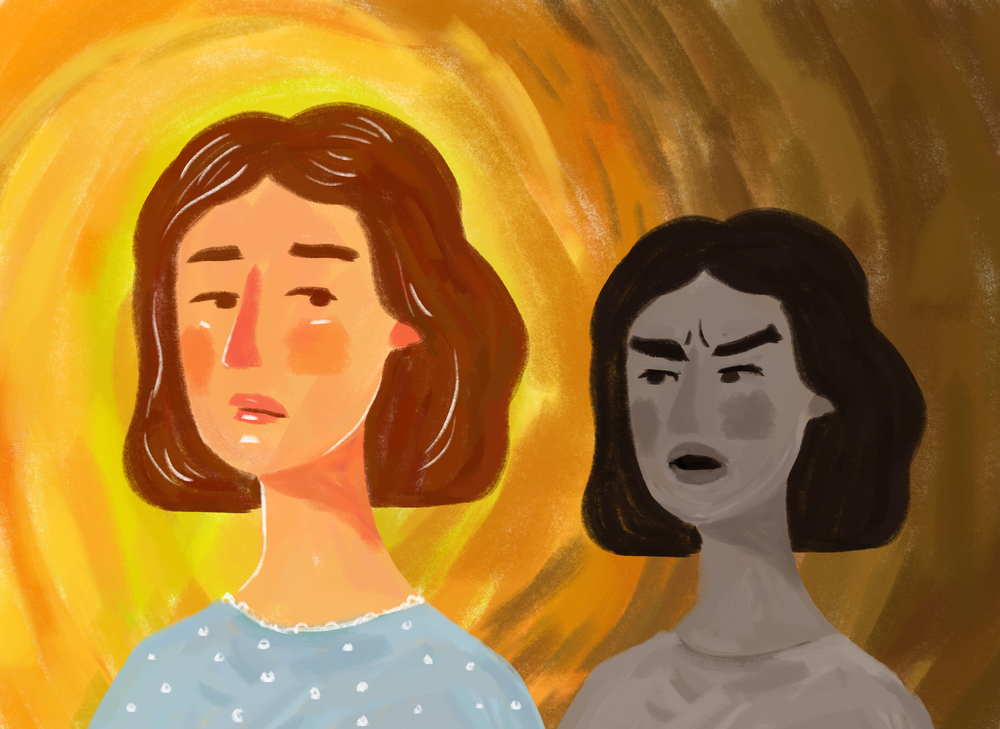
Addictions Signs of Substance Abuse

Many family members do not notice the signs of addiction.  It is important to identify these signs so that one can properly help before it becomes too late.  Addiction is a disease but it is something that can be controlled through proper intervention and coping methods.  Substance Abuse Counselors can help others through the issues of addiction and help them find ways to better cope through the difficulties addiction can produce.

Knowing the signs in one’s children or in friends and family can be key in stopping addiction from becoming far worst.  It can help lead one to the help one needs.  Being diligent and alert in what friends and family are doing and noticing changes in life style can be the key in saving a friend or family member, or even own child.

There are numerous behavioral signs of addiction. Please also review AIHCP’s Substance Abuse Counseling Certification


The article, “The Warning Signs of Addiction and How To Help” from Avera’s Behavioral Health Team takes a closer look at signs of addiction.  The article emphasizes the critical importance of noticing addiction signs and what to particularly look out for.  Possible signs of hiding substances, irritability, or behavioral changes are all listed.  Ultimately, helping the person find help is the key. The article states,

“Addiction is among the most difficult diseases to treat. Part of the reason for this is because in 60 to 80% of cases, mental health conditions are intertwined with the abuse of alcohol or drugs “When a loved one is struggling with addiction, it’s likely they’re also facing a mental health condition,” said Malia Holbeck, LCSW-PIP, outpatient manager with Avera’s Addiction Recovery Program. Holbeck said that’s why professional support is recommended to treat the person. Going it alone – without a pro backing your efforts – can lead to failure.”

“The Warning Signs of Addiction and How To Help”. Behavioral Health Team. July 26th, 2022. Avera

To read the entire article, please click here

Commentary

Substance abuse is a major problem in our society. It leads to crime, violence, and other problems. Substance abuse is also a major health problem. It can lead to addiction, disease, and death. We need to do something about this problem.

Signs of Addiction

The signs of addiction can be divided into three categories: physical, psychological, and behavioral. Physical signs include tolerance (needing more of the substance to get the same effect), withdrawal (experiencing negative symptoms when not using the substance), and cravings (intense desires to use the substance). Psychological signs include preoccupation with using the substance, loss of control over one’s use of the substance, and continued use despite negative consequences.

The signs of addiction for family and friends may include changes in behavior, mood, and physical appearance. Family and friends may also notice a change in the person’s social life, work life, and hobbies. The person may become more isolated and withdrawn, and their relationships may suffer. They may also begin to neglect their personal hygiene and appearance.  There may also be financial problems and difficulty keeping up with work or school.   Also, if a friend or family member has experienced a loss or experienced a tragedy, if over time, they do not seem to resume normal activities, one may need to check on their progress and check and see if they are using drugs or other substances. If you are concerned about someone you love, it is important to talk to them about your concerns and get help from a professional if needed.  If you notice any of these changes in a loved one, it may be time to seek help.

There are many signs that a teen may be addicted to drugs or alcohol. These include changes in mood or behavior, withdrawal from friends and activities, secrecy, lying, and financial problems. Teens may also have difficulty concentrating, sleeping, or eating. They may also become more withdrawn, irritable, or aggressive. If you suspect your teen may be addicted to drugs or alcohol, it is important to get help right away.

Preventing Substance Abuse in Teens and Family

The best way to prevent substance abuse in teens is through a family-based approach. This means that parents need to be involved in their child’s life and be aware of what they are doing. They also need to provide support and guidance to their child so that they can make good decisions. Additionally, families need to be able to communicate openly about difficult topics like substance abuse.

Parents who take the time to care will find any negative signs.  It is when parents do not look for the signs because they become to busy in their own life that bad things such as substance abuse and addiction occur.  By caring, many bad things can be prevented.

Conclusion

By taking time to care for friends, teens and family, individuals can easily spot the signs of addiction.  It is when individuals become to enveloped in their lives that simple signs are missed.  It is important to be aware and see the glaring physical, behavioral, or events that occur in another in order to process a bad change taking place.  It is not a difficult thing but only a thing that requires attentiveness and priorities for the overall health of others.

If the signs listed above manifest, talk to the individual and if necessary, guide them to substance abuse counselors or appropriate healthcare and mental healthcare professionals.

Please also review AIHCP’s Substance Abuse Counseling Program and see if it matches your academic and professional goals.  The program is online and independent study and open to qualified professionals seeking a four year certification in Substance Abuse Counseling Certification.  After completion of the required courses in substance abuse, professionals can then earn the four year certification.

Additional Resources

“Recognizing Signs of Prescription Drug Abuse and Addiction, Part I”. Felicilda-Reynaldo, Rhea Faye D.  Medsurg Nursing; Pitman Vol. 23, Iss. 6,  (Nov/Dec 2014): 391-396. Access here

“Symptoms of Addiction”. Elizabeth Hartney, BSc, MSc, MA, PhD. April 30th, 2022. Verywellmind. Access here

“Signs of Drug Addiction”. Paula Spencer Scott. January 27th, 2021. WebMD. Access here

“Signs of Addiction”. FHE Health. Access here

Clinical Hypnotherapy Certification Blog on Weight Loss

Hypnosis can help with many issues individuals face in life.  From bad habits to better life choices, hypnosis can help individuals at the subconscious level overcome many issues that plague them.  Losing weight is definitely an issue that hypnosis can help one with.  Hypnosis can better help one make wiser diet choices and be more motivated to exercise and work out.  Utilizing hypnosis for weight loss is an excellent alternative tool to get into better shape. Please also review AIHCP’s Clinical Hypnotherapy Certification

Clinical Hypnosis can help one achieve weight loss goals. Please also review AIHCP’s Clinical Hypnotherapy Certification


The article, “Hold Up: Does Hypnosis for Weight Loss Work? Here’s What Experts Say” from Prevention discusses how hypnosis can better help one achieve weight loss goals.  It states,

“Hypnosis is not a magic bullet, so don’t walk into a hypnotherapy session and think you’ll start shedding pounds at the snap of a finger. As Dr. Gaies says, hypnosis is a tool that can help break patterns of thinking that prevents someone from developing healthier routines. It’s those lifestyle shifts that will lead to weight loss over time.  Most people who approach hypnotherapy are already preparing themselves to make lifestyle adjustments, such as altering their food choices or buying a gym membership, says Dr. Chon.”

To read the entire article, please click here

Please also review AIHCP’s Clinical Hypnotherapy Certification and see if it meets your academic and professional goals.  The program is online and independent study and open to qualified professionals seeking a four year certification in Hypnotherapy

Grief Counseling Certification Article on Guilt and Moving On

So many times in the mourning process, we feel held back due to loss.  The pain is one thing, but the guilt one can feel for looking forward can sometimes haunt an individual.  Conflicting emotions were relief but also regret meet, as well as love but also sadness.  Please also review AIHCP’s Grief Counseling Certification

Individuals after loss, must mourn the loss, but they must also move forward from it.  This does not entail forgetting the past.  One keeps the past loss close to heart, helping it transform and create the person one is, but this does not mean living in the past.  It means still living.  Whether this entails moving on to loving someone new, or finding joy in life again, one cannot feel these feelings betray the deceased.

Sometimes past loss guilts oneself from enjoying the present. Please also review AIHCP’s Grief Counseling Certification

One is not expected to continue to live in the past, but to move forward, embracing the loss, while also venturing forward to new things.  Adaptation and reconciliation to the loss manifests in someone who can still grieve the loss but find happiness in the new.   The loss will never cease, but it can coexist in a healthy way.

What’s Your Grief offers an excellent perspective on this.  In their article, “Conflicted Feelings in Grief: Reconciling the Present with What Might Have Been” by Eleanor Haley, this type of conflicting emotion of moving forward is addressed.  She states,

 “On a larger scale, people may feel guilty as they move forward in life and discover new purposes, make new connections, or find a sense of peace or happiness. Feeling okay in their life without their loved one feels like a betrayal.  The reality is that grief is so ongoing that it is impossible to wait for it to end before allowing yourself to experience anything positive. You will likely grieve in different ways forever, so you have to find a way to let it live alongside new purpose, meaning, and connections.”

To review the entire article, please click here

It is easy and natural to think of what may have been.  Part of the process is to think and remember, but this should not be something that haunts and prevents future relationships or future happiness.  One needs to move forward at one’s own pace, but conflicted emotions can prevent a person from appreciating the present.  It is critical to properly see loss in its perspective.  The loss is part of oneself and an important part but it cannot become an anchor that strips life away.  This is not betrayal, but part of being alive.  It is also something our beloved deceased would never wish for us.

Please also review AIHCP’s Grief Counseling Certification and see if it meets your academic and professional goals.  The program is online and independent study and open to qualified professionals seeking a four year certification in Grief Counseling.

Grief Support Group Certification Video on Grief Support Groups

Grief Support Groups are important for individuals who lack the proper support arcs at home.  Many individuals do not have anyone to talk to or share their grief.  It is important for groups to help others find strength in dealing with the particular loss.  The video below discusses the importance of Grief Support Groups and how to become a strong group leader.

Please also review AIHCP’s Grief Support Group Leader Certification as well as AIHCP’s Grief Counseling Certification and see if they matches your academic and professional goals.  The programs are online and independent study and open to qualified professionals seeking a four year certifications

Spiritual Counseling Certification Blog on Spirituality and Health

Health is multi faceted.  It is not just a physical thing, but also a mental, emotional and as well spiritual.  Spirituality can be applied to multiple aspects of health.  Overall purpose, optimism and faith can all play key roles in healing and staying healthy.   Spirituality is not a narrow definition though and can be applied to a wealth of values and beliefs and world views.  How those world views and beliefs are applied in daily life and struggle have critical aspects in overall health.  Please also review AIHCP’s Spiritual Counseling Certification

Spirituality has many correlations with better physical health. Please also review AIHCP’s Spiritual Counseling Certification


The article, “Spirituality is a concept that means different things to different people. How would you describe spirituality, and how can it help an individual to become more in tune with their body?” by Dr Tracy Balboni takes a closer look at how spirituality plays a role in health and also in care of patients.  She states,

“In healthy populations, communal forms of spirituality – as exemplified by regular religious service attendance – are associated with many improved health outcomes, including greater longevity, better mental health, less suicide, and reduced substance use. Among adolescents, being involved in spiritual communities is associated with better health outcomes, including less substance use and less risky health behaviors. ”

To read the entire article, please click here

Please also review AIHCP’s Christian Counseling Certification as well AIHCP’s Spiritual Counseling Certification and see if they meet your academic and professional goals.  The program is online and independent study and open to qualified professionals seeking a four year certification in spiritual counseling.

Legal Nurse Consultant Program Article on Malpractice Conditions

When being treated by a healthcare professional, individuals expect a certain standard of care and trust.  Unfortunately, sometimes, by accident, or through negligence, bad things can occur to the patient.  Patients have a right for compensation and malpractice cases arise.  Legal teams utilize Legal Nurse Consultants within their team to better address malpractice.  They serve an important function in testimony and investigation.

Legal Nurse Consultants help with malpractice cases. Please also review AIHCP’s Legal Nurse Consultant Program


The article, “What to Do If You Think You’re a Victim of Medical Negligence” by Jessica Coates looks closer at the conditions for malpractice.  She states,

“Most people hope or expect to receive quality healthcare when they are ill or injured. Unfortunately, accidents do happen from time to time and sometimes they are a result of negligence from medical practitioners. A nurse, doctor, or even orderly can make a mistake that may cause a patient to become injured or ill. In some cases, complications from, say, a botched operation, may lead to permanent health damage or even the death of the patient.  If you or someone you loved has become ill, injured, or even died as a result of what you think is a case of medical ineptitude, then you should file a medical malpractice lawsuit as soon as possible”

To read the entire article, please click here

Please also review AIHCP’s Legal Nurse Consultant Program and see if it meets your academic and professional goals.  The program is online and independent study and open to qualified professionals seeking a four year certification in Legal Nurse Consulting.

Pet Loss Grief Support Program Blog on Children and Pet Loss

For many children, their first experience with death is with a pet.  Some parents are fearful to discuss death with their children or try to shield them from it.  It is important not to shield children but to teach them within their comprehension and age, what death is.  Losing a pet is a sad moment but also a learning moment like all loss.  It teaches important life skills of how to adjust to loss with the death of future family, friends and other beloved pets.

It is important to include children about a death of a pet. Please also review AIHCP’s Pet Loss Grief Support Program

Please also review AIHCP’s Pet Loss Grief Support Program and see if it meets your academic and professional goals.  The program is online and independent study and open to qualified professionals seeking a four year certification in Pet Loss Grief Support.

Smoking and Addiction

Smoking is one of the most common addictions and bad habits people face.  It is extremely unhealthy yet many turn to it to calm nerves and anxiety.  This dependency makes smoking and its ingredients extremely addictive and dangerous.  So many try to break the unhealthy habit but are unable to due to tobacco and nicotine within the cigarette.  Learning to cope with the addiction and cravings take time.  Some individuals require substance abuse counseling while others go to support groups.  Others look to patches and other approaches to curb the physical and mental desire.  Trying to break the cycle of addiction can be difficult but with proper coping and counseling, one can finally become free of smoking.

Why is smoking so addictive and unhealthy? Please also review AIHCP’s Substance Abuse Counseling Training and see if it matches your academic goals


The article, “Why is tobacco so addictive?” by Joe Phealon looks closer at the addictive nature of tobacco and smoking.  He states,

“Nicotine is especially addictive when smoked or otherwise taken into the lungs because “the onset of the stimulant-like effects occurs very rapidly through this route of administration,” David Ledgerwood, a clinical psychologist in the Substance Abuse Research Division at Wayne State University in Detroit, Michigan, told Live Science in an email.”

The article continues, “If someone smokes regularly for months and years, their brain will become used to having nicotine to the point where, eventually, “they need nicotine to function well,” Ledgerwood said. During periods when the addicted individual does not smoke, they may experience physical withdrawal symptoms until their brain can adjust to the nicotine’s absence.”

“Why is tobacco so addictive?”. Joe Phealon.  Live Science. July 17th, 2022

To read the entire article, please click here


Commentary

Smoking tobacco is a common practice throughout the world and has been for centuries. While the specific reasons for why people smoke vary from person to person, there are some general reasons that are often cited. These include wanting to relax, wanting to feel more alert, and wanting to socialize with others. There are a number of negative health effects associated with smoking, including an increased risk of developing cancer, lung disease, and other respiratory problems.

Smoking is addictive because it contains nicotine, which is a highly addictive substance. When people smoke, the nicotine enters their bloodstream and goes to their brain, where it binds to receptors and causes a feeling of pleasure. Over time, people who smoke cigarettes develop a tolerance to nicotine and need to smoke more and more cigarettes to get the same feeling of pleasure. Nicotine is an organic compound that is found in tobacco leaves. It is also the main psychoactive ingredient in cigarettes. Nicotine acts as a stimulant, and it increases alertness and reduces anxiety. It also has a calming effect on the body, and it can help to relieve stress.  This can lead to addiction.

Health Risks of Smoking

Smoking cigarettes is linked to an increased risk of developing a number of serious health conditions, including heart disease, stroke, and cancer. Smoking is also a major contributor to respiratory problems, such as chronic obstructive pulmonary disease (COPD). In addition to the health risks posed by smoking, there are also economic consequences. Cigarette smoking is estimated to cost the US economy billions of dollars each year in healthcare costs and lost productivity.

Smoking cigarettes introduces harmful chemicals into the lungs, which can damage the delicate tissue and lead to a number of serious health problems. The chemicals in tobacco smoke cause inflammation and irritation, and over time can damage the airways and lungs. This can lead to conditions such as bronchitis, emphysema, and lung cancer.

Quit Smoking

There are many ways to stop smoking, but not all of them are effective for everyone. Some people find that cold turkey is the best method, while others find that gradual reduction works best for them. Some people use nicotine replacement therapy, which can help to ease withdrawal symptoms and make quitting less difficult. There are also many prescription medications that can help with quitting smoking, and it is always best to talk to a doctor before starting any new medication.

Addiction counselors, peers, friends and support groups can also play large roles in encouragement.  It is also important to avoid places where one might find smoking.  The addictive nature is complex because it is both physical and also mental.  Good support is key in breaking the bad habit.

Conclusion

In conclusion, smoking is a highly addictive behavior that is detrimental to one’s health. Quitting smoking is very difficult, but it is possible with the right resources and support. If you or someone you know is struggling with addiction, there are many organizations that can help, such as the National Institute on Drug Abuse or the American Lung Association.

Smoking is a difficult but rewarding process. It takes time, patience, and perseverance to break the habit. However, the benefits of quitting smoking are numerous. Quitting smoking reduces your risk of developing cancer, heart disease, and other smoking-related illnesses. It also improves your overall health, including your respiratory and cardiovascular health. Additionally, quitting smoking can save you a significant amount of money over time.

Please also review AIHCP’s Substance Abuse Counseling Training and see if it matches your academic and professional goals.  The program is online and independent study and open to qualified professionals seeking a four year certification in Substance Abuse Counseling.  After completing the courses, one can then apply for certification and help utilize their talents in aiding others overcome addiction to smoking.

Additional Resources

“Nicotine control: E-cigarettes, smoking and addiction”. KirstenBell and HelenKeane.  International Journal of Drug Policy Volume 23, Issue 3, May 2012, Pages 242-247. Access here

“What Happens to Your Body When You Quit Smoking?”. WebMed Editorial Contributors. WEBMED.  August 3rd 2022. Access here

“Health Effects of Cigarette Smoking”. CDC.  Access here

“How to Quit Smoking.  The American Lung Association.  Access here

“Harms of Cigarette Smoking and Health Benefits of Quitting”. National Cancer Institute. Dec 19th, 2017. Access here

Grief Counseling Certification Blog on Words to Say After a Loss

So many times when individuals grieve, they are not given the appropriate time, response or care.  The rule of thirds dictates that only 1/3rd of the people in one’s life will respond emotionally to one’s loss needs.  Even those who care can sometimes say the wrong thing.  It is important when helping the bereaved to say what helps heals instead of further hurting the person.  Many well intentioned individuals can say the wrong thing at the wrong time and make the grief worst for the bereaved.  Please also review AIHCP’s Grief Counseling Certification

Careful words are needed in grief support. Please also review AIHCP’s Grief Counseling Certification


The article, “The Grief You Give: A guide for what to say in the wake of loss: Words for when “sorry for your loss” isn’t enough.” from Scalawag Editors looks at somethings that usually should not be said and what one can do better.  The editors list some common cliches.

“Grief can be downright awkward. There’s a certain pressure to find the right words to say. It’s common to default to apologizing. We blurt out sorry for your loss, scribble it into Hallmark cards, and paste it under social media posts, punctuated with a prayer hands emoji. We center ourselves even if we don’t mean to. What are you sorry for anyway?  Over the last several months, we’ve asked you, our people, to share the words and gestures that have proven helpful after a loss; which ones hurt more than they heal? From those responses, we’ve created this condolences guide to parse through perspectives on how we care and show up for one another—even when we get it wrong. Accountability is an act of love.”

To read the entire article, please click here

Saying the wrong thing can obviously be a big mistake.  Looking at the above cliches and making sure one does not follow the same mistakes is critical to helping a bereaved friend.

Please also review AIHCP’s Grief Counseling Certification and see if it matches your academic and professional goals.  The program is online and independent study and open to qualified professionals seeking a four year certification as a Grief Counselor.

Holistic and Integrative Healthcare Specialist Program Blog on Nurses and a Holistic Approach

Nurses should not only focus on the symptoms or disease of a patient they first meet but be open to the entirety of the patient as a person.  Interacting in a more holistic approach will open the nurse to the multiple needs of the patient beyond the disease and symptoms.  It also opens the patient to other alternative medical ideas.

A black doctor and patient standing next to each other smiling
Nurses can offer patients a more holistic approach of care. Please also review AIHCP’s Holistic and Integrative Healthcare Specialist Program


The article, “How Nurses Can Take A Holistic Approach to Patient Care” by Adrian Johansen looks deeper into how nurses can be more holistic in their approach with patients.  She states,

“When assessing a patient’s needs for the first time, it’s important here to take the holistic approach. Every medical situation also has knock-on effects when it comes to mental, emotional, and even economic well-being. Utilizing the time of first contact well can also open nurses to information regarding the patient’s cultural needs. Taking notes here on more than simply the strict medical elements can ensure all personnel from first contact onward are fully apprised of the holistic requirements of the patient.”

To read the entire article, please click here

Please also review AIHCP’s Holistic and Integrative Healthcare Specialist Program and see if it matches your academic and professional goals.  The program is online and independent study and open to qualified professionals seeking a four year certification in Holistic Nursing.