Great video on an introduction to Trauma Informed Care. Please review AIHCP’s numerous behavioral health and healthcare certifications

Great video on an introduction to Trauma Informed Care. Please review AIHCP’s numerous behavioral health and healthcare certifications

Written by Michael J. Wilson,
Psychosis seldom begins with something dramatic. It starts in fragments. A person forgets small things, loses focus mid-conversation, or seems distant for reasons no one can name. You may not immediately see the crisis. Days pass. The change deepens. Knowing how to spot the signs of emerging psychosis can stop those quiet beginnings from turning into something far harder to treat.
People get tired, anxious, or overwhelmed. That’s normal. What’s different here is how the feeling sticks. The person stays detached even after the stress fades. They stop finding joy in things that once relaxed them. You notice they answer slowly, or not at all. Maybe they stare through you. Something in their tone feels empty, like the emotion has gone missing.
It’s easy to think they just need sleep. Sometimes they do. But if each week feels stranger than the last, the change is more than stress. Early psychosis often hides inside what looks like ordinary fatigue. They may claim to be fine, though their voice lacks energy. The eyes move differently, darting away or lingering too long. You start doubting your own instincts, then realize something deeper is off.
Even daily routines begin to bend. They forget appointments, skip meals, or stay awake all night. The balance between effort and reward disappears. They may say work feels pointless or claim that time moves more slowly. Such vague but persistent feelings are often the first cracks in perception.
You might see sudden anger or quiet tears with no cause. A friend who used to joke now laughs at the wrong moments. Expressions feel mismatched. The reaction doesn’t fit the event. They might say they feel fine, yet their eyes show confusion. At dinner, conversation fades into silence. Small noises irritate them. Even familiar places start to feel foreign.
Withdrawal follows. Calls go unanswered, meals are skipped, and the room stays dark. Hygiene fades. At first, the family thinks it’s a phase. Then weeks pass, and energy keeps dropping. In this early stage, those emotional breaks and odd silences belong to the signs of emerging psychosis that clinicians warn about.
People close to them start adapting without noticing. They speak more slowly, avoid confrontation, and walk on eggshells. The house feels tense for reasons no one can explain. When fear enters the space, relationships strain. Yet beneath the unease is still the person you know — struggling to hold onto what feels real.
Symptoms do not look identical. Men often have an earlier onset with more negative symptoms, while women may present later with more mood symptoms. Tailor observations to the person in front of you. Understanding these unique emotional experiences helps caregivers see past stereotypes.
Without this context, warning signs get mislabeled. The angry young man becomes “lazy.” The withdrawn woman becomes “too sensitive.” Both risk being ignored. Real understanding means listening to tone, rhythm, and expression, not just words.
Cultural expectations shape reactions, too. Some families discourage open emotion, so silence hides distress. Others interpret unusual experiences as spiritual events rather than mental symptoms. Awareness of these differences improves empathy and accuracy in care.
Thoughts no longer connect the same way. Someone begins to drift mid-sentence or jump from one idea to another. They might describe coincidences as fate or believe a comment on TV is meant for them. At first, it sounds harmless. Then it becomes the only thing they talk about.
It doesn’t always look chaotic. Sometimes it’s subtle signs — a slower pace, a puzzled pause, an answer that doesn’t quite match the question. Teachers notice disorganized writing. Coworkers see missed details. The thread of logic bends until it’s hard to follow.
They may begin writing notes to “remember clues” or deleting old posts online for reasons that make no sense to others. Conversations turn circular. Questions feel like traps. You sense they’re hiding something, but it’s confusion, not deceit.
Perception begins to shift before clear hallucinations appear. You might hear someone say, “Did you call me?” when you didn’t. Or they glance behind them as if sensing movement: a shadow, a whisper, a flash — brief, uncertain, yet disturbing.
They may describe colors as sharper, sounds as layered, or time as stretched. These moments fade fast, but they leave fear behind. When they keep returning, the mind may be crossing a boundary between ordinary perception and altered reality. Catching these flickers early makes treatment simpler.
They often try to rationalize it. “Maybe I’m just tired,” they say. But their shoulders tense when a sound repeats, or they check windows before bed. The body reacts before the words admit it. These reactions are early protective instincts. They reveal fear where logic hasn’t yet caught up.
Speech becomes a window. Some people trail off; others repeat words or invent new ones. They might mumble to themselves or talk faster than usual. Small errors appear in grammar or tense, as though speech can’t keep up with thought.
Body language tells the same story. Their gestures may freeze mid-motion. Posture stiffens. Smiles appear at odd times. Eye contact feels either too sharp or missing entirely. None of this proves psychosis alone, but together it draws a clear outline.
When you observe closely, you see tension in stillness — the body bracing for something unseen. The person may start holding objects for comfort or pacing narrow spaces. These acts look meaningless but express a need for control. Psychosis begins where certainty ends.
Alt: a man with a serious expression
Caption: Changes in speech and body language, such as erratic gestures, tense posture, and odd eye contact, signal underlying psychosis, often reflecting a deep need for control and certainty.
Family history, unresolved trauma, and isolation each raise the risk. So does drug use, especially cannabis and hallucinogens. Sleep loss often sits at the center. Nights grow longer; the mind begins to blur. After several sleepless weeks, reality bends.
Genetics plays a role, but doesn’t decide fate. A person with family risk might never develop psychosis if their environment stays stable. Stress, poor diet, and sensory overload increase vulnerability. Even constant online stimulation can worsen detachment. The brain starts losing its natural rhythm, caught between wakefulness and dream.
These risks overlap. A teenager juggling pressure, grief, and insomnia stands closer to the edge than most realize. Recognizing that pattern early can prevent hospitalization later.
When changes stay for more than a few weeks, act. Talk gently. Ask if things feel strange. Encourage medical evaluation instead of waiting for a crisis. Many hospitals and community clinics offer early psychosis programs focused on therapy, education, and stress control.
Keep a short record of daily behavior — sleep, appetite, mood, communication. Patterns show what a single day hides. Professionals use this information to decide if the symptoms fit an early psychotic phase or something else.
Medication isn’t always first. Therapy and support often come before that. Reducing stress, cutting drugs, and restoring rest can slow the process. Families that learn to stay calm during episodes of confusion often prevent escalation just by maintaining routine.
Families fear exaggerating. They wait. They hope. Some blame screens or hormones. Stigma keeps everyone silent. By the time they decide to act, the condition has grown.
The person themselves often denies it. They believe others are overreacting or conspiring. Trust breaks down. That’s why patience counts. Gentle conversation works better than confrontation. Consistency rebuilds a connection where logic cannot.
Communities can help too. Schools and workplaces that teach basic awareness encourage faster response. When more people know what early warning looks like, fewer cases slip through unnoticed.
The right network changes everything. Families can set routines, ensure rest, and help with appointments. Friends can offer company without judgment. Simple structure — meals at the same time, limited caffeine, quiet evenings — steadies the mind.
Peer support groups also help reduce fear. Talking with others who have lived through similar experiences shows recovery is possible. A supportive environment reduces relapse and improves long-term stability.
Therapists encourage creative expression through journaling, music, or gentle physical activity. These small outlets return a sense of control. Over time, they become tools for grounding and awareness. Healing works best when it restores trust in daily life.
Early episodes often fade with treatment, but vigilance must remain. Keep monitoring mood, behavior, and sleep. A sudden change may signal relapse. Continued therapy, balanced routines, and honest communication are the strongest protection.
Recovery rarely means returning to the old normal. It builds a new one — steady, informed, and supported. Progress is quiet but real. Each small act of care helps maintain it. Over months, confidence returns. With enough support, the person rediscovers rhythm, laughter, and purpose.
Psychosis doesn’t strike all at once. It whispers. You notice strange pauses, disconnected ideas, or emotions that no longer match the moment. Then it grows. Catching it early matters more than naming it perfectly. When you stay alert to the signs of emerging psychosis, you give recovery a head start. Early action saves health, trust, and hope. It restores balance before the mind fully loses it.
Aynsworth, C., Waite, F., Sargeant, S., Humpston, C. S., & Dudley, R. (2024). Visual hallucinations in psychosis: What do people actually see? Psychology and Psychotherapy: Theory, Research and Practice, 98(1), 58–73. ResearchGate
Cannon, T. D., Caspi, A., Moffitt, T. E., Harrington, H., Poulton, R., Murray, R. M., … & Houts, R. (2016). The Psychosis High-Risk State: A Comprehensive State-of-the-Art Review. JAMA Psychiatry. https://jamanetwork.com/journals/jamapsychiatry/article-abstract/1392281 JAMA Network
Miller, B. J., McGorry, P. D., Wyman, P. A., Yung, A. R., Addington, J., Cornblatt, B., … & McGorry, P. (2012). Prediction and prevention of psychosis in youth at clinical high risk. Annual Review of Clinical Psychology, 8, 269-289. https://doi.org/10.1146/annurev-clinpsy-032511-143146 Annual Reviews
Singh, S. P., Borgwardt, S., Fisher, H. L., Goikolea, J. M., Papageorgiou, K., … & McGorry, P. (2005). Early intervention in psychosis. The British Journal of Psychiatry, 187(s48), s14–s20. https://www.cambridge.org/core/journals/the-british-journal-of-psychiatry/article/abs/early-intervention-in-psychosis/86B99C54FAB96D7C53FB5480FF2AFE92
Author: Michael J. Wilson
With over 30 years of personal and professional experience in the addiction recovery field, Michael J. Wilson brings a deeply informed, compassionate, and family-centered approach to his work. As a recovery specialist, he focuses on bridging the gap between clinical knowledge and real-world understanding of mental health. His writing reflects both empathy and expertise, helping readers recognize early warning signs and find practical ways to support recovery.
Please also review AIHCP’s Crisis Intervention Certification programs and see if it meets your academic and professional goals. These programs are online and independent study and open to qualified professionals seeking a four year certification
 Written by Jane Carter
Telehealth nutrition referral pathways enhance access to dietitians, enabling patients to make meaningful dietary changes without the need for in-person visits. By establishing an efficient workflow, care managers and clinicians can streamline referrals, enhance patient engagement, and support improved health outcomes.
From determining who qualifies for a referral to selecting the right virtual platform, each step requires careful consideration and planning.
Here’s a comprehensive overview of what’s involved. You’ll learn how to build a clear pathway that simplifies the process while maintaining high standards of care.
Screening ensures the right patients receive nutrition support. Start by identifying common health conditions that benefit from dietary intervention, such as diabetes, hypertension, or malnutrition. Use standardized screening tools like the Malnutrition Universal Screening Tool (MUST) to flag nutritional risk factors, particularly in high-risk patients.
Collaborate with clinicians to define referral thresholds. For example, should patients with a BMI above 30 automatically qualify, or only if they have coexisting conditions? Align criteria with evidence-based guidelines.
Incorporate these into electronic health record systems to automatically prompt referrals when specific conditions are met. This reduces guesswork and improves consistency across providers.
Finally, ensure all team members understand and apply these criteria uniformly. A simple decision tree or quick-reference guide can help everyone stay on track without delays in care.
This step not only saves time but also ensures patients most in need have access to virtual dietitian services promptly.
Clear communication facilitates the process of obtaining patient consent. Begin by explaining how virtual dietitian referrals work, emphasizing privacy and convenience. Use simple language to reassure patients about secure platforms and confidential sessions.
Offer a brief, pre-written script for clinicians that outlines the benefits of nutrition counseling. For example: “A dietitian can provide personalized advice to help you manage your condition more effectively.”
Streamline paperwork by integrating digital consent forms into your referral system. Patients can review and sign electronically during their visit or through a secure patient portal.
For those who are less tech-savvy, keep printed versions on hand as backups; however, ensure that all forms are concise and free of legal jargon.
Following up with an email summary or FAQ sheet reinforces understanding while building trust in the process. These steps ensure smoother transitions to telehealth care without adding extra burdens for patients or staff members.
Select a platform that facilitates seamless referrals and integrates seamlessly with your existing workflows. Look for features like HIPAA compliance, secure messaging, video capabilities, and scheduling tools. Platforms such as Doxy.me or Zoom for Healthcare are commonly used in telehealth settings.
Ensure the system integrates smoothly with your electronic health records (EHR) to prevent data entry duplication. Integration enables providers to track referrals, view updates from dietitians, and streamline billing processes without needing to toggle between systems.
Involve IT staff early to set up connections securely while minimizing downtime during implementation. Training sessions can help clinicians feel confident in using the platform before it is widely launched.
Patient-friendly interfaces also matter, so test usability from their perspective by checking ease of access and compatibility across devices. This makes virtual visits convenient for all users while reducing missed appointments due to technical issues or confusion about how the platform works effectively.
Accurate documentation is essential for effective nutrition referrals. Begin by standardizing templates within your EHR system to capture necessary details like the reason for referral, patient history, and desired outcomes. This ensures consistency across all cases. If you’re using a cloud-based EHR, this will be simpler.
Use dropdown menus or checkboxes for common conditions to save time during data entry. Free-text fields should only be used when a specific context is required.
Set up automatic notifications that inform care teams when dietitians complete initial assessments or follow-ups. This keeps everyone informed without extra manual tracking.
Document feedback from dietitians directly into the patient’s record instead of maintaining separate logs. Consolidating information prevents miscommunication and enables effective guidance of ongoing care decisions.
Regular audits can identify gaps in documentation processes, allowing for timely corrections while maintaining compliance with regulatory standards, such as HIPAA. A well-documented workflow not only supports continuity of care but also reduces unnecessary administrative burdens on staff members on a daily basis.
Outcome tracking measures the effectiveness of your referral pathway. Start by defining clear metrics, such as improvements in lab results (e.g., A1C levels for diabetes), changes in weight, or reductions in medication use. Include patient-reported outcomes, such as increased energy or improved meal planning skills.
Integrate these metrics into follow-up appointments and dietitian feedback reports to inform ongoing care. Use EHR systems to track progress over time, creating visual trends that clinicians can easily review.
Set specific timelines for reassessments. 30 days, 90 days, and six months post-referral are common benchmarks. These intervals provide insight into both short-term wins and long-term impact.
Patient satisfaction surveys provide an additional layer of valuable data. Ask patients about their experience with virtual sessions to refine the process further.
Tracking results doesn’t just measure success; it helps justify the value of telehealth nutrition services to stakeholders while ensuring continuous improvement in patient care delivery systems.
Partnering with reliable virtual dietitian providers ensures patients receive expert care. Start by researching services that specialize in your patient population, whether it’s chronic disease management or preventive care. Look for certifications, testimonials, and compliant platforms to ensure the quality of the service.
Draft collaboration agreements that detail the responsibilities of both parties. These should outline referral procedures, expected response times, documentation practices, and communication protocols between your team and the dietitians.
It’s now easy to find registered dietitians online which means patients can access help quickly when partnerships are well-structured. Offer flexibility while maintaining clear expectations about service standards.
Establish a feedback loop where providers regularly share progress reports on referred patients. This enhances continuity of care while identifying areas for adjustment in the partnership as needed.
Strong collaborations save time for clinicians and simplify transitions into telehealth nutrition support systems, benefiting everyone involved, from staff to patients themselves.
Helping patients understand the value of virtual dietitian services encourages them to engage. Begin by addressing common questions during consultations, including what to expect, how sessions work, and why the approach is effective. Highlight convenience as a key advantage, as appointments can be conducted from home without the need for travel.
Use relatable examples to illustrate benefits. For instance: “A dietitian can help you adjust your meals for better blood sugar control or create easy meal plans based on foods you already enjoy.”
Provide patients with accessible materials, such as brochures or digital handouts, that outline the role of dietitians and share success stories from others with similar conditions.
Ensure staff are equipped with simple scripts to recommend referrals during routine visits confidently. Emphasize privacy protections for telehealth platforms.
Ongoing reminders through follow-up calls or patient portals reinforce education while boosting participation rates in nutrition counseling programs designed for long-term health improvements.
Patients and providers may face barriers when adopting telehealth referrals, but these can be resolved with practical solutions. For patients, concerns about technology or internet access are common. Offer step-by-step guides on using the platform, and consider scheduling a test session for those unfamiliar with virtual tools.
Language barriers also arise in diverse populations. Partner with services offering multilingual dietitians or provide translation support during sessions to ensure understanding.
For clinicians hesitant to adopt new workflows, offer hands-on training that demonstrates time-saving features of referral systems. Highlight examples of improved patient outcomes from other practices to build confidence and credibility.
Financial concerns, such as insurance coverage for telehealth nutrition, should also be addressed early by confirming reimbursements under state policies or federal regulations.
By anticipating these challenges upfront and implementing targeted strategies, both staff and patients will feel more confident embracing telehealth as part of their care journey.
Automation simplifies the referral process, saving time and reducing errors. Start by integrating your EHR system with telehealth platforms to enable automatic triggers for referrals based on pre-set criteria, such as lab results or flagged screening tools.
Set up referral templates within your software to standardize information shared with dietitians. This ensures that every referral includes key details, such as patient history, current medications, and goals.
Automated appointment reminders sent via email or text help patients stay engaged while minimizing missed sessions. Select systems that track scheduling status, allowing staff to monitor progress without requiring manual follow-ups.
Workflow dashboards give care managers a real-time overview of pending referrals and outcomes at a glance. Use these to identify bottlenecks quickly and make data-driven adjustments. Also consider how AI can enhance this aspect of your operations, and consider adopting it as part of your wider patient portal.
By leveraging automation in daily operations, clinics streamline communication between teams while enhancing efficiency in delivering telehealth nutrition services that are consistent and reliable.
Building a telehealth nutrition referral pathway ensures patients receive accessible, personalized dietary care that fits into their routines. Thoughtful planning at each stage, from screening to outcome tracking, creates a seamless process.
When supported by automation, collaboration agreements, and patient education, these workflows become efficient and impactful. Both clinicians and patients benefit from the streamlined experience.
Investing time upfront to design an effective pathway improves long-term outcomes for your practice while empowering patients to take control of their health.
Jane Carter is a healthcare writer specializing in telehealth innovation and patient-centered care strategies. With over a decade of experience in health communications, she focuses on creating practical resources that help clinicians improve access to nutrition and wellness services.
Please also review AIHCP’s Health Care Life Coach Certification and see if it meets your academic and professional goals. These programs are online and independent study and open to qualified professionals seeking a four year certification
Many times in counseling when discussing trauma, emotions can emerge tied to the unresolved trauma that can de-regulate a client/victim/survivor. Discussing issues of abuse, or loss, or traumatic memories whether current or in the past can cause individuals suffering from unresolved trauma to dissociate from the present, flashback to the past, or enter into states of emotional dysregulation. Licensed counselors who specialize in trauma care and crisis intervention have strong understandings to utilize techniques to help ground and contain negative emotions associated with trauma. Unlicensed mental health professionals in crisis response or even pastoral care may sometimes come across individuals who also need these same techniques due to acute crisis or trauma. It is hence important to understand how to help individuals suffering from PTSD, acute trauma, or unresolved trauma with the appropriate techniques to help victims or survivors find stabilization. This article will focus more on in session counseling and long term trauma care than immediate psychological first aid which is addressed in other blogs. Primarily, we will discuss the therapeutic relationship’s window of tolerance with a victim/survivor, how to expand this window, and review various techniques found in grounding and containment to help others find calm and peace.

Please also review AIHCP’s Trauma Informed Care Certification, as well as its Crisis Intervention program and also all of AIHCP’s Healthcare Certifications.
In counseling, individuals can experience emotional dysregulation due to unresolved past trauma. Simple triggers of retelling the story, to similar images in a room, or a familiar scent can reset a person and dissociate, flashback, or cause intense states of hyperarousal or hypoarousal. Compton explains that individuals can experience two types of dysregulation. In hyperarousal, the person becomes angry, anxious, hypervigilant, or impulsive (2024, p. 208). Compton points out that with hypoarousal the opposite occurs when the person experiences withdraw, numbness and lack of emotion even in some cases to a state of dissociation (2024. p. 209). In the fight or flight response, counselors will see anger and anxiety, but during the freeze response, counselors will see the shutdown. These are natural ways the body and brain responds to past trauma. The key is how easily can one’s system return to a state or emotional regulation when dealing with these triggers or reminders that cause emotions to emerge. Individuals in trauma can be stuck in a variety of phases, some may exist in a state where they feel no safety anywhere, others may exist in a state where safety may not be an issue but trust is totally lacking. It is the goal of the counselor through the therapeutic relationship to help victims again find phases of regained power, regained self esteem and eventually the phase where they can again reintegrate with society and form healthy relationships. It is within the Window of Tolerance of a person’s emotional state where this healing can occur.
The Window of Tolerance is term phrased by Ogden, Minton and Pain that refers to the optimal window of time between hyper and hypoarousal states in which a person can experience balance (Compton, 2024, p. 209). Within this period of time, therapeutic counseling can occur where the trauma can be discussed and better ways to cope can learned by the client. During this time as well, the reasoning part of the brain as opposed to the emotional part has more awareness to communicate, reason, learn and grow (Compton, 2024, p. 209). Counselors can help clients learn how to operate and heal within the window but also learn ways to expand this window in real world settings through a variety of skills. Counselors can help clients co-regulate their emotions within the window and expand it through supplying empathy, support, a safe and secure environment and also preventing re-trauma by limiting or eliminating potential triggers.
Counselors during this time through the therapeutic relationship can help with focusing on the needs of the client and being aware of discomfort or physical manifestations associated with mental discomfort. Compton points out that the term “interoception” best describes the ability of a counselor to have this type of awareness of what is happening inside someone based on what the body is displaying or doing in the moment (2024, p. 196). this is why watching for non-verbal cues is key in counseling during the selective attention skill of focusing. During this important window, counselors should engage their clients. By focusing, reflecting and providing context, counselors can help survivors understand their trauma better (2024, p. 197). In addition to engaging, counselors need to help clients process emotion and then help them reflect on it. The biggest part of processing is not only discussing it, understanding it, and reframing it but to also learn how to manage it.
Within trauma counseling, it is important to utilize the window of tolerance but it is also equally important to track the client’s body and behavior for signs of either hyperarousal or hypoarousal. It is also important to track oneself, since sometimes the stories and events relayed can even shock a counselor and cause deregulation within. It is important to note that most individuals exist within a normal operating existence of balance when viewing safety and conditions. The securing of safe environments and the scanning by the brain to ensure safety within a environment is referred to as neuroception. A person in a calm and secure state is not activating the sympathetic nervous system but is existing in normal state where the cognitive functions of the brain are operating. When the sympathetic nervous system strikes it can close down cognitive functioning and increase emotional responses. Fight, flight or freeze, or even fawn can emerge as reactions to this. Interesting enough in cases of hypoarousal, the parasympathetic system, the calming aspect of our nervous system, can deactivate an individual due to the intensity of the trauma or recalling the trauma. When working with survivors or victims, merely recalling traumatic events can cause a hyper or hypoarousal response. This can affect healing and reduce the window time tolerance to discuss the trauma with the cognitive functions operating.
Tracking emotions and signs is hence an important skill for a counselor in any session but even more so when helping individuals in intense grief, loss, crisis or intense trauma. In states of hyperarousal a person will display various physical and also behavioral symptoms. In essence the person cannot calm down. Clients in hyperarousal can display anxiety, irritability, panic or rage. They may have racing thoughts, or an inability to concentrate and may display signs of hypervigilance during the session. Physically they have increased heartrate, muscle tension, clenched jaw, closed fists, display sweating or have a racing heart rate. Behaviorally, they can display an overall restlessness which may be affecting their sleep and impulse control. They may fidget and move and express emotions easily during the session. This can lead outside the counseling room to regular life in feelings of being on edge, easily irritated, over-thinking social interactions, and feeling uneasy in social settings (Mindset Explained, 2025).
When tracking, a counselor also needs to track possible signs of hypoarousal. Hypoarousal can be induced by either the sympathetic or parasympathetic. It is usually tied to parasympathetic functions that relax the body but in these cases it shuts the body down as a self defense mechanism to the trauma or even thought of the past event. A person experiencing hypoarousal will display detachment, numbness and seem withdrawn and lacking motivation. Cognitively, they may be slow to speak and appear confused and lacking details about events. Physically they will seem lethargic and have a slower heart rate, display fatigue, or over relaxed muscle state. During a session, they may zone out or seem distracted. Behaviorally this can lead to intense isolation outside the counseling room. Many may have a hard time getting out of bed, or detach from loved ones, feel powerless and lose interest in things they like to do (Mindset Explained, 2025).
In both cases, counselors need to be aware of these signs but also know when to utilize activation strategies for hypoarousal or settling techniques for hyperarousal. In these cases, settling or activating becomes the choice a counselor needs to make. In states of hypoarousal activities that help the person activate the nervous system include helping the client begin to move, via stretching, or walking around can be a first good start. Other ways to activate include grounding techniques that are tied to touch and sense, such a the feeling of a cold object or ice cube, or the splash of water on the face. Other forms of breathwork, as well as cognitive activation through counting or labeling things in the room can also aid the client. Sometimes music can be helpful, or even the scent of a candle (Mindset Explained, 2025).
With hyperarousal, the concern is to settle, not activate. Hence, breathing exercises, ground techniques such as holding something, or touching something, as well as sensory and cognitive ways to help the person remain in the present. Progressive muscle relation techniques as well as guided meditation and visualization can help a person induce the parasympathetic system as well. We will discuss more types of ground and containment strategies later in this article. What is optimal is a stable state of being. Stable and emotionally regulated states allow the window of tolerance to be utilized in therapeutic sessions. Healthy states permit better focus, cognitive functions, stronger relationships, better sleep and better energy levels to cope with stressors and potential triggers (Mindset Explained, 2025).
One thing to consider and be aware of is that while helping others, counselors can also enter into various states of hyperarousal or hypoarousal. The term reciprocal defense mobilization is the mirroring of emotional states. While ideally the counselor is the co-regulator in a session providing energy, trust and security to the person, sometimes horrible stories or emotional breakdowns can affect the counselor. In fact, past trauma of the counselor can also be triggered in counseling. This type of vicarious trauma can have acute affects on the session but also long term affects and burnout for the counselor. If a counselor is affected via hyper or hypoarousal, the ability to listen, exercise empathy, or help the person heal can be at risk. Hence counselors may sometimes need to activate or settle themselves. It is harder though for a counselor to express these feelings or exhibit certain strategies while counseling and because of this counselors need to be able to subtly activate or settle themselves. In cases of hypoarousal, a counselor may notice one’s own signs of shutting down and look to activate by clenching one’s fist or hand or shifting or tapping one’s foot. A counselor can also discuss both parties standing up and stretching as a ploy to not only help the client but oneself. A break or a pause can be helpful for both client and counselor in these cases. During hyperarousal, a counselor can label, or count, or focus on one’s own breathing.
One should consider basic strategies to manage both hyperarousal and hypoarousal in daily life. In regards to hypo, utilize frequent exercise if possible, alone, if public gyms are unsettling. Utilize breathing and mindfulness, and create and stick to routines that give a sense of accomplishment and work on connecting with others, especially those who are closest. Even if a short phone call or text! For hyperarousal, one will utilize more grounding techniques in daily life which will be discussed below and also employ relaxation and meditation, as well as with creating a calmer environment with music, or scented candles (Echowave, 2025).
A person during counseling who becomes hyperarousal needs various help to manage his or her emotions within the session. These skills and techniques can help not only help them regulate and expand the window of tolerance in session but also be applied later to out of session in the world experiences. The two most common types of skills taught in counseling for individuals with unresolved trauma and PTSD are grounding and containment.

Grounding techniques can be sensory, cognitive or somatic in nature. In sensory grounding, the counselor utilizes the five senses to help a survivor find placement in the present. In regards to the sense of touch, it can be as a simple as feeling the feet on the ground or the soft touch of the couch on the finger tips. A counselor should help the survivor with calming words describing the sensation one feels as the fingers sway across the texture of the couch, or the firm feel of the foot against the hard floor. In some extreme cases, ice in a person’s hand can be used to help a person find the present. In all cases, the sense of touch should be used especially carefully when counselor or client come into contract via a tap on the shoulder or a hug because these things could possibly be a trigger to the prior abuse (Compton, 2024, p. 214). With sight, the counselor can direct the client to note anything in the room they see and what color it may be or details one may not have noticed before. The scent of smell can help calm through oils, incense or candles that can help a person find calm but again be aware of your client’s history and scents that could trigger him or her. With taste, sometimes, one can focus on a piece of candy available and the taste of it, or imagine a particular dessert. The counselor gently inputs into the mind these scenes to help the client find regulation (Compton, 2024, p. 212). From a cognitive approach, a counselor can have a client count from a higher number down to zero to exert awareness of the now or have the client name things within the room to help the person find connection to the present. From a somatic approach, breathing exercises can be employed to help grounding. In fact, breathing exercises are sometimes the first utilized to help a person calm. Deep breathing initiate the parasympathetic nervous system which reverses the affects of the fight or flight response. The deep inhale and exhaling can lower the heart rate and help a person find calmness. Usually the breathing is done with some type of visualization. One common theme is balloon breathing where the client is told to imagine a balloon inside oneself and as one inhales to imagine the balloon inflating and while exhaling to imagine the balloon deflating (Compton, 2024. p. 212). The breathing should be coming from the abdomen and not the chest since chest breathing is usually associated with anxiety. To ensure proper breathing, one can tell the client to put his or her hand on ones chest and stomach and see which part of the body is moving more. One can also utilize touching the shoulders to see if the shoulders are rising which is indicator of chest breathing.
While grounding helps a survivor find the present and remain engaged, containment skills can help clients learn to control uneasy emotions. The tool of containment helps clients break away from traumatic memories and feelings (Compton, 2024, p. 215). Containment tools include visualization and various expressive arts. Most of these tools are also utilized with breathing techniques and can be used in session as well as in the real world. When working with clients expressive arts are similar to play therapy with children. They can help a person find calm when discussing difficult issues. Compton references vertical regulation as way for the survivor to draw lines of different colors up and down a page while deep breathing. Other expressive arts include dance and music to help with hypoarousal to push energy into the person. Liturgical or spiritual music can be utilized if it provides the necessary calm, or secular music that the client enjoys (2024, p. 211). Creative writing is another expressive art used to contain emotion. In expressive writing, one can write a note to oneself, or a parent, or God, or anyone the client freely wishes to write too. The message can be a positive one that employs safety and security (2024, p. 212). Visualization and breathing remain one of the most used containment practices in sessions. With guided breathing and the visual scripts from the counselor, the client can visualize safe and secure places when facing trauma memories or uncontrolled emotions. One classic visualization technique is imagining the a container in which the client can put all the unwanted emotions into and cover with a lid. The counselor guides the client to understand that any intrusive thoughts at any time can be stored in this container, box, or chest when needed (Compton, 2024, p.216). The key is to discover a safe, secure and calm place. Many times counselors will lead a guided visualization of a place the client finds peaceful. Whether a cabin in the mountains, or a spot on the beach, the counselor can take the client back to that place or peaceful place in time. During which the client will close his or her eyes, breath deeply and follow the voice of the counselor describing the calm associated with these places and times. Butterfly hugs are also a tool that can be utilized during visualization in which the client is taught to hug oneself and allow their hands to tap their back in assurance and calmness (Compton, 2024, p. 217).
In all of these exercises, if the person is spiritual or religious, spiritual aspects and words can be utilized on a case by case basis to help the person find calm. For some, spirituality may be beneficial but for others who were exposed to spiritual abuse, it may not be warranted. If spirituality is accepted and desired, sometimes clients can breathe in with a statement about God and breathe out with a statement of safety, such as “God is good” and “I am safe”. In other cases, scriptural references that the client enjoys can be utilized from whatever sacred book he or she adheres to (Compton, 2024, p. 218).
In all cases, help the client be in control. The purpose it to help the client learn to regulate and being in control is key, especially when the survivor is not in session. In such cases, when introducing breathing techniques or new tools, instead of dictating, or saying “do this”, utilize phrases such as “would this be helpful to do this?”. This reduces distress and gives autonomy to the survivor who in many cases, if abused, was told what to do numerous times.

Many situations in counseling trauma victims/survivors require helping them to learn to regulate emotions. These skills are important both in session and out in the real world. In session, it helps extend the window of tolerance which then can be applied to real world situations. Skills in grounding and containment help clients with hyper/hypoarousal and maintain control and learn to deal with the symptoms of trauma in a positive fashion. These tools in counseling also allow for the discussion, reflection and processing of the unresolved trauma. It is important to remember that when treating trauma, it is a marathon not a sprint. These skills take time to implement and the body and mind need time to heal.
Please also review AIHCP’s Trauma Informed Care Program, as well as its many healthcare certifications in crisis intervention, grief counseling, stress management and Christian spiritual counseling. All programs are open to qualified healthcare and mental health professionals seeking four year certifications to utilize within the scope of their practice. The healthcare programs are online and independent study and have mentorship as needed.
Compton, L & Patterson, T (2024). “Skills for Safeguarding: A Guide to Preventing Abuse and Fostering Healing
“Hypo-Arousal and Hyper-Arousal: Nervous System Dysregulation”. (2025). Mindset Explained. Access here
“Feeling Hypo or Hyper Aroused How to Spot the Subtle Signs”. (2025). Echowave. Access here
PTSD-click here
Counseling Clients through Crisis, Danger and Harm-click
“13 Grounding Techniques for When You Feel Overwhelmed”. Cleveland Clinic. Access here
Schuldt, W. “Grounding Techniques”. Therapist Aid. Access here
Sutton, J. (2022). “7 Best Grounding Tools and Techniques to Manage Anxiety”. PositivePsychology.com. Access here
Caporuscio, J. (2024). “Step-by-step guide on grounding techniques”. Medical News Today. Access here
Gale, A. (2025). “Hyperarousal vs. Hypoarousal”. Carepatron. Access here
Alpern, P. (2025). “Is the freeze response a form of hyperarousal or hypoarousal?”. The Trauma Journal. Access here
“Feeling Hypo or Hyper Aroused How to Spot the Subtle Signs”.
In counseling, especially Trauma Informed Care counseling, counselors will not always discuss issues of the past. Trauma from the past can scar emotionally and create many present issues, but many crisis situations exist also in the present. Counselors or social workers or pastoral caregivers may discover clients that are in distress due to day to day threats and dangers. This creates a difficult situation for counselors to discern legal and ethical obligations to protect someone from harm versus situations that while potential dangerous are not imminent and require the empathetic and therapeutic relationship to resolve. New counselors have especially deeper concerns in this murky waters, while more seasoned counselors have a better understanding when and how to report, hospitalize or walk with a person in crisis that is facing danger or harm. In this blog article, we will review various situations and how to deal with them, as well as important concepts in the therapeutic relationship that can help respect the autonomy and dignity of the person while also protecting the person.

Please also review AIHCP’s multiple certification programs in mental and behavioral health, including programs in Crisis Intervention, Grief Counseling, Christian Counseling and Trauma Informed Care.
Cochran points out that wrong decisions in counseling can have drastic consequences in helping those in crisis. This means that following ethical and legal protocols are key, but assessing imminent danger and potential danger is a key skill. Furthermore, even if as a counselor, one prescribes and writes down a plan for one to follow, there is never guarantee a client will listen. Many refuse to listen, or if feel coerced into doing something, fail to completely fulfill it because they do not believe in the course of action (2021, p. 222). This is where not only discernment and assessment come into play but also understanding the dynamic role of the therapeutic relationship and how it can help a client in potential danger or even in some cases, imminent danger, a way to properly find safety without violating the person’s autonomy. It is far more purposeful to help a person not only escape crisis and danger but understand how to progress and continue to heal and find better ways to to avoid it in the future.
Within the therapeutic relationship, Cochran emphasizes instilling within the client self responsibility that preserves dignity and integrity of the client with less restrictive interventions (2021, p. 222). Why? Simply because this allows the person to own the situation, understand the danger, be proactive in finding safety and share in the decision making process for finding that safety or care. If this means convincing someone who is suicidal to admit oneself to a psych unit at a hospital, or help a person report an abuser, it is also best to guide and help the client make decisions with the counselor so the client can be fully on board. When clients doubt, or question, or feel forced, they many times abandon the course of action and this is why the therapeutic relationship is so critical in helping clients escape danger. Of course, unfortunately, there are cases where the client refuses to listen to reason, or refuses to report a crime, or puts oneself in harms way. This is when a counselor reluctantly must obey legal obligations as a licensed counselor to protect a client. Obviously these situations involve imminent danger, criminal activity, and a client unwilling to work with the counselor in a plan of action. In addition to trying to utilize the counseling relationship to foster the best plans, it is also critical for the counselor to employ unconditional positive regard for the client and not just merely hear the situation, but to accept the person and the feelings behind it. While one may be expressing self harm, or threat of being hurt by others, or hurting others, the counselor needs to employ empathy to help the person not only choose the best option but to also help the person heal. Instead of judging, the counselor needs to hear the pain to better help the person correct the story (Cochran, 2021, p. 223).
Cochran points out that these situations of imminent threat to a client are some of the most difficult ones for counselors (2021, p. 249). When dealing with suicidal clients, or domestic abuse victims, leave any counselors, much less new counselors feel a strong stress level when dealing with life and death. Cochran points out that one of the biggest fears is never being 100 percent sure. If a client completes a non-self harm agreement, a counselor can be left with a nervous feeling if the client will keep his or her word and not harm oneself. In addition, Cochran points out that many times, counselors can be preoccupied with liability. Rightfully so, liability is a key concern, and when necessary, legal actions need taken, but to focus solely on liability at the expense of the over-all situation and maintaining focus on the client, then larger errors can occur in the handling of a situation (2021, p. 252). In addition to rookie jitters, lack of self confidence or experience, many new counselors sometimes also fear coordination with other counselors and professionals. They may fear this may broach confidentiality but in many agencies, clients are seen by numerous other professionals and the seal of confidentiality is within the staff. In addition, many times, the discussions of imminent danger can be discussed with family, or other professionals due to legal laws (2021, p. 253-254). If within the therapeutic relationship, family or other professional’s opinions can be inserted into the session without taking control away from the client. These situations since they are so life altering sometimes need other minds and ideas and experiences to help provide the best outcome for the client. When the client is working with the team and following a plan, instead of fighting against it and being forced into something, then these are the best situations. Unfortunately sometimes, not all situations are ideal nor the existence of a therapeutic relationship’s existence.
Most situations of crisis that pose potential to imminent levels of harm include suicidal ideation, domestic violence and sexual abuse. It is always best to utilize a therapeutic relationship in fostering the best play of action as opposed to arbitrary decisions, albeit sometimes when clients refuse to accept themselves, drastic decisions that may not fix the problem long term, but at least protect the client short term must be applied.

In all situations, it is best to help clients make the plan and be part of it. Cochran points out that it may be tempting to take over and make it your plan for the client’s safety, but a counselor wants a client to have personal investment and ownership of a plan (2021, p. 225). In planning, Cochran also calls for these situations to specifics in each plans that looks at all pitfalls or “what ifs” to help a client navigate the dangers of the crisis. In addition, when a clients hint or speculate about things that may seem harmful, it is the duty of the counselor to error on the side of caution to broach the subject when necessary and even more so, say the words of “suicide”, or “abuse” if necessary to bring to the light the situation. If a counselor feels a dangerous situation was implied, it should be saved for the end of the session to counter, but within the next few minutes to redirect to what was said to have a clear understanding of the danger the client is facing (2021, p. 226).
The Situation of Suicidal Threats
Suicide is nothing to ignore. Many times, individuals dismiss these threats as attention seeking, or merely a state of momentary sadness. While sometimes they may be benign statements, counselors, nor anyone should ever under estimate a possible suicidal threat. Instead each needs to be taken seriously and with compassion and without judgement. Each statement needs confronted and completely understood to see if it is merely a statement, or a wish that has potential or imminent harm intended. Suicide assessment charts are common place in any counseling office. These guides help counselors assess and discern situations but also help counselors better work with those who feel this way.
Counselors when broaching the subject of suicide, need to identify a plan of the person. This plan entails why, when and how a person would kill oneself. By discussing the details of each plan, counselors and trauma informed care specialists can better ascertain if the risk is minimal and requires therapeutic counseling or if it does pose a true and valid threat. If it is a legitimate threat or desire, counselors need to determine the lethality of the plan. The how of one wishes to kill oneself can be very revealing. If one merely hopes to crash into a tree, or punch oneself, as opposed to shooting oneself, overdosing, or leaving a car running in a garage, then plans that involve less likely hood of death can be categorized as a lower risk level. However, if more lethal methods are described, then the plan needs to be taken far more seriously. Compounding the seriousness and lethality of the threat, counselors need to address if the means to carry out a plan is possible. If a client owns a gun, or has a script that he or she could overdose on, then the level of imminent threat becomes a reality.
Counselors, however, can look for other clues to see the mindset of a client. Clients may casually state I would like to kill myself, but it may hurt my family too much (Cochran, 2021, 229), or may state what would my baby do at home? These types of clues are good ways to open the mind of the client to the counselor to better assess and determine. In addition to preventative factors, counselors should look for future orientation (Cochran, 2021, p. 229). If a client speaks of chores, events, or work schedules in the next coming weeks, then it is a good sign of no imminent threat, but if clients dismiss schedules, or events, or show no care these things, then a more imminent harm conclusion is warranted. Another closely related clue to imminent threat is switch or sudden change in emotion about life. If a client suddenly cares nothing about family, hobbies, or sports, or whatever interest that anchored to his or her reality, then this is a sign of danger that a counselor should take seriously (Cochran, 2021, p. 229). In addition, a counselor should question the client on previous attempts of suicide. Those with previous attempts pose a more serious threat to themselves. Also, a counselor should discuss drug and alcohol abuse and the role it plays on inhibitions in regards to a person questioning life and whether to take it or not.
Through therapeutic counseling, the relationship in these conversations needs to end with some type of non-self harm contract. The contract should include a time table of security, as well as persons to call if one feels sad or depressed or intrusive thoughts of harming oneself appear. With this contract is safety planning, where the counselor attempts to receive from the client a promise of no self harm at least between sessions, as well as a call list of individuals that can help, as well as a promise to avoid substances that can limit inhibitions to prevent suicide (Cochran, 2021, p. 231). One of the most important aspects of a plan is also removing any means that may exist. If a person has access to a gun, then their is a promise to remove it, and if necessary facilitated through a family member. If prescription medications are available, then the scripts are removed from the home or access of the person.
Some plans may not be able to be completed merely between the word of a counselor and client. Some plans may need temporary hospitalization, or family intervention. It is best that these plans are accepted by the client. Hospitalization is important for individuals who cannot promise their own safety or commit to a plan. It is good during this plan to discuss how the process will occur and the potential costs. It may be helpful to to guide a client to the best facility to meet his or her needs. It is also best to include family in this decision but also to not be afraid to ask for professional peer advice. If a client is a threat to him or herself and refuses these measures, then unfortunately, the short term safety of the patient outweighs the therapeutic alliance (Cochran, 2021, p. 237). It is always the best to have a client on board. Good counseling and good relationships foster the trust for a client to follow the suggestion of a counselor he or she perceives as genuine and trustworthy. Unfortunately, many in mental health may only see a client once or twice or in an emergency situation and may be forced making the tough but right decision on the spot. It is however important to at least try to work with the client and empathetically guide them instead of stripping the person of all autonomy without conversation and empathy and respect.
Domestic Violence and Sexual Abuse
A client who discloses sexual abuse or domestic violence poses a real ethical issue for some counselors. A counselor is ordered to report crimes of physical or sexual abuse. How it is reported is another thing. When joined together with the client in reporting physical abuse or sexual assault, a victim can retain autonomy and healing. A victim may have a difficult time reporting in confidence this horrific trauma and may have conflicting feelings for the perpetrator, or remain in intense fear, or have shame about the story becoming public. It is imperative to reflect these concerns with empathy and non-judgement but also reflect the imminent danger and legal responsibilities of the situation. In previous blogs, we have discussed the importance of safety, security and trust in trauma informed care and this is especially important here.

Situations that do not denote reporting that lack physical violence or sexual assault can be more tricky. There is definitely potential for harm and it may be imminent but has yet occurred. In cases of emotional and verbal abuse, a very careful plan must be construed that utilizes the strengths of the therapeutic relationship. Cochran points out that many relationships in crisis that carry emotional and verbal dysfunction may be unhappy but not necessarily imminent to harm (2021, p. 248). It is important for counselors to understand the underlying causes for the dysfunction, approach ways to reduce triggers by both parties, as well as ways to help them manage emotions. Counselors should also seek to understand the past history of violence, if any physical violence occurred in the past to help ascertain the situation and its lethality. Counselors may also suggest avoidance of high risk activities that lower inhibitions. The use of drugs and drinking can correlate with violence. Finally, whether, verbal or physical, anger in the home can be detrimental to children. Special considerations need to be discussed regarding what children hear and what they feel regarding the uneasy tension (Cochran, 2021, p. 249).
If a situation does not warrant reporting yet has potential or imminent possible harm scenarios, a plan needs developed that guarantees the safety of the client. Discussions on how to remove oneself from the situation, de-escalate, who to call, or where to possibly stay should all be highlighted. Counselors are there in the therapeutic relationship to discuss the possible hardships and issues that surround all decisions (Cochran, 2021, p. 249).
In some cases, the counselor may speaking with the offender. This may occur in solo sessions or couple counseling-The offender who admits to verbal or emotional abuse or to past incidents. In this therapeutic setting, the counselor is to display unconditional positive regard despite any disgust or disapproval. The point is this client or person has come for help. They may at first make excuses but through empathy and good counseling skills, a person can start to see what he or she is doing is wrong in the situation. This involves patience and no judgement to help facilitate the change necessary internally for the person to seek reform instead of being told to do something. The counselor can help these individuals identify their own triggers, as well as circumstances, or situations that affect them. The counselor can also identify if the client had been abused in the past and how to help the person heal and not pass on the same abuse. Plans can involve identifying triggers, avoiding substances, and seeking the necessary help that may be beyond individual counseling sessions (Cochran, 2021, p. 243).
Counseling is not always about past trauma or issues that do not pertain to present potential or imminent harm. Counselors need to understand their legal obligations when presented to report crimes or potential harm to a client or others, but they can also employ the therapeutic relationship which understands the pain of the individual and the distress of the entirety of the situation. Sometimes this involves helping the person come to the conclusion that direct help beyond counseling is required, other times it may involve a plan for non imminent or criminal threats to a person’s safety. The counselor in the therapeutic relationship manages the crisis with empathy but also respects the dignity and autonomy of the individual in coming to logical conclusions and safety plans that protect the individual and others. When a client works with a plan instead of being coerced, then healing is more possible. Unfortunately, some clients who are victims of crimes, or are a harm to themselves that refuse to work with a counselor, must be hospitalized, or the situation reported despite the pain it causes. These are difficult times for counselors, especially new counselors. Hence, it is important to employ a health therapeutic relationship when applicable, assess situations, consult with other professional peers and make the best decision for the welfare of the client. It is not an immediate assessment but one that is made with many considerations, facts, and complications considered for the best outcome that respects the law but also safety of a client.

Always remember though
“The American Psychological Association (APA) offers ethical guidance through its “Ethical Principles of Psychologists and Code of Conduct.” Under these principles, therapists can disclose information without client consent if deemed necessary to protect the client or others from harm. This authorization for disclosure also extends to situations where the client has given permission, or when required by law, such as when providing professional services, seeking consultation from other professionals, or obtaining payment for services.” (Deibel, 2024).
Trauma Informed Care Specialists, those in crisis counseling, and any licensed mental and behavioral health professional, as well as healthcare professional can face these situations and must have a clear understanding what to do but also have the skills necessary to facilitate health client interaction that leads to joint conclusions when possible.
Please also review AIHCP’s multiple healthcare certifications and see which ones best meet your academic and professional goals.
Cochran, J & Cochran, N. (2021). “The Heart of Counseling: Practical Counseling Skills Through Therapeutic Relationships” 3rd Ed. Routledge
Suicide Assessment. Click here
Suicide Lethality. Click here
When Trauma Emerges in Counseling. Click here
Health Information Privacy. US Department of Health and Human Services. Access here
Barsky, A. (2023). “Duty to Protect and the “Red Flag” Option”. Psychology Today. Access here
“Guidelines for working with clients when there is a risk of serious harm to others” APS. Click here
Diebel, A. (2024). “What is a Therapist’s ‘Duty to Warn’ and Why is it so Important?” Grow Therapy. Click here
The modern landscape of academia presents significant challenges that contribute to increased levels of stress among faculty. As the demands of teaching, research, and administrative responsibilities converge, the mental health of educators becomes precarious. Notably, recent studies have documented a surge in anxiety, burnout, and depression among academics, exacerbated by changes in higher education structures and the impact of the COVID-19 pandemic (Halat DH et al., 2023). These pressures underscore the need for effective strategies to address stress and promote well-being. Furthermore, understanding how stress manifests within academic settings is crucial for developing interventions that can foster resilience and better work-life balance (Carrard N et al., 2019). By examining the complexities of stress in academia, this paper aims to provide a framework for releasing, reframing, and reconciling with stress, ultimately supporting the mental health and professional longevity of educators in an evolving educational environment.
A. Definition of stress and its prevalence in modern life
To effectively address the evolving concept of stress, it is essential to define what stress entails in contemporary society. Stress can be broadly understood as a psychological and physiological response to perceived challenges or threats, often exacerbated by the fast-paced nature of modern life. Factors such as technological advancements, workplace demands, and interpersonal expectations can intensify feelings of anxiety and overwhelm. In exploring the complexities of caregiving, it becomes evident that stress is not limited to the individual; it often permeates the lives of caregivers who juggle multiple responsibilities, underscoring the pervasive nature of stress across diverse demographics (Henwood et al., 2017). Additionally, management literature reveals interesting trends related to online panel data and its implications for understanding stress in organizational contexts, suggesting that the environment in which individuals operate significantly influences their stress levels (Cho et al., 2018). Thus, comprehending stress necessitates a multifaceted approach that encompasses both personal and societal dimensions.
B. Importance of addressing stress for mental and physical health
Addressing stress is paramount for both mental and physical health, as chronic stress can lead to a myriad of health complications, including anxiety, depression, and cardiovascular diseases. The cumulative effects of prolonged stress disrupt the bodys homeostasis, weakening the immune system and increasing vulnerability to various ailments. A study exploring acculturative stress among higher-level educational migrants in Italy highlighted that this demographic faces diverse stressors, such as bureaucratic obstacles and financial pressures, which can detrimentally impact subjective well-being (SWB) and lead to mental health concerns (OTHAIX A et al., 2024). Similarly, caregivers often experience significant stress that can manifest in poor physical health outcomes, emphasizing the necessity of effective coping mechanisms and support networks (Henwood et al., 2017). Thus, integrating strategies for stress management not only enhances individual resilience but is essential for promoting overall health and well-being, making it a critical component of a balanced lifestyle.
The concepts of releasing, reframing, and reconciling with stress intertwine to form a comprehensive framework for managing lifes pressures. Releasing involves letting go of unproductive thoughts and feelings that contribute to stress, thereby creating a mental space for positivity and well-being. This process can be further enhanced through reframing, which shifts one’s perspective on stressors, allowing individuals to view challenges as opportunities for growth rather than insurmountable obstacles. Reconciliation with stress entails accepting its presence and recognizing its role in personal development, fostering resilience in the face of adversity. Understanding these relationships is critical, as research indicates that effective management strategies can significantly enhance an individuals coping abilities and overall mental health. Emphasizing the unique experiences associated with stress, such as those outlined in a recent scoping review highlighting the diverse characteristics of caregivers, can deepen our understanding of these resilience strategies (Henwood et al., 2017), (Bartkowiak-Theron I et al.).
To effectively release stress, individuals must engage in strategies that promote relaxation and emotional well-being. Research indicates that stress has pervasive effects on both mental and physical health, necessitating targeted interventions that enable individuals to reclaim their equilibrium. Practices such as mindfulness, yoga, and exercise serve as powerful tools to mitigate stress levels. These methods foster not only a sense of calm but also enhance resilience against future stressors. Additionally, creating a supportive environment and engaging in open communication can facilitate better management of caregiving responsibilities, thereby alleviating stress associated with caregiving roles (Henwood et al., 2017). The importance of recognizing the unique nature of individual stressors, as highlighted in various studies, underscores the need for tailored approaches to stress management, including fostering capacities for innovation in coping mechanisms (Bezkorowajnyj et al., 2009). Ultimately, releasing stress is vital for maintaining overall health and fostering a more balanced life.
In the context of addressing stress, techniques for physical release such as exercise and relaxation methods play a critical role in fostering well-being and emotional regulation. Engaging in regular physical activity not only promotes cardiovascular health but also serves as a powerful outlet for managing stress and anxiety. A study examining the effects of somatic practices on leadership indicates that integrating daily physical routines can help individuals enhance their focus, establish genuine connections, and reduce tension and stress (Rakoff et al., 2010). Furthermore, relaxation techniques such as deep breathing and mindfulness meditation have been shown to facilitate emotional release, combatting the negative effects of unresolved feelings that can arise from chronic stressors. This aligns with the understanding that unforgiveness and emotional burden, as explored in the context of the African American experience, highlight the necessity of using such methods to cultivate inner peace and enhance interpersonal relationships (Golden et al., 2022). Overall, these techniques provide essential tools for individuals seeking to reconcile with their stress effectively.

B. The role of mindfulness and meditation in stress relief
Mindfulness and meditation play a crucial role in alleviating stress by fostering a deeper awareness of one’s thoughts and emotions. This heightened state of awareness allows individuals to observe stress triggers without immediate reaction, thereby promoting emotional regulation and resilience. Research indicates that culturally accommodating mindfulness practices can effectively aid those dealing with shame, anxiety, and depression, particularly within specific communities such as Christians seeking therapy. (Jones et al., 2019) Furthermore, as trauma experiences become increasingly prevalent in society, the involvement of faith-based organizations in providing mindfulness education can enhance their capacity to support those in distress. These organizations often serve as first responders to crises, allowing them to incorporate mindfulness practices into their pastoral care and spiritual support. (Jones et al., 2020) By integrating mindfulness into therapeutic contexts, individuals can find pathways to release and reframe their stressful experiences, ultimately leading to a holistic process of reconciling with their emotions.
C. Importance of social support and communication in stress release
The role of social support and effective communication in mitigating stress cannot be overstated, providing individuals with essential resources for emotional resilience. This support network can include friends, family, and community groups, offering a sense of belonging and understanding during challenging times. Research indicates that interaction with others helps in reframing stressful situations, allowing individuals to view them from a new perspective, which can significantly reduce anxiety levels. For instance, caregivers often experience heightened stress due to their responsibilities; however, when they engage in open communication and seek support from others, they report improved coping mechanisms and emotional well-being (Henwood et al., 2017). Furthermore, online platforms have emerged as valuable tools for connecting stress-stricken individuals with peer support and resources, emphasizing the importance of accessible communication in managing stress effectively (Cho et al., 2018). Ultimately, fostering social connections is vital to enhancing ones ability to navigate stressors in both personal and professional contexts.
In the context of stress management, reframing emerges as a vital psychological strategy that transforms negative perceptions of stress into opportunities for growth and resilience. This approach encourages individuals to view stress not merely as a hindrance but as a catalyst for enhanced performance and personal development. By shifting the narrative surrounding stress, individuals can harness its energy to inspire action rather than succumb to paralysis. Research emphasizes the crucial role of institutional frameworks and networks, which support individuals in their reframing efforts, echoing insights from fields as varied as management and agricultural innovation. For instance, the challenges of managing stress can be likened to addressing innovation capacity within organizations, where reframing the problem from a purely informational perspective to one that emphasizes relational and systemic capacities can lead to more effective stress management strategies (Cho et al., 2018), (Bezkorowajnyj et al., 2009). Thus, reframing stress not only aids personal well-being but also fosters a healthier organizational culture.
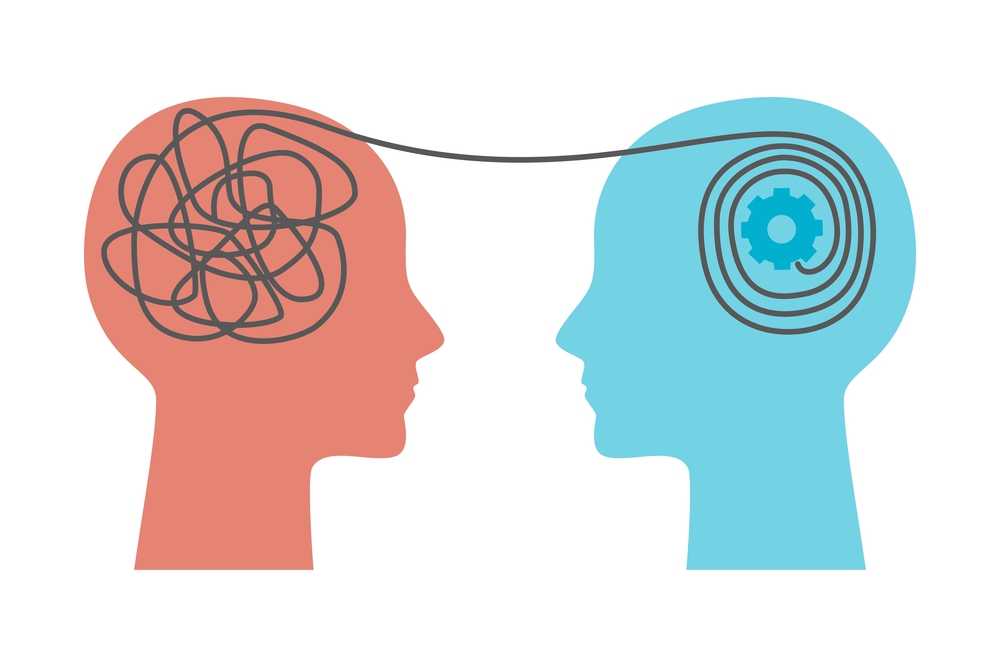
Cognitive restructuring serves as a pivotal mechanism in transforming negative thought patterns, thereby fostering a healthier psychological state and enhancing resilience in stressful situations. By systematically identifying and challenging maladaptive beliefs, individuals can replace these with more constructive and realistic perspectives. This reframing process not only alleviates psychological distress but also contributes to improved emotional regulation, ultimately leading to better coping strategies. As highlighted in the literature, interventions that support cognitive restructuring can significantly impact ones ability to manage stress effectively, demonstrating the intricate relationship between thought patterns and emotional well-being. Furthermore, understanding the broader implications of cognitive restructuring, including its applications in diverse scenarios such as caregiving, can inform more tailored approaches to mental health support (Henwood et al., 2017). The growing body of evidence suggesting the efficacy of such interventions reinforces the need for continued exploration in various contexts, including adolescents facing emotional challenges (Everding et al., 2010).
It turns out that if you see stress as a challenge, not a threat, you could really boost your resilience and how well you handle things. This way of thinking helps you see stressors as chances to learn and grow, instead of just impossible obstacles. Studies actually show that if you take on this challenge mindset, you’re more likely to fully engage with the world around you, which is good for your mental health and overall well-being. For example, when stress is seen this way, it can make you more motivated and focused, which then leads to better results in what you do. Plus, things like leadership training practices—methods that help you pay better attention and chill out—have looked promising. These methods, as shown in recent studies (Henwood et al., 2017) (Rakoff et al., 2010), can assist people in forming real bonds and stay clear-headed. So, thinking about stress differently like this can be a great way to deal with the everyday curveballs life throws at you.
It’s important for both emotional resilience and our overall well-being to cultivate a positive mindset when things get stressful. A really useful technique? Reframing those negative thought patterns. What this means is figuring out those unhelpful beliefs that pop up when we’re stressed, and then changing them. This mental adjustment doesn’t just lessen that feeling of being powerless. Instead, it helps people see difficulties as chances to learn and improve. Then, showing empathy – both to ourselves and to others – can really boost our emotional intelligence. This can lead to better relationships and ease some of the stress we feel in dealing with other people. Studies show that forgiveness can be a really important thing, *particularly* in helping marginalized communities lessen emotional problems that come with stress. Using things like the Worthington REACH Forgiveness workshop can really help someone develop forgiveness and self-acceptance, which in turn can make those angry or resentful feelings less strong (Golden et al., 2022). When we put these strategies into practice, they create a balanced way to handle stress and boost understanding and caring (Cho et al., 2018).
Coming to terms with stress means more than just admitting it’s there; it’s about grasping its subtle details and what it really means for you. This complete method pushes people to spot where their stress comes from and to use active ways to handle it, building up their strength to bounce back. Research on caregiving shows that knowing what each caregiver goes through helps create specific plans to lower their stress and help their minds stay healthy (Henwood et al., 2017). Also, using online data in management studies shows how important it is to make help easy to get for everyone when dealing with stress (Cho et al., 2018). Gathering these ideas helps people react better to stress, creating stronger ways to cope that not only help them get by but also grow as people. So, learning to live with stress is a key part of living a full and happy life.

To really get a handle on personal stress, it’s key to understand where it’s coming from and what sets it off. Unresolved emotional baggage, what society expects of us, and even the cultural stereotypes we’ve absorbed can all play a big role in how stressed we feel. Take forgiveness therapy, for example; studies show it can actually help heal those “inner child” wounds. This suggests that those unresolved psychological issues often bubble up as stressors in our day-to-day lives, ultimately getting in the way of our emotional well-being (Fadilah et al., 2024). Furthermore, when we look at the experiences of marginalized communities, like African American women, we see how societal narratives can pile on extra stress. Harmful stereotypes, such as the “Angry Black Woman” trope, can add immense pressure. This not only hides who someone truly is, but also amplifies stress due to the burden of societal expectations and the risk of having emotions misinterpreted (Golden et al., 2022). So, gaining insight into these various sources of stress is a really critical step toward developing solid plans for stress relief and emotional healing.
When we talk about handling stress well, it’s really about building up resilience and finding coping strategies. Think of it as getting ready for whatever life throws your way. Resilience helps us get through tough times by helping us think in a more flexible way. You can build resilience by actively doing things like connecting with others and spending time thinking about your experiences. Research has shown that people dealing with different kinds of stress, like the stress of adjusting to a new culture, often use coping methods like trying to solve problems themselves or turning to friends and family for help (OTHAIX A et al., 2024). Also, when we look at people who are caregivers, it becomes clear that we need to understand that every caregiver is different. This means we need to create personalized support systems to help them cope better (Henwood et al., 2017). By strengthening these approaches, people can arm themselves with what they need to succeed even when stressed. And that contributes to better overall well-being, helping them confidently manage the ups and downs of life.
Incorporating self-compassion and acceptance into how we handle stress can really boost our ability to navigate tough times. When you cultivate self-kindness, you’re better equipped to see your stressors with understanding instead of harsh self-judgment. This, in turn, builds emotional resilience, helping you accept your flaws and tackle your worries without piling on extra pressure. Studies have suggested that interventions focused on forgiveness can lessen the emotional toll of stress by tackling those inner conflicts that bubble up from unresolved issues. It’s like releasing baggage that makes anxiety worse (Fadilah et al., 2024). Plus, engaging in self-compassion practices has been linked to improved psychological well-being, which can lead to lower rates of depression and anxiety – both pretty common reactions to stress (Everding et al., 2010). Essentially, when you nurture self-compassion and acceptance, it creates a supportive space where you can come to terms with your stressors, encouraging healthier reactions and a more emotionally balanced state. In most cases, these practices facilitate the individual in becoming more emotionally resilient.
To summarize, tackling stress by releasing, reframing, and reconciling offers a well-rounded way to boost your well-being and bounce back from tough times. Understanding that stress comes in many forms and using methods that help you manage your emotions allows you to change how you see and react to stressful situations, which leads to better health. This idea is similar to what management research is starting to show – that we need new ways to handle problems, much like the debate around using online panel data for studies (Cho et al., 2018). Also, dealing with stress is like working on fodder innovation; you need to know about both the technical and organizational sides to find good solutions (Bezkorowajnyj et al., 2009). Taking charge of your stress not only helps you do well but also adds to the conversation about mental health and new ideas in different situations.

A. Recap of the importance of releasing, reframing, and reconciling with stress
Dealing with stress by releasing, reframing, and reconciling is super important for feeling good and bouncing back from tough times. Letting go of stress means really seeing your feelings and letting yourself ditch the bad ones—this can make your head clearer and give you a sense of emotional freedom. When you reframe stressors, you’re basically changing how you see things. Instead of seeing problems as huge walls, you see them as chances to grow. This way of thinking can help you come up with better ways to handle things and feel more in control when things get rough. Also, when you reconcile with stress, you’re kind of accepting what happened, weaving both the good and bad into your story to help you grow. These kinds of approaches are key to handling the pressures of life, showing how much we need to adapt in our daily grind (Henwood et al., 2017) (Bezkorowajnyj et al., 2009). As people get into these processes, they build up resilience, which not only lowers stress but also makes life way more satisfying.
When dealing with stress, it’s really important for folks to pick up strategies that work for them, especially as the essay “Releasing, Reframing and Reconciling with Stress” points out. Things like building resilience and keeping your emotions in check can really help you handle tough situations in a healthier way, which boosts your overall well-being. Support systems are also key; knowing about caregiving and how it affects people can help you get through your own rough patches (Henwood et al., 2017). Also, it’s vital to see how community and larger organizations can boost creativity and teamwork, helping you use what’s around you to feel better (Bezkorowajnyj et al., 2009). If people get to know these strategies and weave them into their everyday routines, they’ll be more ready to handle stress and feel better mentally, leading to a more balanced and fulfilling life.
Navigating the complexities of stress management, one realizes it’s less about isolated incidents and more about continuous adaptation and personal evolution. Stress, impacting everything from emotional well-being to social connections, can actually prompt more effective coping strategies. Managing it well can mean letting go of negative thinking, finding meaning by reframing tough spots, and accepting stressors as part of life’s rich tapestry. Understanding the caregiver’s path shows many face considerable stress, indicating a need for customized support—support acknowledging different situations and origins (Henwood et al., 2017). New studies also point to how online communities help build resilience, suggesting fresh solutions are crucial for filling holes in regular support systems (Cho et al., 2018). So, managing stress really highlights how important flexibility, reflection, and just plain adapting are to feeling good.
Stop Worrying. Click here
Managing Stress. Click here
Kubala, J. & Jennings, A. (2025). “16 Simple Ways to Relieve Stress”. Healthline. Access here
“20 Ways To Relieve Stress”. (2024). Health Essentials. Cleveland Clinic. Access here
Scott, E. (2025). “18 Effective Stress Relief Strategies”. Very Well Mind. Access here
Smith, W. (2021). “How to Relieve Stress: 37 Simple Activities and Games”. PositivePsychology.com. Access here

Written by Jackson KM
Opioid abuse. Opioid overdose. Opioid addiction. You may have come across these terms a couple of dozen times if you’re a healthcare professional. That’s especially if you keep close tabs on industry news.
A real crisis continues to unfold, not only in the US, where over 130 people die every day from opioid-related overdoses, but also around the world. The scale is huge. Research from the UNODC and CDC shows more than 16 million people globally suffer from opioid use disorder—over two million in the US alone as of 2021.
Coordinating care for this group is complex work for case managers. They guide referrals to treatment programs that fit each person’s needs and situation. They bridge gaps when resources or access fall short. They also track recovery through sometimes messy setbacks or relapses.
Staying organized helps, but there’s more to it than keeping tidy notes or making reminder calls. There are critical checkpoints. Decisions need context. Every patient story adds nuance.
Let’s break down how case managers actually coordinate comprehensive care—step by step—and what details make all the difference.
OTP here is not to be confused with Outpatient Therapeutic Programs, which focus on caring for malnutrition-affected children in communities.
Many patients struggling with opioid use disorder find their path to recovery shaped by more than medication. Easy access, clear expectations, and a strong support system can mean the difference between staying in treatment and falling through the cracks and relapse.
Reliable opioid treatment programs deliver structured daily dosing for medications like methadone or buprenorphine, combined with counseling and regular monitoring. Intake starts with medical screenings and a review of prior substance use history.
Each patient must also meet strict federal qualifying criteria before getting started. For those new to this area, you can reference an overview that spells out these criteria. It should at the very least detail medication choices and explain intake steps on day one, ensuring your approach fits real needs right away.
Managing opioid use disorder requires more than just willpower or support groups. Medication plays a central role for most patients. The right drug reduces cravings. It curbs withdrawal and helps the brain recover stability.
Some medications act like opioids themselves but with controlled, safe dosing to prevent the rush that leads to addiction. These are called agonists. Others work by blocking opioid receptors entirely so that if a patient uses again, the drug has little effect. These are known as antagonists.
Understanding these options matters because each path offers distinct benefits and challenges depending on a patient’s history and current needs.
When you break it down, some major medications include:
A full opioid agonist, methadone is perhaps the most popular of its kind. It binds to brain receptors much like heroin or prescription painkillers, but in a managed way. With careful daily dosing and close supervision, it prevents withdrawal symptoms and significantly reduces cravings.
Buprenorphine, a partial agonist, works by attaching to opioid receptors too, but produces milder effects than full opioids. It lowers the risk of overdose and can be prescribed in outpatient settings, making it a flexible choice for many patients.
Unlike the others, this one is an antagonist. Naltrexone blocks opioid receptors completely, stopping any high from opioids. It works best for patients who are already detoxed and can be taken as a daily pill or a monthly injection.
Upon receiving an opioid use disorder referral, case managers know the next steps shape everything that follows. Every patient starts with a confidential interview covering:
Standardized screening tools help sort out substance severity and other health concerns quickly. Many clinics rely on assessments like the Clinical Opiate Withdrawal Scale or the ASAM Criteria for medical necessity.
These details matter for more than paperwork. Accurate intake sets expectations for care planning. Moreover, solid documentation guides medication choice and determines what extra supports might be needed along the way.
Proper certification stands as a non-negotiable in this field. Federal and state rules tightly govern who can offer opioid treatment services, so verification is more than a box to tick. Case managers thus review licensure, DEA numbers, and program status before any referrals proceed.
A clear understanding of these criteria ensures only qualified individuals receive care while programs stay compliant with all regulations.
While on treatment for opioid addiction, some patients need daily supervision to stay safe. Others manage better with more independence.
Methadone requires visits to specialized clinics for monitored dosing, often each day at first. Buprenorphine can be prescribed in primary care or mental health offices, sometimes allowing take-home use.
All help guide which medication path best supports sustained recovery.
Protecting patient privacy is central when managing opioid treatment. Federal law—specifically 42 CFR Part 2—strictly controls how and when substance use records can be shared, even among healthcare providers.
Patients must sign detailed consent forms before information leaves the clinic. Any unauthorized disclosure of substance use disorder (SUD) information could trigger severe penalties for both staff and organizations.
Case managers stay up to date with legal standards, always confirming that documentation meets regulatory expectations before releasing any details about a patient’s care or history.
OTP patients often face a myriad of challenges beyond cravings and withdrawal.
For instance, getting to daily clinic visits can be tough without reliable transportation. Treatment costs may put care out of reach for those with tight budgets or no insurance. Stigma around opioid use adds another layer of difficulty… sometimes discouraging people from even seeking help.
Case managers connect clients with ride services, funding programs, or supportive community networks to reduce these obstacles so recovery stays possible.
Complex social and medical needs shape how care is delivered for certain groups in opioid treatment. Addressing barriers goes beyond standard protocols and requires coordination with specialized services that support better outcomes.
Care teams must balance fetal health and maternal stability. Methadone is often preferred due to established safety records, while regular monitoring helps catch complications early for both mother and child.
Veterans face high rates of chronic pain or mental health issues from service-related experiences. Case managers partner with VA resources for trauma-informed counseling, alternative therapies, and housing support when needed.
Limited insurance coverage means more obstacles to paying for medication or transportation. Programs offering sliding-scale fees, public transit vouchers, or community grants bridge access gaps so cost does not block essential care.
No one wants to simply refer a struggling patient out and call it a day. That’s not good practice or compassionate care. Ongoing support makes all the difference in long-term outcomes.
Besides building trust, such an approach helps prevent people from falling through cracks as they navigate treatment.
Care extends well past the clinic walls. Recovery happens in everyday settings—at work, at home, and in community spaces where support systems matter most.
Case managers develop partnerships with local organizations to connect patients with opportunities like:
The goal is stability that reinforces clinical progress made during treatment.
When people lose access to these supports, relapse risks climb fast.
Collaboration with social workers or peer mentors keeps care personalized and ongoing. These links also give case managers insight into a patient’s day-to-day realities outside formal healthcare settings. And, real-time feedback helps spot gaps early and prevent disruptions before they threaten recovery progress.
Practical partnerships create safety nets so patients have backup when challenges come up—a necessary piece of any comprehensive opioid use disorder care plan focused on lasting change.
Case managers now face shifting rules, changing patient needs, and an expanding menu of therapies every year. Building new skills, learning local resources, and connecting with fellow professionals never loses relevance. What worked yesterday might not serve tomorrow’s patients.
A flexible approach is essential for effective care. As our understanding deepens and best practices evolve, one thing is for sure. Continued focus on coordinated opioid treatment keeps the door open to better outcomes for everyone involved—patients, providers, and communities alike.
Author Bio:
Jackson KM is a passionate writer and former microbiologist who contributes to numerous health publications. With a deep love for sharing healthcare inspiration, he blends scientific insight with engaging storytelling to empower readers and spark curiosity whenever the opportunity arises.
Please also review AIHCP’s Case Management Certification program and see if it meets your academic and professional goals. These programs are online and independent study and open to qualified professionals seeking a four year certification

Written by Elissa Capelle Vaughn,
As the evolving outlook on cannabis continues to shape conversations on the topic, how do clinicians approach the subject of cannabis safety for patients?
Creating a safe and educational space for these crucial discussions is critical to patient care. Medical professionals need a comprehensive tool set, from screening tools like questionnaires to education on product labeling, to ensure patient conversations are effective and focused on safe management of alternative treatments and harm reduction.
The more information clinicians and nurses have, the more effective the patient communication process will be. Before asking about cannabis use specifically, you should have the patient’s medical history available. This history may include both physical and mental conditions, as well as any current medications.
Clinicians must use validated screening tools when asking questions. A consistent, evidence-based framework is needed to accurately identify signs of problematic use, which may prompt necessary conversations for intervention.
When inquiring about cannabis use, ensure questions are relevant to the patient’s location and medical history.
For example, if a patient lives in a location where recreational cannabis is legal, asking whether they use “street drugs” wouldn’t yield a relevant answer. The patient would most likely say “no” since they’re less likely to view their cannabis use in this way.
Instead, you would ask if they use recreational or medical cannabis; this question accurately reflects the legal and social landscape of the patient’s location. Framing the question this way opens the door to a more substantive conversation between clinician and patient.
The next set of questions can focus on cannabis use itself, including the amount, frequency, type, and preferred methods of use.
In addition to patients’ medical histories and cannabis use habits, it’s important to understand the distinction between various strains. For example, reviewing this article on cannabis types and strains can help medical professionals develop more specific questions that yield valuable information relevant to patient health.
If you want to ascertain marijuana abuse patterns in patients, you can run a Cannabis Abuse Screening Test, also known as a CAST test.
This screening test identifies use patterns that can (or have) resulted in possible negative impacts on social, mental, and physical wellness. CAST tests can be effective when screening cannabis use in adolescents and young adults, providing necessary information for intervention planning.
Identifying potential cannabis abuse patterns is critical for an age group with ongoing development of the prefrontal cortex.
The Cannabis Use Disorders Identification Test-Revised, or the CUDIT-R, is a multi-item screening tool for adults that assesses cannabis use disorder. A CUDIT-R test produces a score; if that score meets or is higher than a certain threshold, there may be a need for more in-depth screening.
Additional screening may be necessary to understand the impact of cannabis use on a patient’s health. Conducting a Timeline Followback (TLFB) test can reveal more insight into cannabis consumption patterns. A TLFB is a calendar-based screening method that better visualizes (and quantifies) frequency, including the amount consumed, during specific time frames.
The next set of inquiries can reveal a deeper understanding of the impact of a patient’s cannabis use on current medications, both OTC and prescribed. The assessment should also be relevant to any pre-existing conditions the patient may have. This information is vital to preventing any adverse reactions.
The cannabinoids in Cannabis, THC and CBD, can potentially impact the effectiveness of patient medication or trigger side effects. Interactions may occur if both cannabis and medication are metabolized by the same cytochrome P450 (CYP450) enzyme system.
At this stage of the assessment, gather information about possible high-risk combinations and counsel patients if necessary. For example, patients who have prescriptions for sedative-hypnotics like benzodiazepines should be aware of the risks of cannabis use. Possible side effects may include:
Include questions about anticoagulants in your risk assessment. Patients who take blood thinners should be aware of the impact cannabinoids can have on their prescription drugs’ metabolism. Interaction could potentially affect the potency, increasing the risk of bleeding.
Patients taking prescription medications for a cardiovascular disease should know that cannabis can temporarily increase heart rate and blood pressure. Additional physiological stress from cannabis could also potentially increase the risk of a cardiac event.
Psychiatric disorders, including anxiety, comorbid mood disorder, and any known psychiatric disorders, should be assessed for risk during a cannabis use screening. The THC in cannabis can potentially intensify symptoms of these, even heightening the risk of psychosis.
The harm reduction approach requires clinicians to take a more compassionate and realistic angle. When it comes to discussing the risks of cannabis use, meeting patients where they are can make a positive difference, especially when it comes to discussing strategies for minimizing or ceasing cannabis use.
Harm reduction is about reducing any adverse impacts on patients. Clinicians, especially those in the alternative treatment space, can discuss safe cannabis consumption through a harm reduction lens.
For example, advising a patient to start with low doses of cannabis at a slower frequency can lower the risk of potential side effects. This advice should be tailored toward specific use; medical-grade edibles, for instance, have a delayed onset for several hours, producing stronger effects which can heighten side effects like anxiety, rapid heart rate, or dizziness.
An assessment may lead to a recommendation about a consumption method. For example, a patient with documented respiratory issues should be advised to switch from smoking medical cannabis to consuming it as an edible in gummy form.
It’s important to warn patients against using any kind of synthetic cannabinoids on the market.
Regardless of assessment results, all patients should be advised never to drive a car or operate any kind of machinery while under the influence of cannabis. Safety discussions should also extend to best practices for purchasing; for example, patients should only buy products that are regulated and tested for safe consumption.
Since the impact of cannabis use varies across age groups, conversations on harm reduction and safe consumption must be tailored to address the unique variables of different segments.
For example, when addressing cannabis use in adolescents and young adults, patients must understand that their brains are still developing. Therefore, continued use can impact learning, memory recall, and mental health, such as anxiety.
It’s essential to adopt an empathetic tone with this age group and all segments. However, since this age bracket is particularly vulnerable to the adverse effects of cannabis use on brain development, creating a non-judgmental space where young patients feel comfortable discussing the roots of their cannabis use can pave the way toward harm reduction strategies.
Use visual aids to convey the science behind THC and how it can interfere with the brain development of adolescents. Highlight studies and statistics about the increased risk of mental health challenges (and even addiction) later in life.
The success of these conversations relies on trust. Assure patients of the confidentiality of these assessments.
Adults of all ages must also be aware of the risks of cannabis use, especially as metabolism changes with age. There are also age-related health issues to consider. For example, older adults who are taking medical cannabis, or considering it, should be counseled on fall risks; this is an opportunity for a safe consumption conversation, especially if an older adult is taking cannabis or CBD for pain.
The harm reduction approach may also advocate the use of cannabis products with low THC levels and higher CBD content. THC is the psychoactive compound, while CBD can help manage issues with sleep disturbances or pain management. CBD products carry much lower risks for side effects.
As a clinician, you also assume the role of educator. Therefore, a complete cannabis use screening should include education on cannabis product labeling and marketing. These conversations may involve clarifying the differences in consumption methods, including how long the effects last. When describing CBD topicals, you could explain how the product provides localized relief for joint pain without the psychoactive effects of THC.
Always focus on real data when counseling patients. Use visual aids to discuss what product label data means. For example, the percentage of THC and CBD is a critical data point to discuss; this data helps patients understand the potency of the product. This discussion can help guide patients toward safer products with higher CBD percentages versus THC.
Follow up with patients and update assessments accordingly with new information as it arises.
Remember to prioritize harm reduction, safe consumption, risk assessments, and proper education in your cannabis use screenings moving forward. Leverage all available (and valid) cannabis use tests, including CAST, CUDIT-R, and TLFB, to determine intervention strategies, especially for adolescent patients. Integrate engaging visual aids and practice empathy to empower patients to regulate (or even lower) their consumption, opening the door to a healthier future.
Author bio:
Elissa Capelle Vaughn is a New York-based content writer who covers trending topics in health and wellness. She also brings a diverse background in sales and marketing to her work when discussing communication strategies in the health field.
Please also review AIHCP’s Holistic Nursing Certification program and see if it meets your academic and professional goals. These programs are online and independent study and open to qualified professionals seeking a four year certification

By Evelyn Leed,
Homesickness is a common human experience, yet in a clinical setting, its impact can be profound and complex. It’s more than just a feeling of longing for one’s home – rather, homesickness is an emotional state typically triggered by the perceived or actual separation from a familiar environment, attachments, and routines. It often involves a preoccupation with home-related thoughts and a sense of anxiety and distress about the new, unfamiliar surroundings.
At its core, homesickness is often a grief response. Clients are grieving the loss of their support systems, their sense of identity tied to their previous environment, and the comfort of predictability. This psychological distress can present itself in numerous ways, such as:
Your client may have experienced their homesickness being dismissed as a transient phase. Despite their best efforts to navigate the emotions themselves, it can further manifest as a significant stressor contributing to anxiety, depression, and social withdrawal.
So, for counselors, recognizing and addressing homesickness is a crucial aspect of providing holistic support, particularly for clients navigating major life transitions such as studying abroad, relocating for work, or immigrating.
By applying empathetic and structured approaches, counselors can effectively guide clients through the distress of homesickness. What methods you choose to use will be tailored to your approach and relationship with the client, but the following can all be helpful to further supplement your work.
The first step is to assure the client that their feelings are normal and valid. You can explain that homesickness is a common response to a major life change and recommend that they frame it not as a weakness, but as a sign of their capacity for strong attachment. For example, you may say things like: “It makes sense that you feel this way. It shows how much your home and the people there mean to you.”
By providing information about why they may feel this way, it can help them understand and manage their symptoms more effectively.
You may find clients struggle with many negative feelings and put themselves down – by saying things like “I’ll never make friends here”, for example. Cognitive Behavioral Therapy (CBT) is highly effective for addressing the negative thought patterns associated with homesickness.
Your role as a counselor is to help clients identify and challenge automatic negative thoughts. Referring to the example of making friends, you could explore evidence to the contrary or reframing it to “making new friends takes time, and I can take small steps to meet people.” Through cognitive restructuring, your aim should be to help them to examine the evidence for and against their belief, consider alternative explanations, and reframe the thought into a more balanced and realistic perspective.
Technology allows for constant connection, but this can sometimes hinder adjustment, so it’s about finding a healthy balance. Work with your client to create a connection schedule. Instead of constant, sporadic contact that highlights their absence, encourage them to schedule specific, meaningful calls. This allows them to be more present in their new environment between calls and gives them something to look forward to.
Something which may come up is the impact of social media. One of the challenges is that it often creates a distorted and idealized view of life, showcasing highlight reels that can leave individuals feeling as though they are missing out on something important. Counselors need to delve into strategies for managing social media use more mindfully, such as setting time limits, curating feeds to include uplifting or realistic content, and taking regular breaks to focus on the present moment.
A common negative thought around homesickness is the sentiment that “everything was better back home.” This can be challenged by encouraging clients to acknowledge both the positives of their past and the potential opportunities in their present, thereby fostering a more nuanced view.
Using an “both/and” approach, acknowledge that they can both cherish their home and build a meaningful life here. Encourage them to explore ways to integrate parts of their old life into the new one. This could involve cooking a familiar meal, finding a community of people from their home region, or sharing their culture with new friends.
When feelings of anxiety or sadness become overwhelming, grounding techniques can help clients stay in the present moment. By teaching them certain methods, you can provide them with a toolkit of what to do when you’re not around. This could include:
By applying these empathetic and structured approaches, counselors can provide crucial support and effectively guide clients through the emotional distress of homesickness. This process of supporting them through the transition does more than just address their immediate discomfort; it also empowers them. By learning to navigate these feelings, clients not only find the strength to overcome their current challenges but also build a foundation of resilience that will serve them well in future life changes and transitions.
Author bio
Evelyn Leed is a mental health specialist dedicated to guiding individuals through significant life transitions. Evelyn is passionate about empowering her clients to navigate change effectively, helping them build resilience and coping strategies needed to adapt and thrive. Her work is centered on providing compassionate, practical support that fosters lasting personal growth.
Please also review AIHCP’s Stress Management Consulting CE courses and see if it meets your academic and professional goals. These programs are online and independent study and open to qualified professionals seeking a four year certification
Autism manifests grief in different ways. With so much diversity within the spectrum, it is important for Grief Counselors and other caregivers to understand how Autistic children grieve and respond to loss. This video presents a detailed response to helping autistic children with loss and grief
Please also review AIHCP’s Grief Counseling Program as well as its Grief Diversity Counseling program