
Exposure therapies help individuals learn new behaviors and reactions to past trauma. Please also review AIHCP’s Trauma Informed Care Program
trauma informed care
Crisis Intervention/Trauma Informed Care: Disaster Mental Health
Disasters and traumatic events are part of human life. 1 in 5 individuals will face a traumatic event (Webber, et al., 2018). Responses to traumatic events and disasters are a critical element of crisis intervention. Crisis intervention helps stabilize a person by restoring equilibrium and mobility (James & Gilliland, 2013). When one thinks of trauma and PTSD, the reality is most individuals who face disastrous events do not develop PTSD. Human beings once stabilized are far more resilient than sometimes portrayed but without professional and on spot Disaster Mental Health support, as well as communal aid and support, then many individuals cannot foster that inner resiliency to recover. This short blog will look at Disaster Mental Health and the crucial role C Crisis Intervention plays in helping individuals return to a healthy mental baseline.
If you would like to learn more Crisis Intervention, as well as Trauma Informed Care, then please review AIHCP’s Crisis Intervention Counseling Certification, as well as AIHCP’s Trauma Informed Care Specialist Certification.
What Constitutes a Disaster?

A disaster according to The World Health Organization involves a complex humanitarian emergency in which a region, country or society experiences a total breakdown of authority resulting from external or internal conflict which requires an international response due to the inability of the locality’s capacity to face the problem (Webber, et al., 2018). Disasters can be due to nature, human caused or with human influence. Examples of natural disasters include hurricanes, tornadoes, floods, and earth quakes, while human caused disasters include war, terrorism, or even riots. With human influence includes pollution, global warming, fire, gas leaks, displacements, or even hazardous waste (Webber, et al., 2018). While this is a modest list to many possible scenarios, it encompasses what the U.N describes within a disaster as something that causes a massive disruption in the functioning of society that causes widespread human, material and environmental losses beyond the ability of the locality to manage with its resources (Webber, et al., 2018).
Disaster Response
Disaster response while not within the immediate topic of Disaster Mental Health represents the broader band in which Disaster Mental Health falls within. Disaster response involves coordination between local, state, federal and sometimes international resources. It involves working with religious, as well as non-profit organizations such as the Red Cross. Within the United States, local government has limited resources. The acting EMA Director, or director of the Emergency Management Agency reaches out to the state for assistance. The state when overwhelmed then can reach out to FEMA or the Federal Emergency Management Agency which then coordinates the issue under the National Incident Management System (NIMS). (Webber, et al., 2018). Various commanders are assigned within the NIMS with various officers who serve various capacities that meet the vast needs of the situation. This ranges from needed resources, communication, coordination, physical and mental health care, shelter, food, medical, as well as helping others apply for necessary federal assistance. Mental Health Professionals and Crisis Counselors are deployed under this leadership work within this framework.
From a mental health perspective, it is important to understand the phases of a disaster and its recovery and the corresponding emotional responses to each. Pending on the phase of the disaster and its recovery has a huge impact on where the survivor is mentally and how well they are coping. It is also can determine, if well after the disaster, if the person is suffering from any pathological reactions.
The first phase is the Impact Phase which follows the pre disaster. Whether the impact is sudden or following multiple warnings and threats, an person will experience multiple emotional reactions to severe danger and loss. In addition, their fight or flight responses will engage and different individuals will respond in different ways. Within this phase shock, panic and overwhelmed feelings can be common as the mind faces traumatic conditions (Webber, et al., 2018).
The second phase is the Rescue Phase. In this phase also referred to as the Heroic Phase, individuals may witness great acts of courage in helping one’s neighbor. The shift from fear and shock turns to altruism and helping. Of course, some may be so shocked, inability to act may be perceived as cowardice and lead to later guilt and shame issues (Webber, et al., 2018).
The third phase involves the Remedy Phase or Honeymoon Phase. Within this phase survivors feel a sense of euphoria and are overwhelmed by the generosity and help from others. The public and communal support and prayers and good wishes towards a quick fix or repair become center stage to the survivor (Webber, et al., 2018).
The fourth phase is the Disillusionment Phase. This period lasts from week 8 to year 1 and involves the realities of the loss, the lack of interest nationally, the bureaucratic halts, paperwork, lack of funding and triggering events from the initial disaster. For many, this is the second disaster from a mental perspective (Webber. et al., 2018).
The final phase involves the Recovery Phase or Reconstruction Phase. Following the anniversary, the locality rebuilds. Some individuals rebuild, others move, but there is a return a new normal. Memorials and healing also accompany the financial and physical rebuilding (Webber, et al. 2018).
Of course there are numerous variables to this. Survivors differ in resiliency from a mental standpoint. Others experience the disaster differently. Others consist of more at risk communities due to age, capability, race, or income. Others may face various other secondary issues in all aspects of life (Webber, et al., 2018).
What a Crisis Counselor Does and Does not Do
Crisis Counselors need to understand the paradigm shift of their purpose. While some may be licensed counselors other may also be non-licensed professionals performing psychological first aid where needed. Crisis Counselors are not on scene to offer diagnosis of clients. The reality is most individuals who suffer a disaster will recover. It is far to premature to diagnosis pathology when normal human reactions are responding to stress and loss. Crisis counselors are meant to stabilize the situation for the person. They are not there to diagnosis potential trauma or discuss the financial loss and procedures. They can direct victims to resources but they are not there to advocate. This takes time away from dealing with the primary goal of helping individuals stabilize mentally. It is critical to also point, the purpose of crisis counseling is NOT TO DEBRIEF but to stabilize. Studies have shown more emotional trauma occurs during the event when counselors attempt to debrief what occurred. Finally, crisis counseling is anonymous for individuals needing it. This is a key element of it. It does not require records for mental health issues.
Unlike psychotherapy, crisis counseling is facing normal reactions to a horrible event. There is no goal to fix or change the situation but to stabilize it. Crisis counseling faces an adaptive response not a pathological response. Instead of teaching one to learn new behaviors as in psychotherapy, crisis counseling looks to help the person find their original baseline. Crisis counseling looks to promote self efficacy to the person. It introduces brief psycho-education when needed and helps present the victim with necessary coping strategies to face the problem in the immediate event (Webber, et al., 2018). In essence, the crisis counselor helps the person return to a mental baseline by restoring equilibrium and mobility to the person. This is accomplished through offering protection, direction and connection for the victim (Webber, et. al., 2018).
Crisis Counselors are trained in Psychological First Aid. This involves:
- Contact and Engagement
- Safety and Comfort
- Stabilization
- Information Gathering on current needs and concerns
- Practical Assistance
- Connection with social supports
- Information on coping
- Linkage with collaborative services
(Webber, et al., 2018).
To learn more about Psychological First Aid, please review AIHCP’s Blog on Psychological First Aid.
The Emotional State of a Disaster Victim
A victim of a disaster can be suffering physically, emotionally, cognitively, or behaviorally (Webber, et al., 2018). It is important to remember how the body responds to traumatic events. Within the triune brain model, there are survival responses in the lower brain stem, emotional responses within the limbic system, and reasoning processes within the pre-frontal cortex. Unfortunately, during the autonomous nervous system and its reaction to life threatening events, the survival mode kicks in and the reasoning center is overruled. In this way, individuals respond via the sympathetic nervous system which incudes fight or flight response, and in parasympathetic responses a freeze, fawn or shutdown response. Hyperarousal or hypoarousal are the two directions and it is hard to predict how a person will respond. It is due to this that individuals will exhibit as wide variety of responses from a emotional, cognitive and behavioral fashion. Some may be numb, while others quite anxious and irritable. Some may be a danger to themselves or others. Others may be out of control and angry.
To learn more about trauma responses, please review AIHCP’s video and blog on trauma responses. Click here
Please also review AIHCP’s Trauma Informed Care Program.
When a disaster strikes and survivors and victims are brought to shelters, crisis counselors should compassionately linger watching for signs of individuals. Studies show that 1/3 of individuals will not seek any help, while an additional 1/3rd need help but never seek it. In essence, the crisis counselor initiates contact. The crisis counselor outreaches to the survivor based on observations of physical, emotional, cognitive and behavioral signs of distress. The crisis counselor also seeks out those who seem out of place, or disadvantaged such as children, or the elderly, or a person alone. PsyStart trains crisis counselors with a color coordinated system for this psychological triage. Within this triage, a purple coding is the highest level of concern which indicates the person is a harm to him/herself or others. Red coding indicates intermediate intervention of high risk for crisis or long term mental health issues. This includes extreme panic, witnessed death, awaiting death of a family member, death of a pet, significant injury, trapped or delayed rescue, home destroyed, family member missing or child separated from family. A yellow coding should be utilized for those who are separated from family, unware of location, prior mental health issues, confirmed exposure to an agent, de-contaminated, received medical treatment, or has health concerns due to the incident. Finally, a green coding exhibits no triage factors (Webber, et al., 2018).
In these situations, it is important to identify the most vulnerable and help them find the stability, emotional equilibrium, and re-connection as possible to minimize trauma.
Please also review AIHCP’s Psychological Recovery blog to learn more.
Vicarious Trauma and Compassion Fatigue
It is important to note that healthcare workers and emergency rescue and mental health counselors can also experience trauma via the trauma of others as well as what they witnessed in a disaster site. Vicarious trauma is the transfer of trauma from one to another. It can effect the mental health of a counselor or rescue team member. If symptoms manifest, it is critical to find mental help. Many times, mental health professionals push themselves too far and ignore the signs of trauma. It is important to recognize the nature of trauma not only in others but also oneself. It is also important to recognize compassion fatigue and how it can affect oneself, one’s family and professional performance.
Conclusion

Disasters occur and when a locality is overwhelmed, various levels of assistance are employed. Disaster Mental Health is an important part of the response team. Crisis Counselors assist survivors and victims with psychological first aid and help stabilize the individual. Crisis counseling is far different than psychotherapy and is designed to help the person through moment of crisis and disaster to find stability. It is important to understand the role of crisis counseling as well as applying essential triage to those emotionally affected by a disaster. It is also equally important to monitor one’s own emotionally responses to a disaster.
Please also review AIHCP’s Crisis Intervention Program as well as AIHCP’s Trauma Informed Care Program.
Resource
James, R & Gilliland B. (2013). Crisis intervention strategies (Eighth Edition). Cengage
Webber, J. & Mascari, J.B. (Eds) (2018). Disaster mental health counseling : A guide to preparing and responding (Fourth Edition). American Counseling Association.
Additional AIHCP Blogs
Under standing Dissociation. Click here
Additional Resources
The National Child Traumatic Stress Network. Access here
Swaim, E (2022). “7 Reminders to Carry with You on Your Trauma Recovery Journey”. Healthline. Access here
“Resources on trauma and healing, including a guide inspired by ‘The Color Purple’”. APA. Access here
“Recovering Emotionally After a Disaster”. American Red Cross. Access here
DSM-V-TR & Somatic and Dissociative Disorders
The DSM-V-TR and many psychopathology texts group Somatic and Dissociative disorders together. In the DSM-V-TR somatic disorders are listed after dissociative disorders which are tied to stress and PTSD. They both share created realities that are not true but they also differ in direction. Somatic disorders attach to physical symptoms without no correlating reality or pathology from a physical sense but find their origin in the mind. Likewise, many are tied to anxiety, or fear of possessing the actual disease associated with the symptoms. Dissociate disorders are tied to breaks from reality that do not exist as well but more so in the mind and one’s surroundings. They are tied to trauma and stress. This leads to derealization and depersonalization, various amnesias and dissociative identity stemming from trauma. In this short blog, we will review the basis and criteria of diagnosis for different somatic disorders as well as dissociative disorders.
Please also review AIHCP’s Healthcare Certification Programs, as well as its many Behavioral Health Certifications.
Somatic Disorders
Somatic disorders contain symptoms of a disease created by the mind with no real existence of the disease within the person. Somatic means coming from the mind and manifesting physiological manifestations of a particular physical disorder (Barlow, et, al., 2023). Similar to Somatic Symptom Disorder is Conversion Disorder. Freud believed that the energy associated with mental illness could manifest as physical disease in other parts of the body causing motor control issues that were only a product of the mind (Barlow, et al., 2023).

The biggest difference between Somatic Disorder and Conversion Disorder was the the type of physical manifestation and mental state. In Somatic Disorder there are a broad range of persistent physical disorders including pain and fatigue. These irks and pains cause discomfort throughout the day and lead to intense anxiety within the individual as the person attempts to understand the nature of their illness. Conversion differs in the manifestation and reaction. The manifestation effects motor control and cause paralysis, blindness, or other body movement. It usually follows an immediate stressor and can resolve itself quicker. Hence individuals do not deal with it longer over a chronological period (DSM-V-TR, 2022).
The DSM-V-TR lists these criteria Somatic Symptom Disorder for diagnosis .
A. One or more somatic symptoms that cause significant disruption in life
B. Excessive thoughts or behaviors tied to the somatic symptoms with at least one of the following:
1. disproportionate and persistent thoughts about the seriousness of the issue
2. high levels of anxiety about the symptom or overall health
3. excessive time and energy directed to these symptoms and concerns
C. These symptoms persist for 6 months.
Somatic Symptom Disorder can be specified with predominant pain, persistent symptoms, and as mild, moderate or severe.
(DSM-V-TR, 2022).
The DMS-V-TR lists this criteria for Conversion diagnosis
A. One or more of the symptoms have altered motor or sensory function
B. Clinical findings discover no correlation between the symptoms and recognized neurological disorder
C. There is no rational explanation for the disorder
D. The symptom causes clinically significant distress or functioning
It can be specified as acute, chronic, with psychological or without psychological stressor, with various symptom types such as weakness or paralysis, abnormal movement, swallowing symptoms, speech symptoms, seizures, sensory loss, special sensory loss or mixed symptoms.
(DSM-V-TR, 2022).
Another Somatic related disorder is Illness Anxiety Disorder which deviates from Somatic Symptom Disorder in regards to mild to no symptoms with the fear of disease existing in the mind. In the past it was referred to as Hypochondria (Barlow, et al., 2023). The DSM-V-TR lists the following diagnostic criteria for IAD.
A. Preoccupation with having a serious illness
B. Somatic Symptoms or not present or very mild. Other symptoms related to a different disorder are ignored.
C. High level of anxiety about health
D. The individual performs excessive health related behaviors for checkups
E. Illness preoccupation exceeds 6 months
F. The illness preoccupation has no other mental health disorder explanation
The DSM-V-TR specifies them as either care seeking or care avoidant
Ultimately within all of these disorders, individuals refuse to believe experts and fall more so upon their own anxiety ridden logics. They tend to seek their own information and insist they know more than medical professionals.
Tied closely to this are other disorders resulting in faking symptoms or purposely re-creating the symptoms for medical help or attention. Some do this for mental reasons, while others seek financial reward via malingering. Obviously those who seek medical attention and cause symptoms for no logical or financial reason suffer a deeper issue. Factitious Disorder results in this deception to gain attention or aid. Some may also look to keep attention on a person under one’s care by causing or lying about symptoms. In the past this was referred to as Munchausen Syndrome (Barlow, et al., 2023).
It is interesting to see the power of the mind to cause physiological symptoms. Yet if one simply realizes the power of worry to cause a stomach ache, then one can see on a large scale how somatic symptoms can manifest in individuals with greater anxiety and distorted beliefs about health.
Dissociative Disorders

While the mind can create physiological symptoms, it can also create separations from reality due to traumatic events or high levels of stress. Many of the dissociative disorders are closely tied to PTSD and trauma induced orders and directly follow the DSM-V-TR’s chapter on Trauma and Stress Related Disorders. The DSM-V-TR points out that many dissociative disorders are frequently in the aftermath of severe trauma. Their symptoms include “unbidden intrusions into awareness and behavior, with accompanying losses of continuity in subjective experiences (2022). This leads to depersonalization, derealization, amnesia and dissociative identity. They can all play roles in the more general umbrella of PTSD but also be a diagnosis within itself.
Depersonalization/Derealization Disorder
According to the DSM-V-TR, depersonalization is the experience of unreality, detachment or being outside or external from one’s own thoughts, or feelings or even sensations of the body. One senses a distorted senses of time and feels absent from self as if almost outside of one’s own body (2022). Similar and also shared frequently between the two is the subjective experience of derealization. Within derealization one experiences unreality and detachment from one’s surroundings as if reality is dreamlike or foggy or distorted (2022).
Dissociative Amnesia
Loss of memory due to trauma leaves the person with an inability to recall or remember. The loss of memory can be localized or selective only to the event, or in more severe cases generalized and effecting one’s identity (DSM-V-TR, 2022). In some cases, it can be specified with dissociative fugue where the individual travels or wanders and cannot relate where they came from (2022).
Dissociative Identity

One of the most wild and bizarre forms of dissociation is multiple personalities. The DSM-V-TR now labels it as Dissociative Identity in which the person creates different identities when faced with intense trauma. These identities are formed at a younger age and usually add new ones as the person needs to adjust to the unresolved trauma. The DSM-V-TR lists the following criteria for diagnosis
A. Disruption of identity by two or more distinct personality states. The disruption marks a distinct discontinuity in sense of self which displays changes in behavior, memory, perception, consciousness, cognition and sensory-motor functioning.
B. Recurrent gaps to recall events and personal information are inconsistent with normal forgetfulness
C. The symptoms cause significant distress to all elements of social functioning
D. The disturbance is not part of a cultural or religious practice
E. The disturbance is not associated with other substances or medical conditions
(DSM-V-TR, 2022).
Barlow states that most experience an average of 15 different personalities or alters. These alters merge from the host identity (2023). It is believed that under severe cases of trauma, younger children who may possess a genetic and biological vulnerability can develop DID. Diagnosing DID should be done with great care as not to lead an individual to bias or place falsememories regarding a person’s past. Ultimately, it is very difficult to fake DID although criminals in the past have attempted to use a DID defense (Barlow, et, al. 2023).
Some identities are classified as possessive identities which can be mistaken for demonic manifestation. If existing within the religious traditions, one must be careful of cultural and religious beliefs regarding this. In fact, the Catholic Church goes to great lengths and diagnosis within itself to determine a difference between a possessing identity with what it considers to be an external source in its manual of exorcism. Obviously before the era of modern science, many DID were considered possessions and did not meet the current diagnosis within the Catholic Church. Those who are not religious still doubt any form of possession within itself but that is a debate for another day.
Conclusion
Physiological symptoms can be very real. The brain can shut itself off for its own defense and create different realities. These are all things that modern psychology has discovered. Many of these issues stem from trauma, anxiety and stress. When a person has the biological vulnerability, the recipe for the manifestation for these disorders become a reality for the person. Therapy and medication can play large roles in facing past issues and traumas. With the exception of DID, many of these mental issues can resolve quickly with proper care. Obviously DID deals with a far deeper trauma and requires deeper psychotherapy to unify the person. That involves identifying triggers, reliving trauma, and carefully realigning the past without causing more damage (Barlow, et al., 2023).
Please also review AIHCP’s Behavioral Health Certifications. AIHCP offers Trauma Informed Care as well for professionals seeking additional training and credentials in this field.
Additional Blogs
Disruptive and Impulse Control Disorders. Access here
Personality Disorders. Access here
References
American Psychiatric Association. (2022). Diagnostic and statistical manual of mental disorder” DSM-5-TR (5th ed., text revision). American Psychiatric Association Publishing.
Barlow, D.H., Durand, V.M., & Hofmann, S.G. (2023). Psychopathology. An integrative approach to mental disorder (9th ed.). Cengage Learning
Additional Resources
Goodman, B. 2024. “Somatic Symptom and Related Disorders”. WEBMED. Access here
“What is Somatic Symptom Disorder?” APA. Access here
“Dissociative Identity Disorder (Multiple Personality Disorder)” (2024). Cleveland Clinic. Access here
“Dissociative Identity Disorder (Multiple Personality Disorder)”. PsychologyToday. Access here
Stress Management, Grief Counseling and Trauma Informed Care: Stress & Trauma Induced Disorders
Those in the fields of stress management, grief counseling, or trauma informed care whether clinical or non-clinical are very familiar with the power of stress, loss and trauma on people. Part of existence is facing struggle and adversity. Stressors and losses, as well as trauma, negatively affect people and force them to adjust, adapt and show resiliency. Obviously, when facing a difficult loss or going through a terrible time, or even witnessing something traumatic, the mind and body reacts. This does not denote pathology but a temporary adjustment to the things, or events that occurred. It would be unnatural not to be sad or unhappy or distressed when bad things occur. It is when these things overcome one’s biology, mind and social support systems that they become unnatural. Instead of finding adjustment, one remains unadjusted through a series of biological or psychological issues that remain persistent. So while not all stress is bad, and while everyone faces loss, and not everyone faces PSTD despite severe trauma, there are cases when pathology and disorder occur that transcends the normal window of reaction in terms of severity and extreme. In these cases, individuals face biological as well as mental problems in adjusting to the issue at hand. This short blog will examine how stressors, loss and trauma can cause disorders as well as the listed disorders in the DSM-V-TR.
Please also review AIHCP’s numerous healthcare certifications for nurses as well as behavioral health professionals, including Stress Management Consulting Certification, Grief Counseling and Trauma Informed Care.
Stress, Loss and Trauma
Stress itself is not bad. It is part of life. It pushes one to face adversity and overcome it. Without the push, one would become complacent and not feel the need to improve or provide. Eustress is a term that reflects this reality (Barlow, et al. 2023). Every organism faces stress and stressors. Hans Selye, the Father of Stress Management and the effects of stress on people, pointed out that is sustained stress that gradually breaks down an organism. He listed the first phase of alarm to the stressor, the second phase as resistance to it, and finally the third phase, if resistance failed, which resulted in exhaustion (Barlow, et al. 2023). When an organism reaches a state of exhaustion, it then has biologically, psychologically and socially reached all limits to resist the stressor resulting in disease, breakdown or even death. Chronic stress usually kills over time not immediately but there can be cases when shock and trauma are so great as to cause massive strokes or heart attacks in already vulnerable populations.
Loss is a stressor in itself but loss in itself is not a pathology. Losses in life can range from the smallest things to the most important things. One can lose a job, a relationship, a pet, a parent, or spouse or even a child. These losses, like stressors, vary in degree and intensity based upon numerous subjective elements of the agent or person. For most, losses are tied to love and because of love, there is a sorrow and pain tied to any disconnection. This requires a time to heal and readjust but within normal parameters. It should not impair a person’s ability to live life. When a person is unable to adjust and the severity and length of the sadness overtakes oneself, then a disorder develops.
While everyone experiences stress and loss, traumatic events do not occur to everyone but a high portion of the population does experience them. Like any stressor, trauma while objectively seen as severe can be subjective in how a person responds. The event itself, the experience of the person and its effects play a key role in how a person responds to a particular trauma. When a trauma response activates within a person, which is natural reaction to any extreme event, the response is meant to be temporary for the moment. The survival response in the moment exists in the moment. However, when the survival response becomes a default mode of existence, then disorders such as PTSD emerge.
Mind and Body Response
When stressors or losses or trauma present itself, the body responds. The autonomic nervous systems activates the sympathetic nervous system and one enters into a state of fight, flight, freeze or fawn (Barlow, et al. 2023). The danger part of the brain, the amygdala works closely with the hippocampus and hypothalamus to prepare the body for these modes of survival. The hypothalamic-pituitary adrenocortical axis (HPA) prepares the body for fight or flight or fawn or freeze by inducing states of hyperarousal or hypoarousal to face the threat via injection of cortisol and norepinephrine into the blood stream (Barlow, et al., 2023). This tightens muscles, redirects blood to the core of the body, raises blood pressure, and heightens the person to the moment to react. After the event passes, the body returns to a calmer mode within the parasympathetic system.
When individuals are traumatized, they are unable to turn off this reaction and face a variety of issues. Long term, this can cause numerous health issues, such as hypertension, coronary issues, immune deficiencies, cancer, chronic pain and chronic fatigue (Barlow, et al., 2023).
Types of Stress and Trauma Disorders
The DSM-V-TR lists a variety of disorders directly tied to stressors, losses and trauma. They are listed in the DSM-V-TR under the chapter “Trauma-and Stressor-Related Disorders”. The manual states that those who are exposed to traumatic or severe stressful events exhibit in some cases a phenotype which is tied closely to anxiety or fear based issues (2022). In addition, these encounters lead to anhedonic and dysphoric symptoms.
Among the disorders listed, the DSM-V-TR lists Reactive Attachment Disorder (RAD), Disinhibited Social Engagement Disorder, Posttramatic Stress Disorder, Acute Stress Disorder, Adjustment Disorders and Prolonged Grief Disorder (2022).
Attachment Disorders
In regards to attachment disorders, children who experience poor caregiving at a young age develop various reactionary disorders to other caregivers which if left untreated can hinder social relationships in adulthood. This includes RAD which makes it difficult for children to form connections with others (McRay, et al., 2016). Types of attachment behaviors can be avoidant, anxious or disorganized. Each has its own characteristic which hinders a persons ability to foster proper relationships with others (McRay, et al., 2016). AIHCP offers more information about attachment disorders in other blogs that you can review at the bottom.
PTSD
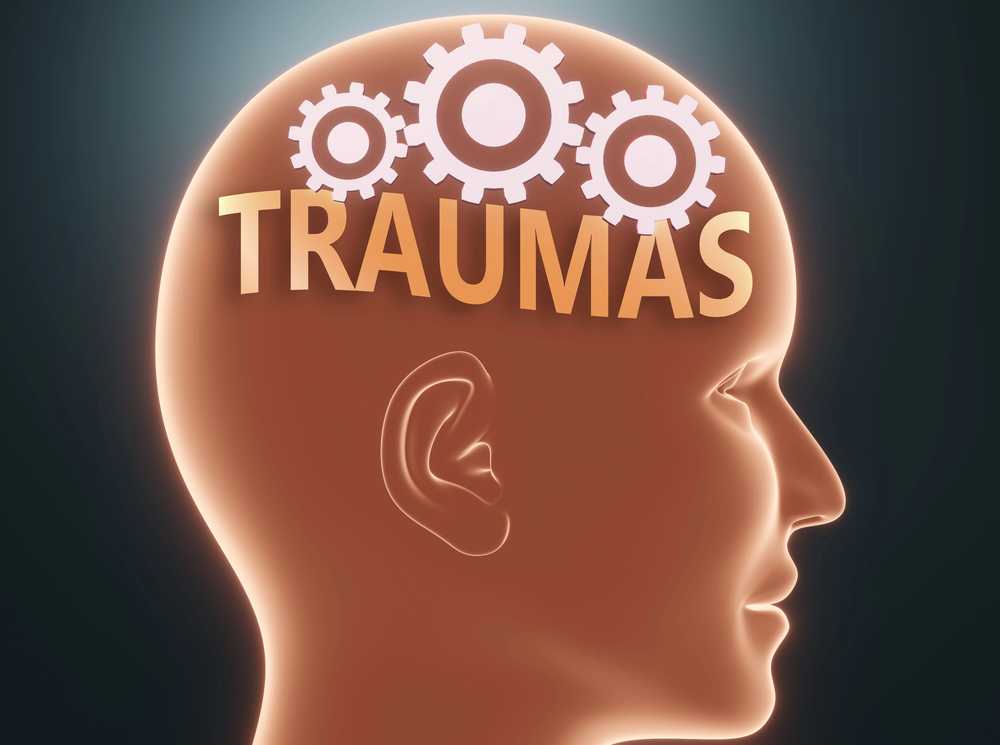
In regards to traumatic response, the DSM-V-TR lists a a long list of criteria and symptoms for PTSD. It states that one must be exposed to actual or threatened death, serious injury or sexual assault in one of the following ways.
- Directly experiencing the event in person or as it occurred in others
- Learning that an event happened to a family member or close friend
- Experiencing the event or exposure to these events repeatedly
In addition, the DSM-V-TR states that the presence of at least one intrusive symptom associated with the event must manifest as
- Recurrent or involuntary or intrusive memories of event
- Distressing and recurrent dreams
- Dissociative reactions like flashbacks
- Intense or prolonged psychological distress
- Psychological reactions to external or internal cues that trigger a response
In addition, the person avoids persons, place, stimuli or things that remind them of the event to the point of impairment. They avoid past activities, portray lack of interest and diminished interest with others or the ability to experience positive emotions. The person is also negatively effected in cognitions and moods through inability to remember certain parts of the event, persistent or exaggerated beliefs about oneself or the world or meaning of life due to the event, as well persistent or distorted cognitions about the cause or consequences surrounding the event (APA, DSM-V-TR, 2022). The person will also experience issues associated with their autonomic nervous system. The sympathetic and parasympathetic nervous systems are overworked and experience hypervigilance, exaggerated responses, sleep disturbances, as well as problems with concentration (APA, DSM-V-TR, 2022). PTSD can be specified with either depersonalization, or the separation and detachment from self, or derealization or the feelings that the world around them is unreal. These symptoms must manifest for longer than a month.
Acute Stress Disorder
Acute stress disorder shares many of the similar diagnosis criteria as PTSD, but it is far less severe and lasts from day 3 to 1 month with symptoms diminishing within that time frame (APA, DSM-V-TR, 2022).
Prolonged Grief Disorder
When grief becomes complicated, it can lead to depression, prolong grief disorder or a mixture. The key difference is the locus of the melancholy is due to a targeted and specific loss (APA, DSM-V-TR, 2022). The grief itself is intense and severe and lingers, hampering a person’s ability to function in life. The duration for diagnosis is 12 months after the loss, 6 months for children (APA, DSM-V-TR, 2022). Unlike normal grief, it fails to adjust and is accompanied by intense yearning and longing for the deceased with an abnormal level of preoccupation with the loss. It includes identify disruption, continued shock and disbelief of the loss, intense emotional pain, difficulty with reintegration into life, emotional numbness, a feeling of meaningless and an intense loneliness (APA, DSM-V-TR, 2022). Of course, many of these feelings are felt within the first days, weeks and months of a loss, as well as sometimes on memorial days of the loss. This is why the 12 month deadline is so important before any type of diagnosis.
Adjustment Disorders
Adjustment disorders are tied to life stressors and losses. They illustrate behaviors or emotions that are in response to an identifiable stressor such as a loss, divorce, or loss job. The marked distress is not proportionate to the severity or intensity of the stressor (APA, DSM-V, TR, 2022). It is important to rule out natural loss, prolonged grief, as well as other cultural beliefs that can affect how people react to stress. These adjustment disorders exist within 3 months of the initial stressor
Primary Treatments
Treatment of anxiety and depression or trauma is best met with psychotherapy. No particular psychotherapy has been proven clinically to be superior or with better results as others but usually a combination of psychodynamic, behavioral and human centered counseling therapeis are key in helping individuals face their issues. Cognitive Behavioral Therapy is very helpful in helping individuals face distorted thinking and form better behaviors. Exposure therapies also exist for cases of trauma to help heal the limbic and sympathetic nervous systems. Included in this is the practice of Eye Movement Desensitization Reprocessing or EMDR. Holistic treatments that focus on meditation, breathwork and hypnosis can help the subconscious heal as well. Medication wise, numerous SSRIs, limited use of Benzodiazepines, and anti-psychotics can be utilized (McRay, et al, 2016).
Conclusion

Helping individuals with stress, anxiety, loss and trauma is part of life. In a world where bad things happen, individuals are forced to face terrible things. Some are minor, while some can overwhelm, and still, some that overwhelm can cause pathological disorders. The diathesis for disorder is based off many subjective issues ranging from biological to psychological to social to cultural and spiritual. In many cases, these life issues can be faced in a non-clinical fashion but when disorders arise, clinical help is required. It is important to remember when working in these fields to remain within the scope of one’s practice.
Please also review AIHCP’s Stress Management, Trauma Informed Care and Grief Counseling Programs.
Additional Blogs
Attachment Disorders: Access here
Complications in Grieving. Access here
Trauma Informed Care on PTSD/C-PTSD. Access here
References
American Psychiatric Association. (2022). Diagnostic and statistical manual of mental disorder” DSM-5-TR (5th ed., text revision). American Psychiatric Association Publishing.
Barlow, D.H., Durand, V.M., & Hofmann, S.G. (2023). Psychopathology. An integrative approach to mental disorder (9th ed.). Cengage Learning
McRay, B.W., Yarhouse, M.A., Butman, R.E., & Kiple, C. (2016). Modern psychopathologies: A comprehensive Christian appraisal. (2nd, ed.) IVP Academic
Additional Resources
Acute Stress Disorder. My Cleveland Clinic. Access here
Blain, T. 2025). An Overview of Trauma and Stressor-Related Disorders. Very Well Mind. Access here
Sherrell, Z. (2024). Types of stress disorders. Medical News Today. Access here
What Makes Traumatic Grief Different?
 Written by Marko,
The idea of saying goodbye to someone you love forever is heartbreaking.
But, as hard as it is, it’s a different kind of hurt when you compare it to losing someone out of the blue. It’s sad, but the truth is, being able to say goodbye is a privilege not everyone gets.
You have time to sit with it, and to hold your loved one’s hand, even if it’s for the last time.
Then there’s the other way, when you’re just living your normal life. And someone knocks on your door and tells you your loved one is just… Gone. Just like that. No last conversations, no warnings. One minute they’re here, the next, they aren’t, and there’s nothing in between that.
This kind of shock leaves your brain stuck, and that stuck place is called traumatic grief.
In this article, we’ll go over the differences between traumatic grief and what people call normal grief. And if you’re wondering why that difference is important, it’s because you can’t recover unless you know what you’re recovering from.
How Grief Usually Unfolds When Loss Is Expected
Grief always hurts. There’s no way around that. It doesn’t matter if loss is expected; nobody can prepare for it in a way that doesn’t hurt.
But the hurt usually doesn’t come all at once. Instead, it follows a somewhat steady path. Imagine if a person has a family member who’s terminally ill. They know what’s coming, and the hard moments come little by little. The whole thing feels like this heavy burden they’re carrying around all the time, and when the time comes, and they finally lose their loved one, they already saw it coming.
This all gives the brain some time to prepare.
That doesn’t mean that there’s a way to be actually ready for what’s going to happen, but you can’t help but have a sort of mental rehearsal going on in your head. So, you might cry in your car every few days, or you might imagine what your life is going to look like once that person is no longer here. There’s time, which means there can be closure, and closure is the first step towards healing.
Time also means emotions can adjust.
By no means does that mean it follows neat little stages that come one after the other. Grief is messy, and some days are better than others. Still, the little things like going to work and making dinner help in keeping you grounded.
And as time heals you, you’ll still have all the memories of the person who’s no longer with you, but it’ll stop hurting (as much, anyway).
If the loss comes without any warning, though, none of this can happen.
What Changes with a Sudden, Traumatic Loss
It’s very frowned upon to say that one kind of grief is harder than another because everyone deals with grief in their own way.
You can’t know how someone else is feeling, and you can’t be sure that you have it better or worse than they do. With that being said, the grief that accompanies traumatic loss is very different from the grief that happens after an expected loss, and some might say it’s harder.
And they wouldn’t be wrong.
The hardest part of traumatic grief is that you now have to deal with two things at once.
| Sudden or violent loss measurably increases risk of prolonged grief/trauma (e.g., PTSD-like reactions). – National Institute of Mental Health |
You feel the emotional loss, which is heavy enough on its own. But along with that, you’re also in complete and utter shock. And shock and sadness are two different emotions.
When you’re in shock, it’s basically your brain slamming the brakes even though there was no yield or stop sign in sight.
For the most part, people go numb right after they hear the tragic news. Not in a cold way like they don’t care, but just blank.
| Acute stress reactions )e.g., numbness, confusion, dissociation, etc.) are common side-effects of experiencing traumatic events. – Substance Abuse and Mental Health Services Administration |
So, they’ll stare at a wall for an hour, or they’ll answer the door and forget they did it a few seconds later. They’ll hire a wrongful death attorney for fatal car crashes in Chicago when they should have hired one in Joliet, where they live. From the outside, this seems absolutely ridiculous, but two things are happening here: one, the brain is trying to protect you.
And two, that loss made no sense, so it’s pretty much impossible to accept what’s happening.
The brain keeps searching and searching for a connection between one moment where life was normal, and the next when it fell apart.
On top of all this, there’s also the real-life stuff to handle because there’s no grace period. You have to sign the papers here, make the calls there, decide on funeral arrangements and finances, and yes, hire a lawyer if someone else is to blame for the tragedy.
It’s not that hard to believe that, because of dealing with all this, a person would forget they opened the door or hired a lawyer in the wrong city, isn’t it?
How Traumatic Grief Feels Different in Daily Life
Normal grief is heavy, but traumatic grief? That’s both heavy and confusing at the same time.
Here’s what the difference looks like in everyday life.
There’s No Time to Prepare Mentally
If the loss came out of nowhere, the brain didn’t get any of the warning signs.
No hospital stays, no bad test results, no slow decline, no last conversations… Nothing. As a result of this, the mind will continue acting as if the person is still alive, regardless of the fact that reality is different.
A person who’s grieving could find themselves picking up a phone to call their deceased loved one, or setting an extra plate for dinner. You might say this is pure denial and nothing else, but that’s not the case here. The brain is having a hard time catching up with what’s actually happening because nothing makes sense.
The worst part is that this can go on for months.
The Body Stays Stressed
Grief consumes both mental and physical health, and with traumatic grief in particular, the body acts as if the danger is still here. You stay in that terrible fight-or-flight mode for a long time. You might notice your heart starts to race at random times, or you’ll jump at small noises.
| Your body can stay in a constant state of heightened stress after experiencing trauma; this can negatively affect sleep, heart rate, body regulation, etc. – National Institute of Mental Health |
And sleep? Now, that’s a battle every single night.
You’ll either sleep too much or too little, but either way, you’ll never truly rest.
As crazy as it sounds, all this is normal. This is basically your nervous system doing exactly what it’s designed to do. The problem here is that there’s no ‘real’ threat to handle. Your mind thinks there is a threat, so it reacts accordingly.
Thoughts Keep Going Back to The Dreadful Event
Normal/regular grief revolves around someone’s memories about the person that’s gone (for the most part). These are inside jokes, things you’ll miss (laugh, jokes, routines, etc.) – the good times.
Traumatic grief is different. This type of grief is stuck on death where your mind replays a few moments over and over again. And it’s difficult to get out of that loop.
| Core features of trauma-related conditions are intrusive (negative) memories and repeated mental replay of the trauma. – U.S. Department of Veteran Affairs |
The phone call, the news, the moment you found out, rinse and repeat, over and over.
You don’t consciously choose to think this; it simply shows up. The hardest part about this is that the brain is so focused on that tragic event that you can’t hold onto the happy memories.
It’s not that they’ve disappeared, but they’re buried under that replay button that refuses to stop.
It’s Harder to Find Closure
Harder, and even impossible.
Normal grief gives you an ending. It’s not a happy ending, but it’s an ending nevertheless, where you might even get to hold the person’s hand and tell them you love them. It all makes sense, as painful as it is.
But there’s no ending with traumatic grief, and nothing makes sense anymore.
| Because of the absence of anticipatory coping/closure after experiencing unexpected loss a person can experience prolonged grief. – Harvard Medical School |
So, in order to make it all feel sensical, the ‘what ifs’ start to pop up. What if they left 5 minutes earlier? What if someone had been there?
None of that helps, but it also can’t go away. You know it’s irrational to play those scenarios over and over, but without a proper goodbye, your mind can’t wrap around the fact that this tragedy happened, and it can’t move past it.
Conclusion
None of this has anything to do with how much you loved the person.
The only thing that matters is how the tragedy happened: was it expected, or was it a shock? And you might say that neither is worse, but truthfully, traumatic grief hits on more levels. Aside from the deep sadness, there’s also shock and pressure, with no soft landing in sight. It’s like your life just attacked you all of a sudden.
Make no mistake; just because you understand the difference doesn’t mean you can fix anything. But it’s useful because it explains why recovery is slower, and why everything feels more unpredictable.
At the end of the day, if all you can know is that you’re not going insane, that’s still something.
Author Bio
Marko is an adamant and eager content writer with a decade of experience in various niches, with healthcare being one of them. With his way of implementing storytelling, comparisons, and examples into hard-to-grasp topics, Marko’s able to make complex things sound interesting and relatable – key ingredients to make something understandable. As a hobby, Marko enjoys offroading, board games, and spending time with his family and his dog Cezar.
Please also review AIHCP’s Grief Counseling Certification, as well as its Child and Adolescent Grief Counseling Program, Pet Loss Grief Counseling Program, Christian Grief Counseling Program, Grief Diversity Counseling Program, Grief Perinatal Program, Grief Practitioner Program and finally its Grief Support Group Leader Program.
AIHCP VIDEO BLOG: PANIC ATTACKS
Most individuals suffer from depression or anxiety in the field of mental health. Some of it is behavioral but other elements exist chemically and biologically, as well as triggered by past trauma. All of these considerations need to be taken into account. This video looks at panic attacks, what they are, what triggers them and how to cope.
Please also review AIHCP’s Crisis Intervention Program, as well as Stress Management, and in addition AIHCP’s Trauma Informed Care Program
Trauma Informed Care: Neurobiology Survival Response Video Blog
Natural responses to survive are not pathological but healthy. However, human beings whose natural survival mechanisms become survival strategies that leave the person in a constant state of hyper or hypo arousal. This video takes a closer look at the neurobiology behind the brain during and after trauma responses.
Please also review AIHCP’s Trauma Informed Care program and see if it matches your academic and professional goals.
The Evolution of Trauma-Informed Mindfulness: Neurobiology, Adverse Effects, and What You Need To Do
Written by Shebna N. Osanmoh I, PMHNP-BC
Over the past ten years, ideas about meditation have changed a lot. People used to treat mindfulness as a one-size-fits-all fix for mental health problems. The common advice was simple: if you feel anxious, sit quietly; if you feel stressed, pay attention to your breathing.
However, as we move through 2026, emerging clinical evidence and longitudinal neurobiological research have revealed a more complex reality. For a significant portion of the population—particularly those with histories of complex trauma, Adverse Childhood Experiences (ACEs), or Post-Traumatic Stress Disorder (PTSD)—standard meditative practices can inadvertently worsen symptoms of traumatic stress.
This is not a failure of the student, but a failure of the framework.
Trauma-Informed Mindfulness (TIM), sometimes called Trauma-Sensitive Mindfulness (TSM), represents a systemic and essential “upgrade” to contemporary mindfulness-based programs. It integrates a sophisticated understanding of the human nervous system, the physiology of trauma, and the fundamental necessity of individual agency.
This thorough guide will explore the neurobiology of why traditional mindfulness fails for trauma survivors, the specific “adverse effects” to watch for, and the practical, evidence-based adaptations you can use to build a safe, healing practice.
The Paradox – Why Traditional Mindfulness Can Bring Up Difficult Feelings
To understand why a practice meant for peace can cause panic, we must look at the brain. Traditional mindfulness interventions often rely heavily on interoception—the practice of paying close attention to internal bodily sensations (e.g., “scan your body,” “feel your heartbeat,” “watch your breath”).
The Double-Edged Sword of Mindful Attention
Research published in Frontiers in Psychology (2025) highlights a phenomenon known as the “Mindful Observing Paradox.” For the general population, observing internal sensations promotes regulation. However, for trauma-exposed populations, the act of “observing” can blur with a hypervigilant state focused on detecting threats.
- Internal Observing & Anxiety – High levels of internal observing are linked to increased anxiety sensitivity. When a trauma survivor is asked to “turn inward,” they may encounter stored somatic memories of abuse or pain without the “brakes” to slow the experience down.
- The U-Shaped Curve – Researchers now discuss a “U-shaped curve” of mindfulness, where moderate practice is beneficial, but “too much” mindfulness (excessive amygdala downregulation) can lead to functional impairment, such as emotional numbing or dissociation.
The Neurobiology of Freeze
Trauma is often stored in the nervous system as incomplete survival responses. When we remove all external stimuli and force the body into stillness, we may inadvertently simulate a “Freeze” response (immobility). For a survivor, being unable to move while feeling intense internal sensations can replicate the physiological experience of entrapment, triggering a cascade of stress hormones even as they sit “peacefully” on a cushion.
The Data on Adverse Effects – It’s More Common Than You Think
One of the most critical developments in the field (2024–2026) is the quantitative data regarding Meditation-Related Adverse Effects (MRAEs). Pioneering research by Dr. Willoughby Britton at Brown University and the Cheetah House organization has challenged the “no pain, no gain” mentality of meditation.
Key Findings from 2025 Research
Dr. Britton’s team identified 59 categories of meditation-related experiences that can be distressing or associated with impairment in functioning. The statistics are sobering and essential for any instructor to know:
- High Prevalence: In studied cohorts, up to 83% of participants experienced at least one unintended effect during meditation.
- Negative Valence: Approximately 58% of these side effects involved unpleasant or distressing emotions, refuting the myth that meditation is always relaxing.
- Functional Impairment: Crucially, 9% of participants reported effects that impaired their ability to function in daily life.
Distinguishing Hyperarousal from Hypoarousal
Trauma responses in meditation generally fall into two categories. While most teachers recognize the “loud” symptoms of trauma, the “quiet” symptoms are often missed.
a) Hyperarousal (The “Gas Pedal”)
- Signs: Panic attacks, racing heart, intrusive thoughts, traumatic re-experiencing, agitation, insomnia.
- Teacher Noticeability: High. These students often open their eyes, fidget, or leave the room.
b) Hypoarousal (The “Brake”)
- Signs: Dissociation, emotional blunting, feeling “floaty,” numbness, checking out.
- Teacher Noticeability: Low. A student in a hypoaroused state may look like the “perfect meditator”—still, silent, and compliant—while internally they are completely disconnected from reality. Dr. Britton notes that while students may not report dissociation as “negative” because it numbs the pain, it is a significant predictor of lasting functional impairment.
Trauma-Informed Mindfulness: What to Avoid
Based on the “Procedural Modifications Checklist” developed for 2026 clinical applications, specific traditional instructions are now flagged as potentially contraindicated for trauma survivors.
Forced Stillness
- The Trap: Instructing a class to “sit perfectly still without moving.”
- The Risk: For survivors of physical or sexual trauma, forced immobility can trigger somatic memories of being held down or trapped. It removes the primary mechanism (movement) the nervous system uses to discharge stress energy.
The “Breath-Only” Anchor
- The Trap: “Focus exclusively on the breath at the tip of the nose.”
- The Risk: The breath is often a carrier of anxiety. Respiratory focus can trigger hyperventilation or memories of suffocation. For many, the breath is not a neutral anchor; it is a source of distress.
Closed Eyes (Mandatory)
- The Trap: “Now, close your eyes.”
- The Risk: Closing the eyes removes visual safety cues. For a person with PTSD, being unable to see their environment can induce immediate paranoia or flashbacks. It forces the brain to rely solely on internal (often unsafe) input.
Authoritative/Command Language
- The Trap: “You must…” “Don’t think…” “Stay with the pain.”
- The Risk: Command-based language mimics the dynamic of the perpetrator-victim relationship, stripping the participant of agency. This can cause “flooding”—an overwhelming surge of emotion that pushes the student outside their window of tolerance.
What to Do Instead – The N.I.A. Language Model & Safe Anchoring
The goal of trauma-informed mindfulness is not the mastery of stillness, but the cultivation of safety, choice, and self-regulation. To achieve this, we employ specific frameworks like the N.I.A. Language Model.
The N.I.A. Language Model
Developed to empower participants, this model shifts the power dynamic from the teacher to the student.
N – Non-Directive:
- Instead of “Close your eyes,” try: “You might choose to lower your gaze to the floor, or close your eyes if that feels comfortable”.
- Why: It guides gently without demanding compliance.
I – Invitational:
- Instead of “Focus on your breath,” try: “I invite you to notice the rhythm of your breathing, or perhaps simply notice the sensation of your feet on the ground”.
- Why: It reinforces that the student is in control of their own attention.
A – Adaptive:
- Instead of “Do not move,” try: “Feel free to shift your posture, stretch, or open your eyes at any time to make yourself more comfortable”.
- Why: It encourages autonomy and self-care over rigid adherence to rules.
Prioritizing External Anchors (Exteroception)
When internal focus (interoception) becomes unsafe, we must offer external anchors. This engages exteroception—processing stimuli from outside the body—which helps re-orient the brain to the safety of the present moment.
- Sound: Listen to the hum of the air conditioner or the birds outside.
- Sight: Let your eyes rest on a color in the room, or a specific object like a plant.
- Touch: Feel the texture of your jeans or the weight of your body in the chair.
Research confirms that external observing is more grounding for trauma-exposed populations and prevents the brain from being consumed by internal traumatic stimuli.
Procedural Adaptations – Building a Safe Practice
Beyond language, the structure of the practice itself must be adapted. The MINDS-V Study (Australian Veterans, 2025) demonstrated that tailored interventions led to significant reductions in PTSD symptoms even without increasing “mindfulness states,” proving that regulation is more valuable than “depth” for this population.
1. Titration and Micro-Practices
Trauma survivors often have a narrowed Window of Tolerance. Long sessions can push them into hyper- or hypoarousal.
- Do This: Start with Micro-Practices lasting 30 seconds to 3 minutes.
- Why: This builds “confidence and self-trust without overwhelming the system”. It allows the student to dip their toe in the water without drowning.
2. Mindful Movement (Dynamic Mindfulness)
For many survivors, movement is a clinical necessity.
- Do This: Incorporate rhythmic swaying, walking meditation, or gentle stretching before or instead of sitting.
- Why: Practices like “shaking” or Dynamic Mindfulness (DMind) allow the nervous system to discharge tension and remain within the window of tolerance. It signals to the body that it is not trapped.
3. Pre-Orientation and Predictability
PTSD symptoms thrive on unpredictability.
- Do This: Inform participants beforehand about potential triggers and exactly what will happen in the session.
- Why: This provides informed consent. For example, saying “We will try this for two minutes, and then we will stop” reduces the anxiety of the unknown.
To move beyond theory, we must look at the data. One of the most significant recent contributions to the field is the 2025 MINDS-V Study, which evaluated a tailored Trauma-Informed Mindfulness-Based Stress Reduction (TI-MBSR) program for Australian veterans.
This study is critical because it challenges the assumption that “more mindfulness is better.” The intervention was culturally adapted to mirror military training routines, emphasizing discipline and perseverance, but with strict trauma modifications.
The “Mindfulness Paradox” Finding. The study yielded a fascinating result:
- Symptom Improvement: Participants showed significant reductions in PTSD symptoms, including re-experiencing, avoidance, and hyper-arousal.
- The Surprise: Interestingly, while symptoms decreased, participants did not show a statistically significant increase in their actual “mindfulness state” (momentary awareness).
This suggests that the benefits of trauma-informed mindfulness may not come from achieving a deep, Zen-like state of awareness. Instead, the benefits likely stem from improved emotional regulation and the interruption of ruminative thought patterns.
For the practitioner, this is a liberating finding. It means you do not need to “clear your mind” or achieve perfect focus to heal. The simple act of practicing regulation—stopping the cycle of panic and returning to safety—is where the healing lies, regardless of how “mindful” you feel in the moment.
Systemic Implementation – Beyond the Individual
Trauma-informed mindfulness is not just for the meditation cushion; it is a framework for schools, healthcare, and justice systems.
- In Schools (TR Schools)
Toolkits like the “Resilient Gwinnett Toolkit” emphasize shifting the mindset from “What’s wrong with you?” to “What happened to you?” Strategies include creating “calming corners” and focusing on peer support rather than punitive discipline.
- In Healthcare
Audit checklists now recommend reviewing waiting rooms and exam procedures to ensure “welcoming spaces” and “transparency,” ensuring patients know exactly what to expect during a visit.
- In Youth Services
Organizations like the Justice Resource Institute (JRI) train providers in de-escalation and vicarious trauma planning, recognizing that the “well-regulated facilitator” is the most important tool in the room.
Conclusion
The evolution of mindfulness toward a trauma-informed framework is not a rejection of tradition, but a maturation of it. We are moving away from a passive, potentially dangerous state of stillness toward a dynamic, active state of safety.
As we look toward the future of 2026, the goal is clear: theoretical and conceptual clarity. We must stop asking – Does mindfulness work? and start asking – Which type of mindfulness works for whom?
By integrating the N.I.A. Language Model, prioritizing external anchors, and respecting the Window of Tolerance, we can ensure that mindfulness remains a transformative tool for healing rather than a source of harm. The most important intervention is not the technique, but the genuine, attuned relationship between the teacher and the student—one that honors their survival and empowers their recovery.
Author Bio:
Shebna N. Osanmoh I, PMHNP-BC, is a board-certified psychiatric mental health nurse practitioner associated with Savant Care, CA, mental health clinic. He has extensive experience and a Master’s from Walden University. He provides compassionate, holistic care for diverse mental health conditions.
Please also review AIHCP’s Trauma Informed Care Specialist Certification programs and see if it meets your academic and professional goals. These programs are online and independent study and open to qualified professionals seeking a four year certification
Vicarious Trauma Video Blog
Vicarious trauma reignites the counselor’s own trauma and makes the client’s trauma and manifests it within the counselor. Please also review AIHCP’s Trauma Informed Care program as well as its AIHCP’s Healthcare Certifications.
Shame, Guilt and Fear in Trauma Counseling
I. Introduction
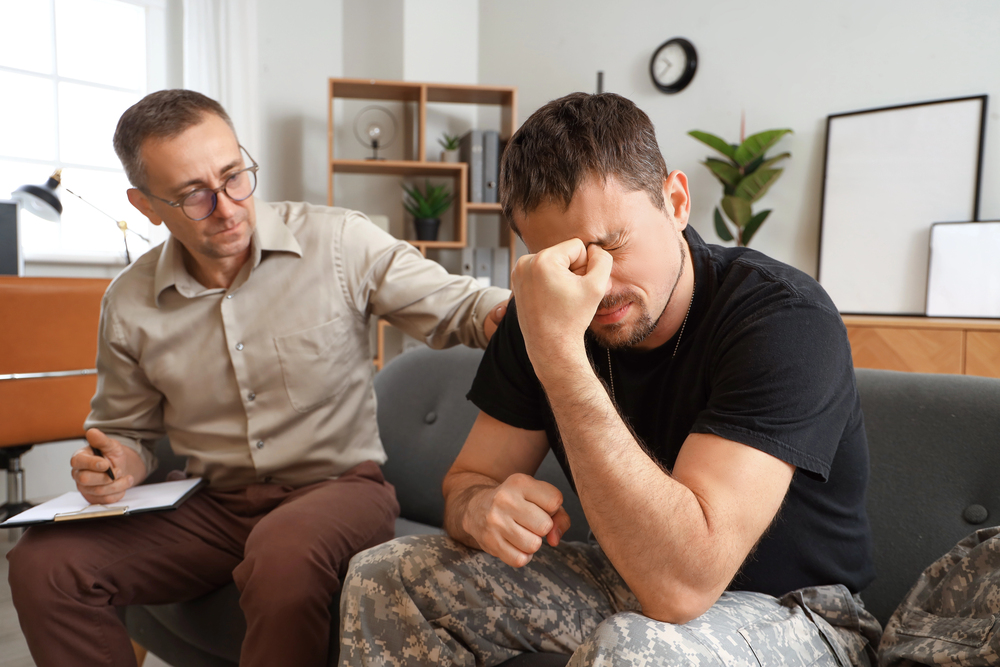
Shame, guilt, and fear complicate trauma counseling. These emotions shape the therapy process and the path to recovery. Clients often feel these emotions as obstacles to healing. They find it hard to express weakness or speak honestly with their counselors. Understanding these feelings is necessary. They worsen the mental impact of trauma and cause further isolation and distress. For instance, explains how abuse and trauma link to harmful emotional responses. These responses block effective treatment. Crises like the COVID-19 pandemic also increased stress and moral injury among healthcare workers. Fear and guilt combined to damage mental health. This proves the need for specific therapy strategies (). Counselors must address shame, guilt, and fear. This work supports successful trauma counseling.(Barakat S et al., 2023) highlights how experiences of abuse and trauma are closely linked to maladaptive emotional responses, which can hinder effective treatment approaches. Additionally, during crises like the COVID-19 pandemic, the heightened stress and moral injuries experienced by healthcare workers illustrate how fear and guilt can aggregate, negatively impacting mental health.
Please also review AIHCP’s Trauma Informed Care Program as well as its various Healthcare Certification Programs
II. Definition of trauma and its psychological impact
Trauma is a reaction to distressing events that overwhelm a person’s ability to cope. It leads to lasting psychological effects. These effects appear as anxiety, depression, and changes in self-perception. Shame and guilt often shape these changes. People may struggle with feelings of worthlessness and self-blame. Fear from the trauma makes these feelings worse. For instance, aspects of trauma from childhood experiences and abuse highlight compounding effects. These effects influence mental health over a lifetime. This connection is important for understanding therapeutic needs (). Stressors from events like the COVID-19 pandemic also increased existing vulnerabilities. They show how widespread fear intensifies psychological distress in these groups (). These facts show the need for trauma-informed counseling methods that address these emotional complexities.(Barakat S et al., 2023)). Furthermore, the unprecedented stressors related to events like the COVID-19 pandemic have magnified existing vulnerabilities, revealing how widespread fear can intensify psychological distress in affected populations ((Kontoangelos K et al., 2020)). Such insights underscore the need for trauma-informed counseling approaches that address these emotional intricacies.
Counselors must understand the complex emotions of shame, guilt, and fear. Each emotion affects an individual’s psychological well-being. Shame often comes from a perceived failure to meet personal or societal standards. This leads to feelings of worthlessness. Guilt typically comes from specific actions or inactions that violate a moral code. It causes regret and self-blame. Fear acts as a reaction to the threat of emotional or physical harm. It often worsens shame and guilt. These emotions can mix together in counseling. Counselors must help clients untangle them and deal with each one. Research shows that mindfulness and compassion-focused methods reduce the force of these emotions. These tools build psychological resilience and help healing. Therapists must develop methods to work with these complex feelings.(Conversano C et al., 2020). Therefore, its crucial to develop therapeutic strategies that specifically engage with these complex emotional landscapes (Maben J et al., 2020).
Trauma counseling helps individuals manage the emotions caused by their experiences. It addresses feelings of shame, guilt, and fear. These emotions hurt mental health. They increase distress and lead to harmful coping habits. Counselors discuss these feelings in therapy to create validation and understanding. Then the client can heal. Research shows a strong link between trauma and issues like anxiety and depression. This proves that proper treatment is necessary. For example, knowing the complex nature of shame and guilt shapes specific treatments. These approaches reduce symptoms and help clients build resilience. Strategies that reduce fear can restore a sense of safety. This improves the success of trauma counseling.(Barakat S et al., 2023). Moreover, strategies aiming to alleviate fear can help restore a sense of safety, thereby enhancing the overall efficacy of trauma counseling (Lene E Søvold et al., 2021).
II: Understanding Shame in Trauma Counseling
Shame blocks healing during trauma counseling, and it harms the relationship between therapist and client. Survivors of trauma often feel ashamed about the events they lived through. This feeling increases their distress and stops them from speaking openly in therapy. This barrier starts a cycle where shame adds to guilt and fear. Then the healing process becomes much harder. Counselors must understand these effects because shame changes how clients see their worth and control. It also affects their choice to get help. Counselors treat shame with compassion and empathy to cause real change. Clients can then face their trauma and move toward recovery. This approach helps people facing high stress in crisis situations, as highlighted by reports and studies.(Lene E Søvold et al., 2021) and (Kontoangelos K et al., 2020).
Shame has deep psychological effects on trauma survivors. It often shows up as harmful self-views that block recovery. Survivors often feel unworthy. They believe they deserved the abuse. This belief keeps a cycle of guilt and self-blame alive. These thoughts cause severe emotional results like depression and anxiety. Survivors then find it hard to build healthy relationships or ask for help. Abuse within institutions makes these feelings worse. Survivors face personal trauma alongside systemic neglect. They face betrayal from systems that were meant to protect them. Studies show that survivors of institutional abuse report deep shame about being victims. This shame makes healing harder. It also limits their ability to speak up for themselves. Addressing these feelings in counseling helps people reclaim their identity. It builds resilience. This process proves the key role of shame in recovery.(Filistrucchi P et al., 2023)(Kontoangelos K et al., 2020).
Shame often blocks individuals from finding help and healing after trauma. This emotion comes from a deep belief that one is flawed or unworthy. People hesitate to share their stories or vulnerabilities. Many victims struggle with the stigma of their experiences. Male sexual assault survivors often face this challenge. They believe harmful myths that cause silence and isolation. These barriers increase guilt and fear. Then, finding support becomes harder. New approaches like the Psychedelic Harm Reduction and Integration (PHRI) model focus on removing stigma in therapy. This model uses empathy and acceptance. It encourages openness instead of shame. This change is needed to remove barriers. It builds a better space for trauma recovery.(John C Thomas et al., 2023). Such barriers reinforce feelings of guilt and fear, leading to a compounded struggle in seeking necessary support. Furthermore, innovative frameworks like the Psychedelic Harm Reduction and Integration (PHRI) model highlight the importance of destigmatization in therapeutic settings, advocating for an empathetic and accepting approach that encourages openness rather than shame (Gorman I et al., 2021). This shift is essential for dismantling barriers and fostering a more supportive environment for trauma recovery.

Trauma counselors must address shame. It often mixes with guilt and fear and stops healing. Therapies like Cognitive Behavioral Therapy (CBT) help people change negative thoughts linked to shame. Mindfulness practices also work well. Recent books show they build self-compassion and reduce feelings of inferiority. These techniques improve self-awareness and control over emotions. They support trauma recovery and resilience in clients . Compassion-focused therapy (CFT) teaches self-kindness and helps people see their worth. This matters for clients fighting deep shame. Counselors use these methods together to create a safe space. Clients then face their shame and other emotions. This aids the full process of trauma recovery ..(Conversano C et al., 2020). Furthermore, compassion-focused therapy (CFT) focuses on developing self-kindness and recognizing ones worth, which is essential for clients grappling with deep-seated shame. By integrating these therapeutic modalities, counselors can create a safe environment that encourages clients to confront and process their shame, among other emotions, thereby promoting a more holistic approach to trauma recovery (Maben J et al., 2020).
III: The Role of Guilt in Trauma Recovery
Guilt is a complex emotion in trauma recovery. It influences the healing process. Individuals often feel guilt related to their trauma. This burden complicates their emotions and slows progress. For instance, some feel guilty about perceived failures during traumatic events. They struggle to accept their circumstances. This delays recovery. This state leads to strong shame. Individuals fight against self-blame and negative self-judgment. Research shows that addressing guilt in counseling is necessary. It aids emotional release and builds resilience. Therapy methods that encourage self-forgiveness improve mental health. They help individuals handle their feelings better. Counselors must understand the link between guilt and the lasting results of trauma. This knowledge helps them provide specific support. Clients can then own their stories and continue their recovery.(Lene E Søvold et al., 2021)(Ramaci T et al., 2020).
Trauma counselors must understand the difference between healthy and toxic guilt. Each type affects mental well-being in a distinct way. Healthy guilt acts as a moral compass. It helps people realize when they hurt others. This feeling builds empathy and accountability. Toxic guilt is different. It is a draining emotion. It often comes from impossible standards or inner criticism. This leads to feelings of shame and worthlessness. This harmful guilt stops recovery and personal growth. It traps trauma clients in loops of self-blame. Treatments that build self-compassion play a key role in reducing toxic guilt. This allows people to create a supportive inner dialogue. It lowers the sense of threat connected to this emotion. Counselors separate these two types of guilt. They adjust their methods to help clients react with healthier emotions.(Neuenschwander R et al., 2024). By differentiating between these two types of guilt, trauma counselors can tailor their approaches to foster healthier emotional responses in their clients (Maben J et al., 2024).
Guilt deeply affects self-esteem and recovery in trauma counseling. People struggle with these feelings and often feel worthless. This lowers their self-esteem and motivation to recover. This cycle causes ongoing psychological distress. It becomes hard for individuals to focus on healing. Research shows that unresolved guilt harms mental health. It can worsen trauma symptoms and stop progress in therapy. The heavy weight of guilt also leads to social isolation. People pull away from supportive relationships. This adds to their shame and despair. Effective trauma counseling must address these emotions. It should teach self-compassion and change how patients view guilt. This helps people recover and improve their self-worth.(Barakat S et al., 2023). Furthermore, the emotional burden of guilt often results in social isolation, as individuals withdraw from supportive relationships, compounding their feelings of shame and despair (Andra Cătălina Roșca et al., 2021). Effective trauma counseling must, therefore, address these emotions, fostering self-compassion and reframing guilt, which can empower individuals on their journey toward recovery and improved self-worth.

Trauma counselors help clients process guilt for emotional healing. One method is creating a safe environment. Clients discuss guilt there without judgment. They explore the origins of the feeling. They see how it affects their lives and relationships. Counselors also use cognitive-behavioral tools. These challenge negative thoughts. Clients change their stories and separate guilt from shame. Group therapy shares these experiences. Clients feel less alone. Programs like Before Operational Stress (BOS) show that early action builds resilience. These programs support healthy relationships. This shows we must address guilt in a structured way.(Rokach A et al., 2023) (Andrea M Stelnicki et al., 2021).
IV: The Influence of Fear in the Counseling Process
Fear acts as a barrier and a catalyst in trauma counseling. Clients enter counseling with fear from past traumas. It hinders their ability to talk openly and honestly with the counselor. This hesitation blocks the healing process. The COVID-19 pandemic makes this reaction worse. Individuals feel overwhelming stress and anxiety. This is especially true for vulnerable populations, and it makes existing fears stronger. Healthcare workers also face high levels of fear and anxiety. They often struggle with moral injury and burnout from the pressures of their roles. This complicates their mental health. Counselors must address these fears. They have to create a safe and supportive environment. This encourages clients to confront their fears. Doing so leads to recovery and resilience in the face of trauma.(Lene E Søvold et al., 2021). Furthermore, healthcare workers, who also face heightened levels of fear and anxiety, often struggle with moral injury and burnout due to the pressures of their roles, complicating their mental health (Kontoangelos K et al., 2020). Consequently, addressing these fears within the counseling framework becomes essential; counselors must create a safe and supportive environment that encourages clients to confront their fears, ultimately facilitating recovery and resilience in the face of trauma.
Fear often stands out as a main emotional response in people who have lived through trauma. It serves as a psychological defense. But it also acts as a big block to healing. This wide-reaching emotion appears in many places. It affects vulnerable groups heavily. Healthcare workers dealing with crises like the COVID-19 pandemic are a clear example. Reports show that fear, anxiety, and stress surged among these workers. These feelings worsen challenges like burnout and moral injury. Such problems make it difficult to cope with the results of traumatic experiences. The pandemic raised fear levels in medical professionals. It also impacted children and older adults. It made them feel unsafe and led to deep psychological effects. Trauma counseling must view fear as a standard response. Treating this emotion helps patients build resilience and recover.(Lene E Søvold et al., 2021). Furthermore, the pandemic has not only heightened fear among healthcare professionals but has also impacted children and older adults, instilling a sense of vulnerability that leads to profound psychological effects (Kontoangelos K et al., 2020). Recognizing fear as a common response to trauma is essential for trauma counseling, as addressing this emotion is crucial for promoting resilience and facilitating recovery.
Fear plays a large part in avoidance behaviors. This is true in trauma counseling. Fear acts as a defense against perceived threats. Survivors of traumatic events often use avoidance. They do this to reduce the fear and anxiety linked to reminders of their trauma. This reaction appears in the demographic trends of eating disorders. Emotional pain from trauma leads people to avoid specific situations. They shun triggers that spark negative emotions or memories. Fear continues to guide these patterns. It worsens feelings of isolation and discomfort. Then the cycle of harmful coping strategies repeats itself. Counselors must address fear to stop this avoidance loop. This work builds better coping mechanisms. The process helps the patient recover and gain resilience.(Barakat S et al., 2023). Furthermore, as fear continues to influence these avoidance patterns, it can exacerbate feelings of isolation and discomfort, thus perpetuating a cycle of maladaptive coping strategies (Hay P, 2020). Consequently, addressing fear in trauma counseling is essential for breaking the cycle of avoidance and fostering healthier coping mechanisms, ultimately promoting recovery and resilience.
Counselors must manage fear to build a safe space for healing. One common technique is mindfulness-based stress reduction (MBSR). It encourages clients to notice thoughts and feelings without judgment. This practice eases anxiety and builds self-compassion. Individuals can then face fears in a supportive setting. Practitioners also use cognitive-behavioral strategies. These help clients change negative thought patterns linked to trauma. The change reduces the strength of fear responses. Grounding techniques like deep breathing give clients control. They help people stay present during distressing moments. The mental health crisis shows the value of these approaches. Events like the COVID-19 pandemic made the crisis worse. Structured plans are now important for clients and professionals.(Conversano C et al., 2020). Moreover, practitioners can integrate cognitive-behavioral strategies that help clients reframe negative thought patterns associated with trauma, thereby reducing the intensity of fear responses. Creating grounding techniques, such as deep breathing exercises, further empowers clients to maintain presence and control during distressing moments. As the ongoing mental health crisis, exacerbated by events like the COVID-19 pandemic, underscores the importance of these approaches, integrating structured interventions becomes increasingly vital for both clients and healthcare professionals (Lene E Søvold et al., 2021).
V: Conclusion
Trauma counseling must address shame, guilt, and fear. These emotions mix together and shape the healing process for survivors. They often stop people from speaking and keep them isolated. Survivors struggle with the belief that their pain is shameful or undeserved. Stories from participatory research show that we must acknowledge these feelings. Doing so builds strength and helps victims of institutional abuse recover . We also need to understand the emotional work people do, such as coping with phantom limb sensations after an amputation. This example highlights the many sides of trauma and how it appears . Counselors can focus therapy on these emotions to create a safe place. Survivors then feel able to voice their experiences. This leads to progress and shared healing.(Filistrucchi P et al., 2023). Furthermore, understanding the emotional balancing acts individuals undertake, such as coping with phantom limb sensations post-amputation, underlines the multifaceted nature of trauma and its manifestations (Andra Cătălina Roșca et al., 2021). By centering therapy around these emotions, counselors can create a safe environment where survivors feel empowered to voice their experiences, ultimately paving the way for therapeutic progress and communal healing.g
Shame, guilt, and fear are major factors in trauma counseling. They affect a client’s mind and ability to heal. Shame usually comes from a sense of worthlessness. It can block recovery by creating isolation and self-blame. Guilt often comes from the belief that one failed to protect themselves or others. This worsens trauma symptoms and slows progress in therapy. Fear links to past traumas and causes strong anxiety. This makes it hard for people to face their experiences or participate in therapy. Therapists must recognize these complex emotions. They are important because they can stop recovery or help it. These emotions get stronger during a crisis like the COVID-19 pandemic. This proves the need for trauma-informed care that treats such feelings well.(Lene E Søvold et al., 2021)(Kontoangelos K et al., 2020).
Emotional awareness is key in the therapeutic process. It helps in trauma counseling because feelings of shame, guilt, and fear often block healing. Therapists use this awareness to help clients name their emotions. This leads to a clear understanding of their trauma. This awareness helps clients face hard feelings. It also builds self-acceptance and strength against adversity. Research shows that shame and guilt worsen mental health issues. They cause a cycle of avoidance and distress. But building emotional awareness reduces these problems. Clients can view their experiences differently in a helpful environment. So, focusing on emotional awareness helps individuals manage their trauma. It encourages useful coping methods. The result is better mental well-being.(Barakat S et al., 2023). In contrast, cultivating emotional awareness mitigates these issues by allowing clients to reframe their experiences and emotions in a supportive environment. Consequently, prioritizing emotional awareness in therapy not only empowers individuals to navigate their trauma but also encourages the development of adaptive coping strategies, ultimately leading to enhanced mental well-being (Lene E Søvold et al., 2021).
Trauma counseling is changing. Future research and practice must focus on understanding the mix of shame, guilt, and fear. We must add to current writings to build specific treatment plans. These plans must directly treat the emotional responses in trauma survivors. Recent findings connect childhood experiences and personality traits to trauma symptoms. These factors play a large role. This shows a need for personalized therapy. Qualitative studies also suggest that emotional balancing helps people feel normal again. It could serve as a base for new counseling models. Researchers and practitioners can study these areas to improve current methods. They can create evidence-based plans that help survivors heal. This work will improve mental health results for many groups.(Barakat S et al., 2023). Moreover, qualitative studies suggest that emotional balancing is essential for individuals striving to regain normalcy after trauma, which could serve as a foundational element for new counseling frameworks (Andra Cătălina Roșca et al., 2021). By exploring these dimensions, researchers and practitioners can enhance existing methodologies and create more effective, evidence-based strategies that foster resilience and healing among trauma-affected individuals, ultimately improving mental health outcomes in diverse populations.

Please also review AIHCP’s Trauma Informed Care Certification as well as AIHCP’s numerous other healthcare certifications
Other AIHCP blogs: Emotional Abuse. Access here
Additional Information
APA. (2025). “How to cope with traumatic stress”. Access here
Herzberg, B. (2025). “The Differences Between Guilt and Shame”. Psychology Today. Access here
“Guilt as part of PTSD; and ways to dismantle it”. PTSDuk. Access here
Gillette, H. (2024). “What’s the Relationship Between Trauma and Anxiety?”. Healthline. Access here