
Personality disorders are both nurtured and natured in life. They became undesirable traits that become habitually natural to the person creating anti-social and emotional behaviors that contradict the social norm. This video takes a closer look at the types of personality disorders found in the DSM-V-TR. Please also review AIHCP’s Behavioral and Mental Health Care Certifications offered by AIHCP.
healthcare certifications
Jungian Psychotherapy Video Blog
Carl Jung believed many issues mentally subsided in the subconscious. He also believed there were universal architypes for humanity that spread across the world in regards to one’s subconscious mind. Dreams also played a key role in understanding one’s inner needs. This video takes a closer look at Carl Jung and how it applies to psychotherapy. Please also review AIHCP’s Healthcare Certifications
Mood Disorders/DSM-V-TR Video Blog
Mood disorders can range from different emotional states. Their primary ingredient is instability and outside the range the norm of usual emotional experience and ability to operate in the world. This video reviews the core mood disorders as described in the DSM-V-TR. Please also review AIHCP’s numerous Healthcare Certifications
Sleep/Sleep Disorders and the DSM-V-TR
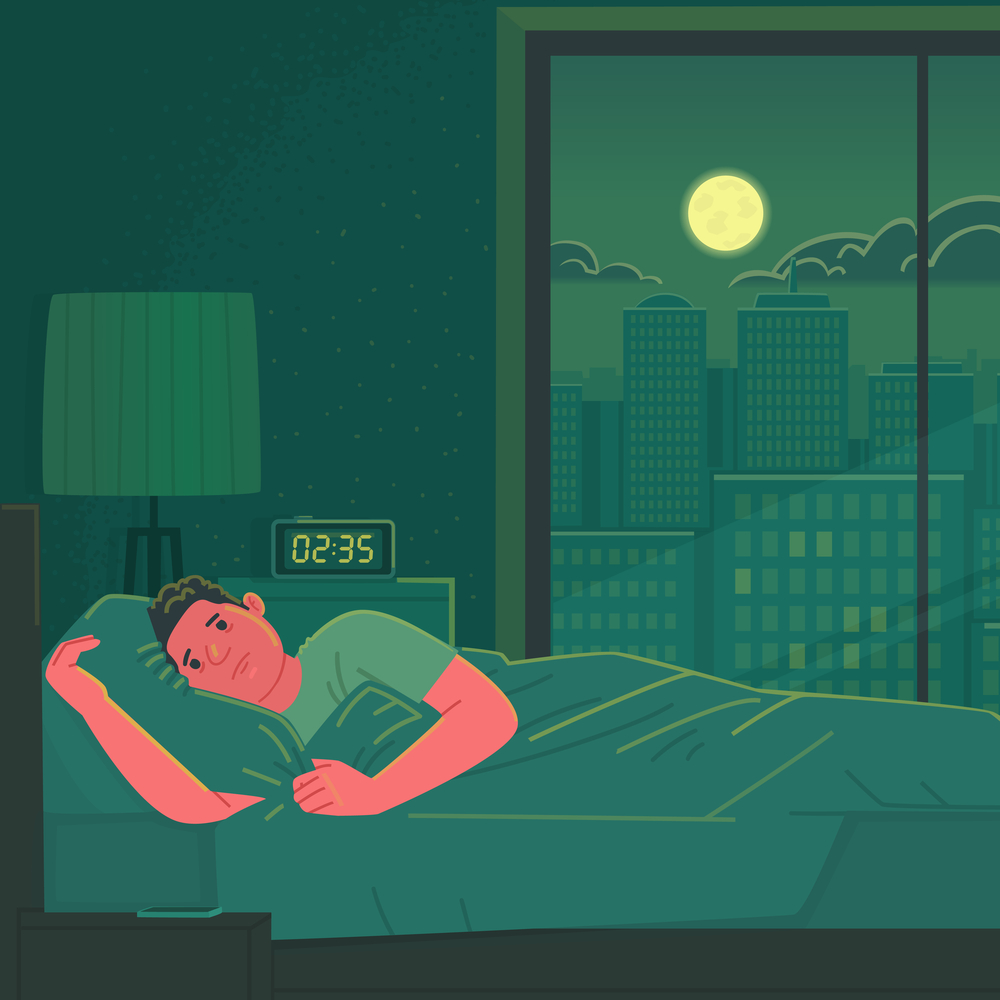
Sleep is essential part of existence. It is when the body and brain repairs itself. It allows one to be resilient in life and return to the next day with new vigor, energy and determination. When sleep is disrupted, reduced, or prevented, critical functions for both brain and body are impaired. Lack of sleep is a major health issue and when disorders arise that prevent healthy sleep, individuals suffer the consequences. This blog will examine the nature of sleep, why it is needed and the various disorders listed within the DSM-V-TR related to it.
Please also review AIHCP’s Healthcare Certifications for both those in healthcare and behavioral health.
The Nature of Sleep
Human beings spend 1/3 of their life sleeping (Barlow, et al., 2023). It is during phases of sleep that individuals recoup, recover and repair both mind and body. This includes memory consolidation and emotional processing, physical restoration and neural development ((McLeod & Guy-Evans, 2026). Sleep experts utilize a modern scale of sleep phases that that include different periods of human sleep. NREM1 through REM include the four most critical phases (Cleveland Clinic). These stages repeat themselves every 60 to 90 minutes so disruptions or disorders can be harmful long term.
This transitions to phase 2 is referred to as light sleep and is dominated by theta waves but has spikes of activity referred to as sleep spindles that help in memory recovery
(McLeod & Guy-Evans, 2026). This transitions to phase 2 is referred to as light sleep and is dominated by theta waves but has spikes of activity referred to as sleep spindles that help in memory recovery (McLeod & Guy-Evans, 2026). This stage refreshes the body and is involved with the highest percentage of total sleep (around 50%), but it is imperative that it gives way to phase 3. Phase 3 is referred to as a deep sleep. Within deep sleep, the person’s brain and body finds healing and restoration with various repairs throughout the body. This deep sleep is associated with delta waves, the lowest and calmest brain wave. Deep sleep occurs in the first hours of sleep. Finally REM sleep is the final stage but its frequency spikes with a mixture of low delta but with spikes of actual beta or the awake waves. This is tied to the essential aspect of the dreaming phase found in rem. The other phases constitute non-REM states, but the Rapid Eye Movement phase of REM correlates with the process of vivid dreaming. These phases spike throughout the night and should constitute 20% to 25% of one’s sleep ((McLeod & Guy-Evans, 2026).
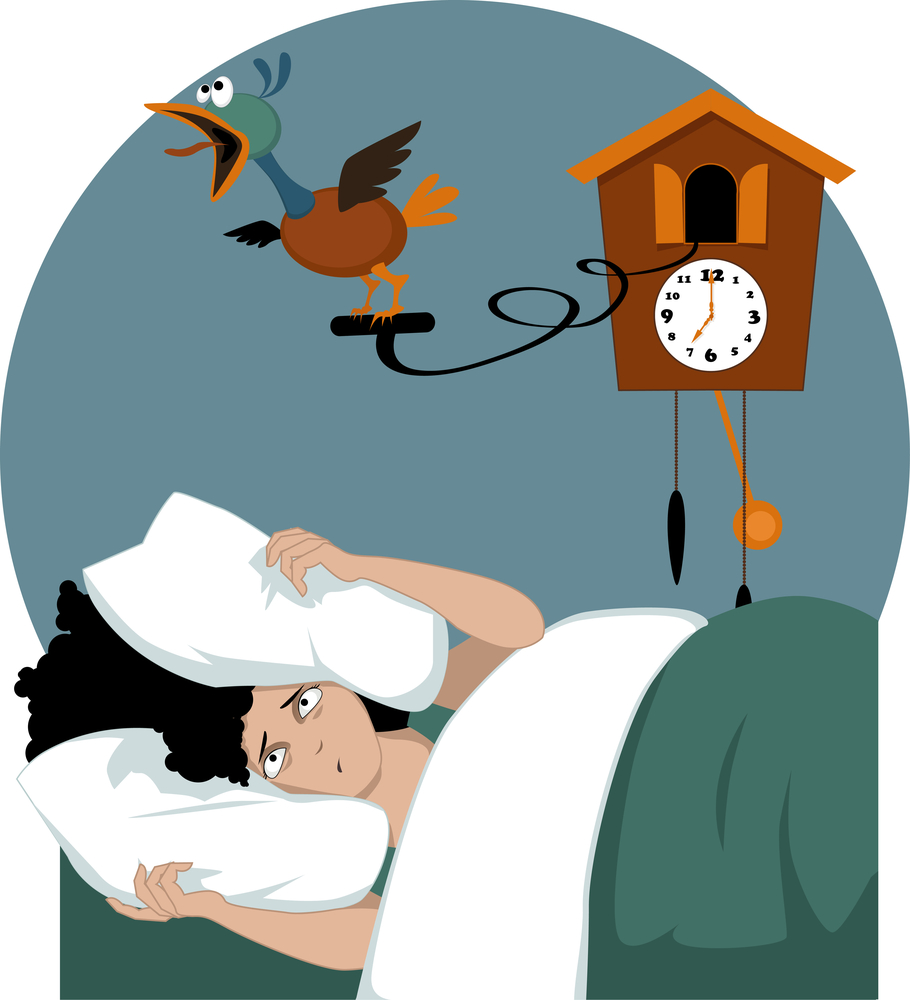
Without a sleep regiment that is consistent and possesses the proper percentages of the various stages, then individuals will suffer short term and long term. Lack of sleep is associated with fatigue obviously, but also forgetfulness, agitation, lack of mood regulation, slow responses, yawning, and loss of motivation (Cleveland Clinic). Individuals can suffer from sleep deficits that gradually build up over time as individuals overwork, stay up later, wake earlier, or even face occurrences known as jet lag, where time zones can disrupt sleep cycles (Barlow, et al., 2023). Different individuals also possess different chronotypes where they are naturally more active or fresh in the morning versus the night or vice versa (Barlow, et al., 2023).
Whatever the case, when sleep is reduced via quality, or quantity, individuals suffer. It is no wonder then that a type of torture involves purposeful sleep deprivation to prisoners which is outlawed by all civilized nations. One case study and research involved keeping 350 volunteers awake for 112 hours. Seven volunteers engaged in behaviors that seemed psychotic (Barlow, et al., 2023). With this realities in mind, sleep disorders can present mild to serious issues for individuals who suffer from both quality and necessary quantity of sleep.
Sleep Disorders and the DSM-V-TR
Sleep disorders are divided into dyssomnias and parasomnias. Dyssomnias deal with issues and difficulties regarding sleep quantity and quality, while parasomnias deal with abnormal or psychological events that occur during sleep (Barlow, et al., 2023). The DSM-V-TR also stipulates that many sleep disorders are comorbid with a variety of other issues, including anxiety and depression (2022).
Dyssomnias
Insomnia Disorder is one of the most cultural known sleep disorder. It is frequently used in everyday language when someone cannot fall asleep but the disorder itself is more than one night of lack of sleep but a consistent issue over time. The DSM-V-TR lists that the occurrence must happen at least 3 times a week over a period of at least 3 months. In addition to lack of quantity or quality of sleep, the individual has difficulty initiating sleep, maintaining sleep, and early awakening. These disturbances cause significant impairment in social, educational and occupational settings throughout the addressed time frame. These issues furthermore are not tied to substance abuse, other physiological issues, as well as co-existing and comorbid issues (DSM-V-TR, 2022). Specifiers include with mental disorder, condition and can be episodic, persistent or recurrent (DSM-V-TR, 2022).
Hypersomnolence Disorder refers excessive sleepiness despite sleep with at least 7 hours. During the day it can include recurrent periods of sleep or lapses or one prolonged main period of sleep during the day lasting at least 9 hours but not offering any refreshed feeling. This must last for at least 3 times a week for a minimum of 3 months (DSM-V-TR, 2022). In addition to causing various impairments and having no other explanations, specifiers can include with medical or mental disorder and acute, subacute and persistent degrees. It can be considered mild, moderate and severe as well (DSM-V-TR, 2022).
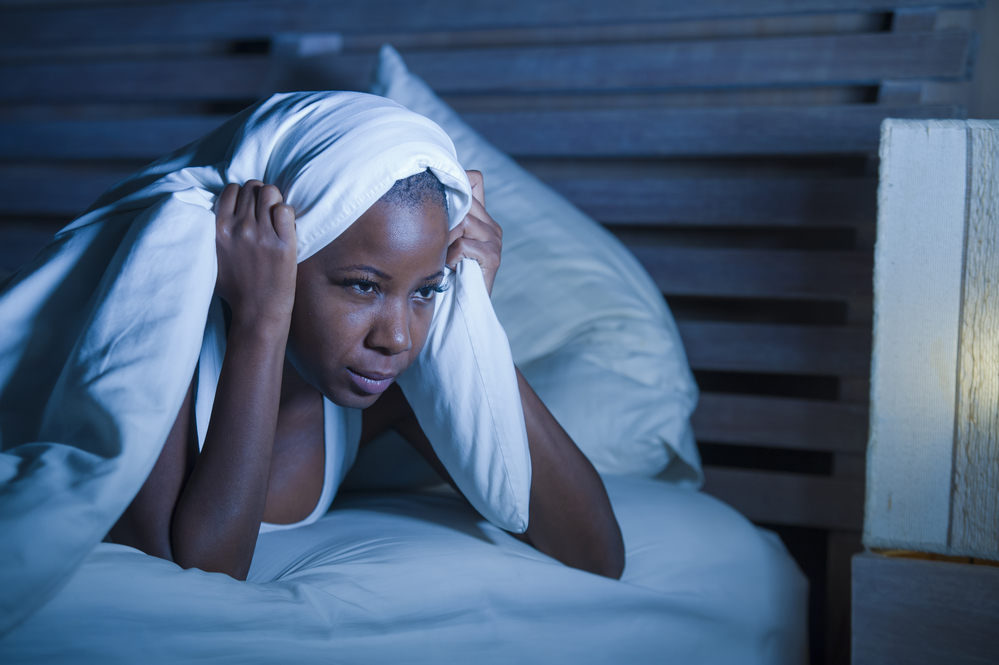
Narcolepsy is also a commonly known disorder displayed on television shows that portrays a person who suddenly and completely falls asleep. The DSM-V-TR states the person falls asleep but immediately enters into a REM state (2022). This can last a few seconds or even minutes. These occurrences again need to happen at least 3 times a week over a 3 month period. These events can occur with cataplexy or weakened or paralyzed muscles or without it. They can also be tied to a hypocretin deficiency which results in lack of alertness and energy balance. Specifiers indicate if Narcolepsy is tied to with or without either of these conditions. Finally, the condition can also be specified as mild, moderate or severe (DSM-V-TR, 2022).
Obstructive Sleep Apnea Hypopnea and Central Sleep Apnea deal with abilities to breath while sleeping. The DSM-V-TR lists these disturbances to breathing as snoring, gasping or breathing pauses during sleep that results in daytime drowsiness (2022). Central Apnea is not a result of any obstruction but a more serious situation in correlation with respiratory system during sleep. The DSM-V-TR lists idiopathic, Cheyne-Strokes and Central Sleep Apnea with opioid use (2022). Many individuals who suffer from this result in needs a sleep apnea machine to help regulate breathing and to maintain proper oxygen saturation within the body while asleep.
Other sleep disorders within this family include Sleep-Related Hypoventilation as well as Circadian Rhythm Sleep-Wake Disorders. Again how one breathes during sleep or one’s internal clock of waking are internally affected. To learn more, please refer to the DSM-V-TR.
Parasomnias
Non-Rapid Eye Movement (REM) Sleep Arousal Disorders are recurrent incomplete awakening from sleep during the first third of the the major sleep episode. Among the issues tied to this are sleep walking and sleep terrors. Sleep walking includes episodes of rising from bed and moving without knowledge, or simply sitting up. It includes a blank stare and unresponsiveness of the person despite communication from others. Awakening the individual is very difficult. Often again this symptom is displayed comically in many cartoons or television programs but the reality of it extremely serious (DSM-V-TR, 2022). Night terrors result in vivid and terror arousals from sleep. It is tied to all the fight or flight mechanisms that induce high heart rate, sweating and rapid breathing within the autonomic nervous system (DSM-V-TR. 2022). One has basic amnesia to the dream or event itself. These issues result in social impairment and daily fatigue. Specifiers include sleep walking with eating, or sexual behavior, or with sleep terror (DSM-V-TR, 2022).
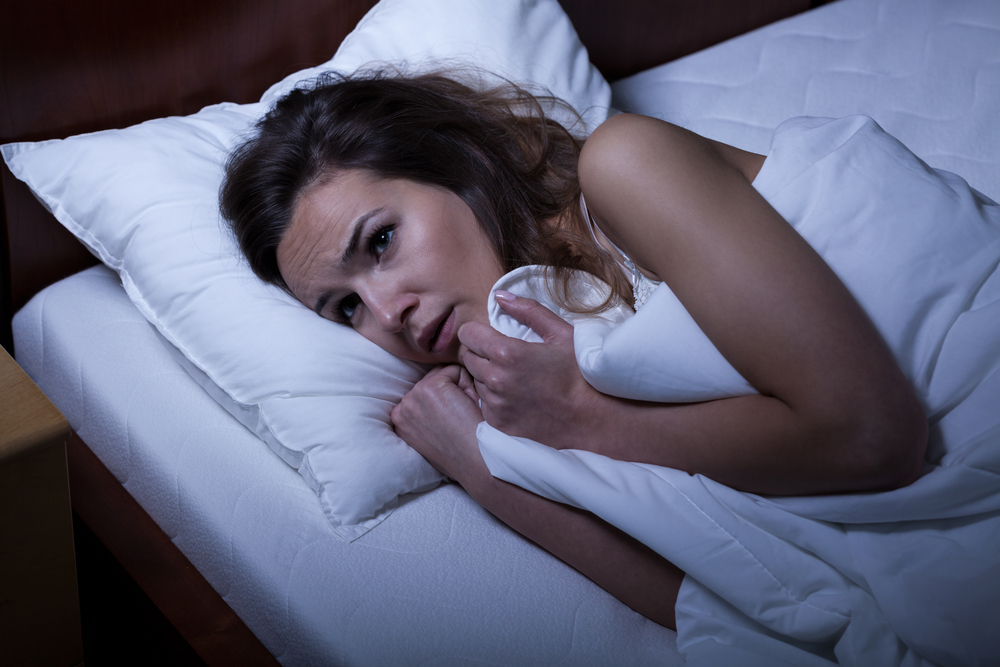
Nightmare Disorder is beyond a bad dream. Bad dreams do not awaken individuals, while nightmares awaken (Barlow, et al., 2023). Nightmare Disorder is also beyond the occasional nightmare but recurrent and well-remembered dream that threatens security, survival or physical integrity. These dysphoric dreams cause intense reaction upon awakening and are not due to any substances, medication, or comorbid issues. They can be specified as mild (1 per week), moderate (multiple per week) or severe (nightly)and also acute and lasting 1 month, subacute and lasting 1 month to 6 months and persistent with a duration of 6 months or more (DSM-V-TR, 2022). In some cases, sleep paralysis can manifest in which the body itself is paralyzed from movement. This phenomenon can be tied to nightmare disorder or be independent. It can result in awareness while being unable to move. This is tied sometimes to completely explainable issues for alien abduction or demonic attack although these natural explanations may not rule out special cases without certainty.
Obviously, Freud and Jung associate nightmares with psycho analysis and meanings. Dreams can also stem from traumas and unresolved issues. These nightmare disorders are a far more severe than a typical nightmare and are tied to multiple issues that need addressed in counseling.
Rapid Eye Movement Sleep Behavior Disorder involves repeated episodes of arousal during sleep associated with talking or movements. This occurs during REM. Upon awakening the person is completely alert and not confused (DSM-V-TR, 2022). Another motor control issue during sleep is Restless Legs Syndrome.
Etiology and Treatment
Sleep issues that are not comorbid with the other related substances, or anxieties or depressions or traumas usually have biological or genetic etiologies. Sometimes they are tied together. Most sleep disorders are treated medically, but some also require counseling (Barlow, et al., 2023). Psycho analytical treatments look for unresolved issues that may be causing sleep disorders. Carl Jung identified various archetypes associated with dreams and sleep to help individuals understand their dreams and what the subconscious mind is relating. In addition, more holistic methods can attempt to cause the mind with herbs and calming teas, as well as hypnosis and meditation as ways to prepare the mind and body for sleep. Slowly preparing oneself for bed and allowing one’s mind and body to destress, and lower brain waves to more a relaxed state can play a role in better sleep and dreams, as well as keeping a regular sleep schedules. Various apps and health rings can give updated scores on sleep efficiency and give sleep scores. While these holistic methods are important to compliment and help, many times, core issues need professional counseling and medical assistance. Medical professionals who are sleep experts can give better diagnosis and aid in helping individuals with more severe and serious issues.
Conclusion
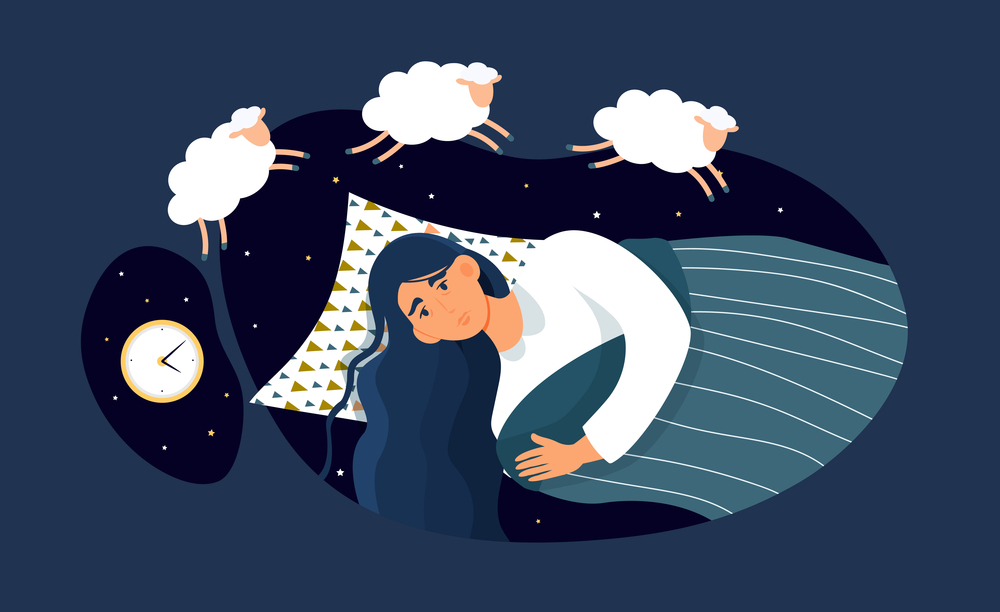
Since sleep is essential to mental and physical health and it is critical to have a healthy sleep pattern. Sleep restores the mind and body and without it basic functioning is impossible. Due to biological, genetic, or past or current issues in life, sleep as well as dreams can be affected. Sleep quality and quantity can be negatively affected by sleep disorders that are either dyssomnias or parasomnias in origin. These can lead to inabilities from a variety of angles in preventing sleep or maintaining it. Some sleep issues deal with the sleeping mechanisms of the body while others deal with the mental aspect of the body. Various medical as well as counseling aids can be employed to overcome these difficulties. In addition various holistic methods can be employed with the consent of one’s primary physician. The sleep cycle is critical to health so if one is suffering from any of these disorders, it is critical to seek the appropriate medical and mental health providers.
Please also review AIHCP’s Healthcare Certifications as well as its behavioral healthcare programs.
Additional AIHCP Blogs
Spiritual Nature of Dreams and Dream Analysis. Access here
References
American Psychiatric Association. (2022). Diagnostic and statistical manual of mental disorder” DSM-5-TR (5th ed., text revision). American Psychiatric Association Publishing.
Barlow, D.H., Durand, V.M., & Hofmann, S.G. (2023). Psychopathology. An integrative approach to mental disorder (9th ed.). Cengage Learning
Additional Resources
“Sleep: How Much You Need and Its 4 Stages” (2021). Cleveland Clinic: Health Essentials. Access here
McLeod, S. & Guy-Evans, O. (2026). “5 Stages of Sleep (REM and Non-REM Sleep Cycles)”. Simply Psychology. Access here
CBT Video Blog
CBT is a behavioral grounded therapy that helps correct distorted thinking. Developed by Beck and Ellis it has proven to be a powerful tool in correcting bad thinking and transforming negative beliefs. Please also review AIHCP’s Healthcare Certifications
DSM-V-TR and Personality Disorders
Personality Disorders are one of the more interesting types of disorders in mental health. They attract the most attention and curiosity about why individuals act the way they do. For the secular mind, it attempts to explain right and wrong, criminality, oddities, and other quirks that step out of bounds within the social structure. As observed in early psychology, it a disorder but the mind still has the ability to possess rationale in its own self. From a religious perspective, it constitutes the reality of brokenness of humanity and how individual acts of deviation can become habitual aspects of one’s personality (McRay, 2016). These disorders distort personality to such an extent to cause inner personal turmoil in one’s feelings towards others and one’s assertion of those feelings outside the norms of one’s cultural context (McRay, 2016). For this reason, many personality orders are not only odd, eccentric, selfish, rude, and withdrawn, but also violent and terrifying to others.
Personality in itself is an essential feature to a person. It involves a person’s overall demeanor, it includes how a person reacts internally and externally with others and the person’s overall temperament. Overall, a personality is one’s unique patterns of thinking, acting and feeling (Myers, 2019). There are numerous theories of personality ranging from the psycho-analytic schools to the humanistic as well as the behavioral schools of psychotherapy. All emphasize their targeted areas of study to the development of personality and all add unique elements to understanding personality. Within personality, exist various traits that are essential to proper functioning within the norms of society. Traits are characteristics or behaviors or dispositions of how a person feels or acts in certain ways (Myers, 2019). Experts list the Big Five Factors of traits that determine personality factors. Myers lists Conscientiousness, Agreeableness, Neuroticism, Openness and Extraversion (2019). When one sways from one extreme to the other in these traits, then imbalance occurs. In addition, the DSM-V-TR also lists these traits in its alternate diagnosis for personality disorder with openness being replaced with lucidity (2022).
When an individual deviates from the cultural norms of his or her culture and society and these extremes manifest against the core basic traits, one will witness odd or deviated social behavior, but isolated acts of misconduct or erratic behavior do not constitute a disorder. A disorder is far more deeper and its duration long lasting. In this blog, we will take a closer look at personality disorders and their striking deviations from cultural norms and behavior.
Please also review AIHCP’s Healthcare and Behavioral Healthcare Certifications
What is a Personality Disorder?
The DSM-V-TR points out that an enduring pattern of inner experience and behavior that deviates from expectations of one’s culture constitutes a personality disorder. These disorders manifest in one or two ways, via cognition, affectivity, interpersonal functioning or impulse control. The DSM-V-TR continues that these enduring patterns are inflexible and pervasive across the range of the person’s personal and social situations and interactions with others (2022). The DSM-V-TR states that these behaviors cause significant distress and impairment in social and personal relationships and this pattern remains stable and of long duration with origins in adolescence and early adulthood (2022). Obviously, these issues are not related to substance abuse, medication, or other mental defects.
The DSM-V-TR looks at moderate to severe impairment in traits to affect identity, self-direction, empathy and intimacy. In addition, these disorders can portray various distortions of personality traits to the extreme. They can manifest negative affectivity versus emotional stability, detachment versus extraversion, antagonism versus agreeableness, disinhibition versus conscientiousness, and psychoticism versus lucidity (2022). It is because of this one can witness in personality disorders a wide range of odd, eccentric, emotional, impulsive, egocentric, aggressive, violent, unempathetic, and manipulative traits.
The DSM-V-TR groups personality disorders into three clusters. Cluster A includes paranoid disorders such as paranoid, schizoid and schizotypal. Cluster B includes personality disorders such as anti-social (sociopathy/psychopathy), borderline personality disorder, histrionic, and narcissistic disorders. Finally, Cluster C includes avoidant personality disorders such as avoidant, dependent and obsessive compulsive personality disorders (not to be confused the OCD itself). (2022).
Of particular note, based on different case studies and surveys, the percentage of personality disorders within the general population is 9 to 10 percent suffering from some type of personality disorder in some degree or level (Barlow, et al. 2023). Ironically, many of the terms associated with these disorders, are used loosely in everyday vernacular towards individuals who may act a certain way in a given situation but not possess the disorder. Bad behavior, sin, vice, or whatever one wishes to label it is part of the human condition and people are not perfect. Personality Disorders are merely a persistent form of these behaviors at an extreme and rigid level. So, when diagnosing, anyone at some time or some point can see at least a couple undesirable traits and feel guilt or shame for exhibiting these actions. Ultimately guilt and shame and acknowledgement are key signs one does not possess the disorder itself.
Types of Disorders

Paranoid
Paranoid personality disorders are in the realm of psychotic and the schizotypal form can sometimes be the premorbid phase of schizophrenia itself. One of the key elements is the disorder is persistent before and after any delusional of psychotic episodes.
Paranoid Personality Disorder constitutes a pervasive distrust and suspicion of others. Without evidence, they feel they are being exploited or harmed. They discover unfounded evidence of demeaning actions or threatening meanings in other individual’s remarks or cues. They are preoccupied with doubts of other’s loyalty to them and find it difficult to confide in others. They feel information can constantly be used against them. Emotionally, they can become angry and hold grudges due to the perceived threats (DSM-V-TR, 2022).
Schizoid Personality Disorder is a detachment from social relationships beyond intimate family. They also possess a restricted range of emotions. These traits continue before and after remission of possible psychotic episodes (DSM-V-TR, 2022). Schizotypal Personality Disorder is more severe and resembles Schizophrenia and other schizophrenic spectrums. It can also co-exist with them but also exists outside the psychotic psychotic episodes (2022).
Anti-Social
Anti-Social Personality Disorder is best known a pervasive and consistent pattern of disregard and violation of the rights of others, occurring since age 15 and must be at least 18 (DSM-V-TR, 2022). With diagnosis, three of the following traits must persist
- failure to comply with social norms and laws
- deceitfulness and pathological lying
- impulsiveness and failure to plan
- irritability and aggressiveness
- recklessness and disregard for safety of self or others
- consistent irresponsible behavior
- lack of remorse or empathy
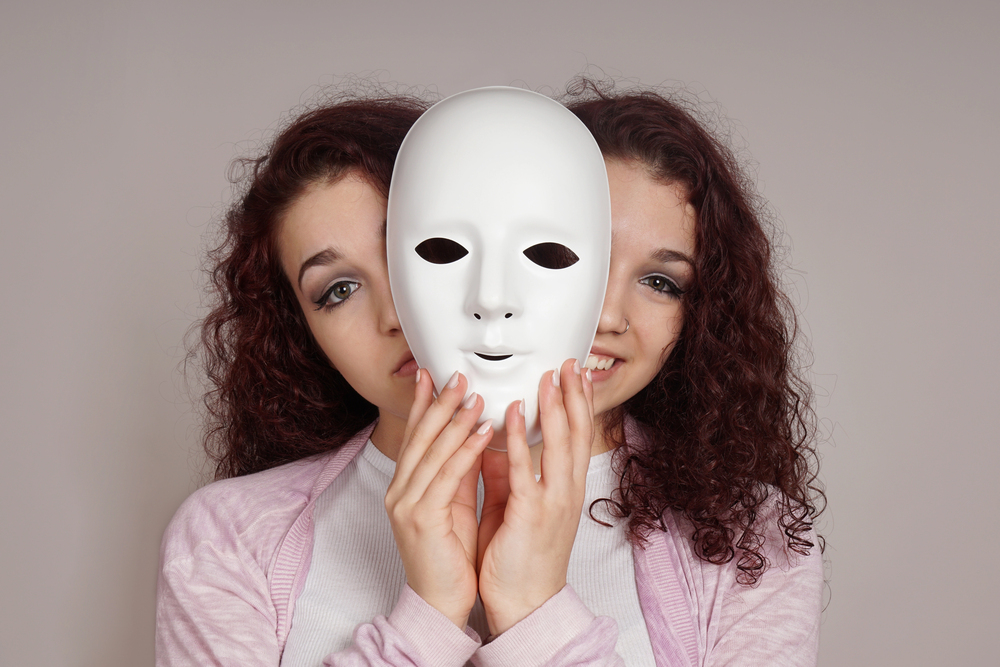
The DSM-V-TR continues in alternative diagnosis with emphasis on a distorted identity based on egocentrism and self-esteem deprived via power and gain and pleasure. Personal gratification is the primary goal and self direction absence of inhibitions that prevent those gratifications. There is a lack of emotional connection or empathy within the disordered person and intimacy and relationships are meant for exploitation or manipulation to meet one’s own needs. The DSM-V-TR in addition lists these traits of which 6 must be met
- manipulation (antagonism)
- callousness (antagonism)
- deceitfulness (antagonism)
- hostility (antagonism)
- risk taking (disinhibition)
- impulsivity (disinhibition)
- irresponsibility (disinhibition)
Horrifying enough, there can be a psychotic specifier as well with psychopathic features which would constitute the differences between a sociopath and a psychopath. Depending on degree and opportunity, these individuals can be very dangerous in what they are willing or not willing to do to others. Many criminals possess these traits and those in trouble with the law. Many can understand something is wrong but fail to care or display empathy or guilt or emotion regarding their actions.
Narcissistic Personality Disorder is commonly comorbid with Anti-Social Personality Disorder. Narcissists, according to the DSM-V-TR, display a pattern of grandiosity. They require admiration and lack empathy. The disorder can manifest in early adulthood (2022). Five or more of the following are necessary for diagnosis.
- grandiose self importance
- fantasies of unlimited success, power and brilliance
- believes oneself is special
- requires admiration of others
- sense of entitlement
- interpersonally exploitative
- lacks empathy
- envious of others
- severe arrogance
In regards to identity, they require excessive reference of others for self-definition. Deep down, they have lower self-esteems and without these appraisals, they can suffer emotionally. In addition, self direction is tied to gaining approval of others. Relationships and intimacy are more superficial as to the image it portrays. Empathetically, they are restricted in understanding the needs and emotions of others at the expense of their own (DSM-V-TR, 2022). Closely related is Histrionic Personality Disorder which faces excessive emotionality and seeking of attention (DSM-V-TR, 2022).
If the other anti-social disorders are more intellectual, then Border Line Personality Disorder (BPD) is the chaos of emotion. According to the DSM-V-TR, BPD is a pervasive pattern of instability in regards to relationships, self-image and affects which onsets in early adulthood (2022). Five or more attributes must be present.
- frantic efforts to avoid real and imagined abandonment
- pattern of unstable and intense interpersonal relationships
- identity disturbance and unstable self-image
- impulsivity with spending, sex, substance abuse, reckless driving or binge eating
- recurrent suicidal behavior, gestures, threats or self mutilation
- affective instability due to marked reactivity
- chronic emptiness
- inappropriate anger or controlling anger
- transient stress related paranoid ideation
In regards to identity, BPD is marked by poorly developed and unstable self-image. Self direction consists of instability with goals and plans. Empathetically, individuals have a difficult time recognizing the feelings and needs of others. In regards to intimacy and relationships, there is a consistent intense, unstable and constant conflict with others (DSM-V-TR, 2022). They experience intense emotional lability, anxiousness, separation insecurity, depression, impulsiveness, risks and hostility (DSM-V-TR, 2022).
Avoidant

Avoidant personality disorders include Avoidant Personality Disorder, Dependent Personality Disorder and Obsessive Compulsive Personality Disorder.
Avoidant Personality Disorder involves more than an introvert life style or bouts with anxiety but a pervasive pattern of social inhibition, inadequacy, and hypersensitivity to negative evaluations of self (DSM-V-TR, 2022). Four or more of the following are need in diagnosis.
- avoids occupational activities
- unwilling to get involved with others unless certain of being liked
- restraint with intimiate relationships
- preoccupied with fear of rejection
- feelings of inadequacy
- views oneself as unappealing, inferior or inept
- avoids risks of engagement or new activities
Avoidant personalities are associated with low self esteem identity wise. Their self direction is distorted due to reluctance to pursue goals. Their empathy for others is distracted by their own internal fears and their intimacy is restricted due to shame and fear of rejection. Their traits include anxiousness, withdrawal, anhedonia and intimacy avoidance (DSM-V-TR, 2022).
Dependent Personality Disorder involves a pervasive or excessive need to be taken care of by others which leads to submission and clinging behaviors marked by separation anxiety which manifests in early adulthood (DSM-V-TR, 2022). Five or more of the following symptoms are required for diagnosis.
- difficulty making everyday decisions without excessive advice and reassurance
- needs other to assume responsibility in life
- difficulty expressing disagreement
- difficulty initiating projects
- goes to excessive lengths for reassurance
- feels helpless when alone
- seeks relationships for security
- fearful of abandonment
Finally, Obsessive Compulsive Personality Disorder concludes the avoidant disorders. This disorder is not to be confused with OCD which can be comorbid but unlike OCD which reacts to stressors and anxiety, OCPD exists in all situational relationships. According to the DSM-V-TR, it is represented by a pervasive pattern of preoccupation with order, perfection and mental and interpersonal control at the expense of flexibility which begins in early adulthood (2022). Four or more of the following symptoms are necessary for diagnosis
- preoccupation with details, rules, lists, order, schedules, organization
- perfectionism derails task completion
- focused on work before any types of leisure
- overconscientious, scrupulous and inflexible in matters of morals, ethics or values (not when accounted to religious or cultural identification)
- unable to discard worthless objects
- reluctant to delegate tasks to others
- adopts miserly spending habits
- rigid and stubborn
Those with OCPD compose their identity as correlated with work or productivity. Their self direction is complicated due to rigidity in completing tasks and meeting standards. They lack difficulty in empathy to understand the feelings and standards of others. Finally, their intimacy is restricted in relationships since they put relationships secondary to work and maintain a rigid and stubborn life with others (DSM-V-TR, 2022). They adhere to rigid perfectionism, perseveration in tasks, intimacy avoidance, and possess restricted affectivity (DSM-V-TR, 2022).
Etiology and Treatment
Personality Disorders like all mental pathologies cannot be originated from one aspect of life but is a culmination of biological, genetic, psychological, behavioral and social factors. In addition, many possess comorbid mood disorders or maladaptive coping strategies involving substances. In the cases of Anti-Social Personality, it is obvious that there are genetic dispositions as well as biological deformities within the brain that restrict empathy and impulsivity (Barlow, et al., 2023). In addition, early childhood mistreatment, abuse, trauma, poverty and malnutrition can play roles in the development of life views and emotional affectivity (McRay, 2016). None of these things guarantee a disorder, but they collectively can contribute to disorders that later develop in early adulthood.
In children, values and morality are also essential to enforce in life. In early development of a children, egocentrism is important to survival but children are exposed to empathy, love and the needs of others. Children that are not properly guided can develop vices that later can lead to habitual life styles (McRay, 2016). Children with natural inclinations to pride, or selfishness, or other vices, without the proper guidance can fall victim to these inclinations as adolescence continues. These maladaptive behaviors manifest as the person is permitted without consequence to perform these actions. Obviously from a religious perspective, morality and restrictions are essential guardrails in anti-social personality development (McRay, 2016). Even without proper social norms and concepts such as the Golden Rule, individuals can develop into habitual disordered individuals in mind, thought, emotion and behavior.
Unfortunately, many individuals with personality disorders do not seek treatment. Avoidant groups are the most likely to seek help but anti-social and paranoid seek assistance less. Those who do find help require extensive and consistent counseling that focuses on emotional regulation, identifying distorted thinking, and understanding the needs of others. This involves comprehensive psychotherapy that includes CBT, DBT and other cognitive therapies. Humanistic therapies can attempt to at least encourage acknowledgement of the needs of others. Medication is rarely helpful but only to alleviate secondary symptoms of anxiety or depression, especially in BPD (Barlow, et al., 2023).
Pastoral and Christian Counseling care has existed well before modern psychology. In these practices, the proposed opposite virtue of the habitual vice was emphasized such as humility over pride or temperance over anger. In these cases, the spiritual treatment of the sinful condition was considered in addition to the mental pathology. Moral virtues, spiritual discipline, submission to God and constant regulation over viceful responses were considered critical. For many, faith left the change to the grace of God due to the sinful nature of humanity(McRay, 2016).Too many times, pastoral leaders or even counselors and mental healthcare professionals can become over involved in personality disorder cases looking to rescue and save these clients. Many of these clients unfortunately are sometimes beyond saving and will attempt to manipulate helpers.
In regards to loved ones, family is encouraged to never withdraw love but to always protect themselves from manipulation or abuse. In addition, they are to set strong boundaries with those facing personality disorders. Boundaries are essential and must be made clear and definitive of expectations but also demands for treatment. Family needs to become psycho-educated on the disorders and be able to identify manipulations or emotional states to better protect themselves but also help the person.
Conclusion
Personality Disorders are habitual, persistent, and impairing traits that affect an individual’s ability to show empathy, regulate emotion, or interact with other people in a fair and just way. The disorders affect their ability to properly assert themselves in positive or negative ways. They manifest in types or paranoid, anti-social or avoidant. All individuals to some extent sometimes deviate from the norm or do something wrong, but personality disorders deviate from the cultural norm on a consistent basis and at disproportionate extreme. While those who suffer from these disorders, especially BPD and Sociopathy must be held accountable for bad actions, one still must understand the unnatural impulse that has habitually sidetracked their ability to operate as normal individuals. This leads to erratic, odd, distant, dysregulated, manipulative, rigid, emotional, or dangerous behaviors. These disorders have multiple origins from genetics, biology, as well as past trauma, and behavioral upbringing. It is difficult to predict what factors will lead to a true disorder but roughly 10 percent of the population suffers from a personality disorder. In regards to treatment, psychopathology and some medications can help alleviate anxiety and depression, but overall, a person must commit to life long therapy and continually identify their issues. Ironically, the inability to acknowledge this is the biggest issue for adjustment. Finally, it is important to form healthy boundaries with loved ones who suffer from these disorders. While many are hard to understand or even tolerate, it is important to remember they are broken. This does not mean one surrenders oneself to their desires, nor does it mean one justifies their actions or does not hold one accountable, but it does demand an empathetic condition for their brokenness.
Please also review AIHCP’s Healthcare Certification Programs and see if they meet your academic and professional goals.
Additional AIHCP Blogs
Anti-Social Disorders – Access here
Narcissism Video- Access here
Borderline Personality Disorder- Access here
References
American Psychiatric Association. (2022). Diagnostic and statistical manual of mental disorder” DSM-5-TR (5th ed., text revision). American Psychiatric Association Publishing.
Barlow, D.H., Durand, V.M., & Hofmann, S.G. (2023). Psychopathology. An integrative approach to mental disorder (9th ed.). Cengage Learning
McRay, B.W., Yarhouse, M.A., Butman, R.E., & Kiple, C. (2016). Modern psychopathologies: A comprehensive Christian appraisal. (2nd, ed.) IVP Academic
Additional Resources
Personality Disorders. Cleveland Clinic. Access here
Burton, A. (2024). “The 10 Personality Disorders”. Psychology Today. Access here
Personality Disorders. Mayo Clinic. Access here
Pugle, M. (2026). “10 Types of Personality Disorders”. Very Well Health. Access here
AIHCP Healthcare: Dark Triad Video Blog
When personality disorders compound, some very disturbing types of individuals can emerge. This video looks at the Dark Triad and the dark disorders it encompasses within the Anti-Social spectrum of disorders. Please also review AIHCP’s numerous mental health certification programs
DSM-V-TR and Diagnosis of Schizophrenia Spectrum and Psychosis
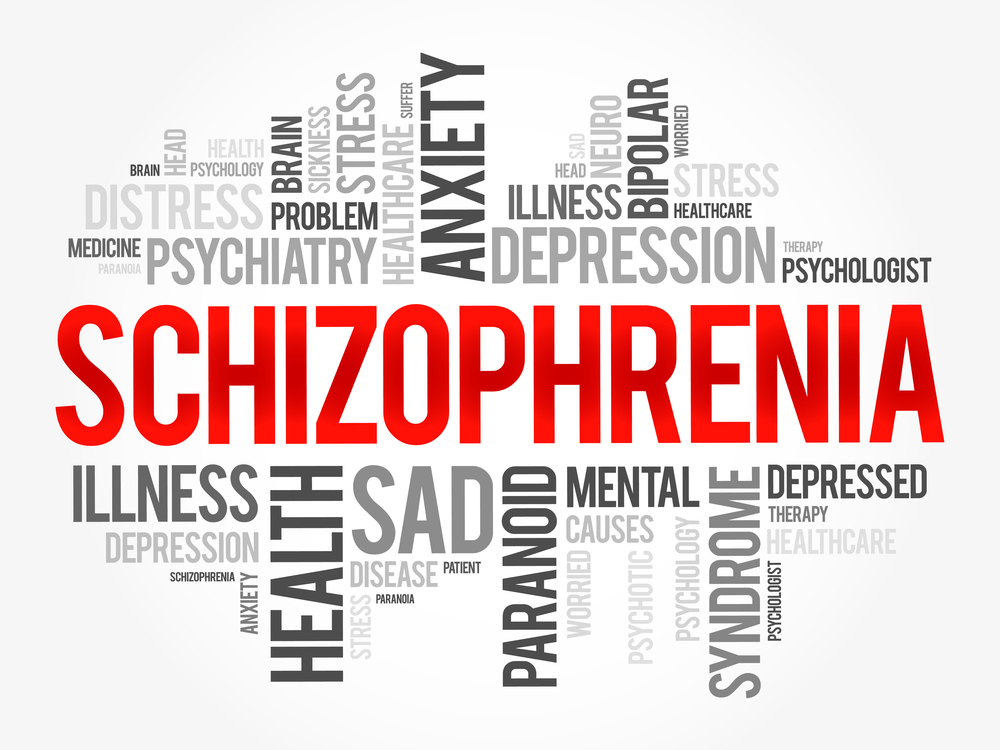
When one considers the classical image of mental illness, psychosis, hallucinations and delusions are the first to come to mind. This can create frightening images or archetypes, or remind individuals of the old asylums of the late 19th and early 20th centuries. While some of the symptoms of psychosis and schizophrenia can be odd and frightening to some, the reality is most are individuals who are suffering and trying to survive. 1 in 100 individuals suffer from schizophrenia and if exists within family history , the chances of inheriting the gene that activates it rises (McRay, et al., 2016). With that in mind, more individuals than one would think suffer at some level within the spectrum of Schizophrenia and psychosis related disorders. This blog will review the DSM-V-TR and its diagnosis of Schizophrenia as well as related disorders.
Please also review AIHCP’s Healthcare Certifications for behavioral health professionals, as well as nurses and other healthcare professionals.
Etiology Behind Psychosis and Schizophrenia
Psychosis itself can occur within any hallucinating drug, substance or meditation. Those with the genetic predisposition can activate it in life by use of drugs, or enduring various stressors (McRay, et al., 2016). The disorders have no gender bias and usually occur late in adolescence or early adulthood (Barlow, et al., 2023). The first phase consists premorbid conditions of cognitive and social impairments, followed by the prodromal phase which exhibits minor psychotic like behaviors for 1 to 2 years. It can take up to 10 years for one to fully manifest positive and negative symptoms with the deterioration continuing without treatment (Barlow, et al., 2023).
Since Schizophrenia is highly connected to family history, various neurological defects are apparent, including larger ventricles, as well as higher levels of the neurotransmitter dopamine (Barlow, et al., 2023). For some, the use of drugs, as well as stressors can play a role in activating it. Finally, fetal exposition to viral infection and different pregnancy complications can play a role (Barlow, et al., 2023).
Schizophrenia Spectrum
There is not merely one type of psychosis, but a full spectrum that illustrates Schizophrenia and psychosis and how it manifests differently at various degrees and durations. The DSM-V-TR lists the spectrum as consisting of Delusional Disorder, Brief Psychotic Disorder, Schizophreniform Disorder, Schizophrenia, Schizoaffective Disorder, and Psychotic Disorder due to Substance or Medication induced. Schizotypal Disorder is briefly listed but categorized within personality disorders (DSM-V-TR, 2022).
Within all of these disorders to some extent or level certain symptoms manifest in extremity, duration or presence that are key in differentiating one disorder from another, but within that group of symptoms are clear signs that point to some type of psychosis. Within the nature of psychosis delusions, hallucinations, negative symptoms and disordered speech and thought are key divisions of psychosis.
Delusions
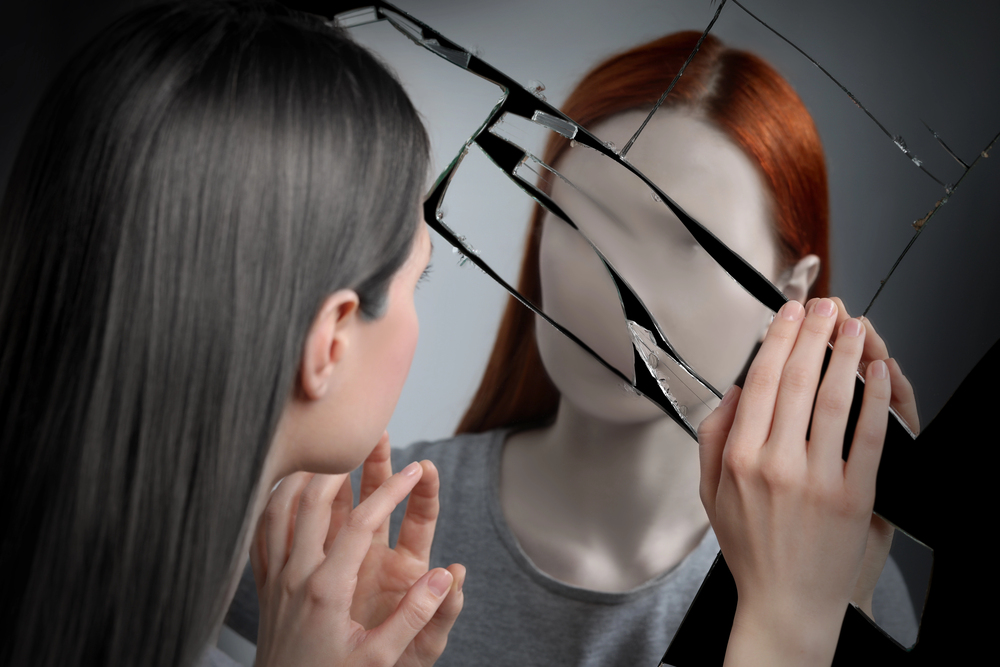
Delusions are a disorder of thought content (Barlow, et al., 2023). The DSM-V-TR adds that delusions are unable to change or be altered even if conflicting evidence against them is supplied to the person (2023). Persecutory delusions are beliefs that an individual is being persecuted, or that one is going be harmed or harassed by a group. Individuals who feel the CIA or FBI is hunting them is a prime example of this type of delusion. Referential delusions are when the individual believes that certain benign cues, gestures, or comments are directed at them. Grandiose delusions refer to delusions that entail the person thinking he or she is someone famous or has individual powers not possessed. Erotomanic delusions entail belief that someone is in love with them, even someone famous. Nihilistic delusions are strong convictions that a catastrophe will occur and finally Somatic delusions are fears regarding health and organ functioing (DSM-V-TR, 2023). Furthermore delusions are considered bizarre if the delusion falls out of the category of even possible, such as aliens inserting a chip in someone’s head (DSM-V-TR, 2023). It is important to differentiate strongly held beliefs or convictions from delusions as well as culturally based ideals that may seem odd to others.
Hallucinations
Hallucinations are perception like experiences that occur without external stimulus (DSM-V-TR, 2023). They can be auditory or visual and must occur within the range of normal experiences. The most common hallucination in Schizophrenia is auditory. Interesting to note, that when individuals experience auditory hallucinations, it the area of the brain associated with speech or Broca’s area that has been shown in experiments to activate instead of the hearing area known as Wernicke’s area. This is because the voices are actually coming from own’s speech area and not from a true external auditory source (Barlow, et. al. 2023).
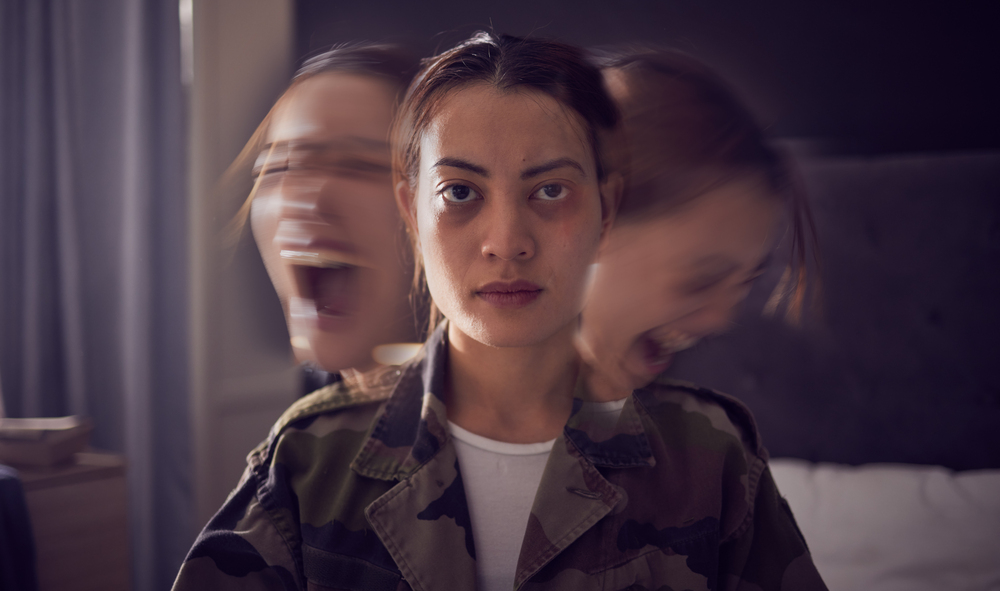
Those from other cultures or religious traditions, especially within mysticism, are not always considered to be hallucinating. The DSM-V-TR clearly specifies that these cases need to be evaluated differently than a pure disorder (2023). Apparitions and voices of a deity should be evaluated to rule out any mental defect but in some cases no defect exists. Sometimes, a religious experience can possess qualities of a hallucination but the information or message is foreign from the person. Other times, religious experiences can affect the five senses themselves and are not hallucinations. It is important for any spiritual message to sometimes undergo rigid investigation to understand if it is from within a person or if filtered into the person through a spiritual source. Ultimately, how one views these experiences will pend on if one is an atheist or a believer in the spiritual realm. Regardless, they deserve special differential treatment in diagnosis than pure hallucinations before denying it or labeling one with a disorder.
Disorganized Thinking, Speech and Abnormal Motor Control
It is common with psychosis and schizophrenia for many odd cognitive thoughts, reactions, and word salads to emerge within the individual. This is part of the disorder and inability to process thoughts and reality. The DSM-V-TR lists a variety of disorganized thinking and speech symptoms, including derailment or loose association where the person switches without logic from topic to topic, or tangentialtions that illustrate completely unrelated answers to questions. In addition, incoherence can reach such a state where a word salad manifests where the train of thought is impossible to follow (2023). In other cases, inappropriate affect can emerge in which the person’s emotional responses do not match the question or situation (Barlow, et. al., 2022).
In regards to motor control, some individuals display catotonia or decreased ability to react to stimuli. It can also manifest in incomplete or no verbal responses such as stupor or mutism. It is important to note that catatonia symptoms while related to schizophrenia exist, they can also exist in other disorders as well (DSM-V-TR, 2023).
Negative Symptoms
Positive symptoms such as hallucinations and delusions are directly manifested in psychosis and schizophrenia, but there are also passive or negative symptoms. Among them are avolition, alogia, anhedonia, asociality, and affective flattening (Barlow, et al., 2022). Avolition deals with inability or interest to partake in daily tasks. Alogia refers to the absence of speech. Anhedonia refers to the indifference to pleasure or activities that are a source of pleasure. Asociality refers to withdraw and lack of interest of social interaction. Finally, affective flattening is a lack of emotional response or a flat affect to questions or a situation (Barlow, et al., 2022).
Diagnosis Criteria of Schizophrenia Spectrum
Delusional Disorder
This disorder requires the presence of at least one type of delusion for the persistence of one month and the delusions must cause social impairments but do not appear as bizarre or as odd of those exhibiting schizophrenia. These delusions are not due to drugs, substance or other medications and finally, Hallucinations, negative symptoms and disorganization is rare and any form of catatonia rules out this diagnosis (DSM-V-TR, 2022).
Brief Psychotic Disorder

A brief psychotic disorder exhibits the positive symptoms and is not described by other mental health issues such as major depression or bi-polar. It lasts a minimum of 1 day to 1 full month and then a full return to premorbid level of functioning (DSM-V-TR, 2022).
Schizophreniform
This disorder possesses all the positive and negative symptoms of schizophrenia but its duration is its key attribute. It manifests from 1 month to 6 months (DSM-V-TR, 2022). It is also not attributed to any other mood disorders or drugs, substances or medications.
Schizophrenia
Schizophrenia requires 2 of the following during a period exceeding 1 month.
1.delusions
2. hallucinations
3. disorganized speech
4. grossly disorganized behavior
5. negative symptoms.
Of the above conditions, one must be from delusions, hallucinations or disorganized speech.
In addition to these core psychosis symptoms, there must be significant impairment and functioning with work, social interaction and self care. These signs must persist beyond 6 months. In addition, major depressive disorder and bi-polar disorder must be ruled out. Finally, the disorder must not be due to any drug, substance or medicine. (DSM-V-TR, 2022).
Schizoaffective Disorder
This disorder exhibits psychotic symptoms for a 6 month period while also enduring bi-polar or major depressive disorder must be present through the majority of the schizoaffective disorder. It can be specified as bipolar, depressive or catatonia (DSM-V-TR, 2022).
Treatment of Psychosis and Schizophrenia Spectrum
Treatment remains very difficult for many because of the numerous side effects, lack of family and social support, and the damaging effects of the illness for self care but it can help alleviate symptoms and help some individuals live normal lives.

Medically, since the 1950s, anti-psychotics have proven to be a powerful tool in helping individuals with psychosis and schizophrenia. Also, referred to as neuroleptics, these drugs are dopamine antagonists that reduce the production of dopamine (Barlow, et al., 2022). While helping many individuals who suffer from schizophrenia, the medications can also cause numerous side effects from weight gain to fatigue. Uniquely to schizophrenia, the lowering of dopamine can cause tremor like symptoms similar to Parkinson disease. Ironically, individuals who take medications to increase dopamine for Parkinson disease can experience schizophrenic like hallucinations (Barlow, et. al., 2022).
In addition to anti-psychotics, interventions are key in helping individuals face their delusions and social struggles. Psychotherapy can help individuals understand their way of thinking, as well as provide tools and skills to achieve goals in life while facing the struggles associated with the disorder. In addition, symptom management is essential in identifying warning signs of potential flare ups and when to seek assistance. Social and family assistance is key to helping individuals find their way. Those facing these issues must also always refrain from drugs and alcohol due to their condition of possible psychosis but also due to the nature of the medications they are prescribed (Barlow, et al., 2022). Essentially, it involves not only accepting and discovering that one has this mental disorder but adjusting to a new way of life to manage the symptoms and promote health. Barlow points out that treatment plans should be integrative and include collaborative psychopharmacology, community treatment access, family psychoeducation, supportive employment and illness management skills (2023).
Conclusion
Psychosis while odd and sometimes scary affects many people. Hallucinations, delusions, disorganized speech and negative symptoms are the key groupings of symptoms that manifiest with psychosis. Understanding why it happens and identifying the signs is important in controlling it. It is essential to diagnose and treat before it derails a person’s social, academic, family and professional life. Unfortunately, due to social support, life style change, medicine side effects, and extreme of impairment, many never receive the full help they need. This leads to many be left to fend for themselves as they become more disconnected from reality. Many find themselves homeless, unemployed and in and out of the prison system without proper care.
Please also review AIHCP’s Behavioral Health Certifications for healthcare professionals.
Additional Blogs
Stress and Trauma Disorders: Access here
Anxiety Disorders: Access here
Mood Disorders: Access here
References
American Psychiatric Association. (2022). Diagnostic and statistical manual of mental disorder” DSM-5-TR (5th ed., text revision). American Psychiatric Association Publishing.
Barlow, D.H., Durand, V.M., & Hofmann, S.G. (2023). Psychopathology. An integrative approach to mental disorder (9th ed.). Cengage Learning
McRay, B.W., Yarhouse, M.A., Butman, R.E., & Kiple, C. (2016). Modern psychopathologies: A comprehensive Christian appraisal. (2nd, ed.) IVP Academic
Additional Resources
Gregory, S. (2026). “Understanding care and treatments for schizophrenia”. Mayo Clinic. Access here
Schizophrenia (2025). Cleveland Clinic. Access here
Carey, E. (2024). Psychosis. Healthline. Access here
Psychosis: Causes, Symptoms, and Treatment. WebMed. Access here
Behavioral Health Care Certifications: What is the DSM?
This blog looks to give a short description and analysis of the DSM and its purposes and ways of classifying mental illness. The Diagnostical Statistics Manuel of Mental Disorders or DSM is a series of editions that looks to help mental health professionals diagnose mental pathology. It lists numerous types of psychopathologies and looks to classify and aid mental health professionals through the diagnostic process. It is meant as an aid not necessarily a replacement of one’s professional acumen.
Please also review AIHCP’s mental and behavioral health certifications for clinical as well as non clinical professionals.
DSM
The first edition of the DSM appeared in 1952 (DSM-V-TR, 2022). Since then there have been five editions with the most recent appearing in 2022. This edition is the revised text of the fifth edition which appeared in 2013. In 1999, the American Psychiatric Association (APA) launched an extensive evaluation of strengths and weaknesses of the previous DSMs. In efforts with the World Health Organization (WHO), as well as the National Institute of a Mental Health (NIMH), the revision began to correlate closer with the International Classification of Diseases (ICD). This led to sharing the same codes with ICD-11 instead of separate coding for mental health and diseases (DSM-V-TR, 2022). This led a better harmonization with the ICD and a regrouping of mental disorders to correlate with developmental and life span considerations of mental disorders (DSM-V-TR, 2022). The DSM-V also removed its previous multiaxial system of diagnosis which involved assessment on various axes which referred to different domains. Axis I was previously clinical disorders, Axis II included personality disorders and intellectual development disorders, Axis III included other medical disorders, and Axis IV included psychosocial factors.(DSM-V-TR, 2022). These axis are no replaced in the DSM-V with diagnosis and conditions correlated with the ICD z coding. The final axis V which included Global Assessment and Functioning was replaced by the WHO Disability Assessment Schedule (DSM-V-TR, 2022) (McRay, B., et al., 2016).
Emphasis is also placed within the new revision of cultural and social norms and the danger of abnormality being measured universally without proper context of different cultures and expression. In addition, the new revision calls for a greater focus on mental issues caused by biases and prejudices caused by race, gender, sexual orientation and culture.
The new edition also defines key terms regarding diagnosis. This includes the differences between a primary diagnosis and provisional diagnosis. Within a primary diagnosis, the diagnosis deals with the presenting issue or reason for visit. This diagnosis is based on the inpatient setting and the available information. A provisional diagnosis occurs when current information is insufficient at the time to make an official diagnosis based on needing more records or more time to unfold according to the DSM for a particular disorder to manifest (DSM-V-TR, 2022).
Important terminology for diagnosis also explains the etiology or origin of the disorder. In some cases, it will be attributed to substance abuse or medical disorders and in other cases independent mental disorder. Instead of past diagnosis with labeled disorders as organic or physical versus nonorganic or purely of the mind, current systems utilize these labels to help understand the etiology of the disorder (DSM-V-TR, 2022).
If a clinician were to review a patient’s symptoms and cross reference it with the DSM-V-TR, they would discover various headings to help one further a diagnosis. First, the Diagnostic Criteria heading lists the various symptoms that must manifest and how many the patient must possess. Second, Diagnostic Features, as well as Associated Features, Development and Course, and Risk and Prognostic Factors all provide more insight and information for the clinician to review and refresh upon. In addition to the primary diagnosis, the manual also has headings for Comorbidity and Differential Diagnosis which illustrates other possible disorders to review that are related to the patient as well as possible concurrent disorders that can co-exist with the primary disorder (DSM-V-TR, 2022).
Classification and Etiology

Many modern psychopathologies are classified according to different schools of thought but ultimately, psychopathology is a complex system. Nosology refers to the scientific process of categorizing phenomena (McRay, B., et al., 2016). Three approaches to classification involve the monothetic approach, the polythetic approach and the dimensional approach. The monothetic diagnosis is based on a “yes” or “no” classification if the agent meets the model of criteria for something or not. The polythetic which is more attuned to the true nature of psychopathology permits for a broader criteria of prototype for membership of a particular class or disorder. Criteria is more than merely pathognomonic but due to correlation, can fit some of the criteria to be included and hence creating a more heterogeneity class membership (McRay, B., et al., 2016). Dimensional models are also more diverse because they do not merely focus on qualitative distinctions between normal and abnormal but more so on a continuum of health that reviews extremes of traits (McRay, B., et al., 2016).
Most theoretical classifications fall under various schools of thought. Ultimately a multidimensional approach is critical and is what the DSM utilizes. Among theoretical perspectives there are biophysical theories which emphasize physiological factors that determine psychopathology. Included also are intrapsychic which primarily assume psychological factors, phenomenological factors which stress experience and perception, and behavioral theories which focus on how a person’s learning and personality was determined by reinforcement (McRay, B. et al., 2016).
The primary foundations for all mental illness finds itself in four broad models of psychopathology: Biological, psychosocial, socio-cultural, and spiritual. Biologically, mental maladies can be due to genetics and physiological factors. Psychosocial reviews the formation of psychopathy from the numerous branches of psychology. Whether from a psychoanalytic perspective, or a behavioral perspective, or even a humanistic perspective, psychopathology and illness is an expression of underlying personality dynamics, environmental factors, internal thinking processes or learned habits that create pathology (McRay, B., et al, 2016). The socio-cultural pinpoints where some psychopathologies can emerge due to cultural and family aspects of development and how they play a role in a person’s mental health. This includes the role of social labels and roles, as well as social connections and support play in the development of one’s mental health. Finally, spiritual models look at the power of identity, meaning and existential realities and how these spiritual practices help or hinder a person’s mental health (McRay, B., et al, 2016).
Caution when Utilizing any Diagnosis
The DSM-V-TR when used by untrained professionals can be dangerous. Also, even for trained individuals, it is important to understand that the DSM-V-TR despite based on a wealth of knowledge, empirical research, as well as multiple health organizations is still limited in diagnosis. According to McCray, DSM V categories are more descriptive than explanatory. He also points out that diagnostic labeling needs to be done with sensitivity and care to avoid damaging the self worth of an individual (2016). Ultimately, the field of psychotherapy is not an exact science and false diagnosis can occur. While the most current DSM is the premiere resource, it is only as reliable as the trained user utilizing and applying it. Humility and thoroughness in assessment and diagnosis is key, as well as a Rogerian sensitivity in discussing an mental disorder. A person should not be a seen as “this” or “that” but a person exhibiting traits of “this” or “that” or suffering from “this” or “that”. This prevents labeling, mental stigma, and including the identify of the person with the disorder itself.
Conclusion
The DSM-V-TR is the most current edition of the DSM at the time of this blog. As science and the medical field discovers more, new editions will emerge. As new strategies and ways of viewing mental illness emerge, new editions will incorporate them as well. In the meantime, those in behavioral health and the clinical side must adhere to the best and most current ways of understanding, diagnosing and treating mental health.
It is important to remember that non-clinical members of AIHCP who may be certified are not entitled to diagnosis and treatment. Individuals in grief counseling who are not licensed need to refer clients to the appropriate professionals. Please also review AIHCP’s healthcare certifications for both clinical and non-clinical counseling in grief, stress, anger, crisis, trauma informed care, spiritual and Christian counseling programs.
References
McRay, B., Yarhouse, M., & Butman, R. (2016). Modern psychotherapies: A comprehensive Christian appraisal (2nd Ed). IVP Academic
DSM-V-TR. Access here
Additional AIHCP Blogs
Diagnosing Psychopathology. Access here
Additional Resources
DSM-5. Cleveland Clinic. Access here
First, M., et al. (2022). DSM‐5‐TR: “Overview of what’s new and what’s changed”. World Psychiatry. May 7;21(2):218–219.
doi: 10.1002/wps.20989
Fritscher, L. (2026). Advantages and Disadvantages of the Diagnostic Statistical Manual. VeryWellMind. Access here
APA. DSM-5-TR Online Assessment Measures. Access here
AIHCP: What is Psychopathology?
Psychopathology is the study of mental disorders and maladaptive behaviors. It is a major area in psychology and mental health. Studying psychopathology requires more than naming and grouping different conditions. It means investigating root causes, known as etiology. This study looks at many areas. Biological, psychological, and sociocultural factors work together to shape a person’s mental health. Researchers and doctors study these factors to create effective treatments and preventive plans. So, this essay explains the details of psychopathology and its causes. It shows why this study helps us feel empathy and understand people with mental disorders.
Modern psychotherapies for psychopathology did not emerge till the dawn of the 20th Century upon the emergence of a more empirical based structure. Despite this, with so many conflicting schools of thought as well as the fact it is far harder to empirically classify mental health vs physical health, there has been debates the nature of many disorders or how they should be classified. Prior to this age, soul care was the primary way disorders were treated. Basic concepts of depression, anxiety, or states of hysteria were observed in ancient Greece and held a strong standard in helping individuals, however, the Church would eventually become the leading source of soul and spiritual care. This led to a complete fusion of mental and spiritual guidelines in the Western world.
The Judeo-Christian world associated any mental disorder to the source of sin. Later in the Middle Ages, various superstitions also became mixed with soul care. This weakened soul and pastoral care which was chiefly a religious profession. Aside from phases of superstition, sound theological soul care maintained a high standard of care. Today, spiritual care and psychological care has been separated. Those within religious traditions attempt to integrate and pay homage to the original pastoral and soul care techniques of the early Church and work with many modern psychotherapies. Others maintain a strict divide between the two schools of thought.
Please also review AIHCP’s Behavioral Health Certifications
Definition of Psychopathology
Experts define psychopathology as the scientific study of mental disorders. It covers a wide range of psychological abnormalities that affect emotions, thoughts, and behaviors. This psychology branch studies the symptoms, causes, and treatments of various mental health issues. These issues include anxiety disorders, schizophrenia, and mood disorders. Psychopathology examines the complex nature of these conditions. Researchers study the biological and environmental factors that contribute to mental health conditions. The field also aims to separate normal behavior from pathological behavior. This work helps doctors create better diagnostic criteria and treatment strategies. Studying psychopathology gives a deep view into how the human mind functions. This knowledge leads to progress in therapy practices.
Importance of Studying Psychopathology
Studying mental illness is important for many reasons. It helps us understand disorders and find better ways to treat them. Researchers and doctors look at the causes, signs, and results of these illnesses. This work helps them create more accurate ways to diagnose and treat patients. Learning about the roots of these conditions shows how biology, the environment, and psychology work together. These factors shape how each person experiences mental health. This broad view builds more empathy and support for people. It creates healthier communities and reduces the shame often linked to mental health issues.
Overview of Etiology in Mental Health
Understanding the causes of mental health disorders is key for creating better treatments and prevention plans. Etiology includes factors that lead to the start and growth of mental health conditions. These influences include biological, psychological, and environmental elements. Biological parts, like genes and brain chemistry, play a major role in making people likely to face mental health issues. Psychological factors like thought patterns and personality traits work with these biological traits. Environmental factors shape a person’s mental health path. These range from childhood events to social status. This broad understanding shows why mental health care needs a wide view. Doctors use many methods to treat the complex nature of these conditions.
Despite this study, there are constant edits of DSM-V as professionals in health and mental health come together to give a universal guideline in diagnosing mental health. There are many debating sides on how mental health disorders should be classified. Some look at the source, others prefer symptoms, while others think the degree of abnormal to normal. Unlike physical health, mental health has a more difficult time being observed and defined albeit neuroscience is giving great insights to the biological elements of mental disorders. Still, there can very easily be a prejudice based on the school of thought of a professional or other biases of subjective and moral concepts regarding what is abnormal. There are a range of beliefs and cultural aspects that can make something abnormal versus normal for a particular setting. This is why the current DSM sticks to a more general etiology of origin and symptoms in attempt to avoid practitioner bias. Today, a multidimensional approach is utilized that looks at numerous causes for mental disorders and not just one criteria.
Understanding Psychopathology
To understand psychopathology, you must look at the many sides of psychological disorders. These include emotional, cognitive, and behavioral problems. This field looks at the symptoms people show. It studies why these conditions start. These causes include genes, brain biology, the environment, and social life. Understanding the field means seeing how personal pain and social influence work together. This shows why a person’s life situation matters for finding and treating mental health problems. Experts learn about these hard topics and create better ways to help. These ways work on both the symptoms and the main causes of psychological issues.
Disorders can be categorized by the four Ds: Deviance, Distress, Dysfunction and Danger. How far does one deviate from normal behavior and protocol? How much does one’s inner thoughts cause emotional angst and pain? How much does the disorder affect daily activity and interaction? How much risk to oneself or others does the disorder cause?
Types of Psychological Disorders
Experts group psychological disorders into types with certain symptoms and causes. Mood disorders like depression and bipolar disorder affect emotional control and stability. Anxiety disorders include panic and generalized anxiety disorder. These conditions cause fear and worry. This fear makes daily life hard. Personality disorders like borderline personality disorder affect relationships and self-image. These disorders often lead to harmful behaviors. Psychotic disorders like schizophrenia break a link with reality through hallucinations or delusions. Knowing these groups helps doctors find a diagnosis and create treatment plans for psychopathology.
Symptoms and Diagnostic Criteria
Experts must understand the symptoms and diagnostic rules of many mental disorders to give good treatment. Psychopathology covers many mental health conditions and uses standard guides like the Diagnostic and Statistical Manual of Mental Disorders (DSM-5). This book lists the specific symptoms required for a diagnosis. These symptoms appear as thought problems, emotional struggles, or changes in behavior. These changes can hurt how a person functions in daily life. Mental health experts identify and group these symptoms to tell the difference between disorders. This process helps patients get the right care and specific help. A correct diagnosis helps doctors learn why mental disorders start. This knowledge leads to better plans for therapy and recovery.
Impact on Individuals and Society
Psychopathology affects individuals and society in many ways. These effects go past the illness and touch daily life and how people interact. Individuals with mental disorders often deal with stigma. This leads to being alone, fewer jobs, and hurting relationships. This exclusion makes their health worse and starts a cycle of sadness. This cycle hurts their families and communities. Society pays high costs too. These costs include higher medical bills, less work, and more need for social services. So, learning about mental illness and its causes is important. It helps individuals get better and helps build a healthier society that values mental well-being.
Biological Factors in Etiology
Biological factors help people understand the origins of mental illness. These factors include things like genetic traits, brain chemistry, and unusual physical structures in the brain. Research shows that inherited traits affect the chance of developing various mental disorders. Scientists have found links between specific genes and conditions like schizophrenia and depression. Brain chemicals like serotonin and dopamine help a person control their mood and behavior. Chemical imbalances in these systems can make psychological symptoms better or much worse. Brain scans show that changes in brain structure and connections link to the way certain disorders appear. These findings show how biology and personal experience work together when a mental illness starts.
Genetic Influences and Heredity
Scientists increasingly see the role of genetic influences and heredity in the development of psychopathology as a key area of study. Research indicates that some mental health disorders run in families. This suggests a hereditary link that can make people more likely to have depression, schizophrenia, and anxiety disorders. Genetic risk does not act alone. It interacts with environmental factors to shape how people experience these disorders and show symptoms. This interaction shows why we must understand both genes and surroundings. It explains the many causes of psychopathology and questions the idea that these issues come from genetic inheritance alone. We need to combine genetic facts with psychosocial factors to create better ways to prevent and treat these conditions.
Neurochemical and Brain Structure Abnormalities
Understanding psychopathology requires a look at neurochemical and structural brain abnormalities. These deviations disrupt neural circuitry and neurotransmitter functions. This disruption leads to a wide variety of psychological disorders. For instance, imbalances in neurotransmitters like serotonin, dopamine, and norepinephrine link to conditions like depression and schizophrenia. These links show the biological origins of these disorders. These origins have many different parts. Brain scans show structural abnormalities in the brain. These neuroimaging studies reveal changes in areas such as the prefrontal cortex and the limbic system. These areas play a key role in regulating mood, emotion, and behavior. The interplay between these chemical and physical brain changes explains the underlying causes of psychopathology.
Role of Physical Health and Neurological Conditions
The link between physical health and brain conditions helps explain mental illness and its causes. Brain disorders like epilepsy or multiple sclerosis affect how a person thinks and feels. These conditions can start or worsen mental health symptoms like anxiety and depression. Chronic physical illnesses often lead to brain-related issues too. The stress of managing a long-term condition can trigger mental health disorders. This two-way link shows the importance of treating the whole patient. Treating physical health helps brain conditions. This boosts well-being and helps people stay strong against psychiatric symptoms.
Psychological and Environmental Factors in Etiology
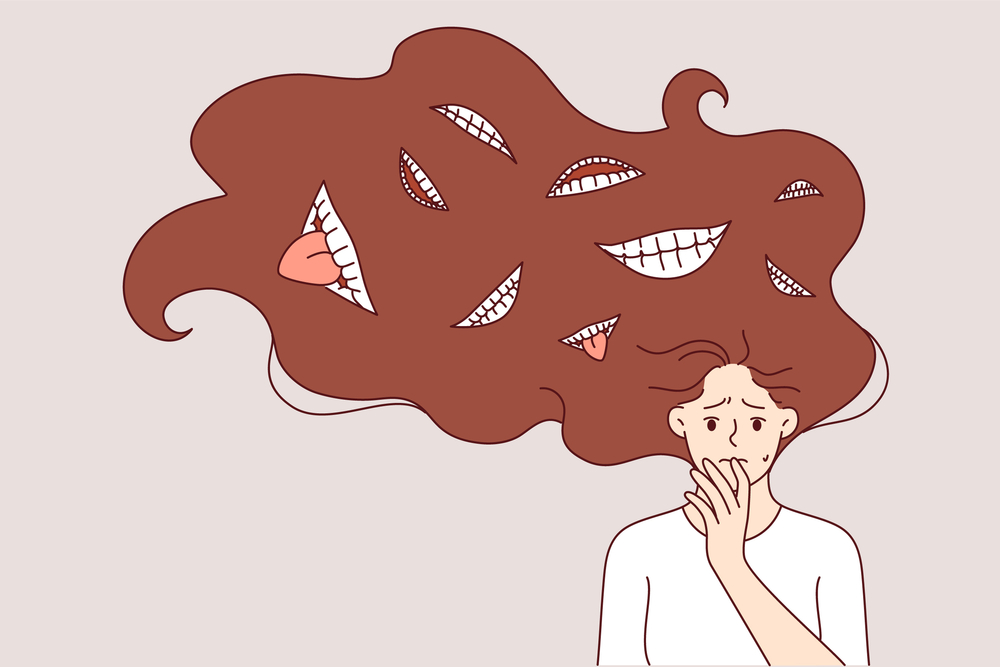
Psychological and environmental factors shape how mental illness begins. They show how inner thoughts and their outside surroundings work together. Mental traits like biased thinking and mood control affect how people handle stress and hardship. These traits can lead people toward serious mental disorders. Life conditions matter too. Income, social status, family life, and past trauma can make these risks worse or better. Such forces create many paths to illness. We must look at the whole person to help them heal properly. Doctors use support and therapy to address both inner weaknesses and outer stress. This work builds strength and helps people recover from their own illness.
Cognitive and Emotional Contributions
Cognitive and emotional factors shape how mental health conditions appear. They affect how mental disorders start and grow over time. Thought processes like distorted patterns or harmful beliefs make emotional struggles worse. People then view their lives through negative or irrational filters. Strong feelings like constant anxiety or sadness hurt how the brain works. These emotions make it hard for people to make decisions and solve problems. This two-way link shows why mental health is complex. Wrong thoughts keep emotional pain alive. The pain keeps the thoughts going. Understanding these links helps create effective treatments. These tools aim to break the cycle and build mental health.
Influence of Family and Upbringing
Family and upbringing influence how mental health disorders develop. Early life experiences shape the way a person thinks and feels. Families are the first social groups. Children learn their basic beliefs, coping skills, and emotional reactions in the home. For example, children from supportive homes often show strength. Children who experience neglect or abuse may face emotional struggles and develop harmful habits. Parenting styles and family talk affect a child. Mental health history in the family changes how a child manages social and emotional trials. Experts must look at family influence to understand how mental illnesses begin.
Stress, Trauma, and Socioeconomic Factors
The link between stress, trauma, and social and economic factors is key to how mental illness develops. People from poor backgrounds often face high levels of stress from constant money worries, limited health care, and shaky housing. These pressures worsen the impact of traumatic events. This creates a cycle where mental health problems grow and spread. For example, violence in the home or the community affects poor groups more often. This increases the risk of certain disorders like anxiety and depression. We must understand this complex link to build better ways to help people. These steps will work to reduce the harmful effects on mental health.
Conclusion

Studying psychopathology and its many origins reveals various factors that contribute to different mental health disorders. Biology, psychology, and environment all play a large part, so these conditions do not come from just one single cause. Genes, brain processes, and social stress work together to create the complexity of these disorders. Mental illness shows up in many different ways, so we need specific plans for treatment and clinical support. A broad view helps us understand mental health much better, and it creates more compassion and better ways to help the people who are affected by them.
Please also review AIHCP’s Mental Health Certifications which include certifications in grief counseling, anger management, crisis intervention, trauma informed care, spiritual counseling, Christian counseling, as well as ADHD consulting, stress management and meditation instructor programs.
Summary of Key Points
Psychopathology and its causes involve several key points. Psychopathology includes many mental disorders. Disruptions in thoughts, emotions, and behaviors define these disorders. They greatly affect how a person functions every day. Genes, biology, psychology, and the environment influence these disorders. The biopsychosocial model shows how life experiences and social settings combine with biological traits. These factors shape mental health outcomes. We can create better treatment methods by understanding these details. This knowledge helps remove the stigma of mental health issues. We see many causes for these disorders. This view helps us understand how common these issues are. We can then find new ways to provide comprehensive treatment and support.
Importance of a Multidimensional Approach
Professionals in psychopathology use many views to understand mental disorders and their causes. This method includes biological, psychological, social, and cultural factors. No single part explains everything about mental health on its own. Genetics, brain chemistry, personal thoughts, and the environment greatly shape a person’s psychological state. Clinicians and researchers combine these different views to find risk factors and create tailored treatments. They build detailed prevention plans for patients. Seeing the whole picture makes diagnoses more accurate and improves patient results. This work helps everyone understand mental health better.
Implications for Treatment and Future Research
The results for treatment and future study in mental illness are deep and have many sides. Knowing the causes of mental disorders helps improve care and guides the creation of specific ways to prevent them. New studies should combine body, mind, and social factors to see the full picture of mental health. This method leads to custom plans for each patient’s needs and makes the treatment work better. Mental health experts, neuroscientists, and social workers must work together. This partnership creates new ways to help and expands current care
Please also review AIHCP’s Healthcare Certifications
Additional AIHCP Blogs
Freudian Self Defense Mechanisms: Access here
Christian Counseling and Anti-Social Personality Disorders. Access here
Behavioral Health and the Dark Triad. Access here
Resources
Barlow, D.H Durand, V.M, & Hoffman, S.G. (2022). Psychopathology: An integrative approach to mental disorders (9th Ed.) Cengage Learning
DSM-5-TR.
McRay, B. W., Yarhouse, M.A., Butman, R.E., & Kiple, C (2016). Modern Psychopathologies: A comprehensive Christian appraisal (2nd Ed.) IVP Academic
Cuncic, A. (2026). “Psychopathology Explained: Types, Causes, and Diagnostic Criteria”. VeryWellMind. Access here
McLeod, S. (2026). “Clinical Psychology and Mental Health”. Simply Psychology. Access here