Behavioral Health and the Dark Triad

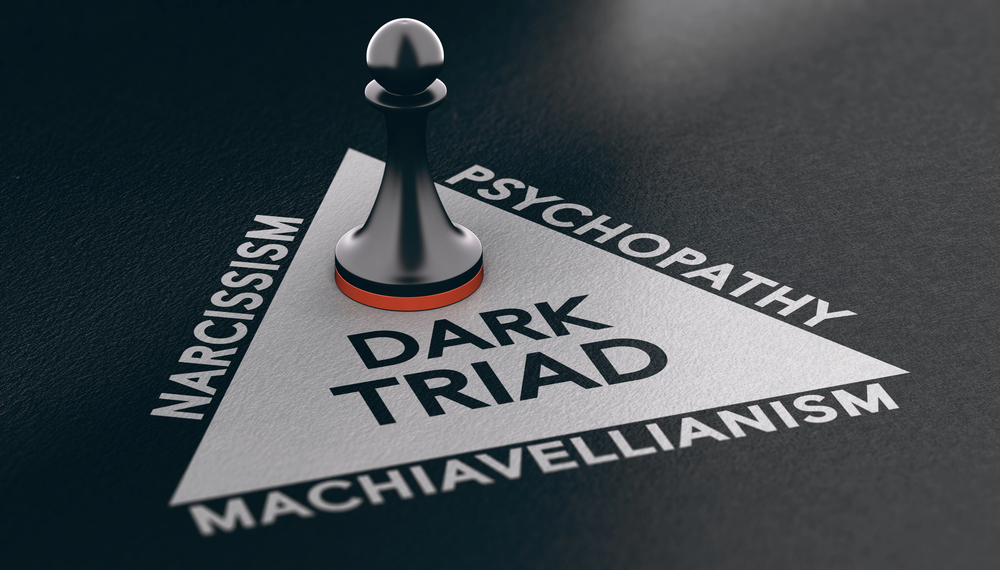
Researchers have studied the Dark Triad of psychopathology since 2002. This group includes psychopathy, narcissism, and Machiavellianism. The topic has gained much notice in academic circles and public talks. Many peer-reviewed articles show this growth. These papers explain and examine the complex parts of these linked personality traits. Early research showed how these traits overlap. A shared core of cold manipulation defines them. Scholars now see that each trait has many sides. This view challenges older ideas that viewed each trait to be one unit. Studies on the Dark Triad now include talks about measurement differences and method concerns. These include using easy-to-reach samples and relying on single ways to collect data. We must fix these issues to help our understanding grow. Doing so will make future studies in this field of psychology stronger.(Joshua D Miller et al., 2019). While initial research underscored their conceptual overlap—characterized by a shared core of callous manipulation—scholars have increasingly recognized the multidimensionality of each trait, challenging earlier perspectives that treated them as unidimensional (Furnham A et al., 2013). Consequently, the landscape of Dark Triad research has evolved to include discussions on measurement discrepancies and methodological concerns, such as convenience sampling and the reliance on mono-method approaches. Addressing these issues is crucial for advancing our understanding and ensuring the robustness of future studies in this significant area of psychological inquiry.

Please also review AIHCP’s Behavioral Health Certifications.

Definition and Overview of the Dark Triad

The Dark Triad. Please also review AIHCP’s Healthcare Certifications

The Dark Triad includes Machiavellianism, narcissism, and subclinical psychopathy. These three traits form a group of harmful personality types that psychologists study often. These traits share a core of cold and manipulative behavior. This behavior often causes harmful results in social settings and interpersonal relationships. Recent studies show how these traits overlap and how they differ. They are key tools for understanding complex human actions in the study of mental illness. Researchers look at where these traits start and how they appear in people. This work shows how the traits lead to antisocial acts and damaged relationships. New studies on dark personality traits show why they matter to abnormal psychology. This base of knowledge calls for more study on how these traits affect mental health and how society works.(Furnham A et al., 2013). Furthermore, explorations into the origins and manifestations of these traits underscore their significance in the development of antisocial behaviors and dysfunctional interpersonal relationships, a point emphasized by emerging studies on dark personality traits and their relevance to abnormal psychology (Thomaes S et al., 2017). This foundation invites further inquiry into their implications for mental health and societal functioning.

Importance of Studying Psychopathological Traits

Psychologists must understand psychopathological traits for research and practical use in various fields like clinical psychology, criminology, and organizational behavior. The Dark Triad includes Machiavellianism, narcissism, and psychopathy. It helps explain harmful social behaviors like manipulation, self-interest, and a lack of empathy. Researchers study these traits to see how they link to poor social behaviors and relationships. Scientists created short tools like the Short Dark Triad (SD3). These tools help test people in both clinical and general groups (). More Dark Triad studies appear. Psychologists place these traits into larger psychological models to see the structure of personality and what it means ().(Daniel N Jones et al., 2013)). Additionally, as the literature surrounding the Dark Triad expands, it becomes increasingly relevant to place these traits within broader psychological frameworks, enhancing our understanding of personality structure and its implications ((Furnham A et al., 2013)).

As science progresses, there are clear ties within the brain’s ability to foster emotion, regret, or remorse attached to the amygdala.  Yet, one cannot simply justify such extreme and vile behaviors that fall under the category of anti-social disorders, simply because one does not feel.  One can understand how it may be easier to be cold and ruthless, but one still possesses the knowledge of right and wrong.  While secular science only studies the biological, many spiritual counselors believe there is more than just merely a physiological issue, but also a spiritual one.  Vice, habitual immorality, moral relative attitudes, and evil influences can also contribute to an individual who displays such disregard for other human beings.

The danger becomes when there is no balance in understanding these individuals.  If one looks for only empirical studies at neglect of spiritual, or if one dismisses the science for only spiritual answers, then the whole story will not be presented.  It is important to understand both elements.  So, counselor should be well versed in the scientific explanations and reasons why individuals do not feel or show empathy, but also beyond the biological, review the behavioral history, trauma, and other spiritual distresses that have allowed this malignant personality to fester.  There will be differing degrees of where one falls, but also different levels of how far someone will go in regards to hurting another person.

Characteristics and Behavioral Patterns

The Dark Triad of Psychopathology includes Machiavellianism, narcissism, and psychopathy, and these behavioral patterns show a shared tendency to both manipulate and exploit other people in their lives. People with these traits often show a liking for lies and a clear lack of empathy. They chase their own interests in both social and work situations at all times. Research grew a lot after the framework began, showing different connections and how these traits work together in various settings [citeX]. The creation of reliable tools like the Short Dark Triad (SD3) shows the urgent need to test these traits well and quickly in many groups [extractedKnowledgeX]. We learn more about how these traits affect interpersonal relationships and societal dynamics by understanding these characteristics.(Furnham A et al., 2013). The development of reliable measurement tools, such as the Short Dark Triad (SD3), underscores the urgent need to assess these attributes efficiently and effectively in diverse populations (Daniel N Jones et al., 2013). By understanding these characteristics, we gain insight into their broader implications for interpersonal relationships and societal dynamics

These individuals will be very self-centered, proud and vain.  They will exhibit charm and charisma for who they want but will ruthlessly remove (at varying levels) those who pose a threat to them.  They will manipulate and see individuals as pawns to their own needs.  In addition, some will be cold and calculating while others may be very emotional in outbursts.  This varies pending on if they are a psychopath or sociopath.  In addition, they hold to a strong subjective morality that values their belief system over others.  In addition, they may be extremely greedy, lustful, or possess other vices at high levels.

While many of these anti-social behaviors at the biological level, or exist due to past trauma and abuse, one cannot easily dismiss the lack of virtue in their lives.  At one point, one has to accept responsibility.  While it may be difficult, one cannot live a sinful and vice filled life and justify it due to the past or biological factors.  While these issues can contribute to their condition, these individuals still possess free will and can choose to better themselves.

While they are not as common, these individuals do exist.   Unfortunately, many times, individuals hurl these names onto people they are upset with.  A person can exhibit some traits, or vices in life and not be clinically diagnosed with any of the three personality disorders.  All human beings can be selfish, or use others at times, but individuals who truly are clinically narcissistic, or psychopathic, behave habitually not randomly.  They exhibit the behaviors universally and have zero ability to show remorse.  Some are clinically worst than others.  Some are far more dangerous than others in the lengths of their plans, but a person who truly exhibits these behaviors at a clinical level is unforgettable.


Psychological and Neurological Underpinnings

The psychological and neurological roots of the Dark Triad show how complex these antisocial traits are. The triad includes psychopathy, narcissism, and Machiavellianism. Research shows these traits share a harsh core of callous manipulation. This manipulation appears through clear behavior patterns and emotional reactions. For example, people with these traits often exploit others. They show a lack of empathy at the same time. This lack of empathy links to specific brain differences. One difference is lower activity in the amygdala during emotional processing. This lack of brain activity helps researchers understand the motives behind Dark Triad behaviors. Researchers look at how these traits work together using different models. New studies emphasize how these traits relate to broader mental health issues. Explaining these psychological and neurological models gives useful ideas about how these traits continue and spread. This work helps people understand abnormal psychology more clearly.(Thomaes S et al., 2017). Consequently, elucidating the psychological and neurological frameworks can provide significant insights into the maintenance and proliferation of these traits, contributing to a more comprehensive understanding of abnormal psychology (Furnham A et al., 2013).

Psychopathy

Psychopaths, as well as sociopaths have no remorse

Psychopathy is a major part of the Dark Triad of Psychopathology. It connects to narcissism and Machiavellianism but has unique features that set it apart. This personality trait shows a total lack of empathy and weak emotional reactions. It leads to a habit of manipulating others. Research finds psychopathy includes coldness and acting on whims. These traits put people at a higher risk for breaking social rules and acting against society. Recent meta-analytic findings show these dark traits are related. They are separate but have similar effects on behavior and personality structure. This is true for traits like agreeableness in the Big Five model. Experts put psychopathy in the interpersonal circumplex and Five- and Six-Factor models. This proves the trait has many parts and is hard to measure. Understanding psychopathy is needed to deal with its impact on society.(Muris P et al., 2017). Moreover, psychopathy has been situated within both the interpersonal circumplex and the Five- and Six-Factor models of personality, underscoring its multifaceted nature and the complexities of measuring its manifestations (Furnham A et al., 2013). Understanding psychopathy is essential for addressing its societal consequences effectively.

Sociopathy can also find itself within these conditions.  Sociopathy and Psychopathy are similar in that neither express remorse or feel emotion but sociopathy is more a learned behavior as opposed to psychopathy which is genetic.    Both represent issues within the brain to feel and express emotion, but there reactions also vary.  Sociopaths tend to be more impulsive or reactive and emotional, while psychopaths are more calculating and controlled.


Narcissism

Self love and Narcissism

Narcissism is one trait in the Dark Triad of Psychopathology, and it affects interpersonal relationships and self-perception in a unique way. Narcissists show grandiosity and need constant admiration, but they lack empathy and value their self-image above all else. This focus causes great trouble in personal connections and leads to callous, manipulative behavior. Narcissists share these traits with Machiavellianism and psychopathy. Research shows narcissists may exploit others in an endless quest for validation and power. Narcissism connects with other Dark Triad traits, so we must study its impact more. This matters most in offices and social groups. In these settings, interpersonal actions change the results.(Furnham A et al., 2013). Research indicates that narcissists may engage in exploitative behaviors, driven by their insatiable quest for validation and dominance (Daniel N Jones et al., 2013). Moreover, the interplay of narcissism with the other traits in the Dark Triad underscores the necessity for further examination of its implications, particularly in social and organizational contexts where interpersonal dynamics significantly influence outcomes.

Core Traits and Manifestations

Studies on the Dark Triad show that Machiavellianism, narcissism, and psychopathy appear in different but connected ways. These core traits affect how people act and how they talk to others in their daily lives. Every trait shares a common base of coldness and manipulation. Paulhus and Williams described these features in their early work on the triad. These traits lead to harmful behaviors. They also play a large role in mental health disorders. We must understand how these complex traits work. The way these traits work together leads to many bad results. These results include fights between people and damage to mental health. Researchers study these traits more today. We must see how they fit into general psychology. This work helps experts find new ways to treat people who show these three traits.(Furnham A et al., 2013). These socially aversive traits not only contribute to maladaptive behaviors but also play a significant role in psychopathology, underscoring the need for a nuanced understanding of their complexity (Thomaes S et al., 2017). The interplay of these traits can lead to various detrimental outcomes, including interpersonal conflicts and detrimental effects on mental health. As researchers continue to investigate these traits, it becomes increasingly important to appreciate their implications for broader psychological frameworks, thereby paving the way for innovative approaches in the treatment of individuals exhibiting these characteristics.

Impact on Interpersonal Relationships

Machiavellianism, narcissism, and psychopathy make up the Dark Triad traits. These traits disrupt relationships and cause many negative results for both the people who have them and others around them. Research shows people who score high in these traits often use manipulation and exploitation. This behavior lowers trust and creates conflict in the relationships they have. For example, the cold nature of these people pushes others away. Their interactions stay shallow and lack any real emotional connection. The creation of the Short Dark Triad (SD3) test helps experts study these patterns. This tool shows how these traits predict bad results, like more aggression and less teamwork. These dark traits affect more than just the actions of one person. They change how people interact with each other in their social lives.(Furnham A et al., 2013). Additionally, the development of instruments such as the Short Dark Triad (SD3) has facilitated the exploration of these dynamics, revealing how these traits can predict adverse relational outcomes, including increased aggression and decreased cooperation (Daniel N Jones et al., 2013). Ultimately, the repercussions of the Dark Triad extend beyond individual actions, deeply influencing the fabric of social interactions.

Machiavellianism

Using a person for one’s own gain

Machiavellianism is a main part of the Dark Triad. This personality type uses manipulation and deceit. These people use a harsh way of dealing with others. This trait has a similar base to psychopathy and narcissism. It stays different. It focuses on planning how to use people. It involves being cold and detached. New studies show that Machiavellianism often overlaps with narcissism and psychopathy. This highlights the shared trait of cruel manipulation. This trait defines the whole Dark Triad group. Experts sometimes ignore that these ideas have many layers. This makes it hard for researchers who want to study their links. Scientists can look at Machiavellianism as its own trait and as part of a bigger group. This helps them judge its impact on how people act and mental tests. This detailed view adds to the discussion. It helps people create better ways to help those with these traits.(Furnham A et al., 2013). However, the treatment of these constructs sometimes overlooks their multidimensional nature, presenting a significant challenge to researchers aiming to dissect their intricate relationships (Joshua D Miller et al., 2019). By understanding Machiavellianism as both a standalone personality trait and a part of a broader construct, researchers can better assess its implications for social behavior and psychological assessment. This nuanced perspective not only enriches the conversation but also aids in developing more effective intervention strategies for individuals exhibiting such traits.Manipulative Strategies and Traits

Manipulative tactics are part of Dark Triad behaviors. These behaviors include narcissism, Machiavellianism, and psychopathy. These traits share a core of callousness and a drive to control other people. This focus often leads to poor social and mental results. Studies find that people with these traits often use lies. They manipulate others to help themselves and do not care about the well-being of others. These traits overlap in complex ways, and that makes it hard to judge a person. For example, narcissists use others to protect their own self-esteem. Machiavellians use these tactics for their own benefit (). Other research links these traits to low levels of agreeableness. This shows a clear lack of care for getting along with others (). Learning about these tactics helps us understand the broad effects of the Dark Triad on social groups.(Bundy T et al., 2017)). Furthermore, research highlights that these traits are significantly correlated with lower levels of agreeableness, indicating a pronounced disregard for interpersonal harmony ((Furnham A et al., 2013)). Understanding these manipulative strategies enhances our comprehension of the broader implications of the Dark Triad on social dynamics.

Role in Social and Occupational Contexts

The Dark Triad of Psychopathology includes Machiavellianism, narcissism, and psychopathy, and these traits affect how people act in social and work settings. People with these traits often manipulate social situations to benefit themselves. They find short-term success but often damage long-term bonds and workplace peace. Research shows high levels of Machiavellianism and psychopathy cause job performance to drop. These traits break down team unity and lower output. The ways these people interact involve cold manipulation. This behavior ruins relationships and changes the office culture. Understanding these traits helps reduce their impact on the workplace and build better social habits.(Ernest H O’Boyle et al., 2011). Furthermore, the interpersonal strategies employed by those with Dark Triad characteristics reveal a common thread of callous manipulation that not only affects interpersonal relationships but also shapes workplace cultures (Furnham A et al., 2013). Consequently, understanding these traits is essential for mitigating their impact on organizational environments and fostering healthier social interactions.

Conclusion

The Dark Triad represents a very dangerous person at varying levels. Please also review AIHCP’s Healthcare Certifications

The Dark Triad of Psychopathology includes Machiavellianism, narcissism, and psychopathy. Studying these traits shows us people’s actions. We see how they treat each other. These three bad traits are different, but they all involve mean ways of using people. Psychologists must use precise tests to study them. Research, like the work by Paulhus and Williams, shows these traits. They share some features and link to their own mental results. Experts made fast tools like the Short Dark Triad (SD3) for researchers and doctors. These tools are precise. They help us see these traits in local groups and clinics. We can learn about bad behaviors and their effect on society by looking at the Dark Triad’s meaning.(Furnham A et al., 2013). Moreover, the development of efficient measures like the Short Dark Triad (SD3) underscores the importance of reliable assessment tools for researchers and practitioners alike, allowing for a comprehensive understanding of these traits in both community and clinical settings (Daniel N Jones et al., 2013). Ultimately, addressing the implications of the Dark Triad can enhance our grasp of maladaptive behaviors and their impact on society.

It is also crucial for individuals to understand the dangers and signs of meeting these types of individuals.  They can be quite charming at first but overtime, the fake mask is removed.

Please also review AIHCP’s Behavioral Health Certifications.

Summary of the Dark Triad’s Influence in Psychopathology

The Dark Triad includes narcissism, Machiavellianism, and psychopathy. These three traits help us understand the field of psychopathology. They relate to antisocial behaviors and problems with social connections. Research shows these traits link together and are common in men. They show a concerning link to negative social results like conflict and aggression. The shared core of callous manipulation among these traits reflects a pattern of bad behaviors. These behaviors challenge old ideas about personality. The findings show we need better ways to measure these traits. We must look past simple tests to see the full picture. We need a broad look at how they affect mental health. The effects of the Dark Triad appear in clinics and other psychology fields. These complex patterns require more study in future research projects.(Muris P et al., 2017). Moreover, the shared core of callous manipulation among these traits reflects a broader pattern of maladaptive behaviors that challenge traditional personality paradigms (Furnham A et al., 2013). These findings underscore the necessity for nuanced measurement approaches that capture the complexity of these traits, moving beyond simplistic assessments to embrace a more comprehensive analysis of their influence on psychological health. Ultimately, the implications of the Dark Triad’s dynamics extend into both clinical and applied psychological realms, warranting further scrutiny in future research.

Implications for Research and Mental Health Interventions

Researchers study the Dark Triad, and this group includes psychopathy, narcissism, and Machiavellianism. This work helps science and mental health care. The field of study has changed over the years. Treating these traits as one simple thing is a mistake that makes therapy less effective. Experts use proven psychological models to study these traits. This work helps us see them clearly. It leads to treatments for their cruel and tricky core parts. Researchers are now building better ways to measure these traits. These tools help them separate overlapping parts of each trait. This data helps doctors choose the right therapy for their patients. It makes treatments work better for people with Dark Triad traits, and this care leads to better results in mental health care.(Joshua D Miller et al., 2019). Moreover, examining these traits within the framework of established psychological models promises to refine our understanding, potentially leading to targeted interventions that address their callous-manipulative core (Furnham A et al., 2013). As researchers develop more comprehensive measurement tools and methodologies, the capacity to disentangle these overlapping variables will improve. This clarity can help clinicians tailor therapeutic approaches, thereby enhancing the efficacy of interventions aimed at individuals exhibiting traits associated with the Dark Triad, ultimately fostering more constructive outcomes in mental health care.

Additional AIHCP Blogs

Sociopathy and Psychopathy- Click here


Additional Resources

“Sociopath v. Psychopath: What’s the Difference?”. Kara Mayer Robinson. February 14th, 2022. WebMD. Access here

“Machiavellianism”. Psychology Today.  Access here

“What Is the Dark Triad? 9 Signs To Watch Out For” (2025).  Cleveland Clinic. Access here

Frothingham, M. (2024). “Dark Triad Personality Traits”. Simply Psychology.  Access here

Dating a Narcissist and Emotional Help Video

While the term is overused, clinically narcissism does exist and many individuals do fall into relationships with them.  It can be overbearing and abusive and counseling sometimes is required and needed to help a person maintain the relationship or recover from it.  Please also review AIHCP’s Grief Counseling Certification as well as other mental health certification programs.  Please click here

Christian Counseling: Dating a Narcissist

I. Introduction

Dating a narcissist can be a difficult thing and cause multiple problems for the relationship

Understanding the complexities involved in dating a narcissist requires a nuanced exploration of both psychological traits and relational dynamics that are often overlooked. Narcissism, characterized by an inflated sense of self-importance, a profound need for admiration, and a troubling lack of empathy, poses significant challenges not only to the narcissists themselves but also to their partners within romantic relationships. When individuals find themselves entangled with a narcissist, they frequently encounter a turbulent cycle of idealization and devaluation, which ultimately leads to emotional turmoil, confusion, and a deep sense of disorientation. As the relationship progresses, victims may initially be captivated by the narcissist’s charm, charisma, and seemingly enchanting personality, only to later find themselves on the receiving end of manipulation, gaslighting, and emotional invalidation. This essay seeks to unravel the multifaceted nature of dating a narcissist, with a focus on the psychological implications for the partner, the distinct behavioral patterns exhibited by the narcissist, and the potential paths to recovery that can help those affected rebuild their self-esteem and emotional well-being. By illuminating these deeply ingrained aspects of such relationships, a clearer understanding of the detrimental effects of involvement with a narcissist can emerge, empowering individuals to make more informed and healthier relational choices. This insight not only serves to educate those currently in or considering such relationships but also contributes to a broader discourse on mental health and the importance of self-awareness in navigating the complex terrain of interpersonal connections.

Please also review AIHCP’s behavioral health certifications, including its Christian Counseling Education Program.


A. Definition of narcissism

Narcissism is a complex psychological concept that has two main types: grandiose and vulnerable. These types greatly affect personal relationships, particularly in dating. Grandiose narcissism shows up as obvious self-importance, entitlement, and a commanding attitude. In contrast, vulnerable narcissism shows signs like insecurity and shyness (Joshua D Miller et al., 2017). This combination makes it hard to grasp how narcissistic people act in romantic relationships, which can often create emotional issues for their partners. Studies show that narcissism is a major factor in negative behaviors and also contributes a lot to poor relationship dynamics, like fights and unhappiness (Grijalva E et al., 2014). Therefore, understanding these types of narcissism is important for those dealing with narcissists in relationships, as being aware of these traits can aid in setting realistic expectations and dealing with the difficulties that arise in those relationships.


B. Overview of narcissistic traits

Understanding traits of narcissism is important for anyone involved with such people. Narcissists often mix confidence with sensitivity and have a strong need for approval from others, while showing little real care for others. Their charm and self-confidence can hide deeper arrogance and aggression, making interactions hard to interpret (A Sabah et al., 2024). Additionally, the home environment plays a key role in shaping narcissistic traits. Kids in narcissistic families often take on specific roles, leading to emotional abuse and favoritism among siblings. This upbringing creates a pattern of narcissistic behavior that continues through generations, making these traits common in adult relationships (Victor A Torres H, 2023). Therefore, identifying these traits is vital for spotting warning signs in romantic relationships with narcissists and grasping how they affect interactions.


C. Importance of understanding narcissism in relationships

Understanding narcissism is important for dealing with relationships, especially when dating a narcissist. Narcissistic people often have a love style that involves manipulation, driven by a desire for control and independence, which can lead to an unstable emotional situation for their partners (Craig A Foster et al., 2002). Spotting these patterns can help individuals notice warning signs early in their relationships and possibly reduce emotional damage. Additionally, from a feminist theory perspective, narcissism can show up as self-alienation, where people form relationships based on their own need for approval instead of a real connection (Lopes M et al., 2021). This perspective encourages individuals to look beyond the narcissist’s behaviors and examine the relationship dynamics that enable these harmful patterns. In the end, a thorough understanding of narcissism improves one’s capability to develop healthier and more satisfying relationships, emphasizing that awareness is essential for self-protection and personal development.


II. Recognizing the Signs of a Narcissist

It is important to recognize the signs of a narcissist. Please also review AIHCP’s Christian Counseling Training

Recognizing the signs of a narcissist is crucial, particularly within the context of dating, as these traits can significantly affect interpersonal dynamics and the quality of one’s emotional well-being. Narcissism often manifests in various harmful behaviors, such as a stark lack of empathy, an exaggerated sense of self-importance, and a pronounced tendency to exploit others purely for personal gain, placing their own needs above those of their partners. Individuals who display narcissistic tendencies may also exhibit forms of collective narcissism, a mindset in which they cling to a fragile self-concept that is overly reliant on the recognition, validation, and admiration they receive from others (Golec A de Zavala et al., 2019). As a partner, this can lead to a toxic relationship characterized by manipulation, emotional upheaval, and ongoing conflicts, as their needs often eclipse the needs of those around them. Additionally, the intricate power dynamics involved in a relationship with a narcissist are often influenced by factors such as the individual’s expectations of support from their partner, as well as the narcissist’s need for control and dominance (Donald C Hambrick et al., 2019). Understanding these destructive behaviors empowers individuals to evaluate their relationships critically, enabling them to discern healthy connections from toxic ones and thereby protect themselves from the emotional toll associated with narcissistic partners. By being aware of the signs and symptoms, one can better navigate the complexities of relationships to foster healthier, more fulfilling connections.


A. Common behavioral patterns of narcissists

Understanding the common behavioral patterns of narcissists is essential for those considering relationships with such individuals. Narcissists often exhibit traits of grandiosity and entitlement, which can lead to self-centered behaviors that significantly impact their partners and the dynamics of the relationship. According to research, there exists a distinction between grandiose and vulnerable narcissism, with grandiose individuals displaying overtly arrogant and domineering tendencies, while vulnerable narcissists may appear neurotic and insecure, yet exhibit similarly self-centered behaviors that can be just as damaging in interpersonal interactions (Joshua D Miller et al., 2017). These behaviors frequently manifest in social settings, where narcissists initially present themselves as charming and assertive individuals. However, their popularity tends to wane over time, largely due to their untrustworthy actions and aggressive rivalries, which often alienate others (Leckelt M et al., 2015). Initially appealing, their charisma may mask a deeper pattern of manipulation, emotional exploitation, and a blatant disregard for the feelings of others that ultimately becomes detrimental in a dating dynamic. The cycle of idealization followed by devaluation can leave partners feeling confused and emotionally drained. Recognizing these patterns is crucial, as it can empower partners to set boundaries, maintain their self-esteem, and make informed decisions about their relationships. Additionally, understanding the underlying motivations driving narcissistic behavior can provide insight into how to navigate interactions with these individuals, enabling healthier relationship choices moving forward.


B. Emotional manipulation tactics used by narcissists

Narcissists use emotional manipulation tricks that can really change how people relate to each other in a relationship, often making their partners feel lost and worn out. These people skillfully apply methods like gaslighting, love bombing, and the silent treatment to dominate and keep an image of being better than others. Gaslighting makes the victim question their reality, leading to self-doubt and a need for the narcissist’s approval. Love bombing brings in a strong feeling of affection and attention at first, tricking the partner into feeling safe. Plus, narcissists easily switch from giving affection to pulling away, using the silent treatment as a way to punish. Although they can show some understanding of others’ feelings, they mainly use this ability to control people rather than to really connect, which shows they are mainly focused on their own interests ((Syropoulos S et al., 2023); (Duradoni M et al., 2023)). Knowing these tactics is very important for people dealing with these difficult relationships, as being aware can help them take back their independence.


C. The impact of narcissism on relationship dynamics

Narcissism changes how relationships work, creating problems that can trap partners in harmful ways of interacting. People with narcissistic traits often care more about their own image and validation than their partner’s needs, causing an imbalance marked by manipulation and emotional instability. This self-focused behavior can lead to the dark triad of personality traits—narcissism, Machiavellianism, and psychopathy—which hinder healthy communication and emotional give-and-take in the relationship (Linda D Hollebeek et al., 2022). Additionally, social media makes these issues worse, as it can enhance narcissistic actions and create competitive environments that favor shallow validation. These situations may cause partners to experience fear of missing out (FoMO), increasing insecurities and dissatisfaction, which deteriorate overall relationship quality (Tandon A et al., 2021). Therefore, dealing with a narcissist in a relationship needs greater awareness and emotional strength to reduce these harmful effects.


III. The Psychological Effects of Dating a Narcissist

The toll of dating a narcissist can be highly emotional on the other person

Dating a narcissist can lead to a profound array of psychological effects on the partner, often leaving deep, long-lasting scars that take time to heal. Initially, victims may be captivated by the charm and attention that narcissists exude, but this early affection often quickly devolves into manipulation and emotional abuse, creating an environment ripe for anxiety and depression. As the relationship progresses, victims frequently experience a significant decline in self-esteem, as their self-worth becomes dangerously intertwined with their partner’s ever-fluctuating approval. This emotional volatility can evoke a range of distressing feelings that mimic the emotional turmoil often seen in other traumatic experiences, drawing parallels to grief-related responses observed in individuals enduring heightened stressors, such as during the COVID-19 pandemic, where profound loss can exacerbate existing psychological pain (Reitsma L et al., 2023). Furthermore, the insidious and unpredictable nature of narcissistic behavior can lead to prolonged feelings of confusion and a troubling sense of identity loss, echoing psychological symptoms that are often associated with obsessive-compulsive tendencies (Terence H W Ching et al., 2024). Victims may find themselves second-guessing their perceptions and realities, which can further distort their sense of self. Without clear intervention or therapeutic support, the cycle of emotional turmoil may perpetuate, leading to potential long-term mental health issues, including chronic anxiety, depression, and an ongoing struggle with self-identity that can linger long after the relationship has ended. The journey to recovery from such an experience often demands patience, reflection, and sometimes professional guidance to rebuild one’s life and self-esteem.


A. Emotional toll on the partner

Dating a narcissist can impose a profound emotional toll on partners, leading to feelings of confusion, low self-worth, and emotional instability that can persist long after the relationship has ended. The cycle of idealization followed by devaluation creates a turbulent environment that undermines the partner’s mental health and contributes to a pervasive sense of uncertainty. Constant fluctuations in affection and attention can lead partners to question their reality and self-perception, resulting in a diminishing sense of personal identity that is difficult to restore. This instability makes it challenging for them to cultivate healthy relationships in the future, as trust issues and anxiety about being valued can seep into their interactions with others. Moreover, the emotional manipulation often employed by narcissists can manifest in behaviors that resemble intimate partner violence, which not only causes psychological harm but can also lead to physical repercussions in severe cases. Studies analyzing stress and its impact on relationships have shown that this manipulation leaves lasting scars, illustrating the deep psychological wounds inflicted on those involved. For instance, considerable research highlights the correlation between stressful events—such as political turmoil or personal crises—and increased aggression in relationships (C Collins S, 2023). This further emphasizes the notion that the emotional strain is not merely temporary but can have long-lasting effects. It is crucial for individuals involved with narcissists to recognize these damaging dynamics, as they may need to seek support or intervention to reclaim their emotional well-being and navigate the complexities of such a toxic relationship effectively. Building awareness and seeking help can be the first steps toward healing and rediscovery of one’s true self, free from the shadows of manipulation.


B. Long-term psychological consequences

The long-term mental effects of dating a narcissist can be deep and varied, often showing up as lower self-esteem and ongoing anxiety. Relationships with narcissistic people form a special environment marked by manipulation and emotional neglect, which causes partners to internalize feelings of unworthiness and self-doubt. This situation fits with the idea that women might internalize systemic inferiority, as seen in feminist views on alienation related to narcissism, where individuals see themselves as both the subject and target of their lives (Lopes M et al., 2021). Additionally, the evidence linking narcissism to a game-like approach to love shows how these relationships can block real emotional connections and commitment, making feelings of loneliness and rejection worse (Craig A Foster et al., 2002). Over time, these mental wounds can stop personal development and satisfaction, leaving people struggling to regain their identity and emotional balance after the relationship.


C. The cycle of abuse and its effects

The cycle of abuse from narcissistic partners usually shows as a complicated mix of manipulation, lack of emotional support, and mental confusion, which deeply hurts those involved. Girls who grow up with narcissistic mothers often find it hard to feel good about themselves and to set boundaries, which affects their future relationships. This pattern is found in the study by (Shiri-Horowitz R, 2021), which says that daughters of narcissistic mothers have a tough time escaping their roles in the family, resulting in a deep sense of being not good enough. When these women start dating, they might unknowingly repeat the emotional abuse they experienced as children, accepting and normalizing harmful behavior. Furthermore, (Becky F Antle et al., 2020) notes that teens who see domestic violence are likely to be more tolerant of abusive behavior in their own dating lives. Therefore, the hidden nature of this cycle of abuse not only causes lasting trauma but also makes it very hard to build healthy and satisfying relationships.


IV. Strategies for Coping and Healing

Dealing with the aftermath of a relationship with a narcissist requires good ways to cope and heal so one can get back their sense of self and emotional health. One helpful method is to set clear boundaries, which not only keeps the person safe from more manipulation but also helps regain personal control. Going to therapy or support groups can help people share their stories and work through their trauma in a safe space. Also, practicing mindfulness and self-care can boost resilience, helping someone reconnect with their natural strengths and values. Recent studies show that people with dark traits, like narcissism, often use ghosting to end relationships without thinking about the emotional effects (cite23). Therefore, recognizing these patterns can help individuals heal and move forward. In the end, building a supportive network and developing self-kindness are essential to the healing process after the challenges of dating a narcissist.


A. Setting boundaries with a narcissistic partner

Establishing boundaries is essential when navigating a relationship with a narcissistic partner, as it helps mitigate the potential emotional abuse that often accompanies these dynamics. Individuals involved with narcissists frequently experience significant psychological distress stemming from manipulation and emotional turmoil, which underscores the necessity of having clear boundaries established to protect one’s mental well-being. Research has highlighted that those with narcissistic traits can create environments rife with emotional abuse, causing partners to grapple with evolving self-views and cyclical patterns of attachment and detachment that can be both bewildering and exhausting (Knott et al., 2023). Effective boundary-setting not only empowers individuals to reclaim their autonomy but also fosters healthier relational interactions overall, providing a critical buffer against the often erratic and unpredictable behaviors exhibited by narcissistic partners. Moreover, these boundaries serve as a robust framework for personal recovery and growth, enabling individuals to process their diverse experiences within the relationship more effectively and cultivate valuable insights that may contribute to long-term healing and resilience (Knott et al., 2023). It is important to recognize that creating and maintaining these boundaries is not merely an act of self-preservation but a vital component for the overall well-being of anyone involved with a narcissistic partner. By firmly establishing what is acceptable and what is not, individuals can help ensure that their emotional needs are acknowledged and respected, paving the way for healthier interactions or, if necessary, facilitating a departure from an unconstructive dynamic altogether. In essence, setting boundaries is a critical step towards empowerment, fostering self-respect, and ultimately reclaiming one’s sense of agency in the relationship.


B. Seeking support from friends and professionals

Dealing with a relationship with a narcissist can be very hard emotionally and can hurt your mind, so getting help from friends and professionals is very important. Friends can give vital emotional support, giving understanding and approval that a narcissistic partner often does not. But, it is key to know that not all friends are ready to deal with the tricky problems of these kinds of relationships; this makes professional help very important. Mental health experts can provide people with good ways to cope and tools for healing. Research shows that people with personality disorders often deal with judgment, which can stop them from getting the help they need during mediation ((Berstein et al., 2024)). Also, the effects of psychological harm caused by a narcissistic partner can be serious, requiring professional help to deal with these hidden wounds and support healing ((Șerban et al., 2023)). Therefore, having both social and professional support is crucial for recovery.


C. Developing self-esteem and self-worth

Dealing with a relationship with a narcissist can really hurt a person’s self-esteem and sense of self-worth. These kinds of relationships often create a messed-up view of oneself, as narcissistic partners may use manipulation, put-downs, and gaslighting to keep control, causing their partners to feel less valuable. This damage to self-esteem gets worse due to common traits of narcissism, like a lack of empathy and a strong need for validation, which lead to a harmful situation where real emotional support is missing (Joshua D Miller et al., 2017). Using self-determination theory (SDT) can help explain how autonomy and competence are weakened in these relationships, showing the need for a caring and supportive environment to rebuild self-worth. So, it’s very important for anyone coming out of such a harmful relationship to work on fixing their self-esteem (Richard M Ryan et al., 2018).


V. Conclusion

Narcissism can play a devastating role on a relationship. Please also review AIHCP’s behavioral health certifications as well as its Christian Counseling Certification

In conclusion, dating a narcissist presents a complex interplay of psychological dynamics that can significantly impact one’s emotional and mental well-being in profound ways. As evidenced by recent studies, while subclinical narcissism may be linked to certain adaptive advantages such as resilience and mental toughness, it is crucial to recognize the potentially detrimental effects on interpersonal relationships that can arise over time. Specifically, the traits associated with narcissism often lead to manipulative behavior, an alarming lack of empathy, and difficulties in sustaining healthy connections with partners, friends, and even family members. Furthermore, understanding the dual nature of narcissism can elucidate how individuals with these traits may experience both higher ambitions and increased risk-taking. However, this drive for achievement often comes at the cost of stable and meaningful relationships, further complicating social interactions. Those who engage with narcissists may find themselves entangled in a web of emotional highs and lows, ultimately struggling with relationship stability and facing ethical dilemmas in social exchanges (Zsolt Péter Szabó et al., 2021), (Liu D et al., 2021). Therefore, individuals engaging in relationships with those exhibiting narcissistic tendencies must navigate these complexities with awareness and caution, emphasizing the importance of emotional intelligence and self-care. This dual approach not only helps in recognizing harmful patterns but also promotes healthier dynamics that can lead to more fulfilling relationships, making it essential for those involved to prioritize their mental health and set appropriate boundaries where necessary.


A. Recap of key points discussed

To sum up, the talk about dating a narcissist has shown some important points about these relationships. First, it is important to know that narcissists can be very charming and likable, which can hide their manipulative behavior. This can create a back-and-forth cycle of putting someone on a pedestal and then tearing them down, causing emotional distress for the other person. Traits commonly seen in narcissists, such as not caring about others’ feelings and needing constant praise, also make it hard to maintain stable relationships. Additionally, being involved with a narcissist can lead to feelings of worthlessness and confusion about one’s own reality (C Manzo et al., 2024). Therefore, spotting these patterns is crucial for anyone who is thinking about or is already in a relationship with a narcissist, as it can aid in making better choices for their emotional health and personal boundaries (A V Martynenko et al., 2024).


B. The importance of awareness and education

Awareness and learning are key in dealing with the problems that come with dating someone who is a narcissist. They help people see unhealthy relationship patterns and understand the psychological effects involved. When people have a better grasp of narcissism and how it shows up, they can spot warning signs in their partner’s behavior more easily. This early detection reduces the emotional and psychological pain that often comes with narcissistic relationships, highlighting the need for programs to educate potential partners about narcissistic traits and what happens if they get involved. Additionally, education supports the creation of healthy relationship norms and helps individuals build the skills needed for setting boundaries and maintaining self-respect. For example, programs focused on emotional intelligence and self-awareness can change how people view relationships, making them less likely to be manipulated. Relevant research indicates that community awareness campaigns are vital, suggesting that specific interventions can help people build resilience and improve their mental health ((Paul J R Valera et al., 2024), (R Aboutorabi, 2024)).


C. Encouragement for those in or leaving such relationships

Dealing with a narcissist in a relationship can be confusing and tiring, often making people feel alone or worthless. It’s important for individuals in these situations to see their own worth and recognize that a better future is possible. Ending a relationship with a narcissist takes a lot of bravery because it means facing emotional manipulation and taking back one’s identity. Having support from friends, family, or therapists can give necessary help and reassurance, helping to build strength and confidence. For those thinking about leaving, it’s important to know that getting away from harmful situations is possible and can lead to personal development. As people start to rebuild their lives, focusing on self-care and developing healthy relationships can improve self-esteem and emotional well-being. In the end, moving on from a narcissistic partner is not just a conclusion, but a new start towards a more rewarding and true life.

Please also review AIHCP’s numerous behavioral health certifications for professionals, including Grief Counseling but also Christian Counseling Training. Please click here

Please also review AIHCP’s video on Domestic Violence.  Click here

References:

  • Revital Shiri-Horowitz (2021). Challenging the Narcissistic Mother: About narcissistic mothers and their daughters in the stories. International Journal of English Literature and Social Sciences. https://www.semanticscholar.org/paper/caf1abd0eead7590280250dfa1b6d26a6345f4e6
  • Becky F. Antle, E. Karam, Anita P. Barbee, D. Sullivan, Amanda Minogue, Amanda Glover (2020). Intergenerational Transmission of Intimate Partner Violence and Its Impact on Adolescent Relationship Attitudes: A Qualitative Study. Volume(25), 1 – 21. Journal of Loss and Trauma. https://www.semanticscholar.org/paper/0d9adb873df51fa2fb79e21794e2c016d94bbc8f
  • A. Sabah, Musheer A. Aljaberi, Salima Hamouda, Djamila Benamour, Keltoum Gadja, Yu-Chen Lai, Chuan-Yin Fang, et al. (2024). Psychometric characteristics of the Narcissistic Admiration and Rivalry Questionnaire (NARQ): Arabic version. Volume(12). PeerJ. https://www.semanticscholar.org/paper/ab358cd6fcdef509f5fa313af5c221fad6c38fed
  • Victor A. Hurtado Torres (2023). Multigenerational Clinical History of a Family with Several Members Carrying Narcissistic Personality Disorder. International Journal of Social Science and Human Research. https://www.semanticscholar.org/paper/6f05d8c31c5d22ccc22070867cf69eac619fa513
  • Melo Lopes, Filipa (2021). ‘Half Victim, Half Accomplice’: Cat Person and Narcissism. 
  • Craig A. Foster, Eli J. Finkel, W. Keith Campbell (2002). Does self-love lead to love for others?: A story of narcissistic game playing.. 
  • Terence H. W. Ching, Lucia Amoroso, Calvin Bohner, Elizabeth D’Amico, Jeffrey A. Eilbott, Tara Entezar, Madison Fitzpatrick, et al. (2024). Safety, feasibility, tolerability, and clinical effects of repeated psilocybin dosing combined with non-directive support in the treatment of obsessive-compulsive disorder: protocol for a randomized, waitlist-controlled trial with blinded ratings. Volume(14). Frontiers in Psychiatry. https://www.semanticscholar.org/paper/13afdd192f5f9ce47a8b19ec9c48f4afaf7a177e
  • Lyanne Reitsma, C. Killikelly, Heidi Müller, L. Larsen, P. Boelen, L. Lenferink (2023). Prevalence and correlates of positive and negative psychological effects of bereavement due to COVID-19: A living systematic review. F1000Research. https://www.semanticscholar.org/paper/b44fa7426e6733343a64985d61bac10681b7bf6a
  • Joshua D. Miller, Donald R. Lynam, Courtland S. Hyatt, W. Keith Campbell (2017). Controversies in Narcissism. Volume(13), 291-315. Annual Review of Clinical Psychology. https://doi.org/10.1146/annurev-clinpsy-032816-045244
  • Emily Grijalva, Daniel A. Newman (2014). Narcissism and Counterproductive Work Behavior (<scp>CWB</scp>): Meta‐Analysis and Consideration of Collectivist Culture, Big Five Personality, and Narcissism’s Facet Structure. Volume(64), 93-126. Applied Psychology. https://doi.org/10.1111/apps.12025
  • Linda D. Hollebeek, David E. Sprott, Sigitas Urbonavičius, Valdimar Sigurðsson, Moira Clark, Rein Riisalu, Dale L. Smith (2022). Beyond the Big Five: The effect of machiavellian, narcissistic, and psychopathic personality traits on stakeholder engagement. Volume(39), 1230-1243. Psychology and Marketing. https://doi.org/10.1002/mar.21647
  • Anushree Tandon, Amandeep Dhir, Nazrul Islam, Shalini Talwar, Matti Mäntymäki (2021). Psychological and behavioral outcomes of social media-induced fear of missing out at the workplace. Volume(136), 186-197. Journal of Business Research. https://doi.org/10.1016/j.jbusres.2021.07.036
  • Zsolt Péter Szabó, Ágota Kun, Blanka Erzsébet Balogh, Evelin Simon, Tekla Csike (2021). Dark and Strong?! The associations between dark personality traits, mental toughness and resilience in Hungarian student, employee, leader, and military samples. Volume(186), 111339-111339. Personality and Individual Differences. https://doi.org/10.1016/j.paid.2021.111339
  • Dege Liu, Ting Zhu, Xiao-Jun Huang, Mansi Wang, Man Huang (2021). Narcissism and Entrepreneurship: A Systematic Review and an Agenda for Future Research. Volume(12). Frontiers in Psychology. https://doi.org/10.3389/fpsyg.2021.657681
  • John Paul R. Valera, Kayvee Mae D. J. Castillo, Crystel May B. Mendez, Eleonor R. Basilio (2024). Evaluating Awareness and Practices in Household Wastewater Management in Riverside Dwellers: Implications for Policy and Education. International Journal of Environment, Engineering and Education. https://www.semanticscholar.org/paper/24630ddee0c005b08d211515ca2c1466cd795175
  • R. Aboutorabi (2024). The Implications of Attunement and Understanding on Heidegger’s Viewpoint in Education. Education Journal. https://www.semanticscholar.org/paper/7171305f5b38249f184f1c7881f93434b3399f8b
  • Richard M. Ryan, Bart Soenens, Maarten Vansteenkiste (2018). Reflections on self‐determination theory as an organizing framework for personality psychology: Interfaces, integrations, issues, and unfinished business. Volume(87), 115-145. Journal of Personality. https://doi.org/10.1111/jopy.12440

Christian Counseling and Narcissism Video

Narcissism is love of self.  The first being to exhibit this disorder was Lucifer.  Narcissists are dangerous in how they treat other individuals because they have zero empathy.  All that matters is the needs of self and the glorification of self through others.  When this is challenged, these individuals can become dangerous at a physical, mental or legal way.  They will calculate revenge and attempt to ruin others.

If in a relationship with a Narcissist, it can be a very difficult situation to handle.  One needs to establish boundaries and understand the disorder to better navigate one’s life.  It is best to avoid these individuals and if possible to move on if in a relationship.  Christian Counselors can help guide individuals through these situations.  Overall, helping a Narcissist recognize one’s own shortcomings is difficult.  Hence many Narcissists resist counseling.  Only trained clinical counselors can work with Narcissists, but Christian Counselors can offer spiritual advice through the example of Christ’s humility

Please also review AIHCP’s Christian Counseling Certification and see if it matches your academic and professional goals.  The program is online and independent study and open to qualified professionals seeking a four year certification as a Christian Counselor.