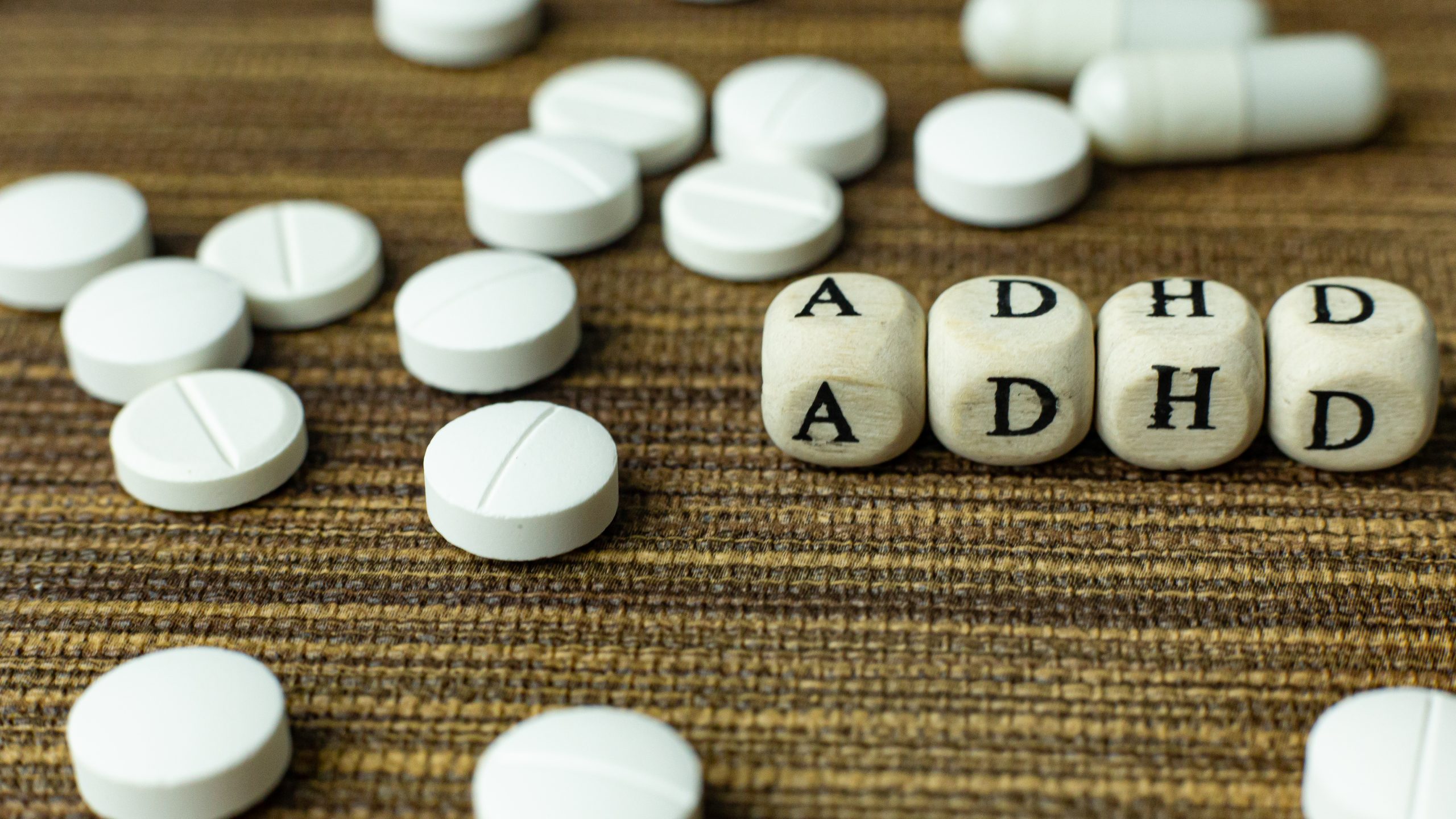
Unfortunately ADHD is not just a phase but a reality that cannot be outgrown but one that needs to be dealt with. This requires not only understanding of the disorder but also application skills to better cope and when necessary, medication. ADHD can be used as a strength as well as one learns to cope with its ill effects and utilize other aspects for one’s benefit.
Is it possible to outgrow ADHD? Please also review AIHCP’s ADHD Consulting Training Program
The article, “Is It Possible to Outgrow A.D.H.D.?” by Cheryl Maguire reviews how one can learn to better deal with ADHD. She writes,
“Some adults have essentially become asymptomatic because they have been able to use coping strategies,” said Robyn Mehlenbeck, director of the George Mason University Center for Psychological Services and president of the Society for Developmental and Behavioral Pediatrics.”
So outgrowing it is not truly a reality. Limiting ADHD and its affects on one is a complete possibility. Please also review AIHCP’s ADHD Consulting Training Program and see if it meets your academic and professional goals.
Too many times when mental crisis arises, law enforcement arrives. 911 cannot differentiate between crime and mental crisis. Many times, mental crisis leads to someone killed by the police. These alarming trends are part of the police reform. Crisis teams accompanying police and even better crisis training and protocol for crisis 911 calls should be employed to avoid unnecessary death.
Better training and crisis team partnerships can make sure mental situations end in arrest and not lethal force. Please also review AIHCP’s Crisis Intervention Training
The article, “When 911 Is The Only Option For A Mental Health Care Crisis” by Lisa Ryan looks at the fear and danger associated with a call to the police for a mental emergency within African American communities. She states,
“Family members of people going through a mental health crisis are sometimes reluctant to call the police out of fear for their loved ones. Violent behavior and outbursts can be met with lethal force. Mental health advocates are hopeful though that a new co-responder program – that pairs responding Cleveland police officers with social workers — may help.”
Please also review AIHCP’s Crisis Intervention Training Program to learn more about how to help individuals in crisis. With better crisis training, police and first responders can make a difference in avoiding unneeded lethal force.
Hypnosis through a trained professional or even in some cases self hypnosis can help one master discipline over bad habits. From smoking to nail biting, hypnosis can help reach the core of the issue and help individuals find better ways to cope with bad habits.
Hypnosis can help retrain the mind into overcoming bad habits. Please also review AIHCP’s Clinical Hypnotherapy Certification
The article, “How self-hypnosis can banish bad habits” by Jaymie Hooper looks closer at how self hypnosis can help one overcome bad habits. The article states,
“Clinical hypnotherapist Georgia Foster describes this state as somewhere between being awake and being asleep. “It’s called the alpha-theta brainwave state and it’s what happens approximately 20 minutes before you fall asleep,” she explains. Once in this state of total relaxation, it becomes easier to change your habitual thinking patterns, which means it’s the perfect time to suggest certain goals or desires to yourself.”
Please also review AIHCP’s Clinical Hynotherapy Certification Program. The program can help train and educate professionals in the use of hypnotherapy. Hypnotherapy can help others overcome habits that are no longer desirable.
Exercise is well beyond diet and weight management but is also pivotal to overall health in every facet. Mental health is also a a physiological benefit of regular exercise. Doctors prescribe exercise for many people especially when many jobs are sedentary.
A overall lack of exercise is due to the pandemic and sedentary lifestyles. This can be also bad for mental health. Please also review AIHCP’s Healthcare Life Coaching Program
The article, “How to Effectively Prescribe Exercise” by Brad Bergin Noel Amaladoss, MD , Antony Amaladoss, MBBS, D Psych, F Psych review the importance of exercise for mental health. The article states,
“The access to recreation centers and fitness facilities has decreased significantly for public safety purposes. This has made it particularly difficult to advise patients on how to pursue exercise. Yet, in psychiatry, we all prescribe exercise as a natural therapy to improve mood and manage depression and anxiety symptoms. There is a large body of evidence to suggest its benefits”
With recent the recent pandemic it has been difficult for many to exercise as much with restrictions to gyms. It is important for others to find alternative ways to exercise to maintain not merely physical health but also mental health.
When losing weight, diet and exercise are the most utilized tools but one can also utilize other holistic approaches. Acupuncture can also play a key role in how one can lose weight.
Holistic and alternative therapies such as acupuncture can help one lose weight. Please also review AIHCP’s Holistic Nurse Training Program
The article, “5 Acupressure Points for Weight Loss” by Eleesha Lockett reviews the importance of Acupuncture as a way to help one lose weight. She states,
“Traditional Chinese medicine is widely known for being one of the most practiced holistic health approaches in the world. In the United States, aspects of traditional medicine, such as massage therapy and yoga, are a part of mainstream health and wellness culture. While many people still use traditional approaches to weight loss, others incorporate holistic practices like acupressure into their weight loss journey.”
Please also review AIHCP’s Holistic Nursing Training and see if it meets your academic and professional goals. The Holistic and Integrative Healthcare specialist program helps train nurses in the ways of alternative cares and practices.
Miscarriage loss is many times a loss suffered alone. It is disenfranchised and belittled at times because the child was not born. Pending on the time period of the miscarriage, determines the greater loss but many women regardless feel a special connection and their bodies react to the loss.
Miscarriage grief is a lonely road for many women. Please also review AIHCP’s Grief Counseling Training
The article, “11 things you should know about grief after miscarriage or baby loss” from Asiaone looks at this type of loss in greater depth. The article states,
“The aftermath of losing a baby during pregnancy is haunting. You have your precious baby inside you — and then the world comes to a halt, when you learn you’ve lost that part of you. There are very few words to explain the depth of despair that a woman goes through as she grapples with this devastating loss.”
Please also review AIHCP’s Grief Counseling Training to learn more how to help individuals with loss. Trained certified grief counselors can help those deal with the loss of miscarriage and guide them through the pain
Learning how to understand and explore grief itself helps one understand the nature of life and loss. Those who run from it will never be able to adapt to it and will find their lives always lacking. It is important in grief counseling in many ways to eventually embrace grief when the person is ready to accept the reality of loss and how loss is part of his or her life.
Grief Counselors help others embrace and accept their grief in order to build a bridge from the past to the future. Please also review AIHCP’s Grief Counseling Certification
The article, “Introducing Grief: How My Clients and I Have Embraced the Exploration of Loss” by Stephen Gribelevich looks at the nature of loss and how he works with others through their loss. He states,
Often, when a client of mine identifies with the experience of complicated grief, they endorse persistent feelings of loss without a corresponding process of connection to life beyond the loss. Moreover, they often express a chronic doubt in the possibility of meaningful discovery during examination of their grief. Complicated grief often drives a person to fixate on certain associations of loss and to avoid other associations, which can make it difficult for one to do the kind of thoughtful narrative work inherent in the grief process.
ADHD affects all aspects of one’s life. It is of no surprise then that studies also point to a correlation of addiction due to ADHD.
ADHD and addiction are a combination that exists for many people. Please also review AIHCP’s ADHD Consulting Certification and see if it meets your academic and professional goals
The article, “The ADHD & Addiction Link: Addictive Behaviors in Adults Explained” by Peter Jaska, PhD, reviews how addiction and ADHD interact with numerous bad habits. He states,
“Managing ADHD well is a challenging process. It becomes more difficult when a co-existing chemical or behavioral addiction is part of the picture. Many adults with ADHD struggle with addictive behaviors, which are often unrecognized and untreated.”
Addiction and impulses due to ADHD are difficult to control. This is especially true for those without any knowledge they have ADHD. Multiple issues make it far difficult to deal with addiction or ADHD.
Please also review AIHCP’s program in Substance Abuse Counseling as well as ADHD Consulting Certification and see if either program meets your standards and goals. The programs are online and independent study and open to qualified professionals seeking a four year certification
It has long been accepted fact that stress and anger are bad for one’s health when they are not properly channeled and coped with. Individuals who allow stress and anger to overtake cause bodily reactions to take place in the body to prepare the body for confrontation. Overtime, this can be unhealthy and cause multiple health issues for the person
Anger can negatively affect one’s health. Please also review AIHCP’s Anger Management Consulting Program
The article, “Too Much Anger Leads to Bad Health Outcomes” by Philip Chard looks at how anger when it is not expressed or coped with properly can lead to later health issues. He states,
The damage from this sort of mental bile is routinely underestimated. Studies show emotional agitation, particularly the angry variety, instigates several unwelcome health impacts. For one, the next time you “lose it,” your immune system will be compromised for roughly four hours, leaving you more susceptible to illness. That’s no small vulnerability in our COVID-saturated world. What’s more, persistent agitation increases the risk of strokes, heart disease and early death. Also, these caustic feelings corrode mental well-being, sometimes leading to a nasty condition called “agitated depression.”
Stress Management and Anger Management can help one understand the profound effects on the body due to emotional distress and help teach individuals how to better identify stressors and agitations and learn how to better react to them. It is important for good health, to limit emotional distress and keep the body healthy.
Please also review AIHCP’s Anger Management Consulting Program and see if it matches your academic and professional goals. The program is online and independent study and designed for working qualified professionals seeking Anger Management Training
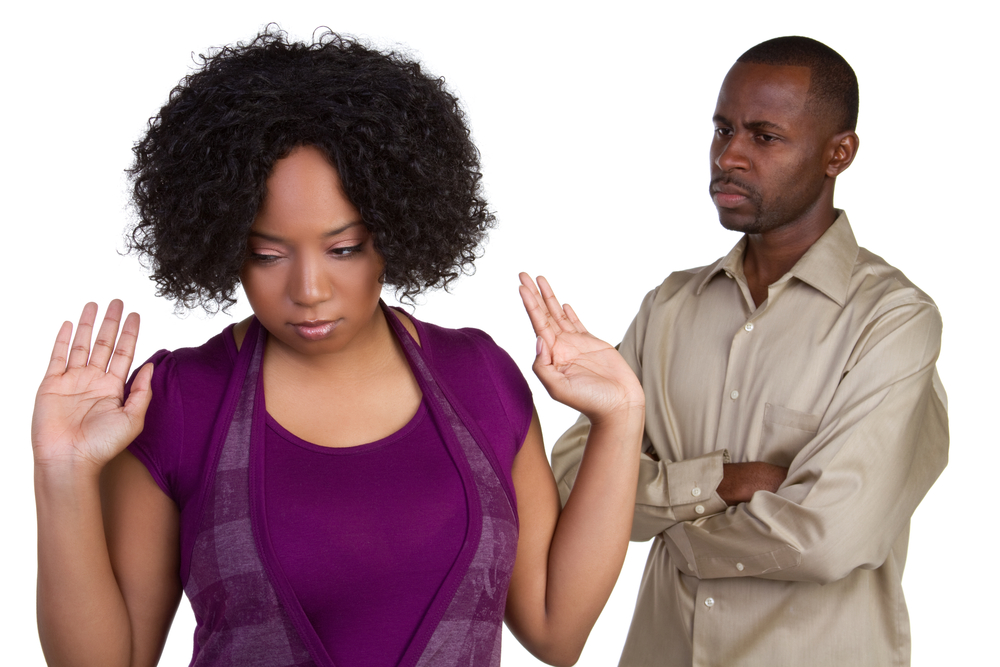
Stressors and change create grief and anger. How we manage our anger and grief in relationship to stressors with other people is critical to our social interaction with others. For better communication, health and better social relationships, conflict resolution is critical.
Conflict resolution involves better communication skills, control of emotion due to stress and loss, patience and understanding. In conflict resolution, stress management and anger management classes, individuals need to identify what type of behavior their possess in their interaction with other people.
Conflict resolution brings out a peaceful but effective solution for two differing parties Please also review AIHCP’s Anger Management Consulting Certification
Assertive behaviors are the healthiest of the behaviors. They establish boundaries, respect self, respect the other person, and meet one’s needs in a healthy way. Non assertive behaviors on the other hand deny the wishes and needs of self at the expense of others. There is a lack of boundaries and ability to respect one self over the needs of others.
Aggressive behavior is a selfish behavior. It turns to conflict when establishing boundaries and the needs of others. It does not respect the needs of others nor the feelings of others when establishing itself in a conflict.
For example, an assertive behavior at a restaurant would return an ordered item that was ill prepared. It would so in a civil and polite way, describing the issues and find resolution. A non-assertive behavior would meekly accept the discrepancy in the order and say nothing for fear of causing a scene. An aggressive behavior would demand the order be fixed without politeness and be filled with a litany of insults
Obviously, assertive behavior is the most social, healthy, and effective behaviors during conflict. They meet the need of the person but also find resolution in a polite and effective way. One can be assertive through non verbal clues, or verbal clues. How one stands, speaks in tone, and looks at a person are parts of an assertive personality. They lack dismissive behaviors or aggressive and angry body movements.
Verbally, an assertive behavior communicates. They describe the issue, express feelings, specify what is needed, and refer to consequences. In doing so, obviously, listening is also key but also elaborating on one’s needs is also key. How we communicate is key to reducing anger, stress, anxiety and violence.
It is important when resolving conflicts to use specific types of words. The words “And” and but” are important ways to express conflict. Instead of eliminating the feelings of others via the word “but “it is better to include the word “and” as a way to address and not eliminate another’s point of view.
Another verbal cue in resolving conflicts is to avoid the pronoun “you” when addressing someone else. Instead, use the pronoun “I” as not to be accusatory towards another person when pointing something out. As with “you”, avoid direct accusatory words such as “why” which can force a person with an opposing view on the defensive.
How we communicate via speech is key to resolving conflict.
If one incorporates understanding, patience, and kindness with an assertive personality, they can better communicate and address conflict issues that emerge due to anger and stress. It is imperative to be able to communicate and resolve issues of conflict in a civil but effective way. It is not only socially better but also best for health and wellbeing. The less conflict, the less stress, anxiety and anger
Please also review AIHCP’s Stress Management Consulting Program as well as AIHCP’s Anger Management Consulting program and see if it matches your academic and professional goals. Qualified professionals can earn a four-year certification and help others deal with stress and anger through successful conflict resolution