Conversational Hypnosis

By: Dominick L. Flarey, Ph.D, RN-BC, ANP-BC, CH-C
       Certified Clinical Hypnotherapist by the American Board of Hypnotherapy
       Executive Director, The American College of Hypnotherapy


Conversational hypnosis (1), also known as covert hypnosis, is a type of hypnosis that is often used by therapists, counselors, and coaches to help their clients achieve specific goals. This type of hypnosis is different from traditional hypnosis in that it does not require the use of formal trance induction techniques. Instead, conversational hypnosis relies on the use of conversation and rapport-building techniques to induce a state of relaxation and suggestibility in the client.

Conversational Hypnosis article Photo of a woman holding up a sign that reads HYPNOSIS

Conversational Hypnosis is a technique employed in order to get others to do as you direct them to, during everyday situations, without their knowledge of your influence. All forms of hypnosis, conversational or therapeutic, are based on very simple rules, steps that eventually lead a person into a state of hyper-suggestibility. According to John Kappas, founder of the Hypnosis Motivational Institute, 25% of the people you encounter during your lifetime will be naturally suggestible to you; the other 75% you will have to work on in order to exercise influence over their subconscious thoughts. Subconscious thoughts are those that exist below the level of conscious awareness. They are the product of the unconscious mind, which is constantly active, even when we are not aware of it. Subconscious thoughts (2) can influence our behavior, emotions, and decision-making, even though we are not aware of them. This is where knowing the basic rules and processes of hypnosis can come in handy, and give you the edge over the competition.

The Steps of Conversational Hypnosis

Step I

Step one is building rapport. Rapport is built on trust, and trust is based on the belief that whomever you are dealing with is just like you, or at least has your best interests in mind. In order to build rapport with someone you have never met, you must see yourself through their eyes, and experience a dialectical exchange from their point of view. Mimicking their posture, attitude, and affection can send strong cues to them that you are two of a kind. During this phase of the process, it is all about listening to what the other person is saying, and how they are saying it, then agreeing and affirming that what they believe is valid. Without rapport it will be impossible to exercise any type of influence.

Building rapport is important for several reasons. First, when we feel comfortable with someone, we are more likely to trust them and feel safe around them. This is important in both personal and professional relationships. Second, rapport helps us to feel more connected to others, which can improve communication and lead to better relationships. Finally, building rapport can help reduce stress and anxiety, and create a sense of well-being.

Conversational Hypnosis Photo of a pocket watch that is swinging back and forth with blurring images in the background

Step II

Step two is to create an overload in the conscious mind (confusion). Overloading the conscious mind (3) refers to a state where the level of information or stimuli in the environment exceeds the capacity of the individual’s working memory. In this state, the individual is unable to process all of the information and may experience feelings of confusion.

At this point the other person should feel comfortable with you. “Hey, this guy isn’t so bad; he understands where I’m coming from,” and of course, you do.  Now, what is needed is a statement that while affirming what the subject believes to be correct, also seems to contradict that which has already been established as agreed upon. These statements should include words that appeal to the subject’s suggestibility type. Physical people respond to words that describe concrete ideas, while emotional subjects respond more readily to inferences and words that describe states of feeling. Crowding the subject and making physical contact, if they are physical, can also help create an overload in the conscious mind. This leads to the conscious mind’s desire for an outlet, an escape from the state of disequilibrium, which is exactly what will be provided in the next step.

Step III

Step three is where influence is exercised by giving the subject a suggestion that allows them to gain a state of homeostasis, and at the same time is beneficial to the cause. Giving the subject a weakly phrased statement they can agree with provides the subject’s conscious mind with the escape it needs, thereby allowing direct access to the unfiltered unconscious. The last statement is then followed immediately with a more strongly phrased suggestion that is in accordance with the directive. While in this state of hyper-suggestibility, the suggestion is implanted directly into the subconscious mind. It then becomes part of the subject’s belief system, without the subject’s conscious awareness. Hypersuggestibility is a state of heightened suggestibility in which individuals are more responsive to suggestions than usual. This can occur in both positive and negative contexts, with people being more likely to either accept or reject suggestions depending on the nature of the suggestion. Hypersuggestibility is often associated with altered states of consciousness, such as hypnosis or sleep, but it can also be induced by drugs, trauma, or other forms of psychological stress.

Conversational Hypnosis and Hypersuggestibility

The benefits of hypersuggestibility are numerous. For one, hypersuggestibility can help individuals overcome negative emotions and experiences. Additionally, hypersuggestibility can help people learn new information more quickly and easily. Finally, hypersuggestibility can also increase creativity and imagination.

Conversational Hypnosis Overview

That’s it. That is all there is to it: Creating rapport; overloading of the conscious mind leading to a state of disequilibrium, thereby triggering the conscious mind’s need to escape; providing a means of escape for the conscious mind, creating a direct route to the subconscious. The subconscious mind is the part of the mind that controls automatic processes and is not accessible to conscious awareness. It has been described as a hidden reservoir of knowledge and feelings that influence our conscious thoughts and behaviors. The subconscious mind is not a separate entity but is a part of the overall mind system. Franz Mesmer, the father of hypnotism, understood this from the very beginning. However, just knowing the techniques will not guarantee you success. As in the case of every good hypnotist, personality goes a long way and determines in large part how effective these techniques will be for you.

Conversational Hypnosis Woman laying on a table with eyes closed being hypnotized

In Conclusion

In conclusion, conversational hypnosis can be a powerful tool to influence others. When used correctly, it can help you get what you want and achieve your goals. However, it is important to use it ethically and responsibly, as it can be easy to abuse. Conversational hypnosis must be used in ethical and legal ways. This means that the trained hypnotist should only use suggestion for good, and never to exploit or control someone. When used correctly, conversational hypnosis can be a powerful tool to help people make positive changes in their lives. It is often used in sales and marketing, but is also becoming increasingly popular in healthcare. There are many potential benefits to using conversational hypnosis in healthcare, such as helping patients to relax and feel more comfortable during procedures, increasing compliance with treatment plans, and reducing stress and anxiety levels. We see it being used in pre-op anesthesia to help patients relax prior to surgical procedures. It is also being used in dental practices to assist patients to relax and become more calm prior to dental procedures. There are a wide range of uses of this type of hypnotic technique that are being employed in health care practices today.

If you are a health care professional and are interested in expanding your practice in the area of Clinical Hypnotherapy, The American Institute of Health Care Professionals, Inc. (AIHCP) offers a full curriculum of continuing education courses with Board approvals, leading to Certification. Upon successful completion of the program, graduates receive Certification as a Certified Clinical Hypnotherapist in the American College of Hypnotherapy. The American College of Hypnotherapy is a subdivision of the AIHCP. You may preview our Clinical Hypnotherapy Certification program here: access information here.

References

1. Convert Hypnosis. Wikipedia. access here.

2. Subconscious Definition: The Hidden Power of Your Mind. Matt Coates. Mindvalley. November 27, 2018. access here.

3. The Role of the Conscious Mind. Kendra Cherry. Very Well Mind. September 1, 2022. access here.

4. Franz Mesmer. Wikipedia. access here.


Types of Meditation for Health

Meditation has gone from merely a spiritual exercise to a mental and physical exercise.  Primarily Eastern meditation and it deep ties to relaxing the body for its own spiritual purposes has been transferred to the West as a holistic approach to better health.  Meditation has been shown in studies to help one physically and mentally.  Better focus, better control of emotion and healthier hearts are all an end result.  It is important to discover what type of meditation is best for oneself.  With so many types of meditation available for better mental and physical health, it can be difficult to choose and learn these techniques.  Meditation Instructors can also help individuals better learn to properly implement meditation into their daily lives.

There are a variety of meditations individuals can utilize for overall health. Meditation Instructors can help guide individuals to the best ones.


The article, “10 different types of meditation—and which one is right for you” by Karen Johnson looks at the benefits of meditation and the different types one can use.  She lists in particular ten different types of meditation and how they can be utilized for physical, mental and emotional health.   From mindfulness to various poses, Johnson discusses a variety of meditation poses and techniques that one can utilize.  She states,

“Meditation may have started as early as 5000 B.C., but no matter how long, the practice has become more popular as people look for non-pharmaceutical ways to boost their mental health. Different variations on the practice have been developed throughout the world, including India, China, and Japan. Some are associated with spiritual practices including Hinduism, Taoism, and Buddhism, while others are secular.”

“10 different types of meditation—and which one is right for you”. Karen Johnson. November 5th, 2022. Stacker.com.

To review the entire article, please click here

Commentary

The benefits of meditation on health are numerous and well-documented. Meditation has been shown to lower blood pressure, improve circulation, reduce stress levels, boost the immune system, and promote overall well-being.  Mindfulness meditation has been shown to be beneficial for overall health. A review of 47 trials found that mindfulness meditation can help reduce psychological stress. In addition, another review of 14 trials found that mindfulness meditation can help reduce pain. Finally, a systematic review of the literature found that mindfulness meditation is associated with improvements in mental health, physical health, and quality of life.

In addition to physical health, Mindfulness meditation is an effective intervention for improving mental health. Numerous studies have found that mindfulness meditation can help to reduce stress, anxiety, and depression. Meditation works by helping the individual to focus on the present moment and become more aware of their thoughts and feelings. This increased awareness can help to reduce negative thinking and rumination, which are often linked to mental health problems.

Types of Meditation

There are many types of meditation, but they can broadly be classified into two categories: focused attention and open monitoring. Focused attention meditation involves focusing on a single object, thought, or activity, such as the breath, a mantra, or a certain visual object. The goal is to maintain that focus while letting other thoughts and distractions come and go without getting caught up in them. Open monitoring meditation is about observing all of the thoughts, feelings, and sensations that arise without judgment or attachment.

Guided meditation is a form of mindfulness meditation in which a person is guided by a teacher or another individual through the process of meditation. The individual is typically instructed to focus on their breath and to maintain a state of relaxation and awareness. Guided meditation can be an effective way to learn how to meditate, as it can help to focus the mind and provide guidance and support.

Focused meditation is a form of mindfulness meditation in which you focus your attention on a specific object, thought, or activity. The purpose of focused meditation is to increase your awareness of the present moment and improve your concentration. In order to practice focused meditation, find a comfortable place to sit or lie down. Close your eyes and focus your attention on your breath. Once you have focused on your breath, begin to count each inhale and exhale.

Visualization meditation is a type of mindfulness meditation in which you focus on a certain image or scene. You may focus on something peaceful, like a beach or a meadow, or something that represents what you want to manifest in your life. The idea is to hold the image in your mind and focus on the feelings it evokes, such as relaxation or happiness. over time, this practice can help to train your brain to more easily access states of calm and peace.

Meditation pose, mantra and breath

When one is meditating, it is important to maintain a posture that is comfortable and stable. This allows for the individual to focus their attention on their breath and the present moment, rather than on any discomfort they may be feeling. There are many different meditation poses that can be adopted, and it is important to find one that suits the individual.  A meditation mantra is a word or phrase that is repeated during meditation. The mantra can be anything that is meaningful to the person meditating. The repetition of the mantra helps to focus the mind and can lead to a deeper state of meditation.  Meditation breathing is a technique that is used to help focus the mind and body. The goal of meditation breathing is to bring the practitioner into a state of relaxation and calm. The technique involves focusing on the breath and letting go of all other thoughts. This can be done by sitting in a comfortable position and focusing on the breath as it moves in and out of the body.

Conclusion 

Science is showing more and more evidence that Eastern meditation and its many forms  aid individuals mentally, emotionally and physically.  Through proper form, pose, breath and mantra, one can lower one’s stress levels, improve heart health and find inner peace from various stressors.  Meditation Instructors can help instruct individuals into the various practices and types of meditation one can wishes to utilize for a particular benefit.

Please also review AIHCP’s Meditation Instructor Program and see if it meets your academic and professional goals.  The program is online and independent study and open to qualified professionals seeking a four year certification as a Meditation Instructor.


Additional Resources

“What meditation can do for your mind, mood, and health”. Harvard Health Publishing. July 16, 2014.  Access here

“Which Type of Meditation Is Right for Me?”. Holly J. Bertone, CNHP, PMP and Crystal Hoshaw.  November 5th, 2021. Healthline.  Access here

“What are the Different Types of Meditation?”. Mindworksteam.  Mindworks.  Access here


Substance Abuse Counseling Video on Parents Protecting Children from Substance Abuse

Protecting one’s children from substance abuse is something all parents strive to do but many fall short.  There are signs and signals to be alert for to see potential abuse BUT the biggest way to protect one’s children is to be present in their life.  It is important to be a fixture in their life to know what they do.  Many times, even the best kids, can fall victim to peer pressure.  When work or busy schedules take one away from one’s primary vocation which is one’s children, then issues can creep in.

Please also review AIHCP’s Substance Abuse Counseling Program and see if it meets your academic and professional goals.  The program is online and independent study and open to qualified professionals seeking a four year certification

Scripture and Proper Training and Interpretation of the Sacred Word

Scripture is God’s written word.  The Bible provides a deposit of faith and a foundation for God’s communication with His people.  It relates the story of humanity’s fall, God’s love, humanity’s redemption and the future.  It provides guides, commands and stories.  Some books are separated by hundreds of years and relate to different audiences.  Some stories are historical, others are parables, while still even others present poetry and prophecy.  While humans wrote it, it is nevertheless a guided work by the Holy Spirit with the intention of brining humanity closer to God.

However, when misinterpreted, misused, it can bring pain and suffering to the world.  Individuals can use the words of the Bible to misguide, misdirect and lead others astray.  When Scripture is not properly interpreted and presented to the believing community, it can lead many towards the road of heresy.  While some can take individual inspiration from the Word of God, it is important to understand the nature of Scripture and its purpose.

Scripture contains truth but that truth must be properly understood through interpretation and training. Misuse of it can lead many astray behind the teachings of false prophets


Scripture can be a great resource in Christian Counseling, but Christian Counselors, pastors, ministers and priests must be well versed in Scripture and its essence to properly guide and preach it to others.

The article, “3 tips to help you read the Bible well” by Chris Goswami looks closer at understanding Scripture from avoiding a few basic mistakes.  He lists how others have used past books no longer relevant to the  message of Christ as justification for physical violence, as well as understanding that while Scripture is written by God alone, certain books have certain audiences and certain messages for particular times.  These messages cannot be taken out of context, unless one looks to go astray.  He states,

“Paul sometimes offers an instruction that made sense in that day but may no longer apply to us. This one is tough. It’s really hard to distinguish between cultural norms and eternal truths, and churches have disagreed and split on these topics. They include the lengthy debates churches had first on divorce, then the role of women, and now sexuality.”

“3 tips to help you read the Bible well”. Chris Goswami. 24 October 2022. Premier Christianity.

Please click here to read the entire article.

Commentary

As pointed out Scripture can be confusing.  It teaches one common objective and eternal law, but it can be misinterpreted, misquoted and put out of context for different people and different times.  It is because of this many individuals can misused Scripture and utilize it for propaganda.  This was seen throughout the history of the Church and even today, as extremist groups use the Sacred Word to promote hate and division.

Literary and Textual Criticisms of the Bible are Important

While personal interpretation is a freedom for many believers, one should never assume such vanity and pride but look to those better trained in Scripture and those who represent orthodox teachings on the faith.  Scripture represents the bed rock of the faith and is the primary deposit of the faith. Sometimes, with some review and understanding of the teaching of Jesus, one can clearly see when Scripture is being misused.

It is important to realize that various literary criticisms of Scripture are utilized to better understand the human element of its authorship.  These literary criticisms can help others better understand the human author, his or her intent, and his or her audience.  These types of themes then can be understood within their historical context.  This is not to assume morality changes within history but it does help individuals understand the social norms and history of the time and how the words relate to the time and audience.

It is also extremely important to understand what type of book in Scripture one is reading.  While it is true, Scripture is a collection of divinely inspired authored texts by one divine author, it is also true that the books span thousands of years, and deal with a variety of situations.  Obviously the books before Christ and the books after Christ have a different message in human redemption history.  Many books have different purposes as well.  Some books may be poetic or moral, while others historical, or others relating to prophecy.  Understanding the various natures of the books help one also understand what type of literature one is reading and how to properly digest the words.

Those who hold to literal quotes also should be very careful.  Scripture, as it is handed down, is in itself a miracle.  For it to have maintained such integrity is inspiring but if one considers that the printing press did not exist until the 15th Century, then one can see the numerous copies upon copies that were handed down. In fact, no original of any book exists to this day.  Hence, one relies upon the copying abilities of the ancients in replicating the Sacred Word of God, as well as their abilities to collect and put together and edit books.

In addition, beyond even the element of copying, is translating.  Scripture has been translated from Hebrew, Aramaic, Greek to Latin and to numerous romance languages.  With so many translations, some words can lose power.  It is hence important to understand the message of a verse, but to also understand certain elements of it can be lost.  This type of textual criticism and history of the text itself can lead to many resounding discoveries about original intentions of the various books.

When interpreting, it is important to understand that the words we have come from this long and arduous process.  Still even so, the words themselves must be studied within context.  How was the particular word understood then, how is it different now, or how was it applied throughout the entirety of not just the book but the collection of the books themselves.  Understanding precedence of the use of the word and its utilization is key to applying or not applying to today.

Discernment and personal prayer are key in understanding Scripture.  While one must keep one’s interpretation in line with the authority and tradition of the faith, discernment as a process helps guide the believer to avoid false pretenses and ideas about one’s understanding of Scripture.

Conclusion

Receiving the Bible as we have it today is a miracle in itself even beyond its Divine Inspiration.  While it’s primary source and authorship is from the Holy Spirit and tells a certain story and communication between God and humanity, it still nonetheless is a collection of communications through human hands.  Through this, interpretation and translation can be difficult.

While Scripture is a beautiful gift that presents to humanity the story and love of God through Jesus Christ, it can equally be misused by individuals with their own intentions.  This is why Christians must not only know Scripture, but also know its history, its meaning and interpretation.  Listening to good Church leaders is a key way to avoid the pitfalls of false prophets who can misuse the Bible.

Please also review AIHCP’s Christian Counseling Certification and see if it meets your academic and professional goals.  The program is online and independent study and open to qualified professionals seeking a four year certification in Christian Counseling.   Christian Counselors can play a pivotal role in properly utilizing Scripture and helping others interpret it properly.  The Bible can be an immense tool in helping others live good lives according to the will of God.

Additional Resources

“What is textual criticism?”. Compellingtruth.org.  Access here

“Hermeneutics: The Eight Rules of Biblical Interpretation”. Apologetics Index. Access here

“Interpreting Scripture’s divine element”. ADAM RASMUSSEN · APRIL 27, 2021. Unpacking Dei Verbum.  Access here

“Interpreting Scripture: A General Introduction”. Jason S. DeRouchie.  The Gospel Coalition.  Access here

“Divino Afflante Spiritu”. Pope Pius XII. 1943. Access here

Medical Complaints in Healthcare

Physicians and medical professionals in healthcare can face discipline and lawsuit if they do not fulfill proper standard of care to a patient.  They can face malpractice but also medical complaints to overseeing boards.  It is hence extremely important for healthcare professionals to be aware of procedures when dealing with potential medical malpractice or even medical board complaints by patients.

Much can be done by simple transparency, procedure, proper channeling and oversight, but sometimes, mistakes can be made, or patients can be in the wrong looking to blame someone.  In this case legal support is needed.  Many legal teams have Legal Nurse Consultants who can also ensure proper procedure and standard of care was fulfilled.  It is hence extremely important if faced even with a medical complaint to find the proper representation to preserve one’s name and reputation within the medical profession and field.

A medical complaint can be a major headache but through professionalism and transparency they can be lessened. A good legal team and legal nurse consultant can help guide medical professionals from further reputation damage.


The article, “How to handle a medical board complaint” by Keith Loria looks closer at how to respond to a medical complaint.  He discusses the grave importance of taking it as serious as a malpractice suite and to follow the proper response protocol.  He highly recommends finding legal representation and aid in dealing with the issue but he also gives ways to prevent such instances from escalating through how patients are treated and procedures done in regards to providing information to the patient.  A well informed patient and a patient who is treated with respect and professionalism is far less to issue a complaint.  He states,

“Most physicians spend their sleepless nights worrying about malpractice lawsuits but not medical board complaints. However, a complaint to a medical board is a considerable challenge posing as much risk to a physician’s career as a malpractice case. Such a complaint often can be very trying and potentially damaging to one’s reputation. Some of the reasons behind medical board complaints involve a doctor’s code of ethics. Medical malpractice, misdiagnosis, failure to treat a patient and mismanaging a patient are common allegations in such complaints.”

“How to handle a medical board complaint”. Keith Loria. November 4, 2022. Medical Economics.

To review the entire article, please click here

Commentary

Medical complaints against professionals are a relatively common occurrence. In most cases, these complaints are filed against physicians or other medical professionals.  There are a number of reasons why patients may lodge medical complaints against professionals. In some cases, the patient may feel that they have been mistreated or that the quality of care they received was substandard. In other cases, the patient may be dissatisfied with the way their case was handled or with the outcome of their treatment. Whatever the reason, it is important to remember that medical complaints are serious matters and should be treated as such.

There are a few common medical complaints against professionals that patients typically make. These include issues with communication, bedside manner, and time management.
Patients often complain that their physicians do not communicate well with them. This can manifest as the physician not taking the time to explain things in layman’s terms, not listening to the patient’s concerns, or interrupting the patient during conversation. Another common complaint is that the physician has a poor bedside manner.

Preventing Complaints

The best way to prevent medical complaints against professionals is to follow a few simple guidelines. First, always maintain communication with your patients. This means keeping them updated on their condition and treatment plan, as well as answering any questions they may have. Second, document everything. Be sure to keep accurate and up-to-date records of all interactions with patients, as well as their medical histories. Finally, be responsive to any concerns or complaints that do arise.

Responding to Complaints

When seeking legal help to protect oneself against a medical complaint, it is important to first identify the source of the problem. Is the problem with the medical care that was received, or is the problem with the way in which the complaint was handled? Once the source of the problem has been identified, it is important to determine whether or not there is a legal basis for the complaint. If there is no legal basis for the complaint, then seeking legal help will not be necessary.

Many physicians will need to turn to a legal team with medical legal experts, such as legal nurse consultants to help defend.  The complaint is a serious issue and must be addressed.  Many times, healthcare professionals only see malpractice as a serious threat but complaints can also tarnish reputations.  It is hence important and critical to find legal help from legal professionals in defending oneself in such a complaint hearing before a medical board.

Conclusion

In conclusion, it is clear that there are many medical complaints against healthcare professionals. These complaints range from simple negligence to more serious issues such as sexual assault. It is important for patients to be aware of their rights and to know how to file a complaint if they feel that they have been wronged by a healthcare professional.

Regardless of the complaint or severity or even legitimacy, healthcare professionals need the guidance of an experience legal team with medical expertise and legal nurse consultants to aid in the hearing defense.  Legal nurse consultants help against medical complaints by providing knowledge and expertise in the healthcare field. They are an invaluable resource for investigating cases and providing testimony.  Their knowledge of both the medical and legal field makes them uniquely qualified to deal with these issues.

Please also review AIHCP’s Legal Nurse Consulting Program and see if it meets your academic and professional goals.  The program is online and independent study and open to qualified professionals seeking a four year certification in Legal Nursing.  Nurses are obviously the best candidates for this program.

Additional Resources

“Patient complaints in healthcare systems: a systematic review and coding taxonomy”. Tom W Reader, etc, al. BMJ Qual Saf. 2014 Aug; 23(8): 678–689.  National Library of Medicine.  Access here

“Medical Board Complaints from Hell: 6 Strategies for Surviving a Board Investigation”.  Medical Justice. September 1st, 2022.  Medical Justice. Access here

“Learning from complaints in healthcare: a realist review of academic literature, policy evidence and front-line insights”. Jackie van Dael, etc. al. Volume 29″ Issue 8. 2020. BMJ Journals.  Access here

“The nature of patient complaints: a resource for healthcare improvements”. Anna RÅBERUS, etc. al. International Journal for Quality in Health Care, Volume 31, Issue 7, August 2019, Pages 556–562,. Oxford Academic.  Access here


Anger Management Consulting Certification Blog on Cold Repressed Anger

Cold or repressed anger lingers.  When individuals do not in a healthy way express anger or situations, then other passive ways of aggression can emerge.  Anger is a healthy emotion when properly channeled and it is important to communicate anger in a good and safe way to others.  When anger is allowed and permitted to linger it can lead to bigger problems and issues later down the road.

It is important to communicate anger in a healthy way. Please also review AIHCP’s Anger Management Consulting Certification


The article,”Speaking Up When Most Stressed” by Lorlan Oberlin discusses why it is important to communicate and speak when stressed and not to let it sit within.  She states,

“Build an emotional vocabulary to label negative emotions. This removes the fear of expressing yourself. Find feeling charts/wheels online through an image search. List words using a thesaurus. Choose the precise feeling word which may reveal vulnerability. That’s okay. Opening up and being vulnerable leads to deeper interpersonal connection and intimacy for romantic relationships.”

To read the entire article, please click here

Please also review AIHCP’s Anger Management Consulting Certification and see if it meets your academic and professional goals.  The program is online and independent study and open to qualified professionals seeking a four year certification in Anger Management Consulting.

Yoga, Meditation and Anger Management

Controlling anger is key to a healthier life style.  Allowing the actions of others to hurt our own mental and physical health can cause stress and disharmony in the body.  Anger management can help oneself find the ability to better acknowledge anger triggers as well as to better cope with the emotional eruption.  Yoga is one way to learn better ways to cope with anger and control emotion. Yoga is easy to learn and a great way to let off frustration and find inner peace.  There are numerous poses in yoga that can aid an individual in dealing with angry emotions.

The article, “Yoga for anger management: 5 poses to break free” by Anujj Trehaan discusses the various poses one can utilize in yoga to combat anger.  She lists numerous poses from Balasana to Sukhusana.  She also encourages Savasana, Matsyasana, and Uttanasana as important poses.  The article explains the purpose of each pose and how the poses help one better cope with anger.  She states,

Yoga can play an important role in anger management, as well as with stress management in one’s daily life and existence.  Various Yoga poses are also directly correlated with managing anger


“It is natural to feel anger but not when it starts getting the better of you.Anger is a powerful emotion and probably the only one that hurts us more than it may hurt someone else.If you find yourself in an unbreakable loop of rage and resentment, we have got your back.Go ahead and try these five yoga poses for anger management.”

“Yoga for anger management: 5 poses to break free”. Anujj Trehaan. October 23rd, 2022. NewsBytes.

To read the entire article, please click here

Commentary

When it comes to yoga and anger, there are a few things to consider. For one, anger is often seen as an emotion that needs to be released in order to achieve inner peace. However, yoga teaches us that all emotions should be experienced and then let go of. This can be difficult to do with something as powerful as anger. But if we can learn to experience anger without letting it take over, we can find a balance between the two extremes.

Yoga and meditation can play key roles in reducing stress and anger in life.  They can prevent the sympathetic nervous system from overwhelming the body and keeping the body in a constant state of fight or flight.  It can also help the body find relaxation and reverse it through the para sympathetic nervous system.  This deactivates many of the hormones and the prepare the body for fight or flight and all the emotions that are tied to this response.

Types of Poses for Anger Management

Balasana, also known as child’s pose, is a resting pose in yoga. The word “balasana” comes from the Sanskrit words “bala,” meaning “child,” and “asana,” meaning “pose.” This pose is often used as a resting pose between more active poses, or as a way to release tension and anger. To perform child’s pose, start in a kneeling position with your buttocks resting on your heels.

The Hindi word “suhkusana” can be translated to English as “anger.” This word is often used to describe the feeling of anger that one experiences when they are upset or frustrated. When someone is suhkusana, they may feel like they are about to explode with anger. This feeling can be caused by many different things, such as stress, anxiety, or even just everyday life.  It is of no wonder then why this pose is utilized in anger management.

Savasana, also known as corpse pose, is a posture that is often used in yoga classes. The purpose of savasana is to allow the body and mind to relax and release any tension that has been built up during the practice. Anger is an emotion that is characterized by feelings of frustration, hostility, and/or aggression. It is often triggered by a perceived threat or injustice.

Matsyasana is a yoga asana that helps to release anger. When we are angry, we tend to hold our breath or take shallow breaths. This asana helps to release the tension in the body and allows us to take deep, calming breaths. It also helps to lengthen the spine, which can help to improve our posture and alleviate back pain.

Uttanasana, or “intense stretching pose,” is a yoga asana that is said to be beneficial for anger management. The practice of Uttanasana is said to help release tension and stress from the body, which can often contribute to feelings of anger. In addition, the deep breathing associated with Uttanasana is said to help relax the mind and body, providing a sense of calmness and peace.

Conclusion

In conclusion, yoga is a great way to help manage anger. It can be done in a group setting or at home, and only requires a yoga mat and some comfortable clothing. Yoga can help to focus the mind and body, and release tension that may be causing anger.  If you are feeling angry, there are certain yoga poses that can help you to manage that anger. These poses include the Camel Pose, the Child’s Pose, and the Corpse Pose. By practicing these poses, you can help to calm yourself down and find some inner peace. If you are looking for a way to manage your anger, give yoga a try.

Please also review AIHCP’s program in Anger Management Consulting and see if it meets your academic and professional goals.  The program is online and independent study and open to qualified professionals looking to earn a certification in Anger Management.

AIHCP also offers a program in Meditation Instructor that can help individuals utilize meditation in their daily lives and help teach others.  Obviously Yoga is an important element in meditation and is also discussed. In addition, Yoga also is beneficial in Stress Management and AIHCP also offers a certification for those interested in teaching Stress Management.

All three of these programs are very much integrated and connected in practice and better outcomes with anger and stress.

Additional Resources

“Development and validation of Yoga Module for Anger Management in adolescents”. Alaka ManiTL, etc. al. Complementary Therapies in Medicine Volume 61, September 2021, 102772. Access here

“Yoga for Anger Management: Practice These Yoga Exercises to Control Anger”. Ashish. December 21st, 2021. Fitsri. Access here

“HOW YOGA BENEFITS ANGER MANAGEMENT”. Nicole Anderson. The Strive. Access here

Effective Ways of Managing Your Stress

By John Edwards, BS

What is Stress?

Stress is a common issue that people face daily. It can come from work, family, friends, and many other sources. While some stress is normal, too much stress can have negative effects on your health. Managing stress is important to maintain your health and well-being. There are many ways to manage stress, including exercise, relaxation techniques, and talking to someone you trust.


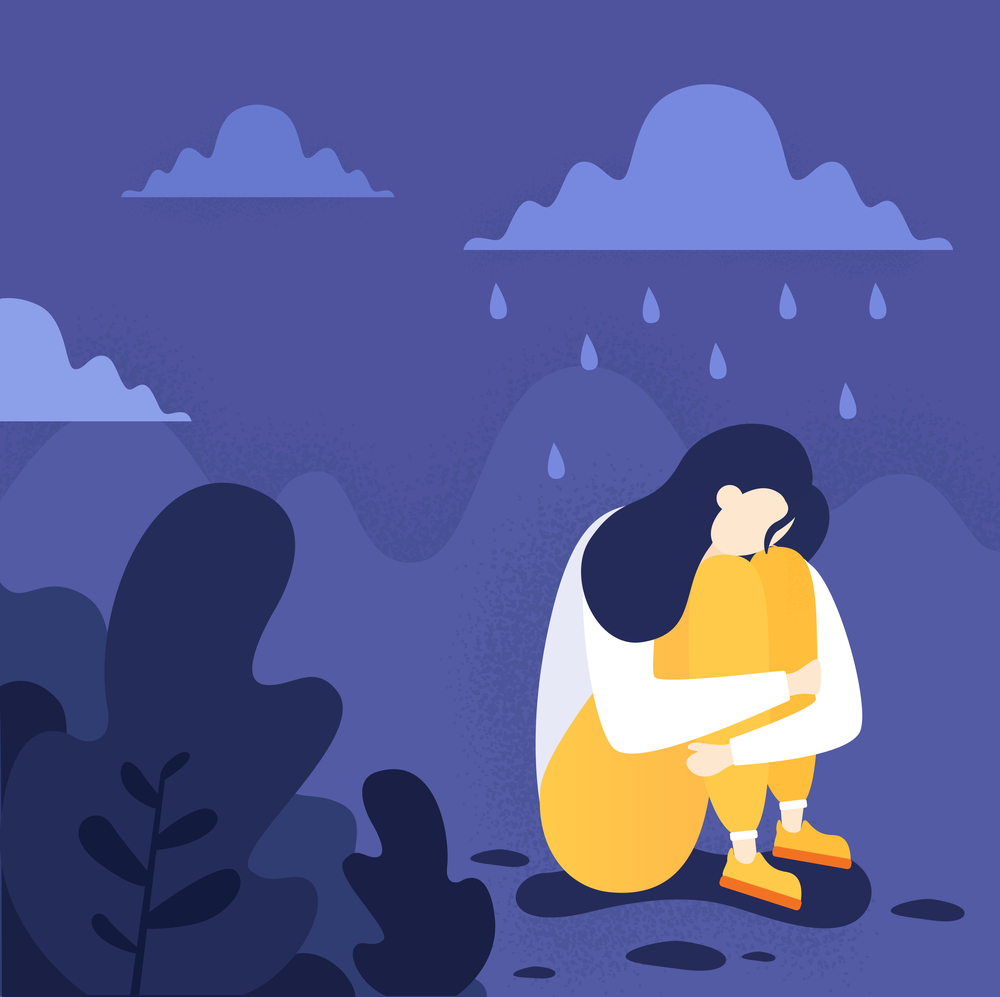
Stressed out African American Woman Pulling on her hair.

Commentary:

Defining Stress

When it comes to stress, there is no one-size-fits-all definition. Stress is a unique experience that differs from person to person. However, there are some common themes when it comes to what stresses people out.

For many people, stress is caused by external factors such as work, school, or family obligations. These demands can be overwhelming and lead to feelings of anxiety, worry, and helplessness. Other people may experience stress as a result of internal factors such as chronic illness or insecurity.

No matter the cause, stress can have serious consequences on your physical and mental health. It’s important to find healthy ways to manage your stress in order to avoid these negative effects. Some effective stress management techniques include exercise, relaxation techniques like deep breathing, and journaling.

The Effects of Stress:

Stress is a normal part of life that can either help us or hurt us depending on how we manage it. When stress is managed in positive ways, it can lead to better health, improved productivity, and increased resilience. On the other hand, unmanaged stress can lead to anxiety, depression, and even physical illness.

There are a variety of effective stress management techniques that can help us keep our stress levels in check. We can combat stress in a few different ways such as using relaxation techniques or making lifestyle changes. By taking some time out for ourselves to de-stress on a regular basis, we can minimize the negative effects of stress and live happier, healthier lives.

Managing Stress -Relaxation Techniques:

Whether you’re dealing with the stress of a hectic work schedule or coping with the demands of family life, finding ways to manage your stress is essential for maintaining your health and well-being. While there are many different approaches to managing stress, relaxation techniques can be particularly effective in reducing stress levels and promoting calmness and peace of mind.

There are a variety of different relaxation techniques that you can try, depending on what works best for you. One popular option is progressive muscle relaxation, which involves tensing and relaxing different muscle groups throughout the body. This helps to release tension from the muscles and promote overall relaxation.

Deep breathing exercises are another great way to reduce stress levels and promote relaxation. Simply take a deep breath in through your nose, filling your lungs as much as possible. Then breathe out slowly through your mouth. It helps to mentally imagine your stressor being force out of your body and disappearing into the wind.

Managing Stress – Lifestyle Changes:

Stress management is a very important aspect of our lives. It is necessary to learn how to manage stress in order to maintain our health and well-being. There are many different ways to manage stress, but one of the most important things you can do is to make lifestyle changes.

There are many different factors that can contribute to stress, and it is important to identify what these are in order to make the necessary changes. One of the most important things you can do is to get enough sleep. This will help your body to recover from the day and reduce the amount of stress hormones that are produced.

Exercise is another great way to reduce stress levels. It helps to release endorphins, which have mood-boosting properties. In addition, it can also help to improve your sleep quality. Exercise also allows you to focus your mental energies on something other than what’s bothering you.

When to Seek Help:

If you’re feeling overwhelmed by stress, you’re not alone. Stress is a common problem that can have serious consequences for your health. If you’re struggling to cope with stress, it’s important to get help.

There are many ways to get help for stress. You can talk to your doctor about your stress and how it’s affecting your health. Your doctor can provide support and resources to help you manage your stress. You can also talk to a counselor or therapist about how to better cope with stress.

If you’re experiencing severe stress, you may need medication to help you manage it. Medication can be an effective way to reduce the symptoms of stress and help you feel more in control. If you’re considering medication for stress, talk to your doctor about the risks and benefits.

Conclusion:

In conclusion, stress management is an important tool that can be used in order to improve one’s quality of life. It is important to identify the sources of stress in one’s life and to find healthy coping mechanisms in order to reduce the negative effects of stress. With proper stress management, individuals can improve their overall well-being and find greater success in both their personal and professional lives.

Stress Management Consulting is a growing profession. Mental health care professionals as well as large corporations recognize the need for relaxation not only in professional careers but in private lives as well. If you are interested in learning about becoming certified in stress management then you should visit our Stress Management Consultant certification program webpage – Please Click Here https://aihcp.net/stress-management-consulting-certification/

Additional Resources:

Effects of stress on immune function: the good, the bad, and the beautiful. Dhabhar, F.S. Immunol Res 58, 193–210 (2014).
Access Here 

Effects of stress and mental toughness on burnout and depressive symptoms: A prospective study with
young elite athletes. Markus Gerber, et al. Journal of Science and Medicine in Sport Volume 21, Issue 12, December 2018, Pages 1200-1205
Access Here 

Stress management techniques for students.Kassymova, et al. Proceedings of the International Conference on the Theory and Practice of Personality Formation in Modern Society (ICTPPFMS 2018) PB – Atlantis Press
Access Here 

Swimming as an Exercise Against Stress

Reversing the damage of stress on our bodies due to daily interaction at work, school or home is important.  Stress management is key but also physical exercise.  Exercise not only can help the body reverse the damages of stress but it can also help the brain function at a more healthy level.  Swimming is one such exercise with multiple benefits due to its very nature of less stress on the joints.  It is a great exercise for the elderly and children but also adults in their prime.  Swimming has numerous benefits in helping the body overcome stress and remain healthy.

The article, “From stress relief to managing depression: 10 ways swimming can do wonders for your mind and body” from Stacker Science and Dolphin Pools takes a closer look at the numerous benefits of swimming and stress and depression reduction.  The article lists ten ways swimming as an exercise benefits the body and mind.  In particular, the article discusses the various systems within the body and how swimming helps them improve in relationship to the mind.  The article states,

Swimming has many physical benefits but also is beneficial in reducing stress and depression in all age ranges and persons


“Physical activity strengthens your cardiovascular and musculoskeletal systems and can improve your mood, and relieve depression. It also boosts the quality of your sleep, increasing energy levels. Those who exercise regularly have a reduced risk of common cancers, including breast and colon cancer. Swimming provides the benefits of physical activity while putting less stress on your joints. This activity works your major muscle groups, and because it is a low-impact form of exercise, those with arthritis or joint pain may want to make swimming their workout of choice. ”

“From stress relief to managing depression: 10 ways swimming can do wonders for your mind and body”  Stacker Science/Dolphin Pools. Oct 8th, 2022.

To read the entire article, please click here

Commentary

Swimming is an excellent form of exercise that provides many benefits for the body and mind. It is a low-impact activity that can be enjoyed by people of all ages and abilities. Swimming is a great way to improve cardiovascular fitness, increase muscle strength and flexibility, and improve joint mobility. It is also an excellent way to reduce stress and promote relaxation.  Swimming is an excellent form of exercise for a number of reasons. First, it is a low-impact activity, meaning that it is easy on the joints and muscles. This makes it ideal for people who are looking for a gentle workout. Second, swimming is a great cardio workout. It gets the heart pumping and the blood flowing, which is great for overall cardiovascular health. Third, swimming is a full-body workout.

Swimming and Stress Reduction

Swimming has long been touted as a means of stress reduction, and for good reason. A few laps in the pool can help to clear your head and relax your body, both of which are essential for reducing stress levels. In addition, the rhythmic nature of swimming can help to lull you into a meditative state, which is also beneficial for stress reduction.   One of the ways it does this is by releasing endorphins, which are hormones that have a natural calming effect. Swimming also helps to lower blood pressure and heart rate, both of which can contribute to feeling less stressed. Additionally, the act of swimming can help to clear your mind and focus your thoughts, which can also lead to reduced stress levels.

Swimming is a great way to get your heart rate up and to improve your cardiovascular health, but did you know that it can also be beneficial for your brain? When you swim, your body releases endorphins, which have been shown to improve mood, increase feelings of well-being, and reduce stress and anxiety. In addition, the act of swimming can help to increase neurogenesis, or the growth of new brain cells.  In this way, it is also extremely beneficial to stress reduction, anxiety or depression.

Making swimming part of your overall exercise routine is an excellent idea especially for those who have a more difficult time running.  It is also a great social opportunity for children to meet others and learn an important life skill.

Conclusion

In conclusion, swimming is a great way to improve your health. It is low-impact and can be done at any age or fitness level. Swimming is also a great way to relieve stress and relax.  swimming is a great way to reduce stress. It is a low-impact activity that can be done by people of all ages and abilities. Swimming is also a great way to get exercise and improve your overall health. So, if you’re looking for a way to reduce stress and improve your health, swimming is a great option.  So, what are you waiting for? Go take a dip!
Please also review AIHCP’s Stress Management Consulting Program and see if it meets your academic and professional goals.  The program is online and independent study and open to qualified professionals seeking a four year certification in Stress Management.  After completing the required courses, one can apply for certification.  AIHCP has offered the Stress Management Certification for over 20 years and it can be utilized anywhere in the country to enhance a professionals resume.
Stress Management is an important way to manage stress and swimming is just one of many ways to help manage it.  One should take the time, if they have not, to learn how to swim, or if one already knows how to swim, to take advantage of its many benefits.
Additional Resources
“Swim Stress Away: 5 Mental Health Benefits Of Swimming”. Claire McDaniel. May 13th, 2015. Clear Comfort. Access here
“How Swimming Can Help Improve Mental Health (Or Ease Stress)”. Riley Dunn. December 21st, 2021. Swimming World. Access here
“Six ways swimming benefits your mental wellbeing”. Samantha Wild. 26 October 2021. Bupa.  Access here
“The Effect of Swimming on Anxiety-Like Behaviors and Corticosterone in Stressed and Unstressed Rats”. Mohammad Amin Safari,etc, al.  Int J Environ Res Public Health. 2020 Sep; 17(18): 6675.  Access here


ADHD Assessment in Children

Many symptoms can lead a parent to think his or her child has ADHD.  Some symptoms can mask themselves as anxiety or other stresses, but in some cases, the symptoms witnessed due directly correlate with ADHD.  ADHD is not the end of the world for your child, but it can be a major issue if it is not addressed.  It is extremely important for one’s child to receive the guidance and medication, if necessary, to help him or her function normally.  If not, ADHD can cause havoc on school, social and family life.

The article, “Could Your Child Have ADHD?” by Jeremy Sharp takes a closer look at the symptoms and next steps a parent must take to discover if one’s child has ADHD.  As a licensed psychologist, he lists the numerous possible outcomes that follow an assessment and the procedures needed to ensure the child receives the care he or she needs.  He reassures parents that they are not alone in this process and that there is light at the end of the tunnel.  He states,

If you think your child may have ADHD, it is important to get the child assessed and tested for it. It can be the difference of a life time for him or her


“As a parent and a child psychologist, I have a lot of empathy for other parents struggling with the question of whether their child may have ADHD. Despite all of the popular media representation and legitimate resources out there, it’s still a challenging question to answer! For all of you trying to figure it out, I hope that this article will offer a little bit of a roadmap to move forward.”

“Could Your Child Have ADHD?”. Jeremy Sharp, PhD. October 14th, 2022. WebMD.

To read the entire article, please access here

Commentary

Attention-deficit/hyperactivity disorder (ADHD) is a neurobehavioral disorder that is characterized by problems with inattention, impulsivity, and hyperactivity. Symptoms of ADHD typically begin in childhood and can persist into adulthood. ADHD affects individuals of all ages and from all walks of life, though it is most commonly diagnosed in children. The exact cause of ADHD is unknown, though it is believed to be a combination of genetic and environmental factors.

Symptoms within children

There are a variety of symptoms that can be seen in children who have ADHD. Some of the more common ones include difficulties with sustaining attention, hyperactivity, and impulsivity. However, it is important to note that not all children with ADHD will display all of these symptoms. And, the severity of symptoms can vary greatly from child to child. In general, children with ADHD tend to have more difficulty than their peers in completing tasks, following through on instructions, and staying organized.

There are several ways to assess whether a child has ADHD. One common method is to use behavior rating scales. These scales are completed by parents, teachers, and/or other adults who have regular contact with the child. The scales measure symptoms of ADHD across different settings and over time. Another way to assess ADHD is through neuropsychological testing, which can measure attention, impulsivity, and activity level.

Ways to control child ADHD

There are a number of ways to control child ADHD. One way is to use medication. This can be helpful in reducing the symptoms of ADHD. Another way to control child ADHDis to use behavioral therapy. This can help the child learn how to better manage their symptoms. Finally, it is important to provide support and understanding to the child and their family. This can help the child cope with their condition and reduce the impact of ADHD on their life.

There are three types of medication typically prescribed for ADHD: stimulants, non-stimulants, and antidepressants. Stimulants are the most common type of medication prescribed for ADHD and work by increasing levels of dopamine and norepinephrine in the brain. Non-stimulants also increase levels of dopamine and norepinephrine in the brain, but they do so indirectly.

There are numerous benefits of controlling child ADHD. Perhaps most importantly, controlling child ADHD can help improve the overall quality of the child’s life. In addition, it can help the child to better cope with his or her condition and potentially prevent future problems associated with ADHD. Additionally, treating child ADHD can also help to improve academic performance and family functioning. Finally, treating child ADHD can also reduce the risk of future substance abuse and other psychiatric problems.

Conclusion

In conclusion, it is important to remember that child ADHD is a real and serious condition. It can be difficult for children to cope with and can have a negative impact on their schooling, social life, and family life. There are treatments available that can help children manage their symptoms and lead happy, healthy lives.  It is important to consider using assessments for children with ADHD in order to provide the best possible care. These assessments can help identify areas of need and allow for tailored interventions. While there is no one perfect assessment, using a combination of tools can give a well-rounded picture of a child’s strengths and weaknesses. Ultimately, these assessments can help children with ADHD reach their full potential. If you think your child may have ADHD, talk to your doctor and see what he or she recommends.

Please also review AIHCP’s ADHD Consulting Certification and see if it meets your academic and professional goals.  The program is online and independent study and open to qualified professionals seeking a four year certification in ADHD Consulting.  After completing the courses, qualified professionals can then apply with AIHCP for the certification.

Additional Resources

“ADHD: Clinical Practice Guideline for the Diagnosis, Evaluation, and Treatment of Attention-Deficit/Hyperactivity Disorder in Children and Adolescents”. Subcommittee on Attention-Deficit/Hyperactivity Disorder, Steering Committee on Quality Improvement and Management. Pediatrics (2011) 128 (5): 1007–1022.  Access here

“ADHD in Young Children” CDC. Updated Nov. 8, 2018. Vital Signs.  Access here

“ADHD in Children”. Help Guide.  Updated.  Nov 1st, 2022.  Access here