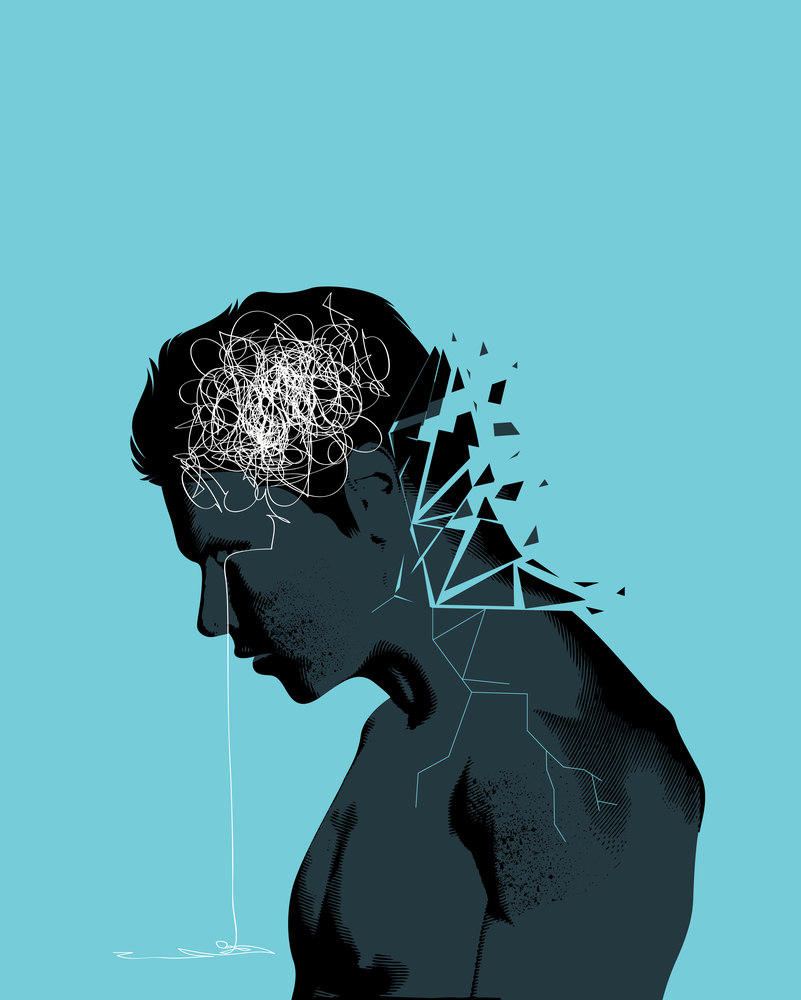
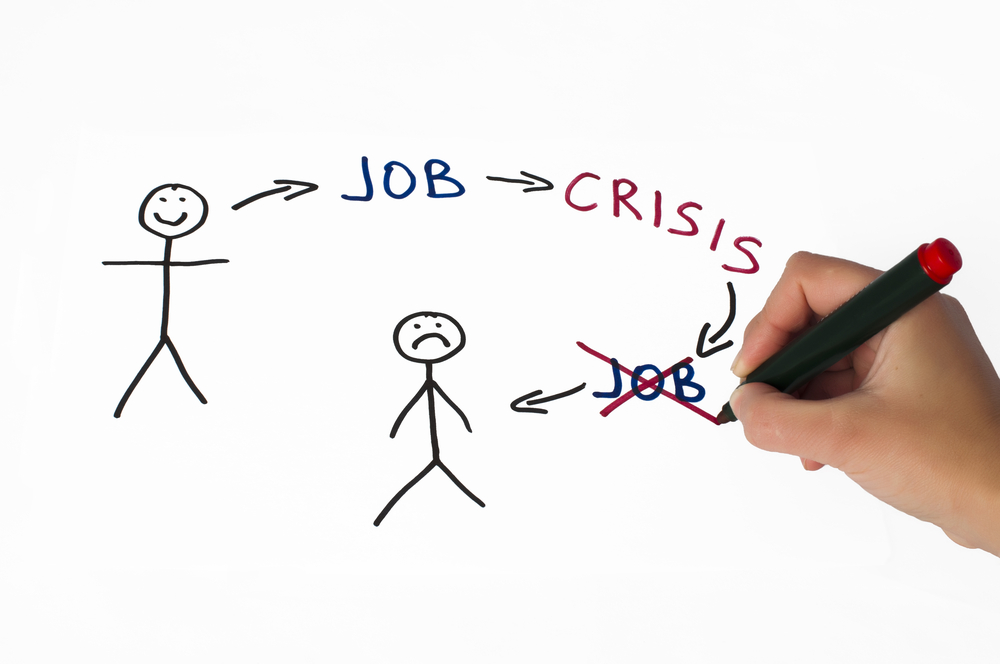
Anti Social Personality Disorders are among the most dangerous disorders an individual can come across. Individuals with them are devoid of conscious or morality. Christian Counselors can only offer spiritual support, while mental health professionals can offer some medications and therapy. Still, those who exhibit anti-social disorders rarely look for help. Among the disorder there are two unofficial terms to label them. First, sociopathy, which deals with a devoid conscience tied with a heavily emotional response when confronted and psychopathy which is devoid of conscience but is far more tempered and controlled in response. Both can exhibit psychosis but it is not a necessary ingredient. Both are also extremely narcissistic personalities.
These personalities if met should be avoided and never provoked.
Please also review AIHCP’s Christian Counseling Certification and see if it matches your academic and professional needs. The program is online and independent study and open to qualified professionals seeking a four year certification as a Christian Counselor. Again, Christian Counselors cannot treat this type of disorder but only licensed professional counselors and other mental health professionals.
Victims of sexual assault carry a life long trauma. Their first step to healing occurs with the hospital staff and forensic nurses. Most of these nurses are referred to as SANE nurses or Sexual Assault Nurse Examiners. They not only look to help the person physically but they are there also emotionally. While they may not play a later role in counseling, their warm smile and understanding eyes can help forward the uncomfortable process of collecting evidence and treating injuries. Many encounter not only those who were raped but also abused domestically, or even in other cases, those who are victims of human trafficking.
The position not only involves high level of training and empathy towards others but also a reserve within one’s own soul to face evil directly everyday. Seeing the dark side of humanity everyday can be a difficult job for many and being able to remain strong for others and still keep an optimistic view on life can be challenging. Hence, nurses who become SANE are not only a special breed but also heroes to countless of victims.
Forensic Nurses are the first line of defense for sexual assault victims. Please review AIHCP’s Forensic Nursing Certification
These front line nurses battle sexual assault and help others heal through their professional service, discreet silence, and soothing words. The article, “How To Care For Sexual Assault and Human Trafficking Victims as a Nurse” by Chaunie Brusie looks closer at how SANE and Forensic Nurses help others who are victims of sexual abuse. The article reviews a recent podcast with a Forensic Nurse who deals with sexually assaulted and human trafficking victims. For those looking to begin a career in Forensic Nursing, the article states,
“Nurses who are interested in becoming a FNE/SANE can first turn to their state SANE program, many of which are government-funded and offer free training to all RNs. It is important to do your state program because each state has different laws and procedures about reporting and collection options.”
“How To Care For Sexual Assault and Human Trafficking Victims as a Nurse”. Chaunie Brusie. June 13th, 2023. Nurse.org.
To read the full article, please click here
For those seeking additional training beyond SANE status, AIHCP also offers a Forensic Nursing Certification which can help prepare nurses for SANE and the duties of a sexual examiner nurse.
Commentary
Sexual assault is a heinous crime that leaves survivors traumatized and vulnerable. In the aftermath of such an ordeal, it is crucial to have professionals who are trained to provide comprehensive care and support. This is where Sexual Assault Nurse Examiners (SANEs) play a vital role. As a SANE, I am passionate about empowering survivors and helping them navigate the difficult journey towards healing and justice.
The Role and Responsibilities of a Sexual Assault Nurse Examiner
As a sexual assault nurse examiner, my primary responsibility is to provide compassionate and evidence-based care to survivors of sexual assault. This involves conducting thorough forensic examinations, collecting and preserving evidence, and documenting injuries. Additionally, I offer emotional support and guidance throughout the entire process. A SANE’s role extends beyond the immediate aftermath of the assault, as they may also provide expert testimony in court proceedings.
Importance of SANEs in Supporting and Empowering Survivors
Forensic Nurses help collect evidence but also can empower victims of sexual abuse
SANEs play a crucial role in supporting and empowering survivors of sexual assault. By providing comprehensive care, we help survivors regain a sense of control over their lives and facilitate their healing process. Our presence reassures survivors that they are not alone and that their experiences are valid. SANEs also act as advocates, ensuring that survivors’ rights are protected and that they have access to the resources they need. Through our work, we contribute to breaking the cycle of silence and stigma surrounding sexual assault.
Training and Qualifications Required to Become a Sexual Assault Nurse Examiner
Becoming a sexual assault nurse examiner requires specialized training and qualifications. Registered nurses who wish to pursue this career path must complete a SANE certification program, which includes both didactic and clinical components. The program covers topics such as forensic evidence collection, trauma-informed care, and legal considerations. In addition to the certification, it is essential for SANEs to keep abreast of the latest research and advancements in the field through continuing education.
Forensic Nurses are key in collecting key evidence for law enforcement.
Once licensed, some nurses also prefer to earn various certifications in Forensic Nursing, such as from AIHCP.
The Process of a Sexual Assault Examination
A sexual assault examination is a meticulous and sensitive process that requires the utmost care and professionalism. When a survivor arrives at the healthcare facility, I begin by establishing rapport and ensuring their comfort and safety. The examination itself involves a head-to-toe assessment, including the collection of forensic evidence. This may include swabs from various body areas, photographs of injuries, and the documentation of any relevant physical findings. Throughout the examination, I provide clear explanations and reassurance, ensuring that the survivor is involved in the decision-making process.
Providing Emotional Support to Survivors as a Sexual Assault Nurse Examiner
Emotional support and understanding beyond the physical exam is a key attribute for a Forensic Nurse.
Emotional support is a fundamental aspect of the care provided by a sexual assault nurse examiner. Survivors often experience a range of emotions, including fear, shame, and anger. As a SANE, I offer a non-judgmental environment where survivors can express their feelings and concerns. Active listening, empathy, and validation are integral to establishing trust and facilitating the healing process. Additionally, I provide information about available resources, such as counseling services and support groups, to help survivors on their journey towards recovery.
Collaboration with Law Enforcement and Legal Professionals
Collaboration between sexual assault nurse examiners, law enforcement, and legal professionals is essential for a comprehensive response to sexual assault cases. As a SANE, I work closely with these stakeholders to ensure that survivors’ rights are protected and that the evidence collected is admissible in court. This collaboration involves sharing information, attending case conferences, and providing expert testimony. By bridging the gap between healthcare and the legal system, we contribute to a more efficient and victim-centered approach to addressing sexual assault.
Challenges Faced by Sexual Assault Nurse Examiners
Being a sexual assault nurse examiner can be emotionally and physically demanding. The nature of the work exposes us to the trauma experienced by survivors, which can take a toll on our mental well-being. Additionally, the long hours and unpredictable schedules can lead to burnout. Furthermore, the criminal justice system’s reliance on forensic evidence places a heavy burden on SANEs, as we must ensure meticulous documentation and follow stringent protocols. Despite these challenges, the sense of purpose and the positive impact we make on survivors’ lives serve as a driving force in our commitment to this vital work.
The Impact of Sexual Assault Nurse Examiners on Survivors and Communities
The work of sexual assault nurse examiners has a profound impact on both individual survivors and the larger community. By providing compassionate care and support, we empower survivors to reclaim their lives and rebuild their sense of self. Our role in the multidisciplinary response to sexual assault cases leads to higher conviction rates and a greater sense of justice for survivors. Moreover, the presence of SANEs contributes to the destigmatization of sexual assault, creating a safer and more supportive environment for survivors to come forward.
Conclusion: The Vital Role of Sexual Assault Nurse Examiners in Empowering and Supporting Survivors
Sexual Assault Nurse Examiners (SANEs) play a vital role in the journey towards healing and justice for survivors of sexual assault. Through their expertise, compassion, and advocacy, SANEs empower survivors and provide them with the comprehensive care they need. The impact of their work extends beyond individual survivors, contributing to the creation of safer communities and a more victim-centered approach to addressing sexual assault. As a SANE, I am honored to be part of this crucial work and to contribute to the empowerment and support of survivors.
Please also review AIHCP’s Forensic Nursing Certification and see if it meets your academic and professional goals
AIHCP also offers a Forensic Nursing Certification for nurses looking to help survivors of sexual assault and human trafficking. The program is online and independent study and open to qualified professionals seeking a four year certification in Forensic Nursing.
Additional Resources
“What Is a SANE Exam?”. Elizabeth Boskey, PhD. August 10th, 2022. VeryWellHealth. Access here
“How Nurses Can Recognize and Report Human Trafficking”. March 3rd, 2023. Nurse Journal. Access here
“Caring for Victims of Violence: Forensic Nurses Are on the Front Line”. November 10th, 2017. Cleveland Clinic. Access here
“Domestic Violence: What Can Nurses Do?”. September 23rd, 2011. Crisis Prevention Institute. Access here
Mental health and crisis response remains an important issue in the United States. Poor crisis management and mental health issues have led to shootings and a variety of unstable social encounters. While better care is still needed, another issue that remains forefront is how emergency response teams handle calls with those experiencing mental issues. Police in recent years have made negative news stories with using excessive force against those with mental issues. Instead of de-escalating, police and emergency response answer calls more so from a military perspective of controlling and subduing the individual.
Crisis training for emergency response professionals is critical to better save lives and give appropriate response to the situation
Crisis Counselors and other mental health professionals need to be utilized more in response to these calls and emergency response and police need better training how to de-escalate a situation with someone. Police, while needing to protect themselves, also need to be able to subdue someone in mental crisis without killing them. This takes more training in mental health and better non lethal restraint methods.
Commentary
When it comes to responding to mental health crises, police departments face numerous challenges. One major challenge is the lack of adequate training in dealing with individuals experiencing mental health issues. Police officers often receive minimal training in this area, which can lead to misunderstandings, miscommunication, and potentially dangerous situations. Without the necessary knowledge and skills to handle mental health crises, officers may resort to using force or making arrests, exacerbating the situation and potentially causing harm to both the individual in crisis and the officers involved.
Another challenge is the lack of collaboration between law enforcement and mental health professionals. In many cases, police officers are the first responders to mental health crises, but they may not have the expertise to provide appropriate care or connect individuals with the appropriate resources. This disjointed approach can result in individuals not receiving the care they need, leading to repeated crises and even tragic outcomes.
The impact of inadequate training on police response to mental health crisis
The lack of adequate training in responding to mental health crises has a significant impact on how police officers handle these situations. Without proper training, officers may rely on their instincts or previous experiences, which may not be applicable to the unique challenges presented by mental health crises. This can lead to misunderstandings, fear, and escalating tensions, making it difficult to de-escalate the situation and provide the necessary support to individuals in crisis.
Additionally, inadequate training can contribute to stigmatization and bias towards individuals with mental health issues. Without understanding the complexities of mental health, officers may rely on stereotypes or assumptions, potentially leading to discriminatory practices. This not only violates the rights of individuals in crisis but also undermines trust between law enforcement and the community they serve. Crisis Intervention Training as well as Mental Health Training is important
The need for collaboration between law enforcement and mental health professionals
To address the challenges in police response to mental health crises, collaboration between law enforcement and mental health professionals is crucial. By working together, these two sectors can pool their resources, knowledge, and expertise to develop comprehensive approaches to addressing mental health crises. Mental health professionals can provide training and guidance to police officers, helping them understand the nuances of mental health and providing strategies for de-escalation and crisis intervention.
Police need to be able to integrate crisis and de-escalation techniques for calls involving the mentally ill
Furthermore, collaboration can lead to the establishment of specialized crisis intervention teams. These teams consist of both police officers and mental health professionals who respond to mental health crises together. By combining their skills and knowledge, these teams can provide a more compassionate and effective response, ensuring that individuals in crisis receive the appropriate care and support they need.
The role of community-based mental health services in reducing police involvement
One effective solution to reducing police involvement in mental health crises is the expansion of community-based mental health services. By providing individuals with access to mental health resources and support within their own communities, the reliance on police as first responders can be minimized. Community-based mental health services can offer early intervention, prevention, and ongoing support, reducing the likelihood of crises occurring in the first place.
These services can include mobile crisis teams that respond to mental health crises directly, providing immediate assessment and intervention. Additionally, community-based mental health centers can offer ongoing counseling, therapy, and support groups, helping individuals manage their mental health and prevent crises from escalating.
Crisis intervention teams: a specialized approach to police response
Crisis intervention teams (CIT) are a specialized approach to police response in mental health crises. CIT programs train police officers to recognize and respond to individuals experiencing mental health crises in a safe and appropriate manner. Officers who undergo CIT training receive education on mental health, de-escalation techniques, and community resources, equipping them with the skills needed to effectively respond to mental health crises.
CIT programs also emphasize collaboration and partnership with mental health professionals. Through partnerships with local mental health agencies, CIT officers can refer individuals to appropriate resources and ensure they receive the care they need. This collaborative approach not only improves the outcomes for individuals in crisis but also strengthens the relationship between law enforcement and the community.
Alternative response models: exploring non-police options for mental health crisis
While police response is often the default in mental health crises, alternative response models are gaining recognition as effective alternatives. These models involve diverting mental health crisis calls away from police departments and towards specialized mental health teams. These teams, consisting of mental health professionals, social workers, or paramedics, are better equipped to provide the necessary support and care for individuals in crisis.
One example of an alternative response model is the implementation of co-responder programs. In these programs, mental health professionals accompany police officers when responding to mental health crisis calls. By having a mental health expert on-site, the focus shifts from a law enforcement response to a more therapeutic approach. This can lead to better outcomes for individuals in crisis, as they receive immediate mental health support and guidance.
Strategies for improving police training in mental health crisis response
Improving police training in mental health crisis response is essential for ensuring that officers are equipped to handle these situations effectively. One strategy is to incorporate mental health education and crisis intervention training into basic law enforcement training programs. By providing officers with a solid foundation in mental health awareness and crisis de-escalation techniques early on, they will be better prepared to respond appropriately in the field.
Apprehending those with mental health issues in a safe way is the new challenge for law enforcement
Additionally, ongoing training and professional development opportunities should be provided to police officers throughout their careers. This can include specialized workshops, scenario-based training, and access to mental health experts who can provide guidance and support. By investing in continuous training, police departments can ensure that their officers remain up-to-date with the latest best practices and strategies for responding to mental health crises.
The importance of data collection and analysis in addressing the challenges
Data collection and analysis play a crucial role in addressing the challenges faced by police in responding to mental health crises. By collecting data on the frequency, nature, and outcomes of these interactions, police departments can identify patterns, trends, and areas for improvement. This data can inform policy decisions, resource allocation, and training initiatives, ensuring that responses to mental health crises are evidence-based and effective.
Furthermore, data can help identify disparities and inequities in police response to mental health crises. By examining demographic information, such as race, gender, and socioeconomic status, departments can identify any biases or disproportionate impacts on specific communities. This information can then be used to implement targeted interventions and ensure that all individuals receive fair and equitable treatment.
Success stories and best practices in police response to mental health crisis
Despite the challenges, there have been notable success stories and best practices in police response to mental health crises. One example is the Crisis Intervention Team (CIT) program implemented in Memphis, Tennessee. This program has resulted in a significant reduction in arrests and use of force incidents involving individuals with mental health issues. By providing officers with specialized training and support from mental health professionals, the program has transformed the way police respond to mental health crises in the community.
Another success story is the implementation of co-responder programs in various cities across the United States. These programs have shown promising results in diverting mental health crisis calls away from police departments and towards mental health professionals. By working together, these teams can provide immediate support, connect individuals with appropriate resources, and ensure that crises are resolved in a safe and compassionate manner.
Conclusion: the way forward for effective police response to mental health crisis
Addressing the challenges in police response to mental health crises requires a comprehensive and collaborative approach. By improving training, fostering collaboration between law enforcement and mental health professionals, expanding community-based mental health services, and implementing alternative response models, police departments can enhance their ability to respond effectively and compassionately to individuals in crisis.
Please also review AIHCP’s Crisis Intervention Practitioner Program and see if it matches your academic and professional goals
Furthermore, prioritizing data collection and analysis, as well as learning from success stories and best practices, can inform evidence-based strategies and policies that promote equitable and humane responses to mental health crises. By working towards these solutions, we can create a future where individuals experiencing mental health crises receive the care and support they need, while also ensuring the safety and well-being of both the community and the officers involved.
Please also review AIHCP’s Crisis Intervention Practitioner Program. The program is open to qualified professionals looking to implement crisis intervention into their careers or posts. The program is online and independent study and provides the necessary knowledge for counselors, social workers, and law enforcement to better answer crisis calls.
Additional Resources
“Mental Health And Police Violence: How Crisis Intervention Teams Are Failing”. Eric Westervelt. September 18th, 2020. NPR. Access here
Crisis Intervention: A Stabilizing Force. Megan Gates. January 1st, 2022. Security Management. Access here
“Mobile Crisis Teams: Providing an Alternative to Law Enforcement for Mental Health Crises”. Hannah Wesolowski. July 13th, 2022. NAMI. Access here
Narcissism is love of self. The first being to exhibit this disorder was Lucifer. Narcissists are dangerous in how they treat other individuals because they have zero empathy. All that matters is the needs of self and the glorification of self through others. When this is challenged, these individuals can become dangerous at a physical, mental or legal way. They will calculate revenge and attempt to ruin others.
If in a relationship with a Narcissist, it can be a very difficult situation to handle. One needs to establish boundaries and understand the disorder to better navigate one’s life. It is best to avoid these individuals and if possible to move on if in a relationship. Christian Counselors can help guide individuals through these situations. Overall, helping a Narcissist recognize one’s own shortcomings is difficult. Hence many Narcissists resist counseling. Only trained clinical counselors can work with Narcissists, but Christian Counselors can offer spiritual advice through the example of Christ’s humility
Please also review AIHCP’s Christian Counseling Certification and see if it matches your academic and professional goals. The program is online and independent study and open to qualified professionals seeking a four year certification as a Christian Counselor.
Human bonds are very important since human beings are social. When bonds are not formed properly in early childhood, the effects on the personality of an individual can be devastating. Individuals can have difficulty forming healthy and trusting relationships with other individuals. It can affect relationships and other social bonds with friends and family.
Some individuals may have inhibited or uninhibited attachment disorders which avoid intimacy or form superficial and fake relationships without substance. Some may exhibit more avoidance while others may display an extreme anxiety with others. This has tremendous affects on loss and grief as well because it forms complications when a person passes away.
The video below discusses the topic of attachment disorders in greater detail. In the meantime, please also review AIHCP’s Grief Counseling Certification and see if it meets your academic and professional goals. The program is online and independent study and open to qualified professionals seeking a four year certification in Grief Counseling.
Pet loss is painful for anyone but it can be especially confusing and painful for children. Children have different levels of understanding regarding death and it is important to relay to children the reality of death in a straight forward but sensitive way. Hiding the death, or trying to shield the child from the reality of death is not a good way to help the child process the loss. Instead it is important to share with the child what occurred and the how to properly grieve the loss.
For many children, the loss of a pet is their first experience with death. Please also review AIHCP’s Pet Loss Grief Support Certification
Losing a pet can sometimes be a child’s first experience with death. Whether simply a goldfish, it can provide an excellent learning opportunity. While more painful, losing a cat or dog, it can equally help the child understand the reality of life and death. The article, “Talking with Kids About the Loss of a Pet” by Hilary Lebow looks at ways to help children better cope with the death of a pet. She states,
“Each child processes grief differently. Though it’s painful, the loss of a pet can be an important opportunity to help children learn how to handle difficult experiences. A combination of talking about the death and closure activities can help you and your child heal.”
“Talking with Kids About the Loss of a Pet”. Hilary Lebow. May 18th, 2022. PsychCentral
Before discussing pet loss with your child, it’s important to understand their perception of death. Children, especially young ones, may not fully understand the finality of death. They may not realize that their pet will never come back, or they may not understand that death is permanent. It’s important to be patient and understanding when talking to your child about death, and to use age-appropriate language that they can understand.
It’s also important to note that children may have different reactions to death depending on their age, personality, and previous experiences with loss. Some children may become sad or tearful, while others may be confused or angry. It’s important to be prepared for a range of emotions and reactions from your child, and to offer them support and understanding throughout the process.
Honesty is the best policy: How to talk to your child about pet loss
When explaining the death of a pet to your child, it’s important to be honest and straightforward. Use clear and simple language that your child can understand, and avoid using euphemisms such as “put to sleep” or “passed away”. While these phrases may seem gentler, they can also be confusing for children and may lead to misunderstandings about death. Sometimes saying a pet went away is not enough information because the child has a difficult time understanding why the pet cannot come back. This is why helping children realize that death is a permanent state is important in helping the child cope with the loss properly.
Honesty is the best policy when discussing pet death with a child
In many cases, the loss of a pet is the first experience of death for a child. Whether it is a simple fish or as difficult as losing the family dog, the event is a learning experience for the child.
It’s also important to give your child the opportunity to ask questions and express their feelings. Let them know that it’s okay to feel sad, angry, or confused, and that you are there to support them through the process. Encourage them to talk about their memories of the pet, and to share any thoughts or feelings they may be having.
Explaining death in an age-appropriate way
When discussing pet loss with your child, it’s important to use age-appropriate language and explanations. Younger children may not understand the concept of death, and may need simpler explanations such as “Fluffy’s body stopped working and she can’t come back”. Older children may have a better understanding of death, and may benefit from more detailed explanations about the body and how it works.
It’s also important to be prepared for questions that your child may have about death and dying. They may ask about what happens to the body after death, or about what death feels like. Be honest and open with your child, and answer their questions to the best of your ability.
Dealing with grief: Coping mechanisms for children
After the death of a pet, children may experience a range of emotions including sadness, anger, and guilt. It’s important to offer them support and understanding during this time, and to help them find healthy coping mechanisms to deal with their grief.
Encourage your child to express their feelings through writing, drawing, or talking to someone they trust. You may also want to consider seeking out support groups or counseling services for children who are struggling with grief.
The role of rituals and memorializing in the grieving process
Rituals and memorializing can play an important role in helping children cope with the loss of a pet. This can include creating a memorial or tribute to the pet, such as a photo album or a special piece of art. You may also want to consider holding a funeral or memorial service for the pet, where your child can say goodbye and share their memories with others.
Helping your child understand the cycle of life and death
One way to help your child cope with pet loss is to help them understand the cycle of life and death. Talk to them about how all living things have a beginning, middle, and end, and how death is a natural part of life. You may also want to talk to them about the concept of an afterlife, and about how their pet may still be with them in spirit.
Supporting your child through the grieving process
As your child works through their grief, it’s important to continue to offer them love and support. Encourage them to talk about their feelings and memories, and to express themselves in healthy ways. Offer them comfort and reassurance, and let them know that you are there for them no matter what.
When to seek professional help
While grief is a natural part of the grieving process, some children may struggle with it more than others. If your child is experiencing severe or prolonged grief, or if they are having difficulty functioning in their daily life, it may be time to seek professional help. A counselor or therapist can help your child work through their feelings and develop healthy coping mechanisms.
Those with certification specialties in Pet Loss Grief Support can play roles in helping one better cope with the loss of a pet.
Conclusion: Remembering and honoring the life of your beloved pet
Honoring and remembering the pet will help the child cope and grieve is his own way and help him commemorate and remember the life of the pet in a positive manner
Losing a pet can be a difficult experience for both children and adults. However, by being honest and supportive with your child, you can help them understand and cope with the experience. Remember to use age-appropriate language and explanations, encourage your child to express their feelings, and offer them comfort and support throughout the grieving process. And most importantly, remember to honor and remember the life of your beloved pet, and the joy and love they brought to your family.
Please also review AIHCP’s Pet Loss Grief Support Certification and see if it matches your academic and professional goals. The program is online and independent study and open to qualified professionals seeking a four year certification in Pet Loss Grief Support.
Additional Resources
“How to cope with the death of your pet”. The Humane Society of the United States. Access here
“An Age-by-Age Guide to Explaining the Death of a Pet to Children”. Rachel Sokol. April 23rd, 2023. Family Education. Access here
“6 Family Friendly Ways to Help Kids Grieve After Pet Loss”. Meredith Gordon Resnick L.C.S.W. July 9th, 2015. Psychology Today. Access here
“When a Pet Dies, Helping Children Through the ‘Worst Day of Their Lives’”. Juli Fraga. June 8th, 2017. The New York Times. Access here
Temperaments dictate a person’s personality and also how they interact with other individuals. Temperaments can be dominant, passive, outgoing, or more sensitive. A person’s personality overall is far more broad than a temperament and includes many more types of traits. Personalities are more likely to change over time while a temperament is far harder to alter. Temperaments form at a young age and remain a constant. Individuals can still alter their temperament, but this takes serious time and effort.
One’s temperament plays a key role in how one responds with anger. Please also review AIHCP’s Anger Management Certification
A temperament also plays a large role with how one responds to anger and rage. Individuals who are naturally more laid back obviously will control anger and emotion far greater than someone who is more dominant or emotional. How temperaments affect one’s anger is key. This is why it is essential for individuals to understand their own temperament to better regulate their own emotions. Anger Management techniques emphasize understanding one’s own temperament to better access one’s proneness to rage.
Commentary
The concept of the four temperaments dates back to ancient Greece, where physicians and philosophers believed that our personality was determined by the balance of bodily fluids or “humors.” The four temperaments were named after these bodily fluids, which were blood, yellow bile, black bile, and phlegm. The theory was that an excess or deficiency of any of these fluids would result in a particular temperament.
Over time, the four temperaments evolved into a psychological concept that described our inherent characteristics. The four temperaments are sanguine, choleric, melancholic, and phlegmatic. Each temperament represents a unique set of traits and characteristics that influence our behavior, emotions, and social interactions.
History and Background of the Four Temperaments
The earliest known mention of the four temperaments was by Hippocrates, the father of modern medicine, who described them in his medical works. He believed that our temperament was influenced by the balance of bodily fluids and that each temperament was associated with a particular bodily fluid. The four temperaments gained popularity during the Middle Ages and the Renaissance, where they were used to describe the characters in literature and art.
In the 20th century, the four temperaments gained a new interpretation through the works of Carl Jung, a Swiss psychiatrist, and psychoanalyst. Jung believed that our temperament was determined by our innate psychological preferences, such as the way we perceive and process information. He also developed the Myers-Briggs Type Indicator, a tool that helps individuals identify their psychological preferences and personality type.
Understanding the Four Temperaments
Sanguine Temperament
The sanguine temperament is associated with the bodily fluid blood and is characterized by a lively and outgoing personality. Sanguine individuals are sociable, talkative, and optimistic. They enjoy being around people and are excellent at making new friends. They are also creative, imaginative, and have a good sense of humor.
However, sanguine individuals can also be impulsive, disorganized, and have difficulty focusing on tasks. They may struggle with deadlines and may have difficulty following through on commitments.
Choleric Temperament
The choleric temperament is associated with the bodily fluid yellow bile and is characterized by a driven and goal-oriented personality. Choleric individuals are confident, assertive, and decisive. They are natural leaders and are excellent at making quick decisions. They are also ambitious, competitive, and enjoy taking risks.
A choleric temperament is more prone to impatience and frustration.
However, choleric individuals can also be impatient, argumentative, and may struggle with anger and frustration. They may have difficulty listening to others and may come across as insensitive.
Melancholic Temperament
The melancholic temperament is associated with the bodily fluid black bile and is characterized by a sensitive and introspective personality. Melancholic individuals are analytical, thoughtful, and detail-oriented. They are excellent at problem-solving and can see things from multiple perspectives. They are also empathetic, compassionate, and have a deep understanding of human emotions.
However, melancholic individuals can also be moody, anxious, and may struggle with self-doubt. They may have difficulty making decisions and may experience analysis paralysis.
Phlegmatic Temperament
The phlegmatic temperament is associated with the bodily fluid phlegm and is characterized by a calm and peaceful personality. Phlegmatic individuals are easy-going, relaxed, and have a laid-back attitude. They are excellent at maintaining social harmony and avoiding conflict. They are also patient, empathetic, and have a good sense of humor.
However, phlegmatic individuals can also be indecisive, passive, and may struggle with procrastination. They may have difficulty taking action and may need external motivation to get things done.
Discovering Your Temperament
Understanding your temperament is essential for personal growth and development. There are several assessments and tools available that can help you identify your temperament type. One of the most popular tools is the Myers-Briggs Type Indicator, which categorizes individuals into 16 personality types based on their preferences for perceiving and judging information.
To better manage one’s anger, it is key to know one’s dominant or primary temperament
Other tools include the Keirsey Temperament Sorter, which categorizes individuals into four temperament types based on their communication and social styles, and the Enneagram, which categorizes individuals into nine personality types based on their core motivations and fears. In discovering one’s temperament, one can better access how anger plays a role in one’s life.
Applying Knowledge of Your Temperament in Personal and Professional Settings
Once you have identified your temperament type, you can use this knowledge to improve your personal and professional relationships. For example, if you are a sanguine individual, you may need to work on your organizational skills and focus to improve your productivity. If you are a choleric individual, you may need to work on your listening skills and emotional intelligence to improve your interpersonal relationships.
In the workplace, understanding your temperament can help you communicate effectively with your colleagues and improve your teamwork skills. For example, if you are a phlegmatic individual, you may be an excellent mediator and peacemaker in conflict resolution situations.
Conclusion – Embracing Your Unique Temperament for Personal Growth and Success
In conclusion, understanding your temperament is essential for personal growth and success. By identifying your temperament type, you can gain insight into your personality, behavior, and social interactions. You can use this knowledge to improve your personal and professional relationships and achieve your goals. Embrace your unique temperament and use it as a tool for self-improvement and personal growth.
Please also review AIHCP’s Anger Management Consultant Certification program to help others learn how to better manage their own anger
Anger is a natural emotion. Those who are more prone to it through their temperament need to be aware of this. Through awareness of temperament, individuals can better manage themselves and anger. Knowing thyself is always key!
Please also review AIHCP’s Anger Management Certification and see if it matches your academic and professional goals. The program is online and independent study and open to qualified professionals looking to help others manage their anger.
Additional Resources
“Is There an Angry Personality?”. Steven Stosney, PhD. November 30th, 2020. Psychology Today. Access here
“Anger and the Four Personality Type Strategies”. Gina Barreca. 16Personalites. Access here
“Why Am I So Angry?”. Erica Cirino. March 30th, 2023. HealthLine. Access here

God created marriage as a bond between man and woman. He blessed the ideal in Eden with Adam and Eve and Jesus Christ further blessed it at Cana. It is hence a sacred institution. In marriage, the unity of the Trinity is reflected in the deep love between man and woman during the conjugal act with the creation of child; One love but three persons. When marriage is defiled, then God’s plan is defiled. Divorce, infidelity and disrespect of spouses degrade and reject the Divine plan of love found in the sacred vow.
Maintaining a healthy relationship that includes mutual respect is necessary for a healthy marriage. The sacred vocation and vow requires effort and respect on part of both the husband and wife. Yet like all relationships, a life long commitment can be difficult especially in modern society and its throw away mentality. Instead of fixing things, modern society looks to replace. Unfortunately, marriage is treated the same way.
Keeping something pure and maintaining it takes time, commitment and effort. It is critical for spouses to work with each other as a team towards a common end but it also involves mutual respect and handling anger, crisis, division, loss, and pain. The grace of the Sacrament of Matrimony fueled by the Holy Spirit can help couples reach this difficult goal but it takes prayer and a constant effort of consecrating one’s marriage to Christ. Christian Counselors, Pastors, Marriage Counselors and other therapists can help guide couples to a long and fulfilling marriage but many couples need additional help in identifying issues and conflict resolution. In identifying key aspects of a healthy relationship, the article, “Counseling Tips For A Healthy Relationship” by Henry Smith identifies four key elements. Smith points out respect, encouragement, listening and goodness to each other as key points. Regarding respect, he states,
“Respect between partners is an essential aspect of any healthy Christian marriage. Christian marriage counseling can provide valuable tips and advice on cultivating and maintaining respect. One important tip is always to consider each other’s feelings and emotions. Couples should open up lines of communication with one another, ask questions respectfully, be actively empathetic to each other’s points and perspectives, work together on issues, and trust each other’s judgment. ”
“Counseling Tips For A Healthy Relationship”. Henry Smith. March 22nd, 2023. TechBullion
Obviously within Christian marriage, the first key is identifying the permanence of the institution. Individuals who are prepared in Pre-Cana or other Church services in marriage preparation can help individuals cherish their vow and the sacred nature of it. Secondly, Christian Counselors, Pastors and Marriage Counselors need to reinforce the illustration of Christ and the Church as a symbolic example of husband and wife. The husband loves his wife, as Christ loves the Church, even unto death, and the wife is obedient and respectful to the husband, as the Church is to Christ. With such a connection and mutual relationship, neither ever crosses any lines in regards to dominance, abuse, or ridicule. This creates a perfect harmony.
The fruits of a good relationship are children, stability, good example, fostering of the faith and glorification of God through one’s vocation. The union, even if children are never conceived, still provide the couple with intimacy, love, support and unity with each other.
One learns that all love, whether romantic, or that of family or friends is a love that is selfless. Love is hence patient and giving and exists for the happiness of the other. Love in marriage is no different. Love never fades but remains a constant. In looking to fulfill a more perfect marriage, couples need to look no farther than the love of St Joseph and Holy Mary. The Holy Family is the perfect example of love. St Joseph remains a role model for all husbands and fathers and Holy Mary remains a role model for all wives and mothers.
The Holy Family remains the paradigm of Christian Marriage. Please also review AIHCP’s Christian Counseling Certification
Characteristics of a Healthy Christian Marriage
A healthy Christian marriage is characterized by several key traits that are essential for building a strong and lasting relationship. These include:
Prayer
Couples need to pray together and put their relationship in the hands of Jesus and Mary and Joseph
A family that prayers together, stays together. Families and marriages that center around prayer, mass or church, or prayer before meals, strengthen the family together. It further protects the family from secular and demonic sources that will look to tear the family apart. The family as the building block of society is crucial to society’s success. Fostering the laws of God and a prayerful life and sending that message out to the world is one of the primary vocations within marriage. This is how the family itself becomes a discipleship and church within its own right. Hence families that have a strong devotion to God and pray together and create great change for the world and share Christ with it.
Trust
Trust is the foundation of any healthy relationship, and Christian marriage is no exception. A husband and wife should be able to trust each other completely, knowing that they are committed to each other and to God.
Communication
Effective communication is essential for building intimacy, resolving conflicts, and making important decisions together. Husbands and wives should be able to communicate openly and honestly with each other, expressing their thoughts, feelings, and needs in a respectful and loving manner.
Respect
Mutual respect is crucial for maintaining a healthy Christian marriage. Husbands and wives should treat each other with dignity, honor, and kindness, recognizing each other’s strengths and weaknesses and valuing each other’s opinions and perspectives.
Love
Love is the hallmark of a healthy Christian marriage. Husbands and wives should show love to each other in tangible ways, such as acts of service, quality time, and physical affection. They should also be committed to loving each other unconditionally, even in the face of challenges and difficulties.
Communication in a Christian Marriage
Communication and intimacy are crucial to a Christian marriage
Communication is one of the most critical aspects of a healthy Christian marriage. Effective communication involves more than just talking and listening. It requires a willingness to understand each other’s perspectives, feelings, and needs, and a commitment to resolving conflicts in a loving and respectful manner.
One of the keys to effective communication in a Christian marriage is to create a safe and supportive environment where both partners feel heard and valued. This involves setting aside time for regular communication, listening attentively to each other, and avoiding criticism and defensiveness.
Another essential aspect of communication in a Christian marriage is prayer. Praying together can deepen intimacy, foster spiritual growth, and provide a sense of unity and purpose. It is also an opportunity to seek God’s guidance and wisdom in the decisions and challenges of life.
Financial Management in a Christian Marriage
Financial management is another critical aspect of a healthy Christian marriage. Money can be a significant source of conflict and stress in any relationship, but it can also be an opportunity for growth and stewardship.
One of the keys to financial management in a Christian marriage is to establish a shared vision and goals for money. This involves setting a budget, saving for the future, and giving generously to others. It also involves being transparent and accountable with each other about finances, avoiding debt, and making wise investments.
Another essential aspect of financial management in a Christian marriage is to seek God’s guidance and provision. Trusting in God’s provision can help reduce anxiety and stress about money and free up resources for more meaningful pursuits.
Conflict Resolution in a Christian Marriage
Conflict is inevitable in any relationship, including Christian marriage. However, how couples handle conflict can make all the difference in the health and longevity of their relationship.
One of the keys to conflict resolution in a Christian marriage is to approach conflicts with a spirit of humility and grace. This involves seeking to understand each other’s perspectives, acknowledging each other’s feelings, and working together to find a solution that honors God and each other.
Another essential aspect of conflict resolution in a Christian marriage is forgiveness. Forgiveness involves letting go of past hurts, extending grace to each other, and seeking reconciliation and restoration. It is a powerful tool for healing and strengthening relationships.
Intimacy in a Christian Marriage
Intimacy is a vital aspect of a healthy Christian marriage. It involves more than just physical intimacy but also emotional, intellectual, and spiritual intimacy. Intimacy is a gift from God that is intended to be enjoyed and celebrated within the context of marriage.
One of the keys to intimacy in a Christian marriage is to prioritize time together. This involves setting aside time for regular date nights, weekend getaways, and other activities that promote closeness and connection.
Another essential aspect of intimacy in a Christian marriage is to be intentional about meeting each other’s needs. This involves being attentive to each other’s love languages, expressing physical affection, and creating a safe and supportive environment where both partners feel valued and cherished.
Roles and Responsibilities in a Christian Marriage
Roles and responsibilities are an essential aspect of a healthy Christian marriage. They provide structure, order, and clarity to the relationship and help each partner to fulfill their God-given purpose and calling.
One of the keys to roles and responsibilities in a Christian marriage is to understand and embrace each other’s unique strengths and gifts. This involves recognizing and respecting each other’s differences and working together to achieve common goals.
Another essential aspect of roles and responsibilities in a Christian marriage is to seek God’s guidance and wisdom. Praying together, studying God’s Word, and seeking the counsel of wise mentors can help couples discern their roles and responsibilities and fulfill them with joy and purpose.
Challenges and Solutions in a Christian Marriage
Marriage is permanent and a sacred vow before God. Christian marriage must emulate the Trinity in love
Christian marriage is not without its challenges. Couples may face a variety of issues, such as infidelity, addiction, infertility, and conflict with in-laws. However, with God’s help, these challenges can be overcome, and the marriage can become even stronger and more beautiful.
One of the keys to overcoming challenges in a Christian marriage is to seek God’s guidance and provision. Prayer, Bible study, and fellowship with other believers can provide comfort, wisdom, and support during difficult times.
Another essential aspect of overcoming challenges in a Christian marriage is to seek professional help when needed. Christian counselors, pastors, and mentors can provide guidance, accountability, and practical tools for addressing specific issues and building a stronger marriage.
Conclusion: Striving for a Healthy and Godly Christian Marriage
In conclusion, a healthy Christian marriage is a beautiful and powerful testimony to God’s love and grace. It is built on a foundation of trust, communication, respect, and love, and reflects the image of Christ and the church. By following biblical principles and seeking God’s guidance, couples can build a marriage that honors God and fulfills their purpose and calling. May we all strive for healthy and godly Christian marriages that bring glory to God and bless our families and communities.
Christian Counselors can help couples find solutions and joy in their marriage. Christian Counselors usually are pastors or spiritual directors with an understanding of applying Christian and Biblical principles to real world problems. Christian Counselors can hence bring God back into someone’s marriage. Please also review AIHCP’s Christian Counseling Certification and see if it matches your academic and professional goals. The program is online and independent study and open to qualified professionals seeking a four year certification as a Christian Counselor.
Additional Resources
“The 7 Commandments of Christian Marriage”. Ron Edmondson. March 20th, 2019. Crosswalk. Access here
“7 Important Responsibilities of a Christian Wife”. Lesli White. Beliefnet. Access here
“7 Marks of a Godly Husband”. Lesli White. Beliefnet. Access here
“Practical and Biblical Christian Marriage Advice”. Mary Fairchild. April 29th, 2019. Learn Religions. Access here
Abuse occurs in relationships too commonly. Physical abuse receives the most recognition due to the danger to women, but abuse in relationships occur mentally and emotionally as well. Both genders are equal culprits in how they treat their significant other. Emotional abuse goes unnoticed for many years and can add a mental price on the other person. It is important to identify mental abuse and find solutions to end it via better boundaries, counseling or leaving the situation. Of course if physical abuse occurs, it is critical to remove oneself immediately, find help or call the police.
AIHCP also offers an Anger Management Certification for qualified professionals seeking to help others deal and cope with anger. The Anger Management Program is online and independent study. If interested, then please review the program and see if it matches your academic and professional goals. The video below looks at anger and abuse in relationships and how to identity it but also looks into why abusers abuse both emotionally and physically.
Clinical Hypnotherapy plays a role in improving mental health. Those with anxiety, depression, various phobias, or bad habits can all find help with hypnotherapy. Clinical Hypnotherapy is considered an alternative therapy and can supplement ongoing treatments. Most certified hypnotherapists are behavioral and mental healthcare professionals of some level and with certification in Hypnotherapy can offer professional and beneficial care to individuals seeking treatment.
Clinical Hypnotherapy can help with a variety of mental issues. Please review AIHCP’s Clinical Hypnotherapy Certification
While hypnosis can sometimes be confused with stage hypnosis and a variety of Hollywood misconceptions, true clinical hypnotherapy remains a legitimate and alternative therapy for millions of individuals facing mental road blocks in life. The article, “What Is Hypnotherapy? A Complete Guide to Hypnosis Therapy for Health” by Lauren Bedosky takes a comprehensive and closer look at hypnotherapy. In her article, she looks at how hypnotherapy works and the many issues it can help treat. She states,
“Entertainment media often paints hypnosis as a magic trick where a hypnotist controls a person and puts them into a trance. But hypnosis is not just for fun. In fact, it’s a major component of hypnotherapy, a form of psychological therapy that may help reprogram the mind and is a complementary approach sometimes used to support the treatment of a myriad of health conditions. Let’s dive into what hypnotherapy is, how it works, and its potential risks.”
“What Is Hypnotherapy? A Complete Guide to Hypnosis Therapy for Health”. Lauren Bedosky. May 22nd, 2023. Everyday Health.
Clinical hypnotherapy is a form of therapy that uses hypnosis to help individuals overcome various issues and challenges. During a hypnotherapy session, the individual is guided into a trance-like state where they are more open and receptive to suggestion. This trance-like state is achieved through relaxation techniques and focused attention.
It is important to note that hypnosis is not a form of mind control and individuals cannot be forced to do anything against their will. Hypnosis is simply a tool that can be used to access the subconscious mind and help individuals make positive changes in their lives.
Understanding the Science behind Hypnosis
Hypnosis has been used for centuries, but it wasn’t until the 20th century that researchers began to study the science behind it. Studies have shown that during a hypnotic trance, the brain experiences changes in activity and blood flow. The brainwaves slow down, and the individual enters a state of deep relaxation.
In this state, the subconscious mind is more accessible, and individuals are more open to suggestion. This is why hypnosis can be so effective in helping individuals overcome various issues such as anxiety, phobias, and addictions.
Benefits of Clinical Hypnotherapy
Clinical hypnotherapy can provide a wide range of benefits, including:
1. Overcoming Anxiety and Stress
One of the most common reasons individuals seek out hypnotherapy is to overcome anxiety and stress. Hypnosis can help individuals achieve a state of deep relaxation, which can reduce feelings of anxiety and stress.
2. Breaking Bad Habits
Hypnosis can also be effective in helping individuals break bad habits such as smoking, overeating, and nail-biting. By accessing the subconscious mind, hypnotherapy can help individuals identify the root cause of their habits and make positive changes.
3. Improving Sleep
Hypnosis can also help individuals improve their sleep by reducing feelings of stress and anxiety. By achieving a state of deep relaxation, individuals are more likely to fall asleep and stay asleep throughout the night.
How Clinical Hypnotherapy Works
During a hypnotherapy session, the hypnotherapist will guide the individual into a state of deep relaxation. Once the individual is in a trance-like state, the hypnotherapist will provide suggestions to the subconscious mind.
Clinical Hypnotherapy is very different than the perceived Hollywood version of stage hypnosis
These suggestions can be tailored to the individual’s specific needs and can help them overcome various issues and challenges. For example, if an individual is trying to quit smoking, the hypnotherapist may suggest that they no longer have a desire to smoke.
Common Misconceptions about Hypnotherapy
There are many misconceptions and myths surrounding hypnotherapy. One of the most common misconceptions is that hypnosis is a form of mind control and that individuals can be forced to do things against their will.
However, this is simply not true. Hypnosis is a tool that can be used to access the subconscious mind, but individuals are always in control and cannot be forced to do anything against their will.
Choosing a Qualified Hypnotherapist
If you are interested in trying hypnotherapy, it is important to choose a qualified and certified hypnotherapist. Look for a hypnotherapist who has completed a formal training program and has experience working with individuals who have similar issues and challenges.
It is also important to choose a hypnotherapist who makes you feel comfortable and at ease. Hypnotherapy is a collaborative process, and it is important to work with someone who you trust and feel comfortable with.
Types of Clinical Hypnotherapy Sessions
There are several different types of clinical hypnotherapy sessions, including:
1. Traditional Hypnotherapy
Traditional hypnotherapy involves guiding the individual into a trance-like state and providing suggestions to the subconscious mind. This type of hypnotherapy can be effective in helping individuals overcome a wide range of issues and challenges.
2. Regression Hypnotherapy
Regression hypnotherapy involves guiding the individual into a trance-like state and taking them back to a specific memory or event from their past. This type of hypnotherapy can be effective in helping individuals overcome trauma and emotional blocks.
3. Parts Therapy
Parts therapy involves guiding the individual into a trance-like state and speaking directly to different parts of their subconscious mind. This type of hypnotherapy can be effective in helping individuals overcome internal conflicts and achieve inner peace.
What to Expect during a Hypnotherapy Session
During a hypnotherapy session, you can expect to be guided into a state of deep relaxation. You will be fully aware of your surroundings and in control at all times. The hypnotherapist will provide suggestions to your subconscious mind, and you may experience a range of sensations such as tingling, warmth, or heaviness.
After the session, you may feel relaxed and calm, and you may notice positive changes in your thoughts and behaviors over time.
Success Stories from Clinical Hypnotherapy
There is a high amount of success utilizing hypnotherapy. Please also review AIHCP’s Clinical Hypnotherapy Certification
Clinical hypnotherapy has helped countless individuals overcome various issues and challenges. Here are just a few success stories:
1. Overcoming Anxiety
One individual came to me struggling with severe anxiety. Through hypnotherapy, they were able to access the root cause of their anxiety and make positive changes in their life. They now feel more calm and confident in their daily life.
2. Quitting Smoking
Another individual came to me wanting to quit smoking. Through hypnotherapy, they were able to break their addiction and no longer have a desire to smoke. They feel healthier and more energized than ever before.
3. Improving Sleep
Finally, I worked with an individual who had been struggling with insomnia for years. Through hypnotherapy, they were able to achieve a state of deep relaxation and fall asleep more easily. They now wake up feeling refreshed and energized.
Conclusion
Clinical hypnotherapy is a powerful therapeutic technique that can help individuals overcome various issues and challenges. By accessing the subconscious mind, hypnotherapy can help individuals make positive changes in their thoughts and behaviors. If you are interested in trying hypnotherapy, be sure to choose a qualified and certified hypnotherapist who makes you feel comfortable and at ease. With the power of hypnosis, you can transform your life and achieve your goals.
Certified Clinical Hypnotherapists can help individuals find peace from a variety of mental issues. Ranging from anxiety to phobias to learning how to quit bad habits, certified hypnotherapists can help individuals find peace through non invasive and alternative ways. AIHCP and the College of Clinical Hypnotherapy offer a four year Clinical Hypnotherapy Certification for qualified professionals. The program is online and independent study and open to those seeking to help others through the power of hypnotherapy. Please review AIHCP’s Clinical Hypnotherapy Certification and see if the program matches your academic and professional needs.
Additional Resources
5 Potential Health Benefits of Hypnotherapy. Lauren Bedosky. May 22nd, 2023. Everyday Health. Access here
“Hypnosis”. Cleveland Clinic. April 1st, 2022. Access here