When loss occurs, acute grief is the result. The process of mourning the loss takes time but eventually leads to a state of integrated grief, where the loss still stings but one is adjusted to the loss in a healthy way. When this adaptation does not happen, complicated grief can occur and higher levels of professional help may be needed. Grief Counselors who are not licensed counselors can help with the acute grief phase, but if one finds themselves falling into complicated grief, then they should seek licensed counseling. Some licensed counselors may also be Grief Certified, which is even better.
Prolonged Grief Disorder and Major Depressive Disorder are different but closely related. Please also review AIHCP’s Grief Counseling Certification
Prolonged grief disorder persists and sometimes can be confused with major depressive disorder. It takes a very astute clinician to watch the details and understand the how one can easily fall into the other.
The article, “Bereavement and Depression” by Abigale Clark looks closer at grief, loss and depression. She states,
“Clinicians must carefully distinguish between grief, PGD, and MDD. A disorder that can occur when the natural grieving process is derailed, PGD is a painful and debilitating condition that can last for years in the absence of PGD-focused treatment. For PGD, the treatment of choice is either providing evidence-based PGD therapy or making a referral to a grief specialist. The aim is to provide support for healthy lifestyle and activities while also treating potential co-occuring conditions. If a bereavement specialist is not available, grief-informed clinical management can be enormously helpful.”
Please also review AIHCP’s Grief Counseling Certification and see if it meets your academic and professional goals. The program is online and independent study and open to qualified professionals seeking a four year certification as a grief counselor.
Dealing with pet loss is difficult for many people. Many individuals go through multiple steps and phases of grief. Some deal with certain aspects of the loss itself.
Losing a pet is never easy. Please also review AIHCP’s Pet Loss Grief Support Certification
The article, “5 Themes in How People Deal with Pet Loss” by Arash Emamzadeh looks at 5 particular themes of loss pet owners may lament in their mind. He states,
“Unfortunately, these relationships sometimes end abruptly or tragically—such as when a pet dies or a helper animal has to be put down. As with any major loss, a period of suffering and grief is expected. But grieving the loss of a pet presents its own challenges; one such challenge is the lack of agreed-upon burial rituals and the problem of disenfranchised grief (grief not socially acknowledged or mourned publicly).”
Pet loss can be a difficult time for a variety of reasons. It is important to never dismiss this loss in others but to fully understand the impact of the loss on each individual
Please also review AIHCP’s Pet Loss Grief Support Program and see if it meets your academic and professional goals. The program is online and independent study and open to qualified professionals seeking a four year certification in Pet Loss Grief Support.
Malpractices are difficult cases but they do have clear cut definitions.
Physicians and caregivers when they deviate from certain standards of care and when damage hence results, it is important to understand the law. Legal Nurse Consultants help various firms in these cases.
Legal Nurses play a key role in malpractice cases. Please also review AIHCP’s Legal Nurse Consulting Certification
Please also review AIHCP’s Legal Nurse Consulting Certification and see if it matches your academic and professional goals. The program is online and independent study and open to nurses looking to become certified Legal Nurse Consultants. Legal Nurse Consultants play a key role in this litigation process
Sciatica is a painful nerve condition that gets its name from the very nerve it affects, the sciatic nerve. When you consider that the sciatic nerve travels along the lower back via the hips, butt, and down each leg, it makes sense that people suffering from it tend to complain of lower back pain. Curiously, this condition usually only manifests along one side of the body.
Symptoms of Sciatica
Several symptoms can quickly clue a person in on whether or not they are dealing with a case of sciatica.
Paint that starts from the lower spine region, known as the lumbar, and spreads to the butt and along the back of a leg. There might be discomforting sensations anywhere along the sciatic nerve’s path but it most often follows this “course.”
Erratic levels of pain in the area. Sometimes it can feel like a minor ache, while other times it feels like you are being jabbed with a burning implement or even got zapped with electricity. The pain will usually be worse during coughing and sneezing and prolonged periods of being seated can worsen these issues. Again, this variable level of pain only manifests along one side of the body.
Some sciatic patients complain of numbness, tingling, or weakness in the relevant leg or foot; it is completely possible to feel pain in one section of the leg and feel numb in a separate part.
Causes of Sciatica
Sciatica usually happens when one of the following events occurs and compresses the sciatic nerve.
You experience a herniated disc. Your spine is composed of bones and discs. While the former is obvious, spinal discs are composed of a soft gelatinous “nucleus” surrounded by a rubbery “annulus;” herniated discs happen when the nucleus manages to seep out of a torn, damaged annulus.
Bone spurs manifest along the spine.
The spine becomes narrowed through a condition like spinal stenosis.
How to Prevent Sciatica
The best way to prevent sciatica is to look at the most common circumstances that contribute to it.
The spine can change as we age and scenarios like herniated discs and bone spurs are only more likely to occur the older a person gets.
Because excess body weight can place additional strain on the spine, it is best to try and stay lean through exercise and good dieting.
Jobs that involve a lot of back-twisting, handling heavyweights, or driving for long periods of time all play a role in sciatica but may not be a definitive source.
Lengthy Sits. Keeping active is a great way to avoid sciatica; people who stay seated for lengthy periods or whose lifestyle is mostly sedentary are far more likely to develop sciatica.
Diabetes manipulates the body’s blood sugar usage and can contribute to the sort of nerve damage that leads to nerve damage. In short, sciatica is another reason to practice good eating habits and avoid developing diabetes.
How to Treat Sciatica
Despite how raging the pain may be from a case of sciatica, sciatica treatment is usually resolved without surgery and can take just a few weeks. In the rare cases where conservative treatments fail to abate the symptoms or the subject has also developed extreme weakness in the legs, bowel, or bladder, doctors will resort to surgical options. If surgery is called for, the surgeon will perform a discectomy or laminectomy, procedures where they go into the part of the body that is compressing the sciatic nerve and either partly removes a bone or repair and/or replaces the herniated disc.
In Conclusion
Sciatica is a form of nerve damage, associated with the lower back, butt, and legs, that can ruin a person’s day. While the pain that flares up with this ailment can vary wildly, the fact remains that the patient is experiencing a pinch or other impairment along their sciatic nerve. Several factors contribute to sciatica and most of them can be prevented. Should you need to go to the doctor, only a small percent of sciatica cases require surgical intervention.
Please also review AIHCP’s Health Care Life Coaching Certification and see if it matches your academic and professional goals. The program in online and independent study and open to qualified professionals.
Grief is unique and reactions to grief and loss differ from person to person. Knowing family and friends is important in understanding how they grieve and react to loss. If we understand grieving patterns of family then we can better accompany them through grief and know when the time is to say or not say something. Due to the subjective reactions to loss, many multiple reactions can occur and no one can ever be completely sure of how someone will react. Still, there are certain ways the human species reacts to loss to give some blue print or guidance.
We are all familiar with the stages of grief, the reactions and phases one go through. We also know to limit grief to mere stages that go in order is wrong, but instead, grief while having various emotional reactions can have a unpredictable set of reactions in any order. Individuals experience grief in waves, oscillations, and in steps forward and steps back. The common emotions of numbness, sadness, anger, guilt and denial are the primary ones we see in the grieving but how these emotions are expressed differ from person to person.
Some grievers are extroverts and find healing and energy from without, while others grieve from within. A proper balance is sometimes needed.
Some individuals are extroverts, while others are introverts. An introvert will seek solace and quiet to dwell on the grief, to find the inner healing needed. Unfortunately, sometimes extreme introverts can seek to escape other human companionship and fall into isolation. Extroverts on the other hand cope and deal with grief through finding healing and energy from without themselves and seek counsel and discussion with others. This can be healthy but if without any inner balance can be fruitless in finally healing oneself. Balance is key. Avoidance of extremities in either introvert or extrovert behavior is important for ultimate healing.
Grieving styles still can differ in the way the individual thinks, acts, or feels. Some individuals are more cognitive, others more emotional and others more pragmatic. Sometimes how one reacts to grief is totally stereotypical and gender assigned. For example, saying only women will reactive emotionally is a blanket statement that is not true. Many men may be emotional as well, while other women may be very pragmatic in their grief reaction. It is important in grief counseling not to type cast a griever but to sojourn with the bereaved and see how their unique reaction grief surfaces and how they cope.
Cognitive grievers think through grief. This can be good and bad. Again balance is key. Cognitive individuals can cope better via reframing negative situations into positive ones, as well as look for cognitive answers through media and books to find solutions. They may also be more clear in their thinking during a loss. These benefits can be counter balanced though with individuals who express pain through pessimism or obsessive compulsive behaviors. Some may also become argumentative in their expression of grief or even suppress emotion.
Emotional grievers utilize emotion as the primary coping mechanism. In healthy fashion, they release sadness or anger and feel better. Releasing emotion is key in coping but also releasing negative stress from harming the body. However, on the flip side of the coin, emotional grievers can also become too depressed or sad and cease to be able to function. They may also unable to cognitively understand the process of grief itself.
Cognitive grievers can utilize thinking to cope with grief but overthinking can also be an issue
Pragmatic grievers or those who feel the need and call to act also have benefits and disadvantages. Those who are more pragmatic look to actions that can resolve situations. They can also utilize hobbies and work to help them go through the grief itself. They can also more easily utilize exercise to release negative emotions. However, hobbies and busy work help one but also emotionally harm by ignoring the loss and trying to hide from it. Many of them avoid talking about their grief and can become angry at those who wish to discuss the loss.
What one can see from these types of grief styles is that one there is good and bad that can come from each style but a better solution is a more balanced reaction to loss that allows one to think, feel and act as necessary. Again, we cannot impose certain standards on others, but if coping over a loss is becoming pathological, then one may seek to question one’s particular grief style.
Ultimately it is key for families going through grief to understand each other’s grieving styles and to be there for each other the best way they know how. In doing so, individuals can better heal at their own way and own pace without emotional damage.
Grieving styles should incorporate thinking, emotions and action. Please also review AIHCP’s Grief Counseling Program
If you would like to learn more about AIHCP’s Grief Counseling Program then please review it and see if it matches your academic and professional goals. The program is online and independent study and open to qualified professionals seeking a four year certification as a grief counselor.
Sources and Other Reading
The Unwanted Gift of Grief: A Ministry Approach by Tim P. VanDuivendyk
Yoga has an ability to help calm the mind and body. In calming the body it can help the body relax and be free of various aches and pain. Certain yoga poses are designed for even more headache and migraine relief. Learning to utilize them can be very helpful.
Yoga can help alleviate stress and help muscles relax to reduce headaches. Please also review AIHCP’s Meditation Instructor Program
Please also review AIHCP’s Stress Management and Meditation Instructor Programs and see if they meet your academic and professional goals. The programs are online and independent study and are open to qualified professionals seeking a four year certification as a Stress Management Consultant or Meditation Instructor.
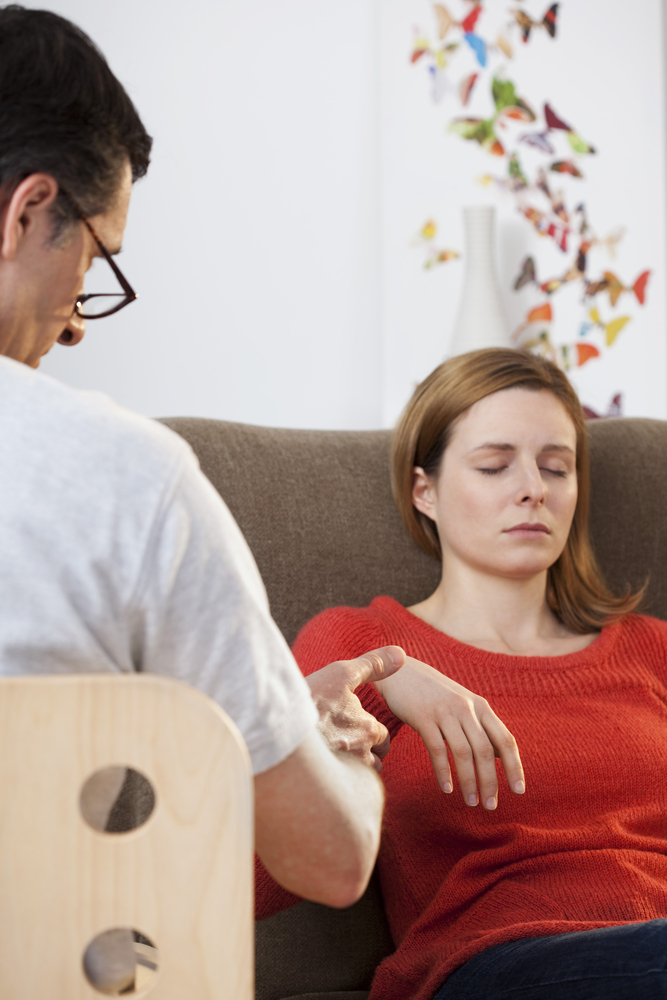
Many individuals turn to hypnotherapy as a alternative option for a variety of mental health issues. Phobias, past trauma, breaking bad habits and any bothersome issues can be addressed in hypnotherapy. Qualified professionals can help individuals with hypnotherapy in these areas.
Clinical Hypnotherapy can help with various mental issues. Please also review AIHCP’s Clinical Hypnotherapy Certification
The article, “How Hypnotherapy Can Improve Your Mental Health” by Nehita Abraham looks at the multiple ways hypnotherapy can help individuals mentally. She states,
“One of the most popular uses of hypnotherapy is to manage phobias and fears. Perhaps you had a traumatic experience with objects or situations like getting bitten by spiders during your childhood years. Since then, seeing even a picture of a spider already causes you to panic, feel anxious, sweat, and experience heavy breathing. Another instance is your constant fear of large crowds due to an awful experience you had in the past. ”
Please also review AIHCP’s Clinical Hypnotherapy Certification and see if it meets your academic and professional goals. The program is online and independent study and open to qualified professionals seeking a four year certification in Clinical Hypnotherapy.
Homeschooling has its drawbacks and benefits. There are many benefits with a parent patient enough to teach an ADHD child. Homeschooling has an appeal to many because it ensures one on one attention and sometimes children with ADHD can benefit from this.
Homeschooling can offer some unique advantages to an ADHD child. Please also review AIHCP’s ADHD Consulting Certification
The article, “Homeschooling Your Child with ADHD” by Kimberly Drake looks at the benefits of homeschooling for an ADHD child. She states,
“Homeschooling is not a new phenomenon, yet more parents and guardians are considering this option to educate their children. For children with attention deficit hyperactivity disorder (ADHD), shifting to home-based learning may offer certain advantages over the traditional school environment. This might be especially true if public or private school isn’t meeting their needs.”
ADHD can be challenging and for some homeschooling may be a benefit to help their child receive the direct care and attention and environment they need to succeed.
Please also review AIHCP’s ADHD Consulting Certification and see if it meets your academic and professional goals. The program is online and independent study and open to qualified professionals seeking a four year certification as an ADHD Consultant.
The Emotional Freedom Technique or EFT has many similarities with acupuncture. They share a similar concept in the movement of energy throughout the body through various points. Unlike acupuncture, EFT utilizes merely the tapping of these points with a finger to help move negative energy associated with mental trauma or emotion.
EFT is similar to acupuncture but also utilizes affirmation. Please also review AIHCP’s EFT Certification Program
The article, “EFT tapping: how to use the acupressure practice to deal with anxiety” by Alice Porter takes a closer look at EFT. She states,
“One alternative method that has been developed to try and address this is EFT (emotional freedom techniques) tapping. Tapping combines acupressure techniques with a focused affirmation practice that work together to interrupt negative thought patterns in the brain. It involves activating pressure points by physically tapping on certain parts of the body, such as the collarbones and the top of the head. ”
Please also review AIHCP’s EFT Certification Program and see if it meets your academic and professional goals. The EFT program is online and independent study and open to qualified professionals seeking a four year certification as an EFT practitioner.
Eastern Meditation stripped of its religious connotations has numerous health benefits but to substitute this type of meditation for Christian meditation in regards to spiritual life is an error. For purposes of physical health, breathing and various positions void of religious intent have health benefits, but for spiritual benefits, one must turn to the classical Christian meditation that looks not for relaxation but spiritual connection with God through the Scripture and Christ.
Christian meditation is Christo-centric and finds its basis in God’s presence through the quiet of Scripture and Christ. Christ leads one to the Father and helps one reflect on one’s spiritual life with God. Deeper contemplation can lead to deeper unions with God but all leads one back to the current world and its current situation instead of attempting to escape it.
Christian meditation is about a closer union with God. Please also review AIHCP’s Christian Counseling Certification
Meditation is prayer and it is important that Christians remember this and not allow secular definitions of it to water its true nature down. The purpose is not to merely refresh the mind, de-stress, or find calm, but to connect with God.
The article, “Meditation Isn’t Mere Therapy — It’s a Living Relationship With Almighty God” by Anna Abbott reminds us of the true spiritual and prayerful nature of meditation. She states,
“In the case of Christian meditation, it is an active quest to live the life of Christ, which was anything but passive. Our Lord sought baptism from his cousin to begin his life of teaching. He called the Twelve Apostles. He actively healed, preached and performed miracles. He repeatedly told Sts. Peter, James and John that the endpoint of his mission was crucifixion, death and resurrection. He endured heroically, not passively. His mission is the foundational “quest.”
Going beyond this secular definition of meditation and realizing this active quest to find God is key in Christian meditation. Christian meditation is not to escape the world but to understand it with all its suffering and distraught but to Christianize it. Meditation brings the Christian closer to God to deal with the issues of the world. In this way, Christian meditation is far more different than secular notions of meditation that find there roots in Eastern themes.
While these techniques have physical health value they cannot replace spiritual meditation. Also bear in mind as Christians, these techniques themselves need to be utilized carefully since their ultimate design is based to create mental states that are associated with Eastern theology which is far from Christian. The ultimate end of Christian meditation is union with God, not to become a god.
Please also review AIHCP’s Christian Counseling Certification and see if it matches one’s academic and professional goals. The program is online and independent study and open to qualified professionals seeking a four year certification as a Christian Counselor.