Holistic Healthcare: Key Concepts and Modern Practices

By – James M. Katz, BA

Holistic healthcare is transforming the way people approach their well-being. This comprehensive approach to health considers the whole person, integrating physical, mental, and spiritual aspects to promote overall wellness. As more individuals seek alternatives to traditional medical practices, holistic healthcare offers a unique perspective on healing and maintaining optimal health. Holistic wellness is a way of treating the whole person, not just the symptoms of a disease. It focuses on the balance of the body, mind, and spirit to achieve overall well-being. This guide will help you understand what holistic healthcare is, its benefits, and how you can use it in your life.

Holistic medicine emphasizes the connection between mind, body, and spirit, recognizing that each component plays a crucial role in a person’s health. This article explores the key concepts of holistic health, including integrative medicine approaches, nutrition and lifestyle factors, mental wellness techniques, and complementary therapies. It also delves into the practical implementation of holistic care in modern healthcare settings, providing insights into how this approach can enhance overall well-being and quality of life.

Key Takeaways

  • Holistic healthcare treats the whole person, including body, mind, and spirit.
  • It has a long history and includes practices like acupuncture, Ayurveda, and mind-body techniques.
  • Holistic care can improve physical health, mental well-being, and help prevent illnesses.
  • Integrating holistic healthcare with modern medicine can offer a more comprehensive approach to health.
  • Choosing the right holistic healthcare provider involves checking their credentials and asking the right questions.

Understanding Holistic Healthcare

Definition of holistic healthcare

Holistic healthcare is a way of treating people that looks at the whole person, not just their illness. It focuses on the mind, body, and spirit. The main idea is that all parts of a person are connected. If one part is not well, it can affect the other parts. This type of care aims to find balance and wellness in all areas of life. While addressing the whole person, Holistic professionals consider physical, mental, emotional, social, and spiritual components of health. It goes beyond treating specific illnesses or symptoms, focusing on achieving a state of complete well-being. The World Health Organization defines health as “a state of complete physical, mental and social well-being and not merely the absence of disease or infirmity”. This definition aligns with the holistic perspective, emphasizing that true health encompasses more than just physical wellness.

Core principles

The core principles of holistic healthcare are rooted in the belief that all aspects of a person’s life are interconnected and influence overall health. Here are some key principles:

1. Treating the whole person: Holistic practitioners consider the entire individual, not just isolated symptoms or body parts.
2. Integration of conventional and alternative therapies: Holistic medicine combines traditional medical approaches with complementary and alternative therapies.
3. Prevention and self-care: Emphasis is placed on preventing illness and empowering patients to take an active role in their health.
4. Patient-practitioner relationship: A strong, collaborative relationship between the healthcare provider and patient is crucial for effective treatment.
5. Individualized care: Recognizing that each person is unique, holistic practitioners tailor treatments to the individual’s specific needs.
6. Healing power of nature: Holistic medicine acknowledges the body’s innate ability to heal itself and aims to support this natural process.
7. Education and empowerment: Patients are encouraged to learn about their health and make informed decisions about their care.

Historical background

Holistic healthcare has been around for a long time. Many ancient cultures, like those in China and India, used holistic methods to treat people. They believed that health was more than just not being sick. Over time, these ideas have spread and mixed with modern medicine.

The roots of holistic wellness can be traced back thousands of years to ancient healing traditions. Some notable historical aspects include:

1. Traditional Chinese Medicine (TCM): Originating nearly 5,000 years ago, TCM views the human body as a complex system of interconnected elements, including physical components and subtle energies like “qi” (life force) and “sheen” (spirit).
2. Ayurveda: This ancient Indian medical tradition, dating back to the 6th century B.C., incorporates beliefs in the five great elements of the universe and the three “doshas” or biological energies.
3. Western herbalism: Originating in ancient Greece and Rome, this practice spread throughout Europe and later to the Americas, focusing on the medicinal properties of plants and herbs.
4. Hippocrates: Known as the father of medicine in the 4th century B.C., Hippocrates emphasized the healing power of nature and encouraged self-healing efforts of the body.

The modern holistic health movement gained momentum in the late 1960s and early 1970s as a response to the limitations of conventional medicine. The first National Conference on Holistic Health was held in California in 1975, followed by the formation of the American Holistic Health Association (AHHA) and the Holistic Medical Association. Today, holistic healthcare continues to evolve, integrating evidence-based practices with traditional healing wisdom to provide comprehensive care for individuals seeking optimal health and well-being.Holistic Healthcare, wellness, health, relax and other phrases wrote on stones.

The Mind-Body Connection

Scientific Evidence

Recent research has shed light on the intricate connection between the mind and body, providing scientific evidence for what many have intuitively understood for centuries. A groundbreaking study published in the journal Nature reveals that parts of the brain controlling movement are directly linked to networks involved in thinking, planning, and regulating involuntary bodily functions. This discovery represents a literal linkage of body and mind within the very structure of the brain, offering a physiological basis for the mind-body connection.

The findings help explain several phenomena that have long puzzled researchers. For instance, they provide insight into why anxiety often manifests as physical restlessness, why vague nerve stimulation may alleviate depression, and why regular exercise tends to improve mental well-being. These connections make sense when considering the brain’s primary function: to enable successful behavior in the environment while maintaining bodily integrity.

Psychoneuroimmunology

Psychoneuroimmunology (PNI) is a relatively new field of study that examines the interactions between the central nervous system (CNS) and the immune system. This emerging discipline has begun to unravel the complex communication pathways between these two crucial systems, providing valuable insights into how mental states can influence physical health and vice versa.

One key area of focus in PNI research is the role of cytokines, small proteins released by cells in the immune system. Studies have shown that both physical and psychological stress can trigger the release of pro-inflammatory cytokines. Under normal circumstances, these cytokines help combat infections and repair tissue damage. However, chronic stress can lead to prolonged elevation of these inflammatory markers, potentially contributing to various health issues.

Research has demonstrated that different types of stressors can elicit distinct cytokine responses. For example, physical injury may produce one type of pro-inflammatory cytokine, while social stressors, such as separation from a close family member, may trigger the release of a different type. This nuanced understanding of the stress response highlights the complexity of the mind-body connection and its far-reaching effects on health.

Stress and Its Effects

The impact of stress on the mind and body is profound and far-reaching. When faced with a stressful situation, the body initiates an automatic response, often referred to as the “fight-flight-freeze” response. This survival mechanism triggers the release of stress hormones like cortisol and adrenaline, preparing the body to face perceived threats.

While this response can be beneficial in short-term, acute stress situations, chronic stress can have detrimental effects on both mental and physical health. Ongoing stress has been linked to a wide range of symptoms, including headaches, sleep disturbances, digestive issues, and mood changes. Moreover, chronic stress has been associated with an increased risk of developing or exacerbating various major illnesses, such as heart disease, obesity, asthma, and autoimmune disorders. 

The mind-body connection is particularly evident in the relationship between stress and mental health. Chronic stress has been shown to increase the risk of developing mental health conditions, including depression, anxiety disorders, and substance use disorders. This bidirectional relationship between mental and physical health underscores the importance of addressing stress through holistic approaches that consider both psychological and physiological factors.

Key Components of Holistic Healthcare

Physical Health

Physical health forms the foundation of holistic wellness. It involves maintaining a healthy lifestyle through regular exercise, consuming a balanced diet, getting adequate sleep, and managing stress. By prioritizing physical health, individuals can experience improved stamina, endurance, and overall well-being. This aspect of health not only impacts energy levels but also influences emotional and mental well-being.

A holistic approach to physical health examines the body’s needs for nutrition, sleep, exercise, and rejuvenation. It also considers the underlying causes of physical pain and explores steps to alleviate or cope with it. Additionally, it focuses on preventive measures to avoid bodily injury, illness, and disease.

Mental and Emotional Wellbeing

Mental and emotional health are integral components of holistic healthcare. Mental health encompasses psychological and cognitive well-being, involving the maintenance of a positive mindset, engagement in mental stimulation, and stress management. Good mental health is essential for problem-solving, decision-making, and interpersonal relationships. By fostering mental health, individuals can experience enhanced creativity, focus, and overall cognitive function.

Emotional health, on the other hand, is characterized by the ability to effectively manage emotions and maintain healthy relationships. It involves recognizing and expressing emotions, developing resilience, and fostering a strong support network. Emotional well-being allows individuals to better navigate life’s challenges and maintain overall mental health. Cultivating emotional intelligence and practicing empathy can lead to increased job satisfaction and improved interpersonal relationships.

When mental health is neglected, it can lead to various issues, including:

1. Poor physical health
2. Strained relationships
3. Decreased productivity
4. Lower quality of life

To promote mental and emotional well-being, individuals can:

1. Seek professional help when struggling with mental health issues
2. Develop healthy habits
3. Cultivate a strong support network
4. Practice mindfulness and relaxation techniques
5. Set realistic goals

Spiritual Aspects

Spirituality plays a crucial role in holistic healthcare, addressing the search for meaning, value, and connection. It involves recognizing, respecting, and meeting patients’ spiritual needs through various practices and approaches. Spiritual care can be implemented by facilitating religious or spiritual participation, supporting and showing empathy through listening and talking, and promoting a sense of well-being by helping individuals find meaning and purpose in their illness and life.

Spirituality has been strongly associated with resilience and quality of life across different cultures. Studies indicate that religion and spirituality are protective factors against depression and assist in recovery. Substantial evidence suggests positive associations between spirituality and longevity, reduced substance misuse, quicker healing after surgery, cancer recovery, and chronic pain management.

For individuals who do not identify as “religious,” clinicians can educate patients about complementary and integrative health approaches such as meditation, yoga, tai chi, listening to sacred music, and spending time in nature. Many of these approaches are preventative and cost-effective.

By addressing physical health, mental and emotional well-being, and spiritual aspects, holistic healthcare aims to optimize overall health and create a harmonious balance between various aspects of an individual’s life. This comprehensive approach recognizes the interconnectedness of these components and their collective impact on a person’s well-being.

Integrative Medicine Approaches

Integrative medicine is an approach that combines conventional medical practices with complementary and alternative therapies to treat the whole person – mind, body, and spirit. This holistic approach has gained significant traction in recent years, with a growing number of healthcare institutions incorporating integrative medicine into their services.

Combining conventional and alternative therapies

Integrative medicine seeks to blend the best of both worlds by utilizing evidence-based conventional treatments alongside complementary therapies. This approach recognizes that a patient’s physical, emotional, mental, and spiritual needs are interconnected and affect overall well-being. By integrating various therapies, healthcare providers aim to achieve optimal health and healing for their patients.

Some common complementary therapies used in integrative medicine include:

1. Acupuncture
2. Yoga
3. Chiropractic care
4. Meditation
5. Herbal medicine

The integration of these therapies with conventional medicine has become increasingly prevalent. A survey conducted in 2001 revealed that 15% of hospitals offered complementary and alternative medicine (CAM) services, more than doubling from 6% in 1998. This trend indicates a growing interest in holistic approaches to healthcare.

Evidence-based practices

Integrative medicine emphasizes the use of evidence-based practices to ensure the safety and effectiveness of treatments. This approach aligns with the scientific method and evidence-based medicine, which focus on objectively verifiable criteria to evaluate the efficacy of various therapies.

Healthcare providers practicing integrative medicine consider a wide range of factors that influence health, wellness, and disease, including the mind, spirit, and community, as well as the body. They aim to use natural, less invasive interventions whenever possible while remaining open to new paradigms and inquiry-driven approaches.

Patient-centered care

A cornerstone of integrative medicine is patient-centered care, which focuses on treating the individual rather than just the disease. This approach recognizes that each patient is unique and requires personalized care that addresses their specific needs and preferences.A diagram showing the various parts of Holistic Healthcare
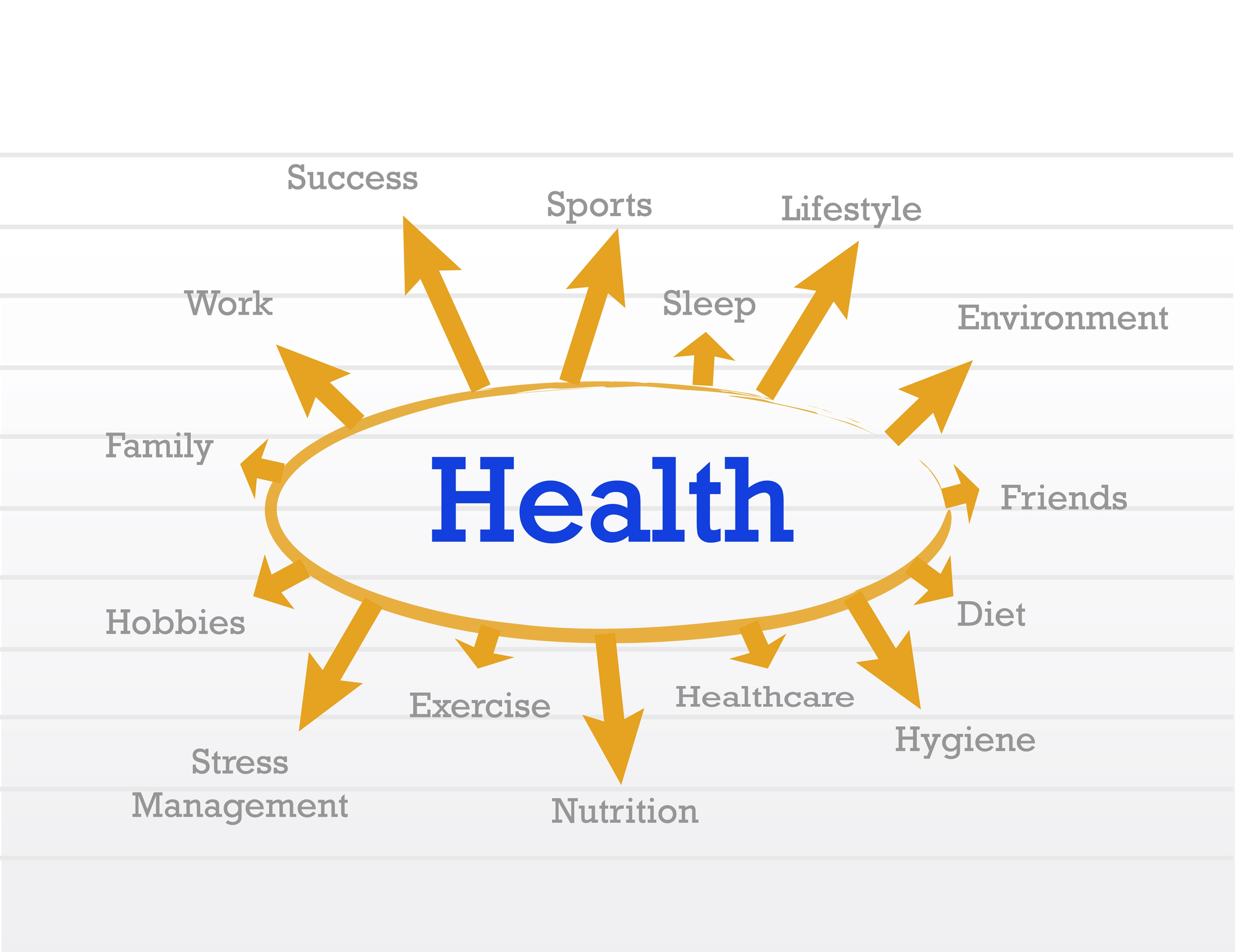
Patient-centered care in integrative medicine includes the following dimensions:

1. Respect for patient preferences
2. Coordination and integration of care
3. Information and education
4. Physical comfort
5. Emotional support
6. Involvement of family and friends
7. Continuity and transition
8. Access to care

By adopting a patient-centered approach, integrative medicine practitioners aim to establish a partnership with their patients in the healing process. This collaboration empowers patients to take an active role in their health and well-being, leading to improved outcomes and higher patient satisfaction.

Integrative medicine practitioners work alongside conventional healthcare providers, complementing rather than replacing primary care or specialist services. Their expertise lies in preventing and managing chronic diseases, focusing on long-term health and wellness rather than acute medical problems.

As integrative medicine continues to evolve, it offers a promising approach to healthcare that addresses the complex needs of patients in today’s world. By combining the best of conventional and complementary therapies, utilizing evidence-based practices, and focusing on patient-centered care, integrative medicine strives to provide comprehensive, holistic care that promotes optimal health and healing.

Nutrition and Lifestyle in Holistic Health

Whole foods and diet

Whole foods plant-based approaches to eating have gained significant attention in holistic health practices. These diets emphasize the consumption of fruits, vegetables, whole grains, and legumes, offering numerous health benefits. One of the primary advantages of whole foods is their nutritional density, providing essential vitamins, minerals, and antioxidants.

Whole foods plant-based diets are particularly rich in dietary fiber and phytochemicals, including carotenoids, flavonoids, isothiocyanates, lignans, phytosterols, and stilbenes. Dietary fibers, which are nondigestible carbohydrates and lignans naturally occurring in plant-based foods, offer various health benefits such as cardiovascular disease risk reduction, diabetes control, and improved laxation. However, it’s worth noting that the average intake of dietary fiber among US adults is only 16 grams per day, falling short of the recommended 28 grams for an adult consuming 2000 kcal per day.

While whole foods plant-based diets offer numerous advantages, it’s important to be aware of potential nutrient deficiencies. Research has identified key nutrients that individuals following these dietary patterns may be at risk for inadequate intake, including calcium, iron, vitamin D, omega-3 fatty acid (DHA), and vitamin B12. To address these concerns, individuals can incorporate calcium-fortified foods, plant-based iron sources, and consider dietary supplements when necessary.

Exercise and movement

Physical activity plays a crucial role in holistic health, offering benefits for both physical and mental well-being. Regular exercise can help manage chronic pain, reduce fatigue, improve sleep quality, and enhance mood. Research indicates that physical activity can reduce anxiety, mitigate depression, and help balance mood.
Incorporating wellness exercises into holistic treatment plans can complement evidence-based medical treatments. Mind-body practices such as movement therapy, which includes techniques like breathing exercises, yoga, tai chi, qi gong, and dance, focus on body awareness and mindfulness to help cope with pain.

For older adults, staying active is particularly important. Studies show that inactivity, rather than age, is often responsible for the loss of independence in older individuals. Regular physical activity can help maintain and improve strength, increase energy levels, and reduce the risk of falls and injuries.

Sleep and rest

Adequate sleep is a fundamental aspect of holistic health, playing a vital role in both physical and mental well-being. Quality sleep promotes wellness, and wellness, in turn, promotes better sleep. During sleep, the brain consolidates memories and undergoes maintenance processes essential for daytime functioning.
Sleep offers numerous benefits, including improved memory consolidation, increased concentration, reduced stress, and enhanced physical health. It also plays a role in regulating hormones, including those responsible for libido.

To improve sleep quality, it’s important to create an accommodating sleep environment free from intrusive noise, light, and heat. Establishing a consistent sleep routine can support the body’s biological clock, preparing it for rest. It’s also advisable to limit exposure to digital screens before bedtime, as the blue light they emit can disturb melatonin production and interfere with drowsiness.

For those struggling with sleep issues, cognitive behavioral therapy (CBT) has been shown to be an effective treatment, even for long-term insomnia. This approach can help establish good sleep patterns and develop a healthy mental outlook towards sleep.

Mental and Emotional Wellness Techniques

Mindfulness and Meditation

Mindfulness and meditation are powerful techniques for promoting mental and emotional well-being. Mindfulness involves increasing awareness of the present moment by focusing on thoughts, feelings, and sensations. This practice can help reduce stress, improve focus, and encourage mental growth. Meditation, which often incorporates mindfulness, can provide a sense of calm, peace, and balance that benefits emotional well-being and overall health.

There are various mindfulness and meditation techniques:

1. Focused attention: This involves concentrating on a specific object, thought, or action to free the mind from stress and worry.
2. Relaxed breathing: Deep, even-paced breathing using the diaphragm muscle can slow breathing, increase oxygen intake, and reduce tension. https://www.mayoclinic.org/tests-procedures/meditation/in-depth/meditation/art-20045858
3. Body scan meditation: Also known as progressive relaxation, this technique involves systematically focusing awareness on different parts of the body.
4. Walking meditation: Practiced at a leisurely pace, this method encourages focusing on bodily sensations, surroundings, and breath.
5. Mantra repetition: Internally or verbally reciting a mantra, phrase, or intention can help calm the mind and encourage concentration.

Regular practice of mindfulness and meditation can lead to improved emotional regulation, reduced symptoms of anxiety and depression, and increased calmness, patience, and empathy.

Cognitive Behavioral Therapy

Cognitive Behavioral Therapy (CBT) is a pivotal component in holistic mental health care. It focuses on the interconnection between thoughts, feelings, and behaviors. CBT aims to change automatic negative thoughts that contribute to emotional difficulties, depression, and anxiety.

Key aspects of CBT include:

1. Identifying and challenging negative thought patterns
2. Understanding and reshaping core beliefs
3. Developing healthier cognitive patterns for long-term wellness
4. Breaking down overwhelming problems into smaller, manageable components

CBT empowers individuals to transform destructive thought patterns into ones that promote balance and health. By addressing both cognitive and behavioral aspects, CBT provides a comprehensive approach to mental health care.

Stress ManagementA bunch of holistic wellness pictures all put together.

Effective stress management is crucial for maintaining mental and emotional wellness. Chronic stress can lead to various physical and psychological issues, including depression, anxiety, heart disease, and sleep disturbances.

Holistic approaches to stress management include:

1. Nutrition: Eating protein-rich meals at regular intervals helps balance blood sugar levels, reducing stress on the adrenal glands.
2. Gut health: Consuming fermented foods introduces probiotics to the gut, which can assist in reducing anxiety.
3. Omega-3 fats: Adequate intake of EPA and DHA plays an important role in adrenal health and brain behavior.
4. Hydration: Drinking 6-8 glasses of pure filtered water daily supports adrenal health.
5. Exercise: Engaging in physical activity at least three times a week can significantly improve stress management.
6. Meditation: Practicing meditation for as little as 10 minutes a day can have profound effects on stress reduction.

By incorporating these techniques into daily life, individuals can develop a holistic approach to mental and emotional wellness, fostering resilience and promoting overall well-being.

Complementary and Alternative Therapies

Complementary and alternative therapies encompass a wide range of practices that are used alongside or in place of conventional medicine. These therapies aim to promote holistic health and well-being by addressing the interconnectedness of mind, body, and spirit. Three prominent complementary and alternative therapies are acupuncture, herbal medicine, and energy healing.

Acupuncture

Acupuncture is an ancient practice rooted in Traditional Chinese Medicine (TCM) that has gained recognition worldwide. This therapy is based on the belief that the body’s vital energy, known as qi, flows through specific channels or meridians. Practitioners insert thin needles into specific points along these meridians to restore balance and promote healing.

Studies have shown that acupuncture can be effective in treating various conditions, including:

1. Nausea caused by surgical anesthesia and cancer chemotherapy
2. Dental pain after surgery
3. Headaches and migraines
4. Menstrual cramps
5. Osteoarthritis
6. Low back pain
7. Carpal tunnel syndrome

Acupuncture is believed to stimulate the central nervous system, releasing chemicals that may promote physical and emotional well-being. While its effectiveness has been demonstrated for certain conditions, it’s important to consult with a healthcare provider before starting acupuncture treatment.

Herbal Medicine

Herbal medicine, also known as botanical medicine or phytomedicine, involves using plants or plant extracts for medicinal purposes. This practice has a long history, with ancient Chinese and Egyptian writings describing medicinal uses for plants as early as 3,000 BC.

Key aspects of herbal medicine include:

1. Widespread use: The World Health Organization estimates that [80% of people worldwide rely on herbal medicines for some part of their primary health care] 2. Pharmaceutical influence: Almost one-fourth of pharmaceutical drugs are derived from botanicals.
3. Regulation: In the United States, herbal supplements are classified as dietary supplements and are not subject to the same rigorous testing as prescription drugs.
Herbal medicine is used to treat various conditions, including allergies, asthma, eczema, premenstrual syndrome, and chronic fatigue. However, it’s crucial to consult with a healthcare provider before using herbal supplements, as they can interact with conventional medications and may have side effects.

Energy Healing

Energy healing is based on the belief that the human body encompasses an energetic “life force” and energy centers (chakras) that influence overall health. This practice aims to restore balance and harmony within the body’s energy systems.

Common energy healing modalities include:

1. Reiki
2. Light Therapy
3. Acupuncture
4. Reflexology
5. Thai Massage
6. Tapping

Energy healing practitioners believe that by channeling universal life force or healing energy into a patient, they can help remove blockages and restore vitality. While scientific evidence supporting energy healing is limited, proponents argue that it can complement conventional medical treatments.

It’s important to note that energy healing should not replace Western medicine but can be used in conjunction with conventional treatments to support overall well-being. As with any complementary therapy, individuals should consult with their healthcare providers before incorporating energy healing into their health regimen.

Implementing Holistic Healthcare

Working with practitioners

Implementing holistic healthcare involves collaborating with professionals who look beyond traditional Western medicine to offer a comprehensive approach to wellness. Holistic health practitioners consider all aspects of an individual’s well-being, including physical, emotional, mental, and spiritual health. These professionals use a variety of techniques, such as bodywork, nutrition, herbs, mindfulness, and other healthful practices, to help clients achieve optimal health and balance in life.

When working with holistic health practitioners, patients can expect a thorough evaluation of their health, including medical history, current health status, and lifestyle. This comprehensive assessment allows practitioners to develop personalized treatment plans that address the unique needs of each individual.

Creating a personalized plan

A personalized holistic wellness plan is designed to address all aspects of an individual’s well-being. Unlike generic programs, these plans are custom-crafted to align with specific health goals, challenges, and preferences. They take into account various factors such as age, fitness level, dietary preferences, stress factors, medical history, and even genetic makeup.

Key components of a personalized holistic wellness plan may include:

1. Customized exercise programs
2. Tailored dietary recommendations
3. Stress management techniques
4. Mental and emotional wellness strategies
5. Social interaction and community involvement
6. Guidance on sustainable lifestyle changes

The plan may also incorporate consultations with specialists such as nutritionists, personal trainers, or therapists as required. By addressing all areas of life, these plans can lead to a more profound and sustainable improvement in overall well-being.

Long-term lifestyle changes

Implementing holistic healthcare involves making long-term lifestyle changes that promote overall well-being. These changes are designed to instill lifelong habits and behaviors that support continuous health and happiness. Some key aspects of long-term lifestyle changes include:

1. Stress management: Incorporating techniques such as mindfulness exercises, meditation, and breathing techniques to manage stress more effectively.
2. Emotional resilience: Developing emotional resilience through cognitive-behavioral therapy (CBT) and positive psychology to better manage difficult emotions and maintain a positive outlook.
3. Mental clarity: Engaging in activities that promote mental clarity and focus, such as brain-training exercises, journaling, or creative hobbies.
4. Social connections: Fostering social interactions and connections with like-minded individuals to support overall well-being.
5. Preventive care: Emphasizing prevention and maintenance of health, rather than solely reacting to health issues as they arise.

By adopting these long-term lifestyle changes, individuals can take a more active role in managing and maintaining their health, leading to fuller, more productive lives. It’s essential to remember that implementing holistic healthcare is an ongoing process, and the plan should evolve as an individual’s needs change, ensuring that it remains effective and applicable to their current situation.

Holistic Healthcare for Different Life Stages

Children and Adolescents

Holistic healthcare for children and teens focuses on their unique needs as they grow. It includes natural treatments and lifestyle changes to support their physical, mental, and emotional development. Parents often seek holistic care to avoid the side effects of conventional medicine. This approach can help with common issues like allergies, ADHD, and stress.

Adults and Seniors

For adults and older people, holistic healthcare aims to maintain balance and prevent illness. It combines traditional medicine with alternative therapies to improve overall well-being. This can include practices like acupuncture, yoga, and herbal remedies. Many adults turn to holistic methods to manage chronic conditions and improve their quality of life.

Special Considerations for Pregnancy

During pregnancy, holistic healthcare offers gentle and safe options for both the mother and the baby. It focuses on nutrition, stress reduction, and natural remedies to support a healthy pregnancy. Expectant mothers often choose holistic care to avoid medications that might affect their baby. Techniques like prenatal yoga and acupuncture can help with common pregnancy issues like nausea and back pain.

Holistic Healthcare and Lifestyle

Nutrition and Diet

Eating well is a big part of staying healthy in holistic healthcare. A balanced diet can help your body work better and keep you feeling good. Fresh fruits, vegetables, whole grains, and lean proteins are often recommended. Avoiding processed foods and sugary drinks can also make a big difference.

Exercise and Physical Activity

Staying active is another key part of a holistic lifestyle. Regular exercise can boost your mood, improve your energy levels, and help you sleep better. Activities like walking, yoga, and swimming are great choices. Even small changes, like taking the stairs instead of the elevator, can add up over time.

Stress Management Techniques

Managing stress is important for your overall well-being. Techniques like deep breathing, meditation, and spending time in nature can help you relax. Finding what works best for you can make a big difference in how you feel every day. Taking time for yourself and doing things you enjoy can also help reduce stress.

Future Trends in Holistic Healthcare

Technological Innovations

The future of holistic healthcare is being shaped by new technologies. Wearable devices and mobile apps are making it easier for people to track their health and wellness. These tools help people stay on top of their physical and mental health, offering real-time data and personalized advice.

Research and Evidence-Based Practices

As more studies are done, the benefits of holistic healthcare are becoming clearer. Researchers are finding new ways to prove that these methods work. This helps more people trust and use holistic healthcare. It also helps doctors and other healthcare providers feel more confident in recommending these practices.

Global Perspectives

Holistic healthcare is growing all over the world. Different cultures bring their own ideas and methods to the table. This mix of global practices helps create a richer and more effective approach to health and wellness. By learning from each other, we can find the best ways to stay healthy and happy.Holistic healthcare wellness on a sunset beach.

Conclusion

Holistic healthcare offers a comprehensive approach to well-being that has an impact on individuals seeking alternatives to traditional medical practices. By addressing physical, mental, and spiritual aspects of health, this approach aims to promote overall wellness and enhance quality of life. The integration of conventional medicine with complementary therapies, along with a focus on nutrition, lifestyle, and mental well-being, provides a well-rounded strategy to maintain health and prevent illness.
As holistic healthcare continues to evolve, it presents exciting opportunities to improve healthcare outcomes and empower individuals to take charge of their well-being. By working closely with healthcare practitioners and creating personalized plans, people can make lasting lifestyle changes that support their health goals. This holistic approach not only has the potential to enhance individual health but also to transform the broader healthcare landscape, encouraging a more balanced and comprehensive view of wellness.

If you’re interested in receiving training in holistic healthcare then you should review our Holistic and Integrative Healthcare Program. This program is only available to Registered Nurses or a higher level nursing license. It consists of 6 online holistic nursing courses. All of our courses are on open enrollment and self-paced, meaning you start whenever you’re ready and move through them at your own speed. If you would care to visit our online holistic nursing courses, please click the here. 

FAQs

  1. What is holistic healthcare?
    Holistic healthcare is a way of treating people that looks at the whole person. It focuses on the body, mind, and spirit to help people stay healthy.
  2. How is holistic healthcare different from traditional medicine?
    Traditional medicine often treats just the symptoms of a disease. Holistic healthcare looks at the root cause and aims to improve overall well-being.
  3. What are some common holistic healthcare practices?
    Some common practices include acupuncture, herbal medicine, and mind-body techniques like yoga and meditation.
  4. Can holistic healthcare be combined with regular medical treatments?
    Yes, many people use holistic healthcare along with traditional treatments. This can help improve overall health and well-being.
  5. How do I choose a holistic healthcare provider?
    Look for providers with the right credentials and qualifications. Ask questions about their experience and make sure you feel comfortable with them.
  6. Are there any risks to holistic healthcare?
    While many holistic practices are safe, some may have risks. It’s important to talk to a healthcare provider before starting any new treatment.
  7. What does holistic care encompass?
    Holistic care involves treating the entire individual, addressing the physical, mental, spiritual, and social needs. This approach is based on the understanding that each of these aspects influences overall health, and an issue in one area can impact the others.
  8. What are the main elements of holistic care?
    Holistic care focuses on the whole person, which includes physical, emotional, mental, social, spiritual, and financial health. By considering all these dimensions, the approach aims to achieve the healthiest and happiest state of an individual.
  9. What are the five key areas of holistic health?
    Holistic health covers five primary areas: Mental Health, Physical Health, Spiritual Health, Intellectual Health, and Social Health. These areas are integral to the holistic approach to health and wellness.
  10. What are the five pillars of holistic health care?
    The five main pillars of holistic health include Physical Health, which is often the most recognized aspect of health; Mental and Emotional Health, which focuses on psychological well-being; Social Health, which pertains to how we interact and form relationships; Environmental Health, which involves the surroundings that affect our health; and Spiritual Health, which deals with our sense of purpose and overall well-being.

Research Articles:

The effect of biopsychosocial holistic care models on the cognitive function and quality of life of elderly patients with mild cognitive impairment: a randomized trial.
Li-Li Gong Et Al. APM. Vol 10, No 5 (May 29, 2021)

Access link here 

A Holistic Examination of Patient Outcomes, Healthcare Accessibility, and Technological Integration in Remote Healthcare Delivery.
Haritha Atluri, Bala Siva Prakash Thummisetti. Transactions on Latest Trends in Health Sector Vol 14, No 14 (2022)

Access link here 

Mitigating language and cultural barriers in healthcare communication: Toward a holistic approach. Barbara C. Schouten, Et Al. Patient Education and Counseling. Volume 103, Issue 12, 2020, Pages 2604-2608, ISSN 0738-3991,

Access link here 

Towards Holistic Healthcare: Integrating Traditional and Modern Medicine for Improved Patient Outcomes. Kustiyati, S., Fajri, I. K., Masithoh, R. F., Dewi, R. D. C., & Nurseha, N. (2024). Global International Journal of Innovative Research, 2(5), 942–951.

Access link here 

Top Strategies for Healthcare Resource Management Success

Healthcare resource management stands at the forefront of modern healthcare systems, shaping the quality and efficiency of patient care. This critical domain encompasses the strategic allocation and utilization of physical, financial, and human resources within healthcare organizations. Healthcare managers and executives face the ongoing challenge of optimizing these resources to enhance patient outcomes while navigating the complexities of an ever-evolving healthcare landscape.

Healthcare managers play a key role in human resource management as well as healthcare resource management

The effective management of healthcare resources has a significant impact on healthcare delivery processes and overall organizational performance. From streamlining operations to improving patient satisfaction, healthcare resource management plays a vital role in achieving both short-term goals and long-term sustainability. This article explores top strategies for success in healthcare resource management, covering key areas such as data-driven decision making, human capital management, and quality improvement through efficient resource utilization. By implementing these strategies, healthcare project managers and leaders can drive positive change and secure a competitive edge in the dynamic field of healthcare management.

AIHCP offers a program in healthcare management.  Please review and see if it meets your professional goals.

The Evolving Landscape of Healthcare Resource Management

Current Trends and Challenges

The healthcare landscape has undergone significant changes in recent years, presenting new challenges and opportunities for resource management and healthcare managers. Healthcare reform and policy play a crucial role in shaping the strategies used by healthcare providers and organizations. These reforms aim to increase access, improve quality, and reduce costs within the healthcare system. Healthcare managers and policymakers must understand these changes to develop and implement effective strategies that enhance patient outcomes.

One of the primary challenges in healthcare resource management is navigating complex regulations and limited resources while striving to improve patient outcomes and maintain financial sustainability. Healthcare organizations often face resistance to change from providers, lack of resources to implement new policies, and difficulties in adopting and maintaining new technologies. To overcome these obstacles, organizations are increasingly engaging stakeholders in the change process, leveraging technology and data to support new practices, and partnering with other healthcare entities to share resources and expertise.

Impact of Healthcare Reforms

Healthcare reforms have a significant impact on resource management strategies. They provide the framework within which healthcare organizations must operate and can influence the development and implementation of various initiatives. For instance, changes in insurance policies, reimbursement rates, and regulations can affect the financial sustainability of healthcare organizations and their ability to implement certain strategies.

The Affordable Care Act (ACA) has been instrumental in creating new models of care, such as Accountable Care Organizations (ACOs) and value-based care models. These approaches aim to improve quality and reduce costs through collaboration among healthcare providers. Additionally, the Health Information Technology for Economic and Clinical Health (HITECH) Act has incentivized the adoption of Electronic Health Records (EHRs), fundamentally changing how healthcare organizations manage patient information and streamline operations.

Technological Advancements

Technology has become a driving force in healthcare resource management, opening new possibilities for improving patient safety and operational efficiency. The implementation of Clinical Decision Support (CDS) tools has been a prominent focus in recent research. These tools provide clinicians and patients with relevant data, filtered and delivered through various formats, to enhance care delivery.

Artificial Intelligence (AI) and machine learning are emerging as powerful tools in healthcare resource management. These technologies use algorithms to analyze large amounts of historical and real-time data, predicting outcomes and recommending treatment options. However, the implementation of AI in healthcare has been slow due to challenges such as variable system quality and algorithm drift over time.

The Internet of Things (IoT) and telemedicine are also transforming healthcare delivery. IoT-powered virtual hospitals and advanced telemedicine platforms enable remote patient monitoring and create new channels for healthcare professionals to communicate and deliver care. This shift towards virtual care has the potential to reduce costs and improve access to healthcare services, particularly for patients in remote areas.

As healthcare continues to evolve, resource management strategies must adapt to these changing trends, reforms, and technological advancements. By embracing innovation and addressing challenges head-on, healthcare organizations can improve patient care, optimize resource utilization, and ensure long-term sustainability in an increasingly complex healthcare landscape.

Building a Robust Resource Management Framework

Building a strong framework is key in better management

Organizational Structure and Governance

The organizational structure of healthcare institutions plays a crucial role in resource management success. Throughout history, various organizational modalities have been introduced worldwide, leading to extensive changes in healthcare systems. The World Bank identifies four types of hospitals based on their organizational structure: budgetary hospitals, autonomous hospitals, corporate hospitals, and private hospitals. Each type has varying degrees of independence from government control and market connection.

Healthcare managers and policymakers must carefully consider the most appropriate organizational structure for their institutions. This decision-making process can be approached from a multicriteria decision-making (MCDM) perspective, as numerous factors influence the selection of an organizational modality. By adopting a comprehensive MCDM methodology, healthcare leaders can make evidence-based decisions to enhance organizational efficiency and effectiveness.

A well-designed organizational chart serves as a visual representation of the healthcare system’s structure, showcasing roles, responsibilities, and relationships within the organization. This clarity aids in streamlining communication, enhancing patient care, and minimizing administrative delays. For instance, in a large hospital, an organizational chart could highlight the chain of command from the Chief Executive Officer (CEO) to various healthcare managers of different departments to as well individual nurses and support staff.

Policy Development and Implementation

To build a robust resource management framework, healthcare organizations must focus on effective policy development and implementation. Enactment alone does not guarantee a policy’s success; additional steps are necessary to increase the likelihood of achieving intended outcomes. These steps include educating affected individuals and organizations, modifying pre-existing administrative operations and systems, and monitoring and enforcing the policy as needed.

Successful policy implementation involves a wide range of stakeholders, depending on the level of enactment and the type of policy. These stakeholders can help identify and coordinate resources, provide support for large-scale changes to existing processes, and plan for policy, programmatic, and fiscal sustainability.

To ensure effective implementation, healthcare organizations should:

  1. Clearly define policy goals
  2. Identify necessary resources, including funding, staffing, and infrastructure
  3. Assign roles and responsibilities to individuals and organizations involved in implementation
  4. Establish processes for collaboration and conflict resolution
  5. Monitor implementation to identify and address potential barriers

Cross-functional Collaboration

Cross-functional collaboration is essential for building a robust resource management framework in healthcare. Project management training has emerged as a powerful tool to foster collaboration among healthcare departments, facilitate interdisciplinary communication, and ultimately improve patient care.

Cross-functional teams bring together individuals with diverse backgrounds, roles, and expertise to work towards common goals. This diversity ensures a well-rounded approach that considers medical, technological, operational, and patient-centric aspects of healthcare projects. By leveraging varied perspectives, these teams can tackle complex healthcare challenges from different angles, leading to comprehensive and effective solutions.

To promote effective cross-functional collaboration, healthcare organizations should:

  1. Establish open lines of communication
  2. Align team members around a shared vision and project objectives
  3. Create an environment that respects and values each team member’s expertise
  4. Facilitate opportunities for team members to understand each other’s roles and responsibilities
  5. Address conflicts constructively
  6. Leverage digital tools for seamless collaboration

By implementing these strategies, healthcare organizations can build a robust resource management framework that optimizes organizational structure, ensures effective policy implementation, and promotes cross-functional collaboration. This approach will ultimately lead to improved patient outcomes, enhanced operational efficiency, and long-term sustainability in the dynamic healthcare landscape.

Data-Driven Decision Making in Resource Allocation

Data Collection and Analysis

Healthcare organizations are increasingly relying on data-driven approaches to optimize resource allocation. The collection and analysis of healthcare data play a crucial role in this process. Healthcare entities collect data from various sources, including health surveys, administrative enrollment and billing records, and medical records. These data sources provide valuable insights into patient demographics, health status, and resource utilization patterns.

However, the healthcare system faces challenges in collecting and sharing data effectively. Data often do not flow cohesively or in a standardized way among different entities. To address this issue, organizations need to improve their data collection methods and facilitate better integration and sharing of data within and across healthcare entities.

Predictive Analytics for Resource Planning

Predictive analytics has emerged as a powerful tool for resource planning in healthcare. By utilizing predictive models and data-driven insights, healthcare organizations and healthcare managers can detect potential problems before they arise, anticipate future needs of their patients, and identify trends in population health more quickly and accurately than ever before.

Some key applications of predictive analytics in healthcare resource management include:

  1. Predicting patient outcomes and allocating resources accordingly
  2. Personalizing treatments based on an individual’s medical history or genetic profile
  3. Improving operational efficiency by predicting resource requirements
  4. Reducing hospital readmissions through early interventions

Predictive modeling can help providers react quickly to changes in a patient’s vitals and identify upcoming deterioration of symptoms before they become apparent. This proactive approach enables healthcare organizations to allocate resources more effectively and improve patient care.

Real-time Monitoring and Reporting

Real-time monitoring and reporting systems have become essential for effective resource management in healthcare and healthcare managers. These systems enable healthcare providers to access, analyze, and process patient data to provide data-based quality care, accurate diagnosis, and personalized treatments.

Edge and cloud technologies have emerged as valuable tools for analyzing data sources in different healthcare systems. Mobile cloud computing is often used for physical surveillance devices with multiple access rights. However, challenges remain in terms of latency and accuracy when transferring large health datasets across the system.

To enhance real-time monitoring and reporting, healthcare organizations are implementing various strategies:

  1. Utilizing Internet of Things (IoT) technology combined with wearable devices to analyze human health parameters
  2. Developing end-to-end communication interfaces between medical practitioners and patients
  3. Implementing machine learning classifiers to perform binary classification (normal/abnormal) from patients’ physiological parameters
  4. Creating web interfaces that allow medical practitioners to view and diagnose patients’ physiological parameters instantly

These real-time monitoring and reporting systems aim to reduce paperwork, unnecessary follow-up hospital visits, and provide healthcare services to patients with limited access to medical visits. By leveraging these technologies, healthcare organizations can make more informed decisions about resource allocation and improve overall patient care.

Optimizing Physical Resources and Infrastructure

Human Capital Management in Healthcare

Financial Sustainability and Resource Management

Financial sustainability and effective resource management are crucial for healthcare organizations to thrive in an increasingly complex and challenging environment. As healthcare costs continue to rise and reimbursement models evolve, healthcare managers must implement strategies to contain costs, enhance revenue, and manage financial risks. This section explores key approaches to achieving financial sustainability in healthcare settings.

Healthcare managers play a key role in balancing and managing costs. Please also review AIHCP’s Health Care Management Certification

Cost Containment Strategies

Cost containment in healthcare involves finding ways to reduce spending without compromising the quality of patient care. Effective cost containment strategies can lead to better access to preventative care and other health services for patients, as well as improved financial health for healthcare organizations.

One approach to cost containment is optimizing staffing levels. While it may seem counterintuitive, adequate staffing is essential for maintaining quality care and positive patient outcomes. Studies have shown that understaffing can result in significant revenue losses, with an average of $90,000 lost per day for a 300-500 bed hospital. Moreover, understaffing has been linked to increased medical errors and decreased patient safety.

Another effective strategy is expanding access to virtual healthcare. Telemedicine services are generally less expensive than in-person visits and can help reduce the burden on emergency rooms. By offering 24/7 telehealth options, healthcare organizations can lower costs while still providing accessible care to patients.

Implementing educational programs for consumers can also contribute to cost containment. Many patients may not be aware of the appropriate healthcare options for their needs, leading to unnecessary and costly emergency room visits. By educating patients about when to seek care from urgent care centers, telehealth services, or primary care providers, healthcare organizations can reduce overall healthcare expenditures.

Revenue Enhancement Techniques

Revenue enhancement in healthcare involves a complex combination of processes, including setting clear payment expectations for patients, accurate coding of procedures, account follow-up, and payment posting. Streamlining these processes is essential to prevent denied claims and uncollected patient payments.

To optimize revenue cycles, healthcare organizations can consider the following techniques:

  1. Implementing card-on-file payment systems: This approach has been shown to be the most preferred collection method for patients and can significantly improve point-of-service collections while reducing unpaid bills.
  2. Offering transparent pricing and billing: Providing cost estimates to patients before services or treatments are rendered can help minimize unpaid claims and avoid surprise bills.
  3. Merging front-end and back-end revenue cycle management: By breaking down the divide between patient-facing registration processes and back-end claim management, organizations can create a more streamlined and efficient revenue cycle.
  4. Automating prior authorization and eligibility processes: This can help reduce delays in care and improve overall efficiency in the revenue cycle.
  5. Developing and tracking key performance indicators (KPIs): Organizations should focus on metrics such as net days in accounts receivable, cash collection as a percentage of net patient services revenue, claim denial rate, and cost to collect.

Financial Risk Management

Financial risk management in healthcare involves identifying potential adverse financial events and taking actions to prevent or minimize their impact. As the healthcare environment becomes increasingly complex, systematic risk assessment and mitigation strategies are essential.

Healthcare organizations face various types of financial risks, including:

  1. Utilization risks: Associated with fluctuations in demand for services.
  2. Severity risks: Related to higher-than-expected costs due to increased illness severity.
  3. Input risks: Linked to changes in input costs, such as labor and supplies.
  4. Financial risks: Present in financial transactions, such as interest rate fluctuations affecting bond issuances.

To manage these risks effectively, healthcare organizations can employ several strategies:

  1. Maintaining adequate reserves: This includes required reserves mandated by state authorities, prudent business reserves, and incurred but not reported (IBNR) reserves.
  2. Utilizing reinsurance or medical stop-loss insurance: This can provide protection against losses arising from individual patients (specific stop-loss coverage) or aggregate losses on the entire covered population (aggregate stop-loss coverage).
  3. Implementing portfolio immunization strategies: For organizations maintaining large securities portfolios, matching the duration of investments with the expected holding period can help mitigate interest rate risk.
  4. Conducting regular risk assessments: Systematically identifying, evaluating, and prioritizing potential risks can help organizations develop targeted mitigation strategies.

By implementing these financial sustainability and resource management strategies, healthcare organizations can better navigate the complex healthcare landscape, ensure long-term viability, and continue to provide high-quality care to their patients.

Quality Improvement Through Effective Resource Utilization

Healthcare managers play a key role in quality improvement

Future-Proofing Healthcare Resource Management

The healthcare landscape is constantly evolving, presenting new challenges and opportunities for resource management. To ensure the sustainability and effectiveness of healthcare systems, it is crucial to adopt forward-thinking strategies that address emerging trends and potential disruptions. This section explores key approaches to future-proofing healthcare resource management, focusing on preparing for emergencies and crises, adapting to changing demographics, and embracing innovative care models.

Preparing for Emergencies and Crises

Healthcare systems play a critical role in mitigating the impact of emergencies and crises, from natural disasters to pandemics. To enhance their resilience and ability to respond effectively, healthcare organizations must prioritize emergency preparedness and integrate it into their overall resource management strategies.

One essential aspect of emergency preparedness is the development of comprehensive contingency plans. These plans should outline the capacity, skills, staffing, equipment, management, supplies, and protocols needed for various emergency scenarios. By anticipating potential challenges and preparing in advance, healthcare systems can respond more efficiently and effectively when crises occur.

To strengthen emergency response capabilities, healthcare facilities should:

  1. Establish robust communication channels and data-driven approaches for coordinated service delivery
  2. Develop mobile clinic capabilities to meet surge demand through regionally coordinated responses
  3. Ensure the resilience of critical infrastructure and services, such as power supplies, water, sanitation, and medical gas systems
  4. Create backup strategies for different resources and recovery systems

Collaboration with external partners is crucial for effective emergency response. Healthcare organizations should form alliances and interact with regional emergency management agencies, healthcare departments, and other healthcare facilities. This promotes the exchange of resources, mutual aid, and coordinated response actions.

Furthermore, healthcare systems must be closely integrated with a country’s overall emergency management and disaster response systems. This integration should involve clearly defined roles and mandates for crisis response, including coordination with military, civil protection, and community groups.

Adapting to Changing Demographics

The aging population poses significant challenges to healthcare systems, requiring careful consideration and proactive measures. Statistics indicate that the number of Americans aged 65 and older is projected to nearly double from 52 million in 2018 to 95 million by 2060. This rapid increase in the elderly population has profound implications for healthcare systems, necessitating proactive measures to ensure quality care, accessibility, and affordability.

To address the unique needs of an aging population, healthcare providers must:

  1. Create an adequately prepared workforce trained in geriatrics and gerontology
  2. Develop person-centered care approaches that promote healthy aging and effectively manage chronic conditions
  3. Implement supportive programs like the Medicaid Nursing Home Program
  4. Protect resident rights and ensure quality care in long-term care facilities

The nursing shortage in the United States further compounds the challenge of providing appropriate care for senior citizens who require nursing home services. Addressing staffing shortages is crucial to meet the rising demand for nursing home care. More than half of all nursing homes in the US are experiencing financial challenges due to escalating healthcare costs, inadequate Medicaid reimbursements, and declining occupancy rates. These financial struggles put additional strain on nursing homes’ ability to provide quality care.

Recognizing the challenges associated with nursing home care, there is an increasing emphasis on exploring in-home alternatives. By offering a range of care options, healthcare systems can better adapt to the increased demand for elderly care while providing more personalized and cost-effective solutions.

Embracing Innovative Care Models

To address the growing challenges globally, health services and governments are experimenting with more cost-effective care alternatives often delivered outside hospital walls. These innovative models take a novel approach to provide high-quality and safe care in and out of hospital settings.

Value-Based Healthcare (VBHC) is one such model that many healthcare systems are adopting. This approach aims to move away from fee-for-service models and shift towards value-based models that deliver meaningful outcomes for patients while reducing unnecessary costs and waste within the system.

Collaborative Care and Advanced Primary Care models are innovative approaches to healthcare delivery that aim to improve patient outcomes, enhance care coordination, and optimize resource utilization. The Advanced Primary Care model, also known as the Patient-Centered Medical Home (PCMH) model, focuses on transforming primary care practices into patient-centered, comprehensive, and coordinated care centers. This model emphasizes preventive care, care coordination, patient engagement, and enhanced access to care.

Digital services have the potential to support more personalized care, integrated with existing models and delivered remotely. E-health, telehealth, and virtual care models have gained significant traction, especially in light of the COVID-19 pandemic. These technologies allow patients to remain socially distant while still receiving necessary care, reducing the risk of virus spread among patients and healthcare providers.

Advanced technologies such as robotics, artificial intelligence (AI), and big data analytics may provide more seamless and efficient care. These technologies can support decision-making, streamline processes, and enhance the overall quality of care delivery.

To future-proof healthcare resource management, organizations should:

  1. Invest in digital infrastructure to support telehealth and remote care delivery
  2. Implement data analytics and AI solutions to optimize resource allocation and improve decision-making
  3. Foster a culture of innovation and continuous improvement
  4. Engage in consumer co-design to ensure that new care models meet the needs and preferences of patients
  5. Develop flexible and adaptable care delivery systems that can respond to changing healthcare demands

By embracing these innovative care models and technologies, healthcare systems can enhance their ability to provide high-quality, cost-effective care while adapting to the evolving healthcare landscape.

Conclusion

The strategies outlined in this article offer a comprehensive approach to healthcare resource management. By embracing data-driven decision-making, optimizing physical and human resources, and ensuring financial sustainability, healthcare organizations can boost their effectiveness and resilience. These approaches, combined with a focus on quality improvement and innovative care models, lay the groundwork to tackle the complex challenges in today’s healthcare landscape.

Please also review AIHCP’s Health Care Management Certification Program

Looking ahead, healthcare leaders must stay alert and adaptable to future-proof their resource management strategies. This means getting ready for emergencies, adjusting to changing demographics, and exploring new care models. By putting these strategies into action, healthcare organizations can improve patient outcomes, enhance operational efficiency, and secure long-term success in an ever-changing healthcare environment.

Healthcare managers can play a key role in resource management in healthcare facilities.  Please review AIHCP’s Health Care Management Certification and see if it meets your academic and professional goals.  The program is online and independent study with mentorship as needed.

FAQs

1. What are the top five approaches to managing personal health effectively?
To effectively manage your health, consider these five essential strategies: maintain a balanced diet, engage in regular physical activity, focus on mental health, ensure adequate sleep, and attend regular health check-ups. These steps will help you take control of your health and enhance your life quality.

2. What does strategic management involve in the healthcare sector?
Strategic management in healthcare involves outlining your organization’s future, setting objectives to achieve that vision, and identifying key initiatives necessary to reach these goals. It also requires maintaining a focus on these strategies over a three to five-year span.

3. What are the keys to achieving success in healthcare management?
Success in healthcare management hinges on strong interpersonal skills. Effective healthcare managers communicate frequently and transparently, offer encouragement to motivate their teams, and adapt their communication to the audience—using medical terminology with healthcare professionals and simpler language with patients and their families.

4. What entails resource management within the healthcare industry?
Resource management in healthcare refers to the evidence-based allocation of various resources such as human capital, finances, supplies, and data. This process ensures that the organization remains operationally and financially stable while providing high-quality care to patients.

Additional Resources

“Transforming healthcare through better resource management”. (2020). hfma.  Please access here

Bhati, D.., et. al. (2023). “Improving Patient Outcomes Through Effective Hospital Administration: A Comprehensive Review”. Cureus. 2023 Oct; 15(10): e47731. Published online 2023 Oct 26. doi: 10.7759/cureus.47731. National Library of Medicine.  Access here

“5 Best Practices for Resource Management in Healthcare” (2019).  BFW. Access here

“Maximizing Efficiency in Healthcare: The Role of Resource Management”. (2023). Access here

Kabene, S. , et al. (2006). “The importance of human resources management in health care: a global context”. Hum Resour Health. 2006; 4: 20. Published online 2006 Jul 27. doi: 10.1186/1478-4491-4-20.  Access here

“Why Is Project Resource Management Important in Healthcare?”. (2022). Prosphire.  Access here

“Transforming healthcare through better resource management” (2023). HFMA.  Access here


Responding Skills in Counseling Video

Good response skills are critical to help clients receive feed back. Good responses can help the client move forward in the conversation, hear his/her own words, supply additional insight and help give direction.  Responding skills are essential micro skills in counseling and Grief Counselors should be able to utilize good responding skills to help clients better find meaning and emotional validation.

Please also review AIHCP’s Grief Counseling Certification and see if it meets your academic and professional goals.  The program is online and independent study and open to qualified professionals seeking a four year certification in Grief Counseling.

In addition to Grief Counseling, AIHCP offers a variety of other mental and behavioral health certifications for human service and health care professionals.  The programs include Christian Counseling, Spiritual Counseling, Stress Management, Anger Management, Crisis Intervention and Life Coaching.  These programs are aimed to help others in existing counseling fields.  Be aware to differentiate one’s role as a counselor when only pastoral versus one who is licensed.  This is key when applying these certifications to your various levels of academic and professional levels.

Addiction and Compulsion in Substance Abuse Counseling

Substance Abuse Counseling, as well as general counseling can help individuals better control urges, change habits and live more productive lives with healthier choices and non-maladaptive practices.   Substance Abuse Counselors play  key role in helping clients find ways to change, become resilient, and live healthier lives.

Addiction pushes one into bad habits and choices. Please also review AIHCP’s Substance Abuse Practitioner Certification Program

Please also review AIHCP’s Substance Abuse Practitioner Certification and see if it meets your professional needs in counseling

Acknowledging a Problem in Substance Abuse

Unfortunately, many individuals who suffer from addiction need first to wish to change.  The process of change is the key.  The Change Scale in Psychology looks at the challenges of helping a client see the need for change.  Only until a client acknowledges a problem can a client truly change.  Even after intellectually identifying a problem, one must become unified emotionally in the deeper yearning to change.  Once the need for change is identified, a client can begin to explore the problem, find solutions and execute the necessary changes to transform.  Unfortunately, this is a long process, with setbacks, but ultimately, it is direction that pushes forward.

Addiction and Compulsions

The addictive act is habitual in itself.  It was not initially habitual but merely an isolated act.  The act was initially committed out of curiosity, randomness, or a maladaptive act to deal with trauma, grief, depression, anxiety or various stressors.  The randomness of the act overtime evolved from merely an isolated event to a consistent series of act which eventually became habitual.  In all human acts, certain responses and acts to stress can turn to habit.  A person whether it involves substance abuse, drugs, or even particular actions such as gambling, or porn addictions, eventually enters into a pattern of actions in response to various stressors.   Some habits in fact can be healthy such as exercise, but even when exercise becomes a habit that is damaging the body or dominating time within a day can become an issue.  Maladaptive coping is not only wrong within itself but also excessive, even if good.  If coping is not at least moderate to a stressor, then habits can form that lead to addicting behavior.  Of course, in regards to substance, there exists more than a mental need to reframe, but also a physical addiction.  For some, fortunately,  chemical addiction does not occur to genetics, but for others, they can become fiercely dependent not only mentally but also physically to function.  Addiction hence is not only persistent and habitual without thought but also a necessary state to function for the person.

Compulsions to act upon a substance or behavior are also powerful drives.  A compulsion is not necessarily persistent but it is a powerful and overwhelming urge to engage in an activity or take a particular substance.  A compulsion is usually preceded by obsessive and intruding thoughts while addiction exists within a natural habit of acting.  Counselors, especially Substance Abuse Counselors can help clients better control compulsions through various therapies and help produce change and transformation through these therapies.  They can also help clients fight through the never ended battle of addiction.

Good Therapy states

“Symptoms that suggest a compulsive behavior has become problematic include:

  • Interpersonal and professional relationship problems
  • Concealment of the behavior
  • Denial of a problem
  • Inability to stop the behavior
  • Alternating feelings of anxiety, confusion, shame, or elation that revolve around the behavior
  • Withdrawal from or a lack of enjoyment in other activities
  • Desire only for the company of others who pursue the activity or, to an opposite extreme, the urge to conduct the activity only in isolation
  • Fear surrounding the potential repercussions associated with discontinuing the activity”

“Addictions and Compulsions”. Good Therapy. 2019.  Access here

Rewiring Oneself and Substance Abuse

Obviously, those who are not addicted but facing compulsions can escape the demon of maladaptive coping via substances or practices, but those who are chemically dependent face a life long battle.  After acknowledging the necessity of change, individuals need to dedicate themselves to more adaptive coping strategies and removing themselves from the temptations.  The occasion of sin is a powerful pull not only for the addicted but also those who face serious compulsions and temptations with a particular substance, activity or vice.  How one rewires and reframes the nature of the addiction is key.  Understanding first and foremost that it is maladaptive, excessive and unhealthy starts the important process of detesting what it is and what it does to the individual.  This turning away from habit though requires not only removing oneself from the situation and bad occasions and “friends” or places, but also working on rewiring oneself in how one responds to triggers and stressors that previously pushed one to the activity or substance.

Hence in counseling, a Substance Abuse Counselor will help a client discuss the urges, what the client feels and what other coping strategies one may employ.  For instance, if someone who feels stressed turns to smoking, a counselor may suggest when these urges arise, what are some other ways to calm down that you may be comfortable utilizing to help reduce stress other than smoking.  The key is to help the client rewire oneself and instead of using the addictive maladaptive habit and to begin to find other ways to find relief from the particular trigger.

Therapies in Counseling for Addiction

Many of the therapies that exist in general counseling can be applied for addiction as well.  Obviously first and foremost, a Rogerian and Humanistic Approach is key.  Empathy to the suffering of the individual is key.  This is involves helping the person identify one’s feelings and find ways for one change.  This involves helping the person see where he/she exists and where one wishes to be.  This involves one’s perceived self and then the person’s real self.  Helping a person cross the bridge from real self to ideal self involves the entire empathetic process of Rogerian therapy.  It also involves non-judgmental attitudes that allow the client to express his/her addictions in a safe place.  Furthermore it involves empathetic confrontations when necessary to help the client recognize the necessity for change and how the client’s addiction and behaviors is not only destroying oneself but also that of his/her family, friends, social life, professional career and overall health.  Rogerian therapies can also show the necessary empathy in helping those who relapse and help one move forward in developing better resiliency.

There are a variety of mental health therapies that can be employed to help those struggling with addiction and substance abuse

In addition, CBT or Cognitive Behavioral Therapies can be employed to help the client reframe life and reframe addiction and how maladaptive practices are only ruining one’s life.  This may involve returning to the initial issue of depression, trauma, PTSD, or anxiety that prompted the maladaptive coping.  Understanding the source and reframing it through CBT strategies can help the client start anew with a new meaning about the primary issue and ways to better deal with it.

Finally, group therapies and support groups are key in helping clients with addiction move forward.  This is especially true with those with little social or family support at home.  Support groups can help individuals share stories and find strength with similar persons. It can help one see others who understand oneself as well as see the success of others.  Furthermore, such programs as AA 12 Step Program can help clients take responsibility for one’s actions can help one develop the skills necessary to move past addiction.

Beyond psychological interventions, some cases require deeper and more drastic interventions which require detox and short or long term facilities, out patient care or even hospitalization.  Interventions may also require various medications to help a person.  Ultimately, the disease of addiction has its extremities.  Some require more drastic measures to become clear of the substance so that true therapy can begin.

Conclusion

Addiction is disease that destroys lives.  Whether it is behavioral, chemical, or substance, addiction tears a person away from the real problem through maladaptive practices that harm the person.  It leads the person down a darker path that merely alleviates the primary issue only temporarily but leads to longer lasting health, mental and social problems.  The habitual hold on the person requires professional, spiritual and empathetic help which also in many cases includes support from others.  Ultimately, the person must acknowledge the problem at all levels and search to find a solution.  Substance Abuse Counselors as well as Mental Health Counselors can play key roles in helping individuals live with addiction and transform one’s live.

While there are different professional levels of substance abuse counseling, some human service professionals are trained but only certified working under a licensed director, while others are also licensed professional counselors.  AIHCP’s Substance Abuse Practitioner Certification looks to help human service professionals attain a certification in addictions to help them better help those afflicted with addiction.  Please also review AIHCP’s Substance Abuse Practitioner Certification Program and see if it meets your academic and professional goals.  The program is online and independent study and open to qualified healthcare and human service professionals looking to help others in the area of addiction.  Whether it is working in a call center, or applying a certification with an existing licensure, AIHCP’s Substance Abuse Practitioner Program can help enhance one’s knowledge and professional background.

Additional Resources

Pederson, T. (2021). “How Are Substance Use Disorders (SUDs) Treated?”. PsychCentral. Access here

“Treatment of Addiction”. Psychology Today.  Access here

“Treatment of Substance Use Disorders”. (2024). CDC.  Access here

“Drug Addiction”. Mayo Clinic.  Access here

Webster, A. (2024). “Cognitive-Behavioral Therapy (CBT) for Addiction and Substance Abuse”. American Addiction Centers.  Access here

Health Care Delivery System: Key Components and Management Strategies

The health care delivery system plays a pivotal role in ensuring the well-being of populations worldwide. It encompasses a complex network of healthcare providers, institutions, and resources working together to deliver patient care. The effectiveness of this system has a significant impact on public health outcomes, individual quality of life, and the economic stability of nations. As healthcare needs evolve and technologies advance, understanding the key components and management strategies of health care delivery systems becomes increasingly crucial.

High quality healthcare delivery is essential. Please also review AIHCP’s Case Management and Healthcare Management programs

This article aims to explore the multifaceted aspects of health care delivery systems. It will delve into the essential components that form the backbone of these systems, including healthcare providers, facilities, and support services. The discussion will cover various delivery models, financing mechanisms, and quality management approaches. Additionally, the article will examine the role of technology and innovation in shaping modern healthcare delivery, as well as the regulatory framework and policy considerations that govern these systems. By providing a comprehensive overview, this article seeks to offer valuable insights for healthcare administrators, case managers, and policymakers involved in the intricate world of healthcare delivery.

Please also review AIHCP’s Case Management Program as well as its Healthcare Manager Program.

Overview of Health Care Delivery Systems

Definition and Purpose

A health care delivery system encompasses all the people, institutions, and services that contribute to care coordination, patient flows, diagnosis, disease management, and health maintenance programs. It covers various service areas, including emergency care, primary care, public health, rehabilitation, hospital care, mental health services, and specialized care. These systems can range from single-provider services to complex health systems meeting the care requirements of specific populations.

Health care organizations, such as clinics, hospice care centers, and ambulatory care facilities, form the backbone of these delivery systems. They comprise human resources, physical assets, patients, financial organization, organizational culture, and system structure. The purpose of these systems is to utilize resources effectively to produce positive health outcomes for well-defined communities or markets.

Historical Development

The development of health care delivery systems has been shaped by various factors throughout history. In the 18th century, isolation of the ill and quarantine of the exposed became common measures for containing specified contagious diseases. The 19th century marked a significant advance in public health, known as “The great sanitary awakening.” This period saw the identification of filth as both a cause of disease and a vehicle of transmission, leading to an emphasis on cleanliness and social reforms.

Lemuel Shattuck’s “Report of the Massachusetts Sanitary Commission” in 1850 was a pivotal moment in the development of public health systems. It recommended a comprehensive approach, including regular surveys of local health conditions, supervision of water supplies and waste disposal, and the establishment of state and local boards of health.

As public health became a scientific enterprise in the late 19th and early 20th centuries, state and local health departments began establishing laboratories. The role of these departments expanded to include clinical care and education, shifting the orientation of public health from disease prevention to the promotion of overall health.

Current Challenges

Today’s health care delivery system faces numerous challenges. The quality crisis in America’s health care is well-recognized, with studies estimating that as many as 98,000 Americans die each year due to medical errors. The system is often criticized for its lack of coordination and integration, leading to patient suffering, redundant processes, and excess costs.

The increasing prevalence of chronic conditions highlights the need for better preparation in prevention and health promotion. It’s estimated that approximately 40% of all deaths are caused by modifiable behavior patterns. The system also struggles to accommodate the diverse cultural needs and varying preferences of racial and ethnic groups.

Advancements in biomedical research and technology have led to extraordinary advances in clinical knowledge, but have also created challenges in keeping pace with the ever-expanding knowledge base. The growing consumerism in health care, fueled by increased access to health information on the Internet, has led to more informed patients who expect to be involved in their health care decisions.

These challenges underscore the need for a more integrated, patient-centered approach to health care delivery that emphasizes prevention, quality improvement, and the effective use of technology and information systems.

Key Components of Health Care Delivery Systems

There are three essential key components of healthcare deliver. Please also review AIHCP’s Healthcare Manager program

The health care delivery system comprises several interconnected elements that work together to provide comprehensive patient care. These components play crucial roles in ensuring the effectiveness, accessibility, and quality of health services. This section explores the key components that form the foundation of health care delivery systems.

Healthcare Providers

Healthcare providers are the backbone of any health care delivery system. They include physicians, case managers, nurses, therapists, specialists, and pharmacists who directly interact with patients and provide medical care. These professionals play a vital role in preventing, diagnosing, treating, and curing various physical and mental ailments. Their expertise and skills have a significant impact on patient outcomes and the overall quality of care.

The effectiveness of healthcare providers is influenced by several factors, including their training, availability, and the environment in which they work. Studies have shown that the spatial configuration of medical units can affect the work of nurses, highlighting the importance of well-designed healthcare facilities. Additionally, addressing modifiable factors such as staffing levels and access to essential resources can significantly improve the performance and quality of care provided by healthcare professionals.

Healthcare Facilities

Healthcare facilities are the physical locations where medical services are delivered. These include hospitals, clinics, rehabilitation centers, and nursing homes. The design and organization of these facilities have a substantial impact on patient safety, care quality, and the efficiency of healthcare delivery.

Recent research has focused on the architectural design of hospitals and its effect on patient safety and human performance. Evidence-based designs that decrease distractions, standardize equipment locations, and ensure adequate space for documentation and work areas can improve patient and staff outcomes. For instance, decentralized nursing work stations throughout a unit, instead of a single central station, can better meet patients’ needs and improve efficiency.

The design of patient rooms also plays a crucial role. Flexible room designs that can be adapted to meet changing acuity and care needs have been found to contribute to decreased medication errors and falls. Moreover, building climate-resilient and environmentally sustainable healthcare facilities is essential for protecting and improving community health while optimizing resource use.

Health Insurance

Health insurance is a critical component of the health care delivery system, facilitating access to care and being associated with better health outcomes and improved productivity. It serves as a threshold requirement for routine access to health care for most individuals. The absence of health insurance can create significant barriers to necessary and appropriate care.

Studies have shown that adults with health insurance are more likely to have regular sources of care and receive preventative services compared to those without coverage. Similarly, children with health insurance coverage are more likely to receive well-child visits and preventative care services. Health insurance also plays a crucial role in improving access to mental health services, substance use disorder treatment, and prescription medications.

Patients

Patients are at the center of the health care delivery system, seeking medical care from doctors and healthcare facilities. Their experiences, needs, and outcomes are essential indicators of the system’s performance. The patient experience encompasses the range of interactions that individuals have with the healthcare system, including their care from health plans, doctors, nurses, and staff in various healthcare settings.

Understanding the patient experience is a key step in moving toward patient-centered care. It involves assessing whether patients receive care that is respectful of and responsive to their individual preferences, needs, and values. Patients and family members often report wanting a healthcare environment that facilitates connections to clinicians, fosters a sense of well-being, and maintains a connection to the world outside the healthcare setting. Case managers play a key role in ensuring patients receive the best care.

By focusing on these key components – healthcare providers, facilities, health insurance, and patients – health care delivery systems can work towards providing more effective, efficient, and patient-centered care.

Types of Health Care Delivery Models

Health care delivery systems employ various models to provide and finance medical services. These models have evolved over time to address changing healthcare needs, cost concerns, and quality improvement goals. This section explores three prominent types of health care delivery models: the Fee-for-Service Model, the Managed Care Model, and Accountable Care Organizations.

Fee-for-Service Model

The Fee-for-Service (FFS) model is the most traditional payment system in healthcare. In this model, healthcare providers and physicians receive reimbursement based on the number of services they provide or procedures they perform. Insurance companies or government agencies are billed for each test, procedure, and treatment rendered during patient visits, consultations, or hospitalizations.

Key characteristics of the FFS model include:

  1. Unbundled payments for individual services
  2. Rewards for volume and quantity of services provided
  3. Complete independence and flexibility for patients in choosing physicians and hospitals
  4. Higher out-of-pocket expenses for patients

The FFS model has been criticized for several reasons:

  • It provides little incentive for delivering holistic and value-based care
  • It may encourage unnecessary tests and procedures to generate more income
  • It can lead to an increase in overall healthcare costs over time
  • It offers limited rewards for preventive care and health management

In recent years, there has been a shift away from the FFS model towards value-based payment systems that focus on efficiency and patient outcomes rather than the volume of services provided.

Managed Care Model

Managed care is a key component of healthcare delivery. Please also review AIHCP’s Case Management Certification

Managed care is a type of health care focused on reducing costs while maintaining high-quality care. Case managers play a key role in making the model excel. This model aims to limit expenses through various mechanisms, including provider networks, preventive care incentives, and utilization management.

Key features of managed care include:

  1. Provider networks: Health insurance companies contract with groups of providers to offer reduced rates on care and services.
  2. Preventive care incentives: Most preventive services are covered at 100% to encourage regular check-ups and early problem identification.
  3. Primary Care Providers (PCPs): Patients are often required to choose a PCP who coordinates their care and provides referrals to specialists.
  4. Prior authorization: Approval is required for certain procedures, treatments, or specialty medications.
  5. Prescription drug tiers: More coverage is provided for generic medications to help keep costs lower.

Common types of managed care organizations include:

  • Health Maintenance Organizations (HMOs)
  • Preferred Provider Organizations (PPOs)
  • Point of Service (POS) plans
  • Exclusive Provider Organizations (EPOs)

These plans offer varying levels of flexibility and cost-sharing arrangements, allowing patients to choose the option that best suits their needs and preferences.

Accountable Care Organizations

Accountable Care Organizations (ACOs) represent a newer approach to health care delivery that focuses on coordinated care and improved patient outcomes. In an ACO, doctors and other healthcare providers work together to manage patients’ overall health, considering their personal health goals and values.

Key aspects of ACOs include:

  1. Improved care coordination among healthcare professionals
  2. Focus on preventive health services and chronic disease management
  3. Emphasis on reducing unnecessary medical tests and services
  4. Potential for shared savings when ACOs achieve better health outcomes and reduce Medicare spending

ACOs aim to put patients at the center of their care and help them navigate the complex health system. They may offer additional services such as:

  • Extra support for managing chronic diseases
  • Coordination between different members of the care team
  • More convenient care options, including home-based care and telehealth services
  • Additional recovery support after hospital discharge

ACOs are particularly beneficial for underserved populations, as they strive to make care more accessible and address social factors that may affect health outcomes. By providing more coordinated care and individualized treatment plans, ACOs help ensure that patients receive appropriate care and do not get lost in the healthcare system.

Financing Health Care Delivery

Health care financing plays a crucial role in shaping the delivery of medical services and ensuring access to care for populations. The financing mechanisms employed by health systems have significant implications for health outcomes, equity, and financial protection. This section explores three primary methods of financing health care delivery: public funding, private insurance, and out-of-pocket payments.

Public Funding

Public health insurance systems aim to provide universal access to healthcare services, regardless of an individual’s financial circumstances. These systems have the potential to save costs through collective negotiations with healthcare providers and reduced administrative expenses. This cost-effectiveness can lead to more affordable premiums and improved value for policyholders.

One of the key advantages of public health insurance is its focus on preventative care. By emphasizing the maintenance of population well-being, public systems aim to reduce the financial burden associated with avoidable medical interventions. This approach can have long-term benefits for both individual health and overall healthcare costs.

However, public health insurance systems face certain challenges. These may include:

  1. Restricted availability of healthcare providers and treatment options
  2. Extended waiting times for non-emergency medical services
  3. Vulnerability to political decisions and policy changes

Private Insurance

Private health insurance offers individuals the flexibility to select plans according to their specific requirements and preferences. Some key benefits of private health insurance include:

  1. Comprehensive health coverage, including extensive medical services and specialized care
  2. Faster access to medical care with reduced wait times
  3. Customizable plans tailored to individual needs

However, private insurance also has limitations:

  1. Higher costs compared to public options, making it less affordable for some individuals
  2. Potential coverage limitations for pre-existing conditions or specific treatments
  3. Profit-driven decision-making by insurance companies

Out-of-Pocket Payments

Out-of-pocket (OOP) payments represent direct expenses incurred by individuals for healthcare services. While OOP payments are a common form of healthcare financing, they can have significant drawbacks:

  1. Inefficient way of financing health care
  2. Negative impact on equity, potentially causing vulnerable groups to experience poverty
  3. Depletion of financial savings and damage to credit
  4. Adverse effects on quality of life, medication adherence, and health outcomes

To address the challenges posed by high OOP payments, several countries have implemented health financing policy reforms. These reforms often include strategies such as:

  1. Abolishing user fees in public health facilities
  2. Exempting specific community groups (e.g., the poor, pregnant women, children) from official payments
  3. Providing free maternal and child care services

By implementing effective policies, countries can protect households against common and high costs within the health system, ultimately reducing the burden of OOP payments and improving overall health outcomes.

Quality Management in Health Care Delivery

Quality management is key in delivery. Please also review AIHCP’s Healthcare Manager Certification

Quality management in health care delivery has become a critical focus for healthcare leaders worldwide.  Healthcare managers and case managers play a key role in ensuring a high level of quality.  The goal is to establish a culture of continuous improvement that enhances patient care, safety, and outcomes. This section explores key aspects of quality management in healthcare, including quality indicators, performance measurement, and continuous improvement strategies.

Quality Indicators

Quality indicators serve as standardized, evidence-based measures of healthcare quality. The Agency for Healthcare Research and Quality (AHRQ) has developed a set of Quality Indicators (QIs) that can be used with readily available hospital inpatient administrative data to measure and track clinical performance and outcomes. These indicators are categorized into several groups:

  1. Prevention Quality Indicators (PQIs): These identify issues related to access to outpatient care and appropriate follow-up care after hospital discharge.
  2. Inpatient Quality Indicators (IQIs): These provide insight into the quality of care inside hospitals, including inpatient mortality rates for specific procedures and medical conditions.
  3. Patient Safety Indicators (PSIs): These focus on potentially avoidable safety events and complications, representing opportunities for improvement in care delivery.
  4. Pediatric Quality Indicators (PDIs): These address potential quality issues specific to the pediatric inpatient population, including preventable complications and iatrogenic events.

Performance Measurement

Performance measurement is essential for assessing the quality of healthcare delivery. It involves collecting and analyzing data on various aspects of care to identify areas for improvement. Some key performance measures include:

  1. Safety measures: These include the number of medication errors, complication rates, and post-procedure death rates.
  2. Effectiveness and efficiency measures: Examples include readmission rates, hospital-acquired conditions, average length of stay, and patient wait times.
  3. Patient-centered measures: These focus on aspects such as doctor-patient communication frequency, number of patient complaints, and overall patient satisfaction.
  4. Equity measures: These ensure that high-quality care is provided to all patients, regardless of their background or socioeconomic status.

Performance measurement allows healthcare organizations to track their progress, identify areas of excellence, and pinpoint opportunities for improvement.

Continuous Improvement

Continuous improvement is a systematic, sustainable approach to enhancing the quality of care and outcomes for patients. It involves creating a culture where all staff members, from frontline workers to senior leadership, are engaged in identifying and solving problems. Key aspects of continuous improvement in healthcare include:

  1. Leadership commitment: Senior leaders must understand, support, and visibly commit to continuous improvement efforts.
  2. Staff empowerment: Frontline staff should be encouraged to identify root causes of problems and develop solutions.
  3. Data-driven decision making: Utilizing quality indicators and performance measures to guide improvement efforts.
  4. Focus on patient outcomes: Ensuring that all improvement initiatives ultimately aim to enhance patient care and experiences.
  5. Systematic approach: Implementing structured methodologies such as Lean, Six Sigma, or the Plan-Do-Check-Act (PDCA) cycle for improvement projects.
  6. Ongoing training and support: Providing staff with the necessary skills and resources to engage in continuous improvement activities.

By implementing these quality management strategies, healthcare organizations can work towards achieving operational excellence, delivering safer and more effective care, and ultimately improving patient outcomes and experiences.

Technology and Innovation in Health Care Delivery

New technology plays a key role in improving healthcare delivery systems

The healthcare industry has witnessed significant advancements in technology and innovation, revolutionizing the way medical services are delivered. These technological innovations have improved patient care, enhanced efficiency, and reduced costs. This section explores three key areas of technological advancement in healthcare delivery: Electronic Health Records, Telemedicine, and Artificial Intelligence.

Electronic Health Records

Electronic Health Records (EHRs) have transformed the way patient information is stored, accessed, and shared. An EHR is a comprehensive digital version of a patient’s medical history, maintained by healthcare providers over time. It includes key administrative and clinical data relevant to patient care, such as demographics, progress notes, medications, vital signs, past medical history, immunizations, laboratory data, and radiology reports.

EHR systems offer several benefits to healthcare delivery:

  1. Improved decision-making: EHRs provide quick and easy access to patient information, allowing healthcare providers to make better-informed decisions about patient care.
  2. Enhanced patient safety: The system alerts healthcare providers to potential safety issues, helping them avoid serious problems and improve patient outcomes.
  3. Increased collaboration: EHRs foster a collaborative environment between patients and healthcare providers, creating more transparency and encouraging patients to take control of their health.
  4. Better medication management: Easy access to patients’ medical history, allergies, and existing medications helps prevent harmful drug interactions and improves prescription accuracy.
  5. Data security: EHR systems offer better data security than paper-based systems, with encrypted storage and secure sharing among authorized healthcare providers.
  6. Remote access: Healthcare providers can access patient data from any location with an internet connection, facilitating care delivery across different settings.

Telemedicine

Telemedicine, the practice of caring for patients remotely, has evolved significantly over time. Modern telemedicine leverages digital technologies to provide healthcare services at a distance, improving access to care and enhancing patient convenience.

Key aspects of telemedicine include:

  1. Virtual visits: Healthcare providers offer remote consultations via online video or phone chats, allowing patients to receive care from the comfort of their homes.
  2. Remote monitoring: Technologies such as wearable devices, mobile apps, and home monitoring systems enable healthcare providers to track patients’ health status remotely.
  3. Patient portals: These secure online platforms allow patients to message their providers, request prescription refills, review test results, and schedule appointments.
  4. Personal health apps: Mobile applications help patients organize their medical information, track vital signs, and manage their health more effectively.

Telemedicine has shown potential to improve healthcare delivery by:

  • Increasing access to care, especially for patients in remote areas
  • Reducing healthcare costs
  • Enhancing patient engagement and satisfaction
  • Improving the management of chronic conditions

Artificial Intelligence

Artificial Intelligence (AI) has emerged as a powerful tool in transforming healthcare delivery. AI encompasses various subfields, including machine learning and deep learning, which add intelligence to healthcare applications.

AI applications in healthcare include:

  1. Diagnostic assistance: AI algorithms have demonstrated the ability to match or exceed human expert performance in image-based diagnoses across various medical specialties, including radiology, dermatology, pathology, and cardiology.
  2. Clinical decision support: AI-powered systems can analyze large amounts of data to provide evidence-based recommendations, assisting healthcare providers in making more informed decisions.
  3. Personalized medicine: By analyzing multimodal datasets, AI can help in understanding the cellular basis of diseases and clustering patient populations, leading to more targeted preventive strategies and treatment options.
  4. Drug discovery and development: AI has the potential to significantly improve clinical trial design and optimize drug manufacturing processes.
  5. Administrative tasks: AI systems leveraging natural language processing can automate tasks such as documenting patient visits in electronic health records, optimizing clinical workflow, and enabling clinicians to focus more on patient care.

As AI continues to evolve, it has the potential to revolutionize healthcare delivery by augmenting human intelligence, improving efficiency, and enhancing patient outcomes.

Regulatory Framework and Policy Considerations

The healthcare industry operates within a complex regulatory framework that aims to protect public health, ensure quality care, and promote access to services. This framework encompasses government regulations, accreditation standards, and ongoing healthcare reform efforts.

Government Regulations

Healthcare professionals, case manager, healthcare managers, nurses, and others face extensive regulation from various state and federal agencies. The Health Insurance Portability and Accountability Act (HIPAA) of 1996 has a significant impact on the industry. Initially designed to protect healthcare coverage for workers between jobs, HIPAA now primarily focuses on safeguarding confidential patient information. It outlines strict guidelines for storing, using, and disseminating patient data, with civil and criminal penalties for violations.

The Health Information Technology for Economic and Clinical Health (HITECH) Act of 2009 strengthens HIPAA’s provisions. It mandates audits of healthcare providers to ensure compliance with privacy and security requirements. The Act sets high standards for information security and imposes financial penalties to encourage adequate protection of patient data.

Other crucial regulations include:

  1. The Emergency Medical Treatment and Labor Act (EMTALA) of 1986, which requires hospitals to provide stabilization and treatment to anyone seeking emergency care, regardless of their ability to pay.
  2. The Anti-Kickback Statute (AKBS), which prohibits the exchange of anything of value for referrals within federal healthcare programs.
  3. The Stark Law, which prohibits physicians from referring patients for certain designated health services paid by Medicare to entities with which they have a financial relationship.
  4. The Patient Safety and Quality Improvement Act of 2005 (PSQIA), which protects healthcare workers who report unsafe conditions at their practices.

Accreditation Standards

Accreditation standards play a crucial role in promoting high-quality, reliable, and safe healthcare services. Organizations like the International Society for Quality in Health Care (ISQua) advocate for rigorous standards in healthcare accreditation. ISQua has established standards for developing, writing, and applying accreditation standards, emphasizing open, transparent, and inclusive development processes.

While accreditation standards are widely considered essential for improving clinical practice and organizational performance, there has been a lack of robust empirical evidence examining their development, implementation, and impact. Studies have shown mixed results regarding the impact of standards on clinical quality, with both improvements and a lack of measurable effects recorded.

Health Care Reform

The Affordable Care Act (ACA) of 2010 has had a significant impact on the healthcare delivery system. Key features of the ACA include:

  1. Expanded coverage to improve access to healthcare
  2. Improved quality and efficiency measures
  3. Efforts to lower healthcare costs
  4. Enhanced consumer protections

The ACA has introduced various reforms, including the establishment of Accountable Care Organizations (ACOs) and value-based payment models. These changes aim to incentivize quality, safety, and efficiency in healthcare delivery.

The ACA has also introduced new requirements for hospitals, such as the Community Health Needs Assessment (CHNA). This provision encourages community hospitals to partner with public health departments and other stakeholders to assess community needs comprehensively.

While the ACA has made significant strides in healthcare reform, challenges remain. Some states have opted not to expand their Medicaid programs, leaving gaps in coverage. Additionally, the transition to new care management models and payment systems is an ongoing process that requires adaptation from healthcare providers and administrators.

As the healthcare landscape continues to evolve, it has become essential for healthcare managers and administrators to stay informed about the complex regulatory environment and ongoing reform efforts. This knowledge is crucial for ensuring compliance, improving patient care, and adapting to the changing demands of the healthcare industry.

Conclusion

The health care delivery system has a profound influence on public health outcomes and individual well-being. This article has explored the key components, management strategies, and challenges of modern healthcare systems. From the ever-changing landscape of delivery models to the ongoing revolution in technology and innovation, the healthcare industry continues to evolve to meet the growing needs of populations worldwide.

Please also review AIHCP’s Case Management Certification and Health Care Manager Certification programs and see if they meet your academic and professional goals

As we look to the future, it’s clear that the path forward involves a delicate balance of regulatory compliance, quality improvement, and technological advancement. To wrap up, the success of health care delivery systems hinges on their ability to adapt to changing demographics, embrace new technologies, and focus on patient-centered care. By doing so, healthcare systems can work towards providing more effective, efficient, and equitable care for all.

Please also review AIHCP’s Case Management Certification as well as its Health Care Manager Certification Program.  Both programs are online, independent study and faculty mentored with assistance as needed. Qualified healthcare professionals can apply for the four year certification and begin working in these exciting fields of healthcare management and case management.


Additional Resources

Mohta, N., et, al.  (2021). “Demystifying the Complexities of Health Care Delivery”. Neim Catalyst. Access here

“The Future of the Public’s Health in the 21st Century.” Institute of Medicine (US) Committee on Assuring the Health of the Public in the 21st Century. Washington (DC): National Academies Press (US); 2002.  National Library of Medicine. Access here

“What You Need to Know About 4 New Healthcare Delivery Systems”. (2023). USC. Access here

Singhal, S., et. al. (2022). “The next frontier of care delivery in healthcare”. McKinsey and Company. Access here


Organizational Behavior in Healthcare: Best Practices and Strategies

Organizational behavior in healthcare plays a crucial role in shaping the success and effectiveness of medical institutions. The complex interplay of human interactions, leadership dynamics, and workplace culture has a significant impact on patient outcomes and the quality of care delivered. Healthcare managers and professionals must navigate a unique set of challenges within the healthcare industry, balancing the needs of patients, staff, and organizational goals.

To improve healthcare management and enhance the performance of the healthcare workforce, it is essential to understand the key aspects of organizational behavior. This article explores best practices and strategies in leadership, communication, employee motivation, and organizational culture within healthcare settings. By examining these critical areas, healthcare professionals can gain valuable insights to optimize their work environments, boost team productivity, and ultimately provide better care to patients.

Understanding organizational behavior is critical to healthcare management

Please also review AIHCP’s Healthcare Manager Certification Program.  The program is online and independent study and open to healthcare professionals seeking to further their professional career in management.

Understanding Organizational Behavior in Healthcare

Definition and Importance

Organizational behavior in healthcare is an applied behavioral science that combines psychological, sociological, and anthropological concepts to understand what motivates productivity and job satisfaction in healthcare settings. It plays a crucial role in hospital administration and medical care, significantly influencing patient outcomes, staff satisfaction, and cost savings. The success of any healthcare organization depends heavily on how their staff behaves, especially in a field where the stakes are so high.

Key Components

Organizational behavior in healthcare explores several key components:

  1. Individual behavior and attitudes
  2. Group dynamics and team interactions
  3. Leadership and management styles
  4. Organizational culture and structure
  5. Decision-making processes
  6. Communication patterns

By examining these components, healthcare leaders can develop strategies that foster productive teamwork, enhance organizational performance, and improve patient care. This approach helps to ensure patient safety, promote patient-centered care, encourage ethical behavior among healthcare professionals, and drive quality improvements.

Challenges in Healthcare Settings

Healthcare organizations face numerous challenges related to organizational behavior:

  1. Hierarchical structures: Healthcare settings often adhere to hierarchical structures, which can contribute to communication lapses. Professionals may be reluctant to report errors or incidents to superiors due to concerns about career advancement.
  2. Diverse workforce: The healthcare industry draws from an exceptionally diverse pool of professionals. This diversity increases the need for leaders with sound organizational behavior knowledge to manage varied personalities and backgrounds effectively.
  3. Resistance to change: Implementing evidence-based practices can be challenging due to entrenched practices and resistance to new approaches. Collecting evidence for clinical recommendations is an arduous task that can take up to 17 years.
  4. Patient safety concerns: Common safety challenges, including surgical errors, preventable infections, and medication use liabilities, exact enormous human and financial costs. Addressing these issues requires managers fluent in organizational behavior management practices.
  5. Meeting rising patient expectations: Modern patients are increasingly attentive to patient safety practices, requiring healthcare organizations to adapt and improve continuously.

To address these challenges, healthcare organizations need to be flexible and meet diversity challenges through inclusivity. Implementing positive reinforcement and organizational behavior management techniques can encourage open communication among practitioners and managers. The ultimate goal is to create an environment that supports effective and safe patient care while meeting the evolving expectations of patients and healthcare professionals alike.

Leadership and Management in Healthcare Organizations

Effective leadership and management play a crucial role in shaping the success and performance of healthcare organizations. From providers on the front lines to office staff and administrators, healthcare professionals face rewarding but challenging work. To navigate the complex healthcare landscape, leaders must adopt appropriate leadership styles, implement effective decision-making processes, and manage change effectively. Healthcare managers need to employ leadership skills for the ultimate success of their department.

Healthcare managers need to have leadership abilities. Please also review AIHCP’s Healthcare Management Certification

Effective Leadership Styles

Healthcare leaders have several leadership styles at their disposal, each with its own strengths and applications. Some of the most common leadership styles in healthcare include:

  1. Transformational: This style focuses on shared values and ideas, forging relationships, and inspiring confidence and respect among staff members. Transformational leaders often have a strong vision and lead by example.
  2. Transactional: Characterized by an exchange between leaders and staff members, transactional leadership involves clear structure, direction, and organization of workload and staff.
  3. Servant: Servant leaders prioritize serving others, encouraging creativity, promoting learning, and fostering a sense of community and team growth.
  4. Democratic: This style encourages employee participation in decision-making, promotes open communication, and empowers staff to take charge and be accountable for their work.
  5. Situational: Situational leaders adapt their management style based on the needs of specific situations, combining elements from various leadership models.

Research has shown that effective leadership styles, particularly transformational leadership, have significant positive associations with high levels of patient satisfaction and reduction of adverse effects. Furthermore, empowering leadership has an indirect impact on reducing mortality rates by inspiring, retaining, and supporting experienced staff.

Decision-Making Processes

Decision-making in healthcare management has a profound impact on the quality, efficiency, and sustainability of healthcare systems. Effective decision-making processes involve:

  1. Collaboration: Healthcare leaders must foster collaboration among diverse stakeholders to design strategies that optimize healthcare delivery and elevate user experiences.
  2. Data-driven insights: Utilizing data analytics tools and input from data analysts to inform decision-making is crucial.
  3. Innovation focus: Decision-makers should continuously explore groundbreaking technologies and trends to enhance diagnoses, treatment methods, and care coordination.
  4. Resource allocation: Optimizing the allocation of personnel, equipment, and funding is a key aspect of healthcare management decisions.
  5. Risk assessment: Implementing strategies to ensure patient safety and mitigate risks is an essential part of the decision-making process.

Healthcare managers must also consider various types of decisions, including procurement and vendor selection, technology adoption, partnerships and collaborations, financial planning, and regulatory compliance.

Change Management

Change management is a critical aspect of healthcare leadership, especially given the rapid pace of changes in the industry. Effective change management strategies include:

  1. Integrating change discussions into existing meetings to make it a natural part of leaders’ work.
  2. Focusing on the employee experience to build desire for important changes and address retention issues.
  3. Engaging employees in shaping the direction of changes that impact their daily work.
  4. Taking an enterprise focus to understand how various changes intersect and impact the organization as a whole.
  5. Leveraging key influencers as change champions to help busy managers fulfill their roles during change.
  6. Building change capabilities throughout the organization through an effective enterprise change management (ECM) strategy.

By implementing these strategies, healthcare leaders can navigate the complexities of the industry, improve patient outcomes, and drive operational efficiency. Embracing change management principles helps organizations prepare for the future and overcome current and future challenges in healthcare.

Communication and Teamwork

A healthcare manager is a good communicator.  Please review AIHCP’s Healthcare Management Program

Effective communication and teamwork are essential components of organizational behavior in healthcare settings. These elements play a crucial role in enhancing patient outcomes, improving workplace environments, and fostering a culture of collaboration among healthcare professionals.  Healthcare managers  and those in nursing management need to be effective communicators.

Interprofessional Collaboration

Interprofessional collaboration in healthcare involves a team-based approach to patient care, resulting in improved outcomes and a better work environment. As healthcare delivery becomes increasingly complex, coordination among nurses, physicians, pharmacists, social workers, and other healthcare disciplines has become imperative for enhancing workplace environments, health systems, and patient care.

The benefits of interprofessional collaboration include:

  1. Comprehensive and well-coordinated care
  2. More accurate diagnoses and treatment plans
  3. Prevention of adverse events
  4. Promotion of a culture of safety within healthcare organizations

To facilitate effective interprofessional collaboration, healthcare organizations should consider implementing clinical communication technology. This technology maintains constant connectivity among care team members, enabling them to reach out to physicians, share critical laboratory results, and communicate efficiently through secure messaging, voice, or video.

Conflict Resolution

Conflicts are inevitable in the stressful environment of healthcare. Tension and stress can result from miscommunication, differing opinions, and varying priorities. To maintain a harmonious work environment and provide quality patient care, healthcare managers and nursing managers must develop effective conflict resolution skills.

Some common sources of conflict in healthcare settings include:

  1. Staff conflicts regarding workload distribution and shift preferences
  2. Interdisciplinary disagreements about treatment plans and responsibilities
  3. Ethical disputes on topics such as end-of-life care and patient autonomy
  4. Communication breakdowns resulting in misunderstandings

To address conflicts effectively, healthcare professionals should:

  1. Foster open communication
  2. Mediate and negotiate
  3. Identify underlying issues
  4. Encourage empathy
  5. Seek compromise
  6. Provide guidance and coaching
  7. Encourage professional behavior
  8. Follow established policies and procedures
  9. Document issues and provide follow-up

Building Trust

Trust is a fundamental aspect of effective teamwork in healthcare settings. Building trust among healthcare professionals has a significant impact on patient outcomes and the overall quality of care provided. To foster trust within healthcare teams, several strategies can be implemented by healthcare managers:

  1. Open communication: Keeping communication channels open allows team members to understand each other’s roles and responsibilities better.
  2. Consistent collaboration: Working together regularly helps build confidence within the team and facilitates the development of trust over time.
  3. Interprofessional education: Exposing healthcare professionals to other disciplines early in their education can positively influence their perception of teamwork and foster future collaborative practice.
  4. Cultural competence: Developing empathy and cultural awareness among healthcare providers has become increasingly important, especially for patients from diverse backgrounds.
  5. Shared experiences: Having mutual patients and working together over time helps build trust among healthcare professionals.
  6. Demonstrating reliability: Following through on commitments and being timely in responses and actions contributes to building trust among team members.

By focusing on these aspects of communication and teamwork, healthcare organizations can create a more collaborative and effective work environment, ultimately leading to improved patient care and outcomes.

Employee Motivation and Engagement

Healthcare managers motivate their team and promote cooperation and teamwork

Motivation plays a crucial role in shaping employee behavior and performance within healthcare organizations. It can be defined as the influence or drive that causes an individual to achieve a certain goal. Understanding and addressing employee motivation has a significant impact on job satisfaction, productivity, and ultimately, the quality of patient care.  Healthcare managers need to be able to motivate employees to reach their ultimate potential.

Theories of Motivation

Several theories have been developed to explain employee motivation in organizational behavior. These can be broadly categorized into content and process theories.

Content theories focus on the assumption that individuals are motivated by their desire to satisfy underlying needs. Some prominent content theories include:

  1. Maslow’s Hierarchy of Needs: This theory proposes five categories of needs, ranging from physiological needs to self-actualization. In healthcare, professionals may be motivated to perform their jobs effectively and provide safe, high-quality patient care to satisfy their esteem needs.
  2. Herzberg’s Two-Factor Theory: Also known as the motivator-hygiene theory, it identifies five motivating features of work (achievement, recognition, the job itself, responsibility, and advancement) and five demotivating factors (institutional politics, management approach, supervision pay, poor work relationships, and poor working conditions).
  3. McClelland’s Needs Theory: This theory identifies three types of motivational needs: achievement, power, and affiliation. Many healthcare professionals are categorized as achievement-motivated, driven by intrinsic factors such as a strong sense of calling and the desire to do their best.

Process theories, on the other hand, focus on how motivation occurs. These include:

  1. Expectancy Theory: This suggests that an individual’s motivation level varies based on their desire for a specific outcome and their perception of how their performance will achieve this outcome.
  2. Equity Theory: This assumes that individuals are motivated to perform based on their perception of their inputs (contributions) and outputs (recognition).
  3. Satisfaction-Performance Theory: This theory proposes that an individual’s performance leads to satisfaction, driven by both intrinsic and extrinsic motivators.

Job Satisfaction

Job satisfaction is defined as a pleasurable or positive emotional state resulting from the appraisal of one’s job or job experiences. It has a significant impact on healthcare organizations, affecting quality, productivity, effectiveness, and healthcare costs. Satisfied employees are considered key assets, especially in non-profit public organizations like hospitals.

Research has shown a positive correlation between job satisfaction and the quality of care provided. Conversely, low job satisfaction can lead to negative behaviors, including absenteeism, high stress levels, turnover, exhaustion, and increased medical errors.

To enhance job satisfaction, healthcare managers should:

  1. Seek employee opinions and include them in decision-making processes
  2. Provide adequate resources and updated equipment
  3. Foster open communication and support among staff and supervisors
  4. Offer opportunities for professional growth and advancement

Work-Life Balance

Maintaining a healthy work-life balance has become increasingly important for healthcare employees. Medical professionals often face long hours, high stress levels, and demanding workloads, which can negatively impact both their personal and professional lives.

To promote work-life balance, healthcare organizations and healthcare managers can:

  1. Offer flexible work schedules, including remote documenting or telehealth options where possible
  2. Provide on-site childcare facilities
  3. Implement comprehensive paid leave policies, differentiating between sick leave, vacation days, and parental leave
  4. Offer employee wellness programs, such as stress management classes or fitness programs

By addressing these aspects of employee motivation and engagement, healthcare organizations can create an environment that promotes job satisfaction, reduces burnout, and ultimately leads to improved patient care and outcomes.

Organizational Culture in Healthcare

Please also review AIHCP’s Healthcare Management Program

Organizational culture in healthcare is a multidimensional concept that encompasses shared values, beliefs, and norms influencing how employees think, feel, and behave in the workplace. It represents a system of shared meaning that distinguishes one organization from another, shaping the way members perceive themselves and their work. Healthcare organizational culture comprises both tangible and intangible aspects, including superficial patterns of behavior, observable symbols, and ceremonies, as well as deeper-seated values, assumptions, and beliefs.

Types of Organizational Cultures

Healthcare organizations often exhibit a dynamic cultural mosaic made up of multiple, complex, and overlapping subcultures. These subcultures are most notably delineated along professional lines, with significant differences between groups such as doctors and managers. For instance:

  1. Doctors may focus on patients as individuals and view evidence through a positivist natural sciences lens.
  2. Managers may be more concerned with patients as groups and value a social science-based experiential perspective.

These cultural divergences have important implications for collaborative work, especially for individuals in hybrid roles who may either retain a cultural allegiance to their base group or seek to adopt the cultural orientations of their new role.

Organizational cultures can be categorized as strong or weak:

  • A strong culture exists when every member of the organization agrees and follows the agreed pattern of behavior that has proven beneficial to the whole organization.
  • A weak healthcare organizational culture refers to values and beliefs not strongly and widely shared within the organization.

Impact on Patient Care

The organizational culture has a significant impact on the quality of patient care and overall organizational performance. Research indicates that there is no single “best” culture that always leads to success across all performance domains. Instead, the aspects of performance valued in a given culture are enhanced in organizations with strong congruence with that culture.

Key impacts of organizational culture on patient care include:

  1. Continuous evidence that patients’ needs are met in a person-centered way
  2. Staff empowerment and commitment
  3. Achievement of standards, goals, and objectives
  4. Development, use, and sharing of knowledge and evidence

A strong culture has a powerful influence on improving employee contributions, enhancing self-confidence and commitment, reducing job stress, and improving ethical behavior. This, in turn, leads to better patient outcomes and overall quality of care.

Strategies for Cultural Change

To implement effective cultural change in healthcare organizations, leaders and healthcare managers should consider the following strategies:

  1. Conduct a thorough cultural audit: Before implementing change, it is crucial to understand the existing culture through effective diagnosis. This involves acquiring an appreciation of the currently prevailing culture using both quantitative and qualitative assessment tools.
  2. Foster teamwork: Encourage a culture of teamwork among hospital staff with shared beliefs of collaboration and cooperation. This affects levels of engagement and participation in collective decision-making during change initiatives.
  3. Promote open communication: Ensure that staff across departments feel valued, included, and informed by management about changes occurring in the workplace.
  4. Address potential barriers: Be mindful of possible barriers that may block or attenuate purposeful change, such as lack of ownership or resistance from disaffected individuals or professional groups.
  5. Develop enabling factors: Focus on individual factors like transformational leadership, skilled facilitation, and role clarification, as well as organizational factors such as flattened and transparent management, an enabling approach to leadership and decision-making, organizational readiness, and human resource management support.
  6. Balance continuity and change: Consider whether first-order change (doing what you do better) or second-order change (complete overhaul) is more appropriate for the organization’s current situation.

By implementing these strategies, healthcare organizations can work towards creating a supportive organizational culture that prioritizes safety, teamwork, and employee involvement in decision-making, ultimately leading to improved patient care and organizational performance.

Performance Management and Quality Improvement

Quality improvement is a constant drive in healthcare.

Performance management and quality improvement are essential components of organizational behavior in healthcare settings. These processes help healthcare organizations enhance patient care, streamline operations, and achieve their strategic objectives. By implementing effective performance management systems and continuous improvement initiatives, healthcare providers can optimize their services and deliver better outcomes for patients.  Healthcare managers can help employees maximize performance.

Setting Goals and Objectives

Goal setting plays a crucial role in performance management within healthcare organizations. It ensures that all employees understand their roles, expectations, and how they contribute to the organization’s success. Healthcare organizations often use frameworks such as Objectives and Key Results (OKRs) to define clear objectives and measurable outcomes.

When setting goals, healthcare organizations should consider the following:

  1. Align goals with organizational objectives
  2. Ensure goals are specific, measurable, achievable, relevant, and time-bound (SMART)
  3. Involve employees in the goal-setting process
  4. Establish a smaller set of priorities to focus efforts and deliver breakthrough change

Examples of healthcare OKRs include:

  1. Enhancing patient experience
  2. Ensuring clinical excellence and quality care
  3. Improving operational efficiency and resource optimization
  4. Contributing to community health through outreach programs
  5. Enhancing staff well-being and professional development

Measuring Performance

Performance measurement has an impact on improving healthcare quality, efficiency, and outcomes. Healthcare organizations use various metrics to evaluate their performance and identify areas for improvement. Some essential healthcare performance measures include:

  1. Length of stay
  2. Readmission rates
  3. Patient satisfaction (HCAHPS scores)
  4. Mortality rates
  5. Bed utilization rate
  6. Hospital incidents
  7. Average cost per discharge
  8. Operating margin

These measures help healthcare institutions analyze data, identify gaps in care, recognize above-standard performance, and monitor changes in quality of care over time. Performance measurement initiatives typically involve the active participation of physicians and hospital staff to ensure the measures are meaningful and the data is accurate.

Continuous Improvement Initiatives

Continuous improvement is a systematic, sustainable approach to enhancing the quality of care and outcomes for patients. It involves ongoing efforts to identify and reduce waste, increase efficiency, and improve patient satisfaction. Healthcare organizations implement various continuous improvement strategies, including:

  1. Lean methodology: Focuses on identifying and reducing areas of waste across all levels of the organization
  2. Plan-Do-Check-Act (PDCA) cycle: A step-by-step process for testing and refining changes
  3. Institute for Healthcare Improvement (IHI) model: Designed to address issues that can be solved quickly and immediately

To successfully implement continuous improvement initiatives, healthcare organizations should:

  1. Secure leadership buy-in and support
  2. Foster a culture of self-analysis and learning
  3. Empower frontline staff to identify and solve problems
  4. Provide ongoing training and coaching
  5. Celebrate early successes to build momentum
  6. Focus on patient-centered improvements
  7. Leverage technology to support improvement efforts

By integrating performance management and quality improvement initiatives, healthcare organizations can create a culture of excellence, enhance patient care, and achieve their strategic objectives. These efforts contribute to better health outcomes, reduced costs, and increased satisfaction for both patients and healthcare professionals.

Patient-Centered Care and Organizational Behavior

Patient-centered care has an impact on organizational behavior in healthcare settings, focusing on ensuring patient safety, promoting ethical behavior among healthcare professionals, and implementing changes to increase patient satisfaction and drive quality improvements. This approach recognizes the inseparable integration of worker safety and patient safety, emphasizing the need for a strong culture of safety within healthcare organizations.

Patient Satisfaction

Patient satisfaction has a significant influence on clinical outcomes and healthcare performance. Studies have shown a positive relationship between organizational culture and customer satisfaction. For instance, Greenslade and Jimmieson found that organizational climate for service predicted performance, which, in turn, predicted patient satisfaction. Additionally, Tzeng et al. described the strength of organizational culture as the extent to which staff view the organization as having clear communication of directions and values, which was positively correlated with job satisfaction and patient satisfaction.

Empowering leadership has a substantial impact on patient satisfaction, with 17 out of 19 patient satisfaction items showing correlation coefficients of medium effect size or larger. Employee engagement and psychological safety/trust also demonstrated strong correlations with patient satisfaction measures. These findings highlight the importance of organizational factors in shaping patient experiences and outcomes.

Patient Safety

Patient safety has become a national priority since the publication of the Institute of Medicine’s seminal report, “To Err is Human: Building a Safer Health Care System.” The report emphasized the pivotal role of system failures and the benefits of a strong safety culture in preventing medical errors. It also highlighted the interconnectedness of patient and worker safety, noting that hazards to healthcare workers due to lapses in infection control, fatigue, or faulty equipment may result in injury or illness not only to workers but also to patients.

Several studies have found organizational factors to be the most significant predictor of safe work behaviors. Compliance with standard precautions increased when workers felt that their institution had a strong commitment to safety and when institutions targeted interventions at improving organizational support for employee health and safety. The Centers for Disease Control and Prevention’s Healthcare Infection Control Practices Advisory Committee has noted that organizational characteristics, including safety culture, influence healthcare personnel adherence to recommended infection control practices.

Patient Engagement

Patient engagement has become increasingly important in healthcare, driven by increased consumerism and the COVID-19 pandemic. Providers must remain educated and focused on patient engagement preferences, including increased transparency during care, the use of technology, and post-discharge communication. Patient-centered practices have resulted in improved outcomes as they evolve to meet consumer expectations.

Research has shown that patients with lower engagement levels, as measured by the Patient Activation Measure (PAM), are more likely to experience major medication errors, emergency department visits, and unplanned readmissions. Furthermore, patients with the lowest engagement rates showed total costs of care that were 8% higher in the first year and 21% higher in the next year compared to patients with high engagement scores.

To enhance patient engagement, healthcare organizations can implement several strategies:

  1. Involve patients in care decisions to promote more realistic expectations and greater adherence to treatment plans.
  2. Implement early follow-up programs post-discharge to reduce readmission rates.
  3. Utilize technology, such as patient engagement mobile and web-based apps, to keep patients and families informed about progress and recovery milestones.
  4. Develop aftercare programs to support patients post-discharge, including regular check-ins and access to healthcare professionals.

By focusing on patient-centered care and incorporating these strategies into organizational behavior, healthcare institutions can improve patient outcomes, enhance satisfaction with the care experience, reduce costs, and even benefit the clinician experience.

Conclusion

If a healthcare professional, please review AIHCP’s Healthcare Management Certification

Organizational behavior in healthcare has a profound impact on patient outcomes, employee satisfaction, and overall institutional performance. By focusing on effective leadership, fostering open communication, and promoting a culture of continuous improvement, healthcare organizations can create an environment that supports high-quality care delivery. These efforts contribute to enhanced patient safety, increased job satisfaction among healthcare professionals, and improved operational efficiency.

To wrap up, the key to success in healthcare management lies in understanding and applying the principles of organizational behavior. This means prioritizing patient-centered care, encouraging teamwork, and adapting to the ever-changing healthcare landscape. By doing so, healthcare institutions can not only meet the rising expectations of patients but also create a workplace that attracts and retains top talent, ultimately leading to better health outcomes for communities they serve.

Please also review AIHCP’s Healthcare Manager Program and see if it meets your academic and professional goals.  The program is online and independent study and open to qualified professionals seeking a four year certification.

FAQs

1. How is organizational behavior relevant to healthcare facilities?
Organizational behavior management plays a critical role in healthcare by promoting patient safety, adopting patient-centered care approaches, ensuring ethical conduct among healthcare staff, and implementing changes that enhance patient satisfaction and drive quality improvements.

2. What practices enhance accountability in healthcare organizations?
To improve accountability in healthcare, organizations can follow these steps:

  • Step 1: Set clear expectations and standards.
  • Step 2: Foster a culture of transparency and accountability.
  • Step 3: Offer comprehensive educational programs.
  • Step 4: Use technology to enhance accountability measures.
  • Step 5: Create effective feedback mechanisms.

3. What are the four main components of organizational behavior?
The primary areas of organizational behavior include people, structure, technology, and the external environment. Understanding the interactions between these elements can lead to organizational improvements.

4. What does OBM entail in the context of Applied Behavior Analysis (ABA)?
In Applied Behavior Analysis (ABA), Organizational Behavior Management (OBM) involves the application of ABA principles to organizational settings. This approach focuses on analyzing and modifying the work environment to boost employee performance, business outcomes, and employee engagement.

Additional References

Gepke, V. et, al. (2022). “Health care professionals’ motivation, their behaviors, and the quality of hospital care: A mixed-methods systematic review”. Health Care Manage Rev. 2022 Apr-Jun; 47(2): 155–167. National Library of Medicine.  Access here

Nembhard, I. (2020). “Moving organizational theory in health care forward: A discussion with suggestions for critical advancements”. Health Care Management Review 45(1):p E1-E12, 1/3 2020. | DOI: 10.1097/HMR.0000000000000271. Healthcare Management Review.  Access here

Cunningham, T. (2008). “Organizational Behavior Management in Health Care: Applications for Large-Scale Improvements in Patient Safety”. National Library of Medicine.  Access here

Talal ALFadhalah  and Hossam Elamir. (2021). “Organizational Culture, Quality of Care and Leadership Style in Government General Hospitals in Kuwait: A Multimethod Study”. J Healthc Leadersh. 2021; 13: 243–254. Published online 2021 Oct 15. doi: 10.2147/JHL.S333933.  National Library of Medicine.  Access here


Counseling and Attending the Client Video

Counselors study psychology, various therapies and devote themselves to understanding the science of the mind and behavior, but if the counselor is unable to communicate and attend the client properly, then the knowledge is useless.  Counseling hence is also an art.  Counselors must possess interpersonal skills that allow them to help their clients.  Various micro skills help the counselor attend the client.  Basic fundamentals of attending include empathetic listening, observation skills, and appropriate responses.  This forms the foundation of the counselor and client relationship and allows therapy to flourish.

Please also review AIHCP’s numerous behavioral health and healthcare certifications in Grief Counseling, Crisis Counseling, Christian Counseling, Spiritual Counseling, Anger Management, Life Coaching and Stress Management.  The programs are online and independent study and open to qualified professionals seeking a four year certification.

How Accident Cases Impact Stress Levels Among Healthcare Professionals

Outdoor, female nurse and stress, tired and mental health of medical employee outside. Exhausted, healthcare worker or woman with migraine or burnout, anxiety and overworked pressure in balcony.Written by Nadine.

Stress is rife in the healthcare sector, yet it’s not a completely unconquerable problem in spite of the scale it has reached in recent years.

Those who feel it most acutely are frontline workers, dealing with the coalface of patient care day in, day out. With that in mind, here’s an analysis of what happens to the mental wellness of healthcare pros when they frequently face injuries brought on by extreme events like auto collisions, and how such concerns can be addressed.

The Impact of Repeated Trauma Exposure on Mental Health in Medical Settings

It’s no surprise that constantly facing the fallout of traumatic car accident cases affects healthcare workers. The psychological toll is significant. Compounded by the repercussions of the recent pandemic, it makes sense to see that a recent survey found 47% of workers in this field on the brink of quitting.

It boils down to the fact that emergency room doctors, nurses, and paramedics frequently deal with high-stress situations. Over time, these experiences can chip away at their mental well-being.

Healthcare professionals often exhibit symptoms associated with:

  • Anxiety and depression
  • Emotional exhaustion
  • Burnout

Dealing with repeated trauma is emotionally draining, and it also rewires the brain. The more people encounter intense stress, the harder it becomes to switch off that “fight or flight” response.

Again, there’s hard data to support this. 60% of industry professionals are afflicted by burnout, while 13% have symptoms associated with post-traumatic stress disorder. They experience intrusive thoughts and hypervigilance, affecting their personal lives as well.

We can’t ignore this issue anymore, and the mental health of our frontline workers must be a priority as they continue saving lives under immense pressure every day.

Recognizing Early Signs of Stress Among Healthcare Workers

Healthcare professionals, especially those handling accident cases, often miss early stress indicators. Spotting these signs early can prevent severe mental health issues down the line.

Common symptoms include:

  • Irritability and mood swings: Even small frustrations can cause big reactions.
  • Sleep disturbances: Difficulty falling or staying asleep disrupts recovery.
  • Physical complaints: Frequent headaches or stomach issues without a clear cause.

Stress impacts decision-making and patient care quality. Missed diagnoses and errors increase when healthcare workers operate under unrelenting pressure. This is an economic issue as much as anything else, with the costs that are created by medical errors estimated at anywhere between $20 and $45 billion a year.

Leading hospitals have programs in place to identify stress signals, with regular mental health check-ins being mandatory. They provide immediate support to staff showing initial signs of burnout or distress.

It’s also important to provide professional support in serious cases that goes beyond the realm of medical expertise. For instance, ensuring that patients and practitioners can speak with an auto accident injury attorney can provide peace of mind that compensation is available, making the long road to recovery less pitted with financial potholes to go with the emotional ones.

Effective Stress Management Techniques in High-Pressure Environments

Managing stress in the chaotic world of healthcare is essential. Healthcare professionals, especially those handling car accident cases, need robust strategies to stay grounded and effective.

Key techniques include:

  • Regular Exercise: Physical activity releases endorphins, helping alleviate stress.
  • Time Management: Prioritizing tasks prevents overwhelm and burnout.
  • Mental Health Days: Taking occasional breaks can prevent long-term exhaustion.

Integrating these practices into daily routines doesn’t have to be complex. For example, brief meditation sessions can happen even in break rooms or quiet corners of hospitals. There are also a couple of other strategies to consider:

Team-Based Approaches

Collaboration is another critical element. Staff support each other by sharing workloads and offering emotional support after particularly tough cases. Some hospitals have buddy systems which pair staff members for mutual check-ins, which is a simple yet effective way to create connections and reduce isolation-induced stress.

Technology-Assisted Methods

Hospitals now use apps designed for mental health tracking, like Headspace or Calm, to offer guided meditations directly on workers’ phones, making self-care more accessible than ever before.

In short, employing diverse strategies like exercise routines, structured teamwork, and leveraging technology solutions lets healthcare professionals limit the knock-on effects of repeated trauma exposure. It’s not the whole story, as discussed, but it’s a good start.

Building Emotional Resilience

For those regularly facing traumatic accident cases, cultivating the trait of emotional resilience can mean the difference between thriving and burning out. It’s a proactive step, rather than a purely reactive one. So you’re taking control of the situations you face, rather than letting them steamroller you.

Core practices to build resilience include:

  • Continuous Learning: Staying updated with medical advancements and refreshing essential skills enhances confidence in your own capabilities.
  • Reflective Practice: Taking time to reflect on challenging cases helps process emotions.
  • Strong Support Networks: Relying on colleagues and mentors provides a safety net during tough times.

There are also programs available in many regions which explicitly set out to shore up the emotional resilience of healthcare employees. These include:

Mindfulness-Based Stress Reduction (MBSR)

This program teaches mindfulness meditation techniques specifically geared towards reducing stress and increasing self-awareness, both of which are essential tools for emotional resilience. Many hospitals now offer MBSR courses as part of their employee wellness programs.

Resilience Training Programs

Institutions like Johns Hopkins and May Clinic have implemented formal resilience training, incorporating simulation exercises where staff practice managing crises in controlled environments before facing them in real life.

These programs focus on building key skills:

  1. Adaptive Coping Strategies: Teaching ways to handle stress effectively.
  2. Emotional Regulation Techniques: Helping maintain calm under pressure.
  3. Positive Thinking Frameworks: Encouraging optimistic outlooks even amidst challenges.

Embedding these best practices into everyday routines means healthcare professionals can strengthen their ability to cope with stressful situations without compromising either their mental health or patient care quality.

The Last Word

As we’ve shown, the psychological impact of handling car accident cases on healthcare professionals is profound. Early recognition and effective management of stress are a must in terms of maintaining their mental well-being.

Integrating best practices like emotional resilience training, mindfulness techniques, and leveraging technology means we can support these vital workers. Prioritizing their mental health ensures they continue to provide top-notch care while sustaining their own well-being in high-pressure environments.

Author bio: Nadine is a dedicated health coach and passionate writer, empowering clients to achieve phenomenal and sustainable results through a unique blend of nutrition, fitness, and fun. With a core belief in the importance of living a happy and balanced life, Nadine emphasizes that a successful lifestyle must be both sustainable and enjoyable. Her holistic approach and infectious enthusiasm inspire others to embrace a healthier, happier way of living.

Additional Resources

“Clinician of the Future” (2022). Elsevier Health. Access here.

Sulaiman Alamri, M. (Editor) et al (2023). “Emotional exhaustion and traumatic stress among healthcare workers during the COVID-19 pandemic: Longitudinal changes and protective factors”. PLoSOne. Access here.

Rodziewicz, TL et al. “Medical Error Reduction and Prevention”. StatPearls. Access here.


Please also review AIHCP’s Stress Management Certification program and see if it meets your academic and professional goals.  These programs are online and independent study and open to qualified professionals seeking a four year certification

Wearable Tech Data: Ethical Obligations & Use in Healthcare

wearable smart watch heart rate monitor. Written by John Anderson.

In our increasingly digital world, wearable technology has revolutionized the way we monitor our health. From smartwatches that track our steps to sophisticated devices that monitor heart rates and sleep patterns, these gadgets have become an integral part of our daily lives.

But as we embrace this technology, we must also consider the ethical obligations and implications of its use, especially in healthcare.

The Intersection of Wearable Tech and Healthcare

Wearable tech devices offer significant benefits for healthcare. They provide continuous, real-time data that can help doctors monitor patients’ health outside of traditional clinical settings. For instance, a wearable device can alert a patient with heart disease to an irregular heartbeat, potentially preventing a serious health event. However, with these advancements come important ethical questions about data privacy, ownership, and the potential misuse of information.

What is Wearable Tech in Healthcare?

Wearable tech in healthcare refers to electronic devices that consumers wear, designed to collect and monitor various health-related data. These devices range from basic fitness trackers, which count steps and monitor heart rates, to more advanced gadgets that measure sleep patterns, blood pressure, glucose levels, and even track respiratory functions. Examples include smartwatches, fitness bands, smart clothing, and specialized medical devices like continuous glucose monitors for diabetes management.

Data Accuracy and Bias

One of the primary concerns with wearable tech is the accuracy of the data collected. These devices, while sophisticated, are not infallible.

User behavior, environmental factors, and technical limitations affect the data’s reliability. For instance, a smartwatch might misinterpret vigorous hand movements as steps, leading to inaccurate activity counts. In healthcare, where precise data is crucial, this inaccuracy can have serious implications.

Moreover, the algorithms used to interpret this data can introduce bias. These algorithms are often trained on specific populations, which may not represent the diverse user base of wearable tech. This can lead to skewed results that do not accurately reflect the health conditions of all users, particularly those from underrepresented groups.

Data Ownership and Privacy

Who owns the data collected by wearable tech devices?

This question is at the heart of many ethical debates. Patients generate this data, but it is often stored and analyzed by tech companies. This raises concerns about data privacy and control. Patients need to be fully informed about how their data will be used and should have a say in who can access it. In legal scenarios, such as personal injury cases, this becomes even more critical.

For example, data from wearable devices can be used as evidence in personal injury claims. If someone is injured in an accident, their pre-injury activity levels, documented by a wearable device, could be used to demonstrate the impact of the injury on their life. Post-injury data can further highlight the limitations caused by the injury, providing compelling evidence to support their claim.

Ethical Use of Wearable Data in Personal Injury Cases

Using wearable tech data in personal injury cases introduces several ethical considerations. Firstly, the data’s accuracy must be ensured to avoid misrepresentations. Inaccurate data could unjustly influence the outcome of a case. For instance, low activity levels recorded after an injury might be misinterpreted as a lack of injury severity rather than a result of pain or physical limitations.

Additionally, data gaps or incomplete datasets from wearables could be used to discredit a claim. If a device fails to record data during a critical period, it might lead to questions about the validity of the injury claim. It’s crucial that both legal professionals and healthcare providers understand these limitations and approach wearable tech data with caution.

Protecting Patient Rights

Patients must retain control over their data. They should have the right to decide how their information is used and who can access it. This is particularly important when wearable tech data is used in legal proceedings. Clear consent processes and transparent communication about data use are essential to protect patient rights and ensure ethical practices.

Moreover, healthcare providers and legal professionals need to be aware of the potential for data misinterpretation. Training and guidelines should be provided to help these professionals accurately interpret wearable tech data and consider its limitations. This will help prevent the misuse of data in personal injury cases and ensure that patients are treated fairly.

Wearable tech offers incredible potential for enhancing healthcare, It also offers additional information outside of the healthcare realm: such as for supporting personal injury claims. However, with this potential comes significant ethical responsibilities. Ensuring data accuracy, protecting patient privacy, and preventing misinterpretation are crucial to leveraging wearable tech effectively and ethically. By addressing these challenges, we can harness the power of wearable technology to improve healthcare outcomes while safeguarding patient rights.

Examples of How Wearable Tech Data Could Be Used in Personal Injury Cases

Pre-Injury Baseline: One of the most significant ways wearable tech data can support personal injury claims is by providing a pre-injury baseline. For example, if someone was involved in a car accident, data from their fitness tracker or smartwatch could show their typical activity levels and health status before the incident. This information can be crucial in demonstrating how the injury has impacted their life. A person who was previously active and regularly met fitness goals might show a drastic reduction in physical activity post-injury, thereby supporting claims of diminished quality of life.

Post-Injury Documentation: Post-injury data from wearables can document the limitations caused by the injury. For instance, if a person’s wearable device shows a significant decrease in the number of steps taken daily or changes in sleep patterns after an accident, this data can corroborate their claims of ongoing pain, mobility issues, or sleep disturbances. This information can be powerful evidence in personal injury cases, helping to substantiate the plaintiff’s claims about the extent and impact of their injuries.

Injury Documentation: Wearable tech can also capture real-time data about specific incidents. For example, some smartwatches and fitness trackers have fall detection features that can log the time and date of a fall, as well as the force of the impact. This information can be valuable in personal injury cases involving slips, trips, and falls. It can provide objective data about the occurrence and severity of the incident, supporting the injured party’s account of the event.

For those interested in a deeper dive into the legal implications of using wearable tech data in personal injury cases, this guide to personal injury law provides valuable insights. Additionally, staying informed about industry standards and ethical guidelines from sources like the American Medical Association and Health IT.gov can help professionals navigate this evolving landscape responsibly.

By thoughtfully integrating wearable tech into healthcare and legal practices, we can create a future where technology enhances our well-being while respecting our ethical boundaries.

Author Bio:

John Anderson is a seasoned attorney with over 15 years of experience in personal injury law, specializing in cases that intersect with healthcare issues. With a robust background in healthcare management and ethics, John combines his legal expertise with a deep understanding of medical practices and patient care. His unique perspective on the ethical use of wearable technology in healthcare and legal proceedings makes him a sought-after voice in both fields.


Please also review AIHCP’s Legal Nurse Consulting Certification and see if it meets your academic and professional goals.  These programs are online and independent study and open to qualified professionals seeking a four year certification


Holistic Care in Advanced Practice Nursing

By – James M. Katz, BA

Holistic care in advanced practice nursing is transforming healthcare delivery, focusing on treating the whole person rather than just symptoms. This approach integrates physical, emotional, social, and spiritual aspects of health, leading to improved patient outcomes and satisfaction. Advanced practice nurses are uniquely positioned to implement holistic care strategies, combining their clinical expertise with a comprehensive understanding of patients’ needs and experiences.

The role of holistic care in advanced practice nursing encompasses various dimensions, including patient-centered care, integrative health practices, and wellness promotion. Certified holistic nurses and holistic nurse practitioners use holistic assessment techniques to gain a complete picture of their patients’ health status. This article will explore core competencies for holistic advanced practice nurses, evidence-based holistic interventions, and challenges in implementing holistic care across the lifespan. Additionally, it will discuss the future of holistic nursing practice and its potential to revolutionize healthcare delivery.

Holistic nurse practitioners, or HNPs, are specialized nurses who treat patients by looking at the whole person. They follow a philosophy that considers emotional, spiritual, and physical health. This way of thinking started with Florence Nightingale, who is seen as the founder of modern nursing. Holistic nursing is about creating balance and can be used in any healthcare setting.

Key Takeaways

  • Holistic nursing looks at the whole person, not just the illness.
  • Florence Nightingale started the idea of holistic nursing.
  • Holistic nurses can work in any healthcare setting.
  • They use different methods like mind-body practices and energy therapies.
  • Holistic nurses need special training and certification.

Text showing Holistic Care Approach, The Philosophy and Principles of Holistic Nursing

Historical Foundations

Holistic nursing has deep roots, tracing back to ancient healing traditions that viewed health as a balance of mind, body, and spirit. Over time, these ideas evolved, integrating with modern medical practices to form a comprehensive approach to patient care. Holistic nursing emphasizes the interconnectedness of all aspects of a person’s well-being.

Core Principles

At its core, holistic nursing is built on the belief that treating the whole person leads to better health outcomes. This philosophy includes not only physical care but also emotional, mental, and spiritual support. Nurses in this field use their knowledge, intuition, and compassion to create healing environments. They also prioritize self-care, understanding that a well-cared-for nurse can provide the best care to others.

Modern Interpretations

Today, holistic nursing continues to evolve, incorporating new research and techniques while staying true to its foundational principles. Modern holistic nurses work in various settings, from hospitals to private practices, always aiming to partner with patients on their journey to health. They respect each patient’s unique needs and cultural backgrounds, ensuring that care plans are personalized and effective.

The Role of Holistic Nurse Practitioners

Scope of Practice

Holistic nurse practitioners (HNPs) are advanced practice registered nurses who treat patients using a holistic approach. They focus on the whole person, not just specific symptoms or conditions. Their practice includes assessing physical, emotional, and spiritual health to identify imbalances and guide patients towards wellness. HNPs blend conventional medical treatments with holistic interventions to create a balanced care plan.

Key Responsibilities

HNPs excel in active listening, empathy, and building therapeutic relationships. They are skilled in recognizing both physical and emotional cues, which helps them provide comprehensive care. Their responsibilities include developing individualized care plans, educating patients on lifestyle changes, and using holistic therapies to promote overall well-being.

Interdisciplinary Collaboration

Holistic nurse practitioners often work with other healthcare professionals to ensure a well-rounded approach to patient care. They collaborate with doctors, therapists, and other specialists to create integrated treatment plans. This teamwork helps in addressing all aspects of a patient’s health, ensuring they receive the best possible care.

Defining Holistic Care in Advanced Practice Nursing

Holistic care in advanced practice nursing is an approach that addresses the patient’s physical, emotional, social, and spiritual needs, aiming to enhance overall well-being and quality of life rather than merely treating illness. This comprehensive method recognizes the interconnectedness of the bio-psycho-social-spiritual dimensions of a person, acknowledging that the whole is greater than the sum of its parts.

Principles of Holistic Care

The core principles of holistic care, as outlined by the Academy of Integrative Health and Medicine (AIHM), emphasize prevention, integration of healing systems, relationship-centered care, and individualized treatment . These principles guide advanced practice nurses in delivering care that is:

1. Compassionate: Holistic nurses are attentive, present, and empathetic towards patients.
2. Comprehensive: They treat the entire person rather than focusing on a single symptom.
3. Curious: Holistic nurses consider various factors affecting health, including environmental influences and dietary choices.

Integrating Mind, Body, and Spirit

Holistic nursing recognizes the body’s innate healing and restorative capacities. This approach extends beyond physical well-being to include emotional, social, and financial aspects of a patient’s situation. Advanced practice nurses practicing holistic care understand that positive emotions can enhance immune system functioning, diminish the inflammatory response to stress, and positively impact brain function. To integrate mind, body, and spirit effectively, holistic nurses draw on nursing knowledge, theories, research, expertise, intuition, and creativity. They honor the individual’s subjective experience about health, health beliefs, and values, becoming therapeutic partners with individuals, families, and communities.

Mind-Body Practices

Holistic nurses use mind-body practices to help patients connect their thoughts and feelings with their physical health. Techniques like meditation and guided imagery are common. These practices aim to reduce stress and promote relaxation, which can improve overall well-being.

Energy-Based Therapies

Energy-based therapies focus on the body’s energy fields. Methods such as Reiki and therapeutic touch are used to balance energy and promote healing. These therapies are believed to help with pain management and emotional health.

Integrative Approaches

Integrative approaches combine traditional Western medicine with alternative therapies. This can include nutritional counseling, exercise programs, and herbal remedies. The goal is to treat the whole person, not just the symptoms, for a more comprehensive approach to health.

Patient-Centered Approach

A patient-centered approach is fundamental to holistic care in advanced practice nursing. This model encourages active collaboration and shared decision-making between patients, families, caregivers, and providers. Patient-centered care has been defined as “Health care that establishes a partnership among practitioners, patients, and their families… to ensure that decisions respect patients’ wants, needs, and preferences and that patients have the education and support they need to make decisions and participate in their own care”.

Key elements of patient-centered care include:

1. Respecting patients’ values, preferences, and expressed needs
2. Coordinating and integrating care
3. Providing information, communication, and education
4. Ensuring physical comfort
5. Offering emotional support and alleviating fear and anxiety
6. Involving family and friends
7. Ensuring continuity and transition
8. Facilitating access to care

By implementing these principles, advanced practice nurses can create a healing environment that supports the whole person, fostering better health outcomes and patient satisfaction.

Core Competencies for Holistic Advanced Practice Nurses

Advanced practice nurses (APNs) who specialize in holistic care possess a unique set of competencies that enable them to provide comprehensive, patient-centered healthcare. These competencies encompass a wide range of skills and knowledge that allow APNs to address the physical, emotional, social, and spiritual aspects of their patients’ health.

Advanced Health Assessment Skills

Holistic APNs excel in conducting thorough and comprehensive health assessments. They partner with clients to explore and validate their stories, find meaning in their statements, and investigate contextual issues. This approach allows for a deeper understanding of the patient’s overall health status and life circumstances.

Key aspects of advanced health assessment skills include:

1. Assessing the effects of relationships and interactions among the client, significant others, and the community on the client’s well-being.
2. Using multiple sources of knowledge to understand the client’s needs and problems.
3. Interpreting diagnostic tests and procedures.
4. Assessing the client’s sense of coherence.
5. Utilizing esthetic interpretation and experiential knowing as sources of data collection.

These advanced assessment skills enable holistic APNs to gather a more complete picture of their patients’ health, considering not just the presenting symptoms but also the broader context of their lives.

Integrative Treatment Planning

Holistic APNs are skilled in developing comprehensive, integrative treatment plans that address all aspects of a patient’s health. They combine conventional healthcare treatments with holistic and integrative health practices to create personalized care plans.

Key elements of integrative treatment planning include:

1. Partnering with clients and other healthcare providers to formulate inter-professional outcomes.
2. Considering the relations among cost, risks, and benefits of the care plan.
3. Evaluating system-wide resources needed to carry out the holistic plan.
4. Collaborating with nurses and inter-professional teams to integrate resources for optimal holistic care.
5. Maintaining a dynamic assessment-diagnosis-outcome-implementation process to ensure holistic practice effectiveness.

Holistic APNs also provide patients with appropriate information about both conventional and integrative health practices, including potential side effects and costs. This approach empowers patients to make informed decisions about their care and actively participate in their treatment process.

A Holistic Healthcare graphic of an apple with various Holistic Care statements on it.Therapeutic Use of Self

The therapeutic use of self is a crucial competency for holistic APNs. This involves using one’s personality, knowledge, and skills consciously to establish a therapeutic relationship with patients. The ability to engage in this type of relationship depends on the nurse’s personal and professional development.

Key aspects of the therapeutic use of self-include:

1. Developing self-awareness and engaging in self-reflection.
2. Integrating self-care and self-healing practices into their own lives.
3. Practicing mindfulness to enhance resilience and mental clarity.
4. Reconciling the ideal professional self with the actual professional self.
5. Cultivating empathy and building strong relationships with patients.

By developing these competencies, holistic APNs can create a healing environment that supports the whole person, fostering better health outcomes and patient satisfaction. Their unique emphasis on individually and holistically promoting health and well-being has resulted in APNs being the preferred healthcare providers for millions of patients worldwide.

Holistic Care Modalities in Advanced Practice

Advanced practice nurses employ a variety of holistic care modalities to address the physical, emotional, and spiritual needs of their patients. These modalities complement traditional medical treatments and reflect a commitment to treating the whole person.

Challenges and Opportunities in Holistic Nursing

Regulatory Issues

Holistic nursing faces several regulatory challenges. Different states have varying rules, making it hard for nurses to practice uniformly. Navigating these regulations can be tough, but it also opens doors for advocacy and policy change.

Public Perception

Public perception of holistic nursing is mixed. Some people see it as essential, while others are skeptical. This mixed view can be a hurdle, but it also offers a chance to educate the public about its benefits.

Future Trends

The future of holistic nursing looks promising. With growing interest in wellness and integrative care, holistic nursing is set to expand. This growth brings both challenges and opportunities for those in the field.

Mind-Body Techniques

Mind-body interventions focus on the interactions among the brain, body, mind, and behavior to promote overall health. These techniques include:

1. Meditation: Adapted from traditional Eastern systems, meditation enhances mental awareness and clarity. Mindfulness-based stress reduction (MBSR), a form of meditation, has shown promise in oncology settings.
2. Relaxation Therapies: These techniques aim to produce a state of mental and physical relaxation. They may incorporate deep breathing, guided imagery, progressive relaxation, yoga, self-hypnosis, and biofeedback.
3. Cognitive-Behavioral Therapy (CBT): Developed by Aaron Beck in the 1960s, CBT helps patients recognize and control their responses to symptoms through programmed education or counseling.
4. Hypnosis: This technique involves suggestions for changes in sensation, perception, cognition, affect, mood, or behavior within a therapeutic relationship.
5. Biofeedback: This process enables individuals to learn how to change physiologic activity to improve health and performance.

Nutritional and Herbal Therapies

Herbal medicine has been a cornerstone of healthcare for centuries, offering a rich source of bioactive compounds. https://aihcp.net/2024/06/13/role-of-holstic-nursing/ These treatments have been traditionally used for a wide range of conditions, including digestive disorders, respiratory ailments, and chronic pain. Advanced practice nurses may incorporate nutritional and herbal therapies as part of a holistic treatment plan, always considering potential interactions with conventional medications.

Energy Healing Practices

Energy healing practices are based on the belief that energy is vital and affects all body systems, impacting health and disease . Some common energy healing modalities include:

1. Therapeutic Touch (TT): A technique involving the practitioner moving their hands over the patient’s body to assess and manipulate their energy field.
2. Healing Touch (HT): Similar to TT, HT aims to restore balance in the patient’s energy system.
3. Reiki: An ancient healing method involving the laying on of hands to direct healing energy to various parts of the body. Reiki is thought to strengthen the immune system, restore vital energy, and ease various physical and emotional conditions.
4. Aromatherapy: The use of essential oils for therapeutic purposes. Anecdotal evidence supports its use in clinical settings to decrease pain and promote sleep.

These holistic care modalities are gradually being incorporated into clinical settings, with nurses observing improvements in vital signs, decreased pain and anxiety, and overall increased well-being when patients have access to these therapies. Advanced practice nurses are ideally positioned to identify patients who may benefit from these holistic approaches and to integrate them into comprehensive care plans.

Evidence-Based Holistic Interventions

Research on holistic nursing outcomes

Holistic nursing care (HNC) has gained significant attention in recent years due to its potential to improve patient outcomes and overall healthcare quality. Studies have shown that HNC enhances patient satisfaction by improving the quality of care. Conversely, the absence of holistic care has been linked to increased treatment costs, longer hospital stays, and a higher risk of developing new complications.A Holistic Healthcare Aromatherapy infographic. How to use essential oils. All objects are conveniently grouped and are easily editable.

The practice of holistic care has been found to be an effective way to prevent diseases and death, as well as improve the quality of health care provided to patients. This approach considers the physical, social, spiritual, emotional, and economic needs of the patient, as well as their response to illness and ability to meet self-care needs.
Integrating conventional and complementary therapies

The integration of complementary and alternative medicine (CAM) therapies with conventional medicine has become increasingly prevalent. Hospitals, health maintenance organizations (HMOs), and individual physicians are incorporating CAM therapies into their practices. In 1998, only 6 percent of hospitals reported offering CAM services, but by 2001, this number had more than doubled to 15 percent.

HMOs have also shown growing interest in offering CAM therapies. A survey conducted between November 1998 and January 1999 found that two-thirds of HMOs (67 percent) offered at least one form of alternative care, with chiropractic (65 percent) and acupuncture (31 percent) being the most common.

The integration of CAM and conventional medicine is driven by several factors:

1. Patient demand: 49 percent of hospitals cited patient demand as the primary motivation for offering CAM services.
2. Organizational mission: 24 percent of hospitals stated that offering these services reflected their organizational mission.
3. Physician interest: Doctors want to keep up with their patients’ growing interest in and use of CAM.

Measuring holistic care effectiveness

Measuring the effectiveness of holistic care is crucial to its continued integration into mainstream healthcare. Research has demonstrated several positive outcomes associated with holistic nursing interventions:

1. Improved quality of life: There is a direct relationship between quality of life and holistic care [3, 5].
2. Enhanced patient satisfaction: Holistic care respects human dignity and involves patients in decision-making, leading to increased satisfaction.
3. Increased self-awareness and self-confidence: Holistic care has been shown to improve patients’ self-awareness and self-confidence.
4. Better understanding of patient needs: Holistic care increases the depth of care providers’ understanding of patients and their needs.
5. Improved harmony: Holistic care enhances harmony between mind, body, emotions, and spirit in an ever-changing environment.

To effectively measure holistic care outcomes, healthcare institutions are implementing various approaches. For example, a Holistic Health Practice Program for nursing students in Macao demonstrated significant improvements in promoting holistic health, self-esteem, and self-efficacy among participants. This program included essential components of physical, psychosocial, and spiritual aspects of holistic health.

As the integration of CAM and conventional medicine continues to evolve, it is essential to develop robust measurement tools and conduct further research to validate the effectiveness of holistic care interventions. This will help ensure that the benefits of holistic care are fully realized and can be consistently replicated across various healthcare settings.

Holistic Care Across the Lifespan

Pediatric holistic care

In recent years, there has been a growing recognition of the importance of a holistic approach to pediatric care. This approach considers not only the physical health of the child but also their emotional and mental wellbeing. By addressing all these dimensions simultaneously, healthcare providers can create a more comprehensive understanding of the child’s overall health and tailor treatment plans accordingly.

A holistic approach to pediatric care emphasizes preventive measures and health education. By empowering parents and caregivers with knowledge about nutrition, hygiene, mental health, and safety practices, healthcare providers can reduce the incidence of certain illnesses and promote healthier lifestyles from an early age. This approach also acknowledges that a child’s health is influenced by their social and environmental context, including factors like family dynamics, socioeconomic status, and access to healthcare.

Complementary therapies, such as art therapy, music therapy, yoga, and mindfulness practices, can play a valuable role in promoting emotional and mental wellbeing. These therapies offer alternative avenues for expression, relaxation, and coping, which can be especially beneficial for children facing emotional or behavioral challenges.
The whole child approach uses collaborative care, including physical, behavioral, developmental, and environmental health. This integrated care model offers versatile solutions to the challenges facing children today. When primary and behavioral practitioners bring their skills together, they support the physical, mental, and social-emotional health of the child. It also makes it easier to detect early onset of behavioral health issues and family risk factors.

Adult and geriatric holistic approaches

As individuals age, their healthcare needs evolve, requiring a more comprehensive approach to maintain overall wellbeing. Holistic care for older adults involves fostering health for mind, body, and spirit. Those who work with older patients with chronic illnesses or geriatric-specific medical needs must understand the value of holistic care to best support the geriatric population.

Geriatric care, often referred to as gerontology, is a specialized field of healthcare focused on the unique needs and challenges of older adults. It’s provided by healthcare professionals with advanced training in geriatrics, such as geriatricians, gerontological nurse practitioners, and geriatric social workers. The primary goal of geriatric care is to optimize the overall health and quality of life for seniors.

Comprehensive health assessments are the foundation of geriatric care. These evaluations help identify any medical conditions, cognitive impairments, or emotional concerns that may require attention. Geriatric care professionals are well-versed in the complexities of medication management for seniors, ensuring that prescriptions are optimized for safety and effectiveness.

For seniors with chronic health conditions, geriatric care specialists create personalized care plans that address their specific needs and monitor their conditions over time. Cognitive health is also a crucial aspect of geriatric care, encompassing the assessment and management of cognitive health issues like dementia and Alzheimer’s disease.
Home care is a flexible and personalized form of assistance designed to help seniors with their daily activities and needs while allowing them to remain in their own homes. Home care providers offer non-medical support and companionship to enhance seniors’ quality of life, assisting with activities of daily living, mobility support, meal preparation, and medication reminders.

End-of-life holistic care

Palliative care aims to alleviate the suffering of patients with life-limiting illness while promoting their quality of life. Its holistic approach means that care plans are tailored to treat symptoms such as pain, fatigue, nausea, and difficulty breathing, as well as to address psychological issues like depression or anxiety.
Symptom management is a cornerstone of palliative care. The palliative team works tirelessly to manage symptoms that cause discomfort, pain, or diminish quality of life. All therapies and medications are tailored to the individual’s needs and wishes and reflect the mind-body connection.

Facing a serious illness can be emotionally taxing for both the patient and their loved ones. Palliative care provides support through counseling, helping individuals navigate their feelings, manage stress, and come to terms with their situation. Some of the best types of psychological support include cognitive behavioral therapy, relaxation techniques, and meditation.

For many, serious illness prompts deep spiritual reflection. Palliative care teams often include or have access to spiritual care providers who can support patients and families through these existential explorations, respecting a wide range of beliefs and practices. This can help individuals in the moment and provide insight when making end-of-life decisions.

Palliative care also recognizes the social aspects of dealing with a serious illness. Social workers within the palliative care team can assist with practical issues such as coordinating care, understanding medical forms, and navigating the healthcare system. They can also offer support for the broader social impacts on the family unit.

Holistic Nursing in Various Clinical Settings

Hospitals and Clinics

Holistic nursing can be practiced in hospitals and clinics, where nurses provide care that considers the whole person. This approach integrates the patient’s mind, body, and spirit into the healing process. Nurses work closely with other healthcare professionals to ensure comprehensive care.

Community Health

In community health settings, holistic nurses focus on preventive care and health education. They engage with community members to promote wellness and address health disparities. This setting allows nurses to build strong relationships with patients and understand their unique needs.

Private Practice

Holistic nurses in private practice offer personalized care plans tailored to individual patients. They often use a variety of holistic modalities, such as massage therapy, acupuncture, and nutritional counseling. This setting provides the flexibility to spend more time with each patient and develop a deeper understanding of their health concerns.

Patient-Centered Care in Holistic Nursing

Individualized Care Plans

In holistic nursing, every patient is seen as a unique individual with their own set of needs and preferences. Care plans are tailored specifically to each person, ensuring that their physical, emotional, and spiritual well-being are all addressed. This personalized approach helps in creating a more effective and compassionate care experience.

Cultural Sensitivity

Holistic nurses understand the importance of respecting and incorporating a patient’s cultural background into their care. By being culturally sensitive, nurses can build stronger relationships with their patients, fostering trust and better communication. This approach not only honors the patient’s heritage but also enhances the overall care process.

Patient Empowerment

Empowering patients is a key aspect of holistic nursing. Nurses encourage patients to take an active role in their own health and healing. By providing education and support, holistic nurses help patients make informed decisions about their care, leading to improved outcomes and greater satisfaction.

Challenges in Implementing Holistic Care

Barriers in Healthcare Systems

Implementing holistic care in healthcare systems faces several challenges. One of the primary obstacles is the shortage of nursing staff and the resulting heavy workload. Many nurses experience burnout due to non-standard nurse-to-patient ratios and overwork, which significantly hinders their ability to provide comprehensive care. The focus on routine tasks and physical problems often overshadows the importance of addressing patients’ emotional, spiritual, and social needs.

Another significant barrier is the lack of organizational support for holistic care practices. Some healthcare managers do not prioritize spiritual care or consider it outside the hospital’s mission. This is reflected in hospital accreditation metrics that often fail to include holistic care assessment. The management system’s emphasis on documentation rather than performance further complicates the implementation of holistic care approaches.

Education and Training Needs

The educational system plays a crucial role in preparing nurses for holistic care, but current curricula often fall short. More than 90% of nursing education focuses on patients’ physical problems, neglecting other aspects of holistic care. This imbalance in educational content leaves many nurses ill-equipped to address patients’ diverse needs comprehensively.

The lack of specialized training in holistic care approaches, particularly in spiritual care and effective communication, is a significant challenge. Many nurses do not fully understand the concept of spiritual care due to its absence in undergraduate curricula and nursing texts. Additionally, the teaching methods employed are often educator-centered, limiting students’ exposure to practical training in considering patients’ various needs.

Educators’ competence in holistic care also presents a challenge. Some educators have limited knowledge of the various aspects of patients’ needs and their effects on health recovery, focusing more on routine tasks rather than providing examples of comprehensive care.

Future Directions for Holistic Advanced Practice Nursing

Emerging Holistic Care Models

As the field of nursing continues to evolve, there is a notable shift towards holistic care that considers the overall well-being of patients. This trend acknowledges the close connection between physical and mental well-being and aims to address the mental health needs of patients alongside their physical health concerns. The American Nursing Association (ANA) defines holistic care as an integration of body, mind, emotion, spirit, sexual, cultural, social, energetic, and environmental principles and modalities to promote health, increase well-being, and actualize human potential. The goals of holistic nursing are centered around improving health, reducing suffering, and preventing illness. Holistic nurses focus on protecting, promoting, and optimizing health and wellness. They also strive to provide support to individuals in finding peace, comfort, and balance during times of illness. This approach has shown promising results, as holistic care leads to prevention of patients’ depression, improved physical conditions, decrease in the duration of hospitalization, and faster recovery.

Technology and Holistic Care

The integration of technology in holistic care is becoming increasingly important. Advanced practice nurses are surrounded by computerized equipment and systems that assist them in recording and accessing patient information, monitoring patients’ progress, and aiding with the caring and healing processes. These technological advancements have the potential to enhance the delivery of holistic care in several ways:

1. Data Collection and Analysis: The collection of patient and medical data over time enables nurses to utilize and analyze patient information that can be stored for current and future reference. This comprehensive data can be analyzed by doctors and nurses when considering changes to the way they currently administer healthcare to patients.
2. Patient Monitoring: Computerized equipment monitors patients’ progress and vital signs, sending out alerts and warnings, often in less time than it would take a nurse to manually identify a problem. These systems enable the prompt treatment of illnesses when time is of the essence, giving faster and more accurate diagnoses.
3. Telemedicine: With the advent of telemedicine technology, medical professionals are now able to consult with patients online and provide solutions to their problems.

Patients can be fitted with devices that monitor their condition and feed the information to their healthcare provider at a remote location.

However, it’s crucial to note that technology can never replace the human element in nursing. As far back as the 1800s, nurses were trained to take the ‘whole person’ into account when treating their patients – spiritually, mentally, and physically. The combination of advanced analytics with the experience, knowledge, and critical thinking skills of nurses would result in making better clinical reasoning and clinical decision-making, which improves patient care at lower costs. 

Policy Implications

The shift towards holistic care models and the integration of technology in nursing practice have significant policy implications:

1. Education and Training: There is a need to reframe nursing education to incorporate technology and machine learning in the curriculum. This will ensure that future advanced practice nurses are equipped to work effectively with emerging technologies while maintaining a holistic approach to patient care.
2. Evidence-Based Practice (EBP): The trend in many hospitals, clinics, and nursing homes today is toward evidence-based practice. Based on a combination of extensive research into practices that have had positive outcomes, as well as input from experienced medical practitioners and nurses, and taking into account the patient’s preferences, EBP has been found to be a more effective option in the treatment of patients.
3. Interdisciplinary Collaboration: Policies should encourage the formation of interdisciplinary medical and therapeutic teams to provide holistic interventions. This approach creates a communication channel between various team members, such as surgeons, general practitioners, physiotherapists, and dietitians, ensuring comprehensive patient care.
4. Ethical Considerations: As technology becomes more integrated into nursing practice, policies must address ethical considerations related to patient privacy, data security, and the appropriate use of artificial intelligence in healthcare decision-making.

By addressing these policy implications, the healthcare system can better support the future of holistic advanced practice nursing, ensuring that it continues to evolve and adapt to meet the complex needs of patients in an increasingly technological world.

Conclusion

Holistic care in advanced practice nursing has a significant impact on healthcare delivery, offering a comprehensive approach to patient well-being. This article has explored the core principles, competencies, and modalities involved in holistic nursing, highlighting its effectiveness across different life stages. The integration of conventional and complementary therapies, along with the use of technology, is shaping the future of holistic care. These developments have the potential to improve patient outcomes and transform the healthcare landscape.

To move forward, addressing challenges in healthcare systems, education, and reimbursement is crucial to implement holistic carefully. The evolving role of advanced practice nurses in delivering holistic care requires ongoing support through policy changes, enhanced training programs, and recognition of their unique contributions. As the field continues to grow, the focus on treating the whole person – mind, body, and spirit – will likely become an essential part of healthcare delivery, leading to better patient experiences and improved overall health outcomes.

Becoming a certified Holistic Healthcare Nurse can be earned completely online. Our Holistic Care program consists of 5 online holistic healthcare courses based off competency exams. Once finished, a candidate would then submit the online holistic healthcare application and would then be certified in Holistic and Integrative Healthcare for a period of 4 years. For full information about our Holistic Nursing program, please visit our site here. 

FAQs

  1. What is holistic nursing?
    Holistic nursing is a way of treating patients where nurses look at the whole person, not just their physical health. This means they consider emotional, spiritual, and other factors too.
  2. Who can practice holistic nursing?
    Any registered nurse can practice holistic nursing. It doesn’t matter where they work or what kind of patients they see.
  3. Where do holistic nurses work?
    Holistic nurses can work in many places like hospitals, clinics, community health centers, and even private practice.
  4. 1. What makes holistic care essential in the nursing field?
    Holistic care is crucial because it enables nurses to provide comprehensive care that encompasses not just the physical aspects of health but also considers other important factors like spirituality, social well-being, and overall life circumstances. This approach ensures that all facets of a patient’s health are addressed, including the effectiveness of their medications.
  5. Can you explain what advanced holistic nursing entails?
    Advanced Holistic Nursing (AHN) involves specialized courses that focus on integrating various healing practices to enhance health and well-being. These practices include mind-body techniques, manipulative body methods, and energy-based therapies, all aimed at promoting holistic health.
  6. What is the foundational concept behind holistic nursing practice?
    Holistic nursing is founded on the understanding that a patient’s health is influenced by a combination of biological, social, psychological, and spiritual elements. These elements are interrelated and contribute to the individuality of each patient. Holistic nursing, therefore, emphasizes personalized care that caters to the diverse needs of individuals.
  7. What holistic modalities are commonly used by advanced practice nurses?
    Advanced practice nurses have access to a variety of holistic modalities to enhance patient care. These include stress management techniques, breathing exercises, meditation, acupuncture, hypnotherapy, and therapeutic massage. These techniques and therapies are employed to support the overall health and well-being of patients.
  8. What are the main ideas behind holistic nursing?
    The main ideas are treating the whole person, using different kinds of knowledge, and working together with patients to help them heal.
  9. Do holistic nurses need special training?
    Yes, holistic nurses often get extra training or certifications to learn how to use holistic methods in their practice.
  10. Is holistic nursing recognized as a specialty?
    Yes, since 2006, the American Nurses Association has recognized holistic nursing as a specialty practice.

Research Articles:

Holistic care for patients with severe coronavirus disease 2019: An expert consensus. Hui Wang, Et Al. International Journal of Nursing Sciences, Volume 7, Issue 2, 2020, Pages 128-134, ISSN 2352-0132,

Access link here

Multidisciplinary and Holistic Models of Care for Patients With Dermatologic Disease and Psychosocial Comorbidity: A Systematic Review. Patel A, Jafferany M. JAMA Dermatol. 2020;156(6):686–694.

Access link here

Effects of hospital-family holistic care model on the health outcome of patients with permanent enterostomy based on the theory of ‘Timing It Right’. Xi Zhang RN, MD, Rui Gao MD, Et Al. Journal of Clinical Nursing JCN, Volume 29, Issue13-14 July 2020, Pages 2196-2208

Access link here

Holistic approach to care for patients with endometriosis. Molina, Andreaa; Et Al. Current Opinion in Obstetrics and Gynecology 36(4):p 266-272, August 2024.

Access link here