Pastoral Crisis Intervention

While AIHCP offers a Pastoral Thanatology Certification which aims at end of life and death counseling and spiritual care, pastoral care goes beyond merely helping individuals face the crisis of death, but it also stretches out throughout life where multiple pastoral and crisis events occur.  Grief counseling, Christian counseling, as well as Stress Management and Anger Management are all key tools to help individuals face the problems of life, but crisis itself involves bandaging the bleeding wound and stabilizing the person emotionally and mentally.  A person is crisis is facing a confusing and emotional imbalance that one’s coping strategies temporarily are unable to handle.   The following can lead to immediate disorientation, loss of sense, and intense emotional outbreaks associated with sadness, anger, or hopelessness.   In essence, ” for an individual, crisis is the perception or experiencing of an event or situation as intolerable difficulty that exceeds a person’s current resources and coping mechanisms (James, 2017, p. 9) “. For some in crisis, foolish decisions can be made, while others, inaction or inability to act can occur.  Whether insanity and foolishness or numbness ensue, the person is in dire need of intervention to restore balance, reason and hope.  The purpose of the pastoral counselor specialized in crisis intervention is to not only help the person restore that balance but also to give spiritual aid if needed.  Chaplains and other on the scene professionals look to help these individuals in crisis find clarity and hope.

Chaplaincy plays a big role in pastoral crisis intervention.

Please also review AIHCP’s Crisis Intervention Specialist Program as well as its Pastoral Thanatology Program

Basic Crisis Intervention

Secular crisis intervention serves the most basic needs of those experiencing trauma or sudden loss.  Whether a sudden deceased family member, a violent crime, a national tragedy, or act of nature, individuals need immediate care and assistance in these dark moments. Everly points out that traditional mechanisms of crisis intervention including early intervention, social support, cathartic ventilation, problem solving and cognitive reinterpretation are all essential basics for helpers in crisis (2000, p. 139).   In addition, Mitchell looks at some of the most basic needs for those in crisis need through the acronym ASSISTANCE.  Mitchell lists the need for Assurance of individuals that individuals, or the government will help in severe crisis.  In addition, he lists Security is present and that children and families are safe if they follow directions and guides.  Structure refers to order in chaos and the structure provided by others to help again restore order.  Information refers to giving individuals in crisis, or part of disaster, the best knowledge and resources for a given crisis or disaster. Support refers to not only financial and guidance, but also mental and emotional support through crisis intervention as well as pastoral guidance.  Truth refers to not hiding important information to those victims of disaster or terrorist action but letting them know everything pertinent to a situation to avoid further panic.  Action refers to not merely thinking but also helping others in distress, whether it is the crisis counselor working with someone, or others helping a neighbor in need during disaster.  Neutralize refers to negating pessimism but pushing forward with optimism and plans.  Courage refers the inner resolve of those in crisis, disaster, or terrorist attack to move forward with renewed strength.   Crisis and Pastoral counselors can play a key role in implanting this within individuals with words of encouragement.  And finally this leads to Encouragement and being positive and pushing positive emotions and ideas with those in crisis but also fellow neighbors. (Mitchell).

Pastoral Crisis Intervention

These basic elements of helping others in crisis are core elements.  It is important to help individuals by offering hope but also helping individuals find balance and restoring pre-crisis mental and physical health to help the person find logic and reinterpretation of the event to avoid insanity and inaction.  Chaplains and other pastoral care givers who work in disaster sites, or work with police and fire can also offer another element of crisis care referred to as pastoral crisis intervention.   When individuals in crisis of a particular faith are receptive, pastoral crisis interventionists whether at a death bed, hospice, sites of violent crimes, accidents, disasters, shootings or other terrorist acts can look to help sooth the soul as well.  Everly illustrates various ways chaplains or other pastoral crisis interventionalists can apply pastoral care in crisis.  He lists scriptural education, individual and conjoint prayer, intercessory prayer, explaining worldviews, offering ventilative confession, providing faith based support, supplying ritual and sacraments, and discussion of Divine forgiveness and discussions about life and death and the afterlife (2000, p. 140).  Within this model it is also important to emphasize perceive reception for utilization of these strategies, which include receptive expectations from the person in crisis for spiritual care, or at least a receptive state of mind that is open to spiritual care, and finally not limiting it only to the person in direct crisis, but being there for other family members, police and rescue, as well as physicians, nurses and other healthcare professionals (Everly, 2000, p. 140).

Potential issues can erupt those for chaplains or other pastoral care givers.  It is essential first and foremost not to see oneself as a spreader of the particular faith one adheres to.  One is bringing spiritual comfort to those in crisis.  Chaplains in hospice or on staff for hospitals, or even prisons, or those who appear on crisis sites are there to serve all people of all faiths.  This is why they must be equipped with basic knowledges different religions, ranging from Christianity to Islam to Hinduism and Buddhism, as well as Judaism to even Taoism.  In some cases, individuals may be merely receptive to hear a caring voice.  Chaplains or those in pastoral care in crisis need to be aware of their role as bringers of peace.  If a patient or victim of crisis shares the same faith values, then such issues of universal speech of spirituality can be narrowed down theologically to the faith shared, but when not, some victims may request someone else who shares the same faith, or even wish not to discuss spirituality.  Sometimes, it is the duty of the chaplain to find a rabbi, iman or priest for a particular individual if one cannot meet the spiritual needs itself. When reception is not open, chaplains and other pastoral care givers in crisis must respect these wishes to avoid further stress and frustration within the individual.  A person who is dying, or in crisis does not need further agitation if spirituality is discussed.  Furthermore, chaplains, while present to give peace, are not equipped to offer certain faith based services to other individuals.  For example, a minister is not able to offer Last Rites but must find priest, or in other cases, chaplains should not delve into religious practices they are not trained in or go against their personal beliefs.  Such subjects should be left avoided or referred to other clergy capable and willing.

Pastoral Crisis Intervention works with receptive individuals looking for spiritual care during crisis.

Everly lists a few issues that can occur in application of pastoral crisis intervention that are important keys for chaplains and other crisis givers need to remember.  Among them, he lists failure to listen to the secular needs of an individual.  He further lists lack of a proper or structured plan when arriving upon a crisis or death scene.  He also points out the the dangers of debating religious and spiritual issues with those in crisis, or attempting to explain theological issues, or preaching to a unreceptive individual, as well as trying to convert someone (2000, p. 141).   Obviously these issues are addressed in chaplaincy training and crisis response.  Chaplains learn in CPE training that they are present to offer peace not agitation.  They are not their to convert but to help with whatever spiritual or emotional need is within the person who is in crisis or dying.   Many who are strong within their faith may feel an inner obligation to bring their faith to the individual, but this impulse must be controlled for those who do not seek it or receptive to it.  Not everyone will share the same faith, but one is called to serve all individuals and meet the unique needs of those individuals.  One does not merely serve one’s own, but serves all common humanity.

In addition, Everly lists some diagnosis mistakes that can be made with individuals in acute crisis that should be avoided.  Many times, individuals in crisis can be mistaken as depressed when it is merely grief reaction to loss.  Also, chaplains and pastoral crisis interventionists need to be aware of brief psychotic reaction vs intrusive ideation, dissociation vs intrusive ideation as well as acute cognitive impairment vs severe incapacitation (2000, p. 141).   Ultimately, many individuals need to be referred later to licensed counselors to deal with longer term issues after crisis.  In some cases, the counseling may only need to be at pastoral levels but in other cases, clinical counseling may be required.  Chaplains and crisis interventionists are again present to supply immediate emotional and spiritual first aid, much like an EMT who physically stops the bleeding or acute issues, while the nurses and physicians repair the long term damage.  Likewise, chaplains and crisis intervention counselors later refer those who have stabilized to the appropriate behavioral health and human service professionals.

Conclusion

According to Evenly “Pastoral Crisis Intervention is the functional integration of pastoral activities with traditional crisis intervention/emergency health services (2000, p. 141)”. With this definition, one can see the important role chaplains play in helping individuals in crisis, whether due to terrorist action, natural disaster, violent crime, sudden death, or even near death in hospice or hospital settings.  Chaplains are not to evangelize the Gospel but grant peace and spiritual presence.  In some cases, they may be called to find a representative of the person’s faith, other times, they may be working with one of the same faith, but ultimately the goal is to treat all of humanity not only one of a particular faith.  In this regard, chaplains must be trained in multi faiths and multicultural counseling competencies to better speak and help others in different faiths.  In addition, chaplains are sometimes not even called to discuss spirituality because secular individuals in crisis may not wish to speak about it.  Chaplains, especially those on crisis scenes are called to respect the wishes of others and bring calm and restoration of pre-crisis state of mind.

Please also review AIHCP’s Crisis Intervention Specialist Certification and also AIHCP’s Pastoral Thanatology Certification


Please also review AIHCP’s Crisis Intervention Program, as well as AIHCP’s Pastoral Thanatology Program.  Both AIHCP’s Crisis Intervention Specialist Certification and Pastoral Thanatology Certification are online and independent study with mentorship as needed.  The programs lead to four year certifications for qualified professionals.

Resources

Evenly, G. (2000) “The Role of Pastoral Crisis Intervention in Disasters, Terrorism, Violence and Other Community Crises”. International Journal of Emergency Mental Health.

James, R. & Gilliland, B. (2017). Crisis Intervention Strategies (8th). Cengage

Mitchell, J. “The Meaning of Assistance”.

Additional Resources

“National Hotline for Mental Health Crises and Suicide Prevention”. Naomi. Access here

Davies, B. (2023). “Crisis Intervention: Techniques and Strategies”.  NWA Crisis Center. Access here

Cherry, K. (2022). “How Crisis Counselors Help People Coping With Trauma”. VeryWellMind. Access here

“A Chaplain’s Role in Times of Crisis”. (2019). Christian Reformed Church” The Network.  Access here


11 Essential Stress Management Techniques for Patients with Chronic Illnesses 

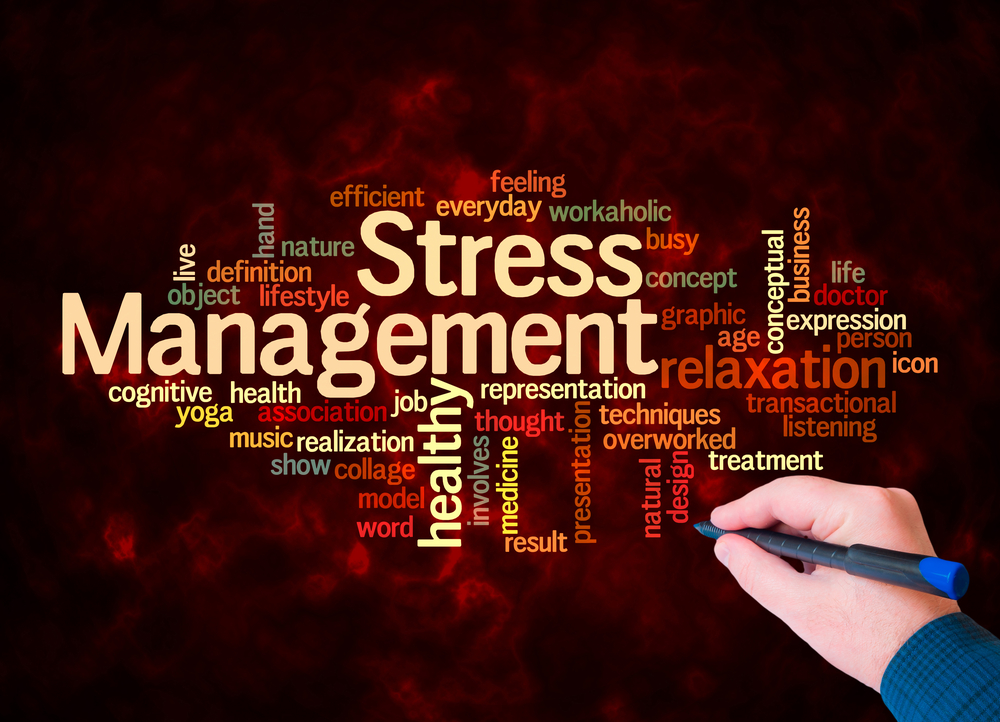
Word Cloud with STRESS MANAGEMENT concept create with text only.

Written by Charles Schubert.

Living with a chronic illness is not just about managing physical symptoms. It also takes a toll on your mental well-being. You feel overwhelmed and stressed sometimes. But here is the good news: effective stress management techniques exist for you to explore. From holistic care approaches inspired by innovative practices at places like AIHCP, there’s plenty of help available.

This guide is packed with strategies that prioritize both mind and body wellness for those facing ongoing health challenges. If you are curious about how simple changes can make a big impact on your life, you’re in the right place.

Let us dive into some game-changing ways to improve your quality of life while dealing with chronic illnesses.

  1. Mindfulness and Meditation in Stress Management

Exploring mindfulness and meditation opens up avenues for managing stress. These practices help cultivate focused awareness of the present moment, fostering calmness amid chronic illness challenges. Engaging in mindful breathing exercises or guided meditations also reduces anxiety by promoting relaxation.

Incorporating mindfulness into daily routines can also offer more than temporary relief. Over time, it rewires brain patterns to respond less reactively to stressors. Patients notice improved emotional resilience with consistent practice as they become adept at observing thoughts without judgment.

Resources like mobile apps and online platforms offer easy access to tailored meditation programs suitable for different needs and schedules. Committing just five minutes a day can spark change without overwhelming one’s schedule.

  1. Nutrition for Stress Reduction

Nourishing your body also plays a crucial role in managing stress levels, particularly for those with chronic illnesses. Foods rich in antioxidants, omega-3 fatty acids, and B vitamins can support brain health and mood regulation. Integrating more leafy greens, nuts, fish like salmon, and fruits such as berries into meals provides these essential nutrients. Hydration is equally vital; water aids bodily functions that keep you feeling balanced.

Planning meals thoughtfully can also help stabilize blood sugar levels and prevent stress-induced cravings. Consistency matters here; aim to maintain regular eating patterns to fuel the body consistently throughout the day.

In some cases, specific dietary needs require consulting healthcare professionals or nutritionists who specialize in chronic illness management.

  1. Physical Activity as a Stress Reliever

Pairing good nutrition with physical activity can significantly enhance your stress management efforts. Regular exercise releases endorphins, the body’s natural mood lifters, which help combat feelings of anxiety and depression common in chronic illnesses. You do not need to run marathons; even light activities like walking or stretching contribute significantly.

Personalized exercise routines cater to individual capabilities and preferences. Yoga or tai chi can also offer gentle yet effective ways to reduce tension while improving flexibility and balance.

Carving out time for physical movement benefits mental health, improves cardiovascular function, and boosts overall energy levels. If joining a class is not an option right now, online resources abound with guided workouts suitable for different fitness levels. Remember that consistency trumps intensity when integrating physical activity into daily life amidst health challenges.

  1. Importance of Social Connections and Support Networks

Combining physical activity with social engagement enhances stress management for chronic illness patients. Human connections provide emotional support, a crucial buffer against the isolation those managing ongoing health conditions often feel.

If you have a condition like Hashimoto’s thyroiditis, which causes fatigue and depression due to autoimmune-related thyroid dysfunction, engaging with others helps lift your spirits.

Family members or friends can accompany you on walks or other light exercises to blend fitness with companionship. Joining support groups also offers shared experiences that foster understanding and camaraderie among people facing similar challenges.

Exploring social security disability benefits can provide financial assistance while adjusting work commitments around health needs if you have Hashimoto’s or any other condition that leaves you unable to work. Such benefits may help ease stressors related to managing chronic conditions like Hashimoto’s by offering a safety net for essential expenses.

  1. Cognitive Behavioral Techniques for Mental Resilience

The strength gained from supportive networks extends further with cognitive behavioral techniques. These methods equip chronic illness patients to navigate mental hurdles, complementing the emotional support from social connections. Understanding how thoughts influence feelings and behaviors enables you to identify negative patterns contributing to stress.

Developing coping strategies through cognitive restructuring encourages healthier responses to challenging situations, such as managing flare-ups. Also, setting realistic goals for self-care helps boost confidence and motivation, turning overwhelming tasks into manageable steps.

Professional guidance from therapists can deepen your understanding of these techniques, helping you tailor them effectively to individual needs. Incorporate journaling because it offers a practical approach. Capturing your thoughts helps clarify emotions and track progress over time on this journey toward mental resilience amid chronic health challenges.

  1. Harnessing Technology for Stress and Illness Management

Expanding mental resilience through cognitive techniques can also be complemented by technology’s growing role in health management. Digital tools, like mobile apps and wearables, provide practical solutions to track symptoms, medication schedules, and stress levels. Chronic illness patients gain insights into their condition with data analytics.

These technologies offer personalized interventions that align with your lifestyle preferences and health goals. From guided meditation apps promoting mindfulness to fitness trackers encouraging physical activity consistency, the options are vast. Telehealth platforms enable convenient consultations without travel-related fatigue.

Finding a blend of technological aids that fit seamlessly into daily routines makes managing chronic conditions less daunting. When leveraging these resources, the goal is to take control of stressors while staying informed about emerging trends tailored specifically for chronic illness care needs. So the more easily it fits into your needs, the better it will be for you.

  1. Environmental Adjustments to Alleviate Stress

Utilizing technology for stress management becomes even more effective with supportive environmental adjustments. Your surroundings can significantly impact your mental and physical well-being, especially when living with chronic illness. For example, a clutter-free home can help promote calmness by reducing sensory overload.

Consider integrating natural elements like plants or calming color schemes to create a serene atmosphere. Lighting also plays an important role; bright light exposure helps regulate sleep cycles that are often disrupted by autoimmune disorders.

Another thing you may want to consider is establishing designated relaxation areas within the home. This space can act as your dedicated space for unwinding through meditation or gentle exercises. These thoughtful changes can reduce daily stressors while enhancing overall comfort, providing much-needed respite amidst life’s challenges related to chronic illnesses.

  1. Holistic Approaches in Chronic Illness Care

Adopting holistic care approaches for chronic illness management is pretty effective at managing stress for patients living with a chronic condition.

This method focuses on treating the whole person, not just symptoms, ensuring that emotional and physical aspects receive equal attention. You may want to explore practices such as acupuncture or massage therapy; they often complement conventional treatments by easing tension.

Incorporating dietary supplements like herbal teas, known for their calming properties, can also support relaxation and well-being. Working alongside healthcare providers familiar with holistic techniques enables you to tailor a comprehensive plan addressing individual needs effectively.

Balancing these integrative therapies within your routine promotes harmony between body and mind.

As an evolving field of study, holism encourages continuous learning about innovative ways to enhance health outcomes amid ongoing challenges faced by those living with chronic conditions.

  1. Embracing Art and Creativity for Stress Relief

Expanding upon holistic approaches can naturally lead you to the therapeutic power of art and creativity. These outlets provide an emotional escape, offering relief from stress associated with chronic illnesses. Painting, drawing, or crafting allow self-expression that transcends verbal communication limits.

You do not need to be an artist to benefit; engaging in creative activities often stimulates brain regions linked with happiness and relaxation. You may consider participating in community workshops or online classes to encourage exploration while fostering connections with like-minded individuals who understand your journey.

Experimenting across various artistic mediums offers freedom without expectations of perfection. This creative release promotes mindfulness by focusing on present tasks instead of lingering worries about health challenges. Over time, cultivating a regular practice reinforces coping skills crucial for maintaining balance when managing long-term conditions.

  1. Pet Therapy for Emotional Support

Interacting with animals brings unique emotional support to those dealing with chronic illnesses. Pet therapy offers unconditional companionship that alleviates feelings of loneliness or anxiety. Dogs and cats are well-known for their comforting presence, but other pets like birds or fish also provide soothing effects.

Pets encourage routines vital for patients who struggle to maintain daily schedules due to fluctuating health conditions. Caring for an animal also fosters a sense of responsibility and purpose amidst challenging times.

This mutual bond often leads to increased resilience and improved mental well-being. If you can’t own one, consider exploring local volunteer opportunities at animal shelters that allow interaction without long-term commitment if ownership is not feasible right now.

  1. Prioritizing Rest and Sleep for Optimal Health

No stress management plan is complete without addressing the crucial role of rest and sleep in chronic illness care. Quality sleep restores energy, supports immune function, and balances emotions, all vital for managing ongoing health conditions effectively.

Create a calming bedtime environment by eliminating noise distractions or using blackout curtains if necessary. Incorporating relaxation techniques such as deep breathing or gentle stretching before bed also aids in unwinding from daily stressors.

Explore ways to establish regular sleeping patterns aligned with your body’s natural rhythms through consistent wake-up times and pre-sleep rituals tailored specifically around personal needs.

Future Perspectives in Stress Management

Looking ahead, stress management techniques for chronic illnesses will likely become even more personalized.

Medical research and technology advancements promise to uncover tailored interventions specific to each individual’s needs and conditions. You can expect to see more innovative tools that integrate genetic insights with lifestyle data to provide bespoke solutions.


Writer’s Bio 

Charles Schubert is a passionate health writer specializing in chronic illness care and stress management. With over a decade of experience in patient advocacy, Charles combines his personal experiences with expert insights to empower readers facing health challenges.

His writing often explores innovative holistic approaches and practical solutions for well-being. In his spare time, Charles enjoys hiking and practicing mindfulness meditation, drawing inspiration from nature’s healing power to inform his compassionate approach to healthcare writing.


Please also review AIHCP’s Stress Management Certification programs and see if it meets your academic and professional goals.  These programs are online and independent study and open to qualified professionals seeking a four year certification

Forensic Nursing Program: Navigating Ethical Dilemmas

Forensic nursing programs have emerged as a crucial component of the healthcare system, bridging the gap between medical care and legal proceedings. These specialized programs equip nurses with the skills to address the complex needs of patients who are victims of violence or trauma. The role of forensic nurses, including sexual assault nurse examiners (SANEs), has become increasingly important in providing compassionate care while collecting and preserving evidence.

Nursing ethics are important also in forensic nursing. Forensic nurses are held to same high standards within their specialty area

Forensic nursing practice involves navigating a myriad of ethical challenges. This article explores the ethical foundations of forensic nursing and delves into key issues such as obtaining consent in trauma situations, collaborating with multidisciplinary teams, and maintaining cultural competence. It also examines the ethical use of technology in forensic nursing and the importance of self-care for practitioners. By addressing these topics, we aim to provide insights into the ethical considerations that shape forensic nursing certificate programs and guide ethical practice in this vital field.

Please also review AIHCP’s Forensic Nursing Program and see if it meets your academic and professional goals.

Ethical Foundations of Forensic Nursing

The ethical foundations of forensic nursing programs are built upon a complex framework that guides practitioners in navigating the unique challenges of their field. These foundations are essential for maintaining the integrity of forensic nursing practice and ensuring that patients receive compassionate, competent care while also serving the needs of the criminal justice system.

Professional codes of ethics

Forensic nursing programs rely heavily on established professional codes of ethics to guide their practice. The American Nurses Association (ANA) Code of Ethics with Interpretive Statements serves as a cornerstone for ethical decision-making in nursing, including forensic nursing. This code provides a framework for nurses to approach ethical dilemmas and make informed choices that align with the profession’s values.

The International Association of Forensic Nurses (IAFN) has also developed its own Vision of Ethical Practice. This document serves as a guide for looking at ethical issues within forensic nursing and is designed to encourage, rather than enforce, a standard of practice. It emphasizes the importance of providing forensic nursing care in a manner that respects the uniqueness of each patient or client.

Forensic nurses are expected to aspire to the highest standards of ethical nursing practice. This includes collaborating with healthcare providers and other professionals worldwide to promote ethically informed and culturally competent practices. When faced with ethical choices, forensic nurses should use recognized ethical frameworks for decision-making, guided by the principles of autonomy, justice, beneficence, and non-maleficence.

Ethical principles specific to forensic practice

Forensic nursing practice involves unique ethical considerations due to its intersection with both the healthcare system and the criminal justice system. This dual role can lead to conflicts between the needs of the patient and the requirements of the legal system.

To address these challenges, forensic nursing programs emphasize the importance of clear policies and procedures. These guidelines cover critical areas such as informed consent, providing examinations for unconscious patients, and collecting evidence from non-consenting suspects. By having these protocols in place, nurses can provide ethical care in many complex situations.

The Forensic Nursing Certification Board (FNCB), which serves as the certifying body for forensic nurses globally, plays a crucial role in defining and maintaining ethical standards. The FNCB emphasizes the importance of continued competence through certification and maintenance of certification. This involves acquiring new knowledge through continuing education, attending educational events, reviewing literature, and validating practice competence through employer evaluations.

Forensic nursing programs also stress the importance of cultural competence in ethical practice. Nurses are taught to acknowledge the value and dignity of all human beings and to strive to create an environment where violence is not accepted. This includes understanding societal factors, such as oppression, that contribute to violence.

In research and scientific contributions, forensic nurses are expected to ensure thoroughness, accuracy, and unbiased design and presentation. They are also required to incorporate evidence-based knowledge in practice decisions and disclose any conflicts of interest.

Forensic nursing programs emphasize the importance of seeking guidance when faced with ethical dilemmas. Most hospitals have risk managers and ethics committees, and forensic nurses are taught to be aware of how these resources function and when to contact them with concerns. This approach ensures that ethical decision-making goes beyond individual judgment and considers legal implications and patient autonomy.

Navigating Consent in Trauma Situations

Individuals suffering from trauma need good forensic nurses to provide not only care but also promise too abide by all ethical considerations in their treatment and disclosure

Obtaining informed consent in forensic nursing programs presents unique challenges, especially when dealing with patients who have experienced trauma. The process becomes even more complex in emergency situations where time is of the essence. Forensic nurses must navigate these delicate scenarios with care, ensuring that they respect patient autonomy while fulfilling their professional obligations.

Obtaining informed consent from vulnerable patients

In forensic nursing practice, obtaining informed consent from vulnerable patients is a significant ethical challenge. Patients must be fully aware of the procedures they will undergo, not only for medical treatment but also for evidence collection that may affect legal proceedings. This becomes particularly complex when dealing with victims who are minors, mentally incapacitated, or severely traumatized.

Forensic nursing programs emphasize that consent is more than just obtaining a signature on a form. It involves helping patients make informed decisions about their care. This process requires clear communication and patience, especially when working with vulnerable individuals who may have difficulty understanding or processing information due to their trauma.

For patients with cognitive impairments related to age or disability, forensic nurses must determine their legal ability to consent. In some cases, a designated person may have the authority to make healthcare decisions on behalf of the patient. Forensic nursing certificate programs teach nurses to recognize and respect these legal arrangements while still striving to involve the patient in the decision-making process to the extent possible.

Ethical considerations in emergency forensic examinations

Emergency forensic examinations present unique ethical dilemmas for forensic nurses. In these situations, the need to collect time-sensitive evidence must be balanced against the patient’s right to give informed consent. Forensic nursing programs provide guidance on how to handle these challenging scenarios.

One key consideration is the patient’s capacity to provide consent. Patients who are unconscious, heavily intoxicated, or experiencing severe psychological distress may not be able to give informed consent at the time of examination. In such cases, forensic nurses must follow established protocols that address when to wait for the patient to regain consciousness, how to obtain consent from another authorized person, or how to collect and preserve evidence until consent can be legally obtained.

Forensic nursing practice also emphasizes the importance of ongoing consent throughout the examination process. Patients should be aware that they can decline any procedure or part of the examination at any time. This approach respects patient autonomy and helps to build trust, which is crucial when working with trauma survivors.

In emergency situations, forensic nurses must also consider the potential impact of trauma on a patient’s ability to understand the long-term implications of consent given at the time of examination. Forensic nursing programs teach nurses to provide clear, concise information and to reassess the patient’s understanding throughout the process.

Navigating consent in trauma situations requires forensic nurses to balance legal requirements, ethical obligations, and patient-centered care. By adhering to established protocols and maintaining clear communication, forensic nurses can ensure that they respect patient rights while fulfilling their crucial role in the healthcare and legal systems.

Ethical Challenges in Multidisciplinary Collaboration

Forensic nursing programs emphasize the importance of multidisciplinary collaboration in providing comprehensive care to patients affected by violence and trauma. However, this collaboration presents unique ethical challenges that forensic nurses must navigate. The intersection of healthcare and the legal system often leads to complex situations where the needs of the patient may conflict with the requirements of the criminal justice system.

Working with law enforcement and legal professionals

Forensic nurses work both with their patient and police an this involves numerous ethical boundaries

Forensic nurses frequently interact with law enforcement officers and legal professionals as part of their role. This collaboration can create ethical dilemmas, particularly when the priorities of these different disciplines do not align. For instance, law enforcement may request that a nurse limit documentation about a patient’s mental health status or previous history of drug abuse to prevent potentially damaging information from being available to a defense attorney. However, failing to document such findings may directly violate the nurse practice act and compromise patient care.

Forensic nursing practice requires a delicate balance between fulfilling legal obligations and maintaining ethical standards of patient care. Nurses must be able to justify their actions based on the healthcare needs of the patient, rather than the prosecutorial needs of the criminal justice system. This often involves clear communication with law enforcement and legal professionals about the nurse’s ethical obligations and the importance of comprehensive patient care.

To address these challenges, forensic nursing programs stress the importance of having clear policies and procedures in place. These guidelines help nurses navigate complex situations, such as obtaining informed consent, providing examinations for unconscious patients, and collecting evidence from non-consenting suspects. By adhering to established protocols, forensic nurses can provide ethical care while fulfilling their legal responsibilities.

Maintaining nursing ethics in collaborative settings

Forensic nurses must uphold their professional ethics while working in collaborative settings that may have different priorities. The American Nurses Association Code of Ethics serves as a framework for ethical decision-making in these situations. Additionally, the International Association of Forensic Nurses has published a Vision of Ethical Practice, which provides guidance specifically for forensic nursing.

One of the primary ethical considerations in collaborative settings is maintaining patient confidentiality while fulfilling legal obligations. Forensic nurses often have access to sensitive information that could impact a legal case. Deciding what information to share with law enforcement and what should remain confidential to protect the patient’s privacy requires careful ethical consideration.

To navigate these ethical dilemmas, forensic nursing programs emphasize the importance of ongoing education and training in ethics. Many programs encourage peer discussions and participation in ethical review boards to ensure that practices align with both medical ethics and legal standards. Forensic nurses are also taught to be aware of resources such as hospital risk managers and ethics committees, and when to seek their guidance on complex ethical issues.

Ultimately, maintaining nursing ethics in collaborative settings requires a strong understanding of both healthcare and legal systems. Forensic nurses must be prepared to advocate for their patients’ rights and well-being while also fulfilling their responsibilities to the justice system. This delicate balance is at the heart of ethical practice in forensic nursing and underscores the importance of comprehensive training in forensic nursing programs.

Cultural Competence and Ethical Practice

Cultural competence plays a crucial role in forensic nursing programs, as nurses are called to care for patients and families from diverse backgrounds and cultural groups. As the United States becomes increasingly diverse, with projections indicating a ‘majority-minority’ population by 2044, healthcare providers, especially forensic nurses, must be well-equipped to work with diverse populations.

Addressing cultural diversity in forensic nursing

Forensic nursing practice requires a shift from the traditional focus on cultural competence to a more nuanced approach of cultural humility. This concept emphasizes self-reflection, critique, partnership-building, and lifelong learning. Cultural humility involves valuing each person’s cultural and educational backgrounds, including life experiences, which is critical in promoting diversity within forensic nursing programs.

By practicing cultural humility, forensic nurses can ensure that their messages are communicated in a culturally acceptable manner, demonstrating respect for patients and their cultures. This approach allows nurses to learn from patients by listening to their experiences and life stories, leading to a better understanding of diverse perspectives.

Forensic nursing certificate programs stress the importance of ongoing education and training in cultural competence. Many programs encourage peer discussions and participation in ethical review boards to ensure that practices align with both medical ethics and cultural sensitivity. This approach helps forensic nurses navigate the complex intersections of healthcare, legal systems, and diverse cultural backgrounds.

Ethical considerations in cross-cultural forensic care

When providing forensic nursing care across cultural boundaries, several ethical considerations come into play. Forensic nurses must acknowledge the value and dignity of all human beings and strive to create an environment where violence is not accepted. This includes understanding societal factors, such as oppression, that contribute to violence and recognizing their role in prevention.

Establishing trust is critical in building successful relationships with patients from diverse backgrounds. Trust is a multidimensional concept that involves honoring others’ expectations, boundaries, and perspectives as valid. In cross-cultural forensic care, trust-building behaviors include creating an environment of openness and transparency that leads to a sense of community and shared purpose.

Forensic nursing programs emphasize the importance of being aware of potential biases and working to eliminate their effects. This aligns with the American Psychological Association’s Ethics Code, which calls for respect for cultural, individual, and role differences based on various factors such as race, ethnicity, culture, and socioeconomic status.

When evaluating trauma survivors from different cultural backgrounds, forensic nurses must consider how an individual’s cultural context impacts their experiences of traumatic events and interactions with the legal system. This sensitivity is particularly important in forensic contexts, where there’s a need to delineate the specific impact and potential harm experienced as a result of a traumatic event.

Forensic nursing practice in cross-cultural settings also requires an understanding of how various aspects of identity can increase the likelihood of experiencing traumatic events and developing dissociative symptoms, particularly for individuals from disempowered groups within the dominant culture. This knowledge helps forensic nurses provide more comprehensive and culturally sensitive care.

By incorporating these ethical considerations and cultural competence strategies into their practice, forensic nurses can provide more effective, compassionate care while fulfilling their crucial role in the healthcare and legal systems.

Ethical Use of Technology in Forensic Nursing

The role of forensic nursing has been significantly enhanced by technological advancements, allowing for more efficient and accurate evidence collection, improved patient care, and better collaboration with law enforcement agencies. However, these advancements also bring ethical challenges that forensic nursing programs must address.

Digital evidence collection and privacy

Forensic nurses now have access to sophisticated digital tools that aid in the collection and preservation of evidence. DNA technology has become an integral part of forensic nursing, helping to examine and analyze evidence carefully collected from victims of violence. This technology can assist in determining the weapons used in violent altercations, identifying individuals present at crime scenes, and even establishing the identity of victims in mass traumatic events.

Alternative light sources have also become essential tools for forensic nurses. These devices can detect injuries and bruises beneath a victim’s skin, making them particularly useful in documenting cases of strangulation. High-definition digital cameras allow for detailed documentation of injuries and crime scenes, providing crucial visual evidence for legal proceedings.

However, the use of these technologies raises important ethical considerations regarding patient privacy and data security. Forensic nursing programs must emphasize the importance of obtaining informed consent from patients before collecting digital evidence. Nurses must also be trained in proper data management techniques to ensure that sensitive information is protected from unauthorized access or breaches.

How DNA of patients is collected and properly disclosed to only appropriate parties is a key ethical concern of a forensic nurse

Telemedicine in forensic nursing practice

Telemedicine has gained significant traction in forensic nursing, particularly in areas with limited access to specialized providers. Telehealth applications have shown promising results in improving the confidence of providers in their forensic examination skills, enhancing the quality of care, and increasing patient satisfaction.

Synchronous or live videoconferencing has been found to be particularly helpful in serving patients presenting for medical forensic services. This technology allows for real-time feedback, guiding bedside nursing staff through the evidence collection process, providing staffing support, and alleviating staffing burdens. Telemedicine has also proven valuable in pediatric sexual abuse care and forensic examinations, enabling higher quality evaluations, more complete examinations, and more accurate diagnoses in areas with limited access to specialized providers.

However, the use of telemedicine in forensic nursing raises ethical concerns related to patient confidentiality and the security of sensitive information transmitted over digital platforms. Forensic nursing programs must address these concerns by incorporating training on secure communication protocols and ensuring that telemedicine practices comply with relevant privacy laws and regulations.

As technology continues to evolve, forensic nursing programs must stay at the forefront of ethical considerations in digital evidence collection and telemedicine. By addressing these ethical challenges, forensic nurses can harness the power of technology to provide better care for patients while maintaining the highest standards of privacy and confidentiality.

Self-Care and Ethical Practice

Forensic nursing programs emphasize the importance of self-care as an essential component of ethical practice. The demanding nature of forensic nursing roles, particularly for sexual assault nurse examiners (SANEs), can have a significant impact on nurses’ emotional and psychological well-being. Recognizing and addressing these challenges is crucial for maintaining professional competence and providing high-quality care to patients.

Managing vicarious trauma

Forensic nurses frequently encounter patients who have experienced traumatic events, which can lead to vicarious trauma. This process of change results from empathetic engagement with trauma survivors and can affect anyone who works closely with victims of violence. Common signs of vicarious trauma include lingering feelings of anger or sadness about a patient’s victimization, over-identification with patients, and difficulty maintaining professional boundaries.

To address vicarious trauma, forensic nursing practice should incorporate strategies for self-observation and self-care. This includes recognizing and charting signs of stress, engaging in relaxing activities, and maintaining a healthy work-life balance. Forensic nursing programs should educate nurses about vicarious trauma and equip them with tools to manage its effects.

Maintaining ethical standards while addressing personal well-being

Balancing professional responsibilities with personal well-being is essential for preventing burnout and ensuring sustained job satisfaction in forensic nursing. The International Association of Forensic Nurses expects its members to aspire to the highest standards of ethical nursing practice while also acknowledging the importance of self-care.

To maintain ethical standards while addressing personal well-being, forensic nurses should:

  1. Seek social support from colleagues and participate in peer support systems.
  2. Engage in regular self-reflection and use recognized ethical frameworks for decision-making.
  3. Incorporate evidence-based knowledge in practice decisions.
  4. Maintain a balanced caseload, mixing more and less traumatized clients.
  5. Take regular breaks and time off when needed.

Forensic nursing certification programs should emphasize that self-care is not a sign of weakness but a crucial aspect of maintaining professional competence. By re-conceptualizing self-care as a communal activity, forensic nurses can create a culture of support where they openly share struggles and provide feedback to one another.

Ultimately, integrating self-care into professional identity can be a source of strength for forensic nurses, enabling them to uphold ethical standards while effectively managing the unique challenges of their role in the healthcare system.

Conclusion

Please also review AIHCP’s Forensic Nursing Program and see if it meets your academic and professional goals

Forensic nursing programs play a crucial role in bridging the gap between healthcare and the legal system. These programs equip nurses with the skills to handle complex ethical dilemmas, from obtaining consent in trauma situations to maintaining cultural competence. The ethical use of technology and the importance of self-care are also key aspects that have an impact on the field. By addressing these challenges, forensic nurses can provide better care for patients while upholding the highest ethical standards.

To wrap up, the field of forensic nursing continues to evolve, bringing new opportunities and challenges. As the healthcare landscape changes, forensic nursing programs must stay ahead of the curve to prepare nurses to handle ethical issues effectively. By focusing on ongoing education, cultural humility, and self-care, forensic nurses can maintain their ethical standards while providing crucial support to patients and the justice system. This balanced approach ensures that forensic nursing remains a vital and respected field in the years to come.

Please also review AIHCP’s Forensic Nursing Program and see if it matches your academic and professional goals.  The program and certification is online and independent study with mentorship as needed.

FAQs

  1. What ethical conflicts do forensic nurses encounter?
    • Forensic nurses often face ethical conflicts that arise from their dual responsibilities: caring for the health and well-being of their patients while also fulfilling crucial roles in the justice system.
  2. Can you describe some ethical challenges specific to forensic science?
    • Ethical challenges in forensic science typically include maintaining confidentiality, managing dual relationships, ensuring informed consent, addressing deception in research, and sustaining objectivity during court testimonies as expert witnesses.
  3. What are some common challenges faced by forensic nurses?
    • Forensic nurses frequently deal with stressful, traumatic, and high-pressure situations that can lead to professional exhaustion. A significant challenge they face is managing the vicarious trauma that comes from their work environments.
  4. Could you provide examples of ethical dilemmas common in general nursing practice?
    • Common ethical dilemmas in nursing practice encompass issues like end-of-life care decisions, balancing patient confidentiality with the necessity of sharing information, challenges related to informed consent, allocation of limited healthcare resources, and reconciling patient autonomy with medical advice.
Additional Resources
“Ethical Practice in Forensic Nursing”. Duquesne University.  Access here
“Vision of Ethical Practice”. International Association of Forensic Nurses. Access here
Tsunematsu, K. et al. (2021). “Ethical Issues Encountered by Forensic Psychiatric Nurses in Japan”.  J Forensic Nurs. 2021 Jun 7;17(3):163–172.  National Library of Medicine. Access here

Healthcare Ethics and Assisted Suicide: Legal and Moral Perspectives

By – James M. Katz, BA

Healthcare ethics plays a crucial role in shaping medical practices and end-of-life options. The debate surrounding assisted suicide has become a focal point in discussions about patient autonomy and the principles of healthcare ethics. This complex issue involves legal, moral, and medical considerations that impact patients, healthcare providers, and society as a whole.

This article explores the evolution of assisted suicide laws and examines ethical arguments both for and against the practice. It delves into the role of physicians in assisted suicide and considers the potential societal implications of legalizing this end-of-life option. The discussion also touches on related topics such as hospice care, palliative care, and the concept of death with dignity, providing a comprehensive overview of this challenging healthcare ethics issue.

Healthcare Ethics and the Evolution of Assisted Suicide Laws

Historical context

The debate surrounding assisted suicide has a long and complex history, rooted in ancient philosophical and medical traditions. In ancient Greece and Rome, physicians sometimes offered drugs to their patients with the intent to commit suicide. However, major religions and the Hippocratic Oath condemned the practice of physician-assisted death. The modern debate over assisted suicide began in 1870 when Samuel Williams, a nonphysician, addressed a group of doctors and suggested that euthanasia, which he termed “mercy killing,” be considered for cases of untreatable illness.Assisted Dying - Practice Where a Terminally Ill Individual Receives Medical Assistance to End Their Life Peacefully - Conceptual Illustration

Public support for euthanasia or physician-assisted death varied throughout the 20th century. There was an increase in support during the Great Depression era of the 1930s, which then decreased following the atrocities of World War II. In the 1980s, pathologist Jacob “Jack” Kevorkian brought physician-assisted death back into the national debate by developing a device for people to self-administer a lethal dose of medication. Kevorkian assisted his first patient in ending her life in 1990 and went on to assist 130 more patients over the next eight years.

Current legal landscape in the US

The legal landscape of assisted suicide in the United States has undergone significant changes in recent years. In 1997, Oregon became the first state to legalize physician-assisted death under its Death With Dignity Act. This act allows physicians to prescribe lethal medication to patients to self-administer to end their lives. Since then, several other states have enacted their own legislation to legalize physician-assisted death.

As of 2024, physician-assisted death, also known as medical aid in dying, is legal in eleven US jurisdictions: California, Colorado, the District of Columbia, Hawaii, Montana, Maine, New Jersey, New Mexico, Oregon, Vermont, and Washington. These laws generally state that actions taken in accordance with the act shall not constitute suicide, assisted suicide, mercy killing, or homicide under the law. This distinction separates the legal act of medical aid in dying from the act of helping someone die by suicide, which remains prohibited in most states.

It’s important to note that the legalization of physician-assisted death does not include euthanasia, which remains prohibited throughout the entire United States. The current laws typically require patients to be 18 years or older, residents of states where the practice is legal, and have six months or less to live. Patients must also be mentally competent and make multiple requests for the medication through both verbal and written means, ensuring voluntary decision-making.

International perspectives

Outside the United States, several countries have legalized various forms of assisted dying. The Netherlands was one of the first countries to legalize both euthanasia and physician-assisted suicide in 2001. Belgium followed suit in 2002, and Luxembourg legalized the practice in 2009. These countries permit doctors to prescribe drugs for self-administration and to administer the drugs themselves under specific circumstances.

Switzerland has a unique approach, allowing individuals to assist in another’s suicide as long as the motive for doing so is not “selfish.” This has led to the establishment of organizations providing assisted suicide services under certain regulations since 1985. Canada legalized medical assistance in dying in 2016, following a Supreme Court ruling that the ban on assisted dying violated citizens’ rights.

In recent years, more countries have joined the list of those legalizing assisted dying. Australia has seen several states, including Victoria and Western Australia, pass legislation permitting doctors to prescribe drugs for self-administration and, in some cases, to administer the drugs. New Zealand’s End of Life Choice Act came into force in November 2021, allowing doctors to prescribe drugs for self-administration or to administer the drugs if requested by an individual. As the global landscape continues to evolve, the debate surrounding assisted dying remains complex and multifaceted, involving legal, ethical, and cultural considerations.

Ethical Arguments For Assisted Suicide

Patient autonomy

One of the primary ethical arguments in favor of assisted suicide is the principle of patient autonomy. This concept emphasizes the right of individuals to make decisions about their own healthcare, including end-of-life choices. Supporters of assisted suicide argue that terminally ill patients should have the freedom to determine the circumstances of their death, just as they have control over other aspects of their medical care throughout their lives.

The principle of autonomy is deeply rooted in modern medical ethics and serves as the foundation for informed consent in healthcare settings. Proponents of assisted suicide contend that this logic naturally extends to end-of-life decisions, allowing patients to exercise control over their final moments. They argue that respecting a patient’s autonomy in this context is a fundamental aspect of healthcare ethics and aligns with the broader principles of self-determination and personal dignity.

Relief of suffering

Another significant ethical argument for assisted suicide is the relief of suffering. Advocates argue that providing assisted dying can be in a patient’s best interests when it alleviates and prevents unbearable pain and distress. This perspective is grounded in the principle of beneficence, which emphasizes the duty of healthcare providers to act in the best interests of their patients.

Supporters of assisted suicide point out that modern palliative care, while generally effective, may not always be sufficient to alleviate all forms of suffering. They argue that in cases where pain control is inadequate or where patients experience extreme physical or mental deterioration, assisted suicide can offer a compassionate alternative to prolonged suffering.

It’s important to note that physical pain is not always the primary reason patients request assisted dying. Many terminally ill individuals cite concerns such as loss of dignity, fear of becoming a burden to others, and the desire to avoid a prolonged and undignified dying process as motivations for seeking assisted suicide.

Dignity in death

The concept of dignity in death is a central argument in favor of assisted suicide. Proponents argue that allowing individuals to choose the timing and manner of their death preserves their dignity and personal values. This argument is closely tied to the ideas of patient autonomy and relief of suffering, as it emphasizes the importance of respecting an individual’s wishes and values at the end of life.

Advocates for assisted suicide contend that forcing terminally ill patients to endure a prolonged dying process against their will can be seen as cruel and inhumane. They argue that providing the option of assisted dying allows individuals to maintain control over their lives until the very end, ensuring that their final moments align with their personal beliefs and values.Healthcare Ethics: Euthanasia yes or no symbol. Male hand turns cubes and changes words 'Euthanasia yes' to 'Euthanasia no'. Medical and euthanasia yes or no concept. Beautiful orange background, copy space.

It’s worth noting that the ethical arguments for assisted suicide are complex and multifaceted. Critics raise concerns about the potential for abuse, the impact on vulnerable populations, and the role of physicians in ending life. However, proponents argue that with proper safeguards and regulations in place, assisted suicide can be a compassionate and ethical option for those facing terminal illness and unbearable suffering.

As the debate surrounding assisted suicide continues, it remains a challenging and contentious issue in healthcare ethics, requiring careful consideration of the principles of autonomy, beneficence, and human dignity.

Ethical Arguments Against Assisted Suicide in Healthcare Ethics

Sanctity of life

The concept of the sanctity of life serves as a fundamental argument against assisted suicide and euthanasia. This principle holds that human life has inherent value and dignity, regardless of circumstances or quality of life. Opponents of assisted suicide argue that allowing such practices weakens society’s respect for the sanctity of life and implies that some lives are worth less than others.

The idea of Imago Dei, or the belief that humans are created in the image of God, informs the view that all human life is intrinsically good and valuable. This perspective suggests that a person’s worth is not determined by external factors such as disabilities, socio-economic conditions, or health status. Instead, human life is considered valuable precisely because of its likeness to the eternal, transcending material circumstances.

Respect for human life is often seen as the cornerstone of a moral society. Advances in medicine and technology, according to this view, should serve to affirm the worth of every human life rather than provide means to end it. Critics of assisted suicide argue that accepting such practices could lead to a slippery slope where the value of human life is increasingly diminished.

Potential for abuse

One of the primary concerns raised by opponents of assisted suicide is the potential for abuse. Critics argue that legalizing assisted suicide could lead to a situation where vulnerable populations, such as the elderly, disabled, or economically disadvantaged, feel pressured to end their lives prematurely.

The slippery slope argument suggests that once assisted suicide is legalized, it becomes difficult to maintain strict boundaries. Opponents point to examples from countries where assisted suicide has been legalized, such as the Netherlands. They argue that over time, the criteria for eligibility have expanded, and the practice has extended beyond its original intent.

There are concerns that financial considerations could influence end-of-life decisions. In a healthcare system where resources are limited, some fear that assisted suicide might be seen as a cost-effective alternative to prolonged care. This could potentially lead to subtle pressures on patients to choose death, especially if they feel they are a burden to their families or society.

Hippocratic oath and medical ethics

The Hippocratic Oath, which has long guided medical ethics, includes a commitment to “do no harm” and specifically prohibits giving a deadly drug to anyone who asks for it. Opponents of assisted suicide argue that the practice fundamentally conflicts with the physician’s role as a healer and could erode patient trust in the medical profession.

Critics contend that involving physicians in ending life could undermine the integrity of the medical profession and the trust patients place in their doctors. They argue that the primary responsibility of healthcare providers should be to relieve pain and suffering through palliative care and comfort measures, rather than hastening death.
Furthermore, some argue that legalizing assisted suicide could create a conflict of interest for physicians, potentially compromising their commitment to preserving life. This could lead to a situation where doctors might be perceived as having the power to decide whose life is worth living, which could be particularly concerning for vulnerable patients.

In conclusion, the ethical arguments against assisted suicide emphasize the importance of preserving the sanctity of life, protecting vulnerable populations from potential abuse, and maintaining the integrity of the medical profession. These concerns highlight the complex ethical considerations surrounding end-of-life decisions in healthcare ethics.

The Role of Physicians in Assisted Suicide

The involvement of physicians in assisted suicide raises complex ethical and professional considerations. Physicians face a challenging dilemma when confronted with requests for aid in dying, as they must balance their duty to preserve life with their obligation to relieve suffering.

Professional obligations

Physicians have a fundamental responsibility to act in the best interests of their patients. This includes providing appropriate care, alleviating pain, and respecting patient autonomy. However, the concept of “best interests” in the context of assisted suicide is subject to debate. Some argue that assisting in a patient’s death cannot be considered a clinical improvement or serve the patient’s best interests from a medical standpoint.

The American Medical Association (AMA) maintains that physician-assisted suicide is fundamentally incompatible with the physician’s role as a healer. The AMA’s Code of Medical Ethics emphasizes that physicians should not abandon patients once cure is impossible, but instead must provide good communication, emotional support, and appropriate comfort care.

Conscientious objection

Many physicians have moral or ethical objections to participating in assisted suicide. The principle of conscientious objection allows healthcare providers to refuse to participate in practices that conflict with their deeply held personal beliefs. However, this right is not absolute and must be balanced against patient rights and access to care.

In jurisdictions where assisted dying is legal, healthcare institutions and individual providers may choose to opt out of participating. For example, in Victoria, Australia, while individual healthcare professionals can refuse to participate through conscientious objection, institutional objections are governed by policy. This can create challenges for patients seeking access to assisted dying services, particularly in rural or underserved areas.

Alternative end-of-life care options

Physicians have a crucial role in providing comprehensive end-of-life care, regardless of their stance on assisted suicide. This includes exploring all available options with patients who express a desire to end their lives. Alternative approaches may include:

1. Palliative care: Focusing on symptom management and quality of life for patients with serious illnesses.
2. Hospice care: Providing specialized care for terminally ill patients in their final months of life.
3. Voluntary stopping of eating and drinking: Supporting patients who choose to refuse nutrition and hydration to hasten death.
4. Palliative sedation: Administering medications to keep terminally ill patients unconscious and free from suffering in their final days.

These alternatives allow physicians to address patients’ end-of-life concerns and suffering without directly participating in assisted suicide.

In conclusion, the role of physicians in assisted suicide remains a contentious issue in healthcare ethics. While some argue that it falls within the scope of compassionate care, others maintain that it contradicts the fundamental principles of medical practice. As the debate continues, it is crucial for physicians to engage in thoughtful reflection on their professional obligations, personal beliefs, and the complex needs of patients facing end-of-life decisions.

Societal Implications of Legalizing Assisted Suicide

The legalization of assisted suicide has far-reaching consequences that extend beyond individual patient care, affecting vulnerable populations, healthcare resource allocation, and societal perceptions of death and dying. These implications require careful consideration as more jurisdictions contemplate end-of-life options and healthcare ethics policies.

Impact on vulnerable populations

One of the primary concerns surrounding the legalization of assisted suicide is its potential effect on vulnerable groups, including the elderly, disabled, and economically disadvantaged. Critics argue that legalizing this practice could lead to subtle pressures on these populations to choose death as an alternative to prolonged care or perceived burden on others. The disability rights group Not Dead Yet opposes legalizing physician-assisted suicide, contending that it is ableist and may result in patients foregoing other options that could improve their quality of life.

There is also concern that the lack of resources and affordable healthcare may push individuals with terminal illnesses towards assisted suicide as their only viable option. In Oregon, for example, 6.1% of individuals who utilized physician-assisted suicide in 2020 cited “financial implications of treatment” as one of the reasons for ending their life. This raises questions about whether societal failings in healthcare access and support are influencing end-of-life decisions.

Healthcare costs and resource allocation

The economic impact of legalizing assisted suicide is a complex and sensitive issue. Studies have suggested that providing medical assistance in dying could result in substantial savings for healthcare systems. In Canada, it was estimated that medical assistance in dying could reduce annual healthcare spending by between USD 34.70 million and USD 138.80 million, exceeding the direct costs associated with its implementation.

However, it is crucial to note that these potential savings should not be a driving factor in decision-making regarding end-of-life options. The ethical implications of considering cost savings in relation to assisted suicide are profound and could lead to undue influence on terminally ill patients to opt for this choice.

Changing perceptions of death and dying

The legalization of assisted suicide has the potential to transform societal attitudes towards death and dying. As end-of-life practices evolve, there has been a shift in public perception, with assisted suicide becoming more accepted in many prosperous countries. This change is particularly evident among younger generations who have grown up in more secure economic and healthcare conditions, forming self-expression values to a greater degree and placing less emphasis on traditional religiosity.

The increased media coverage of controversial cases has contributed to the erosion of taboos surrounding death and dying, potentially leading to more open discussions about end-of-life care and patient autonomy. However, this shift in perception also raises concerns about the potential devaluation of human life, particularly for those with disabilities or chronic illnesses.Healthcare Ethics Consultant sitting by the bed of a dying patient.

In conclusion, the societal implications of legalizing assisted suicide are complex and multifaceted. While it may offer a compassionate option for some individuals facing terminal illness, it also presents significant challenges in terms of protecting vulnerable populations, managing healthcare resources ethically, and shaping societal attitudes towards death and dying. As the debate continues, it is essential to carefully consider these implications and strive for a balance between individual autonomy and societal well-being in healthcare ethics.

Conclusion

The debate surrounding assisted suicide underscores the complex interplay between legal, ethical, and societal considerations in healthcare. As more jurisdictions grapple with end-of-life options, it’s clear that this issue has a profound impact on patient autonomy, medical ethics, and societal values. The ongoing discussion highlights the need to balance individual rights with the protection of vulnerable populations and to consider the broader implications for healthcare systems and social attitudes towards death and dying.

Moving forward, it’s crucial to continue thoughtful dialog and research to address the challenges and concerns raised by both supporters and critics of assisted suicide. This means exploring comprehensive end-of-life care options, strengthening palliative care services, and ensuring that any legal frameworks put in place have robust safeguards to protect against potential abuse. Ultimately, the goal should be to create a compassionate and ethical approach to end-of-life care that respects individual autonomy while upholding the fundamental value of human life.

Healthcare Ethics can cover a large field of moral and hypothetical questions. If you feel you could serve your patients better by learn more about health care ethics then please feel free to review the AIHCP’s certification in Health Care Ethics. For full information about the healthcare ethics certification program, please follow this link.

FAQs

1. What are the ethical views on suicide prevention?
Ethical justification for suicide prevention often argues that individuals contemplating suicide may not be in a position to make informed decisions about their care, primarily because suicidal tendencies are frequently seen as a symptom of mental illness.
2. What ethical considerations are involved in voluntary assisted dying (VAD)?
Voluntary assisted dying (VAD) allows individuals to decide the timing and circumstances of their own death, which proponents believe can enable a more dignified and peaceful end, avoiding prolonged and painful suffering.
3. What are the primary ethical dilemmas associated with healthcare euthanasia?
Ethical debates around euthanasia in healthcare often focus on two main issues: the potential conflict with the principle of nonmaleficence, which cautions against doing harm, and the criticism that laws like those in California are overly restrictive.
4. What ethical guidelines govern assisted suicide for physicians?
Physicians involved in euthanasia bear a unique responsibility as they directly facilitate the end of a patient’s life. Ethically, it is expected that they do not abandon their patients once it is clear that recovery is not possible, and should instead focus on addressing the comprehensive needs of those nearing the end of life.

Research Articles:

Euthanasia and assisted suicide in psychiatric patients: A systematic review of the literature. Raffaella Calati, Et Al. Journal of Psychiatric Research. Volume 135, March 2021, Pages 153-173.
Access link here

Should euthanasia and assisted suicide for psychiatric disorders be permitted? A systematic review of reasons. Nicolini ME, Kim SYH, Churchill ME, Gastmans C. Psychological Medicine. 2020;50(8):1241-1256.
Access link here

Euthanasia and assisted suicide in patients with personality disorders: a review of current practice and challenges. Mehlum, L., Schmahl, C., Berens, A. et al. bord personal disord emot dysregul 7, 15 (2020).
Access link here

US medical and surgical society position statements on physician-assisted suicide and euthanasia: a review. Barsness, J.G., Regnier, C.R., Hook, C.C. et al. BMC Med Ethics 21, 111 (2020).
Access link here

The Role of a Forensic Nurse in Sexual Assault Cases: A Comprehensive Guide

By – James M. Katz, BA

The role of a forensic nurse in sexual assault cases is crucial for providing compassionate care to survivors and collecting vital evidence. These specialized healthcare professionals bridge the gap between medical treatment and the legal system, offering a unique set of skills that combine nursing expertise with forensic science. Their work has a significant impact on both the healing process for victims and the pursuit of justice in sexual violence cases.

Forensic nurses, particularly those trained as Sexual Assault Nurse Examiners (SANE), perform several key functions in sexual assault cases. They conduct thorough medical examinations, gather and preserve forensic evidence, and offer emotional support to survivors. This guide will explore the various aspects of a forensic nurse’s responsibilities, including the sexual assault examination process, evidence collection techniques, and the legal considerations involved in their work. It will also highlight the importance of a victim-centered approach and the challenges forensic nurses may face when testifying in court.

What is a Forensic Nurse?

A forensic nurse is a registered nurse who combines the holistic care of nursing with principles from law, medicine, and science. This unique blend of skills allows them to provide specialized care for individuals who intersect with both the healthcare and legal systems. Forensic nurses play a vital role in bridging the gap between medical care and the criminal justice system, offering a comprehensive approach to patient care while also supporting legal proceedings.

Definition and qualifications

Forensic nursing is commonly defined as the application of forensic aspects of healthcare combined with the bio/psycho/social/spiritual education of registered nurses in the scientific investigation and treatment of trauma and/or death of victims and perpetrators of violence, criminal activity, and traumatic accidents. These specialized healthcare professionals work in various settings, including hospitals, community anti-violence programs, coroner and medical examiner offices, and correctional facilities.
To become a forensic nurse, individuals must first obtain a nursing degree and become licensed as a registered nurse. Many forensic nurses begin their careers with an Associate Degree in Nursing (ADN) or a Bachelor of Science in Nursing (BSN). While both paths can lead to a career in forensic nursing, a BSN may provide a more in-depth education and may be preferred by some employers.A woman crying with smudged makeup. What would the role of a forensic nurse be here?

Specialized training and certification

After obtaining their nursing license, aspiring forensic nurses must complete specialized training in forensic nursing. Many start their careers as Sexual Assault Nurse Examiners (SANEs), which requires completing a 40-hour didactic training program followed by approximately 40 hours of clinical training. This training covers topics such as survivor symptomology, documentation, history-taking skills, evidence collection, courtroom testimony, and forensic photography.

Certification is an important step in demonstrating expertise in the field of forensic nursing. The International Association of Forensic Nurses (IAFN) offers two professional credentials: the Sexual Assault Nurse Examiner-Adult/Adolescent (SANE-A®) and the Sexual Assault Nurse Examiner-Pediatric/Adolescent (SANE-P®). To be eligible for certification, nurses must have been practicing as registered nurses for a minimum of two years and meet other criteria determined by the Forensic Nursing Certification Board.

Key responsibilities in sexual assault cases

Forensic nurses, particularly those certified as SANEs, have several crucial responsibilities when working with sexual assault survivors. These include:

1. Conducting comprehensive medical forensic examinations, which involve documenting the assault history, performing a complete physical examination, and identifying and documenting injuries.
2. Collecting and preserving physical evidence, such as blood, tissue, and fluid samples, which may be crucial in legal proceedings.
3. Administering preventive medications for sexually transmitted infections and pregnancy.
4. Providing emotional support and counseling to victims and their families.
5. Offering referrals for advocacy and support services.
6. Testifying in court as expert witnesses, providing crucial information about the evidence collected and the care provided.

These examinations can take between two to four hours, depending on the nature and extent of injuries. Forensic nurses use specialized tools to detect and document injuries that may not be visible to the naked eye, ensuring thorough evidence collection.

In addition to their work with sexual assault survivors, forensic nurses may also be involved in other areas where healthcare and the legal system intersect, such as death investigation, legal nurse consulting, and caring for victims of other forms of interpersonal violence.

The Role of a Forensic Nurse in the Sexual Assault Examination Process

The sexual assault examination process is a critical component of the forensic nurse’s role in providing care to survivors of sexual violence. This comprehensive procedure involves several key steps, each designed to collect evidence, document injuries, and provide compassionate care to the patient.

Initial patient contact and consent

When a patient presents for a sexual assault examination, the forensic nurse’s first priority is to establish a safe and supportive environment. The nurse explains the examination process in detail, emphasizing that the patient has control over each step and can decline any part of the exam. Obtaining informed consent is crucial  and involves two separate processes: one for medical evaluation and treatment, and another for evidence collection and release.

The nurse must ensure that the patient understands the full nature of their consent to each procedure, including potential side effects, limits of confidentiality, and possible impacts. It’s important to note that patients can decline any part or all of the examination, but they should be made aware of how this may affect the quality of care and usefulness of evidence collection.

Medical history and assault history

Obtaining a thorough medical and assault history is essential for guiding the examination and evidence collection process. The forensic nurse asks detailed questions about the assault, including the type of contact that occurred, use of weapons or restraints, and any loss of consciousness. This information helps determine which areas to examine and what evidence to collect.

The nurse also gathers information about the patient’s medical history, including current medications, allergies, and recent consensual sexual activity. This information is crucial for providing appropriate medical care and interpreting forensic findings.

Physical examination and evidence collection

The physical examination is conducted systematically, with the forensic nurse documenting any injuries or areas of tenderness. The examination may include an oral, anal, and/or genital exam, depending on the reported assault. The nurse uses specialized equipment, such as a colposcope, to detect and document subtle injuries that may not be visible to the naked eye.

Evidence collection is a meticulous process that follows strict protocols to maintain the chain of custody. The nurse collects biological samples such as swabs from various body areas, fingernail scrapings, and hair combings. Clothing worn during or immediately after the assault is also collected and packaged separately.
The forensic nurse uses a sexual assault evidence collection kit, often referred to as a “rape kit,” which contains all necessary materials for collecting and preserving evidence. This may include swabs, envelopes, paper bags, and documentation forms.

Documentation and photography

Thorough documentation is crucial throughout the examination process. The forensic nurse records all findings, including the patient’s account of the assault, physical injuries, and evidence collected. This documentation becomes part of the medical forensic record and may be used in legal proceedings. Photography plays a significant role in documenting injuries and evidence. With the patient’s consent, the forensic nurse takes photographs of visible injuries, using scales for size reference. These images can supplement the written documentation and provide visual evidence for potential legal proceedings.

The sexual assault examination process is designed to be comprehensive while prioritizing the patient’s well-being and autonomy. By following these steps, forensic nurses play a crucial role in collecting vital evidence while providing compassionate care to survivors of sexual assault.

Evidence Collection and Preservation

The role of a forensic nurse in evidence collection and preservation is crucial in sexual assault cases. These specialized healthcare professionals must follow strict protocols to ensure the integrity of the evidence collected. The process involves various types of evidence, proper collection techniques, and maintaining a chain of custody.
Types of evidence collected by forensic nurses include clothing, debris, fingernail clippings, foreign materials from the body surface, hair combings, and oral and anogenital swabs. Clothing is particularly important as it may contain traces of foreign materials such as semen, saliva, blood, hairs, fibers, and debris from the crime scene. These items can provide valuable information and may be compared with evidence collected from suspects and crime scenes.A photo of a woman in the corner of a bedroom with a man's lower half in the frame standing over her.

When collecting clothing evidence, forensic nurses follow specific procedures. They place a clean hospital sheet on the floor as a barrier, followed by collection paper. Patients are asked to disrobe over the collection paper to catch any foreign material that may be dislodged. The nurse examines the clothing for any apparent foreign material, stains, or damage. It’s important to note that forensic nurses should be sensitive about how much clothing to take as evidence, considering the potential financial burden on the victim.

Proper techniques for collection are essential to maintain the integrity of the evidence. Forensic nurses use swabs to collect dried or moist secretions and stains from the body surface. They may use an alternate light source to assist in identifying evidence. Separate swabs are used for each sample area collected, following jurisdictional policies regarding the number of swabs required.

For fingernail evidence, forensic nurses ask patients if they scratched the suspect’s face, body, or clothing. If so, or if fibers or other materials are observed under the patient’s fingernails, the nurse collects fingernail clippings, scrapings, or swabbings according to jurisdictional policy. Chain of custody procedures are critical in maintaining the integrity of the evidence. Each piece of evidence must be properly packaged, labeled, sealed, and initialed. For clothing items, each piece is placed in a separate paper bag. The nurse labels, seals, and initials the seal of each bag. This documentation ensures that the evidence can be traced from the moment of collection to its presentation in court.

Storage and transfer of evidence require careful attention. Wet evidence, such as clothing, tampons, and sanitary napkins, must be handled according to jurisdictional policy. It’s crucial to alert law enforcement representatives and crime lab personnel about the presence of wet evidence and the need for its immediate analysis or further drying.

The sexual assault evidence collection kit, often referred to as a “rape kit,” contains all necessary materials for collecting and preserving evidence. This kit is a crucial tool in the forensic nurse’s role, allowing for systematic and standardized evidence collection. Forensic nurses must also be aware of the time constraints for evidence collection. In general, evidence can be collected up to 96 hours following a sexual assault. However, the effectiveness of evidence collection may decrease over time, making timely examination crucial.

Throughout the evidence collection process, forensic nurses must prioritize the patient’s well-being and autonomy. They should explain each step of the process, obtain informed consent, and allow patients to decline any part of the examination. This victim-centered approach is a fundamental aspect of the forensic nurse’s role in sexual assault cases.

By meticulously following these procedures for evidence collection and preservation, forensic nurses play a vital role in supporting the legal process and potentially aiding in the pursuit of justice for sexual assault survivors.

Providing Compassionate Care to Survivors

Forensic nurses play a crucial role in providing compassionate care to survivors of sexual assault. Their approach is centered on trauma-informed care, which considers the experiences of each individual and how trauma may affect their lives. This method is designed to prevent re-traumatization and promote healing.

Trauma-informed approach

A trauma-informed approach starts with understanding the sources of trauma that survivors of sexual assault experience. These sources include the trauma from the recent assault, trauma from previous experiences of abuse or violence, and historical trauma. This understanding helps forensic nurses support healing, acknowledge patients as whole people, and reduce re-traumatization.

Forensic nurses evaluate all components of their program from the perspective of trauma survivors. They recognize that family and friends of survivors may also be dealing with their previous experiences of trauma, which may impact their ability to provide support to the patient seeking care. For example, the mother of an adolescent victim may not have disclosed that she was a victim of sexual assault as a teenager, making it difficult for her to provide support for her daughter if she is re-experiencing her own assault.

Emotional support and crisis intervention

Providing emotional support and crisis intervention is a critical aspect of a forensic nurse’s role. They create a safe environment where individuals can express their feelings and develop healthy coping strategies to deal with their traumatic reactions to sexual violence. Through crisis intervention, forensic nurses support victims, help them meet their needs, stabilize their reactions to the trauma, and assist them in prioritizing and planning to resolve their concerns.

Forensic nurses strive to display acceptance, empathy, and support for the victim. They remain calm and help calm the victim, ensuring their safety and addressing any immediate medical concerns. They also discuss reporting options and help victims prioritize their concerns in terms of urgency.

Addressing immediate medical needs

Addressing immediate medical needs is a crucial part of a forensic nurse’s role. They perform medical exams, collect specimens for possible use by law enforcement (with consent), and connect patients with appropriate after-care resources. Forensic nurses urge victims to seek any needed care following the sexual assault and address specific concerns of the victim.

In most cases, patients enter the system through the emergency department, where the role of the forensic nurse is particularly crucial. They spend several hours with a patient, depending on the specifics of each case, building trust and providing comprehensive care.

Referrals for follow-up care and counseling

Forensic nurses ensure that survivors are connected with the next steps when they leave. This may include lining up hospital advocates from the Victim Assistance Program or providing resources through a local rape crisis center. They offer referrals for follow-up care and counseling, recognizing that recovery may take time and require long-term resources.

For example, some hospitals have established Care After Trauma (CAT) clinics where patients can meet with a forensic nurse who acts as their care coordinator. These nurses help with education and assist with medical examinations. Victim advocates provide guidance in communicating with law enforcement, applying for victims of crime compensation, safety planning, and other services that patients may require.

Forensic nurses also provide the victim with contact information for the local rape crisis center for additional crisis intervention services, hospital accompaniment, and follow-up support. They explain the services offered and, with the victim’s permission, connect them with a victim advocate.

By providing compassionate care, forensic nurses play a vital role in supporting the healing process for survivors of sexual assault. Their trauma-informed approach, emotional support, immediate medical care, and referrals for follow-up services help ensure that survivors receive the comprehensive care they need to begin their journey towards recovery.

Legal Considerations and Testifying in Court

Forensic nurses play a crucial role in legal proceedings related to sexual assault cases. Their expertise bridges the gap between healthcare and the legal system, making their testimony invaluable in court. Understanding the legal aspects of their role is essential for forensic nurses to effectively contribute to the pursuit of justice.

Understanding relevant laws and regulations

Forensic nurses must have a thorough understanding of the laws and regulations governing sexual assault cases in their jurisdiction. This knowledge helps them navigate the complexities of the legal system and ensures that their actions during examinations and evidence collection comply with legal standards. Familiarity with laws such as the Violence Against Women Act (VAWA) and the Sexual Assault Forensic Evidence Reporting (SAFER) Act is crucial for forensic nurses to perform their duties effectively.

Maintaining objectivity and professionalism

When testifying in court, forensic nurses must maintain a high level of objectivity and professionalism. Their role is to present factual information based on their examination and evidence collection, not to advocate for either side. This impartiality is crucial for maintaining credibility and ensuring that their testimony has an impact on the legal proceedings.

Forensic nurses should be prepared to discuss their findings with both prosecutors and defense attorneys. Some programs encourage forensic nurses to meet with attorneys from both sides simultaneously, promoting transparency and ensuring that all parties have access to the same information.

Preparing for testimony

Thorough preparation is key to effective testimony. Forensic nurses should review their documentation, including medical records and evidence collection forms, before testifying. They should be prepared to explain their qualifications, the examination process, and their findings in clear, concise language that can be understood by individuals without medical backgrounds.

It’s important for forensic nurses to practice answering potential questions and explaining complex medical concepts in layman’s terms. This preparation helps ensure that their testimony is clear and accessible to the jury.

Presenting evidence effectively

When presenting evidence in court, forensic nurses must be able to explain their findings clearly and concisely. They should be prepared to discuss the significance of physical evidence, such as injuries or DNA samples, and how it relates to the case. Forensic nurses may also be asked to explain the absence of physical evidence, as this does not necessarily indicate that an assault did not occur.

Forensic nurses should be familiar with the rules of evidence in their jurisdiction and understand how to present information in a way that complies with these rules. They should also be prepared to explain any limitations or potential alternative interpretations of the evidence they collected.A forensic nurse and criminologist working at crime scene with dead body outdoors, closeup

In conclusion, the role of a forensic nurse in legal proceedings is crucial for ensuring that justice is served in sexual assault cases. By understanding relevant laws, maintaining objectivity, preparing thoroughly, and presenting evidence effectively, forensic nurses can make significant contributions to the legal process and support survivors of sexual assault.

Conclusion

Forensic nurses play a vital role in sexual assault cases, bridging the gap between healthcare and the legal system. Their work has a profound impact on both the healing process for survivors and the pursuit of justice. By providing compassionate care, collecting crucial evidence, and offering expert testimony, these professionals make a significant contribution to addressing sexual violence in society.

The comprehensive approach of forensic nurses, combining medical expertise with forensic skills, is essential to support survivors and aid legal proceedings. Their dedication to maintaining objectivity while providing trauma-informed care showcases the unique value they bring to this challenging field. As awareness of their importance grows, so does the need to support and expand forensic nursing programs to ensure that survivors receive the best possible care and support.

If you’re a registered nurse and want to help victims of violent crimes find justice, then maybe becoming a forensic nurse is something you would be interested in? AIHCP has a certification in Forensic nursing available 100% online. The program consists of 5 online forensic nursing courses. For full information please review our program here.

FAQs

  1. What is a forensic nurse who specializes in sexual assault cases?
    A Sexual Assault Nurse Examiner (SANE) is a registered nurse who has undergone additional education and training to provide comprehensive healthcare to survivors of sexual assault.
  2. What are the primary duties of a forensic nurse?
    Forensic nursing is a specialized field that merges nursing and forensic science principles to offer specialized care to patients involved in legal cases. These nurses are responsible for collecting evidence, providing crisis intervention, delivering specialized medical care, and acting as expert witnesses during legal proceedings.
  3. What does a Sexual Assault Nurse Examiner (SANE) do?
    A Sexual Assault Nurse Examiner (SANE) is a Registered Nurse who has received specialized training to provide thorough care to victims of sexual assault. This includes conducting forensic examinations and potentially providing expert testimony in court trials.
  4. What tasks does a forensic nurse perform in an emergency room setting?
    In an emergency room, a forensic nurse’s responsibilities include taking detailed patient histories, conducting physical examinations, collecting and photographing evidence such as debris and bodily fluids, documenting injuries through photographs, providing wound care, interviewing patients and their families, and reporting findings as required.

Research Articles:

Forensic Nurse Hospitalist: The Comprehensive Role of the Forensic Nurse in a Hospital Setting. Kelly Berishaj DNP, RN, ACNS-BC, SANE-A, Et Al. Journal of Emergency Nursing Volume 46, Issue 3, May 2020, Pages 286-293.
Access link here

Knowledge of Forensic Nursing Practices: Efficacy of an Intervention for Nursing Students. Ribeiro, Gonçalo Pedro de Oliveira MSc, RN; Et Al. Journal of Forensic Nursing 16(3):p 154-160, 7/9 2020.
Access link here

Forensic Mental Health Nurses’ Perceptions of Clinical Supervision: A Qualitative Descriptive Study. Feerick, A., Doyle, L., & Keogh, B. (2020). Issues in Mental Health Nursing, 42(7), 682–689.
Access link here

How forensic mental health nurses’ perspectives of their patients can bias healthcare: A qualitative review of nursing documentation. Krystle Martin PhD, Et Al. Journal of Clinical Nursing, Volume 29, Issue 13-14, July 2020, Pages 2482-2494
Access link here


Grief Counseling and Animal Therapy Video

Animal Therapy helps individuals who are hurt by intense trauma and have a hard time expressing themselves from it.  It also has benefits for those who have issues communicating, such as those with Autism or even children.  The type of animal used also plays a role pending on the need and personality of the person.  Animals love unconditionally and hence can help people experience love and warmth but also learn ways to express, care and feel needed through responsibility.

Please also review AIHCP’s Grief Counseling Certification


Please also review AIHCP’s Grief Counseling Certification and see if it meets your academic and professional goals.  The program is online and independent study and open to qualified professionals.

The Role of Ethics in Healthcare: A Comprehensive Guide

By – James M. Katz, BA

Ethics plays a crucial role in healthcare, guiding medical professionals in their decision-making and ensuring patient care is delivered with integrity and respect. The importance of ethics in healthcare cannot be overstated, as it forms the foundation for trust between healthcare providers and patients. Ethical principles in healthcare encompass patient autonomy, beneficence, nonmaleficence, and justice, shaping the way medical care is provided and received.

This comprehensive guide explores various aspects of healthcare ethics, including informed consent, patient rights, and confidentiality. It delves into ethical considerations in end-of-life care and the challenges of resource allocation in healthcare settings. By examining these topics, healthcare professionals can gain a deeper understanding of their ethical obligations and improve their ethical behavior to provide better patient care.

Fundamental Principles of Healthcare Ethics

Healthcare ethics is built upon four fundamental principles that guide medical professionals in their decision-making and patient care. These principles form the cornerstone of ethical behavior in healthcare settings and help ensure that patient rights are protected and respected.A bunch of cartoon light bulbs with Code of Ethics wrote on them.

Beneficence

Beneficence is the ethical duty of healthcare providers to act in the best interest of their patients. This principle goes beyond simply avoiding harm and requires healthcare professionals to take active steps to promote the well-being of those under their care. Beneficence involves carefully considering all available options and ranking them based on their potential benefits to the patient.

In practice, beneficence requires healthcare providers to:

1. Thoroughly evaluate all treatment options
2. Consider the patient’s individual circumstances and expectations
3. Advocate for the patient’s needs
4. Provide care that aligns with the patient’s best interests

Beneficence ensures that healthcare professionals consider not only what is medically beneficial but also what is acceptable to the patient as a human being.

Non-maleficence

Non-maleficence is the principle of “first, do no harm.” This fundamental concept directs healthcare providers to avoid causing harm to patients through their actions or inactions. Non-maleficence serves as a threshold for treatment decisions, ensuring that interventions that may cause more harm than good are not considered.

Key aspects of non-maleficence include:

1. Assessing potential risks and benefits of all interventions
2. Avoiding treatments that are inappropriately burdensome
3. Choosing the best course of action for the patient’s well-being

Non-maleficence is particularly crucial in challenging scenarios, such as end-of-life care decisions, where healthcare providers must carefully consider the implications of withholding or withdrawing life-sustaining treatment.

Autonomy

Autonomy refers to the patient’s right to make informed decisions about their own healthcare. This principle emphasizes respect for the patient’s values, preferences, and beliefs. Autonomy requires healthcare providers to ensure that patients have the necessary information to make informed choices about their treatment options.

Key components of autonomy include:

1. Providing patients with comprehensive information about their condition and treatment options
2. Obtaining informed consent before proceeding with any medical intervention
3. Respecting the patient’s right to refuse treatment, even if it contradicts medical recommendations

It’s important to note that autonomy does not exist in isolation. Patients often consider their family members’ opinions when making medical decisions, and healthcare providers must be mindful of potential undue influence while still respecting the patient’s wishes.

Justice

Justice in healthcare ethics refers to the fair and equitable distribution of health resources. This principle ensures that all patients have access to appropriate care without discrimination. Justice also involves considering the broader societal impact of healthcare decisions.

Key aspects of justice in healthcare include:

1. Ensuring equal access to healthcare services
2. Allocating resources fairly and efficiently
3. Considering the cost-effectiveness of treatments
4. Balancing individual patient needs with broader societal interests

Justice in healthcare ethics often involves complex decisions about resource allocation and prioritization of care. For example, the principle of justice is relevant when considering how to balance the needs of individual patients with the sustainability of the healthcare system as a whole.

By adhering to these four fundamental principles of healthcare ethics, medical professionals can navigate complex ethical dilemmas and provide high-quality, patient-centered care. These principles serve as a framework for ethical decision-making, helping healthcare providers balance competing interests and ensure that patient rights and dignity are respected throughout the care process.

Informed Consent and Patient Rights

Informed consent is a fundamental ethical and legal requirement in healthcare. It ensures that patients have the right to receive information and ask questions about recommended treatments so that they can make well-considered decisions about their care. This process involves providing patients with accurate and adequate information about the risks, benefits, and alternatives of a treatment in a manner that is free from coercion.

Elements of informed consent

The basic elements of informed consent include:

1. A statement that the study involves research
2. An explanation of the purposes of the research
3. The expected duration of the subject’s participation
4. A description of the procedures to be followed
5. Identification of any experimental procedures
6. A description of any reasonably foreseeable risks or discomforts
7. A description of any potential benefits
8. A disclosure of appropriate alternative procedures or treatments
9. A statement describing the extent of confidentiality
10. For research involving more than minimal risk, an explanation of compensation and available medical treatments in case of injury
11. Contact information for questions about the research, subjects’ rights, and research-related injuries
12. A statement that participation is voluntary and can be discontinued at any time without penalty

Healthcare providers must ensure that all critical information about a study is completely disclosed, and that prospective subjects adequately understand the research so that they can make informed choices.

Capacity for decision-making

Medical decision-making capacity is the ability of a patient to understand the benefits and risks of, and the alternatives to, a proposed treatment or intervention. Capacity is assessed intuitively at every medical encounter and is usually readily apparent. However, a more formal capacity evaluation should be considered if there is reason to question a patient’s decision-making abilities.

Capacity has four key elements:

1. Demonstrating understanding of the benefits, risks, and alternatives
2. Demonstrating appreciation of those benefits, risks, and alternatives
3. Showing reasoning in making a decision
4. Communicating their choice

It’s important to note that capacity can vary with circumstance. A patient may have the capacity to make small, straightforward decisions but lack the capacity to consent to a high-risk procedure.

Advance directives

Advance directives are tools that give patients of all ages and health status the opportunity to express their values, goals for care, and treatment preferences to guide future decisions about health care. These documents allow patients to identify whom they want to make decisions on their behalf when they cannot do so themselves.

Types of advance directives include:

1. Living Will: A written document that specifies medical treatments a person would or would not want to be used to keep them alive in specific circumstances.
2. Power of Attorney: A document designating another person to make health care decisions on behalf of the patient if they become unable to do so.
3. Health Care Instructions: Written directives specifying treatment preferences in various medical scenarios.

Advance directives help reduce confusion or disagreement about the choices a patient would want people to make on their behalf. They offer peace of mind and relieve caregivers of decision-making burdens during moments of crisis or grief.

In conclusion, informed consent and patient rights are crucial aspects of ethical healthcare. They ensure that patients are actively involved in their care decisions, their autonomy is respected, and their wishes are honored even in situations where they cannot speak for themselves.Lady justice holding up scales. The role of Ethics in Healthcare is do no harm!

Confidentiality and Privacy in Healthcare

Confidentiality and privacy are fundamental aspects of healthcare ethics, playing a crucial role in maintaining trust between patients and healthcare providers. The Health Insurance Portability and Accountability Act (HIPAA) establishes national standards to protect individuals’ medical records and other personal health information. This federal law ensures that patient data remains private and secure, addressing the growing concerns over the safety of health information in the digital age.

HIPAA regulations

HIPAA includes two key components related to healthcare data protection: the Privacy Rule and the Security Rule. The Privacy Rule focuses on safeguarding the use and disclosure of personal health information, while the Security Rule sets guidelines for the creation, use, receipt, and maintenance of electronic personal health information by HIPAA-covered organizations.

The Privacy Rule specifies 18 elements that constitute protected health information (PHI), including demographic data, medical records, insurance information, and other private details. It limits what information may be used and disclosed to third parties without prior patient authorization. The Security Rule, on the other hand, establishes standards for administrative, physical, and technical handling of personal health information.

HIPAA regulations apply to all healthcare institutions and workers who submit claims electronically, including providers, nurses, pharmacists, administrative personnel, and even volunteers working under supervision at health clinics or hospitals.

Exceptions to confidentiality

While patient confidentiality is a fundamental tenet of medical ethics, there are certain exceptions where healthcare providers may be required to disclose information. These exceptions are ethically justified due to overriding social considerations or legal requirements.

Some common exceptions to confidentiality include:

1. Reporting evidence of child abuse
2. Disclosing information related to crimes or potential crimes
3. Alerting law enforcement authorities of violence-related injuries
4. Reporting gunshot wounds or other injuries resulting from the discharge of a firearm
5. Notifying public health officials of certain communicable diseases

Healthcare providers must carefully balance their ethical duty to maintain confidentiality with legal obligations and public safety concerns. When confidentiality must be breached, physicians are advised to notify the patient and disclose only the minimal amount of information required by law.

Electronic health records and data security

The advent of electronic health records (EHRs) has transformed the landscape of healthcare confidentiality and privacy. While EHRs offer numerous benefits, such as improved access to patient information and streamlined care coordination, they also present new challenges in maintaining data security.

Healthcare providers must implement robust security measures to protect patient information stored in digital formats from unauthorized access, breaches, and cyber-attacks. Some key security safeguards for EHRs include:

1. Access controls: Ensuring that only authorized users can access the EHR
2. Encryption: Protecting EHR data both in transit and at rest
3. Monitoring systems: Regularly auditing and tracking access to patient information
4. Regular updates and patches: Maintaining the security and integrity of EHR software

Despite these security measures, vulnerabilities in EHRs still exist. Cyber attacks are becoming more sophisticated and difficult to detect, with hackers often targeting personal and financial information stored in EHRs. Additionally, unintended consequences such as software bugs, system malfunctions, and integration problems can threaten the security of EHRs and potentially affect patient health outcomes.

To address these challenges, healthcare organizations must remain vigilant and continuously update their security protocols to protect patient privacy and maintain compliance with HIPAA regulations. By prioritizing confidentiality and privacy in healthcare, providers can build trust with patients and ensure the ethical use of sensitive health information in the digital age.

End-of-Life Care Ethics

End-of-life care ethics is a complex and sensitive area of healthcare that involves making difficult decisions about the treatment and care of patients nearing the end of their lives. These ethical considerations are crucial in ensuring that patients receive compassionate and dignified care while respecting their autonomy and rights.

Advance care planning is a fundamental aspect of end-of-life care ethics. It involves discussing and preparing for future medical decisions in case a patient becomes unable to communicate their wishes. This process is not limited to older adults; it is important for all adults to plan for future medical needs, as serious accidents or illnesses can occur at any age. Advance care planning helps individuals understand and share their personal values, life goals, and preferences regarding future medical care. It is a gift to loved ones who might otherwise struggle to make choices about care during a medical emergency.

The process of advance care planning includes several steps. Patients are encouraged to think about their wishes for future care if they become seriously ill, considering their experiences, cultural and religious views, values, and goals. Selecting a healthcare agent, someone trusted to make medical decisions on behalf of the patient if they cannot do so themselves, is a crucial part of this process. Discussing these wishes with the healthcare agent and other loved ones is essential, although it may be difficult. Completing an advance care planning document, such as an advance directive, is also an important step.

Palliative care plays a significant role in end-of-life care ethics. It is specialized medical care for people living with serious illnesses, aimed at improving the quality of life for both patients and their family members. Palliative care focuses on controlling symptoms and providing physical, emotional, social, and functional support to people who need end-of-life care. It is explicitly recognized under the human right to health and is provided by a multidisciplinary team that respects the dignity of patients and aims to improve their quality of life through pain control and relief of other symptoms.

Ethical dilemmas often arise in end-of-life care, particularly concerning euthanasia and physician-assisted death. These practices are controversial and elicit much ethical debate. Euthanasia, broadly speaking, refers to the termination of a person’s life to end their suffering, usually through the administration of drugs. It is currently illegal in most countries, although a handful of countries and states permit acts of euthanasia under certain conditions.

Advocates of euthanasia argue that people have a right to make their own decisions regarding death and that euthanasia is intended to alleviate pain and suffering. They view it as a compassionate act, often referred to as “mercy killing.” On the other hand, opponents of euthanasia raise arguments about the sanctity of human life and equate euthanasia to murder. They also express concerns about potential abuses of autonomy and human rights.

The debate surrounding euthanasia and physician-assisted death highlights the complex ethical considerations in end-of-life care. Healthcare professionals must navigate these challenging situations while prioritizing patient autonomy, dignity, and quality of life. As the population ages and medical technologies advance, the importance of understanding and addressing the ethics of end-of-life care will continue to grow, ensuring that patients receive compassionate and respectful care in their final days.

Ethical Challenges in Resource Allocation

Resource allocation in healthcare presents significant ethical challenges, particularly when resources are scarce. The allocation of limited medical resources involves complex decisions that affect individual lives and reflect society’s values. Healthcare providers and policymakers must navigate these challenges to ensure fair and equitable distribution of resources while maximizing benefits for the population.

Triage and prioritization

Triage is a crucial process in healthcare that involves prioritizing patients based on the urgency of their medical needs. In emergency situations or when resources are limited, healthcare providers must make difficult decisions about who receives care first. The principle of triage aims to save the most lives possible by allocating resources to those with the greatest need and the best chance of survival.
During mass casualty events or pandemics, disaster triage protocols may be implemented. These protocols often prioritize patients who are most likely to survive with immediate treatment, while those with the most severe injuries or lowest chances of survival may receive delayed care or comfort measures only. This approach, though ethically challenging, is designed to maximize the number of lives saved in extreme circumstances.

Organ donation and transplantation

Organ transplantation presents unique ethical challenges in resource allocation due to the scarcity of donor organs. The allocation of organs for transplantation should be based on ethical principles that ensure fairness and maximize benefits.

Some key considerations in organ allocation include:A ripped page and underneath it says "Got Ethics?"

1. Treating organs as a national resource rather than a local or regional one
2. Prohibiting geographical priorities in allocation except when necessary for organ viability
3. Using a single waiting list for each organ type to avoid multiple listings

Living organ donation raises additional ethical concerns, as donors undergo surgical procedures that pose risks without direct physical benefits to themselves. The medical profession supports living donation because it can significantly improve the lives of patients with end-stage organ failure. However, this practice is only ethically justified when the benefits to both donor and recipient outweigh the risks involved.

Healthcare rationing

Rationing in healthcare involves the allocation of scarce resources, which may result in withholding potentially beneficial treatments from some individuals. This process is unavoidable due to the limitless nature of healthcare needs and the finite resources available. Rationing decisions can occur at various levels, from societal macroallocation choices to bedside microallocation decisions made by individual healthcare providers.

Ethical principles that guide healthcare rationing include:

1. Maximizing benefits: Allocating resources to produce the greatest good for the greatest number of people
2. Equity: Ensuring fair distribution of resources among different patient groups
3. Prioritizing the worst-off: Giving preference to those in the most critical condition

Healthcare providers often face ethical dilemmas when making rationing decisions. For example, during the COVID-19 pandemic, many hospitals had to develop triage protocols for allocating limited intensive care unit beds and ventilators. These decisions required balancing the needs of individual patients with the overall public health impact.

To address these challenges, healthcare systems should develop clear, transparent, and ethically sound guidelines for resource allocation. These guidelines should be based on principles of fairness, equity, and maximizing overall benefits. Additionally, involving multiple stakeholders, including healthcare providers, ethicists, and community representatives, in the development of allocation policies can help ensure that diverse perspectives are considered and that the resulting guidelines are widely accepted and implemented.

Conclusion

The exploration of ethics in healthcare reveals its profound impact on patient care, decision-making, and the overall medical landscape. From the foundational principles of beneficence and autonomy to the complex challenges of end-of-life care and resource allocation, ethical considerations shape every aspect of healthcare delivery. These principles serve as a compass, guiding healthcare professionals to navigate the often murky waters of medical dilemmas while prioritizing patient welfare and dignity.

As the healthcare field continues to evolve, with technological advancements and changing societal norms, the importance of ethical frameworks becomes even more pronounced. The ongoing debates surrounding issues like euthanasia and organ allocation highlight the need for continuous dialog and refinement of ethical guidelines. By fostering a culture of ethical awareness and decision-making, healthcare providers can ensure that patient care remains compassionate, respectful, and aligned with the highest moral standards, ultimately strengthening the bond of trust between medical professionals and those they serve.

After learning about the role of ethics in healthcare, are you interested in becoming a healthcare ethics consultant? AIHCP offers an excellent certification program in Healthcare Ethics available to licensed healthcare professionals as well as those who have earned a bachelor degree in a health-related field. The program also requires one to complete several online healthcare ethics courses. For full information about the online healthcare ethics consultant certification program, please go here.

FAQs

1. What role does ethics play in healthcare?
Ethics are crucial in healthcare as they guide healthcare professionals in recognizing dilemmas, making informed decisions, and adhering to legal standards.
2. How can ethics be maintained in healthcare settings?
To uphold ethics in healthcare, leaders should promote ethical behavior standards across clinical, leadership, management, research, and quality improvement practices. Additionally, it is vital to provide robust ethics resources and support systems.
3. Why is ethics significant in public health?
Ethics in public health are essential as they help define and uphold principles and values that guide public health initiatives. These ethical guidelines are crucial for decision-making and justifying those decisions.
4. What is the purpose of studying ethics in healthcare?
Studying medical ethics helps healthcare professionals focus on patient well-being, dignity, and trust. It provides a framework to navigate the often complex and varied guidelines issued by different organizations.

Research Articles:

Nursing and euthanasia: A narrative review of the nursing ethics literature. Pesut B, Greig M, Thorne S, et al. Nursing Ethics. 2020;27(1):152-167.
Access link here

Spontaneous ethics in nurses’ willingness to work during a pandemic. Slettmyr A, Schandl A, Andermo S, Arman M. Nursing Ethics. 2022;29(5):1293-1303.
Access link here

Ethics in healthcare: Knowledge, attitude and practices of nurses in the Cape Coast Metropolis of Ghana. Patience Asare, Et Al. Published: February 16, 2022 PLoS ONE 17(2): e0263557.
Access link here

Professional ethics and ethical challenges related to nurses and patients: A narrative review. Seyed Sajjad Hosseini Choupani, Et Al. Journal of Nursing Reports in Clinical Practice. from 13 May 2024.
Access link here


Forensic Nursing Certification: Key Skills for Homicide Investigations

Forensic nursing certification plays a crucial role in homicide investigations, bridging the gap between healthcare and criminal justice. This specialized field equips nurses with the skills to analyze crime scenes, conduct forensic examinations, and collaborate with law enforcement agencies. As the demand for skilled professionals in this area grows, forensic nursing certification programs online have become increasingly popular.

Forensic Nurses play a key role in homicide investigations. Please review AIHCP’s Forensic Nursing Program

Forensic nurses who specialize in death investigation contribute significantly to solving complex cases. They apply their medical knowledge to criminal investigations, working alongside medical examiners and forensic science teams. This article explores the key skills required for homicide investigations, including forensic nurse duties, the role of SANEs (Sexual Assault Nurse Examiners), and the importance of certification from organizations like the American Board of Medicolegal Death Investigators. It also delves into technological advancements shaping the field of forensic nursing.

The Role of Forensic Nurses in Homicide Cases

Forensic nurses play a crucial role in homicide investigations, applying their medical knowledge to criminal cases. These specialized professionals bridge the gap between healthcare and the criminal justice system, providing invaluable support to law enforcement agencies and medical examiners. Their expertise in forensic nursing certification equips them with the skills necessary to analyze crime scenes, conduct forensic examinations, and contribute significantly to solving complex cases.

First responder duties

As first responders, forensic nurses are often among the initial professionals to interact with victims of violent crimes. Their primary responsibility is to provide immediate medical care while preserving potential evidence. These nurses possess a keen eye for detail and understand the legal implications of their actions. They are trained to observe and document injuries meticulously, ensuring that their methods are reproducible and can withstand legal scrutiny.

In homicide cases, forensic nurses may assist medical examiners in determining the cause and manner of death. They may participate in autopsies, helping to examine the body of the deceased and collect samples that can aid in the investigation. Their expertise is particularly useful in noting injuries or abnormalities that can be helpful during death investigations related to homicide, foul play, or sudden and unexplained deaths.

Evidence documentation

One of the most critical aspects of a forensic nurse’s role in homicide cases is evidence documentation. These professionals are trained to collect, preserve, and document evidence that could be crucial in court proceedings. This may include taking photographs of injuries, collecting clothing, and performing forensic examinations.

Forensic nurses must maintain a strict chain of custody for the evidence they collect. They understand the importance of preserving the integrity of evidence, as it can make or break a case in court. Their meticulous approach to evidence documentation ensures that all relevant information is captured and can be used effectively in criminal investigations.

Victim advocacy

While forensic nurses focus on collecting and preserving evidence, they also play a vital role in victim advocacy. They provide compassionate care to the families of homicide victims, offering emotional support during a traumatic time. These nurses are trained to handle sensitive situations and balance their empathetic care with the objective collection of evidence.

Forensic nurses often collaborate with victim advocates to ensure comprehensive support for the families affected by homicide. They may help connect families with appropriate resources, such as counseling services or support groups. By providing this holistic care, forensic nurses contribute to the healing process for those impacted by violent crimes.

The role of forensic nurses in homicide cases demands a unique combination of medical expertise, investigative skills, and emotional resilience. Their contributions to criminal investigations are invaluable, providing crucial medical evidence and testimony that can significantly impact the outcome of a case. As the field of forensic nursing continues to evolve, these professionals remain at the forefront of bridging healthcare and criminal justice, ensuring that victims receive the care they need and that justice is served.

Essential Skills for Crime Scene Analysis

Forensic nurses with certification in crime scene analysis possess a unique set of skills that are crucial for homicide investigations. These professionals bridge the gap between healthcare and criminal justice, applying their medical knowledge to interpret crime scene evidence accurately. Their expertise in forensic examinations and evidence collection plays a vital role in solving complex cases.

Bloodstain pattern interpretation

One of the essential skills for forensic nurses is the ability to interpret bloodstain patterns. This skill involves analyzing the size, shape, distribution, and location of bloodstains to reconstruct the events that led to bloodshed. Forensic nurses use principles of biology, physics, and mathematics to answer critical questions about the crime scene.

Bloodstain pattern analysis helps determine the origin of blood, the cause of wounds, and the direction from which the victim was injured. It also provides insights into the positioning of victims and perpetrators, as well as any movements made after the bloodshed occurred. This information is invaluable for corroborating witness statements and including or excluding potential suspects.

Forensic nurses must be adept at recognizing different types of bloodstains, including passive stains, transfer stains, and projected or impact stains. They should also understand how factors such as surface texture and the force used to propel the blood affect the resulting patterns. This knowledge allows them to make accurate assessments of the crime scene and contribute significantly to the investigation.

Trace evidence collection

Another critical skill for forensic nurses is the ability to collect and preserve trace evidence. This evidence may consist of small particles such as fibers, hair, glass fragments, or gunshot residue. Proper collection and handling of trace evidence are essential for maintaining its integrity and ensuring its admissibility in court.

Forensic nurses must be meticulous in their approach to trace evidence collection. They should wear gloves at all times and change them frequently to avoid cross-contamination. When collecting evidence, they must follow a strict protocol that includes documenting and photographing the evidence, securing it in appropriate containers, and maintaining a clear chain of custody.

The collection of biological evidence, such as skin cells, saliva, or semen, requires special attention. Forensic nurses must be skilled in using swabs and other collection tools to gather these samples without compromising their quality. They should also be knowledgeable about the proper storage and preservation methods for different types of evidence to prevent degradation.

Photography and sketching

Accurate documentation of the crime scene through photography and sketching is a crucial skill for forensic nurses. High-quality photographs serve as a permanent record of the scene and can be used for further analysis by experts. Forensic nurses must be proficient in using digital cameras and understanding the principles of forensic photography.

When photographing bloodstain patterns, forensic nurses should capture overall, mid-range, and close-up shots. They must use proper lighting techniques and include scales in their photographs to provide accurate measurements. Video recordings and sketches of the scene can provide additional perspective and documentation.

Sketching the crime scene is equally important, as it allows forensic nurses to document the spatial relationships between evidence and objects in the scene. These sketches can be used to supplement photographs and provide a comprehensive view of the crime scene layout.

Medical Knowledge for Homicide Investigations

Forensic nursing certification equips professionals with essential medical knowledge crucial for homicide investigations. This expertise allows them to contribute significantly to determining the cause of death, estimating the time of death, and analyzing injury mechanisms.

Forensic nurses can play a key role in determining causes of death and helping authorities with vital evidence

Cause of death determination

Determining the cause of death is a critical component of any homicide investigation. Forensic nurses with specialized training can assist medical examiners in this process. They apply their medical knowledge to analyze physical evidence, interpret autopsy findings, and consider various factors that may have contributed to the victim’s demise.

In homicide cases, forensic nurses may encounter a range of causes of death, including gunshot wounds, stab wounds, blunt force trauma, or asphyxiation. Their expertise in wound analysis and injury patterns helps them identify the specific mechanisms that led to the victim’s death. This information is vital for investigators and can provide crucial insights into the circumstances surrounding the homicide.

Forensic nurses also play a role in distinguishing between natural deaths and those resulting from criminal acts. Their medical background allows them to recognize signs of foul play that might otherwise go unnoticed. This ability is particularly valuable in cases where the cause of death is not immediately apparent or when there are attempts to conceal the true nature of the death.

Time of death estimation

Estimating the time of death is another critical aspect of homicide investigations where forensic nursing certification proves invaluable. Forensic nurses use their knowledge of postmortem changes to provide investigators with a timeline of events.

One key method used in time of death estimation is the assessment of algor mortis, which refers to the cooling of the body after death. Forensic nurses understand that the body generally cools at a rate of one to one and a half degrees per hour following the first hour after death. However, they also consider factors that can affect this rate, such as ambient temperature, body composition, and clothing.

In addition to algor mortis, forensic nurses evaluate other postmortem indicators like rigor mortis (muscle stiffening) and livor mortis (settling of blood). These changes occur in predictable patterns, allowing trained professionals to estimate the postmortem interval more accurately.

Injury mechanism analysis

Forensic nurses with advanced certification possess the skills to analyze injury mechanisms in homicide cases. This expertise is crucial for understanding how injuries were inflicted and can provide valuable insights into the circumstances of the crime.

In gunshot wound cases, for example, forensic nurses can assess the entry and exit wounds, bullet trajectory, and associated tissue damage. This analysis helps determine the type of firearm used, the distance from which it was fired, and the position of the victim at the time of the shooting.

For cases involving blunt force trauma or sharp force injuries, forensic nurses examine wound patterns, depth, and characteristics to determine the type of weapon used and the force applied. This information can be critical in reconstructing the events leading to the homicide and identifying potential suspects.

Forensic nursing certification programs online often include specialized training in injury mechanism analysis, ensuring that these professionals are well-equipped to contribute to complex homicide investigations. Their ability to interpret medical evidence and communicate findings effectively makes them invaluable assets to investigative teams and the criminal justice system as a whole.

Forensic Nursing Certification Program

Forensic nursing certification programs play a crucial role in equipping nurses with the specialized skills needed for homicide investigations. These programs offer comprehensive training and credentials that validate a nurse’s expertise in the field of forensic science and criminal investigations.

AIHCP offers a Forensic Nursing Certification for qualified professionals in nursing

AIHCP offers a certification for nurses in Forensic Nursing.  The program leads to a four year certification after completion of five online courses in the field of Forensic Nursing.  The program is self paced and independent study with mentorship as needed.  Please review the program and see if it meets your academic and professional goals.

Collaboration with Law Enforcement

Effective collaboration between forensic nurses and law enforcement is crucial in addressing cases involving physical or sexual assault, abuse, and other instances where health and legal issues intersect. This partnership requires clear communication and a shared understanding of each other’s roles and responsibilities. Forensic nursing certification programs prepare nurses to work closely with police officers, detectives, and attorneys to develop cases and provide expert testimony when needed.

Communication strategies

Forensic nurses serve as a vital link between medical care and law enforcement, offering valuable insights that can strengthen investigations and legal proceedings. Their ability to communicate medical findings clearly and concisely to non-medical professionals, such as juries and judges, can be a deciding factor in the success of prosecutions. Effective communication between forensic nurses and law enforcement officers is essential for successful collaboration.

This includes regular briefings on the status of medical examinations and findings, as well as discussions about the progress of the legal investigation. Both parties must maintain a clear and consistent chain of communication to protect the integrity of the evidence and the well-being of the victim. Forensic nurses learn to balance patient care with the needs of criminal investigations, ensuring that their unique role as caregivers and forensic specialists contributes significantly to both victim recovery and the pursuit of justice.

Joint training exercises

To enhance collaboration, forensic nursing certification programs often include joint training exercises with law enforcement agencies. These exercises help both parties understand each other’s roles and responsibilities in the investigative process. Forensic nurses learn about the legal aspects of evidence collection and preservation, while law enforcement officers gain insights into the medical aspects of forensic examinations.

These joint training sessions may cover topics such as proper evidence collection techniques, maintaining the chain of custody, and understanding the significance of various types of physical evidence in criminal cases. By participating in these exercises, forensic nurses and law enforcement officers develop a shared language and approach to handling sensitive cases, ultimately leading to more effective investigations and better outcomes for victims.

Case review processes

Case review processes play a crucial role in the collaboration between forensic nurses and law enforcement. Regular case reviews allow both parties to assess the effectiveness of their joint efforts and identify areas for improvement. These reviews often involve multidisciplinary teams, including forensic nurses, law enforcement officers, prosecutors, and other relevant professionals.

During case reviews, forensic nurses may present their findings and explain the medical significance of evidence collected during examinations. Law enforcement officers can provide updates on the progress of investigations and discuss how the medical evidence has contributed to the case. This collaborative approach ensures that all aspects of a case are thoroughly examined and that the expertise of both medical and law enforcement professionals is fully utilized.

By participating in case review processes, forensic nurses and law enforcement officers can refine their collaborative strategies, address any challenges that arise, and continuously improve their joint efforts in addressing cases of violence and abuse. This ongoing collaboration strengthens the overall response to these crimes and helps ensure that victims receive comprehensive care while justice is pursued.

Technological Advancements in Forensic Nursing

The field of forensic nursing has experienced significant advancements in recent years, with technology playing a crucial role in enhancing the effectiveness of criminal investigations. These innovations have revolutionized the way forensic nurses collect evidence, analyze crime scenes, and contribute to solving complex cases.

Digital evidence collection

Please review AIHCP’s Forensic Nursing Program

Forensic nursing certification programs now include training on digital evidence collection techniques. With the widespread use of electronic devices, investigators can extract and analyze data from smartphones, computers, and other digital sources. This information provides valuable insights into the activities and communications of suspects, helping to establish timelines and motives in homicide cases.

Text messages, emails, and social media posts can reveal important details about a suspect’s whereabouts, relationships, and intentions. Additionally, GPS data from mobile devices can track a suspect’s movements, offering crucial evidence in reconstructing the events leading up to a crime. The ability to collect and interpret digital evidence has become an essential skill for forensic nurses involved in criminal investigations.

3D crime scene reconstruction

Three-dimensional imaging techniques have transformed crime scene analysis, allowing for non-invasive and non-destructive documentation of individuals and crime scenes. These advanced tools capture detailed external and internal features of bodies and evidence, creating high-resolution and precise 3D models.

Forensic nurses can now utilize 3D surface scanning and photogrammetry to document skin injuries with exceptional accuracy. These techniques effectively capture abrasions, bruises, imprint marks, teeth marks, lacerations, and superficial cuts, which may be challenging to detect using traditional methods.

By incorporating 3D models of victims, perpetrators, and the crime scene into a single virtual environment, forensic nurses can contribute to more comprehensive and intuitive visualizations. This approach proves invaluable during investigation phases for hypothesis testing and in court procedures for presenting evidence in a clear and understandable manner.

DNA analysis techniques

DNA analysis has become a cornerstone of forensic nursing, with recent advancements significantly enhancing its role in homicide investigations. Modern DNA kits used in state crime laboratories are more sensitive and capable of detecting smaller amounts of DNA from evidentiary samples.

Forensic nurses now have the ability to collect touch DNA, which refers to the genetic material left behind when a person touches an object or surface. This has proven particularly useful in cases where traditional DNA evidence may be limited. The collection of touch DNA swabs has become a valuable tool in various scenarios, including stranger groping sexual assault cases and instances where an assailant’s DNA is not expected to be found on the victim’s clothes or body.

The accuracy and reliability of DNA analysis have improved dramatically, with current techniques boasting a precision rate of around 99%. This level of accuracy has made DNA evidence a powerful tool in both convicting the guilty and exonerating the innocent. Forensic nursing certification programs now emphasize the importance of proper DNA collection techniques and the interpretation of DNA analysis results in criminal investigations.

Conclusion

Forensic nursing certification has a profound impact on homicide investigations, bridging the gap between healthcare and criminal justice. The skills acquired through these programs enable nurses to analyze crime scenes, conduct thorough examinations, and work hand in hand with law enforcement agencies. As technology continues to evolve, forensic nurses are at the forefront of using cutting-edge tools to collect digital evidence, reconstruct crime scenes in 3D, and perform advanced DNA analysis. These advancements have significantly improved the accuracy and efficiency of criminal investigations.

The collaborative efforts between forensic nurses and law enforcement agencies are crucial to solving complex cases and securing justice for victims. Joint training exercises and regular case reviews help to strengthen this partnership, ensuring that both medical and legal aspects of investigations are handled with expertise. As the field of forensic nursing continues to grow, it’s clear that these skilled professionals play an essential role in the criminal justice system, contributing their unique blend of medical knowledge and investigative skills to unravel the mysteries surrounding homicide cases.

Please also review AIHCP’s Forensic Nursing Certification and see if it meets your academic and professional goals.

FAQs

What are the responsibilities of a forensic nurse death investigator?
A forensic nurse death investigator (NDI) is responsible for pronouncing and confirming deaths, identifying the deceased, and notifying their next of kin. Their duties also include collecting the medical and social histories of the deceased, examining the body, and investigating the scene where the death occurred.

What educational background is required to become a forensic nurse?
To pursue a career in forensic nursing, one typically needs to obtain a Bachelor of Science in Nursing (BSN) from an accredited institution, which is a four-year program. Alternatively, an Associate Degree in Nursing (ADN) can be obtained, though some employers might prefer candidates with a bachelor’s degree.

Is it possible for a nurse to work as a crime scene investigator?
Yes, forensic nurse investigators collaborate closely with law enforcement to collect evidence in situations involving sexual assault and domestic violence. Additionally, advanced forensic nurses can serve as expert witnesses during legal proceedings.

What is the potential earnings range for a forensic nurse?
Forensic nurses typically earn between USD 48,000 and USD 80,499 annually. Those at the top of the pay scale can earn up to USD 107,500 per year.


Additional Resources

“The Forensic Nurse as a Death Investigator”. International Association of Forensic Nurses.  Access here

“The Role of Forensic Nurses in Criminal Investigations” Critical Analysis RN. Access here

Drake. S. et al. (2020). “Nurses and Medicolegal Death Investigation”  J Forensic Nurse. 2020 Oct/Dec;16(4):207-214.  doi: 10.1097/JFN.0000000000000310.  Access here

“Forensic Nursing Jobs Explained Through Famous Forensic Cases”. (2024). Cleveland State University. Access here


Health Care Ethics and Informed Consent: A Comprehensive Guide

By – James M. Katz, BA

In the realm of healthcare, ethical considerations form the cornerstone of patient care and medical decision-making. Health care ethics, also known as bioethics, encompasses a wide range of principles and practices that guide healthcare professionals in providing quality care while respecting patient rights. At the heart of these ethical considerations lies the concept of informed consent, a crucial aspect of patient participation and autonomy in healthcare settings.

Informed consent serves as a fundamental component of patient rights in hospitals and healthcare facilities. It involves a process where healthcare providers explain the nature, risks, and benefits of proposed treatments or procedures to enable patients to make educated decisions about their care. This guide delves into the four basic principles of health care ethics, explores the legal and ethical issues in healthcare, and examines the challenges healthcare providers face in obtaining informed consent. Additionally, it discusses best practices to implement informed consent procedures, the role of advance directives, and the importance of ethics consultation in complex medical situations.

The Foundations of Informed Consent in Health Care Ethics

The concept of informed consent has evolved significantly over time, becoming a cornerstone of health care ethics and patient rights. This fundamental principle ensures that patients have the autonomy to make educated decisions about their medical care and treatment.Health Care Ethics: A sticky note that says "What is Informed Consent?"
Historical Background

The roots of informed consent can be traced back to the early 20th century, with a series of landmark legal cases that established the importance of patient autonomy. In 1905, two significant cases, Mohr v Williams and Pratt v Davis, set the stage for patient rights in medical decision-making. These cases involved female plaintiffs who underwent procedures without their explicit consent, highlighting the need for patient autonomy at a time when women did not even have the right to vote in the United States.

The 1914 case of Schloendorff v Society of New York Hospital further solidified the legal foundation for patient autonomy. Judge Benjamin Cardozo’s ruling emphasized that every adult of sound mind has the right to determine what happens to their body. However, the term “informed consent” was not officially recorded until 1957 in the case of Salgo v Leland Stanford Jr University Board of Trustees.

Ethical Principles

Informed consent is rooted in the ethical principle of respect for persons, as outlined in the Belmont Report. This principle requires that individuals be treated as autonomous agents capable of making their own decisions. The American Medical Association’s Code of Medical Ethics also recognizes informed consent as one of its nine core principles, emphasizing patients’ right to receive information and ask questions about recommended treatments.

The ethical foundation of informed consent encompasses three key elements: information, comprehension, and voluntariness. Healthcare providers must disclose sufficient information about the proposed treatment, including its purpose, risks, benefits, and alternatives. They must also ensure that patients understand this information and can make a voluntary decision without coercion or undue influence.

Legal Requirements

The legal framework for informed consent varies by state and circumstance in the United States. However, there are generally four conditions that must be met for informed consent to be considered valid:

1. The healthcare provider must verify the patient’s capacity to understand and make decisions.
2. Sufficient information must be disclosed to enable an informed choice.
3. The provider must judge that the patient understands the information.
4. The patient must freely authorize the treatment plan, usually with a signature.

Legal requirements also specify the information that must be disclosed to patients. This typically includes the diagnosis, proposed treatment plan, risks and benefits, alternative options, and the consequences of refusing treatment.

Exceptions to the informed consent requirement exist in certain situations, such as medical emergencies when the patient is incapacitated or when treating minors. In these cases, alternative procedures may be followed to ensure ethical decision-making.

The foundations of informed consent in health care ethics reflect a shift from paternalistic medical practices to a more patient-centered approach. By emphasizing patient autonomy, understanding, and voluntary participation in medical decision-making, informed consent serves as a crucial safeguard for patient rights and a cornerstone of ethical healthcare practice.

Key Elements of Informed Consent

Informed consent is a fundamental aspect of health care ethics that ensures patient participation and autonomy in medical decision-making. It involves three essential components: disclosure of information, comprehension, and voluntariness. These elements work together to uphold patient rights in healthcare settings and form the basis of ethical medical practice.

Disclosure of Information

The first key element of informed consent is the disclosure of information. Healthcare providers have an obligation to provide patients with all relevant details about their condition, proposed treatment, and potential alternatives. This information typically includes:

1. A description of the patient’s medical condition
2. The nature and purpose of the proposed treatment or procedure
3. Potential risks and benefits associated with the treatment
4. Alternative treatment options and their respective risks and benefits
5. The consequences of refusing treatment

In the United States, legal requirements for informed consent vary by state. However, healthcare providers generally must disclose sufficient information to enable patients to make an informed choice. This disclosure should be made in language that is understandable to the patient, taking into account their level of health literacy and comprehension.

Comprehension

The second key element of informed consent is patient comprehension. It is not enough for healthcare providers to simply present information; they must ensure that patients understand the information provided. This understanding is crucial for patients to make informed decisions about their care and to participate actively in the healthcare process.

Research has shown that patient comprehension of informed consent components is often limited. In some studies, only a small minority of patients demonstrated a clear understanding of concepts such as placebo, randomization, and potential risks. This lack of comprehension raises ethical concerns about the validity of informed consent in current medical practice.

To address this issue, healthcare providers should:

1. Use clear, simple language when explaining medical concepts
2. Encourage patients to ask questions and seek clarification
3. Employ visual aids or other educational materials to enhance understanding
4. Assess patient comprehension through teach-back methods or questionnaires

Voluntariness

The third key element of informed consent is voluntariness. This means that patients must make decisions about their medical care freely, without coercion or undue influence from healthcare providers, family members, or other external factors.

Voluntariness in informed consent can be challenging to ensure, particularly for vulnerable populations such as the elderly, children, prisoners, and individuals with low socioeconomic status or limited education. These groups may be more susceptible to undue influence or coercion in the healthcare setting.

To promote voluntariness, healthcare providers should:

1. Create an environment that encourages open communication and patient autonomy
2. Avoid using manipulative or coercive language when discussing treatment options
3. Respect patients’ right to refuse treatment or withdraw from a study at any time
4. Be aware of potential conflicts of interest that may influence their recommendations

By adhering to these key elements of informed consent – disclosure of information, comprehension, and voluntariness – healthcare providers can uphold the principles of health care ethics and ensure that patients’ rights are respected in medical decision-making processes. This approach not only aligns with legal and ethical standards but also promotes patient-centered care and shared decision-making in healthcare settings.

Special Considerations in Informed Consent

While informed consent is a fundamental aspect of health care ethics, certain situations require special considerations to ensure patient rights are protected and ethical standards are maintained. These special considerations are particularly relevant when dealing with vulnerable populations, emergency situations, and research settings.

Vulnerable Populations

Vulnerable populations in healthcare include individuals who may have limited capacity to make informed decisions or are at risk of coercion. These groups often require additional safeguards to protect their autonomy and ensure their participation in medical decisions is truly voluntary.

Pregnant women, for instance, represent a unique vulnerable population. Researchers can enroll pregnant women only when the mother and/or the father are legally competent. The consent process may be self-directed (only the mother’s consent is required) or made with the guidance of the woman’s partner. However, the father’s consent is not necessary in certain situations, such as when the research is directed to the mother’s health needs or when the father’s identity is uncertain.

Children and individuals with cognitive impairments also require special attention. In these cases, consent may need to be obtained from a legally authorized representative. However, it’s crucial to involve the patient in the decision-making process to the extent possible, respecting their capacity to understand and participate.
Military personnel represent another vulnerable group due to the potential for coercion in superior-subordinate relationships. The concept of “implied consent” is often applied in military settings, particularly in critical care or combat situations. This raises ethical concerns about the voluntariness of participation in medical care or research.

Emergency Situations

In emergency medical situations, obtaining informed consent can be challenging due to the urgent nature of care required. The emergency exception to informed consent allows for immediate treatment to prevent death or serious harm to a patient without obtaining explicit consent.

However, this exception does not apply universally. A study of over 6,000 ambulatory visits to U.S. emergency departments found that 49% of the visits were assessed as non-urgent, indicating that the emergency exception would not apply in these situations. Even in true emergencies, efforts should be made to involve patients or their surrogates in decision-making to the extent possible. This may involve providing information about treatment options and risks as the situation allows, and seeking consent for ongoing or additional treatments once the immediate crisis has passed.

Research Settings

Research involving human subjects presents unique ethical challenges, particularly when it involves vulnerable populations or emergency situations. The principle of respect for persons, as outlined in the Belmont Report, requires acknowledging patient autonomy and protecting those with diminished autonomy.
In research settings, informed consent procedures often need to be more rigorous than in standard clinical care. This may involve providing detailed information about the study’s purpose, procedures, risks, and benefits, as well as emphasizing the voluntary nature of participation.

However, in certain emergency research situations, obtaining informed consent may be impracticable or could compromise the study’s validity. In such cases, research without consent may be considered justifiable under strict conditions. These conditions include the impracticability of obtaining consent, ensuring the research does not infringe on the principle of self-determination, and demonstrating significant clinical relevance.

To protect vulnerable populations in research settings, institutional review boards (IRBs) play a crucial role in evaluating study designs and ensuring appropriate safeguards are in place. This may include assessing why subjects cannot consent, the urgency and timing of interventions, and whether there are reasonable ways to predict eligible participants.

In conclusion, while informed consent remains a cornerstone of health care ethics, these special considerations highlight the need for flexibility and additional protections in certain situations. By carefully navigating these complexities, healthcare providers and researchers can uphold ethical standards while ensuring patient rights are respected and protected.

Challenges in Obtaining Informed Consent

Obtaining informed consent is a crucial aspect of health care ethics, but it comes with its own set of challenges. These obstacles can significantly impact the quality of patient participation and the overall healthcare experience.

Language and Cultural Barriers

One of the most significant hurdles in obtaining informed consent is the presence of language and cultural barriers. Patients with limited English proficiency (LEP) often face difficulties in navigating the healthcare system and understanding complex medical information. This language gap can lead to misunderstandings, misdiagnoses, and inadequate treatment.

Professional medical interpretation has proven effective in improving care for LEP patients. However, despite its proven efficacy and inclusion in professional guidelines and federal regulations, it is not always provided. The use of professional interpreters has been associated with decreased health disparities, improved patient comprehension, fewer medical errors, and greater patient and clinician satisfaction compared to ad hoc interpreters, such as family members or bilingual staff.

Cultural differences can further complicate the informed consent process. In some cultures, it may be considered inappropriate for patients to question a doctor’s advice or decision, which can compromise the essence of informed consent. This cultural dynamic can make it challenging to ensure that patients truly understand and agree to proposed treatments.

Capacity Issues

Another significant challenge in obtaining informed consent is assessing and addressing capacity issues. Capacity can be thought of as a sliding scale rather than an all-or-nothing phenomenon. A patient may have the capacity to make some decisions but not others.

Factors that can affect a patient’s capacity include cognitive impairments, communication difficulties, and emotional burdens associated with illness. Research personnel have identified cognitive impairments as a major barrier during the informed consent process, leading to challenges in assessing capacity and determining whether a proxy is needed.

In situations where patients clearly lack the capacity to make informed decisions, clinicians must seek alternative approaches. This may involve obtaining consent from a surrogate decision-maker or, in emergency situations, presuming consent to administer life-saving treatment.

Time Constraints

Time constraints pose another significant challenge in obtaining informed consent. The process of providing comprehensive information, ensuring patient understanding, and addressing questions can be time-consuming. This can be particularly challenging in busy clinical settings where healthcare providers face numerous demands on their time.

Research personnel have reported running out of time during informed consent processes, especially when dealing with individuals with cognitive impairments who may require additional effort and explanation. The time commitment required for a rigorous informed consent process is rarely recognized or rewarded by healthcare administrators, which can further exacerbate this challenge.

To address these challenges, healthcare providers and institutions must implement strategies to improve the informed consent process. This may include using professional interpreters, providing culturally sensitive care, developing tools to assess capacity, and allocating adequate time for informed consent discussions. By addressing these challenges, healthcare providers can uphold the principles of health care ethics and ensure that all patients can make truly informed decisions about their care.

Best Practices for Healthcare Providers

Healthcare providers play a crucial role in upholding health care ethics and ensuring patient participation in medical decision-making. To facilitate this process, providers should implement effective communication techniques, follow proper documentation procedures, and maintain an ongoing consent process.

Effective Communication Techniques

Clear and honest communication between patients and providers is essential for accurate diagnoses and treatment decisions. Healthcare providers should strive to establish rapport with their patients, which can lead to more efficient healthcare delivery for all. Even a few extra minutes spent communicating with a patient can make a significant difference in the quality of care.

To improve communication, providers should consider the following techniques:

1. Sit down during office visits and hospital check-ins to build trust more easily.
2. Use plain language and avoid medical jargon when explaining procedures or treatments.
3. Practice active listening by paying attention to the speaker, noticing nonverbal cues, and engaging with patients as they speak.
4. Adjust tone and communication style to suit the patient’s age and demographic background.
5. Employ nonverbal communication techniques, such as nodding and smiling, to help patients feel more at ease.

By implementing these strategies, healthcare providers can help patients feel heard, ease their fears, and encourage them to disclose relevant information. This approach aligns with the principles of health care ethics and promotes patient-centered care.A notepad that says "Informed Consent" on it.
Documentation Procedures

Proper documentation of the informed consent process is crucial for both legal and ethical reasons. Healthcare providers should document the consent process contemporaneously with the discussion and prior to performing any procedure. This practice helps protect both the patient and the provider in case of adverse events or legal action.

When documenting informed consent, healthcare providers should:

1. Avoid using generic or boilerplate consent forms, as these may not accurately reflect the specific risks and details discussed with the patient.
2. Include details of the patient’s illness, diagnosis, proposed treatment plan, and anticipated prognosis.
3. Document the potential risks, benefits, and alternatives discussed with the patient.
4. Note that the patient was given the opportunity to ask questions and have them answered.
5. Include the name of any witness to the consent process.

In electronic health record (EHR) systems, providers may need to print and scan signed forms or use an electronic authentication process. Some EHRs may include automated reminders or prompts to complete the informed consent discussion and provide appropriate resources.

Ongoing Consent Process

Informed consent should be viewed as an ongoing process rather than a one-time event. As the treatment progresses, new significant information may become available that could impact the patient’s decision to participate. In such cases, healthcare providers should initiate a process of “re-consent” and update the informed consent form and written information provided to the patient.

To maintain an ongoing consent process, healthcare providers should:

1. Keep communication open and accessible throughout the treatment or trial.
2. Provide frequent follow-up conversations, study reminders, and updates about study progress.
3. Ensure that patients always have the information they need to make informed decisions.
4. Consider providing training and education on informed consent to both research staff and prospective trial participants.

By adhering to these best practices, healthcare providers can uphold the principles of health care ethics, ensure patient participation in medical decision-making, and maintain the highest standards of care. This approach not only aligns with legal and ethical standards but also promotes trust and mutual respect between patients and healthcare providers.

Conclusion

Health care ethics and informed consent form the bedrock of patient-centered care, ensuring individuals have a say in their medical treatment. This comprehensive guide has explored the foundations, key elements, and challenges of informed consent, shedding light on its significance in upholding patient rights. From historical roots to modern-day practices, the evolution of informed consent reflects a shift towards respecting patient autonomy and promoting shared decision-making in healthcare settings.A patient in a hospital bed filling out a form with a case manager.

To wrap up, healthcare providers play a crucial role in implementing effective communication techniques, proper documentation procedures, and maintaining an ongoing consent process. By addressing language barriers, capacity issues, and time constraints, healthcare professionals can enhance patient participation and understanding. This approach not only aligns with ethical standards but also fosters trust between patients and providers, ultimately leading to better health outcomes and a more patient-centered healthcare system.

Informed consent in modern healthcare is a big concern for ethics. If you work in a medical/hospital setting and can meet the prerequisite, you could become a certified Health Care Ethics Consultant with AIHCP. The online Health Care Ethics Consulting certification program is 100% online. All you would need to do is, again, meet the prerequisite and then complete the online healthcare ethics courses. Afterward, you can apply to become certified in Health Care Ethics. For full information please review our program here.

FAQs

  1. What are the primary ethical guidelines for obtaining informed consent?
    Valid informed consent in research encompasses three critical elements: (1) thorough disclosure of all necessary information, (2) ensuring that the patient (or their surrogate) has the capacity to make decisions, and (3) guaranteeing that the decision is made voluntarily. U.S. federal regulations mandate a comprehensive explanation of the study and any potential risks involved.
  2. What are the five key requirements that should be met during the informed consent process?
    The process of obtaining informed consent in clinical settings should cover five main components: the diagnosis, the proposed treatment, the risks and benefits associated with the treatment, alternative treatments along with their risks and benefits, and the risks of declining any treatment.
  3. Can you list the seven elements that constitute informed consent?
    The seven crucial elements of informed consent include: the title of the study, the names and affiliations of the primary investigator (and the student’s information if applicable), the purpose of the study, criteria for subject selection, detailed study procedures, potential risks and discomforts, potential benefits, and information regarding any costs and compensation.
  4. What are the four foundational pillars of informed consent?
    Informed consent is supported by four foundational pillars: decision capacity, documentation of consent, disclosure of information, and ensuring competency. These components are essential as they enable individuals to receive all pertinent information regarding a treatment or test, helping them to make an informed decision about whether to proceed.

Research Articles:

Clinical management, ethics and informed consent related to multi‐gene panel‐based high throughput sequencing testing for platelet disorders: Communication from the SSC of the ISTH. Kate Downes, Et Al. Journal of Thrombosis and Haemostasis. Volume 18, Issue 10, October 2020, Pages 2751-2758
Access link here

The reality of informed consent: empirical studies on patient comprehension—systematic review. Pietrzykowski, T., Smilowska, K. Trials 22, 57 (2021). Published 14 January 2021
Access link here

When is it impractical to ask informed consent? A systematic review. Laurijssen SJ, van der Graaf R, van Dijk WB, et al. Clinical Trials. 2022;19(5):545-560. First published online July 1, 2022
Access link here

Electronic informed consent criteria for research ethics review: a scoping review. Yusof, M.Y.P.M., Teo, C.H. & Ng, C.J. BMC Med Ethics 23, 117 (2022). Published 21 November 2022
Access link here


 

A Holistic Approach to Boosting the Immune System in 2025

bunches of healing herbs on wooden wall, mortar with dried plants and bottles, herbal medicineWritten by Pat Lee.

Every day, people are exposed to a wide range of health risks, some of which are invisible to the naked eye. The past few years saw the need for the public to be aware of these risks, from bacteria to viruses. Even if the human body is equipped with an immune system that can hold off most pathogens, it’s still important to keep it in working condition and prepare it for new threats.

With the need to focus on holistic health, it’s crucial to think about how you can boost your immunity and deal with the latest health threats that come along. After all, as your first line of defense, you will want your immune system to be properly propped up and increase your chances of a full recovery. As 2024 nears its end, let’s take a look at some of the ways you can keep your immune system in good working order in preparation for the new year, but first, let’s look at a few key pointers.

Improving Immune Function: Why It Matters

Basic biology will tell us how the human body can fend off microscopic threats that come from within and outside. Aside from combatting invaders, an improved immune system can also lead to a wide range of long-term benefits.

1. Faster Healing

Improved immune function allows you to heal faster from wounds and other injuries. That’s because it enhances the production and performance of leukocytes or white blood cells which are crucial in repairing damaged cells. An immune system that’s barely optimal can lead to delays in the healing process. Even small cuts that could take minutes to close up may take longer to fully heal.

2. Infection Prevention

A healthy immune system not only allows for faster recovery times but also helps protect your body from life-threatening infections. When you get wounded, leukocytes work round the clock to kill off pathogens that enter through the opening. Viruses, on the other hand, are also not safe when they enter via droplets and direct contact with infected individuals. A good immune system can outright stop or delay the reproduction of these viruses, giving you enough time to seek proper treatment.

3. More Energy

Your body expends energy fighting off infections. It works harder when your immune system falls short of protecting your body from resisting pathogens. This often results in a higher likelihood of fatigue. Even if you’re not doing anything, you may still feel tired as your body struggles to protect itself every day.

4. Improved Aging

Not many know this but a healthy immune system can help you cope with the physical effects of aging. Cells deteriorate as the years progress and your body loses its natural protections, making you vulnerable even to the side effects of vaccination. By boosting immune function, you can delay the aging process and, in effect, slow down the deterioration of cells. This allows you to feel both body and mind younger even as you enter your senior years.

5. Enhanced Quality of Life

Overall, an efficient immune system helps you attain a better quality of life. You are less likely to get sick and more likely to recover from a major injury. It also enhances your body’s performance, allowing you to do more with fewer risks. This boosts your self-confidence and gives you a better outlook on life. With these benefits, you must invest in improving your immune function owing to the latest health threats.

Emerging Threats to the Immune System: What to Watch Out For

When we think about enhancing the immune system, we assume it involves protecting the body from germs, bacteria, and other pathogens. In recent years, the list of threats has increased as human lifestyles change. Some of these we are not aware of until now:

Isolation

The last pandemic upended public life, so much so that it has become acceptable for people to isolate themselves from the larger community. In what has been touted as the Great Resignation, there has been an uptick of employees shifting to remote work.

The convenience it brings also comes with risks as prolonged isolation and a lack of socialization opportunities are said to decrease a person’s immune function. This article from News-Medicxal.net found that loneliness can hamper the anti-inflammatory functions of glucocorticoids, a hormone that helps optimize the immune system.

Unhealthy Dieting Options

Alongside the popularity of remote work, there has been a major shift in the way people eat. While mandatory quarantines in the first few years of the 2020s saw a significant reduction in fast food consumption, unhealthy diets persist, with more than a third of American adults making unhealthy food choices.

Added to that are the social media dieting fads being introduced in platforms Tiktok where “influencers” post dangerous weight loss advice and binge eating content. Either way, such content may influence others to take on food-eating challenges at the expense of their immune systems.

Stress and Anxiety

The American Psychological Association reports that stress can lead to chronic illnesses, although not in a direct manner. That’s because when individuals feel stressed, they often seek out unhealthy methods to cope with the demands of their professional and personal lives. The choice of drinking hard liquor, smoking a pack of cigarettes, and binge eating may provide temporary comfort but these actions can contribute to a decrease in the body’s immune functions.

When a person is stressed, their body tends to produce more cortisol to combat inflammation. Overexposure to stressful situations does the opposite by forcing the body to produce more than the average amount of cortisol which only worsens inflammation.

Lack of Sleep

Stress and insomnia go hand in hand but it’s important to point out the fact that people today sleep less and feel happier if they’ve gotten a good night’s rest. The body undergoes a process of rejuvenation when it’s given ample time for sleep. Lacking the recommended number of hours for optimal sleep each night can diminish the immune system’s responsiveness to threats.

Lack of sleep only causes the immune system to become overactive, resulting in a higher risk of inflammation. These changes in lifestyles have significant implications to overall well-being. Making a change for the better before 2024 ends is crucial as you face the challenges 2025 may bring.

New Year’s Resolution for 2025: Boost Your Immune Function

Thinking about boosting your immune system should always be a priority, especially if you’re middle-aged and already immunocompromised. It all boils down to the choices you will be making as another year approaches. For that, here are a few things to keep in mind:

1. Choose the right diet

It’s easy to get swayed by fad diets, but without proper guidance from a personal trainer, you may be contributing to your immune system’s failure. Whatever diet plan you choose, opt for one that strengthens your body’s natural defenses. Go for meals rich in nutrients such as Vitamin C, which can help fast-track your recovery from flesh wounds and provide your body with additional layers of protection from pathogens. Another important antioxidant you shouldn’t overlook is Vitamin E. Beyond maintaining your skin, this nutrient stimulates the production of T-cells which play frontline roles in fighting infection.

A diet that focuses on boosting immune function should include the right amount of iron sources. According to researchers from the University of Florida, the mineral is found to regulate immune cells or ILC3s in the intestinal tract. Individuals suffering from anemia have bodies that respond poorly to infection, so it’s advised to include iron-rich foods in a meal plan.

The good news is that food options that benefit the immune system are broad so long as consumption is regulated. To make the most of your diet in 2025, include ample servings of leafy vegetables and citrus fruits. You can also look towards other sources such as Irish sea moss. If you’re unsure where to find it, sea moss can be taken as supplements alongside your current diet regimen.

2. Deal with stress and optimal sleep

Since exposure to stress diminishes your immune function and certain coping mechanisms will only worsen that, opt for other ways you can keep stress levels low. It’s only a matter of making the right choices at work that will improve your well-being. Getting ample rest and making the most of your vacation days are key to that but you still need to eat right and abandon bad habits like smoking and drinking that will only harm healthy cells.

If you have to, consider taking up meditation. You may be skeptical about its intended spiritual effects but meditation trains your mind to handle stressful situations and gain better clarity when you work under pressure. Aside from that, the peace you gain through a moment of meditation helps curb fatigue, which puts a lesser strain on your immune system.

You won’t manage stress properly when you lack ample sleep. If you’re having trouble sleeping or suffering from decreased sleep quality, consider coming up with a late-night routine that tells your body to slow down and rest. It’s also important that you avoid working late. Never compromise ample sleep just to get ahead at work.

3. Stay active, physically and mentally

Your immune system can’t do without ample exercise. No matter how busy you are, it pays to commit to a consistent exercise regimen aimed at strengthening your frontline defenses. There’s no perfect workout to follow along these lines. Brisk walking, for instance, is already enough to stimulate your cells. Instead of driving to work or taking public transport, make a habit out of walking to your destination.

For a more intensive workout, consider adding strength and endurance training to your weekly regimen. Unless you’ve already signed up for a gym membership, you can always make do with simple lifting exercises at home. When it comes to endurance training, run laps around a track oval or on a treadmill. Spending at least 30 minutes running can help in the production of defensive cells.

If you think an intense workout routine is not ideal for you, you can always go for aerobic exercises and pilates as a way to condition your body during the first quarter of 2025. Stay consistent so your body is prepared to take on more complex workout plans in the latter half of the year.

Endnote

Your immune system is a machine that can only function well when it’s properly maintained. It matters to stay away from destructive trends and habits if you want to enter 2025 fully protected from whatever comes your way.


Author’s Biography

Pat Lee was born in January 1992. Today, she is a digital marketer who has several years of experience in working with non-profit organizations. She has extensive knowledge in the fields of Education, Computer Science, and Psychology. When she isn’t helping build brands, she practices Muay Thai and run marathons.


Please also review AIHCP’s Holistic Nurse Certification programs and see if it meets your academic and professional goals.  These programs are online and independent study and open to qualified professionals seeking a four year certification