Vitamin A: An Effective Acne Treatment

BY: Dominick L. Flarey, Ph.D, RN, ANP-BC

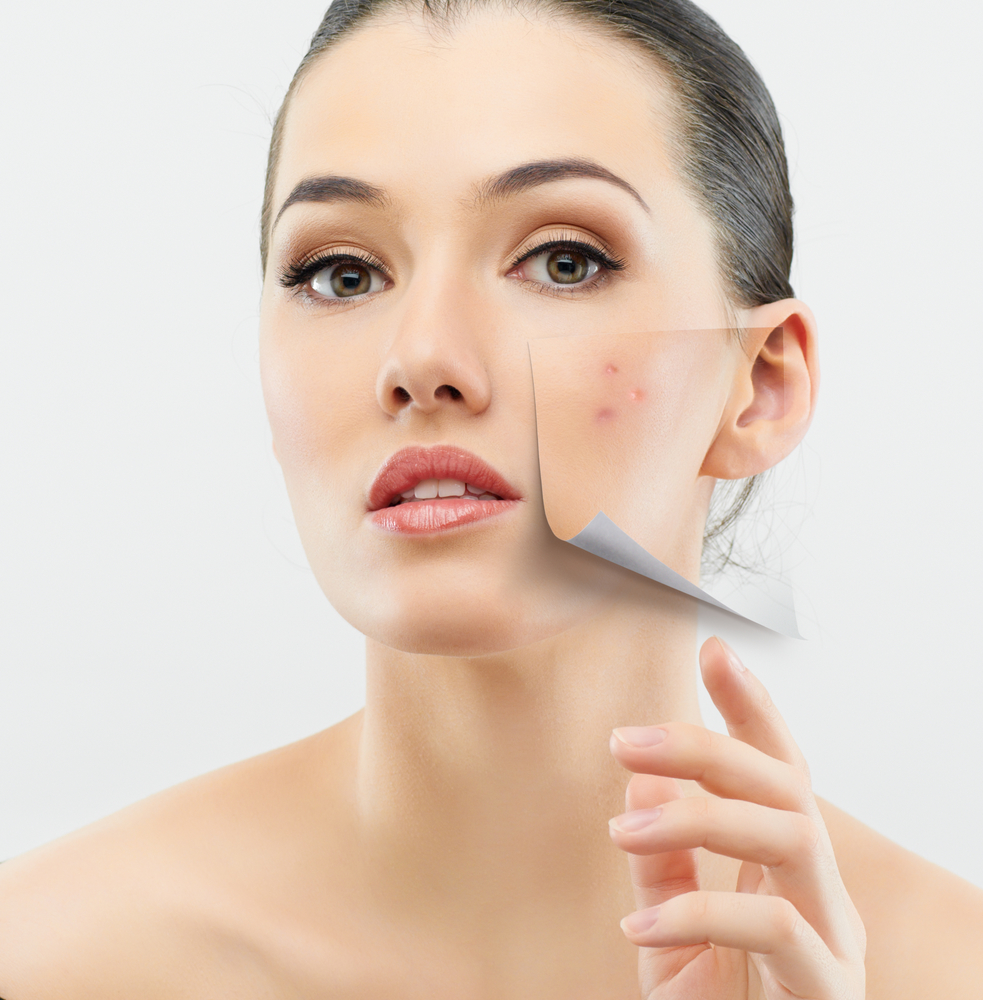
Acne has been found to have a genetic component to it. Its root cause is due to the skins pore cells turning over a large number of dead cells. This pathophysiology results in the development of acne. This is one scientific, modern day theory. Vitamin A works well for acne as its mechanism of action is to prevent and or significantly slow the rapid proliferation of cell turnover. (1)  The pharmaceutical companies have certainly capitalized on its high level of effectiveness. We see evidence of this in the prescription medications Isotrex and Accutane, in which Vitamin A make up a major component of the products. (2)

How can acne be treated effectively? We have found that there are really two main paths to its effective care and treatment: medications and nutrition. In both of these scenarios Vitamin A plays a significant role. A patient suffering with acne may be guided by a licensed health care practitioner to carefully increase their intake of Vitamin A in their diet through vitamin A enriched foods or by taking supplements. Another way is for clients to take prescribed medication treatments such as facial creams and lotions that contain Vitamin A, and have proven to be very effective treatments. (3)

 

Many patients prefer to use dietary means to boost their Vitamin A levels. However, this can be a difficult way to obtain the added boost needed to help with their acne problems. As such, it is often recommended by professional Dieticians and licensed Health Care Prof

essionals that clients also take a daily supplement of the Vitamin in order to provide effective care for acne. Many will recommend a dose of 5,000 IU a day. (4)  It is important that clients ask their health care provider what is the correct and recommended does to take for them. Clients should not self-medicate. Vitamin A is a fat -soluble vitamin and it stores up in the body. Taking too much Vitamin A can cause a toxicity and can ultimately be harmful.

It is interesting to note that one study that was conducted using the Vitamin to treat acne showed that is was non-effective. Doses used were somewhere between 50,000 and 100,000 IU. The researchers then repeated their study using very high doses; 300,000 IU for women and 500,000 for men. The subjects remained on these large doses for three to five months and then were gradually weaned off. The outcomes of the repeat study showed that the high doses were effective in treating the acne. It is noted that after controlling the acne in the research subjects, they went on to continue treatments without the use of Vitamin A, to remain in remission. (5)

More commonly today, physicians and other prescribing licensed health care practitioners are providing patients with topical creams and ointments which contain Vitamin A and are applied directly on the face or other areas of the body where the acne is. The pharmaceutical industry actually alters the Vitamin A and develops it into a Retinoid. The Mayo Clinic has stated that retinoids are actually a very preferred treatment for acne. They heal the skin rapidly and they have a real propensity to regenerate new skin. (6)

Can a Vitamin A deficiency in the body lead to the development of acne? It seems this can be so. When one is deficient in Vitamin A, the body can respond by developing inflammation and also by exacerbating any existing states of inflammation, such as an acne condition. (8) A high functioning immune system is dependent on many things, one of which is adequate and healthy levels of Vitamin A. Some of the benefits of having good Vitamin A levels include; keeping your skin resistant to acne causing bacteria, and balancing hormones so that your body does not produce excess sebum thus causing an acne breakout. (8)   Vitamin A is also vital in assisting the body to strengthen the skin’s tissues. (9)

In conclusion, as Vitamin A will rapidly increase skin cell maturity, stop over proliferation of cells, help balance hormones and actually strengthen skin tissue, it is really one of the best courses of treatment that we have available today in treating acne. It is important, again, to remember that with Vitamin A, too much is not good at all, and may even be toxic and harmful to one’s health. Always consult your health care provider before taking Vitamin A as a treatment for acne. You may also wish to consult with a Certified Health Care Coach who can help you learn all about Vitamin A and the safety issues when taking it.


References

  1. https://www.healthline.com/health/minerals-vitamins-for-acne]
  2. https://www.victoriahealth.com/editorial/take-control-of-your-acne
  3. https://www.md-health.com/Vitamin-A-For-Acne.html
  4. https://vitamins.lovetoknow.com/What_Vitamins_Are_Good_for_Acne


Passion Flower: Does it Really Calm Anxiety?

By: D. L. Flarey, Ph.D, RN, ANP-BC

Passionflower is mostly known for its calming qualities; it has an extensive history of use in calming those who are stressed and nervous. Passion flower was used by Native Americans for its sedative qualities, and was used in Europe as early as the 16th century for its ability to support a calm, positive state of mind. Current analysis has confirmed these practices, indicating passionflower’s calmative quality is due to a flavonoid called chrysin. Chrysin is thought to help regulate GABA (gamma-aminobutyric acid), a neurotransmitter in the brain and nervous system that manages nerve excitability. (1)

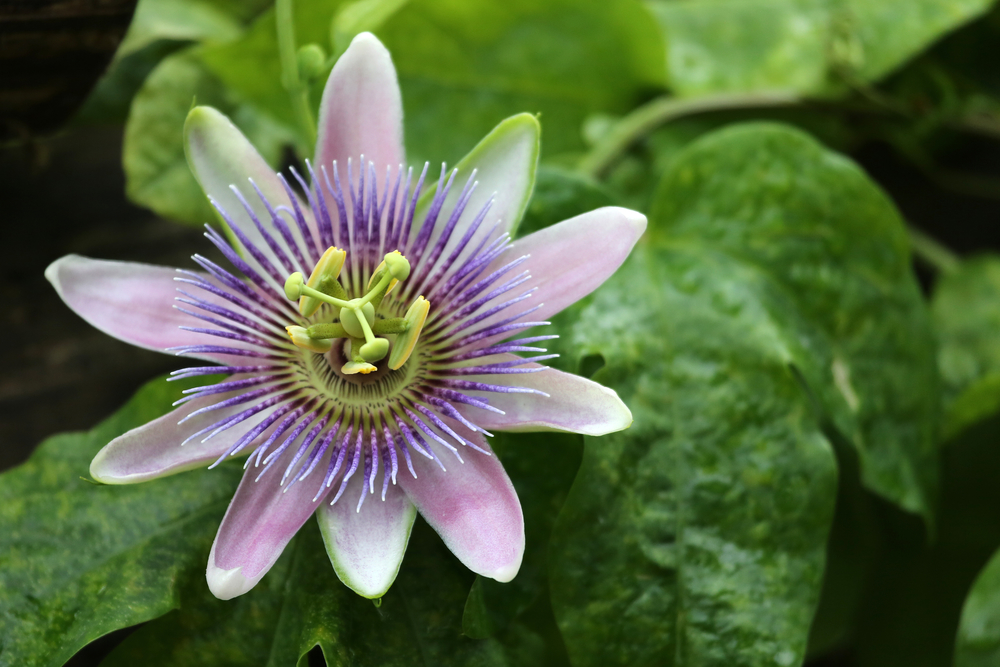
Passion flower was initially identified by the Spanish while exploring Peru. Its name was derived from the concept that the blossom was a symbol of Christ’s passion and also it was an indication of His favor of their exploration. The different parts of the flower petal are described as expressions pertaining to the passion of Jesus Christ, for instance, the crown of thorns being actually symbolized by the hair like fibers numbering in the hundreds in each petal. (2)


Calming Anxiety

According to the research, passion flower has typically been administered for nervous anxiety, insomnia, pain, restlessness, anger, and hysteria. The ability for passion flower to support these disorders is believed to be the result of the substance benzoflavone, chrysin, and the pyrone derivative maltol. (3)

Chrysin is a monoflavonoid, regarded to be the principal active component made from Passion Flower. In laboratory settings, specialists have demonstrated that Chrysin functions as a partial agonist of the core benzodiazepine receptors in the brain. Although the exact system of action is not precisely understood, it is thought that the blend of Flavonoids in Passion Flower contribute to its efficiency as an anxiolytic, helping to promote relaxation, alleviate stress and ease intermittent anxiety and panic triggered by emotionally charged tension. (4)

Working together, passion flower’s anxiety-soothing, sleep-promoting top qualities join abilities to give you one greatest health benefit in the end: relaxation and peace of mind. When working with different anti-anxiety natural combinations, the plant could very well possibly achieve much more for peace of mind and sleep. (5)

According to European medical data, passion flower is recognized for its effect in treating nervous restlessness, uneasiness, irritability, vegetative dystonia, agitated mind, and sleep disorders. Additionally, investigations have certainly shown improved cognitive focus levels and relief of anxiousness. (6)


Studies on Passion Flower

There actually have been research examinations completed on passion flower going back to the 1930’s which have identified it aids to induce relaxation which brings about a deeper sleep, and almost eradicates sleep loss. Its mechanism of action, however, is actually very distinct than prescription sleep drugs, thus an individual does not need to feel uneasy about an artificially prompted sleep or awakening with a drug-like experience. (2)

Animals administered doses of 150 milligrams per kilogram body weight passed even more time in open, unguarded and elevated areas during the course of a maze experiment. Also, the supplement did not necessarily lead to either a sedative or arousing effect. A report written in the March 2010 “Journal of Ethnopharmacology” found that low doses of passion flower extract reduced anxiety, while higher doses produced a sedative effect. (7)

Passion flower may also work as a mild relaxing natural treatment. The tranquil effect by itself does not typically lead to drowsiness, so it is a particularly beneficial day time tranquilizer. Moderate use supports a feeling of tranquility, without side effects, and without the likelihood of chemical dependency or habit-formation. (6)

People have indeed used passion flower typically to manage stress, and continue to do so today. A study written in the October 2001 issue of the “Journal of Clinical Pharmacy and Therapeutics” identified that passion flower was as beneficial as the pharmaceutical drug oxazepam for managing generalized anxiety disorder. An overview of research studies published in the February 2006 issue of the “British Journal of Psychiatry” reveals passion flower having potential for calmative use in many people with psychological health disorders. (8)

Passion flower typically has been less popular than Valerian Root, however, in a new study of well-known herbal calmatives in Great Britain, passion flower did slightly better than Valerian Root and took the leading honor. Passion flower is taken essentially as a calmative or nervine to combat excess anxiousness and anxiety, to tranquilize, and to induce sleep; as an anodyne, anti-spasmodic and anti-convulsant and to manage dysmenorrhea and muscle cramps. Primarily, passion flower is utilized world-wide as a light calmative that abates anxiety, nervous tension, high blood pressure, and encourages sleep. It has furthermore been utilized as an antispasmodic (or spasmolytic) in the treatment of muscle cramps, seizures, premenstrual tension, and even epilepsy. Passion flower preparations have actually been observed to eliminate nervous symptoms and cramps that restrict sleep, and to produce a tranquil and deep sleep free from constant awakenings and disturbances. The antispasmodic action is even effectively used in the treatment of respiratory asthma. Passion flower is well known for its analgesic or anodyne action. (9)

Even though investigators formerly believed that the alkaloids and flavonoids in passion flower caused its calmative and anxiolytic effect, modern studies suggest that the amino acids in the botanical herb may well be responsible. This is actually because these particular amino acids are able to increase GABA levels in the human body. (10)


Conclusion

Passion flower is generally regarded safe and very well tolerated by many people. There is insufficient data about negative side effects and possible pharmaceutical interactions. Passion flower may possibly interact with various other medications or treatments, so if changes to physical health develop, promptly contact a primary care physician (3) or a certified holistic nurse.


Child and Adolescent Grief Counseling Program Article on Explaining Miscarriage

Miscarriages can be very confusing for children expecting a baby brother or sister.   Parents need to be able to explain the loss in a logical way to the child.  How to go about explaining loss can be difficult but it needs to be done in a sensitive but informative way

Explaining a miscarriage to a child can be difficult. Please also review our Child and Adolescent Grief Counseling Program

The article,  “How to Talk to Your Kid About Miscarriage” by Meghan Moravcik Walbert states,

“Despite how common miscarriage is, those who go through it often find it to be a painfully isolating experience. It frequently happens before the expectant mom or couple have told friends or family—or even their other children.”

Miscarriages happen in families and it is important to discuss with other children in the family.  To read the entire article, please click here

Please also review our Child and Adolescent Grief Counseling Program

Assisting Your Patients in Overcoming Heroin Addiction

Written by Lizzie Weakley, a freelance writer from Columbus, Ohio.


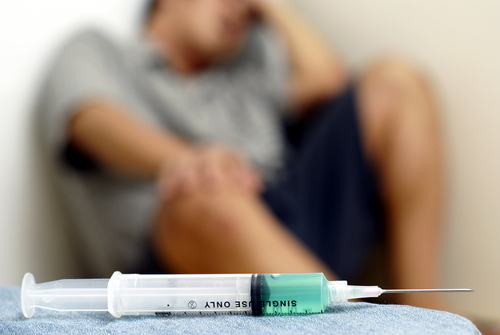
With the unprecedented rise of opium addiction, you are probably seeing more patients with serious addiction issues who need medical help. Some are living basically functional lives, but their drug use is threatening to get out of control. Other users are hooked on heroin and have become unable to care for themselves, possibly facing overdose or death if they cannot stop using this destructive drug. The following strategies may be able to help heroin-addicted patients.

Cognitive Therapy

People who are addicted to a strong substance like heroin often benefit from cognitive therapy, or professional counseling. This approach assists patients in addressing core issues that may be causes or triggers for the addiction, such as a troubled childhood, mental health problems, or contributory circumstances like finances or dysfunctional relationships. Dealing with root causes can often help an addict to bring heroin use under control.

Detox Heroin Treatment

Heroin is both physically and mentally addictive. Used consistently, it disrupts normal life and puts someone on the path to destruction. Many addiction specialists recommend detox heroin treatment to completely clear the drug from both the body and the mind, and enable the person to regain normal function of both. There are both in-house and outpatient options, depending on the level of addiction the patient is struggling with, as well as lifestyle responsibilities like a job and family. Completing a detox heroin treatment program is often the first step toward a successful recovery.

Community Support Group

Heroin addiction recovery can also be reinforced by joining a community support group. The group is typically led by a professional therapist or a successfully recovered person with some level of education or training. Group members help each other by providing accountability, sharing encouragement, and reinforcing a recovery lifestyle. Support groups meet at different times, sometimes daily or weekly. Consistent attendance has been shown to be an effective tool in achieving and maintaining recovery. You can have information for support groups in your office, facilitate the meeting places for such places, or run them, if you have the required training.

Medical Referral

Some addicts are dealing with a number of physical or mental ailments, which may be contributing to the heroin addiction. If you are a general practitioner, you may need to refer your patient to a specialist who can treat the auxiliary problems that are debilitating the patient, along with facilitating heroin addiction recovery. Keeping pamphlets around the office and having the information on hand for patients who talk to you about their addiction is a good place to start.

Although heroin addiction is highly destructive, it can be effectively treated. Give your patients the tools they need to be able to treat their addiction at the root level in order for recovery to be successful. Teaming up with other doctors, therapists, and health care providers in your area can enable you to help patients who suffer from addiction, even if such treatment is outside of your expertise. Just by giving patients the information they need, by incorporating some of the above methods, or even just facilitating them, you can help save the lives of those under your care.


Please also review AIHCP’s Substance Abuse Practitioner Program and see if it matches your academic and professional goals.  The program in online and independent study and open to qualified professionals.

Holistic Integrative Healthcare Specialist Article on Alternative Treatments

Many individuals seek alternative forms of therapy due to a variety of reasons.  Some seek it because they distrust Western medicine, others are seeking other options beyond the scope of healing found in the West.  Many are clinging to last bit of hope.  Others seek alternative methods because insurance will not cover conventional.  Whatever the case, the desire to seek out other methods of healing is apparent.

Please also review our Holistic Integrative Healthcare Specialist Program and see if it matches your professional and academic needs

Some alternative methods are time proven while others may be not as reliable.   This is why it is important to understand the procedures and also understand their role in overall health.  Mixing them with other therapies may be counter productive or dangerous without professional guidance.

AIHCP’s Holistic and Integrative Healthcare Program for nurses allows nurses to be the supplier of both Eastern and Western knowledge to the patient.   Nurses understand  modern medicine and can also play a role in understanding alternative therapies.  This is an important role with the growing demand for alternative therapies.

Some therapies are herbal, while others are physical, but when patients seek cures or therapies without professional guidance, then bad things can occur.  A Holistic Nurse supplies the safety net to guide a patient through the various safe and proven alternative therapies.

Many patients who have been diagnosed with no cure seek these therapies for a miracle.  Most therapies are long term, or life style incorporated into its culture, while some therapies can supply relief.  Holistic Nurses can help patients find the right practice for the patient.  As a Holistic and Integrative Healthcare Specialist, nurses can be a guiding light in this confusing landscape.

Whether acupuncture, massage therapy or chiropractic care, alternative physical therapies can play big roles in overall health.  Certain herbs and medicines can also help the body heal overtime but one needs guidance!

Not all therapies are physical.  Many new and exciting therapies are also behavioral in nature.  They look to heal the mind.  AIHCP offers hypnotherapy and EFT programs for professionals seeking to help others with mental maladies.

Hypnotherapy is an excellent therapy to help the mind heal.  It looks to discover trauma, grief and other pain and help one face it through subconscious treatment.  AIHCP offers a Hypnotherapy Certification for qualified professionals.  In addition to Hypnotherapy, AIHCP also offers EFT.  EFT or the Emotional Freedom Technique looks to unlock the body’s innate ability to dismiss negative energy and heal.  It is excellent way to help heal oneself from past trauma.

These three programs are excellent ways for healthcare professionals to offer their services in the alternative medical field.  As a certified Holistic Nurse or a Holistic Integrative Healthcare Specialist, one will be able to help guide numerous individuals to time proven alternative modalities for better health.   With EFT and Hypnotherapy certifications, one will also be able to help individuals heal mentally.

Please review these programs and see if they match your academic and professional goals.


Holistic Integrative Healthcare Specialist Certification Article on Alternative Care

Healthcare is an expensive business unfortunately and it has driven many to look for other ways to find care.   These other forms of care however can offer real and affordable results.  Alternative care plays a critical role today in healthcare.  As more alternative treatments become more accepted and mainstream, they may soon find themselves also under various coverage.  In the meantime, individuals turn to these therapies for hope.  Some may supply results, while others may not but for the most part, many alternative therapies are healthy and time proven.

Learn more about becoming a Holistic Integrative Healthcare Specialist from AIHCP.

The article, “Integrative medicine becomes a focus for treating the uninsured” by Deepa Brahath states,

“Integrative medicine is increasingly common  in conventional health care settings. Nearly 38% of adults in the United States and about 12% of children use some form of alternative medicine, according to the National Institutes of Health.”

As one can see Holistic Integrative practices are becoming more and more utilized.  To read the entire article, please click here

Please also review the Holistic Integrative Healthcare Specialist Certification and see if it matches your academic and professional needs.

Anger Management Consulting Program Article on Conflict Resolution

Conflict resolution is important in all human interaction.  It is even more important in the business world.  Stress and anger all play key roles in causing problems at work or on the job.  Conflict resolution is an excellent investment to any business in helping employees work together.  Conflict resolution not only reduces stress but also increases productivity.

Conflict resolution is key to maintaining a healthy business. Please also review our Anger Management Consulting Program

The article, “5 Ways To Enable Your Team For Better Conflict Resolution” Rohan Bhargava states,

“Conflicts are a part of every team, starting from differences in opinions to business values, conflicts can arise due to all kinds of reasons. While every conflict will not have a severe impact on the overall performance of your team, some can considerably damage the team internally.”

Conflict resolution is hence critical to success.  To read the entire article, please click here

Please also review our Stress Management Program, as well as our Anger Management Consulting Program

Stress Management Consulting Certification Article on Less Stress at Work

The work place can be a very stressful place but it does not have to be.  Individuals can work with co-workers and have installed plans to help reduce stress.  It starts with management and works its way down to the floor.  If everyone is willing to reduce stress in the workplace, work can be less stressful and more productive.

Through communication, we can lessen workplace stress. Please also review our Stress Management Consulting Certification and see if it meets your professional goals

The article, “5 Simple Communication Rules to Reduce Stress in the Workplace” by Rita Sharma states,

“Communication forms an integral part of our office environment, regardless of our roles and responsibilities in the office. By effectively communicating our requirements or how we feel, we can find the solution to most of our problems.”

Hence communication is key according to Sharma.   To read the entire article, please click here

Please also review our Stress Management Consulting Certification and see if it meets your academic and professional goals.

Legal Nurse Consulting Blog on AIHCP’s Legal Nursing Certification

Malpractice is a big concern for both patient and caregiver.  It is something that costs millions upon millions of dollars a year for caregivers.  Some caregivers are simply make a small mistake while others are negligent or even criminal.

Malpractice whether accidental or criminal is a common issue in healthcare.

It is important that caregivers give the best treatment and respect to their patients.  Unfortunately this is not always the case and patients need to seek legal action.  There are multitudes of lawyers who specialize in medical error.  They look to bring justice to patients who have received improper care through malpractice cases.

Whether the medical error deals with diagnoses, actual treatment, or for the care of an infant or elderly, one can seek justice against caregivers who give poor quality of care.   This is why it is so important for caregivers to be diligent in their care of their patients.  Whether a doctor, a nurse, or even an aide, it is critical to follow procedure, as well as document the appropriate charts.

Documentation is key especially for nurses in malpractice.  It can determine guilt or innocence in a malpractice case.  It can also free one from responsibility and point guilt to another party.   So while accidents do happen, it is important to not care for one’s patient but to also follow procedure.

Doctors themselves also must follow procedure, but when they deviate or make decision errors, they will likely face a malpractice.  Even the best intentions of a doctor can lead to error, so the reality of malpractice is always present.

A Legal Nurse Consultant is a medical expert, who understands medicine and procedure in nursing or healthcare, but also is trained in the process of medical law.  They can serve both the caregiver’s case, as well as the patient’s case.  Usually firms look to them for guidance in determining culpability in a medical case.

Legal Nurse Consultants can provide expert advice and also supply research, but they can also provide expert testimony in malpractice cases.  They can provide justice for either the caregiver or the patient.

Legal Nurse Consultants can bring expertise to firms regarding nursing procedure and possible nursing error

With malpractice such a large reality in the medical field and so many accidents, criminal or just accidental occurring, nurses can play a large role in helping determine culpability in cases.   As a Legal Nurse Consultant, nurses can take their skills from the hospital floor to the courtroom.

If you are a registered nurse and would like to enter into the exciting field of Legal Nurse Consulting, then please review the American College of Legal Nursing and see if the program meets your professional goals.   The program is online, independent study and even offers continuing education for some nurses.  The certification is four years and can be renewed.

Please let us know if you have any interest in becoming certified in Legal Nurse Consulting.  With the certification you can begin an exciting new career that diversifies and takes your nursing career into directions you never imagined.


Pet Loss Grief Counseling Certification Article on Pets and Legal Status

In many legal senses, dogs are seen as property.  The reality though is they are not property but family.  Legal terms can be cold and lead to the devaluing of our pets.  It is important in all venues to see pets as individuals, who although may not be people with rights, still nonetheless are seen with intrinsic value beyond.

Pets are more than property but are family. Please also review our Pet Loss Grief Counseling Certification

The article,”Maine Voices: Dog’s day in court isn’t about property – it’s about the human-animal bond” by PAULA GERSTENBLATT relates how it is more than just property disputes in court but a human-animal bond.  The article states,

“In a recent editorial, “Our View: Dogs shouldn’t get their day in court” (May 16, Page A6), the Editorial Board writes: “Pets may seem like family, but they’re property – which is how courts should rule.” Research on the human-animal bond indicates pets are considered family, and the connection equals or exceeds that experienced between humans.”

To read the entire article, please click here

Please also review our Pet Loss Grief Counseling Certification and see if it meets your academic and professional needs.