ADHD Symptoms and Signs

Individuals with ADHD are not lazy or unintelligent but are individuals who suffer from a disorder that prevents them from focusing on tasks.   They become easily distracted and can lose focus on what needs done.  Due to this, especially in school, students are sometimes singled out as not studious or intelligent. ADHD not only affects children, but also adults.  In this regard, ADHD can disrupt work and career, plus relationships with others.  It is important to diagnose ADHD whether as a child or adult to receive the proper professional ADHD Consulting and Counseling.

Students with ADHD are not lazy. Please also review AIHCP’s ADHD Consulting Certification and see if it meets your goals


The article, “5 Overlooked Signs of ADHD – the Inattentive Type” by Sharon Saline looks closer at signs and symptoms of ADHD.  She lists a variety of common signs including forgetfulness, distraction, incomplete tasks, following instructions and disorganization.  She also counters with various strategies to help the person overcome these symptoms.  She states,

“People with inattentive type ADHD (formerly called ADD) struggle with managing time, losing or misplacing things, and attending to details (resulting in careless mistakes), among other symptoms. Over time, these individuals may experience a higher level of mental fatigue and forgetfulness, and lower sustained energy throughout a task than do their non-ADHD peers.”

“5 Overlooked Signs of ADHD – the Inattentive Type”. Sharon Saline. ADDitude. July 11th, 2022.

To review the entire article, please click here

Commentary

ADHD is a mental disorder that is characterized by problems with focus, hyperactivity, and impulsiveness. People with ADHD may have difficulty paying attention, sitting still, or controlling their impulses. ADHD can cause problems in school, work, and social relationships.

Symptoms of ADHD

The symptoms of ADHD can be divided into two categories: inattention and hyperactivity-impulsivity. Inattention refers to difficulties with sustaining attention, concentrating, and being organized. Individuals with ADHD may also have difficulty with following instructions, completing tasks, and keeping track of belongings. Hyperactivity-impulsivity refers to difficulties with remaining still or feeling restless and fidgety. Individuals with ADHD may also have difficulty with talking excessively, interrupting others, and acting without thinking.  Symptoms of ADHD typically begin before the age of seven. The exact cause of ADHD is unknown, but it is believed to be a combination of genetic and environmental factors. Treatment for ADHD typically includes medication, counseling, and behavioral therapy.

ADHD Diagnosis

The diagnosis of ADHD can be made by a mental health professional, such as a psychiatrist, psychologist, or clinical social worker, who conducts a comprehensive diagnostic evaluation. The assessment may include a physical examination, interviews with the child and parent or other caregivers, and review of school records. The Diagnostic and Statistical Manual of Mental Disorders (DSM-5), published by the American Psychiatric Association, is used to diagnose ADHD.

In some cases, diagnosis may not be to adulthood which can leave the individual with a life long story of confusion.  Due sometimes to over diagnosis, or parental hesitation, this can occur but it is important if two or more symptoms consistently manifest for parents to have their children tested.  In the long run, it will answer many questions, help the child in every aspect of life and correct many disciplinary issues.

Coping with ADHD

Treatment typically involves a combination of medication and behavioral therapy. Medication is an important part of treatment for ADHD. Stimulant medications, such as methylphenidate and amphetamine, are the most commonly prescribed medications for ADHD.  Adderal is a medication that is commonly used to treat ADHD. It works by increasing levels of the neurotransmitters dopamine and norepinephrine in the brain, which helps to improve focus and concentration.

There are a number of ways to cope with ADHD. One way is to take medication prescribed by a physician. Another way is to develop coping mechanisms, such as using a planner or schedule, setting timers, and breaking tasks into smaller chunks. It is also important to establish routines and stick to them as much as possible.  Additionally, it is important to find healthy outlets for excess energy and impulsivity, such as exercise or creative pursuits. Finally, it is helpful to talk to others who understand what it is like to live with ADHD.

Conclusion

In conclusion, it is important to be aware of the symptoms of ADHD in order to get the proper diagnosis and treatment. Early diagnosis and intervention is key to managing the symptoms and preventing them from adversely affecting one’s life. If you or someone you know is exhibiting signs of ADHD, don’t hesitate to reach out to a mental health professional for help.

The treatment of ADHD can be difficult and it is a good idea to consult with a doctor. There are many ways to treat ADHD, and each person may respond differently to each treatment. Some common treatments include medication, therapy, and lifestyle changes. It is important to find what works best for you or your child and to stick with the treatment plan.  Again, the most important thing is to get help if you experience any of these symptoms or if you child or children experience any.

Please also review AIHCP’s ADHD Consulting Certification and see if it matches your academic and professional goals.  The program is online and independent study and open to qualified professionals seeking a four year certification in ADHD Consulting.  Qualified professionals include those in mental health, healthcare and teaching positions who are looking to grasp a deeper understanding of ADHD.  After completing the required courses, one is then eligible to apply for the four year certification in ADHD Consulting.

Additional Resources

“Diagnosis and Management of ADHD in Children”. BARBARA T. FELT, MD, MS, et.al. Am Fam Physician. 2014;90(7):456-464.  Access here

“ADHD Diagnosis and Treatment Guidelines: A Historical Perspective”. Mark L. Wolraich, MD, et.al. Pediatrics. Volume 144, Issue 4 October 2019. Access here

“Adult ADHD: Diagnosis, Differential Diagnosis, and Medication Management”. Julie P. Gentile, MD, et, al. Psychiatry (Edgmont). 2006 Aug; 3(8): 25–30.  Access here

“Attention-deficit/hyperactivity disorder (ADHD) in children”. Mayo Clinic Staff.  Mayo Clinic. Access here

“Attention Deficit Hyperactivity Disorder (ADHD)”.Medically Reviewed by Hansa D. Bhargava, MD. WebMed.  February 22nd, 2021. Access here
 

Exercise and Brain Functioning

Exercise obviously has so many benefits in life.  It is of no wonder then that it also benefits the brain itself.  The functioning and blood flow to the brain all benefits from good exercise.  It can strengthen white matter, neural transmission and brain functioning in regards to memory.  Physicians, life coaches, and personal trainers can all help individuals discover the best work out for their age and physical and mental needs.

The article, “How Exercise Protects Your Brain’s Health” from Cleveland Clinic’s Healthessentials takes a closer look at how brain functioning and memory are directly affected by exercise.  The article looks at the importance of exercise based off a study that looked at brain function combined with exercise.  It also looks at the effects of exercise on dementia.  Finally, the article related what type of workout is best for overall brain health.  The article states,

“Aerobic exercises are the ones to focus on here. That’s activities like running, jogging, biking, swimming or even dancing. Exercises that get your heart rate up are the best for your brain.  For most people, the goal of physical exercise should be to engage in vigorous physical activity three days per week for 15 minutes. Or, if high-intensity workouts don’t work for you because of health concerns or other reasons, you can aim for 30 minutes of moderate activity five days per week to get similar brain-boosting effects, Dr. Ross notes.”

“How Exercise Protects Your Brain’s Health”. Cleveland Clinic Healthessentials. September 27th, 2022.

To review the entire article, please click here

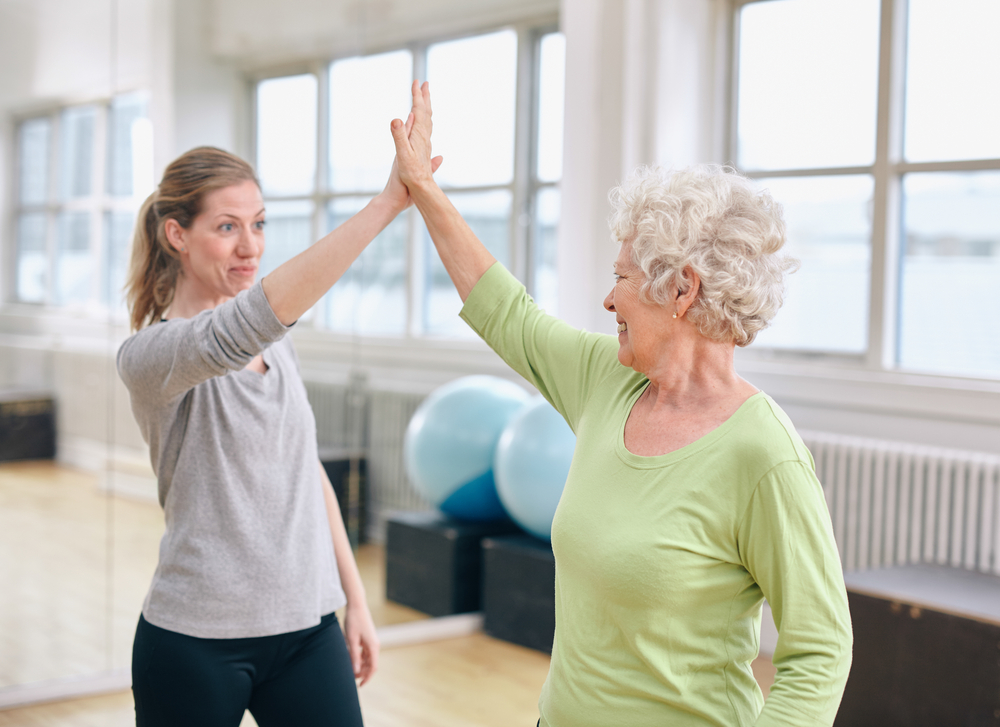
Frequent exercise can help the overall brain functioning. Life coaches can help one find the best work out for you

Commentary

There is a growing body of evidence that suggests that brain function and exercise are linked. For example, one study found that people who engaged in moderate to vigorous physical activity had better cognitive function than those who didn’t. Additionally, another study found that regular aerobic exercise was associated with increased grey matter volume in the brain. This includes both cognitive and motor function. While the mechanisms underlying this link are not fully understood, it is thought that exercise may improve brain health by promoting neurogenesis, reducing inflammation, and increasing levels of neurotrophic factors. These findings suggest that there is a link between brain function and exercise. Exercise also helps to reduce stress and anxiety, which can have a negative impact on brain function. Furthermore, exercise stimulates the release of chemicals that protect the brain from damage and improve nerve cell function. However, more research is needed to determine the exact nature of this link.

Exercise and Memory

In regards to memory, exercise is very important

There is evidence to suggest that memory and exercise are interconnected. One study found that participants who engaged in regular physical activity had better working memory than those who did not. Furthermore, another study found that older adults who participated in a moderate-intensity aerobic exercise program showed improved cognitive function, including improved memory, compared to those who did not exercise.

Exercise has been shown to be beneficial for overall brain health, including reducing the risk of dementia. Dementia is a general term for a decline in mental ability due to disease or injury. Exercise can help to improve brain function by increasing blood flow and oxygen to the brain, as well as by stimulating the growth of new nerve cells.

In addition to dementia, there is growing evidence that physical activity may be protective against cognitive decline, including Alzheimer’s disease. One theory is that exercise promotes brain health by increasing levels of brain-derived neurotrophic factor (BDNF). BDNF is a protein that supports the growth, development, and maintenance of neurons. Exercise may also help reduce the risk of Alzheimer’s by reducing inflammation and improving blood flow to the brain.

Types of Exercise for Better Brain Health

Most suggest aerobic exercise of 15 minute intervals at least 3 times a week.  Others suggest as well at least 7500 steps a day.  Movement and keeping the blood circulating are key, so any exercises associated with this can help.  Swimming, walking, biking, or running are all excellent ways to help brain function.

Life Coaching

Life coaching is a process whereby an individual is supported in achieving specific personal and professional goals. The coach acts as a sounding board and provides guidance and feedback, but the client is ultimately responsible for taking action and making decisions. Exercise is often recommended as part of a life coaching program, as it can help to improve physical and mental health.

There is a growing body of evidence indicating that life coaching may be an effective strategy for promoting brain health. A life coach can help individuals identify and achieve personal goals, develop healthy coping mechanisms, and manage stress effectively. Furthermore, a life coach can provide support and accountability to help individuals stick to healthy lifestyle habits, such as eating a nutritious diet and exercising regularly.

Conclusion

In conclusion, brain health and exercise are two important factors that go hand-in-hand. By exercising regularly, you can not only improve your physical health, but also your mental wellbeing. A healthy brain leads to a better quality of life, so make sure to incorporate exercise into your daily routine!  Life coaches, and personal trainers can help one implement a variety of exercises to help with overall brain cognition and functioning.  Studies have shown that exercise and brain health correlate with each other.

Please also review AIHCP’s Healthcare Life Coaching Certification and see if it meets your academic and professional goals.  The program is online and independent study and open to qualified professionals seeking a four year certification as a life coach.  Qualified applicants include healthcare professionals, personal trainers, nurses, and those with physical therapy, psychology, or person fitness type degrees.


Additional Resources

“Exercise Benefits Brain Function: The Monoamine Connection”. Tzu-Wei Lin and Yu-Min Kuo. Brain Sci. 20133(1), 39-53; https://doi.org/10.3390/brainsci3010039.  Access here

“The influence of exercise on brain aging and dementia”. Nicola T.Lautenschlager. KayCox. Elizabeth V.Cyarto.  Biochimica et Biophysica Acta (BBA) – Molecular Basis of Disease. Volume 1822, Issue 3, March 2012, Pages 474-481. Access here

“How Exercise Benefits Brain Health”. Vernon Williams, MD.  U.S News: Health. Feb. 4th, 2022.  Access here

“Working out your brain”. Matthew Solan.  Harvard Health Publishing. December 1st, 2021. Access here


Grief Counseling Video and the Loss of Grandparents

One of the first significant losses for someone is the loss of a grandparent.  This loss is more severe than other more distant losses.  For some, this loss comes early in their life, for others, it is during young or middle adulthood where they finally say farewell to their grandparents.  For some as well, this loss may sting more if the relationship and attachment was stronger.

Please also review AIHCP’s Grief Counseling Certification Program and see if it meets your academic and professional goals.  The program is online and independent study and open to qualified professionals seeking a four year certification in Grief Counseling.

Integrative and Holistic Therapies for Chronic Pain Management.,

Integrative and holistic healthcare specialists can help many individuals best manage their pain with a variety of alternative therapies.  These therapies range from acupuncture to massage therapy and anything in between.  It is important to properly balance any alternative and holistic therapies with the knowledge of one’s primary physician.   This prevents any misuse or improper mixtures with conventional and alternative modalities.   Holistic Nurses and other forms of holistic specialists can help provide the knowledge and guidance in utilizing there therapies properly for chronic pain.

The article, “The Benefits of Integrative Medicine in the Management of Chronic Pain: A Review” by Hirak Trivedi, Tara A. Avrit, Leah Chan, De Mauria Burchette, Rajni Rathore reviews some of the utilized alternative practices for pain management.  In it, they include massage therapy, acupuncture, yoga, and chiropractic manipulation.  From a reviewed study, they come to the conclusion that yoga and physical therapy have beneficial results in pain management.  The article states,

“Chronic pain is a debilitating condition that affects many individuals throughout their daily lives. While it is common to treat chronic pain with pharmaceutical treatments, an approach that has also shown great benefits is the use of integrative medicine, such as massage therapy, osteopathic and spinal manipulation, acupuncture, and yoga. The keywords “integrative medicine,” “pain,” “chronic pain,” and “pain management” with the use of the Boolean operators “AND,” “OR,” and “NOT” were used to identify relevant studies discussing the effectiveness of alternative medicine in the treatment of chronic pain”

The Benefits of Integrative Medicine in the Management of Chronic Pain: A Review. Trivedi H, Avrit T A, Chan L, et al. (October 05, 2022) The Benefits of Integrative Medicine in the Management of Chronic Pain: A Review. Cureus 14(10): e29963. doi:10.7759/cureus.29963

To review the article, please click here


Natural and integrative holistic approaches to pain management have proven to be very successful for chronic pain in individuals

Commentary 

Holistic and integrative medicine are two approaches to healthcare that take a more comprehensive view of the patient. Holistic medicine focuses on the whole person, taking into account all aspects of their life and health. Integrative medicine takes a more individualized approach, looking at each patient as a unique individual and tailoring treatment to their specific needs.  HIM practitioners view health as more than just the absence of disease, but rather as a state of physical, mental, and spiritual well-being. Integrative medicine (IM) is a relatively new field of medicine that combines conventional Western medicine with complementary and alternative medicine (CAM).  The use of this type of approach is also very important in chronic pain management.

Holistic Approaches and Pain Management

Holistic and integrative pain management are approaches that focus on the individual as a whole, rather than just the symptoms of pain. This approach acknowledgement that pain is a complex experience that is affected by physical, emotional, social, and spiritual factors. The goal of holistic and integrative pain management is to address all of these factors in order to help the individual find relief from their pain.

There are many types of holistic pain management, but some of the most popular include acupuncture, aromatherapy, and massage therapy. Acupuncture is a form of traditional Chinese medicine that involves inserting thin needles into the skin at specific points on the body. Aromatherapy is the use of essential oils to promote relaxation and healing. Massage therapy is a form of manual therapy that uses pressure and strokes to relieve muscle tension and pain.

The use of massage therapy is one of the more relaxing forms of pain management.  Massage therapy is an effective way to manage pain. It can help to relax the muscles, increase circulation, and reduce inflammation. Massage therapy can be used to treat a wide variety of conditions, including headaches, back pain, neck pain, and carpal tunnel syndrome.

One of the most successful and most used forms of pain management is chiropractic manipulation. Chiropractic is a branch of medicine that focuses on the diagnosis and treatment of musculoskeletal disorders, with an emphasis on the spine. Chiropractors use a variety of techniques to manipulate the joints and muscles of the body, including manual adjustments, traction, and massage. Pain management is a broad term that refers to the various methods used to relieve pain. This can include medication, physical therapy, acupuncture, and chiropractic care.

Finally, Acupuncture is a popular and effective form of pain management that has been used for centuries. It involves the insertion of thin needles into the skin at specific points on the body, which can help to relieve pain by stimulating the nervous system.  There is a growing body of evidence to support the use of acupuncture for pain relief, and it is now considered an effective treatment for a variety of conditions such as headaches, back pain, and arthritis.

Conclusion

Integrative and Holistic approaches to chronic pain management are very successful in helping people cope and deal with pain but they need to be used in unison with a trained professional.  Certified holistic nurses or holistic and integrative healthcare specialists can play a key role in helping individuals utilize alternative therapies and combine them with conventional medications.   Yoga, acupuncture, massage therapy and chiropractic manipulation are all successful ways to manage pain.

Please also review AIHCP’s Holistic and Integrative Healthcare Specialist Program and see if it meets your academic and professional goals.  The program is online and independent study and open to qualified professionals seeking a four year certification in Holistic Nursing.  Qualified healthcare professionals and nurses are welcomed into the program and are eligible for certification after completing the core courses.

Additional Resources

“Clinical Practice Guideline: Chiropractic Care for Low Back Pain”. Gary Globe, PhD. et, al.  Journal of Manipulative and Physiological Therapeutics Volume 39, Issue 1, January 2016, Pages 1-22. Access here

“Complementary and Alternative Medicine in Cancer Pain Management: A Systematic Review”. Priyanka Singh and Aditi Chaturvedi.  Indian J Palliat Care 2015 Jan-Apr; 21(1): 105–115 doi: 10.4103/0973-1075.150202. Access here

“Holistic Alternative Medicine and CAM Definitions”. Val Silver. Holistic MindBody Healing.  Access here

“Pain Management: Alternative Therapy”. WebMD Editorial Contributors. Reviewed by Dan Brennan, MD. October 20, 202. WebMD. Access here


Meditation and Daily Breathing Can Reduce Blood Pressure

Breath is the source of life.  Healthy breathing is important to balance and also reduction in anxiety.  In meditation, breathing frequency and depth play a role in relaxation and stress reduction.   Many in the East have fashioned certain breathing techniques to enhance meditation relaxation for both mental and spiritual reasons.  Incorporating such daily breathing exercises can help well beyond meditation purposes, but also better health in regards to blood pressure and heart health.

Proper daily breathing techniques lower stress and hence reduce blood pressure over a period of time, a study shows.


In the article, “How Daily Breathing Exercises Can Help Lower Blood Pressure as Much as Medication” by Eileen Bailey looks at the importance of daily breathing for overall health.  In the article, a study is reviewed that shows a significant impact on lowering blood pressure among participants.   In essence, daily deep breathing has many therapeutic short term and long term effects in lowering stress in life and hence reducing blood pressure.  The article states,

“Using breathing techniques for 5 to 10 minutes a day might help lower blood pressure, according to a study completed at the University of Colorado, Boulder, and the University of Arizona. In their study, researchers instructed participants to complete breathing exercises for 5 to 10 minutes daily using a breathing device. The participants were told to take 30 breaths as the machine provided resistance, so their respiratory muscles worked harder. The trial lasted six weeks.”

“How Daily Breathing Exercises Can Help Lower Blood Pressure as Much as Medication”. Eileen Bailey. Healthline. September 28th, 2022

To review the entire article, please click here

Commentary

Deep breathing is a technique that can be used to help promote relaxation. When we breathe deeply, it activates the parasympathetic nervous system, which is responsible for rest and digest functions. This can help to decrease heart rate and blood pressure, and can also help to reduce stress hormones like cortisol. Deep breathing is also thought to help improve circulation and increase oxygenation of the blood.

There are four types of deep breathing: abdominal, costal, clavicular, and diaphragmatic. Abdominal breathing is when the stomach expands while the person inhales. Costal breathing is when the ribs move up and out while the person inhales. Clavicular breathing is when the shoulders rise while the person inhales. Diaphragmatic breathing is when the diaphragm contracts while the person inhales.

Deep Breathing

When you inhale, your diaphragm contracts and moves downward. This increases the volume of your thoracic cavity and causes your lungs to expand and fill with air. The intercostal muscles between your ribs also help lift your chest and increase the volume of your thoracic cavity. As a result, atmospheric pressure decreases and air flows into your lungs.
When you exhale, your diaphragm relaxes and moves upward.  When we breathe deeply, it sends a signal to our brain to relax. This happens because when we breathe deeply, it activates the vagus nerve, which is responsible for slowing down our heart rate. When our heart rate slows down, we feel more relaxed. Additionally, deep breathing increases the levels of oxygen in our blood, which helps to reduce stress hormones like cortisol.

When is the best time to utilize deep breathing? There is no definitive answer to this question as it depends on the individual and the situation. However, deep breathing can be helpful in managing stress and anxiety, so it may be beneficial to do so when you are feeling overwhelmed or stressed. Additionally, deep breathing can help to improve focus and concentration, so it may be beneficial to do so before beginning a task that requires your full attention.

In regards to daily routine, it is best to deep breathe to start the day and end the day.

Benefits on Blood Pressure

One of the most common medical conditions in the world is high blood pressure, or hypertension. This condition occurs when the force of blood against your artery walls is too high. Over time, this can lead to serious health problems, such as heart disease, stroke, and kidney failure. There are many different factors that can contribute to high blood pressure, including genetic factors, diet, stress, and other medical conditions. Treatment for high blood pressure typically involves lifestyle changes and medication.  Deep breathing is an additional way to reduce stress and hence lower blood pressure.

How does this react to lowering blood pressure?  As stated, when the parasympathetic nervous system is activated, blood pressure drops.  With less stress, less flight of fight response, blood pressure naturally can drop.  Through continued and consistent daily breathing exercises, one can then lower blood pressure over time.  Other benefits of deep breathing include improved blood circulation, increased lung capacity, and reduced stress levels. Additionally, deep breathing can help to improve sleep quality and digestion.

Conclusion

In conclusion, deep breathing is a simple and effective way to lower blood pressure. Deep breathing slows the heart rate and lowers blood pressure by allowing the body to release tension and relax. Try deep breathing for a few minutes every day to see if it can help lower your blood pressure.  You can utilize deep breathing when stressed at work, school or home, or whenever stress finds you.  You should however though implement it into everyday life even when not stressed as to prepare the body for the day and create a lower blood pressure to start the day.

Please also review AIHCP’s Meditation Instructor Certification and see if it meets your academic and professional goals.  The program is online and independent study and open to qualified professionals seeking a four year certification in Meditation.  Utilizing deep breathing techniques as a meditation instructor can help many learn to face stress and in the process lower their blood pressure.

Additional Resources

“The impact of music guided deep breathing exercise on blood pressure control – A participant blinded randomised controlled study”. Kow Fei Ping, et,al. Clinical Research Centre, Hospital Pulau Pinang, Georgetown, Pulau Pinang, Malaysia. Med J Malaysia, 2018.  Access here

“17 Effective Ways to Lower Your Blood Pressure”. Marjorie Hecht. Healthline. October 21st, 2022. Access here

“Meditation and a relaxation technique to lower blood pressure”.  Heart Health.  Harvard Health Publishing.  June 14th, 2020.  Access here

“10 ways to control high blood pressure without medication”. Mayo Clinic Staff.  Mayo Clinic. July 12th, 2022. Access here


How Nursing Management Can Help Lower Serious Safety Events

By James M Katz, BA

The Role of the Chief Nurse in Ensuring Employee and Patient Safety:

As the chief nurse, it is your responsibility to ensure that serious safety events are prevented and reduced in your facility. In order to do this, you must be aware of the potential risks and hazards that exist in your facility. You must also have a system in place to identify these risks and hazards. Once you have identified the risks and hazards, you must implement strategies to mitigate them. Some strategies you may consider include:

-Educating staff on proper safety procedures: What instructions are you providing to your staff in regards to their safety?

-Conducting regular safety audits: How are you testing your staff safety readiness?

-Implementing security measures: Are you giving your staff the proper tools and policies to protect themselves as well as the patients?

-Creating a culture of safety in your facility: Are you cultivating a positive and safe working environment?

By taking these steps, you can help reduce the occurrence of serious safety events in your facility.

This article helps illustrate key points in employee and patient safety and how Nurse Management can implement strategies to proactively prevent common safety issues. Issues like; patient falls, common medication errors, lowering the chance of hospital acquired infections, and having resolutions in place to combat them. This article will not only help you identify potential safety hazards but also perhaps help you come up with policy solutions to prevent them from happening in the first place!

Lanie Ward: The most common patient safety issues that I see through my eyes as a CNO are [these] three: medication errors, hospital-acquired infections, and patient falls. There’s no question that med errors happen with the greatest frequency. Many of them cause no harm to the patient, but some do cause severe harm and even result in patient death. That’s why it’s so important that we carefully evaluate all med errors, even if there was no harm.”

Chief Nurse: How to Reduce Serious Safety Events. By Carol Davis. Healthleaders.com. October 17, 2022
Access Article Here 

A sign that says Safety First

Commentary

The Importance of Communication and Collaboration Among Staff:

It is essential for staff members to be able to communicate and collaborate effectively with one another. Good communication ensures that everyone is on the same page and can work together efficiently to achieve common goals. It also allows for the sharing of ideas and knowledge, which can lead to better decision making and improved outcomes.

Furthermore, collaboration among staff members helps to build team morale and cohesion. When staff members are able to work together towards a common goal, it builds trust and respect for one another. This, in turn, leads to a more positive work environment where employees are more engaged and productive.

Good communication and collaboration are essential for any organization or business that wants to be successful. By fostering a culture of open communication and teamwork, businesses can create an environment where employees can thrive and reach their full potential.

Strategies for Reducing Falls and Other Common Safety Events:

Falls are one of the most common safety events in healthcare. They can lead to serious injury, and even death. However, there are strategies that healthcare managers can use to reduce the incidence of falls.

One strategy is to identify patients who are at risk for falling. This includes patients who are elderly, have a history of falling, or have certain medical conditions that make them more likely to fall. Once at-risk patients have been identified, steps can be taken to make sure they are being closely monitored.

Another strategy is to create a “fall prevention team”. This team should consist of nurses, doctors, and any other staff members who regularly interact with patients. The team should meet on a regular basis to discuss fall prevention strategies and share any new information about at-risk patients.

The Benefits of Using Data to Identify Trends and Target Interventions:

Nursing data is a powerful tool that can be used to identify trends and target healthcare interventions. By analyzing nursing data, healthcare professionals can develop more effective management strategies that improve patient outcomes and reduce costs.

Nursing data can be used to track changes in patients’ health over time, identify potential risk factors for certain conditions, and evaluate the effectiveness of various treatments. By understanding these trends, healthcare providers can tailor their interventions to more effectively address the needs of their patients.

In addition, nursing data can help assess the impact of external factors on patients’ health. For example, by tracking emergency department visits, hospitalizations, and readmissions, nurses can identify patterns that may be indicative of problems with access to care or poor quality of care. By using this information to target specific interventions, nurses can help improve the overall quality of healthcare delivery.

Conclusion: the Chief Nurse’s Role in Improving Patient Safety:

In conclusion, the chief nurse’s role in improving patient safety is essential. The chief nurse is responsible for ensuring that nurses are competent and safe, and for setting the tone for a culture of safety in the organization. The chief nurse can make a difference in patient safety by promoting a culture of safety, by leading by example, and by advocating for patients’ rights.

If you are a chief nurse or part of the nursing management staff and would like to further your knowledge and become a certified Nurse Management professional then perhaps you would like to visit our Nurse Management Certification Program? You can access our program and the required online courses here – Nurse Management CE Courses 

Additional Resources:

Control of hospital acquired infections and antimicrobial resistance in Europe: the way to go. Friedrich, A.W.  Wien Med Wochenschr 169 (Suppl 1), 25–30 (2019).
Access Here

Reducing hospital-acquired infections and improving the rational use of antibiotics in a developing country: an effectiveness study. Murni IK, Duke T, Kinney S, et al. Archives of Disease in Childhood 2015;100:454-459.
Access Here 

Can Rounding Reduce Patient Falls in Acute Care? An Integrative Literature Review Hicks, Darlene. Medsurg Nursing; Pitman Vol. 24, Iss. 1,  (Jan/Feb 2015): 51-55.
Access Here

Patient safety culture as perceived by operating room professionals: a mixed-methods study. Aouicha, W., Tlili, M.A., Sahli, J. et al. BMC Health Serv Res 22, 799 (2022).
Access Here 


Substance Abuse Care Found to be very Effective via Telehealth

By: Dominick L. Flarey, Ph.D, RN-BC, ANP-BC, FACHE
Board Certified Adult Nurse Practitioner
Board Certified Psychiatric-Mental Health Nurse
Executive Director The American Institute of Health Care Professionals, Inc.


Substance abuse care has traditionally been delivered in person, but a new study has found that telehealth can be just as effective. The study, which was conducted by researchers at the University of California, San Francisco, followed a group of patients who were receiving care for substance abuse via telehealth. The researchers found that the patients who received care via telehealth were just as likely to stay in treatment and abstain from substance use as those who received in-person care.

The COVID-19 pandemic has forced many doctors to get creative with their treatment methods, including the use of telehealth to treat patients with opioid addiction. This is because traditional in-person treatments are not possible during the pandemic. Telehealth allows doctors to provide care to patients remotely, which is crucial for ensuring that patients with opioid addiction continue to receive the treatment they need.

In this US NEWS Article, author Cara Murez, presents the findings from a new study released by the Yale School of Public Health. This study consisted of survey research of more than 1,100 physicians who treated opioid-use disorder patients via telehealth.

“Researchers found that 6 out of every 7 physicians were in favor of making this temporary telehealth flexibility a permanent part of their practice. More than 75% said they would like to continue using telehealth after the COVID pandemic if regulations permitted.”

Most Docs Want Telehealth for Opiod Abuse Treatment to Stick Around. Cara Murez. US NEWS. October 17, 2022.

Access Article

Commentary

Care of patients with opiod addictions research shows telehealth is a viable option for their treatment. In a study done by the University of Colorado, it was found that patients who used telehealth for their care had better outcomes than those who did not. The study found that patients who used telehealth were more likely to remain in treatment and less likely to relapse. This is an important finding as it shows that telehealth can be an effective tool in the treatment of opiod addiction.

The flexibility of telehealth would allow more individuals to access life-saving treatment for opioid addiction. This would increase the number of people who are able to receive treatment and improve the chances of success for those who are struggling with addiction. By expanding the availability of treatment, we can make a significant impact on the opioid epidemic and save lives.

The number of people that die from opiod addiction is staggering. In the United States alone, the number of people dying from opiod addiction has quadrupled in the last fifteen years. This is a national tragedy that requires a concerted effort to address.

Factors leading to Opiod Abuse

There are many factors that contribute to the high number of deaths from opiod addiction. One is the widespread availability of opiates, both legal and illegal. Another factor is the lack of access to treatment for those suffering from addiction.

The lack of access to treatment for opioid addiction is a major problem facing our society today. There are many reasons for this problem, but the most important one is the stigma surrounding addiction. Too often, people view addicts as weak or morally corrupt, and this makes it difficult for them to get the help they need. Additionally, many insurance companies do not cover addiction treatment, which makes it even more difficult for addicts to get the help they need.

Benefits of Telehealth Counseling

There are numerous benefits of telehealth patient care, including improved access to care, increased convenience, and improved clinical outcomes. Telehealth can also help to reduce healthcare costs by reducing travel time and expenses for patients and providers alike. In addition, telehealth services can improve continuity of care by providing patients with easier access to their providers and medical records.

Patient counseling by telehealth is the process of providing counseling and support to patients via telephone or video conferencing. This type of counseling can be beneficial for patients who live in remote areas or who have difficulty accessing traditional counseling services. Telehealth counseling can also be helpful for patients who prefer to receive counseling in the privacy of their own homes.

Patients often feel that telehealth counseling is more private and confidential than in-person counseling. This may be due to the increased sense of anonymity that telehealth provides. Patients may also feel more comfortable discussing sensitive topics in the privacy of their own homes. Telehealth can also provide a sense of flexibility and convenience that is not always possible with in-person counseling.

Telehealth and Medication Prescribing

The use of telehealth to prescribe medications for opioid abuse is becoming increasingly popular. There are many advantages to using telehealth to prescribe medications, including the ability to reach a larger number of patients, the ability to provide more individualized care, and the ability to reduce the risk of medication errors.

Health care providers can prescribe medications and send them directly to pharmacies using telehealth technology. This process allows patients to receive their medications more quickly and conveniently. In addition, it helps to ensure that patients take their medications as prescribed and reduces the risk of medication errors.

Emergency Visits by Telehealth

There is growing evidence that emergency sessions for opioid abuse patients can be done effectively by telehealth. A recent study found that patients who participated in emergency telehealth sessions had a significant reduction in craving scores and were more likely to stay in treatment.

Emergency sessions for opioid abuse patients can be done by telehealth as needed in order to provide the patient with the necessary care and support they need. This is a significant advantage for patients and providers and can be life-saving. Providers can quickly call community rescue services if  their assessment of the patient finds the patient to be in any type of danger physically or emotionally.

Continuum of Care

A full continuum of care is possible for opioid and other types of substance abusers with telehealth. This means that individuals can receive services and support at every stage of their addiction, from initial treatment and detoxification to long-term recovery and maintenance. Telehealth can provide access to a variety of care providers, including counselors, psychiatrists, and physicians, who can work together to create an individualized care plan.

In conclusion,it is evident that telehealth has many benefits in the treatment of substance abuse disorders. It is convenient, accessible, and anonymous. Telehealth also allows for a more individualized approach to treatment. It is important to continue to research and develop telehealth services in order to provide the best possible care for those suffering from substance abuse disorders.

Career Opportunities

There are many career opportunities today in the specialty practice of substance abuse and addictive disorders. If you are a health care professional and are interested in learning about this practice specialty; the American Institute of Health Care Professionals, Inc. offers a full program of continuing education and certification in Substance Abuse Counseling leading to Certification as a Substance Abuse Practitioner. You may preview information on this program: access here.

Additional Resources

Understanding the Effect of the COVID-19 Pandemic on Substance Use Disorder Treatment Facility Operations and Patient Success: Evidence From Mississippi. Devon Meadowdcroft, et.al. Sage Journals. Substance Abuse: Research and Treatment. May 13, 2022. Access here.

Coronavirus Disease 2019 and the Impact on Substance Use Disorder Treatments. Osnat C.Melamed, et.al. Psychiatric Clinics of North America. Vol. 45, Issue # 1: March 2022. Access here.

Using telehealth to improve buprenorphine access during and after COVID-19: A rapid response initiative in Rhode Island. Seth A. Clark, et.al. Journal of Substance Abuse Treatment. Vol. 124: May 2021. Access here.

Telehealth Capability Among Substance Use Disorder Treatment Facilities in Counties With High Versus Low COVID-19 Social Distancing. Jonathan Cantor, et.al. Journal of Addiction Medicine. December 2020. Access here.

Satisfaction among the Elderly with Telehealth during the Covid-19 Pandemic

By James M. Katz, BA

Telehealth is a rapidly growing field in the healthcare industry that uses technology to deliver care and services remotely. Telehealth can be used for a variety of purposes, including appointments, consultations, prescriptions, and follow-ups.

While telehealth has many benefits, including increased access to care, improved quality of care, and lower costs, there are some challenges that need to be addressed. These challenges include provider training and reimbursement, as well as ensuring patient privacy and security.

Telehealth Concept Picture
Is Telehealth growing?

The article below discusses how health care professionals turned to telehealth as a way to deliver their services to patients during the Covid-19 pandemic. The patients in the study were mostly elderly and from various cultural and ethnic backgrounds. Most scored their satisfaction 6 out of 7. Some of the patients did not find telehealth enjoyable and preferred inpatient treatment. The following article goes into further detail.

“Amid the implementation of restrictions on in-person care during the COVID-19 pandemic, many patients and providers turned to telehealth. Telehealth helped maintain care access during this time, especially for seniors, but researchers from Beth Israel Deaconess Medical Center wanted to determine patient satisfaction levels among the geriatric population that used virtual care.

For the study, they sent a patient satisfaction questionnaire to 278 patients over 65, 208 of whom completed the survey. The study period ranged from April 2020 to June 2021.”

Older Adults Satisfied with Telehealth During COVID-19 Pandemic, Mark Melchionna, mHealth Intelligence. October 10, 2022
Access Article here 

Commentary:

Satisfaction of Telehealth:

Patients who used telehealth were more likely to report satisfaction with their care, including feeling more connected to their doctor and having better communication with their provider. They were also more likely to say they felt involved in their own care and that their care was coordinated.

Patients who used telehealth were also more likely to report better health outcomes, including fewer emergency room visits and hospitalizations, and better management of chronic conditions.

Benefits of Telehealth:

In recent years, telehealth has become an increasingly popular option for older adults. Telehealth allows patients to consult with their doctors remotely, using a computer, tablet, or smartphone. This can be especially beneficial for older adults who may have difficulty travelling to see their doctor in person.

There are a number of reasons why telehealth may be a good option for older adults. First, it can help them save time and money on travel costs. Second, it can provide them with more flexibility in terms of when and where they can consult with their doctor. And third, it can give them peace of mind knowing that they can still receive high-quality care even if they are not able to physically visit their doctor’s office.

In the past, patients had to physically go to a doctor’s office or hospital for medical care. This is no longer the case with the advent of telehealth, which allows patients to receive care remotely using technology. There are many benefits of telehealth, including increased access to care, improved outcomes, and lower costs.

Disadvantages of Telehealth:

Although telehealth has the potential to improve access to care, there are a few potential disadvantages of using telehealth services, especially when compared to in-person visits with healthcare providers. One such disadvantage is that patients may not be able to get the same level of care through a virtual visit as they would if they were meeting with their provider face-to-face.

Another potential downside to telehealth is that it can be difficult to build rapport and trust with your provider when you’re not meeting in person. This can be especially true if you’re using video conferencing for your visits, as it can be harder to read body language and cues when you’re not in the same room as the other person.

Finally, there’s always the possibility that technology will fail during a telehealth visit, which could lead to disruptions in care or even put patient safety at risk.

Is Telehealth for you?

When it comes to your health, you want the best care possible. You want to be able to see a doctor when you need to and get the treatments you need to feel better. But what if you can’t always get to the doctor’s office? What if you don’t have transportation or you live in a rural area? Telehealth might be the solution for you.

There are many benefits of telehealth. It increases access to care, especially for those who live in rural areas or who have transportation issues.

In conclusion, telehealth is a growing field that is changing how healthcare is delivered. It has the potential to improve access to care, reduce costs, and improve outcomes. However, there are challenges that need to be addressed, such as reimbursement, workforce issues, and technology infrastructure. With the right policies and investments in place, telehealth can help transform the healthcare system and improve the health of Americans.

Health Care Management:

Are you a health care professional who is interested in becoming certified as a Health Care Manager? If so, please review the Health Care Manager and Nurse Management Certification programs offered by the American Institute of Health Care Professionals, Inc. The program is based on open enrollment and is self-paced, meaning you are free to start whenever you are ready and you can move through it at your own speed. All of the exams are 100% online. The CE courses have board approvals as well. To begin, you may preview our program by Clicking Here.

Additional Resources:

Patient and family engagement: a survey of US hospital practices. Jeph Herrin, Et.Al. PMC PubMed Central Epub  June 16, 2015.
Access Here

VA/Pitt Study Shows Telehealth Effective, Preferred for Veterans’ Wheelchair Design and Fit. Sheila Tunney. University of Pittsburgh School of Health and Rehabilitation Services, December 2020.
Access Here 

Strategies for Evaluating Telehealth. Dr. John Chuo Et.Al. American Academy of Pediatrics Volume 146 Issue 5. November 1, 2020
Access here 

Patient and clinician experiences with telehealth for patient follow-up care. Karen Dolenan Et.Al. The American Journal of Managed Care, 01  25(1):40-44 PMID: 30667610 January 2019.
Access here


SANE and Forensic Nurse Needs in Sexual Assault Cases

SANE nurses perform a critically important job in the healthcare industry.  This job is far from a happy one but is a needed one due to the fact crime exists, in particular sexual assault.  SANE nurses collect critical forensic evidence from sexually assaulted victims and preserve the evidence for police and the justice system.  These forensic nurses can also play important roles in investigations against these crimes.  They may be called to court and become expert witnesses.

The article, “Demand for sexual assault nurse examiner services rises as staffing drops” by Bobbi-Jean MacKinnon reviews in one particular facility how sexual crimes have risen with the availability of SANE nurses dropping.  The article discusses the importance of these types of nurses and how they cover a broad area in ensuring proper investigation and collection of evidence.  MacKinnon states,

“The number of people seeking sexual assault nurse examiner services at Horizon hospitals is on track to exceed the past two years, while the number of nurses trained to perform them is dropping.  A total of 143 people have accessed sexual assault nurse examiner (SANE) services between April 1 and the end of September, according to data provided by Horizon.  If that trend continues, the number could reach about 286 by the end of 2022-23.”

“Demand for sexual assault nurse examiner services rises as staffing drops”. Bobbi-Jean MacKinnon. CBC NEWS.  October 6th, 2022

To view the entire article, please click here


SANE and Forensic Nurses supply an invaluable service to patients as well as the criminal justice system in the prosecution of sexually assault crimes

Commentary

SANE nursing is a specialized area of nursing that focuses on providing care to patients who have been victims of sexual assault or abuse. SANE nurses are specially trained to provide compassionate and confidential care to these patients, as well as to collect evidence and assist in the prosecution of their abusers. SANE nursing is an important part of providing comprehensive care to these patients and helping to ensure that their abusers are brought to justice.

The acronym “SANE” stands for Sexual Assault Nurse Examiner. The main goal of a SANE examiner is to collect evidence and document the injuries sustained by the victim during the assault. In order to do this, the SANE examiner will perform a thorough physical examination and collect samples for various types of testing. The SANE examiner will also take photographs of any injuries present on the victim’s body. While on site, the SANE examiner overall provides high quality, compassionate care to victims of sexual assault. The SANE provides a variety of services, including: medical assessment and treatment, crisis intervention and support, evidence collection, and referrals for additional services.

In addition to on site care and collection of evidence, SANE examiners also are called into court numerous times.  SANE examiners in court are responsible for providing expert testimony on the mental state of defendant at the time of the offense. This testimony is used to determine whether the defendant was legally sane at the time of the offense. SANE examiners use their clinical training and experience to assess the defendant’s mental state and render an opinion on whether the defendant was legally sane at the time of the offense.

Many SANE examiners also look into becoming certified in Forensic Nursing.  Forensic nursing is a field of nursing that deals with providing care to patients who have been victims of crime. Forensic nurses work closely with law enforcement and other officials to provide care and support to victims and witnesses of crime. They also work to collect evidence and compile medical reports that can be used in court.

Becoming a SANE Examiner

In order to become a sane examiner, one must first understand the basics of examining. This includes understanding the different types of exams, how to construct an exam, and how to grade an exam. Once these basics are understood, one can then begin to develop their own methods and procedures for conducting examinations. It is important to keep in mind that each examiner is different and therefore there is no single right or wrong way to conduct an examination.  The training covers all aspects of the examination process, from initial patient assessment to evidence collection and documentation. Upon completion of the training, nurses will be able to provide high-quality, compassionate care to victims of sexual assault.  In addition, Forensic nurses receive certification from a reputable organization.  Again, most forensic nurses are also SANE certified.

Conclusion

The vital importance of SANE examiners and Forensic nurses cannot be underestimated.  They provide care to the patient who has undergone the intense trauma of sexually assault but they also provide the collection of evidence needed to convict violent sexual offenders.  They furthermore work with the local, state and federal authorities in an investigation and also within the court room as a witness to the evidence.  Any nurse can become SANE and forensic nurse certified.  They merely must fulfill the training requirements and pass the tests required to perform this important service.

It can be a very dark field but a necessary one where a single good person can give love, compassion and light to a traumatic event for another.  Nurses who wish to find justice for others and care for the most vulnerable are excellent candidates for SANE and forensic nursing.

Please also review AIHCP’s Forensic Nursing Certification Program and see if it meets your academic and professional goals.  The program is online and independent study and open to qualified professionals within the nursing community and SANE workforce who are seeking a four year certification.  The program consists of 5 courses and then the applicant is eligible to earn the four year certification.

Additional Resources

“Rural Availability of Sexual Assault Nurse Examiners (SANEs)”. Elizabeth Thiede BSN, RN,Sheridan Miyamoto PhD, FNP, RN, FAAN.  The Journal of Rural Health. 06 December 2020. Access here

“Forensic nursing science: Global strategies in health and justice”. Virginia A.Lynch. Egyptian Journal of Forensic Sciences. Volume 1, Issue 2, June 2011, Pages 69-76. Access here

“What is a SANE exam?”. Elizabeth Boskey, PhD. Verywellhealth. August 10th, 2022.  Access here

“What is a Forensic Nurse?” Nurse Journal Staff. Nurse Journal. September 9th, 2022 Access here


Legal Nursing and the Standard of Care

In Legal Nurse Consulting, the idea of the standard of care is critically important.   This standard is the defining linear line between negligence and proper care of a provider to a patient.  It provides the guidelines necessary to understand if a malpractice has occurred or not occurred.  Legal Nurse Consultants play a key role in defining this line within the practice of nursing and healthcare.  It is hence extremely important to understand this standard and its applications in cases where supposed malpractice may have occurred.

The article, “Standard Of Care: Legal Definition & Examples” by Christy Bieber and reviewed by Adam Ramirez looks more closer at these standards.  In the article, the definition of standard of care is clearly stated and how it applies to cases of potential malpractice.  The article also reviews what type of compensation individuals can receive in a malpractice case and how to proceed in such a filing.  The article states,

“In many cases, it is necessary to consult with experts in order to determine if a defendant fell below the standard of care. For example, if you are pursuing a case against a doctor for medical malpractice, you might need to present testimony from other medical professionals to establish what the standard of care was and to explain how the doctor fell short of fulfilling this duty and thus caused harm. An experienced medical malpractice lawyer can provide insight into proving a case. Your attorney can also help you to gather evidence and find expert witnesses who can testify on your behalf.”

“Standard Of Care: Legal Definition & Examples”. Christy Bieber. Forbes Advisor. October 10th, 2022.  To access the full article, click here

Legal Nurse Consultants play a key role in helping understand the standard of care in medical malpractice cases

Commentary

Legal nurse consulting (LNC) is a nursing specialty that provides support to lawyers and other legal professionals on cases involving health care. LNCs use their clinical knowledge and experience to help identify potential legal issues, gather and analyze medical records, and provide expert testimony.  Legal nurse consultants work with attorneys and other legal professionals to provide expert analysis and testimony on a variety of legal issues, including medical negligence, personal injury, and long-term care. As a legal nurse consultant, you will use your knowledge of the healthcare system to help attorneys understand complex medical issues.

The Standard of Care

In the legal profession, the standard of care is the watchword for determining whether a healthcare professional  has acted properly. The standard of care is defined as the degree of care and skill that a reasonable healthcare professional  would use in similar circumstances. This duty of care is owed to all clients, regardless of their level of sophistication or ability to pay.  In general, the standard of care requires that a person must be reasonably careful in order to avoid harming others.

The standard of care is the legal duty of all health care professionals to provide their patients with a certain level of care. This duty is based on the professional’s knowledge, skill, and judgment. The standard of care must be met in order to avoid liability for negligence. There are four elements to the standard of care: 1) the duty to act; 2) the standard of care; 3) causation; and 4) damages.

Malpractice

Medical malpractice is a type of negligence that occurs when a health care professional provides substandard care to a patient, resulting in injury or death. Although the standard of care varies by jurisdiction, it is generally defined as the type and level of care that a reasonably prudent health care professional would provide under similar circumstances. When a health care professional deviates from the standard of care and causes harm to a patient, he or she may be held liable for medical malpractice.

When filing a medical malpractice claim, there are a few things to keep in mind. First, you’ll need to file a complaint with the appropriate state agency. In most states, this is the Board of Medicine. You’ll also need to obtain copies of your medical records and any other relevant documentation. Once you have all of this information, you’ll need to meet with an experienced medical malpractice attorney to discuss your case.

Role of the Legal Nurse in Malpractice case

In a malpractice case, the legal nurse may be asked to review medical records and other documentation to help determine whether there was negligence on the part of the medical care provider. The legal nurse may also be asked to provide testimony in court about the case.  Overall and in more detail, a legal nurse reviews medical records, researches medical conditions and procedures, and provides guidance on the standard of care. In addition, they may  interview witnesses, collect and organize evidence, and assist with trial preparation. The goal is to help the attorney build a strong case on behalf of the client.  Legal Nurses may represent the healthcare professional or the patient suing for malpractice.

Conclusion

In conclusion, legal nurses are an important part of the healthcare team and play a vital role in ensuring the standard of care is met. They work closely with attorneys and insurance companies to investigate cases of malpractice and negligence.  The standard of care is important in protecting patients and ensuring that they receive the best possible treatment. It is also important in preventing medical negligence and malpractice.

Please also review AIHCP’s Legal Nurse Consulting Certification and see if it meets your academic and professional goals.  The program is online and independent study and open to qualified nurses seeking a four year certification in Legal Nursing.  After completing the required four courses, a registered nurse can apply for the four year certification.

Additional Resources

The Standard of Care. Donna Vanderpool, MBA, JD. Innov Clin Neurosci. 2021 Jul-Sep; 18(7-9): 50–51.  Access here 

Understanding Standard of Care for Patients. Trisha Torrey. VeryWellHealth March 4th, 2020.  Access here

Medical malpractice. BASHIR MAMDANI. Indian Journal of Medical Ethics Vol I No 2 April–June 2004.  Access here

An Introduction to Medical Malpractice in the United States. B. Sonny Bal, MD, MBA. Clin Orthop Relat Res 2009 Feb; 467(2): 339–347.  Access here