Behavioral Health Certifications: Psychology and the Fear of Monsters

I. Introduction

The fear of monsters or TERAPHOBIA has permeated human culture throughout history, serving as a compelling lens through which to examine psychological anxieties and societal norms. Such fears often reflect deeper concerns, including the unknown, loss of control, and existential dread, which can manifest in various forms, from folklore to modern horror media. This essay seeks to explore the psychological underpinnings of these fears, particularly how monstrous figures symbolize our innermost anxieties. By drawing parallels between literary representations and psychological theories, we uncover the ways in which these fears can illuminate our understanding of the human condition. The phenomenon of monsters in narratives can be likened to the prophetic literature found in the Hebrew Bible, where fear is intimately tied to the moral and ethical discourse of society, drawing connections that reveal the nuanced relationship between fear, representation, and individual experience (Uhlenbruch F et al., 2016). In a similar vein, the analysis of art and its interpretations during wartime highlights the subjective nature of fear and memory, emphasizing that understanding these emotions is crucial for comprehending the broader context of human experience (Waters et al., 2017).

Please also review AIHCP’s Behavioral Health and Mental Health Certifications.  Click here

What is the psychological reason for the human creation of monsters and fears of the make believe?


A. Definition of monsters in psychological context

In the psychological context, monsters often serve as metaphors for deep-seated fears and anxieties that individuals grapple with, illustrating the complex interplay between perception and reality. These entities may embody societal fears or personal traumas, which can manifest through various psychological pathways as described by Rachman’s theory of fear acquisition. This theory posits that fears can emerge through direct conditioning, vicarious learning, or through the transmission of information, revealing how external stimuli can shape an individuals understanding of monstrosity (Ajzen et al., 2001). Moreover, the societal stigmatization of certain behaviors and conditions contributes to the crafting of monsters within the psyche, emphasizing the harmful consequences of metaphorical dehumanization, as seen in discussions surrounding disability. This phenomenon not only reinforces boundaries of normality but also reflects how such narratives can lead to destructive social attitudes and actions, like the troubling concept of ‘mercy killing’ in response to perceived monstrosity (Waltz et al., 2008).

B. Overview of fear as a psychological phenomenon

Fear, as a psychological phenomenon, serves a critical role in human cognition and behavior, especially in the context of monstrous narratives. Traditionally regarded as an adaptive response, fear prepares individuals to confront perceived threats—whether real or imagined. This response is particularly evident in horror genres, where monsters symbolize deeper societal anxieties and moral dilemmas, thereby allowing audiences to explore their fears in a controlled environment. Such interaction can evoke feelings of pleasure and discomfort simultaneously, reflecting the complex interplay between fear and fascination. For instance, the interplay of sex and horror has been noted to elicit competing responses, resulting in both attraction and revulsion from viewers, suggesting that fear may not only be a mere reaction to threats but also a complex emotional experience that challenges societal norms, as discussed in (Jones et al., 2017). Ultimately, understanding fears role assists in unpacking the psychological motives behind our fascination with monsters, revealing its roots in cultural narratives and individual psychologies, as highlighted in (Burton et al., 2019).

Monsters sometimes represent deeper fears , symbols as well as humanity’s own corruption.
C. Importance of studying fear of monsters in psychology

The exploration of fear, particularly the fear of monsters, serves as a profound means of understanding psychological development and societal values. Monsters often symbolize our deepest anxieties, embodying fears of the unknown or unresolved trauma. By studying these fears, psychologists can unveil underlying emotional and cognitive processes that shape human behavior. This analysis can also encourage discussions about the nature of good and evil, paralleling Tolkiens exploration of beauty and despair in his narratives, which reveals how joy is often intertwined with sorrow and loss (Philpott et al., 2016). Furthermore, addressing the fear of monsters allows for a critical examination of societal beliefs, reflecting our collective fears and the ways these fears manifest in cultural narratives. This understanding is crucial for developing therapeutic interventions, as mitigating fear can ultimately lead to healthier coping mechanisms and a better comprehension of individual and shared human experiences (A Lathrop et al., 2015).

While fear can serve a protective device, teraphobia can cause unnecessary anxiety due to the irrational fear.  It can cause clinging in children, avoidance and cripple people from living life.  This can disrupt sleep and cause other emotional issues.  It can also cause nightmares and night terrors as well as create unhealthy ritualistic behaviors to face these fears.

II. Historical Perspectives on Monsters

The historical perspectives on monsters reveal a profound interplay between cultural narratives and psychological fears, reflecting societal anxieties that transcend time. In literature and mythology, monsters have often represented societal fears, embodying the unknown or the other in various forms. As these depictions evolved, they became reflections of the moral and cultural sentiments of their respective eras, revealing underlying societal concerns, such as justice and transgression. The work of positivist criminology illustrates this connection, positing that monsters—like criminal behavior—cannot be purely understood through scientific frameworks devoid of cultural context; they are instead shaped by the irrational tropes and images that society generates (Burton et al., 2019). Furthermore, the examination of prophetic literature in the Hebrew Bible highlights how monsters also symbolize warnings or prophetic truths, demonstrating their role in both societal critique and psychological exploration (Uhlenbruch F et al., 2016). Thus, the historical discourse on monsters serves as a window into the evolving fears and cultural dynamics of humanity.

A. Evolution of monster myths across cultures

The evolution of monster myths across cultures reflects deep-seated psychological fears that transcend geographical and temporal boundaries. Historically, monsters have served as embodiments of societal anxieties, from the grotesque beings of mythological narratives to contemporary representations in popular media. These creatures often symbolize the unknown, encapsulating fears related to mortality, chaos, and the supernatural. As detailed in the exploration of cognitive dissonance, individuals grapple with conflicting beliefs about empirical knowledge and transcendent forces, leading to a persistent discomfort that fuels the creation and adaptation of monster myths (Montell et al., 2001). Furthermore, examining prophetic literature through the lens of science fiction reveals how modern cultures reinterpret ancient fears, linking both the imaginative and empirical realms (Uhlenbruch F et al., 2016). This cyclical process of myth creation not only reflects cultural values but also offers insights into the psychological mechanisms that drive humanitys enduring fascination with the monstrous.

Whether it is Dracula, loch ness, or bigfoot, monster stories evolve across cultures.  Some monster myths surprisingly share similarities across cultures to point towards a common consciousness of human fear that is universal.

The development of the mythos and folklore of monsters has many origins and can affect individuals in pathological ways that may not have been intended


B. Psychological interpretations of historical monsters

The phenomenon of historical monsters often serves as a lens through which we can explore societal fears and psychological interpretations. These figures, whether real or mythologized, reflect the cultural anxieties and moral uncertainties of their times. For instance, the grotesque behaviors attributed to notorious figures not only illustrate individual psychopathy but also reveal broader societal concerns about deviance and order. The study of these monsters allows us to analyze the inherent contradictions in criminological thought; as noted, “positivist criminology confronts an inherent contradiction in purporting to develop a purely scientific account of phenomena that are defined by the moral and cultural sentiments of a society” (Burton et al., 2019). Furthermore, examining these figures provides insights into the collective psyche, suggesting that their “marginality” and the fear they evoke can illuminate deeper truths about a societys self-image and moral landscape (Chin et al., 2011). Thus, historical monsters are integral to understanding both psychological trauma and cultural identity.


C. The role of folklore in shaping fear of monsters

Folklore serves as a vital cultural construct, profoundly shaping human perceptions of fear, particularly in the context of monsters. It embodies collective anxieties and societal fears, transforming them into recognizable narratives that both illustrate and amplify the psychological terror associated with the unknown. For instance, the concept of Thin Places in Celtic mythology reflects an enduring belief in liminal spaces where the veil between the ordinary and the supernatural becomes tenuous, creating an atmosphere ripe for the emergence of fearful entities (Healy et al., 2014). Similarly, during the tumultuous period of World War II, the Italian populaces collective fear gave rise to the mysterious figure of Pippo, a spectral aircraft that unites their anxieties about warfare and the unseen dangers lurking above them (Perry et al., 2003). These examples illustrate how folklore not only reflects but actively constructs a societal framework for understanding and contextualizing fear, particularly in the manifestation of monstrous figures.

Many stories of monsters also delve into deeper human lessons about humanity, corruption and also protecting the self from that corruption.  Monsters serve as a fear device to keep us away from forbidden things that can corrupt or hurt us.  The stories of not entering the forest at night in both European and American folklore all teach of the inherent dangers that exist in the woods at night.  Teaching children to lock the door, or not to wander off, are all important lessons to protect but through that use of fear to protect, phobias can later develop that create irrational fears of being alone or walking in the woods.

I think many religious traditions have their teachings as well on evil.  While many do not delve as far as the mythos of monsters and folkore surrounding monsters, many monster architypes develop from religious concepts based off of demonic.  For many, the demonic is fearful and real enough to add any other dimension of monster in the world.  For this reason, while closely connected, demons need out of respect to religious traditions to be categorized differently.  While beliefs are beliefs and not up to empiric observation, the concept of demons surrounds religious dogma, while folklore delves more into the imagination.  This is not to say, demon fear and craze can erupt from ultra religious minds and create pathology but the dogmatic belief of demons within the creeds of the the faiths remains something different in extreme than monster fears but at the same time, something open to possible extremism.  I think this needs to be understood when looking at the human experience and demonology.


III. Psychological Theories of Fear

An understanding of psychological theories of fear provides significant insights into the anxiety surrounding monsters, both real and fantastical. Rachmans theory of fear acquisition posits that fears can emerge through direct conditioning, vicarious learning, and information processing; notably, childhood experiences with frightening narratives can shape perceptions of monsters ((Ajzen et al., 2001)). For instance, exposure to stories about monsters can foster fear-related beliefs, demonstrating how verbal information influences emotional responses. This interplay is particularly evident in children, whose fear may be heightened based on the source of the information, such as whether it comes from a trusted adult or peer ((Ajzen et al., 2001)). Furthermore, the broader implications of fear reveal how cultural narratives surrounding monstrosity draw on psychological principles, blending empirical research with societal beliefs. This intersection suggests that psychological frameworks not only explain individual fears but also highlight the cultural constructs that shape our collective understanding of monstrosity ().

A. Theories of fear development in childhood

Theories of fear development in childhood offer insights into why children often harbor irrational fears, particularly regarding monsters. Rachmans theory of fear acquisition posits that these fears can develop through several pathways, including direct conditioning, vicarious learning, and information or instruction, suggesting a multifaceted origin for phobias that include the fear of fantastical creatures (Ajzen et al., 2001). Moreover, the influence of information, particularly verbal cues from significant adults, can substantially alter a childs fear-related beliefs. For instance, children exposed to narratives about monsters from trusted figures demonstrated increased fear perceptions, highlighting the power of verbal instruction in shaping their understanding and responses to the unknown (Ajzen et al., 2001). Additionally, the concept of strangeness further elucidates the conditions under which fears arise; as children encounter unfamiliar stimuli that disrupt their sense of control, they often react with alarm, thus perpetuating their fear of such entities .

Children can develop fear of monsters due to social digestion of material, beliefs handed down, or stories intended to protect them but ultimately detrimental to their psychological health

Ultimately, how many children  fear the dark, the monster in the closet or under the bed.  These fears have roots in observation, digestion of social content, and stories handed down, whether for the protection of a child to avoid something, or out of pure superstition.  Yet these stories can cause intense anxiety in children, sleep disturbances, night terrors, fears of the dark, avoidance of certain rooms, as well as clinging to parents.  Children with these fears need comforted to avoid more trauma, as well as reassurances and awards for being brave and facing fears.

When teraphobia becomes crippling then serious mental help is needed.  Some individuals rooted in deep superstition, or certain belief can become terrified beyond the rituals of protection but also negatively affected in their daily activities or stricken with a deep sense of fear.  Others may face psychosis.  Many due to this can face deep trauma that is unneeded but still nevertheless present.

B. The impact of media on fear perception

The media definitely has a big impact on how scared people get, especially when it comes to “monsters”—whether we’re talking about real creatures or just scary ideas. You can see this in the way the news spreads really dramatic stories. For instance, when there’s a lot of coverage of something rare, like kids getting abducted, it can cause a huge panic, even if the actual danger isn’t as high as people think. That whole “stranger danger” idea is a good example. It’s often based on emotional stories and a general sense of moral panic pushed by the media, which can make it hard to have a reasonable conversation about how to keep kids safe (Wodda et al., 2018). Plus, the way people with disabilities are often talked about—using metaphors that make them seem weak or broken—keeps fear alive. It reinforces stereotypes, makes differences seem like problems, and ultimately, dehumanizes entire groups of people (Waltz et al., 2008). So, the things we see in the media not only make society more afraid but also make it harder to understand what the real risks are. What we really need are stories that are more thoughtful and show the world as it is, instead of just trying to shock us.

C. Cognitive-behavioral approaches to overcoming fear

Cognitive-behavioral methods offer solid strategies for tackling irrational fears, like a fear of monsters, using systematic intervention. A key piece of this is cognitive restructuring. Essentially, this involves spotting and then challenging distorted beliefs about threats we think we see. Research points to how the information kids get really matters; it can reshape those fear-based beliefs. Verbal narratives, studies show, can profoundly change how children view scary things, like monsters, more so than visual aids (Ajzen et al., 2001). Also, it’s helpful to understand how early anxiety and what’s happening at home plays into all this. This can make treatment better. Addressing, say, maternal anxiety and temperament becomes pretty vital for prevention (Briggs-Gowan et al., 2010). By mixing cognitive restructuring with exposure therapy—gradually facing fears in a safe way—people can build resilience and dial down the emotional pain these long-held phobias cause.

Counselors can help individuals identify irrational fears, as any phobias, and cognitively approach the reality behind it.  It is important to validate the emotions behind the fears but to help the person recognize the irrationality behind them intellectually.   In addition, counselors can help individuals who may have phobia induced trauma and face these fears through controlled exposure of those fears over a modified period of time.   Meditation and breathing to help calm anyone with unneeded anxiety are also excellent ways to help individuals face phobias and trauma itself.   Many other coping skills can be utilized as well that best help the person.   Finally, positive reinforcement is key in helping progress.

Ultimately it comes to cognitive recognition of the irrational nature of the fear, learning to face the fear through exposure and utilizing coping strategies to face those fears.

IV. The Role of Monsters in Modern Society

Monsters, those figures of dread, have always been crucial cultural icons. They embody our deepest anxieties, and their place in today’s world really mirrors how complex our minds are. Theories about how we learn to fear things, like Rachman’s pathways theory, shows us that our fears aren’t just there; they’re grown through what we experience ourselves, what we see others go through, and even what we hear about, especially when we’re kids (Ajzen et al., 2001). You see, through the stories we take in from media, monsters tend to become these figures that represent bigger issues in our society. They sort of act like a lens, helping us deal with what makes us uneasy. This dance between our culture and our fears makes you wonder if just cold, hard science can really explain why we do what we do and how we feel, which is pretty evident when you look at how criminology has changed over time (Burton et al., 2019). As the monsters we see in stories today evolve, they give us a peek into what we’re all afraid of. It allows us to have conversations about right and wrong, the rules of society, and those parts of us that just don’t make sense. And that’s really why they continue to be relevant in understanding the human psyche of our world


A. Monsters as metaphors for societal fears

Monsters popping up in stories, you know, kind of show what a society’s afraid of, especially as those fears change. Take zombies, for example. They weren’t always about the end of the world type stuff, but now they’re like, a big symbol of our worries about everything falling apart and a general sense of “what’s the point?” Their historical backdrop, as some have pointed out, reveals how they echo worries about revolutions, gender roles, and even different political ideas, really capturing a wide range of societal troubles (Mendoza et al., 2016). Then, there’s the uncanny valley idea. That helps explain why things that are almost human, but not quite—like, well, zombies—freak us out so much (Mendoza et al.). It’s like a built-in survival thing, trying to keep us away from danger and sickness. It really just shows how our brains and what we’re afraid of are all tangled up together in our culture. So, these monsters are more than just fun to watch; they give us a peek into what society’s worried about and what’s going on in our collective minds, generally speaking.

Societal fears of the dark, unknown or the woods are a source for creation of the unknown monster lurking. Please also review AIHCP’s behavioral health certifications


B. The influence of horror films and literature on fear

Horror films and literature, in their vastness, have significantly molded how society perceives fear, especially the unease we feel about monsters—both the real ones and those we conjure in our minds. These narratives, frequently combining psychological tension with vividly descriptive scenes, manage to reach deep into our most basic fears, letting us face the unknown from a secure vantage point. It’s a portrayal of monsters, frightening yet strangely captivating, that seems to embody broader societal anxieties, in most cases. This sort of depiction encourages a distinctive look at what makes humans vulnerable (Uhlenbruch F et al., 2016). The way fantastical aspects mix with emotions we can all identify with does more than just entertain; it prompts us to think hard about what fear really is. Then there’s the effect of these genres on how we see authority figures, which offers further insight into the intricate dance between how things are shown and how audiences take them (Dagaz et al., 2011). Generally speaking, horror becomes a reflection of our deepest terrors, offering a mirror—and a lens—through which we examine the shadows that exist both inside and outside us.

I think some good examples as well include Mary Shelley’s “Frankenstein” where we sometimes discover that the true monster is not the monster itself but who we are and what we can be.  Finding the monster within and using the monsters as symbols of the worst mankind has to offer sometimes is a way to express evil.  As human beings, we all fear evil and our deepest worst side.  Again, if we look at the Robert Stevenon’s classic “Dr Jekyll and Mr Hyde” we see the motif and fear of the monster inside of all of us.

In addition, we see this darker and evil side of humanity in the many zombie movies and series that show the corruption of humanity.  This same motif is found in the folklore of vampires and the corruption of humanity.


C. The therapeutic use of monsters in psychology

Monsters, frequently thought of as just products of our minds, can actually be quite helpful in therapy. They act as stand-ins, in a way, for what we’re afraid of and the battles we fight inside ourselves. Psychology suggests that picturing our problems as monsters can assist individuals in dealing with doubt and difficulty. The idea is to change these anxieties into something we can handle, not something that overwhelms us. This approach aligns with the idea of being in-between, as described in (Hay A et al., 2016), where people are working out who they are and how they see themselves. By thinking of emotional problems as monsters, people in therapy can sort of put those fears outside themselves, which then makes it easier to talk about them and start feeling better. What’s more, neurorhetoric shows us that these monster metaphors not only connect with our psychological challenges but also change how we react to fear, which makes the therapy even more effective (Jewel et al., 2017). Seen in this light, monsters become useful for building strength and helping people grow, as they navigate their psychological landscapes.

V. Conclusion

To summarize, when we consider the relationship between psychological ideas and that common fear of monsters, we can glean interesting points about why we behave the way we do and how we grow as people. This discussion looked at how fears of monsters, which frequently take hold in our childhood, turn up in different psychological situations, such as anxiety and specific phobias. Adolescent studies, for instance, illustrate the link between personality and phobic reactions, suggesting that these fears aren’t just random thoughts but are actually connected to our psychological nature (Alibrandi et al., 2019). Also, the history of these fears suggests that cultural stories have historically had an impact on how we view monstrosity, demonstrating a close connection between what society values and what an individual thinks (Burton et al., 2019). Grasping the fear of monsters is important for dealing with individual anxieties and for starting a wider conversation about how our culture influences our views of fear and safety.

Please also review AIHCP’s numerous behavioral health certifications for qualified mental health and healthcare professionals.

There are many reasons the mind, society and culture creates monsters. Please also review AIHCP’s Behavioral Health Certifications


A. Summary of key points discussed

So, when we’re talking about psychology and why we’re scared of monsters, we’re really digging into a lot of different stuff that shows us both who we are as humans and the things society builds around us. We touched on a few big ideas, like how fear might have started as a way to keep us alive, making us wary of the unknown. This means that our basic need to survive is actually tied to how we understand monsters in our culture. Also, the way movies and books show us monsters really matters, since these stories don’t just entertain us—they also show us what we’re afraid of as a society, acting like a mirror reflecting our worries. Like, these stories often pull from what’s happened in the past, mixing together psychology with cultural stories. That sort of makes figuring out fear and its different forms a bit complicated. It’s worth pointing out that the connection between science and what scares us reveals some disagreements within scientific thinking, (Uhlenbruch F et al., 2016) and (Burton et al., 2019) pointed this out, proving that what we believe culturally has a huge impact on how we see monsters, and it’s not just about science.

B. Implications for understanding fear in psychology

Psychological studies of fear offer crucial insights into how we react to perceived dangers, like, say, monsters. Fear, as Rachman theorized, can arise from direct experience, learning by watching others, or simply from what we’re told. This indicates that the ways children form fear-based ideas about things like monsters are significantly affected by these routes (Ajzen et al., 2001). Interestingly, what adults tell children can change what they believe about fear, stressing how important context and social influences are in the psychology of fear (Ajzen et al., 2001). However, grasping fear isn’t just about individual experiences. It also sets the stage for understanding broader anxieties molded by stories we all share. Sometimes, these stories paint the unknown as something monstrous, impacting how society acts and feels about fear. Therefore, a thorough understanding of fear is beneficial in psychology from both theoretical and hands-on perspectives.

C. Future directions for research on fear of monsters

Future research on the fear of monsters really needs to embrace interdisciplinary work to help us truly understand this common fear. We need to look at more than just psychology; we have to consider the context, too. The context can really change how we perceive and feel fear toward monsters. For example, studying the “ecological” side of fear – think about how family or the community plays a role – could give us important clues about how fear changes. It’s also helpful to remember how studies have connected temperament with childhood anxiety; so, understanding how personality and the environment interact might point us toward new ways to help. (Briggs-Gowan et al., 2011). Plus, monster stories often have cultural roots. That said, comparing how different cultures react to monsters could broaden our understanding and improve therapeutic treatments (A Lathrop et al., 2015). Overall, when researchers use these different strategies, we will get a deeper, more detailed view of the fear of monsters and what it means.

Additional AIHCP Blogs

Alien Abduction Syndrome. Access here

Additional Resources

Fritscher, L. (2023). “Coping With Teraphobia or the Fear of Monsters”. Very Well Health.  Access here

Pedersen, T. (2024). “Understanding Teraphobia (Fear of Monsters)” PsychCentral.  Access here

Nurzhynskyy, A. “What is Teraphobia: Unmasking the Fear of Monsters”. Psychology.  Access here

“How To Manage Teraphobia In Children And Adults”. (2024). Better Help.  Access here


Grief Counseling and Toxic Positivity Video Blog

Behavioral Health views toxic positivity as a way to bypass grief and loss.  It downplays the needed expression of emotion and ignores the true bad of a situation.  It is fine to be sad and to acknowledge something as not good.  Toxic positivity presents blinders to the situation, stunts emotional expression and bullies the griever into remaining quiet. This video takes a closer look at the negative effects of toxic positivity

Please also review AIHCP’s Grief Counseling Certification.  Please click here

Boundaries and Assertive Behavior in Mental Health

Boundaries are critical to a healthy relationship with anyone.  When someone’s boundaries are constantly broken, this leads to discontent and resentment.  Hence it is critical for emotional and mental health to preserve boundaries within relationships and to understand what one is willing and not willing to do.  With boundaries comes the art of assertiveness and knowing how to express oneself and look out for one’s own needs without portraying oneself as selfish.  In fact, boundaries and being assertive are not selfish things but important parts of self that define where one begin and end in regards to other individuals.

Please also review AIHCP’s mental and behavioral certifications and see if they meet your academic and professional goals.

BOUNDARIES

We can imprison ourselves when we do not set boundaries. Please also review AIHCP’s Stress Management Program

It is good to have boundaries and limits in one’s life.  Many times these boundaries are tested, sometimes directly, other times without malicious intent.  It is critical to assert oneself and pronounce boundaries and not feel guilty about it.  It is good to have physical boundaries, emotional boundaries, time boundaries, sexual boundaries, material boundaries and intellectual boundaries.   We have a right to physical space or the right not to want to be touched, we have a right to feel a certain way, or express an opinion or have that opinion not debated, we have a right to our time and how we choose to use it, we have a right to decide our own sexual desires and choices, we have a right to say no to the use of any of our material things and we have a right to not be solicited or debated on our philosophies and religious beliefs.

Sometimes boundaries can be difficult to set due to relationships and one’s own mental state.  Many people feel if they set boundaries, they will lose a relationship or friend. Others may feel the constant need to people please, or put others over oneself equating a boundary to being selfish or mean.  On the contrary, boundaries are healthy and need to be asserted in a healthy way to others and be respected by others.  This is especially true when broken boundaries cause distress in one’s life.  When one feels walked over or used, then it is important to break the cycle and invoke boundaries.  Whether it is about lending money, or lending a car, or giving a helping hand when one cannot, broken boundaries lead to anxiety, resentment, stress and depression.   When we constantly feel used,  feel afraid,  feel controlled, forced to adjust schedules, or change one’s values then it is time to reconsider boundaries in life.  It is hence crucial to properly communicate boundaries to others and enforce those boundaries.

When setting a boundary, be sure prior to understand the goal and aim of setting it for oneself.  Sometimes it helps to start small and gradually add new boundaries.  In addition, it is important to clearly communicate boundaries.  Many times, individuals are not clear and the boundaries become mixed.  It is important to be open and clear about what and when one is imposing without being hostile or rude.  Sometimes it is best to keep it simple than being over complex as to avoid over explanation that is not due to the other person.

When creating boundaries avoid being rude or hostile.  Avoid accusative “you” statements.  If with parents, or people of authority, maintain calmness and respect but remain strong in your boundary and conviction.  When dealing with friends avoid ghosting and gossip to escape the problem but set the tone.  With at work, set clear timetables and schedules that delineate work from home, as well as understand who to speak with in regards to problems or issues that arise.  Show mutual respect for co-workers and their own boundaries in what they do.

Being Assertive in Life

Assertiveness is crucial to establishing and keeping boundaries.   Assertiveness itself is merely the expression of one’s personal rights.  It is not aggression, or rudeness but merely standing up for oneself and applying boundaries where necessary.  It is a crucial skill in all social and professional interactions.  It protects one’s needs, but also communicates clearly what is expected within a relationship.

Many mistaken conceptions see assertiveness as being selfish and putting oneself over others.  Instead one has a right to feel a certain way, or receive mutual respect on views or philosophies.  Individuals have a right to assert their own schedule and not always be flexible.  You have a right to ask for more information, or ask for an explanation.  You have a right not to take the advice of someone else.  You have a right not to want to speak to other people or walk away.  You do not need to have a good reason for feeling a certain way all the time, but you have a right to feel without explanation.  You have a right not to make everyone’s problem your problem.  Many individuals can be very generous, caring, empathetic, and yet maintain an assertiveness to one’s own boundaries and feelings.  Self care, boundaries and being assertive are important aspects of mental and emotional health.

Being assertive is not aggression but defending one’s rights and boundaries. It is essential to good mental health

Hence being assertive is not being rude or aggressive or selfish, but neither is it being passive, or overlooked and trodden upon, instead it is a golden mean between these two extremes that illustrates healthy reactions to people without allowing oneself to fall victim to stress, anxiety, or abuse.  When applying boundaries or promoting an assertive nature, one is clear to express one’s thoughts, feelings and wants in a direct fashion.  There is no sugar coating or word play, but clear and concise language to how one thinks, feels and wants a particular situation. It is void of name calling, or “you” statements, blaming, or denials, or insults, but is a clear and assertive language that defines the situation clearly and expresses one’s stance.  It is not over stepping other boundaries, or disrespecting others, but is a thorough expression of self to avoid future violations of one’s beliefs and space, as well as one’s ability to freely and correctly express needs, desires, thoughts, emotions and wants.  Unfortunately, how many times, do we treat assertiveness as a sign of aggression?  It is important to understand the differences between these and properly execute assertiveness when setting boundaries or for that matter when being assertive in relationships, interactions, work, or school.

Applying Assertive Behavior

Applying assertive behavior in life is not about being that person who always speaks out about every discomfort, or that obnoxious person who cannot be polite or quiet when things go wrong, but instead is knowing when something is truly wrong and someone needs to speak up due to something important.  Most importantly, it is how one also conveys the assertive thought, emotion and need without being rude, overbearing, or trivial.

In application of assertive behavior, a person should not feel shy about expressing something that is wrong, but instead feel the necessity to stand up and speak when necessary or act if something needs done.  There obviously is a fine line between aggression, rudeness and being a displeasing person, as opposed to a truly assertive person.  Ultimately it comes down to one’s inner feelings and how certain situations present a clear and present need to say, discuss or act something.  When applying, we have spoken about avoiding rude comments, blaming, name calling, and aggressive behavior, but instead truly speaking in a neutral language that does not look to challenge or upset but instead invoke one’s concern or need.  In doing, so controlling emotions, politely listening, staying on track and acknowledging the other person is key.  Being assertive is not a personal attack on someone else but is a tool in resolving an issue.  Hence good communication skills are essential.

It is important to also maintain good physical posture when assertively speaking.  Maintain eye contact, body posture, speak clearly, do not whine or consistently apologize, but speak the reality of the situation.  Express if necessary with hands and facial expression to emphasize when needed.  If one’s body language or voice quivers, then the message becomes lost.

How we apply our thoughts, emotions and needs is important. We need to be clear and concise, but also exhibit calmness and control

While an assertive discussion is going on, be careful to avoid traps and manipulations of others who may try to still break your boundary or belittle your concern, thought, emotion, want or need.  Instead of getting angry, maintain a calm and logical disposition.  Many times, you may need to repeat the opening premise over and over throughout the conversation to keep the other person from deviating from the issue.  Many times, individuals will deviate from the conversation by changing topics, insulting characters, playing self pity, threatening, denying, or blaming.  In these instances it is important to know how to shift back to topic, defuse other’s emotions, acknowledge at times criticism of self, or partial criticisms, but ultimately, the key is to stay on track, express one’s needs and to know how to diffuse and shift back to topic without elevating the conversation into an argument.  Sometimes, this involves preparing oneself prior to the conversation or even walking away if it does become heated.

Ultimately, the boundary or discussion about one’s thoughts, emotions or needs is important to you and cannot be laughed to the side or minimized.  It is crucial to apply one’s needs and preserve one’s boundaries.

Conclusion

Boundaries are important for personal and emotional health.  They are not selfish and rigid borders that make us selfish and rude to the needs of others but they protect ourselves from unneeded abuse of our skills, body, time and materials.  Being assertive is a key ability to advocate for our rights.  It is not aggression or being petty about things but truly being able to implement one’s thoughts, emotions and needs so that they are properly addressed.  Asserting oneself is not about trampling upon others but defending oneself in a clear and concise manner.

Please also review AIHCP’s Mental and Behavioral Health Certifications

Many individuals suffer in numerous aspects of life due to an inability to form boundaries and be assertive.  Learning how one’s life is violated and becoming aware of the unhappy state is instrumental to overall mental health.  One needs to be able to apply these skills to find peace and less stress and anxiety in one’s life

Please also review AIHCP’s Stress Management Consulting Program and see if it meets your academic and professional goals.

Additional Blog

Stop Worrying.  Access here

Resource

Davis, M, et al. (2000). “The Relaxation and Stress Reduction Workbook (5th)”. New  Harbinger Publications, Inc.

Additional Resources

Brooten-Brooks, M. (2025). “How to Set Boundaries for Better Relationships”.  Very Well Health.  Access here

“Map it out: Setting boundaries for your well-being” (2023). Mayo Clinic Health.  Access here

Boundaries. Psychology Today.  Access here

Earnshaw, E. (2023). “6 Types Of Boundaries You Deserve To Have (And How To Maintain Them)”. Mind Body Green. Access here


A Counseling Approach to Alien Abduction Syndrome

Alien abduction stories have moved more into main stream acceptance since the 1950s.  No longer are many of these accounts swept under the rug as psychosis, or shared with bedtime stories of vampires or big foot sightings.  Instead, many professionals have come to some conclusion that these experiences may be real.  While there has been a shift in possible acceptance of these accounts due to more credible witnesses, discovery of possible inhabitable earth like planets, as well as official military releases and congressional investigations, there still exists plenty of mental health professionals who would deem the encounters as naturally explainable or misconstrued.

Alien Abduction Syndrome exhibits common traits in individuals who report it

I think we need to have a possible open mind but until empirical data emerges, these stories and accounts are hard to prove as gospel proof of an event.  Modern psychology, tends to drift away from un-explained phenomenon and seeks to find the rational explanations.  In this blog, we will with an open mind look at Alien Abduction Syndrome, its manifestations, psychological and rational explanations, as well as possible counter arguments that show these events as plausible.  We will also look most importantly look at the traumatic effects these events have on individuals as well as how to help them through it.

Please also review AIHCP’s many counseling based certifications for behavioral health care professionals.  Please click here.

Reality or Psychosis?

When unexplained events occur, many times psychosis, repressed memories, past trauma, cognitive distortions, or natural explanations can explain the incident.  However, many scientists as well as counselors understand that not everything in reality must be confined to the empirical code.  With this creates a sharp divide between academic professionals who adhere to strict empiricism in practice or for those who feel the world is larger than observation via the senses.

Those who adhere to strict empiricism will rule out all stories of experiences of alien abduction, as well as demonic possession, while others may have an open mind to such experiences in human behavior.  Strict empiricists would include aliens and demons in the same chapter with bigfoot, vampires and various monsters, while counselors who hold strong to spiritual ideals, are open to other options when mental illness or natural explanations are eliminated as possible solutions.

When to comes to the demonic, testimonies, unnatural events yet to be explained, and third party testimony has led many to believe that not all cases are psychosis or mental illness.  The same has held true for accounts of UFO sightings and alien abductions with many events from credible sources.  These resources have shifted possible UFO existence into the mainstream and something modern psychology cannot prove but may not be so quick to dismiss always as a psychosis event.  I think while it is important to adhere to psychological standards, it is a very atheistic and proud view to dismiss everything as explainable to our current paradigm.  While bias can play a strong motivator in evaluating cases of wanting to believe a story, sometimes, a story or testimony goes well pass any diagnosis of psychosis.

Alien abduction or psychosis? Please also review AIHCP’s Behavioral Health Certifications

So I feel counselors need to be very cautious in dismissing a story told to them by a client without first showing a strong sensitivity to the trauma level of the person, as well as reviewing all naturally explainable ingredients of the story to see what fits and what does not fit from a psychological science based view.  Some metaphysical experiences, as well as UFO or abduction stories are indeed psychosis, or misinterpreted, or naturally explainable, but sometimes, we cannot sweep under the rug every disturbing story we hear as merely explainable.   So, there is a very mixed reaction to alien abduction within the scientific community and will continue to be so until empirical evidence can support a universal claim.  Until then, it is important to shift through the variety of possible explanations within the realm of science and psychology for any demonic or alien type encounter–and only after an exhaustive search and diagnosis is completed, to come to a conclusion that the person’s story is reliable or not–and if reliable, then the even scarier attempt to understand what happened and how to help the person with this trauma.

It is important to remember that whether something occurred or did not occur, the trauma that manifested is real.

Psychological Explanations for Alien Abduction/UFO Sightings or Demonic Attack

Whether you believe in aliens or demons or UFO sightings from a spiritual belief or strong and reliable testimony, one must admit that not all alien or demonic occurrences are real.  Many people have mental trauma, psychosis, distorted memories, or misconstrued what they saw.  If every single sighting or metaphysical event was taken as truth, we would be doing our clients a disservice and playing into their own dangerous psychosis and not treating the malignant ailment causing these issues.  So it is important to investigate the more probable causes of these manifestations but to review these in such a way as to be sensitive and not demeaning to the client expressing trauma and fear in the account of the story itself.

Cognitive perceptions and beliefs can distort reality in how one experiences an event or recalls and remembers the actual event itself.  Memories themselves of the initial event can also be effected due to secondary events since the event, as well as possible recalling during hypnosis.  During intense emotion, the recalled event sometimes can be different than the initial event or how it was initially experienced.  Those who also experience PTSD can also exhibit flashbacks, vivid dreams, or dissociation from reality.  It is no secret that many who report abduction also have a case history of childhood trauma and other events in their life.

What are some psychological explanations for alien abduction?

Psychodynamic theories postulate that events or memories can stem from unconscious psychological projections due to universal human ideas regarding cultural fears and anxieties that manifest in these encounters. Karl Jung theorized that UFO sightings were a cultural manifestation of archetypal symbols that reside in humanity’s collective consciousness.  In addition, during times of historical uncertainty, fear, anxiety and war, many of these symbols manifest in a person’s life.  In addition, many of the feelings of fear, helplessness, and anxiety are closely related to repressed trauma.  Trauma can resurface after digesting various stories about other events, as UFOs, and resurface in dreams, sleep paralysis, and other manifestations.  According to Freud, many terrible events in life are repressed from the conscious mind that later resurface in this way through symbols of demons, monsters or aliens.

For the sane mind, many times, objects or events are simply misinterpreted due to lack of clear sight, weather conditions, or disorientation.  Many things in reality turn out to be merely a shadow, or object in the room, or if in the sky, merely an object that is unidentified but completely explainable.  Instead, due to media perceptions, bias, spiritual beliefs, the mind looks to fill in the gap of the story. Anomalous perception as a concept illustrates how the brain seeks to find answers and fill in gaps when the complete sensory picture evades it.

There are also numerous pathological issues that need to be addressed when someone recalls a story of alien abduction.  First, is the experience delusional due to mental psychosis or Schizophrenia?  Is the person on medication that causes psychosis?   Are the hallucinations due to drugs, or mental pathology?  Did the person exhibit sleep paralysis which is a dreamlike state where the person becomes conscious and unable to move but feels in the process traumatized, terrified and helpless?   Many of these hallucinations or perceptions can be tied to media, imagination, as well as research on a topic.

Hence without dismissing immediately and upsetting a client, a thorough case history of the person is needed, as well as a diagnosis that eliminates cognitive distortions, psychodynamic manifestations, trauma, pathological issues, drugs and sociocultural influences that may reflect in these encounters.

The Alien Abduction Syndrome Story

The alien abduction story has similarities.  This can both account to a universal disorder, that finds itself retold by study of previous accounts, or a general human psychodynamic response in the modern cultural world, but it can also account for a general theme shared by different unassociated people.  So, while the account may be consistent with other stories, one cannot assume it is a valid encounter merely based on common themes.  Within this traumatic recalling of an event or perceived event, the individual displays these common traits of the encounter.

There are numerous common threads that are universally found in alien abduction stories. Please also review AIHCP’s Behavioral Health Certifications

In these events, the first aspect relates to the capture event.  Whether in bed, or on the road, taken, or beamed, the capture event illustrates how the alien entity was able to capture the person.  Following this step, includes the second aspect of experimentation and examining which can purely medical, or even sexual in nature.  Following the experimentation, the third part of the account relates to some type of communication, followed fourth by a tour of the vessel,   The fifth element is the universal experience of loss of time.  Following the sixth part of return, most experience a seventh theophany event of some type of emotional or philosophical or metaphysical change or outlook on life.  Some may experience a high or love, while others may be filled with a complete dread.  Finally, the eighth phase includes the aftermath where the person attempts to understand the experience.

Within this account, what can we conclude?

For many, this may very well be explained by science or psychology from cognitive distortions, psychodynamic explanations, cultural biased views, unresolved trauma, drugs or some type of mental pathology.

For others,  some studies have equally shown individuals of sane mind recounting these events and sharing a common narrative.  Some of these stories come from reputable sources as well.  The same can stem from stories of exorcism where individuals all account the same phenomenon or relate events that defy logic or scientific explanation.

Some from Christian perspectives hold that alien encounters are demonic manifestations.

Others from New Age perspectives share stories of collective alien alliances and different species of aliens with different intentions.  Others claim to communicate with these entities.

With such a mixed results and theories based in bias, belief, and no true empirical universal proof, it can be very difficult to sift through what is really happening but one thing that can be agreed on is that the experience creates trauma and dread for many.  Some may walk away with curiosity or hope, while others walk away with extreme dread.  If a person illustrates no pathological or rational explanations, it is best to help the person face that trauma and not so much try to prove or disprove the event.

Counseling AAS

Whether real or imaginary, there are real traumas associated with Alien Abduction Syndrome

So from what we have concluded,  whether someone enters a counseling sessions, speaking of seeing a demon, bigfoot or an alien, the counselor must approach the story carefully as not to prove or disprove and challenge the person at first.  This can cause more trauma, especially for a person already suffering from psychosis, much less anger an individual who may have no mental issues but also strong spiritual beliefs.  The purpose of the counseling is to help the person discover on their own if what they have experienced is real or not and how to heal from that trauma.  If indeed, case study and psycho therapy or natural explanations emerge that present evidence of not a real event, the counselor as part of the healing process should help the person come to grips with that it was not real, but if such evidence is not presented, then the role of the counselor is to help the person heal from the trauma and in a healthy way come to some type of conclusion of what occurred, as unexplainable but plausible.  The client should not be labeled as crazy or insane, but instead aided in reconciling the disturbing and unexplained event, as something that may have occurred, or yet to be determined.  An individual who suffers from no true pathology,  should not be made to feel superstitious or insane if a counselor has a different view on a unexplained religious experience or alien encounter.  The goal again of the counselor is to help the client come to grips with the experience and to move forward from it.

In many of these cases,  the experience itself can cause trauma, fear, dread and anxiety.  One can develop insomnia and other sleep disturbances.  Others may become hyper vigilant and become extra cautious of their surroundings or when they go certain places.  Many exhibit what victims express during rape or assault and will share the same reactions.  Some may experience intrusive thoughts, or due to PTSD of the event manifest flashbacks, nightmares, or even dissociate.  Some may fall into depression, or social withdraw.  The fears and also frustrations of not being believed, or considered crazy can have multiple emotional reactions with the person.

Counselors can help individuals through the trauma and fear tied to these events and better understand themselves in relationship to it.

Helping individuals with PTSD usually involves grounding, EMDR, hypnosis, and meditation and breathing techniques.  For many, cognitive behavioral therapy can help individuals understand why something like this happened to them and how to learn to cope through the loss and pain associated with it.  Other emotional based Rogerian therapies may help the person express the pain and emotion of the event and the post ridicule and shame following the event.  Others may find coping with support peer groups who share similar stories, or others my reinterpret the event as something tied to their role and spirituality with God.  Those who experience demonic attack, or abductions, or even near death experiences, usually are able to tie to a deeper spiritual message that translates to a closer union with God and understanding of life.  Whether traumatic or good experience, whether real or imaginary, it is important for the counselor to help the person come to grips what was experienced and to heal and grow from the trauma of the event.

Conclusion

While alien abduction, near death experience, or demonic attack has many explanations within psychology, not all cases fit the subjective credentials of someone being cognitively distorted, pathological or experiencing past trauma, but instead present real issues to the objective nature of the event.  Many credible accounts in these experiences as well as recent investigations by the congressional house into UFO sightings have raised the bar to go beyond merely dismissing all accounts.  While the status of these accounts are separating from folklore and myth, counselors need to discern that their client is not subjectively compromised to delusion, but after such investigation is thoroughly dismissed in an individual case, the counselor needs to help the client come to grips with the event and trauma.  The trauma not the event should be the main concern in these cases for the counselor and the primary purpose to heal the client despite the counselor’s personal beliefs about it.  The client needs to be freed from dangerous labels.  In treating trauma, the counselor will need to address the issue from multiple therapies and ways to help the person again find resolution with the experience as to move forward in life.

Please also review AIHCP’s numerous behavioral health certifications

Please also review AIHCP’s Behavioral Health Certifications and see if they meet one’s professional and academic needs.  The programs are online and independent study and open to qualified professionals working within the scope of their non-clinical or clinical practice.  Obviously treatment of alien abduction and the therapies fall under a clinical scope beyond the basic disucussion.

Additional Blogs

Christian Counseling: Aliens and Christian Theology. Click here

Additional Resources

Transpersonal Psychology.  Access here

“The American UFO Encounter: Therapy and Coping Strategies for Post-Event Resilience”. Vetted.  Access here

Lehmiller, J. (2023). “Why Some People Believe They’ve Been Abducted by Aliens”. Psychology Today.  Access here

Alien Abduction. Wikipedia.  Access here

Davey, G. (2012). “Five Traits That Could Get You “Abducted by Aliens”. Psychology Today.  Access here


Stress Management Consulting: Stop Worrying and Take Control

Anxiety about what is beyond one’s control creates intense worry in the one’s life.  Ironically, most things worried about are beyond one’s control and the actual worry never manifests.  This means alot of energy, emotion and time is wasting on worrying and not taking productive control of situations.  In this short blog, we will look at the nature of worry and how to better overcome worrying and instead produce positive change in what can be controlled in one’s life.

Please also review AIHCP’s Stress Management Consulting Certification which teaches professionals to help better train individuals to manage worry and manifest positive outcomes in life.  The program is online and independent study and open to qualified healthcare and behavioral healthcare professionals who serve communities at both the clinical and non-clinical levels.

The Nature of Worry

Woman biting her nails
While worrying natural, many times people worry in unhealthy ways. Please review AIHCP’s Stress Management Consulting Program

Worrying is a natural response to life circumstances (Davis, et al, 2000, p. 135).   Some worry and concern is legitimate while most worry is about things beyond one’s control or things that will never occur.  Worry becomes a problem when according to Davis, worry becomes chronic and anxious, dominates negative outcomes regarding the future, repeats itself everyday, refuses to cease despite attempted distractions, or when worry paralyzes oneself to act constructively (p. 135).

It is essential to differentiate heathy and unhealthy worry.  There do come times when legitimate worry manifests over something as opposed to random worries without any true foundation in reality.  Still, one’s reaction to legitimate concerns and the manifest of how one worries can determine healthy or unhealthy worrying.  Davis points out that healthy worrying is problem solving focused with effective solutions, evaluation of outcomes and decisions, while unhealthy worry involves no problem solving skills but only catastrophic and helpless thoughts (p. 136).

It is hence important to distinguish between problems not only as legitimate and illegitimate but also in regards to things that fall into one’s control.  Things we control include our own boundaries, goals, decisions, actions, and how we carry out those actions in word, deed and thought.  These aspects play a large role in healthy worry in how we carry out solutions.  Solutions become more difficult when we seek to control things beyond our reach leaving one to the helplessness of unhealthy worry.  We cannot control others and their choices, decisions or how they treat us.  Furthermore, we cannot change the past, or outcomes of the future, but we can control the present.  Understanding what one can control and what one cannot control can help one face worries in a more healthy way.

For instance, here are some examples of healthy worrying versus unhealthy worrying.

If someone worries upon their upcoming trip whether the plane will crash or not crash, one is experiencing anxiety and unhealthy worry.  While planes can crash, it is highly unlikely.  The worry should seek solution through statistics and understanding the science behind aviation, instead of worrying over something that probably will never happen, as well as being completely outside one’s control.

Another example includes worrying if someone received poor health results from a blood test with their cholesterol and sugar counts.  While this is reason for concern, unhealthy worrying would think of the horrible outcomes of heart attacks and diabetes and solely focus on the worst case scenario presented by these tests.  Healthy worry would recognize the health concerns, but take effective reaction to remedy the poor blood scores via medication, exercise and better diet.

Hence worry is natural and worry is important to challenges and bad news but it needs to be properly guided to produce better outcomes instead of damage to oneself.  Unhealthy worrying leads to not only no resolution to the issue, but also heightened anxiety and stress to the body.  By inducing the fight and flight mode of the body, the body’s excess production of cortisol can harm the body over time if worrying is consistent and manifests everyday.  Ulcers and other digestive track issues can arise as well as later heart issues if the body remains in a constant state of stress due to unhealthy worry.

Managing Worry

Davis lists multiple ways to better manage worry. If something is worrying you, sometimes one should write down the worry and identify it.  Instead of wandering into random worries and dead end solutions, brainstorm various solutions to each worry.  Evaluate the ideas you come up with and see which best solutions work.  If need be, give oneself specific times and dates to better deal with each worry.  Give oneself time to worry or a date to worry about something that needs your focus.  Sometimes, many worries are not immediate when assigned a date. (Davis, 2000, p., 137-139).

woman in a star scape of color
Learn to manage worry through stress reduction ,breathing ,meditation and cognitive behavioral trips to reframe it so one finds solutions instead of despair

When scheduling oneself a time to worry, one can allow oneself to expose oneself to the worry itself within a reasonable time constraint.  Worry exposure can help one rationally identify worries and reframe them.  Within this relaxed state and chosen time, one can risk assess the worry, predict outcomes from least to worst, and even rank the worries.  Davis also recommends visualizing the worry and rating one’s anxiety when visualizing it.  During this exposure, one can then imagine different outcomes that are more positive and then reassess one’s level of anxiety (Davis, 2000 p. 144-145).

In addition to exposing oneself to worry and identifying the worries, Davis recommends identifying triggers that cause worry.   He recommends identifying sources that cause worry, such as the news, social media, or places (p., 147).  If these things worry, avoid them and also start to try to limit one’s rituals of worry.  If one constantly calls a son or parent due to worry and not legitimate concern, then start to limit the number of times over the month one calls for purely worry reasons.

Meditation and Stress Management

Worry while natural can become unnatural in its effects on our mental and physical health.  Meditation and stress reduction is key in helping alleviate the fight or flight mode the body enters during worry.  While the Sympathetic Nervous System manifests, the body enters fight or flight which entails increased heart rate, blood pressure, cortisol and adrenaline, as well as tightened muscles.  The Para Sympathetic System returns the body to normal and is best activated through meditation or healthy breathing.  When worry beings to overcome oneself,  individuals need to cognitively identify this issue and begin to utilize deep chest breaths to help the body relax.  It is sometimes important to regain control of the body before one can rationally a design a way to react to worry.  Because worry initially is a reaction to something external that poses some type of threat, our body initially will respond the way it was designed to threats.  Hence remembering to regain control and allow our rational mind to rule the day over our emotional responses is key.

woman on a park bench looking at a paper worried
Worry in a healthy way. Please also review AIHCP’s Stress Management Program

Conclusion

Worry is a natural mechanism to react to negative things and threats in life.  We can utilize it a healthy or unhealthy way.  If our worry response paradigm is based in reason and solutions, it is healthy, but if our worry paradigm is based on things beyond our control, or represent the worst of the worst possibilities, then our worry  becomes unhealthy and unproductive in resolution.  This is easier said then done, so we must utilize healthy breathing when confronting with a new worry to better digest it and reverse the Sympathetic Nervous System from taking over.  Through rational solutions and techniques to manage worry, one can in a healthy way face worry in a productive and good way.

Please also review AIHCP’s Stress Management Program.  The program is online and independent study and open to qualified professionals who look to help populations better face stress both from a clinical and non clinical scope of practice.

Additional Blog

Fear and Grief Blog.  Access here


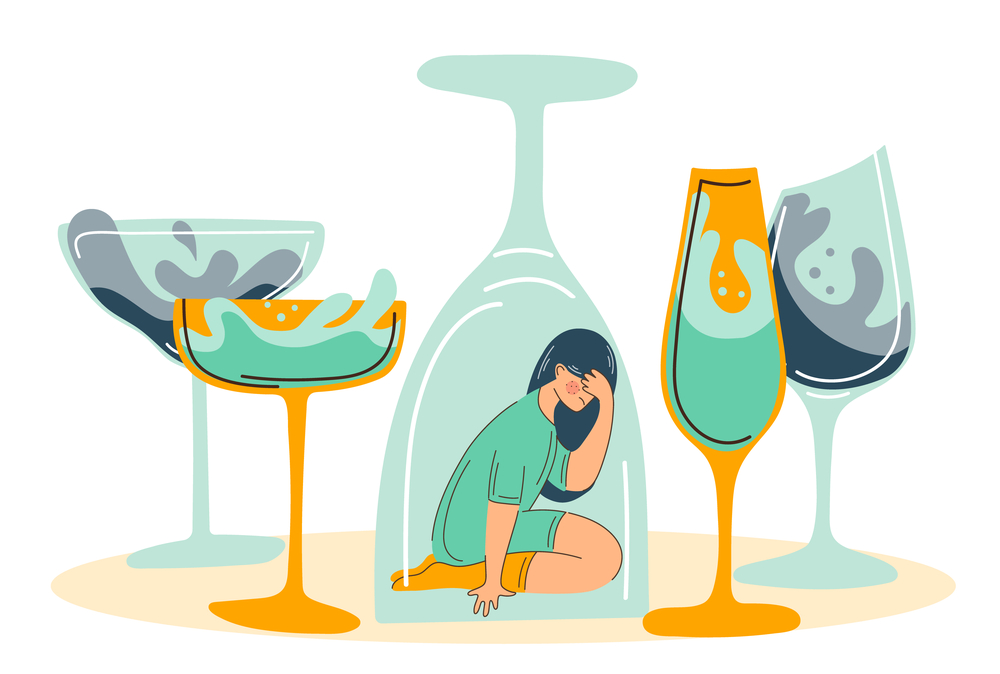
Addiction in Caregivers: The Hidden Crisis Among Those Who Support Others

Written by Jason Klimkowski,

Caregivers support those who can’t care for themselves for various reasons — including illness, disability, or aging. And since the global population is aging rapidly, caregiving is a widespread and growing role. According to recent estimates, tens of millions of people worldwide are caregivers to older adults or folks with chronic conditions. In the United States alone, over 40 million adults identify as caregivers each year. And similar trends are noticeable in other countries. Unfortunately, caregivers often juggle their role and other responsibilities, like jobs or raising families. Naturally, this causes huge amounts of daily stress and many assorted mental health challenges that can lead to addiction in caregivers. Escaping addiction is never easy, especially considering the nature of their role. Therefore, it is important to focus on the crisis among caregivers and their struggles with addiction.

Who Are Caregivers?

The two main types of stressed caregivers are:

  • Family (informal) caregivers — unpaid relatives or friends who assist loved ones with daily activities and medical tasks at home. They help with activities of daily living (bathing, dressing, feeding), manage medications, coordinate healthcare appointments, and provide emotional support.
  • Professional caregivers — personal support workers, hospice staff, and home health aides, often handling more complex medical procedures and monitoring.

Naturally, all caregivers, whether devoted family members or trained professionals, are responsible for the safety, health, and well-being of those in their care.

Addiction Among Caregivers

Unfortunately, addiction in caregivers is something society doesn’t discuss nearly enough — and addresses it even less. They develop substance abuse issues more often because they’re exposed to more stressors. Figures back this up, even though research on the topic isn’t plentiful.

According to some estimates, around 12% of US children live with a caregiver with substance abuse issues, meaning drugs and alcohol. Canadian research shows similar results, with 8–10% of caregivers using alcohol or other substances.

These figures are fairly comparable to addiction statistics among the general population. However, there are also caregivers of specific high-stress populations. Studies targeting caregivers in particularly demanding situations, like dementia care, show higher levels of risky substance use of around 18 percent.

The findings paint a clear picture. Namely, the higher the burden of a caregiving situation, the higher the risk of the caregiver developing addiction issues as a coping mechanism.

Professional Caregivers and Addiction

Addiction is also a concern among nurses, doctors, and other health professionals. Approximately 10% of healthcare workers are estimated to abuse drugs or alcohol during their careers.

Surveys of nurses show that around 18% suffer from substance use problems, with about 6–7% meeting criteria for a substance use disorder. In the case of medical professionals, proximity to medications is also an issue. Addiction in caregivers is more common among anesthesiologists and others with ready access to medications.

Behavioral Addiction

Not all types of addiction are easily noticeable. It is important to spot the signs in missed appointments, slurred words, and dramatic breakdowns. Sometimes, they may be less readily apparent, like in the cases of gambling disorders, internet addiction, and similar compulsive behaviors.

Caregivers facing long hours at home are susceptible to these behaviors as a form of escape — the simplest outlet for stress.

There’s no precise evidence showing the prevalence of these behaviors in caregivers, but their stress levels are comparable to those suffering from similar issues in the general population.

Recovery Post-Treatment

Most caregivers relapse because the environment around them stays the same. They leave treatment, go home, and walk right back into the same routines, same stress, same weight on their shoulders. That makes maintaining recovery after treatment ends especially challenging unless caregivers intentionally reshape their lives to support sobriety. It is important to know how to stay sober with the right strategy.

Caregivers can build a structured daily routine and prioritize self-care through healthy habits like exercise and balanced meals to reduce stress. Additionally, it is necessary to avoid toxic relationships and risky situations that might trigger relapse, celebrate milestones in the sobriety journey, and stay connected with ongoing therapy or support groups. Practical methods can help caregivers stay sober in their usual pre-treatment environment.

Shame, Guilt, and the Fear of Being Seen

Caregivers often feel like they are supposed to be the strong ones. They give help, no matter how bad it gets, and don’t complain. But what happens when they need help? Ironically, they feel guilty.

This guilt doesn’t come from pride. It’s fear. Fear that if they admit they’re struggling, people will perceive them as weak. Fear that the person they’re caring for will lose trust. So, they hide it and convince themselves that the problem is temporary.

If you’re a caregiver feeling like you’re on the verge of developing an addictive habit, try:

  • Telling one person you trust that you’re not doing okay
  • Writing it down in a notebook to get the truth out of your head
  • Scheduling a private call with a therapist who understands caregiver stress
  • Asking your doctor about what you’re taking and why
  • Joining an anonymous support group, even if you never speak the first time

Small steps matter.

Other Barriers To Seeking Help

Besides guilt and shame, there are also more practical barriers preventing caregivers from seeking help. Many caregivers feel they simply cannot step away from their responsibilities.

They simply feel their absence would have dire consequences for their loved ones. For example, an around-the-clock caregiver of a dementia patient may not have anyone to cover for them. This prevents them from attending an outpatient program, let alone an inpatient detox.

Respite care services are either unavailable or the caregiver is unaware of them. This time barrier is huge. And as a result, caregivers put the patient’s schedule of needs ahead of their own recovery.

Furthermore, addiction often saps motivation and energy. A caregiver in the depths of substance dependence may be so physically unwell or emotionally drained that the effort to find and engage in treatment feels overwhelming.

The Toll on Relationships

The personal dynamic between caregivers and care recipients often suffers when addiction is involved. Sometimes, the care recipient feels guilt, believing they “caused” the caregiver’s troubles. This is especially common in spousal caregiving situations.

On the other hand, the addicted caregiver might oscillate between emotional distance and outbursts of anger or mood swings. In most cases, this is caused by substance effects or withdrawal.

Over time, trust between everyone involved erodes. In families, other relatives may have to step in, creating further stress or conflict within the family. The care recipient’s own health can deteriorate due to missed care. This creates an environment where the caregiver might spiral further into a destructive feedback loop.

Other Consequences

More broadly, addiction in caregivers leads to a loss of skilled workers in healthcare. Often, affected nurses or doctors lose their licenses due to substance misuse. Also, it can increase healthcare costs, for example, if an elder’s caregiver neglect leads to hospitalization, or if a child is taken into foster care because a parent needs addiction treatment.

There are also public safety concerns. There have been cases where an impaired caregiver might drive with their dependent in the car, risking accidents. Society entrusts caregivers with a vulnerable population, so when addiction undermines that role, the fallout can extend to increased burden on social services and medical systems.

Practical Tools for Staying Sober While Caregiving

Recovery gets tested the minute you’re back in your routine. That’s why it helps to have practical tools. Not just ideas, but actual actions to take when the path to recovery hangs in the balance. Especially for caregivers, staying sober has to work in real-time, with real stress, and very little free space.

Here are a few tools that make a real difference:

  • Build a daily rhythm. Even a loose routine helps. That might be coffee, a short walk, or a check-in call. Something that marks your day outside of caregiving tasks.
  • Know your triggers. Write them down. Be specific. Is it the late-night silence? The guilt after an argument? The isolation? Knowing what sets you off makes it easier to respond properly.
  • Set micro-boundaries. You don’t have to overhaul your life. But even saying “no” once a day, or taking 10 minutes for yourself, adds up. Boundaries protect your energy.
  • Use support that fits your schedule. Online meetings with an addiction recovery therapist, texting a sponsor, and quick breathing exercises can work wonders even with a tight schedule.
  • Acknowledge every step. Did you skip a drink tonight? Did you pause instead of reacting? That counts as progress.

The Strongest People Need Help Too

People don’t always notice when you’re in trouble, especially if you’re the one who’s always had the answers and made things better.

If you’re deep in it, barely sleeping, and self-medicating just to function, you’re not failing. You’re simply overwhelmed. And you deserve help. Real help, now.

Addiction in caregivers isn’t a character flaw. It’s a survival response in a system that asks too much and offers too little. But you can ask for support. And you can rebuild in a way that includes you, too.

Bio: Jason Klimkowski, MBA, is an SEO & Content Manager with a background in logistics, digital marketing, and mental health writing.


References


Please also review AIHCP’s Substance Abuse Practitioner Certification program and see if it meets your academic and professional goals.  These programs are online and independent study and open to qualified professionals seeking a four year certification


AIHCP Behavioral Health Certifications Blog: Improving Your Mental Health


I. Introduction

Mental health is an essential component of overall well-being, yet it remains a topic often surrounded by stigma and misunderstanding. In recent years, the importance of improving mental health has gained recognition, prompting active research in various fields, such as education and occupational therapy. For instance, action research in higher education reveals that by examining their teaching practices, educators develop a deeper understanding of both their pedagogical approaches and their students needs, ultimately enhancing mental health awareness within educational settings (Caruana et al., 2005). Similarly, studies focusing on harm reduction strategies highlight the capabilities of occupational therapy interventions to foster positive health outcomes for individuals facing mental health challenges (Hellman et al., 2013). These insights underscore the necessity of a proactive approach to mental health improvement, advocating for personal reflection, community support, and targeted intervention strategies to foster resilience and personal growth in individuals across diverse environments.

Please also review AIHCP’s mental and behavioral health certifications, including the programs in Grief Counseling, Stress Management, Anger Management, Crisis Intervention, as well as Substance Abuse Counseling and Meditation Instructor.  These programs are open to mental health and healthcare professionals.
Mental wellness and mental health is health. It should not be set to the side or ignored or stigmatized. Please also review AIHCP’s Behavioral Health Certification programs


A. Definition of mental health

Mental health encompasses a multifaceted spectrum of emotional, psychological, and social well-being, influencing how individuals think, feel, and interact with others. It is crucial for coping with the stresses of life, making choices, and forming relationships. In recent literature, resilience has emerged as a pivotal concept within the context of mental health, illustrating how individuals navigate adversity. Resilience is characterized by the ability to utilize protective factors that mitigate risks of mental illness, ultimately leading to more favorable outcomes than initially anticipated (Stainton A et al., 2018). Furthermore, studies indicate that resilience in mental health professionals can enhance their capacity to manage stressors and prevent burnout, contributing positively to their overall mental health (Foster K et al., 2018). Understanding mental health not only involves recognizing its definition but also appreciating how resilience plays a critical role in promoting psychological well-being and aiding recovery.


B. Importance of mental health in overall well-being

Mental health plays a pivotal role in determining overall well-being, influencing not only emotional stability but also physical health and social functioning. Negative mental health conditions, such as depression and anxiety, can impair daily functioning and reduce quality of life, leading to various physical health issues and diminished productivity. For instance, a study highlighted the significance of life review interventions among older adults, demonstrating notable improvements in depression and resilience, which underscores the necessity of addressing mental health issues to enhance overall well-being (Pathrose SI et al., 2025). Furthermore, mental wellness is crucial among professionals; teachers in Malaysia experience high levels of stress that adversely affect their mental health, thereby eroding their effectiveness in educational roles and overall life satisfaction (Alzahari N et al., 2025). Consequently, prioritizing mental health not only fosters individual well-being but also contributes to healthier communities and more effective interpersonal relationships.

One of the biggest issues is mental health is bypassed and stigmatized.  Physical health issues take front stage while mental health is ignored and stigmatized as crazy.  When someone takes a blood pressure pill for life, it is does not even raise an alarm, but if someone takes a medication for anxiety or depression, individuals become labeled.  The reality is mental health is health.  Mental health issues do not make you crazy but human.  Individuals suffer from a variety of mental health issues that stem from the brain and neurotransmitters.  These imbalances are no different a health issue as high sugar or high cholesterol.  They are all issues that need addressed.  Bypassing, neglecting or being embarrassed of these issues can only cause longer term damage to one’s overall wellness of life.  Hence it is important to champion one’s mental health as overall health and dismiss the past comments about mental health medications or images associated with mental health issues.


C. Overview of strategies for improvement

In the pursuit of improved mental health, various strategies can be implemented to foster emotional and psychological well-being. One effective approach is the development of emotional intelligence (EI), which has been shown to enhance resilience and coping mechanisms by improving self-awareness and interpersonal relationships. Incorporating programs and workshops aimed at EI development can help individuals navigate stressors more effectively, ultimately leading to better mental health outcomes (Kazachuk et al., 2024). Another valuable strategy is the practice of yoga, which contributes significantly to stress reduction and emotional regulation. Research indicates that regular yoga practice enhances the nervous systems adaptability, fostering resilience and improving cognitive functions (Biesok et al., 2024). By combining these strategies, individuals can cultivate a holistic approach to mental health improvement, which is not only beneficial on a personal level but also contributes to healthier communities overall.


II. Understanding Mental Health

Understanding mental health is crucial for fostering comprehensive approaches to improving overall well-being. Mental health encompasses emotional, psychological, and social dimensions, significantly influencing how individuals think, feel, and interact with others. The intersection of physical activity and mental health represents a particularly complex relationship where engaging in exercise may enhance psychological functioning; however, the direction of this causality remains ambiguous (Asztalos et al., 2010). Moreover, the physical environment contributes substantially to mental health outcomes, as urban planning can either facilitate or hinder access to spaces that promote active lifestyles and social interactions (Allaert et al., 2012). Recognizing the multifaceted influences on mental health, including the roles of personal motivation, social support, and environmental factors, allows for targeted strategies. Thus, a holistic understanding of mental health is essential not only for personal development but also for informing community initiatives aimed at enhancing mental well-being.

It is essential to understand what mental health is and how to maintain it


A. Common mental health disorders

Understanding common mental health disorders is crucial for improving overall mental health and well-being. Disorders such as depression and anxiety affect millions globally, with research indicating that mental disorders impact over 25% of the population worldwide, including a notable prevalence of 14.9% in India, which is exacerbated in rural areas where stigmatization persists (S Nagar et al., 2025). These conditions can severely hinder an individuals ability to function in daily life, necessitating effective treatment strategies and increased awareness. Mental health education plays a vital role in fostering understanding among patients, leading to improved coping skills and enhanced quality of life (Irawan B et al., 2024). It is imperative that healthcare systems broaden their focus to include mental health education and integrated care, particularly in underserved areas. By addressing the knowledge gaps and supporting patients through education, societies can make significant strides in destigmatizing mental health and improving treatment outcomes.

As stated, depression and anxiety are common in within the population.  Many individuals find themselves taking SSRI to help balance serotonin, or taking various anxiety medications such as Ativan to help regulate anxious thoughts.  But while these are common, like other more serious physical ailments, there are more serious mental health disorders.  Some individuals require mood stabilizers, anti-psychotics, and other drugs to help maintain health clarity.  This is not because they are bad people, or crazy but because their bodies require certain medications to help balance an issue.  Neglected health leads to serious consequences, especially in mental health.  Take your mental health disorder seriously and you will find a higher quality of life.


B. Signs and symptoms of poor mental health

Identifying the signs and symptoms of poor mental health is crucial for early intervention and effective management. Common indicators include persistent sadness, changes in appetite or sleep patterns, withdrawal from social interactions, and difficulty concentrating. These symptoms may signal underlying issues such as anxiety or depression, which can be exacerbated by a lack of support and proper resources. Recognizing these symptoms allows individuals to seek help proactively, thus mitigating further distress. Psychoeducational interventions (PIs), while primarily a preventative measure, play a significant role in enhancing awareness around these signs among adolescents, fostering improved communication and understanding of mental health issues within families and communities (Jones B et al., 2017). Encouraging the use of mobile technology, such as smartphones for accessing mental health resources, integrates modern solutions into traditional methods, potentially improving treatment outcomes and accessibility for those struggling with mental health concerns (Susick et al., 2011).


C. The impact of mental health on daily life

Mental health significantly influences daily life, intertwining with various aspects such as relationships, work performance, and personal satisfaction. Individuals struggling with mental health issues often encounter challenges in maintaining social connections and achieving productivity, leading to feelings of isolation and decreased quality of life. According to research on visually impaired older adults, a notable relationship exists between mental health, problem-solving abilities, and life satisfaction, indicating that psychological and socio-cognitive factors are crucial for navigating daily challenges (Carrieri et al., 2017). Furthermore, integrating health-related quality of life assessments into clinical care has been suggested to enhance the recognition of underlying psychosocial problems, although evidence supporting its efficacy remains mixed (Gilbody et al., 2002). Consequently, addressing mental health proactively not only fosters emotional well-being but also bolsters overall life satisfaction, prompting a more fulfilling daily existence.


III. Lifestyle Changes for Better Mental Health

To improve mental health effectively, adopting specific lifestyle changes is essential, particularly those that enhance physical well-being, such as regular exercise and proper sleep hygiene. Engaging in physical activity has been shown to increase endorphin levels, thereby improving mood and reducing symptoms of anxiety and depression. For example, a study involving premenopausal women demonstrated that osteogenic exercises not only improved bone health but also enhanced quality of life and mental health metrics among participants, with a reduction in those falling below population health norms for mental well-being post-intervention (BABATUNDE et al., 2016). Additionally, prioritizing sleep is crucial for overall mental health, as disrupted sleep patterns can exacerbate stress, anxiety, and depressive symptoms. Research has found that implementing healthy sleep habits significantly contributes to improved sleep quality, which in turn plays a vital role in strengthening emotional resilience and cognitive function (Bednarz et al., 2024). Therefore, integrating these lifestyle modifications can lead to substantial improvements in mental health and overall well-being.

Life style changes in addition to medication sometimes are necessary for mental health.  Addictions, bad situations, poor friend circles, and other social situations can trigger mental health issues.  Like any health condition, individuals with poor mental health must take the appropriate steps to become healthy.  This is not only essential for their own well-being but also for their family and friends.  Poor mental health leads to destructive behaviors and this destroys families and social bonds.  Hence, to preserve and improve mental health, it is critical to not only take necessary medications but to explore other life styles that promote better mental health.


Exercise, meditation, stress management, diet and other social changes are essential for better mental health for many. Incorporating what needs to be done is key to a better life for oneself and one’s loved ones


A. The role of physical exercise

Engaging in physical exercise plays a crucial role in enhancing mental health, functioning as a powerful mechanism for promoting cognitive function and emotional well-being. Regular physical activity is associated with decreased risks of chronic conditions such as cardiovascular disease and cognitive decline, significantly influencing overall mental resilience. Research indicates that exercise enhances neuroplasticity, the brains ability to reorganize and adapt, thereby fostering cognitive improvements in attention, memory, and executive functions (Do Jłęga et al., 2024). Moreover, innovative interventions, such as multimodal programs that incorporate cognitive training, emotional tasks, and physical activity, have been shown to alleviate symptoms of anxiety and depression, particularly in individuals recovering from conditions like Post-COVID-19 (Cano N et al., 2024). Through its multifaceted benefits, physical exercise emerges as a vital component of mental health strategies, underscoring the necessity for individuals to incorporate regular activity into their lives as a means to bolster their cognitive and emotional health.

Also, be sure to get plenty of sun and fresh air.  Sometimes the body needs more than healthy diet, but also healthy exposure to nature, the sun and air.  If work is stressing you, look into nature and hiking to find balance.


B. Importance of a balanced diet

The importance of a well-rounded diet in supporting mental health can’t be overstated; it has a direct impact on how the brain functions and, relatedly, on a person’s emotional state. Foods packed with nutrients offer the vital ingredients needed to keep cognitive functions running smoothly, including both mood and the ability to handle stress. Studies repeatedly show that a diet filled with fruits, vegetables, whole grains, and healthy fats is good for mental health. This is because these foods offer crucial nutrients that help neurotransmitters be produced and remain stable. On the other hand, it’s worth noting that a diet heavy on processed foods and sugars might create imbalances that could worsen anxiety and depression symptoms, showing a definite connection between what we eat and how we feel. As a result, adopting a balanced diet is not just a physical health matter, generally speaking, but a really important way to build emotional strength. This makes food choices a key part of therapies for mental health issues, as recent studies suggest (Pandey P et al., 2024) (Sharma S, 2024).

C. Benefits of adequate sleep

Getting enough sleep is really important for your mental health; it’s like a base for how well you handle your feelings and think clearly. Research shows that when you don’t sleep well, things like anxiety and depression can get worse, which isn’t good for your general health. Good, regular sleep can really help you handle stress better; for instance, studies have found that things like mindfulness can make you less depressed and improve your sleep, even if you’re generally healthy (Akter M et al., 2025). Also, there’s some new evidence suggesting that probiotics could help you sleep better, which could also help your mental health (Martyka A et al., 2024). What’s more, when you sleep well, you tend to make better decisions and are generally happier with your life, showing just how crucial sleep is for thinking straight and managing your emotions. So, making sure you get enough sleep is key to improving your mental health, and it’s a pretty easy but effective way to feel better overall.

Sometimes its more than just rest and sleep, but when to cut back from something.  Whether work, school or family, stress can over bear the system.  Knowing when to find rest is critical to mental health.  A time out, grounding and prayer or meditation can make a big difference in resting the mind.

D. Social Media
When life becomes overbearing it is time to know when to alter a course and find help.  One example that detrimental to mental health is social media.  Social media can send thousands of negative messages that can hurt someone emotionally.  This can be a very dangerous venue for mental health.  It is key, especially with social media, the news, and the views of others, when to know to cut back and ask for help.  Seeking out mental health counseling is critical to help navigate difficult times.
In addition to the problems of others, setting boundaries and being assertive in caring for one’s own needs is important.  This is not selfish but is self care and boundaries can protect one’s mental health from the invasion of other people’s issues and problems that are detrimental to oneself.


IV. Mindfulness and Stress Management Techniques

Strategies centered around mindfulness and stress management are now recognized as central to improving mental well-being. Practices that cultivate mindfulness, for example, meditation and focused breathing, guide people toward present-moment awareness, which aids in stress reduction and supports emotional stability. Studies indicate that when mindfulness is incorporated into schools, young people benefit because they learn better stress management and develop improved coping strategies (Sapthiang et al., 2019). These methods not only help instill a sense of tranquility, but they also refine peoples ability to interact with others, boosting their social competence. Furthermore, the techniques are adaptable, so people facing various types of daily pressures can use them. Heightened awareness of mental health issues means that mindfulness, integrated within communities and schools, could provide a solid base for encouraging resilience and overall wellness across diverse groups (Baskin-Sommers et al., 2016). Therefore, adopting mindfulness might well serve as a cornerstone of efforts aimed at enhancing mental health.


A. Introduction to mindfulness practices

The value of mindfulness practices in boosting mental health is now widely acknowledged. These practices empower people to develop both awareness and presence in everyday life. Activities like meditation, yoga, and even sophrology can all play a role in stress reduction and promoting better emotional well-being. The COVID-19 pandemic really shined a light on the importance of these tools, with young folks, particularly university students, experiencing increased anxiety stemming from uncertainty and social isolation. Research suggests that consistently participating in mindfulness can substantially decrease stress and boost resilience—something absolutely crucial for navigating life’s curveballs (Denis B-M et al., 2024). Moreover, incorporating mindfulness into schools can help cultivate a setting where people not only learn stress management but also see improvements in their engagement and performance overall (N/A, 2025). By prioritizing mindfulness, we can equip ourselves to better handle the challenges of modern life while also taking care of our mental health.


B. Techniques for effective stress management

For the sake of mental health and all-around well-being, especially when the heat is on, good stress management is key. You’ll find things like mindfulness meditation, cognitive behavioral therapy, and, yes, even regular exercise, can really make a difference in bringing stress levels down. Mindfulness, for example, helps people get to know themselves better, which means they can handle their emotions and cut down on anxiety (Júlia Kafková et al., 2025). Also, when organizations, especially in tough fields like healthcare, get smart about how they’re set up, they can do a lot to help manage stress. Setting up systems that use, say, predictive models to figure out stress levels can help them give targeted support to their people, leading to a healthier place to work (Nag M et al., 2025). When you put personal strategies together with support from the organization, people can come up with full-on stress management plans that not only take care of immediate problems but also build up long-term mental health. This kind of well-rounded approach lets people deal with daily stress like a boss, which boosts their overall quality of life.

One cannot under emphasize the importance of reducing stress for overall mental health.  Knowing when to engage or not, to put down or face, is key a decision in one’s mental and emotional health.  Please also review AIHCP’s Stress Management Consulting Certification by clicking here


C. The role of meditation in mental health

Meditation is now seen as a really important way to help our minds and feelings stay healthy. It helps us pay attention to ourselves and the world around us, which then makes it easier to handle stress, worry, and other emotional problems. Studies have shown that when people meditate, especially using mindfulness techniques, they often feel less anxious and depressed. For example, programs like the EscapeCovid Game, which aim to help people understand mental health better, have found that meditation can help people control their emotions and deal with difficult situations, especially during the COVID-19 pandemic (D Labrosse et al., 2025). Also, when researchers have looked at many studies on meditation, they’ve found that it can be useful for managing anger at work, which suggests that meditation could make people more emotionally stable and improve their relationships with others (MOTIRAMANI SS et al., 2025). So, if people make meditation a part of their everyday lives, it could be a practical way for them to feel better mentally and become stronger in the face of life’s difficulties.

V. Conclusion

To summarize, a comprehensive strategy for improving mental health necessitates not just effective treatment but also well-coordinated care systems and active community involvement. For example, the successful transition of young people from residential mental health facilities highlights the need for coordinated care systems that address all aspects of an individual’s well-being (Cameron et al., 2012). The frequent co-occurrence of mental health and substance use disorders further emphasizes the need for strategies that can simultaneously manage various health issues. Studies suggest that poor coordination leads to fragmented care and, often, increased use of emergency services, which underscores the importance of integrated care programs designed to promote effective treatment pathways (Hale et al., 2019). Prioritizing collaboration among healthcare professionals and ensuring access to personalized mental health services can make better mental well-being more achievable for those who need it, thereby contributing to healthier communities.

To review AIHCP’s mental and behavioral health certification programs, please click here
Taking your mental health seriously is key to a healthy life. Whether life changes, medication or counseling is needed, one must address their mental health as their overall health. Please also review AIHCP’s Mental and Behavioral Health Certification Programs and see if they meet your academic and professional goals


A. Recap of key strategies for improving mental health

When it comes to boosting our mental health, there are definitely some strategies that stand out. For example, building strong social connections is super important for staying emotionally resilient; good relationships can really help when things get tough. Also, exercise is great for your mood and can help with anxiety, which shows how connected our bodies and minds really are. Mindfulness and meditation can also make a big difference by helping us feel more aware and less stressed, leading to a more balanced state. Plus, it’s crucial to tackle systemic issues in mental health care; effective solutions need to ensure everyone has fair access, especially folks from marginalized communities. It’s been noted that improving support for specific groups mirrors the need for complete mental health plans that focus on individual wellness but also get communities involved and push for lasting change (Adelman et al., 2018), (Adelman et al., 2018).


B. Encouragement to seek professional help when needed

Generally speaking, improving mental health often calls for changing how society views getting help. Research shows that better mental health literacy (MHL) can really cut down on the stigma around mental health services, which, in most cases, leads to people seeking help sooner. For instance, studies have shown that students who know more about mental health are less likely to feel ashamed about seeking help, underscoring the importance of integrating mental health education into curricula, particularly in secondary schools (Sokolov Lá, 2024). Also, programs that try to reach groups that are usually hard to reach, like male students, show that using informal support and customized messages can help them accept mental health resources (I Sagar-Ouriaghli et al., 2023). By encouraging a culture where people feel okay about seeking professional assistance without worrying about being judged, we can boost community well-being and make sure mental health resources are used well.


C. Final thoughts on the importance of prioritizing mental health

To summarize, attending to mental well-being transcends individual concerns, evolving into a societal requirement that markedly boosts overall health. Studies, such as those (Miller et al., 2024) noting the stigma around mental health in professions like nursing, emphasize the importance of deploying supportive measures to lessen stress and burnout. A comprehensive strategy—incorporating mindfulness, mutual support, and self-care—can significantly elevate individual and communal mental health results, thus forging a healthier workplace and society. Furthermore, raising awareness about mental health helps dissolve stigmas, thereby encouraging people to seek assistance without dreading disapproval (Fischbacher-Smith et al., 2016). By valuing mental health, we foster resilience, promote emotional wellness, and enrich our lives, reaffirming the need to integrate mental health into daily priorities.

Additional AIHCP Blog: Fear and Grief. Click here

Additional Resources

Tartakovsky, M. (2025). “8 Daily Habits to Boost Mental Health — and Signs It May Be Time to Get Support”. Healthline.  Access here

Morin, A (2025). “10 Ways to Improve Your Mental Health Without Therapy”. Psychology Today. Access here

Wolters, C (2025). “9 Daily Habits to Boost Your Mental Health”. U.S News.  Access here

“Emotional Wellness Toolkit — More Resources” NIH.  Access here

The Subtle Ways of the Devil Video Blog

The devil rarely gets someone on his first attempt or makes a person a monster in one day but it is over a period of time.  Spiritual erosion and subtle ways breaks down a good person over time.  This video looks at the subtle ways our spiritual defenses are gradually weakened.

Please also review AIHCP’s Christian Counseling Certification. Qualified professionals can apply within the scope of their practice to better help individuals in counseling from a Christian perspective in both pastoral as well in some cases, clinical settings.