Forensic Nurse Specialist and Their Role in Healthcare

By – James M. Katz, BA

A board with Forensic Nurse Specialist as well as other words that describe Forensic Nursing wrote on it.In the intersection between healthcare and the justice system, forensic nurse specialist emerge as a pivotal figure, blending the compassion of nursing with the analytical acumen required for crime scene investigation. Their unique role encompasses not only providing trauma-informed care to victims but also collaborating closely with medical examiners and legal professionals to ensure accurate evidence collection and documentation. Forensic nursing, a discipline that has only gained formal recognition in recent decades, now stands as a vital component of both the medical and legal communities, bridging gaps that were once challenging to overcome. This role’s importance is magnified in cases involving vulnerable populations, where forensic nurse examiners utilize their specialized skills to advocate for those who may not be able to speak for themselves. Forensic nursing specialists play a unique role in the healthcare and legal systems. They bridge the gap between medical care and the law, helping victims of violence and crime. These nurses not only provide medical care but also collect and document evidence, working closely with legal authorities. Their work is crucial in ensuring justice and support for those affected by crime.

This article delves into the multifaceted world of forensic nursing, outlining the roles and responsibilities that define a forensic nurse specialist, from the initial crime scene investigation to providing expert testimony in court. It explores the various types of forensic nurses, including forensic nurse death investigators and forensic nurse consultants, and discusses the educational pathways and forensic nursing certifications necessary to enter this field. Furthermore, it highlights the diverse work settings a forensic nurse may find themselves in, the essential skills and competencies required for success, and the unique challenges and rewards that come with the job. Finally, it reflects on the future prospects in forensic nursing, providing insight into how this profession continues to evolve and expand its impact on healthcare and the legal system.

Key Takeaways

  • Forensic nursing specialist helps both victims and perpetrators by providing medical care and collecting evidence.
  • To become a forensic nursing specialist, one must first be a registered nurse and then pursue advanced education and certification in forensic nursing.
  • There are different types of forensic nursing specialties, including Sexual Assault Nurse Examiners, Psychiatric Forensic Nurses, and Legal Nurse Consultants.
  • Forensic nursing specialists need a mix of medical knowledge, legal understanding, and strong communication skills.
  • These specialists can work in various settings such as hospitals, law enforcement agencies, and community services.

Overview of Forensic Nursing

Definition and Scope

Forensic nursing, as defined in the “Forensic Nursing: Scope and Standards of Practice,” is the application of nursing practice globally where health and legal systems intersect. This specialty involves integrating nursing knowledge with forensic science to provide specialized care to patients involved in legal cases. Forensic nurses are trained health professionals who treat the trauma associated with violence and abuse, such as sexual assault, intimate partner violence, neglect, and other forms of intentional injury. They also play a critical role in anti-violence efforts, collecting evidence and offering testimony that can be used in court to apprehend or prosecute perpetrators.

Historical Background

The roots of forensic nursing can be traced back to early civilization, with documented evidence suggesting that ancient Egyptian and Hindu medicine recognized the concepts of poisons and toxicology. This understanding was further developed by Greek and Roman civilizations, which discussed injury patterns and used them to determine causes of death. The integration of forensics into nursing, however, began much later. In the United Kingdom during the 1950s, forensic nursing practices were documented, where nurses partnered with law enforcement to provide both healthcare and forensic medicine within custodial environments.

In the United States, the formal inception of forensic nursing occurred in the 1970s with the establishment of the first Sexual Assault Nurse Examiner (SANE) programs. These programs were developed as nurses recognized the inadequate services provided to victims of sexual assault compared to other emergency department patients. The first SANE programs started in Memphis, Tennessee in 1976, followed by Minneapolis, Minnesota in 1977, and Amarillo, Texas in 1979 . The role of SANEs expanded significantly in 1992 with the formation of the International Association of Forensic Nurses and was recognized as a nursing subspecialty by the American Nurses Association in 1995. This historical progression highlights the evolution of forensic nursing from an informal practice to a specialized field that bridges the gap between healthcare and the legal system, ensuring that victims of violence and abuse receive both compassionate care and justice.

Roles and Responsibilities of a Forensic Nurse Specialist

Patient Care

Forensic nurse specialist provides comprehensive care to individuals who have experienced trauma or violence. They blend holistic nursing care focusing on the body, mind, and spirit with expertise in legal and forensic disciplines. This dual focus ensures that both the medical and evidentiary needs of patients are met. Forensic nurses treat a wide range of traumas, including those from sexual assault, domestic violence, and other violent crimes. Their approach is invariably trauma-informed, ensuring that patients feel safe and supported throughout their care.

Evidence Collection

Forensic Nurse Specialist collected pile of labeled evidence.A critical aspect of the forensic nurse’s role is the collection and preservation of evidence. This process is meticulous and governed by strict protocols to ensure that the evidence can be used in legal proceedings. Forensic nurses are trained in the proper techniques for documenting injuries, collecting biological samples, and maintaining the chain of custody for all collected evidence. Their detailed attention to the process ensures that the evidence gathered can withstand rigorous scrutiny in court.

Legal Testimonies

Forensic nurses often serve as both fact and expert witnesses in court. As fact witnesses, they testify only about what they observed and the actions they performed during the course of their duties. This might include details of the forensic examination and the protocols followed. As expert witnesses, they are permitted to provide opinion testimony based on their specialized knowledge and experience. This can cover areas such as the interpretation of medical findings, victim behavior during examinations, and the implications of specific injuries. Their testimony is highly valued due to their perceived neutrality and professional expertise. Forensic nurses must maintain a high level of professionalism and objectivity when involved in legal proceedings. They are expected to present their findings honestly and without bias, contributing effectively to the administration of justice.

Types of Forensic Nurses

Forensic nursing encompasses various specialized roles, each critical to bridging the gap between healthcare and legal systems. This section highlights three primary categories of forensic nurses: Sexual Assault Nurse Examiners (SANEs), Nurse Coroners, and Forensic Psychiatric Nurses.

Sexual Assault Nurse Examiners (SANEs)

Sexual Assault Nurse Examiners provide crucial care and forensic examinations to victims of sexual assault. Their responsibilities extend beyond medical treatment to include forensic evidence collection, which is vital for legal proceedings. SANEs conduct detailed interviews and physical examinations, ensuring the collection of forensic evidence while maintaining the dignity and privacy of the victim. They also play a significant role in providing testimony in court, where their expert insights contribute to the judicial process.

Nurse Coroners

Nurse Coroners, also known as nurse death investigators, work closely with medical examiners and coroners to determine the causes of death. Their role is integral in settings such as coroner offices, forensic units, and law enforcement agencies. These professionals are skilled in conducting external examinations, collecting biological samples, and documenting findings crucial for legal and investigative purposes. Their work often uncovers critical information that can impact public health policies and criminal justice proceedings.

Forensic Psychiatric Nurses

Forensic Psychiatric Nurses specialize in the care of individuals who are involved with the legal system, particularly those who may have mental health issues. They evaluate and treat both victims and offenders, providing essential mental health services and support. These nurses work in diverse environments, including correctional facilities, psychiatric institutions, and behavioral health centers. The role requires a high level of expertise in mental health and an ability to remain unbiased and supportive in challenging situations.

Each of these roles demonstrates the diverse capabilities and critical importance of forensic nurses in integrating medical care with judicial and investigative processes. Their specialized skills ensure that individuals receive comprehensive care and support while contributing to the broader goals of justice and public safety.

Roles and Responsibilities of a Forensic Nursing Specialist

Providing Care to Victims and Perpetrators

Forensic nursing specialists play a crucial role in caring for both victims and perpetrators of crimes. They offer medical attention, emotional support, and ensure that patients receive the necessary follow-up care. Their work is essential in bridging the gap between healthcare and the legal system.

Evidence Collection and Documentation

One of the key responsibilities of a forensic nursing specialist is to collect and document evidence. This includes taking photographs, collecting samples, and meticulously recording observations. Accurate documentation is vital for legal proceedings and can make a significant difference in the outcome of a case.

Collaboration with Legal Authorities

Forensic nursing specialists often work closely with law enforcement and legal professionals. They may be called upon to testify in court, provide expert opinions, and assist in investigations. Their collaboration ensures that the medical and legal aspects of a case are thoroughly addressed, contributing to the pursuit of justice.

Educational Pathways to Becoming a Forensic Nursing Specialist

Registered Nurse Prerequisites

To start your journey as a forensic nursing specialist, you first need to become a registered nurse (RN). This involves completing an Associate Degree in Nursing (ADN) or a Bachelor of Science in Nursing (BSN) program. After finishing your degree, you must pass the NCLEX-RN exam to get your RN license. Gaining experience as an RN is crucial before moving on to specialized forensic nursing roles.

Advanced Degree Programs

Once you have some experience as an RN, you can pursue advanced degrees that focus on forensic nursing. Master’s programs often offer specializations in areas like sexual assault examination, psychiatric forensic treatment, and protective service investigation. These programs prepare you for more advanced roles and responsibilities in the field.

Continuing Education and Certification

Continuing education is essential for staying updated in forensic nursing. You can take specialized courses and earn certifications such as the Sexual Assault Nurse Examiner (SANE) or the Psychiatric-Mental Health Nursing Certification (PMH-BC). These certifications not only enhance your skills but also make you more competitive in the job market.

Work Settings

Forensic nurses find a wide array of employment opportunities across different settings, each offering unique challenges and requiring specialized skills. These professionals are integral not only in healthcare facilities but also within the criminal justice system, where they apply their expertise in both medical and legal arenas.

Hospitals

In hospital settings, forensic nurses often engage in emergency departments and sexual assault centers, where they address the immediate needs of victims of violence and sexual assault. They are tasked with performing forensic examinations and providing trauma-informed care, often working in tandem with other healthcare professionals to ensure comprehensive patient care.

Community Programs

Forensic nurses also play a crucial role in community anti-violence programs. They work alongside law enforcement, social workers, and public health organizations to develop and implement strategies that prevent violence and support victims. Their responsibilities may extend to participating in community crisis responses, such as in the aftermath of mass disasters or in situations involving widespread community trauma.

Legal Institutions

Within the legal system, forensic nurses may work in various capacities, such as in coroners’ and medical examiners’ offices where they assist in determining causes of death and collecting crucial evidence for criminal investigations. Additionally, they often serve as liaisons between healthcare services and the justice system, helping to ensure that victims’ rights are upheld and that evidence is properly handled and presented in court. In each of these settings, forensic nurses must adapt to the demands of their work environment while maintaining a high standard of care and adhering to legal and ethical guidelines. Their ability to navigate between the worlds of healthcare and law makes them invaluable in bridging the gap between these two critical fields.

Skills and Competencies Required

Forensic nurse specialists must possess a blend of clinical knowledge and soft skills to excel in their multifaceted roles. Here are the essential skills and competencies required for this challenging yet rewarding field:

Interpersonal Skills

Empathy, sensitivity, and the ability to establish trust are paramount in dealing with patients and their families. These skills are crucial for forensic nurses who often work with individuals affected by traumatic events. The nurturing of a trusting relationship can significantly impact the effectiveness of patient care and the overall investigative and legal process.

Communication Skills

Clear and concise documentation of medical findings is essential, as is the ability to collaborate effectively with multidisciplinary teams, including law enforcement and legal professionals. Forensic nurses must articulate complex medical information in a manner that is understandable in both medical and legal contexts, ensuring accuracy and adherence to procedural protocols.

Attention to Detail

Forensic nurses are required to perform precise documentation of evidence and thorough patient assessments. These tasks are critical not only in providing high-quality patient care but also in ensuring that the evidence collected can withstand legal scrutiny during court proceedings.

Problem-Solving Skills

The ability to think critically and make quick decisions under pressure is vital, especially in time-sensitive situations that forensic nurses often encounter. This skill set enables them to manage the complexities of cases involving trauma and to navigate the challenges that arise during forensic examinations.

Cultural Competence

Understanding and appreciating cultural differences is essential in providing appropriate and sensitive care to diverse patient populations. Forensic nurses must be equipped to address and respect these differences, which can significantly affect the therapeutic and legal aspects of their role.

Trauma-Informed Care

Forensic nurses must be adept at providing trauma-informed care, which involves understanding the various sources of trauma and implementing care strategies that support healing and reduce re-traumatization. This approach is crucial in handling cases sensitively and effectively, acknowledging the profound impact trauma can have on individuals.

Legal Knowledge

A thorough understanding of legal principles and procedures is crucial for forensic nurses. They must be well-versed in the legal standards and ethical considerations of nursing and healthcare to effectively participate in the judicial process, from evidence collection to providing testimony in court.

Each of these skills and competencies plays a critical role in enabling forensic nurses to fulfill their duties effectively, bridging the gap between healthcare and the legal system, and ensuring that patients receive both compassionate care and justice.

Challenges and Rewards

Emotional Toll

The emotional toll on forensic nurses is significant, as they frequently encounter patients who have experienced severe trauma and violence. The constant exposure to such distressing situations can lead to vicarious trauma, where nurses experience emotional disturbances from empathizing deeply with their patients’ suffering. This repeated exposure often results in burnout, characterized by emotional exhaustion and a feeling of being overwhelmed by their responsibilities. Studies indicate that a substantial percentage of nurses, including forensic nurses, have reported high levels of burnout, with findings showing that 62% of nurses experienced burnout in 2020. The emotional toll is further compounded by the frustration and anxiety that can arise from involvement in legal cases, which may lead to job dissatisfaction and mental health challenges such as depression and anxiety.

Professional Satisfaction

Despite the challenges, working as a forensic nurse also brings profound professional satisfaction. Forensic nurses play a crucial role in the healthcare system by providing essential trauma-informed care to victims of violence and abuse. The ability to make a significant difference in the lives of patients during their most vulnerable moments is highly rewarding. Many forensic nurses find fulfillment in seeing the tangible results of their care, as patients recover from their initial state of trauma to a more stable and engaged condition during treatment. Moreover, the job offers unique benefits such as the opportunity to fight for justice for victims, potentially higher salaries compared to other nursing roles, and the satisfaction of knowing they have helped bring perpetrators to justice. This sense of accomplishment and the ability to advocate for and support victims provide a strong counterbalance to the emotional challenges faced in this field.

Future Prospects in Forensic Nursing

The field of forensic nursing is experiencing significant growth, driven by increasing public health demands and the evolving complexities of legal and healthcare systems. In 2021, the International Association of Forensic Nurses (IAFN) saw a 27 percent increase in applications for certification, reaching a record high of 1,213 applicants . This surge underscores the expanding role and recognition of forensic nurses in addressing crime, abuse, and violence.

Career Growth

Forensic nursing offers diverse career paths that extend beyond traditional nursing roles, allowing for specialization and advancement. The most common specialization is the Sexual Assault Nurse Examiner (SANE), who plays a crucial role in treating and examining victims of sexual assaults. For those looking to expand their expertise, roles such as forensic psychiatric nurse, legal nurse consultant, and nurse coroner provide avenues for professional growth. Continuous education and obtaining specialized certifications are essential for advancing in these roles, enhancing both the scope of practice and the impact on community safety and patient care.

Hospitals and Medical Centers

Forensic nurses often work in hospitals and medical centers, providing care to patients who have experienced trauma or violence. They play a crucial role in collecting evidence and documenting injuries to support legal cases. Their expertise is vital in ensuring that victims receive the care they need while also preserving important forensic evidence.Two Criminalist Investigators Analyzing Evidence At Crime Scene. Characters Standing Beside A Vehicle Unit, Equipped With Tools And Equipment For Forensic Analysis. Cartoon People

Law Enforcement Agencies

Forensic nurses collaborate with law enforcement agencies to assist in criminal investigations. They may be called upon to examine victims and suspects, collect evidence, and provide expert testimony in court. Their medical knowledge and forensic skills are essential in helping to solve crimes and bring justice to victims.

Community and Social Services

In community and social service settings, forensic nurses work with vulnerable populations, including victims of abuse and neglect. They provide medical care, support, and advocacy to help individuals navigate the legal system and access necessary resources. Their work is critical in promoting the health and well-being of those affected by violence and trauma.

Challenges and Rewards in Forensic Nursing

Emotional and Psychological Impact

Forensic nursing can be emotionally tough. Nurses often deal with victims of serious crimes, which can be hard to handle. Seeing the pain and suffering of others can take a toll on their own mental health. They need to be strong and find ways to cope with the stress.

Professional Fulfillment

Despite the challenges, being a forensic nurse specialist can be very rewarding. Helping victims and making sure they get justice can bring a lot of satisfaction. Knowing that their work makes a real difference in people’s lives can be very fulfilling. The sense of purpose and achievement is a big part of why many choose this career.

Ethical Dilemmas

Forensic nurses often face tough ethical choices. They have to balance their duty to care for patients with the need to collect evidence for legal cases. This can sometimes lead to difficult decisions. Navigating these ethical dilemmas requires a strong sense of right and wrong.

Emerging Trends

Forensic nursing is increasingly recognized as a critical component of the forensic sciences, integrating with disciplines within the American Academy of Forensic Sciences (AAFS) to enhance investigative and clinical practices. The field is advancing with the help of scientific techniques, including the use of Artificial Intelligence and digital documentation, which are pivotal in the collection and preservation of fragile biological evidence. Legislative support, such as the collaboration between SANE nurses and military physicians mandated by the U.S. Congress in 2014, highlights the growing acknowledgment of the role forensic nurses play in societal safety and justice.

Furthermore, the establishment of the Organization of Scientific Area Committees (OSAC) for Forensic Sciences by the National Institute of Standards and Technology (NIST) in 2014 aims to standardize forensic practices. The OSAC’s Forensic Nursing Subcommittee is drafting standards specifically for sexual assault evaluations, aiming to improve care quality and legal outcomes.

The global outlook for forensic nursing is also expanding. The AAFS Forensic Nursing Science (FNS) Section is working internationally to promote forensic nursing education and practice, aiming to establish a universal forensic health paradigm by 2024. This includes efforts to enhance global humanitarian initiatives and support vulnerable populations in regions affected by crime and human rights violations. As forensic nursing continues to evolve, it remains at the forefront of bridging healthcare and legal systems, providing critical services that extend far beyond traditional nursing roles. The future of forensic nursing not only promises expanded opportunities for nurses but also greater contributions to public safety and justice.A cartoon of a covered body in a morgue with a toe tag.

Conclusion

As we have explored, the unique intersection of healthcare and the justice system navigated by forensic nurse specialists underscores the significant and evolving role these professionals play in both fields. Their work, which spans from providing compassionate care to victims of violence and trauma to the meticulous collection and documentation of evidence for legal proceedings, illustrates the multifaceted nature of this discipline. Through their dedication and specialized expertise, forensic nurses not only support individuals during their most vulnerable times but also contribute to the broader objectives of justice and public health.

Looking ahead, the field of forensic nursing stands on the cusp of further expansion and recognition. The growing demand for forensic nurse specialists, fueled by the complexities of modern legal and healthcare systems, presents opportunities for career growth and development. As forensic nursing continues to develop its scope and impact, its practitioners will play an increasingly vital role in braiding the gap between patient care and legal advocacy, highlighting the profession’s critical contribution to society’s well-being and safety.

If you’re a registered nurse and want to become a certified Forensic Nursing Specialist then you should review our Forensic Nurse Specialist program. We offer 5 online Forensic Nursing courses that are required to qualify for certification. Once complete you would be a Certified Forensic Nurse Specialist with us for a period of 4 years. To review our courses as well as our requirements, please go here to our Forensic Nurse Specialist Certification program 

FAQs

  1. What responsibilities does a forensic nurse have within a hospital setting?
    A forensic nurse is pivotal in providing holistic care to victims of violence. Their responsibilities include performing detailed medical forensic examinations, collecting evidence, providing testimony in court, and offering compassionate support to survivors.
  2. Why is legal knowledge significant for forensic nurses?
    Forensic nurses need to be meticulous and aware of the legal aspects of their role since they handle evidence that could be used in court. They are responsible for ensuring that the evidence collection process is thorough and legally sound, maintaining the integrity of the chain of custody.
  3. What is the main objective of forensic nursing?
    The primary aim of forensic nursing is to blend healthcare with criminal justice to enhance patient care. Forensic nurses focus on understanding the context of injuries, delivering evidence-based care, and facilitating the criminal justice process to ensure comprehensive patient support.
  4. Can you give an example of where forensic nurses are employed?
    Forensic nurses are found in various sectors, including roles like Sexual Assault Nurse Examiners (SANEs), and positions dealing with domestic violence, child abuse, elder abuse, death investigations, correctional facilities, and disaster response scenarios.
  5. What does a forensic nursing specialist do?
    A forensic nursing specialist helps victims and suspects of crimes. They collect and document evidence and work with law enforcement.
  6. What education is needed to become a forensic nursing specialist?
    You need to be a registered nurse first. Then, you can pursue advanced degrees and certifications in forensic nursing.
  7. What types of forensic nursing specialties exist?
    There are several, including Sexual Assault Nurse Examiner, Psychiatric Forensic Nurse, and Legal Nurse Consultant.
  8. Where can forensic nursing specialists work?
    They can work in hospitals, law enforcement agencies, and community services.
  9. What skills are important for forensic nursing specialists?
    They need medical knowledge, an understanding of legal and ethical issues, and good communication skills.
  10. What are the challenges and rewards of being a forensic nursing specialist?
    The job can be emotionally tough but also very rewarding. It involves ethical dilemmas but offers professional fulfillment.

Research Articles:

Forensic Nurse Hospitalist: The Comprehensive Role of the Forensic Nurse in a Hospital Setting. Kelly Berishaj DNP, RN, ACNS-BC, SANE-A, Et Al,Journal of Emergency Nursing Volume 46, Issue 3 , May 2020, Pages 286-293
Access link here 

Forensic Nursing and Healthcare Investigations: A Systematic Review. Rajiv Ratan Singh, Et Al. International Medicine, Published: Nov 3, 2023
Access link here 

Forensic Nurses’ Understanding of Emergency Contraception Mechanisms: Implications for Access to Emergency Contraception. Downing, Nancy R. PhD, RN, SANE-A, SANE-P, FAAN1; Et Al. Journal of Forensic Nursing 19(3):p 150-159, 7/9 2023.
Access link here 

Forensic Nursing. Dzierzawski, Brenda MSN, RN, SANE-A. AJN, American Journal of Nursing 124(1):p 47, January 2024.
Access link here 

 

Understanding the Psychological Impact of Car Accidents on Employees

Stress, anxiety and sad doctor, medical professional and healthcare worker with negative test results on technology. Thinking with burnout headache or bad news in clinic, hospital or health center.Written by Mr. Mark San Juan.

Car accidents are an unfortunate reality of modern life that can have lasting effects on those involved. Beyond the immediate physical injuries, the psychological toll of such events can be quite devastating.

For employees, the aftermath of a car accident can result in noticeable disruptions in their personal and professional lives that adversely affects their mental health along with their job performance and overall well being.

While many workplaces strive to support their staff in all aspects, contemplating and addressing the psychological impact of car accidents becomes necessary.

To fully grasp the breadth of this issue, we’ve put together some key factors involved for employees affected by car accidents.

Immediate Psychological Responses

The immediate aftermath of a car accident often brings a cascade of emotional reactions. Shock and confusion are common as individuals try to process what has happened. These initial responses can be accompanied by acute stress symptoms, including rapid heartbeat, and difficulty breathing.

For employees, these expressions may interfere with their ability to return to work promptly. Consequently, it necessitates immediate psychological first aid and support.

Long-term Psychological Effects

While some individuals may recover quickly from the initial shock of a car accident, others might experience long-term psychological effects. Post-Traumatic Stress Disorder (PTSD), for instance,  is a common outcome, characterized by flashbacks, and severe anxiety related to the accident.

Moreover, depression and persistent anxiety are also prevalent, often exacerbated by the physical injuries and disruptions to daily life that may follow.

Know that such conditions can result in prolonged absenteeism, reduced productivity, and difficulties in maintaining workplace relationships.

Impact on Job Performance

Undoubtedly, the psychological impact of car accidents can greatly hinder an employee’s job performance. Concentration difficulties, and decreased motivation are typical symptoms experienced by those coping with trauma.

These challenges can reflect declined work quality and efficiency. Not to mention the fear of commuting, hence further impacting productivity.

Workplace Interventions and Support

To mitigate the psychological impact of car accidents on employees, workplaces can adopt several supportive measures.

For this purpose, promising access to mental health resources, such as counseling services and Employee Assistance Programs is necessary. These resources can offer employees the professional support needed to process trauma and develop coping strategies.

Flexible work arrangements, such as remote work options can also be beneficial. Allowing employees the time and space to recover without the added pressure of commuting can facilitate a smoother transition back to work.

Besides, nurturing a supportive workplace culture where employees feel comfortable discussing their experiences and seeking help can make a huge difference.

The Legal and Financial Implications

Beyond the psychological and social aspects, car accidents can have major legal and financial implications for employees. Medical bills, insurance claims, and potential legal proceedings can add to the stress.

This is where consulting a car accident lawyer can come in handy. Not only can they provide guidance on managing these challenges, but also help you explore a way forward.

In bustling urban areas like Nashville, the incidence of car accidents remains high, with a startling number of individuals affected annually. For instance, 140 people involved in car accidents sadly lost their lives in Music City last year alone, highlighting the severe and tragic consequences of these incidents.

Such statistics underscore the need for employers to recognize the broader implications of car accidents on their workforce. In response, employers can support their employees by providing resources and guidance on managing these challenges, such as legal advice services or financial counseling.

By doing so, they can implement supportive measures that aid in the affected employees’ recovery process.

The Value of Continuous Monitoring and Support

Recovery from the psychological impact of a car accident is an ongoing process, and continuous monitoring and support are essential. Employers should implement regular check-ins with affected employees to assess their progress and address any emerging issues.

This ongoing support can help employees feel valued and understood, which can contribute towards a more productive workplace environment.

Furthermore, employers should remain open to adjusting support measures as needed, recognizing that recovery timelines can vary significantly among individuals.

Conclusion

The psychological impact of car accidents on employees is a multifaceted issue that requires careful attention and comprehensive support from employers. Providing access to mental health resources, fostering a supportive workplace culture, and addressing practical concerns such as legal and financial implications are key components of a successful support strategy.

By understanding the immediate and long-term effects of such trauma, workplaces can implement effective interventions and promote recovery.


Author Bio: Mark San Juan is a highly accomplished business author with a passion for sharing knowledge and insights in the world of commerce. With a background in business administration and extensive experience in the corporate sector, Mark has developed a deep understanding of various industries and possesses a keen eye for emerging trends.


Please also review AIHCP’s Health Care Management Certification program and see if it meets your academic and professional goals.  These programs are online and independent study and open to qualified professionals seeking a four year certification.

Workplace Meditation: Boosting Corporate Productivity and Well-being

In the fast-paced, high-pressure environments that characterize today’s corporate landscape, workplace meditation emerges as a vital tool to enhance corporate productivity and well-being. This practice, deeply rooted in mindfulness and stress management techniques, offers a multitude of benefits ranging from improved mental health to enhanced focus and creativity. Incorporating meditation into the workplace is not just a trend but an actionable strategy to combat workplace stress, foster a culture of wellness, and ultimately, contribute to the overall success of an organization.  Meditation Instructors through AIHCP’s certification program can better assist corporation and businesses with the training in meditation to help their employees.

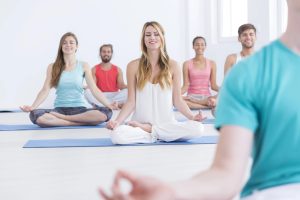
Workplace meditation is widely used by large corporations. Meditation Instructors can meet those needs

This article will delve into the importance of workplace meditation and explore how mindfulness and meditation techniques can significantly improve productivity and mental health among employees. Further, it will examine various case studies of successful implementations, elucidate the different types of workplace meditation programs, and provide insights into creating a meditation-friendly environment. Challenges in integrating meditation into corporate routines will be addressed, along with strategies to overcome such obstacles. Best practices for implementing meditation programs will also be discussed to guide organizations in embracing mindfulness training. By providing a comprehensive overview, this piece aims to underscore the tangible benefits of meditation in the workplace, paving the way for more mindful, productive, and healthy work environments.

Key Takeaways

  • Meditation programs in corporations help reduce stress and improve well-being.
  • Implementing meditation in the workplace can increase productivity and employee participation.
  • Corporate meditation classes benefit both companies and employees by promoting work-life balance.
  • Engagement strategies with meditation and breathwork training lead to reduced stress and increased focus.
  • Corporate meditation training courses empower employees with stress management skills and enhance resiliency.

The Importance of Workplace Meditation

In contemporary corporate settings, the significance of workplace meditation is increasingly recognized as a crucial element for enhancing employee performance and organizational health. This practice not only aids individuals in managing stress but also fosters an environment conducive to productivity and creativity.

As an employer, you have the opportunity to support your employees in reducing stress and enhancing their well-being through corporate meditation programs. These programs are designed to introduce meditation practices in the workplace, promoting mindfulness and stress reduction among employees. Corporate meditation is an inclusive benefit that can positively impact individuals from various backgrounds and cultures. By offering meditation programs at work, you are prioritizing the wellness of your diverse workforce. Meditation, a well-known method for stress relief, is cost-effective and simple to implement, making it highly effective in corporate environments. Implementing a corporate meditation program can provide employees with the tools and support needed to establish a consistent meditation practice, leading to long-term benefits both at work and in their personal lives.

Benefits for Employees

Workplace meditation offers profound benefits for employees, impacting their mental and physical health, which in turn enhances their work performance. Studies, such as those conducted by Harvard Medical School, indicate that meditation contributes to changes in brain regions related to learning and working memory capacity. This improvement in cognitive functions is crucial for sustaining attention and minimizing both external and internal distractions.

Moreover, mindfulness practices are linked to enhanced problem-solving and creative thinking. Research from the University of Groningen supports the notion that regular mindfulness meditation encourages divergent thinking, a key element in creativity. Employees who engage in regular meditation sessions report increased ability to generate innovative solutions and exhibit reduced cognitive rigidity.

The emotional and psychological benefits are equally significant. Regular mindfulness practice can lead to notable improvements in mood, reducing symptoms of severe depression and anxiety, as evidenced by studies from institutions like Boston University. These changes contribute to a more positive workplace atmosphere, as employees bring a heightened sense of patience and positivity to their roles.

Benefits for the Organization

From an organizational perspective, the integration of meditation practices into the corporate culture yields substantial rewards. Enhanced focus and reduced stress levels lead to greater overall productivity. For instance, mindfulness programs have been shown to dramatically decrease employee absenteeism and tardiness, as employees start their day with a positive outlook and maintain higher energy levels throughout the workday.

Furthermore, the practice of meditation has been found to significantly reduce employee turnover and burnout, fostering a more stable and committed workforce. Managers who participate in meditation programs often report improved leadership abilities, treating team members with greater empathy and creating a more inclusive and supportive work environment.

Organizational benefits also extend to enhanced problem-solving capabilities. Employees skilled in meditation are better equipped to handle challenging situations, viewing problems through multiple lenses and identifying innovative solutions. This ability is crucial in maintaining a competitive edge in today’s fast-paced business world.

In conclusion, the implementation of workplace meditation programs not only benefits individual employees by improving their mental health and cognitive abilities but also enhances organizational effectiveness. By fostering a healthier, more creative, and cohesive workforce, companies can achieve higher productivity and improved workplace dynamics.

How Meditation Improves Productivity

Meditation has been recognized as a powerful tool to enhance focus and concentration in the workplace. This practice trains the mind to manage the continuous noise and distractions of the external world, akin to a computer reboot that refreshes the central processing unit. By clearing the backlog of thoughts, meditation improves the mind’s efficiency and speed, allowing employees to focus more effectively on their tasks.

Workplace meditation increases productivity throughout the day and week

Enhancing Focus and Concentration

The process of meditation involves focusing on a single point, such as the breath or a specific thought, which trains the brain to direct and sustain focus on chosen points. This practice is supported by research indicating that meditation increases the working memory capacity by improving top-down attention control. For instance, a study comparing a group of novice meditators to a control group found that those who engaged in focused attention meditation significantly enhanced their ability to concentrate and manage distractions.

Additionally, mindfulness meditation, which emphasizes being present and aware, helps individuals let go of extraneous thoughts. Techniques like counting breath cycles or engaging in Zen meditation strengthen the mind’s stability and focus. These methods have been shown to lead to greater mental stability and an increased ability to focus, as frequent meditators demonstrate superior focus and are less susceptible to distractions.

Reducing Absenteeism

The benefits of meditation extend beyond mental focus to influence physical presence in the workplace. Meditation practices reduce stress and anxiety, which are significant contributors to absenteeism. By lowering stress levels and improving overall emotional health, employees are more likely to maintain consistent attendance and exhibit punctuality. Mindfulness practices have been shown to decrease employee tardiness and absenteeism dramatically, as individuals begin their days with a positive outlook and maintain higher energy levels throughout the workday.

Moreover, meditation contributes to a reduction in employee turnover and burnout by fostering a more stable and committed workforce. Managers who incorporate meditation into their routines often report improved leadership abilities and a more inclusive work environment, which in turn supports a stable employee base and reduces the frequency of stress-related absences.

In conclusion, integrating meditation into daily work routines not only sharpens focus and concentration but also significantly reduces absenteeism, thereby enhancing overall productivity and fostering a healthier, more engaged workforce.

Mental Health Benefits

Workplace meditation significantly contributes to mental health improvements, offering a robust solution for reducing stress and enhancing emotional regulation among employees. The integration of mindfulness and meditation into daily work routines has been supported by numerous studies, demonstrating substantial benefits in both personal well-being and workplace harmony.

Reducing Stress and Anxiety

Research consistently highlights the efficacy of meditation in mitigating stress and anxiety levels within corporate environments. Stanford University School of Medicine reports a 30% decrease in stress-related symptoms following meditation practices. Similarly, the Wellness Institute in Cleveland found a significant reduction in stress levels among employees at a corporate call center after participating in an eight-week mindfulness program. These programs not only reduce immediate stress but also decrease the risk of stress-related illnesses, enhancing overall employee health and workplace productivity.

Moreover, meditation’s impact on stress reduction is also evident in reduced absenteeism and lower turnover rates. Companies implementing regular meditation sessions have observed a decline in employee burnout and improved mental resilience, making it a valuable tool for managing workplace stress.

AIHCP also offers a Stress Management Certification for qualified professionals who look to not only teach meditation but also offer stress management skills to corporations and businesses.

Improving Emotional Regulation

Meditation also plays a crucial role in improving emotional regulation, which is vital for maintaining a harmonious and productive work environment. Studies indicate that meditation can enhance the brain’s ability to control negative emotions and recover quickly from emotional disturbances. This is particularly beneficial in high-pressure situations where emotional reactivity can compromise decision-making and interpersonal relationships.

The practice of mindfulness meditation fosters greater present-moment awareness, which allows employees to respond to stress with more adaptive strategies. This heightened awareness also reduces the activation of the amygdala, the brain region associated with emotional processing, which is often triggered during stress. By cultivating a mindful approach to workplace challenges, employees can maintain a calm and focused demeanor, contributing positively to their interactions and overall workplace atmosphere.

In conclusion, the mental health benefits of workplace meditation are profound, offering significant advantages in reducing stress and improving emotional regulation. These benefits not only enhance individual well-being but also contribute to a more supportive and productive organizational culture.

Case Studies of Successful Implementations

Corporate meditation classes and mindfulness training have become popular in many leading companies like Apple, Google, Yahoo, and Nike. These programs aim to reduce stress, enhance focus, and increase productivity among employees. Different structures for these classes include a certified meditation facilitator leading group sessions, customized packages by corporate mindfulness specialists, and workshops on stress management and mindful leadership.  Certified Meditation Instructors can play a role in implementing meditation training and stress management into a variety of companies.  Many companies below utilize meditation for employees to increase production.

Google

At Google, the initiative known as “Search Inside Yourself” was developed by Meng, an early engineer at the company. This program was grounded in the scientific study of mindfulness and meditation, appealing to the data-driven culture of Google. The program aimed to enhance positive emotions, resilience, prosocial behavior, and mindfulness among employees. By focusing on these aspects, Google has fostered a work environment where employees exhibit increased productivity and well-being. Additionally, the peer-led group gPause supports the ongoing practice of mindfulness, offering weekly or bi-weekly sessions that reinforce the principles taught in the Search Inside Yourself program.

SAP

SAP has integrated mindfulness into the core of its corporate life, offering two-day mindfulness courses to over 6,000 employees. These courses focus on meditations that are complemented by practices of self-mastery and compassion. SAP also provides internal mindfulness trainers who lead guided meditations during working hours, along with a multi-week mindfulness challenge that includes “micropractices” such as brief meditation sessions during the workday. This comprehensive approach has helped SAP create a more mindful, productive, and emotionally intelligent workforce.

General Mills

General Mills has adopted mindfulness programs that significantly impact employee productivity and corporate culture. The company’s mindfulness initiatives include leadership training, meditation training, and mindfulness micropractices. General Mills’ approach to mindfulness in the workplace aims to reduce stress, enhance leadership skills, and improve overall employee well-being. By integrating these practices, General Mills has seen a reduction in employee turnover and an improvement in workplace atmosphere, contributing to a more stable and committed workforce.

Types of Workplace Meditation Programs

Meditation instructors can implement mindfulness programs through a variety of ways. Please also review AIHCP’s Meditation Instructor Program and see if it meets your academic and professional goals

In-person classes have traditionally been the cornerstone of workplace meditation programs. These sessions typically involve a trained facilitator leading groups through various meditation techniques, such as mindfulness-based stress reduction (MBSR). The benefits of in-person meditation classes include immediate feedback and the ability to tailor sessions to the specific needs of the group. Research has shown that these sessions not only improve mental health and resilience but also positively impact work productivity measures like absenteeism and presenteeism. However, the scalability of in-person classes can be limited by logistical challenges, such as the need for a dedicated space and scheduling that accommodates all employees.

Virtual sessions

With advancements in technology, virtual sessions have become a viable alternative to in-person classes. These sessions can be conducted live or recorded, providing flexibility in delivery. Live virtual sessions have been particularly effective in reducing stress, as they maintain a level of interaction and engagement through real-time communication. Participants can benefit from the convenience of joining from any location, which helps in overcoming barriers such as transportation and conflicting schedules. However, the effectiveness of recorded sessions in reducing stress is less clear, indicating the importance of interactive elements in virtual mindfulness training.

Meditation apps

The use of meditation apps in the workplace is an emerging trend that offers scalability and personalization. Apps like Headspace provide a library of meditation content that employees can access at their convenience. These apps are designed to help individuals manage stress, improve focus, and enhance overall mental well-being. Companies like Google and Genentech have incorporated meditation apps into their wellness programs, recognizing the value of providing tools that employees can use independently. Meditation apps allow for continuous practice and skill development, which is crucial for achieving the long-term benefits of mindfulness.

Each type of program offers unique advantages and can be integrated into a comprehensive workplace meditation strategy to meet the diverse needs of an organization’s workforce. By combining in-person classes, virtual sessions, and meditation apps, companies can create a flexible and inclusive meditation program that maximizes the benefits for both employees and the organization as a whole.

Creating a Meditation-Friendly Workplace

Creating a meditation-friendly workplace involves strategic design and active encouragement to foster a culture of mindfulness and relaxation among employees. This section outlines essential steps to establish dedicated meditation rooms and promote participation in mindfulness practices, which have been shown to enhance employee well-being and productivity.

Designated Meditation Rooms

To effectively support stress reduction and mental clarity, it is vital to establish designated meditation rooms within the workplace. These spaces should be designed to be free from distractions, providing a peaceful environment conducive to meditation and relaxation practices. Key elements to consider include:

  • Soundproofing and Quiet: Ensuring the space is isolated from the noise and interruptions of the workplace is crucial. Soundproofing can be achieved through the use of specialized materials in walls and doors.
  • Comfortable Furnishings: The room should be equipped with various furniture options such as mats for yoga, comfortable chairs for sitting, and cushions for relaxation. Providing the flexibility for different types of meditation and relaxation practices is essential.
  • Natural Light and Outdoor Access: Whenever possible, incorporate natural lighting and provide access to outdoor spaces like gardens or walking paths which enhance the serenity of the meditation experience.
  • Soothing Decor: Employ calming colors and minimalistic decor to create a tranquil atmosphere. Avoiding bold contrasts and stimulating patterns helps maintain the focus and calmness required for effective meditation.

Encouraging Participation

Merely providing meditation spaces is not enough; active encouragement and organization-wide support are necessary to ensure these facilities are utilized and beneficial.

Participation is key to boosting engagement in meditation and breathwork training. By offering guided meditation programs in the workplace, employees can experience reduced stress and improved concentration, leading to a more receptive attitude towards wellness initiatives. Employers who make meditation accessible are supporting their employees in practicing self-care and achieving a better work-life balance. This small investment can yield significant returns in terms of mental wellness, physical health, and overall productivity. Guided meditation combines relaxation techniques, mindfulness, and visualization to enhance mental clarity and well-being. It provides employees with a peaceful retreat within the busy work environment, promoting a calm and focused mindset for better performance. Investing in meditation and breathwork training is investing in a healthier, happier, and more productive team. Below are some keys.

  • Internal Marketing and Education: Launch an internal marketing campaign to raise awareness about the available meditation spaces and their benefits. Educational seminars and workshops can help demystify meditation practices for employees, highlighting how these practices can improve both personal well-being and work performance.
  • Incentives and Recognition: Implement incentive programs that reward regular participation in meditation sessions. Recognition can be given through small rewards or public acknowledgment in company communications.
  • Flexible Scheduling: Encourage management to allow flexible scheduling so employees can make use of meditation rooms without feeling pressured by time constraints. Support from leadership is crucial in normalizing meditation breaks during the workday.
  • Community Building: Organize regular group meditation sessions and encourage employees to share their experiences. This not only helps in building a community of practice but also supports new participants in establishing their meditation routines.

By integrating these elements into the workplace, organizations can create a supportive environment that promotes mental health and enhances overall productivity. A meditation-friendly workplace not only benefits individual employees by reducing stress and improving focus but also contributes to a more harmonious and efficient organizational culture.

Challenges and How to Overcome Them

Resistance to Change

One of the primary challenges organizations face when implementing mindfulness programs is resistance to change. Employees may feel uncomfortable with new practices that disrupt established routines or may fear the psychological uncertainty that comes with adapting to new ways of working. To address this, organizations can begin by clearly communicating the purpose and benefits of mindfulness, not just as a tool for individual well-being, but as a strategy for enhancing overall organizational health. Engaging employees through leadership training, meditation training, mindfulness micropractices, and mindfulness coaching can gradually shift cultural norms towards embracing change. At a multinational engineering company, skepticism was overcome by simplifying the explanation of mindfulness, sharing scientific research supporting its effectiveness, and involving senior leaders as champions of change.

Skepticism from Employees

Skepticism often arises from a lack of understanding or misinformation about the nature and benefits of mindfulness. To counter this, it is crucial to start with education. Organizations should provide clear, accessible information about what mindfulness is and how it can positively impact work performance and personal well-being. Highlighting real-world examples where mindfulness has led to improvements in employee satisfaction and reduced burnout rates can also be persuasive. Additionally, offering a pilot program allows employees to experience the benefits firsthand without a full-scale commitment, which can help in reducing skepticism. Encouraging voluntary participation and providing various entry points for engagement can further enhance acceptance and participation in mindfulness programs.

By addressing these challenges through strategic communication, education, and inclusive participation, organizations can effectively integrate mindfulness practices into their corporate culture, leading to enhanced productivity, improved employee well-being, and a more adaptive, resilient workforce.

Best Practices for Implementing Meditation Programs

Implementing effective meditation programs in the workplace can significantly enhance employee well-being and productivity. To ensure the success of such initiatives, organizations should consider adopting a structured approach that involves starting with management support and offering varied programs to accommodate diverse employee needs.

In the corporate environment, employers are offering employees the chance to practice self-care and enhance their work-life balance through accessible meditation programs. This small commitment yields significant benefits for individuals and organizations alike. From mental well-being to physical health, investing in guided meditation leads to a healthier, happier, and more productive team. Whether through in-person or virtual sessions, incorporating mindfulness into the work routine can bring numerous advantages. An introduction to meditation can help employees become more mindful, improve concentration, boost productivity, and reduce anxiety, fostering a positive emotional atmosphere at work. Depending on the company’s culture, size, and resources, meditation programs can take various forms, such as incorporating different meditation activities into the workday or setting fixed meditation times for employees to join. On-site and off-site guided meditation sessions provide convenience for employees without disrupting their work routine. Skilled instructors offer expert guidance to help employees achieve relaxation, peace, and mindfulness. Implementing meditation in the workplace can be a game-changer for the work environment, shifting the focus of the workforce in just 10 minutes of meditation.

Starting with Management

Gaining the support of management is crucial for the successful implementation of meditation programs. Leaders play a pivotal role in setting a precedent for openness to new practices. By participating in meditation sessions themselves, managers can demonstrate the value of mindfulness, thereby encouraging employee participation. Furthermore, management can facilitate the integration of meditation practices by allocating resources, such as time during the workday and suitable spaces for meditation. This top-down endorsement helps to cultivate an organizational culture that values and supports mindfulness as a component of workplace wellness.

Offering Varied Programs

To address the unique needs of different employees, organizations should provide a variety of meditation programs. This could include structured in-person classes, guided virtual sessions, and access to meditation apps that employees can use at their convenience. For instance, employees who prefer a structured environment may benefit from in-person sessions led by experienced instructors, while others may find virtual sessions more accessible and flexible. Additionally, offering programs that vary in technique—from focused attention exercises to movement-based practices like yoga—ensures that employees can find the method that best suits their preferences and needs.

Incorporating these best practices into the deployment of workplace meditation programs not only fosters a supportive environment but also maximizes the potential benefits of mindfulness for employees and the organization as a whole. By strategically engaging management and providing diverse program options, companies can effectively enhance their workforce’s mental health and productivity.

Conclusion

Through the exploration of workplace meditation and its undeniable benefits, it has been established that incorporating these practices within corporate environments markedly enhances not only individual employee well-being but also overall organizational productivity. By understanding and tackling the challenges associated with implementation, companies can foster a culture of mindfulness that promotes emotional regulation, reduces stress, and cultivates a fertile ground for innovation and collaborative success. The case studies and success stories from leading companies like Google, SAP, and General Mills depicted in this discussion underscore the transformative power of workplace meditation programs in creating more resilient and dynamic workplace ecosystems.

Please review AIHCP”s Meditation Instructor Certification and Meditation Instructor Certification and see if they meet your academic and professional goals

To move forward effectively, organizations are encouraged to adopt a strategic approach that includes engaging management support, offering diverse meditation programs, and creating an inclusive, meditation-friendly workplace culture. Embracing these practices not only contributes to a significant uplift in employee morale and focus but also sets a strong foundation for sustained organizational growth and competitiveness in the contemporary business landscape. By prioritizing mental health and well-being through structured mindfulness initiatives, companies stand to revolutionize their work environments, reaping the benefits of increased productivity and enhanced employee engagement in an ever-evolving corporate world.

Please also review AIHCP’s Meditation Instructor and Stress Management Consulting programs.  The Meditation Instructor Certification and Stress Management Consultant Certification are both online and independent study and open to qualified professionals seeking a four year certification. Certified professionals from AIHCP can offer meditation and stress management to corporations to help train employees to better manage stress and utilize meditation as a way to better increase work load productivity and a better work place.

FAQs

1. How can meditation be beneficial in a work setting?
Meditation acts as a powerful tool to alleviate stress and prevent burnout by fostering relaxation, reducing stress, and enhancing emotional health. Regular practice within the workplace can mitigate the negative impacts of chronic stress, thereby boosting job satisfaction and overall employee well-being.

2. In what ways does meditation enhance work productivity?
Meditation enhances our ability to concentrate and reduces the mental exertion required to maintain focus. Research, including studies like one conducted by Headspace, has shown that even a single meditation session can increase focus and decrease the tendency to let the mind wander by 22%, fostering a state of focused calmness. Corporate meditation programs help employees reduce stress, improve well-being, and increase productivity, leading to a happier and more efficient workforce.  Corporate meditation improves productivity by reducing stress-related illnesses, enhancing mental wellness, and improving overall performance in the workplace.

3. What does a corporate meditation program entail?
Corporate meditation involves a formal strategy to incorporate meditation practices within the workplace. This structured initiative is designed to cultivate mindfulness and alleviate stress among employees. The specifics of the program can vary based on the company’s culture, size, and available resources.  A corporate meditation program is a structured effort to introduce meditation practices in the workplace to promote mindfulness and reduce stress among employees.  Corporate meditation training courses teach stress management skills, enhance resiliency, and empower well-being among employees.  Engagement strategies with meditation and breathwork training focus on reducing stress, developing a calm mind, and increasing focus and productivity in the workplace.

4. How does meditation contribute to better business practices?
Meditation enhances mental clarity, which can significantly improve decision-making abilities. A clear mind, free from stress and emotional disturbances, tends to make more logical and strategic decisions, ultimately benefiting the business’s long-term objectives.  Offering mindfulness training and meditation programs can lead to a reduction in stress-related illnesses, improved company performance, and increased employee well-being.

Additional Resources

Sage, L. (2020). “Six Proven Benefits Of Meditation In The Workplace”. Forbes.  Access here

Harrison, P. “9 Benefits Of Mindfulness Meditation In Corporations”. The Daily Meditation. Access here

Hilton, L. et al. (2019). “Mindfulness meditation for workplace wellness: An evidence map” Work. 2019; 63(2): 205–218.  National Library of Medicine. Access here

Cleveland Clinic News Service. (2016). “Cleveland Clinic Study Finds that Meditation at Work Reduces Stress and Boosts Morale”. Cleveland Clinic.  Access here

Innovative Approaches to Integrate Holistic Health Into Medical Practice

Doctor meditating on a deskWritten by Veronica Turner.

Integrating holistic health into medical practice marks a pivotal shift towards comprehensive patient care. This evolution incorporates advanced technologies and traditional healing practices to enhance outcomes and professional growth.

Read on for a summary of the innovative ways embracing holistic approaches are transforming modern medicine.

Traditional Healing Practices: Bridging Ancient Wisdom with Modern Medicine

Traditional healing practices like acupuncture and Ayurveda are finding their place in contemporary medicine. Hospitals integrate these methods alongside conventional treatments to address chronic conditions and enhance overall well-being.

Studies show that combining ancient wisdom with modern techniques can reduce stress and improve recovery rates. This fusion offers patients a balanced approach to health care.

Advanced Training Programs for Medical Assistants in Holistic Health

Medical assistant training programs now incorporate holistic health practices, equipping students with skills beyond traditional clinical procedures. This includes courses on mindfulness, nutrition, and integrative therapies.

By understanding these diverse approaches, medical assistants can support physicians more effectively and provide comprehensive patient care. Such training ensures a workforce ready to meet the evolving demands of modern healthcare.

Nutritional Counseling as a Core Component of Patient Care

Nutritional counseling is becoming a vital component of patient treatment plans, addressing diet-related issues that impact overall health. Healthcare providers collaborate closely with nutritionists to develop personalized dietary recommendations tailored to individual needs.

This team-based approach helps manage chronic diseases like diabetes and hypertension more effectively while promoting long-term wellness through improved eating habits. By focusing on individualized nutrition, patients receive targeted support for sustained health improvements.

Integrating Mindfulness and Meditation into Clinical Settings

Patients engage in guided meditation sessions during hospital stays or clinic visits, significantly reducing anxiety levels before surgeries or procedures.

Research backs these benefits; mindfulness techniques enhance emotional resilience, promoting faster recovery by fostering a tranquil mind-body connection within the healthcare environment. This holistic approach not only alleviates stress but also optimizes overall patient well-being.

The Role of Telemedicine in Delivering Holistic Care

Telemedicine extends the reach of holistic care by connecting patients with various specialists remotely for consultations on integrative therapies like yoga or nutritional advice, regardless of geographical constraints.

Virtual platforms facilitate continuous monitoring of lifestyle changes recommended by practitioners. As telehealth technology advances, it enables real-time adjustments, ensuring personalized holistic care remains consistent across distances.

Utilizing AI to Personalize Holistic Treatment Plans

AI algorithms analyze vast amounts of patient data, tailoring individualized holistic treatment plans based on unique needs. These intelligent systems consider factors like genetic predispositions, lifestyle choices, and medical histories when recommending complementary therapies such as herbal supplements or exercise regimens.

AI enhances precision medicine capabilities within holistic frameworks, improving outcomes through highly customized interventions specifically tailored to each patient’s profile. This blend of technology and personalized care represents a new frontier in holistic health.

The Impact of Wearable Technology on Holistic Health Monitoring

Wearable technology, such as smartwatches and fitness trackers, transforms holistic health monitoring by offering real-time data on physical activity, sleep patterns, and vital signs. These devices allow patients to track their progress in managing chronic conditions through lifestyle adjustments.

Healthcare providers can access this ongoing stream of information to provide more accurate recommendations tailored to individual needs. This tech-driven approach ensures a seamless integration of holistic health practices into everyday life.

Integrating Chiropractic Care into Conventional Medical Practices

Chiropractic care is increasingly integrated into conventional medical practices as part of a comprehensive approach to musculoskeletal issues. Hospitals and clinics now include chiropractors in multidisciplinary teams that address back pain, joint problems, and overall spinal health.

Combining chiropractic adjustments with traditional treatments enhances patient outcomes by reducing reliance on medication, improving mobility, and promoting faster recovery rates. This integration exemplifies the shift towards more collaborative healthcare models.

Holistic Approaches to Pain Management: Beyond Opioids

Holistic approaches offer viable alternatives for pain management beyond opioids. Techniques such as acupuncture, massage therapy, and biofeedback provide non-pharmacological options for patients with chronic pain conditions.

These methods focus on treating the root causes rather than just masking symptoms. By incorporating these therapies alongside conventional medicine, practitioners can reduce opioid dependence while providing effective pain relief solutions.

Leveraging Genomic Data for Personalized Wellness Plans

Genomic data is crucial for creating personalized wellness plans based on an individual’s genetic makeup. Advanced genomic testing can identify predispositions to certain diseases or conditions, allowing for proactive measures through diet changes, supplements, or specific exercise routines.

This precise approach provides patients with actionable insights into their unique health profiles, enhancing preventive care strategies within holistic frameworks.

Mental Health Integration: From Stigma to Standard Practice

Overcoming the stigma of mental illness involves incorporating psychological support into primary care settings. Patients receive mental well-being assessments during routine check-ups, allowing for early detection and intervention.

Collaborative care models feature psychiatrists working with general practitioners to provide comprehensive treatment plans that address both physical and emotional health. This paradigm shift acknowledges mental health as essential to overall wellness.

Environmental Factors and Their Role in Holistic Health Strategies

Addressing air quality, exposure to toxins, and environmentally influenced lifestyle choices are essential for comprehensive well-being plans. Practitioners recommend integrating green spaces into urban designs to boost community resilience against environmental stressors.

Additionally, adopting eco-friendly practices in daily life promotes healthier living environments for individuals and communities alike.

The Future of Functional Medicine in Primary Care

The future of functional medicine is in its growing use within primary care. It focuses on finding the root causes of diseases and preventing them by examining detailed patient histories and conducting biochemical tests to identify underlying imbalances.

Personalized treatment plans include dietary changes, lifestyle modifications, and supplements to promote optimal health. As functional medicine becomes more common in traditional healthcare, it promises a transformative shift toward preventive, individualized, patient-centered care.

The Path Forward: Embracing Comprehensive Patient Care Approaches

The future of healthcare lies in embracing comprehensive patient care approaches that integrate holistic health practices. By combining traditional medical treatments with innovative, personalized wellness strategies, practitioners can address the multifaceted needs of their patients.

This shift towards a more inclusive model not only enhances patient outcomes but also fosters a deeper connection between providers and those they serve. As we move forward, adopting these holistic methods will be crucial in delivering truly effective and compassionate healthcare.


Author Bio: Veronica Turner is a health and lifestyle writer with over 10 years of experience. She creates compelling content on nutrition, fitness, mental health, and overall wellness.


Please also review AIHCP’s Holistic Nursing Certification program and see if it meets your academic and professional goals.  These programs are online and independent study and open to qualified professionals seeking a four year certification.

What Skills Are Essential for Healthcare Professionals Today

rear-view-doctors-of-the-medical-center-walking-in-the-corridorWritten by Veronica Turner.

The healthcare sector seems to be in an ending transformation through technological advancement and the creation of more efficient policies. In such a dynamic landscape, it’s only prudent for every healthcare professional to keep sharpening their claws to keep up.

On top of constant updating of skills, it is necessary to look at the latest trends reshaping the industry and see how to introduce them for better delivery to the patients. As you prioritize the technical skills, you also want to concentrate on the soft skills such as critical thinking and communication.

This blog post touches on crucial skills every healthcare professional needs to possess.

The Continuous Education

Being at par with the rapid changes in the field starts with increasing your knowledge base with time. Keep finding new learning opportunities where you’ll understand more about the latest developments including the tech products to invest in. It may, for instance, involve going to regular workshops and seminars or even being part of the major online forums.

Through progressive education, a healthcare professional gets an opportunity to maintain their certifications and licenses. In many healthcare positions, the practitioners are expected to finish a specific number of CEUs (continuous education units) to continue holding the certificate. Such a requirement ascertains that every worker maintains their competitiveness while being sharper with safety and patient care.

Specialized Certifications

After years of service in the industry, it’s crucial to determine which specific area you’re more passionate about. Whether you’re more into physical therapy or dental care, specialization will broaden and widen your scope of the procedures, leading to more contentment. This also boosts your marketability and credibility, fueling your career growth.

Pursuing your certifications sends a message of a professional committed to solving a client’s needs. If for instance, you’re in Miami, FL, and you need rigorous training, it’s crucial to target the renowned healthcare centers to ensure quality.

The finest Healthcare Training in the Miami Area will equip you with the right skills you need to remain adaptive to the changing times. Look at the program options they offer and the respective course timeframes.

Hands-On Training

It’s important to bridge the gap between practicals and theories to be excellent in handling real-life scenarios. Through hands-on training, a practitioner will become more familiar with the important tasks at the healthcare centers which minimize the chances of accidents while boosting efficiency. The decision-making process also gets refined since some situations need tactical decisions besides the theory.

For more immersive and impactful guidance on hands-on, it’s crucial to opt for simulation-based training. They help healthcare service providers understand the specific steps of different procedures and the desired outcome. This strategy not only enhances confidence but also raises competency levels, through thorough preparedness for various clinical scenarios.

Technological Proficiency

Tech improvements are happening in different areas from managerial tasks to patient-handling procedures, making technological proficiency important. You have a critical role in being adept at many technologies such as EHRs (electronic health records), advanced diagnostic tools and telemedicine. Know more also about the different medical software and gadgets crucial in daily patient care.

This will bring perfection in the way you diagnose and offer treatments to patients apart from the streamlined workflow. Keep familiarizing yourself with modern systems and protocols, concentrating more on what will trigger a perfect execution.

Interpersonal Skills

These are very fundamental skills that should be possessed by all healthcare professionals, as they affect the outcome of the health of the patients they treat. To communicate well, empathizing, and listening actively are thus fundamentals in understanding a patient’s needs and problems.

The sense of building trust and rapport with a patient enables them to open up and share vital information, ensuring that diagnoses are more accurate and treatment plans are better. Good interpersonal skills usually result in quality teamwork among health workers.

Collaboration and clear communication in health care is greatly needed, given the need for comprehensive care among the various professionals. It’s necessary that healthcare practitioners have good relationships with patients and fellow health personnel to help improve healthcare systems. Effective communication and relationships between a healthcare professional and patients greatly improve the healthcare system.

Critical Thinking and Problem-Solving

In a multi-faced clinical situation, a practitioner is tasked with assessing clinical information, selecting appropriate treatment for the patient, and determining whether the patient is effectively using the treatment provided; this will be of no effect without proper problems.

These skills are well applicable in high-pressure environments where the decision-making factor, which should always be quick and of course accurate, may determine the outcomes of the patient.

Improving these attributes needs patience and lots of practice. Look for different situations where you’ll practice more while getting more insights from case studies. It’s important to connect with peers where you’ll exchange more ideas on how to solve problems.

Cultural Competence

An important issue that is becoming increasingly recognized is that of cultural competence in the diverse landscape that characterizes healthcare delivery today. A healthcare provider should be conscious and respectful of patients’ cultures, languages, and social backgrounds.

This will help them offer services that recognize diversity and, at the same time, are sensitive to the needs of various populations. More is required in cultural competence than just knowledge: there is a need for continuous self-reflection and open-mindedness regarding other cultures.

Training programs are in high demand to ensure that healthcare practitioners are properly educated about care sensitivity towards the culture of individuals. Being sensitive to the local cultural and traditional beliefs, sends a message of respect, making many people attracted to your medical facility.

Stress Management

For any healthcare professional productivity is highly dependent on mental strength and overall well-being. This becomes particularly important for a high-demand job with tough long hours, complex procedures, and emotional difficulties that can interfere with good mental and physical health. Stress management aims at counterbalancing these effects with techniques such as mindfulness, exercise, and time management.

Healthcare institutions should offer strong support to the workers to ensure efficiency in stress management. This can start with providing resources for boosting mental health while also working on the work distribution across the different departments. The primary purpose should be to strike the right balance between work and personal life, reducing the possibility of work burnout.

Conclusion

As the healthcare industry continues to display dynamism, it’s fundamental for every player to know how to match the new demands. This is the only way to remain competent and productive, leading to constantly high patient delivery. Embrace continuous learning, specializing, and polishing your practical skills over time.


Author Bio: Veronica Turner is a health and lifestyle writer with over 10 years of experience. She creates compelling content on nutrition, fitness, mental health, and overall wellness.


Please also review AIHCP’s Health Care Manager Certification Program and see if it meets your academic and professional goals.  These programs are online and independent study and open to qualified professionals seeking a four year certification.

Certified Meditation Instructor: Key Skills for Success

By – James M. Katz, BA

In the evolving landscape of wellness and mental health, the role of a certified meditation instructor has become increasingly significant. As individuals seek ways to manage stress, enhance mindfulness, and foster personal growth, the demand for skilled meditation teachers has surged. Embarking on a journey to become a certified meditation instructor not just opens pathways to personal enlightenment but also empowers one to guide others through the transformative practice of meditation. Understanding meditation techniques, the subtleties of teaching meditation, and the intricacies of mindfulness teacher training is crucial in this profession. Equipped with the right knowledge and skills, certified meditation instructors stand at the forefront of promoting mental well-being and spiritual health in communities worldwide.
This article will delve into the essential attributes and skills required for success as a meditation instructor, covering the foundations of consistent practice, the art of presence and mindful teaching, and strategies for knowledge expansion. It will outline the mastery of teaching skills that elevate a meditation teacher’s ability to connect with and inspire their students. Moreover, it discusses the importance of boosting teacher confidence, creating a supportive network, professional career management, and the value of ongoing learning and growth in the field. Whether one is exploring how to become a meditation teacher, seeking meditation instructor certification, or aiming to enhance their competence in meditation teaching, this comprehensive guide serves as a valuable roadmap towards achieving excellence and impact as a certified meditation instructor.A certified meditation instructor leading her group.

Consistent Practice Foundations

Daily Commitment

A cornerstone of becoming a proficient meditation instructor is the commitment to daily practice. It is emphasized that meditation works best when practiced consistently, as this allows for an intimate observation of the mind, helping to rewire neural pathways for new ways of thinking, feeling, and behaving. For instructors, it’s crucial to lead by example, demonstrating the benefits of regular practice not just in theory but in personal habit. Just as one wouldn’t take guitar lessons from someone who never plays, one shouldn’t teach meditation without a personal, committed practice.

Testing Various Practices

In addition to regular practice, meditation instructors should explore a variety of meditation techniques and teaching methods. This not only deepens their own practice but also equips them to better guide their students, especially beginners. Understanding different meditation practices and their benefits allows instructors to tailor their teachings to meet the diverse needs and preferences of their students.

Instructors are encouraged to complement their practice with continuous learning—reading, watching, listening, and discussing meditation with peers. This broad approach helps in understanding various perspectives, which is essential when addressing the unique experiences of each student.

By maintaining a solid foundation of consistent practice and exploring various meditation techniques, instructors can ensure they are well-prepared to teach and inspire others effectively.

Presence and Mindful Teaching

Integrating Mindfulness

In the realm of meditation instruction, the integration of mindfulness into teaching practices is not just beneficial but essential. Educators have observed that children learn best in environments where they feel safe, comfortable, and relaxed. By incorporating mindfulness, instructors can create a learning atmosphere that fosters these feelings, making it easier for students to absorb and retain information. Mindful teaching involves using techniques such as mindful breathing, where one places their hands on their belly and chest to feel the rise and fall of their breath, which can be practiced alone or introduced to students. This practice not only aids in personal mindfulness but also sets a precedent for students, teaching them to live in the present and appreciate the moment.

Furthermore, sensory experiences play a crucial role in mindfulness. Instructors can employ methods like listening to calming sounds or engaging students with sensory tables filled with varied textures such as sand or ice. These activities help students focus and relax, enhancing their overall learning experience. Guided imagery is another effective tool, where students are led through imaginative journeys related to the curriculum, thereby integrating learning with relaxation.

Building Compassionate Connections

The development of compassion within the teaching framework significantly enhances the effectiveness of a meditation instructor. Compassion meditation practices encourage individuals to extend kindness not only towards loved ones but also towards themselves and even individuals they may not favor. This practice is crucial for instructors as it fosters an environment of empathy and understanding, which can transform educational settings. By regularly engaging in compassion meditation, instructors can better manage classroom dynamics and support students in developing stronger, more positive relationships.

Moreover, programs like Compassion Cultivation Training (CCT) and Cognitively-Based Compassion Training (CBCT) are designed to integrate these practices into educational settings, promoting well-being and emotional resilience among students and instructors alike. These programs provide structured approaches to fostering compassion, which can be particularly beneficial in challenging or diverse learning environments.

Instructors who embody these mindfulness and compassion practices not only enhance their teaching capabilities but also contribute to a more harmonious and productive educational atmosphere. By focusing on the present and fostering empathetic connections, they equip their students with valuable life skills that extend beyond the classroom.

Knowledge Expansion Strategies

Understanding Global Techniques

In the journey to becoming a certified meditation instructor, one must embrace a diverse array of global meditation practices. The study of various traditions such as Vedic knowledge, yoga, Ayurveda, Buddhism, Zen Buddhism, Taoism, and other Eastern practices including Qi-Gong, Tai Chi, and karate enriches an instructor’s understanding and ability to teach effectively . Additionally, exploring modern scientific disciplines such as neuroscience and philosophy supports the deepening of personal practices and teaching methods. This broad spectrum of knowledge allows instructors to offer a well-rounded and deeply informed experience to their students, catering to a wide range of cultural and individual preferences.

Application to Different Contexts

The ability to adapt meditation teachings to various settings is crucial for a meditation instructor. Whether conducting sessions online or in person, understanding how to create the optimal environment for meditation is key. This includes choosing the appropriate meditation technique based on the setting and the needs of the students. For instance, choosing between guided and unguided meditations https://www.headspace.com/meditation/techniques can significantly impact the effectiveness of the learning experience, especially for beginners. Instructors must also be adept at integrating meditation with digital platforms, effectively marketing their sessions, and engaging students in a way that resonates with modern lifestyles. This adaptability not only enhances the learning experience but also ensures that the teachings are accessible and relevant to a diverse audience.

Teaching Skills Mastery

Creating Effective Sessions

In the realm of meditation teaching, the ability to lead a meditation session is invaluable, especially in group settings. As a certified meditation instructor, one must ensure the meditation environment is correctly set up, fostering a space where participants feel safe and engaged. Preparing before the group gathers can help address potential issues and align the session’s goals with the group’s needs. Incorporating elements like relevant quotes or personal stories before beginning the meditation can capture the group’s attention and deepen the meditation experience. Additionally, selecting appropriate background music can aid in focusing the participants’ minds and masking external distractions, creating a seamless and immersive experience.

Student Engagement and Retention

Engagement and retention are crucial for the success of any educational program, including meditation. Techniques to enhance engagement in mindfulness programs include regular meditation, daily awareness exercises, and the integration of intention, motivation, and commitment to practice. These elements are vital for maintaining participant interest and ensuring consistent practice, which is essential for the benefits of meditation to manifest. Furthermore, instructors can utilize behavior change techniques like notifications and tracking to improve engagement and adherence to the program. Studies have shown that these strategies can significantly impact participants’ continued participation and overall satisfaction with the program.

To effectively manage and enhance student engagement, instructors should also consider the design and features of their teaching platforms. Utilizing a variety of formats, such as video and interactive visuals, can make the learning experience more dynamic and appealing. For web-based programs, features like asynchronous emails and automated reminders can serve as additional tools to encourage consistent participation and support students in their meditation journey.

By focusing on these strategies, instructors can not only improve their teaching skills but also significantly impact their students’ learning experiences, leading to higher retention rates and more profound learning outcomes.

Boosting Teacher Confidence

Dealing with Insecurities

In the pursuit of becoming a certified meditation instructor, confronting and overcoming personal insecurities is a crucial step. It is often observed that insecurity stems from perceiving oneself through the critical lens of society, which fosters comparisons and self-doubt. By shifting focus from societal expectations to personal growth and self-acceptance, instructors can cultivate a more secure and confident demeanor. Embracing spirituality and mindfulness can significantly aid this transformation by allowing one to view themselves with compassion and appreciation. This internal security is essential for instructors to effectively lead and inspire their students.

Gathering Positive Feedback

Positive feedback from students and clients plays a significant role in boosting an instructor’s confidence. For instance, participants in various mindfulness and meditation sessions have reported profound improvements in their emotional and physical well-being, which in turn validates the effectiveness of the instructor’s teaching methods. Feedback such as finding sessions “easy to follow” and “effective” or experiencing significant emotional coaching alongside meditation training underscores the impact of well-executed instruction. Moreover, witnessing firsthand the benefits that students gain, such as increased peace, contentment, and even physical pain relief during sessions, provides tangible proof of the positive influence instructors have on their students.

By continuously engaging in self-improvement and actively seeking constructive feedback, certified meditation instructors can not only enhance their teaching skills but also reinforce their confidence, ensuring they provide the highest quality guidance to their students.Vector illustration of Beautiful woman meditating

Creating a Supportive Network

Joining Professional Groups

Joining professional meditation groups offers numerous benefits for both novice and experienced meditation instructors. It provides a platform where individuals can connect face-to-face, fostering genuine relationships that are often more profound than those formed through digital means. These groups create a unique environment where members can share their experiences and insights, which is invaluable for personal and professional growth. The synchronization of brainwaves during group meditation sessions can lead to a deeper collective meditation experience, enhancing each member’s practice.

Moreover, being part of a meditation group can serve as a motivational force, encouraging consistent practice. It’s similar to the way group fitness classes motivate participants; the collective energy of the group can help sustain individual commitment to meditation. For those new to meditation, the support from group members can be particularly beneficial, providing guidance and clarity on various meditation practices and addressing common challenges encountered during the practice.

Encouraging Collaborative Growth

Meditation communities not only support individual practice but also promote collaborative growth. These communities are often diverse, bringing together people from various backgrounds and with different levels of experience. This diversity enriches the group by introducing a variety of meditation techniques and perspectives, thereby broadening each member’s understanding and approach to meditation.

Collaborative growth is further supported through shared experiences and challenges within the community. This shared journey fosters a sense of camaraderie and accountability, which are crucial for deepening the practice and maintaining regular meditation sessions. Additionally, the emotional support provided by the community can enhance members’ emotional health, increase empathy, and create a nurturing space that supports each individual’s meditation journey.

The presence of a supportive network also offers a collective reservoir of wisdom and emotional support, which can be particularly helpful in navigating personal challenges and enhancing resilience. By joining an online meditation community, individuals gain the flexibility to connect with others globally, benefiting from a diverse range of perspectives and experiences that can significantly enrich their practice.

Professional Career Management

In the pursuit of becoming a certified meditation instructor, managing one’s professional career effectively is crucial. This involves not only honing one’s skills and knowledge but also leveraging modern tools such as social media to enhance reach and engagement.

Building a Practice

Establishing a sustainable meditation practice is fundamental for a meditation instructor. It’s recommended to start with a manageable amount of time each day, gradually increasing as one becomes more comfortable and confident in their practice. The key is consistency, as daily practice builds the foundation of both personal and professional growth in meditation. Establishing habits around meditation, such as having a specific time and place for practice, can significantly aid in maintaining consistency. Additionally, extending mindfulness into everyday activities helps integrate meditation more deeply into one’s lifestyle, enhancing both personal well-being and professional credibility.

Utilizing Social Media

Social media is a powerful tool for meditation instructors to expand their reach and connect with a broader audience. By sharing authentic, heart-centered posts, instructors can attract and engage with their ideal clients. Platforms like Facebook, Instagram, and YouTube are particularly effective for meditation instructors to showcase their expertise and build a community. Including social media icons and links in email campaigns can further amplify this reach, encouraging recipients to engage with the instructor’s content on these platforms.

Moreover, social media analytics provide valuable insights into audience engagement and preferences, allowing instructors to tailor their content and interactions to better meet the needs of their followers . This real-time interaction not only enhances the instructor’s visibility but also fosters a stronger, more personal connection with their audience, which is essential for building trust and credibility as a certified meditation instructor. By effectively managing their professional career through these strategies, meditation instructors can ensure a more impactful and fulfilling practice, reaching and inspiring a global audience.

Ongoing Learning and Growth

Attending New Trainings

For certified meditation instructors, attending new trainings is not just beneficial; it’s essential for deepening their practice and enhancing their teaching skills. Engaging in meditation workshops and retreats provides a controlled and guided environment, which is crucial for developing a more profound connection with meditation practices. These settings allow instructors to learn from experienced mentors who are well-versed in various meditation techniques. By participating in these structured programs, instructors not only gain new skills but also have the opportunity to earn certifications that can further validate their expertise and commitment to their practice. Workshops and retreats are also valuable for the unique opportunity they provide to disconnect from daily distractions. This focused environment supports personal development and helps practitioners deepen their understanding of meditation by exploring new techniques and approaches under the guidance of seasoned educators.Woman in meditation pose on nature background with leaves. Concept illustration for yoga, meditation, relaxation, recreation, and healthy lifestyle. Flat vector.

Engaging with New Research

Staying updated with the latest research in meditation and mindfulness is crucial for instructors who wish to maintain relevance and effectiveness in their teaching. Research like that conducted by Desbordes shows that meditation can create lasting changes in brain activity, which are evident even when individuals are not actively meditating. This kind of insight is vital for instructors to understand and convey the profound impacts of consistent meditation practice on the brain, particularly in areas like the amygdala, which affects emotional processing.

Moreover, engaging with new studies helps instructors apply scientific findings to their teaching strategies. For example, mindfulness training has been shown to enhance attention and emotion regulation through sustained engagement of self-regulatory neural circuits in the prefrontal cortex. By integrating such knowledge into their programs, meditation teachers can offer more effective and scientifically-backed sessions that cater to the needs of their students, ensuring both the credibility and the effectiveness of their teaching methods.

Instructors can also benefit from understanding the specific effects of meditation on different populations, such as clinically depressed patients. Studies have indicated that mindfulness-based cognitive therapy can significantly aid in managing depression, providing a strong basis for instructors to tailor their approaches when working with this group. By continuously engaging with new trainings and research, certified meditation instructors can ensure that their practice and teaching methods remain at the forefront of the field, thereby providing the best possible guidance and support to their students.

Conclusion

The journey of becoming a certified meditation instructor encompasses a holistic development of personal practice, teaching skills, and professional growth, essential for guiding others through the peaceful realms of mindfulness and meditation. This article has outlined the pivotal steps and skills required, including consistent practice, integration of mindfulness in teaching, expanding knowledge on global techniques, and mastering the art of engaging and retaining students. Central to this is the commitment to ongoing learning and personal growth, which not only enhances an instructor’s competence but also enriches the lives of those they teach, fostering a culture of mindfulness that transcends the confines of the meditation class.

In essence, the role of a certified meditation instructors is instrumental in advancing mental well-being and spiritual health within communities, acting as pillars of resilience, understanding, and compassion. Encouraging further research and participation in professional networks, the article highlights the importance of a supportive community in this journey, underlining the significant impact of meditation both as a personal practice and a shared experience. As the field of wellness continues to evolve, so too does the opportunity for meditation instructors to deepen their impact, embodying the transformative power of mindfulness in fostering a more present, aware, and compassionate society.

Becoming a Certified Meditation Instructor can be done online through our Meditation Instructor Certification Program. Our program consists of 6 online meditation courses which can lead to a certification in Meditation Instruction. For more detail, please visit our program here 

Research Articles:

Green AA, Kinchen EV. The Effects of Mindfulness Meditation on Stress and Burnout in Nurses. Journal of Holistic Nursing. 2021;39(4):356-368.
Access link here 

Taylor, G.B., Vasquez, T.S., Kastrinos, A. et al. The Adverse Effects of Meditation-Interventions and Mind–Body Practices: a Systematic Review. Mindfulness 13, 1839–1856 (2022).
Access link here 

Britton, W. B., Lindahl, J. R., Cooper, D. J., Canby, N. K., & Palitsky, R. (2021). Defining and Measuring Meditation-Related Adverse Effects in Mindfulness-Based Programs. Clinical Psychological Science, 9(6), 1185-1204.
Access link here 

Hunkin, H., King, D.L. & Zajac, I.T. EEG Neurofeedback During Focused Attention Meditation: Effects on State Mindfulness and Meditation Experiences. Mindfulness 12, 841–851 (2021).
Access link here 


Holistic Nursing Specialist: Roles and Responsibilities

By – James M. Katz, BA

In the evolving landscape of healthcare, the role of a Holistic Nursing Specialist has garnered significant attention, marking a shift towards integrative approaches that encompass physical, emotional, mental, and spiritual health. Holistic nursing, embedding the principles of complementary and alternative medicine alongside traditional medical practices, offers a unique and comprehensive care model. This approach not only addresses the immediate health concerns but also the underlying factors contributing to the patient’s overall well-being, thus resonating with a holistic philosophy. Understanding what is a holistic nurse and exploring the pathways of holistic nursing certification can provide invaluable insights into the fusion of conventional healthcare with holistic healing practices, empowering patients through personalized care and fostering a deeper connection between patient and practitioner.Holistic Nursing Specialist holding a sign that says Holistic Medicine

This article delves into the core of holistic nursing practice, outlining the roles, responsibilities, educational requirements, and benefits that define a Holistic Nursing Specialist. From detailing how to become a holistic nurse to examining holistic care in advanced practice nursing, it provides a comprehensive roadmap for aspiring holistic nurses. Furthermore, it explores the work environments conducive to holistic nursing practice, highlighting how holistic nursing and spirituality, alongside a broad spectrum of holistic nursing care techniques, contribute to a well-rounded healthcare delivery system. Through a blend of narrative and analysis, readers will gain a thorough understanding of the holistic nurse certification process, the essential qualities of a holistic nurse practitioner, and the transformative impact of holistic nursing on patient care.

Holistic nursing is a unique field that focuses on treating the whole person, not just their physical symptoms. A holistic nursing specialist must consider the emotional, mental, spiritual, and environmental factors that affect a patient’s health. They use a mix of traditional nursing skills and alternative therapies to promote overall well-being. Recognized by the American Nurses Association since 2006, holistic nursing draws inspiration from the teachings of Florence Nightingale. This practice is applicable in various settings and benefits all types of patients.

Key Takeaways

  • Holistic nursing treats the patient as a whole, considering mental, emotional, and spiritual health.
  • The American Nurses Association recognized holistic nursing as a specialty in 2006.
  • Holistic nurses use both traditional and alternative therapies to promote wellness.
  • Education and certification are essential for becoming a holistic nurse.
  • Holistic nursing can improve patient outcomes and provide professional fulfillment.

Defining Holistic Nursing

Holistic nursing is defined by the American Holistic Nurses’ Association as “all nursing practice that has healing the whole person as its goal”. This specialty is not just about the actions one performs but also embodies an attitude, a philosophy, and a way of being that requires nurses to integrate self-care, self-responsibility, spirituality, and reflection into their lives. Such integration often leads to a greater awareness of the interconnectedness of self, others, nature, spirit, and relationships within the global community.

Understanding Holistic Nursing

Holistic nursing is a type of nursing that cares for the whole person, not just their illness. It sees people as connected to their environment and focuses on healing and wholeness. Holistic nurses use their knowledge, skills, and intuition to help patients heal and grow. They work together with patients to create a healing process that fits each person’s unique needs.

Historical Background and Evolution

Holistic nursing has been around for a long time, but it has changed over the years. It started with the idea that caring for the whole person is important. Over time, it has grown to include new ideas and practices. Today, holistic nursing is used in many different places, like hospitals, clinics, and private practices.

Scope and Standards of Practice

Holistic nursing can be practiced anywhere, from hospitals to private clinics. It follows certain rules and standards to make sure patients get the best care. Holistic nurses believe that patients know their own needs best. They plan and provide care that respects each person’s culture, values, and beliefs.

The practice of holistic nursing is recognized by the American Nurses Association (ANA) as a distinct nursing specialty with clearly defined scope and standards. This recognition differentiates holistic nursing from general nursing practices, highlighting its unique contributions to health and healing. The specialty status helps in providing clarity to both nurses and the public, setting a foundational basis for holistic practices and amplifying the voice of the profession.

Daily Responsibilities

A holistic nursing specialist takes on many of the same tasks as regular nurses, but they do it with a different approach. They look at the whole person, not just the illness. They aim to remove barriers to healing and create a caring space for patients. This means they might use different methods to help people feel better, like talking about lifestyle changes or using natural remedies.

Skills and Competencies

Holistic nurses need a mix of regular nursing skills and special holistic skills. They must be good at listening and understanding what each patient needs. They also need to know about different healing methods, like mind-body practices and energy therapies. Being able to care for themselves is important too, because it helps them care better for others.

Work Environments

Holistic nurses can work in many places. They might be in hospitals, clinics, or even private practices. Some work in schools or community centers. Wherever they are, they bring a special focus on whole-person care. They help people find their best health by looking at all parts of their lives, not just their medical problems.

Holistic nursing encompasses various aspects of care, including physical, mental, emotional, spiritual, and environmental considerations. It views each person as a unitary whole, interacting continuously with the environment. This perspective acknowledges that the whole is greater than the sum of its parts. Holistic nursing specialists act as facilitators and instruments of healing, respecting the individual’s subjective health experiences, beliefs, and values. They engage with individuals, families, and communities to form therapeutic partnerships, utilizing a broad spectrum of nursing knowledge, theories, research, expertise, intuition, and creativity.

The practice of a holistic nursing specialist requires the integration of self-care, self-responsibility, spirituality, and reflection, which may lead to enhanced awareness of one’s interconnectedness with all aspects of life. This awareness is crucial for holistic nurses as it enhances their understanding of individuals and their relationships within the human and global community. Such understanding allows nurses to use their awareness to facilitate the healing process effectively.

Holistic nursing draws upon a unique body of knowledge, incorporating evidence-based research and sophisticated skills. The practice is supported by defined standards and a diversity of modalities from a broad spectrum of health practices. The holistic approach is grounded in a philosophy of living and being that emphasizes caring, relationship, and interconnectedness. Holistic nurses use these principles and modalities in their daily life and clinical practice to remove barriers to the healing process, creating a conducive space for healing while sharing their authenticity, caring presence, and nursing skills.Vector Icon Style Logo Sign of Alternative Medicine.

Overall, holistic nursing is a comprehensive practice that requires nurses to function across cognitive, experiential, and affective domains, utilizing knowledge, theory, expertise, intuition, and creativity to provide care that is truly holistic. This approach not only addresses the immediate health concerns but also the underlying factors contributing to the patient’s overall well-being, resonating deeply with holistic philosophy and enhancing the nurse-patient relationship.

Core Principles of Holistic Nursing Practice

Holistic nursing integrates a comprehensive view of patient care, emphasizing the interconnectedness of various health dimensions. This section explores the core principles that guide holistic nursing practice, focusing on unity and wellness, and the interrelationship between human beings and their environment.

Unity and Wellness

Florence Nightingale, often recognized as the founder of holistic nursing, emphasized unity and wellness as fundamental principles. Holistic nursing is defined by the American Holistic Nurses’ Association as a practice where “healing the whole person is the goal “. This involves treating individuals as complete units that function and interact within their environments, rather than addressing isolated symptoms or conditions.

Holistic nursing specialist incorporates self-care, self-responsibility, spirituality, and reflection into their practice, which fosters a greater awareness of the interconnectedness of self, others, nature, spirit, and the global community. This awareness enhances the nurse’s understanding of their patients and their relationships within the human and global community, allowing them to facilitate the healing process more effectively.

Interrelationship of Human Beings and Environment

The interplay between an individual’s health and their environment is a critical component of holistic nursing. Florence Nightingale’s legacy highlighted that our external environment significantly impacts health and wellbeing. She pioneered environmental considerations in nursing care, focusing on safe drinking water and the risks of atmospheric pollution in urban environments. 

Today, holistic nursing specialists lead initiatives in healthcare by assessing the environments where people live, work, and play. They integrate environmental awareness, education, and preventive health strategies into their practice, improving health outcomes on both local and global levels. By understanding and addressing environmental factors, holistic nurses enhance patient care and contribute to healthier communities.

Holistic nursing practices are supported by a unique body of knowledge that includes evidence-based research and skills from both conventional healthcare and Complementary and Alternative Modalities (CAM). This integration allows holistic nurses to provide care that respects the patient’s physiological, mental, spiritual, and environmental conditions.

Mind-Body Practices

Holistic nurses often use mind-body practices to help patients manage stress and improve overall well-being. Techniques like meditation and breathing exercises are common. These practices aim to connect the mind and body, promoting relaxation and mental clarity. Guided imagery and cognitive therapy are also used to help patients visualize positive outcomes and reduce anxiety.

Energy-Based Therapies

Energy-based therapies focus on the body’s energy fields. Holistic nurses may use techniques like therapeutic touch and Reiki to balance energy and promote healing. These therapies are based on the idea that energy imbalances can lead to illness. By restoring balance, nurses help patients achieve better health. Aromatherapy, which uses essential oils, is another popular energy-based therapy.

Natural and Nutritional Approaches

Natural and nutritional approaches are also key in holistic nursing. Nurses may provide dietary coaching to help patients make healthier food choices. Herbal therapy is another common practice, using plants and herbs to treat various conditions. Exercise programs and hydrotherapy are also used to improve physical health and well-being.Alternative Medicine chart for a Holistic Nursing Specialist to use.

In summary, the core principles of holistic nursing practice revolve around treating the patient as a whole entity, considering the intricate connections between their health and the environment. This approach not only addresses immediate health concerns but also the underlying factors contributing to the patient’s overall wellbeing. By embodying these principles, holistic nurses play a vital role in advancing health and healing within the broader context of their communities and the environment.

Roles of a Holistic Nursing Specialist

Healing the Whole Person

Holistic Nursing Specialists focus on healing the whole person, which is defined as all nursing practice aimed at treating the individual as a complete unit functioning within their environment. This approach involves assessing and integrating the physical, mental, emotional, spiritual, and environmental aspects of health. Holistic nurses utilize a variety of healing and integrative therapies, such as imagery, visualization, relaxation techniques, and stress management, to support patients in both hospital and private practice settings.

Self-Care Advocacy

Self-care is a fundamental aspect of holistic nursing, emphasizing the importance of nurses integrating self-care, self-responsibility, spirituality, and reflection into their lives. By advocating for self-care, Holistic Nursing Specialists not only enhance their own well-being but also set a standard of health and wellness that influences their patients and colleagues. Programs like the AHNA’s practice grant support the implementation of self-care routines among healthcare staff, promoting holistic health practices such as meditation, aromatherapy, and physical activities.

Environmental Stewardship

Holistic Nursing Specialists play a critical role in environmental stewardship within healthcare settings. They are often involved in Green Teams, which are committees focused on promoting sustainable practices and reducing the environmental impact of healthcare facilities. These teams, typically led by nurses, work on sustainability projects, spread awareness, and encourage staff participation to mitigate the healthcare industry’s environmental effects. Holistic nurses are equipped to educate and lead others in sustainable health practices, significantly impacting public health outcomes related to environmental sustainability.

Responsibilities in Holistic Nursing

Patient Education

Holistic Nursing Specialists prioritize patient education, focusing on the interconnectedness of health practices and personal wellness. They inform patients about the scope of conventional and non-conventional health care options, guiding them through the complexities of various health and healing professions, such as MDs, NDs, DCs, DOs, Lac’s, and LMTs. By providing comprehensive education, holistic nurses empower patients to coordinate their care effectively and make informed decisions about their health treatments.

Integrating CAM Therapies

Incorporating Complementary and Alternative Medicine (CAM) therapies into patient care is a key responsibility of a Holistic Nursing Specialist. They utilize a variety of CAM therapies including meditation, acupuncture, hypnotherapy, therapeutic massage, and herbal therapy to address the holistic needs of their patients . These practices are integrated thoughtfully to complement conventional medical treatments, ensuring a balanced approach to health and wellness. Holistic nurses are also responsible for maintaining their qualifications in these specialties to provide competent care within their practice.

Promoting Wellness

Holistic nurses are dedicated to promoting wellness by implementing integrative methods that focus on the patient’s overall health rather than just treating symptoms. This includes using non-pharmacological methods for pain control, encouraging self-care practices, incorporating spirituality into care plans, and promoting reflective practices among patients. By fostering a holistic approach to health, they help patients achieve a higher quality of life and prevent the recurrence of health issues. Holistic nurses also lead by example, adopting holistic principles and modalities in their own lives to enhance their effectiveness as caregivers and educators.

Educational Requirements

Required Education and Training

To become a holistic nurse, you need to start with a nursing degree, like an Associate’s or Bachelor’s in Nursing. After that, you can take extra courses in holistic health to learn more about natural and whole-person care. These courses help you understand how to treat the mind, body, and spirit.

Certification and Licensing

Once you finish your education, you can get certified by groups like the American Holistic Nurses Credentialing Corporation (AHNCC) or our organization the American Institute of Health Care Professionals (AIHCP). This certification shows that you know a lot about holistic nursing. You also need to have a nursing license to work as a nurse.

Continuing Education and Professional Development

Holistic nurses keep learning even after they start working. They go to workshops and take new courses to stay updated on the latest in holistic care. This helps them provide the best care to their patients and grow in their careers.

Benefits of Holistic Nursing

Patient Outcomes and Satisfaction

Holistic nursing focuses on treating the whole person, not just the symptoms. This approach often leads to better patient outcomes and higher satisfaction. Patients feel more understood and cared for, which can speed up their recovery and improve their overall well-being.

Professional Fulfillment

For nurses, practicing holistic care can be deeply rewarding. It allows them to connect with patients on a more personal level, making their work more meaningful. This sense of fulfillment can lead to greater job satisfaction and a longer, more satisfying career.

Community Impact

Holistic nursing doesn’t just benefit individual patients; it can also have a positive impact on the community. By promoting overall wellness and preventive care, holistic nurses help create healthier communities. This can lead to reduced healthcare costs and a better quality of life for everyone.

Work Environments for Holistic Nurses

Holistic nurses have diverse opportunities to practice in various healthcare settings, each offering unique challenges and benefits tailored to their holistic approach to patient care.

Hospitals and Clinics

In hospitals and clinics, holistic nurses often encounter a fast-paced environment where they assist patients with a variety of health conditions. Approximately 35% of holistic nurses work in acute care hospitals where their roles include nonpharmacological pain management and educating patients on stress management as part of recovery. These settings may require working at unconventional hours, including late nights, early mornings, or weekends, to accommodate patient care needs. Holistic nurses in these settings collaborate closely with other healthcare professionals to provide comprehensive care that addresses both medical and holistic health needs.

Private Practice

About 20% of holistic nurses operate in private practices. Here, they have more control over their schedules, often leading to a more predictable routine compared to those in 24-hour hospital settings. Private practice allows holistic nurses to delve deeper into specialized holistic modalities such as acupuncture, therapeutic massage, and meditation guidance. This setting enables them to build long-term relationships with patients, focusing extensively on holistic health strategies tailored to individual wellness goals.

Community Health Centers

Holistic nurses also contribute significantly in community health centers, where they play a crucial role in integrating community health with holistic practices. They work alongside other health professionals to address the broader health needs of the community, focusing on preventive care and holistic education. Nurses in these settings might also engage in public health initiatives, lead wellness programs, and provide holistic care across diverse populations, emphasizing the interconnectedness of health and environmental factors.

In each of these environments, holistic nurses bring a unique perspective to healthcare. They apply their knowledge and skills to enhance patient outcomes by treating the whole person—not just the symptoms—thereby supporting the overall well-being and long-term health of their patients. Holistic nurses are essential in bridging the gap between conventional medical treatments and holistic health practices, ensuring that patients receive a comprehensive, integrative approach to health care.

Benefits of Holistic Nursing

Holistic nursing offers a range of benefits that extend beyond traditional medical care, emphasizing a comprehensive approach to health that can profoundly impact both patients and nurses. This section explores the significant advantages of this practice, focusing on comprehensive patient care, professional fulfillment, and enhanced patient relationships.

Comprehensive Patient Care

Holistic Nursing Specialists provide care that encompasses not just the physical symptoms but also the psychological, social, and spiritual needs of patients. This all-encompassing approach ensures that all aspects of a patient’s well-being are addressed, which can lead to more effective treatment outcomes and improved patient satisfaction. By integrating Complementary and Alternative Medicine (CAM) therapies with conventional medicine, holistic nurses offer a diversified toolkit for patient care, allowing for tailored treatments that can better meet the individual needs of patients.

Professional Fulfillment

For nurses, the holistic approach offers a deeper sense of professional fulfillment as they engage in a practice that aligns with a nurturing, caring ethos. Holistic nursing allows practitioners to use their full range of skills and knowledge, fostering a sense of competence and pride. This comprehensive approach not only enhances their professional skills but also contributes to personal growth and job satisfaction. Nurses in this field often report a high level of satisfaction due to the meaningful connections they develop with their patients and the visible impact of their care.

Enhanced Patient Relationships

The holistic nursing model fosters stronger relationships between nurses and patients. By focusing on the person as a whole and spending time understanding their unique needs and life circumstances, nurses can build trust and rapport that facilitate better communication and cooperation from patients. This relationship-building is crucial for effective healthcare delivery, particularly in managing chronic conditions or in palliative care, where understanding and trust are paramount. Holistic nurses, by prioritizing these relationships, often see improved compliance with treatment plans and more positive health outcomes.

Challenges and Considerations Being a Holistic Nursing Specialist

Ethical and Legal Issues

Holistic nursing often faces ethical and legal challenges. Nurses must navigate the fine line between providing holistic care and adhering to medical regulations. Ensuring patient safety while using alternative therapies is crucial. Additionally, there are legal concerns about the scope of practice and the use of treatments that may not be widely accepted or scientifically proven.

Integration with Conventional Medicine

Combining holistic nursing with conventional medicine can be difficult. Some healthcare professionals are skeptical about the value of holistic approaches. This skepticism can create barriers to collaboration and integration. Holistic nurses must work hard to demonstrate the benefits of their methods and find common ground with traditional medical practices.

Overcoming Barriers to Practice

Holistic nursing consultations often take longer than standard medical appointments, which can be a challenge. Insurance may not cover the full cost of these extended sessions, making it hard for patients to afford holistic care. Furthermore, many holistic treatments lack sufficient research, making it tough to identify which methods are truly effective. Holistic nurses must stay informed and advocate for more research in their field.

Future Trends in Holistic Nursing

Technological Advancements

The future of holistic nursing will see more technology being used to help patients. New tools and gadgets will make it easier for nurses to care for people in a whole-person way. These advancements will help nurses keep track of patients’ health and make better care plans.

Research and Evidence-Based Practice

More studies will be done to show how well holistic nursing works. This research will help prove that holistic methods are good for patients. Nurses will use this information to improve their care and make sure they are using the best methods.

Global Perspectives and Expansion

Holistic nursing will grow in many parts of the world. Different countries will share their ideas and ways of caring for patients. This will help nurses learn from each other and provide better care everywhere.

Conclusion

Throughout this article, we have explored the intricate and rewarding world of holistic nursing, delving into its foundational principles, the roles and responsibilities of holistic nursing specialists, and the educational pathways that lead to this fulfilling career. By emphasizing the integration of physical, emotional, mental, and spiritual health, a holistic nursing specialist not only enriches the patient’s journey toward healing but also fosters a profound sense of satisfaction and personal growth among nurses. The commitment to treating the whole person, advocating for self-care, and championing environmental stewardship underscores the unique and pivotal role of holistic nursing specialists in transforming healthcare.

The exploration of holistic nursing’s core principles, educational requirements, and diverse work environments highlights its significance in modern healthcare—a beacon for those seeking to meld the science of medicine with the art of healing. As the healthcare landscape continues to evolve, the demand for such comprehensive care models is undeniable, paving the way for a future where holistic nursing is integral to patient care strategies. For aspiring holistic nurses, the journey is not just about acquiring the necessary certifications but embracing a philosophy that transcends traditional nursing practices, promising a career that is not only professionally rewarding but personally enriching. With every patient interaction and educational achievement, holistic nurses are at the forefront of a healthcare revolution, making a lasting impact on individuals and communities alike.

Becoming a Holistic Nursing Specialist is surprisingly easy, if you have the right mindset for it. Our Holistic and Integrative Health Care certification program requires a candidate to already have their Registered Nursing (RN) license. They then take 6 online Holistic Health Care Courses in order to meet the requirements to become a certified holistic nursing specialist. For full details about our online holistic nursing courses as well as our Certification program in Holistic Health Care, please visit our site here.

FAQs

  1. What is holistic nursing?
    Holistic nursing is a type of nursing that focuses on treating the whole person. This means looking at a patient’s physical, mental, emotional, spiritual, and environmental health, rather than just their symptoms.
  2. What does a holistic nurse do?
    Holistic nursing is a healthcare profession where nurses provide comprehensive care, focusing on the whole person rather than just specific health issues. Holistic nurses assess patients’ lifestyles and overall well-being to guide their health and wellness strategies.
  3. Is holistic nursing considered a specialized field?
    Yes, holistic nursing is officially recognized as a specialty practice by the American Nurses Association since 2006, drawing on principles established by Florence Nightingale.
  4. What are the qualifications required to become a certified holistic nurse?
    To be eligible for certification in holistic nursing, one must have an unrestricted RN license, a degree from an accredited nursing program, and have completed at least 48 hours of education related to holistic nursing, including theory, research, and practice.
  5. How do holistic nurses exemplify healthy living?
    Holistic nurses promote health and healing by acknowledging and respecting each individual’s physical, mental, emotional, spiritual, and environmental strengths and challenges. They also honor each person’s health beliefs and experiences, serving as role models for healthy and holistic living.
  6. Where do holistic nurses work?
    Holistic nurses can work in many places including hospitals, private practices, wellness centers, and even patients’ homes. They can work with all types of patients, from children to the elderly.
  7. Is holistic nursing recognized as a specialty?
    Yes, holistic nursing is recognized as a specialty by the American Nurses Association. This means it has its own set of standards and guidelines that nurses must follow.
  8. What are the benefits of  becoming a holistic nursing specialist?
    A Holistic Nursing Specialist can help lead to better patient outcomes and higher satisfaction. It also provides personal fulfillment for nurses and can positively impact the community by promoting overall wellness.

Research Articles:

Rationing of nursing care, a deviation from holistic nursing: A systematic review. Lata Mandal MSc Nursing, Et Al. Nursing Philosophy Volume21, Issue1 Special Issue: Missed care, care left undone: Organisation ethics and the appropriate use of the nursing resource January 2020 e12257
Access link here 

Identifying Holistic Nursing Research Priorities for 2023–2026. Freysteinson WM, Enzman Hines M, Wind Wardell D, et al. Journal of Holistic Nursing. 2024;42(2):182-201.
Access link here 

Spiritual Self-Care Management for Nursing Professionals: A Holistic Approach. Nilsson H. Et Al. Journal of Holistic Nursing. 2022;40(1):64-73.
Access link here 

Utilization of Art in Nursing Education to Enhance Student Spiritual Growth and Holistic Nursing Practice. Kowalski SL, Et Al. Journal of Holistic Nursing. 2024;0(0).
Access link here 

Grief and Play Therapy with Children

Grief is a universal and unbiased in who it afflicts.  Unfortunately, children suffer in this fallen world of pain and loss.  Throughout the world, children are plagued with horrible images that adults in many nations would never imagine.  Children are victims of war, bombings, loss of family and many traumatic incidents.  Children are abused in every corner of the world and face horrible trauma.  Beyond the most traumatic events, children experience loss at early ages.  The loss of a grandparent, or family member, or even a beloved pet.  No loss is too small for a child.

Licensed counselors who specialize in children psychology and have training in Play Therapy can help children face trauma, grief and loss.  In addition, many licensed professionals and human service professionals earn additional certifications to help children.  Some may even specialize in Child and Adolescent Grief Counseling and have a greater understanding of children and the nature of loss.  Licensed professionals with specialties and additional training certificates can help children process emotional pain because they are trained to identify and communicate to children.  Play Therapy is one type of advanced counseling technique that counselors can utilize to help children.

Children express themselves in play. Please also review AIHCP’s Child and Adolescent Grief Counseling Certification

Children grieve differently from adults due to their brain development.   Many children are so young that many communicate skills have yet to develop.  Children sometimes do not know how to say what emotionally hurts or what is bothering them because they do not know how to articulate it.  Children are more right brain developed and many of the feelings, traumas and losses associated with them are experienced in the lower areas of the brain.  The Amygdala, Hippocampus, and Thalamus are non-verbal areas of the brain and with children, one must engage in non-verbal ways.  In addition, while children have billions of brain cells still forming and becoming more complex within their first five years, these neural pathways are still not complex enough to effectively communicate.  The Pre-Frontal Cortex of the adult brain possesses the ability to better communicate, while the child’s less developed area to communicate still needs time. Hence counselors who deal with children, utilize a variety of non-verbal ways to help the child express.  Understanding that communication and judgement are operations of the higher parts of the brain, counselors look for signs from the lower areas of the brain that are more primal in expression.

It is because children have less verbal communicate abilities that counselors must look for visible manifestations of emotion within children which can be displayed during play.  Among the most common types of physical signs of emotional distress in children, Melinda points out tension, fidgeting, repetitive movements, aggression, self harm, low energy, increased heart rate, hyperactivity, somatic pains, and rapid breathing as things to watch for with children as a way they express emotional distress (2018).  These types of physical signs can manifest in counseling, play therapy, or at school or home in children experiencing emotional issues.  Many children brought to therapy are already manifesting various social outbursts or behavioral issues that are merely ways of attempting to express difficult emotions due to loss, trauma, or grief.

Play Therapy and Grief

Alan Wolfelt points out that helping children grieve is not just about therapy but is a companioning experience that involves actively participating in the child’s healing (p.1, 2012).  Play Therapy involves actively entering into the child’s world, earning the child’s trust, creating a safe place for the child to express in his/her own way and being able to translate those expressions and help the child heal.

Play Therapy owes its origin to Hermine Hug-Helmuth who in 1921, first introduced ideas of allowing children to express themselves in play with toys and other games.  Melanie Klein, as well, was a pioneer in the field who discovered that play was a doorway into the child’s subconscious mind.  Later in 1938, David Levy would utilize toys and other objects chosen by the child as a way to identify past trauma and relive the traumatic event via play.  This became known as Release Therapy.    Joseph Solomon employed Active Play as a way to allow children to express emotions such as a fear and anger in a controlled way to help them become more able to interact later socially

Counselors utilize Play Therapy as a way to be build relationship with the child to earn a way into their inner mind according to Anna Freud.  Carl Rogers also saw Play Therapy as a way to center the therapy around the needs of the child and build genuine and trustful relationships.  These are all critical elements in helping the child express.  It is time consuming but necessary to help the child trust and be able to learn the language of the child during play.

Play Therapy helps the counselor understand the language of the child

During Play Therapy, the counselor wants to give the child controlled freedom.  The child is allowed to choose the toys in the room or games.  The counselor does not look to push serious questions but instead observes and plays with the child.  Usually sitting at eye level with the child, the counselor will ask the child about the toys or games the child likes and enjoys.  Many times, the counselor will reflect and repeat what the child says and encourage the child to name the toys and express how the toys make them feel.  To the foreign eye, it may seem as nothing is occurring but the counselor is attempting to not only gain trust, but is also engaging the child at symbolic and non-verbal way looking for cues of the child’s behavior.  In other ways, the counselor is attempting to help the child better express verbally by granting the child freedom of labeling and naming toys.  Some counselors may approach with a more directly with more interaction, while others may be less direct.

The room itself is a play room with numerous options for the child to choose from.  This includes miniature figures, dolls, doll houses, stuffed animals, puppets,  legos, building materials, and other sporting equipment.  The toys are a doorway to the child’s symbolic mind and help facilitate healthy expression.  Counselors may utilize other ways to express and open creative mindsets through songs and music, story telling or through uses of art, drawing, clay and painting.  The key is to help the child tell his/her story, find healing, and discover other ways to find outlets and creative ways to express and rediscover oneself.

Some children who may be grieving, may use dolls or action figures as a way to reflect the life of family members around them.  This symbolic expression correlates with their inability to express verbally but through play and expression instead.  A child who may be experiencing grief over the loss of a family member, may play out death with a doll or action figure.  In addition, certain toys or games or songs may trigger within the child physical symptoms of discomfort that the counselor may identify and notate.  During certain activities, children may share information that otherwise would never emerge in an adult conversation.

Conclusion

All people grieve and children are no exception.  When children are emotionally hurting, they sometimes do not act logically.  To help children grieve and express emotion, counselors need to understand the language of the child.  Due to brain development that is not as verbal  in children, Child Grief Counselors need to understand the symptoms of emotional distress in children via Play Therapy.  Play Therapy helps the child find safety and trust in expressing issues in the child’s own special way during play.  Child Grief Counselors who specialize in Play Therapy can help children heal during play by allowing them to express in conducive and healthy ways.

Please also review AIHCP’s Grief Counseling and Child and Adolescent Grief Counseling Certifications and see if it matches your academic and professional goals

AIHCP offers a specialty certification in Child and Adolescent Grief Counseling for the American Academy of Grief Counseling’s certified Grief Counselors.  This certification trains and educates Grief Counselors in the knowledge of grief in children.  While pastoral and non licensed counselors can help individuals with grief, only licensed counselors with grief background, child psychology and training in Play Therapy are permitted to treat children suffering from emotional damage.  Pastoral counselors trained in Grief Counseling and Child Grief Counseling, if not licensed, should refer children to clinical professionals with Play Therapy training.

AIHCP’s Child and Adolescent Grief Counseling Certification is online and independent study and open to qualified pastoral and clinical human service professionals, as well as those in the healthcare fields.


References and Additional Resources

Wolfelt, A. (2012). “Companioning the Grieving Child”. Companion Press

Good Therapy. “Play Therapy”.  Access here

Melinda, S. et al. (2018). “Why Is Engaging a Child’s Brain and Body in Therapy Important?”.   Good Therapy. Access here

Sutton, J. (2017). “Play Therapy: What Is It and How Does It Work?” Positive Psychology. Access here

Cohen, J. (2023). “How to Help Children Cope With Death and Grief”. Psychology Today.  Access here


How can counseling support you through your studies?

African american women psychologist and patient smiling confident shake hands at streetWritten by Harriet Turner.

Healthcare students often face a myriad of challenges that can affect their mental health, well-being, and academic performance. From the pressures of achieving high grades to the stress of balancing full or part-time work responsibilities, it’s no wonder that many medical students find themselves overwhelmed. In fact, according to research, healthcare professionals have lower levels of positive psychological attributes compared to the general public.

However, as awareness of mental health issues improves in society and the stigma around asking for help gradually diminishes, many options are available for modern professionals looking to benefit from some extra support. In particular, counseling services are a vital resource. In this guide, we explore some of the benefits of using a counseling service while studying and working and briefly discuss the role institutions have in facilitating these conversations that promote better well-being and academic success.

The role of counseling in academic success

Counseling services in educational institutions are designed to provide students with the emotional and psychological support they need to navigate the complexities of a work/academia balance. Some of the most notable benefits of counseling for students include:

  1. Managing stress and anxiety

One of the most common issues faced by students is stress and anxiety, whether it’s due to looming deadlines, exam pressures, or personal problems. Counselors can help people develop effective coping strategies, such as time management skills, relaxation techniques, and mindfulness practices.

There isn’t a one-size-fits-all solution to manage anxiety whilst studying – everyone will have their own likes and dislikes. Working with a counselor allows you to build a personalized toolkit of techniques tailored to your preferences. By learning how to manage stress, students can improve their focus and academic performance.


  1. Enhancing emotional well-being

Every student experiences a plethora of emotions that can be difficult to acknowledge and understand. This confusion can exacerbate negative feelings, which has the potential to impact both academic pursuits and your personal life.

Counselors are trained to help students understand and manage these emotions. This support can be crucial in times of crisis, such as dealing with grief or relationship issues. By providing a safe and confidential space to express their feelings, counselors enable students to gain perspective and develop resilience.


  1. Building self-confidence

Lack of confidence can hinder a person’s ability to engage fully in their learning or take on new extra-curricular challenges. This can negatively impact their overall academic experience.

Counseling can help you to recognize your strengths and build self-confidence. Through individual or group sessions, counselors work with students to set achievable goals, celebrate their successes, and address any self-doubt. Research shows that confidence problems are particularly prominent among neurodiverse students: 31% of people with neurodiversity felt they were more likely to experience bullying from peers.

Having these tools available to you can help you to get the most from your educational and professional journey, and encourage you to push yourself to broaden your horizons. Self-confidence is an important skill throughout life, so developing it while studying will stand you in good stead as you continue to develop your career.


  1. Improving interpersonal skills

Effective communication is a key component of a successful academic experience. Not only is it important when delivering group projects or presentations, but these skills can help you bond and connect with your peers, helping to foster stronger, healthier relationships that could last a lifetime.

Counselors can assist students in developing better interpersonal skills, such as active listening, assertiveness, and conflict resolution. These skills can promote better social interactions during your studies and help you develop professional bonds with companies or individuals in the corporate world, potentially opening up more doors along your career path.

Things for students to keep in mind

  • The onus is on you. Ultimately, it’s the responsibility of learners to seek out support for themselves if they feel like it could benefit any facet of their academic, professional or personal life. While institutions should make it clear which avenues of support are available, you’ll need to take the initiative to organize extra support should you need it.
  • You need to commit to the process. To get the most benefit from your sessions, it’s important to take away any tools or strategies that you develop and practice them in your own time. If a certain approach isn’t working for you, don’t get frustrated – tell your counselor and they’ll be able to help you find alternative solutions.
  • Understanding your options. It’s important to remember that you’re never alone when it comes to your well-being. In academic settings especially, there are so many different avenues of support. Friends, student-led services, qualified professionals, teachers, charities and online resources can all help you with different aspects of your wellbeing. Find an approach that feels right for you, and don’t be afraid to experiment with your options.

How can educational institutions support students?

To maximize the benefits of counseling, educational institutions should prioritize the availability and accessibility of these services. This can be achieved by:

  • Hiring qualified counselors: Ensuring that counseling staff are well-trained and experienced in dealing with common study-specific issues.
  • Promoting awareness: Increasing awareness about the availability of counseling services through orientation programs, workshops, and campus events. Students should also be informed through digital means, be it in a newsletter, social media or by publishing information on the website.
  • Creating a supportive environment: Fostering an inclusive and non-judgmental atmosphere where learners feel comfortable seeking help is important to improving uptake.

The intrinsic link between wellbeing and academic performance

Counseling services play a pivotal role in supporting people through their academic journey. By addressing emotional and academic challenges, counselors help students build resilience, improve their social skills, and achieve their full potential. As educational institutions continue to realize the relationship between mental health and academic success, investing in robust counseling services becomes essential for fostering a thriving student community.


Author bio: Harriet Turner

As a student ambassador at her university, Harriet has seen firsthand the benefits of having student-led services available to offer peer support throughout higher education. She is passionate about furthering the conversation around mental health amongst students and regularly publishes articles in the student magazine on the topic.


References:

Kotera, Y., Jackson, J.E., Kirkman, A. et al. “Comparing the Mental Health of Healthcare Students”. Int J Ment Health Addiction (2023). https://doi.org/10.1007/s11469-023-01018-w

“Balancing part-time study with full-time work”. University of Portsmouth (unknown).

https://www.port.ac.uk/student-life/help-and-advice/coming-to-uni/balancing-study-with-full-time-work

“40 Study Tips For Neurodiverse Students​”.  Studocu (2024).

https://www.studocu.com/blog/en/40-study-tips-for-neurodiverse-students

“How universities can support student mental health and wellbeing”. World Economic Forum (2022).

https://www.weforum.org/agenda/2022/03/education-institutions-and-fostering-a-true-culture-of-care/

Please also review AIHCP’s health care certification programs and see if it meets your academic and professional goals.  These programs are online and independent study and open to qualified professionals seeking a four year certification.

Christian Counseling Approaches Video

Christian Counseling is a diverse approach despite many thinking it is only one approach.  Many times, Biblical Counseling and Christian Counseling is interchanged but the reality is Christian Counseling, like the Christianity itself, has many different approaches and levels.  Biblical Counseling is a type of Christian Counseling that is far more fundamentalist in approach while many of its concepts are shared, other aspects of it are not.  For instance, those who adhere to a strict Biblical view of Christian Counseling, will stray from secular psychology and utilize Scripture as a sole source for counseling and healing.  Others may separate faith more from science while still adhering to a Christian notion.  In the middle ground, an integrative approach applies Scripture as a starting point but applies secular psychology and treatments to help others.  Ultimately, it depends on one’s training and education as either clinical or pastoral, or the comfort level of the individual and how much prayer the person wants in counseling.

Please also review AIHCP’s Christian Counseling Certification and see if it meets your academic and professional goals.  The program is online and independent study and open to qualified professionals looking to utilize Christian Counseling in their practice or ministry.