ADHD Consulting Program Blog on ADHD and Disorganization

ADHD can make one disorganized.  In that disorganization messiness is the final result.  Many individuals with ADHD have messes throughout their work area or home and are unable to keep things organized due to the constant movement from one issue to another.  Please also review AIHCP’s ADHD Consulting Program

Woman sitting with her knees in her chest thinking.
ADHD can lead to disorganization and messiness in one’s life. Please also review AIHCP’s ADHD Consulting Program


The article, “Can ADHD Cause You to Be Messy and Disorganized?” from Healthline looks closer at how ADHD can lead to messes and disorganization in life.  The article states,


“ADHD’s cognitive effects can cause you to have trouble finishing tasks, such as homework, or scheduling appointments. This can also include tasks relating to the organization of a physical space, like your room or office. For example, maybe you did the laundry but haven’t folded it, so it just sits on the ground all week. Or you might start several creative projects and leave their elements out and about, cluttering the room. You may also find yourself constantly misplacing items.”

To read the entire article, please click here

Please also review AIHCP’s ADHD Consulting Program and see if it meets your academic and professional goals.  The program is online and independent study and open to qualified professionals seeking a four year certification in ADHD Consulting.

Clinical Hypnotherapy Program Blog on OCD and Hypnosis

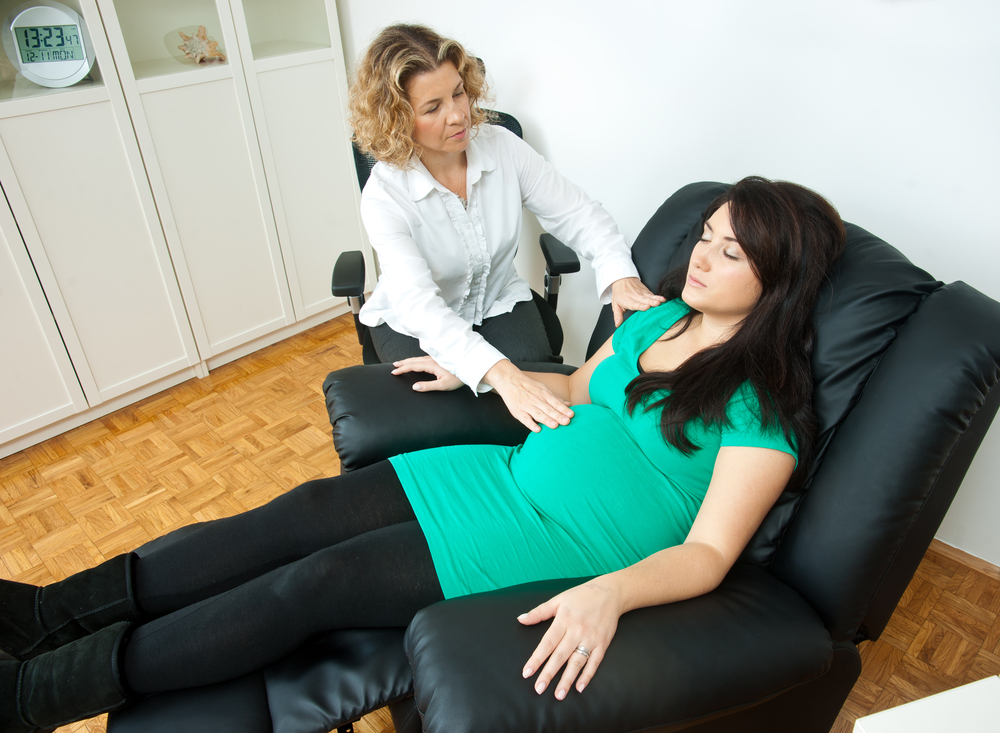
Hypnosis is known to help individuals with many mental quirks.  It can also help calm people with a variety of issues they may face.  OCD is no exception.  Hypnosis can help individuals be more calm and less upset with OCD tendencies.  Please also review AIHCP’s Clinical Hypnotherapy Program

Hypnotherapy may be able to help some with OCD although little clinical trials have been done. Please also review AIHCP’s Clinical Hypnotherapy Certification


The article, “Hypnotherapy for OCD: Does It Work?” by Traci Pederson looks at how hypnosis can help people with OCD.  She states,

“Proponents of hypnotherapy say that, theoretically, during the relaxed state of hypnosis, a person could safely address some of their OCD intrusive thoughts or obsessions.  For instance, a person with an intense fear of germs can consider these thoughts under hypnosis without experiencing the anxiety that usually accompanies them. Then any insights achieved during the hypnosis state may be brought back to the conscious mind. This could allow you to discuss them with your therapist and work on coping skills to reduce the distress these thoughts cause.”

To read the entire article, please click here

Please also review AIHCP’s Clinical Hypnotherapy Program and see if it meets your academic and professional goals.  The program is online and independent study and open to qualified professionals seeking a four year certification in Hypnotherapy.


Grief Counseling Certification Blog on Depression and Shopping

Shopping sometimes can cheer anyone up.  Buying something new and exciting or adding to a collection can help one look beyond a boring and blue day.  If, however, an individual uses shopping as escapism or over shops due to depression, then shopping may not be the best cure.  It is important to see the difference when shopping becomes pathological and not just merely a way to cheer oneself up.

Woman still sad after shipping.
Shopping used to hide depression is unhealthy. Please also review AIHCP’s Grief Counseling Certification


The article, “Depression Shopping: Why Retail Therapy Does Not Heal” by Hope Gillette looks closer at how shopping can become pathological if used during depression.  She states,

“Getting something new can be fun and exciting. Even if you’re shopping for home necessities, the experience of buying something nice can make you feel accomplished. In fact, research from 2014 points out that making purchases helps alleviate sadness and gives a sense of control. Shopping as a recreational activity or because you need an item is one thing. Shopping because you depend on the mood boost could be something else.”

To read the entire article, please click here

Please also review AIHCP’s Grief Counseling Certification and see if it meets your academic and professional goals.  The program is online and independent study and open to qualified professionals seeking a four year certification in Grief Counseling.

Healthcare Case Management Certification Blog on Post Acute Care

An important aspect of healthcare case management is post acute care.  Post acute care is important because it follows the care and follow ups needed after a hospital admission.  This is pivotal in lowered hospital readmissions that would not be necessary if better follow up care was provided.  Working with post acute care providers is essential to ensure better quality care for the patient over the long term.  Healthcare Case Managers play a key role in coordinating care after illness and during recovery to ensure the proper follow-up care is fulfilled and met.   They arrange and help the patient find the proper facility to meet their recovery needs as well as help the patient receive the proper follow up treatment.

Post Acute Care is important for long term health of patient. Please also review AIHCP’s Healthcare Case Management Certification


The article, “5 keys to effective post-acute care management” by Page Minmyer looks closer at better post acute care practices.  She states,

“Effective post-acute care management requires a multidimensional approach that incorporates effective communication, data analytics and clearly defined care coordination roles, according to a new white paper from Leavitt Partners. The benefits, however, are clear, as better post-acute care management can reduce readmissions, allow providers to more easily manage length of stay in skilled nursing facilities and better monitor discharge.”

“5 keys to effective post-acute care management”. Paige Minemyer. Fierce Healthcare. May 4, 2017

To read the entire article, please click here

Commentary

The field of healthcare case management is concerned with the coordination and delivery of care to patients with chronic or complex health conditions. Case managers work with patients and their families to develop a plan of care that meets the unique needs of each individual. They also work with other members of the healthcare team to ensure that all aspects of the patient’s care are considered and that care is delivered in a coordinated fashion.  This process can help to improve patient outcomes by making sure that the care they receive is timely and appropriate. Additionally, healthcare case management can help to reduce the overall cost of care by preventing duplicate services and avoiding unnecessary hospitalizations.

Post Acute Care

In regards to post acute care, the process is even more important in reducing readmissions.  Post-acute care is a type of medical care that is provided to patients who have been discharged from the hospital but still require some level of medical care. This type of care can be provided in a variety of settings, such as skilled nursing facilities, home health agencies, or inpatient rehabilitation facilities. Post-acute care is to help patients recover from their illness or injury and return to their prior level of functioning.  The goal of PAC is to help patients transition from the hospital to their homes or another care facility, such as a nursing home. PAC typically includes a variety of services, such as skilled nursing care, physical therapy, and occupational therapy.

Care managers also ensure the patient finds the proper facilities. Post acute care facilities provide medical and rehabilitative care to patients who have been discharged from the hospital but still require close medical supervision. These facilities typically offer a wide range of services, including skilled nursing care, physical therapy, speech therapy, and occupational therapy. patients in post acute care facilities often have complex medical needs that require close monitoring and coordination of care.

Types of Post Acute Care

Post Occupation Therapy is the process of helping people return to their previous level of functioning after an injury or illness. This can involve helping them regain their strength and mobility, as well as their cognitive and emotional well-being.  Quite similar is physical therapy.  Post-acute care physical therapy is a type of PT that is focused on helping patients recover from a serious injury or illness. This type of PT can involve working with patients who are in the hospital, as well as those who have been discharged and are receiving outpatient care. The goal of post-acute care physical therapy is to help patients regain their strength, mobility, and independence.

Through these therapies, checkups, and follow ups, patients can find the acute care they need after their initial stay in the hospital.  Care Managers can arrange and help the patient find the proper facilities or therapies for their particular needs and also work with the insurance companies in paying for this type of necessary care.  In the meantime, these type of post acute cares can prevent relapse or costly readmissions into the hospital.


Conclusion

In conclusion, case management is a vital role in the health care industry. Without case managers, patients would not receive the proper care and attention they need. Case managers are there to help patients every step of the way, from diagnosis to treatment and beyond. If you or a loved one is in need of health care, be sure to ask for a case manager. They can make all the difference in getting the care you need.  In regards to post acute care, case managers play a vital role in coordinating post-acute care. They are the link between hospitals, patients, and families during a time that is often filled with uncertainty. By educating themselves on the different types of post-acute care options and communicating effectively with all parties involved, case managers can ensure that patients receive the care they need to recover successfully.

Please also review AIHCP’s Healthcare Case Management Certification and see if it matches your academic and professional goals.  The program is online and independent study and open to qualified professionals seeking a four year certification in Healthcare Case Management.   Nurses and other healthcare professionals are excellent candidates to take the required courses and become eligible for the certification.


Additional Resources

“Effectiveness of Multidisciplinary Rehabilitation Services in Postacute Care: State-of-the-Science. A Review”. Janet A.Prvu, et, al. Archives of Physical Medicine and Rehabilitation  Volume 88, Issue 11, November 2007, Pages 1526-1534.  Access here

“Postacute Care Preparedness for COVID-19Thinking Ahead”. David C. Grabowski, PhD, et.al. JAMA. 2020;323(20):2007-2008. doi:10.1001/jama.2020.4686.  Access here

“Successful Management of Post-Acute Levels of Care”. Rebekah A. Koutny, RN, BSN, CCM, MCG Nurse Editor, and Carrie Brockman, BSN, RN, ACM, MCG Senior Nurse Editor. MCG Community.  Access here

“Post-acute Care for People with Cancer”. American Cancer Society.  Access here

Christian Counseling Certification Blog on Counseling Styles of Christ

Christian Counseling has many approaches and styles to help individuals.  One way is to look to Scripture and find the styles Jesus used to talk to others.  Jesus used multiple approaches when talking and discussing issues with individuals.  Please also review AIHCP’s Christian Counseling Certification

Christ entering into dialogue with others through a variety of styles. Please also review AIHCP’s Christian Counseling Certification


The article, “How Might Jesus Do Counseling?” by Josh Squires looks into Scripture to find different styles Christ used to counsel and speak to others.  He states,

“The four elements of this framework are commendation, comfort, conviction, and challenge. Before I explain each below, first let me give a caveat: this is not a formula for counseling. Though I will present these components in an order — the order that occurs in my own counseling most frequently — there’s no strict progression. Each conversation may have a different combination of these four elements — or may, in fact, focus on only one or two of the four. These four elements are not so much a pattern or a formula as a multifaceted perspective by which to view the counseling task.”

To read the entire article, please click here

Please also review AIHCP’s Christian Counseling Certification and see if it matches your academic and professional goals.  The program is online and independent study and open to qualified professionals looking for a four year certification in Christian Counseling.


ADHD Consulting Certification Blog on ADHD and Emotion

ADHD can work hand and hand with emotions.  Emotions can emerge with the impulsivity of ADHD and later cause one to regret certain behaviors.  It is important to understand how emotions and ADHD can work against oneself and be able to better cope.

A black family in counseling for an ADHD daughter.
ADHD can enhance emotional outbursts. Please also review AIHCP’s ADHD Consulting Certification and see if it meets your academic and professional goals


The article, “ADHD and Emotions in Adults: Exploring the Connections” from Healthline looks closer at the issues emotions and ADHD together can cause.  The article states,

“Emotional impulsivity, then, describes sudden actions in direct response to an inability to regulate emotions. In children, this may largely be recognized as an inability to take turns when playing games or talking over others. While adults may also experience such symptoms, signs of emotional impulsivity can become even more problematic in daily life”

To read the entire article, please click here

Please also review AIHCP’s ADHD Consulting Certification and see if it meets your academic and professional goals.  The program is online and independent study and open to qualified professionals seeking a four year certification in ADHD Consulting.

Christian Counseling Certification Blog on Marriage Counseling

Marriage is difficult for many couples but when things get difficult it is important for couples to remember their vow.  So many look to let go instead of trying to fix something.  Marriage counseling can be beneficial for many couples.  Christian couples should take advantage of pastoral and Christian counseling for married couples as well.

a ring keeping a book open
When is it time for marriage counseling? Please also review AIHCP’s Christian Counseling Certification


The article, “7 Reasons to Seek Marriage Counseling” by Donna White takes a closer look when a couple should consider marriage counseling.  She states,

“When couples become more like roommates than a married couple, this may indicate a need for counseling. This does not mean if the couple isn’t doing everything together they are in trouble. If there is a lack of communication, conversation and intimacy or any other elements the couple feels are important and they feel they just “co-exist,” this may be an indication that a skilled clinician can help sort out what is missing and how to get it back.”

To read the entire article, please click here

Please also review AIHCP’s Christian Counseling Certification and see if it meets your academic and professional goals.  The program is online and independent study and open to qualified professionals seeking a four year certification in Christian Counseling.

Substance Abuse Counseling Certification Blog on Addiction and Heredity

Addiction is a disease.  Some substances are more naturally addictive, while others are more prone genetically to certain substances.  Some individuals may exhibit substance abuse but never become addicted, while others due to family tree genetics, may experience addiction very easily to certain substances.  It is important to always avoid dangerous substances but also be careful with legal substances that can become addictive.  This involves temperance but also knowing one’s family history with addiction.

Drawing of a brain with a band aid on it.
Is part of addiction a heredity and genetic thing? Please also review AIHCP’s Substance Abuse Counseling Certification


The article, “Is Addiction Hereditary?” from Cleveland Clinic healthessentials takes a closer look at heredity and addiction.  The article states,

“The genetic connection to addiction comes through inherited levels of dopamine, a neurotransmitter made in your brain. Think of dopamine as your brain’s reward center. Basically, it acts as a “feel-good” hormone. High levels of dopamine can fuel poor impulse control and tilt someone toward addictive behaviors.  “Now, that doesn’t mean that if you have the genes, or if you have family members that have struggled with addiction, that you’re going to develop an addiction”, explains Dr. Anand. “It just means you’re more prone to it.” In other words, genetics indicate a predisposition — not a destiny.”

To read the entire article, please click here

Please also review AIHCP’s Substance Abuse Counseling Certification and see if it matches your academic and professional goals.  The program is online and independent study and open to qualified professionals seeking a four year certification in Substance Abuse Counseling.


Pet Loss Grief Support Certification Blog on Pet Loss Grief

When someone loses a pet, many dismiss it as not important.  This type of disenfranchisement is common for grievers over pet loss.  They are made to feel as if their loss is minimal and not identical to the loss of a human being.  It is important to dismiss this type of shaming and recognize the reality of grief.  Attachment to a pet can be very strong and the pain is very real.  The grief of those who lose pets should be recognized and respected.  Please also review AIHCP’s Pet Loss Grief Support Certification

Bonds with one pet are as strong as some bonds with people. Please also review AIHCP’s Pet Loss Grief Support Certification


The article, “Nobody Can Tell You How to Feel After Losing a Pet” by Lianna Bass defends the emotions of pet owners who lose a pet.  She states,

“There comes a time in every pet owner’s life when you have to say your final goodbye—and, suddenly, the limitless source of love from your furry friend is just…gone. When that happens it can be absolutely devastating. For some people the death of a pet can feel even harder than losing a human loved one. We may not openly talk about pet grief in polite society, but most pet owners know that a pet isn’t just an animal. They’re also a beloved member of the family and a huge source of unconditional love, affection, and comfort.”

To read the entire article, please click here

Please also review AIHCP’s Pet Loss Grief Support Certification and see if it meets your academic and professional goals.  The program is online and independent study and open to qualified professionals seeking a four year certification in Pet Loss Grief Support.

Anger Management Program Article on Children and Anger

Teaching children how to cope with anger and emotion is a key parental responsibility.  It is critical to help children cope and control anger to avoid future social issues.  Children who are allowed to entertain anger without restraint will end up in prison. Hence parents need to learn and take a proactive role in guiding their children.  Please also review AIHCP’s Anger Management Program

Children need guidance with anger. Please also review AIHCP’s Anger Management Program and see if it meets your goals


The article, “How to Raise Kids Who Are Good at Getting Angry” by Catherine Pearson discusses how to help children better cope through the emotion of anger.  She states,

“When it comes to kids and anger, it can help to remember a few simple facts: First, anger is a basic human emotion. And second, emotions exist to tell us about ourselves and our relationships, explained Dave Anderson, a clinical psychologist and vice president of school and community programs at the Child Mind Institute, a nonprofit that provides therapy to children and families. Emotions can help us to answer basic questions: What would we like more of? What would we like to stop?”

To review the entire article, please click here

Please also review AIHCP’s Anger Management Program

The program is online and independent study and is open to qualified professionals seeking a four year certification in Anger Management Program