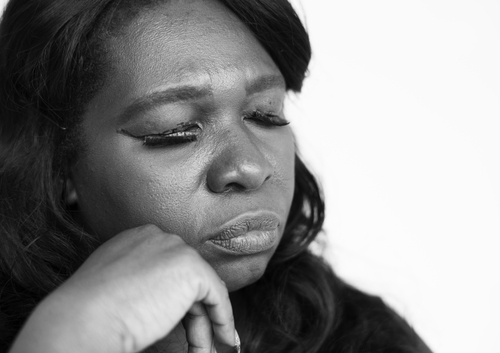
Self Care and Managing Stress

Self care is extremely important for individuals who care for others or those who undergo large amounts of stress.  It is important to care for one’s mental health the same way one gives rest to one’s physical health.  Taking the time for self care and giving the mind the time it needs to rest or recovery are critical to long term success in life.  Unfortunately, many feel guilt if they walk away from a loved one for a short period.  They do not partake in a short visit away, or find time to care for themselves.

Many suffer from poor hygiene.  Others can become over stressed and open to medical conditions.  Others can become resentful overtime that life is not rewarding.  It is important to care for oneself in order to care for others and it is not selfish to take a little time each day, each week and month to find that one’s physical, mental and emotional needs are met.  This does not mean one abandons care of another, but it does allow one to recharge enabling them to give the best care.

For others self care is sometimes not time away from a sick person but is time away from constant work.  It permits the person to focus on other things than deadlines or assignments.  Again, this does not mean one is to disregard tasks or responsibilities, but means one is to find time to help each other.  Balance is key like anything in life. Self care is part of balance.

There are many examples of self care. Please also review AIHCP’ Stress Management Consulting Program


The article, “How To Start a Self-Care Routine” from Cleveland Clinic “healthessentials” takes a closer look at forming a self care routine.   The article discusses how diet, exercise and rest are important aspects of self care that become neglected by busier people.  The article discusses how one can learn to insert into one’s schedule a self care schedule that will not infringe upon daily duty but grant the needed balance for overall mental and physical health.  The article states,

“You’ve probably heard a lot of chatter over the past few years about self-care and the importance of having a self-care routine. The idea — a holistic (whole body) approach to taking care of one’s physical and emotional health — is a great one but it can be a bit intimidating.  For those who’ve never done one, a self-care routine may feel like an uphill climb, something that seems impossible to do in a very busy (and chaotic) world. Others may have tried and fallen out of the routine, leaving them feeling like they just don’t have the knack for it.”

“How To Start a Self-Care Routine”. HeAlthessentials. Cleveland Clinic.

To review the entire article, please click here

Commentary

Self care is important for managing stress. When we are stressed, our bodies go into fight or flight mode and release stress hormones like cortisol. These hormones can have negative effects on our bodies if we are constantly in a state of stress. That is why it is important to take care of ourselves and do things that help reduce our stress levels. Some self care activities that can help reduce stress are exercise, relaxation techniques like yoga or meditation, spending time in nature, and getting enough sleep.  Other times, it is important to find time away, even if for half a day or so to do something one finds relaxing or fun.

There are a number of reasons why people might ignore self-care. One reason is that they may not be aware of the importance of self-care. Another reason is that they may not have the time or resources to devote to self-care. Additionally, people may not believe that self-care is necessary or effective. Finally, some people may simply be unwilling to change their habits or routines to accommodate self-care.  In addition, guilt from walking away from a person or a task can prevent one from working on oneself.

As stress adds up though, the importance of self care is a critical skill.  The skill is in knowing when enough is enough and finding a safe and healthy outlet to recharge one’s mind.  When one does not permit this and give the time needed for better diet, sleep and exercise, or even a amusing event, the person begins to become more and more stressed and open to mental break down or sickness.  One must learn to insert balance in life in everything.  Self care is understanding the balance that one must have in order to operate in other areas.  When self care boundaries are not protected and defended, then the person can become over stressed and strained.

Conclusion

In conclusion, self care is important for our mental and physical wellbeing. It can help us to cope with stress, anxiety and depression. It can also improve our sleep, energy levels and immunity.  Many times, self care is put to the side and neglected.  It is important to find balance in work, school and play.  It is important to give oneself time to recharge from helping others or performing tasks or meeting deadlines.  It does not involve neglecting duty but balancing everything.  By making time for self care, we can improve our overall health and wellbeing.

Please also review AIHCP’s Stress Management Consulting Program and see if it meets your academic and professional goals.  The program is online and independent study and open to qualified professionals seeking a four year certification in Stress Management.

Additional Resources

“U.S. medical students who engage in self-care report less stress and higher quality of life”. Erin E. Ayala, etc. al. BMC Medical Education volume 18, Article number: 189 (2018). Access here

“Why Self Care Can Help You Manage Stress”. Elizabeth Scott, PhD. November 24th, 2020. Verywellmind. Access here

“What You Need to Know About Stress and Self-Care”. Dan Mager, MSW. August 29th, 2017. Psychology Today.  Access here

“Ways to Manage Stress”. Lauren Ragland. September 14th, 2021. WebMD. Access here

“Caregiver stress: Tips for taking care of yourself”. March 22nd, 2022. Mayo Clinic.  Access here

Anger Management Consulting Certification Blog on Leadership and Anger Management

Learning how to deal with anger of employees and team members and utilize these emotions for the overall good of the team are key in anger management.  Anger Management helps teach managers how to deal with emotion of others in a constructive way that will not harm the team

Anger Management in leadership and the workplace is critical. Please also review AIHCP’s Anger Management Consulting Certification and see if it meets your academic and professional goals


The article, “Managing Anger, Frustration, and Resentment on Your Team” by Nihar Chhaya looks at how leaders can control their own anger and their team’s anger.  He states,

“Anger and losing one’s temper in the workplace is nothing new. Many studies show that among all of life’s pressures, job stress is by far the most significant source. In addition, recent research from Gallup reported that daily rates of anger, stress, worry, and sadness among American workers have risen over the past decade.”

To read the entire article, please click here

Please also review AIHCP’s Anger Management Consulting Certification and see if it meets your academic and professional goals.  The program is online and independent study and open to qualified professionals seeking a four year certification in Anger Management Consulting.

Health Care Manager Certification Blog on Employee Burnout

Leadership is by example and this no more true than in healthcare.  Healthcare mangers need to lead and help others through the pandemic and help them reach goals.  Keeping morale high is important for employees and they need to find it from their managers.

Leaders need to set examples. Please also review AIHCP’s Health Care Management Certification and see if it meets your goals


The article, “5 Ways to Restore Depleted Health Care Workers” by Leonard L. Berry, Rana L.A. Awdish, and Stephen J. Swensen look closer into leadership.  They write,

“Even before the pandemic, burnout among health care workers was well documented. The pandemic turned it into a crisis. A key component of burnout is depletion, which is characterized by feeling physically and emotionally drained, just barely hanging on — like the ICU nurse who sits in her car outside the hospital and texts a friend, “I don’t think I can make it through another shift.”

To read the whole article, please click here

Please also review AIHCP’s Health Care Manager Certification and see if it meets your academic and professional needs and goals.  The program is online and independent study and open to qualified professionals looking for a four year certification in Health Care Management.

Pet Loss Grief Support Blog on Helping Children Grieve a Pet

It can be very difficult to finally say goodbye to a dog or cat or any pet.   It is something that requires much thought and considerations.  It is not only about one’s feelings but also for the best interests of one’s pet family.  It is maybe one of the toughest decisions to finally say goodbye and is very painful.  Teaching children how to say goodbye is key.

Children need help grieving pets. Please also review AIHCP’s Pet Loss Grief Support


The article, “These three simple things helped my kids grieve after our pet died” by Jessie Harrold looks at how to help children say goodbye.  He states,

“We spent the days and weeks after our pup passed telling stories, creating art, and poring over pictures of Roxy. It wasn’t until my son started having impromptu “funerals” on our family outings that we realized how important these little rituals of grieving were to his ability to process something as complex and overwhelming as loss.”

To review the article, please click here

Please also review AIHCP’s Pet Loss Grief Counseling Support Certification and see if it meets your academic and professional goals.  The program is online and independent study and open to qualified professionals looking for a four year certification in Pet Loss Grief Support

Forensic Nursing Blog on SANE and Forensic Nursing Opportunities

Forensic nurses play a key role in society.  They serve as aid in understanding the nature of death and death investigations as well as helping victims of sexual abuse.  SANE nurses (sexual assault nurse examiner) are a special type of nurse that specializes in helping rape victims.  In the overall umbrella of forensic nursing, SANE nurses and nurses certified in forensic nursing can play key roles in various situations.  This blog looks to identify some of these key jobs.  Nurses who wish to diversify their career and have interest in criminal proceedings can become certified in both.

SANE nurses are excellent candidates for AIHCP’s Forensic Nursing Program. They all can play a key role in assisting sexual assault victims and helping coroner offices with cause of death while working with the criminal justice system


SANE nurses are in many cases the first line of defense for victims of sexual abuse.  When a potential rape victim or sexually assaulted individual arrives at the hospital, the SANE nurses cares for them and analyzes the evidence and injuries to the person.  During these initial assessments and examinations, SANE nurses determine if foul play occurred and contact the proper authorities.  They collect and preserve any DNA evidence and work in concert with the police and district attorney in presenting evidence to juries and possibly testifying as expert witnesses.  In this way they serve as a vital bridge between the criminal justice system and healthcare system.

In addition, SANE and Forensic nurses help with death scene reporting and investigations.  Working under the leadership of the coroner office, many Forensic Nurses help conduct autopsies of the dead and report cause of death to the coroner office.  They also can give vital reports to law enforcement.  Some may even run for elected positions within the coroner office and supply local government with their knowledge and expertise.

Due to the connection with the criminal justice system, many are also certified in Legal Nurse Consulting and can work in court room consulting with firms.  Many Legal Nurse Consultants are also certified in Forensic Nursing or have  SANE certification.  They hence are excellent resources for firms in criminal cases beyond the basic malpractice case.  AIHCP also offers a program in Legal Nurse Consulting.

Some also work within criminal prison populations and access and work with past perpetrators. At these capability they can also aid in reforming individuals as well as help victims in prison who may be attacked by other perpetrators.

This position holds extreme importance and is open to nurses who take special SANE training and who wish to become certified in Forensic Nursing with AIHCP.   SANE nurses are excellent candidates to enhance their forensic background with a Forensic Nursing Certification from AIHCP.  The program consists of five online courses that lead to a four year certification.  The courses are independent study and can be completed within one’s own time frame.  The final course reviews SANE training for nurses who may wish to work with their state in this official training.

If qualified, please review AIHCP’s Forensic Nursing Program and see if it meets your academic and professional goals.


Grief Counseling Certification Blog on Prolonged Grief

Acute levels of grief that persist and refuse to lessen in intensity are complications and not part of the normal grieving process.  Obviously we think of depression, but there is also Prolonged Grief Disorder which is persists beyond 6 months of the loss.  Individuals facing complications with grief, need to see a licensed therapist.

Prolonged Grief Disorder is a complication of grieving. Please also review AIHCP’s Grief Counseling Certification


The article, “What Everyone Should Understand About Prolonged Grief Disorder” by Deborah Seranl looks closer at this complication of grief.  She states,

“Prolonged Grief Disorder will vary in intensity, but for children and adults, grief reactions occur most of the day, nearly every day. For children, the death which caused this experience must be 6 months or longer, and for an adult, 12 months or longer. Individuals who experience Prolonged Grief Disorder have significant distress in social, occupational, or other important areas of functioning. Emotional numbness, loneliness, identity disruptions (who am I without you) and a marked disbelief about the death leaves many feeling life is meaningless. ”

To read the entire article, please click here

Please also review AIHCP’s Grief Counseling Certification and see if it matches your academic and professional goals.  The program is online and independent study and open to qualified professionals seeking a four year certification in grief counseling.


Christian Counseling Certification Video on Christian Apologetics and Ecumenism

Apologetics is an important skill to defend the doctrines of the faith.  Ecumenism is the ability to spread the faith and share it with others.  It is important to work with other faiths in a multi cultured world and spread the Gospel of Christ in a kind and charitable way.  Ecumenism and apologetics go hand and hand.

Please also review AIHCP’s Christian Counseling Certification and see if it meets your academic and professional goals.  The program is online and independent study and open to qualified professionals seeking a four year certification as a Christian Counselor.

Grief Counseling Training Video on Grief and Identity

Many individuals lose identity with grief.  A loss limb, or a loss of a loved one that they identify with.  A father or mother may no longer feel like a parent if they lost a child.  Grief can transform one’s identify of self.

Please also review AIHCP’s Grief Counseling Program and see if it meets your needs.  The Grief Counseling Training is online and independent study and open to qualified professionals.

Grief Counseling Training Program Video on Therapies for Children and Grief

There are numerous therapies to help children better communicate their grief.  They can express through multiple outlets of creativity to help them express the grief and issues that haunt them.  Counselors can help children through a variety of methods.


Please also review AIHCP’s Grief Counseling Training Program and see if it meets your academic and professional goals.  The program is online and independent study and open to qualified professionals seeking a four year certification as a grief counselor.  Please also review AIHCP’s Child and Adolescent Grief Counseling Training


Please review the video below

ADHD Consulting Blog on ADHD Coach

ADHD Coaches and consultants can help a family deal with ADHD or help an individual learn to better cope with ADHD.  While counseling professionals can earn an additional certification in ADHD Consulting, many individuals can become ADHD coaches who are not counselors.  This is important to note.

It is important if an ADHD Coach is working with you that they are at least certified. Please also review AIHCP’s ADHD Consulting Certification


The article, “Could an ADHD Coach Help Your Family?” by Sara Lindberg looks at the role of an ADHD Coach.  She states,

“ADHD coaching is a relatively new idea. It’s important to be aware that there’s currently no formal regulation of the role, so technically, anyone can advertise themselves as an ADHD coach. At the same time, there are organizations that offer training and certifications. If you’re seeking a coach, it’s important to request their training and experience in order to know what qualifications they actually possess.”

To review the entire article, please click here

AIHCP also offers certification to professionals seeking a certification as an ADHD Consultant.  The program is online and independent study and open to qualified professionals seeking a four year certification in ADHD Consulting.  ADHD coaches do not necessarily have to possess a counseling license, but AIHCP ensures that individuals who do possess the certification have some type of professional and academic status.