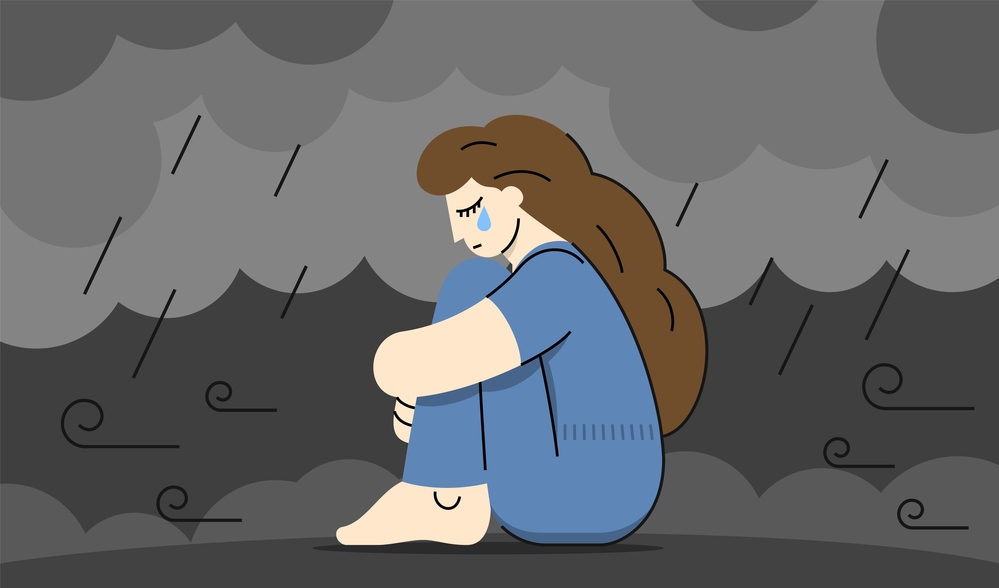
Anger Management for Children

Anger is a neutral and natural emotion.  It is when anger is allowed to turn to rage and when anger is misdirected that it becomes damaging.  When someone allows anger to turn to rage, then violence and abuse can occur.  Sometimes this abuse is physical, other times it can be verbal.  Uncontrolled anger hence is something that needs to be controlled.  Controlling anger however can sometimes be easier said than done.  Anger Management Consulting and training can help individuals learn to better cope with anger but teaching anger control starts in one’s youth.

Young children need to be taught about anger and what it can do when it is not controlled.  Preventing anger to turn into a habitual vice of a person has its roots in upbringing.  Children need to be taught how to control their anger, see other points of view, show empathy and abhor violence.  When children are trained how to cope with anger and allow it to diffuse in peaceful ways, then children can become better adults later in life in regards to controlling it.

Teaching children anger management techniques at a young age is key. Please also review AIHCP’s Anger Management Consulting Program


Unfortunately, many individuals do not learn how to cope with anger at a younger age, but parents can play key role preventing the cycle of abuse by teaching their children anger control.  The article, “How you can teach your child to cope with anger” by Sneha Das looks at ways parents can help train their children with anger control by listing 5 key strategies.  She lists a few ways parents can help children cope by utilizing verbal communication.  She also encourages parents to teach children relaxation methods and other ways to reduce frustration.  Most importantly she encourages parents to praise children when they behave well.  Regarding anger management and anger, she states,

“Anger is one of the most common and normal emotions experienced by us. However, children often tend to confuse anger with aggressive behavior and showcase temper tantrums, disrespect, and frustration. As parents, you need to teach them anger management skills before it affects their academics and mental health. Here are five easy ways to teach your child how to control and cope with anger.”

“How you can teach your child to cope with anger”. Sneha Das. January 22nd, 2023. NewBytes.

To review the entire article, please click here

Commentary

Children can learn many bad anger habits via parents. Please also review AIHCP’s Anger Management Consulting Program


Anger in children can be defined as a psychological affective state that is characterized by the experience of intense, negative emotions such as frustration, bitterness, hostility, and aggression. Such emotions are usually caused by perceived injustice or a perceived threat to the child’s physical or psychological well-being. This phenomenon can be further compounded by cognitive factors such as distortions in information processing, misunderstandings of social cues, and failure to accurately interpret environmental cues.

Anger in children can be caused by a variety of factors, most notably the lack of ability to effectively express emotions. In addition, frustration, fear and/or a feeling of being overwhelmed can all contribute to feelings of anger. Furthermore, anxiety disorders or social problems can manifest in children as increased levels of aggression or irritability due to their inability to adequately cope with the underlying stressors.

Anger Management with Children

Parents engage in a process of temperamental regulation to modulate their children’s emotional expression of anger. This disciplinary action is intended to facilitate the development of emotional self-regulation and ultimately help cultivate a more emotionally competent child. Through such measures, parents attempt to shape the behavior of their offspring by utilizing techniques such as praise, reprimands, rewards, and/or punishments.  This process involves utilising behavioural techniques to shape the child’s cognitions regarding the behaviour in question while also providing positive reinforcement for desirable behaviours. Through this process, parents are able to foster a sense of responsibility and accountability among children, helping them develop skills for recognizing and managing their own angry outbursts.

Obviously, punishment is the key way to alter bad behavior but how that punishment is carried out if one wishes to deter angry outbursts.

Beyond punishment, parents need to cultivate other skills from a positive respect instead of only negation.  Parents can reward good behaviors with special treats or favors.  Positive reinforcement hence can play a key role.  Another way to positively reinforce proper emotional control is through example.  Parents who do not yell and scream when upset or angry set a good and positive image for their every watching children.

In addition to positive reinforcement and example, parents can teach children the necessary skills to verbally communicate and not allow anger to overtake with outbursts.  Outbursts are to be taught as unacceptable while communication is to be rewarded and encouraged.   Additionally, parents can teach children other methods of controlling anger through meditation, breathing exercises, or simply walking away.  When these skills are taught a younger age, then they can develop into habits through the teen years and young adult years that will lead to a more even tempered adult.

It is also crucial that parents stop aggression in children.  When aggressive behavior is witnessed, or reported from school, it is necessary for parents to discover what is the root cause of this aggression and how to help their child better express their anger and not to displace it on others.  Unfortunately, many homes have parenting that is dysfunctional and these anger issues leak into the schools causing additional issues.

Anger Management Consulting can also play a key role in helping one understand the source of the anger and how to better manage it.

Conclusion

In conclusion teaching children to manage their anger is an essential part of helping them develop healthy relationships with their peers and adults. It is important to focus on calming strategies such as deep breathing, counting to 10, or talking out frustrations rather than resorting to aggressive behaviors. Parents should provide a safe environment where children feel heard and respected in order to help them learn how to express their feelings in an appropriate manner. Furthermore, guidance from a mental health professional can be beneficial for children who are struggling with extreme anger issues.

Please also review AIHCP’s Anger Management Consulting Program and see if it meets your academic and professional goals.  The program is online and independent study and open to qualified professionals seeking a four year certification in Anger Management Consulting.

 

Additional Resources

“Anger, Irritability and Aggression in Kids”. Yale Medicine. Access here

“How to Treat Anger Issues in Kids”. Kelly Burch. August 17th, 2022. VeryWellHealth.  Access here

“A Child’s Anger Can Be a Warning”. Ana Nogales. January 26th, 2012. Psychology Today.  Access here

“7 Ways to Help a Child Cope With Anger”. Amy Morin. October 17th, 2021. VeryWellFamily.  Access here

Negative Effects of Alcohol Video

While drinking is seen as social and acceptable in society, it can also be equally as destructive to one’s life as any drug if not properly controlled.  Many individuals face physical addiction, while others are socially tied to it at any event.  Others function but consistently drink to function.  This leads to a myriad of negative effects on life.  Physical and social negatives can all emerge from excessive and unsafe drinking.   The long term damage to the body, one’s family  and professional life and potential jail time due to drunk driving can ruin lives.  It is important hence to have a clear understanding of the negative effects of alcohol that the television ads do not always show.  Substance Abuse Counselors can also help individuals see the destructive power of alcohol on lives.

There are numerous negative effects of excessive drinking. Please also review AIHCP’s Substance Abuse Practitioner Program


Please also review AIHCP’s Substance Abuse Practitioner Program and see if it matches your academic and professional goals.  The program is online and independent study and open to qualified professionals seeking a four year certification in Substance Abuse.

Please review the video below to learn more about the negative effects of alcohol on life.

When It Is Time To Say Goodbye To A Pet

Unfortunately, pets grow older.  Whether its a bird, cat, dog or horse, pets get older.  The differences between an energetic young pup to an older dog is quite amazing but it is a natural process of life.  Like our human friends, our pet friends age and understanding the changes, limitations and when it is time to let go are difficult things to accept.  Many individuals have a hard time making the decision to euthanize a pet, or say goodbye.  This is quite natural since pets are family.  It is hard to say goodbye to anyone we love but with animals, the choice is always ours.  Animals are like children and do not understand aging or death, but it is up to their human parents to guide them through it.  The pet loss grief will be intense, but owners need to be strong for their pet.

It is not an easy decision to say finally goodbye to an old or terminal pet. Please also review AIHCP’s Pet Loss Grief Counseling Program


Pets need love and presence when the that fateful days comes.  After limitations to movement, eating, digestion and quality of life erode, the owner must make the difficult case to help ease the transition of one’s pet to the next life.  Sometimes the day is picked in advance, other times, the horrible decision falls suddenly.  Regardless, owners need to be there for their pets.  They need to hold them and keep them comfortable.  They need to ensure their pet dies with comfort and dignity if possible.  The simple presence can reassure a pet during his or her passing.  This simple act of kindness to a good friend can make it so much easier on the pet.

One thing everyone should remember is pets are parts of our life, but to a pet, we are their entire life.  As much as we would like to have our pets live a long as we do, it is not possible.  Human life span is almost immortal in relationship to a dog.  Humans may have multiple pets and love them all equally without forgetting any, but the owner is the everything to a pet.  It is good to remember these faithful friends and grant them the most dignified death possible.

The article, “How to Know When It’s Time to Say Goodbye to a Pet” by Laurie Dove takes a closer look at signs and signals that it may be time to euthanize a pet.  The article acknowledges the difficult decision but points out that pets deserve to die with dignity if certain movements or qualities of life are no longer present.  Many times it may be a difficult answer, no one answer is white or black in making this difficult decision, but certain elements will appear when the time does come.  The article mentions mobility, hygiene, pain, hunger, thirst and energy as all things to take into consideration.  Ultimately, Dove states,

“It’s tough see your dog or cat grow old or get sick, but it’s even harder to think about putting them to sleep. Something just doesn’t feel right when you know your pet’s “death” is scheduled via an appointment with their veterinarian — and you had to make that call. While the intensely personal process for making an end-of-life decision for your pet is rife with the complexities surrounding death and grief, it’s a decision that you simply can’t ignore. But how do you know when the time is right?”

“How to Know When It’s Time to Say Goodbye to a Pet”.  Laurie Love. October 11th, 2022. HowStuffWorks?

To read the entire article, please click here

Commentary

Pet death loss can be an emotionally devastating experience for many individuals, as it often involves the disruption of a significant bond between animal and owner. In cases where this bond is strong, pet death loss can lead to complicated reactions on the part of the bereaved, including feelings of guilt and intense grief. Such feelings can manifest in various forms such as depression, anxiety, insomnia and rumination. Furthermore, pet death loss has been associated with lower levels of social support.  Such losses have been studied extensively within the field of psychology, where it has been characterized as an attachment-based bereavement experience.  This loss can also be equal to any type of human loss based on the above considerations.

Pet Loss Grief Counseling is sometimes necessary after letting a pet go. Please also review AIHCP’s Pet Loss Grief Counseling Certification


Knowing When to Let Go

Euthanasia is a difficult and often emotionally charged decision for pet owners, requiring careful analysis of the situation. When confronted with the need to euthanize an animal companion, it is best to consider both physical and emotional factors. On the physical level, veterinarians typically consider whether the pet’s health issues are terminal and/or significantly compromising their quality of life.  This act entails the intentional termination of life for a pet suffering from a terminal illness or experiencing severe and irremediable pain in order to alleviate their suffering. In such circumstances, it is important to consider the quality of life for the animal in question, as well as the emotional impact on owners who may be struggling with feelings of guilt or grief.

One should consider a variety of issues.  First and foremost, is it a selfish motive keeping a suffering pet alive.  True love for a pet sometimes involves sacrificing and allowing an older pet with terminal symptoms to find peace.  However, there are signs that one should look for that include dietary changes.  Is the animal able to eat, digest, and find nourishment.  Is the pet hungry or constantly thirsty?  Does the pet have energy?  Is the pet in constant pain?  Is mobility affected?  These are important things to consider when making a difficult decision regarding one’s pet.

It can be very painful to make this decision, but as a pet parent, sometimes tough decisions need to be made for the overall welfare and state of the pet.

Conclusion

Letting go of a pet child is never easy.  It is not supposed to be easy.  Saying goodbye can be a difficult decision but this decision is always made with love and respect for the dignity of the pet.  It is the final option but is also the most merciful option.

If after saying goodbye to one’s pet, one needs pet loss grief counseling, then one should consider working with a professional expressing this type of loss.  Many times, individuals are mocked or disregarded after the loss of a pet.  This type of disfranchisement is common with pet loss.  Individuals do not consider it as important as losing a human friend. The reality is that losing a pet can be equal or even greater.  Many individuals grieve very hard over the loss of a pet because pets are family.

If you would like to help others better deal and cope with pet loss, then please review AIHCP’s Pet Loss Grief Counseling Certification.  The program is online and independent study and open to qualified professionals seeking a four year certification in Pet Loss Grief Counseling.

 

Additional Resources

“How Do You Know When to Put a Dog Down?”. Liz Bales. VMD. August 8th, 2019. PetMD. Access here

“Euthanasia: Making the Decision”.  August 25th, 2016. American Humane.  Access here

“When Should You Euthanize a Pet?”. Jessica Pierce. February 16th, 2012.  PsychologyToday. Access here

“How Do I Know When it’s Time?” The Ohio State University. Veterinary Medical Center.  Access here

“How to Cope when Your Pet Needs to Be Euthanized”. Chloe Carmichael, PhD and Danielle Blinka, MA, MPA. September 15th, 2021. WikiHow.Pet.  Access here

Resolving a Malpractice Case

Malpractices happen.  Fortunately, they can be defended, overcame and resolved.  Whether found accountable or not, there are critical steps in any defense of a malpractice case.  A good law firm with legal nurse consultants can help defend the case and analyze evidence and even be an expert witnesses.  There are various steps within a malpractice case.  The response phase, the collection of evidence and case preparation phase, the case itself and the resolution of all parties.  It is critical to be precise and accountable to all phases if one is to successfully deal with a possible case.

Legal Nurses on from a legal team can play a key role in resolving a malpractice case.


The article, “Overcoming Medical Malpractice Claims: Strategies For Success” from the European Business Review takes a closer look at overcoming and defending against a malpractice claim.  The article discusses the nature and definition of malpractice before divulging into overcoming it.  The author stresses the importance of response time and finding a strong firm to help defend a case.  Within this, there is a collection and analyzation of evidence, sometimes by legal nurse consultants.  Building a strong defense is pivotal.  In addition to building a case, the article delves into how to negotiate a settlement as well as defending a claim in court.  Finally, the article points out how to resolve the case after a definitive verdict has been declared.  Overall, the article states,

“The resolution of a medical malpractice claim can be a complex and lengthy process. The key to success is understanding the fundamental elements of medical malpractice and taking proactive steps to protect against claims.  By being aware of the common causes, statute of limitations, and strategies for negotiation or defense, medical professionals can be prepared to successfully handle medical malpractice claims. It is also important to have an action plan in place for after the claim is resolved in order to prevent future issues from arising.  Taking the time to understand these concepts now will ‘pay dividends’ in the long run for those who may find themselves facing a medical malpractice claim.”

“Overcoming Medical Malpractice Claims: Strategies For Success”. The European Business Review. January 30th, 2023.

To review the entire article, please click here

Commentary

The importance of legal representation is key.  Malpractice attorneys aided with the expertise of legal nurse consultants can play a key role in resolving a malpractice claim.

Legal Nurse Consultants can aid in the defense of a malpractice claim. Please review AIHCP’s Legal Nurse Consulting Program


Healthcare providers possess a form of defense against malpractice claims through the use of principles that are rooted in tort law. Primarily, this defense relies on the concept of causation, which is based on the premise that a breach of care must have been in existence for an injury to have occurred. In order to be liable for damages, it must be established that the provider was negligent in their duties and that said negligence led directly to the injury or harm sustained by the patient.  In addition, The healthcare provider’s defense against malpractice claims can be conceptualized as an attempt to limit potential liabilities related to professional negligence. This involves a variety of strategies, such as the implementation of evidence-based practices, utilization of preventative measures, and provision of disclaimers and informed consent documents. In addition, education and training programs designed to reduce errors may be beneficial in creating an environment conducive to avoiding malpractice allegations.

The resolution of a malpractice case typically involves the adjudication of a legal dispute by way of a formal process in which relevant parties present evidence and arguments to support their respective positions. This is often done through a combination of negotiation, arbitration, and/or litigation methods. The resolution may ultimately involve an agreement between the parties as to how damages (if any) will be paid.

Role of Legal Nurses

Legal nurses and malpractice legal teams are essential components in facilitating a successful legal case. By leveraging their specialized knowledge in the field of healthcare, legal nurses provide consulting services to malpractice legal teams to help them understand the medical complexities of a case. Their ability to interpret medical documentation, assess patient records, identify areas of negligence, and track related court proceedings enable them to offer valuable insight into the merits of a case and their efficacy has been demonstrated through numerous studies in the field.

Legal nurses are a vital component of the malpractice litigation process, as they serve to provide an in-depth analysis of relevant medical documentation and provide expert testimony regarding the medical aspects of a case. The legal nurse consultant is tasked with evaluating the facts of the case, including any negligence or malpractice that may have occurred, and rendering an opinion as to whether certain actions taken by health care providers satisfy the applicable standard of care for the particular situation.

Beyond investigation, legal nurses also provide assistance in court.  Legal nurses in court represent an invaluable resource within the judicial system. These specialized professionals are able to provide a critical bridge between the medical and legal worlds, enabling them to interpret, explain, and contextualize clinical data for use in a courtroom setting. By leveraging their advanced understanding of medical terminology and concepts, legal nurses can assist attorneys representing clients in malpractice cases or other medical-legal issues.

Conclusion

In conclusion, defending against malpractice claims can be complex and costly. It is important for healthcare providers to have a comprehensive understanding of the legal landscape, their professional obligations, and their rights in order to protect themselves from potential claims. A successful defense requires experienced and knowledgeable legal counsel, who can assist clients with providing timely disclosure of material information and documentation. By understanding the legal process and having a plan in place to assess potential risks, health care providers can successfully defend against malpractice claims.

Legal Nurse Consultants play a key role in any defense.  They can aid in the investigative phase as well as the court phase.  They play a key role in aiding and advising the malpractice firm on particular cases.  AIHCP and the College of Legal Nurse Consulting offers a certification in Legal Nurse Consulting open to registered nurses.  The program is online and independent study and open to qualified professionals seeking a four year certification in legal nurse consulting.  If qualified and interested, then please review AIHCP’s Legal Nurse Consulting program and see if it meets your academic and professional goals.

Additional Resources

“Protecting yourself from malpractice claims”. American Nurse. February 11th, 2007.  Access here

“What is medical malpractice?”. Yvette Brazier. April 5th, 2017. MedicalNewsToday.  Access here

“Stay Vigilant About Malpractice Risks with Telemedicine”. Healthcare Risk Management. February 1st, 2022. Relias Media.  Access here

“Physicians’ Views on Defensive Medicine: A National Survey”. Tara F. Bishop, MDAlex D. Federman, MD, MPHSalomeh Keyhani, MD, MPH. Arch Intern Med. 2010;170(12):1081-1083. doi:10.1001/archinternmed.2010.155. Jama Newwork.  Access here

How to Control Stress Induced Eating

Stress can cause many adverse reactions.  While stress causes many internal reactions in the fight or flight response, it can also cause adverse reactions in how one copes with stress.  One adverse reaction and bad coping method is eating.  Many individuals will take consolation in food or late night binges to overcome anxiety and stress.  This not only compounds the issues that arise with chronic stress but also leads to poor diet choices and weight gain.  Bad sugar and cholesterol choices are also a result of spur of the moment stress eating. Other forms of Stress Management need to be implemented to reduce stress induced eating.

Stress induced eating can cause havoc to one’s diet and overall health. Please also review AIHCP’s Stress Management Consulting Program


The article, “Why You Stress Eat and How To Stop” from the the Cleveland Clinic takes a closer look at the problems that come with stress induced eating.  The article discusses why individuals stress eat but also looks at methods to better control.  The article lists other stress relief models but also cognitive responses to help distract one from stress induced eating.  The article states,

“If stress eating doesn’t actually improve your stress levels, what does? It goes back to the stress itself. “Stress eating is about escaping your feelings, pushing them away,” Dr. Albers explains, “so the key to getting a handle on it is understanding your stress better.” But with intentionality and effort, you can break the habit and form new ones in its place. “Forming new habits in response to stress takes time, but it is possible,” she adds.”

“Why You Stress Eat and How To Stop”. HealthEssentials. January 26th, 2023. Cleveland Clinic

To read the entire article, please click here

Commentary

Stress can push individuals to eating when they should not be eating.  Whether late or night or something bad for one’s diet, stress eating can become a large issue.  Stress Management Specialists can help individuals find better ways to manage stress and avoid stress induced eating.

Stress has been studied extensively and is known to have a significant effect on one’s eating habits. It has been postulated that when exposed to a stressful situation, individuals are more likely to engage in unhealthy eating habits due to the psychological response of increased cortisol levels and decreased serotonin levels. This can result in an increase in food-seeking behavior and an increase in the consumption of unhealthy, high-calorie foods which could lead to weight gain.  In particular, individuals under chronic stress often engage in binge eating, which is characterized by an increased amount of food intake over short periods of time and involves episodes of elevated emotions such as guilt or shame following the episode.

People who are under persistent stress may seek out food as a coping mechanism. This phenomenon is likely a result of the body’s physiological response to stress, which includes elevated levels of cortisol, a hormone linked to appetite stimulation. Additionally, other hormones released during periods of stress such as ghrelin can further induce hunger. This may be accompanied by an emotional craving for comfort foods that are seen as providing psychological nourishment or solace in times of distress.  Intermittent periods of psychological stress can also result in an increase in the activation of the hypothalamic-pituitary-adrenal axis, leading to increased cortisol secretion. This can cause activation of hedonic pathways and reward centers in the brain, resulting in an increased drive for consumption of palatable food items. Furthermore, individuals who are stressed may also exhibit maladaptive coping strategies which involve the consumption of food as a form of emotional regulation.

Stress Management and Eating

Learning better stress management coping strategies can help prevent stress eating


In order to cope with stress eating, it is pertinent to alter one’s cognitive appraisals of stressors, develop a repertoire of coping skills, and cultivate an awareness of one’s emotional state. This can be achieved through various cognitive-behavioral techniques such as mindfulness meditation and exposure to positive stimuli. Additionally, refraining from calorie-dense snacks and substituting them with healthier alternatives can also reduce the prevalence of stress eating. While overeating may be an effective short-term solution, it is not the only available option for managing feelings of anxiety. Other means of dealing with stressful situations include cognitive reframing, mindfulness meditation, and diaphragmatic breathing. Cognitive reframing involves actively shifting one’s perspective in order to gain insight into their underlying thought patterns.

Conclusion

In conclusion, stress eating is a common response to feeling overwhelmed or anxious. It is important to recognize when this type of behavior is happening so that steps can be taken to address it. Managing stress in healthy ways, such as exercise, can help reduce the likelihood of stress eating. Additionally, having a support system and being mindful of your emotions can help you make healthier choices. Avoiding unhealthy coping mechanisms like stress eating will help us maintain a healthy relationship with food and avoid feeling guilty or ashamed.  Finally, if you find yourself turning to food for comfort more than usual, it may be time to seek professional help.  Many counselors who specialize in Stress Management Consulting can help an individual better cope and find alternative ways to deal with stress instead of eating.

There are better ways to cope with stress than eating. Please also review AIHCP’s Stress Management Consulting Program and see if it matches your goals


Please also review AIHCP’s Stress Management Consulting Program and see if it meets your academic and professional goals.  The program is online and independent study and open to qualified professionals seeking a four year certification in Stress Management Consulting.

 

Additional Resources

“Tips to Manage Stress Eating”. Erin Gager.  John Hopkins Medicine.  Access here

“Why stress causes people to overeat”. Harvard Medical School. February 15th, 2021. Access here

“Weight loss: Gain control of emotional eating”. Mayo Clinic Staff. December 2nd, 2022. Access here

“13 Ways to Prevent Stress Eating When You’re Stuck at Home”. Jillian Kubala. March 27th, 2020.  Access here

“Here’s Why You Stress Eat — And How to Stop Doing It”. Jamie Ducharme. July 31st, 2018.  Access here

Certified Case Manager: Starting Their Own Business

By – James M. Katz, BA

As a certified case manager, starting a business from home can be a great way to achieve financial independence and enjoy the flexibility of working from your own space. You have the unique opportunity to provide specialized services to clients that may not be available elsewhere. With the right planning, you can develop a successful home-based business that meets the needs of your clients and generates an income. In this guide, we’ll provide you with tips and strategies to get started on your journey as a certified case manager working from home. We’ll discuss the importance of setting up a solid business plan, what you need to consider when setting up your workspace and how to market your services effectively. As a certified case manager, you’ll have the opportunity to make a real difference in people’s lives – and with the right preparation, you can make your home-based business a success.

As seen in the article below, becoming a certified case manager sometimes isn’t enough. Starting your own case management business is the next logical step. However, without the proper strategies in place it can be a treacherous one! You not only need to take care of your patients but you need to run your own business as well.

“Case management is a specialized field of health care that focuses on coordinating services and resources to improve patient outcomes. It involves assessing a patient’s needs, developing a plan of care, and providing follow-up support. An independent case management business provides these services to clients in the private sector, such as hospitals, health care providers, insurance companies, and other organizations.

Starting an independent case management business can be a rewarding endeavor, offering the opportunity to work with a variety of clients and make a difference in the lives of patients. However, it does require extensive research, planning, and preparation. This guide provides an overview of the necessary steps to get started and outlines the key considerations for successful business operations.

Access Full Article Here 

Commentary:

Button that says Private Practice Certified Case Manager

Benefits of Starting a Home-Based Business as a Certified Case Manager

If you love working with people and helping them through their challenges, then starting a home-based business as a certified case manager might be a great option for you. It’s a great way to help people in need while earning a steady income that lets you set your own schedule. If you want to travel the world, start a family or simply pursue a different career path, this is an ideal way to do so. There are a number of benefits associated with becoming a certified case manager. One of the most significant is the ability to help people who might not otherwise have access to quality services. You can use your business to help clients obtain benefits, file for Social Security disability, receive Medicaid/Medicare and more.

Setting Up a Solid Business Plan

Every home-based business starts with setting up a solid plan. This includes examining your case management goals and examining what it will take to achieve them. You’ll need to examine what it will take to make the business successful, both from a financial and a personal growth perspective. This will help you determine how much time and energy you should devote to your business. You’ll also need to examine your skills and determine what kind of clients you’re most suited to work with. Ideally, you should be working with clients who have similar challenges to your own clients so that you can provide them with the most value possible.

Establishing Your Home Workspace

The first step in starting a home-based business is setting up your workspace. This includes selecting a professional space that meets your needs and acquiring all of the necessary equipment. A professional workspace will help you maintain client confidentiality and improve your efficiency. It’s important to establish your home workspace before diving into marketing your services. This will help you avoid wasting time and energy on areas that don’t directly impact the success of your business.

Marketing Your Services Effectively

If you want to succeed as a home-based business, you need to understand how to market your services effectively. This will help you find new clients and grow your business over time. It’s important to understand that marketing is an ongoing process. You can’t simply sit back and expect clients to find you. You need to be creative and use a variety of methods to reach potential clients. Some of the most effective marketing strategies include networking with other certified case managers, networking with your professional association, blogging about your services and adding value to online communities.

Tips for Staying Productive and Organized

If you want to stay productive and organized as you start a home-based business, you need to be intentional with your time. This means knowing when you’re taking on more than you’re able to handle and avoiding multitasking. It’s important to create a schedule that addresses your responsibilities and activities. This schedule should include both work and personal commitments. If you don’t have a schedule that includes both work and personal commitments, you’ll be overwhelmed with the demand placed on you.

Networking Opportunities for Certified Case Managers

Networking is an important part of marketing your services. This is especially true if you’re just starting out as a home-based business. Networking provides you with opportunities to meet potential clients in a relaxed setting and discuss your services. This can help you identify potential clients and build your network of professional connections. Networking can be challenging if you don’t know where to start. Networking opportunities can help you overcome this challenge. Some of the best networking opportunities include attending professional association meetings, participating in online communities and attending networking events related to your industry.

Conclusion

There are many reasons why people choose to start a home-based business. One of the most common reasons is to earn more money. While it is important for you to earn more money through your home-based business, it’s also important to enjoy what you’re doing. You don’t want to become so consumed by your home-based business that you no longer have time to pursue interests, friends and family. If you find yourself in this situation, it’s important to take a break and reassess your priorities. There are many benefits associated with becoming a certified case manager. One of the most significant is the ability to help people who might not otherwise have access to quality services.

A healthcare certification can open the door to new career opportunities. With a profession as vast as healthcare, it is easy to specialize yourself. Nursing and other healthcare professionals have dozens of different fields they can go into and explore, increasing their value. If you are interested in becoming a certified Case Manager, you should visit our Case Management Certification Page Here.  

References:

Wikipedia Case Management Page – 

CDC Case Management Page – 

Additional Resources:

Applying Project Management Methods to the Creation of a Start-up Business Plan: The Case of Blendlee, Jolita Kiznyte, et al, PM World Journal. Vol. V, Issue ZV – May 2016
Access Here – 

Making a business plan for starting a transitional pain service within the US healthcare system, Sun EC, Mariano ER, Narouze S, et al Regional Anesthesia & Pain Medicine 2021;46:727-731.
Access Here – 

Advanced Practice Nurses: Developing A Business Plan for an Independent Ambulatory Clinical Practice Johnson, Joyce E Johnson, et al. Pitman Vol. 35, Iss. 3, (May/Jun 2017): 126-133,141.
Access Here – 

The relationship of personality traits and entrepreneurship tendencies with career adaptability of nursing students, Oznur Ispir, et al. Nurse Education Today Volume 79, August 2019, Pages 41-47
Access Here – 


Healthcare Management Waste Spending Reduction

By – James M. Katz, BA

Health care costs are rising, and the challenge of finding new ways to reduce them can feel overwhelming. Fortunately, there are strategies you can use to successfully cut costs in health care. Healthcare Management decisions can range from improving processes and taking advantage of technology, to restructuring services and looking for alternative funding sources, there are a range of strategies that can help you achieve significant savings in healthcare. In this article, we will explore seven essential strategies that can help you reduce costs in healthcare, and why they are important. You’ll learn how to develop a plan of action, assess and analyze costs, and identify opportunities for cost-cutting. With the right approach, you can make a real difference to your hospital, clinic, or medical practice’s bottom line.

Healthcare Management can help reduce their wasteful spending in a number of ways. Most hospitals and care providers use a volume payment style for specialists, instead health care managers can move towards a value-based care style. This approach as seen in the video linked below along with other methods can help to greatly reduce wasteful Healthcare Management spending.

How can we do a better job of removing low-value, wasteful care from the health care system?

The quick and easy answer is you stop paying for it. There’s not been a lot of will to do that, so, the question is: what else can you do? There’s really 2 things. One is, you change how you pay specialists. So, 93% of the specialists in this country are strictly volume based, and that does not foster a value-based care environment. You need to build incentive models so that about a third to up to 50% of the revenue that a specialist makes is based on incentives for value-based care, for population health management, and not based for volume. It’s a tricky thing to do, because the specialty incentive model needs to look completely different for each specialty. They have to be designed specialty specific. It’s difficult, not impossible. We’re actually hard at work doing that now.

Link to the Video

Commentary:

Business woman standing in the middle of an office.

Assessing Costs: Looking at the full range of healthcare costs

Before you can find ways to reduce costs, you need to be sure that you are looking at the full range of costs in your healthcare organization. It’s very easy to only consider direct costs, or costs related to the delivery of a medical service, such as the cost of staff salaries, drugs, supplies, and equipment. However, there are a number of indirect costs that are just as important to reducing costs in healthcare management. These costs may be less obvious than the direct costs, but are nonetheless an important part of the total cost of healthcare. Indirect costs include the cost of facilities and equipment, as well as depreciation costs. They also include the cost of administration, which includes costs such as marketing, finance, and human resources. If you are satisfied only looking at the direct costs, you could miss out on significant cost-saving opportunities. By taking a more holistic approach to assessing costs, you can better identify how to reduce costs in healthcare.

Streamlining Processes: Optimizing current processes to reduce waste

Healthcare organizations are often plagued by inefficiency and waste. For example, some processes are designed to be inefficient, meaning that they generate no real benefit for the organization, but simply consume resources. By discovering inefficiencies within your processes, you can find opportunities to reduce waste and make significant cost savings. For example, if you use paper records, you are wasting a large amount of paper. Once you have assessed your paper records, you can see where you can reduce these costs. If you have a procedure where patients are asked to sign a form, but the form is never used, then the sign-up time is wasted. Consider making the form a digital record, which can then be reused instead of being thrown away once the patient has signed it.

Exploring Technology: Taking advantage of new technology to increase efficiency

There are many opportunities to reduce costs through technology. For example, some hospitals have found success in using virtual care technologies such as video conferencing and web-based software. Virtual care can be a perfect solution for remote areas with no nearby medical facilities. Technology can also be used to improve the efficiency of routine tasks in healthcare management. For example, many organizations use EMR systems to record and manage patient records. However, these systems are often used to record information that is far from essential. With careful assessment, you can reduce the cost of using EMR systems, and increase the efficiency of the technology at the same time. Consider using paper records where possible, and transfer less essential information from the EMR to digital systems. You can also find ways to make EMR systems more efficient. For example, you could schedule daily or weekly reports to update less essential information. This can help to reduce the cost of using EMR systems, while still benefiting from the technology.

Restructuring Services: Reorganizing services to maximize efficiency

As services are implemented, it is important to assess their efficiency. For example, if your organization offers a walk-in clinic, you may assume that it is an efficient service. However, walk-in clinics often have long waiting times, which is inefficient. An efficient walk-in clinic can help to reduce costs for your organization. To find ways to reduce costs in healthcare, it is important to assess the efficiency of services. If a walk-in clinic is offered to patients, it could be an efficient service. However, if a specific surgery is offered only at a walk-in clinic, then the service is less efficient and could be restructured. It is also important to assess the efficiency of individual surgeries. For example, it may be possible to perform a less invasive procedure with the same amount of time. The more invasive the procedure is, the more time it takes, so it is important to assess the efficiency of individual services.

Securing Alternative Funding: Pursuing new sources of funding

Many health care organizations struggle to cover their costs, which can lead to a shortage of staff, restricted services, or even closure. To reduce the risk of this happening, some organizations have sought alternative funding, such as self-funding or crowdfunding. Alternative funding options can provide a new way to secure funding for your organization, or for new initiatives. For example, healthcare management team may choose to use a portion of its own funding to support innovative projects, such as a new diagnostic service. Alternatively, funding from alternative sources can help to support a new initiative, such as a new clinical trial. Alternative funding options can be a way to secure funding for your organization. Alternative funding options can be a new way to secure funding for your organization, such as crowdfunding, or a portion of your own funding.

Creating a Plan of Action: Developing a plan to implement cost-cutting strategies

It can be difficult to reduce costs when you are relatively new to the sector, or have only started your cost-cutting efforts recently. However, it is important to remain committed to the strategies that you have chosen, and to make sure that they are being implemented effectively. A key part of developing an effective plan of action is to analyze the results of your cost-cutting efforts. This can be done by documenting your progress, and making regular assessments of the efficiency of your cost-cutting strategies. Healthcare Management should also consider involving your staff in the process of cost-cutting, and making sure that they are all aware of the benefits of cost-cutting. This can help to make your organization more efficient and cost-effective, while also helping to make your staff more cost-conscious.

Conclusion: Summarizing the importance of cost-cutting in healthcare

Health care costs are rising, and many organizations are struggling to cover these costs. Fortunately, there are many cost-cutting strategies that you can use to successfully reduce costs, and make significant savings in healthcare management. It is important to remember that the best way to reduce costs is to assess the full cost of your current health care model, and then look for ways to reduce this cost. This requires a more holistic approach to cost-cutting, in which you take into account indirect costs as well as direct costs. Health care costs are rising, and many organizations are struggling to cover these costs. Fortunately, there are many cost-cutting strategies that you can use to successfully reduce costs, and make significant savings in healthcare.

Healthcare Management can be an excellent transition from the nursing field. If you are interested in becoming certified in Healthcare Management then you might want to check out our certification program here. 

References:

Wikipedia: Unnecessary Health Care

Additional Resources:

Waste in the US Health Care System: Estimated Costs and Potential for Savings. Shrank WH, et al. JAMA. 2019 Oct 15;322(15):1501-1509. doi: 10.1001/jama.2019.13978. PMID: 31589283.

Access here 

Reducing Administrative Waste in the US Health Care System. Kocher RP. JAMA. 2021;325(5):427–428. doi:10.1001/jama.2020.24767

Access Here 

Eliminating waste in healthcare spending. Kalipso Chalkidou, et al BMJ 2017;356:j570

Access Here 

Excess Medical Care Spending: The Categories, Magnitude, and Opportunity Costs of Wasteful Spending in the United States. Matthew Speer, et al.  2020: American Journal of Public Health 110, 1743_1748,

Access Here 

CPR Guidelines – What’s New in the Medical Field?

CPR done in hospital settingWritten by Sam Darwin

It is common for the American Heart Association (AHA) to update its CPR guidelines every five years. These guidelines result from a meticulous evidence review process that lasts several years. But in 2015, the organization decided to take a different approach to this evaluation process and standards. It unveiled a new strategy that uses ongoing, online evidence evaluation. 

This new adjustment is necessary as it makes it possible to assimilate different scientific breakthroughs. Therefore, they ensure they are more effective and can introduce the guidelines across hospitals and communities. 

In 2020, the AHA organization released its guidelines under the new procedure. The policies contain 491 specific guidelines for CPR for laypeople and medical professionals. 

This article will define CPR and the best time to use it. Besides, it will also expound more on the latest advancement of CPR in the medical field. 

CPR and CPR Training?

In a medical emergency, cardiopulmonary resuscitation (CPR) can help to save a person’s life in case of breathing complications or when their heart stops. To perform CPR the right way, you must either undergo CPR training or be CPR-certified. Such training sessions do not mandate physical presence and can even be taken online.

When a person is experiencing cardiac arrest, their heart will be unable to pump blood to the rest of the body, including the brain and lungs. Medical care is highly recommended during this state, as death can occur within minutes.  

CPR is effective as it imitates the heart’s pumping action and uses chest compressions. It is effective as each compression supports the body’s natural blood circulation. 

Remember that heart attacks and cardiac arrest are different. When the heart’s blood supply is cut off, a patient will have a heart attack. Besides, during a heart attack, a person can speak and breathe. 

When a person is undergoing a heart attack, they may not need CPR. But it is safe to rush this person to a nearby hospital. This is because cardiac arrest is more likely to occur after a heart attack. 

The Latest CPR Guidelines in the Medical Field

1. Encourages Layperson to Administer CPR

Most of the AHA CPR guidelines focus on CPR treatment practices for medical professionals. However, the organization has spent a lot of time updating its standards for laypeople’s education and training also. So you can renew your CPR card online as the organization aims to make it more accessible. 

This is because recent statics revealed that about 350,000 adult patients went into cardiac arrest outside hospitals in 2015. And before EMS teams arrived, less than 40% of the patients received CPR from bystanders, while 12% received AED use. 

According to reports, the rate of cardiac arrests outside of a hospital has reached a severe plateau since 2012. That’s why AHA is keen to promote online CPR training for a layperson in its latest guidelines. This will ensure they have self-confidence in performing life-saving CPR. 

2. As a Layperson, You Should Start CPR Immediately

This has been among the requirements from the 2010 AHA guidelines. A lay rescuer shouldn’t bother to check for a pulse in case a patient suddenly collapses. The right thing to do is assume cardiac arrest and start CPR immediately. 

The latest 2020 guidelines confirmed that recommendation. They encourage lay rescuers to do CPR right away in such circumstances and not waste time checking for a pulse. 

This is because most non-medical practitioners often find it challenging to find a pulse, especially in emergencies.  Besides, CPR first aid is less dangerous even if the patient is not in cardiac arrest. 

3. Advice on Online Video Training for Layperson CPR

The latest AHA guidelines encourage accessibility and education for laypeople as well. It is vital to have CPR training available to anyone who cares about saving lives. 

AHA recommendations from 2015 state that online self-learning paired with hands-on, instructor-led training for layperson CPR should be considered alternatives to traditional in-person seminars.

Additionally, the research proved that video-based online CPR training and self-directed teaching have no significant difference from in-person training. So if you’re a layperson CPR, you can take CPR certification online, which will still apply according to the 2020 AHA guidelines. 

With these new guidelines, AHA hopes many people will feel encouraged to pursue a CPR certification. This is because this type of training is available widely. Besides, if you need a CPR renewal certification, you can access it anytime. 

Moreover, the 2020 guidelines encourage lay rescuers to learn how to administer Naloxone to patients experiencing a drug overdose. Besides, they also encourage middle and high schools to introduce CPR training to establish a sense of confidence and familiarity at a young age for many lay rescuers. 

4. A Mobile System That Can Alert Trained Laypersons CPRCPR First Aid Training Concept

The latest CPR guidelines encourage people to leverage the latest mobile phone technologies. This will aid in notifying the CPR and AED-trained bystanders in case of an emergency with a cardiac arrest patient. 

This technology will make it quick and simple for dispatchers to notify trained CPR volunteers and bystanders in case of an emergency in a neighborhood. This will be a vital accomplishment as it increases the likelihood that cardiac arrest patients will receive life-saving CPR before the EMTs arrive. 

Moreover, the Internal Liaison on Resuscitation (ILCOR) supports this advice, as its thorough analysis found that a mobile warning system might speed up trained bystander responses. And as a result, it will increase the number of cardiac arrests patients receiving bystander CPR. Besides, this will raise the survival rates for cardiac arrest patients outside hospitals. 

5. Quality of Adult CPR With Chest Compressions

Regarding adult CPR, the AHA guidelines reiterate the importance of quality chest compression. It is crucial as it ensures improved survival metrics, but the compression depth rate changes guidelines are only for adult patients. 

According to the guidelines, it is highly advised for adult patients to have chest compressions of at least 2 inches, but it shouldn’t be greater than 2.4 inches. 

But it is also encouraged to have a moderate strength for compression rates between 100-120 compressions per minute. 

Conclusion

CPR first aid is now considered one of the most crucial components of survival in case of a cardiac arrest. The latest guidelines by AHA are based on scientific research and intend to increase a person’s chances of survival in case of cardiac arrest. These new guidelines are necessary because there is always a 90% possibility of death in cardiac arrest cases outside the hospital. 

So the AHA guidelines recommendation for online video classes for layperson CPR training is a great place to start. This will help see an increase in survival for cardiac arrest patients. Also, it is vital to take a CPR certification renewal to stay updated with the latest CPR guidelines. 


Please also review AIHCP’s Health Care Life Coaching Certificate and see if it meets your academic and professional goals.  The program is online and independent study and open to qualified professionals seeking a four year certification in Life Coaching.

Validity of the Resurrection Video

The Resurrection of Christ is the central theme of Christianity.  Without this miracle, the Christin faith is merely another human invention to understand the divine.  Jesus Christ rose from the dead and because of this, Christians are able to proclaim Christ’s Divinity.  Through the Resurrection, the Son’s sacrifice is accepted by the Father and through the Resurrection, all are reminded that their temporal bodies will one day rise too.

This video analyzes the theology behind the Resurrection and defends it against various criticisms and challenges from non believers.

Please also review AIHCP’s Christian Counseling Certification and see if it meets your academic and professional goals.  The program is online and independent study and open to qualified professionals looking to earn a four year certification in Christian Counseling.

The Benefits of Cognitive Behavioral Therapy for PTSD

Person in military uniform holding a sign that reads PTSDWritten by Claire Szewczyk


The first time that Post-Traumatic Stress Disorder (PTSD) reached the public eye, it was known as the concept of “shell shock” – debilitating nightmares, hyper-reactivity and increased dangerous behaviors in veterans who had experienced traumas of combat during World War I. It is still very much a common diagnosis amongst the veteran community, with an incidence of almost 13% (PTSD and veterans: Breaking down the statistics 2021).

However, in more recent years, PTSD has been a more commonly diagnosed mental health disorder that can affect anyone who was exposed to any form of abuse, trauma, or life-threatening situation.

As a result of PTSD becoming more of a common occurrence among the population, it has also become more important for those who are experiencing symptoms to seek out treatment. There are a wide variety of options available, including the tried and true, research-verified effective Cognitive Behavioral Therapy, or CBT. 

CBT focuses on the relationship among thoughts, feelings and behaviors, targets current problems and symptoms, and then focuses on changing patterns of behavior that lead to difficulty functioning. 


What is Post-Traumatic Stress Disorder (PTSD)?

Post-Traumatic Stress Disorder (PTSD) is a mental health condition that can develop after a person has experienced or witnessed a traumatic event, such as a combat event, a natural disaster, a car accident, or a violent crime. 

Symptoms of PTSD include re-experiencing the traumatic event through flashbacks or nightmares, avoidance of reminders of the event, and increased feelings of anxiety and depression.

Most people who go through traumatic events may have temporary difficulties with adjusting and coping, but with good self-care practices and time, they usually are able to overcome it. If symptoms worsen, linger and interfere with day-to-day functioning, they might be experiencing PTSD.

Getting effective treatment after PTSD symptoms develop can be critical to reducing symptoms and improving overall function. 


What is Cognitive Behavioral Therapy (CBT)?

Cognitive Behavioral Therapy focuses on the relationship between thoughts, feelings and behaviors. It targets individuals’ current concerns and issues with day-to-day-functioning and the symptoms they are experiencing, and then provides ways to help challenge negative patterns of thought and behavior, in order to help improve quality of life.


How does Cognitive Behavioral Therapy Help PTSD Symptoms?

Several theories that revolve around trauma help explain why CBT is an effective treatment to reduce symptoms of PTSD.

Emotional Processing Theory suggests those who have experienced a traumatic event can develop associations with reminders of the event. Challenging these associations, especially the ones that lead to unhealthy functioning, is the core of emotional processing.

Social Cognitive Theory suggests that those who have defined their existing beliefs about themselves, others, and the world, based on the trauma they experienced, often struggle with unhelpful interpretations of their experiences of their environment. 

Cognitive Behavioral Therapy has been scientifically proven through many studies, to alleviate symptoms of PTSD. Typically, CBT treatment includes two main components: exposure therapy and cognitive restructuring. 

A man in military uniform in therapy. Exposure Therapy 

Exposure Therapy aims to reduce the emotional distress associated with reminders of the triggering event. Exposure Therapy operates similarly to how it sounds. It involves gradually exposing the individual to reminders of the traumatic event in a controlled and safe environment. 

If you go through Exposure Therapy you may be asked to recall the traumatic event in therapy, visit places, or engage in activities that are associated with the traumatic event. Over time, the hope is that you will be able to identify your triggers and use coping mechanisms to downplay the symptoms you experience (Yetman, Exposure therapy: Types, how it’s done, and more 2021).

Cognitive Restructuring or Prolonged Exposure (PE) Therapy 

The second aspect of CBT is Cognitive Restructuring or Prolonged Exposure Therapy (PE). PE is a type of CBT treatment that involves identifying and changing negative thought patterns associated with the traumatic event (Prolonged exposure (PE).

Cognitive restructuring may include challenging and refuting negative beliefs about oneself, the world, and others developed due to the traumatic event. 

For example, a person with PTSD may believe that the world is dangerous and that they are helpless to protect themselves, which can lead to anxiety and fear. 

Through Cognitive restructuring, a therapist may help the person to challenge and refute this belief and replace it with a more balanced and realistic perspective.


CBT is a scientifically proven effective treatment for PTSD

CBT is effective in treating PTSD in several studies. CBT was found to be effective in reducing symptoms of PTSD in adults in over 12-15 sessions either in a group setting or one-on-one.

CBT has also been effective in treating PTSD in specific populations, including veterans and individuals who have experienced a traumatic event in childhood. The VA and the American Psychological Association recommend using CBT for PTSD survivors. CBT not only targets PTSD but also targets other symptoms of PTSD such as depression and anxiety.

Multiple studies through the years have championed CBT for PTSD treatment. (Cognitive behavioral therapy (CBT) for treatment of PTSD).


What are the Benefits of CBT?

Besides the fact that Cognitive Behavioral Therapy is a scientifically proven effective treatment for individuals suffering from post-traumatic stress disorder, there’s also a wide variety of benefits over other forms of therapy. Here’s a few of them:


     1. It gives people hope about their condition.

Oftentimes, due to the nature of mental health disorders, sometimes it can cause those who have been diagnosed to have a pessimistic outlook about their future wellbeing. It can be difficult to think about a time where their illness won’t impact their life.

CBT challenges this mindset–and offers hope for the future.

It does this by using its own methods to challenge thoughts and ideas like this. Provides a way to seek out alternative possibilities. That life could be very different, and in a more positive way.


     2. It develops self-esteem.

It’s not a surprise to note that with many mental health conditions, also comes with a lower sense of self-worth and self-esteem.

This feeds into the cycle of negative thinking, which influences behaviors, and vice versa.

CBT can help disrupt these negative thoughts and patterns, and as a result, help develop more confidence in a person’s own abilities and strengths. 

Understanding how thoughts work, and how they are under the control of those who are thinking them, changes things on a fundamental level. Including the way people see themselves.


     3. It can help with relaxation.

Because CBT directly helps with managing thoughts and emotions, this comes with it the ability to control how a person responds to their symptoms.

As a result, it helps regulate responses to triggers and reduce symptoms by utilizing a variety of relaxation techniques.


     4. It develops more rational thought processes.

Perhaps the most important benefit of CBT, is that it helps people regain control of their thoughts and emotions. 

Over time, the process of questioning and challenging our thought processes, and replacing them with healthier ones, can transform people entirely.


CBT is a great way to treat PTSD

In conclusion, CBT is a widely recognized and effective treatment for PTSD. This type of therapy is based on the idea that our thoughts, feelings, and behaviors are interconnected and that we can change our emotional response to a traumatic event by changing our thoughts and behaviors. 

Through exposure therapy and cognitive restructuring, CBT can help individuals reduce symptoms of PTSD, such as re-experiencing the traumatic event, avoiding reminders of the event, and decreasing feelings of anxiety and depression. 


Claire Szewczyk Bio PicAuthor Bio:

Claire Szewczyk is a Digital Content Coordinator for Hill & Ponton, PA in Florida. She was a former US Airforce civilian employee, who worked at Hill Air Force Base, in Layton, UT as a flight testing administrator. She has also spent several years working with the Department of Veterans Affairs audiology programs in Salt Lake City, UT and Pocatello, ID. She enjoys working with the Veteran population and keeping them up to date with information they need the most.


Please also review AIHCP’s Anger Management Specialist Certification and see if it meets your academic and professional goals.  The program is online and independent study and open to qualified professionals seeking a four year certification in Anger Management Counseling.

 

References

American Psychological Association. (n.d.). Cognitive behavioral therapy (CBT) for treatment of PTSD. American Psychological Association. Retrieved January 30, 2023, from https://www.apa.org/ptsd-guideline/treatments/cognitive-behavioral-therapy

American Psychological Association. (n.d.). Prolonged exposure (PE). American Psychological Association. Retrieved January 30, 2023, from https://www.apa.org/ptsd-guideline/treatments/prolonged-exposure

Emotional processing theory (EPT) and exposure therapy for … – springer. SpringerLink. (n.d.). Retrieved January 26, 2023, from https://link.springer.com/article/10.1007/s10879-006-9008-y

PTSD and veterans: Breaking down the statistics. Hill & Ponton, P.A. (2021, May 11). Retrieved January 30, 2023, from https://www.hillandponton.com/veterans-statistics/ptsd/

Yetman, D. (2021, June 21). Exposure therapy: Types, how it’s done, and more. Healthline. Retrieved January 30, 2023, from https://www.healthline.com/health/exposure-therapy#:~:text=Exposure%20therapy%20is%20a%20kind,therapist%20in%20a%20safe%20environment.