Counseling is about the person and the person’s story. Like so many things in life, everything is not usually black and white. There are a variety of shades of color from multiple perspectives in life that can make the story of the client incomplete. For starters, the client has his/her own subjective experience with the events within the story. The unique experience of the client may very well be true from the client’s point of view due to the subjective factors and information available. In addition, the client may possess a variety of blinders to certain truths that may be painful to accept or realize. In other cases, the client may have various personality disorders that completely distort the reality of the events. Whether purposeful or not, these distortions can cause larger issues in the healing, changing and transformational process.
Counselor help clients tell their story but also help them see the real story and how to find the right story
Throughout the blogs on counseling techniques, we have discussed numerous skills a counselor must utilize to help a client find change. This blog will bring many of these skills together in helping forge the client’s initial story into the real and right story (Egan, 2019, p. 270). Egan guides the counselor in addressing the story told, but also how to help push the client forward into telling the real and right story. This helps the client enter into a state of self discovery so that as the story progresses, the client not only heals but also changes and transforms with the reality of the story.
Of course, as a counselor, one cannot make a client change, nor can a counselor sometimes ruthlessly correct or tell a client he/she is wrong. The skills of counseling help the counselor with empathy and patience, gently nudge and guide the client to truth and help the client choose to pursue that truth. This stems first by forming a strong relationship of trust with the client. It involves basic attending skills of empathetic listening, observing and responding to help understand the client and better address the issues. Through empathetic listening and excellent observations, one can begin to see if any discrepancies exist within the story and how to better empathetically confront the client to recognizing the real story and then challenging the client to the right story and course of action, all the while, supplying the client with resources and encouragement to move forward.
The Story
Egan emphasizes that when helping the client tell the story that the counselor needs to make the client feel safe in the encounter. Egan also encourages counselors to understand the styles between different cultures and how different cultures may express stories. Some clients divulge and talk, others are more quiet, while others supply numerous details and others are vague. Some clients may tell the core of the story and leave out secondary issues, while others may approach the story the opposite direction. Some clients may go off topic, while others may stay on topic (Egan, 2019, p. 274-275). This is why it is important to identify what is going on or what the client is feeling at the moment, identify what the client wants and how to get what the client needs. In this regard, counselors can help clients identify key issues and help them discuss the past but in a productive way that helps the past not define them but help them learn (Egan, 2019, p. 181). Egan also points out it is imperative to identify the severity of the initial story. Will this client need basic counseling or require crisis counseling? Clinical counselors may be able to better handle the issue presented or see the need for a specialist. Pastoral counselors dealing with issues beyond basic loss and grief, may identify something more severe and need to refer the client to a clinical counselor.
Sometimes when helping a client tell their story, it can also be useful to utilize Narrative Therapy which helps differentiate the person from the issues. At the end of the blog, there are links to better understand Narrative Therapy and its role in telling the story.
The Real Story
After identifying the key elements of the story, counselors can help clients start to see the real story by exposing with empathy any discrepancies or any blinders a client may possess. Through empathetic confrontation, a counselor can help a client see both sides or different angles to the story that the client may not had seen initially. In this way, the counselor challenges the client in the quality of their perception and participation in the story (Egan, 2019, p. 289). In dealing with the real story, Egan also points out that counselors can help clients understand their own problems and be better equipped to own their own problems and unused opportunities. When a client is gently nudged to the realities of the real story, a counselor can help the client see that the real issue is not impossible to rectify and begin to present problem maintenance structures which help clients identify, explore and act properly with their real issues (Egan, 2019,p. 292). Challenging and encouraging like a coach, can help clients move forward to begin to make the right story in their life.
The Right Story
In telling the right story, the client is pushed to new directions. The client no longer denies the need to change, but has to some extent acknowledged it. In previous blogs, we discuss issues that correlate with change in a client. When the client is ready to change, the client still requires guidance and help. The counselor helps the client choose various issues that will make a true difference in his/her life. When looking at these issues, the counselor helps the client set goals. The goals should be manageable at first and lead to bigger things but only after smaller steps to avoid let down. The counselor can help the client choose from various options and cost benefits, as well as helping the client make proper choices (Egan, 2019, p. 299-301). The counselor, like a coach, helps the client push forward and improve in life. Within the phase of telling the right story, the counselor helps the client with goals but also helps the client see the impact new goals can give to life as well as the needed commitment to those goals to ensure a continued transformation. In previous blogs, we discuss the importance of helping clients face change and develop goals. In essence, goals are developed and strategies are conceived to meet those goals
Stages of Change
Throughout the process, Egan points out that the process involves three stages. First, telling the story so that it transforms into the real and right one. Second, helping the client design and set forth problem managing goals and third and finally, setting into motion those plans with strategies (Egan, 2019). These phases involve various skillsets that the counselor must employ at different phases and stages. It involves the counselor being a listener, advisor, encourager and coach. The counselor applies basic attending skills, in previous blogs, and utilize those attending skills in productive responses and when necessary confrontations. Everything is accomplished with empathy and patience but the skills, built upon trust, allow the counselor to awaken the client to new realities. Following these earlier discussions, the counselor becomes and advisor and coach in helping the client find ways to change and implement new goals and strategies. The counselor uses encouragement skills, coaching skills, and directive skills to help the client discover the power to choose wisely and act in a more healthy fashion. Ultimately it is about the client discovering his/her own inner abilities to not only change but to sustain change.
Conclusion
No client is the same and many will have different innate virtues or vices, talents or deficiencies, strengths or weaknesses. It is up to the counselor to help cultivate what is best in the client and help the client become his/her very best. Through individual skills, the counselor can help within each session, but the counselor must try and fail with multiple different theories and therapies that work best for his/her client. This involves realizing that each case is unique and different people will respond differently to different practices or approaches. A counselor must forever remain creative and flexible in approaches and adhere to the standards of empathy which helps establish trust with clients.
Counselors play the role of listener, advisor and coach. Please also review AIHCP’s numerous mental healthcare certifications for Human Service and Healthcare professionals
A counselor can utilize a basic structure of identifying the problem, helping the client see where he/she wishes to be and help the client find ways to do it. This involves working the client through the story and helping them see the real and right story moving forward. It involves then goal setting and moving forward with action. It makes the counselor more than a listener and advisor but also a coach.
Please also review AIHCP’s numerous counseling programs for those in the Human Service and Healthcare fields. While clinical counselors have more ability to help clients deeper with issues, pastoral counselors in Human Service can also help. This is why AIHCP offers these certifications to both clinical and non clinical Human Service professionals. The programs in mental health include a Grief Counseling Certification, as well as a Christian Counseling Certification, Crisis Counseling Certification, Stress Management Consulting Certification and Anger Management Specialist Certification. The programs themselves are online and independent study and open to qualified professionals seeking a four year certification. Please review AIHCP’s numerous certification programs.
Reference
Egan, G. and Reese, R. (2019). “The Skilled Helper: A Problem Management and Opportunity-Development Approach to Helping” (11th Ed.) Cengage.
Additional Resources
Ackerman, C. (2017). “19 Best Narrative Therapy Techniques & Worksheets”. Positive Psychology. Access here
Bates, D. (2022). “Storytelling in Counseling Is Often the Key to Successful Outcomes”. Psychotherapy.net. Access here
Guy Evans, O. (2023). “Narrative Therapy: Definition, Techniques & Interventions”. Simply Psychology. Access here
“Narrative Therapy”. Psychology Today. Access here
In an era where technology increasingly intersects with healthcare, remote patient monitoring and telehealth have emerged as critical components in redefining chronic care management and care coordination. Telehealth and healthcare case management are transforming the delivery of care, offering innovative solutions to improve patient outcomes and streamline care coordination. With advancements in technology and changes in healthcare policies, telehealth is increasingly being integrated into case management practices, providing real-time access to medical specialists, remote patient monitoring, and consultative services. These innovations offer a promising pathway to improve patient outcomes, enhance care management, and reduce hospital readmissions. Notably, the integration of telehealth and remote patient monitoring into chronic disease case management has demonstrated its potential to bridge gaps in healthcare delivery, making chronic care management more efficient and accessible. As such, the development and implementation of these technologies signify a pivotal shift in how healthcare providers, including nurse case managers, engage with and manage patients with chronic conditions.
Telehealth can be a great tool for case managers and better patient health if utilized properly. Please also review AIHCP’s Case Management Program
This article delves into the practical aspects of implementing telehealth in chronic care management, beginning with preparatory steps for telehealth implementation. It will provide a step-by-step guide to setting up telehealth, discuss the integration of telehealth with existing systems, and explore the monitoring and evaluation of telehealth interventions. Additionally, the challenges of telehealth implementation will be addressed alongside best practices for telehealth, leveraging remote patient monitoring to enhance care coordination and management. Finally, it will underscore the impact of these technologies on chronic care management and patient outcomes, highlighting how telehealth and remote patient monitoring foster a chronic care management model that benefits both patients and healthcare systems.
Please also review AIHCP’s Healthcare Case Management Certification and see if it meets your academic and professional goals. The program is designed for healthcare professionals and nurses to become trained in the case management field.
Key Takeaways
Telehealth enhances access to care, especially for patients with chronic conditions and those in remote areas.
Technological innovations such as digital health records and remote patient monitoring are revolutionizing case management.
There are significant challenges in implementing telehealth, including regulatory, compliance, and data privacy concerns.
Effective remote case management requires leveraging technology, professional development, and patient engagement techniques.
Future trends in telehealth, including artificial intelligence and wearable technology, are set to further transform healthcare case management
How to Implement Telehealth in Chronic Care Management
Implementing telehealth in chronic care management involves several critical steps, from setting clear goals to choosing the right technology. This approach not only enhances patient outcomes but also streamlines the management process for healthcare providers.
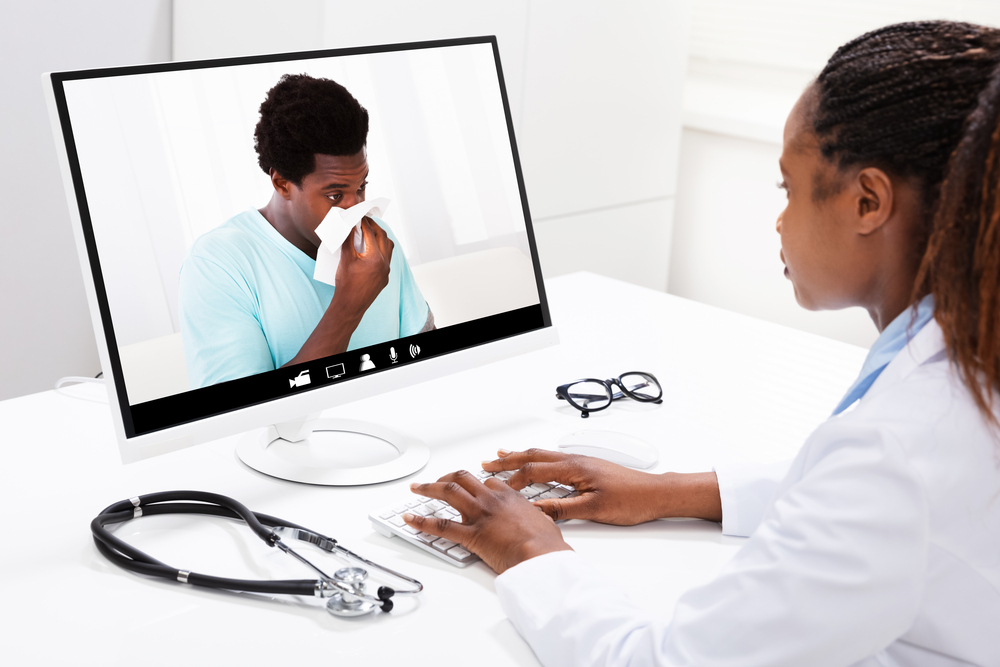
Telehealth has revolutionized the landscape of HEALTHCARE CASE MANAGEMENT by providing innovative solutions to traditional challenges. It encompasses a range of services, from virtual consultations to remote monitoring, offering unprecedented access to quality care. This transformation is particularly significant in managing chronic conditions, where continuous monitoring and timely interventions are crucial.
Setting Goals and Objectives
The first step in implementing telehealth for chronic care management is to define what you hope to achieve with the program. Goals may include scaling up an existing program or maintaining it efficiently. It is crucial to determine the specific needs that the telehealth devices must meet to serve the targeted patient population effectively. For instance, the Community Preventive Services Task Force (CPSTF) recommends telehealth interventions to manage chronic diseases by improving medication adherence and clinical outcomes like blood pressure control. Understanding these objectives helps in tailoring telehealth strategies that are effective in managing conditions such as cardiovascular disease, diabetes, and obesity.
Choosing the Right Technology
Selecting the appropriate technology is pivotal for the success of telehealth in chronic care management. The technology chosen must align with the needs of the patient population and be capable of meeting the set goals. Telehealth can be delivered in various forms:
Live (synchronous) videoconferencing: Allows real-time communication between providers or between a provider and a patient. This method is beneficial for immediate consultations and assessments.
Store-and-forward (asynchronous) videoconferencing: Involves the exchange of pre-recorded patient information among providers, useful for sharing results and recommendations without real-time interaction.
Remote patient monitoring (RPM): Utilizes electronic devices to record health data that providers can later review. This is suitable for continuous monitoring of health parameters such as blood pressure or blood sugar levels.
mHealth: Involves the use of mobile devices for health management, such as sending reminders for medication adherence or lifestyle changes.
Audio-only consultations: Can be effective for follow-up discussions or managing patients with limited access to advanced technology.
When implementing these technologies, it is essential to consider their integration with existing systems to ensure seamless operation and data flow. Additionally, the choice of technology should be supported by robust security measures to protect patient data, adhering to standards such as HIPAA in the United States.
By focusing on these critical areas — setting clear goals and selecting the right technology — healthcare providers can effectively implement telehealth in chronic care management, thereby improving patient care and optimizing resource use.
Preparing for Telehealth Implementation
Preparing for telehealth implementation involves a comprehensive approach that encompasses training healthcare staff and educating patients to ensure the smooth delivery of services.
Training Healthcare Staff
To facilitate an effective transition to telehealth, healthcare providers must be well-versed in the various aspects of digital health delivery. Introductory training is essential for staff members with little to no experience in telehealth. These training sessions should cover the basics of telehealth technology and equipment, compliance with regulations, reimbursement processes, and establishing a telehealth workflow. Additionally, digital communication skills are crucial as they equip staff with the techniques needed to conduct virtual consultations effectively, recognizing the nuances of patient communication that differ from in-person interactions.
Healthcare providers should also be trained on the cultural aspects of care. Training in cultural humility helps staff recognize and respect the diverse backgrounds of patients, which is critical in delivering personalized care through telehealth platforms. Hands-on, in-person training sessions allow education managers to tailor the training to the specific needs of the practice, enhancing the practical skills of the healthcare team.
Ongoing education is equally important. Providers should have access to resources such as the Telehealth.HHS.gov Events section and the National Consortium of Telehealth Resource Centers, which offer up-to-date training opportunities and toolkits at no cost. This continuous learning environment helps healthcare staff stay current with telehealth technologies and practices.
Educating both staff and patients is critical to successful telehealth implementation in case management and patient care
Educating Patients
Educating patients about telehealth is a critical step in preparing them for remote healthcare services. Patients need clear information on what telehealth entails, its benefits, and how to access and use the services. Healthcare providers should explain the different types of telehealth services available, such as live videoconferencing, store-and-forward technology, and remote patient monitoring. This information helps patients understand the options and choose the most suitable form of care.
Patients new to telehealth may require additional support to set up and troubleshoot the technology. Providing step-by-step guides and offering real-time assistance can alleviate any technical difficulties, ensuring patients feel confident in using the services. It is also beneficial to conduct routine virtual physical exams as part of the patient’s care plan, teaching them how to prepare for and participate in these exams to maximize the benefits of telehealth.
Furthermore, informing patients about the security measures in place to protect their data and ensuring they understand their rights and responsibilities when using telehealth services are crucial for building trust and compliance.
By focusing on these preparatory measures, healthcare providers can enhance the effectiveness of telehealth implementation, leading to better patient outcomes and more efficient care delivery.
Step-by-Step Guide to Setting Up Telehealth
Technical Setup
Identifying a Need: The initial step involves prioritizing issues identified by front-line staff that align with the organization’s strategic goals. These might include revenue loss, disruption in continuity of care, clinician shortages, or socioeconomic or geographical barriers to in-person visits. Identifying these needs helps determine which challenges can most effectively be addressed through telehealth.
Choosing the Right Technology: Selecting appropriate technology is crucial. Options include synchronous methods like live videoconferencing for real-time communication, and asynchronous methods such as store-and-forward videoconferencing for sharing patient information at different times. Remote patient monitoring (RPM) and mobile health (mHealth) applications are also vital components, supporting continuous health monitoring and patient engagement.
Evaluating Vendors: It is essential to evaluate vendors based on criteria that will enable the organization’s goals. Healthcare providers should engage with vendors who offer HIPAA-compliant solutions to ensure data security and privacy.
Contracting: Establishing a solid vendor relationship is critical. The contracting process should include negotiations that are captured in documents, protecting both the healthcare organization and the vendor.
Operational Procedures
Forming a Team: Organizing stakeholders into teams such as Core, Leadership, Advisory, and Implementation is vital. These teams will have defined criteria and responsibilities tailored to ensure the smooth deployment and operation of telehealth services.
Defining Success: Setting clear, measurable goals with metrics that allow for tracking progress is crucial. This step guides the team and provides a benchmark for evaluating the success of the telehealth implementation.
Making the Case: Gaining buy-in from leadership is essential for the long-term success of the telehealth program. Leadership support facilitates the allocation of necessary resources and prioritization of the implementation process.
Operationalizing Strategy: Creating custom workflows to suit the organization’s unique needs is a critical step. These workflows should integrate seamlessly with existing clinical programs and support staff in their daily operations, ensuring compliance and effective patient care.
Training and Onboarding: Comprehensive training for all end-users is crucial. Training should cover the use of the telehealth platform, focusing on practical aspects like making video calls, managing RPM devices, and ensuring data security. Onboarding managers should provide detailed training to equip clinicians with the necessary skills to use the telehealth system effectively.
Preparing for ‘Go-Live’: The final step involves preparing for the official launch of the telehealth program. This includes finalizing success metrics and conducting final reviews of operational procedures to ensure all systems are functional and staff are ready to manage patient care via the new platform.
By following these steps, healthcare organizations can effectively set up a telehealth system that enhances patient care, optimizes resource use, and aligns with strategic healthcare goals.
Integrating Telehealth with Existing Systems
Integrating telehealth with existing systems is crucial for enhancing the efficiency and effectiveness of healthcare delivery. This integration involves ensuring interoperability and managing data effectively to support seamless care coordination and patient management.
Ensuring Interoperability
Interoperability is the backbone of successful telehealth integration. It ensures that various telehealth platforms and electronic health record (EHR) systems can communicate and exchange information efficiently. The presence of a structured EHR significantly strengthens the development and interoperability of telemedicine tools. For instance, the integration of telemedicine platforms with the Electronic Health Record enables the accessibility of all health data and information acquired through telemedicine tools, such as telemonitoring and televisits, at any time by both the patient and health professionals involved in the care process.
To achieve this, healthcare systems must adopt common standards and protocols. The U.S. Office of the National Coordinator for Health Information Technology (ONC) has established requirements for a secure, standards-based application programming interface (API) to support each individual patient’s access and control of their electronic health information. These standards facilitate the wide-scale adoption of data sharing, making integration more consistent and efficient, thereby providing clinically useful information and mitigating physician burnout.
Additionally, the Three-Year Plan for Information Technology in Public Administration 2020–2022 emphasizes increasingly feeding and digitizing the EHR with health documents provided by territorial health facilities. This is accomplished through updated interoperability specifications and adapting the national EHR-INI (Electronic Health Record—National Interoperability Infrastructure) platform to these new specifications.
Data Management
Effective data management is another critical aspect of integrating telehealth with existing systems. Telehealth platforms must manage security and data protection from the design phase of the application, a concept known as privacy by design. This includes clear and complete identification of the figures responsible for data processing within the structure providing the telemedicine service and a method of acquiring informed consent from the patient.
Moreover, adopting organizational and technical security measures ensures that the acquired data are processed and stored in accordance with the principles of integrity, confidentiality, availability, minimization, accuracy, updating, and limitation. This is crucial for maintaining the confidentiality of data, protecting from cyber-attacks, and ensuring business continuity and disaster recovery systems aimed at maximum data availability and uptime of the platforms.
The integration of electronic health records (EHR) and electronic medical records (EMR) into telehealth or remote patient monitoring (RPM) technologies involves the exchange of biometric data, patient demographics, and care plan information. This interoperability supports the exchange of information across platforms, promoting easy access to health information for both patients and providers, and introducing efficiencies into the care process that ultimately improve outcomes and provider workflow.
By focusing on these key areas, healthcare organizations can ensure that telehealth services are not only an adjunct to traditional care but are fully integrated into the healthcare delivery system, enhancing the quality of care and ensuring financial sustainability.
Strategies for Effective Remote Case Management
Engagement with the patient and maintaining a high level of quality is essential
Leveraging Technology
In the realm of remote case management, leveraging technology is paramount. Advanced digital tools can streamline communication, enhance data accuracy, and facilitate real-time monitoring. Utilizing platforms that integrate electronic health records (EHRs) with telehealth services ensures a seamless flow of information, which is crucial for effective patient care.
Professional Development and Training
Continuous professional development and training are essential for case managers to stay updated with the latest telehealth technologies and best practices. This includes regular workshops, certifications, and hands-on training sessions. By fostering a culture of continuous learning, healthcare organizations can ensure that their staff is well-equipped to handle the complexities of remote case management.
Patient Engagement Techniques
Effective patient engagement techniques are vital for the success of remote case management. This involves using various communication tools to maintain regular contact with patients, providing educational resources, and encouraging active participation in their own care. Techniques such as motivational interviewing and personalized care plans can significantly improve patient satisfaction and outcomes.
In the evolving landscape of healthcare, patient satisfaction scores are a critical metric for evaluating the success of telehealth initiatives. Regular feedback and surveys can help identify areas for improvement and ensure that patient needs are being met effectively.
Monitoring and Evaluating Telehealth
Monitoring and evaluating telehealth involves a systematic approach to assess the effectiveness and efficiency of virtual care services. It is crucial for healthcare organizations to measure the impact of telehealth on organizational outcomes, patient care, and cost-effectiveness to ensure continuous improvement and high-quality service delivery.
Tracking Patient Outcomes
The process of tracking patient outcomes is integral to the evaluation of telehealth services. Healthcare providers should focus on both health and quality outcomes, which can be measured through various metrics established by federal agencies and national committees. Important health measures to track include hemoglobin A1c levels in patients with diabetes, BMI percentiles for monitoring obesity, and psychometric questionnaires to assess symptoms of anxiety disorders. These measures help in comparing the effectiveness of telehealth services to in-person visits, particularly in managing chronic conditions.
Organizations should also pay attention to the broader impacts of telehealth, such as accessibility and cost. For example, the reduction in travel time and associated costs can be significant, translating into direct savings for both providers and patients. Additionally, the effectiveness of telehealth can be assessed by the adherence to evidence-based care and the avoidance of clinical shortcuts, such as the inappropriate prescription of antibiotics.
Continuous Improvement
Continuous improvement in telehealth is achieved by regularly revisiting and revising virtual care processes. This dynamic approach ensures that telehealth services adapt to changing healthcare needs and technological advancements. Healthcare organizations should use evaluation data to inform continuous quality improvement initiatives. This might involve adjusting telehealth workflows to enhance the patient experience, reduce clinician fatigue, and address any emerging challenges.
Moreover, the integration of feedback mechanisms, such as patient and staff satisfaction surveys, into the telehealth program allows for the collection of valuable insights. These insights can guide improvements in service delivery, ensuring that telehealth meets the needs of all stakeholders, including patients, providers, and administrative staff.
By focusing on these key areas, healthcare organizations can not only monitor and evaluate their telehealth services effectively but also foster an environment of continuous improvement, ultimately leading to safer, more equitable, and higher-quality virtual care.
Enhancing Access to Care
Telehealth breaks down geographical barriers, ensuring that patients in remote or underserved areas receive the care they need. This is especially important for those with limited mobility or transportation issues. By leveraging telehealth, healthcare providers can offer real-time interactive services such as live video conferencing and asynchronous services like store-and-forward imaging.
Improving Patient Outcomes
The integration of telehealth into case management has shown to improve patient outcomes significantly. Remote patient monitoring allows for the early detection of potential health issues, enabling prompt interventions. Additionally, telehealth promotes better follow-up care and patient accountability, ensuring that patients adhere to their treatment plans.
Streamlining Care Coordination
Effective care coordination is a cornerstone of successful case management. Telehealth facilitates seamless communication between healthcare providers, patients, and caregivers. This ensures that everyone involved in a patient’s care is on the same page, reducing the risk of errors and improving overall care quality.
Telehealth is here to stay. While it was necessary during the pandemic, its benefits have secured a permanent place in modern medicine. It will continue to play a large role in medical care and affect how patients meet recovery requirements.
Addressing Challenges in Telehealth Implementation
Implementing telehealth effectively encounters several challenges ranging from technical issues to patient resistance. Addressing these challenges is crucial for the successful integration of telehealth into healthcare systems.
With any new technology there will be issues that will need trouble shot and amended. Please also review AIHCP’s Healthcare Case Management Certification
Troubleshooting Common Issues
Technical barriers often hinder the optimal use of telehealth. These include issues with connectivity, device compatibility, and user interface difficulties. Healthcare providers can mitigate these problems by providing clear troubleshooting guidelines and technical support. For instance, if a patient experiences internet problems during a telehealth appointment, simple steps such as restarting the device, checking for browser updates, or closing unnecessary applications can be effective. Ensuring that all telehealth equipment is up-to-date and compatible with various operating systems is crucial. Additionally, healthcare providers should have a dedicated technical support team to assist patients and staff with any technical difficulties that arise during telehealth sessions.
Moreover, healthcare providers should prepare for potential data security issues by implementing robust cybersecurity measures and educating patients on the importance of data privacy. Ensuring that telehealth platforms comply with health data regulations such as HIPAA in the United States is essential for maintaining trust and confidentiality.
Overcoming Patient Resistance
Patient resistance to telehealth can stem from discomfort with technology or a preference for in-person consultations. To address this, healthcare providers should focus on patient education and gradual introduction to telehealth services. Educating patients about the benefits and operations of telehealth, such as how it can reduce travel time and provide timely medical advice, can help in reducing resistance. Healthcare providers should explain the various aspects of telehealth during initial consultations and provide resources for patients to learn at their own pace.
It is also beneficial to maintain open lines of communication with patients to address any concerns or misconceptions about telehealth. Regular updates about new features and improvements in telehealth services can help patients feel more comfortable and involved in their healthcare process. Additionally, offering a hybrid model of care, where patients can choose between in-person and remote consultations, can help ease the transition for those hesitant about fully adopting telehealth.
By addressing these challenges through strategic troubleshooting and patient-centered approaches, healthcare providers can enhance the acceptance and effectiveness of telehealth, leading to improved patient outcomes and more efficient healthcare delivery.
Best Practices for Telehealth
Ensuring Privacy and Security
In the realm of telehealth, maintaining the privacy and security of patient information is paramount. Healthcare providers must ensure that all communications and data storage are secure to protect sensitive patient information. This involves using secure websites for information exchange, which can be identified by a lock icon in the URL bar, and ensuring that all online meetings are password-protected. Additionally, it is crucial to verify patient information in the virtual “waiting room” before proceeding with any telehealth services.
Healthcare providers should also focus on securing devices and networks by keeping antivirus software up-to-date and avoiding the use of public Wi-Fi for accessing telehealth services. For optimal security, it is recommended to use private networks and devices dedicated solely to healthcare purposes. Providers should also educate patients on the importance of privacy and guide them in setting up a secure environment for their telehealth appointments, such as finding a private location and using personal devices whenever possible.
Moreover, integrating telehealth services into existing privacy and security policies and conducting regular security risk assessments are essential steps in safeguarding patient data. Providers should be diligent in obtaining informed consent and ensuring that all telehealth activities are compliant with healthcare regulations such as HIPAA.
Promoting Patient Engagement
Patient engagement is a critical factor in the success of telehealth services. Engaging patients effectively requires building a foundation of trust and ensuring open, effective communication. Providers should encourage active participation by educating patients about their health conditions and the telehealth processes. This can be achieved through the use of educational resources such as videos, articles, and interactive tools that help patients understand their conditions and treatment options.
Telehealth platforms should be designed to facilitate easy and effective communication. Features such as real-time data sharing, personalized feedback, and the use of behavioral design principles like goal-setting and gamification can enhance patient engagement. Providers should practice active listening during telehealth sessions and allow patients’ preferences and goals to guide the conversation.
Additionally, making telehealth interactions as personal and empathetic as face-to-face consultations is vital. Providers can demonstrate empathy and support by incorporating features that address patients’ emotional well-being, such as virtual support groups and mental health resources. By fostering a supportive and engaging environment, telehealth can lead to improved health outcomes and higher patient satisfaction.
By adhering to these best practices in privacy, security, and patient engagement, healthcare providers can maximize the effectiveness of telehealth services, ensuring a secure, engaging, and patient-centered care experience.
Leveraging Remote Patient Monitoring
Remote patient monitoring (RPM) has become increasingly vital in healthcare, particularly for managing chronic diseases which significantly impact healthcare costs and patient quality of life. By using home-based or mobile monitoring devices, RPM allows for the continuous collection of patient data, which is then transmitted to healthcare providers for timely assessment and intervention.
Selecting Monitoring Tools
Choosing the right RPM tools is crucial for effective patient monitoring. Healthcare providers should consider devices that align with the specific needs of their patient population. For instance, for patients with diabetes, continuous glucose monitoring devices are essential as they provide real-time insights into blood glucose levels, helping to prevent episodes of hypo- or hyperglycemia. Similarly, patients with congestive heart failure may benefit from RPM devices that monitor weight and heart rate, as sudden weight gain can indicate worsening conditions.
When selecting RPM devices, integration with existing electronic health records (EHR) systems is a key consideration. Devices should be able to synchronize data seamlessly with EHRs to ensure that patient data is easily accessible and can be effectively utilized during clinical decision-making. This integration enables healthcare providers to have a comprehensive view of a patient’s health status, making it easier to adjust treatments as needed.
Interpreting Data
The effective interpretation of data collected through RPM is fundamental to improving patient outcomes. Healthcare providers must be adept at analyzing the data to make proactive clinical decisions. For example, a sudden change in the monitored data of a heart failure patient, such as increased weight or decreased activity levels, may necessitate immediate clinical intervention to prevent hospitalization.
Furthermore, RPM data allows providers to understand the efficacy of current treatment plans and make necessary adjustments. For instance, if a patient’s blood glucose data indicates frequent episodes of hypoglycemia, adjustments in medication dosages or diet might be required.
Moreover, RPM engages patients in their health management by providing them with access to their health data, which can motivate them to adhere more closely to prescribed treatments and lifestyle changes. Educating patients on how to interpret their own data can empower them, promote self-management, and potentially lead to better health outcomes.
In conclusion, leveraging RPM involves not only the selection of appropriate monitoring tools that integrate well with existing systems but also the effective interpretation of the data these tools provide. This approach not only enhances the management of chronic diseases but also supports the overall goal of reducing healthcare costs while improving the quality of care.
Addressing Diverse Patient Needs through Telehealth
Telehealth offers significant advantages in managing chronic conditions by providing continuous monitoring and timely interventions. Remote patient monitoring devices can track vital signs and symptoms, allowing healthcare providers to make informed decisions quickly. This approach not only enhances patient care but also reduces hospital readmissions and emergency room visits.
Tailored Patient Care
Telehealth enables tailored patient care by allowing healthcare providers to customize treatment plans based on individual patient needs. This personalized approach ensures that patients receive the most appropriate care, improving overall health outcomes. Telehealth platforms can facilitate regular follow-ups and adjustments to treatment plans, ensuring that care remains aligned with patients’ evolving needs.
Telehealth stands as a transformative force in healthcare, advancing the objective of equal access to top-quality care. By harnessing technology to bridge the gaps in access, telehealth empowers patients, mitigates healthcare disparities, and fosters an inclusive and patient-centric healthcare system.
Impact of Telehealth on Chronic Disease Management
Real-Time Monitoring
Telehealth enables real-time monitoring of patients with chronic diseases, allowing healthcare providers to track vital signs and symptoms continuously. This constant surveillance helps in early detection of potential health issues, thereby preventing complications. Patients living with chronic conditions often benefit from evaluations, treatment, and care from providers who specialize in that area of medicine. This approach ensures timely interventions and personalized care plans.
Preventive Care Services
Patients in the telehealth group were more likely to receive preventive care services and to have their chronic diseases managed effectively. Case managers using telehealth can provide their clients with real-time access to medical specialists for consultation, education, and treatment. This delivery model can also be used to facilitate care coordination between providers, which is essential for optimizing patient outcomes.
Patient Accountability
Telehealth champions the cause of continuity of care, particularly benefiting individuals with chronic conditions or ongoing healthcare needs. Patients can maintain regular contact with their healthcare providers, contributing to improved health outcomes and diminished healthcare disparities. By leveraging digital touchpoints, providers can increase patients’ engagement with their own self-care and remotely manage the trajectory of chronic diseases at increasingly earlier time points.
Telehealth truly helps case managers with better patient outcomes. There is a growing body of evidence that supports the use of telehealth in a variety of settings and for a variety of purposes. Studies have shown that telehealth can lead to improved patient outcomes, including increased satisfaction with care, improved compliance with treatment plans, and reduced hospital readmission.
Interdisciplinary Collaboration in Telehealth Case Management
Interdisciplinary collaboration is a cornerstone of effective telehealth case management. By integrating various healthcare professionals, telehealth platforms can ensure comprehensive and coordinated care for patients. This collaboration is particularly vital in managing chronic conditions, where multiple specialists may be involved in a patient’s care plan.
Coordinating Between Providers
Effective coordination between providers is essential for seamless telehealth case management. Telehealth platforms facilitate real-time communication and data sharing, enabling healthcare professionals to make informed decisions quickly. This is crucial for understanding case management challenges in healthcare, as it helps address issues related to cost, compliance, and care quality.
Role of Specialists
Specialists play a significant role in telehealth case management by providing expert opinions and treatment plans. Their involvement ensures that patients receive specialized care without the need for multiple in-person visits. This not only improves patient outcomes but also enhances the efficiency of the healthcare system.
Communication Tools
Communication tools are integral to the success of interdisciplinary collaboration in telehealth. These tools include secure messaging systems, video conferencing, and shared digital health records. They enable healthcare providers to collaborate effectively, ensuring that all team members are on the same page regarding a patient’s care plan.
Effective interdisciplinary collaboration in telehealth case management can significantly improve patient outcomes and streamline care coordination.
Telehealth Policies and Their Influence on Case Management
Affordable Care Act
The Affordable Care Act (ACA) has played a significant role in promoting telehealth services. By expanding Medicaid and mandating coverage for telehealth, the ACA has increased access to care for many underserved populations. This policy shift has enabled better follow-up care and patient accountability, which are crucial for effective case management.
Future policy directions are likely to focus on making temporary telehealth measures permanent. This includes addressing regulatory and compliance issues, ensuring data privacy, and improving infrastructure. Policymakers are increasingly recognizing the importance of telehealth in modern healthcare, and future policies will likely reflect this growing consensus.
Telehealth policies are evolving to meet the demands of modern healthcare, offering a promising avenue for improved case management and patient care.
Future Trends in Telehealth and Case Management
Artificial Intelligence
Artificial Intelligence (AI) is poised to revolutionize telehealth and case management. AI algorithms can analyze vast amounts of patient data to provide predictive insights, enabling proactive care. This technology can assist in identifying potential health issues before they become critical, thus enhancing patient outcomes.
Predictive analytics leverages historical data to forecast future health trends and patient needs. By utilizing this technology, healthcare providers can develop more effective care plans and allocate resources more efficiently. Predictive analytics is essential for managing chronic conditions and improving overall healthcare delivery.
The future of telehealth and case management is bright, with technological innovations paving the way for more efficient and effective healthcare delivery.
Evaluating the Effectiveness of Telehealth in Case Management
Outcome Measures
There is evidence that suggests that case managers using telehealth can be just as effective as traditional in-person case management, if not more so. A study published in the Journal of Case Management found that patients who received care from a case manager via telehealth had better outcomes than those who received in-person case management. Patients in the telehealth group were more likely to receive preventive care services and to have their chronic diseases managed effectively.
Patient Satisfaction
Telehealth truly helps case managers with better patient outcomes. There is a growing body of evidence that supports the use of telehealth in a variety of settings and for a variety of purposes. Studies have shown that telehealth can lead to improved patient outcomes, including increased satisfaction with care, improved compliance with treatment plans, and reduced hospital readmission.
Cost Efficiency
Telehealth is often used to support remote patient monitoring, provide consultative services, or deliver continuing medical education. This delivery model can also be used to facilitate care coordination between providers, which is essential for optimizing patient outcomes.
Case managers using telehealth can provide their clients with real-time access to medical specialists for consultation, education, and treatment.
Conclusion
Please also review AIHCP’s Case Management Certification and see if it meets your academic and professional goals
Through the comprehensive analysis presented, the significant role of telehealth and remote patient monitoring in advancing chronic care management and care coordination has been clearly established. By detailing the steps for implementing telehealth, addressing the challenges, and highlighting best practices for its successful integration, this article has provided a roadmap for healthcare providers to follow. Notably, the emphasis on patient outcomes, privacy, security, and the importance of selecting appropriate monitoring tools demonstrates the multifaceted approach required to optimize telehealth services. The discussion underscores the imperative of leveraging technology to meet the evolving needs of healthcare delivery, thereby improving accessibility, efficiency, and the overall quality of care for patients with chronic conditions.
the integration of telehealth into healthcare case management represents a significant advancement in the delivery of medical services. Telehealth not only enhances the efficiency and effectiveness of case management but also addresses the diverse needs of patient populations, particularly those with chronic conditions and complex healthcare needs. By leveraging technology, case managers can provide real-time access to medical specialists, facilitate care coordination, and ensure better follow-up care. Moreover, the evolving landscape of healthcare policies and technological innovations continues to shape the future of case management, promising improved patient outcomes and greater access to care. As these innovations become more ingrained in healthcare systems, their potential to transform the management of chronic diseases and enhance patient care is immense. Embracing these technologies while focusing on improving patient engagement, data interpretation, and the seamless integration with existing healthcare systems will be pivotal. Further research and exploration in this dynamic field will undoubtedly reveal new opportunities and challenges, propelling healthcare towards a more connected, efficient, and patient-centered future. As healthcare systems adapt to these changes, the role of telehealth in case management will undoubtedly become increasingly pivotal, underscoring its importance in modern healthcare delivery.
Please also review AIHCP’s Healthcare Case Management Program. The program is online and independent study and open to qualified professionals seeking a four year certification in Case Management.
FAQs
1. What exactly are telehealth and remote patient monitoring?
Remote patient monitoring (RPM) is a subset of telehealth that involves monitoring patients outside of conventional healthcare settings using digital devices such as weight scales, blood pressure monitors, pulse oximeters, and blood glucose meters. This allows healthcare providers to keep track of patients’ health remotely. Telehealth in healthcare case management involves the use of digital communication technologies, such as video conferencing and remote monitoring, to coordinate and manage patient care, especially for those with chronic conditions. Telehealth enhances access to care by allowing patients to receive medical consultations and follow-ups remotely, reducing the need for travel and making healthcare services more accessible to those in rural or underserved areas. Patients with chronic conditions benefit from telehealth through real-time monitoring, timely consultations with specialists, improved care coordination, and increased access to preventive care services.
2. How is remote patient monitoring expected to evolve by 2024?
By 2024, it is projected that 60.6 million patients in the U.S. will utilize RPM tools. This trend is enhancing the ability of physicians to extend their care reach, maintain continuous relationships with patients, and access a steady flow of real-time health data. Additionally, RPM devices are becoming increasingly sophisticated and more cost-effective.
3. What are the CMS guidelines for telehealth services up to the end of 2024?
According to CMS guidelines effective through December 31, 2024, patients are allowed to receive telehealth services regardless of their location. They are not required to be at a specific originating site and there are no geographic limitations. The term “distant site” refers to the location from which a physician or practitioner delivers telehealth services.
4. In what ways do telehealth and remote monitoring technologies improve patient care in nursing practice?
Telehealth and remote monitoring technologies are promising tools for enhancing patient health outcomes, reducing healthcare costs, increasing satisfaction among patients and providers, and overcoming barriers to accessing healthcare services. These technologies are becoming integral in transforming nursing practice by providing more efficient and effective care delivery. Telehealth can improve patient outcomes by providing continuous monitoring, facilitating early intervention, enhancing communication between patients and providers, and ensuring timely access to medical care.
Additional Resources
Beland, S. et, al. (2022). “Case Management and Telehealth: A Scoping Review”. Telemed J E Health . 2022 Jan;28(1):11-23. doi: 10.1089/tmj.2021.0012. National Library of Medicine. Access here
Hatef, E., et al. (2024). “Effectiveness of telehealth versus in-person care during the COVID-19 pandemic: a systematic review”. npj Digital Medicinevolume 7, Article number: 157 (2024). Access here
Park, E. (2006). “Telehealth technology in case/disease management” National Library of Medicine. Access here
Liilibridge, J. (2008). “Using Telehealth to Deliver Nursing Case Management Services to HIV/AIDS Clients”. OJIN. Access here
God expects us to be good stewards of all gifts and time is one of them. In the Parable of the Talents, Jesus speaks of the anger of the master over the servant who did little with the talents and buried them. Hence as Christians, we are called to share our gifts and cultivate them. When sloth enters into the equation, one wastes time and squanders chances to better oneself on multiple levels. We have many different responsibilities in life and a true vocation. We need to live each day and fulfill daily duties. By giving God each day, we are better able to fulfill our many duties.
Time management is a key that can also help individuals better balance work, school, family, responsibilities and leisure. At the center must be time for prayer and God to properly direct our energies to where they need to go. Morning Offerings to God help dedicate each day to God and help us focus our energy to Him.
Please also review AIHCP’s Christian Counseling Certification. The program is online and independent study and open to qualified professionals seeking a four year certification as a Christian Counselor.
At the heart of patient care lies a deep-seated framework of nursing ethics, a cornerstone that defines and distinguishes the nursing profession. Nursing ethics, rooted in the principle of non-maleficence and a rich tapestry of values in nursing, guide nurses in making decisions that not only uphold the dignity and respect of those they serve but also enhance patient care outcomes. Nursing ethics are the values and principles governing nursing practice, conduct, and relationships between the nurse and patient, patient’s family, other healthcare professionals, and the public. Regardless of practice setting or specialty, nurses face ethical challenges every day. Make sure you are familiar with the ethical principles below. These foundational principles play a critical role in every aspect of nursing practice, underlining the importance of ethics in nursing. As healthcare becomes increasingly complex, the ethical dimensions of nursing practice assume even greater significance, necessitating a thorough exploration of how nursing ethics impact patient care and outcomes.
Ethics in healthcare are critical for patient rights and advocacy. Please also review AIHCP’s Ethical Consultant Program and see if it matches your academic and professional goals.
This article delves deeply into the intricacies of nursing ethics, starting with a definition and introduction to its foundational principles, including the nursing code of ethics and the professional values in nursing. It explores the historical perspective of nursing ethics, outlines key ethical principles, and discusses the American Nurses Association’s Code of Ethics in detail. Further, it examines common ethical dilemmas faced by nurses, supplemented with case studies and real-world examples that bring to light the practical implications of ethics in various nursing specialties. Additionally, the role of education and training in reinforcing the importance of nursing professional ethics is scrutinized. By providing a comprehensive overview, this article aims to illuminate the pivotal role of nursing ethics in shaping patient care and outcomes, highlighting the unique values and beliefs that form the nucleus of the nursing profession.
Please also at the conclusion, review AIHCP’s numerous certifications for nurses and other healthcare professionals seeking advancement and career opportunities in healthcare and nursing management, healthcare ethics, and legal nurse consulting. The programs are online and independent study and offer four year certifications to qualifying healthcare professionals.
Key Takeaways
Nursing ethics provide a framework that helps nurses navigate complex and sensitive situations, ensuring patient care prioritizes dignity, respect, and compassion.
Ethical principles in nursing include autonomy, beneficence, nonmaleficence, and justice, guiding nurses to make fair and effective decisions.
Advocacy is a core aspect of nursing ethics, involving patient advocacy, family advocacy, and advocacy within healthcare teams.
Confidentiality and privacy are critical components of nursing ethics, with legal implications for breaches and the need for cultural sensitivity.
The evolution of the nursing code of ethics reflects technological advances, societal changes, and the expansion of nursing practice.
Definition and Introduction to Nursing Ethics
Nursing ethics, originating from the Greek word “ethos” meaning character, encompasses the moral principles that govern the behaviors and decisions of nurses in their professional roles. These ethical values are universal rules of conduct that provide a practical framework for identifying what kinds of actions, intentions, and motives are valued within the healthcare setting. Ethics in nursing are crucial as they guide healthcare professionals in recognizing dilemmas, making sound judgments, and ensuring decisions align with both their values and the legal standards that govern their practice. Nursing ethics are the values and principles governing nursing practice, conduct, and relationships between the nurse and patient, patient’s family, other healthcare professionals, and the public. Nurses make ethical decisions daily. In fact, nurses often walk a line between advocating for patients while also adhering to ethical nursing principles.
The foundation of modern nursing ethics can be traced back to the late 19th century, focusing initially on virtues such as physician loyalty, high moral character, and obedience. Since then, the nursing profession has evolved significantly. Nurses have transitioned from mere assistants to key members of the healthcare team, taking on roles as patient advocates. This shift necessitated the development of a formal Code of Ethics, which was first established in the 1950s by the American Nurses Association (ANA). This code guides nurses in their daily practice, setting primary goals and values for the profession.
The ANA first developed the Nursing Code of Ethics in 1950 to provide nurses with a moral compass to use as they worked with patients each day. As the field of healthcare evolved, new technology was developed and social justice issues came to light over the course of the next several decades, the Nursing Code of Ethics continued to evolve with the times. Today, this code is rooted in the ethical principles in nursing while still providing context relevant in today’s global, multicultural society. The ANA’s Code of Ethics serves as a succinct statement of the ethical obligations and duties of every individual entering the nursing profession. It provides a non-negotiable ethical standard and expresses nursing’s commitment to society. The Code has undergone revisions to reflect advances in technology, societal changes, and the expansion of nursing practice into areas such as advanced practice roles, research, education, health policy, and administration. These revisions ensure that the Code remains relevant and continues to guide nurses in maintaining healthy work environments and upholding the integrity of their profession.
In daily practice, nurses routinely encounter situations with ethical implications, such as dealing with life-threatening conditions or respecting the individual wishes and preferences of patients. The ethical principles that nurses adhere to—such as Autonomy, Beneficence, Justice, and Nonmaleficence—are instrumental in guiding their decisions and actions. These principles ensure that nurses provide high-quality care while considering the best interests of their patients, thereby upholding the profession’s reputation for high honesty and ethics.
Moreover, the nursing code of ethics emphasizes the importance of cultural awareness and competency. As nurses increasingly care for patients from diverse backgrounds, it is imperative that they make culturally appropriate ethical decisions. This involves understanding how social and cultural differences influence patients’ healthcare-related beliefs, attitudes, and actions. By fostering open communication, normalizing cultural differences, and examining their own biases, nurses can better meet the unique needs of each patient, thus enhancing the overall quality of care and patient outcomes.
Historical Perspective of Nursing Ethics
The evolution of nursing ethics has been closely tied to the historical development of the nursing profession itself. Initially centered on virtues such as loyalty to physicians and high moral character, the ethical framework of nursing began to take a formal shape during significant historical periods, notably during the American Civil War. During this era, nursing began to professionalize, and early nurse pioneers established training protocols and ethical codes that emphasized morality and character. Nurses treated soldiers from both sides of the conflict, striving to improve the health of all patients, reflecting the core ethical principle of impartiality in care.
The need for a structured ethical framework became more pronounced nearly a century later, following the biomedical atrocities committed during World War II and the subsequent revelations of patient harm in experiments, such as those conducted at Tuskegee. This period saw the emergence of biomedical ethics, which focused on ethical issues related to biomedical research and medical practice. The Nuremberg Code, developed in response to these atrocities, outlined major biomedical ethical principles, including respect for autonomy, beneficence, nonmaleficence, and justice, principles that continue to be foundational in both medical and nursing ethics today.
Distinct from biomedical ethics, nursing ethics is primarily relational, focusing on the development of relationships between nurses and their patients, other health professionals, themselves, the nursing profession, and society. This relational aspect underscores the importance of developing a healing relationship to treat the patient holistically, not just the disease—an approach as fundamental today as it was 150 years ago.
Historically, nurses operated without a formalized code of ethics, often using Gretter’s Nightingale Pledge, akin to the Hippocratic Oath in medicine, to guide their practice. The formalization of nursing ethics began in the mid-1800s, culminating in the adoption of the first formal Code of Ethics by the American Nurses Association (ANA) in 1950. This code was a pivotal development in nursing ethics, providing a succinct statement of the ethical obligations and duties of every nurse, and establishing a non-negotiable ethical standard.
The evolution of the ANA’s Code of Ethics reflects broader societal changes and advances in healthcare. Notable revisions occurred in 1960 and 1968, with the latter revision introducing significant changes such as the reduction of provisions from 17 to 10, the addition of brief interpretations to aid application, and a fundamental shift in language to emphasize the dignity and privacy of individuals, unrestricted by considerations of nationality, race, creed, color, or status.
These historical developments in nursing ethics not only shaped the professional practice of nurses but also reinforced the profession’s commitment to providing compassionate, respectful, and ethical care to all patients, thereby upholding the integrity and trust placed in the nursing profession. The Code of Ethics for Nurses with Interpretive Statements, or “The Code”, is a vital tool for nurses now and in the future. While the foundational values of nursing do not change, The Code is regularly updated to reflect changes in health care structure, financing, and delivery. It supports nurses in providing consistently respectful, humane, and dignified care.
Key Ethical Principles in Nursing
Autonomy
Autonomy in nursing is fundamentally about respecting the patient’s right to self-determination. This principle is crucial, as it involves providing patients with enough information to make informed decisions according to their own beliefs and values. Autonomy extends to respecting the scope of practice defined by state and organizational rules, ensuring that care is patient-centered and not dictated solely by medical or nursing protocols. Examples of autonomy in practice include the administration of as-needed medications and assigning duties based on a nurse’s competence level. It also involves respecting a patient’s decision to refuse treatments, even if these treatments might benefit them, thereby prioritizing the patient’s personal values and choices over clinical recommendations.
Beneficence
Beneficence involves actions that promote the welfare and well-being of patients. Nurses practicing beneficence are committed to doing good and ensuring that the patient’s best interests are always considered, which may sometimes require setting aside personal opinions. This principle is reflected in actions such as providing comfort to those in distress, assisting with daily tasks a patient cannot perform alone, and administering treatments effectively and timely. Beneficence is not just about treatment but also about fostering a caring environment that supports the patient’s overall health and recovery.
Justice
The principle of justice in nursing ensures fair and equitable treatment of all patients, regardless of their background or circumstances. It requires impartiality in patient care, which means decisions should not be influenced by factors such as age, ethnicity, economic status, or religion. Justice involves treating all patients with equal care and respect, ensuring that resources are distributed fairly, and advocating for vulnerable populations who might not have adequate access to healthcare services. Examples include fair allocation of nursing resources and unbiased care delivery, which are essential for maintaining trust and integrity in the nursing profession.
Nonmaleficence
Nonmaleficence, a core principle of nursing ethics, dictates that nurses should do no harm. This involves taking proactive steps to ensure patient safety and prevent harm, whether through direct care or systemic practices. It requires careful consideration of treatment interventions, where the potential benefits must outweigh the risks. Nonmaleficence is about protecting patients from unnecessary suffering and ensuring high-quality care that does not compromise patient well-being. Examples include withholding a medication that could cause adverse reactions and implementing safety measures to prevent patient injuries.
These ethical principles are interrelated and guide nurses in providing compassionate, fair, and effective care, ensuring that patient welfare is maintained at the highest standards across all aspects of nursing practice.
The American Nurses Association’s Code of Ethics
The American Nurses Association’s Code of Ethics, known as “The Code,” is a crucial framework that guides the professional conduct of nurses across the United States. It outlines the ethical commitments and responsibilities expected of every nurse, ensuring that they adhere to the highest standards of patient care and professional integrity.
The ANA ensures that there are official standards all nurses must adhere to. Please also review AIHCP’s Ethical Consultant Program
Provisions Overview
“The Code” comprises nine provisions, each accompanied by interpretive statements that provide further clarity and guidance. These provisions encapsulate the fundamental values and commitments of nurses, setting the profession’s non-negotiable ethical standard. The first three provisions focus on the fundamental values and commitments of the nurse, emphasizing respect, dignity, and compassion in patient care. Provisions four through six delineate the boundaries of duty and loyalty, which include authority, accountability, and responsibility in nursing practice. The final provisions, seven through nine, extend the duties of nurses beyond individual patient encounters, addressing the broader roles of nurses in research, policy development, and health diplomacy.
Importance of the Code
“The Code” serves as a vital tool for nurses, providing a succinct statement of the ethical values, obligations, and duties inherent in the nursing profession. It is regularly updated to reflect changes in healthcare delivery, technology, and societal needs, ensuring its relevance and applicability in modern healthcare settings. In 2015, recognizing the critical role of ethical practice in patient safety and quality of care, the ANA designated it the “Year of Ethics,” which included the release of a revised code.
This ongoing development process allows “The Code” to respond effectively to the contemporary challenges nurses face, including those posed by the failings in U.S. healthcare and negative social determinants of health. It empowers nurses to make ethical decisions confidently, enhancing their ability to provide safe, quality care across diverse patient populations and complex clinical situations.
Furthermore, “The Code” acts as a social contract between nurses and the public, illustrating the profession’s commitment to uphold ethical standards and advocate for patient rights and well-being. It underscores the importance of mutual support among nurses, enabling them to meet their professional and ethical obligations.
Through its comprehensive and evolving nature, “The Code” not only guides nurses in their everyday practice but also reflects the proud ethical heritage of the nursing profession, ensuring its integrity and the trust placed in it by society.
Common Ethical Dilemmas Faced by Nurses
Nurses frequently encounter ethical dilemmas that challenge their professional and personal values. These dilemmas often arise from conflicts between a nurse’s duties and their ethical obligations, as outlined in the nursing code of ethics. Understanding these common ethical dilemmas can help nurses navigate these challenging situations effectively.
Autonomy vs. Beneficence
One significant ethical dilemma occurs when a patient’s autonomy, the right to make decisions about their own health, conflicts with the principle of beneficence, which is the duty of healthcare providers to do good and act in the patient’s best interest. For instance, a patient with stage IV cancer may refuse pain medication to remain alert, despite the family’s wishes and the nurse’s knowledge that the medication would alleviate suffering. Respecting the patient’s decision, while difficult, aligns with respecting their autonomy.
Informed Consent and Patient Information
Nurses often face dilemmas surrounding informed consent, where they must ensure that patients or their surrogates are fully aware of the risks and benefits of treatments. This becomes particularly complex when patients receive a dire prognosis or when families request withholding information about a patient’s condition. Nurses must balance the ethical need for honesty with sensitivity to the patient’s emotional and physical well-being.
End-of-Life Decisions
End-of-life care presents dilemmas such as whether to continue life-sustaining treatments or adhere to do-not-resuscitate (DNR) orders. Nurses must navigate these decisions, respecting the patient’s wishes and the ethical principle of nonmaleficence, which obliges them to do no harm.
Personal Beliefs vs. Professional Responsibilities
Nurses may also encounter situations where their personal beliefs conflict with professional responsibilities. This includes scenarios involving abortion, where legal and medical requirements might conflict with a nurse’s personal beliefs. The challenge lies in providing unbiased, respectful care regardless of personal views.
Resource Allocation
Resource allocation becomes a dilemma in situations of scarcity, where nurses must decide how to distribute limited medical supplies or attention among patients. This challenges the ethical principle of justice, which calls for fair and equitable treatment of all patients.
Confidentiality and Privacy
Confidentiality issues arise when the need to protect a patient’s private information conflicts with other ethical or legal obligations, such as reporting communicable diseases or potential harm to others. Nurses must carefully consider the implications of maintaining or breaching confidentiality in each situation.
Professional Boundaries
Maintaining professional boundaries is crucial yet challenging, especially in long-term care settings or small communities where nurses may have dual relationships with patients. Nurses must remain professional without compromising the compassionate care that is fundamental to nursing.
These dilemmas underscore the importance of ethical awareness and decision-making in nursing. By adhering to the nursing code of ethics and seeking guidance from ethics committees or senior healthcare professionals, nurses can navigate these complex situations while upholding the integrity and ethical standards of their profession.
The Role of Advocacy in Nursing
Patient Advocacy
Nurses play a key role in advocacy for their patients. Please also review AIHCP’s various healthcare and nursing certifications
Patient advocacy in nursing goes beyond medical care alone and encompasses a broader range of responsibilities. Nurses help patients navigate the healthcare system and communicate with members of their care team, including when patients cannot speak for themselves. This also involves preserving dignity and ensuring equitable care. Nurses must also advocate for themselves to prioritize a safe work environment.
Advocacy for Families
Nurses play a crucial role in advocating for the families of patients. This includes providing emotional support, ensuring that families are well-informed about the patient’s condition and treatment options, and helping them make informed decisions. Nurses must balance the needs and wishes of the family with the best interests of the patient.
Advocacy within Healthcare Teams
Advocacy within healthcare teams is essential for fostering a collaborative and supportive environment. Nurses should work collaboratively with other healthcare professionals within their patients’ care teams to ensure that each member’s voice is heard and respected. This includes advocating for necessary resources, fair treatment, and the implementation of best practices to improve patient outcomes.
Advocacy in nursing is not limited to patient care; it extends to families and the healthcare team, ensuring a holistic approach to healthcare delivery.
Ethical Decision-Making in Nursing Practice
Balancing Patient Wishes and Protocols
Nurses often face the challenge of balancing patient wishes with established protocols. This balance is crucial to ensure both patient autonomy and adherence to medical guidelines. Factors influencing this balance include the patient’s medical needs, the time available for decision-making, and the nurse’s experience level.
Ethical Dilemmas in Acute Care
In acute care settings, nurses frequently encounter ethical dilemmas that require immediate action. These dilemmas can range from life-or-death decisions to more nuanced issues involving patient consent and confidentiality. Understanding ethics and the consequences of their actions can help a nurse make the best decision when it isn’t always apparent.
Collaborative Ethical Decision-Making
Collaborative ethical decision-making involves the input of various healthcare professionals to arrive at the best possible outcome for the patient. This approach not only unifies nursing practices but also ensures that decisions are beneficial to the patient, nursing student, employee, or organization. A health care organization’s support of ethical principles unifies its nursing practices and settings.
In moments of crisis, the ability to make quick, ethical decisions is paramount for nurses. This highlights the importance of ethical decision-making in nursing.
Confidentiality and Privacy in Nursing
Maintaining Patient Confidentiality
Confidentiality is the right for personal details and health care information to be protected and private unless permission is given to share. The Health Insurance Portability and Accountability Act of 1996 (HIPAA) is a federal law that includes standards to protect sensitive patient health information. Nurses’ obligation to protect patients’ right to privacy is paramount in maintaining trust and promoting effective care.
Legal Implications of Privacy Breaches
Breaches in patient confidentiality can have serious legal consequences. Healthcare professionals must be aware of the legal standards and regulations, such as HIPAA, that govern patient information. Violations can result in penalties, including fines and loss of licensure. It is crucial for nurses to understand their duty of confidentiality to avoid legal repercussions.
Cultural Sensitivity in Confidentiality
Nurses often find themselves navigating the preferences of their patients while also navigating cultural differences. Cultural sensitivity in maintaining confidentiality involves understanding and respecting diverse cultural perspectives on privacy. This ensures that all patients feel respected and secure in their interactions with healthcare providers.
In nursing, maintaining confidentiality is not just a legal obligation but a fundamental ethical duty that supports patient trust and care quality.
Ethics in Interprofessional Collaboration
Building trust among healthcare professionals is essential for effective interprofessional collaboration. Trust fosters open communication and mutual respect, which are critical for addressing complex ethical issues. An interprofessional team, which can be comprised of doctors, nurses, pharmacists, social workers, etc., often relies on this trust to navigate ethical dilemmas and make decisions that prioritize patient welfare.
Effective communication strategies are vital in ensuring that all team members are on the same page regarding patient care. This involves not only clear and concise verbal communication but also the ethical use of electronic health records and other digital tools. Ethical communication helps in maintaining transparency and accountability within the team.
Conflicts are inevitable in any team setting, but they can be particularly challenging in healthcare due to the high stakes involved. Ethical conflict resolution strategies are necessary to address disagreements while maintaining professional integrity and patient safety. These strategies often include mediation, reflective practice, and support from ethical committees.
Ethical challenges can range from respecting patient autonomy while ensuring safety to managing conflicts between patient needs and resource limitations. Preparing for these challenges involves continuous education, reflective practice, and support from ethical committees and experienced colleagues.
The Impact of Technology on Nursing Ethics
Ethical Use of Electronic Health Records
The integration of electronic health records (EHRs) into healthcare systems has revolutionized patient care. However, it also presents ethical challenges. Ensuring the accuracy and security of patient data is paramount. Nurses must be vigilant in maintaining the integrity of these records to prevent data breaches and ensure patient confidentiality.
Telehealth and Patient Privacy
Telehealth has expanded access to care, especially in remote areas. Yet, it raises concerns about patient privacy. Nurses must navigate the complexities of digital communication to protect sensitive information. This includes using secure platforms and educating patients about privacy risks.
Navigating Social Media as a Nurse
Social media offers opportunities for professional networking and patient education. However, nurses must be cautious about sharing patient information online. Adhering to professional guidelines and maintaining boundaries is essential to uphold the trust in the nursing profession.
The use of digital technology might lead to a decrease in nurses’ moral agency and competence to shape patient-centred care. Digital technologies seem to become integral in modern healthcare, but they must be used responsibly to uphold ethical standards.
Cultural Competence and Ethical Nursing Care
Cultural competence in nursing is essential for providing effective and respectful care to patients from diverse backgrounds. Culturally competent care consists of four components: awareness of one’s cultural worldview, attitudes toward cultural differences, knowledge of different cultural practices, and cross-cultural skills. Nurses must be adept at navigating these components to ensure ethical and compassionate care.
In a multicultural healthcare setting, understanding and respecting cultural differences is not just beneficial but necessary for ethical nursing practice.
Ethical Challenges in Specialized Nursing Fields
Nursing in specialized fields often presents unique ethical challenges that require careful consideration and reflective practice. These challenges can range from respecting patient autonomy while ensuring safety to managing conflicts between patient needs and resource limitations. Preparing for these challenges involves continuous education, reflective practice, and support from ethical committees and experienced colleagues.
Case Studies and Real-World Examples
Case Scenario: Mrs. Khan’s Terminal Cancer Diagnosis
A 75-year-old patient, Mrs. Khan, is admitted to the hospital with terminal cancer. She is in severe pain and has difficulty breathing. Her family requests that the healthcare team withhold the truth about her diagnosis and prognosis, believing that knowing the truth would cause her unnecessary distress. The nurse, who has developed a close relationship with Mrs. Khan, faces an ethical dilemma between respecting the family’s wishes and being honest with the patient about her condition. The nurse believes that Mrs. Khan has the right to know the truth to make informed decisions about her care, yet wants to respect the family’s cultural beliefs and wishes.
Ethical Dilemma: Right to Die
A significant ethical dilemma arises concerning a patient’s right to die. The situation involves a 93-year-old patient with a Do Not Resuscitate (DNR) order, who experiences complications leading to a decision on whether to intubate. Despite the DNR, temporary intubation is considered to manage her high ammonia levels, a treatment not immediately available due to hospital formulary restrictions. The patient, being conscious at times, gives verbal consent for short-term intubation. This case highlights the complexities surrounding end-of-life care decisions, the interpretation of DNR orders, and the necessity for timely access to treatment options.
Case Study: Nurse P and Mr. S’s Living Will
Nurse P faces an ethical challenge when a patient, Mr. S, is admitted to the coronary care unit after a cardiac event in the recovery room. Known to have a living will against extraordinary support measures, Mr. S is found to be in a critical condition requiring aggressive treatment. The attending physicians and Nurse P must decide on the course of action while considering Mr. S’s previously expressed wishes, the unlocated living will, and the ethical implications of potentially withdrawing treatment.
Case Study 1: An Intoxicated Patient’s Autonomy
Patient J, after sustaining injuries in a fight and under the influence of alcohol, decides to leave the emergency department despite medical advice. The healthcare team faces the dilemma of respecting the patient’s autonomy while also considering the safety of others if he drives in his intoxicated state. This scenario explores the balance between patient rights and broader community safety, highlighting the ethical principle of autonomy versus the potential harm his actions might cause to others.
Case Study 2: Suspected Child Abuse
A nurse on a pediatric unit suspects child abuse when discrepancies arise between a child’s behavior at the hospital and the mother’s reports. The ethical considerations involve deciding whether to report suspected abuse based on observations and the father’s concerns, despite a lack of concrete evidence. This case study underscores the ethical challenges in pediatric nursing, particularly in assessing family dynamics and the responsibility to protect vulnerable patients.
These real-world examples and case studies illustrate the profound impact of ethical decision-making in nursing. Nurses often navigate complex situations where they must balance their professional responsibilities, ethical principles, and the diverse needs of patients and their families. These scenarios demonstrate the critical role of ethics in nursing practice, guiding nurses through the moral complexities of modern healthcare.
Ethics in Various Nursing Specialties
There are numerous fields within nursing with different applications and specific ethical concerns.
Ethical challenges are inherent in nursing across various specialties, each presenting unique dilemmas that require nurses to balance professional obligations with personal values. This section explores how ethical principles are applied in different nursing specialties, emphasizing the importance of the nursing code of ethics and the role of nurses in advocating for patient rights and care.
Critical Care Nursing
In critical care settings, nurses face acute ethical challenges due to the intensity and complexity of care. The principles of non-maleficence and beneficence are particularly significant, as decisions often involve life-sustaining treatments and end-of-life care. Critical care nurses must navigate these decisions while respecting patient autonomy and ensuring that actions taken are in the best interest of the patient. The development of ethics curricula tailored for critical care settings is crucial for preparing nurses to handle these challenges effectively.
Pediatric Nursing
Pediatric nurses work with a vulnerable population, which raises specific ethical concerns related to consent and advocacy. The principle of justice must be carefully considered, as pediatric nurses often advocate for the best interests of their patients when parents or guardians are making health decisions. Ethical dilemmas in pediatric nursing may include issues surrounding parental rights, child welfare, and the complexities of informed consent in younger patients.
Geriatric Nursing
Nurses in geriatric care deal with ethical issues surrounding consent, end-of-life care, and autonomy in an aging population. Ethical challenges often arise from the diminished capacity of elderly patients to make informed decisions about their own care. Geriatric nurses must balance respect for autonomy with the need for beneficence and non-maleficence, ensuring that elderly patients receive compassionate and appropriate care without compromising their dignity or integrity.
Psychiatric Nursing
Psychiatric nursing presents unique challenges related to patient autonomy, confidentiality, and the ethical use of treatment interventions such as restraints and involuntary treatment. Nurses in psychiatric settings must be vigilant about respecting the rights and dignity of patients who may be unable to make decisions for themselves, advocating for their health and safety while also considering the ethical implications of their care decisions.
Oncology Nursing
Oncology nurses confront ethical dilemmas related to patient autonomy, informed consent, and truth-telling in the context of life-threatening illnesses. The balance between providing hope and presenting realistic outcomes is delicate, requiring nurses to navigate complex emotional and ethical landscapes. Oncology nurses play a critical role in ensuring that patients understand their diagnosis and treatment options, facilitating informed decision-making that respects patient values and preferences.
Nursing Research
Nurses involved in research face ethical considerations related to informed consent, patient safety, and the integrity of research practices. Upholding ethical standards in nursing research not only protects participants but also ensures the validity and credibility of the research outcomes. Nurses must advocate for ethical practices in research settings, ensuring that studies are conducted responsibly and with respect for all participants.
In each of these specialties, nurses must adhere to the nursing code of ethics, which provides a framework for addressing ethical dilemmas and supports nurses in their commitment to provide ethical, high-quality care. By understanding and applying ethical principles across various specialties, nurses enhance their ability to advocate for their patients and maintain the integrity of the nursing profession.
The Role of Education and Training in Nursing Ethics
Nurse training in ethics through such organizations as AIHCP can help equip nurses with a better understanding of their ethical duties to patients and the administration
Education and training in nursing ethics play a pivotal role in equipping nurses with the necessary skills to handle ethical dilemmas effectively. As the nursing profession continues to evolve, the complexity of ethical decisions that nurses must make also increases. Therefore, a robust ethical education is essential for preparing nurses to navigate these challenges competently.
Understanding and Applying the ANA Code of Ethics
Courses focused on the American Nurses Association (ANA) Code of Ethics are fundamental in nursing education. These courses aim to familiarize nurses with the code, helping them understand and apply its principles in their daily practice. Through expert-led discussions and assessments of ethical dilemma scenarios, nurses gain a deeper appreciation of how the ANA Code of Ethics guides their professional decisions. Courses designed by the American Institute of Health Care Professionals offers courses in nursing ethics for healthcare professionals.
Enhancing Critical Thinking and Ethical Decision-Making
Critical thinking is crucial in managing ethical situations that arise in nursing care. Training programs that enhance nurses’ critical thinking skills are invaluable, as they provide strategies for ethical decision-making. Such programs include micro-courses that define and explore ethics in nursing practice, helping nurses identify and adhere to ethical behaviors and principles. By completing these courses, nurses are better equipped to implement ethical decisions in their daily interactions with patients.
Addressing the Gaps in Ethics Education
Despite the recognized importance of ethics education, gaps remain in both content and delivery. Many nurses graduate without a sufficient understanding of ethics, which can lead to challenges in their professional practice. Innovative teaching methods, such as case-centered approaches, have been introduced to bridge these gaps. These methods involve practical exercises that encourage nurses to apply ethical theories to real-world scenarios, thereby enhancing their ethical sensitivity and awareness.
The Four Topics Method in Ethics Education
One effective educational approach is the “Four Topics Method,” which structures the identification of clinical ethics problems across four broad areas: medical indications, patient preferences, quality of life, and contextual features. This method assists nurses in systematically analyzing ethical issues and making informed decisions. It has been shown to improve nursing students’ ability to handle ethical dilemmas effectively, particularly when combined with case studies that reflect the complexities of clinical practice.
Incorporating Ethics into Nursing Curriculum
Incorporating ethics into the nursing curriculum is essential for preparing future nurses to handle complex ethical dilemmas. Regular ethics training can provide new insights into the ethical challenges that nurses face and how to navigate them. This foundational knowledge ensures that patient care prioritizes dignity, respect, and compassion.
Continuing Education in Nursing Ethics
Continuing education in nursing ethics is crucial for maintaining high standards of professional practice. Nurses must stay up-to-date with advances in ethical practices to fulfill their ethical obligations to patients. This ongoing education helps maintain trust in the nursing profession and supports the development of future nursing leaders. AIHCP offers numerous courses and programs which include continuing education for healthcare professionals.
Ethical Leadership Development
Ethical leadership development is vital for fostering a culture of integrity within healthcare organizations. By focusing on ethical leadership, nurses can ensure that patient welfare is always at the forefront of care decisions and actions. This approach not only supports nursing colleagues but also contributes to the overall integrity of the healthcare organization.
Ethics training plays a pivotal role in professional development for nurses. While the Nursing Code of Ethics serves as an excellent guideline, regular ethics training can provide you with new insight into ethical dilemmas that nurses are facing and how to navigate them.
Continuous Professional Development and Interdisciplinary Learning
Ongoing education and interdisciplinary learning are also critical components of nursing ethics education. Collaborative efforts between nurses and other healthcare professionals can foster a shared understanding of ethical principles and enhance the overall quality of patient care. By participating in interdisciplinary ethics education, nurses can develop a comprehensive ethical perspective that is crucial for effective teamwork and patient advocacy.
In summary, the role of education and training in nursing ethics is indispensable in preparing nurses to face the ethical challenges of modern healthcare. Through structured educational programs, practical training, and interdisciplinary collaboration, nurses can strengthen their ethical competence and ensure high standards of patient care.
Conclusion
Throughout this article, we have explored the multifaceted role of nursing ethics in patient care and outcomes, highlighting the profound impact ethical principles and the American Nurses Association’s Code of Ethics have on the nursing profession. From the bedside to the boardroom, nurses navigate complex ethical dilemmas, ensuring that patient care is not only effective but delivered with compassion, respect, and integrity. The discussions underscored the significance of education and continuous professional development in equipping nurses with the analytical skills and ethical understanding necessary to face the challenges of modern healthcare.
Nursing ethics form the bedrock of nursing practice, guiding nurses through the complex and often sensitive situations they encounter daily. These ethical principles ensure that patient care is delivered with dignity, respect, and compassion, fostering trust in the nurse-patient relationship. By adhering to a strong ethical framework, nurses not only advocate for their patients but also uphold the integrity of the healthcare system. As we reflect on the themes presented, it becomes evident that the ethical foundations of nursing are indispensable to the profession’s commitment to patient welfare and societal well-being. Nurses, by adhering to these ethical principles and guidelines, affirm their role as advocates for patient rights, contributors to the healthcare system, and stewards of change. Emphasizing the importance of ongoing education in ethics reinforces the capacity of nurses to make informed, ethical decisions that resonate with the core values As the field of nursing continues to evolve with technological advances and societal changes, the importance of nursing ethics remains steadfast, ensuring that patient welfare is always prioritized. Ultimately, a robust understanding and application of nursing ethics contribute to higher patient satisfaction and the overall effectiveness of healthcare delivery.
AIHCP offer numerous programs for healthcare professionals. Those in Healthcare Management, Legal Nursing, or other administrative positions can utilize a certification in Healthcare Ethics. Healthcare Ethical can help guide facilities in better decision making for patient care and standards. AIHCP also offers programs in Healthcare Management, Nurse Patient Education and Legal Nurse Consulting. The programs are online and independent study and open to qualified professionals seeking a four year certification.
FAQs
1. How do ethical considerations influence patient care? Ethical considerations are fundamental in guiding the actions and decisions of healthcare professionals. They ensure that patients are treated with dignity and respect, and that the decisions made in healthcare settings are fair and just, thereby significantly impacting the quality of patient care. Nursing ethics are the values and principles governing nursing practice, conduct, and relationships between the nurse and patient, patient’s family, other healthcare professionals, and the public. Regardless of practice setting or specialty, nurses face ethical challenges every day.
2. What role do nurses play in patient care outcomes? Nurses are pivotal in ensuring positive patient outcomes. Their ability to provide empathetic care and meet both the physical and emotional needs of patients plays a crucial role in how patients perceive their treatment and care. Advocacy is a core component of nursing ethics. Nurses advocate for their patients, families, and within healthcare teams to ensure that patient care is ethical and that patients’ rights and preferences are respected. Nurses handle ethical dilemmas by relying on the nursing code of ethics, collaborating with the healthcare team, and considering the patient’s wishes and best interests. Ethical decision-making often involves balancing various ethical principles and seeking guidance when needed.
3. Why is adhering to ethics crucial in nursing? Ethics in nursing are vital because they ensure that the focus remains on providing the best possible care for the patient, even if it means facing adverse consequences like employer or peer backlash. Nurses frequently encounter challenging situations where ethical decisions can significantly impact patient lives. Practical examples of ethical principles in nursing include maintaining patient confidentiality, obtaining informed consent, providing equitable care, and respecting cultural differences. These principles are applied daily in various nursing scenarios.
4. How do ethics shape the nursing scope of practice? Ethics are integral to the nursing profession, forming the foundation of a nurse’s scope of practice. The ethical code provides a framework that guides nurses in their decision-making processes, professional behaviors, and overall care of patients, ensuring that their practice aligns with moral principles. The four principles of nursing ethics are autonomy and respect for patients, beneficence and nonmaleficence, justice in healthcare, and advocacy. These principles guide nurses in making ethical decisions daily. Ethics in nursing is necessary because it provides a framework that helps nurses navigate complex and sensitive situations. It ensures patient care prioritizes dignity, respect, and compassion, fostering trust in the nurse-patient relationship.
Additional Resources
Faubion, D. (2024). “7 Main Ethical Principles in Nursing + Why They’re Important”. NursingProcess.org. Access here
Werezak, L. (2023). “10 Examples of Ethical Dilemmas in Nursing”. Nurse.org. Access here
Wati, N. et al. (2023). “Strategies and challenges in addressing ethical issues in the hospital context: A phenomenological study of nurse team leaders”. Belitung Nurs J. 2023; 9(2): 139–144. National Library of Medicine. Access here
In the intricate landscape of healthcare, the specter of malpractice healthcare issues looms large, posing substantial risks not only to patient well-being but also to the integrity and sustainability of medical practices. At its core, medical malpractice represents a critical concern that intertwines with both ethical obligations and legal mandates, demanding meticulous attention to detail and an unwavering commitment to patient care. The pursuit of healthcare reform has intensified the focus on reducing malpractice lawsuits, thus safeguarding both patients and healthcare professionals. This task, while daunting, is indispensable for reinforcing trust in healthcare systems and ensuring the provision of safe, high-quality medical services.
Addressing malpractice healthcare involves a multifaceted strategy, incorporating robust improvements in communication, the enhancement of medical training, and the effective implementation of technology solutions. Furthermore, it necessitates the establishment of strong policies and procedures, underpinned by thorough documentation processes, to mitigate the likelihood of malpractice incidents. Equally critical is the endeavor to encourage patient involvement in their care, fostering a collaborative approach that serves as a safeguard against potential oversights. Additionally, insights gleaned from healthcare practices in other countries offer valuable lessons in curtailing malpractice issues. Through a comprehensive exploration of these themes, this article aims to delineate actionable strategies that healthcare providers can adopt to minimize the occurrence of medical malpractice, aligning with the dual objectives of healthcare reform and the enhancement of malpractice insurance for healthcare professionals.
Legal Nurse Consultants can also help educate and help healthcare professionals better protect themselves from possible malpractice cases. If a nurse and interested in becoming a Legal Nurse Consultant, then please review AIHCP’s Legal Nurse Consulting Program. AIHCP also offers a Healthcare Legal Consultant and Malpractice Program, as well as a program in Healthcare Ethics.
The blog below addresses many issues in reducing malpractice possibilities in one’s practice.
Understanding Medical Malpractice
Malpractice lawsuits can happen to even the best healthcare professionals. It is important to try to minimize it through various strategies. Legal Nurses, Healthcare Legal and Malpractice Consultants and Health Ethic Consultants can help devise ways to avoid potential issues
Medical malpractice, as generally defined, involves improper, unskilled, or negligent treatment of a patient by healthcare professionals, including physicians, nurses, dentists, pharmacists, and others. This misconduct can occur in any healthcare setting and affects not only the patient but also the integrity of the practice and the broader healthcare system.
Definition
Medical malpractice claims arise when a healthcare professional fails to provide the standard quality of care expected, resulting in injury or harm to the patient. This legal concept is rooted in the principle that medical professionals owe a duty of care to their patients, and breaching this duty can lead to legal actions. The most comprehensive definition frames medical malpractice as an act of omission or commission in planning or execution that contributes to an unintended result.
Common Causes
The causes of medical malpractice are varied and can occur at multiple levels of patient care. Common causes include:
Prescription Medication Errors: Incorrect medication or dosage can lead to severe patient harm.
Misdiagnosis or Failure to Diagnose: Wrong diagnosis or missed diagnosis can delay critical treatment, causing patient deterioration.
Surgical Errors: These include wrong-site surgery, unnecessary surgery, or leaving instruments inside the patient’s body.
Inadequate Patient Monitoring: Failure to monitor a patient’s condition can lead to preventable complications.
Failure to Obtain Consent: Performing procedures without patient consent is not only unethical but also illegal.
Impact on Patients
The impact of medical malpractice on patients can be devastating, encompassing physical, emotional, and financial damages. Patients may experience loss of work, permanent disability, and loss of quality of life. In severe cases, medical malpractice can lead to death, with surviving family members entitled to compensation for their loss. Moreover, the fear of malpractice can erode trust between patients and healthcare providers, impacting patient care and outcomes.
Medical malpractice not only affects individual patients but also has broader implications for the healthcare system, leading to increased healthcare costs and a tarnished reputation among medical facilities. This necessitates robust policies and training to mitigate risks and enhance patient safety.
Improving Communication
Effective communication within healthcare settings is not only pivotal for patient satisfaction but also for reducing the risk of malpractice. It involves various stakeholders including physicians, patients, and the entire medical staff, necessitating comprehensive strategies to enhance interaction and understanding.
Physician-Patient Communication
Patients often gauge the quality of their healthcare not on the technical skills of the provider, but on their ability to effectively communicate. A significant gap often exists between what physicians believe has been communicated and the patient’s understanding of that information. For instance, while doctors might think that the majority of patients comprehend the potential side effects of their medications, studies, such as one conducted by the University of Kansas School of Medicine, reveal that a much lower percentage of patients actually grasp this crucial information. This discrepancy can lead to serious health outcomes, where patients may fail to follow through with prescribed treatments or fail to communicate their health concerns accurately.
To bridge this communication gap, healthcare providers are increasingly being trained in effective communication strategies. Programs like the “Thriving in a Busy Practice” developed by Kaiser Permanente focus on enhancing the ability of physicians to interact effectively with patients even in challenging situations. These training programs often include role-playing scenarios to deal with difficult patient interactions, enhancing physicians’ skills in managing care and educating patients.
Role of Staff
The role of the medical staff in facilitating communication extends beyond the physicians to include nurses, physician assistants, and administrative personnel. Effective communication within these teams is crucial for ensuring that patient care is seamless and safe. For example, the Joint Commission’s Safety Goals highlight the importance of accurate communication of critical test results and verbal orders through protocols like “read-back” verification. This process requires the person receiving the information to repeat it back to the practitioner to confirm accuracy, thereby minimizing the chances of miscommunication.
Training Programs
Training programs play a critical role in equipping healthcare professionals with the necessary communication skills to improve patient outcomes. These programs are often tailored to address specific needs such as managing cross-cultural communications, dealing with ‘problem’ patients, and enhancing empathic responses. For instance, an online course designed to enhance communication skills covers topics from non-verbal cues to handling challenging communication scenarios with patients and colleagues. These programs not only focus on verbal interactions but also on written communications, ensuring that empathy and clarity are maintained across all forms of patient interactions.
Legal Nurses, Healthcare Legal and Malpractice Consultants and Healthcare Ethic Consultants can help with training programs to help healthcare professionals devise strategies or deal with existing legal issues
Furthermore, training is not limited to current healthcare providers. Medical education curricula are increasingly incorporating communication training to prepare future healthcare professionals. This foundational training covers basic yet crucial aspects such as effective listening techniques, which encourage patients to express their concerns more freely, thereby facilitating better diagnosis and care.
In conclusion, enhancing communication in healthcare settings involves a multidimensional approach focusing on training, staff roles, and direct physician-patient interactions. These efforts collectively work towards reducing misunderstandings and improving the overall quality of patient care, which is essential in minimizing the risks of medical malpractice.
In addition, healthcare professionals trained in healthcare ethic consulting can help professionals better avoid ethical pitfalls that can lead to malpractice. In addition, Legal Nurse Consultants, as well as Healthcare Legal and Malpractice Consultants can help healthcare professionals have a more successful practice with less fear of malpractice.
Enhancing Medical Training
Continuous Education
Continuous education in the medical field is pivotal for maintaining high standards of patient care and minimizing malpractice risks. Programs like the “Focus on Malpractice Prevention” offer healthcare professionals, especially nurses, continuing education (CE) accredited through the American Nurses Credentialing Center. These programs are designed using materials that address frequent and critical risk areas in healthcare. By participating in these courses, which feature interactive presentations and case-based questions, medical professionals can stay updated on best practices and reduce potential liabilities. Notably, nurses who complete these modules can benefit from significant discounts on their continuing education costs and malpractice insurance premiums, emphasizing the financial and professional incentives of ongoing education.
Simulation Training
Simulation training has emerged as a critical tool in medical education, aimed at reducing medical errors and enhancing patient safety. Mandating bi-yearly simulation training for all healthcare providers can significantly decrease malpractice claims, as evidenced by research involving obstetrician-gynecologists. These training sessions provide a realistic, risk-free environment where medical professionals can refine their skills in high-pressure scenarios without endangering patient safety. The benefits of simulation training extend beyond technical skills, fostering essential competencies in communication, teamwork, and decision-making, which are crucial in preventing medical mishaps.
Case Studies
Integrating case studies from real malpractice claims into medical training curricula can provide invaluable learning opportunities for healthcare professionals. These case studies help in understanding the underlying factors of medical errors and developing strategies to prevent similar incidents. Programs like “Reducing the Risk of a Malpractice Claim” utilize real cases to teach best practices and safety-enhancing strategies. Furthermore, learning from past errors, such as those documented in malpractice claims, allows medical trainees to identify and address knowledge gaps and contextual factors that could lead to patient harm. This approach not only enriches the clinical reasoning skills of the learners but also prepares them to handle complex and atypical cases more effectively, thereby reducing the likelihood of diagnostic errors.
Implementing Technology Solutions
In the modern healthcare landscape, the integration of technology solutions such as Electronic Health Records (EHRs), Telemedicine, and Artificial Intelligence (AI) with Machine Learning (ML) is pivotal in minimizing malpractice healthcare issues. These technologies not only enhance the quality of care but also address various legal and safety concerns associated with medical practices.
Electronic Health Records
Electronic Health Records (EHRs) are pivotal in transforming the way that clinical information is stored and accessed. They provide a real-time, patient-centered repository that allows for immediate access to patient data by authorized users. However, the implementation of EHRs has not been without challenges. Studies have shown that while EHRs can potentially reduce medical liability claims, the actual impact on malpractice reductions can be inconclusive. For instance, a longitudinal study found no significant difference in liability claims before and after EHR implementation among Colorado physicians. This suggests that while EHRs offer considerable benefits in terms of data accessibility and management, their effect on reducing malpractice claims is not guaranteed and depends on various factors including system design and user training.
Telemedicine
Telemedicine has experienced a significant surge in usage, particularly highlighted during the COVID-19 pandemic, providing essential healthcare services remotely. Despite its benefits, telemedicine introduces new dimensions to the standard of care in medical practice. The remote nature of telemedicine can alter the dynamics of patient interaction, which necessitates a reevaluation of the standard care definitions and legal implications. Issues such as obtaining informed consent, ensuring privacy and data security, and maintaining accurate documentation are crucial. These factors must be meticulously managed to prevent potential malpractice claims. Furthermore, telemedicine’s reliance on technology means that any failure in communication tools or data breaches can directly impact patient safety and lead to legal liabilities.
AI and Machine Machine Learning
AI and ML are increasingly being incorporated into healthcare for diagnostics, patient monitoring, and treatment recommendations. However, the use of AI in clinical settings presents unique challenges, particularly in terms of liability and standard of care. AI algorithms, while beneficial, can sometimes be opaque and their decisions may not always be easily interpretable by human clinicians. This raises concerns about liability when AI recommendations lead to patient harm. Current legal frameworks may be inadequate to address these new challenges, as they traditionally focus on direct human errors. Moving forward, it is crucial for stakeholders to develop a balanced liability system that considers the roles of both AI developers and healthcare providers. Implementing rigorous evaluation standards for AI tools and altering the standard of care to integrate AI responsibly can mitigate potential risks associated with AI in healthcare.
Implementing these technology solutions requires careful consideration of both their potential benefits and the inherent risks. As healthcare continues to evolve with these advancements, it is essential to continuously assess and adapt legal frameworks and training programs to ensure that the integration of technology into healthcare settings is both safe and effective, ultimately reducing malpractice healthcare issues.
Establishing Strong Policies and Procedures
Healthcare administrators play a crucial role in mitigating risks within medical practices to protect patients, staff, and the organization itself. A comprehensive approach to preventing medical malpractice involves the integration of various strategies, including effective communication, risk management policies, and a commitment to a safety culture.
Standard Operating Procedures
The foundation of strong policies and procedures in healthcare is the establishment of well-defined job responsibilities and clear expectations for all staff members. This clarity helps in ensuring that each team member understands their role in delivering safe and effective care. Standard Operating Procedures (SOPs) should be meticulously documented and accessible to all employees to guide their actions and decisions in clinical settings. These procedures not only cover clinical practices but also include administrative tasks to ensure a holistic approach to patient safety.
Compliance
Compliance with established SOPs is vital for maintaining the quality of care and safeguarding against potential liabilities. Healthcare facilities must ensure that all staff members adhere to these procedures consistently. Regular training sessions and updates on SOPs as per the latest healthcare guidelines and regulations are essential to keep the staff aligned with the best practices. Additionally, compliance extends to managing sensitive patient information and adhering to privacy laws such as HIPAA, which are crucial for maintaining patient trust and avoiding legal complications.
Regular Audits
To continuously improve healthcare practices and reduce the risk of malpractice, regular audits are necessary. These audits should be both internal and external to maintain objectivity and thoroughness. The auditing process helps in identifying any deviations from established standards and provides a mechanism for corrective actions. Regular feedback from these audits fosters an environment of continuous improvement and accountability. Moreover, audits can also serve as educational tools by providing insights into common errors and areas needing attention, thereby enhancing the overall safety and efficiency of healthcare services.
Implementing these robust policies and procedures ensures a proactive approach to risk management in healthcare settings. By establishing clear guidelines, ensuring compliance, and continuously evaluating practices through audits, healthcare administrators can significantly reduce the incidence of medical malpractice and enhance the quality of patient care.
Ensuring Proper Documentation
Proper documentation in healthcare is crucial for minimizing malpractice risks and ensuring high-quality patient care. It serves as a detailed record of the patient’s medical history, treatment decisions, and interactions with healthcare providers, which is essential for legal protection and continuity of care.
Informed Consent
Informed consent is a fundamental component of patient care, ensuring that patients understand the risks, benefits, and alternatives of proposed treatments. Documentation of informed consent goes beyond merely obtaining a patient’s signature; it involves a thorough discussion that is comprehensively recorded. This should include details about the patient’s condition, the nature of the treatment, expected outcomes, potential risks, and alternative treatments. Documenting this process confirms that the patient has been fully informed and has agreed to the treatment plan, thereby safeguarding against legal challenges related to consent.
Patient History
Accurate and complete documentation of a patient’s medical history is vital. This includes not only past medical and surgical history but also a detailed record of the consultations, examinations, and treatments provided during each visit. Healthcare providers should ensure that all relevant information, such as symptoms, diagnostic tests, and treatment responses, are meticulously recorded. This helps in establishing a clear timeline of medical events and decisions, which is crucial for diagnosing and treating patients effectively. Additionally, maintaining a comprehensive patient history aids in defending against claims of misdiagnosis or delayed diagnosis, which are common in malpractice lawsuits.
Follow-Up Care
Documentation of follow-up care is equally important in the continuum of patient management. This includes recording planned follow-up visits, tests ordered, and instructions given to the patient regarding post-treatment care. If a patient fails to adhere to the recommended follow-up regimen, it is crucial to document any efforts made to re-engage the patient in their care plan. For instance, if test results that could impact the patient’s treatment plan arrive after the patient’s visit, healthcare providers must document attempts to communicate these results to the patient. Proper documentation of follow-up care not only ensures continuity of care but also protects healthcare providers by showing that all necessary steps were taken to provide appropriate and timely medical advice.
Through diligent and thorough documentation practices, healthcare providers can significantly reduce the risk of malpractice claims and enhance the overall quality of patient care. This not only supports legal defensibility but also fosters trust and transparency between patients and healthcare professionals.
Encouraging Patient Involvement
Better bedside manner, documentation, communication and explanations can help patients be less likely to pursue malpractice cases.
Patient Education
Educating patients is a cornerstone of enhancing their involvement in their own healthcare. Implementing standardized clinician-family communication at the patient bedside, with an emphasis on family engagement and bidirectional communication, has been shown to decrease the frequency of harmful medical errors and positively impact the family experience. Patients should be encouraged to ask about unfamiliar tests, unplanned diagnostic tests, and medications, and to verify the correct surgical site. Such active participation can be critical in avoiding medical errors.
Medical professionals have an ethical responsibility to provide comprehensive information to patients, involving them in the decision-making process. This includes using easy-to-understand language and providing relevant materials that are solely intended for patient use. Overcoming barriers to understanding, such as language and cultural differences, is also crucial. Employing translators or using tools like Google Translate can significantly boost patient satisfaction and compliance.
Support Networks
Support networks play a vital role in patient involvement by providing a platform for sharing experiences and information. These networks can be especially beneficial in managing chronic diseases or recovery from surgery, where peer support can contribute to better health outcomes. Healthcare providers should facilitate the creation of these networks, guiding patients towards appropriate resources and group support activities that can enhance their understanding and engagement in their health management.
Feedback Mechanisms
Feedback mechanisms are essential for promoting patient participation and enhancing the quality of care. Actively seeking patient feedback on their experiences and expectations not only informs service improvement but also builds trust. This, in turn, maximizes the appropriateness of services and the efforts to improve them. A good feedback system should be independent of health service providers to ensure the reliability of the data collected and to increase patients’ confidence in the protection of their confidentiality.
The General State Council Health (GSCH) platform exemplifies an effective feedback system. It accepts all kinds of nonurgent appeals, including patient feedback, and operates under the guidance of the General Office of the State Council. This unified, transparent, and impartial platform greatly encourages feedback from patients and families, providing evidence to guide healthcare organizations in improving the overall patient experience and the quality of services provided.
By implementing these strategies, healthcare providers can foster a more inclusive and participatory environment, which not only improves service and patient outcomes but also encourages a higher level of compliance from patients in the treatment process. This collaborative approach is instrumental in reducing the risks associated with medical malpractice.
Learning from Other Countries
Successful Reforms
Several countries have adopted innovative approaches to handle medical malpractice, moving away from traditional litigation systems. New Zealand, Sweden, and Denmark, for instance, have implemented administrative compensation systems, often referred to as “no-fault” systems. In these systems, patients can file claims for compensation without the need to prove negligence by healthcare providers. This approach not only simplifies the process but also uses the information from claims to enhance patient safety measures. Such systems have been effective in reducing liability costs and improving access to compensation for injured patients.
In New Zealand, the Accident Compensation Corporation (ACC) administers a scheme that covers treatment and rehabilitation costs, earnings compensation, and other benefits without the need to establish fault. This system emphasizes community responsibility and aims to distribute the economic consequences of injuries across the community, thereby reinforcing social solidarity.
Sweden introduced a similar model in 1975 with the establishment of the Patient Insurance Fund, which is funded by county tax and contributions from private practice healthcare providers. This system allows patients to apply for compensation through a straightforward process, and decisions on claims are made based on the causality between treatment and injury, rather than on proving negligence.
Failures and Lessons
Despite the successes, there are significant challenges and lessons to be learned from these international experiences. One major challenge is the cultural and systemic differences that may hinder the adoption of such models in countries like the United States. For example, the strong presence of private insurance and legal systems in the U.S. poses a formidable barrier to implementing a no-fault system. Health insurers and tort attorneys, who have significant influence over Congress, may resist changes that could undermine their economic interests.
Furthermore, countries like Italy and Germany have explored extrajudicial methods such as arbitration boards and advisory committees to resolve medical malpractice claims. These systems aim to provide rapid resolution to disputes, reducing the burden on both patients and healthcare providers. However, the voluntary nature of these systems and the reliance on professional consensus highlight potential limitations in accountability and enforceability.
The experiences of these countries illustrate that while administrative and no-fault compensation systems can offer more efficient and patient-centered approaches to handling medical injuries, they also require strong political will and societal consensus to overcome entrenched interests and cultural barriers. These international examples provide valuable insights into the potential benefits and pitfalls of reforming malpractice systems, emphasizing the need for careful consideration of local contexts and stakeholders’ interests in any proposed reforms.
Conclusion
Through a comprehensive examination of strategies to minimize healthcare malpractice issues, this article underscores the essence of robust communication, continuous medical education, technology integration, and the initiation of strong policies and procedures. These components are foundational in building a healthcare system that not only prioritizes patient safety but also fosters a culture of transparency and accountability. The significance of proper documentation and patient involvement in their own care is highlighted as critical in reducing the incidence of medical errors, thereby enhancing the quality of healthcare delivery and patient outcomes.
Please review AIHCP’s Legal Nurse Certification, Healthcare Legal and Malpractice Consultant Certification and Healthcare Ethic Consultant Certification programs and see if they meet your academic and professional goals
Observations from countries that have successfully implemented reforms suggest the potential for innovative approaches to malpractice management, emphasizing the importance of adapting lessons to local contexts. As healthcare continues to evolve, the adoption of these multifaceted strategies will be crucial in addressing the challenges posed by medical malpractice. By fostering an environment of continuous improvement and learning from both successes and failures in the field, the healthcare sector can move towards a future where patient safety and care quality are paramount, ultimately reducing the frequency and impact of malpractice issues.
Please also review AIHCP’s Legal Nurse Consulting Program, as well as its Healthcare Legal and Malpractice Consultant Program and Healthcare Ethics Consultant Program. Expert advice is key in a world where a lawsuit or malpractice can occur. It is important to understand the ethical procedures and standards of each profession to help reduce and minimize. These certified professionals can help prevent issues as well as help if issues arise.
FAQs
1. What are the key strategies for preventing medical malpractice? The four C’s of medical malpractice prevention are crucial for healthcare providers to minimize legal risks. These are: compassion, communication, competence, and charting. By adhering to these principles, medical professionals can improve their interactions with patients and reduce the likelihood of facing malpractice lawsuits.
2. How can healthcare providers reduce the possibility of litigation? Healthcare providers can minimize litigation risks by implementing several critical strategies:
Ensuring strict adherence to regulatory compliance.
Developing clear and comprehensive policies and procedures.
Continuously educating employees about potential legal issues and effective risk management.
Maintaining diligent practices in information and record-keeping.
Working with a competent legal team to handle legal matters efficiently.
3. What are effective measures to decrease medical errors in healthcare? To minimize medical errors, healthcare organizations can focus on:
Prioritizing continuity of care to ensure that care is consistent and coordinated.
Fostering a culture of communication among healthcare professionals to enhance the clarity and effectiveness of patient care.
Implementing preventive measures to reduce unnecessary hospitalizations. These strategies help create a safer environment for patients and reduce the incidence of medical errors.
4. What steps can healthcare professionals take to safeguard against malpractice claims? Healthcare professionals can protect themselves from malpractice suits by employing three main tools:
Rigorous documentation of all patient interactions and treatments.
Strict compliance with established policies and procedures.
Obtaining and maintaining adequate malpractice insurance to provide financial protection in the event of a lawsuit.
Additional Resources
Teichman, P. “Documentation Tips for Reducing Malpractice Risk”. FPM. Access here
Virshup, B. “Strategic risk management: reducing malpractice claims through more effective patient-doctor communication”. Am J Med Qual . 1999 Jul-Aug;14(4):153-9.doi: 10.1177/106286069901400402. National Library of Medicine. Access here
Baer, A. (2024). “Using evidence-based strategies to help reduce malpractice risk”. Wolters Kluwer. Access here
Westgate, A (2015). “Four Ways to Reduce Your Malpractice Risks”. Physicians Practice. Access here
McCranie, F. (2023). “MEDICAL MALPRACTICE AND HEALTHCARE REFORM: CURRENT CHALLENGES AND SOLUTIONS”. Access here
In the ever-evolving landscape of healthcare, the role of holistic nursing health has emerged as a pivotal approach that integrates the physical, mental, emotional, and spiritual well-being of individuals. This approach, distinguishing itself from conventional medicine, emphasizes the importance of treating the whole person rather than isolating symptoms or diseases. The essence of holistic healing lies in its ability to blend traditional medical practices with alternative medicine, creating a comprehensive care model that fosters holistic well-being. As the concept of holistic health gains traction among both practitioners and patients, the role of holistic nursing has become increasingly vital. Holistic nurses serve as the linchpins in this care model, employing a variety of techniques—from ayurvedic principles to herbal medicine, and mindful eating—to support and promote the holistic health and healing journey of their patients.
The article delves into the crucial facets of holistic nursing, beginning with an understanding of what it entails and how it differs from conventional nursing practices. It will explore the assessment of holistic care needs and the implementation of complementary therapies such as Ayurvedic herbs and mindfulness techniques that are at the heart of holistic medicine. In building therapeutic relationships, holistic nurses draw upon their expertise as holistic health practitioners to guide patients on their journey to well-being, integrating alternative healing methods like herbal medicine and meditation. The discussion will extend to the practical aspects of becoming a holistic health coach or practitioner, covering the necessary certifications and overcoming potential barriers within the practice. By providing a roadmap to navigating the holistic health practice landscape, the article seeks to enlighten healthcare professionals and individuals interested in holistic health and healing about the integral role and comprehensive approach of holistic nursing.
Understanding Holistic Nursing
Definition and Scope
Holistic Nursing is defined as “all nursing practice that has healing the whole person as its goal”. This specialty is recognized by the American Nurses Association (ANA) and is distinguished from general nursing practice by its unique body of knowledge, evidence-based research, sophisticated skills, and defined standards of practice. Holistic nursing incorporates a diversity of modalities from a broad range of health practices and is grounded in a philosophy of living and being that emphasizes caring, relationship, and interconnectedness. The scope of holistic nursing extends beyond the individual to include the global community, making it an essential resource for nurses and other healthcare professionals. This specialty’s recognition by the ANA not only clarifies its role but also strengthens the professional practice by setting a foundation for holistic healthcare approaches.
Key Takeaways
Holistic nursing focuses on treating the whole person, considering the interconnectedness of biological, social, psychological, and spiritual aspects.
Core principles of holistic nursing include self-care, spirituality, and reflective practice.
Holistic nurses apply holistic principles in various healthcare settings, including hospitals, universities, and private practices.
Building trust and fostering relationships with patients are crucial components of holistic nursing.
The holistic approach in nursing leads to more effective and compassionate care, empowering patients and improving health outcomes.
Core Principles of Holistic Nursing
Integration of Self-Care
Holistic nursing emphasizes the importance of self-care for nurses. This principle is based on the belief that nurses must engage in self-care to promote health and personal awareness. By doing so, they can serve others as instruments of healing.
The Philosophy Behind Holistic Nursing
Cognitive Domain
The cognitive domain in holistic nursing involves understanding the theoretical and scientific foundations of holistic care. This includes knowledge of the interrelationships between the bio-psycho-social-spiritual dimensions of a person. Nurses are encouraged to continually educate themselves to stay updated with the latest research and best practices in holistic care.
Experiential Domain
The experiential domain emphasizes the importance of personal experience and self-awareness in holistic nursing. Nurses are encouraged to engage in self-care, self-responsibility, and reflective practices. This often leads to a greater awareness of the interconnectedness of self, others, nature, and spirit. By nurturing their own well-being, nurses can provide more compassionate and effective care to their patients.
Affective Domain
The affective domain focuses on the emotional and relational aspects of holistic nursing. It involves cultivating empathy, compassion, and a deep sense of connection with patients. Nurses are encouraged to build trusting relationships and promote wellness through meaningful connections. This domain highlights the importance of understanding and addressing the emotional and spiritual needs of patients, recognizing that healing involves more than just physical care.
Benefits of Holistic Nursing
Effective and Compassionate Care
Holistic Healthcare emphasizes treating the whole person, not just their physical symptoms. This approach results in more effective and compassionate care, as it recognizes the interconnectedness of different aspects of a patient’s life. By addressing emotional, mental, and spiritual needs, a Holistic Nurse Practitioner can provide a more comprehensive and empathetic care experience.
Empowering Patients
One of the key benefits of the Role of Holistic Nursing is that it empowers patients to take an active role in their healing process. By involving patients in their care plans and encouraging them to make lifestyle changes, holistic nurses help patients feel more in control of their health. This empowerment can lead to better adherence to treatment plans and a greater sense of well-being.
Improved Health Outcomes
Holistic Nursing has been shown to improve health outcomes by focusing on preventative care and lifestyle modifications. By educating patients on how to reduce their risk of disease and injury, holistic nurses can help improve overall health and reduce healthcare costs. The individualized care provided by a Holistic Nurse Practitioner allows for tailored treatment plans that can lead to more positive outcomes.
Core Principles
Holistic nursing is not just a practice but an attitude, a philosophy, and a way of being that integrates self-care, self-responsibility, spirituality, and reflection. This integration leads nurses to a greater awareness of the interconnectedness of self, others, nature, and the spirit, enhancing their ability to facilitate the healing process.
The practice of holistic nursing is based on five core values: Holistic Philosophy and Education, Holistic Ethics, Theories, and Research, Holistic Nurse Self-Care, Holistic Communication, Therapeutic Environment and Cultural Competence, and Holistic Caring Process. These values guide holistic nurses in becoming therapeutic partners with individuals, families, and communities, drawing on nursing knowledge, theories, research, expertise, intuition, and creativity.
Holistic nurses employ a variety of healing and integrative therapies such as imagery, visualization, relaxation, deep-breathing techniques, stress management, aromatherapy, and subtle energy therapies. These practices are used alongside traditional medical treatments, reflecting holistic nursing’s commitment to treating the whole person—physiology, mental health, spiritual beliefs, and social environment.
Assessing Holistic Care Needs
Conducting a Holistic Assessment
A holistic assessment in nursing encompasses a comprehensive evaluation of an individual’s overall health and well-being, addressing not just the physical but also mental, social, financial, and environmental aspects. This type of assessment aims to identify all areas of concern and develop a plan of care that addresses the individual’s holistic needs. During the assessment, the healthcare team gathers detailed information about the person’s medical history, current symptoms, and overall functioning. This includes conducting physical exams, psychological assessments, and other diagnostic tests to form a complete picture of the patient’s health. Key components of a holistic assessment include examining the patient’s physical health to identify any medical conditions, medications, or physical limitations that might affect daily activities. The team also evaluates mental health, assessing emotional, psychological, and cognitive well-being.
Social and environmental factors are considered as well, including an assessment of the individual’s social support network, living conditions, and access to resources and services. The needs of family members and caregivers providing support are also evaluated, as are any risk factors that may impact the individual’s well-being, such as poverty, isolation, or lack of healthcare access.
Identifying Key Areas of Focus
In holistic care, identifying key areas of focus involves a deep dive into the patient’s health history, spending ample time gathering information and identifying patterns or root causes that affect their health. This includes a review of past personal medical history, family health history, allergies, medication history, pain locations, and mental health conditions such as signs of depression or substance abuse.
A holistic health assessment is not only about gathering data but also about engaging in a person-centered care approach. It involves an extensive evaluation of the patient’s physiological, psychological, sociological, developmental, spiritual, and cultural status. Lifestyle choices and habits such as exercise, nutrition, and sleep are discussed to understand their impact on the patient’s health.
Mutual goal-setting is a critical aspect of holistic assessments. Nurses work with patients to establish wellness goals, suggesting tools and methods that may be helpful and allowing patients to determine the best strategies to adopt. This collaborative approach ensures that care plans are tailored to meet the specific needs and preferences of each individual, promoting better health outcomes and patient satisfaction.
Throughout the assessment process, the healthcare team closely collaborates with the patient and their family or caretaker, ensuring that the patient’s needs are met and that they are actively involved in the decision-making process. This partnership is crucial for developing an effective plan of care that addresses the patient’s physical, mental, emotional, and social needs, and may include interventions such as medical treatment, therapy, rehabilitation, and other supportive measures.
Implementing Complementary Therapies
Step-by-Step Integration
Implementing complementary therapies within a holistic nursing framework involves a thoughtful and systematic approach. The initial step is to determine which complementary therapy might be most beneficial for the patient. This decision should be based on a comprehensive understanding of the patient’s current health status, medical history, and personal preferences. Complementary therapies encompass a wide range of practices, from natural products and nutritional supplements to mind-body and energy-based therapies. It is crucial to consider what the patient hopes to gain from the treatment and to form realistic expectations in collaboration with healthcare professionals.
Once a therapy is chosen, it’s essential to consult with the patient’s standard healthcare team to ensure the therapy does not interfere with existing treatments. Questions regarding the safety of combining new therapies with current medical treatments should be addressed. This step helps in safeguarding the patient’s overall health and ensuring the complementary therapy provides the intended benefits without adverse effects.
Choosing the Right Therapies
The selection of appropriate therapies should be guided by both scientific evidence and cultural practices. For instance, therapies like acupuncture, which has been backed by research and widely accepted in medical communities, might be more readily integrated into patient care plans. On the other hand, less conventional therapies such as Reiki or energy therapies might require more thorough consideration of their scientific validity and alignment with patient beliefs and preferences.
Healthcare providers should engage in discussions with patients about the benefits and potential risks associated with chosen therapies. It’s important to verify the qualifications of the therapists and ensure they are certified by recognized professional bodies. This verification helps maintain high standards of care and ensures that therapies are administered by qualified professionals. Providers should also consider the logistical aspects of integrating new therapies, such as the availability of qualified practitioners and the geographical accessibility for patients. Ensuring that therapies are provided in a setting that supports patient comfort and convenience can significantly affect the overall effectiveness of the treatment plan.
In conclusion, the implementation of complementary therapies requires a balanced approach that considers scientific evidence, patient safety, and cultural relevance. By carefully selecting and integrating these therapies, holistic nurses can enhance the conventional care models and provide a more comprehensive treatment approach that addresses all aspects of a patient’s well-being.
Building Therapeutic Relationships
Effective Communication Techniques
Building therapeutic relationships in holistic nursing hinges significantly on effective communication techniques. Holistic nurses prioritize listening and focusing as foundational skills to foster patient-centered care. By listening attentively, nurses gain a deeper understanding of their patients’ concerns, fears, and needs. This involves more than hearing words; it requires being fully present, suspending judgment, and engaging in both verbal and nonverbal communication cues like eye contact and nodding.
Furthermore, focusing ensures that nurses provide their undivided attention, helping patients feel heard and understood. This not only enhances the therapeutic relationship but also allows nurses to pick up on subtle cues that are crucial for assessing the patient’s overall well-being. Effective communication also includes creating a peaceful environment free from distractions, allowing for open and honest dialogues where patients can express themselves without inhibition.
Patient-Centered Care
Patient-centered care (PCC) in holistic nursing is an approach that is not only about treating the ailment but also about respecting and responding to individual patient preferences, needs, and values. This care model is holistic, individualized, respectful, and empowering, ensuring that patient values guide all clinical decisions. By integrating Jean Watson’s and Kristen Swanson’s theories, holistic nursing practices emphasize altruism, sensitivity, and the importance of being mindfully present with the patient.
Holistic nurses apply these principles by placing relationships before tasks, thereby fostering an environment where patients feel supported throughout their health, recovery, or end-of-life transitions. The Center for Medicare and Medicaid Services underscores the importance of person-centered care as essential to delivering quality care, which holistic nursing robustly supports through its comprehensive and empathetic approach to patient engagement.
In conclusion, therapeutic relationships in holistic nursing are cultivated through advanced communication skills and a staunch commitment to patient-centered care. These relationships not only support the healing process but also enhance personal development and job satisfaction among nurses, ultimately leading to better patient outcomes and a more fulfilling nursing practice.
Integrating Mindfulness and Meditation
Guided Practices
Guided mindfulness and meditation practices are instrumental in enhancing the well-being of healthcare professionals, especially nurses who face high-stress environments. By taking a moment to pause and allowing the body to relax, individuals can experience a natural ease in breathing and a settled mind. A simple practice involves clasping one’s hands together, feeling the connection and the strength they possess—a reminder of the support and care these hands have provided to many. This act of mindfulness can bring a profound sense of gratitude and acknowledgment of one’s efforts and resilience during challenging times.
Benefits and Techniques
The practice of mindfulness incorporates various techniques that extend beyond traditional meditation. Mindfulness-Based Stillness Meditation, for example, is tailored for both beginners and those familiar with mindfulness, promoting the integration of mindfulness into daily routines. This approach not only revitalizes the mind and body but also enhances decision-making and reduces stress, thereby improving overall resilience.
Research indicates that mindfulness meditation can significantly impact mental and physical health. Regular mindfulness practice has been shown to lower blood pressure, improve sleep, and assist in managing pain. Moreover, mindfulness techniques help in cultivating a present-moment awareness, which can lead to healthier lifestyle choices such as improved dietary habits and increased physical activity.
In everyday life, mindfulness can be seamlessly integrated through mindful walking, eating, and listening. Starting the day with mindfulness sets a positive tone, while mindful eating encourages a deeper appreciation and enjoyment of food. Likewise, mindful walking and listening can transform routine activities into moments of deep presence and connection.
Overall, the integration of mindfulness and meditation in nursing not only supports personal health but also enhances the quality of care provided to patients. By adopting these practices, healthcare professionals can maintain a balanced state of mind, which is crucial in their roles as caregivers.
Utilizing Herbal Medicine
Basic Herbal Treatments
Herbal medicine has been a cornerstone of healthcare for centuries, utilized across various cultures and traditional healing systems. Derived from plants and plant materials, herbal medications offer a rich source of bioactive compounds like alkaloids, flavonoids, and polyphenols, which can interact with biological systems to provide therapeutic benefits. These treatments have been traditionally used for a wide range of conditions, including digestive disorders, respiratory ailments, and chronic pain, reflecting their broad applicability and historical significance.
Despite their natural origins and historical usage, the effectiveness of many herbal supplements remains a topic of debate. While some, like St. John’s wort for mild to moderate depression and Ginkgo biloba for mild cognitive impairment, have shown evidence of effectiveness, the majority of herbal supplements have inconclusive or mixed results in modern medical research. This highlights the importance of further scientific studies to establish a clearer understanding of their efficacy and safety.
Safety and Efficacy
The safety and regulation of herbal medicines pose significant challenges. The Food and Drug Administration (FDA) does not require pre-marketing approval for herbal products as it does for conventional medications, creating a regulatory loophole that may contribute to the risk of adverse effects. Herbal supplements can be associated with serious health risks, including life-threatening pharmacological and toxicological effects due to both the intrinsic properties of the herbs and the presence of adulterants or contaminants.
Herb-drug interactions are particularly concerning, as they can alter the levels or effects of conventional drugs through pharmacokinetic or pharmacodynamic mechanisms, potentially leading to adverse outcomes. Additionally, some herbs are known to be genotoxic or carcinogenic, further emphasizing the need for cautious use.
Given these risks, it is crucial for healthcare providers to monitor the use of herbal supplements, especially in vulnerable populations such as children, elderly individuals, pregnant or breastfeeding women, and those with compromised immune systems. Implementing stricter regulations, enhancing the knowledge of healthcare practitioners, and establishing a standardized pharmacovigilance system are essential steps towards ensuring the safe and effective use of herbal medicines in clinical practice.
Holistic Nursing Self-Care Practices
No one should never have to be told to practice what they preach. The Holistic Nursing field is no different. Self-care is utilizing preventative health practices to take better care of oneself.
Self-care practices may include:
Regular physical activity
Mindfulness and meditation
Balanced nutrition
Adequate rest and sleep
Spirituality in Nursing
Holistic Spirituality
Spirituality is a core component of holistic nursing. It involves recognizing and addressing the spiritual needs of patients as part of their overall care.
This can include:
Providing a compassionate presence
Supporting patients in their spiritual practices
Facilitating connections with spiritual resources
Reflective Practice
Reflective practice is essential in holistic nursing. It involves continuous self-evaluation and learning from experiences to improve patient care. Reflective practice helps nurses to:
Develop greater self-awareness
Enhance their clinical skills
Foster a deeper understanding of patient needs
Holistic Nursing in Clinical Practice
Daily Application of Holistic Principles
Holistic nurses use holistic principles and modalities in their daily life and in clinical practice to remove the barriers to the healing process. They create a space within and around themselves that allows them to be instruments of healing. This involves sharing their authenticity, caring presence, and nursing skills to facilitate the birth, growth, recovery, or end-of-life transition for all people who need their care.
Creating Healing Environments
Holistic nursing is not merely something we do; it is also an attitude, a philosophy, and a way of being. This requires nurses to integrate self-care, self-responsibility, spirituality, and reflection in their lives. By doing so, they create healing environments that foster the interconnectedness of self, others, nature, spirit, and relationship with the global community.
Patient-Centered Care
Holistic nursing is practiced by nurses in virtually every area of care. The specialty is based on practice that recognizes the body-mind-spirit connection of persons. This approach demands its practitioners integrate self-care and self-responsibility into their own lives, ensuring that they can provide patient-centered care that addresses the whole person, not just their physical ailments.
The Role of Relationships in Holistic Nursing
In holistic nursing, fostering relationships with patients is essential for promoting healing and wellness. By understanding each patient’s unique biological, social, psychological, and spiritual needs, holistic nurses can provide individualized care. Building trust is the foundation of these relationships, enabling patients to feel safe and supported throughout their healing journey.
Holistic nurses recognize the importance of connection in promoting wellness. They use holistic principles and modalities to remove barriers to the healing process, creating a space that allows for authentic, caring presence. This connection not only supports the patient’s physical health but also their emotional and spiritual well-being.
Holistic nursing is based on the principle that a patient’s biological, social, psychological, and spiritual aspects are interconnected. These elements fit together to form a unique person, and understanding this interconnectedness is crucial for providing comprehensive care. Holistic nurses integrate self-care, self-responsibility, spirituality, and reflection into their practice, which enhances their awareness of these interconnected aspects and improves patient outcomes.
Responsibilities of a Holistic Nurse
Whole Person Care
Holistic nurses perform many of the same basic duties as other nurses, with the addition of fully focusing on making a patient feel relaxed, comfortable, and part of the healing process. This involves learning a patient’s name, maintaining eye contact, showing compassion, and using imagery and relaxation techniques for pain control instead of administering medication when possible.
Lifestyle Examination
A holistic nurse has a responsibility to apply the principles of holistic care to patients within their practice. This includes examining a patient’s lifestyle to understand their diverse needs. Holistic nurses foster relationships with their patients to promote healing and wellness, recognizing that a patient’s biological, social, psychological, and spiritual aspects are interconnected.
Integrative Focus
Holistic nurses deliver care by integrating various methods to address the overall wellness of the patient. This may involve:
Using non-pharmacological methods for pain control
Encouraging self-care practices
Incorporating spirituality into care plans
Promoting reflective practices among patients
By focusing on these integrative methods, holistic nurses aim to provide comprehensive and individualized care.
Holistic Nursing Across Healthcare Settings
Holistic nurses work in a variety of healthcare settings, each offering unique opportunities to apply holistic principles and modalities. These settings include hospitals, universities, and private practice. In each of these environments, holistic nurses strive to create spaces that facilitate healing and promote well-being by integrating self-care, spirituality, and reflective practice into their daily routines.
Hospitals
In hospitals, holistic nurses play a crucial role in patient care by addressing not only the physical needs of patients but also their emotional, social, and spiritual needs. They work alongside other healthcare professionals to create comprehensive care plans that support the whole person. This approach can lead to improved patient outcomes and higher levels of patient satisfaction.
Universities
Within academic settings, holistic nurses contribute to the education and training of future healthcare professionals. They teach holistic principles and practices, emphasizing the importance of treating the whole person. By fostering a holistic mindset in students, these nurses help to shape the future of healthcare to be more inclusive and compassionate.
Private Practice
In private practice, holistic nurses have the opportunity to offer personalized care tailored to the individual needs of their clients. This setting allows for more flexibility and creativity in the application of holistic modalities. Nurses in private practice can build strong, trusting relationships with their clients, which can lead to more effective and sustained health outcomes.
Navigating Certification
Requirements and Processes
Certification for holistic nurses can be governed by multiple institutes, organizations and corporations such as the American Holistic Nurses Credentialing Corporation (AHNCC), our organization the American Institute of Health Care Professionals (AIHCP) and the American Holistic Nurses Association (AHNA). Normally the certification process is designed to validate a nurse’s qualifications and specialized clinical knowledge in holistic nursing based on predetermined standards of professional practice. Many organizations have their own prerequisites and educational requirements needed to obtain certification. Registered nurses must demonstrate a commitment to holistic health principles and meet specific educational and practice requirements.
For initial certification, applicants must hold an unrestricted, current U.S. RN license and complete a continuing nursing education (CNE) hours in holistic nursing theory, research, practice, or related topics. The specific requirements vary by certification level, ranging from the Holistic Nurse Board Certified (HN-BC) to the Advanced Practice Holistic Nurse Board Certified (APHN-BC), each necessitating different levels of education and experience.
Maintaining Certification
Maintaining certification requires holistic nurses to demonstrate ongoing competency in their specialty area through continuous professional development and adherence to educational standards. Our certification is valid for a period of 4 years, after which certified members must renew their credentials by meeting the recertification requirements.
Recertification involves accumulating a specific number of continuing education hours related to holistic nursing, holistic health, or nurse coaching. These hours can be earned through various professional development activities such as attending workshops, seminars, or conferences; publishing research; or presenting at professional events. Additionally, nurses must maintain an unrestricted RN license and remain active in their specialty area. AIHCP provides a structured framework for recertification, ensuring that nurses continue to integrate and apply their knowledge, skills, and expertise ethically and effectively. This process not only supports the professional growth of holistic nurses but also ensures the high standards of care they provide to their patients.
Overcoming Barriers in Practice
Addressing Common Challenges
One of the primary challenges in the practice of holistic nursing is managing the workload in a professional environment, which often restricts the provision of holistic care. Nurses frequently encounter situations where wards are overcrowded and busy, limiting their ability to attend to each patient’s diverse needs comprehensively. For instance, one nurse expressed, “Sometimes, the ward is too crowded and busy; although I understand that patients have different needs, and I want to meet them, but I don’t get the opportunity to do it”. This sentiment is echoed by another nurse who noted, “If the numbers of patients were smaller in the ward, we would have more opportunities to provide better care and we could attend to all of our patients’ needs”.
Moreover, the sheer number of working shifts contributes to exhaustion among nurses, diminishing their capacity to provide suitable care. “Because of the huge number of shifts, we are always tired and don’t have the required energy for providing suitable care,” explained a nurse. Additionally, the management’s focus on routine tasks over holistic care exacerbates these challenges. A nurse pointed out, “There is no difference between a nurse who considers and attends to the patients’ different needs and another who only does the routine tasks. Ironically, the latter is more popular with the managers. Routine tasks are considered as evaluation criteria”.
Conclusion
Throughout this comprehensive exploration, we’ve uncovered the multifaceted nature of holistic nursing and its quintessential role in enriching healthcare by addressing the physical, mental, emotional, and spiritual well-being of patients. From the grounding principles and practices such as mindfulness, herbal medicine, and the integration of complementary therapies, to the challenges of navigating certification and overcoming practical barriers, it’s clear that holistic nursing transcends traditional borders of care. The journey through these varied dimensions not only highlights the importance of holistic approaches in modern healthcare but also underscores the critical role holistic nurses play in fostering healing environments that cater to the entirety of a person’s being.
Moreover, the discussions encapsulated here serve not only as a testament to the depth and breadth of holistic nursing but also as a beacon, guiding toward a healthcare future where patient-centered care is paramount. The implications of adopting holistic practices reach beyond immediate patient outcomes, potentially influencing broader healthcare policies and practices to incorporate more integrated approaches to health and well-being. As we reflect on the insights shared, it’s evident that the path to holistic health demands continuous learning, adaptability, and a deep-seated commitment to nurturing the whole person—a mission that holistic nursing bravely and compassionately undertakes.
Making a decision to specialize a nursing career can be a huge step in furthering a nursing practice. It can help lead a nursing professional into a specialized field taking them off the floor and into a valuable role. If you’re a licensed nurse and are considering becoming a Holistic Nurse then perhaps you should review our Holistic and Integrative Healthcare Certification Program? For more information on how to become a certified Holistic Nurse with our organization please visit our website:
FAQs
1. What does a holistic nurse do? Holistic nurses provide care that is both compassionate and comprehensive. They focus on being attentive and present while caring for patients, acknowledging all aspects of a person’s well-being including mind, body, and spirit. This approach ensures that the entire individual is treated, not just isolated symptoms.
2. How does holistic nursing contribute to health promotion and illness prevention? Holistic nursing involves a patient care approach that considers the physical, social, spiritual, and psychological aspects of a person’s life. This method of care has proven effective in preventing diseases and deaths, and in enhancing the overall quality of healthcare services.
3. What are the core principles of holistic nursing? The essence of holistic nursing is grounded in the integration of self-care, self-responsibility, spirituality, and personal reflection. Nurses practicing in this field develop a deeper understanding of the connections between themselves, others, nature, and a higher power, whether referred to as God, LifeForce, the Absolute, or the Transcendent.
4. Why is holistic care significant in healthcare? Holistic care addresses multiple facets of health, including physical, mental, emotional, social, and spiritual components. This approach is crucial in healthcare because it draws from various disciplines, religions, and cultures to heal not only individuals but also communities and the environment, leading to comprehensive wellness and healing.
5. What is holistic nursing? Holistic nursing is a philosophy of caring for patients that considers the whole person rather than individual parts when treating health conditions. It recognizes the interconnectedness of the biological, social, psychological, and spiritual aspects of a person.
6. In what settings do holistic nurses work? Holistic nurses work in all healthcare settings, including hospitals, universities, and private practice. They use holistic principles and modalities to create healing environments and facilitate patient care.
7. What are the responsibilities of a holistic nurse? The responsibilities of a holistic nurse include offering whole person care, examining the patient’s lifestyle for health improvement, and integrating holistic principles into other areas of nursing practice.
Additional Articles
HOLISTIC NURSING CARE FOR ACUTE MYOCARDIAL INFARCTION PATIENTS: AN EVIDENCE-BASED APPROACH. Ahmed Lateef Alkhaqani Et Al. American Research Journal of Nursing and Health Sciences (ARJNHS) Volume.1, Number 1; February-2023; Published By: Zendo Academic Publishing Access link here
Improving the physical health of people with a mental illness: holistic nursing assessments. Siobhan Tranter, Et Al. Mental Health Practice 02 May 2024 / Vol 27 issue 3 Access link here
The Effect of Holistic Nursing Competence on Work Engagement, Self-Reflection and Insight in Nurses. Aydin A, Et Al. Journal of Holistic Nursing. 2023;41(3):310-317. Access link here
Implementing a Spiritual Care Subject for Holistic Nursing Practice: A Mixed Method Study. Cooper KL, Chang E. Et Al. Journal of Holistic Nursing. 2023;41(3):233-245 Access link here
Mental health is health. Too many stigmas exist that prevent individuals from seeking help when signs of mental illness occur. Unlike physical symptoms of sickness that are addressed immediately, mental illness falls to the side due to stigmas and embarrassment. It is important to notice changes in emotional and mental health that persists longer than 2 weeks. Many minor things as OCD, ADHD, or minor stress and depression issues can be resolved through professional care.
Please also review AIHCP’s numerous mental health certifications within Grief Counseling, Crisis Counseling Spiritual/Christian Counseling, Anger Management and Stress Management Programs. The programs are online and independent study and open to qualified professionals. Remember only those within the clinical side of Human Services can treat mental illness. Pastoral counselors can refer or help others in non pathological issues.
When clients experience stress, grief or loss, sometimes meaning is critical to understand. The emotions and feelings need to find meaning in relation to the issue. Counselors need to have the helping skills to aid the client in finding meaning again. This is essential especially in Grief Counseling. In grief and loss, the individual needs to find meaning in the loss and be able to connect the past with the present to move forward to the future. New meanings in relationship to the loss help the person connect the dots and knit together the chapters of life into a logical story. When meaning is not found and emotions rage without direction, then the stressor or loss can lead to grief pathologies of depression or prolonged grief. Hence it is important for the counselor to be able to navigate the person through the emotion and find meaning. This is more than understanding the process of grief and loss, or dealing with stress, but also being able to help the client find meaning through good counseling techniques that help the client find meaning.
In previous blogs, we discussed the importance of meaning re-construction, as well as Cognitive Behavioral Therapy or CBT, as key ways to help clients tie together pass loss or trauma to the present to move forward. In this blog we will focus more on the micro skills and probing that is necessary to help clients find meaning via interaction, reframing and interpretation skills, and how to relate to the client. Obviously, many of the other micro skills of attending the client, observation, focusing, responding, challenging and confronting are all implied within this blog and found in other previous blogs.
Please also review AIHCP’s multiple counseling blogs as well as certification programs in Grief Counseling, Stress Management, Crisis Intervention or Christian and Spiritual Counseling.
The Importance of Meaning
Finding meaning is critical to life. When bad things happen, counselors can help clients discover meaning
Meaning is essential to human existence. This is why it is so important for individuals suffering from trauma, or abuse, or loss, or any situation to find meaning in their situation. Sometimes it involves regaining it because it has been taken away, other times, it is discovering it for the first time.
Logotherapy is a type psychotherapy that helps individuals find meaning. It is based off Victor Frankl, the famous Holocaust survivor, who utilized meaning in life, even in its darkest hours, as a prisoner in a Nazi camp, to find hope. Frankly administered to many of his fellow prisoners and helped them find also meaning despite the evil and trauma and abuse that surrounded them under Nazi rule.
Frankly believed everyone had a will to meaning. This meaning is what pushes all in will and action and even helps one endure suffering and pain. These beliefs persist in the value and uniqueness of each human person. It also is a platform for a person to move forward in life. This has numerous applications in counseling and helping others. It involves understanding purpose in life despite pain, but the importance to define and push forward. It involves understanding that life is far from fair but one can still find meaning through it. Purpose is beyond bad things (Waters, E., 2019).
Frankly summarized his philosophy in six basic tenets. Humanity is comprised of mind, body and soul but it is through the soul that we experience and find meaning. He continued that life has meaning in all circumstances, good or bad. He stated as well that humans have a will to meaning that pushes them. He also listed humans also have freedom to access this meaning no matter the situation. He stated in addition that true meaning is not merely an statement but something concrete that correlates with life and one’s values and beliefs. Finally, he emphasized that all human beings are unique (Waters, E., 2019).
From Frankl and his classic work, “Man’s Search for Meaning”, counselors, but especially grief counselors have an excellent way to help reconstruct meaning to clients and cultivate true change in a client’s life.
Obviously, much of the work associated with David Neimeyer and meaning reconstruction are found from the ideas of Frankl.. Meaning helps tie together past, present and future into something that matters to the individual. It helps make sense of the loss and allows the chapters of one’s life, even the bad ones, to have meaning to the overall story and book. Obviously, counselors play a key role in helping clients evolve the story told initially into telling the right story that correlates with reality. This involves intense counseling and sorting out feelings, but eventually these feelings can lead to a true meaning. Reflecting and reframing are keys in achieving this for a client.
Reflection
When individuals are discussing feelings and emotions, it is essential eventually, not initially, to guide them to meaning. In the very beginning, it is important to allow raw emotion to be expressed, felt and processed, but it needs to eventually find meaning within the grieving process. Counselors can help clients reflect on the emotion. Ivey refers to the term “reflection on meaning” as a way to help clients find deeper understanding regarding issues, purpose, feelings and behaviors (2018, p. 258). Ivey also points to the importance of interpreting and reframing these feelings. Interpretation helps the clients understand their feelings and add meaning to them through a variety of perspectives or multicultural or psychodynamic ways. The client is able to find new meaning, while the counselor provides the necessary reframing to explore new interpretations (2018, p. 258).
The counselor through reframing, can with empathy begin to offer different interpretations of the event itself, One skill a counselor can utilize is linking. Linking helps the client tie together two or more things that enables them to find new insight (Ivey, 2018, P. 265). A counselor can tie family history, values and talents to the client in relationship to the issue, or tie the event to psychodynamic issues that exist within the client. The linking helps the client find new perspectives on the issue at hand.
Counselors can help clients link and find self discovery through a variety of approaches. Some counselors may utilize decisional theory that presents outcomes and alternatives for action. Decisions need to be understood and made with the client understanding outcomes (Ivey, 2018, p. 268). Another approach is person centered. Linking is utilized to tie the problem together with the person’s strengths. CBT is another way to help individuals review old ways of thinking, acting and behaviors and re-interpret them. Reframing and linking can also be utilized with psycho-dynamic theories that help the person understand the person’s deeper subconscious past. Finally, multicultural therapy can help a person link to and also reframe an issue with ones’ own ethnic and cultural backgrounds
Reframing
A counselor’s response is key in helping one reframe and interpret meaning. In previous blogs, we discussed first attending the client, with basic responses, such as paraphrasing or summaries. How one reflects how one feels helps open new dialogue and understanding. Other ways to help discuss emotions and help build meaning and cultivation to change involves disclosures, feedback and consequences.
Counselors can help clients reframe and reinterpret events and emotions and help them find new meanings moving forward
Disclosures are excellent ways to involve oneself by sharing an appropriate story of one’s own life, but usually it involves oneself utilizing the phrase ” I think or I feel” in relationship to one’s issue or feeling or intended action. Feedback is also critical in cultivating change. It can be confirmatory or corrective. When corrective, it looks to help align a person back on track. It involves empathy and nonjudgment when being applied but helps the client again find the proper perspective and route. Remember, the client remains in charge and review how the client responds. Empathetic confrontational approaches should be utilized. Finally, logical consequences can be employed to help a client. It summarizes the possible positive and negative consequences of a particular action. The common phase includes “If you do…then…will possible result” (Ivey, 2018. p. 302).
Employing psychoeducation and instruction is also a key way to help push individuals to change and reframing. By making the client understand the science and philosophy of their feelings, one can better take ownership to change.
Whatever link the counselor can utilize through whichever therapy, or phrasing is good. Each individual is different. The key is to help the person find a new perspective on the emotion, situation, stressor or loss. This enables the person to form a new meaning which can help them tie the past with the present and into the future.
Fostering Resiliency
Through any change and new discovery, counselors need to foster resiliency. This helps the person emotionally and physically push forward into the new change and maintain the new meaning he/she has found. This can be accomplished through a multitude of stress management techniques that involves multicultural approaches, psychoeducation, social skill training, assertiveness training, conflict resolution, bio or neurofeedback, positive reframing, CBT, time management, relaxation management and active planning techniques (Ivey, 2018, p. 288). Ivey also lists the importance of Seven Therapeutic Lifestyle Changes. He includes exercise, nutrition, sleep, social relations, cognitive challenges, meditation and cultural health. Within these, he also lists the importance of prayer, hobbies, positive thinking, social outreach and avoidance of negative substances (2019, p. 288).
Egan, emphasizes that in cultivating change, counselors need to help client discover their own resilience. Egan points out the difference between process resilience and outcome resilience. In counseling, the counselor should be able to encourage clients to change in face of challenges, but also note outcomes. With outcome resilience, the counselor comments on the change and how one has returned to one’s own self (Egan, 2019, p. 263). Like a coach, the counselor hence cheers the person’s progress and ability to overcome. Counselors need to also help clients identify resources for resiliency, within family, friends or other social support systems. A counselor should help a client find ways to make better connections with families and friends as well. In pushing forward, a counselor can help a person reframe issues, such as challenges or crisis as ways to grow and to understand that change is part of life (Egan, 2019, p. 265). A client must continue, especially after loss, or trauma, to continue to keep things in perspective, maintain a healthy outlook, find new ways for self discovery and maintain care of oneself (Egan, 2019, p.265). A counselor can help a person maintain this progress.
Recall also, the previous blog which discusses the change scale in clients and how it is essential that the counselor discovers the level of acknowledgement and commitment to change a client may possess, as well as helping the client implement first order or second order changes depending on their situation. The counselor can help the client with goals to implement the change and also be aware of possible setbacks and pitfalls.
Conclusion
Please also review AIHCP’s multiple mental health certifications, including AIHCP’s Grief Counseling Certification
In helping clients change, reflection and reframing are key in helping the client link and find meaning in the trauma or loss. As time progresses, the client will be able to find meaning and connect the incident into one’s life narrative. Counselors can help this transition through a variety of skills mentioned in this blog and throughout other blogs written for AIHCP. These skills help the client understand the emotion and find linking to it. This helps them discover new meaning and ways to reinterpret the event. Furthermore the counselor helps the client move forward by fostering resiliency and helping the client continue to move forward.
Please also review AIHCP’s various mental health certifications. These certifications are granted to professionals in the health care field and human service field. Some may be licensed professionals while others may be pastoral in nature. Obviously such licensures or lack of, grant or prohibit the extent of certain counseling therapies and techniques.
AIHCP’s programs include Grief Counseling, Crisis Counseling, Stress Management Consulting, Anger Management Consulting and also Christian Counseling and Spiritual Counseling. The programs are online and independent study.
References
Egan, G. & Reese. R. (2019).”The Skilled Helper: A Problem Management and Opportunity-Development Approach to Helping” (11th Ed). Cengage
Ivey, A. et, al. “Intentional Interviewing and Counseling: Facilitating Client Development in a Multicultural Society” (9th Ed( (2018). Cengage.
Additional Resources
Morin, A. (2023). “How Cognitive Reframing Works”. Very Well Mind. Access here
Caraballo, J. (2018). “Reframing is Therapy’s Most Effective Tool, Here’s Why”. TalkSpace. Access here
Ackerman, C. (2018). “Cognitive Restructuring Techniques for Reframing Thoughts”. Positive Psychology. Access here
Waters, E. (2019). “Logotherapy: How to Find More Meaning in Your Life”. PsychCentral. Access here
In an era where wellness and mental health increasingly intersect with medical care, integrative medicine emerges as a beacon of holistic healing, addressing the full spectrum of individuals’ physical, emotional, and spiritual wellbeing. This approach combines the best of conventional medical practices with a broader understanding of the natural healing processes of the body, making it a pivotal aspect of self-care and wellness strategies. With a growing recognition of its benefits, integrative medicine is reshaping how healthcare is perceived and delivered, marking a significant shift towards a more comprehensive, patient-centered approach to health and healing.
This comprehensive guide delves into the essence of integrative medicine, exploring its core principles and how it diverges from and complements traditional healthcare models. It addresses common modalities employed in integrative care, such as functional medicine, and the importance of evidence-based practice and research in validating these approaches. Additionally, the article examines integrative medicine’s role in managing chronic conditions, its rising popularity, and how individuals can navigate and select suitable integrative health treatments. Through this exploration, readers will gain a deeper understanding of how integrative medicine contributes to a more robust and personalized healthcare paradigm, fostering greater health and wellness outcomes.
Key Takeaways
Integrative medicine treats the whole person, addressing physical, mental, emotional, and spiritual needs.
The approach combines conventional medical practices with complementary therapies like acupuncture and yoga.
A strong patient-practitioner partnership is essential for effective integrative medicine.
Evidence-based practice is a cornerstone, ensuring that all treatments are scientifically validated.
Integrative medicine aims to improve quality of life, reduce side effects, and enhance patient satisfaction.
Defining Integrative Health Care
Integrative health care combines conventional medical practices with complementary approaches in a coordinated manner, focusing on treating the whole person rather than isolated symptoms or diseases. This holistic approach includes a variety of interventions such as medications, physical rehabilitation, psychotherapy, alongside complementary methods like acupuncture, yoga, and probiotics.
Distinction between Conventional, Complementary, and Integrative Health
Conventional medicine, also known as Western medicine, primarily involves scientifically validated methods such as pharmaceutical medications, surgery, and psychotherapy. In contrast, complementary medicine includes treatments like herbal medicine, massage therapy, and acupuncture, which may not always be part of mainstream healthcare but have historical roots and are increasingly used alongside conventional treatments.
Integrative health care is distinct in that it intentionally combines both conventional and complementary approaches to address all aspects of an individual’s health. This coordinated approach aims to enhance the overall quality of life by mitigating the side effects of conventional treatments and emphasizing a comprehensive view of health.
Evolution and Recognition of Integrative Health
The concept of integrative health has evolved significantly over the years, gaining more recognition and implementation within various healthcare settings across the United States. Research into integrative health continues to explore its benefits in diverse contexts, such as pain management for military personnel and symptom relief for cancer patients.
Historically, integrative medicine has roots in “drugless healing” practices from the early 20th century, contrasting sharply with the allopathic focus on pharmaceuticals. The licensing and educational structures of conventional medicine have aimed at establishing dominance in healthcare, often overshadowing alternative practices. However, the growing acknowledgment of the limitations of a purely scientific approach to health has led to a broader acceptance and integration of holistic and complementary methods.
Integrative medicine’s development is marked by significant milestones such as the establishment of the Academic Consortium for Integrative Medicine and Health, which includes numerous North American medical institutions that educate about integrative therapies. These institutions play a crucial role in blending conventional medical education with integrative health principles.
Integrative medicine prioritizes a patient-centered approach, respecting and responding to individual patient preferences, needs, and values. This model ensures that patient values guide all clinical decisions, creating a partnership where patients and their families are actively involved in the decision-making process. The integrative model is healing-oriented, embracing both conventional and complementary therapies to focus on the whole person and lifestyle, not just the physical body.
Incorporation of Mental, Physical, and Spiritual Well-being
The core of integrative medicine is the belief that human beings possess emotional, mental, and spiritual dimensions that are essential in the diagnosis and treatment of disease and the cultivation of wellness. It addresses these dimensions by integrating a variety of therapies and lifestyle changes to treat the whole person—mind, body, and spirit. This approach includes the use of evidence-based practices such as medication, psychotherapy, acupuncture, and yoga, ensuring well-coordinated care among different providers and specialists.
Emphasis on Preventive Care and Wellness
Integrative medicine places a strong emphasis on preventive care and wellness, aiming to improve health outcomes by preventing and managing chronic diseases through lifestyle intervention. This approach supports long-term health by encouraging lifestyle changes, such as personalized dietary plans and exercise programs, tailored to individual health needs. It also integrates various therapies to best meet each person’s unique health needs, thereby optimizing health and ensuring that patients receive the care they want and need.
Common Modalities in Integrative Health Care
Acupuncture
Acupuncture, a key component of Traditional Chinese Medicine (TCM), is predicated on the belief that the body’s vital energy, qi, flows through specific pathways. Imbalances or blockages in this flow are thought to cause disease. By inserting thin needles at various acupuncture points along these meridians, acupuncturists aim to restore balance and health. Studies have confirmed acupuncture’s efficacy for various conditions such as nausea, dental pain, addiction, and more, making it a valuable modality in integrative health care.
Massage Therapy
Massage therapy is increasingly recognized within integrative health care for its effectiveness across a spectrum of conditions, including chronic pain, anxiety, depression, and post-surgical recovery. By manipulating soft tissues, massage helps relieve pain, reduce stress, and enhance overall well-being. It is not only a method for relaxation but also a therapeutic intervention widely used in various medical settings to complement other treatments.
Herbal Medicines and Supplements
Herbal supplements, derived from plant sources, are utilized both for treatment and health maintenance. Unlike pharmaceuticals, these supplements are categorized as food by the FDA and are not subject to the same rigorous testing. Consumers are advised to exercise caution, seek professional advice, and opt for reputable brands to ensure safety and efficacy. Herbal remedies can interact with conventional medications, highlighting the need for guided integration into health care.
Mind-body Practices
Mind-body practices such as yoga, tai chi, and meditation are integral to integrative medicine, offering significant benefits for both mental and physical health. These practices help manage stress, improve heart health, and enhance quality of life in those with chronic illnesses. By focusing on the interconnections between mind and body, these modalities promote healing and well-being across various populations and conditions.
The Role of Mental and Emotional Health
Stress Management
Stress management is a crucial aspect of integrative medicine. Techniques such as mindfulness, meditation, and yoga are commonly used to help patients manage stress effectively. These practices not only reduce stress but also promote overall well-being.
Emotional Well-being
Emotional well-being is integral to a person’s overall health. Integrative medicine emphasizes the importance of addressing emotional health through therapies like counseling, cognitive behavioral therapy, and biofeedback. These therapies aim to improve mental resilience and emotional stability.
Mind-Body Techniques
Mind-body techniques are central to integrative medicine. Practices such as guided imagery, progressive muscle relaxation, and biofeedback are used to create a harmonious balance between the mind and body. These techniques help patients achieve inner peace and rejuvenation.
Spirituality in Integrative Medicine
Spiritual Needs
Integrative medicine recognizes that spiritual needs are a vital component of overall health and well-being. Addressing these needs can help patients find meaning, purpose, and connection, which are essential for healing. Practitioners often explore patients’ beliefs and values to tailor treatments that resonate on a deeper level.
Meditation and Mindfulness
Meditation and mindfulness practices are commonly used in integrative medicine to enhance spiritual well-being. These techniques help patients cultivate a sense of inner peace and awareness, which can positively impact their physical and emotional health. Regular practice can lead to reduced stress, improved focus, and a greater sense of balance.
Healing Environments
Creating healing environments is another key aspect of spirituality in integrative medicine. These environments are designed to promote relaxation, comfort, and a sense of safety. Elements such as natural light, soothing colors, and quiet spaces can significantly enhance the healing process. The goal is to create a space where patients feel supported and nurtured.
In integrative medicine, the spiritual dimension is not overlooked but rather embraced as a crucial element of holistic care. This approach ensures that all aspects of a patient’s well-being are addressed, leading to more comprehensive and effective treatment plans.
Evidence-Based Practice and Research
Evidence-based medicine (EBM) is defined as the conscientious, explicit, and prudent application of the best available evidence in making decisions about the care of individual patients. It emphasizes utilizing data from rigorously conducted studies to inform clinical decision-making, thereby enhancing patient care by allowing individuals to choose their preferred healthcare methods while being informed about their safety and efficacy. This approach helps reduce reliance on less reliable, experience-based practices and supports a more scientifically sound basis for medicine.
The Role of Scientific Research in Validating Treatments
Scientific research plays a pivotal role in validating treatments within integrative medicine, ensuring that therapies are both safe and effective. Conventional medicine relies heavily on evidence gathered through rigorous trials and research to substantiate the efficacy of treatments. In contrast, many complementary and alternative treatments lack this level of scrutiny, which can lead to uncertainties about their effectiveness. The integration of complementary and alternative medicine (CAM) with mainstream systems has shown a synergistic effect, improving overall health outcomes through the exchange of evidence-based knowledge.
Examples of Evidence-Supported Modalities
Several modalities within integrative health care have garnered support through scientific research. For instance, acupuncture has been validated for its effectiveness in treating conditions such as nausea and chronic pain, with studies highlighting its role in balancing the body’s vital energy. Similarly, the effectiveness of massage therapy in alleviating pain and reducing stress has been well-documented, making it a valuable component of integrative health care. Additionally, the use of herbal medicines requires careful integration and oversight due to potential interactions with conventional medications, underscoring the importance of evidence-based practice in ensuring safety and efficacy.
The Cochrane Collaboration and researchers like Edzard Ernst emphasize that all medical treatments, whether mainstream or alternative, should adhere to the standards of the scientific method. This rigorous approach is crucial for maintaining the integrity of medical practice and ensuring that all therapeutic practices, regardless of their cultural origin or popularity, are subjected to the same level of scrutiny to protect patient health and safety.
Research and training in traditional medicines are being encouraged globally, reflecting a growing acknowledgment of their potential benefits when integrated properly into medical practice. This has led to an increase in educational initiatives, such as the inclusion of CAM in medical curricula, to equip healthcare professionals with the necessary knowledge to effectively integrate these practices into their treatment protocols.
Integrative vs. Alternative Health Care
Understanding the Differences
Integrative medicine combines mainstream Western medicine with complementary and alternative therapies, focusing on holistic treatment that considers physical, mental, emotional, and spiritual well-being. This approach is distinct from alternative medicine, which is used in place of conventional medicine and often lacks the same level of rigorous scientific validation. Integrative medicine is characterized by its emphasis on patient-centered care, integrating evidence-based complementary therapies to optimize health outcomes. It acknowledges the complex nature of the human body and aims to treat all aspects of an individual’s health, fostering a collaborative relationship between patient and practitioner.
Why Integrative Care is Not a Substitute for Conventional Medicine
Integrative medicine does not advocate substituting proven conventional interventions with unproven therapies. Instead, it aims to complement and enhance conventional medicine by incorporating a variety of evidence-supported modalities such as diet, exercise, and stress management into the treatment plan. This approach ensures that patients benefit from the best of both worlds: the efficacy of conventional medicine and the holistic benefits of complementary therapies. Integrative medicine strives for well-coordinated care among different providers and institutions, ensuring that therapies are not only effective but also tailored to the individual’s needs and preferences.
By maintaining a strong foundation in evidence-based practice, integrative medicine supports the use of complementary therapies that have been scientifically validated, thus avoiding the risks associated with alternative treatments that may lack empirical support. This careful integration of complementary and conventional medicine ensures patient safety and enhances health outcomes, distinguishing integrative care from alternative approaches that might rely on less reliable, anecdotal evidence.
Integrative Health Care for Chronic Conditions
Integrative health care offers a multifaceted approach to managing chronic conditions, emphasizing the need for treatments that address the whole person rather than just symptoms. Chronic pain, a prevalent chronic condition, often leads individuals to seek complementary therapies. A study in JAMA revealed that many people choose these therapies to align with a mind-body-spirit philosophy and to play an active role in their own healing process.
Managing Chronic Pain
Chronic pain management benefits significantly from integrative therapies. Techniques such as acupuncture have shown efficacy in reducing pain associated with conditions like osteoarthritis and migraine headaches. Additionally, mind-body therapies, including mindfulness-based stress reduction (MBSR), have demonstrated clinical effectiveness for various chronic conditions, notably in improving pain management and enhancing quality of life. These therapies are often integrated into comprehensive management programs that may include cognitive behavioral methods, relaxation, and biofeedback, providing a holistic approach to pain relief.
Mental Health and Stress Reduction
The impact of chronic conditions on mental health can be profound, making stress reduction an essential component of integrative care. Cognitive behavior therapy (CBT) and mindfulness-based interventions are effective in reducing symptoms of anxiety, depression, and stress associated with chronic illnesses. Techniques like deep breathing, tai chi, and guided imagery are also employed to help individuals manage stress and improve mental health outcomes.
In summary, integrative health care for chronic conditions involves a range of therapies that support physical, mental, and emotional health. By incorporating evidence-based practices and focusing on the patient’s overall well-being, this approach enhances the effectiveness of chronic condition management.
The Growing Trend of Integrative Health Care
Increased Patient Demand
The demand for integrative medicine has seen a significant rise, particularly for managing conditions such as pain, cancer, and more recently, COVID-19. This growing interest is mirrored globally, with substantial portions of populations in both developed and developing nations turning to traditional, complementary, and integrative medicine (TCIM). For instance, in the United States, 42% of the population utilizes some form of TCIM, with similar figures reported across other nations like Australia, France, Canada, and even higher in countries like India and China.
Incorporation in Mainstream Medical Institutions
Integrative health care is increasingly being recognized and incorporated into mainstream medical institutions across the world. This trend is driven by a rising acknowledgment of the limitations of conventional medicine alone to address chronic diseases, which now account for approximately 75% of the US aggregate health care spending. In response, more healthcare settings are integrating TCIM practices into their services, reflecting a shift towards more holistic health approaches that emphasize patient-centered care and multimodal interventions. Additionally, major medical organizations are beginning to include CAM practices in their clinical guidelines, which is a testament to the growing integration of these approaches in conventional healthcare.
Future Prospects and Challenges
The future of integrative health care looks promising but is not without challenges. The field has witnessed a doubling in research publications over the past decade, indicating a surge in scientific interest and validation efforts. However, the quality, safety, and efficacy of TCIM products remain a concern, necessitating continued research and stringent evaluations to ensure their responsible integration into healthcare. Furthermore, the growing trend has stimulated the scientific community and policy organizations globally to delve deeper into the clinical efficacy and policy implications of these therapies.
Simultaneously, the landscape of integrative medicine is evolving with more physicians adopting integrative concepts in their practices. This change is driven by a combination of factors including the holistic approach of treating the root causes of illness, focusing on optimal health and healing, and enhancing the physician-patient relationship. The American Board of Physician Specialties® has also responded by offering board certification in integrative medicine, underscoring the formal recognition and institutional support for this field.
In conclusion, the trend towards integrative health care is supported by both increased patient demand and the incorporation into mainstream medical practices, with future prospects looking towards expanding this approach amidst challenges that require careful navigation.
How to Choose Integrative Health Treatments
Consulting with Healthcare Professionals
When considering integrative health treatments, it is crucial to consult with healthcare professionals who are knowledgeable in both conventional and complementary medicine. This ensures that all aspects of the patient’s health are considered and that treatments are tailored to individual needs. Healthcare professionals can provide valuable guidance on integrating conventional medical treatments with complementary therapies such as acupuncture, yoga, or herbal supplements, ensuring a coordinated approach that enhances overall health outcomes.
Safety and Potential Interactions
One of the primary concerns when choosing integrative health treatments is the safety and potential interactions between different therapies. Patients should be aware that many complementary therapies, like herbal medicines and dietary supplements, can interact with conventional medications, potentially leading to adverse effects. Therefore, it is important to discuss all current treatments with a healthcare provider to safely incorporate new therapies and avoid harmful interactions.
Finding Credible Resources and Practitioners
Selecting the right practitioner is essential for effective integrative health treatment. Patients should seek professionals who are licensed and have a solid educational background in their field. It is advisable to consult resources like professional organizations, which often provide directories of qualified practitioners. Additionally, when researching health information or treatments, patients should rely on credible sources such as government health agencies or recognized medical institutions to ensure the information is accurate and up-to-date. This approach helps in making informed health decisions and finding reliable practitioners who can deliver high-quality care.
Conclusion
Through the exploration of integrative medicine, it becomes clear that this approach offers a sophisticated blend of conventional and complementary therapies geared towards treating the whole person—body, mind, and spirit. By emphasizing a patient-centered approach, evidence-supported modalities, and the significance of preventive care, integrative health care promises a more holistic and personalized healthcare experience. This comprehensive guide has illustrated how integrative medicine not only complements traditional medical practices but stands as a pivotal force in reshaping the future of healthcare, emphasizing wellness, and the nuanced needs of individuals.
The growing trend toward integrative health care, underscored by a patient-centric philosophy and increasing incorporation into mainstream medical settings, highlights the evolving landscape of healthcare. As the demand for such holistic treatments rises, so does the need for knowledgeable professionals in the field. For those inspired by the principles and practice of integrative medicine and looking to make a difference, becoming a certified holistic nurse could be your next step toward contributing to this transformative approach to health and healing. This path not only enriches your professional life but also empowers patients to embark on a journey toward comprehensive wellness.
If you’re a registered nurse with a valid RN license to practice then you already meet our prerequisite qualifications to become a certified Holistic Nurse with our organization. We offer a 6-course program, which after completing, leads to becoming a Holistic and Integrative Healthcare Certified Specialist. If you’re interested your next step would be to register for our Holistic Nursing Certification Courses here
FAQs
What Exactly is Integrative Medicine?
Integrative medicine is a medical approach that blends the best of conventional medicine with complementary and alternative therapies. This approach is characterized by the use of a wide range of evidence-based treatments, including those outside of mainstream medicine, to create comprehensive care plans for patients.
Can You Break Down the Five Main Areas of Integrative Medicine?
According to the National Center for Complementary and Integrative Health (NCCIH), integrative medicine encompasses five key domains: 1) manipulative and body-based methods, 2) mind-body medicine, 3) alternative medical systems, 4) energy therapies, and 5) biologically based therapies.
How Credible is Integrative Medicine?
Integrative medicine is a credible field of medicine that combines the most reliable and scientifically supported aspects of conventional and complementary therapies. This approach is tailored to provide the best possible care for each individual, ensuring treatments are both effective and evidence-based.
Is Integrative Medicine Recognized as a Medical Specialty?
Yes, integrative medicine is recognized as a distinct medical specialty. For further details on its evolution as a specialty, or for more information about the American Board of Integrative Medicine (ABOIM), interested parties are encouraged to contact the American Board of Physician Specialties (ABPS), the certifying body responsible for the specialty.
How important is the patient-practitioner relationship in integrative medicine?
In integrative medicine, the relationships between you and your healthcare providers are very important. You are equal partners in your healing process, and maintaining open communication with all your providers helps you get the most out of treatment.
Can integrative medicine help with mental and emotional health?
Yes, integrative medicine believes that your physical, mental, emotional, and spiritual needs affect your health. It uses a combination of therapies and lifestyle changes to address these aspects and improve your overall well-being.
Resources:
Ning Zhang, Xiao-he Xiao. Integrative medicine in the era of cancer immunotherapy: Challenges and opportunities. Journal of Integrative Medicine, Volume 19, Issue 4, 2021, Pages 291-294, ISSN 2095-4964,
MONTOPOLI, Et Al. Ageing and osteoarticular system for healthy ageing on behalf of Integrative Medicine Research Group (IMRG). European Review for Medical and Pharmacological Sciences 2021; 25: 2348-2360
Shinjyo N, Waddell G, Green J. Valerian Root in Treating Sleep Problems and Associated Disorders—A Systematic Review and Meta-Analysis. Journal of Evidence-Based Integrative Medicine. 2020;25.
Treatment Resistant Depression can make one lose hope. Please also review AIHCP’s Grief Counseling Certification
Depression, a debilitating mental health condition, significantly impacts the lives of millions worldwide. Among its most challenging forms is resistant treatment depression, where patients do not respond to traditional therapies. This complexity underscores the critical need for a deeper understanding of treatment resistant depression treatment options, guiding patients towards improved mental health outcomes. As the prevalence of this condition poses significant challenges to both patients and healthcare providers, exploring innovative methods and therapies becomes imperative.
The subsequent discussion in this article aims to shed light on various facets of resistant treatment depression, starting with a thorough understanding of what characterizes treatment-resistant depression and how it can be identified. It will delve into the risk factors associated with the development of this form of depression and examine both medication options and non-medication therapies and interventions. Furthermore, the role of psychotherapy in managing resistant treatment depression will be highlighted, alongside innovative and experimental treatments that hold promise for those affected. Lastly, the creation of personalized treatment plans will be discussed, emphasizing the tailored approach required to address the unique needs of each individual facing resistant treatment depression. This comprehensive exploration aims to equip readers with the knowledge to navigate the complexities of treatment-resistant depression treatment, advocating for a proactive and informed approach to mental health care.
Key Takeaways
Treatment-resistant depression (TRD) occurs when at least two different antidepressants fail to improve symptoms.
TRD affects about 30% of individuals with major depressive disorder.
There are multiple treatment strategies for TRD, including optimization, switching, combination, augmentation, and somatic therapies.
Non-pharmacological treatments such as psychotherapy, electroconvulsive therapy (ECT), and transcranial magnetic stimulation (TMS) can be effective.
Early diagnosis and personalized treatment plans are crucial for managing TRD effectively.
Also, please feel free to review AIHCP’s Grief Counseling Certification and see if it meets your academic and professional goals.
Understanding Treatment-Resistant Depression
Definition and Overview
Treatment-resistant depression (TRD) is a subtype of major depressive disorder (MDD) characterized by inadequate response to standard antidepressant therapies. Patients with TRD have undergone at least two different first-line antidepressant treatments without sufficient relief during a depressive episode. This condition is not only prevalent but also poses significant challenges in mental health care, affecting approximately 30% of individuals diagnosed with MDD. TRD often requires a comprehensive evaluation to understand the underlying factors contributing to its persistence. This may include reviewing the patient’s medical history, current medications, and adherence to prescribed treatments. Specialists might also explore other mental health conditions that could influence the depression’s responsiveness to treatment, such as bipolar disorder or personality disorders.
There are several misconceptions about TRD, including the belief that it is synonymous with “no hope.” In reality, there are multiple treatment options available, including medications and procedures like electroconvulsive therapy (ECT). Understanding these options can help dispel myths and encourage patients to seek comprehensive care.
The complexity of treatment-resistant depression requires a nuanced understanding and a personalized approach to treatment.
Prevalence and Impact on Individuals
The prevalence of treatment-resistant depression is alarmingly high, with estimates suggesting that at least 30% of persons with depression are affected by this condition. In some populations, such as those covered by Medicaid, the prevalence can be as high as 44.2%. The impact of TRD extends beyond the individual, affecting societal costs and healthcare utilization significantly. Individuals with TRD often experience more severe symptoms, longer depressive episodes, and a greater number of lifetime depressive episodes compared to those with non-resistant MDD. Additionally, TRD is associated with higher indirect costs due to increased disability benefits, workplace absenteeism, and the burden on caregivers. The healthcare costs and unemployment costs attributable to TRD are disproportionately high, reflecting the intensive treatment and support required for managing this condition. Furthermore, the rate of suicidality, including completed suicides, is markedly higher among populations with TRD, underscoring the urgent need for effective interventions and support systems.
Identifying Signs of Treatment-Resistant Depression
The biggest sign of treatment resistant depression is not feeling better
Lack of Improvement despite Treatment
Individuals experiencing treatment-resistant depression often find that standard treatments such as antidepressants or psychotherapy do not alleviate their symptoms effectively. Despite undergoing multiple treatments, their symptoms might not improve, or they may experience only temporary relief before their symptoms return. This persistent lack of response to conventional treatments is a hallmark of treatment-resistant depression, necessitating the exploration of alternative therapeutic approaches.
Persistent Symptoms and their Severity
Treatment-resistant depression is characterized by more severe symptoms compared to typical major depressive disorder. Individuals may suffer from prolonged depressive episodes and exhibit symptoms such as anhedonia, which is a reduced ability to experience pleasure. The severity of these symptoms often leads to significant impairment in daily functioning and quality of life. Additionally, individuals with treatment-resistant depression are more likely to experience increased anxiety and have a higher risk of suicidal ideation and behavior. These persistent and severe symptoms underscore the critical need for effective management strategies tailored to this challenging condition.
Clinical Evaluation
Treatment-resistant depression can be hard to diagnose. Sometimes, other conditions or problems can cause similar symptoms. So when you meet with your doctor, they will want to:
Review your experience with psychotherapy (talk therapy) and if it has helped manage depression.
Assess physical health conditions that can sometimes cause or worsen depression, like thyroid disease and chronic pain.
Assess issues like substance use problems.
Consider if a different mental health condition more accurately describes your symptoms, like bipolar disorder or a personality disorder.
Diagnostic Tools
Depression is a clinical diagnosis, based on the history and physical findings. No diagnostic laboratory tests are available to diagnose major depressive disorder. However, healthcare providers may use various screening tools and questionnaires to aid in the assessment.
Challenges in Diagnosis
The diagnosis of treatment-resistant depression isn’t clearly defined. But most healthcare providers diagnose TRD if your depression symptoms haven’t improved after trying at least two first-line antidepressant medications. Most providers consider the following to be first-line depression medications:
SSRIs
SNRIs
Bupropion
Mirtazapine
Accurate diagnosis is crucial for effective treatment planning and management of treatment-resistant depression.
Risk Factors for Developing Treatment-Resistant Depression
Genetic Predispositions
Genetic factors play a significant role in the development of treatment-resistant depression (TRD). Research indicates that first-degree relatives of individuals with TRD are at an increased risk for developing the condition themselves. This familial tendency suggests that genetic predispositions are influential in the resistance to antidepressant treatments. Furthermore, specific genetic polymorphisms, such as those found in the serotonin transporter (5-HTT) and the brain-derived neurotrophic factor (BDNF), have been linked to variations in treatment response. Polymorphisms in the 5-HTT promoter region and BDNF gene affect neurogenesis and the serotonergic system, which are crucial in the pathophysiology of depression and its treatment. Genetic predisposition plays a significant role in the development of treatment-resistant depression (TRD). Studies have shown that individuals with a family history of depression are at a higher risk of developing TRD. Specific genetic markers and variations can influence how patients respond to antidepressant medications, making it crucial to consider genetic factors in treatment planning.
Environmental and Lifestyle Factors
Environmental and lifestyle factors also contribute significantly to the risk of developing TRD. Patients with TRD often report a higher number of stressful life events, such as severe health conditions, financial stress, or significant interpersonal relationship problems. Additionally, lifestyle choices, such as moderate to heavy alcohol consumption, have been associated with poorer responses to treatment. Adverse childhood experiences, including trauma and bullying, have also been reported frequently among those with TRD, indicating that early life stressors can increase vulnerability to later life stressors and potentially lead to treatment resistance.
Patients with depression who have some medical illnesses—such as thyroid disease and chronic pain—are at greater risk for TRD. Other conditions associated with TRD include substance abuse and eating and sleep disorders, which have the potential to make you more prone to being resistant to treatment with antidepressants.
A depressed person’s overall health can also play a role. Addressing these comorbid conditions is essential for improving treatment outcomes in TRD.
By understanding the complex interplay between genetic predispositions and environmental factors, healthcare providers can better identify individuals at risk for TRD and tailor interventions that address these specific risk factors.
Exploring Medication Options
Switching Antidepressants
When patients exhibit poor response or intolerable side effects to an initial antidepressant, switching to another may be necessary. It is crucial for clinicians to be well-versed in the pharmacodynamics of each drug, aware of potential drug-drug interactions, and the expected timeline for the onset of the new medication’s effectiveness. Studies have shown that approximately 9% of patients undergoing antidepressant monotherapy switch to another antidepressant during treatment.
Pharmacological treatment strategies for treatment-resistant depression (TRD) involve a multi-faceted approach to manage symptoms effectively. Different antidepressants work in different ways to affect specific chemicals (neurotransmitters) that send information along brain circuits that regulate mood. If a current medication isn’t helping enough, other drugs might be considered.
First-Line Medications
First-line medications typically include selective serotonin reuptake inhibitors (SSRIs) and serotonin-norepinephrine reuptake inhibitors (SNRIs). These medications are often the initial choice due to their efficacy and safety profile. However, if these medications do not yield the desired results, other classes of antidepressants may be explored.
Combination Therapy
Combining antidepressants can offer a synergistic effect, enhancing efficacy or tolerability. For example, combining SSRIs, which extensively inhibit serotonin reuptake, with agents like trazodone or nefazodone that block 5-HT2A receptors can reduce agitation and insomnia, allowing for higher dosages and increased efficacy. Moreover, combinations like SSRIs with bupropion, which also targets noradrenaline and dopamine reuptake, have shown greater improvement in treatment-resistant depression. The use of lithium as an adjunct to antidepressants like TCAs, MAOIs, and SSRIs has been shown to enhance response rates and prevent early relapse by affecting various neurotransmitter systems and neuroplastic changes.
Novel Medications and Approaches
Esketamine, a component of ketamine, represents a novel approach in treating resistant depression. Approved as a nasal spray, it must be administered under clinical supervision due to potential side effects such as dissociation and extreme relaxation. Esketamine acts on the glutamate neurotransmitter system, differing from traditional antidepressants that primarily affect serotonin. This allows for the formation of new neural pathways, potentially preventing the recurrence of depression. Patients may notice rapid improvements, often within days, especially when esketamine is used in conjunction with traditional antidepressants.
Innovative combination therapies have also shown promise. For instance, the combination of the SSRI fluoxetine with olanzapine has been superior in treating resistant depression compared to either treatment alone. Similarly, augmentation strategies like adding triiodothyronine (T3) to TCAs have accelerated response times and have been particularly effective in women. The β-adrenergic/5-HT1A receptor antagonist pindolol has been used to enhance the effects of SSRIs by binding to 5-HT1A receptors, although results have been mixed.
Through a deeper understanding of these medication options and their mechanisms, clinicians can better tailor treatments to meet the unique needs of individuals with treatment-resistant depression.
Non-Medication Therapies and Interventions
Grief therapists can help individuals with a variety of therapies to help the person through the depression when medications fail to work
Psychotherapy Techniques
Psychotherapy remains a cornerstone in the management of treatment-resistant depression, offering various techniques tailored to individual needs. Cognitive-behavioral therapy (CBT) and interpersonal psychotherapy (IPT) have shown efficacy in treating mild to severe nonpsychotic major depression and, based on limited research, offer comparable benefits to medications in treatment-resistant cases. The integration of psychotherapy with usual treatment has been found to moderately improve outcomes compared to usual treatment alone, with effect sizes similar to those seen in adjunctive pharmacotherapies. Psychotherapies provide unique advantages, particularly for patients whose depressive episodes are linked to specific outlooks, symptoms, or stressors. Unlike medications, psychotherapies help patients structure their lives, enhance self-understanding, and improve interpersonal functioning.
Electroconvulsive Therapy (ECT) and Other Neuromodulation Therapies
Electroconvulsive therapy (ECT) is highly effective for severe depression and has a significant advantage over antidepressant medications in treatment-resistant cases. ECT involves administering electrical currents to induce a controlled seizure, significantly reducing depressive symptoms and enhancing response rates. The procedure’s safety has improved with the use of general anesthesia, muscle relaxants, and modern monitoring techniques. Other neuromodulation therapies such as repetitive transcranial magnetic stimulation (TMS) and deep brain stimulation (DBS) also offer promising results. TMS has consistently outperformed sham treatments in major depressive disorder, providing a non-invasive option with minimal side effects like transient headaches. DBS, though more invasive, targets specific brain areas with electrical impulses to alter neural activity and alleviate depression.
Lifestyle Changes and Complementary Therapies
Addressing lifestyle factors plays a critical role in managing treatment-resistant depression. Regular physical activity, adherence to a Mediterranean diet, maintaining good sleep hygiene, and ensuring sufficient sunlight exposure are recommended as part of a comprehensive treatment plan. These interventions not only support overall health but also directly impact depression symptoms by reducing stress, improving sleep, and enhancing mood. Complementary approaches such as acupuncture, although less effective in treating depression directly, may offer additional health benefits. The use of supplements like omega-3 fatty acids, and St. John’s wort has shown mixed results, necessitating careful consideration of potential interactions and benefits. Moreover, light therapy can be particularly beneficial for those experiencing seasonal exacerbations of depression.
The Role of Psychotherapy in Managing Treatment-Resistant Depression
Cognitive Behavioral Therapy (CBT)
Cognitive Behavioral Therapy (CBT) is a prevalent form of psychotherapy that addresses the interconnections between thoughts, feelings, and behaviors that affect mood. It is specifically designed to identify and modify distorted or negative thinking patterns and teaches individuals skills to respond positively to life’s challenges. This therapy is particularly effective for those suffering from treatment-resistant depression, as it provides them with tools to manage their depressive symptoms actively. The therapy focuses on altering negative thought patterns, improving interpersonal relationships, and developing coping strategies.
Other Therapeutic Approaches
Several other psychotherapeutic approaches play crucial roles in managing treatment-resistant depression. Acceptance and Commitment Therapy (ACT), a branch of CBT, encourages patients to accept their thoughts and feelings rather than fighting them, promoting positive behavioral changes even in the presence of negative thoughts. Interpersonal Psychotherapy (IPT) focuses on resolving interpersonal issues contributing to depression, helping patients improve their relationship dynamics.
Family or marital therapy involves the patient’s family members or partners in the therapeutic process. This approach is beneficial as it addresses and works through relationship stress that may be impacting the patient’s depression. Dialectical Behavioral Therapy (DBT) is another effective method, particularly for those with chronic suicidal thoughts or behaviors associated with treatment-resistant depression, as it combines acceptance strategies with problem-solving skills.
Group psychotherapy offers a unique environment where individuals with depression can interact with others facing similar challenges, facilitated by a psychotherapist. This setting can enhance support and sharing of coping strategies among participants.
Mindfulness and Behavioral Activation are also valuable in the treatment arsenal against resistant depression. Mindfulness encourages individuals to be present and non-judgmental about their thoughts and feelings, which can help manage stress and depressive symptoms. Behavioral Activation helps patients engage in activities that improve mood and reduce isolation, gradually reversing the withdrawal that often accompanies depression.
Each of these therapies provides distinct benefits and can be tailored to meet the specific needs of individuals dealing with treatment-resistant depression, underscoring the importance of a personalized approach in psychotherapeutic interventions.
Innovative and Experimental Treatments
Ketamine and Esketamine
Esketamine, approved by the US Food and Drug Administration (FDA) and European Medicines Agency (EMA) in 2019, is a novel pharmacological agent recognized for its glutamatergic neuromodulatory properties. It functions through non-selective, non-competitive antagonism of N-methyl-D-aspartate (NMDA) receptors, which are crucial for mood regulation and emotional behavior. This antagonism results in a transient increase in glutamate release, stimulating further neurotransmitter activity that is vital for combating depressive symptoms. Esketamine’s rapid onset is linked to its ability to stimulate the mammalian target of rapamycin complex 1 (mTORC1), promoting synaptogenesis and enhancing brain-derived neurotrophic factor production, which are essential for effective treatment outcomes in treatment-resistant depression (TRD).
The intranasal form of esketamine is particularly noted for its quick action, often showing antidepressant effects shortly after administration, which is critical for patients with severe depression or those at imminent risk of suicide. However, its use must be carefully monitored due to potential psychotomimetic effects, and it is generally administered in a clinical setting to manage these risks effectively.
Psychedelic-Assisted Therapy
In recent years, there has been a significant resurgence of interest in the use of psychedelic compounds, such as psilocybin, for treating mental disorders like TRD. Psilocybin, found in magic mushrooms, has been studied in various clinical settings, often in conjunction with supportive psychotherapy. It has demonstrated substantial antidepressant effects in both open-label and randomized controlled trials, although these studies often face limitations such as small sample sizes and lack of rigorous control conditions.
Psilocybin’s effects are believed to stem from its activation of serotonin 2A (5-HT2A) receptors, leading to altered states of consciousness, or the ‘psychedelic trip,’ which is central to its therapeutic potential. Current research is exploring whether these effects can be separated from the psychedelic experience, with studies like the proof-of-concept randomized controlled trial combining psilocybin with risperidone to block the psychedelic effects and assess the antidepressant potential in isolation.
Moreover, patient feedback suggests the need for more personalized approaches in psychedelic-assisted therapy, emphasizing trust-building, individualized preparation, and the possibility of multiple treatment sessions to optimize the therapeutic outcomes for TRD. This patient-centered feedback is crucial for refining treatment protocols and enhancing the adaptability of psychedelic therapies in clinical practice.
The future of treating depression lies in the continuous exploration of new therapies and the rigorous testing of their effectiveness and safety.
Creating a Personalized Treatment Plan
Working with a Specialist
When experiencing persistent symptoms of depression despite ongoing treatment, it is crucial to consult a specialist who can provide a comprehensive review and adjustment of the current treatment plan. Specialists, such as psychiatrists or psychiatric nurse practitioners, are equipped to assess the effectiveness of current treatments and make necessary changes. They may review the patient’s medical history, inquire about life situations impacting the depression, and consider any physical health conditions that could influence symptoms. Additionally, they might adjust medications, suggest different therapeutic approaches, or recommend advanced treatments like repetitive transcranial magnetic stimulation (rTMS) or electroconvulsive therapy (ECT) if standard therapies are ineffective.
Evaluating and Adjusting the Treatment Plan
Creating an effective treatment plan for depression involves continuous evaluation and flexibility to adapt to the patient’s evolving needs. This may include altering the treatment setting, the types of medications used, and the psychological treatments applied. Patients and caregivers should be actively involved in this process to ensure that the plan remains practical and applicable to the patient’s specific circumstances. Regular follow-ups with the healthcare provider are essential to assess the treatment’s effectiveness and to make timely adjustments. This collaborative approach helps in maintaining a strong therapeutic alliance, which is vital for encouraging patient adherence and ultimately improving treatment outcomes.
Support Systems and Self-Care Strategies
Incorporating support systems and self-care strategies into the treatment plan is fundamental for individuals with treatment-resistant depression. Engaging in regular physical activity, maintaining a balanced diet, and ensuring adequate sleep are critical components that enhance the overall effectiveness of medical treatments. Patients are encouraged to manage stress through mindfulness and relaxation techniques, which can significantly alleviate symptoms of depression. Support from family, friends, and community resources also plays a crucial role in recovery. Educational programs about depression can help patients and caregivers recognize early signs of relapse and seek prompt treatment, reducing the risk of complications.
By integrating these approaches, a personalized treatment plan for depression not only addresses the medical and psychological aspects of the condition but also empowers individuals to take proactive steps towards their mental health and well-being.
Management and Long-Term Care
Long term care is sometimes required to help someone with treatment resistant depression
Personalized Treatment Plans
Management of treatment-resistant depression (TRD) requires personalized treatment plans tailored to the individual needs of each patient. These plans often involve a combination of pharmacological and non-pharmacological strategies to address the complex nature of TRD. Regular assessment and adjustment of the treatment plan are crucial to ensure its effectiveness and to minimize side effects.
Monitoring and Follow-Up
Continuous monitoring and follow-up are essential components of managing TRD. This includes regular appointments with healthcare providers to evaluate the patient’s progress and to make necessary adjustments to the treatment plan. Monitoring should also involve tracking any side effects and the overall impact of the treatment on the patient’s quality of life.
Patient and Family Support
Support from family and caregivers plays a significant role in the long-term management of TRD. Providing education about the condition and involving family members in the treatment process can enhance the effectiveness of the treatment plan. Additionally, support groups and resources can offer emotional and practical assistance to both patients and their families.
Effective management of treatment-resistant depression requires a comprehensive approach that includes personalized treatment plans, continuous monitoring, and robust support systems.
Living with Treatment-Resistant Depression
Living with treatment-resistant depression (TRD) presents unique challenges that require a multifaceted approach to manage effectively. Arriving at the right treatment can take some trial and error. However, persistence and a comprehensive, patient-centered approach can lead to significant improvements in quality of life.
Ethical and Societal Considerations
Access to care for individuals with treatment-resistant depression is a significant ethical concern. Disparities in healthcare access can exacerbate the condition, particularly in low- and middle-income countries. Ensuring equitable access to innovative treatments is crucial for global health equity.
Stigma surrounding mental health remains a pervasive issue. It can deter individuals from seeking help and contribute to the worsening of symptoms. Combatting stigma requires a multifaceted approach, including public education and policy changes.
Effective policy and advocacy are essential for addressing the needs of those with treatment-resistant depression. This includes advocating for responsible supply bases and supplier-enabled innovation to ensure that new treatments are both ethical and accessible. Policymakers must consider the psychiatric and legal considerations for novel treatments to ensure they are implemented responsibly.
Addressing ethical and societal considerations is not just a medical challenge but a moral imperative. It requires collaboration across sectors to create a supportive environment for those affected by treatment-resistant depression.
Prevention and Early Intervention
Identifying early warning signs of treatment-resistant depression is crucial for timely intervention. Early detection can significantly improve treatment outcomes and reduce the disease recurrence rate. Common early warning signs include persistent sadness, loss of interest in activities, and changes in sleep patterns.
Preventive strategies play a vital role in managing treatment-resistant depression. These strategies include:
Regular mental health screenings
Stress management techniques
Healthy lifestyle choices, such as regular exercise and a balanced diet
Building strong social support networks
Primary care providers are often the first point of contact for individuals experiencing depressive symptoms. They play a critical role in early intervention by:
Conducting thorough clinical evaluations
Utilizing diagnostic tools to assess the severity of depression
Referring patients to mental health specialists when necessary
Effective collaboration between primary care providers and mental health specialists is essential for comprehensive care.
By implementing these preventive strategies and recognizing early warning signs, healthcare professionals can better manage and treat treatment-resistant depre
Conclusion
Please also review AIHCP’s Grief Counseling Certification and see if it meets your academic and professional goals
Throughout this exploration of resistant treatment depression, we’ve traversed a vast landscape of innovative methods and therapies that spotlight the pressing need for personalized and comprehensive approaches. From the nuances of identifying treatment-resistant depression, understanding its risk factors, to the meticulously discussed medication options and non-medication therapies, the article offers a beacon of hope for those navigating this challenging condition. It underscores the crucial role of psychotherapy, alongside the promising horizon of experimental treatments like esketamine and psychedelics, in crafting a tailored treatment plan that resonates with the unique experiences and needs of each individual.
The journey towards conquering treatment-resistant depression is a testament to the resilience of both patients and healthcare providers in the face of adversity. It is a reminder of the importance of continuing research, patient-centered care, and the amalgamation of traditional and novel therapies to enhance mental health outcomes. By fostering a deeper comprehension of this condition and advocating for a multifaceted approach to treatment, we pave the way for more effective management strategies and a future where the shadows of resistant treatment depression are illuminated by the light of hope and healing.
Please also review AIHCP’s Grief Counseling Certification. Licensed counselors as well as pastoral counselors can both earn a Grief Counseling Certification to aid in their pastoral ministry or in licensed field of counseling. Remember, grief counseling outside the licensing arena cannot go beyond pathology. Hence pastoral counselors cannot help clients with depression and need to refer them to clinical and licensed counselors. AIHCP’s program covers numerous aspects of grief as well as depression but the certification itself is not a licensure and does not provide the rights that correspond with a licensed counselor. So when dealing with depression issues, pastoral counselors need to be careful not to treat but to refer.
AIHCP’s program in Grief Counseling is online and independent study and leads to a four year certification.
Frequently Asked Questions
What is treatment-resistant depression?
Treatment-resistant depression (TRD) is a type of major depressive disorder that does not respond to at least two different antidepressant treatments of adequate dosage and duration. The most effective management strategy for treatment-resistant depression often involves a combination of psychotherapy and medication. This approach not only addresses the chemical imbalances in the brain but also helps uncover and tackle underlying issues contributing to the depression. Through therapy, individuals can learn practical behaviors and strategies to combat their depression.
How common is treatment-resistant depression?
Treatment-resistant depression affects about 30% of people diagnosed with major depressive disorder.
What are the primary symptoms of treatment-resistant depression?
The primary symptoms include persistent feelings of sadness, loss of interest in activities, and difficulty concentrating, despite treatment efforts.
What are the treatment options for treatment-resistant depression?
Treatment options include optimizing current medications, switching medications, combination therapies, augmentation strategies, and non-pharmacological treatments like psychotherapy and electroconvulsive therapy (ECT). The latest advancement in treating treatment-resistant depression is Transcranial Magnetic Stimulation (TMS). This innovative, non-invasive method involves using gentle pulses of magnetic fields to stimulate nerve cells in the brain. It offers a different mechanism of action compared to traditional antidepressants like serotonin reuptake inhibitors (SSRIs) and does not come with their common side effects, including weight changes and sexual dysfunction.
What are the risk factors for developing treatment-resistant depression?
Risk factors include genetic predisposition, environmental influences, and comorbid conditions such as anxiety or substance abuse.
How is treatment-resistant depression diagnosed?
Diagnosis typically occurs after a patient has not responded to two different first-line antidepressant medications taken for a sufficient duration, usually six to eight weeks.
Are there non-medication options for treating treatment-resistant depression?
Yes, non-medication options include psychotherapy approaches, electroconvulsive therapy (ECT), and transcranial magnetic stimulation (TMS).
What should I do if I suspect I have treatment-resistant depression?
Consult with a healthcare provider who can perform a thorough evaluation and work with you to develop a personalized treatment plan. There is new hope for individuals struggling with treatment-resistant depression. The Treatment-Resistant Depression (TRD) Neuromodulation Clinic is at the forefront of offering innovative treatments such as repetitive Transcranial Magnetic Stimulation (rTMS) and esketamine. These treatments are specifically designed for veterans and others whose depression has not improved after several attempts with traditional antidepressant medications.
Additional Resources
“Treatment-Resistant Depression: What We Know and How To Manage It”. (2022). Cleveland Health Essentials. Cleveland Clinic. Access here
Bruce, D. (2023). “Treatment-Resistant Depression” WEBMD. Access here
Meissner, M. (2021). “What To Do When Your Antidepressant Isn’t Helping Enough”. PsychCentral. Access here
“How to Manage Treatment-Resistant Depression” (2023). Healthline Medical Network. Healthline. Access here