It can become very difficult to know when you are truly depressed or just dealing with the grey and cold skies of Winter. Many individuals naturally feel more depressed with less day light and the ending of the holidays and Christmas. These things are natural but for some it is hard to tell the difference between true depression and the winter blues.
Is it depression or just the winter blues? Please also review our Grief Counseling Certification Program
The article, “How to Know the Difference Between the Winter Blues and Depression – and What You Can do About It” from Localtalk Contributor looks more deeply at the differences and what can be done about it. The article states,
“More than 300 million people worldwide experience depression. Depression can affect anyone regardless of age, culture or lifestyle. Many factors can impact mental health including medical illness, environment, challenging life events and memories. There are often multiple causes, but it is not anyone’s fault. ”
Anger is not just an male issue but it is an important issue that men must acknowledge. Men with their natural strength and role in the family need to assert control in how they handle their affairs in life. Most men as head of families need to set examples but also must restrain their natural strength. Anger can lead to bad example as well as domestic violence to women and children. Fear can emerge among children and women when a man loses complete control. Despite modern gender norms and attempts to neutralize roles according to gender, one cannot deny the natural reality of this. This is why it is so important to identify male anger.
Men have a special need to control anger. Please also review our Anger Management Consulting Program
The article, “How to Manage Your Anger” by Ed Virgin looks at anger and how to identify and control it. He states,
“Anger is a natural reaction to certain challenging or frustrating situations; however, if you suspect that your anger exceeds the realm of normal, you may have an anger problem. If you are unsure how to characterize your anger, there are a few identifiers that can help you determine if your anger is problematic.”
Many think hypnosis and hypnotherapy are like the movies with a swaying watch and a brain washed individual devoid of free choice. This is farther from the truth. Hypnotherapy does create a subconscious state but instead of a state of a control it is a state of relaxation and suggestion. It looks to not reprogram but open and heal.
Hypnotherapy is not like stage shows but is actually very scientific and professionally based. Please also review our Hypnotherapy Certification and see if it meets your goals
Some individuals may not be as prone to suggestion while others may successfully react to the treatment. The therapy looks to heal deep seeded trauma and looks to help individuals heal but it also looks to help individuals overcome bad habits and other phobias.
The article, “What Is Hypnotherapy? (Hint: It’s Nothing Like the Hypnosis You See on TV)” from Cleveland Clinic Health Essentials, dismisses man of the myths of hypnosis and directs one to a better understanding of its aims and functions. The article states,
“When you hear the word hypnosis, does it bring to mind a stage show where a hypnotist puts people to sleep and then wakes them up to make them cluck like chickens and perform other embarrassing tasks? If so, you might be surprised to learn that hypnosis is commonly used in medical care.”
Please also review our Hypnotherapy Certification and see if it meets your academic and professional goals. Through the training from the College of Hypnotherapy, you will be able to better help clients via hypnotherapy.
Around one in five Americans are living paycheck to paycheck, and around 85% of them report feeling stressed about money at least sometimes, according to a survey by Propeller Insights. For 52% of healthcare workers belonging to Generation Y (i.e. those born in the 1980s and 1990s), personal finances are actually the top source of stress. Research by Emerging RN Leader suggests that around 20% of nurses have more than one employer, and many work full-time in two different clinics or hospitals. Much of the problem is driven by student loans. The median loan amount racked up by graduate nurses hovers between $40,000 and $54,999. This is a big burden to start one’s career with, and indeed, one that can be hard to eliminate in just a few years. How can employers reduce the burden on these and other workers, so they can have the future they deserve after so many years of service?
Financial Stress Is Not Exclusive To Nurses
Employers should offer financial advice to all workers on staff – including doctors, despite their significantly higher salaries. For one, physicians can feel stressed by the fact that their pay is often linked to productivity metrics. Others can enjoy relative stability, yet lack the financial literacy they need to protect themselves against financial fraud or to ensure they have enough saved for retirement. Financial literacy training can help all medical professionals ensure they have enough to live on when they are older. It can serve as a guide so that they are better able to spot scams aimed at older workers and dubious investment opportunities that can destroy years of savings.
Older people may not be aware of the steps they should take to stop the unauthorized use of credit cards. They may also need help with understanding issues like bank and card fees. Financial elder abuse does happen, far more frequently than is discussed on the media. Research indicates that increasing age makes people more vulnerable to financial scams. Health workers therefore need to ensure that their finances and investments are being overseen by trusted professionals. New investment opportunities should be sifted through with a fine-toothed comb and run by trusted financial advisers.
Financial Basics
Employers should provide nurses and doctors with financial courses covering basics such as budget creation, minimum savings percentages, and saving for retirement from day one. A study by EBTS found that not even 50% of healthcare employees budget their finances or have a savings plan in place. Employees should be provided with technology that make financial tasks easier. Apps like Mint and You Need a Budget can easily be linked to their credit cards so that they can easily identify where their money is going at the end of the month.
Using these apps helps them clearly see how everything from that daily cup of gourmet coffee to dining out twice a week or more can hamper their ability to make decent savings from week to week. Literacy sessions should also cover topics such as loans and credit, how to pay debts off quickly and efficiently, and how to improve credit reports. Finally, staff should be introduced to different ways to start saving for their retirement today. This can include pension plans, offered by some private employers.
Battling financial stress begins by taking a proactive strategy to debt and spending. The first step for healthcare professionals is to analyze their own spending patterns so as to work out how to find the amounts they need to build a healthy savings nest. Employers should also provide financial training, so that employers can avoid stepping into financial pits – including credit debt, high-interest mortgages, and potentially problematic pension plans.
Please also review AIHCP’s Stress Management Consulting Program and see if it matches your academic and professional goals. The program in online and independent study and open to qualified professionals.
Pain is a constant in life. Whether mental, emotional or physical, it is present in some form, most of one’s days. While this is unfortunate, it is also true. Pain is part of humanity’s reality in the fallen and temporal reality. How one deals with pain determines one’s ability to survive and be successful. Coping strategies are critically important, but for numerous years, physical pain in particular has been blanketed with prescription based drugs.
People deal with pain everyday in their lives. Learning how to cope with that pain is essential. Holistic Integrative Specialists can help one find alternative and less addictive ways to deal with pain
Prescription based drugs, especially opioid based, have shown case histories of long term negative effects on individuals. Many individuals face addiction as a result of long term exposure to these drugs. Physicians over prescribed opioid based drugs for surgery and chronic pains. As a result, we now face the addiction epidemic over pain killers.
In response, severe restrictions have been employed against the use of these drugs. Unfortunately this severe response has left those in the middle once again at the mercy of pain. Limited pain killers are now not available for post operation. The excess and abuse prior has now laid a foundation for a severe lack of good pain killers for those who need them. Until common sense and moderation returns, many individuals suffer with over the counter pain killers to deal with post operation or sometimes chronic situations. It is a true shame for those who suffer pain as a result of substance abuse and excessive prescribing by physicians.
This, however, is the true reality that exists today. Pain medications are used rarer and in little doses. They are also reserved only for the most severe cases. While this is in some ways good, it is not necessarily good for the average person who does not misuse pain medications but needs them short term or even some who are not classified as severe enough with their chronic situation.
In response, many individuals trying to cope with pain have looked for alternative ways to face it. With minimal pain medication available, they look to supplement with a variety of holistic and alternative practices. Fortunately, many of these practices have proved productive and many individuals have found relief from pain.
Chiropractic service has become one of the more mainstream holistic practices to reduce pain and heal the problem at its core. This practice helps realign the spine and other skeletal structures. It is also employs massage therapy and other aroma therapies utilized with massage. The usage of these practices on a consistent basis have proven to help many people not only cope with pain but also find a solution to the source of the pain.
In addition, others have looked towards acupuncture and other pain reliefs. In the search, they have discovered some pains are a source of energy displaced. Acupuncture, EFT, and some massage therapies are able to properly re-channel emotional, mental and physical pain. In addition to these uses, others have employed hynotherapy as a way for the mind to overcome the pain of the body.
Meditation and other physical forms of therapy are also very productive. Many have employed meditation, or physical exercises such as yoga to help heal the body. Instead of dealing with daily inflammation. Individuals utilize yoga and other stretching therapies to find healing and reduction of pain.
Holistic Integrative Specialists can also offer a wide variety of suggestions regarding herbal remedies that reduce inflammation and also promote healthy healing. With so many options for pain management and the lack of strong and potentially addictive medication, it is no wonder that so many have looked into and put so much energy into these alternative practices.
A Holistic Integrative Specialist can look at a variety of practices to help. From EFT to Hypnotherapy and merely herbal remedies, a Holistic Integrative Specialist can be an important guide
The American Institute of Health Care Professionals offers a variety of alternative methods to help alleviate pain. Qualified professionals can become certified in a variety of programs that can train them in alternative practices to help others overcome physical, emotional and mental pain. All of the programs are online and independent study and offer four year certifications in the practice to those who qualify.
The American Institute of Health Care Professionals offers certifications in Hypnotherapy, Meditation Instructor, and EFT specialist. It also offers a wider program to healthcare professionals who are interested in Holistic Integrative practices. This particular program is primarily offered to nurses or other higher licensed healthcare professionals who look to guide individuals to a more healthy and holistic life style.
It is very important with so many individuals looking into holistic and alternative methods to have a trained and guiding voice. Healthcare professionals trained in Western Medicine can better understand the needs of a patient and also guide them to the proper alternative practices. It can be very dangerous to employ various new methods without first consulting a healthcare professional. Many things need to be understood.
One needs to see how these herbal supplements, or practices will affect the individual. Some medications may not mix or some may have health issues which prevent them from practicing alternative therapies. One’s healthcare professional can guide one through these processes but a Holistic Integrative Specialist can not only see if the alternative practice is safe for the particular situation but also guide one to a better option.
This type of guidance is important as so many individuals continue to search for alternative answers to their pain but may not understand things. This type of self doctoring can be very dangerous to one’s health. A Holistic Integrative Specialist can help individuals make wise and informed decisions regarding their health.
Please review our Holistic Integrative Health Specialist Program and see if it matches your academic and professional goals. Within time, one will be able to confidentially interweave one’s medical knowledge with alternative practices and help guide individuals through the process of finding pain relief.
ADHD affects more than children and their abilities to exist in school and at home. Adult ADHD can also play havoc on marriages. It is important to understand ADHD and help couples remain strong.
ADHD can play havoc on a relationship. Please also review our ADHD Consulting Specialist Program to learn more in helping others overcome
The article, “Adult ADHD is hard on a marriage, but there’s help for couples” by Courtenay Harris Bond looks at how couples can cope with ADHD in their relationship. She states,
But when ADHD first surfaces in adulthood, as the Marinos discovered and a recent JAMA study confirmed, couples often struggle because of tensions that arise over symptoms of the disorder.
ADHD plays large roles in marriage problems. These problems can affect the partners ability to focus on the relationship and give it the time it needs. To read the entire article, please click here
Please also review AIHCP’s ADHD Consulting Specialist Program and see if it meets your academic and professional goals and needs. As a consultant, you can offer help to numerous couples facing ADHD issues that can potentially rip apart a marriage
Sometimes Western medications are limited. Other medications from other cultures may have less side effects, or be better long term for one’s recovery. Eastern medications are sometimes wise to explore with the proper professional guidance regarding your diagnosis.
Eastern medication when utilized properly can help individuals through illness. One must be guided by a healthcare professional to avoid dangers
Healthcare professionals who are certified in holistic integrative medication can be a great source in guiding one through the various different types of medicine.
The article, “How Eastern Medicine Can Improve Your Life” through businessmirror states
Eastern medicine has been going mainstream in the last few years. It’s moved beyond simply being a fringe medical practice in the western world, and has become widely accepted as a relevant and effective alternative medicine. This comes as no surprise to practitioners in India and China; Eastern medicine, including Ayurvedic medicine and Traditional Chinese medicine (TCM), is steeped in thousands of years of history, study and practice.
Dealing with pain is a serious issue for Americans. Acute treatment usually requires some type of short term pain relief, but due to addiction, the use is becoming shorter and less. Americans are looking to find non addictive and other ways to deal with both acute as well as long lasting chronic pain. Holistic and alternative practices offer some varieties and ways to deal with pain. These sometimes cheaper options are also safer and can bring relief to pain.
Alternative and non addictive ways are being sought by Americans to combat pain. Please also review our Holistic Integrative Specialist Program
The article, “Opioid crisis leaves Americans seeking alternative options for pain relief” by Cindy Schweich Handler discusses how Americans are turning to alternative methods to relieve pain. She states,
“Holistic practitioners believe that while patients are free to see their regular doctors, integrating physical therapy, massage, chiropractic, acupuncture and other procedures achieves best results in a majority of cases. It’s a conclusion patients are coming to, as well; according to the National Institutes of Health, a third of Americans seek help for their health in a place that’s outside their doctor’s office, and the trend seems to be on the rise.”
With the need and rise of alternative practices, Holistic Practitioners have an opportunity to put an imprint upon the healthcare scene with real and good methods to help against pain. Please also review our Holistic Integrative Practitioner Certification and see if it meets your goals.
Better care management and value based payments creates better control over opioid abuse. Care Management can play a key role in this endeavor in curbing this current epidemic.
Please also review our Care Management Program and see if it meets your academic and professional goals and needs
The article, “Value-Based Payment Opens Doors for Better Opioid Use Disorder Care” by Jacqueline LaPointe looks at this situation. The article states
“We have about a 90 percent treatment gap in this country, and it’s really important for people to wrap their minds around that. People are presenting in a lot of places where care is not offered to them and until we transform the payment model, we’re not going to be able to close the addiction treatment gap”
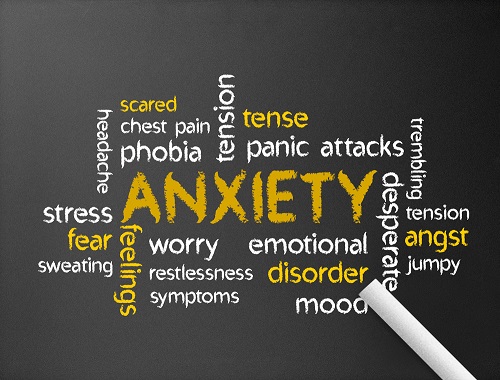
Anxiety disorders make up the largest amount of mental illness cases in the U.S., affecting 18.1 percent of the population each year, according to the Anxiety and Depression Association of America. Anxiety disorders can develop from various risk factors including genetics, personality, brain chemistry, life events, and the environment you live in. When left untreated, anxiety disorders can lead to other mental health problems, like depression, or even physical health problems, like high blood pressure. Thankfully, anxiety disorders are highly treatable and can be avoided by making some lifestyle changes. One thing that is changing how people deal with anxiety disorders is smart home technology. Thanks to new innovations, there are ways that smart home technologies can help people reduce their anxiety.
They take the stress out of home management
A potential source of anxiety and stress for homeowners is having to worry about whether or not some important home appliances or components are working properly. With smart home technologies, you don’t need to worry much about that. Most smart home technologies work independently and are built to work efficiently with as little maintenance as possible. For example, with a properly wired smart thermostat, you can relax knowing that your internal home temperature is always at your preferred level. You can use it to monitor or change the temperature in your home even when thousands of miles away.
You can use some smart home technologies to relax
An anxiety attack can happen at any time when you are at home. If you suffer from an anxiety attack, you may require immediate guidance in dealing with it, which is where a smart speaker comes in. There are skills designed for smart speakers that can help you tackle some of your anxiety problems. For example, Mindscape is a free therapy skill for Google Home and Amazon Alexa that can help you relax by taking you through breathing exercises and asking you about the issues causing your mental distress. Through the smart speakers, the skill can offer you targeted advice on how to overcome what’s bothering you so that you can reduce your anxiety.
They boost safety and security at home
Feeling perfectly secure at home is vital for people with anxiety disorders. You can use various smart home devices to boost security and safety at home. For example, smart cameras paired with smart sensors can keep an eye on your home at all times and alert you and the authorities immediately when there is an intruder. Similarly, smart fire alarms continually monitor your home and alert you when there is a fire so that you can spring into action and save yourself from property loss or injuries. Smart carbon monoxide detectors also give you peace of mind knowing that there are no traces of the dangerous gas in your home.
Anxiety disorders can make it hard to relax even in your own home. Luckily, you can invest in various smart home technologies that can drastically reduce your anxieties so that you can live a stress-free life at home.
Please also review AIHCP’s Stress Management Consulting Program and see if it matches your academic and professional goals. The program in online and independent study and open to qualified professionals.






 Written by Lucy Peters