There are many councils of the Church that detail the early teachings of Christianity in response to many of its early struggles in particular with Christological heresies. Most churches accept the first Ecumenical Councils as critical parts of the Christian faith.
Please also review AIHCP’s Christian Counseling Certification and see if it meets your academic and professional goals. The program is online and independent study and open to qualified professionals seeking a four year certification as a Christian Counselor.
When devastation occurs in nature, there is a sense of loss. When individuals lose natural resources, their is a collective and ecological grief. Some cases are more acute, while others represent a universal problem that affects all human beings on earth.
Please also review AIHCP’s Grief Counseling Certification Program and see if it meets your academic and professional goals
Integrative medicine and natural medicine looks to treat the whole person. It is based on alternative strategies to help cure and heal and individual. Such practices are best used in conjunction with Western medicine and under the supervision of a trained professional. Many Eastern herbs sometimes can be counter productive if used with others, or even with Western medications. It is important to contact any primary physician if undertaking any new herbal regiment.
Holistic treatments treat the entire person. Please also review AIHCP’s Holistic and Integrative Healthcare Specialist Program
The article, “What Is a Naturopathic Doctor?” by Monisha Bhanote looks closer at alternative types of care. She states,
“Many of the states that allow licensed naturopathic doctors to practice medicine also allow these doctors to prescribe medications — with limitations. Under most state regulations, NDs aren’t allowed to prescribe controlled substances, or substances that are highly controlled by government regulations due to their potential for misuse. However, in New Hampshire, New Mexico, and Washington, an exception is made for certain controlled medications depending on the specific ingredients”
To learn more about these type of doctors and read the entire article, then please click here
Please also review AIHCP’s Holistic and Integrative Care Specialist Program and see if it meets your academic and professional goals. The program is online and independent study and open to qualified healthcare providers seeking a certification in Holistic Care.
Anger is very emotional. It connects to who we are and it not unnecessarily unhealthy to be angry but it is important to channel it and move beyond it. It is important to transform your anger into more positive energy that creates the change necessary that caused the anger. Angry emotions can create a bigger mess than already exists.
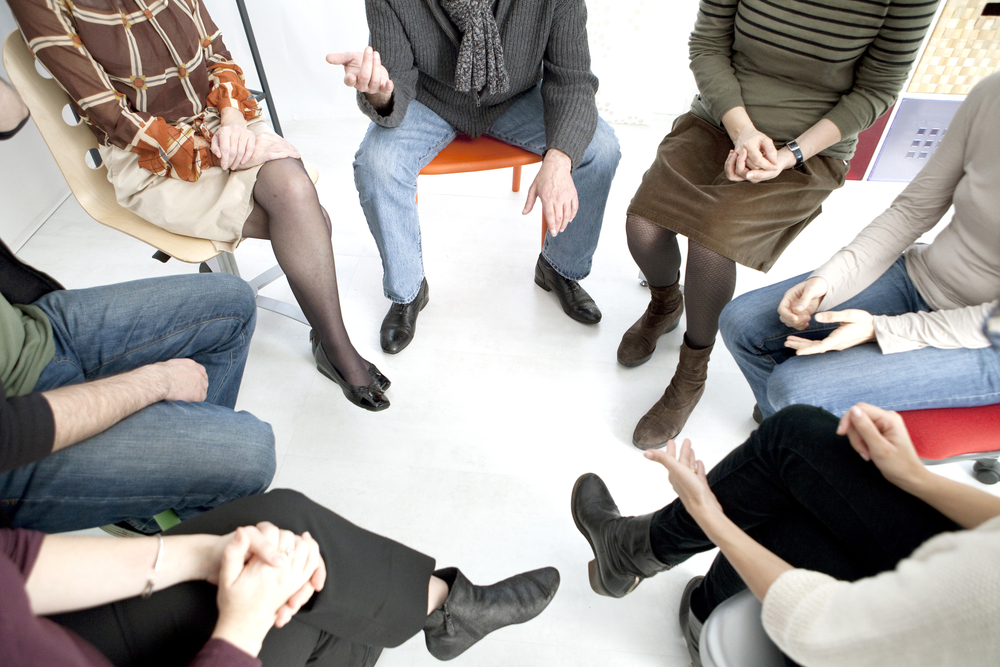
Anger Management Groups can help others find ways to transform anger. Please also review AIHCP’s Anger Management Consulting Certification and see if it meets your professional goals
The article, “How to Manage and Move Beyond Anger” by Meredith Gordon Resnick looks closer at anger and how to move beyond it. She states,
“Being in a relationship with your anger is another way of saying being in a relationship with yourself. It means knowing this part of yourself in an intimate way. This is important after any loss. It means getting to know a facet of yourself better.”
Please also review AIHCP’s Anger Management Consulting Certification and see if it meets your academic and professional goals. The program is online and independent study and open to qualified professionals seeking a four year certification in Anger Management.
Telehealth is here to stay. While it was necessary during the pandemic and any future elements of it that may linger, the benefits of telehealth has found a more permanent place in modern medicine. It will continue to play a large role in medical care. It will also play a large role in affecting the Case Management and how patients meet recovery requirements. It may be easier to keep tabs on patients and ensure they are following protocol through telehealth check ups that require less time. A simple appointment of follow up care can be an easier way to manage patient care following procedure.
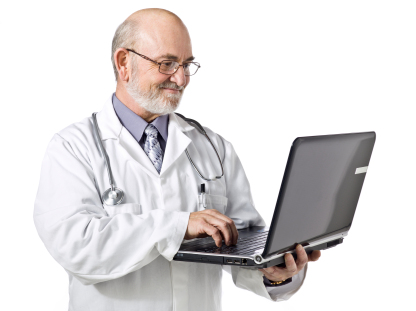
Telehealth has many benefits. In particular, there are many benefits to better case management since telehealth can promote better follow up care and patient accountability. Please also review AIHCP’s Healthcare Case Management Program
The article, “8 benefits of Telehealth” by Siemens Healthineers looks at the benefits of telehealth. The article discusses 8 pertinent benefits of telehealth to healthcare. Among the many are better patient outcomes which is essential in case management. The flexibility, adherence of the patient and cost reduction all play key roles into cheaper healthcare in the future as well as better case management. It is believed that telehealth is here to stay after the pandemic and that is a good thing. The article states,
“The benefits of telehealth are striking, offering hospitals the chance to brand themselves as innovative and using cutting-edge technologically. And while the pandemic has pushed telehealth forward, its ability to provide a high level of medical care in numerous situations will make telehealth a permanent fixture in healthcare. Continuous improvements in technology and further simplifications of tedious processes support this evolution.”
“8 benefits of Telehealth”. Siemens Healthineers. February 15th, 2022. Healthcare ITnews.
Telehealth is an important tool for healthcare providers. It allows providers to connect with patients remotely, using technology such as video conferencing and phone calls. This can be beneficial for both parties: providers can save time and money on travel, and patients can avoid having to take time off work or find childcare. In addition, telehealth can be used to provide care to patients in rural areas who might not otherwise have access to healthcare.
There are many advantages of telehealth, which is why this mode of delivery is becoming increasingly popular. First, telehealth can improve access to care by providing services to patients in rural or underserved areas. Second, it can increase convenience and decrease wait times for appointments. Third, it can improve continuity of care by allowing providers to more easily follow up with patients after they leave the office. Fourth, it can reduce costs by reducing the need for travel and office visits.
Case Management and Telehealth
Case management is a process of coordinating care for patients with chronic conditions. Due to this, telehealth can help case managers. This can include real-time interactive services such as live video conferencing, as well as asynchronous services such as store-and-forward imaging. Telehealth is often used to support remote patient monitoring, provide consultative services, or deliver continuing medical education.
There is evidence that suggests that case managers using telehealth can be just as effective as traditional in-person case management, if not more so. A study published in the Journal of Case Management found that patients who received care from a case manager via telehealth had better outcomes than those who received in-person case management. The study found that patients in the telehealth group were more likely to receive preventive care services and to have their chronic diseases managed effectively. Case managers using telehealth can provide their clients with real-time access to medical specialists for consultation, education, and treatment. This delivery model can also be used to facilitate care coordination between providers, which is essential for optimizing patient outcomes.
Telehealth truly helps case managers with better patient outcomes. There is a growing body of evidence that supports the use of telehealth in a variety of settings and for a variety of purposes. Studies have shown that telehealth can lead to improved patient outcomes, including increased satisfaction with care, improved compliance with treatment plans, and reduced hospital readmission rates. While more research is needed to determine the best ways to leverage telehealth technology to achieve optimal results, the existing evidence suggests that telehealth is a promising tool for improving patient care.
Conclusion
In conclusion, telehealth has the potential to improve case management by providing real-time access to data and patient status, as well as facilitating communication between care team members. With these improvements, telehealth has the potential to improve care coordination and patient outcomes. It is clear that telehealth has many benefits that can lead to better patient outcomes. These benefits include increased access to care, improved communication between patients and providers, and lower costs. Telehealth can also help to reduce the spread of infectious diseases. As more and more people use telehealth services, it is likely that these benefits will continue to increase.
Please also review AIHCP’s Healthcare Case Management Program and see if it meets your academic and professional goals. The program is online and independent study and open to qualified professionals seeking a four year certification in Case Management. After completing the required courses, qualified professionals can then apply for the four year certification.
With the emergence of telehealth, case management will profoundly change in the 21st Century and many nurses can take advantage of this exciting field by becoming certified through AIHCP.
Additional Resources
“What Is Telehealth?”. NEJM Catalyst. February 21st, 2018. NEJM: Innovations in Care Delivery. Access here
“Using Telehealth to Deliver Nursing Case Management Services to HIV/AIDS Clients”. Jennifer Lillibridge, RN, PhD, etc. al. November 26th, 2008. The Online Journal of Issues in Nursing. Access here
“Exploring the Benefits of Telehealth Case Management”. Renato Parletta. October 14th, 2022. Insight. Access here
“Telehealth: Mapping the Evidence for Patient Outcomes From Systematic Reviews [Internet]”. Annette Totten, etc, al. Rockville (MD): Agency for Healthcare Research and Quality (US); 2016 Jun. Report No.: 16-EHC034-EF. AHRQ Comparative Effectiveness Technical Briefs. Access here
Self care is extremely important for individuals who care for others or those who undergo large amounts of stress. It is important to care for one’s mental health the same way one gives rest to one’s physical health. Taking the time for self care and giving the mind the time it needs to rest or recovery are critical to long term success in life. Unfortunately, many feel guilt if they walk away from a loved one for a short period. They do not partake in a short visit away, or find time to care for themselves.
Many suffer from poor hygiene. Others can become over stressed and open to medical conditions. Others can become resentful overtime that life is not rewarding. It is important to care for oneself in order to care for others and it is not selfish to take a little time each day, each week and month to find that one’s physical, mental and emotional needs are met. This does not mean one abandons care of another, but it does allow one to recharge enabling them to give the best care.
For others self care is sometimes not time away from a sick person but is time away from constant work. It permits the person to focus on other things than deadlines or assignments. Again, this does not mean one is to disregard tasks or responsibilities, but means one is to find time to help each other. Balance is key like anything in life. Self care is part of balance.
There are many examples of self care. Please also review AIHCP’ Stress Management Consulting Program
The article, “How To Start a Self-Care Routine” from Cleveland Clinic “healthessentials” takes a closer look at forming a self care routine. The article discusses how diet, exercise and rest are important aspects of self care that become neglected by busier people. The article discusses how one can learn to insert into one’s schedule a self care schedule that will not infringe upon daily duty but grant the needed balance for overall mental and physical health. The article states,
“You’ve probably heard a lot of chatter over the past few years about self-care and the importance of having a self-care routine. The idea — a holistic (whole body) approach to taking care of one’s physical and emotional health — is a great one but it can be a bit intimidating. For those who’ve never done one, a self-care routine may feel like an uphill climb, something that seems impossible to do in a very busy (and chaotic) world. Others may have tried and fallen out of the routine, leaving them feeling like they just don’t have the knack for it.”
“How To Start a Self-Care Routine”. HeAlthessentials. Cleveland Clinic.
Self care is important for managing stress. When we are stressed, our bodies go into fight or flight mode and release stress hormones like cortisol. These hormones can have negative effects on our bodies if we are constantly in a state of stress. That is why it is important to take care of ourselves and do things that help reduce our stress levels. Some self care activities that can help reduce stress are exercise, relaxation techniques like yoga or meditation, spending time in nature, and getting enough sleep. Other times, it is important to find time away, even if for half a day or so to do something one finds relaxing or fun.
There are a number of reasons why people might ignore self-care. One reason is that they may not be aware of the importance of self-care. Another reason is that they may not have the time or resources to devote to self-care. Additionally, people may not believe that self-care is necessary or effective. Finally, some people may simply be unwilling to change their habits or routines to accommodate self-care. In addition, guilt from walking away from a person or a task can prevent one from working on oneself.
As stress adds up though, the importance of self care is a critical skill. The skill is in knowing when enough is enough and finding a safe and healthy outlet to recharge one’s mind. When one does not permit this and give the time needed for better diet, sleep and exercise, or even a amusing event, the person begins to become more and more stressed and open to mental break down or sickness. One must learn to insert balance in life in everything. Self care is understanding the balance that one must have in order to operate in other areas. When self care boundaries are not protected and defended, then the person can become over stressed and strained.
Conclusion
In conclusion, self care is important for our mental and physical wellbeing. It can help us to cope with stress, anxiety and depression. It can also improve our sleep, energy levels and immunity. Many times, self care is put to the side and neglected. It is important to find balance in work, school and play. It is important to give oneself time to recharge from helping others or performing tasks or meeting deadlines. It does not involve neglecting duty but balancing everything. By making time for self care, we can improve our overall health and wellbeing.
Please also review AIHCP’s Stress Management Consulting Program and see if it meets your academic and professional goals. The program is online and independent study and open to qualified professionals seeking a four year certification in Stress Management.
Additional Resources
“U.S. medical students who engage in self-care report less stress and higher quality of life”. Erin E. Ayala, etc. al. BMC Medical Educationvolume 18, Article number: 189 (2018). Access here
“Why Self Care Can Help You Manage Stress”. Elizabeth Scott, PhD. November 24th, 2020. Verywellmind. Access here
“What You Need to Know About Stress and Self-Care”. Dan Mager, MSW. August 29th, 2017. Psychology Today. Access here
“Ways to Manage Stress”. Lauren Ragland. September 14th, 2021. WebMD. Access here
“Caregiver stress: Tips for taking care of yourself”. March 22nd, 2022. Mayo Clinic. Access here
Learning how to deal with anger of employees and team members and utilize these emotions for the overall good of the team are key in anger management. Anger Management helps teach managers how to deal with emotion of others in a constructive way that will not harm the team
Anger Management in leadership and the workplace is critical. Please also review AIHCP’s Anger Management Consulting Certification and see if it meets your academic and professional goals
The article, “Managing Anger, Frustration, and Resentment on Your Team” by Nihar Chhaya looks at how leaders can control their own anger and their team’s anger. He states,
“Anger and losing one’s temper in the workplace is nothing new. Many studies show that among all of life’s pressures, job stress is by far the most significant source. In addition, recent research from Gallup reported that daily rates of anger, stress, worry, and sadness among American workers have risen over the past decade.”
Please also review AIHCP’s Anger Management Consulting Certification and see if it meets your academic and professional goals. The program is online and independent study and open to qualified professionals seeking a four year certification in Anger Management Consulting.
Leadership is by example and this no more true than in healthcare. Healthcare mangers need to lead and help others through the pandemic and help them reach goals. Keeping morale high is important for employees and they need to find it from their managers.
Leaders need to set examples. Please also review AIHCP’s Health Care Management Certification and see if it meets your goals
The article, “5 Ways to Restore Depleted Health Care Workers” by Leonard L. Berry, Rana L.A. Awdish, and Stephen J. Swensen look closer into leadership. They write,
“Even before the pandemic, burnout among health care workers was well documented. The pandemic turned it into a crisis. A key component of burnout is depletion, which is characterized by feeling physically and emotionally drained, just barely hanging on — like the ICU nurse who sits in her car outside the hospital and texts a friend, “I don’t think I can make it through another shift.”
Please also review AIHCP’s Health Care Manager Certification and see if it meets your academic and professional needs and goals. The program is online and independent study and open to qualified professionals looking for a four year certification in Health Care Management.
It can be very difficult to finally say goodbye to a dog or cat or any pet. It is something that requires much thought and considerations. It is not only about one’s feelings but also for the best interests of one’s pet family. It is maybe one of the toughest decisions to finally say goodbye and is very painful. Teaching children how to say goodbye is key.
Children need help grieving pets. Please also review AIHCP’s Pet Loss Grief Support
The article, “These three simple things helped my kids grieve after our pet died” by Jessie Harrold looks at how to help children say goodbye. He states,
“We spent the days and weeks after our pup passed telling stories, creating art, and poring over pictures of Roxy. It wasn’t until my son started having impromptu “funerals” on our family outings that we realized how important these little rituals of grieving were to his ability to process something as complex and overwhelming as loss.”
Please also review AIHCP’s Pet Loss Grief Counseling Support Certification and see if it meets your academic and professional goals. The program is online and independent study and open to qualified professionals looking for a four year certification in Pet Loss Grief Support
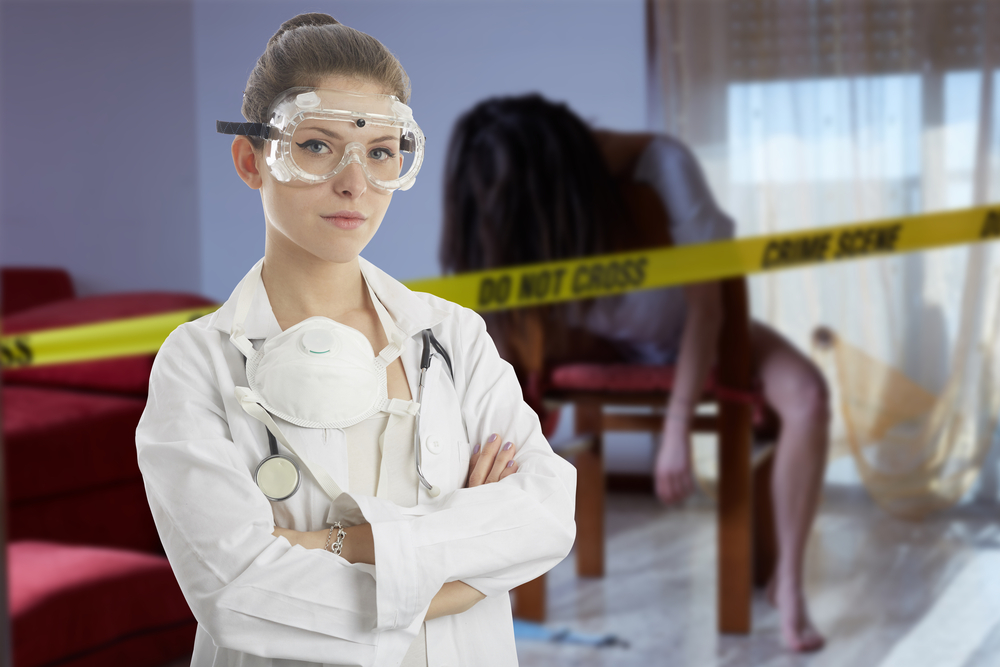
Forensic nurses play a key role in society. They serve as aid in understanding the nature of death and death investigations as well as helping victims of sexual abuse. SANE nurses (sexual assault nurse examiner) are a special type of nurse that specializes in helping rape victims. In the overall umbrella of forensic nursing, SANE nurses and nurses certified in forensic nursing can play key roles in various situations. This blog looks to identify some of these key jobs. Nurses who wish to diversify their career and have interest in criminal proceedings can become certified in both.
SANE nurses are excellent candidates for AIHCP’s Forensic Nursing Program. They all can play a key role in assisting sexual assault victims and helping coroner offices with cause of death while working with the criminal justice system
SANE nurses are in many cases the first line of defense for victims of sexual abuse. When a potential rape victim or sexually assaulted individual arrives at the hospital, the SANE nurses cares for them and analyzes the evidence and injuries to the person. During these initial assessments and examinations, SANE nurses determine if foul play occurred and contact the proper authorities. They collect and preserve any DNA evidence and work in concert with the police and district attorney in presenting evidence to juries and possibly testifying as expert witnesses. In this way they serve as a vital bridge between the criminal justice system and healthcare system.
In addition, SANE and Forensic nurses help with death scene reporting and investigations. Working under the leadership of the coroner office, many Forensic Nurses help conduct autopsies of the dead and report cause of death to the coroner office. They also can give vital reports to law enforcement. Some may even run for elected positions within the coroner office and supply local government with their knowledge and expertise.
Due to the connection with the criminal justice system, many are also certified in Legal Nurse Consulting and can work in court room consulting with firms. Many Legal Nurse Consultants are also certified in Forensic Nursing or have SANE certification. They hence are excellent resources for firms in criminal cases beyond the basic malpractice case. AIHCP also offers a program in Legal Nurse Consulting.
Some also work within criminal prison populations and access and work with past perpetrators. At these capability they can also aid in reforming individuals as well as help victims in prison who may be attacked by other perpetrators.
This position holds extreme importance and is open to nurses who take special SANE training and who wish to become certified in Forensic Nursing with AIHCP. SANE nurses are excellent candidates to enhance their forensic background with a Forensic Nursing Certification from AIHCP. The program consists of five online courses that lead to a four year certification. The courses are independent study and can be completed within one’s own time frame. The final course reviews SANE training for nurses who may wish to work with their state in this official training.
If qualified, please review AIHCP’s Forensic Nursing Program and see if it meets your academic and professional goals.