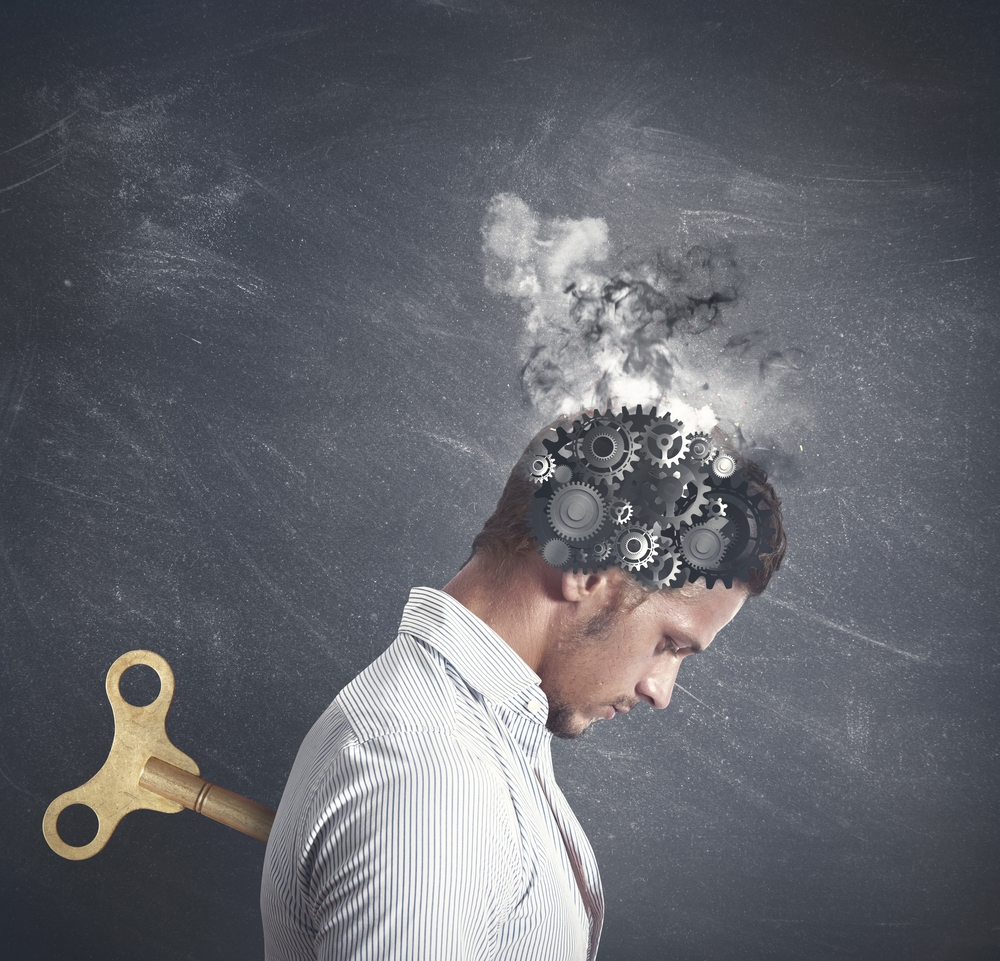
The modern landscape of academia presents significant challenges that contribute to increased levels of stress among faculty. As the demands of teaching, research, and administrative responsibilities converge, the mental health of educators becomes precarious. Notably, recent studies have documented a surge in anxiety, burnout, and depression among academics, exacerbated by changes in higher education structures and the impact of the COVID-19 pandemic (Halat DH et al., 2023). These pressures underscore the need for effective strategies to address stress and promote well-being. Furthermore, understanding how stress manifests within academic settings is crucial for developing interventions that can foster resilience and better work-life balance (Carrard N et al., 2019). By examining the complexities of stress in academia, this paper aims to provide a framework for releasing, reframing, and reconciling with stress, ultimately supporting the mental health and professional longevity of educators in an evolving educational environment.
Learning how to release stress is an important life skill. Please review AIHCP’s Stress Management Consulting Program
A. Definition of stress and its prevalence in modern life
To effectively address the evolving concept of stress, it is essential to define what stress entails in contemporary society. Stress can be broadly understood as a psychological and physiological response to perceived challenges or threats, often exacerbated by the fast-paced nature of modern life. Factors such as technological advancements, workplace demands, and interpersonal expectations can intensify feelings of anxiety and overwhelm. In exploring the complexities of caregiving, it becomes evident that stress is not limited to the individual; it often permeates the lives of caregivers who juggle multiple responsibilities, underscoring the pervasive nature of stress across diverse demographics (Henwood et al., 2017). Additionally, management literature reveals interesting trends related to online panel data and its implications for understanding stress in organizational contexts, suggesting that the environment in which individuals operate significantly influences their stress levels (Cho et al., 2018). Thus, comprehending stress necessitates a multifaceted approach that encompasses both personal and societal dimensions.
B. Importance of addressing stress for mental and physical health
Addressing stress is paramount for both mental and physical health, as chronic stress can lead to a myriad of health complications, including anxiety, depression, and cardiovascular diseases. The cumulative effects of prolonged stress disrupt the bodys homeostasis, weakening the immune system and increasing vulnerability to various ailments. A study exploring acculturative stress among higher-level educational migrants in Italy highlighted that this demographic faces diverse stressors, such as bureaucratic obstacles and financial pressures, which can detrimentally impact subjective well-being (SWB) and lead to mental health concerns (OTHAIX A et al., 2024). Similarly, caregivers often experience significant stress that can manifest in poor physical health outcomes, emphasizing the necessity of effective coping mechanisms and support networks (Henwood et al., 2017). Thus, integrating strategies for stress management not only enhances individual resilience but is essential for promoting overall health and well-being, making it a critical component of a balanced lifestyle.
C. Overview of the concepts of releasing, reframing, and reconciling with stress
The concepts of releasing, reframing, and reconciling with stress intertwine to form a comprehensive framework for managing lifes pressures. Releasing involves letting go of unproductive thoughts and feelings that contribute to stress, thereby creating a mental space for positivity and well-being. This process can be further enhanced through reframing, which shifts one’s perspective on stressors, allowing individuals to view challenges as opportunities for growth rather than insurmountable obstacles. Reconciliation with stress entails accepting its presence and recognizing its role in personal development, fostering resilience in the face of adversity. Understanding these relationships is critical, as research indicates that effective management strategies can significantly enhance an individuals coping abilities and overall mental health. Emphasizing the unique experiences associated with stress, such as those outlined in a recent scoping review highlighting the diverse characteristics of caregivers, can deepen our understanding of these resilience strategies (Henwood et al., 2017), (Bartkowiak-Theron I et al.).
II. Releasing Stress
To effectively release stress, individuals must engage in strategies that promote relaxation and emotional well-being. Research indicates that stress has pervasive effects on both mental and physical health, necessitating targeted interventions that enable individuals to reclaim their equilibrium. Practices such as mindfulness, yoga, and exercise serve as powerful tools to mitigate stress levels. These methods foster not only a sense of calm but also enhance resilience against future stressors. Additionally, creating a supportive environment and engaging in open communication can facilitate better management of caregiving responsibilities, thereby alleviating stress associated with caregiving roles (Henwood et al., 2017). The importance of recognizing the unique nature of individual stressors, as highlighted in various studies, underscores the need for tailored approaches to stress management, including fostering capacities for innovation in coping mechanisms (Bezkorowajnyj et al., 2009). Ultimately, releasing stress is vital for maintaining overall health and fostering a more balanced life.
A. Techniques for physical release: exercise and relaxation methods
In the context of addressing stress, techniques for physical release such as exercise and relaxation methods play a critical role in fostering well-being and emotional regulation. Engaging in regular physical activity not only promotes cardiovascular health but also serves as a powerful outlet for managing stress and anxiety. A study examining the effects of somatic practices on leadership indicates that integrating daily physical routines can help individuals enhance their focus, establish genuine connections, and reduce tension and stress (Rakoff et al., 2010). Furthermore, relaxation techniques such as deep breathing and mindfulness meditation have been shown to facilitate emotional release, combatting the negative effects of unresolved feelings that can arise from chronic stressors. This aligns with the understanding that unforgiveness and emotional burden, as explored in the context of the African American experience, highlight the necessity of using such methods to cultivate inner peace and enhance interpersonal relationships (Golden et al., 2022). Overall, these techniques provide essential tools for individuals seeking to reconcile with their stress effectively.
There are numerous relaxation strategies to teach us how to absorb stress and release it
B. The role of mindfulness and meditation in stress relief
Mindfulness and meditation play a crucial role in alleviating stress by fostering a deeper awareness of one’s thoughts and emotions. This heightened state of awareness allows individuals to observe stress triggers without immediate reaction, thereby promoting emotional regulation and resilience. Research indicates that culturally accommodating mindfulness practices can effectively aid those dealing with shame, anxiety, and depression, particularly within specific communities such as Christians seeking therapy. (Jones et al., 2019) Furthermore, as trauma experiences become increasingly prevalent in society, the involvement of faith-based organizations in providing mindfulness education can enhance their capacity to support those in distress. These organizations often serve as first responders to crises, allowing them to incorporate mindfulness practices into their pastoral care and spiritual support. (Jones et al., 2020) By integrating mindfulness into therapeutic contexts, individuals can find pathways to release and reframe their stressful experiences, ultimately leading to a holistic process of reconciling with their emotions.
C. Importance of social support and communication in stress release
The role of social support and effective communication in mitigating stress cannot be overstated, providing individuals with essential resources for emotional resilience. This support network can include friends, family, and community groups, offering a sense of belonging and understanding during challenging times. Research indicates that interaction with others helps in reframing stressful situations, allowing individuals to view them from a new perspective, which can significantly reduce anxiety levels. For instance, caregivers often experience heightened stress due to their responsibilities; however, when they engage in open communication and seek support from others, they report improved coping mechanisms and emotional well-being (Henwood et al., 2017). Furthermore, online platforms have emerged as valuable tools for connecting stress-stricken individuals with peer support and resources, emphasizing the importance of accessible communication in managing stress effectively (Cho et al., 2018). Ultimately, fostering social connections is vital to enhancing ones ability to navigate stressors in both personal and professional contexts.
III. Reframing Stress
In the context of stress management, reframing emerges as a vital psychological strategy that transforms negative perceptions of stress into opportunities for growth and resilience. This approach encourages individuals to view stress not merely as a hindrance but as a catalyst for enhanced performance and personal development. By shifting the narrative surrounding stress, individuals can harness its energy to inspire action rather than succumb to paralysis. Research emphasizes the crucial role of institutional frameworks and networks, which support individuals in their reframing efforts, echoing insights from fields as varied as management and agricultural innovation. For instance, the challenges of managing stress can be likened to addressing innovation capacity within organizations, where reframing the problem from a purely informational perspective to one that emphasizes relational and systemic capacities can lead to more effective stress management strategies (Cho et al., 2018), (Bezkorowajnyj et al., 2009). Thus, reframing stress not only aids personal well-being but also fosters a healthier organizational culture.
How we reframe stress, stressors and anxiety is key in emotionally responding to them.
A. Cognitive restructuring: changing negative thought patterns
Cognitive restructuring serves as a pivotal mechanism in transforming negative thought patterns, thereby fostering a healthier psychological state and enhancing resilience in stressful situations. By systematically identifying and challenging maladaptive beliefs, individuals can replace these with more constructive and realistic perspectives. This reframing process not only alleviates psychological distress but also contributes to improved emotional regulation, ultimately leading to better coping strategies. As highlighted in the literature, interventions that support cognitive restructuring can significantly impact ones ability to manage stress effectively, demonstrating the intricate relationship between thought patterns and emotional well-being. Furthermore, understanding the broader implications of cognitive restructuring, including its applications in diverse scenarios such as caregiving, can inform more tailored approaches to mental health support (Henwood et al., 2017). The growing body of evidence suggesting the efficacy of such interventions reinforces the need for continued exploration in various contexts, including adolescents facing emotional challenges (Everding et al., 2010).
B. The benefits of viewing stress as a challenge rather than a threat
It turns out that if you see stress as a challenge, not a threat, you could really boost your resilience and how well you handle things. This way of thinking helps you see stressors as chances to learn and grow, instead of just impossible obstacles. Studies actually show that if you take on this challenge mindset, you’re more likely to fully engage with the world around you, which is good for your mental health and overall well-being. For example, when stress is seen this way, it can make you more motivated and focused, which then leads to better results in what you do. Plus, things like leadership training practices—methods that help you pay better attention and chill out—have looked promising. These methods, as shown in recent studies (Henwood et al., 2017)(Rakoff et al., 2010), can assist people in forming real bonds and stay clear-headed. So, thinking about stress differently like this can be a great way to deal with the everyday curveballs life throws at you.
C. Strategies for cultivating a positive mindset in stressful situations
It’s important for both emotional resilience and our overall well-being to cultivate a positive mindset when things get stressful. A really useful technique? Reframing those negative thought patterns. What this means is figuring out those unhelpful beliefs that pop up when we’re stressed, and then changing them. This mental adjustment doesn’t just lessen that feeling of being powerless. Instead, it helps people see difficulties as chances to learn and improve. Then, showing empathy – both to ourselves and to others – can really boost our emotional intelligence. This can lead to better relationships and ease some of the stress we feel in dealing with other people. Studies show that forgiveness can be a really important thing, *particularly* in helping marginalized communities lessen emotional problems that come with stress. Using things like the Worthington REACH Forgiveness workshop can really help someone develop forgiveness and self-acceptance, which in turn can make those angry or resentful feelings less strong (Golden et al., 2022). When we put these strategies into practice, they create a balanced way to handle stress and boost understanding and caring (Cho et al., 2018).
IV. Reconciling with Stress
Coming to terms with stress means more than just admitting it’s there; it’s about grasping its subtle details and what it really means for you. This complete method pushes people to spot where their stress comes from and to use active ways to handle it, building up their strength to bounce back. Research on caregiving shows that knowing what each caregiver goes through helps create specific plans to lower their stress and help their minds stay healthy (Henwood et al., 2017). Also, using online data in management studies shows how important it is to make help easy to get for everyone when dealing with stress (Cho et al., 2018). Gathering these ideas helps people react better to stress, creating stronger ways to cope that not only help them get by but also grow as people. So, learning to live with stress is a key part of living a full and happy life.
When we can reconcile with stress and stressors, we can free ourselves from the negative effects on the body. Please also review AIHCP’s Stress Management program
A. Understanding the sources and triggers of personal stress
To really get a handle on personal stress, it’s key to understand where it’s coming from and what sets it off. Unresolved emotional baggage, what society expects of us, and even the cultural stereotypes we’ve absorbed can all play a big role in how stressed we feel. Take forgiveness therapy, for example; studies show it can actually help heal those “inner child” wounds. This suggests that those unresolved psychological issues often bubble up as stressors in our day-to-day lives, ultimately getting in the way of our emotional well-being (Fadilah et al., 2024). Furthermore, when we look at the experiences of marginalized communities, like African American women, we see how societal narratives can pile on extra stress. Harmful stereotypes, such as the “Angry Black Woman” trope, can add immense pressure. This not only hides who someone truly is, but also amplifies stress due to the burden of societal expectations and the risk of having emotions misinterpreted (Golden et al., 2022). So, gaining insight into these various sources of stress is a really critical step toward developing solid plans for stress relief and emotional healing.
B. Developing resilience and coping strategies for future stressors
When we talk about handling stress well, it’s really about building up resilience and finding coping strategies. Think of it as getting ready for whatever life throws your way. Resilience helps us get through tough times by helping us think in a more flexible way. You can build resilience by actively doing things like connecting with others and spending time thinking about your experiences. Research has shown that people dealing with different kinds of stress, like the stress of adjusting to a new culture, often use coping methods like trying to solve problems themselves or turning to friends and family for help (OTHAIX A et al., 2024). Also, when we look at people who are caregivers, it becomes clear that we need to understand that every caregiver is different. This means we need to create personalized support systems to help them cope better (Henwood et al., 2017). By strengthening these approaches, people can arm themselves with what they need to succeed even when stressed. And that contributes to better overall well-being, helping them confidently manage the ups and downs of life.
C. The significance of self-compassion and acceptance in stress management
Incorporating self-compassion and acceptance into how we handle stress can really boost our ability to navigate tough times. When you cultivate self-kindness, you’re better equipped to see your stressors with understanding instead of harsh self-judgment. This, in turn, builds emotional resilience, helping you accept your flaws and tackle your worries without piling on extra pressure. Studies have suggested that interventions focused on forgiveness can lessen the emotional toll of stress by tackling those inner conflicts that bubble up from unresolved issues. It’s like releasing baggage that makes anxiety worse (Fadilah et al., 2024). Plus, engaging in self-compassion practices has been linked to improved psychological well-being, which can lead to lower rates of depression and anxiety – both pretty common reactions to stress (Everding et al., 2010). Essentially, when you nurture self-compassion and acceptance, it creates a supportive space where you can come to terms with your stressors, encouraging healthier reactions and a more emotionally balanced state. In most cases, these practices facilitate the individual in becoming more emotionally resilient.
V. Conclusion
To summarize, tackling stress by releasing, reframing, and reconciling offers a well-rounded way to boost your well-being and bounce back from tough times. Understanding that stress comes in many forms and using methods that help you manage your emotions allows you to change how you see and react to stressful situations, which leads to better health. This idea is similar to what management research is starting to show – that we need new ways to handle problems, much like the debate around using online panel data for studies (Cho et al., 2018). Also, dealing with stress is like working on fodder innovation; you need to know about both the technical and organizational sides to find good solutions (Bezkorowajnyj et al., 2009). Taking charge of your stress not only helps you do well but also adds to the conversation about mental health and new ideas in different situations.
Please also review AIHCP’s Stress Management Certification for qualified professionals in the healthcare and mental health and behavioral health fields.
A. Recap of the importance of releasing, reframing, and reconciling with stress
Dealing with stress by releasing, reframing, and reconciling is super important for feeling good and bouncing back from tough times. Letting go of stress means really seeing your feelings and letting yourself ditch the bad ones—this can make your head clearer and give you a sense of emotional freedom. When you reframe stressors, you’re basically changing how you see things. Instead of seeing problems as huge walls, you see them as chances to grow. This way of thinking can help you come up with better ways to handle things and feel more in control when things get rough. Also, when you reconcile with stress, you’re kind of accepting what happened, weaving both the good and bad into your story to help you grow. These kinds of approaches are key to handling the pressures of life, showing how much we need to adapt in our daily grind (Henwood et al., 2017)(Bezkorowajnyj et al., 2009). As people get into these processes, they build up resilience, which not only lowers stress but also makes life way more satisfying.
B. Encouragement to adopt these strategies for improved well-being
When dealing with stress, it’s really important for folks to pick up strategies that work for them, especially as the essay “Releasing, Reframing and Reconciling with Stress” points out. Things like building resilience and keeping your emotions in check can really help you handle tough situations in a healthier way, which boosts your overall well-being. Support systems are also key; knowing about caregiving and how it affects people can help you get through your own rough patches (Henwood et al., 2017). Also, it’s vital to see how community and larger organizations can boost creativity and teamwork, helping you use what’s around you to feel better (Bezkorowajnyj et al., 2009). If people get to know these strategies and weave them into their everyday routines, they’ll be more ready to handle stress and feel better mentally, leading to a more balanced and fulfilling life.
C. Final thoughts on the ongoing journey of managing stress in life
Navigating the complexities of stress management, one realizes it’s less about isolated incidents and more about continuous adaptation and personal evolution. Stress, impacting everything from emotional well-being to social connections, can actually prompt more effective coping strategies. Managing it well can mean letting go of negative thinking, finding meaning by reframing tough spots, and accepting stressors as part of life’s rich tapestry. Understanding the caregiver’s path shows many face considerable stress, indicating a need for customized support—support acknowledging different situations and origins (Henwood et al., 2017). New studies also point to how online communities help build resilience, suggesting fresh solutions are crucial for filling holes in regular support systems (Cho et al., 2018). So, managing stress really highlights how important flexibility, reflection, and just plain adapting are to feeling good.
Anxiety about what is beyond one’s control creates intense worry in the one’s life. Ironically, most things worried about are beyond one’s control and the actual worry never manifests. This means alot of energy, emotion and time is wasting on worrying and not taking productive control of situations. In this short blog, we will look at the nature of worry and how to better overcome worrying and instead produce positive change in what can be controlled in one’s life.
Please also review AIHCP’s Stress Management Consulting Certification which teaches professionals to help better train individuals to manage worry and manifest positive outcomes in life. The program is online and independent study and open to qualified healthcare and behavioral healthcare professionals who serve communities at both the clinical and non-clinical levels.
The Nature of Worry
While worrying natural, many times people worry in unhealthy ways. Please review AIHCP’s Stress Management Consulting Program
Worrying is a natural response to life circumstances (Davis, et al, 2000, p. 135). Some worry and concern is legitimate while most worry is about things beyond one’s control or things that will never occur. Worry becomes a problem when according to Davis, worry becomes chronic and anxious, dominates negative outcomes regarding the future, repeats itself everyday, refuses to cease despite attempted distractions, or when worry paralyzes oneself to act constructively (p. 135).
It is essential to differentiate heathy and unhealthy worry. There do come times when legitimate worry manifests over something as opposed to random worries without any true foundation in reality. Still, one’s reaction to legitimate concerns and the manifest of how one worries can determine healthy or unhealthy worrying. Davis points out that healthy worrying is problem solving focused with effective solutions, evaluation of outcomes and decisions, while unhealthy worry involves no problem solving skills but only catastrophic and helpless thoughts (p. 136).
It is hence important to distinguish between problems not only as legitimate and illegitimate but also in regards to things that fall into one’s control. Things we control include our own boundaries, goals, decisions, actions, and how we carry out those actions in word, deed and thought. These aspects play a large role in healthy worry in how we carry out solutions. Solutions become more difficult when we seek to control things beyond our reach leaving one to the helplessness of unhealthy worry. We cannot control others and their choices, decisions or how they treat us. Furthermore, we cannot change the past, or outcomes of the future, but we can control the present. Understanding what one can control and what one cannot control can help one face worries in a more healthy way.
For instance, here are some examples of healthy worrying versus unhealthy worrying.
If someone worries upon their upcoming trip whether the plane will crash or not crash, one is experiencing anxiety and unhealthy worry. While planes can crash, it is highly unlikely. The worry should seek solution through statistics and understanding the science behind aviation, instead of worrying over something that probably will never happen, as well as being completely outside one’s control.
Another example includes worrying if someone received poor health results from a blood test with their cholesterol and sugar counts. While this is reason for concern, unhealthy worrying would think of the horrible outcomes of heart attacks and diabetes and solely focus on the worst case scenario presented by these tests. Healthy worry would recognize the health concerns, but take effective reaction to remedy the poor blood scores via medication, exercise and better diet.
Hence worry is natural and worry is important to challenges and bad news but it needs to be properly guided to produce better outcomes instead of damage to oneself. Unhealthy worrying leads to not only no resolution to the issue, but also heightened anxiety and stress to the body. By inducing the fight and flight mode of the body, the body’s excess production of cortisol can harm the body over time if worrying is consistent and manifests everyday. Ulcers and other digestive track issues can arise as well as later heart issues if the body remains in a constant state of stress due to unhealthy worry.
Managing Worry
Davis lists multiple ways to better manage worry. If something is worrying you, sometimes one should write down the worry and identify it. Instead of wandering into random worries and dead end solutions, brainstorm various solutions to each worry. Evaluate the ideas you come up with and see which best solutions work. If need be, give oneself specific times and dates to better deal with each worry. Give oneself time to worry or a date to worry about something that needs your focus. Sometimes, many worries are not immediate when assigned a date. (Davis, 2000, p., 137-139).
Learn to manage worry through stress reduction ,breathing ,meditation and cognitive behavioral trips to reframe it so one finds solutions instead of despair
When scheduling oneself a time to worry, one can allow oneself to expose oneself to the worry itself within a reasonable time constraint. Worry exposure can help one rationally identify worries and reframe them. Within this relaxed state and chosen time, one can risk assess the worry, predict outcomes from least to worst, and even rank the worries. Davis also recommends visualizing the worry and rating one’s anxiety when visualizing it. During this exposure, one can then imagine different outcomes that are more positive and then reassess one’s level of anxiety (Davis, 2000 p. 144-145).
In addition to exposing oneself to worry and identifying the worries, Davis recommends identifying triggers that cause worry. He recommends identifying sources that cause worry, such as the news, social media, or places (p., 147). If these things worry, avoid them and also start to try to limit one’s rituals of worry. If one constantly calls a son or parent due to worry and not legitimate concern, then start to limit the number of times over the month one calls for purely worry reasons.
Meditation and Stress Management
Worry while natural can become unnatural in its effects on our mental and physical health. Meditation and stress reduction is key in helping alleviate the fight or flight mode the body enters during worry. While the Sympathetic Nervous System manifests, the body enters fight or flight which entails increased heart rate, blood pressure, cortisol and adrenaline, as well as tightened muscles. The Para Sympathetic System returns the body to normal and is best activated through meditation or healthy breathing. When worry beings to overcome oneself, individuals need to cognitively identify this issue and begin to utilize deep chest breaths to help the body relax. It is sometimes important to regain control of the body before one can rationally a design a way to react to worry. Because worry initially is a reaction to something external that poses some type of threat, our body initially will respond the way it was designed to threats. Hence remembering to regain control and allow our rational mind to rule the day over our emotional responses is key.
Worry in a healthy way. Please also review AIHCP’s Stress Management Program
Conclusion
Worry is a natural mechanism to react to negative things and threats in life. We can utilize it a healthy or unhealthy way. If our worry response paradigm is based in reason and solutions, it is healthy, but if our worry paradigm is based on things beyond our control, or represent the worst of the worst possibilities, then our worry becomes unhealthy and unproductive in resolution. This is easier said then done, so we must utilize healthy breathing when confronting with a new worry to better digest it and reverse the Sympathetic Nervous System from taking over. Through rational solutions and techniques to manage worry, one can in a healthy way face worry in a productive and good way.
Please also review AIHCP’s Stress Management Program. The program is online and independent study and open to qualified professionals who look to help populations better face stress both from a clinical and non clinical scope of practice.
Mental health is an essential component of overall well-being, yet it remains a topic often surrounded by stigma and misunderstanding. In recent years, the importance of improving mental health has gained recognition, prompting active research in various fields, such as education and occupational therapy. For instance, action research in higher education reveals that by examining their teaching practices, educators develop a deeper understanding of both their pedagogical approaches and their students needs, ultimately enhancing mental health awareness within educational settings (Caruana et al., 2005). Similarly, studies focusing on harm reduction strategies highlight the capabilities of occupational therapy interventions to foster positive health outcomes for individuals facing mental health challenges (Hellman et al., 2013). These insights underscore the necessity of a proactive approach to mental health improvement, advocating for personal reflection, community support, and targeted intervention strategies to foster resilience and personal growth in individuals across diverse environments.
Please also review AIHCP’s mental and behavioral health certifications, including the programs in Grief Counseling, Stress Management, Anger Management, Crisis Intervention, as well as Substance Abuse Counseling and Meditation Instructor. These programs are open to mental health and healthcare professionals.
Mental wellness and mental health is health. It should not be set to the side or ignored or stigmatized. Please also review AIHCP’s Behavioral Health Certification programs
A. Definition of mental health
Mental health encompasses a multifaceted spectrum of emotional, psychological, and social well-being, influencing how individuals think, feel, and interact with others. It is crucial for coping with the stresses of life, making choices, and forming relationships. In recent literature, resilience has emerged as a pivotal concept within the context of mental health, illustrating how individuals navigate adversity. Resilience is characterized by the ability to utilize protective factors that mitigate risks of mental illness, ultimately leading to more favorable outcomes than initially anticipated (Stainton A et al., 2018). Furthermore, studies indicate that resilience in mental health professionals can enhance their capacity to manage stressors and prevent burnout, contributing positively to their overall mental health (Foster K et al., 2018). Understanding mental health not only involves recognizing its definition but also appreciating how resilience plays a critical role in promoting psychological well-being and aiding recovery.
B. Importance of mental health in overall well-being
Mental health plays a pivotal role in determining overall well-being, influencing not only emotional stability but also physical health and social functioning. Negative mental health conditions, such as depression and anxiety, can impair daily functioning and reduce quality of life, leading to various physical health issues and diminished productivity. For instance, a study highlighted the significance of life review interventions among older adults, demonstrating notable improvements in depression and resilience, which underscores the necessity of addressing mental health issues to enhance overall well-being (Pathrose SI et al., 2025). Furthermore, mental wellness is crucial among professionals; teachers in Malaysia experience high levels of stress that adversely affect their mental health, thereby eroding their effectiveness in educational roles and overall life satisfaction (Alzahari N et al., 2025). Consequently, prioritizing mental health not only fosters individual well-being but also contributes to healthier communities and more effective interpersonal relationships.
One of the biggest issues is mental health is bypassed and stigmatized. Physical health issues take front stage while mental health is ignored and stigmatized as crazy. When someone takes a blood pressure pill for life, it is does not even raise an alarm, but if someone takes a medication for anxiety or depression, individuals become labeled. The reality is mental health is health. Mental health issues do not make you crazy but human. Individuals suffer from a variety of mental health issues that stem from the brain and neurotransmitters. These imbalances are no different a health issue as high sugar or high cholesterol. They are all issues that need addressed. Bypassing, neglecting or being embarrassed of these issues can only cause longer term damage to one’s overall wellness of life. Hence it is important to champion one’s mental health as overall health and dismiss the past comments about mental health medications or images associated with mental health issues.
C. Overview of strategies for improvement
In the pursuit of improved mental health, various strategies can be implemented to foster emotional and psychological well-being. One effective approach is the development of emotional intelligence (EI), which has been shown to enhance resilience and coping mechanisms by improving self-awareness and interpersonal relationships. Incorporating programs and workshops aimed at EI development can help individuals navigate stressors more effectively, ultimately leading to better mental health outcomes (Kazachuk et al., 2024). Another valuable strategy is the practice of yoga, which contributes significantly to stress reduction and emotional regulation. Research indicates that regular yoga practice enhances the nervous systems adaptability, fostering resilience and improving cognitive functions (Biesok et al., 2024). By combining these strategies, individuals can cultivate a holistic approach to mental health improvement, which is not only beneficial on a personal level but also contributes to healthier communities overall.
II. Understanding Mental Health
Understanding mental health is crucial for fostering comprehensive approaches to improving overall well-being. Mental health encompasses emotional, psychological, and social dimensions, significantly influencing how individuals think, feel, and interact with others. The intersection of physical activity and mental health represents a particularly complex relationship where engaging in exercise may enhance psychological functioning; however, the direction of this causality remains ambiguous (Asztalos et al., 2010). Moreover, the physical environment contributes substantially to mental health outcomes, as urban planning can either facilitate or hinder access to spaces that promote active lifestyles and social interactions (Allaert et al., 2012). Recognizing the multifaceted influences on mental health, including the roles of personal motivation, social support, and environmental factors, allows for targeted strategies. Thus, a holistic understanding of mental health is essential not only for personal development but also for informing community initiatives aimed at enhancing mental well-being.
It is essential to understand what mental health is and how to maintain it
A. Common mental health disorders
Understanding common mental health disorders is crucial for improving overall mental health and well-being. Disorders such as depression and anxiety affect millions globally, with research indicating that mental disorders impact over 25% of the population worldwide, including a notable prevalence of 14.9% in India, which is exacerbated in rural areas where stigmatization persists (S Nagar et al., 2025). These conditions can severely hinder an individuals ability to function in daily life, necessitating effective treatment strategies and increased awareness. Mental health education plays a vital role in fostering understanding among patients, leading to improved coping skills and enhanced quality of life (Irawan B et al., 2024). It is imperative that healthcare systems broaden their focus to include mental health education and integrated care, particularly in underserved areas. By addressing the knowledge gaps and supporting patients through education, societies can make significant strides in destigmatizing mental health and improving treatment outcomes.
As stated, depression and anxiety are common in within the population. Many individuals find themselves taking SSRI to help balance serotonin, or taking various anxiety medications such as Ativan to help regulate anxious thoughts. But while these are common, like other more serious physical ailments, there are more serious mental health disorders. Some individuals require mood stabilizers, anti-psychotics, and other drugs to help maintain health clarity. This is not because they are bad people, or crazy but because their bodies require certain medications to help balance an issue. Neglected health leads to serious consequences, especially in mental health. Take your mental health disorder seriously and you will find a higher quality of life.
B. Signs and symptoms of poor mental health
Identifying the signs and symptoms of poor mental health is crucial for early intervention and effective management. Common indicators include persistent sadness, changes in appetite or sleep patterns, withdrawal from social interactions, and difficulty concentrating. These symptoms may signal underlying issues such as anxiety or depression, which can be exacerbated by a lack of support and proper resources. Recognizing these symptoms allows individuals to seek help proactively, thus mitigating further distress. Psychoeducational interventions (PIs), while primarily a preventative measure, play a significant role in enhancing awareness around these signs among adolescents, fostering improved communication and understanding of mental health issues within families and communities (Jones B et al., 2017). Encouraging the use of mobile technology, such as smartphones for accessing mental health resources, integrates modern solutions into traditional methods, potentially improving treatment outcomes and accessibility for those struggling with mental health concerns (Susick et al., 2011).
C. The impact of mental health on daily life
Mental health significantly influences daily life, intertwining with various aspects such as relationships, work performance, and personal satisfaction. Individuals struggling with mental health issues often encounter challenges in maintaining social connections and achieving productivity, leading to feelings of isolation and decreased quality of life. According to research on visually impaired older adults, a notable relationship exists between mental health, problem-solving abilities, and life satisfaction, indicating that psychological and socio-cognitive factors are crucial for navigating daily challenges (Carrieri et al., 2017). Furthermore, integrating health-related quality of life assessments into clinical care has been suggested to enhance the recognition of underlying psychosocial problems, although evidence supporting its efficacy remains mixed (Gilbody et al., 2002). Consequently, addressing mental health proactively not only fosters emotional well-being but also bolsters overall life satisfaction, prompting a more fulfilling daily existence.
III. Lifestyle Changes for Better Mental Health
To improve mental health effectively, adopting specific lifestyle changes is essential, particularly those that enhance physical well-being, such as regular exercise and proper sleep hygiene. Engaging in physical activity has been shown to increase endorphin levels, thereby improving mood and reducing symptoms of anxiety and depression. For example, a study involving premenopausal women demonstrated that osteogenic exercises not only improved bone health but also enhanced quality of life and mental health metrics among participants, with a reduction in those falling below population health norms for mental well-being post-intervention (BABATUNDE et al., 2016). Additionally, prioritizing sleep is crucial for overall mental health, as disrupted sleep patterns can exacerbate stress, anxiety, and depressive symptoms. Research has found that implementing healthy sleep habits significantly contributes to improved sleep quality, which in turn plays a vital role in strengthening emotional resilience and cognitive function (Bednarz et al., 2024). Therefore, integrating these lifestyle modifications can lead to substantial improvements in mental health and overall well-being.
Life style changes in addition to medication sometimes are necessary for mental health. Addictions, bad situations, poor friend circles, and other social situations can trigger mental health issues. Like any health condition, individuals with poor mental health must take the appropriate steps to become healthy. This is not only essential for their own well-being but also for their family and friends. Poor mental health leads to destructive behaviors and this destroys families and social bonds. Hence, to preserve and improve mental health, it is critical to not only take necessary medications but to explore other life styles that promote better mental health.
Exercise, meditation, stress management, diet and other social changes are essential for better mental health for many. Incorporating what needs to be done is key to a better life for oneself and one’s loved ones
A. The role of physical exercise
Engaging in physical exercise plays a crucial role in enhancing mental health, functioning as a powerful mechanism for promoting cognitive function and emotional well-being. Regular physical activity is associated with decreased risks of chronic conditions such as cardiovascular disease and cognitive decline, significantly influencing overall mental resilience. Research indicates that exercise enhances neuroplasticity, the brains ability to reorganize and adapt, thereby fostering cognitive improvements in attention, memory, and executive functions (Do Jłęga et al., 2024). Moreover, innovative interventions, such as multimodal programs that incorporate cognitive training, emotional tasks, and physical activity, have been shown to alleviate symptoms of anxiety and depression, particularly in individuals recovering from conditions like Post-COVID-19 (Cano N et al., 2024). Through its multifaceted benefits, physical exercise emerges as a vital component of mental health strategies, underscoring the necessity for individuals to incorporate regular activity into their lives as a means to bolster their cognitive and emotional health.
Also, be sure to get plenty of sun and fresh air. Sometimes the body needs more than healthy diet, but also healthy exposure to nature, the sun and air. If work is stressing you, look into nature and hiking to find balance.
B. Importance of a balanced diet
The importance of a well-rounded diet in supporting mental health can’t be overstated; it has a direct impact on how the brain functions and, relatedly, on a person’s emotional state. Foods packed with nutrients offer the vital ingredients needed to keep cognitive functions running smoothly, including both mood and the ability to handle stress. Studies repeatedly show that a diet filled with fruits, vegetables, whole grains, and healthy fats is good for mental health. This is because these foods offer crucial nutrients that help neurotransmitters be produced and remain stable. On the other hand, it’s worth noting that a diet heavy on processed foods and sugars might create imbalances that could worsen anxiety and depression symptoms, showing a definite connection between what we eat and how we feel. As a result, adopting a balanced diet is not just a physical health matter, generally speaking, but a really important way to build emotional strength. This makes food choices a key part of therapies for mental health issues, as recent studies suggest (Pandey P et al., 2024)(Sharma S, 2024).
C. Benefits of adequate sleep
Getting enough sleep is really important for your mental health; it’s like a base for how well you handle your feelings and think clearly. Research shows that when you don’t sleep well, things like anxiety and depression can get worse, which isn’t good for your general health. Good, regular sleep can really help you handle stress better; for instance, studies have found that things like mindfulness can make you less depressed and improve your sleep, even if you’re generally healthy (Akter M et al., 2025). Also, there’s some new evidence suggesting that probiotics could help you sleep better, which could also help your mental health (Martyka A et al., 2024). What’s more, when you sleep well, you tend to make better decisions and are generally happier with your life, showing just how crucial sleep is for thinking straight and managing your emotions. So, making sure you get enough sleep is key to improving your mental health, and it’s a pretty easy but effective way to feel better overall.
Sometimes its more than just rest and sleep, but when to cut back from something. Whether work, school or family, stress can over bear the system. Knowing when to find rest is critical to mental health. A time out, grounding and prayer or meditation can make a big difference in resting the mind.
D. Social Media
When life becomes overbearing it is time to know when to alter a course and find help. One example that detrimental to mental health is social media. Social media can send thousands of negative messages that can hurt someone emotionally. This can be a very dangerous venue for mental health. It is key, especially with social media, the news, and the views of others, when to know to cut back and ask for help. Seeking out mental health counseling is critical to help navigate difficult times.
In addition to the problems of others, setting boundaries and being assertive in caring for one’s own needs is important. This is not selfish but is self care and boundaries can protect one’s mental health from the invasion of other people’s issues and problems that are detrimental to oneself.
IV. Mindfulness and Stress Management Techniques
Strategies centered around mindfulness and stress management are now recognized as central to improving mental well-being. Practices that cultivate mindfulness, for example, meditation and focused breathing, guide people toward present-moment awareness, which aids in stress reduction and supports emotional stability. Studies indicate that when mindfulness is incorporated into schools, young people benefit because they learn better stress management and develop improved coping strategies (Sapthiang et al., 2019). These methods not only help instill a sense of tranquility, but they also refine peoples ability to interact with others, boosting their social competence. Furthermore, the techniques are adaptable, so people facing various types of daily pressures can use them. Heightened awareness of mental health issues means that mindfulness, integrated within communities and schools, could provide a solid base for encouraging resilience and overall wellness across diverse groups (Baskin-Sommers et al., 2016). Therefore, adopting mindfulness might well serve as a cornerstone of efforts aimed at enhancing mental health.
A. Introduction to mindfulness practices
The value of mindfulness practices in boosting mental health is now widely acknowledged. These practices empower people to develop both awareness and presence in everyday life. Activities like meditation, yoga, and even sophrology can all play a role in stress reduction and promoting better emotional well-being. The COVID-19 pandemic really shined a light on the importance of these tools, with young folks, particularly university students, experiencing increased anxiety stemming from uncertainty and social isolation. Research suggests that consistently participating in mindfulness can substantially decrease stress and boost resilience—something absolutely crucial for navigating life’s curveballs (Denis B-M et al., 2024). Moreover, incorporating mindfulness into schools can help cultivate a setting where people not only learn stress management but also see improvements in their engagement and performance overall (N/A, 2025). By prioritizing mindfulness, we can equip ourselves to better handle the challenges of modern life while also taking care of our mental health.
B. Techniques for effective stress management
For the sake of mental health and all-around well-being, especially when the heat is on, good stress management is key. You’ll find things like mindfulness meditation, cognitive behavioral therapy, and, yes, even regular exercise, can really make a difference in bringing stress levels down. Mindfulness, for example, helps people get to know themselves better, which means they can handle their emotions and cut down on anxiety (Júlia Kafková et al., 2025). Also, when organizations, especially in tough fields like healthcare, get smart about how they’re set up, they can do a lot to help manage stress. Setting up systems that use, say, predictive models to figure out stress levels can help them give targeted support to their people, leading to a healthier place to work (Nag M et al., 2025). When you put personal strategies together with support from the organization, people can come up with full-on stress management plans that not only take care of immediate problems but also build up long-term mental health. This kind of well-rounded approach lets people deal with daily stress like a boss, which boosts their overall quality of life.
One cannot under emphasize the importance of reducing stress for overall mental health. Knowing when to engage or not, to put down or face, is key a decision in one’s mental and emotional health. Please also review AIHCP’s Stress Management Consulting Certification by clicking here
C. The role of meditation in mental health
Meditation is now seen as a really important way to help our minds and feelings stay healthy. It helps us pay attention to ourselves and the world around us, which then makes it easier to handle stress, worry, and other emotional problems. Studies have shown that when people meditate, especially using mindfulness techniques, they often feel less anxious and depressed. For example, programs like the EscapeCovid Game, which aim to help people understand mental health better, have found that meditation can help people control their emotions and deal with difficult situations, especially during the COVID-19 pandemic (D Labrosse et al., 2025). Also, when researchers have looked at many studies on meditation, they’ve found that it can be useful for managing anger at work, which suggests that meditation could make people more emotionally stable and improve their relationships with others (MOTIRAMANI SS et al., 2025). So, if people make meditation a part of their everyday lives, it could be a practical way for them to feel better mentally and become stronger in the face of life’s difficulties.
V. Conclusion
To summarize, a comprehensive strategy for improving mental health necessitates not just effective treatment but also well-coordinated care systems and active community involvement. For example, the successful transition of young people from residential mental health facilities highlights the need for coordinated care systems that address all aspects of an individual’s well-being (Cameron et al., 2012). The frequent co-occurrence of mental health and substance use disorders further emphasizes the need for strategies that can simultaneously manage various health issues. Studies suggest that poor coordination leads to fragmented care and, often, increased use of emergency services, which underscores the importance of integrated care programs designed to promote effective treatment pathways (Hale et al., 2019). Prioritizing collaboration among healthcare professionals and ensuring access to personalized mental health services can make better mental well-being more achievable for those who need it, thereby contributing to healthier communities.
To review AIHCP’s mental and behavioral health certification programs, please click here
Taking your mental health seriously is key to a healthy life. Whether life changes, medication or counseling is needed, one must address their mental health as their overall health. Please also review AIHCP’s Mental and Behavioral Health Certification Programs and see if they meet your academic and professional goals
A. Recap of key strategies for improving mental health
When it comes to boosting our mental health, there are definitely some strategies that stand out. For example, building strong social connections is super important for staying emotionally resilient; good relationships can really help when things get tough. Also, exercise is great for your mood and can help with anxiety, which shows how connected our bodies and minds really are. Mindfulness and meditation can also make a big difference by helping us feel more aware and less stressed, leading to a more balanced state. Plus, it’s crucial to tackle systemic issues in mental health care; effective solutions need to ensure everyone has fair access, especially folks from marginalized communities. It’s been noted that improving support for specific groups mirrors the need for complete mental health plans that focus on individual wellness but also get communities involved and push for lasting change (Adelman et al., 2018), (Adelman et al., 2018).
B. Encouragement to seek professional help when needed
Generally speaking, improving mental health often calls for changing how society views getting help. Research shows that better mental health literacy (MHL) can really cut down on the stigma around mental health services, which, in most cases, leads to people seeking help sooner. For instance, studies have shown that students who know more about mental health are less likely to feel ashamed about seeking help, underscoring the importance of integrating mental health education into curricula, particularly in secondary schools (Sokolov Lá, 2024). Also, programs that try to reach groups that are usually hard to reach, like male students, show that using informal support and customized messages can help them accept mental health resources (I Sagar-Ouriaghli et al., 2023). By encouraging a culture where people feel okay about seeking professional assistance without worrying about being judged, we can boost community well-being and make sure mental health resources are used well.
C. Final thoughts on the importance of prioritizing mental health
To summarize, attending to mental well-being transcends individual concerns, evolving into a societal requirement that markedly boosts overall health. Studies, such as those (Miller et al., 2024) noting the stigma around mental health in professions like nursing, emphasize the importance of deploying supportive measures to lessen stress and burnout. A comprehensive strategy—incorporating mindfulness, mutual support, and self-care—can significantly elevate individual and communal mental health results, thus forging a healthier workplace and society. Furthermore, raising awareness about mental health helps dissolve stigmas, thereby encouraging people to seek assistance without dreading disapproval (Fischbacher-Smith et al., 2016). By valuing mental health, we foster resilience, promote emotional wellness, and enrich our lives, reaffirming the need to integrate mental health into daily priorities.
The helping professions are strenuous at a personal level but also a professional level. They demand the best of everyone to not only at a personal level but also at a professional level. One is not only taking upon their own personal stressors but also a number of other personal stressors and crises of other people. Whether a police officer, social worker, counselor, nurse, chaplain, first responder, crisis worker, or hospice care worker, one will find oneself in situations of intense pain, crisis and trauma. This involves not only juggling one’s own daily life but also being emotionally, mentally and physically available at a professional level. Compassion fatigue and burnout is very common in these areas and can cause intense crisis to the helping professional.
Burnout and Compassion Fatigue
Burnout is common for individuals who are overworked or feel helpless or not valued. Human Service Workers especially experience this type of burnout if not careful
According to James, burnout is the “internal psychological experience involving feelings, attitudes, motives and expectations…the total psychic energy of the person has been consumed (2017, p. 544).” Burnout just does not occur as a crisis overnight but is a long process that gradually emerges over a variety of reasons. Occupational burnout according to James occurs for six major reasons. First, workload becomes too complex, urgent and traumatic. Second, freedom and control are restricted and the individual becomes micromanaged and has to deal with ineffective leaders or teams. Third, lack of reward whether emotional, financial, symbolic or even simple recognition of service is ignored. Fourth, absence of social support. Fifth, lack of justice and fairness to the case or situation and sixth, discordant values with employer or organization (2017, p. 544). All of these sources can lead individuals into a state of burnout when dealing with their job or cases. In addition, these overall stressors can lead to stress related diseases or as Selye refers General Adaptation Syndrome (James, 2017. p. 545).
Individuals who suffer from burnout face multidimensional symptoms which are behavioral, cognitive, spiritual, affective and physical. Burnout according to James can be trait in that is is all encompassing and has rendered the worker unfunctional, or it can be a state of activity in which the activity being performed over and over becomes the primary source (2017, P. 551).
Those who suffer compassion fatigue share in the same basic issues of burnout but because of dealing with cases and victims. This can in addition lead to secondary traumatic stress disorder through the stories and experiences or at a higher level secondary trauma via vicarious traumatization where the caregiver beings to transform and shares the client’s related trauma (James, 2017, p., 554-555).
Intervention for Burnout
Individuals need to identify key signs of potential burnout and address it properly. The biggest thing to realize is how can someone help another person if one is in crisis him or herself? It is important to administer self care and recognize the signs of burnout before they negatively affect career. This involves recognition of burnout, addressing them with appropriate measures, setting boundaries when necessary, and practicing self care when appropriate. Organizations are also responsible to ensure that employees are not over worked, and in cases that involve trauma ensure that their workers receive the necessary counseling to process what they witnessed.
Since many Human Service workers are perfectionists and many place too much weight on their shoulders to help as many as possible, it is important for self evaluation. Hence intervention exists at three levels involving training to identify burnout, organizational oversight and individual self care (James, 2017, p. 557). Training to identify burnout is key and also emphasis on self care. Individuals need to have a strong understanding of the type of trauma their career will demand. Organizations need to maintain proper monitoring of hours of their workers, as well creating a work place that is open to expression, ideas and values that both organization and employee share. Managers need to take a personal interest in their workers mental health and identify signs of burnout or compassion fatigue. When seen, they need to intervene and help the individual find time off, counseling or other resources to help their employee fulfill daily duties. Social support systems within the organization that supply listening, technical support and emotional support are key (James, 2017, p. 562). Individual support groups of liked careers can also play key roles in helping individuals face the stressors and traumas of the job.
Self care is one of the key preventing resources to burnout as well as a way to alleviate it. James attests that individuals are just as responsible for maintaining emotional and mental stability as their employer (2017, p., 564). Hence it is important to self monitor for signs of distress and if distress starts to occur, then to properly address it. This may involve recognizing that the world is not one’s full responsibility or other false narratives that only oneself can help this particular person. It may involve not being a perfectionist and reducing work load. It may involve understanding that one is not defined solely by career but also multiple other social connections It may involve imposing boundaries and understanding it is OK to say no to something or someone. Self care is hence critical especially since burnout slowly erodes a person sometimes before a person can recognize it. Below are a few self care ideas in relation to cognitive, behavioral, affective, physical, social and spiritual aspects of one’s life.
First responders, chaplains, hospice workers, nurses, counselors, social workers, crisis workers and other behavioral health professionals need to practice self care
Cognitive
One’s thinking has to go beyond problems at work. It is important to find time cognitively to think of other things. Reading and music can be excellent forms of self care that challenge the brain and force it to think of other things than work. Pick up a novel or even read a comic book!
Study something new and entirely foreign and different from work. Challenge oneself with games, or crossword puzzles
Set boundaries with others who push
Behavioral
How we act at work needs to be different at home. Take time to loosen up and dress down. Enjoy the simple unrestrained life at home and embrace it. Act upon adaptive coping strategies that promote healthy behaviors and avoid maladaptive ones that attempt to hide the issue
Do something safe but spontaneous and fun outside the regular weekly life
Affective
Emotionally, case loads and co workers can be exhausting. We can have anger and frustration. It is important to emotionally care for ourselves. This can involve music, but also meditation and mindfulness.
Massage
Treat yourself to a snack or dessert or anything that is safe but provides self comfort
Visit a place that is special
Allow time to express to a good friend and vent or utilize a diary to manage negative emotions
Physical
Exercise is key to helping one let out aggression but also release healthy endorphins.
Exercise can give one other goals outside the office such as good health and strength
Jogging, biking, hiking, swimming, weight lifting, brisk walking, yoga or whatever physical activity helps you find yourself
Find time to sleep
Social
Many times, individuals with burnout turn into only work and become isolated. It is important to remember that life exists after work. Positive activities are key. Some can be planned, others should be implemented as time permits. It is important to have time management so that activities do not stress or make one feel they are neglecting work
Family game night
Out to dinner
Hobbies
Movie or show
Any type of party or entertainment
vacation
Spiritual
Balance in life is key. We many times balance profession, academics, mental, emotional and physical life but forget spiritual. Spirituality is a key health component of a person because whichever the belief it gives life a higher meaning.
Personal prayer
Reading the Bible, Koran, Torah, or whichever spiritual or life meaning book on philosophy
Attending one’s religious services and other events
Keeping good spiritual hygiene that correlates with one’s religious beliefs
Conclusion
Self care is key to preventing burnout crisis. Please also review AIHCP’s Crisis Intervention Specialist Program
Burnout occurs especially for human service professionals. Those in healthcare, behavioral health, ministry, human service, and public service are faced with the double edged sword of not only personal issues but also being exposed to secondary stressors of other people. Through time, compassion fatigue or burnout can occur and professionals need to be aware of what causes it and also understand the steps to prevent as well as intervene regarding it. Organizations and employers also have a responsibility to protect their crisis and human service workers through various checks and programs. Self care is ultimately a key friend to any human service professional and is a must for anyone who wishes to work in a field exposed to so much trauma and pain. While self care can be very subjective in nature to the person’s life it is very objective in the end result of better affective, physical, and cognitive functioning for the professional
In today’s fast-paced world, stress has become a widespread issue affecting people’s health and well-being. As a result, the role of a stress management consultant has gained significant importance. These professionals help individuals and organizations develop effective strategies to cope with stress and improve overall quality of life. Stress management consultants use their expertise to provide personalized stress management plans and teach valuable stress reduction techniques.
This comprehensive guide explores the world of stress management consulting. It covers the growing need for these specialists, their core competencies, and the various types of stress management consultants. The article also delves into the consultation process, the integration of technology in stress management, and career prospects in this field. By the end, readers will have a clear understanding of what a stress management consultant does and how they can make a positive impact on people’s lives.
The Growing Need for a Stress Management Consultant?
In today’s fast-paced world, the demand for stress management consultants has significantly increased. These professionals play a crucial role in helping individuals and organizations cope with the mounting pressures of modern life.
Statistics on workplace stress
Recent studies have revealed alarming statistics about workplace stress. According to the American Psychological Association (APA), 77% of Americans reported being stressed out by work in the last month. Even more concerning, 57% of workers indicated they experienced burnout due to work-related stress. The prevalence of stress in the American workplace has become so high that most workers have accepted it as a way of life.
The impact of workplace stress extends beyond individual well-being. It has a substantial economic cost, with workplace stress having a USD 300.00 billion annual price tag in the U.S. alone. This staggering figure underscores the urgent need for effective stress management strategies and the expertise of stress management consultants.
Impact of chronic stress on health and productivity
Chronic stress, often referred to as toxic stress, occurs when the body’s stress response is activated too often or for extended periods. This persistent state of stress can have severe consequences on both physical and mental health. It increases the risk of chronic illnesses, infections, heart disease, mental health disorders, and addictive behaviors.
The effects of chronic stress are not limited to personal health; they also significantly impact workplace productivity. Employees lose over 5 work hours per week thinking about stressors, and 1 million Americans miss work each day due to symptoms of workplace stress. This loss of productivity translates to substantial economic losses, with work-related stress costing the U.S. USD 190.00 billion in healthcare expenditures annually.
Emergence of stress management as a specialized field
The growing recognition of the detrimental effects of stress has led to the emergence of stress management as a specialized field. Stress management consultants have become essential in helping individuals and organizations develop effective coping strategies and stress reduction techniques.
These professionals provide personalized stress management plans, taking into account the unique stressors and triggers of each individual or workplace. They offer a range of services, including stress management coaching, stress reduction programs, and stress management courses. Their expertise helps clients develop crucial stress management skills and implement effective stress management strategies.
As the demand for stress relief continues to grow, the role of stress management consultants becomes increasingly vital. They serve as stress management experts, offering guidance and support to those struggling with the pressures of modern life. By providing specialized stress management services, these professionals contribute to improving both individual well-being and organizational productivity.
Core Competencies of a Stress Management Consultant
Stress management consultants possess a unique set of skills and expertise that enable them to help individuals and organizations effectively cope with stress. These professionals play a crucial role in promoting healthier, more balanced lifestyles by providing personalized solutions and teaching valuable coping methods to their clients.
Stress assessment and analysis
One of the primary competencies of a stress management consultant is the ability to conduct comprehensive stress assessments. These assessments involve identifying sources of stress, understanding their impact on an individual’s life, and analyzing the effectiveness of current coping mechanisms. Stress management consultants use various tools and techniques to measure stress levels accurately.
For instance, they may employ heart rate variability (HRV) analysis, which involves recording the variation in time between consecutive heartbeats. HRV is controlled by the autonomic nervous system and can provide insights into an individual’s stress response. Additionally, consultants may use electroencephalography (EEG) to measure brainwaves, as research suggests that brainwaves can be an accurate way to measure stress response.
Another valuable tool in a consultant’s arsenal is the Perceived Stress Scale (PSS), a questionnaire developed in 1983 to assess the amount of stress an individual feels they’re under. This self-reported measure helps consultants gain insights into their clients’ emotional and mental states.
Customized intervention strategies
Based on the results of stress assessments, stress management consultants develop personalized stress management plans tailored to each client’s unique circumstances and goals. These plans take into account specific stressors, triggers, and objectives, providing a roadmap for effectively managing stress in daily life.
Stress management consultants employ a variety of evidence-based treatments and techniques to help their clients. Common approaches include mindfulness meditation, yoga, and physical activity, which have been associated with significant reductions in self-reported and physiological measures of stress. However, it’s important to note that these interventions often have high levels of heterogeneity in treatment effects, indicating that not all individuals may benefit equally from a given intervention.
To address this challenge, some stress management consultants may adopt a personalized (N-of-1) trial approach. This method involves evaluating the outcomes of different interventions specific to an individual, allowing consultants to identify the most effective stress management techniques for each client.
Ongoing support and evaluation
Effective stress management consulting goes beyond providing initial strategies; it involves integrating stress management techniques into daily life and offering continuous support. Stress management consultants work closely with their clients to implement coping strategies, monitor progress, and make necessary adjustments to the stress management plan.
To assess the lasting impact of stress management interventions, consultants implement long-term follow-up strategies. These may include regular check-ins, progress evaluations, and adjustments to the stress management plan as needed. By providing ongoing support and evaluation, stress management consultants help their clients develop resilience, maintain a positive mindset, and cultivate healthy habits that support overall well-being.
Types of Stress Management Consultants
Stress management consultants come in various forms, each specializing in different areas and catering to specific needs. Understanding these different types can help individuals and organizations choose the right consultant for their stress management requirements.
Corporate consultants
Corporate stress management consultants focus on helping businesses create a healthier work environment and improve employee well-being. These professionals offer a range of services designed to address workplace stress and enhance productivity.
Corporate consultants often provide coaching, classes, and workshops to foster a culture of wellness within organizations. They may offer live, instructor-led classes both onsite and virtually, covering topics such as mindfulness-based stress reduction, meditation, breathwork, yoga, and art therapy. These consultants work closely with companies to develop comprehensive stress management programs that complement existing wellness initiatives or form part of a broader annual wellness strategy.
One of the key advantages of corporate stress management consultants is their ability to tailor programs to the specific needs of each organization. They often assign dedicated account managers who follow a time-tested roadmap for launching new programs or enhancing existing ones. These account managers ensure that initiatives are implemented on schedule and can make ongoing adjustments as needed.
Healthcare-based consultants
Healthcare-based stress management consultants specialize in addressing stress within medical settings and improving patient experiences. These professionals play a crucial role in enhancing patient engagement and implementing patient-centered care practices.
Healthcare consultants often work closely with healthcare providers to develop and implement effective patient engagement and experience programs. They may offer services such as patient experience audits, implementation of digital health tools, and strategies to improve patient-provider interactions. Their expertise can lead to measurable improvements in patient satisfaction scores and overall quality of healthcare services. As show from our program in Stress Management Consulting.
Some healthcare-based stress management consultants focus on specific areas, such as enhancing member and patient experiences throughout the wellness journey. Others may specialize in developing cultures that are appreciated by both healthcare teams and patients, recognizing the increasing influence of healthcare consumers in the age of technology.
Independent practitioners
Independent stress management consultants work directly with individuals, offering personalized solutions to help clients manage their stress effectively. These professionals often have diverse backgrounds and may combine various approaches to stress management.
Independent practitioners typically provide one-on-one sessions tailored to each client’s unique goals and challenges. They may teach relaxation techniques, coping methods, and stress reduction strategies. Some independent consultants specialize in specific areas, such as mental performance consulting for athletes and professionals, helping clients address anxiety, improve sleep and recovery, and set goals.
These consultants often draw from their personal experiences with stress management, either through formal education in psychology or stress management, or through their own journey of overcoming stress using various techniques and lifestyle changes. Their approach may involve a combination of evidence-based treatments, such as cognitive-behavioral therapy, mindfulness practices, and lifestyle modifications.
By understanding the different types of stress management consultants available, individuals and organizations can make informed decisions when seeking professional help to address stress-related challenges and improve overall well-being.
The Stress Management Consultation Process
The stress management consultation process is a structured approach that stress management consultants use to help clients effectively cope with stress and improve their overall well-being. This process typically involves several key steps that allow consultants to assess, plan, and implement personalized stress management strategies.
Initial assessment
The first step in the stress management consultation process is conducting a comprehensive initial assessment. During this phase, stress management consultants employ various tools and techniques to evaluate the client’s current stress levels and identify specific stressors. One commonly used method is the Perceived Stress Scale (PSS), a questionnaire developed in 1983 to assess the amount of stress an individual feels they’re under. This self-reported measure helps consultants gain insights into their clients’ emotional and mental states.
In addition to self-report questionnaires, consultants may use more advanced techniques such as heart rate variability (HRV) analysis. This method involves recording the variation in time between consecutive heartbeats, which is controlled by the autonomic nervous system and can provide valuable insights into an individual’s stress response. Some consultants may also employ electroencephalography (EEG) to measure brainwaves, as research suggests that brainwaves can be an accurate way to measure stress response.
Goal setting and action planning
Once the initial assessment has been completed, stress management consultants work with their clients to set specific, measurable, attainable, relevant, and time-bound (SMART) goals. This approach helps to bring clarity, drive motivation, and increase the chances of success in managing stress. By setting SMART goals, clients can get a clear picture of what they need to do within a given timeframe.
During this phase, consultants help clients prioritize their goals and develop a comprehensive action plan. This plan outlines the steps needed to achieve the set goals and includes specific stress management techniques and coping strategies tailored to the client’s unique needs and circumstances. These may include mindfulness meditation, yoga, physical activity, or other evidence-based treatments that have been associated with significant reductions in self-reported and physiological measures of stress.
Implementation and follow-up
The final phase of the stress management consultation process involves implementing the action plan and providing ongoing support and evaluation. Stress management consultants work closely with their clients to integrate stress management techniques into daily life and offer continuous coaching support. This may involve regular check-ins, progress evaluations, and adjustments to the stress management plan as needed.
To assess the lasting impact of stress management interventions, consultants implement long-term follow-up strategies. These strategies help clients develop resilience, maintain a positive mindset, and cultivate healthy habits that support overall well-being. Some consultants may adopt a personalized (N-of-1) trial approach, which involves evaluating the outcomes of different interventions specific to an individual. This method allows consultants to identify the most effective stress management techniques for each client and make necessary adjustments to the plan over time.
Integrating Technology in Stress Management Consulting
The field of stress management consulting has seen a significant transformation with the integration of technology. Stress management consultants now have access to a wide array of digital tools and platforms that enhance their ability to assess, monitor, and address stress-related issues in their clients. These technological advancements have revolutionized the way stress management services are delivered, making them more accessible, personalized, and effective.
Digital stress tracking tools
One of the key innovations in stress management consulting is the use of digital stress tracking tools. These tools allow consultants to gather real-time data on their clients’ stress levels and physiological responses. For instance, wearable devices equipped with sensors can continuously measure heart rate variability (HRV), which is considered a reliable indicator of stress levels. Some devices, like the Empatica E4 and Fitbit, can even measure electrical changes in sweat glands that respond to stress and emotional arousal.
These digital tools provide stress management consultants with valuable insights into their clients’ stress patterns and triggers. By analyzing this data, consultants can develop more personalized stress management plans and offer targeted interventions. For example, if a client’s stress levels consistently spike during certain times of the day, the consultant can recommend specific stress reduction techniques for those periods.
Virtual coaching platforms
The rise of virtual coaching platforms has made stress management services more accessible and convenient for clients. These platforms allow stress management consultants to provide support remotely, enabling clients to receive guidance from the comfort of their homes. Virtual coaching leverages various digital communication tools, making it a budget-friendly alternative to traditional in-person sessions.
Many virtual coaching platforms incorporate features such as video calls, instant messaging, and progress tracking tools. These features enable stress management consultants to maintain regular contact with their clients, provide real-time support, and monitor their progress over time. Some platforms even offer AI-powered coaching assistants that can provide additional support between sessions with human consultants.
Stress management apps and wearables
Stress management apps and wearables have become increasingly popular tools in the consultant’s arsenal. These technologies offer clients continuous support and guidance in managing their stress levels. Apps like Headspace, Calm, and MyLife provide users with a variety of stress management tools, including guided meditations, breathing exercises, and sleep improvement techniques.
Wearable devices, such as smart watches and fitness trackers, have also evolved to include stress management features. For example, some devices can detect when a user’s stress levels are rising and prompt them to engage in stress-reducing activities, such as deep breathing exercises. These real-time interventions can help clients develop better stress management skills and coping strategies throughout their day.
By integrating these technological tools into their practice, stress management consultants can offer more comprehensive and personalized services to their clients. The combination of expert guidance and cutting-edge technology creates a powerful approach to stress management, empowering individuals to take control of their stress levels and improve their overall well-being.
Career Prospects for Stress Management Consultants
Job outlook and growth potential
The career prospects for stress management consultants are promising, with a growing demand for mental health professionals nationwide. The American Psychological Association (APA) Trends for 2024 Report highlights the need for greater access to mental health services, as 90% of respondents believe there is a mental health crisis in the United States. This increasing awareness of mental health issues has a substantial impact on the job outlook for stress management consultants.
The job outlook for mental health counselors and related allied health professionals is projected to grow 18 percent by 2032, which is much faster than the average for other occupations. This rapid growth is driven by the gaps in care and the increasing recognition of the importance of mental health and stress management in overall well-being.
Salary expectations
Stress management consultants can expect competitive salaries, with potential for growth as they gain experience and specialization. According to recent data, the estimated total pay for a Stress Management Counselor is USD 90472.00 per year, with an average base salary of USD 67608.00 per year. The additional pay, which may include bonuses, commissions, and profit sharing, is estimated at USD 22864.00 per year.
It’s worth noting that salaries can vary based on factors such as location, experience, and specialization. For instance, the median pay for mental health counselors is around USD 53710.00, with higher compensation available for professionals with advanced training and certification.
Opportunities for specialization
Stress management consultants have various opportunities for specialization, which can lead to increased earning potential and career growth. Some areas of specialization include:
1. Corporate stress management: Consultants can focus on helping businesses create healthier work environments and improve employee well-being. This may involve developing comprehensive stress management programs and offering coaching, classes, and workshops.
2. Healthcare-based consulting: Specializing in addressing stress within medical settings and improving patient experiences can be a lucrative career path. Healthcare consultants may work on enhancing patient engagement and implementing patient-centered care practices.
3. Independent practice: Some stress management consultants choose to work directly with individuals, offering personalized solutions and one-on-one sessions. This path allows for flexibility and the opportunity to develop a unique approach to stress management.
4. Technology integration: With the growing importance of digital tools in stress management, consultants can specialize in integrating technology into their practice. This may involve using digital stress tracking tools, virtual coaching platforms, and stress management apps.
As the field of stress management continues to evolve, consultants who stay updated with the latest research and techniques will have the best opportunities for career advancement and specialization. The increasing focus on mental health and well-being in various sectors, from corporate to healthcare, suggests a bright future for stress management consultants who are willing to adapt and grow with the changing landscape of mental health services.
Conclusion
The field of stress management consulting has seen significant growth, driven by the increasing awareness of mental health issues and the need for effective coping strategies. Stress management consultants play a crucial role in helping individuals and organizations deal with the pressures of modern life. Their expertise in assessing stress levels, developing personalized interventions, and providing ongoing support has a positive impact on both personal well-being and workplace productivity. As technology continues to evolve, these professionals are embracing new tools and platforms to enhance their services and reach a wider audience.
Looking ahead, the future looks bright for stress management consultants. The growing demand for mental health services, coupled with the rising recognition of stress-related issues in various sectors, points to promising career prospects in this field. As stress management consultants continue to adapt to changing needs and incorporate new techniques, they will remain essential in promoting healthier, more balanced lifestyles. Their work not only helps individuals cope with stress but also contributes to creating more supportive and productive environments in workplaces and communities.
After reviewing and researching how a stress management consultant can help communities, hospitals, businesses deal with the ever-growing issue of stress, if you’re interested AIHCP offers an online certification program in Stress Management Consulting. It requires one to complete several online stress management consultant courses. Once complete you would be a certified Stress Management Consultant. For full details on the certification program in Stress Management, please visit our page here.
FAQs
What are the primary strategies included in the 5 A’s of stress management? The 5 A’s of stress management include Avoid, Alter, Adapt, Accept, and Active. These strategies help in dealing with stressors that are both unavoidable, like personal tragedies, and those that stem from daily routines. It involves changing your approach to stressful situations, adapting to changes, accepting circumstances beyond your control, and staying physically active to manage stress effectively.
How can one become a stress management consultant? To become a stress management consultant, one must complete a specialized educational program that prepares individuals for this field. These programs typically require at least 225 hours of lecture and study. Candidates must also provide proof of successful completion of such a program to be certified.
What are the 4 A’s of stress management? The 4 A’s of stress management are Avoid, Alter, Adapt, and Accept. These represent different strategies one might use to handle stress, recognizing that individual responses to stress vary, and no single method works for everyone.
What is the primary function of stress management? The primary function of stress management is to offer various techniques that aid individuals in handling stress and adversities in life more effectively. It involves understanding and utilizing different methods to maintain a balanced and healthier lifestyle, as stress is a natural response to challenging situations.
Research Articles:
Psychological stress among health care professionals during the 2019 novel coronavirus disease Outbreak: Cases from online consulting customers. Yarong Ma, Et Al. Intensive and Critical Care Nursing Volume 61, December 2020, 102905 Access link here
Behavioral stress recovery management intervention for people with high levels of perceived stress: A randomized controlled trial. Almén, Niclas Et Al. International Journal of Stress Management. 2020 27(2), 183–194. Access link here
Stress Management in the Modern Workplace and the Role of Human Resource Professionals. Tran, C. T. H., Et Al. Business Ethics and Leadership, (2020). 4(2), 26-40. Access link here
Stress management interventions for college students: A systematic review and meta-analysis. Amanvermez, Y., Et Al. (2023). Clinical Psychology: Science and Practice, 30(4), 423–444. Access link here
In today’s fast-paced world, stress has become an unwelcome companion for many. As people struggle to balance work, relationships, and personal well-being, the demand for effective stress management consultant solutions continues to grow. This is where a stress management consultant steps in, offering expert guidance to help individuals and organizations navigate the choppy waters of modern life. These professionals bring a wealth of knowledge in stress reduction techniques and coping strategies, tailoring their approach to meet the unique needs of each client. Stress management consulting is all about helping people deal with stress in their lives. These stress consultants offer custom solutions and strategies to help clients manage stress and improve their overall well-being. They work with individuals, companies, and communities to build effective coping techniques and create a balanced lifestyle.
Stress management consultants play a crucial role in promoting healthier, more balanced lifestyles. They work with clients to identify sources of stress, develop personalized stress management programs, and provide ongoing coaching support. From teaching cognitive-behavioral stress management techniques to implementing workplace wellness initiatives, these experts are at the forefront of the battle against chronic stress. As we delve deeper into this field, we’ll explore the science behind stress, key qualities of effective consultants, and various strategies for different demographics, shedding light on how these professionals can help pave the way to a calmer, more fulfilling life.
Key Takeaways
Stress management consultants provide personalized solutions to help individuals manage their stress.
These professionals teach relaxation techniques and coping methods to their clients.
Corporate stress relief programs can greatly improve employee well-being and productivity.
Becoming a certified stress management consultant involves specific educational pathways and certifications.
Staying updated with the latest research and trends in stress management is crucial for effective practice.
The Science of Stress: Understanding Its Impact on Mind and Body
Stress is a complex physiological and psychological response to perceived threats or challenges. It triggers a cascade of reactions in the body, affecting various systems and functions. Understanding the science behind stress is crucial for stress management consultants to develop effective strategies for their clients.
Physiological Effects of Stress
When an individual faces a perceived threat, the hypothalamus, a small region at the base of the brain, sets off an alarm system in the body . This activation initiates the stress response, which involves the sympathetic-adreno-medullary (SAM) axis and the hypothalamic-pituitary-adrenal (HPA) axis.
The SAM axis quickly responds by releasing catecholamines, such as adrenaline and norepinephrine, into the bloodstream. These hormones cause immediate physiological changes:
1. Increased heart rate and blood pressure
2. Faster breathing
3. Enhanced energy availability
4. Heightened alertness
The HPA axis, on the other hand, produces a slower response by releasing corticotropin-releasing hormone (CRH) from the hypothalamus. This leads to the production of cortisol, the primary stress hormone, which has widespread effects on the body:
1. Increased blood sugar levels
2. Enhanced brain glucose utilization
3. Suppression of non-essential functions (e.g., digestion, reproduction)
4. Modulation of immune system responses
While these stress responses are adaptive in the short term, chronic activation can have detrimental effects on health. Prolonged exposure to stress hormones can disrupt almost all bodily processes, increasing the risk of various health problems, including:
• Cardiovascular issues (e.g., heart disease, high blood pressure, stroke)
• Digestive problems
• Immune system suppression
• Musculoskeletal tension and pain
• Sleep disturbances
• Weight gain
• Cognitive impairment
Psychological Consequences of Chronic Stress
Chronic stress not only affects physical health but also has significant impacts on mental well-being. The persistent activation of stress responses can lead to a range of psychological issues:
1. Mood disorders: Chronic stress is linked to an increased risk of developing anxiety and depression.
2. Cognitive function: Prolonged stress can impair memory, focus, and decision-making abilities.
3. Behavioral changes: Individuals under chronic stress may experience:
• Changes in appetite (overeating or undereating)
• Sleep disturbances
• Social withdrawal
• Increased risk of substance abuse (e.g., alcohol, drugs, tobacco)
4. Emotional instability: Chronic stress can lead to irritability, restlessness, and mood swings.
Understanding these physiological and psychological effects of stress is essential for stress management consultants to develop comprehensive and effective interventions for their clients. By addressing both the physical and mental aspects of stress, consultants can help individuals develop resilience and improve their overall well-being.
Key Qualities of an Effective Stress Management Consultant
Empathy and Active Listening
Effective stress management consultants possess a high level of empathy and active listening skills. These qualities enable them to create a safe and supportive environment for their clients. Empathy involves understanding and sharing the feelings of others, which is crucial when dealing with stressed individuals. By employing empathic listening, consultants can connect with their clients’ emotions and build trust, which is essential for effective stress management interventions.
Active listening techniques that stress management consultants should utilize include:
1. Reflecting what clients say by repeating or rephrasing their statements
2. Emphasizing the feelings behind the words and checking the accuracy of interpretations
3. Paying attention to body language
4. Asking open-ended questions to show interest in the client’s perspective
It’s important for consultants to avoid snap judgments and remain open-minded, as empathy involves seeing human beings as constantly evolving. By practicing these skills, consultants can create a judgment-free space for clients to experience their thoughts and emotions.
Problem-Solving Skills
Strong problem-solving abilities are essential for stress management consultants to help their clients effectively cope with stressors. Problem-solving in this context involves several key steps:
1. Identifying the problem: This requires a careful definition of the nature of the problem, which is crucial for determining how it can be solved.
2. Structuring the problem: This involves a deep dive into the issue to understand what’s going wrong and why, through careful observation, fact-gathering, and analysis.
3. Imagining solutions: After fully understanding the problem, consultants should engage in deep contemplation to bring powerful ideas to the surface.
4. Making decisions: This involves carefully considering the pros and cons of various possible solutions and deciding how they fit with the client’s goals.
5. Implementing the solution: This is where the decided course of action is put into play, often involving many steps and coordination.
6. Monitoring implementation: This crucial step ensures the success of the solution through ongoing evaluation.
Developing these problem-solving skills helps consultants approach challenges with less stress and more confidence. It also enables them to anticipate potential obstacles and develop contingency plans, giving clients time to make decisions in a calm and low-key environment.
Adaptability
Adaptability is a crucial quality for stress management consultants, as it enables them to adjust their approach to meet the unique needs of each client. Adaptability is the ability to adjust thoughts, emotions, and behaviors to changing situations and demands, which can help in coping with stress, overcoming challenges, and seizing opportunities.
Stress management consultants should understand that adaptability is not a static state but a dynamic and continuous process. This means that measuring and developing adaptability should be an ongoing practice. Consultants can use self-reflection techniques like journaling or coaching to review their experiences and learning outcomes, while also seeking ratings or reviews to gain different perspectives and insights.
By developing and applying adaptability, stress management consultants can experience the benefits of resilience, growth, and innovation in their practice. This quality enables them to tailor their stress management strategies to different demographics and situations, ensuring more effective interventions for their clients.
In conclusion, effective stress management consultants combine empathy, active listening, strong problem-solving skills, and adaptability to provide comprehensive support to their clients. These qualities enable them to understand clients’ needs, develop tailored solutions, and adjust their approach as necessary, ultimately helping individuals and organizations navigate the challenges of modern life and achieve a calmer, more balanced existence.
The Role of a Stress Management Consultant
Key Responsibilities
A stress management consultant helps people handle their stress better. They teach ways to relax and cope with stress. Their main goal is to reduce stress for their clients. They also work with companies to help employees manage stress at work.
Skills and Qualifications
To be a good stress management consultant, you need to know a lot about stress and how to manage it. You should be good at talking to people and understanding their problems. Many stress management consultants are also trained as counselors or life coaches.
Impact on Clients
Stress management consultants make a big difference in their clients’ lives. They help people feel better and more in control. This can improve both mental and physical health. Clients often feel happier and more relaxed after working with a consultant.
Personalized Stress Management Coaching
Tailored Stress Solutions
Every person faces different stressors, and a one-size-fits-all approach doesn’t work. Personalized stress management coaching focuses on creating unique plans that consider your specific stress triggers and goals. This way, you get the most effective relief.
Building Coping Techniques
Learning how to cope with stress is crucial. Our coaching helps you develop practical techniques to handle stress in your daily life. These methods are easy to use and can make a big difference in how you feel.
Reclaiming Control Over Life
Stress can make you feel like you’re not in control. With the right coaching, you can take back control and improve your overall well-being. You’ll gain the tools you need to manage stress and lead a happier, healthier life.
Integration of Stress Management Strategies
Diverse Areas of Application
Stress management strategies can be used in many parts of life, from work to personal relationships. These methods help people handle stress better and improve their overall well-being. By using these strategies, individuals can find balance and peace in their daily lives.
Benefits for Health Care Professionals
Health care professionals can greatly benefit from stress management strategies. These techniques can help them deal with the high levels of stress that come with their jobs. By managing their stress, they can provide better care to their patients and maintain their own health.
Community Impact
When stress management strategies are used in communities, the positive effects can be widespread. People who manage their stress well can contribute to a healthier, more supportive community. This can lead to a better quality of life for everyone involved.
Stress Management Strategies for Different Demographics
Techniques for Working Professionals
For many working professionals, stress has become an integral part of their daily lives. In fact, workers’ daily stress levels reached a record high in 2020. To combat this, professionals can employ several effective stress management techniques in the workplace:
1. Clarify expectations: Understanding job requirements is crucial for reducing stress. Professionals should seek clarification from supervisors whenever needed.
2. Focus on one task at a time: Multitasking can increase stress levels and reduce effectiveness. Concentrating on a single task at a time can led to better results and lower stress.
3. Minimize workplace conflicts: Avoiding controversial topics such as politics, religion, or gossip can help reduce potential sources of stress.
4. Create a comfortable work environment: Adjusting the workspace, including chairs, desks, and clothing, can significantly reduce physical discomfort and associated stress.
Approaches for Students and Young Adults
Students and young adults face unique stressors related to academic pressures, social challenges, and life transitions. A study by the American Psychological Association found that teens report stress levels similar to adults, with 30% feeling overwhelmed, depressed, or sad due to stress . To manage these challenges, students can:
1. Prioritize sleep: Aiming for at least 8 hours of sleep per night and taking power naps when needed can help reduce stress.
2. Engage in regular physical activity: Students who participate in regular physical activity report lower levels of perceived stress.
3. Practice breathing exercises: These can be done anywhere and are particularly useful before exams or presentations.
4. Use progressive muscle relaxation (PMR): This technique involves tensing and relaxing muscles to release physical tension.
5. Listen to music: Upbeat music can improve processing speed and memory, while relaxing music can help students recover more quickly from stressful situations.
Methods for Seniors
As people age, they face unique stressors related to health changes, relationships, finances, and living arrangements. To manage stress effectively, seniors can:
1. Stay physically active: Regular physical activity helps reduce blood pressure, ease arthritis pain, combat chronic illness, and lift mood. Even gentle movements like tai chi can make a significant difference.
2. Practice mindfulness: Engaging in deep breathing, positive visualization, and other mindfulness practices can help calm racing thoughts and create a sense of well-being.
3. Maintain social connections: Spending time with friends or family members who will listen can naturally calm and lower stress levels.
4. Engage in laughter therapy: Laughing can boost the immune system, lessen pain, and improve mood for extended periods.
5. Consider talk therapy: Long-term talk therapy, such as cognitive behavioral therapy, can help some people deal with stress by changing negative thought patterns.
By tailoring stress management strategies to specific demographics, individuals can more effectively cope with the unique challenges they face in different life stages and circumstances.
Holistic Approaches to Stress Management
Holistic stress management addresses stress from multiple perspectives, considering the mind, body, and spirit as interconnected components of overall well-being. This approach aims to develop inner peace and better physical health while identifying and addressing the root causes of stress. By incorporating various techniques and lifestyle changes, individuals can create a comprehensive strategy to manage stress effectively.
Nutrition and Stress Reduction
A balanced diet plays a crucial role in supporting a healthy immune system and providing the extra energy needed to cope with stressful events. Early research suggests that certain foods, such as polyunsaturated fats including omega-3 fats and vegetables, may help regulate cortisol levels. To optimize nutrition for stress management, consider the following:
1. Consume protein-rich meals at regular intervals to balance blood sugar levels and support adrenal health. Quality protein sources include nuts, seeds, beans, hemp and rice protein powder, algae, and wild mackerel.
2. Incorporate fermented foods to introduce probiotics to the gut, such as raw unpasteurized sauerkraut, dill pickles, coconut yogurt, kefir, and miso soup.
3. Ensure adequate intake of omega-3 fatty acids, which play an important role in adrenal health and brain behavior. Rich food sources include wild salmon, sardines, sprouted chia and flax seeds, and blue-green algae.
4. Stay hydrated by drinking 6-8 glasses of pure filtered water daily, and consider replacing caffeine and alcohol with green vegetable juices and calming herbal teas.
5. Incorporate high-fiber foods like oatmeal, nuts, beans, fruits, and vegetables, as high fiber intake has been associated with greater alertness and decreased perceived stress.
Exercise and Physical Activity
Regular physical activity is a powerful tool for stress management, offering both immediate and long-term benefits. Exercise reduces levels of the body’s stress hormones, such as adrenaline and cortisol, while stimulating the production of endorphins, which are natural mood elevators. To incorporate exercise into a stress management routine:
1. Aim for at least 150 minutes of moderate aerobic activity or 75 minutes of vigorous aerobic activity per week, as recommended by the Department of Health and Human Services.
2. Choose activities you enjoy, such as walking, stair climbing, jogging, dancing, bicycling, yoga, tai chi, gardening, weightlifting, or swimming.
3. Schedule regular exercise sessions throughout the week, even if they are brief. Short bursts of physical activity can offer significant benefits.
4. Consider interval training, which involves brief (60 to 90 seconds) bursts of intense activity at almost full effort, as an efficient way to gain many of the benefits of longer-duration exercise.
5. Practice mindful exercise techniques like yoga or tai chi, which emphasize deep breathing and a focused mind.
Sleep Optimization
Quality sleep is essential for stress management, as it helps regulate cortisol levels and supports overall health. High-quality sleep can decrease the risk of heart disease, stroke, and diabetes, while also boosting mood and cleansing the skin. To optimize sleep for stress reduction:
1. Aim for 7-9 hours of sleep per night to help regulate cortisol levels and restore balance to the body’s systems.
2. Maintain consistent wake times, even on weekends, as part of good sleep hygiene.
3. Create a relaxing bedtime routine, including activities such as meditation, deep breathing exercises, or progressive muscle relaxation.
4. Consider practicing mindfulness meditation, which has been shown to reduce sleep disturbances in adults.
5. Engage in regular daytime exercise, which has been linked to better sleep in patients with generalized anxiety disorders.
By incorporating these holistic approaches to stress management, individuals can develop a comprehensive strategy to address stress from multiple angles, promoting overall well-being and resilience in the face of life’s challenges.
Implementing Workplace Stress Management Programs
Implementing effective workplace stress management programs is crucial for organizations to promote employee well-being and enhance overall productivity. A comprehensive approach to stress management can help address various challenges faced by employees and create a healthier work environment.
Conducting Stress Audits
Stress audits are a formal organizational approach to risk assessment that identifies the locations, causes, and effects of stress within an organization. These audits serve as a critical first step in developing a workforce wellness program by providing valuable information about the health of the workforce and the organization’s willingness to make improvements.
To conduct a stress audit effectively, organizations can follow these steps:
1. Identify if stress is a problem in the organization
2. Determine the underlying causes of stress
3. Pinpoint areas within the organization that are more affected by stress
4. Assess the impact of stress on employee performance and health
5. Define the extent and severity of the problem
6. Organize appropriate actions to reduce or prevent stress
A typical stress audit may consist of:
1. A survey using a questionnaire distributed to a representative sample of employees
2. Structured interviews to provide qualitative data complementing the survey analysis
3. A comprehensive report with recommendations for implementing suitable long-term stress management strategies
Many providers offer stress audit services that aim to:
• Ensure confidentiality and anonymity for honest employee feedback
• Examine key stressors such as work demands, lack of support, and work-life balance
• Prioritize stressors for different employee groups
• Include personal stress audits to identify individual signs and symptoms of stress
• Meet regulatory requirements for risk assessment
• Support management initiatives like improved communication and training needs
Becoming a Certified Stress Management Consultant
Educational Pathways
To become a certified stress management consultant, you need to complete specific educational programs. These can include university courses, continuing education seminars, or even self-study programs. The American Institute of Health Care Professionals offers a comprehensive set of courses that meet the educational requirements.
Certification Requirements
Before applying for certification, you must meet certain criteria. This often involves completing the necessary educational components and gaining some practical experience. The certification aims to ensure that you are well-prepared to help others manage stress effectively.
Career Opportunities
Once certified, a wide range of career opportunities becomes available. You can work in healthcare settings, corporate environments, or even start your own consulting business. The certification opens doors to various roles where you can make a significant impact on people’s lives.
Corporate Stress Relief Programs
In-Services for Companies
Stress management consultants offer in-services for companies to help employees handle stress better. These sessions teach workers how to spot stress, reduce it, and stay calm under pressure. By learning these skills, employees can work more efficiently and feel better overall.
Developing Stress Relief Programs
Creating stress relief programs for businesses involves understanding the unique needs of each company. Consultants design activities and workshops that fit the workplace culture and help employees manage their stress. This can lead to a happier and more productive work environment.
Employee Well-being Initiatives
Employee well-being initiatives focus on improving the overall health of workers. These programs might include fitness activities, mental health support, and stress management workshops. When employees feel supported, they are more likely to stay with the company and perform better.
Techniques and Methods in Stress Management
Relaxation techniques are essential for managing stress. These methods, such as mindfulness meditation, deep breathing, and progressive muscle relaxation, help calm the mind and body. Incorporating these practices into daily life can bring a sense of peace amidst chaos.
Coping methods are strategies that help individuals handle stress more effectively. These can include cognitive-behavioral techniques, which focus on changing negative thought patterns, and resilience training, which builds the ability to bounce back from challenges. Learning these methods can empower people to face stress head-on.
Innovative approaches to stress management are constantly evolving. New techniques, such as virtual reality therapy and biofeedback, offer exciting possibilities for stress relief. Staying open to these new methods can provide additional tools for managing stress in a modern world.
Designing Employee Wellness Initiatives
Employee wellness initiatives are an essential component of workplace stress management programs. These initiatives should be designed to address various aspects of employee well-being and provide tools for stress reduction.
When designing employee wellness initiatives, consider the following elements:
1. Holistic approach: Address career, emotional, financial, physical, and social well-being to create a supportive company culture.
2. Employee engagement: Boost engagement by ensuring workers own the program, understand its benefits, and have a meaningful voice in its operation.
3. Strategic communication: Clearly communicate program details, benefits, and ways to get involved to overcome barriers to participation.
4. Diverse offerings: Include a variety of components that target risk behaviors and address employee needs and interests.
Some effective initiatives include:
• Regular exercise programs or movement breaks
• Meditation classes
• Stress management education sessions
• Creative activities like art classes or team cooking classes
• Support groups or facilitated discussions on stress-related topics
5. Incentives: Implement rewards or incentives to encourage participation and adherence to healthy behaviors.
6. Management training: Educate managers on stress management techniques and their role in promoting a culture of well-being.
7. Work environment modifications: Consider physical changes to the workplace that can reduce environmental stressors.
8. Accessibility and inclusivity: Ensure that stress management resources are accessible to all employees and accommodate varying needs and preferences.
By implementing comprehensive workplace stress management programs that include thorough stress audits and well-designed employee wellness initiatives, organizations can create a more supportive work environment, reduce employee stress levels, and ultimately improve overall productivity and job satisfaction.
Measuring the Success of Stress Management Interventions
Evaluating the effectiveness of stress management interventions is crucial for organizations and stress management consultants to ensure that their efforts are yielding positive results. A comprehensive approach to measuring success involves both quantitative and qualitative assessment methods, as well as long-term follow-up strategies.
Quantitative and Qualitative Assessment Methods
To accurately gage the impact of stress management interventions, a combination of quantitative and qualitative methods is often employed. This multi-faceted approach provides a more comprehensive understanding of the intervention’s effectiveness.
Quantitative methods offer objective, numerical data that can be easily analyzed and compared.
These methods include:
1. Process evaluation scales: These scales measure managerial attitudes and actions directly related to the intervention.
2. Self-report surveys: When correctly designed and administered, surveys can provide an acceptable degree of objectivity in assessing stress levels.
3. Pre-existing records: Organizations can analyze data such as absenteeism rates, health care claim costs, disciplinary actions, and workers’ compensation costs, which have been linked to substance use and stress.
4. Standardized stress tests: Instruments like the Brief Stress Test (BST) and Stress Symptoms Questionnaire (SSQ) can quantify stress levels before, during, and after interventions.
Qualitative methods, on the other hand, provide rich, contextual information that can help explain quantitative results and uncover unanticipated issues. These methods include:
1. Semi-structured interviews: When conducted by trained facilitators, interviews can provide in-depth knowledge and honest accounts of the situation.
2. Focus groups: These allow for interaction among group members, stimulating discussion and uncovering unanticipated insights.
3. Observations and field notes: These can provide valuable information about the intervention process and its effects on the workplace environment.
4. Document analysis: Reviewing relevant documents can offer insights into organizational policies and practices related to stress management.
Long-term Follow-up Strategies
To assess the lasting impact of stress management interventions, it’s essential to implement long-term follow-up strategies. These strategies help determine whether the positive effects of the intervention are maintained over time and identify any areas that may require further attention.
1. Continuous monitoring: Regularly applying quantitative measures, such as the BST and SSQ, can track stress levels over extended periods. For example, one study showed that low stress levels were maintained for 13 weeks after the end of training.
2. Periodic qualitative assessments: Conducting follow-up interviews or focus groups at set intervals (e.g., 3 months, 6 months, 1-year post-intervention) can provide insights into the long-term effectiveness of the intervention and any changes in participants’ perceptions or behaviors.
3. Analysis of organizational metrics: Continuously monitoring relevant organizational data, such as absenteeism rates, turnover, and productivity measures, can indicate the long-term impact of stress management interventions on overall organizational health.
4. Adaptation of interventions: Based on long-term follow-up data, organizations can refine and adapt their stress management strategies to address emerging needs or challenges.
By combining quantitative and qualitative assessment methods with long-term follow-up strategies, stress management consultants and organizations can gain a comprehensive understanding of the effectiveness of their interventions. This approach allows for continuous improvement and ensures that stress management efforts remain relevant and impactful over time.
Ethical Considerations in Stress Management Consulting
Maintaining Client Confidentiality
Maintaining client confidentiality is a cornerstone of ethical practice in stress management consulting. Confidentiality extends beyond the contents of therapy sessions to include even the fact that a client is receiving services . Stress management consultants must adhere to strict guidelines to protect their clients’ privacy and maintain trust in the therapeutic relationship.
Consultants should implement various measures to safeguard client information, such as:
1. Not leaving revealing information on voicemail or text messages
2. Refraining from acknowledging to outside parties that a client has an appointment
3. Avoiding discussion of therapy contents with third parties without explicit client permission
For licensed mental health professionals, confidentiality is protected by state laws and the Health Insurance Portability and Accountability Act (HIPAA). Breaching confidentiality can result in serious consequences, including disciplinary action from state licensing boards and potential lawsuits.
However, there are specific circumstances under which a consultant may be required to break confidentiality:
1. When a client poses a threat to themselves or others
2. In cases of suspected child or disabled person abuse
3. When subpoenaed by a court of law (although this is rare and subject to strict legal protections)
It’s crucial for stress management consultants to clearly communicate the limits of confidentiality to their clients at the outset of their professional relationship. This transparency helps build trust and ensures that clients understand the circumstances under which their information may be disclosed.
Setting Boundaries
Setting clear boundaries is essential for maintaining a professional and ethical relationship between stress management consultants and their clients. Boundaries help protect both parties’ well-being and ensure the effectiveness of the therapeutic process.
Key aspects of setting boundaries include:
1. Defining and communicating limits, needs, and preferences to clients
2. Protecting the consultant’s energy, time, and well-being from excessive demands
3. Maintaining objectivity and avoiding personal involvement in clients’ lives
Stress management consultants should establish clear expectations with clients at the beginning of the therapeutic process, including:
1. What clients can expect from the consultant as a professional
2. What the consultant expects from clients, including acceptable behaviors and mutual respect
3. The limits of the consultant’s role and responsibilities
It’s important for consultants to:
1. Maintain a strictly professional relationship, avoiding personal friendships with clients
2. Refrain from disclosing personal information to clients
3. Avoid seeking unnecessary information from clients that is not relevant to the therapeutic process
4. Engage in regular critical reflection of their work to maintain professional standards
By setting and maintaining clear boundaries, stress management consultants can create a safe and effective environment for their clients while protecting their own well-being and professional integrity.
The Importance of Staying Current in Stress Management
Literature and Research
Staying updated with the latest research in stress management is crucial. New studies often reveal better ways to handle stress. This knowledge helps consultants offer the best advice to their clients. Reading new articles and books can make a big difference in how effective a consultant can be.
Continuous Professional Development
Learning never stops for a stress management consultant. Attending workshops and courses helps them stay sharp. These events teach new techniques and methods. They also provide a chance to meet other experts and share ideas. This ongoing learning is key to being a great consultant.
Adapting to New Trends
Stress management is always changing. New trends and tools come up all the time. Consultants need to know about these changes to stay relevant. By adapting to new trends, they can offer the best help to their clients. This makes their work more effective and up-to-date.
Conclusion
The field of stress management consulting has a significant impact on individuals and organizations, offering valuable tools and strategies to navigate the challenges of modern life. From understanding the science behind stress to implementing holistic approaches and workplace programs, stress management consultants play a crucial role in promoting healthier, more balanced lifestyles. Their expertise in tailoring strategies to different demographics and measuring the success of interventions ensures that clients receive effective, personalized support to manage stress.
As we move forward, the importance of ethical considerations in stress management consulting cannot be overstated. Maintaining client confidentiality and setting clear boundaries are essential to create a safe and effective environment for stress management. By adhering to these principles and continuously adapting to the evolving needs of clients, stress management consultants can make a lasting positive impact on individuals’ lives and organizational well-being, paving the way for a calmer, more resilient society.
Becoming a stress management consultant can open many doors in your professional career. We offer an online certification program in stress management consulting. It consists of 8 online stress management courses. They are all on open enrollment and are self-paced. If you want more information in regards to the stress management program, please feel free to visit the main Stress Management Consulting Certification website here.
FAQs
What does a stress management consultant do?
A stress management consultant helps people handle stress by giving them personalized solutions and teaching them coping skills.
What role does a stress management consultant play?
A stress management consultant aims to evaluate the client’s stress levels and help identify their primary sources of stress. They also educate the client about the health risks associated with ongoing stress and the effects of the stress they are currently experiencing.
What are the 3 Cs in stress management?
The 3 Cs of stress management, introduced by Kobasa as part of the psychological hardiness concept, include Commitment, Control, and Challenge. These components help moderate the impact of stressful life events on health.
Can you explain the 4 As of stress management?
The 4 As of stress management are: Avoid, by steering clear of unnecessary stress; Alter, by changing how you handle stressors; Accept, by acknowledging some stressors cannot be changed; and Adapt, by adjusting your expectations and reactions.
How can you reset your body after experiencing chronic stress?
To manage chronic stress effectively, engage in regular physical activity to improve your mood and decrease stress levels. Additionally, consider practicing relaxation techniques such as tai-chi, yoga, meditation, or breathing exercises, which can help shift your perspective and reduce stress.
How can I become a stress management consultant?
To become a stress management consultant, you should study psychology or counseling, get experience in stress management, and consider getting a certification.
What services do stress management consultants offer?
They offer personalized coaching, teach relaxation techniques, and create stress relief programs for individuals and companies.
Why is stress management important?
Managing stress is important because it helps improve mental and physical health, making it easier to handle daily challenges.
Can stress management consultants help in workplaces?
Yes, they can provide in-services for companies, develop stress relief programs, and help improve employee well-being.
What are the benefits of personalized stress management coaching?
Personalized coaching helps you manage stress better, build coping skills, and regain control over your life.
Research Articles:
How to prevent technostress at the digital workplace: a Delphi study. Berger, M., Schäfer, R., Schmidt, M. et al. J Bus Econ (2023). Published 02 May 2023
Occupational health coaching for job stress management among technical college teachers: Implications for educational administrators. Ogakwu, Nneka Vera PhDa,b; Et Al. Medicine 102(1):p e32463, January 06, 2023.
STRESS MANAGEMENT EDUCATION AND TRAINING PROGRAM REDUCES THE ANXIETY LEVELS OF STUDENTS FACING THE NATIONAL HIGH SCHOOL EXAM. Qomariah, S. N., Et Al. (2023). SYNTHESIS Global Health Journal, 1–9.
The healthcare profession is one of the most challenging to work in, mainly because of the stress of the tasks. These professionals work with all kinds of different patients, especially those suffering from illnesses such as Alzheimer’s and dementia.
Those working in the healthcare profession should be highly commended for working in environments that are stressful and can also be physically and mentally taxing.
In this guide, we will examine six ways to manage stress while working in a healthcare environment. Let’s dive right in and discuss these techniques, which you can implement starting today.
Ongoing Training Programs
First, it’s always essential to ensure that healthcare professionals can undergo continuous education and professional development. This can also be helpful when it comes to alleviating any stress that comes with the work that you do.
For those who work as certified dementia practitioners, there is plenty of ongoing training at Wilf Care – ensuring that not only professionals are competent in handling the tasks of caring for dementia patients but also making sure that they get the assistance and support they need when they are working with patients dealing with some of the most challenging conditions they have ever dealt with in their lifetime.
Mindfulness Practice
One of the best tools for combating stress, regardless of your environment, is mindfulness. Mindfulness means paying full attention to what’s going on at the present moment without any judgment. Mindfulness practice reduces stress and improves overall mental well-being and focus. It’s easy to practice mindfulness.
You can do breathing exercises where you take slow and deep breaths. Not only will this be beneficial in calming the nervous system, but you will also feel less stressed. Even better, you can do these anytime and any place. If you have a few minutes, find a quiet place and do one of these mindfulness exercises.
Time Management Strategies
It’s vital to ensure you manage your time effectively as you juggle multiple responsibilities and essential skills as a healthcare professional. By prioritizing critical tasks and managing your time efficiently, you will be less stressed and have more productivity. If priority tasks must be completed as soon as possible, take care of those first. At the same time, delegating any non-critical functions to anyone with the skills and competency to complete them for you is essential. This will ensure that you have more free time to focus on the other priorities before you during the day.
Finally, don’t forget to establish clear boundaries between your work and personal life. One of the main benefits of this is reducing the amount of burnout that could occur.
Be sure to schedule breaks and time off so you can maintain your overall mental health rather than endangering it, which can also lead to physical health issues.
Peer Support Groups
One critical thing to have in any professional industry, especially healthcare, is a peer support group. If there is no specialized support group for healthcare professionals, consider forming one for your coworkers.
This will allow people to share experiences, say what’s on their minds, and learn from others in a safe space. Just know that you are not alone regarding healthcare professionals’ struggles regularly.
This will not only provide emotional support but also ensure professional growth among your fellow healthcare professionals. It’s always best for healthcare professionals to learn from each other and grow personally and professionally.
Physical Activity
If you think you might need more time to engage in physical activity such as exercise, you’d be surprised once you can get the time management strategies we’ve mentioned earlier down pat.
With this in mind, exercise is known for releasing endorphins, so they can boost your mood instead of dragging it down. Be sure to engage in exercise routines that will benefit you regarding a consistent exercise routine. You can go to the gym for a workout session, jog around your neighborhood, or even do yoga at home.
You can take advantage of your short breaks during the workday to stretch or walk. These can be excellent for improving your focus and reducing your stress levels. To take it one step further, activities such as Tai Chi and yoga are excellent for you physically and mentally.
Physical activity will not only keep you healthy mentally, but also physically. It’s important to remember that regular physical activity is part of the battle of living healthy. Eating right is the other part. We’ll discuss a bit more about that in our final technique that we’ll talk about.
Practice Self-Care
Finally, it would be best if you were reminded regularly that self-care practice is essential. Not only will the reward be excellent overall well-being, but you will also be preventing the risk of burnout.
Taking care of yourself should always be a priority, no matter what. Make sure you eat healthy using a balanced diet such as fruits, vegetables, and whole grains to have excellent energy levels and better overall health. Likewise, consider getting a restful night’s sleep to stabilize your emotions and improve your cognitive functions.
Finally, during your off days, you want to perform activities that are relaxing and less stressful. Consider reading a book, listening to your favorite music, or even surrounding yourself with nature, such as going for a walk or hiking near home.
Of course, you can also journal about your thoughts as well. It can be excellent in terms of self-care. At the same time, you should also confide in friends or family members if you ever feel the need to talk to someone – whether it’s something bothering you or if you just want to talk about your day.
Final Thoughts
As healthcare professionals, we are exposed to stressful situations every single day. It’s always going to be a challenging day for many. However, these six techniques for managing stress will be your best friends. Bookmark this to refer back to it if you need to utilize these techniques in the future.
Author Bio: Veronica Turner is a health and lifestyle writer with over 10 years of experience. She creates compelling content on nutrition, fitness, mental health, and overall wellness.
Please also review AIHCP’s Stress Management Consulting Certification and see if it meets your academic and professional goals. These programs are online and independent study and open to qualified professionals seeking a four year certification.
Mental exhaustion, also known as mental fatigue, is a debilitating condition that affects individuals on multiple levels, leading to a decline in emotional, physical, and cognitive well-being. It often arises from prolonged periods of stress, emotional strain, or overexertion, leaving one feeling drained and unable to function optimally. Understanding the signs of mental exhaustion is crucial for early detection and intervention, which can help prevent more severe mental health issues. This article delves into the various manifestations of mental exhaustion and provides insight into managing and overcoming this increasingly common condition.
Mental Exhaustion is a combination of stress, trauma and poor coping. Stress Management and Meditation, selfcare, time off from work and activities can help one find some relief
Stress is a key component to mental exhaustion. Better Stress Management and coping can help individuals manage stress. Please review AIHCP’s Stress Management Consulting Certification.
Key Takeaways
Mental exhaustion is a multifaceted syndrome characterized by emotional, physical, and behavioral symptoms such as persistent mood fluctuations, chronic fatigue, and decreased motivation.
Physical symptoms like headaches, digestive issues, and a weakened immune system are telltale signs that the body is under significant stress and may be approaching mental exhaustion.
Behavioral changes, including social withdrawal, substance dependence, and cognitive impairments, are critical indicators of mental exhaustion and should be addressed promptly.
Emotional indicators such as feeling overwhelmed, high anxiety levels, and emotional numbness highlight the profound psychological impact of mental exhaustion on an individual’s well-being.
Effective strategies for managing mental exhaustion include identifying triggers, implementing self-care practices, seeking professional help, and making lifestyle adjustments to promote sustainable well-being.
Understanding Mental Exhaustion
Defining Mental Fatigue
Mental exhaustion, also known as mental fatigue, is a state where the mind is overwhelmed by prolonged cognitive activity, stress, or emotional distress, leading to a sense of severe tiredness and reduced mental capacity. It is characterized by a feeling of being drained, where the mind is unable to function at its usual capacity.
Mental fatigue can manifest in various forms and is not solely the result of intellectual overwork; emotional and mental weariness often intertwine, especially under sustained or intense stress. While one may still retain some cognitive function or emotional control, the co-occurrence of these states typically signifies a deeper level of mental exhaustion.
Mental exhaustion should not be confused with simple tiredness. It is a more complex condition that can be triggered by a range of factors, including but not limited to, work-related stress, personal challenges, and ongoing life pressures.
The following list outlines common causes of mental exhaustion:
Prolonged periods of stress or overworking
Difficult life situations or personal problems
Continuous cognitive demands without adequate rest
Emotional strain from personal or professional relationships
Recognizing the signs and understanding the underlying causes of mental fatigue is crucial for addressing and managing this condition effectively.
Prevalence and Statistics
Mental exhaustion is a pervasive issue, affecting individuals across various demographics and professions. The prevalence of mental exhaustion is alarmingly high, with certain populations experiencing more acute symptoms. For instance, healthcare workers (HCWs) are particularly susceptible to emotional exhaustion and traumatic stress, with significant percentages reporting depression, anxiety, and post-traumatic stress disorder (PTSD).
Recent studies highlight the extent of the problem within the United States. Americans are reported to be 20 percentage points more stressed than the global average, with stress-induced breakdowns becoming increasingly common. The year 2023 has seen a rise in concerns over global conflicts, racial injustice, and economic pressures, contributing to the nation’s mental health crisis.
Condition
Prevalence Among HCWs
Depression
24%
Anxiety
30%
PTSD
13%
The figures underscore the critical need for addressing mental exhaustion as a public health priority. Without intervention, the consequences can extend to various aspects of personal and professional life, leading to a decline in overall well-being.
The Mind-Body Connection
The intricate link between our mental and physical well-being is increasingly acknowledged in the realm of health sciences. The mind-body connection signifies a pivotal aspect of our overall health, where psychological factors can manifest as physical symptoms, and vice versa. This bi-directional relationship suggests that our mental state can influence bodily functions and that physical health can impact mental well-being.
Incorporating practices that nurture both mind and body is essential for addressing mental exhaustion. Such practices include:
Mindfulness and/or meditation
Yoga
Engaging in physical exercise
Maintaining a nutritious diet
Exercise is now recognized as a viable and important component of holistic care in managing mental health challenges like depression, anxiety, and stress.
Understanding and leveraging this connection can lead to more effective strategies for managing mental exhaustion. It encourages a holistic approach to health that encompasses both psychological resilience and physical vitality.
Physical Manifestations of Mental Exhaustion
Chronic Fatigue and Energy Depletion
Mental Exhaustion has many physical symptoms, including migraines
Chronic fatigue is a hallmark of mental exhaustion, often manifesting as a persistent sense of lack of energy and lethargy. Despite adequate sleep, individuals may find themselves feeling drained, a condition sometimes referred to as ‘Fatigue NOS‘ (Not Otherwise Specified).
Physical signs such as headaches, muscle tension, and sleep disturbances are common, and these symptoms can disrupt daily routines and exacerbate the sense of fatigue. The body’s stress response system, including hormonal imbalances and neurotransmitter level adjustments, plays a significant role in this energy depletion.
Recognizing the signs of exhaustion is crucial for maintaining overall well-being. By understanding these signals and incorporating self-care practices into our routines, we can prevent burnout and function at our best.
The following list outlines the physical symptoms commonly associated with mental exhaustion:
Fatigue or low energy levels
Headaches or body aches
Digestive issues, such as stomach pain or nausea
Difficulty sleeping or changes in sleep patterns
Weakened immune system, leading to frequent illnesses
Sleep Disturbances and Insomnia
The repercussions of mental exhaustion often extend into the night, manifesting as sleep disturbances and insomnia. These conditions not only signify a troubled mind but also perpetuate a cycle of fatigue that hampers recovery. Anxiety, concerns, and racing thoughts can impede the onset of sleep or cause frequent awakenings, depriving individuals of the restorative rest they need.
Insomnia
Anxiety
Irritability
Depression
Fogginess
Sleep deprivation weakens the ability to handle stressors effectively, making an individual more susceptible to mental health issues. It disrupts proper brain functioning and can exacerbate conditions such as anxiety disorders and depression.
The table below summarizes the common symptoms associated with sleep disturbances due to mental exhaustion:
Symptom
Description
Difficulty Focusing
A lack of concentration and mental clarity.
Emotional Exhaustion
Feelings of being drained and overwhelmed.
Physical Discomfort
Manifestations like stomachaches and headaches.
Cognitive Impairment
Poor decision-making and decreased performance.
Persistent sleep issues can accelerate the onset of mental fatigue, affecting mood, cognitive abilities, and overall well-being. It becomes increasingly challenging for individuals to manage stress and fulfill their responsibilities, leading to a heightened risk of burnout.
Somatization: Digestive and Muscular Discomfort
Mental exhaustion not only affects cognitive and emotional states but also manifests physically, often through somatic symptoms. These symptoms can be misleading as they mimic those of various medical conditions, yet they originate from mental strain and stress. Common physical complaints include digestive issues such as nausea, vomiting, abdominal pain, bloating, gas, and diarrhea, as well as nonspecific symptoms like fatigue and dizziness.
Mental exhaustion can lead to a range of somatic symptoms, which are physical manifestations of psychological distress. Recognizing these signs is crucial for addressing the underlying mental fatigue.
The following list outlines some of the physical symptoms related to mental exhaustion:
Difficulty breathing or panic attacks
Sleep disturbances, including insomnia
Persistent fatigue, even with adequate rest
Muscle aches, headaches, and body pains
Gastrointestinal discomfort, such as indigestion or heartburn
It is important to consider these symptoms in the context of one’s overall health and well-being. Persistent or unexplained physical discomforts warrant further evaluation to rule out other medical conditions and to consider the possibility of mental exhaustion as a contributing factor.
Immune System Impairment
The repercussions of mental exhaustion extend beyond mere fatigue, manifesting in the body’s most fundamental defenses: the immune system. A weakened immune system is often a telltale sign of overexertion, leaving individuals more susceptible to infections and illnesses. This vulnerability can be observed in the frequency and severity of sicknesses one experiences when mentally drained.
Frequent headaches or muscle tension are not just discomforts; they are the body’s distress signals, indicating that the immune system may be compromised. The following list outlines common physical symptoms that suggest an impaired immune response due to mental exhaustion:
Increased susceptibility to colds and infections
Prolonged recovery times
Frequent headaches
Muscle tension and soreness
It is crucial to heed these physical signs as they are vital cues urging us to slow down and engage in self-care practices. Ignoring these symptoms can lead to a further decline in immune function and overall well-being.
Emotional Indicators of Mental Exhaustion
Overwhelm and Persistent Mood Fluctuations
Mental exhaustion can precipitate a state where individuals feel constantly overwhelmed and experience persistent mood fluctuations. This condition often manifests as a sense of hopelessness and a feeling of being out of control, which can be precursors to more severe mood disorders. The emotional toll of such exhaustion is profound, leading to frequent mood swings, irritability, and anxiety that strain personal relationships and social interactions.
The following questions can help identify if one is experiencing emotional indicators of mental exhaustion:
Do I feel emotionally exhausted and unable to cope with everyday tasks and responsibilities?
Am I experiencing intense feelings of sadness, hopelessness, or despair that persist for an extended period?
Are my sleep patterns significantly disrupted, either through insomnia or excessive sleeping?
Have my eating habits changed drastically, either resulting in a loss or gain of appetite?
Do I find it challenging to concentrate, make decisions, or stay focused on tasks?
Negative thoughts or feelings of hopelessness can further exacerbate mental exhaustion, creating a cycle that’s hard to break without intervention and support.
Mental exhaustion does not emerge in isolation; it is often the culmination of prolonged stress and unaddressed emotional strain. Recognizing these emotional indicators is crucial for seeking timely support and preventing the escalation of mental exhaustion into more debilitating conditions.
Anxiety and High Stress Levels
Anxiety and high stress levels are often the harbingers of mental exhaustion, signaling that the mind’s resources are nearing depletion. The persistent presence of stress can erode an individual’s mental resilience, leading to a state where even minor challenges seem insurmountable. This can manifest in various ways:
Negative thought patterns such as catastrophizing, rumination, and self-criticism can increase stress and make it difficult to cope.
Perfectionism can cause people to get anxious because they put too much pressure on themselves to perform well and fulfill lofty goals.
Previous traumas, such as child abuse or neglect, can result in long-term emotional distress and an increased risk of developing mental health problems.
Anxiety might make it challenging to concentrate, maintain motivation, or make decisions when one feels as though they are carrying a heavy weight.
High levels of stress are commonly associated with mental exhaustion. Please also review AIHCP’s Stress Management Program
Furthermore, the risk of physical health issues such as heart disease, obesity, and diabetes might rise due to overwork, adding to the stress and fatigue as a person attempts to manage both their health and their professional obligations. Stress Management Consultants can help others learn the signs of mental exhaustion and how to better cope with stress and anxiety. Please review AIHCP’s Stress Management Certification for qualified professionals.
Emotional Detachment and Numbness
Emotional numbness, often a paradoxical result of mental exhaustion, is characterized by a disconnection from one’s own feelings and a diminished ability to connect with others. This emotional blunting can make it challenging to engage in meaningful relationships or experience joy from activities that were once pleasurable.
Emotional numbness is not just a psychological state; it can also be a protective mechanism, shielding individuals from further emotional distress.
The symptoms of emotional numbness can vary widely, but common experiences include:
A lack of enthusiasm for hobbies and activities that were once enjoyable
Difficulty empathizing with others, potentially leading to strained relationships
A general sense of disinterest or indifference towards life events
Recognizing these symptoms is the first step towards addressing the underlying mental exhaustion. It is essential to identify the factors contributing to this state and to seek appropriate interventions to rekindle emotional responsiveness and re-establish connections with oneself and others.
Behavioral Changes as Symptoms of Mental Exhaustion
Decline in Motivation and Productivity
A decline in motivation and productivity is a significant indicator of mental exhaustion. In the workplace, this can manifest as decreased productivity, absenteeism, and a detached attitude, often symptomatic of burnout. Similarly, in personal life, individuals may exhibit a diminished interest in activities and relationships, leading to a sense of neglect or irritability towards loved ones.
Mental Signs:
Difficulty concentrating or focusing
Increased forgetfulness
Overwhelm or irritability at minor inconveniences
Loss of interest in hobbies and passions
While an unwillingness to work may be a sign of mental exhaustion, it is crucial to consider other potential causes behind this behavior. Mental fatigue can make one feel overburdened, uninspired, and disconnected, resulting in a loss of excitement and trouble focusing.
Behavioral symptoms related to mental exhaustion include withdrawal from social activities, increased reliance on substances, and avoidance of responsibilities. Recognizing these signs is the first step towards addressing the underlying issues and seeking appropriate solutions.
Social Withdrawal and Isolation
Social withdrawal and isolation are not merely preferences for solitude; they are often indicative of deeper mental exhaustion. Individuals experiencing mental exhaustion may find themselves avoiding social gatherings, opting out of activities they once enjoyed, and feeling overwhelmed at the thought of engaging with others. This retreat from social interaction can intensify feelings of loneliness and further compound mental fatigue.
Social isolation can stem from feelings of shame or embarrassment.
It may also be a protective response to avoid stress triggers.
The absence of social support can exacerbate stress, leading to a decline in self-esteem and problem-solving abilities.
The cycle of withdrawal feeds into a self-perpetuating loop of decreased social contact, which can negatively impact one’s sense of self-worth and ability to cope with stress.
The consequences of social withdrawal are multifaceted, affecting emotional well-being and cognitive functions. Without the buffer of social support, individuals may experience heightened stress and a narrowed perspective, unable to benefit from the diverse opinions and ideas that social interactions typically provide.
Substance Dependence and Coping Mechanisms
The intersection of mental exhaustion and substance dependence is a critical area of concern. Substance abuse often emerges as an unhealthy coping mechanism in response to the overwhelming stress and fatigue associated with mental exhaustion. This maladaptive strategy can lead to a vicious cycle where the temporary relief provided by substances further exacerbates mental fatigue, creating a dependency that hinders recovery.
Substance dependence can manifest in various forms, from increased caffeine intake to cope with energy depletion, to the use of alcohol or drugs as a means of emotional escape. The table below outlines common substances used and their associated risks:
Substance
Usage
Risks
Caffeine
To combat fatigue
Anxiety, insomnia
Alcohol
For emotional relief
Addiction, liver damage
Prescription Drugs
To alleviate symptoms
Dependence, side effects
It is essential to recognize the signs of substance dependence and take proactive steps to address them. Alternative coping strategies, such as engaging in physical activity, seeking social support, and practicing mindfulness, can offer more sustainable relief and contribute to long-term well-being.
The link between mental health disorders and substance abuse is well-documented. For instance, individuals with bipolar disorder may use substances to manage the severe mood swings characteristic of the condition. Addressing the root causes of mental exhaustion and providing appropriate interventions are crucial in breaking the cycle of dependence and promoting healthier coping mechanisms.
Substance abuse is a serious issue that can is a maladaptive coping mechanism. Please review AIHCP’s Substance Abuse Practitioner Program and see how it can help train you in helping others facing serious substance abuse issues.
Cognitive Impairments: Concentration and Decision-Making
Mental exhaustion not only saps one’s energy but also impairs cognitive functions critical for daily activities. Difficulty concentrating and making decisions are hallmark signs of mental fatigue. Prolonged stress and fatigue can alter brain chemistry and hormone levels, leading to these cognitive difficulties.
Difficulty focusing on tasks
Increased forgetfulness
Frustration with minor inconveniences
Loss of motivation
These symptoms can severely impact personal and professional life, reducing productivity and increasing the likelihood of errors. It’s essential to recognize these signs early and take steps to address them.
Mental exhaustion can lead to a vicious cycle where the inability to concentrate exacerbates stress, which in turn further impairs cognitive functions.
Addressing mental exhaustion requires a holistic approach that includes adequate rest, nutrition, and management of stressors. Without intervention, the cognitive impairments associated with mental exhaustion can persist, leading to a decline in overall well-being.
The Psychological Impact of Mental Exhaustion
Cognitive Dysfunction and Forgetfulness
Cognitive dysfunction and forgetfulness are hallmark indicators of mental exhaustion. The impaired ability to concentrate or remember can significantly disrupt daily life and work performance. Mental fatigue can lead to a cycle where stress impairs cognitive functions, which in turn increases stress levels, further exacerbating mental exhaustion.
Mental exhaustion can manifest in various cognitive symptoms, each contributing to a decline in overall mental efficiency and quality of life.
The following list outlines common cognitive symptoms associated with mental exhaustion:
Difficulty focusing on tasks
Increased forgetfulness and misplacing items
Challenges with decision-making and problem-solving
A sense of mental fogginess or confusion
Decreased mental and physical performance
These symptoms can have a profound impact on an individual’s personal and professional life, often leading to a negative feedback loop that perpetuates the cycle of exhaustion.
Loss of Interest in Pleasurable Activities
A marked decrease in enthusiasm for activities that once provided joy is a significant indicator of mental exhaustion. This disinterest can manifest in various aspects of life, from hobbies and sports to social engagements, leading to a diminished quality of life. Individuals may find themselves withdrawing from activities they used to look forward to, experiencing a sense of disengagement and apathy.
Apathy and a lack of motivation can permeate through daily responsibilities, making it challenging to find purpose or meaning. This emotional detachment is not only detrimental to personal well-being but can also impact work or school performance.
Recognizing this symptom is crucial as it often signifies a deeper level of burnout. Addressing it may involve reevaluating priorities and incorporating restorative practices into one’s routine. Below is a list of signs that may indicate a loss of interest in pleasurable activities:
Feeling emotionally spent and unable to focus or complete tasks
Sensation of hopelessness and a gloomy or disengaged outlook
Increased irritability and impatience with minor inconveniences
Physical symptoms such as headaches, muscle tension, or stomach issues
Understanding these signs can help in taking proactive steps towards regaining a sense of enjoyment in life.
Heightened Irritability and Agitation
Heightened irritability and agitation are common emotional responses to prolonged mental exhaustion. These symptoms can manifest as a short temper, impatience, and a general sense of being overwhelmed by minor irritations that previously would have been manageable. The intensity of these reactions can strain personal and professional relationships, leading to a cycle of stress and frustration. Anger while a neutral emotion can become dangerous to self and others through improper outlets. Anger Management is an important way to help curb unhealthy anger outbursts due to mental exhaustion. Please review AIHCP’s Anger Management Specialist Certification Program and see if it meets your academic and professional goals.
Individuals experiencing mental exhaustion may notice an increased sensitivity to sensory stimuli, such as light and sound, which can exacerbate feelings of irritability.
The following list outlines some of the emotional and behavioral symptoms associated with heightened irritability and agitation due to mental exhaustion:
Persistent feelings of being overwhelmed or burdened
Anxiousness and a pervasive sense of dread
Difficulty enjoying life and a loss of sense of humor
A tendency to feel neglected or isolated
Worsening of pre-existing mental health issues
It is crucial to recognize these signs and take proactive steps to address the underlying causes of mental exhaustion. Failure to do so can lead to a decline in overall well-being and quality of life.
Strategies for Managing and Overcoming Mental Exhaustion
Identifying stress triggers and finding better ways to cope with them can help prevent mental exhaustion
Identifying Triggers and Stressors
The journey to managing mental exhaustion begins with the identification of personal stress triggers. These triggers are often deeply ingrained in our daily routines, interactions, and environments. By pinpointing the specific sources of stress, individuals can devise strategies to either avoid or cope with them more effectively.
Recognizing personal stress triggers is crucial. It might be particular situations, tasks, or even certain people that consistently generate stress. Once these triggers are identified, one can begin to work on strategies to manage them.
Regular self-assessment is a key practice in identifying triggers. Asking oneself about physical sensations, thoughts, and emotions on a daily basis can reveal early signs of stress. This proactive approach allows for timely interventions before stress escalates into full-blown mental exhaustion.
Limiting exposure to known stressors can significantly reduce their impact. For instance, if large social gatherings are draining, one might choose to engage in smaller, more intimate settings. Emotional journaling can also serve as a tool to gain clarity on stress patterns and emotional health. Below is a list of steps to help identify and manage stressors:
Reflect on and write down each stressor after careful consideration.
Differentiate between stressors that are within your control and those that are not.
Focus on managing the controllable stressors by setting boundaries or reducing obligations.
Implement regular check-ins with yourself to monitor stress levels.
Seek support when needed to navigate through challenging stressors.
Implementing Self-Care Practices
In the pursuit of mental well-being, implementing self-care practices is a cornerstone of recovery from mental exhaustion. Start by choosing one or two self-care practices that resonate with you and gradually build from there. Regular check-ins with oneself can foster a deeper understanding of personal needs and highlight areas requiring attention.
Self-care is not a luxury but a fundamental aspect of maintaining mental and emotional well-being. It is essential to dedicate time each day to activities that bring joy and relaxation.
Here are some tips to help you build and maintain self-care awareness:
Prioritize self-care by getting adequate sleep, eating a balanced diet, and engaging in regular physical activity.
Set boundaries to protect your emotional energy and learn to say no when feeling overwhelmed.
Practice mindfulness to stay connected with the present moment and reduce stress.
The key is to find what best supports your health and happiness and make it a consistent part of your life. Embracing self-care is an act of kindness to oneself and a profound statement of self-respect and self-love.
Seeking Professional Help and Therapy
Recognizing when to seek professional help is a critical step in managing mental exhaustion. Therapy can provide a structured environment for individuals to explore their feelings, develop coping strategies, and work through stressors in a supportive and confidential setting. It is essential to understand that reaching out for professional assistance is a sign of self-awareness and a proactive approach to mental health.
Identify the need for help: Acknowledge feelings of overwhelm and the inability to cope as indicators that professional guidance may be beneficial.
Research options: Explore various therapy modalities and mental health professionals to find the right fit for your needs.
Make the commitment: Prioritize mental health by scheduling and attending therapy sessions regularly.
Seeking therapy is not an admission of failure, but rather an investment in one’s mental well-being and future resilience. It is a step towards regaining control and enhancing the quality of life.
Lifestyle Adjustments for Sustainable Well-being
In the pursuit of sustainable well-being, lifestyle adjustments play a pivotal role. Adopting a holistic approach to daily living can significantly enhance mental resilience and energy levels. Small, consistent changes in routine can lead to profound impacts on overall health.
Mindfulness and/or meditation practices
Yoga
Engaging in movement / physical exercise
Maintaining a nutritious diet
Navigating through the burnout spectrum and implementing solutions is a dynamic process that demands awareness, action, and a supportive environment.
Establishing boundaries is crucial for maintaining well-being. For example, avoid checking emails after work or only say yes to favors you can realistically handle. Prioritize self-care, which can manifest in various forms such as adequate nutrition, exercise, and relaxation, to support overall well-being and prevent burnout. Engaging in hobbies and non-work-related activities can help reduce stress and foster personal growth.
Efficient time management is another key aspect, allowing for the prioritization of important tasks and minimizing time spent on less critical activities. Seeking social support, whether from friends, family, or colleagues, can help reduce feelings of isolation and promote a positive work-life balance. Each individual’s experience with burnout is unique, thus necessitating personalized strategies that can be tailored to one’s preferences and circumstances.
Preventive Measures Against Mental Exhaustion
Work-Life Balance and Time Management
Achieving a harmonious work-life balance is crucial for preventing mental exhaustion. It involves creating clear boundaries to ensure that work does not encroach upon personal time, thereby safeguarding one’s mental health. Effective time management is a key component in this process, as it allows individuals to prioritize tasks and allocate appropriate time for rest and leisure activities.
Promote overall well-being by building an identity outside of work.
Seek social support to reduce feelings of isolation.
Practice time management to prioritize important tasks.
Organizations play a pivotal role in facilitating a work-life balance for their employees. They can adopt policies that encourage taking time off and respect personal time. Additionally, job sharing and part-time opportunities can cater to the diverse needs of the workforce, promoting a balance that benefits both the employee and the organization.
Cultivating a positive work environment and setting personal boundaries are essential strategies for maintaining work-life balance. These practices help individuals manage their responsibilities without succumbing to the pressures that lead to mental exhaustion.
Mindfulness and Relaxation Techniques
Learning to balance life and utilize meditation is a key way to help prevent mental exhaustion. Please also review AIHCP’s Meditation Instructor Program
In the pursuit of mitigating mental exhaustion, mindfulness and relaxation techniques have emerged as effective tools. These practices aim to cultivate a state of active, open attention on the present moment. When you’re mindful, you observe your thoughts and feelings without judgment. Mindfulness meditation, deep breathing exercises, and yoga are not only accessible but also versatile, fitting into various lifestyles and schedules. Meditation can help one find peace against the turmoil and chaos of mental exhaustion. Please review AIHCP’s Meditation Instructor Program to better help others face mental exhaustion through the use of meditation. The program is online and independent study and open to qualified professionals.
Engaging in mindfulness practices can lead to significant reductions in stress and improvements in mood, contributing to overall mental resilience. Regular incorporation of these techniques into one’s daily routine can serve as a preventive measure against the accumulation of stress and mental fatigue.
The following list outlines some key relaxation techniques and their primary benefits:
Deep Breathing: Lowers blood pressure, reduces heart rate, and relaxes muscles.
Progressive Muscle Relaxation: Alleviates muscle tension and promotes physical relaxation.
Mindfulness Meditation: Enhances self-awareness and helps in managing stress-related thoughts.
Yoga: Increases body awareness, relieves stress, improves concentration, and sharpens attention.
It is essential to recognize that even brief periods of relaxation can counteract the effects of chronic stress. Therefore, setting aside a small portion of the day for these practices can contribute significantly to one’s mental well-being.
Building Resilience Through Healthy Habits
Resilience against mental exhaustion is not just about coping with stress, but also about cultivating a lifestyle that promotes overall well-being. Healthy habits form the cornerstone of a resilient mind and body, enabling individuals to better withstand and recover from mental fatigue.
Mindfulness and/or meditation practices
Regular physical exercise
Adequate sleep and rest
Balanced and nutritious diet
Each of these habits contributes to a more robust mental state, capable of navigating the complexities of daily life without succumbing to exhaustion. For instance, mindfulness practices can enhance one’s awareness and reduce stress, while a nutritious diet provides the necessary fuel for both mental and cognitive functions.
By integrating these habits into daily routines, individuals can create a sustainable foundation for mental resilience. This proactive approach not only mitigates the effects of stress but also improves overall quality of life.
The Role of Social Support in Alleviating Mental Exhaustion
Importance of Community and Relationships
The fabric of our mental health is often woven tightly with the threads of our community and relationships. Strong community support fosters mental well-being by providing a sense of belonging and social connection. These bonds can act as a buffer against the pressures that lead to mental exhaustion.
Reach out to loved ones for emotional support and practical help.
Cultivate mindfulness and personal growth outside of work.
Seek support when needed, recognizing it as a sign of strength.
Promoting open dialogue within these networks reduces mental health stigma and encourages individuals to share their experiences, creating an environment where seeking help is normalized and encouraged.
Support groups and peer-to-peer counseling are invaluable resources, offering inclusion and validation that can be particularly comforting during recovery from mental health challenges.
Professional Networks and Mental Health Resources
In the realm of mental health, professional networks play a crucial role in providing support and resources to individuals facing mental exhaustion. Professional networks can offer a wealth of information, ranging from self-care strategies to professional counseling services. These networks often encompass a variety of services tailored to specific needs, such as anxiety, grief, and stress management.
The following list outlines some key mental health resources available through professional networks:
Apps & Resources for managing mental health conditions
Guidance on dealing with Low Mood, Self-esteem issues, and Self-harm
Support for addressing Sexuality and Gender Identity concerns
Strategies for improving Sleep and coping with Stress and Burnout
Assistance with Substance use and addressing Suicidal Ideation
Resources dedicated to Staff Welfare and well-being
It is essential for professional networks to not only provide resources but also to ensure that these are accessible and effectively meet the diverse needs of the workforce. This includes supporting lower-resourced employers in evolving mental health strategies and allocating resources appropriately.
Moreover, partnerships between mental health organizations and workplaces are instrumental in extending the reach of these resources. For instance, some services offer therapy sessions covered by insurance or company plans, making mental health support more attainable for employees.
Family and Peer Support Dynamics
The dynamics of family and peer support play a crucial role in mitigating the effects of mental exhaustion. Support groups and peer-to-peer counseling offer a sense of inclusion and validation, which is essential for recovery from mental health challenges. These groups provide a platform for sharing experiences and fostering a community that understands the intricacies of mental health struggles.
The presence of a robust support network can be a bulwark against the isolating effects of mental exhaustion. It offers a space for emotional expression and practical assistance, which can be invaluable during recovery.
Lack of social support can lead to increased stress and a diminished capacity to manage life’s pressures. Without a variety of perspectives and ideas, individuals may experience heightened feelings of loneliness and a decline in problem-solving abilities. To illustrate the importance of social support, consider the following points:
Lean on your loved ones: Reaching out to loved ones and asking for help can provide emotional support and a sense of connection.
Cultivate mindfulness: Mindfulness practices can enhance resilience and help maintain a balanced perspective during stressful times.
Mental Exhaustion in the Workplace
Occupational Hazards and Job-Related Stress
Work place stress is a key contributor to mental exhaustion. Please also review AIHCP’s Stress Management Program
The modern workplace can be a significant source of stress, with a multitude of factors contributing to mental exhaustion. Nearly 3 in 5 employees report negative effects of job-related stress, including a loss of enthusiasm and a lack of effort at work. Physical fatigue, cognitive tiredness, and emotional exhaustion are alarmingly prevalent, with substantial increases in reported cases over recent years.
Job-related stress is not just about the volume of work; it’s about the quality of the work environment and the support systems in place.
Interpersonal conflicts, excessive tasks, and a lack of autonomy are persistent stressors that can lead to a range of mental health issues. Organizational chaos, such as poor communication and unclear expectations, exacerbates this stress, while work-life imbalance further drains emotional reserves. The table below summarizes the key stress-related symptoms reported by employees:
Symptom
Percentage Reporting Increase
Physical Fatigue
44%
Cognitive Tiredness
36%
Emotional Exhaustion
32%
Understanding these occupational hazards is crucial for developing effective strategies to mitigate job-related stress and prevent burnout.
Corporate Wellness Programs and Initiatives
Corporate wellness programs are integral to fostering a supportive work environment that prioritizes the physical, mental, and emotional well-being of employees. These initiatives are designed to address the multifaceted nature of work-related stress and burnout, offering a range of solutions tailored to individual and organizational needs.
By implementing structured wellness programs, companies can help employees manage stress, improve resilience, and maintain a healthy work-life balance.
Key components of successful corporate wellness programs include promoting a culture that values work-life balance, encouraging open communication, and providing resources for stress management. Employee involvement in these programs is crucial, as it enhances engagement and fosters a sense of agency.
Promoting work-life balance: Encouraging time off and respecting personal time.
Open communication: Allowing employees to voice concerns and discuss workload.
Stress management resources: Providing tools and support for managing stress.
Evaluation and feedback mechanisms are essential for assessing the effectiveness of wellness initiatives and making necessary adjustments. This continuous improvement cycle ensures that programs remain relevant and beneficial to employee well-being.
Employee Assistance and Mental Health Policies
In the realm of workplace mental health, employee assistance programs (EAPs) have emerged as a cornerstone of support. These programs typically encompass a range of services designed to help employees navigate personal and professional challenges. Most notably, EAPs often include mental health counseling, financial advising, and crisis management, which are crucial in mitigating the effects of mental exhaustion.
Organizations are increasingly recognizing the importance of mental health resources as part of employee benefits. Access to therapy services, mental health programs, and regular mental health awareness training are pivotal in creating a supportive work environment. Leadership and management training in empathy and effective communication further enhance this environment, directly impacting employees’ mental well-being.
The integration of mental health policies within the workplace is not just a matter of compliance, but a strategic move towards fostering a resilient and productive workforce.
The following list outlines key components often found in robust mental health policies:
Mental health support services and resources
Training sessions on mental health awareness
Leadership skills development for managers
Job sharing and part-time opportunities for work-life balance
Wellbeing initiatives aimed at making a difference in workplace culture
Future Directions in Mental Health and Exhaustion Research
Emerging Trends and Treatments
The landscape of mental health care is rapidly evolving to meet the increasing demand for psychological services. Innovative approaches are being developed to address the gap between the need for therapy and the availability of qualified professionals. One such trend is the rise of digital therapeutics, which offer a promising avenue for expanding access to mental health resources, especially in underserved communities.
In the face of a growing shortage of mental health providers, technology-based solutions are emerging as a critical component in the delivery of mental health care.
Another significant trend is the integration of personalized medicine into mental health treatment. This approach tailors interventions to the individual’s unique genetic makeup, lifestyle, and environmental factors, potentially leading to more effective and efficient care. Below is a list of key areas where personalized medicine is making an impact:
Genomic testing to inform drug therapy
Lifestyle interventions based on individual health profiles
Environmental adjustments for better mental health outcomes
As research continues to advance, these emerging trends and treatments are expected to transform the mental health landscape, offering new hope and possibilities for those affected by mental exhaustion.
The Impact of Technology on Mental Well-being
The advent of technology has brought about significant changes in the way we manage and perceive mental health. Digital platforms now offer unprecedented access to mental health resources, ranging from informational articles to interactive support communities. For instance, apps and online services provide various forms of assistance, including anxiety and stress management, sleep improvement, and coping strategies for burnout.
Mental Health Support Services
Apps & Resources
Anxiety
Grief, Loss and Death
Low Mood
Self-esteem
Self-harm
Sexuality and Gender Identity
Sleep
Stress and Burnout
Substances
Suicidal Ideation
Staff Welfare
However, the relationship between technology and mental well-being is complex. While some individuals find solace and support through online communities, others may experience an increase in stress due to the constant connectivity and information overload. The table below illustrates the dual nature of technology’s impact on mental health:
Aspect of Technology
Positive Impact
Negative Impact
Accessibility of Resources
Increased reach and anonymity
Potential information overload
Community and Support
Connection with peers
Risk of cyberbullying
Self-help Tools
Empowerment and self-management
Over-reliance without professional guidance
It is crucial to navigate the digital landscape with mindfulness, ensuring that technology serves as a tool for enhancement rather than a source of additional stress. Balancing the benefits of online resources with mindful consumption can help maintain a healthy mental state.
Policy Implications and Advocacy
The intersection of mental health and policy-making is crucial for the development of supportive environments that prevent mental exhaustion. Policy implications in mental health are vast, ranging from workplace regulations to insurance coverage for mental health services. Advocacy plays a pivotal role in shaping these policies, ensuring that they are informed by the latest research and tailored to meet the needs of those affected by mental exhaustion.
Legislative action: Advocates can push for laws that mandate mental health days and require employers to provide mental health training.
Insurance reform: Efforts to include comprehensive mental health coverage in insurance policies can reduce the financial burden on individuals seeking help.
Public awareness campaigns: These can destigmatize mental health issues and promote understanding among the general population.
The effectiveness of policy interventions is contingent upon their alignment with empirical evidence and the lived experiences of individuals. It is essential that policies are not only well-intentioned but also practically applicable and accessible to those in need.
In the realm of advocacy, it is important to highlight the role of research, such as the Path Analysis of Factors Related to Burnout for campus-based professionals. This underscores the need for data-driven approaches to policy-making, where the limited research on specific populations, like victim advocates in higher education, is addressed and used to inform targeted interventions.
As we continue to explore the evolving landscape of mental health and exhaustion research, it’s imperative that we engage with the latest advancements and educational resources. The American Institute of Health Care Professionals (AIHCP) is dedicated to continued learning, growth, and achievement in healthcare practice. We invite you to visit our website to discover a wealth of information on certifications, continuing education courses, and professional development opportunities. Take the next step in your professional journey and join a network of certified healthcare specialists today. Visit AIHCP for more information and to register for courses that will enhance your expertise and career. AIHCP offers a variety of certification programs that can help professionals aid others with mental exhaustion. Programs include Stress Management Consulting, Crisis Intervention, Anger Management, EFT, Hypnosis, Substance Abuse, Grief Counseling and Meditation. Many of these certifications have unique concepts and strategies to help others better cope and avoids mental exhaustion.
Conclusion
Please also review AIHCP’s Stress Management, Anger Management, Crisis Intervention, Grief Counseling and Substance Abuse mental health certification programs
In summary, mental exhaustion is a multifaceted condition that manifests through a spectrum of physical, emotional, and behavioral symptoms. The academic discourse on this topic highlights the importance of recognizing these signs, such as persistent fatigue, headaches, moodiness, and decreased motivation, as indicators of underlying mental strain. The increasing prevalence of mental exhaustion in the workforce underscores the need for greater awareness and proactive measures to address this pervasive issue. As we conclude this article, it is imperative to acknowledge the significance of consulting mental health professionals when symptoms arise and to prioritize self-care strategies to mitigate the impact of mental fatigue on our overall well-being.
Please also review AIHCP’s Stress Management Consulting Certification and see if it matches your academic and professional goals. The program is online and independent study and open to qualified professionals seeking a four year certification in Stress Management.
Frequently Asked Questions
What is mental exhaustion?
Mental exhaustion, or mental fatigue, is a state where your mind feels extremely tired and worn out due to excessive thinking, stress, or emotional strain. It’s characterized by a feeling of being drained and low on energy, with more focus on mental tiredness than physical fatigue.
What are the physical symptoms related to mental exhaustion?
Physical symptoms of mental exhaustion include fatigue or low energy levels, headaches or body aches, digestive issues such as stomach pain or nausea, difficulty sleeping or changes in sleep patterns, and a weakened immune system leading to frequent illnesses.
What are the emotional symptoms of mental exhaustion?
Emotional symptoms include feeling overwhelmed, persistent sadness or moodiness, increased irritability or frustration, a high level of anxiety or worry, and feeling emotionally drained or numb.
How does mental exhaustion affect behavior?
Behavioral symptoms of mental exhaustion consist of decreased motivation or productivity, withdrawal from social activities or relationships, increased reliance on substances like caffeine or alcohol, difficulty concentrating or making decisions, and avoidance of responsibilities or tasks.
What are the signs of cognitive dysfunction due to mental exhaustion?
Cognitive dysfunction from mental exhaustion can manifest as difficulty concentrating or focusing, increased forgetfulness, and a loss of motivation or interest in hobbies and activities that once brought joy.
How prevalent is mental exhaustion in the workforce?
In 2017, 16% of workers between the ages of 15 and 75 reported feeling mentally exhausted at least several times a month due to their jobs, an increase from 13% in 2015. Workers experience these issues at approximately twice the rate of self-employed individuals.
Can mental exhaustion lead to physical health issues?
Yes, mental exhaustion can lead to physical health issues such as frequent headaches or muscle tension, digestive problems, and a weakened immune system, which can result in getting sick more often.
What should you do if you notice symptoms of mental exhaustion?
If you notice symptoms of mental exhaustion, it’s important to consult a psychologist or mental health expert to understand the root cause and find solutions to overcome the issue. Implementing self-care practices and making lifestyle adjustments can also help manage and alleviate symptoms.
5 Simple Meditation Techniques to Alleviate Stress in Your Daily Life
In our fast-paced lives, stress has become a familiar yet unwelcome companion, often overstaying its welcome and impacting our well-being. Meditation offers a sanctuary, a way to alleviate the pressures we face daily. This article explores five simple meditation techniques that can be seamlessly integrated into your routine, providing you with the tools to combat stress and enhance your quality of life.
Meditation is an excellent way to alleviate stress and promote peace and calmness in daily life
Please also review AIHCP’s Meditation Instructor and also its Stress Management Consultant Certification programs and see if they meet your academic and professional goals. Meditation and stress management are two very interconnected disciplines that can help many individuals find peace and calmnesss.
Key Takeaways
Meditation is a powerful tool for stress reduction, helping to restore calm and balance in your daily life.
Deep breathing is a quick and effective method to reduce stress on the spot, and it can be practiced anywhere, at any time.
Progressive muscle relaxation can relieve physical tension and can be easily incorporated into your daily routine for long-term benefits.
Guided imagery and visualization are creative forms of meditation that can transport you to a state of peace and tranquility.
Regular practice of these meditation techniques can lead to a more resilient, healthier, and fulfilling life.
Introduction to Meditation and Stress Reduction
Understanding the Impact of Stress on Well-being
Stress is an omnipresent factor in modern life, manifesting in various forms and intensities. Chronic stress can severely impact both physical and mental health, leading to a myriad of issues that can diminish one’s quality of life. The body’s response to stress, often referred to as the ‘fight or flight’ reaction, is a complex interplay of hormones and physiological changes designed for short-term survival. However, when stress becomes a constant fixture, it can contribute to the development of health conditions such as hypertension, heart disease, and metabolic syndrome.
The relationship between stress and well-being is bidirectional; not only can stress lead to health problems, but existing health issues can also exacerbate stress levels, creating a vicious cycle that is hard to break.
To illustrate the pervasiveness of stress and its effects, consider the following points:
Stress can manifest as physical symptoms, including headaches, muscle tension, and fatigue.
It can also lead to emotional disturbances such as anxiety, depression, and irritability.
Behavioral changes are common under stress, with impacts on sleep patterns, eating habits, and social interactions.
Understanding these impacts is the first step towards adopting strategies, such as meditation, to manage stress effectively and enhance overall well-being.
The Role of Meditation in Alleviating Stress
Meditation serves as a powerful tool in the quest for stress reduction, offering a sanctuary from the relentless pace of modern life. It provides a pause that can refresh the mind and restore a sense of calm, enabling individuals to approach their daily challenges with a clearer perspective. The practice of meditation has been shown to lower stress levels, enhance focus, and foster an increased awareness of one’s thoughts and emotions, contributing to better mental and emotional well-being.
Meditation is not a one-size-fits-all remedy; finding the right form that resonates with your lifestyle and preferences is crucial for it to be effective.
The benefits of incorporating meditation into one’s routine are manifold and can include:
Enhanced emotional control, allowing for a more thoughtful response to situations rather than impulsive reactions.
Improved memory retention and recall by providing the mind with moments of clarity and rest.
A heightened ability to refocus on tasks with renewed energy and clarity after meditative breaks.
Even brief periods of meditation can initiate the body’s relaxation response, which helps to reduce stress and anxiety levels. This can be particularly beneficial in high-pressure environments where taking a step back can lead to a more balanced and composed approach to challenges.
Incorporating Meditation into Your Daily Routine
Incorporating meditation into your daily routine need not be a daunting task. Begin by setting aside a specific time and place each day for your practice, ensuring consistency and allowing it to become a natural part of your daily life. Start with brief sessions, perhaps just one minute long, and gradually extend the duration as you grow more comfortable.
Regular meditation, even if brief, can have a cumulative positive effect on mental health and well-being. It’s the quality of mindfulness and the regularity of the practice that counts, not necessarily the length of time spent in silence.
Consider these simple steps to integrate meditation into your daily routine:
It is imperative to learn how to incorporate meditation for stress reduction in one’s daily routine. Please also review AIHCP’s Meditation Instructor Certification
Choose a consistent time each day for meditation, such as morning or before bed.
Find a quiet and comfortable space where you won’t be disturbed.
Begin with short, one-minute sessions and slowly increase the time as you become accustomed.
Integrate meditation into activities you already do daily, like during a morning shower or while waiting for your coffee to brew
By making meditation an integral part of your day, you can harness its stress-reducing benefits and enhance your overall sense of well-being.
Practise Deep Breathing
The Physiology of Deep Breathing
Deep breathing exercises are a cornerstone of stress reduction, engaging the body’s natural relaxation mechanisms. The act of taking slow, deliberate breaths can activate the parasympathetic nervous system, which is responsible for signaling the body to unwind and relax. This physiological response is the opposite of the ‘fight or flight’ state induced by stress and anxiety.
When you breathe deeply, the air fills the abdomen, causing it to protrude. This abdominal breathing expands the diaphragm, allowing the lungs to fill more completely and increasing oxygen uptake. The subsequent exhalation not only releases carbon dioxide but also facilitates the release of muscular tension.
To effectively harness the benefits of deep breathing, it is essential to focus on the rhythm and depth of breaths. Avoid shallow, chest-based breaths and instead, allow the belly to expand with each inhalation. Here is a simple sequence to follow:
Inhale slowly through the nose, counting to four, and feel the abdomen rise.
Hold the breath momentarily, allowing the lungs to fully expand.
Exhale gradually through the mouth, also to the count of four, visualizing stress leaving the body.
Pause briefly before the next breath to complete the cycle.
This technique can be practiced in any comfortable setting, making it a versatile tool for managing stress in various situations.
Step-by-Step Guide to Deep Breathing Techniques
Deep breathing is a fundamental technique for stress reduction, capable of eliciting a relaxation response within the body. The process involves a conscious and deliberate approach to inhaling and exhaling, which can be mastered through practice. Here is a simple guide to deep breathing:
Meditation Instructors can help others learn necessary breathing techniques to reduce stress in daily life
Find a quiet and comfortable place where you can sit or lie down without interruptions.
Close your eyes to help focus on the breathing process and eliminate external distractions.
Inhale slowly through your nose, allowing your lungs to fill with air and your abdomen to expand. Count to four during this process.
Hold your breath for a count of four, experiencing the sensation of fullness.
Exhale slowly through your mouth, counting to four, and visualize the stress leaving your body with the breath.
Repeat this cycle for several minutes, gradually increasing the duration as you become more comfortable with the technique.
By incorporating this breathing pattern into your daily routine, you can create a moment of peace and tranquility amidst the chaos of everyday life. It serves as a bridge to a calmer state of mind, where stress is managed and well-being is enhanced.
Remember, the key to effective deep breathing is consistency and mindfulness. With each breath, aim to become more aware of the present moment and the calming effect the air has as it enters and exits your body. This simple practice can be a powerful tool in your stress-reduction arsenal.
Integrating Deep Breathing into Stressful Situations
Integrating deep breathing into stressful situations can be a powerful tool for regaining a sense of calm and control. When stress levels rise, taking a moment to focus on your breath can significantly reduce anxiety and improve focus. It is a simple yet effective technique that can be discreetly practiced in almost any environment.
To effectively integrate deep breathing into your daily life, especially during stressful times, consider the following steps:
Identify the signs of stress early. This could be a rapid heartbeat, shallow breathing, or tension in the body.
Find a quiet space if possible, or simply pause and shift your attention inward.
Adopt a comfortable posture, whether sitting or standing, with a straight spine.
Begin the deep breathing cycle, inhaling slowly and deeply through the nose, holding for a moment, and exhaling fully through the mouth.
Repeat this cycle for several minutes, focusing solely on the rhythm of your breath.
By consistently practicing deep breathing, you can train your body to automatically respond to stress with a relaxation response, making it a reflexive action rather than a conscious effort.
Remember, the goal is not to avoid stress entirely but to manage it in a way that minimizes its impact on your well-being. With regular practice, deep breathing becomes a readily available tool to help navigate the complexities of daily life with greater ease and resilience.
Progressive Muscle Relaxation
The Science Behind Muscle Relaxation
Progressive Muscle Relaxation (PMR) is a technique that has been scientifically proven to reduce stress and anxiety by alternating between tensing and relaxing muscle groups. This practice promotes a deep state of relaxation that can alleviate physical tension and mental stress.
The process of PMR involves a two-step approach:
Deliberately tensing or tightening specific muscle groups.
Releasing the tension and noticing the sensation of relaxation.
By becoming more aware of physical sensations, individuals can learn to distinguish between the feelings of a tensed muscle and a completely relaxed one. This awareness can help in recognizing and reducing the onset of stress.
Regularly engaging in PMR can lead to a variety of benefits, including improved sleep quality, decreased symptoms of chronic pain, and a reduction in anxiety levels. The table below summarizes the key benefits of daily PMR practice:
Benefit
Description
Improved Sleep Quality
PMR can help in reducing the time it takes to fall asleep and improve the overall quality of sleep.
Chronic Pain Relief
Regular practice can decrease the perception of pain.
Anxiety Reduction
PMR has been shown to lower levels of anxiety and physiological symptoms of stress.
Incorporating PMR into your daily routine can be a simple yet effective way to combat stress and enhance overall well-being.
Executing Progressive Muscle Relaxation
Progressive Muscle Relaxation (PMR) is a technique that involves the sequential tensing and relaxing of muscle groups. It is a powerful method to release physical tension and promote mental calmness. The process typically starts with the muscles in the feet and gradually works up to the face. Here’s a basic sequence to follow:
Tense the muscles in your toes for 5 seconds, then release for 30 seconds.
Move to your foot muscles, following the same tense-and-release pattern.
Continue this pattern through the legs, abdomen, chest, arms, hands, neck, and face.
After completing the sequence, take a moment to enjoy the sensation of relaxation that envelops your body. Feel the contrast between tension and relaxation, which can enhance your awareness of stress-induced muscular discomfort.
Regular practice of PMR can help you recognize the early signs of stress in your body, allowing you to respond more effectively. By incorporating this technique into your daily routine, you can maintain a relaxed state and reduce overall stress levels.
Daily Practice and Its Long-Term Benefits
Daily practice and use of meditation is essential to reduce stress. Please also review AIHCP’s Stress Management Certification
The essence of meditation lies not in the length of each session, but in the consistency of practice. Regular, daily meditation has been shown to accumulate significant benefits for mental health and well-being. It is the quality of mindfulness and the regularity that are paramount, suggesting that even one-minute of meditation each day can be more impactful than sporadic, longer sessions.
Establishing a daily meditation routine can be the cornerstone of stress reduction, fostering a sense of calmness, clarity, and renewed focus that can be carried throughout the day’s activities.
The table below outlines the potential long-term benefits of daily meditation practice:
Duration
Benefits
1 Week
Improved focus and reduced anxiety
1 Month
Enhanced emotional regulation
3 Months
Reduced stress levels, better sleep quality
6 Months
Increased resilience to stress
1 Year
Sustained improvements in overall well-being
To integrate meditation into your daily life, start with a few minutes each day and gradually increase the time as you become more comfortable with the practice. Remember, the goal is to cultivate mindfulness and presence in the moment, regardless of the time spent in silence.
Guided Imagery and Visualization
Exploring the Concept of Guided Imagery
Guided imagery, also known as visualization meditation, is a form of mental escape that involves conjuring up calming images in the mind’s eye. It capitalizes on the brain’s ability to visualize scenarios and environments that induce tranquility and relaxation. This technique leverages the power of the imagination to create a peaceful sanctuary within the mind, which can be particularly effective in managing stress and anxiety.
Visualization meditation is not just about seeing a serene image but engaging all senses to deepen the experience. By imagining the sounds, smells, and textures of this personal haven, individuals can enhance the calming effect.
The practice of guided imagery can be self-directed or facilitated by a guide or recording. Here’s a simple breakdown of the process:
Find a quiet and comfortable space.
Close your eyes and take a few deep breaths to center yourself.
Begin to visualize a peaceful scene, engaging as many senses as possible.
Allow the imagery to evolve naturally, focusing on details that enhance the sense of calm.
Continue to explore this mental landscape until you feel a sense of deep relaxation.
The versatility of guided imagery makes it a valuable tool for stress reduction, allowing individuals to tailor the experience to their personal preferences and needs.
How to Perform Visualization Techniques
Visualization meditation leverages the brain’s difficulty in distinguishing between vivid mental images and actual events, creating a profound impact on our well-being. To practice visualization meditation, find a quiet space and settle into a comfortable position. Begin with deep breaths to induce relaxation, then vividly imagine a serene setting. Engage all your senses to enrich the experience—note what you see, hear, and feel. The more detailed the mental image, the more immersive and effective the meditation.
Visualization is not merely a retreat from reality but a creative process that can foster a positive mindset and influence real-life outcomes.
For enhanced clarity, some individuals may opt for guided recordings that narrate the scene, aiding in the visualization process. This technique is not only a tool for stress relief but also a method used by athletes and professionals to envision success, thereby improving performance.
Step 1: Find a quiet and comfortable place to sit or lie down.
Step 2: Close your eyes and take several deep breaths to relax.
Step 3: Picture a peaceful scene in your mind’s eye.
Step 4: Incorporate sensory details to make the scene as vivid as possible.
Step 5: Use guided recordings if necessary for a clearer image.
Regular practice can rewire neural pathways, fostering new emotional responses and behaviors that are beneficial in managing stress and navigating life’s challenges.
Creating Your Own Stress-Relief Imagery
Crafting personalized stress-relief imagery is a powerful self-soothing technique that can be practiced anywhere, at any time. Developing your own mental sanctuary not only provides immediate relief but also empowers you to cultivate a space of tranquility that is uniquely yours.
To begin, identify environments or scenarios that evoke a sense of peace and contentment for you. This could be a serene beach, a quiet forest, or even a cherished memory. The key is to choose imagery that resonates deeply with your personal experiences and preferences.
When creating your imagery, engage all your senses to enrich the experience. Imagine the sights, sounds, and smells that contribute to the calming effect of your chosen environment.
Here are some steps to guide you in creating effective stress-relief imagery:
Find a comfortable and quiet space where you won’t be disturbed.
Close your eyes and take a few deep breaths to center yourself.
Begin to construct your scene in your mind, adding details that enhance its realism.
Incorporate sensory experiences, such as the warmth of the sun or the sound of waves.
Allow yourself to fully immerse in the experience, letting go of external stressors.
Remember, the more vividly you can imagine your stress-relief imagery, the more effective it will be in reducing your stress levels. With practice, you’ll be able to summon your personal haven with ease, providing a quick and effective way to manage stress throughout your day.
Embark on a transformative journey with our Guided Imagery and Visualization techniques at the American Institute of Health Care Professionals. Enhance your skills and knowledge in health care practice through our comprehensive certification programs. Don’t wait to elevate your professional expertise. Visit our website now to learn more and register for our Meditation Instructor Certification program.
Final Takeaways
In conclusion, the practice of meditation offers a powerful antidote to the stress that pervades our fast-paced lives. The five simple techniques outlined in this article—deep breathing, progressive muscle relaxation, body scan meditation, guided imagery, and mindfulness meditation—provide accessible tools for individuals seeking to cultivate a sense of calm and balance. By dedicating a few minutes each day to these practices, one can not only alleviate immediate stress but also build resilience against future stressors. It is essential to remember that the journey towards stress reduction is a personal one, and incorporating these techniques into daily routines requires patience and persistence. Ultimately, the consistent application of these meditation methods can lead to a more centered, peaceful, and fulfilling life.
You can take control of your life and stress via meditation. Please also review AIHCP’s Meditation Instructor Certification
Please also review AIHCP’s Meditation Instructor Program as well as its Stress Management Consulting Program. Both programs are online and independent study and open to qualified professionals seeking a four year certification.
Frequently Asked Questions
What are some calming techniques for stress?
Calming techniques for stress include deep breathing, progressive muscle relaxation, visualization, listening to soothing music, and engaging in calming hobbies or activities.
How can I reduce stress quickly?
To reduce stress quickly, practice deep breathing, take short breaks, or engage in a physical activity like a brisk walk to release tension.
How do you incorporate meditation into your daily life?
Incorporate meditation into your daily life by allocating a few minutes each day to practice deep breathing, mindfulness, or guided meditation. These practices can help you stay grounded and centered, even when facing life’s challenges.
What are the 10 stress management techniques?
The 10 stress management techniques include deep breathing, mindfulness meditation, regular exercise, healthy eating habits, quality sleep, time management, seeking social support, relaxation techniques, positive self-talk, and engaging in hobbies and leisure activities.
What types of yoga postures help to reduce stress?
Yoga postures that help reduce stress include those that promote relaxation, such as Child’s Pose, Standing Forward Bend, and Corpse Pose. These postures help to calm the mind and reduce physical tension.
Can exercise be a form of stress management?
Yes, regular exercise is a powerful stress management technique. It can improve mood, increase endorphin levels, and provide a sense of accomplishment, all of which contribute to stress reduction.
How does mindfulness meditation reduce stress?
Mindfulness meditation reduces stress by fostering a non-judgmental awareness of the present moment. This practice can help interrupt the cycle of stress and anxiety by allowing individuals to respond to situations with clarity and calmness.
What is the role of healthy eating in stress management?
Healthy eating plays a crucial role in stress management by providing the body with the necessary nutrients to cope with stress, stabilizing blood sugar levels, and improving overall mood and energy levels.
Additional Resources
“Meditation: A simple, fast way to reduce stress”. Mayo Clinic Staff. Mayo Clinic. Access here
“Mindfulness meditation: A research-proven way to reduce stress”. APA. Access here
“The Benefits of Meditation for Stress Management”. Scott, E. (2022). VeryWellMind. Access here
“Breath meditation: A great way to relieve stress”. (2014). Harvard Health Publishing. Access here
In today’s fast-paced world, stress has become a common and often overwhelming part of our lives. The demands of work, personal relationships, and societal expectations can take a toll on our mental and physical health. That’s where stress management consulting comes in. In this comprehensive guide, we will explore the importance of stress management, the role of stress management consultants, and effective strategies for achieving balance and wellness.
Before you can consult someone on their stress, we need to know what triggers it! There are plenty of common as well as uncommon triggers of stress. Several of these stressors are highlighted in the article (These Are The Top-Ranked Stressors Of 2023. Here’s How To Manage Them.) below.
Unlike worry about a work presentation or the coordination of a family wedding, these stressors aren’t things that you can just squash with a simple action.
“It’s not an area that you have a lot of control over … and then on top of that, you still have to figure out, how do I pay for my groceries? Will I make the rent this month?” Bufka said.
Below, experts break down the most common issues highlighted in the report and share how you can manage them if you’re struggling, too:
These Are The Top-Ranked Stressors Of 2023. Here’s How To Manage Them. Wilson J. Nov 14, 2023, 05:45 AM EST Huffington Post
Before delving into the realm of stress management consulting, it’s important to understand what stress is and how it can affect us. Stress is not always a negative thing. In fact, there is a healthy amount of stress that can help us perform at our best. This is known as eustress, which provides motivation and focus. However, when stress becomes excessive or prolonged, it can lead to detrimental effects on our physical and mental health.
The Impact of Stress on Performance
Excessive stress can impair our cognitive abilities and hinder our performance in various aspects of life. When we are under stress, our brain’s capacity to think clearly and make rational decisions becomes compromised. We may find ourselves unable to see the bigger picture, make nuanced judgments, or build meaningful relationships. Additionally, chronic stress can lead to a range of physical and mental health issues, including anxiety, depression, cardiovascular problems, and more.
The Need for Stress Management
Given the negative consequences of stress on our overall well-being, it is crucial to prioritize stress management. Stress management consulting is the process of identifying and implementing strategies to cope with and reduce stress levels. It involves recognizing stressors, understanding their impact on our lives, and developing effective techniques to manage them. Stress management is not a one-size-fits-all approach; it requires personalized strategies tailored to each individual’s needs and circumstances.
Stressed out? Try stress management!
What is Stress Management Consulting?
Stress management consulting is a specialized field that focuses on helping individuals navigate the challenges of stress and develop effective coping mechanisms. Stress management consultants are trained professionals who provide guidance, support, and personalized solutions to help individuals manage their stress levels. They employ a holistic approach, considering various aspects of a person’s life, such as work, relationships, and lifestyle, to develop comprehensive stress management plans.
The Role of a Stress Management Consultant
A stress management consultant plays a crucial role in assisting individuals in their journey towards stress-free living. They conduct comprehensive assessments to identify the underlying causes of stress and develop tailored strategies to address them. These professionals guide individuals in recognizing their stress levels, understanding the impact of stress on their lives, and implementing effective stress management techniques. By working closely with a stress management consultant, individuals gain the tools and knowledge to take control of their stress and achieve greater overall well-being.
The Benefits of Stress Management Consulting
Engaging in stress management consulting offers numerous benefits for individuals seeking to improve their quality of life. Some of the key advantages include:
Enhanced self-awareness: Stress management consulting helps individuals gain insight into their stress triggers and develop a better understanding of how stress affects their mental and physical health.
Customized solutions: Stress management consultants provide personalized strategies and coping mechanisms that align with each individual’s unique circumstances and goals.
Improved resilience: Through stress management consulting, individuals learn how to build resilience and effectively navigate life’s challenges, developing the ability to bounce back from stressful situations.
Better overall well-being: By effectively managing stress, individuals can experience improved mental and physical health, increased focus, better decision-making abilities, and enhanced relationships.
Strategies for Effective Stress Management
Stress management consulting incorporates various evidence-based strategies to help individuals reduce and cope with stress. Some of the key strategies include:
8.1 S.O.S Method: Stop, Observe, Strategize The S.O.S method is a simple yet powerful technique that helps individuals gain control over their stress response. By pausing, observing their physical and emotional state, and strategizing the appropriate action, individuals can interrupt the stress cycle and make more informed decisions.
8.2 The Power of Breath: Deep Breathing Techniques Deep breathing exercises are a valuable tool in stress management. By consciously focusing on slow, deep breaths, individuals can activate their body’s relaxation response, calm their nervous system, and reduce stress levels.
8.3 Personalized Stress Management Plans Stress management consultants work closely with individuals to develop personalized stress management plans. These plans take into account specific stressors, triggers, and goals, and provide a roadmap for effectively managing stress in daily life.
8.4 Mindfulness and Relaxation Techniques Practicing mindfulness and relaxation techniques, such as meditation, progressive muscle relaxation, or guided imagery, can help individuals cultivate a sense of calm and reduce stress. These techniques promote present-moment awareness and can be easily incorporated into daily routines.
8.5 Cognitive-Behavioral Stress Management Cognitive-behavioral stress management focuses on identifying and challenging negative thought patterns and behaviors that contribute to stress. Through this approach, individuals learn to reframe stressful situations, develop positive coping strategies, and build resilience.
8.6 Coping Strategies for Everyday Life Stress management consultants provide individuals with practical coping strategies tailored to their specific challenges. Whether it’s managing workplace stress, addressing relationship issues, or dealing with health concerns, these strategies equip individuals with the tools to navigate daily stressors effectively.
8.7 Building Resilience to Stress Building resilience is a key component of stress management. Stress management consultants guide individuals in developing resilience by teaching them how to bounce back from setbacks, maintain a positive mindset, and cultivate healthy habits that support overall well-being.
Integrating Stress Management into Daily Life
Effective stress management consulting goes beyond specific techniques; it involves integrating stress management strategies into daily life. This includes creating a supportive environment, setting boundaries, practicing self-care, and prioritizing activities that promote relaxation and stress reduction. By making stress management a priority and integrating it into daily routines, individuals can experience long-term benefits and maintain a healthier, more balanced lifestyle.
The Role of Stress Management Consulting in Overall Wellness
Stress management is a crucial component of overall wellness. By effectively managing stress, individuals can experience improved mental and physical health, enhanced cognitive abilities, better emotional well-being, and stronger relationships. Stress management is not a one-time fix; it is an ongoing process that requires self-awareness, commitment, and the support of a stress management consultant or other resources.
Finding the Right Stress Management Coach
Stress Coaching starts with you!
When seeking stress management coaching support, it’s important to find the right stress management coach who aligns with your needs and goals. Look for a qualified professional who has experience in stress management consulting and a deep understanding of the challenges individuals face. Consider their approach, expertise, and compatibility with your personality and communication style. A good stress management coach will provide guidance, support, and practical tools to help you effectively manage stress and achieve greater overall well-being.
Conclusion
Stress management consulting is a valuable resource for individuals seeking to overcome the challenges of stress and achieve a healthier, more balanced life. By working with a stress management consultant, individuals gain the knowledge, skills, and support needed to effectively manage stress, build resilience, and prioritize their well-being. Stress management is not a luxury; it is a necessity in today’s fast-paced world. Take the first step towards a stress-free life by exploring stress management consulting and embarking on a journey of self-discovery and wellness.
Coping the Academic Stress: The Way the Students Dealing with Stress. Q Aina, P Hermilia Wijayati. KnE Social Sciences / International Seminar on Language, Education, and Culture (ISoLEC) / Pages 212–223. Mar 17, 2019
Dealing With Stress: A Review of Plant SUMO Proteases. Rebecca Morrell, Et Al. Front. Plant Sci., 18 September 2019 Sec. Plant Physiology Volume 10 – 2019
Coping strategies of nursing students for dealing with stress in clinical setting: A qualitative study. Foozieh Rafati, Et Al. Electron Physician. 2017 Dec; 9(12): 6120–6128. Published online 2017 Dec 25.


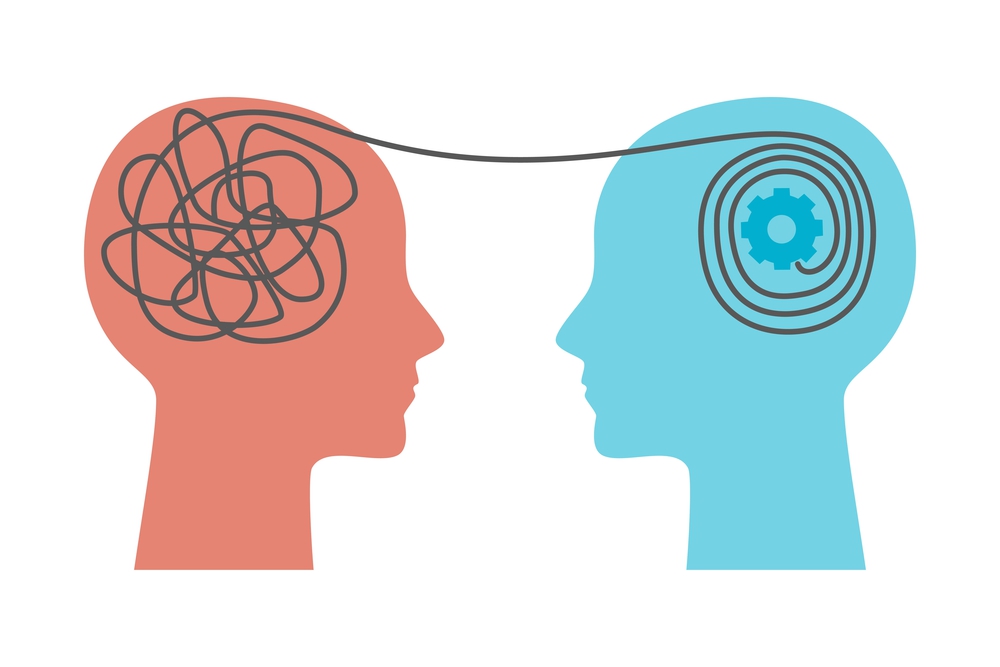





 When an individual faces a perceived threat, the hypothalamus, a small region at the base of the brain, sets off an alarm system in the body . This activation initiates the stress response, which involves the sympathetic-adreno-medullary (SAM) axis and the hypothalamic-pituitary-adrenal (HPA) axis.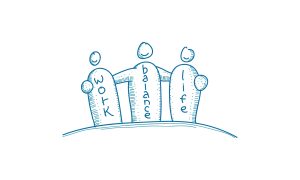
 To conduct a stress audit effectively, organizations can follow these steps:
 Written by Veronica Turner.