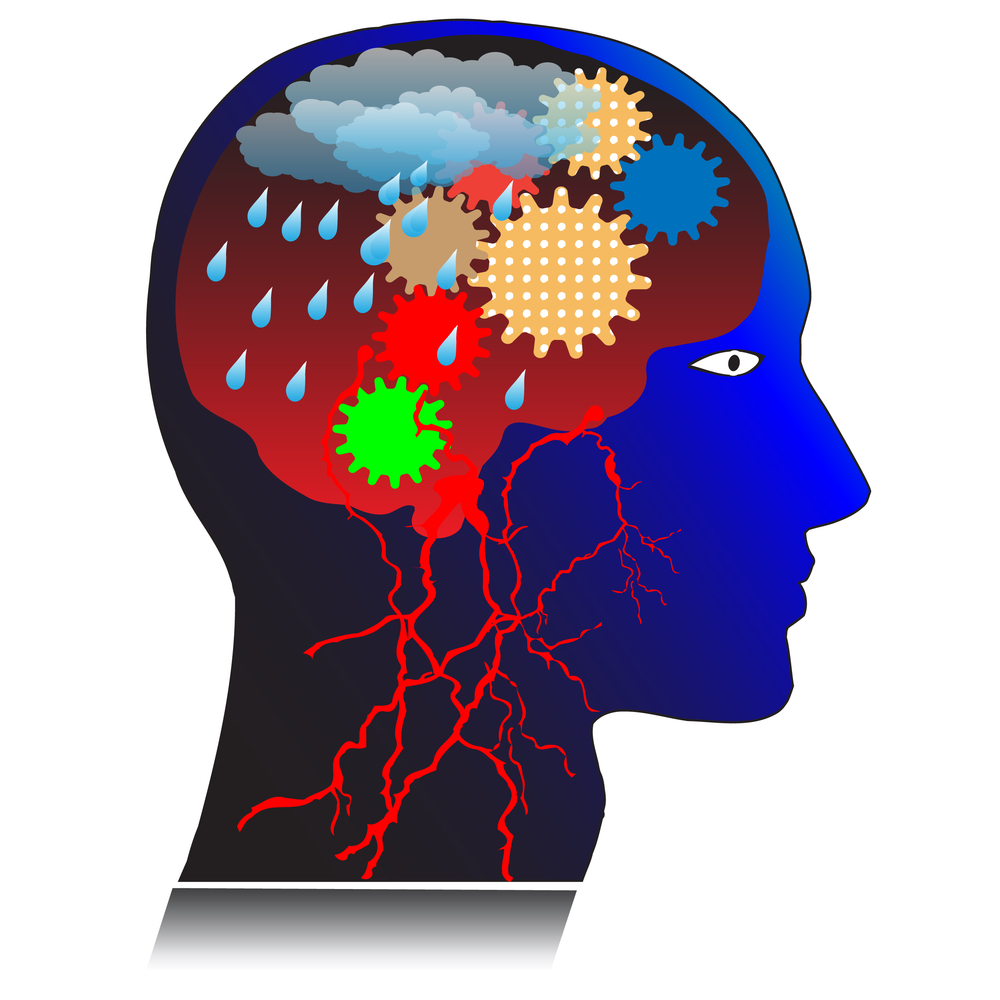
The Process and Psychology of Behavioral Changes


I. Introduction

Behavioral change is a complex phenomenon that encapsulates the interplay between psychological principles and practical applications, forming a critical area of study within both psychology and behavioral therapy. At its core, the process involves understanding how individuals can modify their behaviors to improve health, productivity, or overall well-being. As outlined in foundational texts, behavior therapy has evolved from historical approaches to incorporate various techniques aimed at addressing problem behaviors using scientifically validated methods (Bufford et al., 1981). Furthermore, this process is not solely limited to human application; it extends into animal training and performance enhancement, highlighting the broader implications of behavioral psychology across species (McBride et al., 2012). By examining the psychological underpinnings that drive behavioral change, this essay will explore the intricate dynamics involved, providing insights into effective strategies for facilitating meaningful transformations in diverse contexts.

I think it is also important to emphasize the role habits, both mental and physical can play on conscious decisions to change.  The subconscious and all the subjective elements tied to a person can play a big role in hindering change itself.  When attempting to change something in life, from the smallest to most major, there are many elements to consider.  Change can be as simple as stopping smoking to altering a life style to confronting addiction or moving forward into a new vocation.

Please also review AIHCP’s Behavioral Health Certifications in counseling.  The programs include Grief Counseling, Stress Management, Anger Management, Christian and Spiritual Counseling, as well as Hypnotherapy and also Crisis Intervention Counseling.  Qualified professionals can apply and earn a four year certification.

The psychology of change has many factors. Please also review AIHCP’s Behavioral health certifications


A. Definition of behavioral change

Behavioral change, a central concept in psychology, can be defined as a modification in actions or habits that occurs in response to internal or external stimuli. This transformation often arises from the interplay between cognitive processes and environmental influences, highlighting the importance of understanding both the mechanisms of behavior and the contextual factors driving change. For instance, classical conditioning illustrates how behavior can shift as a result of specific associations formed between stimuli, revealing the significant role the environment plays in shaping actions (Houwer D et al., 2011). Additionally, behavioral change cannot be fully understood without considering the evaluative processes involved, as behaviors often serve as proxies for underlying attitudes. This intricate relationship underscores the importance of distinguishing between the stimuli that elicit responses and the cognitive frameworks that interpret these interactions, as suggested by a meta-theoretical approach to attitude research (Ajzen I et al., 2013). Thus, defining behavioral change necessitates a nuanced exploration of both functional and cognitive dimensions.


B. Importance of understanding behavioral changes

Comprehending behavioral changes is crucial across various contexts, particularly in organizational settings where dynamics are constantly shifting. As workplaces evolve through reengineering, mergers, and the implementation of quality initiatives, employees frequently confront altered roles and expectations. This transformation necessitates a deeper examination of how individuals adapt to these changes, as evidenced by studies indicating that successful change efforts often linger around a mere 10% to 50% (Cable et al., 1994). Understanding behavioral changes enables organizations to tailor interventions that consider the psychological impacts on employees, fostering resilience and adaptability amidst evolving job landscapes. Furthermore, insights from social identity and identity theories illustrate the significance of individual responses to organizational change, illuminating the interplay between personal identity and professional roles (Cable et al., 1994). Gaining a nuanced understanding of these behaviors not only facilitates smoother transitions but also enhances overall organizational effectiveness, thereby underscoring the importance of this field of study in contemporary work environments.


C. Overview of the essay structure

A well-structured essay serves as a roadmap for expounding upon complex topics, such as the intricacies of behavioral changes. Typically, this involves an introduction that outlines the main thesis and establishes the significance of the topic. Following this, the body paragraphs delve into specific aspects, employing evidence and analysis to substantiate the arguments presented. In the context of behavioral changes, for instance, an exploration of addiction through an existential perspective can be pivotal. As outlined in (du Plessis et al., 2019), this approach contextualizes the discussion and enhances comprehension of recovery processes. Additionally, the incorporation of empirical studies, such as those presented in (Bovbjerg et al., 2019), reinforces the theoretical frameworks by illustrating tangible outcomes of interventions. Ultimately, the conclusion synthesizes the main insights and reiterates the relevance of understanding both the processes and psychological underpinnings driving behavioral transformations, thus closing the discourse with clarity and purpose.


II. Theoretical Frameworks of Behavioral Change

Understanding behavioral change necessitates a comprehensive examination of various theoretical frameworks that elucidate the underlying mechanisms driving such transformations. Explanatory pluralism serves as a relevant lens, positing that different approaches within the study of cognition can complement each other, thereby enhancing our understanding of behavioral processes at multiple levels of analysis (Abney et al., 2014). For instance, cognitive-behavioral frameworks focus on the interplay between thoughts, emotions, and behaviors, revealing how perceptions can influence actions. Simultaneously, team learning theories highlight the dynamics of collaborative settings, emphasizing that individual behaviors within groups are not solitary but rather influenced by team interactions and knowledge sharing (Bell et al., 2012). This multilevel and emergent view recognizes that behavioral change is not linear; rather, it is a complex process shaped by contextual factors and relationships, thus requiring an integrative approach to comprehensively address the nuances of behavioral modification.

Creating change requires motivation. Please also review AIHCP’s Behavioral Health Certifications


A. The Transtheoretical Model (Stages of Change)

The Transtheoretical Model (TTM), also known as the Stages of Change model, plays a pivotal role in understanding behavioral changes, particularly in health-related contexts. This model posits that change is a process unfolding through five stages: precontemplation, contemplation, preparation, action, and maintenance. Each stage reflects an individuals readiness to change, highlighting that interventions must be tailored to their specific position within this continuum to be effective. For instance, research indicates that harnessing both motivational and volitional processes, as observed in smoking cessation programs, significantly enhances the likelihood of successful quit rates, especially for those in the preparation stage at baseline (Arden et al., 2008). Moreover, combining TTM with Social Cognitive Theory in physical activity interventions has shown to improve exercise self-efficacy and barrier self-efficacy, suggesting that understanding individual differences is crucial when designing effective health interventions (Berry et al., 2008).


B. Social Learning Theory and its implications

Social Learning Theory posits that individuals acquire new behaviors and skills through observation and imitation of others within their social contexts. This approach emphasizes the significance of modeling and reinforcement, which shapes an individual’s learning process. As organizations increasingly rely on collaborative work environments, the principles of Social Learning Theory become critical in understanding team dynamics and the development of collective behavior patterns. Learning in teams not only involves the amalgamation of individual skills but also necessitates an iterative process where knowledge is shared and adapted among members. This dynamic interplay of learning highlights the emergent nature of team performance, which can lead to innovative outcomes that benefit the organization as a whole. A nuanced understanding of this theorys implications can provide valuable insights into fostering effective team learning environments and optimizing behavioral changes within organizational settings, offering a robust framework for future inquiry into this essential area of study (Bell et al., 2008), (Bell et al., 2012).

Social Cognitive Theory proposed by Albert Bandura looks at any learned behavior through observing it, remembering and trying to reproduce it.  Ultimately, reward and punishment play key roles in the person’s ability to continue. Bandura looked at affective, cognitive and biological factors in one’s ability to carry out change and the process of analysis if one changes or not.  We are the primary agents in change based on these perceptions and abilities to due so, but our environment also plays a role in enhancing or damaging that.

The Behavioral Change Wheel proposed by Michie, Van Stralen, and West introduced the COM-B Model (Capability, Opportunity, Motivation and Behavior) which looked at other various factors.  The wheel looked at sources of behavior, possible interventions and policy categories.  Ultimately the basis emphasized one’s capability to change, one’s opportunity or environment to facilitate it, and one’s motivation.


C. The Health Belief Model and behavior motivation

Understanding the dynamics of the Health Belief Model (HBM) offers valuable insights into behavior motivation, particularly in health-related contexts. This model posits that an individuals perception of susceptibility to health risks, along with perceived severity, benefits, and barriers to action, significantly influences their health behaviors. Specifically, when individuals recognize their vulnerability to health issues, they are more likely to engage in preventive measures or modify their behaviors accordingly. Recent research highlights the importance of motivational persistence and resilience in this process, suggesting that these traits can enhance an individuals capacity to act on health beliefs and sustain behavioral changes over time. Moreover, factors such as family support and spirituality can positively affect the relationship between long-term health goals and an individuals overall well-being, creating a conducive environment for behavioral change. The integration of these personal and contextual factors supports the efficacy of the HBM in promoting proactive health behaviors (Chatzisarantis et al., 2016), (Bostan et al., 2015).


III. Psychological Factors Influencing Behavioral Change

The interplay between psychological factors and behavioral change is significantly influenced by both genetic and environmental components. Research indicates that maladaptive behaviors can be linked to familial psychological conditions, which in turn affect offsprings emotional and behavioral functioning. For instance, a study found correlations between the methylation of the dopamine transporter gene (DAT) and both maternal anxiety and paternal depression, suggesting that parental mental health directly impacts childrens psychological outcomes (Claudio D’Addario et al., 2018). Additionally, understanding cognitive processes such as attention, effort, and fatigue can further elucidate how these psychological conditions manifest into behavior. The measurement of cognitive effort, especially in neuropsychological contexts, has revealed that subjective experiences of fatigue can inform behavioral capacities and motivation (Cohen et al.). Thus, the integration of genetic predispositions with psychological experiences shapes the landscape of behavioral change, highlighting the complexity of the processes involved in modifying behaviors effectively.

Many subjective elements effect change itself


A. Role of motivation in initiating change

The role of motivation in initiating change is undeniably pivotal, as it serves as the catalyst that propels individuals toward transformation and growth. Motivation is often categorized into intrinsic and extrinsic forces, each influencing the extent and sustainability of behavioral change. Intrinsically motivated individuals engage in activities for personal satisfaction, which is crucial in fostering resilient and transformative behaviors. For instance, research indicates that when students are supported in developing mindsets and social-emotional competencies, they are more likely to experience positive changes academically and socially, thereby enhancing their overall resilience (Nicoll et al., 2014). Additionally, studies have shown that the alignment of goal motives with personal values, as highlighted in the self-concordance model, positively correlates with sustained effort and goal attainment, which underscores how motivation shapes coping strategies in the pursuit of goals (Duda et al., 2011). Hence, understanding the dynamics of motivation is essential for initiating effective behavioral change.

Motivation to be a healthier, or more moral, or more honest, or better with money, or break an addiction or a myriad of things push the conscious mind to push forward despite the bad habits.  Behavior modification is based upon that desire and motivation to change.  Without consciously starting with a belief change is needed and motivation supplied, then change will never occur.   Even beyond initial motivation, many changes die in the wind due to subconscious and bad habitual actions that are engraved.  While motivation opens the door, to sustain, requires far more dedication, help and support.


B. Impact of self-efficacy on behavior modification

Self-efficacy plays a vital role in behavior changes, influencing how much people believe they can make a difference. Individuals confident in their abilities tend to take action, aim high, and persevere, even when things get tough. This is especially noticeable in high-pressure situations where anxiety can affect performance. For example, salespeople who use strategies to cope, like altering the situation or focusing their attention, tend to handle anxiety better, which improves how well they connect with customers (Bagozzi et al.). Also, self-efficacy promotes learning within teams, helping them grow and do better through collaborative problem-solving and sharing what they know. This relationship between what individuals and teams believe they can do shows that behavior modification is complex and ever-changing, leading to better results and overall effectiveness in different settings (Bell et al., 2012). Generally speaking, understanding these dynamics can significantly aid in fostering environments conducive to both personal and professional growth.


C. The influence of cognitive dissonance on decision-making

Decision-making is greatly influenced by what’s known as cognitive dissonance. It essentially sparks an internal battle when your actions don’t line up with what you believe. People are driven to reduce this uncomfortable feeling. Often, this leads to changes in what they think, believe, or do to regain some consistency. Take, for example, a consumer who buys something that goes against what they usually like. This might make them uncomfortable enough to justify their purchase, or perhaps rethink how they feel about the other options they passed up. There’s also the question-behavior effect to consider. It shows how simply answering questions about your intentions can later sway your brand choices. This suggests that cognitive dissonance might boost how easily motivation-related things come to mind, ultimately shifting the decision-making playing field (Geuens et al., 2012). Furthermore, tackling cognitive dissonance through evaluative responses can shed light on how external factors interact with our thought processes. This further illuminates the sometimes unclear relationship between our mental frameworks and the ultimate decisions we reach (Ajzen I et al., 2013).

Many times, individuals are stuck in a particular life style.  Many it an addiction, moral practice, one’s health decisions, or bad habits.  Many times, the guilt and shame associated with how one acts puts one at odds to what one wishes one was.  This ultimately can be influencing element to produce change for future actions but it is far from easy.  Habits are subconsciously built in and creating new habitual change in one’s daily life can be difficult.


IV. Strategies for Implementing Behavioral Change

When it comes to behavioral change, effective strategies are rarely one-size-fits-all; you really have to think about the person and their environment. A strengths-based approach can be powerful because it gets everyone involved, which makes interventions more likely to stick. Take, for example, Conjoint Behavioral Consultation (CBC); it shows how well it works to get parents and teachers working together to help kids, especially in minority communities. This model underscores the need for tailored interventions, like using culturally appropriate methods that connect with Spanish-speaking Latinx families—really meeting them where they are socially and linguistically (Ramirez et al., 2019). Plus, using evidence-based strategies helps you keep track of progress and tweak things to get the best results (Aarons et al., 2016). Organizations that pull all this together can not only make behavioral changes happen but also make sure they last and can be expanded to different situations, ultimately improving community well-being over the long haul.

There are numerous strategies to incorporate change and sustain it


A. Goal-setting techniques for effective change

Generally speaking, impactful change often relies on employing strategic goal-setting methods, serving as key instruments for supporting shifts in behavior. Establishing objectives that are clear, measurable, and achievable can help individuals boost their motivation and monitor their advancement, a vital element in behavioral modification. Applying goal-setting frameworks, like SMART (Specific, Measurable, Achievable, Relevant, Time-bound), provides a structured method that aligns with the psychological underpinnings of effective change. Moreover, a broader perspective on behavioral interventions, as outlined in (Fadhil et al., 2018), highlights the importance of integrating behavioral theories and change techniques, enabling the adaptation of these frameworks to fit a variety of contexts. As highlighted in (Bretz et al., 1990), the continuous progression of performance appraisal research underscores the necessity for adaptable and innovative strategies in goal-setting, thereby ensuring that such techniques remain effective and relevant in promoting lasting shifts in behavior.

Counselors can help implement change by helping clients understand planning and goal setting.  Many times, we see New Year resolutions fall short within a few months or even weeks.  Counselors can help clients form realistic goal and change plans and help them achieve change gradually.  Many times, without guidance and realistic goal setting skills, motivation is quickly lost when setbacks or not immediate results are met.  Motivational Interviewing that looks to help clients meet goals and remain active in change is a key type of counseling to help others promote change in life.


B. The role of social support in sustaining change

Generally speaking, social support often plays a key role in maintaining behavioral changes; it’s a crucial mechanism for sustaining transformation in the long run. This support includes emotional, informational, and even practical help from various places such as friends, family, and community systems. It doesn’t just boost motivation; it also bolsters resilience when things get tough. For example, psychological theories, like Self-Determination Theory, highlight the importance of meeting psychological needs. Social support can help with this, promoting ongoing engagement in behavior-change initiatives (Alschuler et al., 2017). Furthermore, when you look at how social dynamics and cognition intersect, the interactions within a support network let individuals create adaptive coping strategies and foster positive feelings, which reinforces their commitment to change (Overmann et al., 2017). Therefore, leveraging social support is vital for those seeking to maintain changes in behavior, showing its dual role as both a buffer against setbacks and a catalyst for positive adaptation.

Many times, individuals need social support to maintain change.  This is an example of AA when meetings and peer support help maintain the change against temptations.  Counseling, peer support and family support are key to maintaining changes that are hard to keep due to various subjective holds on oneself.


C. Behavioral reinforcement and its effectiveness

Behavioral reinforcement is a key concept for understanding both how and how well behaviors change over time. Reinforcement strategies, like those used in the Behavior Education Program (BEP), generally give immediate feedback, especially to students, which helps them make positive behavioral adjustments. Studies, such as the one noted in (Paolella et al., 2009), show that programs like BEP can greatly improve behavior, reducing problem behaviors and disciplinary actions among students. It’s also important to consider the psychological functions of maladaptive behaviors, since they are often tied to the need for emotional regulation; recognizing that these behaviors are often reinforced because they help manage negative feelings and boost positive ones allows us to create more effective interventions. Reinforcement learning theory gives us insights that continue to be critical for developing therapeutic practices, as highlighted in (Johnson et al., 2020).

Clinical Hypnotherapy can also be beneficial in helping produce change.  Hypnotherapy helps the individual speak to the subconscious and help the conscious decisions become better manifested.  If the subconscious is trained to respond a certain way, it will be defiant to any change.  Understanding how to speak to the subconscious mind is pivotal to altering bad behaviors.
Please also review AIHCP’s blog on changing bad habits through hypnotherapy.  Click here

V. Conclusion

To summarize, grasping how behavioral shifts happen is really complex because cognitive processes and behavior changes affect each other. This essay has shown that learning is really a mix of both thinking things through logically and also stuff that happens without us even realizing it. Learning isn’t just about making automatic connections, like (Houwer D et al., 2009) said; instead, it’s a combined result of thinking and subconscious stuff, so we need to look at behavioral psychology carefully. Plus, the idea from (Houwer D et al., 2011) that behavior changes can show what’s going on in our minds means we need to use a functional approach in psychology research. If researchers explain behavior effects as caused by the environment, they can learn more about how changes work. So, using a complete approach that includes both thinking and functional views will not only help us get behavioral psychology better but also open up new paths for research in this area.

I think change can be in many ways.  Individuals see the need to adapt or change a certain thing in life.  Sometimes its physical, mental, spiritual or emotional or even social.  Sometimes the change is minor but other times it may be needed and major.  When addiction and bad habits start to ruin a life, a severe wakeup calls enters into the mind and an individual has to face making a change or falling deeper into the abyss.   Change is part of life and being able to adapt to things and to alter what needs altered in critical to a healthy life on all fronts.

Please also review AIHCP’s Mental Health Certifications.  Please click here

Please also review AIHCP’s behavioral health certifications


A. Summary of key points discussed

Generally speaking, when trying to truly understand how behavior changes, you need both the theories and the actual real-world uses in psychology. Some important things we’ll touch on show just how important attachment theory is. It kind of gives us a peek into how those early relationships we have as kids end up shaping how we act and how happy we are as adults. It sheds light on the physical reactions related to stress and overall health, connecting how we handle our emotions with how we act, like (Ainsworth et al., 2014) talked about in their research. Also, the move toward focusing on processes in therapy is a big shift. This means therapists are now focusing on creating unique plans to handle specific biological, psychological, and social processes, instead of sticking to one-size-fits-all methods. Like (Carpenter et al., 2018) mentions, this method pushes therapists to really get to know their clients and tweak what they do to fit their client’s individual needs. In most cases this leads to better results and creates lasting changes in behavior. All in all, these points drive home how complicated the relationship is between psychological ideas and therapy in helping people change how they act.


B. The significance of understanding behavioral change processes

Understanding the ins and outs of how behavior changes is super important for dealing with the ever-changing world of individual roles in today’s society. When companies change through things like downsizing and reengineering, it really affects what employees do. So, we need to get a good handle on how people’s behavior changes during these times (Cable et al., 1994). The relationship between who we are and how we act is especially key. If we look at how social identity theory and identity theory explain these things, we can really see the complicated ways that employees feel and react to change (Cable et al., 1994). Also, culture is a big deal. Behavior changes are often shaped by shared values and habits that get passed down through families. That’s why it’s important to understand cultural factors when we talk about changing behavior. At the end of the day, having this well-rounded understanding is a must for building resilience and being able to adapt in a world that’s getting more and more complicated.


C. Future directions for research and application in behavioral psychology

Looking ahead, the ongoing evolution of behavioral psychology reveals some exciting avenues for both research and real-world applications. We should really be thinking about integrating performance appraisal methods with behavioral change strategies. Some recent research points out a disconnect between what we study and what actually happens (Angel et al., 1992), suggesting this integration could give us a more nuanced view of how feedback affects performance and encourages broader changes in behavior. Also, the current labor crunch means we need smarter ways to recruit people. That means more research into what attracts applicants and how they choose jobs (Rynes et al., 1989). If researchers look at how we can use behavioral psychology in recruitment, they could help companies bring in better candidates. It’s increasingly important to turn what we know into practical strategies for behavioral change as we delve into these areas.

Additional Resources

Celestine, N. (2021). “What Is Behavior Change in Psychology? 5 Models and Theories”. Positive Psychology.  Access here

“How to Really Change Behaviors, According to Psychology” (2024). Psychology Today.  Access here

Cherry, K. “The 6 Stages of Change”.  VeryWellMind. (2024). Access here

“The COM-B Model for Behavior Change” The Decision Lab.  Access here

The Importance of NEMT Services for Seniors and Individuals with Disabilities

Elderly man in wheel chair using an assistance lift to enter a vanWritten by Catherine Alvarez,

Non-Emergency Medical Transportation (NEMT) services are critical for seniors and people with disabilities. NEMT ensures that these individuals are able to keep vital appointments for the benefit of their health care, independence, and community engagement. NEMT is not just about moving somebody from one place to the next; it has various positive effects on its clients.

This article aims to explain the value that NEMT brings to those who most need its services. Read on to learn more.

Accessibility and Convenience

Transportation barriers are one of the main factors that significantly impact access to healthcare. Approximately 3.6 million Americans fail to keep medical appointments annually due to transportation issues.

Mobility challenges can make traditional transportation options nearly impossible to navigate for seniors and individuals with disabilities. Public transit systems often lack accessibility features, such as ramps or space for wheelchairs, and ride-sharing services may not cater to these individuals’ specific needs.

NEMT services address these deficits by having specially designed vehicles equipped with ramps, lifts, and other features that guarantee a safe and comfortable ride. NEMT services also provide frequent door-to-door support. In other words, drivers are trained to help passengers from their homes to the vehicle and back again when the trip is complete.

Through specialized solutions like NEMT scheduling software, these services have become more efficient and accessible by meeting the growing demand for reliable transportation. That is crucial for people who may be unable to manage their transportation on their own.

Safety and Comfort

Safety is one of the building blocks of NEMT services. Providers ensure this by seeing to it that their vehicles are well-maintained and the drivers are appropriately trained. This training will prepare them for securing wheelchairs, managing medical equipment, and caring for mobility-impaired passengers. Such knowledge can bring peace to families and caregivers, knowing that their loved ones are safe in the hands of NEMT personnel.

Another very important factor is comfort. NEMT vehicles are built with the passenger in mind to ensure they are at ease. The clean, spacious, and climate-controlled vehicle interiors make all the difference. Medical appointments are painless and hassle-free, especially for clients with chronic conditions or physical issues.

Cost-Effectiveness

One of the best things about NEMT services is its affordability, particularly for seniors and individuals with disabilities who often live on fixed incomes. Traditional transportation options, like taxis and ride-sharing services, can be costly, especially for frequent trips.

Many NEMT providers accept Medicaid, Medicare, and private insurance, which can significantly reduce or eliminate out-of-pocket expenses for eligible passengers. For those without insurance coverage, NEMT is still a more affordable option than other transportation forms, especially NEMT services that offer flat-rate pricing. That makes it easier for clients to budget for their transportation needs. This accessibility ensures that financial concerns do not become a barrier to receiving essential care.

Promoting Independence

Independence is something very important for seniors and people with disabilities. Reliable transportation allows them to manage their schedules and continue living in their own homes, as well as reduce the need for institutional care or constant reliance on family members.

This autonomy has long-term effects on strengthening their mental and emotional well-being. By enabling self-reliance and giving them control over their lives, NEMT helps clients maintain independence and confidence.

Ensuring Access to Healthcare

One of the best things about NEMT services is ensuring reliable access to healthcare. For people with chronic conditions or who require regular treatments, missed medical appointments can have serious consequences.

NEMT ensures that seniors and individuals with disabilities can schedule NEMT transportation to attend doctor visits, therapy sessions, dialysis treatments, and other essential appointments without delay. A study conducted by the Medical Transportation Access Coalition (MTAC) shows that Medicaid beneficiaries with access to NEMT are more likely to keep their medical appointments, leading to better health outcomes.

This consistency in healthcare access improves health outcomes and reduces emergency room visits and hospitalizations. NEMT services are often the only option for medical transport for people in rural areas, which usually have limited public transportation.

Relieving Caregiver Stress

Caregivers often bear the responsibility of coordinating transportation for those they look after, which can be both time-consuming and stressful. NEMT services alleviate this burden by providing dependable, professional transportation solutions. That lets caregivers focus on other responsibilities while trusting that those under their care receive safe and reliable transportation.

By reducing logistical challenges, NEMT services enhance the caregiving experience and ensure that individuals can access the services they need without placing additional strain on their support systems.

The Role of Technology in NEMT

Technology has revolutionized the NEMT industry, making services more efficient and user-friendly. Modern solutions like NEMT transportation software have streamlined scheduling, optimized routes, and improved communication between providers and passengers. These tools enable providers to reduce wait times, ensure timely pick-ups and drop-offs, and offer real-time updates on trip status.

These technological advancements mean greater convenience and peace of mind for passengers. Features like automated reminders and GPS tracking provide a seamless experience, ensuring transportation is as efficient and stress-free as possible.

Empowering Lives Through Mobility

NEMT services are more than just a transportation solution—they are a gateway to better health, greater independence, and richer social lives. As the aging population grows and the need for specialized transportation increases, the role of NEMT will only become more critical. By addressing transportation barriers and leveraging technological advancements, these services continue to empower seniors and individuals with disabilities to lead fulfilling, connected lives.

Reliable transportation enables people to access care, connect with their communities, and maintain a sense of independence. With innovations like NEMT scheduling software enhancing service delivery, the future of NEMT is bright, promising improved access and quality of life for those who depend on it most.


Author’s Bio:

A writer by profession, Catherine Alvarez has written extensively on the subjects of health, medicine, and life sciences. Her work has been published across many news and information websites and publications. In her free time, she enjoys hiking, surfing, and traveling across the contiguous US states. She dreams of retiring in Montpellier in France someday. Passionate about sustainability, Catherine also advocates for eco-friendly practices and enjoys exploring new green technologies. Known for her engaging and informative writing style, she is committed to making complex topics accessible and relatable to a wide audience.


Please also review AIHCP’s Case Manager Certification program and see if it meets your academic and professional goals.  These programs are online and independent study and open to qualified professionals seeking a four year certification

An Essential Guide to Preventing Revenue Leaks in Healthcare Practices

Please also review AIHCP's health care Management Consulting programWritten by Jeremy Carter.

The alarming truth, so to speak, is that healthcare practices lose a big chunk of their rightful revenues every day. Medical practices lose 5-10% of revenues, it is said, from operational inefficiency, billing errors, administrative oversights, etc. The figures could swell to between $100,000 and $200,000 in lost revenue for a practice generating $2 million annually, money which could be sunk into patient care, staff training, or practice development.

Revenue leaks mean much more than money in the healthcare industry, they mean missed opportunities to uplift patient care and operational efficiency while building a sustainable practice. Identification of areas prone to leaks and the subsequent implementation of strategic measures can turn the financial fortunes and operational skills around for a practice.

The Anatomy of Revenue Leaks

Revenue losses in healthcare operations are caused by many factors, each demanding its own special attention and accompanying solution. The most common offenders are coding errors where incorrect or obsolete medical codes cause claims to be denied or underpaid. 

Another big leak occurs in insurance verification. This leak surfaces when patient coverage is not confirmed before services are rendered, resulting in claims being denied and difficult collection times from the patient.

Scheduling inefficiencies generate significant revenue loss through no-shows, late cancellations, and less than optimal appointment booking. When patients do not show up for appointments, not only do practices lose revenue, they also lose the value of that time slot in opportunity cost. 

Similarly, poor follow-up of outstanding accounts receivable causes legitimate claims to age beyond the collection window and become write-offs.

This presents another very important point for revenue leak: documentation errors. Medical records that are incomplete or insufficient can result in claim denials, audit failures, and litigation issues. 

The Hidden Costs of Revenue Leaks

Beyond the obvious financial impact, revenue leaks create cascading effects throughout healthcare practices. Staff productivity suffers when team members spend excessive time on rework, claim corrections, and patient payment collection. This diverts valuable human resources from patient care and practice growth initiatives.

Patient satisfaction deteriorates when billing errors create confusion, unexpected charges, or collection issues. Patients who receive surprise bills or experience billing complications are more likely to seek care elsewhere, impacting long-term practice revenue and reputation.

The administrative burden of managing revenue leaks also increases operational costs. Practices must invest additional time and resources in claim resubmissions, appeals processes, and collection efforts. This creates a vicious cycle where revenue loss leads to increased expenses, further eroding practice profitability.

Implementing Robust Prevention Strategies

Preventing revenue leakage requires an orderly approach focused on addressing each failure point. It all starts with ensuring that the staff is fully trained in accurate coding, insurance verification protocols, and documentation requirements. Ongoing training is conducted so team members are up to date on the recent changes in regulations and best practices.

Technology integration plays an important role in prevention. Most modern practice management systems reduce manual handling of routine tasks, thereby reducing human error and increasing process efficiency. Electronic health records equipped with coding assistants assist providers in choosing codes appropriately and guaranteeing that documentation is complete. Automating insurance verifications also serves to alert coverage issues prior to services being rendered so as to dismiss denials on a claim.

The creation of workflows and establishing protocols ensures consistency in operations. When patient registration, insurance verification, service documentation, and claim submission operate under standard procedures, variability is effectively limited, and subsequent error rates minimized. Conducting audits on these processes regularly will help to expose any weaknesses or areas for improvement.

Optimizing Claims Management

Claim management quite literally means working with a claim through denial. But effective management of claims truly begins before the patient even walks into the physician’s office. Pre-service activities include insurance verification, benefit and deductible confirmation, and authorization procurement. Prior handling of a claim on a proactive note prevents many downstream issues, which otherwise cause claim denials.

During the service delivery, real-time documentation matters most for ensuring accuracy and completeness. During the delivery of treatment, service providers should document services immediately before they risk losing specific information. Such immediate documentation reduces coding errors and guarantees charge capture for all the services rendered.

Post-service claim management consists of submission after acceptance review, submission since follow-up status tracking, and also collecting denials. Practices should have fixed limits or timeframes for submission of claims with systematic approaches for dealing with denial. Several healthcare systems have had a big success partnering with comprehensive accounts receivable solutions that allow them to increase collections.

Leveraging Technology for Revenue Protection

Modern healthcare practices must embrace technology to compete effectively and protect revenue streams. Practice management systems offer powerful tools for appointment scheduling, patient communication, and billing management. These systems can identify patterns in no-shows, track claim status, and generate reports on key performance indicators.

Artificial intelligence and machine learning technologies are increasingly valuable for revenue cycle management. These tools can identify potential coding errors, predict claim denial risk, and suggest optimization strategies. Automated prior authorization systems reduce administrative burden while ensuring compliance with payer requirements.

Patient engagement platforms improve communication and reduce no-show rates. Automated appointment reminders, online scheduling capabilities, and patient portals enhance the patient experience while reducing administrative costs. These tools also facilitate better collection efforts through online payment options and automated payment plans.

Building a Culture of Revenue Awareness

Creating sustainable revenue protection requires developing organizational culture that prioritizes financial stewardship. Staff at all levels should understand how their actions impact practice revenue and be empowered to identify and address potential leaks.

Regular training sessions should cover not only technical skills but also the business impact of accurate coding, thorough documentation, and efficient processes. When staff understand the connection between their work and practice success, they become active participants in revenue protection efforts.

Performance metrics and incentive programs can reinforce positive behaviors. Tracking key indicators such as claim denial rates, collection ratios, and patient satisfaction scores helps identify areas for improvement and recognize outstanding performance.

Measuring Success and Continuous Improvement

Effective revenue leak prevention requires ongoing measurement and refinement. Practices should establish baseline metrics for key performance indicators and track progress over time. Important metrics include first-pass claim approval rates, average collection time, patient satisfaction scores, and overall practice profitability.

Regular analysis of these metrics helps identify trends and emerging issues. Monthly reviews of key performance indicators enable proactive problem-solving and continuous improvement. Practices should also benchmark their performance against industry standards to identify opportunities for enhancement.

Continuous improvement requires willingness to adapt and evolve. Healthcare regulations, payer requirements, and patient expectations change regularly. Successful practices stay informed about industry developments and adjust their processes accordingly.

Conclusion

Preventing revenue leaks in healthcare practices requires comprehensive strategies that address multiple operational areas. From accurate coding and thorough documentation to efficient scheduling and effective claims management, every aspect of practice operations impacts revenue performance.

The investment in revenue leak prevention pays dividends through improved cash flow, reduced administrative burden, and enhanced patient satisfaction. Practices that implement systematic approaches to revenue protection position themselves for long-term success in an increasingly competitive healthcare environment.

Success in preventing revenue leaks isn’t achieved overnight but requires consistent effort, ongoing education, and continuous refinement of processes. By addressing these challenges proactively, healthcare practices can protect their revenue streams while improving patient care and operational efficiency.


Author Bio: Jeremy Carter is a healthcare researcher and writer with over five years of experience. He writes about medical billing, revenue cycle management, and healthcare trends.


Please also review AIHCP’s Health Care Manager Certification program and see if it meets your academic and professional goals.  These programs are online and independent study and open to qualified professionals seeking a four year certification

The Grief of Death of a Friend or the Ending of a Friendship and How to Adjust

I. Introduction

The experience of losing a friend, particularly through tragic circumstances such as suicide, presents profound emotional challenges that extend beyond mere sadness. Indeed, this type of loss can alter ones perception of reality, evoking feelings of guilt, confusion, and deep sorrow. In adolescents, who may lack the coping mechanisms required to navigate such complex emotions, the impact can be devastating ((Pfutner et al., 2013)). The ripple effect of a friends death often encompasses not only close peers but also a wider network of individuals who may never have directly interacted with the deceased yet are profoundly affected by their absence. Understanding the intensity of grief is crucial, as many survivors face a lifetime of adjusting to the new normal of life without their friend ((Sahagian et al., 2017)). Thus, exploring the multifaceted dimensions of this grief is essential for developing effective strategies to support those left behind in the wake of tragedy.

Whether we lose a friend via death, or a friendship suddenly ends, there are numerous emotions and pains that accompany the loss
Losing a friend to suicide, death, or sudden loss, is more than just sometimes death, it can also be due to an end of a friendship.  This type of loss can also be equally painful since friendships that were once considered permanent or forever suddenly evaporate into nothing.  Some friendships are meant for a short time in life, they meet a need and then fade, while others last a longer time for a great period and unfortunately fade as one ages or changes.  In other cases, long term friendships that break off can especially be painful.
Whether a friendship is lost via death or broken through disagreement, the pain and grief can take time to adjust.  They are both equally painful but sometimes evoke different emotions and different types of adjustment.
Please also review AIHCP’s Grief Counseling Program.  Click here

A. Definition of grief and its emotional impact

Grief can be defined as the profound emotional response to loss, particularly the loss of a loved one, which encompasses a range of feelings including sadness, anger, and confusion. The emotional impact of grief is not only encapsulated in individual sorrow but also affects interpersonal relationships and social dynamics. Individuals mourning the loss of a friend often experience a tumultuous mental landscape, where memories and longing can create feelings of isolation, akin to the lonely islands described by parents grieving the loss of an adult child to a drug overdose, highlighting the emotional disconnection that often accompanies such profound loss (Brun D et al., 2019). Furthermore, the psychological repercussions can manifest in various ways, impacting daily functioning and overall well-being, suggesting a need for supportive networks, similar to those identified in studies of resilience among young adults who have witnessed the struggles of loved ones with cancer (Menz et al., 2012). Understanding these emotional complexities is essential for effective coping strategies in the grieving process.

B. Importance of friendship in personal development

Friendship plays a crucial role in personal development, offering emotional support, fostering resilience, and promoting self-discovery. The significance of these interpersonal relationships becomes particularly pronounced in the context of grief, where the loss of a friend may leave individuals feeling isolated and bereft of their emotional anchors. Through shared experiences and mutual understanding, friendships provide individuals with the strength to navigate lifes challenges. When faced with the grief of losing a friend, individuals often confront complex feelings of loneliness and exclusion, as noted in the research exploring bereavement among older women who have lost same-sex partners, where themes of isolation and the need for supportive connections emerge (Armitage et al., 2016). Moreover, when adapting to loss, the role of friendships accentuates the necessity for a support system, highlighting the emotional void that accompanies bereavement and the ongoing journey toward healing and personal growth (Brun D et al., 2019).

C. Overview of the essay’s focus on coping with loss

Coping with the loss of a friend is a deeply personal journey that necessitates a multifaceted approach to healing. The essay explores various strategies individuals might adopt in dealing with the intense grief associated with such losses. Emotional expression, social support, and the cultivation of resilience are underscored as vital components in the recovery process. Notably, prolonged grief disorder (PGD) becomes a critical focus, highlighting that for some, symptoms may persist long after the loss, as evidenced by findings that indicate a significant percentage of caregivers experience enduring PGD three years post-bereavement (Bell et al., 2019). Additionally, reflecting on the experiences of those affected by a loved ones battle with cancer adds another layer to understanding this grief, revealing how witnessing the struggle can foster resilience among survivors (Menz et al., 2012). Collectively, these insights aim to illuminate both the challenges and pathways toward adjustment in the wake of loss.

II. Understanding the Grief Process

Navigating the grief process after losing a friend involves a profound confrontation with complex emotions, often defined by feelings of sadness, anger, and confusion. Understanding how grief uniquely manifests is crucial for adequate coping and adjustment. Notably, the grief experienced from the loss of a friend can mirror the sorrow faced by parents grieving the death of a child, as seen in the findings of a study utilizing the Kawa model to outline the emotional turbulence involved in such experiences (Brun D et al., 2019). Moreover, educators and caregivers play a pivotal role in shaping the discourse surrounding loss, particularly for children. Recent research indicates that while teachers may feel comfortable discussing death with students, they often lack confidence in providing the necessary resources and support for grieving students (Higdon et al., 2006). This gap highlights the importance of fostering environments that encourage open conversations about grief, ultimately facilitating healthier coping mechanisms.

A. Stages of grief and their significance

Understanding the stages of grief is essential for navigating the emotional landscape following the loss of a friend. Elisabeth Kübler-Ross delineates five stages—denial, anger, bargaining, depression, and acceptance—that many individuals experience as they process their grief. Each stage serves a significant purpose, allowing mourners to confront and integrate their feelings progressively. For instance, denial may offer a temporary reprieve from the overwhelming emotions associated with loss, while anger can channel frustration into a connection with the deceaseds memory. As highlighted in the literature on prolonged grief disorder, some individuals may experience enduring symptoms that necessitate targeted support and intervention (Bell et al., 2019). Furthermore, the unique struggles faced by grieving parents illustrate the profound impact of loss on ones ability to engage with daily life, emphasizing the diverse experiences of grief across different relationships (Brun D et al., 2019). Recognizing these stages affirms the individuality of grief, facilitating a more compassionate understanding among peers.

B. Emotional responses to losing a friend

The emotional responses to losing a friend are often complex and multifaceted, reflecting a deep personal and communal sorrow. When faced with such loss, individuals may encounter an overwhelming sense of grief, which can lead to feelings of isolation, confusion, and anger. The phenomenon of double loss, as discussed in research, highlights how individuals not only mourn their friend but also grieve the reactions of others who may avoid or inadequately respond to their pain (Bienashski et al., 2011). This social dynamic complicates the grieving process, often leaving individuals feeling unsupported during a critical time of emotional turmoil. Furthermore, as noted in literature, grief is not a linear experience and can be exacerbated by societal taboos surrounding death, making honest expressions of sorrow even more challenging (Willander et al., 2018). Understanding these emotional responses is essential for developing coping strategies and facilitating supportive environments for those in mourning.

Like a breakup, a broken platonic friendship can share many of the similar pains of moving forward. Understanding the nature of the friendship is key after we address the emotions–moving forward

It is also important not to let individuals disenfranchise the loss of a friend.  Just because a friend who may have passed away, is not blood or family, does not mean the bond was as powerful.  Bonds with friends can be as powerful as bonds with family and in many cases stronger.  So never allow others to downgrade the loss or pain of losing a friend to death.

A loss of a friend via death or ending of a friendship can leave one blank and lost.  The phone call one makes when distress strikes is no longer there.  The anger, or frustration or even sadness of that void can be hurtful.

Sometimes it is not about death.  Instead a friend may betray or go a direction one cannot follow.  One can definitely feel angry and hurt about this but sometimes it is best for some friendships to fade for the better good despite the pain.  Still, these emotions need to be felt, analyzed and understood before any cognitive reframing of the situation can be applied

One can also feel different emotions of guilt, if the friend passed and not being there, or guilt if a friendship ended.  Whether guilt, anger, or extreme sadness exist in any type of loss of a friend, via death, or end of friendship, it is important to express these feelings and not let them rot within the soul.

C. The role of memories in the grieving process

Memories play a crucial role in the grieving process, serving as both a source of comfort and a trigger for intense sorrow. When someone loses a friend, the memories shared with that person can evoke a complex emotional landscape, reminding the griever of joyful moments while also accentuating their absence. This paradox highlights the phenomenon of double loss, where not only does the individual grieve the loss of their friend, but they also grapple with the societal reactions to their grief, which can often be dismissive or awkward ((Bienashski et al., 2011)). Furthermore, understanding that grief manifests differently across various stages of life underscores the complexity of how memories impact the grieving experience. For children and adolescents, the comprehension of loss and memory can be particularly challenging, leading to varied expressions of grief ((Willander et al., 2018)). Ultimately, memories become critical in navigating the difficult journey of adjustment, facilitating both remembrance and healing.

III. Coping Mechanisms for Grief

Navigating the complexities of grief after losing a friend necessitates the implementation of effective coping mechanisms, as different strategies can significantly impact an individual’s adjustment to the loss. Engaging in open conversations about feelings can foster emotional processing, while seeking social support from friends and family allows for shared experiences, mitigating feelings of isolation. Furthermore, creative outlets such as journaling or art can serve as therapeutic tools, enabling individuals to express their emotions visually or verbally. Particularly in the context of assisting youth, it is essential to adopt age-appropriate strategies that resonate with their developmental stage, as children and adolescents may integrate loss differently than adults, potentially leading to greater risks for depressive symptoms and anxiety (Hamilton et al., 2015). Moreover, understanding the “double loss” phenomenon can help mitigate the effects of societal reactions to grief, where individuals may face additional emotional challenges stemming from others’ discomfort with their mourning (Bienashski et al., 2011).

Losing a friend can be painful and should not be dismissed by others. Friendships can be as powerful as bonds within a family.

A. Healthy ways to express emotions

Navigating the emotional landscape of grief requires healthy strategies for expression, particularly in the wake of losing a friend. Engaging in creative outlets, such as writing, art, or music, can provide significant relief by transforming difficult emotions into tangible forms. Additionally, the implementation of structured support systems, such as counseling or support groups, has been shown to effectively assist individuals, especially children and adolescents, in processing their grief. As noted by experts, bereaved youth are at heightened risk for various emotional challenges, which necessitates the use of age-appropriate interventions to promote healthy coping mechanisms (Hamilton et al., 2015). Moreover, cognitive-behavioral therapy (CBT) has emerged as a key approach in fostering rational emotional responses to grief, helping individuals distinguish between adaptive and maladaptive grief processes (Malkinson R, 2010). Therefore, integrating these practices can facilitate a healthier adjustment to loss and contribute to emotional resilience.

If a friendship ends, it is important to express anger if one feels treated unfairly or upset that a friend would end something.  Expressing emotions is key to healing and moving forward after a broken friendship

B. The importance of support systems

When dealing with the deep sadness that comes from losing a friend, having strong support around you is really important for feeling better. Friends from work, family, and other people you know can really help you show your feelings and give you help when things are tough. Sometimes, people who are grieving might feel alone because others don’t know how to deal with their sadness; this shows why it’s so important to be kind and understanding (Bienashski et al., 2011). Also, studies with parents who are grieving have found that staying connected with close and distant family and friends can really help with feeling lonely and hopeless (Brun D et al., 2019). These supportive relationships not only help you bounce back but also encourage you to find ways to cope that make you feel better emotionally. So, it’s clear that having a good network of support can be a big help when you’re going through the difficult experience of grief.

C. Engaging in activities that honor the friend’s memory

Finding ways to remember a friend can really help with dealing with the sadness and starting to feel better after they’re gone. These things could be anything from making a special memorial to doing good things that were important to them. Doing these acts helps people share their sadness and gives everyone a place to remember together, which can make the loneliness of grief feel less intense. Studies have shown that memorials and remembering events are key for people to grieve individually and as a group (Gonzalez et al., 2017). It’s also worth noting the idea of a “double loss” can appear, focusing on how friends and family see and react to one another’s grief, pushing people to pull away instead of offer support (Bienashski et al., 2011). People can make something that lasts and helps them get used to things as they are now, while still celebrating their friend’s life, by actively taking part in activities that honor their memory.

In cases of friendships that end, it is far more difficult to honor a friends memory.  One can think back to the good times, but usually anger and resentment may exist due to the breaking off of the friendship.  Much like divorce, one needs to find the role the friend played in the person’s life and the over purpose the friend played in one’s life.  Was the person in one’s life for a reason or a season?  Again, many friendships are short term, others are long term.  Ultimately it depends on the theme of the friendship.

IV. Adjusting to Life After Loss

The experience of readjusting after losing a friend? It’s deep. It’s often a really rocky road loaded with tough emotional hurdles. Right away, you might be swamped with grief—it can bring on confusion and a sense that you’ve lost yourself a bit, you know? Research even suggests that people going through major cognitive shifts, maybe due to health stuff, might feel an even stronger loss of who they are, which just makes grieving harder (Brittain et al., 2018). And let’s not forget the teens; they often have a particularly hard time when someone dies. Studies show that they might grapple with feeling down or really anxious, which makes dealing with the loss that much more difficult (Hamilton et al., 2015). So, coming up with ways to grieve that make sense for their age is so important. This can empower them to discover purpose and adjust to the way things are now. Ultimately, bolstering supportive communities and having intervention strategies available could substantially help folks adjust in the wake of such a tough loss.

If the friendship ended, one needs to understand the purpose of the friendship and the role the friend played in one’s life.  Was it a reason or a season?  What role did the friend play and what were the common themes enjoyed.  Sometimes, the commonalities are hard to find in another person and one will need to learn to adjust to life without sharing those commonalities.   Others may need to re-analyze the past friendship and see what was good but also what may have been toxic.  Sometimes, friendships linger and die because people change or develop beyond certain things.  Many times childhood friendships fade in adulthood and this can be difficult to accept, or in other cases, friendships become unequally yoked and unhealthy for one party.  In these cases, adjustment needs to not only mourn but also understand what is best.

Moving forward from a broken friendship can be difficult but sometimes it is necessary.  Sometimes people go down different paths or change, or needs alter, and like so many friendships, not all are meant to last forever.  Understanding this and cherishing the bonds that one does have with others is key.

Some friendships are for a reason or a season. Understanding that can help one move forward. Unfortunately sometimes, friendships are not broken but occur because of death and this can also lead to deep soul searching

A. Redefining personal identity without the friend

Losing a close friend can really shake you up, making you rethink who you are, especially with that empty space they leave behind. Grief can make things even trickier, like a roadblock and a springboard all in one, when it comes to figuring yourself out. For a lot of people, trying to find themselves again, without that friend, can actually lead to some positive changes, like we’ve seen in tough situations, where loss ends up becoming a way to find meaning and come to terms with things (McCormack et al., 2015). People who go through a big loss might start seeing their beliefs, what they care about, and their place in the world differently, which can build them up and make them more understanding (Janzen et al., 2013). So, while it’s definitely hard to get by without a friend you care about, it can also be a chance to kind of start over, and rewrite your own story.

Sometimes when friendships end, not due to death, individuals need to redefine their own identity.  How was the identify of the individual affected in the friendship?  Was it healthy?  Some friendships are healthy and end, while others are not.  It is important to understand that while many things may have been shared and enjoyed, the identity of oneself supersedes any friendship.

B. Establishing new routines and social connections

When you’re dealing with the loss of a friend, getting into new routines and finding new people to connect with can really help you get through the tough times. When you do things that are organized, it can help you show your feelings and give you a sense of why you’re here. It lets you change your daily life in a way that means something to you. Like, joining support groups or going to events can help you meet people who understand what you’re going through, and that can make you feel less alone. This makes sense when you consider that family involvement is important, where parents have siblings participate in creating memories around loss, allowing for a shared understanding of grief within the family unit (Avelin et al., 2013). Plus, making new friends can give you the support you need to deal with your grief, especially if it’s the kind that other people don’t really get (McAdams-Ducy et al., 2015).

C. Seeking professional help when necessary

The emotional aftermath of grief, especially after a friend’s passing, can be intensely disorienting, potentially requiring professional guidance. Therapy offers a vital outlet to work through feelings, question any self-recrimination, and relate with others navigating similar situations. Studies suggest (McConnell et al., 2023) that those who’ve lost a friend to suicide, experiencing grief’s challenges akin to family members, gain substantially from both individual and group therapy. Beyond providing a space for emotional examination, therapeutic intervention also furnishes valuable grief-related information. Moreover, tackling the often-present stigma connected to grieving a friend might embolden survivors to seek support they might have initially been reluctant to find (McConnell et al., 2023). Since emotional distress can complicate the grieving journey, consulting mental health professionals represents a meaningful step toward healthy adaptation following such a significant bereavement.

V. Conclusion

Grief, especially when a friend passes, is really tough and needs a delicate understanding of feelings and how we interact with others. It often stirs up a complicated mix of sadness and anger, which affects how well someone can deal with the loss and stay connected to people. Like studies show about how parents see conflict, we all understand the actions and effects of loss differently (DeBoard-Lucas et al., 2011). It gets even more complex when you look at specific situations, like when parents grieve for an adult child. This really shows how important it is to have support systems that are designed for different emotional situations and life roles (Brun D et al., 2019). Generally speaking, dealing with the complexities of grief means being caring and well-informed, and creating spaces that encourage healing and getting used to life after a big loss.

Whether we lose a friend to death, or an ended friendship, it is painful.  They are different types of pain with different types of emotion but they all share a common theme of loss of something that was special.  It is important to grieve that loss.

Please also review AIHCP’s Grief Counseling Certification and see if it meets your academic and professional goals.

Please also review AIHCP’s Grief Counseling Certification

A. Recap of the grieving process and coping strategies

Grief, that intricate emotional path, is one we tread after losing a friend; it often involves stages such as denial, anger, bargaining, depression, and, eventually, acceptance. However, each person’s experience with grief is quite unique, suggesting that coping strategies should be tailored to aid healing. Acknowledging one’s emotions is key, as is the importance of expressing grief—whether that’s talking with friends or journaling about what you are going through. Research also suggests that having supportive friends and family can ease the feeling of isolation and build emotional strength (Hamilton et al., 2015). Things like mindfulness and establishing a routine may also help in coping and finding a new sense of normalcy (Avelin et al., 2013). The important thing to keep in mind is that grief isn’t a straight line, allowing for adaptation and finding comfort in how you experience loss.

B. The importance of allowing oneself to grieve

Dealing with the loss of a friend, it’s really vital to let yourself grieve—something we sometimes forget. Grief isn’t just feeling sad; it’s key to accepting what happened and working through all those complicated emotions. Letting those feelings come up helps prevent pushing them down, which can cause problems later on. Studies show that when teachers and people who care for others talk openly about death and grief, it makes it easier for people to grieve in a healthy way, like when schools support students who are grieving (Higdon et al., 2006). Plus, realizing how many different emotions you might feel, like guilt or responsibility, can help you find the right kind of support. This, in turn, makes it easier to get through the grieving process and get used to things being different (Sahagian et al., 2017).

C. Encouragement to embrace healing and moving forward

Navigating the intricate path of grief after losing a friend makes embracing healing a vital step toward moving forward. Acknowledging grief as a complex experience underscores the need to understand our emotions, often felt in stages like denial, anger, and acceptance, similar to the Kübler-Ross Model (Willander et al., 2018). This understanding both normalizes grief and empowers active healing. By blending personal stories with insights, individuals build resilience and learn better coping skills, lighting the way to renewed hope. Grief divided into stages – sadness, then improvement, and finally hope – suggests optimism, urging those grieving to find joy even in heartbreak (Maggi et al., 2022). After all, embracing healing honors lost friends, while fostering personal growth as we grieve.

Additional Blogs

Please also review AIHCP’s blog on hypnosis and the subconscious mind.  Click here

Additional Resources

Cassada, R. (2017). “Coping with the Death of a Friend”. Psychology Today.  Access here

Raypole, C. (2020). “How to Cope When You Lose a Best Friend”. Healthline. Access here

Degges-White, S. (2023). “10 Tips for Healing From a Broken Friendship” Psychology Today.  Access here

Schneider, G. (2021). “Coping with the Loss of a Friendship”. Psychology Today.  Access here


How Healthcare Professionals Can Support Better Rehab Outcomes

Helping family through addiction can be difficult. It can also be difficult to know where to draw the line. Please also review AIHCP's Substance Abuse Counseling Program

Written by Alex Alonso,

Rehabilitation plays a key role in helping patients regain strength, function, and hope. Yet good rehab needs more than just treatment plans. It needs dedicated people who know how to guide, motivate, and support. Healthcare professionals can support better rehab outcomes by using simple but effective steps in daily practice. Their patients rely on clear guidance and realistic goals. Likewise, families need advice and resources to help at home. All teams must work together and stay updated. Taking all these steps makes rehab work better for every patient. Focusing on clear talk, teamwork, and smart care plans enables healthcare professionals to support better rehab outcomes that truly last.

Build Trust Through Clear Communication

Trust is the foundation of strong rehab care (Ha, J. F., & Longnecker, N., 2010). Patients who trust their care team are more likely to follow plans and speak up when they struggle. To build trust, healthcare professionals must use clear and honest words. Avoid medical jargon that confuses or scares patients. Simple language eases fear and opens the door for questions.

Active listening is key—give patients time to share feelings or worries. Show empathy through words and actions. Even ‘tough’ talks about setbacks should be honest yet kind. For patients facing addiction, clear talk and support are vital, and extra resources such as substance abuse counseling can guide families and patients through difficult times. Open talks build trust, which helps healthcare professionals support every patient, no matter the challenge they face.

Create Patient-Centered Care Plans

Each patient has unique needs, goals, and limits. Therefore, a strong rehab plan should reflect this. Healthcare professionals can support better rehab outcomes by creating patient-centered care plans (Epstein, R. M., & Street, R. L., 2011).

First, listen to what matters most to the patient. Find out what motivates them and what fears hold them back. Adjust treatment goals to match their daily life and values. Keep plans flexible—if progress stalls, talk about new options.

Also, bring the patient into every step. When people feel heard, they stay engaged. For patients with addiction, it helps to understand the nature of addiction and substance abuse for each patient, so plans can address their specific needs. Share updates often and check if goals still fit. Patient-centered care builds trust and keeps rehab focused on real progress.

Set Realistic Expectations for Recovery

Setting clear and realistic expectations helps patients stay motivated during rehab. Unmet hopes can lead to frustration and dropout. Healthcare professionals can support better rehab outcomes by talking openly about timelines, limits, and possible setbacks.

Each person’s progress depends on many factors, including age, health, and the type of substance involved. Some addictions take longer to treat than others, and it helps to know that rehab recovery rates vary by substance. This knowledge guides professionals to give honest, informed advice that fits each patient’s situation.

When patients know what to expect, they feel more in control and less afraid of slow progress. So, set small, reachable goals along the way. Celebrate wins, no matter how small. Honest talks about recovery timelines builds trust and helps patients stick with treatment until they reach a stronger, stable life.

Foster Multidisciplinary Teamwork

No one can handle rehab alone. Healthcare professionals can support better rehab outcomes by working as a strong, united team (Zwarenstein, M., Goldman, J., & Reeves, S., 2023). Each member brings a skill that helps patients heal faster and better. Doctors, nurses, therapists, and social workers must share updates and goals often. Clear teamwork avoids mistakes and keeps care smooth. Good teamwork makes patients feel safe and supported from all sides.

Key ways to foster teamwork:

  • Define each role clearly so that duties do not overlap.
  • Share patient updates in a simple, clear format.
  • Hold weekly meetings to fix gaps early.
  • Respect each member’s input and ideas.
  • Solve conflicts quickly to keep trust strong.

When everyone works together, patients see better results and feel true support.

Monitor Progress Consistently

Progress checks keep patients on track and show what works or needs to change. Watching progress closely and adjusting plans when needed is crucial for positive outcomes. Use simple tools to track daily or weekly goals.

Share these updates with patients to keep them motivated. When patients see proof of improvement, they gain hope and push harder. If progress stalls, act fast—talk with the team, find barriers, and fix them early. Keep records clear and easy to share with the whole care team.

Good monitoring helps spot problems before they grow. Check-ins can be quick but should happen often. Honest progress talks build trust and keep everyone focused on real results. When healthcare teams watch progress closely, patients get better care and stronger rehab results.

Encourage Family and Caregiver Involvement

Family and caregivers play a big role in a patient’s rehab journey. They can motivate, remind, and guide patients when professionals are not around. Healthcare professionals can support better rehab outcomes by teaching families how to help safely and wisely.

First, give clear instructions for home exercises and daily care. Explain what signs to watch for if things get worse. Families should feel free to ask questions at any stage. Offer tips for daily challenges, such as managing addiction during holidays, when stress and temptations can rise. Share simple dos and don’ts that can help them avoid common mistakes. Also, include caregivers in progress talks to keep everyone informed.

When families feel supported and prepared, they stay strong partners in care. Their steady help boosts patient confidence and makes rehab goals easier to reach.

Use Technology to Improve Care

Technology can make rehab easier, faster, and more personal. Using simple tech tools that fit patient needs enables healthcare professionals to support better rehab outcomes.

For instance, telehealth visits help patients check in without leaving home. Mobile apps remind them to do daily exercises and track progress. Video calls keep families involved, even from far away. These easy-to-use tools help patients stay on plan and share updates with their team.

However, before using new tools, show patients how they work. Keep instructions short and clear. Pick apps or devices that match the patient’s skill level. Use online reports to spot problems early. Keep in mind that tech should not replace human care but add to it.

Smart tools save time and help patients feel connected and supported every step of the way. When used right, technology builds trust and stronger rehab results.

Provide Ongoing Training for Staff

Good rehab care depends on skilled, confident staff. Staying trained and informed is crucial so that healthcare professionals can support better rehab outcomes. Regular training keeps everyone updated on new methods and tools.

Short courses or workshops can also refresh key skills and add new ones. Peer reviews help staff learn from each other’s strengths. Simple feedback sessions fix small problems before they grow. Encourage open talks about what works and what needs to change. All of this builds a work culture where learning never stops.

When staff feel ready and supported, they give better care. Patients notice this and trust the team more. Strong training programs lead to clear plans, safe care, and steady progress for every patient. Skilled teams make real recovery possible.

Address Mental and Emotional Health

Rehab is not just about the body; the mind matters too. Stress, fear, and low mood can slow recovery and weaken progress. Healthcare professionals can support better rehab outcomes by caring for mental and emotional health alongside physical healing (Kelly, J. F., & Greene, M. C., 2014).

Watch for signs of anxiety or depression. Take time to listen if a patient feels overwhelmed. You can always offer simple stress tips, such as deep breathing or light exercise. If needed, connect patients with counselors for extra help. Use group support when possible to help patients share and heal together.

For some, knowing the connection between addiction and mental health can make it easier to talk about hidden struggles. When mental health is cared for, patients stay stronger, stick with treatment, and see real gains that last far beyond rehab.

Promote Long-Term Self-Management

Rehab does not end when formal treatment stops. Patients still need tools to manage their own care at home. Healthcare professionals can teach them long-term self-management skills. First, show patients how to track progress and spot warning signs early. Give them simple, clear guides they can follow along. Also, encourage healthy habits that keep recovery strong. Check-in often, even after discharge, to keep support steady.

Here are some key steps to promote self-management:

  • Teach safe home exercises and stretches.
  • Provide easy checklists for daily care tasks.
  • Share a simple meal or sleep tips to boost recovery.
  • Set up reminders for follow-up visits.
  • Encourage patients to keep a journal of progress.

When patients take charge of their own care, they stay more active and confident. Good self-management keeps rehab results strong for life.

Keep Improving Rehab Together

Better rehab outcomes depend on strong support, clear plans, and trust. By using simple steps each day, healthcare teams can help patients recover faster and safer. Healthcare professionals can support better rehab outcomes when they stay trained, listen closely, and adjust plans to fit each person’s needs. Small actions add up to big results. Keep sharing what works with your team and stay open to new ideas. Patients count on you to guide them back to a stronger, healthier life. So, stay committed, stay informed, and help every patient reach their best possible recovery.

Author bio

Alex Alonso is the COO of Bright Futures Treatment Center and a strong advocate for patient-focused rehabilitation. He works closely with healthcare teams to ensure every patient gets the support they need for lasting recovery. Alex believes that clear communication and teamwork help healthcare professionals support better rehab outcomes every day.


References

Epstein, R. M., & Street, R. L. (2011). The values and value of patient-centered care. Annals of Family Medicine, 9(2), 100–103. Access here

Ha, J. F., & Longnecker, N. (2010). Doctor-patient communication: A review. Ochsner Journal, 10(1), 38–43. Access here

Kelly, J. F., & Greene, M. C. (2014). Where there’s a will, there’s a way: A longitudinal investigation of the interplay between recovery motivation and self-efficacy in predicting recovery pathways and outcomes. Psychology of Addictive Behaviors, 28(3), 928–934. Access here

Zwarenstein, M., Goldman, J., & Reeves, S. (2023). Interprofessional collaboration: Effects of practice-based interventions on professional practice and healthcare outcomes. Cochrane Database of Systematic Reviews, 2023(5), CD000072. Access here

Additional resources

Wade, D. T. (2020). What is rehabilitation? An empirical investigation leading to an evidence-based description. Clinical Rehabilitation, 34(5), 571–583.
Access here

Turner-Stokes, L. (2008). Evidence for the effectiveness of multidisciplinary rehabilitation following acquired brain injury: A synthesis of two systematic approaches. Journal of Rehabilitation Medicine, 40(9), 691–701. Access here


Please also review AIHCP’s Substance Abuse Practitioner Certification program and see if it meets your academic and professional goals.  These programs are online and independent study and open to qualified professionals seeking a four year certification

The Simplest Ways to Improve Patient Care and Outcomes

Target case management works with particular needs such as children or the elderly

Written by Ari Barnes

When you’re in the healthcare or wellness industry, patient outcomes are a top priority. However, the most effective practice can’t just focus on results; it needs to prioritize a positive patient care experience before, during, and after their visit. An excellent physician should be communicative and approachable to improve patient comfort; if their bedside demeanor is stiff and rude, a patient may struggle with trusting them. A nursing team may be great at patient care once they’re in the clinic, but struggling to follow up can result in lost patients. It can be tricky to manage every aspect of patient care, but some habits and practices can make the process significantly easier. Learning these habits can help you create a better practice that boosts patient satisfaction without sacrificing your business or team’s well-being.

Listen and Engage

It’s no secret that you’ll usually have more medical training than the patient. Even if you’re extremely certain what the patient’s plan of action needs to be, you will want to stop and fully listen to your patients’ concerns. Make sure they’re finished speaking before you get started with a treatment plan. Engage in active listening by asking follow-up questions and confirming your understanding of the issue before moving on. Make sure you and the patient are on the same page. When patients are dismissed and rushed through an appointment, they’ll lack confidence in your practice and will likely seek out a second opinion. You also never know when a patient might reveal a symptom or concern that can drastically affect how you manage them.

Implement Thorough Training Protocols

Managing patients can be stressful for administrative or nursing staff. A lack of adequate training may result in staff members behaving rudely or inappropriately toward patients. New staff may be less familiar with your practice’s rules and standards, resulting in inconsistent communication or standards of care. You want to mitigate the chances of communication or service errors by making sure your staff knows what the best approach is to all types of patients they might see. They should know your practice’s approach to every kind of patient, from old to young, from angry to happy. Staff should also be sufficiently trained in emergencies; not all emergencies are medical, and you want to keep both patients and staff safe at all times. The more training your staff receives, the more efficient and satisfactory your patients will find their level of care.

Update Your Software

Technology can make practice management a breeze, but if you’re not up to date with this tech, it will severely limit your advantage over the competition. Make sure you’re using efficient medical business software that automates appointment scheduling, payment processing, patient communication, and more. With a streamlined and efficient software system, you can manage all aspects of your practice from one screen. Patients will be more satisfied with a quick and easy check-in and check-out process. Your staff members will also have to deal with a less frustrating workload; they’ll be able to use their skills where they are needed most, instead of with mundane tasks like sending out bills. Medical management software isn’t just for physicians, either. Any business in the wellness or health industry can benefit, like medical spas, pharmacies, and more. Research the best medical spa software or hair salon appointment management systems that can improve productivity. You’ll want to train your staff on how to use this software efficiently as well. AI technologies can also help you communicate, transcribe, and automate processes more easily.

Avoid Medical Jargon

Most patients won’t know intricate medical terms. If you’re explaining a condition or treatment to a patient, you’re going to need to be skilled in providing information in simpler terms. Using analogies or metaphors that the patient will likely understand can help, especially when patients are younger or lack formal education. You’ll have a wide variety of people coming through the doors; don’t assume they can read or speak English or always understand what you’re talking about. For language barriers, you may want to hire an interpreter, especially if you live in a location where language barriers are common. Patients should still be able to generally understand the risks, side effects, and consequences of a treatment plan, even if they’re not medically trained. If you’re not sure if a patient understands, ask them. They may feel more comfortable admitting confusion when directly confronted politely and gently.

Be Honest

It’s difficult to share bad news with a patient, but it’s even worse when they’re not fully informed about a specific medication, test result, or condition. Make sure you clearly communicate your findings to your patient, even if it’s not news you want to deliver. Know how to deliver bad news to patients without causing undue harm. You’ll also want to be transparent about your practice’s rules, billing, and general processes. They don’t want to be hit with a surprise bill because you didn’t explain how bloodwork is billed. You should be able to give patients price range estimates for your services as well. Let patients know about any delays in care they may need to know about as well. Transparency and honesty are among the most crucial elements of a helpful healthcare practice, as they can better protect you, your patients, and your staff members.

Avoid Waiting Room Delays

There isn’t much that patients dislike more than a waiting room delay. They scheduled an appointment time with you for a reason, and when they’re stuck in the waiting room well past their appointment time, they likely will feel like their time isn’t important to you. Healthcare practices and facilities often experience delays and backups. Acknowledge the delay instead of ignoring it and letting it fester. If an appointment time is delayed for longer than an hour, you’ll definitely want to let the patient know and give them an opportunity to reschedule. Try to mitigate waiting room backup by not overloading your schedule or overbooking. You want to make sure each patient isn’t rushed through their appointment, so you may want to give yourself more buffer room for delays. Patients may not enjoy waiting, but they’ll appreciate your practice a lot more when they know there’s a wait and that you’re truly sorry for it.

Follow Up Often

You obviously care about your patients once they leave your practice, but it can be difficult for patients to know this. Make sure you send a call or email to your patients to thank them for their time and to ask if they have any questions or concerns. Following up is especially important if they’re starting a new medication or you have test results to share with them. They’ll know you’re concerned and staying on top of their healthcare even when you’re juggling other patients. Give the patient opportunities to ask questions or even contact you on their own if needed. Patient portal messaging systems can be excellent for this purpose. When you follow up and show your dedication to their health, they’re more likely to come back.

Ask for Feedback

You may not know what works well in your healthcare practice until you ask. Some patients may not be comfortable offering critique about your approaches until specifically requested. For this reason, provide patients with multiple methods to give feedback. Online reviews, anonymous surveys, AI assistants, or one-on-one follow-up calls are all great examples of different approaches to soliciting feedback. When you receive feedback, study common pain points or consider different approaches to your practice to make things run smoother. You won’t be able to please everyone, but patients will feel heard when you respond and engage with the feedback they provide.

Offer Affordable Care

Not every patient has medical insurance or a lot of expendable income, but that shouldn’t limit their ability to use your practice or services. You should have a payment option in place for those with limited income or who don’t have medical insurance (if applicable to your practice). Sliding scale fee policies work excellently for this; the patient will be charged a specific amount based on their income range. Payment plans are also another option, especially for more costly procedures. Some practices, such as dental or medical spa facilities, will offer in-house insurance or payment plans to make things easier. Think of ways you can attract and keep patients who may have limited income.

Conclusion

In the health and wellness industries, you need to provide accurate and timely patient care along with excellent customer service. If your practice dips in quality in one category or another, you will lose patient trust and ultimately, their business. On the bright side, there are numerous ways you can prioritize patient care and satisfaction, most of which will help reduce your team’s workload and frustration as well. Try to eliminate patient wait times by being transparent and limiting overbooking. Invest in your patients’ concerns and make sure you’re on the same page with them. Train your staff to understand your practice’s protocols and approaches. Use updated software to automate mundane tasks whenever possible. You can’t please every patient, but you can adapt to feedback for a more efficient practice.

Author Bio: Ari Barnes is a freelance copywriter with a formal education in creative writing and sociology. With a decade of professional research skills and half a decade in professional writing under their belt, they have a passion for communicating truthfully and engagingly for those in need.


Please also review AIHCP’s Health Care Manager Certification program and see if it meets your academic and professional goals.  These programs are online and independent study and open to qualified professionals seeking a four year certification
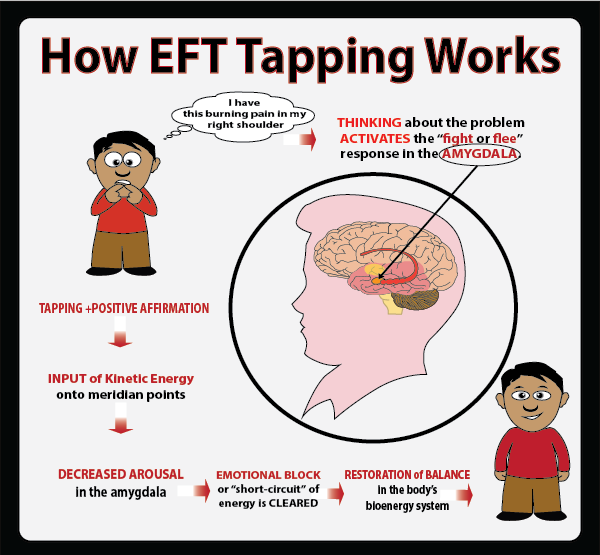
How Mobile Phlebotomy Services Are Affecting Clinical Education & Training

Lab work graphic

Written by Mark San Jaun,

Healthcare is one of the most important fields of every society, and fortunately, it’s evolving daily, continuing to advance, all thanks to proper education. Today we’re looking specifically at phlebotomy (drawing blood from patients with the intent of testing, transfusions, and/or donation).

Working in healthcare, in general, means you need to continue your education ( basically in perpetuity) – meaning getting specialized certifications and getting as much real-world experience as you can while training and throughout your career. But, like in every other branch, there are obstacles and limitations such as a lack of clinical placements and overburdened healthcare systems, making it difficult for students/professionals to progress.

The solution for phlebotomists? Mobile phlebotomy

These services allow certified phlebotomists to work in other avenues such as homes, clinics, long-term care facilities, and labs (just to name a few), which creates more chances for much-needed hands-on learning and skill-building.

Why Practical Training Matters in Healthcare

Learning blood collection procedures, safety guidelines, and patient rapport is not something that can be learned just from textbooks. Phlebotomy, like many of the allied health professions, is largely a practical experience. 

It requires:

  • Technical precision (venipuncture, equipment handling)
  • Adherence to high standards of cleanliness and safety
  • Instant decision-making
  • Patient communication and emotional intelligence

The majority of the certification bodies, such as program-affiliated organizations under AIHCP, emphasize practical experience as a critical requirement. 

But keep in mind that not all students have access to good clinical placements.

There’s also another problem. The point isn’t just to find placements but to find ones that actually give students solid experience. Some placements are so overcrowded that students end up watching more than doing. Mobile phlebotomy can change that because it can open up new environments where students can get their hands on real work instead of standing on the sidelines. 

And let’s not forget that real patients aren’t like practice arms or textbook situations. You’re dealing with people who are scared of needles, have tricky veins, language barriers, and then there are times when things simply don’t go as planned. 

That’s the kind of real-world practice that makes students sharper and more confident. 

3 Ways Mobile Phlebotomy Aids Education Programs

Mobile phlebotomy service providers now have a wide range of clients, from individual patients to big hospitals. While doing this, they also open up new learning/training opportunities for healthcare workers.

Here are three examples of how they’re contributing:

1. Supplementing Clinical Rotations

Certain mobile phlebotomy groups partner with learning programs to provide shadowing and supervised fieldwork. Here, the students are able to move along with certified phlebotomists on rounds, be observers on procedures outside of the hospital, and learn how to manage all the patient populations, from the youngest ones to geriatric care.

This kind of ‘direct exposure’ is especially useful in rural areas and/or underserved areas with fewer clinical rotation opportunities. 

But not only that; they’re also extremely valuable in metropolitan areas where traffic and access issues make it harder for clients to get to clinics – so healthcare workers come to them instead.

It’s a win-win, really. Students get more variety in their training, and patients who can’t travel still get care. Plus, if they can follow a mobile phlebotomist around, students can learn how to think on their feet in all kinds of settings, be that a tight living room, a nursing home, perhaps even a correctional facility. 

Each environment has its quirks, and learning how to handle them is something no hospital rotation can fully prepare you for. 

2. Access to Real-World Training Situations

Traditional clinical placement is generally hospital or lab-centered, but mobile services, on the other hand, can easily reach:

  • Homebound patients
  • Assisted living facilities
  • Correctional facilities
  • Community health clinics

Each setting poses unique challenges and has different patient concerns. Learning the skill of adapting procedures and communication from one setting to another increases flexibility and improves broader patient care skills, making healthcare professionals more prepared for similar situations in the future, plus it’s helping them develop critical thinking – a highly required skill when working under pressure.

Think about it. If you’re drawing blood from someone in their kitchen, it’s a whole different vibe from a hospital room. There could be bad lighting, nervous family members hovering, or a patient who has never had a medical professional in their home. Experiences like these push students to figure things out in real time, which is exactly what healthcare is like outside the classroom. 

It’s also an eye-opener for students to see how social issues affect healthcare. For example, some patients live far from clinics or don’t have transport, so the mobile team is their only option.

3. ‘Best Practice’ Methods Beyond the Classroom

Education doesn’t stop once you get your certification. On the contrary, that’s where it begins. 

Mobile phlebotomy offers practical training, skill refreshers/updates, and even peer-led mentorship for continuing education. This is especially useful for nurses, medical assistants, or lab techs who might need to take blood but have little or no current practice.

Some mobile phlebotomy providers also use apps and digital tools to help trainees log their cases and get instant feedback. It’s like you have a supervisor right there in your pocket! This kind of tech can make the learning process go smoother and help students spot areas where they can improve before bad habits set in.

They’re also great for teaching updated techniques and safety tips. For example, students can learn how to work with patients who have fragile veins or how to safely use the latest needleless systems. Traditional programs often skip things like these but, in the field, they’re essential. 

Benefits for Healthcare Institutions

Training programs are not alone in getting the benefits of this shift. Healthcare organizations, labs, and long-term care facilities all have something to gain when they partner up with enterprise phlebotomy providers.

Benefits for Healthcare Institutions Description
Reduced workload on in-house staff Mobile services absorb overflow, especially during peak times
Lower risk of burnout Staff are less overwhelmed with repetitive procedures
Improved quality assurance Certified phlebotomists maintain protocol and documentation standards
Flexibility for training sessions Hospitals can schedule educational support or demonstrations on-site or remotely

Most labs and hospitals that aim to reduce inefficiencies without compromising clinical standards look for enterprise phlebotomy services, as these solutions adapt to hospital requirements, while also aligning with staff training and ensuring all patients move smoothly through all the steps of care (check-in, treatment, discharge).

On top of that, these services improve patient satisfaction because what’s not to like about that kind of convenience? And happier patients mean fewer missed appointments and less stress on staff. 

Another perk is that healthcare facilities can save money if they outsource blood draws to mobile teams. They won’t need as much extra staff during busy periods and it frees up full-time employees for tasks that are more complicated. 

Mobile Clinical Education Models

You can go beyond just phlebotomy. In fact, phlebotomy is just the start because other healthcare fields are also picking up on this model. Mobile ultrasound units, physical therapy programs, and even dental care can all bring training and services directly to communities.

What’s even better is that students benefit from this, as well. If there are different types of mobile teams working together on outreach projects, students can learn how to collaborate across professions. Talk about a good way to build teamwork skills in the real world! 

Compliant with Continuing Education Standards

These types of groups, such as the American Institute of Healthcare Professionals (AIHCP), are concerned not only with clinical experience, but continuous updates and learning. Since healthcare still evolves, professionals need to have access to settings that allow for practical learning, not formal information.

Mobile phlebotomy falls into this category. It enables healthcare workers to meet continuing education requirements while offering field-appropriate experience.

More and more states are starting to recognize these mobile training hours for continuing education credits. That’s huge because it means healthcare workers can stay certified and up-to-date without putting their lives on hold. 

Preparing Students for Real-World Complications

Mobile phlebotomy gives students an opportunity to experience real patient cases that classroom training (usually) can’t provide. From treating mobility-impaired patients to adapting to non-clinical environments, students gain practical understanding of challenges they’ll face in practice. Observing certified professionals at work boosts confidence, critical thinking, and adaptability. Those are all skills that go beyond technical proficiency.

It’s also where students learn the ‘soft skills’ that make or break patient interactions, like how to calm someone who’s nervous, how to handle an angry family member, or how to keep things professional when things get cramped or stressful. These aren’t things you can fully teach in a lecture hall.

Conclusion

Clinical practice is no longer just the domain of hospitals and training labs. Mobile phlebotomy is creating new teaching options that are affordable, easily expandable, and tied directly to real patient care. 

The more training programs and healthcare organizations recognize the benefit of the model, the more it’s only going to be a normal component of how the next generation of healthcare providers learn and grow.


Author’s Bio

Mr. Mark San Juan is an accomplished writer, storyteller, and creative thinker whose passion for the written word has captivated readers worldwide. With a keen eye for detail and a gift for weaving compelling narratives, Mark explores themes of resilience, transformation, and the human experience.


Please also review AIHCP’s Health Care Manager Certification program and see if it meets your academic and professional goals.  These programs are online and independent study and open to qualified professionals seeking a four year certification
How to Identify Sudden Cardiac Arrest Symptoms and Reduce Your Risk

The concept of health. Fresh strawberries with a stethoscope and a pressure measuring device on a blue background, top viewWritten by Esmu Wang.

Sudden cardiac arrest (SCA) is one of the most serious and life-threatening medical emergencies. Unlike a heart attack, which typically involves a blockage that restricts blood flow to the heart, SCA occurs when the heart suddenly stops beating altogether. This can happen without warning and often results in death if immediate medical intervention isn’t provided. According to the American Heart Association, over 350,000 cases of out-of-hospital cardiac arrests occur annually in the United States alone, with only about 10% of those affected surviving.

Knowing how to recognize the signs of sudden cardiac arrest and understanding your personal risk can make a life-saving difference. Early action and proper prevention strategies are critical in reducing fatalities and improving outcomes.

Recognizing the Warning Signs

Individuals experience fainting, dizziness, or chest discomfort in the minutes or hours before cardiac arrest. While sudden cardiac arrest can strike without warning, there are certain symptoms of cardiac arrest that may precede the event. Others might notice a racing heartbeat, shortness of breath, or sudden fatigue. These symptoms can be easily overlooked or mistaken for anxiety or exertion, which is why it’s important to take them seriously if there is a known history of heart disease.

When cardiac arrest occurs, the most immediate and obvious symptom is a sudden collapse, accompanied by no pulse, no breathing, and loss of consciousness. Unlike a heart attack, which may involve intense chest pain but allows the person to remain awake and responsive, SCA leaves the victim unresponsive. Prompt cardiopulmonary resuscitation (CPR) and the use of an automated external defibrillator (AED) can double or even triple the chances of survival.

Know the Risk Factors

A variety of health and lifestyle conditions can increase your risk of sudden cardiac arrest. Coronary artery disease (CAD) is the most common underlying cause, particularly among older adults. Other heart-related issues, such as arrhythmias, cardiomyopathy, congenital heart defects, and previous heart attacks, elevate the risk. People with a family history of sudden death, or those with inherited arrhythmia syndromes like Long QT Syndrome, should be cautious.

Beyond heart conditions, chronic illnesses such as diabetes, high blood pressure, and sleep apnea have been linked to an increased likelihood of SCA. Lifestyle factors such as smoking, excessive alcohol intake, sedentary behavior, and poor dietary habits further compound the danger. Identifying these risk factors early and working with healthcare providers to manage them is a proactive way to reduce your risk.

The Importance of Regular Screenings

Many people are unaware that they’re at risk for sudden cardiac arrest until it’s too late. This makes regular checkups and cardiovascular screenings all the more crucial. A routine physical exam that includes blood pressure, cholesterol levels, and an electrocardiogram (ECG) can uncover hidden problems. In cases where there’s a family history of heart issues, additional testing such as echocardiograms, stress tests, or even genetic screening may be recommended.

For athletes and individuals who engage in intense physical activity, pre-participation evaluations are important. Sudden cardiac deaths in young athletes, while rare, often stem from undiagnosed heart conditions. Many sports organizations now require screenings to minimize these tragic events.

Learning CPR and AED Use Saves Lives

One of the most powerful tools against sudden cardiac arrest is education. When bystanders are equipped with the knowledge and confidence to perform CPR and use an AED, lives can be saved. The American Red Cross and the American Heart Association offer courses that teach both skills, often in just a few hours.

The earlier CPR is initiated, the better the outcome. Each minute without defibrillation reduces the chance of survival by 7% to 10%. Having AEDs accessible in schools, workplaces, gyms, and other public places increases the likelihood of timely intervention. Learning how to identify SCA and respond appropriately can turn an average citizen into a lifesaver.

Monitoring Lifestyle Changes for Prevention

The prevention of sudden cardiac arrest hinges largely on controlling risk factors through healthy living. Adopting a heart-smart lifestyle involves more than occasional dieting or exercise, it’s about long-term behavior change. Maintaining a balanced diet low in sodium, saturated fats, and processed sugars helps keep cholesterol and blood pressure in check. Incorporating regular aerobic activity, such as walking, swimming, or cycling, strengthens cardiovascular health and reduces obesity, which is a significant risk factor.

Quitting smoking, limiting alcohol intake, and managing stress are equally crucial. Chronic stress and anxiety have been linked to inflammation and irregular heart rhythms, both of which can precipitate SCA. Practicing mindfulness, yoga, or engaging in hobbies that bring joy can be small but impactful steps toward a healthier heart.

Medication and Medical Devices

Lifestyle changes aren’t enough for those with diagnosed heart conditions. Medication plays a critical role in managing arrhythmias, high blood pressure, and cholesterol. Adhering to prescribed treatment plans is important, as skipping doses or stopping medications abruptly can trigger dangerous events.

For high-risk individuals, doctors may recommend implantable cardioverter-defibrillators (ICDs). These devices continuously monitor the heart’s rhythm and automatically deliver a shock if a life-threatening arrhythmia is detected. ICDs have proven to be highly effective in preventing sudden death in patients with a known risk.

Genetic Counseling and Family History

If sudden cardiac arrest or unexplained fainting has occurred in your family among younger members, genetic counseling could provide valuable insights. Hereditary conditions such as hypertrophic cardiomyopathy or arrhythmogenic right ventricular dysplasia may go unnoticed without targeted testing. A consultation with a cardiologist or genetic counselor can lead to early diagnosis and preventative strategies for at-risk relatives.

Screening family members becomes even more important if an SCA incident is linked to a genetic cause. Children and siblings of the affected individual may be carrying the same risk factors unknowingly. Identifying and addressing these issues early offers the best protection for future generations.

Sleep and Heart Health

Emerging research has shown a strong connection between poor sleep quality and cardiovascular risk. Sleep apnea, in particular, is a major contributor to both heart disease and sudden cardiac arrest. People with undiagnosed sleep apnea often experience oxygen deprivation during the night, leading to spikes in blood pressure and irregular heart rhythms.

Treating sleep apnea with continuous positive airway pressure (CPAP) machines or other interventions can significantly lower the risk. Establishing good sleep hygiene, maintaining a consistent bedtime routine, and seeking medical attention for snoring or sleep disturbances contribute to cardiac health.

Sudden cardiac arrest is a critical medical event that leaves little room for error. But with awareness, preparation, and a commitment to health, it’s possible to reduce your risk and protect those you care about. Recognizing early symptoms, staying proactive about heart health, and equipping yourself with lifesaving skills can truly make a difference when every second counts.


Author’s bio- Esme Wang is a copywriter and content strategist. She helps businesses stop playing around with content marketing and start seeing the tangible ROI. She loves writing as much as she loves the cake.


Please also review AIHCP’s Grief Counseling Certification program and see if it meets your academic and professional goals.  These programs are online and independent study and open to qualified professionals seeking a four year certification

Integrating Holistic Approaches with Traditional Grief Counseling Techniques: Effective Methods for Supporting Emotional Healing and Long-Term Recovery

Depressed muslim woman in headscarf sitting on sofa and touching foreheadWritten by Farwa Hassan,

Grief strikes us in so many forms, whether it is the heartbreaking pain of a loved one lost, the silent loss of a dream, or the head spinning change of a significant change in our lives. It can actually knock us off in a way that we are lost and unsure of what to do next.

Human beings are able to move through this rough emotional terrain after ages. And in the new world, professional grief therapy has already proved itself as a form of a lifeline to many. It provides us with a guide on how to do it, tried and tested tools, and a secure environment to untangle those sticky emotions, make sense of what is happening and learn how to manage it. 

In this article, we will get into how it is possible to mix grief counseling with these holistic practices to make a journey into healing incredibly powerful. 

We will learn what each of them can offer to the table and how, when they are combined, they can assist you on a path to lasting peace and recovery. It is all about the celebration of your own personal journey towards being made whole once more.

Tried-and-True Grief Counseling Techniques

Conventional counseling is not mere guesswork but incorporates strategies that have been found useful in assisting individuals like you to work their way through grief. Best Psychiatrists are aimed at addressing the thoughts, feelings, and behaviors that accompany loss in order to provide you with actual tools on your journey:

1. Talk Therapy: 

This is most likely the first image that would come to mind when you hear the word counseling. It is just about having some confidential, non-judgmental area where you can pour your heart out, emotions, memories, and problems. Your counselor is somebody who will listen to you with all their heart, help you disentangle those feelings, and gradually, tenderly, make you comprehend what has occurred.

2. Cognitive Behavioral Therapy (CBT): 

Grief has a way of bending our minds to the wrong ways of thinking- you might be beating yourself, or just feel like you are at the end of your rope. Here steps in Cognitive Behavioral Therapy (CBT). It assists you in becoming aware of such insidious thoughts and pushing them towards something more constructive or realistic. And it provides you with methods to gradually and steadily get back to the rhythm of everyday life.

3. Accepting and Moving Forward (ACT – Acceptance and Commitment Therapy): 

The technique enables you to deal with challenging emotions, as opposed to resisting them. It motivates you to know what is really important to you and then be committed to doing whatever it is that you feel is important to you, even as pain is involved. An example: you may agree to feel sad in missing somebody, but still make a decision to go spend time with the family since that is important to you.

4. Talking It Through (Role-Play and Letter Writing): 

Sometimes you can have a tough time saying what you must say. Role-playing can assist you in rehearsing the dialogues you should have had, or tell your beloved the feelings you have without being in his/her presence. Sending letters to your loved one is also a great experience to free your unsaid sentences and have a feeling of rest.

5. Specialized Support: 

Extremely severe or prolonged loss of bereavement has certain treatments, such as Traumatic Grief Therapy (loss associated with trauma) or Complicated Grief Therapy (loss seems stagnant and takes over). These provide you with greater intensity of support to get in motion.


Various Holistic Methods for Emotional Healing:

The techniques are used in addition to the more traditional methods of counseling and provide tactile means of making sense of the grief. They may make you feel relaxed, able to communicate pain and emotion without any words, to re-establish a relationship with your body, and to derive solace in activities that bring healing to your inner being:

1. Mindfulness and Meditation: 

The specified practices will make you concentrate on the present time. In the case of grieving people, they are able to tame anxiety, deal with overwhelming emotions, and bring peace in the middle of a storm. To have a moment of relaxation and balance, it is possible to concentrate on your breath or senses.

2. Movement and Yoga: 

A physical movement of the body in yoga or other soft activities may be able to relieve bodily tensions and soul barriers that the grief may form. It enables you to get in touch with your body, express yourself, and feel alive. They can also enhance sleep and lessen the level of stress.

3. Creative Experience (Art, Music, Journaling):

Just say it with art when you can hardly find words. You can display your inner feelings by drawing, painting, or sculpting. Music is able to unleash emotions and provide some comfort. Journaling allows you to look into your mind and recollections to provide an understanding of your sorrow.

4. Energy Healing and Bodywork: 

Other practices, such as gentle touch therapies or massage, deal with the natural energy in your body and help you relax and even heal. They are able to relieve both physical pain and emotional stress, which assists your own self-healing.

5. Nature Therapy: 

Parkings can be very therapeutic, as well as gardening or walking. Nature provides a connection, peace, and a viewpoint. We can also have a light reminder of rebirth through its life and death cycles.

6. Nutrition and Lifestyle Healthy Living: 

The physical health can be affected by grief, as well as your appetite, sleep, and energy level. They may go out to advise you on eating well, hydration, and healthy habits to make your body strong during this painful period, as holistic counselors. For those seeking professional support across a range of emotional and physical health challenges, explore holistic healthcare options at Marham.

The advantages of an Integrated Approach:

There are numerous advantages of integrating traditional and holistic grief counseling, and they result in greater healing and permanent recovery:

  • Healing Your Whole Self: 

This ensures that your grief is treated in every aspect, including emotional, physical, spiritual, and mental, making the healing process complete.

  • Better Coping Skills: 

Having additional tools also leads to the acquisition of stronger and more effective mechanisms to deal with challenges, and therefore, makes you more resilient.

  • New Meaning and Growth: 

All these methods can allow you to create fresh values and development following your loss. Such a devastating experience often brings positive changes to people with their lives.

  • Avoiding Chronic Battles: 

The multifactorial approach helps to ensure that grief does not get to a permanent state of relative inability and indefinite distress, thus serving to provide a sustainable well-being. It not only assists you to survive, but also actually excel in your transformed life.


Conclusion 

The grief process is rather intimate and usually transforming. Although the use of traditional grief counseling has never been a weak element of support helping us and making us comprehend our loss and deal with it, we have found out that healing cannot be limited to the mind and the feelings. It embraces our bodies and souls, too.

Carefully integrating classic talk therapies with holistic modalities, such as mindfulness, yoga, and creative arts, and reconnection to nature, we come up with a far more generous and more complete process of healing. It is this multi-faceted approach that enables a gentler, more personal reaction to grief to cover all its various aspects, intellectually, emotionally, and physically, and a sense of meaning in life.

References

Worden, J. William. (2009). Grief Counselling and Grief Therapy: A Handbook for the Mental Health Practitioner (4th ed.). Routledge.


Author Bio: 

Farwa Hassan writes for Marham and holds a background in homeopathy along with a degree in applied psychology. She’s passionate about helping people understand their health and uses her knowledge to create content that supports both emotional and physical wellness.


Please also review AIHCP’s Grief Counseling Certification program and see if it meets your academic and professional goals.  These programs are online and independent study and open to qualified professionals seeking a four year certification

The Advantages of Medical ID in Emergency Care: Exploring the Role of Patient-Carried Information

Medical id card, health card - medical insurance illustration. Modern flat vector concept digital illustration -plastic identification card as medical records file metaphor. Two doctors browsing filesWritten by Lucy,

An emergency medical situation is often unanticipated, but it always requires quick thinking and action. That often comes from bystanders and first responders. 91% of adults who have been trained in “any form of emergency response skill” indicate that they are prepared to step in until professionals arrive at the scene of a medical emergency, a national poll from the American College of Emergency Physicians (ACEP) and Morning Consult revealed. While bystanders and emergency medical personnel play crucial roles in emergency situations, there are critical ways in which individuals can prepare for an unforeseen event. From natural disasters to everyday scenarios, patient-carried medical information serves as the foundation for proper care in the case of an emergency.


Multi-situation preparation — the role of unpredictability 

Unpredictability is a major factor in medical emergencies, especially when it comes to situations where emergency medical records (EMRs) are inaccessible. While patient-carried medical information typically won’t involve the complete picture regarding a person’s medical history, they can inform bystanders and first responders of the basic, need-to-know information that could save a life in an emergency. This typically includes the patient’s name, medical condition, allergies, necessary medications, as well as emergency contact information. This insight can help medical professionals determine the correct course of action and can prevent any preventable mishaps. A medical ID that indicates an allergy to a medication, for instance, will prompt a first responder to use a more appropriate alternative based on the situation at hand.

Patient-carried medical information can prove to be an asset in a number of situations. In air travel, flight attendants and medical professionals on board will be able to better determine the intricacies of the situation when this information is present. For example, should a traveler lose consciousness due to severely low blood sugar, a medical ID bracelet could provide valuable insight about the patient’s underlying condition (hypoglycemia). The same could be said for a patient who experiences a severe allergy, heart condition, or other medical occurrence in which the individual is unable to verbally communicate their condition and needs.

In natural disasters, patient-carried medical information can serve as a valuable resource for those aiding a victim, especially when considering the unpredictable nature of various disaster scenarios. For example, tornadoes, hurricanes, tsunamis, earthquakes, and even severe thunderstorms can all result in debris that can easily render an individual unconscious. Should an individual have an underlying medical condition (like diabetes), medical professionals will be able to address exterior wounds as well as take their medication needs into consideration. It’s worth noting that patient-carried information can prove to be especially beneficial in areas where natural disasters are typical for the area, like California, where threats like earthquakes and wildfires are always present. A Public Policy Institute of California (PPIC) statewide survey that focused on wildfires revealed that just 35% of adults report that they are “personally prepared for a disaster.” While preparations for a natural disaster like a wildfire include such measures as prepping an emergency first aid kit, preparations can extend to medical ID solutions as well.


Medical jewelry — an easily identifiable choice

Patients have a myriad of choices when it comes to effective medical ID. Wearables are just one timeless solution that can easily facilitate patient-carried information, and there are a variety of options to choose from. Engraved jewelry pieces are common choices, and can range from those that depict a clear medical symbol to those that are more discreet. Often crafted with stainless steel, medical ID jewelry is a durable choice that medical professionals and bystanders can easily spot.

Dog tags are a classic option, and have a long history as a prime form of identification with roots that can be traced back to the military (specifically the Civil War). While silver dog tags serve as a form of general identification for each member of the military, dog tags characterized by a red hue serve another purpose. Red dog tags play a crucial role in order to successfully identify that an injured soldier has an underlying medical condition or allergy with ease. Similar to military red medical dog tags, civilian medical jewelry is often characterized by distinctive markings like a red Caduceus for a distinctively identifiable piece when out in public.


From wrists to wallets — valuable secondary options

Many individuals today may prefer a more modern and tech-driven approach to patient-carried medical information, like a smartphone app or even a smartwatch. While such avenues do have a few drawbacks like limited battery life, there are several advantages to keep in mind. Smartphone integrated features like the smartphone emergency medical identification tool (SEMID), for instance, is an accessible and simple way for individuals to store up-to-date, valuable medical information on their device. This includes details such as blood type, medical history, current medications, contact information, and other important healthcare notes. For patients who used this feature on their smartphone, a study led by the University of Rochester researchers discovered that the information “was useful and relevant to patient care in 75% of cases.”

This emergency medical ID feature extends to wearable devices, like popular brands of smartwatches. In addition to a screen that displays traditional emergency medical information, certain features can prove to be an asset in an unforeseen situation. Fall detection, low blood sugar warning, and emergency calling are just a few that can help a patient to better navigate a variety of situations. However, medical professionals and patients alike must consider the potential concerns associated with this type of technology in emergencies. For example, while traditional medical ID jewelry can often be an obvious sign that medical professionals and bystanders seek out, a smartwatch alone may not be universally recognized as a form of medical ID by many — especially if the individual is unable to verbally communicate. This is just one significant factor that underlines the importance of modern details in emergency service and response training, which can help heighten awareness among those in the field.

Generally speaking, traditional wearable medical IDs can serve as the most recognizable form of ID for bystanders and medical personnel when in an emergent situation, though there are other forms of ID that can act as a backup. A medical ID card that can be kept in a wallet can be a great way for patients to keep important information close by in the event of an emergency. However, due to the fact that these are not always accessible in every situation. For example, an individual may not have their bag or wallet nearby when a natural disaster or other emergency occurs, or may get separated from their ID in the commotion of a frantic event. Even when present, a medical ID card that is tucked away in a wallet could potentially go unnoticed. It’s crucial to note, however, that wallet cards can present a key advantage over traditional medical IDs due to their ability to display more information. This includes additional contact numbers and specifics about medication or a condition that can shed even more light on an individual and their needs in an emergency.

Emergency medical situations are never anticipated, though there are simple and effective ways that individuals can prepare. Medical ID solutions such as wearable devices, classic ID jewelry pieces, and even identification cards can all help provide bystanders and medical professionals with the right information in the event of an emergency.


Author bio

Lucy is a freelance writer who enjoys contributing to a range of publications, both in print and online. She spent almost a decade working in the care sector with vulnerable people before taking a step back to start a family and now focuses on her first love of writing.


Please also review AIHCP’s Health Care Manager Certification programs and see if it meets your academic and professional goals.  These programs are online and independent study and open to qualified professionals seeking a four year certification