Self harm occurs when individuals look to burn, cut, or in someway physically mark oneself. It can also be emotional or through dangerous behavior. In some cases, the individual is punishing oneself for displaced guilt, in other cases, the person is looking to numb the mental pain through physical pain. In many cases, those who commit self harm were victimized or experienced an earlier childhood trauma. Those who commit self harm are not looking to kill oneself but to punish oneself or escape mental pain.
To learn more, please also review AIHCP’s Crisis Intervention Specialist Program or AIHCP’s Grief Counseling Program. The programs are online and independent study and open to qualified professionals seeking a four year certification. Both programs are open to clinical and non-clinical professionals but it must be stated only clinical licensed professionals can treat those who commit self harm with therapy.
Neuroscience illustrates the critical importance of sleep. The brain cells and neurons within the brain are able during sleep to carry out numerous functions during REM sleep that help the over functioning of the brain and body. Sleep plays pivotal roles helping the body recuperate as well as restore and rebuild memories from throughout the day. In addition, sleep helps promote growth and stimulates critical thinking. Hence when sleep is deprived or greatly reduced it weakens the entire human organism from thinking and reflexes to basic functions. In addition, it weakens the immune system opening one to various illnesses.
Lack of sleep can impair the brains’ ability to cope with stress and loss. Please also review AIHCP’s Grief Counseling Certification
One other negative effect without sleep is the chance of depression. Due to impaired cognitive functioning, the brain is less able to cope with stressors and grief. Furthermore, neurotransmitters are weakened in their function, while the weakened immune system leads to one feeling less energized, prone to stress and its eventual consequences. The article, “Sleep Quality Is A Stronghold Against Depression and Anxiety” from Neuro Science News takes a closer look at how lack of quality sleep ties with depression and anxiety. The article states,
“Chronic stress is a major risk factor for a number of mental health disorders, including depression and pathological anxiety. Adaptive cognitive emotion regulation (CER) strategies (i.e. positively-focused thought processes) can help to prevent psychiatric disturbance when enduring unpleasant and stressful experiences, but little is known about the inter-individual factors that govern their success. Sleep plays an important role in mental health, and may moderate the effectiveness of adaptive CER strategies by maintaining the executive functions on which they rely”
“Sleep Quality Is A Stronghold Against Depression and Anxiety”. Neuro Science News. (2023). NeuroScienceNews.com
Sleep is an essential aspect of our well-being, playing a crucial role in maintaining our physical and mental health. We often underestimate the impact that sleep deprivation can have on our overall well-being, particularly on our mental health. Recent studies have shed light on the strong link between sleep and depression, revealing a vicious cycle where lack of sleep fuels the flames of depression. Understanding this connection is vital in addressing the silent struggles that many individuals face.
Understanding the effects of sleep deprivation on depression
Sleep deprivation is known to have detrimental effects on our mood and emotions, and this is especially true for individuals struggling with depression. When we don’t get enough sleep, our emotional regulation is compromised, leading to heightened levels of irritability, sadness, and anxiety. The lack of sleep disrupts the delicate balance of neurotransmitters in our brain, such as serotonin and dopamine, which play a vital role in regulating our mood. As a result, individuals who are sleep deprived are more prone to experiencing depressive symptoms and finding it difficult to cope with daily challenges.
Moreover, sleep deprivation also affects our ability to handle stress. When we are sleep deprived, our stress response becomes hyperactive, making it harder for us to manage and recover from stressful situations. This prolonged exposure to stress further exacerbates the symptoms of depression, creating a vicious cycle that can be difficult to break.
The impact of sleep deprivation on cognitive function
In addition to affecting mood and emotions, sleep deprivation also takes a toll on our cognitive function. Lack of sleep impairs our ability to concentrate, make decisions, and think clearly. It becomes harder to focus on tasks, leading to reduced productivity and performance. Sleep-deprived individuals often struggle with memory problems, finding it challenging to retain information and recall it when needed.
Lack of sleep can lead to depression. It is important to give the brain and body the time it needs to heal and refresh itself
Furthermore, sleep deprivation affects our executive functions, which are responsible for planning, organizing, and problem-solving. When these functions are compromised, it becomes harder to navigate the challenges of daily life, leading to increased frustration and a sense of helplessness. These cognitive impairments can significantly impact our overall well-being and contribute to the development and persistence of depression.
Sleep deprivation and the risk of developing depression
While lack of sleep can exacerbate existing depression, it can also increase the risk of developing depression in individuals who are otherwise healthy. Sleep deprivation disrupts the delicate balance of neurotransmitters in the brain, which can trigger the onset of depressive symptoms. Chronic sleep deprivation also affects the regulation of stress hormones, such as cortisol, which further contributes to the development of depression.
For those with less sleep, there is a greater chance of depression
Additionally, sleep deprivation weakens our immune system, leaving us more vulnerable to infections and illnesses. The physical toll that lack of sleep takes on our bodies can contribute to feelings of fatigue, low energy, and a general sense of malaise, all of which are common symptoms of depression. Therefore, prioritizing healthy sleep habits is crucial in reducing the risk of developing depression and maintaining good mental health.
Strategies for improving sleep quality
Improving sleep quality is essential in breaking the cycle of sleep deprivation and depression. Here are some strategies that can help:
Establish a consistent sleep schedule
Maintaining a regular sleep schedule is key in regulating our internal body clock. Going to bed and waking up at the same time every day, even on weekends, helps train our bodies to recognize when it’s time to sleep and when it’s time to wake up. This consistency promotes better sleep quality and overall well-being.
Create a sleep-friendly environment
Your bedroom should be a sanctuary for sleep. Make sure the room is dark, quiet, and at a comfortable temperature. Remove any distractions, such as electronic devices, and create a calming atmosphere that promotes relaxation.
Practice relaxation techniques before bed
Engaging in calming activities before bed can help signal to your body that it’s time to wind down. Try incorporating relaxation techniques such as deep breathing exercises, meditation, or gentle stretching into your bedtime routine. These practices can help reduce anxiety and promote better sleep.
Avoid stimulants and electronics before bed
Caffeine and electronic devices can interfere with your ability to fall asleep and stay asleep. Avoid consuming caffeine in the afternoon and evening, and limit your screen time before bed. The blue light emitted by electronic devices can disrupt your sleep-wake cycle, making it harder to fall asleep.
The role of sleep hygiene in managing depression
Sleep hygiene refers to the habits and practices that promote healthy sleep. It encompasses various aspects of our lifestyle and environment that can influence the quality of our sleep. For individuals struggling with depression, prioritizing good sleep hygiene can significantly contribute to their overall well-being.
Establish a bedtime routine
Having a consistent bedtime routine signals to your body that it’s time to wind down and prepare for sleep. Engaging in calming activities such as reading a book, taking a warm bath, or practicing relaxation techniques can help you relax and transition into sleep.
Create a sleep-friendly environment
As mentioned earlier, creating a sleep-friendly environment is crucial for quality sleep. Keep your bedroom cool, dark, and quiet. Invest in a comfortable mattress and pillows that support your body. Make your bedroom a peaceful and inviting space that promotes relaxation and restful sleep.
Limit daytime napping
While a short power nap can provide a temporary boost in energy, excessive daytime napping can disrupt your sleep-wake cycle. Limit daytime napping to 20-30 minutes and avoid napping too close to your regular bedtime.
Limit alcohol and nicotine consumption
Alcohol and nicotine can interfere with your sleep quality. While alcohol may make you feel drowsy initially, it disrupts your sleep cycle and can lead to fragmented and restless sleep. Nicotine, on the other hand, acts as a stimulant and can make it harder for you to fall asleep.
Seeking professional help for sleep-related issues and depression
If you’ve tried implementing healthy sleep habits and are still struggling with sleep-related issues and depression, it’s important to seek professional help. A healthcare provider or mental health professional can assess your symptoms, identify any underlying causes, and recommend appropriate treatment options.
They may recommend therapies such as cognitive-behavioral therapy for insomnia (CBT-I), which focuses on identifying and changing the thoughts and behaviors that contribute to sleep problems. Medications may also be prescribed to help regulate sleep and manage depressive symptoms.
Remember, reaching out for support is a sign of strength, and there are resources available to help you on your journey towards better sleep and improved mental health.
The importance of addressing sleep issues in mental health treatment
Addressing sleep issues should be an integral part of mental health treatment. Sleep deprivation can significantly impact the effectiveness of other therapeutic interventions and medications. By addressing sleep problems, healthcare providers can optimize the overall treatment plan for individuals struggling with depression.
Moreover, improving sleep quality can have a positive ripple effect on other areas of life. When we are well-rested, we have more energy, better cognitive function, and improved emotional regulation. This, in turn, can enhance our ability to engage in therapy, develop healthy coping mechanisms, and make positive lifestyle changes that support our mental well-being.
Conclusion: The importance of prioritizing sleep for mental well-being
In conclusion, the link between sleep and mental health is undeniable. Lack of sleep can fuel the flames of depression, exacerbating symptoms and making it harder to manage daily challenges. Understanding the effects of sleep deprivation on mood, emotions, and cognitive function is vital in addressing the silent struggles that many individuals face.
Healthy sleeping habits translate to a healthier life both mentally and physically
By prioritizing good sleep hygiene, seeking professional help when needed, and integrating sleep-focused interventions into mental health treatment, we can break the cycle of sleep deprivation and depression. Remember, a good night’s sleep is not just a luxury; it is an essential investment in our mental well-being. Let us prioritize sleep and take the necessary steps to nurture our minds and bodies for optimal mental health.
Please also review AIHCP’s Grief Counseling Certification and see if it matches your academic and professional goals. The program is online and independent study and open to qualified professionals seeking a four year certification in grief counseling.
Additional Resources
“The Link Between Sleep and Depression”. Krouse, L. (2023). VeryWellHealth. Access here
“Sleep and Depression”. Fulghum Bruce, D. (2022). WebMD. Access here
“Depression and Sleep: Understanding the Connection”. John Hopkins Medicine. Access here
“Depression and Sleep: What’s the Connection?”. JeWell, T. (2019). Healthline. Access here
The effects of childhood illnesses can linger, shaping mental health for years to come.
For instance, chronic conditions like asthma or diabetes require frequent medical care and lifestyle adjustments, which can contribute to feelings of difference or exclusion. In turn, long-term mental health can be significantly impacted.
The Role of Early Bonds and Attachments
Childhood illnesses can majorly impact the development of early bonds and attachments, which are the foundation for future relationships.
A child constantly in medical care might have less opportunity to cultivate strong connections with peers or siblings. Over time, these disruptions can lead to difficulties in forming close relationships, potentially stimulating long-term feelings of loneliness or isolation.
This could then contribute to mental health problems such as depression and social anxiety disorders later in life.
Social Exclusion
Following on from the last point, social relations can take a hit when battling health issues during the early years.
Difficulty in keeping up with peers physically often leads to withdrawal from social activities or rejection by peer groups, which may trigger depression in later life stages.
Stress Factors
Dealing with illnesses in childhood can create an inherent level of stress. Often, that can result in anxiety symptoms as a reaction to the situation.
For example, fear of recurring symptoms or impending medical appointments can lead to prolonged periods of worry.
Impact on Self-Image and Identity
One of the profound long-term mental health impacts can be seen in the child’s developing self-image and identity.
Chronic illness might cause children to feel different or develop the perception that they are ‘abnormal’.
Over time, this negative self-image can lead to problems like body dysmorphic disorder or eating disorders.
Thus, addressing these distorted perceptions early is vital for preventing future mental health issues.
Psychological Effects
Dealing with physical discomfort and pain frequently plays out in one’s mental arena, affecting sufferers’ perceptions of self and overall satisfaction in life.
It’s not uncommon for such circumstances to lead to low self-esteem and a pessimistic worldview.
Impact on Education
Educational opportunities may be hampered by chronic sickness, as well.
In addition to the physical toll it takes, illness may cause cognitive impairments or interruptions in schooling that hinder academic progress.
Consequently, this educational disruption feeds into one’s mental well-being resulting in feelings of insecurity or dissatisfaction.
Long-Term Trauma
The traumatic experience of prolonged medical treatments during formative years can carve deep emotional scars and even lead to PTSD in some cases.
Also, the repeated pain and invasiveness related to certain treatments can leave lingering fears or aversions tied closely to one’s self-sense.
Resilience Development
There is a flip side. Some children who experience illnesses early in life develop extraordinary resilience over time.
In dealing with adversity at a young age, they may acquire coping skills that fortify them against future mental health challenges.
Therefore, outcomes are not always negative. Childhood illness can sometimes lead to heightened emotional robustness in adulthood.
The Importance of Professional Help
Entrusting mental well-being with professionals who specialize in child psychology becomes crucial when dealing with the aftermath of childhood ailments.
The intervention of experts at an early stage can help individuals to manage issues such as anxiety and depressive symptoms. In turn, that can reduce the chances of long-term mental health ramifications.
Additionally, mental health professionals can offer strategies to help people navigate the social and educational hurdles that can be caused by illnesses.
This professional involvement and support can act as a strong buffer against more serious future mental health implications.
Wrapping Up
Early intervention and supportive environments can mitigate the potential long-term mental health effects of childhood illnesses.
So, if your child has an illness, make sure you take steps to lessen the impact that the illness could have on their mental health later in life. The first step is to contact a mental health professional.
Author Bio: Veronica Turner is a health and lifestyle writer with over 10 years of experience. She creates compelling content on nutrition, fitness, mental health, and overall wellness.”
Please also review AIHCP’s Health Care Life Coach Certificate program and see if it meets your academic and professional goals. These programs are online and independent study and open to qualified professionals seeking a four year certification.
There is no doubt that police reform is a necessary reality. Police responses to mental health emergencies can end tragically for the person suffering from a mental health issue. Those suffering from mental health issues cannot be treated like criminals nor expected to respond perfectly when confronted. Some of the burden falls on bad policing such as seen in the George Floyd case, while others are due to poor training to respond to mental health calls. The demand to comply and when someone with mental issues does not comply can lead to deadly consequences for the mentally ill. Police not only need to be better trained in de-escalation but also need training in Crisis Intervention and identifying mental illness cases. In addition, bad cops need to be removed.
Police training needs to include crisis intervention. Please also review AIHCP’s Crisis Intervention Program
One other option is the creation of mental health response teams that specialize in mental health calls. Instead of the standard policing, these professionals are trained in mental health, crisis intervention, and de-escalation. While it is a very difficult job for police to enter upon a scene where possible danger lurks, the public demands more than the average tolerance when police arrive, especially when confronting someone on drugs or facing a mental crisis. The article, “The Overlooked, Enduring Legacy of the George Floyd Protests” by Tahir Duckett looks at the need since 2020 to find alternative response teams to deal with mental health calls. Duckett states,
“The shift towards non-police responses to mental health and other calls for service is a consequential one. One in five police killings involve a person in mental health crisis. But just as important, a system of alternative first response represents a framework in which cities begin to respond to people with the care they need–not just the gun, badge, and handcuffs we have available.”
“The Overlooked, Enduring Legacy of the George Floyd Protests”. Duckett, T. (2023). Time.
Crisis Intervention and mental health training for key response teams to mental emergency calls can provide better care and response to the community, limiting fatal encounters with law enforcement and those in mental crisis. The police are not equipped with the training to handle many of these issues and resort to comply or not comply suppression of a alleged perpetrator. In many cases, these non-criminals, are tackled, shocked, choked, beaten or shot because they do not comply due to their mental distress. Better training within the departments for mental health response is key but also again a reform of departments to remove aggressive and abusive officers.
Cities should choose between two options. All options involve Crisis Intervention and Mental Health training for all officers, but response teams should be police teams especially trained for ONLY mental health calls, or hybrid teams with police and a social worker or mental health care professional providing support.
Commentary
Crisis lines are lifelines for individuals experiencing a mental health crisis. They serve as a bridge between the person in crisis and the appropriate help they need. These helplines offer a safe and confidential space for individuals to express their thoughts and emotions without fear of judgment. Trained crisis line operators provide active listening, empathy, and validation, which can be immensely comforting for someone in distress.
Moreover, crisis lines serve as a gateway to mental health services. The operators can provide information and referrals to mental health professionals, community resources, and support groups. They can guide callers to appropriate interventions, such as therapy, counseling, or psychiatric services. By connecting individuals with the right resources, crisis lines play a crucial role in supporting mental health and preventing crises from escalating.
The significance of crisis lines in police and crisis intervention
Law enforcement agencies often find themselves responding to crises involving mental health issues. Crisis lines play a significant role in assisting police officers in these situations. When faced with a mental health crisis, officers can reach out to crisis lines for guidance and support. Trained professionals on the other end of the line can provide valuable insights on how to approach the situation, ensuring the safety of both the individual in crisis and the officers involved.
Crisis lines also act as a valuable resource for police officers who may not have extensive training in mental health crisis intervention. By consulting with crisis line operators, officers can gain a better understanding of the individual’s needs and receive guidance on de-escalation techniques. This collaboration between crisis lines and law enforcement helps to prevent unnecessary use of force and promotes a more compassionate approach to crisis intervention.
Crisis line services and their impact on mental health crises
Crisis lines offer a wide range of services that have a profound impact on mental health crises. Firstly, crisis lines provide immediate emotional support to individuals in distress. The simple act of having someone to talk to during a crisis can be incredibly comforting and help alleviate feelings of isolation and despair. Crisis line operators are trained to listen actively, validate emotions, and provide a non-judgmental space for individuals to express their thoughts and feelings.
Secondly, crisis lines offer information and referrals to appropriate mental health resources. Individuals in crisis may not be aware of the available support systems and treatment options. Crisis line operators can provide valuable information about local mental health services, support groups, and even financial assistance programs. By connecting individuals to the right resources, crisis lines help facilitate access to care, which is crucial for managing mental health crises effectively.
Lastly, crisis lines play a critical role in suicide prevention. Many crisis lines have specialized training in suicide intervention techniques. Operators are equipped to assess the level of risk and provide appropriate intervention strategies. They can offer support, encouragement, and guidance to individuals contemplating suicide, while also connecting them with emergency services or local mental health professionals.
The connection between crisis lines and de-escalation training for police officers
One of the key aspects of crisis intervention is de-escalation. De-escalation techniques aim to defuse tense situations and reduce the need for physical force. Crisis lines and de-escalation training for police officers go hand in hand in promoting safer crisis interventions.
Crisis lines provide valuable insights and guidance to officers on de-escalation strategies. By consulting with crisis line operators, officers can gain a better understanding of the individual’s emotional state and tailor their approach accordingly. Crisis line operators can offer suggestions on how to communicate effectively, maintain calmness, and diffuse potentially volatile situations. By incorporating crisis line guidance into their practice, officers can employ more empathetic and compassionate techniques, resulting in safer and more successful crisis interventions.
Benefits of crisis lines in reducing police use of force incidents
The integration of crisis lines in police and crisis intervention has numerous benefits, including a reduction in police use of force incidents. Crisis line operators are specially trained to handle crisis situations and provide support to individuals in distress. By collaborating with crisis line professionals, police officers gain access to valuable expertise that can help them navigate potentially volatile encounters with individuals experiencing a mental health crisis.
Better mental health training can help reduce unneeded fatalities of the mentally ill during police calls
When officers have the support and guidance of crisis lines, they are more likely to approach situations with empathy and understanding. Crisis line operators can offer alternative strategies to de-escalate situations, reducing the need for physical force. By employing these techniques, officers can promote a more peaceful resolution and minimize the risk of harm to both themselves and the individuals they are assisting.
Studies have shown that crisis lines, when integrated effectively into crisis intervention protocols, can significantly reduce the incidence of police use of force. By providing officers with the resources and knowledge necessary to handle mental health crises, crisis lines play a vital role in creating safer outcomes for all parties involved.
Case studies showcasing the effectiveness of crisis lines in mental health support
Numerous case studies highlight the effectiveness of crisis lines in providing mental health support and preventing crises from escalating. One such example is the Crisis Text Line, a text-based crisis line service. Research conducted on the Crisis Text Line has shown that individuals who reach out for support experience a significant decrease in suicidal ideation and an increase in their ability to cope with their mental health challenges.
Another case study examined the impact of crisis lines in reducing emergency department visits for individuals in crisis. By providing immediate emotional support and helping individuals access appropriate resources, crisis lines were able to divert individuals from seeking emergency care unnecessarily. This not only reduces the burden on emergency departments but also ensures that individuals receive the most appropriate and timely care for their mental health needs.
These case studies demonstrate the effectiveness of crisis lines in providing timely and accessible mental health support. By intervening early and providing support when it is most needed, crisis lines have the potential to save lives and improve the overall well-being of individuals experiencing a mental health crisis.
Challenges and limitations of crisis lines in police and crisis intervention
While crisis lines play a crucial role in promoting mental health support, they also face certain challenges and limitations. One of the challenges is the availability of resources. With the increasing demand for crisis line services, it can be difficult to ensure that there are enough trained professionals to handle the volume of calls effectively. Long wait times or limited availability may hinder individuals from accessing immediate support when they need it most.
Moreover, crisis lines may not always be able to address the complex needs of individuals in crisis. While crisis line operators are trained to provide emotional support and referrals, they may not have the expertise to provide long-term counseling or therapy. In these cases, it is essential to ensure that individuals are connected with appropriate mental health professionals who can provide ongoing care and support.
Additionally, crisis lines may face challenges in collaborating with law enforcement agencies. Building effective partnerships between crisis lines and police departments requires ongoing communication, training, and shared protocols. Without proper coordination, the potential benefits of crisis lines in crisis intervention may not be fully realized.
Future developments and improvements in crisis line services
As the demand for crisis line services continues to grow, there is a need for ongoing development and improvement. One area of improvement is the use of technology to enhance crisis line services. Text-based crisis lines, like the Crisis Text Line mentioned earlier, have shown great promise in reaching individuals who may not feel comfortable speaking on the phone. Incorporating video chat or other digital platforms can further enhance accessibility and convenience for those seeking support.
Another area of development is the integration of crisis lines with other mental health support systems. By strengthening connections between crisis lines, mental health professionals, and community resources, individuals can receive more comprehensive and coordinated care. This collaboration can help ensure that individuals experiencing a mental health crisis receive the most appropriate support and follow-up care.
Furthermore, ongoing training and professional development for crisis line operators are essential. As the field of mental health evolves, crisis line operators need to stay up to date with the latest research, best practices, and cultural competency training. This ongoing education can enhance their ability to provide effective support and adapt to the changing needs of the individuals they serve.
Conclusion: The ongoing need for crisis lines in promoting mental health support
In conclusion, crisis lines play a vital role in police and crisis intervention by promoting mental health support. They provide immediate emotional support, information, and referrals to individuals in distress. Crisis lines also assist police officers in de-escalation techniques, reducing the use of force incidents. Despite challenges and limitations, crisis lines have proven to be effective in preventing crises from escalating and improving outcomes for individuals experiencing a mental health crisis.
Teaming police up with mental healthcare professionals is an excellent solution to reducing injury to the mentally ill
As the demand for mental health support continues to rise, it is crucial to invest in the ongoing development and improvement of crisis line services. By leveraging technology, strengthening collaborations, and providing continuous training, crisis lines can better meet the needs of individuals in crisis and ensure that they receive timely and appropriate support. With their invaluable role in promoting mental health, crisis lines are an essential component of crisis intervention and a lifeline for those in need.
Please also review AIHCP’s Crisis Intervention Specialist Program and see if it meets your academic and professional goals. The program is designed for qualified professionals seeking a four year certification in Crisis Intervention. It is an online and independent study program designed to help working professionals earn a certification to enhance their professional career.
Additional Resources
“A Look at Police Reform and Mental Health Crises—Has Any Progress Been Made?”. Styx, L. (2022). VeryWellMind. Access here
“Amid calls for police reform, better training needed to handle mental health emergencies: Experts”. Pereira, I. (2020). ABC NEWS. Access here
“Mental Health And Police Violence: How Crisis Intervention Teams Are Failing”. Westervelt, E. (2020). NPR. Access here
“A look at the effort to expand mental health workers’ role in policing”. Hughes, T. (2022). USA Today. Access here
Grief and loss affect the brain and the results are the many experiences we feel when we lose someone. The emotional imprint of the event itself is usually strengthened as it is processed through the Amygdala without much time for reason. The emotionally charged memory of the event also sticks with one. In addition, the Hypothalamus commands the Pituitary Gland to initiate a Fight or Flight Response hence creating an emotional and physical response to the stressor of the loss. These feelings take time to control and for reason to return. Hence why in so many cases when those who hear bad news or in denial, angry or extremely emotional.
Please also review AIHCP’s Grief Counseling Certification and see if it matches your academic and professional goals. The program is online and independent study and open to qualified professionals seeking a four year certification
Before the dawn of Clinical Psychology, mental maladies and disorders were considered to be demonic in origin. A person who seemed to act crazy or disorderly was quickly diagnosed as possessed or an evil spirit. Frightful enough, Stone Age skull remains show drilled holes into the skull that lead researchers to believe the holes were created to release evil spirits (Myers and Dewall, 2019, p.495). The terrifying treatment of those with abnormal behavior continued through the centuries and included an array of rituals to expose evil spirits or drive them away. As time progressed, individuals were sent to asylums and treated inhumanely being chained to beds or confined to small areas as if animals (Myers and Dewall, 2019, p.495).
The scientific era and medical model replaced these archaic beliefs to understand that mental issues and psychological disorders can be diagnosed and treated and in most cases cured (Myers and Dewall, 2019, p.495). This lead to a stronger understanding that psychological disorders are disturbances in cognition, emotional control and behavior. These behaviors hence are in some way dysfunctional and maladaptive (Myers and Dewall, 2019, p.494).
A psychological disorder involves impairment to cognition, emotional regulation and behavior. Please also review AIHCP’s mental health certifications
Hence psychological disorders prevent an individual from living a day to day normal life. In some way, they interfere at various extremes and levels with an individuals ability to perform and interact with others. While mental illness should never be a stigma, these types of disorders still carry heavy prejudices with them regarding employment and how others view individuals. Unlike a physical disability, mental disorders are viewed in a more harsh fashion, even if only today in whispers and at subconscious levels. Mental illness is still sometimes equated with crazy or dangerous.
The American Psychiatric Association Manual of Mental Disorders, Fifth Edition, is a hand book for mental health care professionals. It lists the broad range of mental maladies from the smallest to most extreme types of illnesses. It helps professionals diagnose and treat a variety of maladies listing the numerous symptoms and number of required symptoms to be diagnosed with a particular disorder. Ranging from the simple OCD to Depression and anything in between, the manual serves as an important diagnoses tool. It is important to note, that only licensed counselors or those with Psychology and Psychiatry doctorates should ever diagnose. For pastoral and ministry level counselors, the diagnoses and treatment of pathology is restricted. Most pastoral counselors or basic grief counselors only deal with coping over natural occurrences such as loss, advice, or guidance. Clinical counselors deal with diagnoses and treatment of more serious psychological disorders.
The article, “List of Psychological Disorders” by Kendra Cherry takes a very comprehensive look at the multitude of types of disorders. She states,
“The DSM-5-TR lists hundreds of distinct conditions. Anxiety1 and depression2 are among the most common types of mental health conditions that people experience. While the DSM provides diagnostic information about such conditions, including the age at which they typically appear, it does not provide guidelines for treatment or predictions related to the course of illness.”
“List of Psychological Disorders”. Cherry, K. (2022). VeryWellHealth.
Depression treatment is the most sought after care. It is the leading diagnosed mental disorder and by far the most common of all issues. This is not surprising since human loss is a universal experience. However, not all human loss leads to depression and not all cases of depression are loss orientated but instead hormonal, seasonal, or genetic. In addition to Major Depressive Disorder and Bi-Polar Disorders, Prolonged Grief is also a major issue individuals face in regards to loss. This type of loss is a complication in the grieving process.
Depression and anxiety are two of the most common forms of mental health issues
Beyond depression, anxiety disorders are another high volume issue people face. With large amounts of stress in the modern world, individuals have difficulty coping and handling day to day issues. Anxiety though is an issue that is separate from any source stressor and exists within it own right. While both basic grief and stress issues can be handled via coping, anxiety disorders and depression require clinical professional help to diagnose and treat.
While most individuals face anxiety or depression, there are a variety of other more deep issues that result from severe trauma or flaws within one’s social interaction. While these conditions are far more rare, they do require professional care and help. Among these issues include Anti-Social Disorders, PTSD, psychosis and attachment disorders.
Still most individuals who experience minor ticks in life need assistance to function. From OCD to ADHD to sleep issues or phobias, individuals need counseling and help. Some may require help with addictions, or others may require help facing past fears. Some of these issues can be rectified with basic counseling and coping, while others may need addressed via medication to better balance neuro-transmitters.
Conclusion
Ultimately, mental disorders need to be seen in the same light as any physical disorder and not stigmatized or shunned as something necessarily dangerous, crazy or weird but understood as an ailment. Individuals with mental disorders, suffer as much as those with physical ailments. Those who suffer mentally should not be fearful to seek help due to labeling but should be encouraged to take a large stake in their mental health.
Please review AIHCP’s multiple mental health certification programs and see which one matches your academic and professional goals
AIHCP offers a wide variety of mental health certifications. These certifications are for licensed and non licensed healthcare, pastoral and professional care givers. While licensed and clinical professionals have more freedom in treatment than non clinical caregivers, the certifications can still help many in the non clinical field help individuals cope and find the help they need. All of AIHCP’s mental health certifications can help non clinical professionals help individuals with non-pathological issues cope and deal with a wide variety of issues, as well as give a good foundation for clinical professionals. Among the numerous programs offered by AIHCP, some of the most popular are Grief Counseling, Stress Management Consulting, Anger Management, Christian and Spiritual Counseling, Crisis Consulting and Clinical Hypnosis.
To review the full list of certifications, click here
Please review these programs and see which one matches your academic and professional goals as a clinical or non-clinical healthcare professional. The programs are online and independent study and open to qualified professionals seeking a four year certification.
Reference
Exploring Psychology. 11th Edition. Myers and Dewall (2019). Worth Publishers: Macmillan Learning. New York.
Additional Resources
“Understanding Psychological Disorders”. Ferguson, S. (2023). Healthline. Please access here
“Mental Illness”. Mayo Clinic. (2022). Please access here
“Mental Health Disorders”. Cleveland Clinic. (2022). Please access here
“A Comprehensive List of the Most Common Mental Health Disorders”. Brown, E. (2022). VeryWellHeatlh. Please access here
Children express loss differently than adults. Depending on the age, children in pre-operational age may understand loss quite differently than older children. Ideas of non-permanence of death, or magical thinking are all common issues that can exist within a child. Furthermore, understanding analogies about death can confuse the child. Many times, parents hide the first experience of death of a pet from a child. This robs the child of learning about death and life. Also, sometimes parents will keep children apart from the process of saying good bye to a dying pet. This to can cause grieving issues for the child.
It is important for children depending on age to play a certain role in understanding and partaking in the event of death. Keeping it hidden or keeping them away from the event does not help the child grieve or learn about life and death itself.
Please also review AIHCP’s Pet Loss Grief Support Certification and see if it matches your academic and professional goals. The program is online and independent study and open to qualified professionals seeking a four year certification in Pet Loss Support.
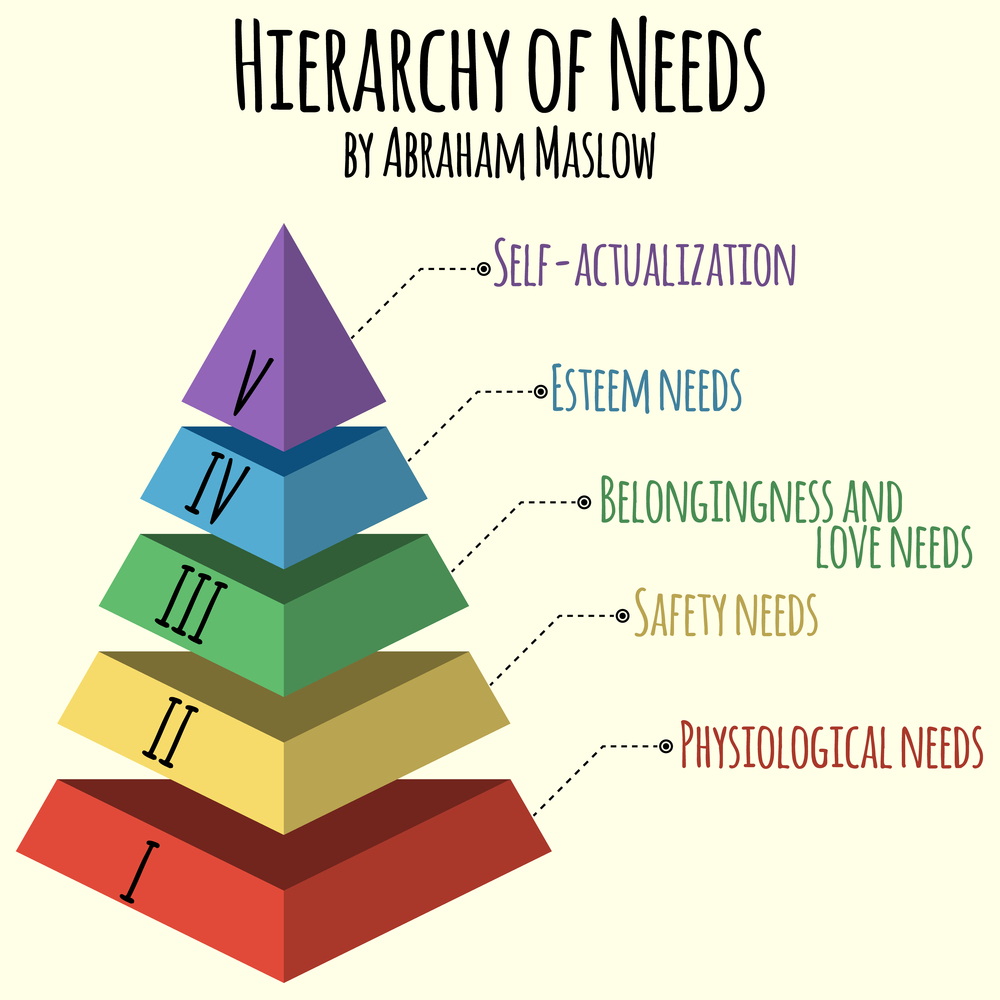
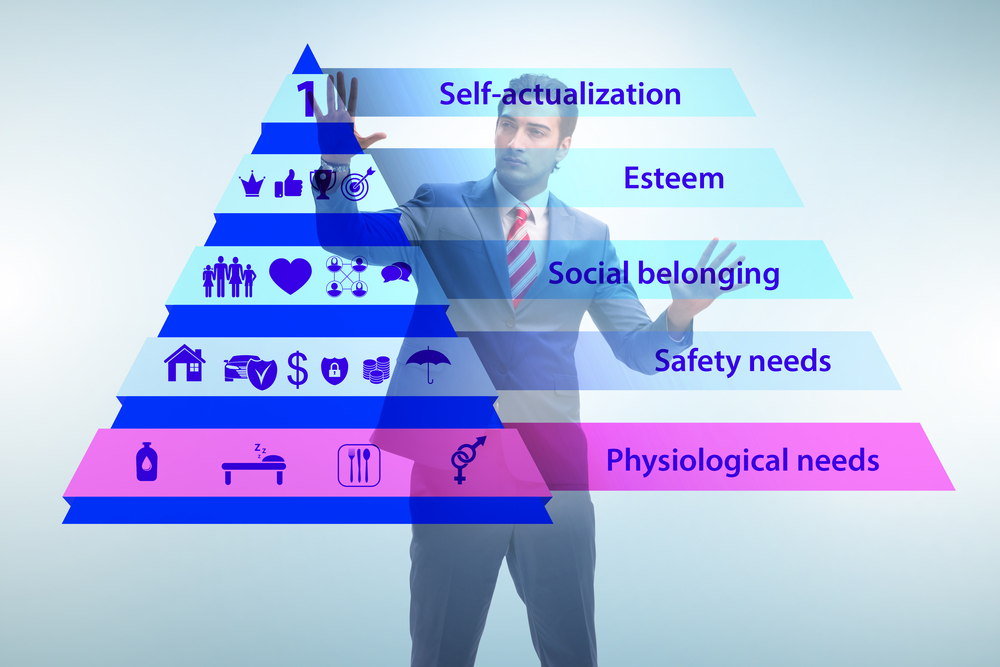
Humanity in the fallen world has numerous needs to maintain existence. Among the most basic needs are food and water. Instinctively within human nature is a drive for to satisfy hunger and thirst, as well as drives to reproduce. These are natural evolutionary forces that push the human person to exist and perpetuate the species. In Abraham Maslow’s Hierarchy of Needs, Maslow lists basic needs of existence as the base of all needs. Following these needs are needs of safety and shelter. Beyond that is a more complex social need of belonging and love. Following this basic social need, is a mental need to perform and succeed in certain areas and talents that help manifest self esteem. Still even beyond those accomplishments, there needs to be a self actualization of self that recognizes one has met one’s fullest potential. Finally, after all these physical, social and mental accomplishments, one needs to find an existential or spiritual idea of meaning and tie that meaning into one’s life (Myers & Dewall, 2019, p. 351). Hence humanity has many needs to find completeness .
One of Maslow’s needs is social fulfillment, When death happens, this need becomes unmet and leads to the grieving process
When these basic needs are denied or removed, one can experience a sense of loss. Human loss is more than merely losing a loved one but is an assortment of losses that range from the everyday minor issues to other losses that include home, shelter, job, career, relationships, or lack of success. Some of these loses are losses related to physical events, while other losses are more abstract, ambiguous or anticipated (Kastenbaum & Moreman. 2018, p. 374-375).
Attachment is key to any type of loss. John Bowlby observed that the greater the attachment to something, the greater the loss reaction (Kastenbaum & Moreman, 2018, p. 378). Hence grief is a simple formula of losing a vital attachment and learning to adjust without it. The problem is the adjustment. Especially when one considers the core of human needs includes love, being loved and belonging. When someone is ripped away from another, these needs are now unfulfilled and lead to an adjustment period referred to as the bereavement period. Ironically, there is no true period of grieving but a life long reaction to adjustment of the absence of that love. Some proceed through the adjustment period without pathology, while others are able to better cope.
Kubler Ross gave various stages to the adjustment of loss. Denial, anger, sadness, negotiating and acceptance became the 5 classic steps to grieving ( Kastenbaum & Moreman. 2018, p. 380). However, while these emotions clearly are part of the grieving process, one cannot neatly place grief into stages. Grief instead is messy. Grief oscillates from extremes and reverts back and forth between different emotions. (Bonano, G. 2019, p.40). Ultimately, the person must perform the needed grief work to adjust to the new status. The person must search for meaning in the loss (Wolfelt, A.
This is why Robert Neimeyer’s work on Meaning Reconstruction is so key to overall healing. Neimeyer looks to connect past, present and future, pre-loss and post-loss into one story of a person’s life. The loss must be incorporated into the full narrative of the human person (Worden, J. 2009, p. 5-6). This incorporates the loss more fully into the person’s existence and finds meaning in the loss itself. It also helps the individual realize that while the loss and absence of love physically exists, the continued bond in memory and in life itself still exists. The love that was shared is a part of one’s life and continues to shape oneself.
Maslow’s hierarchy of needs clearly illustrates the necessity of love, being loved and belonging, but when these things are torn away through loss, a serious grief reaction occurs and individuals need to understand how to cope and incorporate loss into life.
Motivation to Find the Beloved
In psychological studies, the person is driven by motivation. Motivation is defined as “need or desire that energizes and directs behavior” (Myers & Dewall. 2019, p. 349). In addition to genetic and evolutionary drives, one is also driven to certain goods via an arousal of the psychological state that looks to decrease that desire through obtaining or fulfilling it. This is referred to as Drive-Reduction Theory (Myers and Dewall. 2019, p. 349).
There is a continued drive to remained connected with the deceased
The need and drive finding the beloved after loss is definitely a natural and evolutionary urge. The process of bereavement helps the individual react and adjust through a series of emotions to understand the loss itself. This can be difficult at first to rationally understand, since emotionally charged events are first deciphered through Amygdala. This short road is far more emotional and reactionary to an initial loss (Myers and Dewall. 2019, p. 370). Charged emotions respond to this drive to find the lost or deceased person. This is why denial is so common when a horrible event occurs.
Emotion plays a large role in one’s appetites and how one is pushed towards or pulled away from an object. According to Myers and Dewall, emotion itself is the response of the whole organism from physiological arousal, expressive behaviors and conscious experience (2019, p. 369). Within the list of emotions, many scientists differ what are the core base emotions, but most concede that anger, fear, disgust, sadness and happiness are the basic human emotions (Myers and Dewall. 2019, p.369). Others also include interest, shame, guilt, as well as pride and love (Myers and Dewall. 2019, p. 369).
Obvious sadness is a key emotion related to loss. The desire to return to a normal state of existence and the inability to do so frustrates the will and the absence of the beloved causes intense sadness. Sadness as an emotion helps readjust but it also is beneficial as a social key in illustrating to others a sign of distress. Due to various cues of facial expressions one can infer another person is struggling (Bonano, G. 2019, p. 31). So while the bereaved is motivated internally and naturally to find the deceased, the function of sadness helps the person find adjustment and understanding overtime of the loss.
The drive to continue the bond with the deceased is not pathological, as past Freudian views pointed out ( Kastenbaum & Moreman. 2018, p. 379). Instead it healthy to continue the bond through spiritual practice or memorialization. Successful grieving in fact involves this continuation of the bond (Bonano, G. (2019, p. 140). However, there are limits to healthy continuation of the bond and pathological. Healthy coping will continue the bond in a non maladaptive way that accepts the loss and permits everyday existence but unhealthy bonding can be illustrated in cases such as clinging to possessions of the deceased (Bonano, G. 2019, p. 141). This clinging is far different than keeping a few objects, but this pathological reaction involves extreme hoarding of past possessions and refusal to move forward. In fact, in some cases, the room is left perfectly as was prior to the death (Bonano, G. 2019. p.140).
Hence one can understand the extreme motivational drive and need to maintain a bond with the deceased even after the death has occurred. It is a healthy drive but one that needs moderated.
Conclusion
Psychological needs to love, be loved, belong and maintain those bonds is a key drive within the human person. When these things are frustrated, the drive continues to push forward in the process of bereavement. Overtime, this drive adjusts but it takes time to adjust to loss.
Emotions are key to expressing ourselves. Please also review AIHCP’s Grief Counseling Certification
Please also review AIHCP’s Grief Counseling Certification and see if it matches your academic and professional goals. The program is online and independent study and open to qualified professionals seeking a four year certification in Grief Counseling.
References
“Exploring Psychology” 11th Edition. Myers, D & Dewall, N. (2019). Worth Publishers: Macmillan Learning, NY
“Other Side of Sadness”. Bonano, G. (2019). Basic Books, NY.
“Death, Society and Human Experience” 12th Edition. Kastenbaum, R. & Moreman, C. (2018). Routledge, NY and London.
“Understanding Your Grief” 2nd Edition. Wolfelt, A. (2021). Companion, Fort Collins, CO.
“Grief Counseling and Grief Therapy”. 4th Edition. Worden, J. (2009). Springer Publishing Company, NY
Additional Resources
“Maslow’s Hierarchy Of Needs”. Mcleod, S. (2023). Simply Psychology. Access here
“The Value of Sadness”. Firestone, L. (2015). Psychology Today. Access here
“What is Attachment Theory? Bowlby’s 4 Stages Explained”. Ackerman, C. (2018). PositivePsychology.com. Access here
“16 Tips for Continuing Bonds with People We’ve Lost”. Williams, L. (2014). What’s Your Grief? Access here
Humanity in the fallen world has numerous needs to maintain existence. Among the most basic needs are food and water. Instinctively within human nature is a drive for to satisfy hunger and thirst, as well as drives to reproduce. These are natural evolutionary forces that push the human person to exist and perpetuate the species. In Abraham Maslow’s Hierarchy of Needs, Maslow lists basic needs of existence as the base of all needs. Following these needs are needs of safety and shelter. Beyond that is a more complex social need of belonging and love. Following this basic social need, is a mental need to perform and succeed in certain areas and talents that help manifest self esteem. Still even beyond those accomplishments, there needs to be a self actualization of self that recognizes one has met one’s fullest potential. Finally, after all these physical, social and mental accomplishments, one needs to find an existential or spiritual idea of meaning and tie that meaning into one’s life (Myers & Dewall, 2019, p. 351). Hence humanity has many needs to find completeness . Obviously in this search and motivation, the only fulfilling source of happiness is God. God is the ultimate source of happiness that can never be taken or stolen but promises infinite and eternal happiness that meets every human need.
Human needs start at the most basic and proceed to higher abstract needs. Please also review AIHCP’s Christian Counseling Program
Humanity still nonetheless experiences needs in the fallen world that fall short of the perfect End which is God. Throughout life, there are a multitude of illusionary goods that can distract the person from the true good. In psychological studies, the person is driven by motivation. Motivation is defined as “need or desire that energizes and directs behavior” (Myers & Dewall. 2019, p. 349). In addition to genetic and evolutionary drives, one is also driven to certain goods via an arousal of the psychological state that looks to decrease that desire through obtaining or fulfilling it. This is referred to as Drive-Reduction Theory (Myers and Dewall. 2019, p. 349).
In addition to drive, human nature is also guided by arousal. Some motivated behaviors increase arousal instead of decrease it (Myers and Dewall. 2019, p. 349). The Yerkes-Dodson Law points out that optimal performance exists when moderate arousal is present (Myers and Dewall. 2019, p. 350). Hence certain levels of arousal can be detrimental to overall human performance when not properly moderated.
Morality and Human Needs
These Psychological concepts help explain many of the inner workings of why a person is motivated to certain a good or need, but Moral Theology completes the story through spiritual explanation of the inner moving of the intellect and will. In Thomistic Philosophy, the soul is comprised of the intellect and will. The intellect processes information from the senses and is guided by the conscience in judgement. The will is the motivational force behind human decisions. Like in Psychology, the will seeks needs and ascertains the good of each need. Due to humanity’s fallen nature, sometimes this decision can be in contradiction to true moral good and the conscience.
St Thomas Aquinas refers to two types of human appetites within the will. The two he lists are the Concupiscible Appetite and the Irascible Appetite ( Aquinas. Summae Theologica). The Concupiscible Appetite’s formal object is a sensible good or evil, which is easily obtained while the Irascible Appetite’s formal object is a more abstract good which is arduous or difficult to obtain ( Aquinas. Summa Theologica). In regards to the Concupiscible Appetite, it is attracted to passions and emotions such as love or hate, desire or aversion, or joy and sorrow in regards to the sensible object (Aquinas. Summae Theologica). In regards to the Irascible Appetite, it deals with things that are difficult to attain and attached to emotions such as hope or despair, fear or daring, or anger (Aquinas. Summae Theologica). In essence, the Concupiscible Appetite deals with direct objects or sensible objects, while the Irascible Appetite deals with more abstract objects. In addition, the will interprets direct objects of the Concupiscible Appetite as they appear good or evil, while the Irascible Appetite is directed towards goods as they present themselves as something good or evil that might be difficult to achieve (Aquinas. Summae Theologica).
Certain emotions are within the range of the Concupiscible Appetite while others fall into the Irascible Appetite
Hence emotion plays a large role in one’s appetites and how one is pushed towards or pulled away from an object. According to Myers and Dewall, emotion itself is the response of the whole organism from physiological arousal, expressive behaviors and conscious experience (2019, p. 369). Within the list of emotions, many scientists differ what are the core base emotions, but most concede that anger, fear, disgust, sadness and happiness are the basic human emotions (Myers and Dewall. 2019, p.369). Others also include interest, shame, guilt, as well as pride and love (Myers and Dewall. 2019, p. 369).
Ultimately, in Moral Theology, humanity’s broken nature due to Original Sin, prevents one from controlling one’s passions and emotions. The control our first father, Adam, experienced in the Garden has been corrupted and his descendants experience an ability to control emotion. This can be seen in the Amygdala. When emotional situations are perceived they can travel two ways. In the case of fear, the stimuli can travel the high road through Thalamus and Cortex which later proceeds through the Amygdala with a thought out emotional response, or it can take the faster low road with involves less thought since it is first processed through Amygdala (Myers and Dewall. 2019, p. 370). This leads to emotional outbursts and reactions.
One can see loss of control in many individuals. Whether utter fear, anger, or lust, one can lose control. The Holy Spirit gives humanity four cardinal virtues to help regulate the moral life. Among one of the most important related to emotional control is Temperance. Temperance helps curb emotional desires in moderation. Christians need to pray to the Holy Spirit and help cultivate this virtue in their daily moral life to better curb the Concupiscible Appetite’s desires and direct all deeds to the greater honor and glory of God. Furthermore, when Temperance is tied with the moral virtue of Prudence one can better discern good and evil within the Irascible Appetite’s abstract desires.
Conclusion
To lead a better moral life, one must understand that humanity is broken via Original Sin. While Psychology can give some explanations how these broken processes still operate, it is imperative that Christians take responsibility for their actions. While culpability can be lessened due to emotional outburst, it does not remove consequences or total culpability. One must constantly look to control their emotional actions and desires with direct and indirect objects. This involves prayer, fasting and denial. It involves following the example of Christ who taught temperance and moderation, as well as prayer to the Holy Spirit to supply the necessary graces to overcome one’s fallen nature on Earth.
Please also review AIHCP’s Christian Counseling Certification and see if it meets your academic and professional goals
Please also review AIHCP’s Christian Counseling Certification. The program is online and independent study and open to qualified professionals seeking a four year certification in Christian Counseling.
References
“Exploring Psychology”. Myers and Dewall. (2019). Worth Publishers: Macmillan Learning, New York. 11th Ed.
“The Summa Theologiæ of St. Thomas Aquinas”. Second and Revised Edition, 1920. Online: New Advent. Access here
Additional Resources
“Maslow’s Hierarchy of Needs”. Cherry, K. (2022). VeryWellMind. Access here
“Emotions”. Psychology Today Staff. Psychology Today. Access here
“The 6 Types of Basic Emotions and Their Effect on Human Behavior”. Cherry, K. (2022). VeryWellMind. Access here
With several people battling addiction and mental health, addiction and mental health present major global issues today.
For the general public, it’s crucial to understand the relationship between addiction and mental health. Moreover, it’s also important for the successful treatment and recovery of the user’s daily lifestyle.
Let’s delve into the complex relationship between addiction and mental health and provide insight on how to navigate these challenges. That said, if you’re facing any mental health issues, we strongly recommend professional insight to guide you through the right process for treatment and recovery.
What is Addiction, and How Does it Impact Someone’s Life?
Addiction is a chronic, overwhelming, and emotional condition characterized by a compulsion to engage in specific behaviors or consume substances, despite understanding their harmful consequences. Addiction affects people’s mental and physical health in undesirable ways.
In the United States, numerous Community Health Recovery Centers are dedicated to assisting individuals nationwide who are battling drug addiction. Ohio, in particular, is home to a number of these centers that prioritize providing effective treatment plans and comprehensive support. These centers recognize the significance of tailored care and offer a wide array of evidence-based treatments, therapy, and counseling services to address the unique circumstances of each individual. Emphasizing personalized approaches, Ohio Community Health Recovery Centers empower individuals to regain control of their recovery journey and work towards long-lasting well-being. These centers are essential resources within Ohio’s healthcare landscape, fostering a compassionate environment where individuals can find the support they need to overcome addiction and rebuild their lives.
Most of the time, addiction results in a lack of self-control, which in turn affects personal relationships with friends, family, and even one’s overall daily routine. Addiction, in general, can lead to serious financial, legal, and physical health problems.
Also, addiction worsens feelings of anxiety, depression, and other mental health problems. That’s why overcoming addiction requires an expert’s assistance and adherence to a complete treatment plan.
The Relationship Between Drug Addiction and Mental Health
The relationship between drug addiction and mental health reveals to you how important self-awareness and rehabilitation facilities are.
Recovery facilities play an important role in providing treatment to individuals battling addiction and mental health conditions alongside the support of friends and loved ones.
The Link Between Addiction and Mental Health
Addiction and mental health illnesses often coexist and can significantly impact one another. This connection is influenced by some factors, such as:
Self-Medication: People struggling with mental health have a high chance of using illegal substances to self-medicate and deal with negative emotions like anxiety, depression, or trauma.
Neurochemical Imbalance: Addiction and mental health problems can ruin the delicate normal balance of neurotransmitters in the brain, which can really increase the chance of co-occurring illnesses in your physical body.
Genetic Predisposition: Most people are likely to get addicted to drugs because of their family genes. A family history of substance addiction or mental illness can significantly raise the chances of increasing these problems.
Common Co-occurring Disorders
Anxiety Disorders: Health disorders like panic and social anxiety disorder usually come with addiction. Anxiety-related stress can motivate people to seek comfort through the use of drugs.
Depression: Depression results from continued use of drugs. People use drugs or substances to numb their emotional anguish in the meantime or ease their feelings by getting high.
Post-Traumatic Stress Disorder (PTSD): Traumatic experiences from the past can cause PTSD. It is causing people to self-medicate with drugs just to avoid disturbing dreams that are running through their heads.
Integrated Treatment Approaches
Integrated treatment approaches have been proven to be effective in the past years. They efficiently help address the complicated relationship between addiction and mental health.
Dual Diagnosis Assessment: This is an assessment and diagnosis of addiction and mental health issues required to develop a tailored treatment strategy. It helps concurrently address the patient’s conditions.
Comprehensive Therapies: Treatments such as cognitive-behavioral therapy (CBT), dialectical behavior therapy (DBT), and trauma-focused therapy are proven to help patients live healthier lives. They also help deal with traumatic situations and manage many health disorders simultaneously.
These treatments are recommended by experts for someone who is battling drug problems.
Medication Management: In some cases, it can be helpful to use medication to treat mental health problems and speed up the recovery process. In fact, it’s highly recommended by mental health experts most of the time. That said, close medical expert supervision is needed to guarantee safe and effective use.
Support Groups: Participating in support groups, such as 12-step programs or group therapy, can help people expand their knowledge and understanding. Peer support is also recommended for the long-term rehabilitation process.
A solid support system is essential in addition to professional treatment. This includes family, friends, or support groups that are used with the difficulties linked with addiction.
Seeking Professional Help: Recovery Centers and Addiction Treatment
Recovery centers are places specialized in offering full care for addiction and mental health problems. These recovery centers hire professionals with experience to help people with specific addictions and mental health issues.
Here are some of the following reasons why a rehab center is recommended:
Expertise: Staff members at rehab centers specialize in addiction treatment. They have tons of experience in managing co-occurring mental health problems.
Holistic Approach: Most recovery plans take what we call a “holistic” approach to treatment. This means that they focus more on the person’s physical, emotional, and mental health.
Safe and Supportive Environment: Recovery centers are built to provide a safe and supportive environment. They also encourage healing and growth with proper treatment.
Why is Having a Strategy for Addiction Rehabilitation Important?
Recovery methods are important for a lot of different reasons. The first reason is to get help in stopping addiction and abuse of substances.
Secondly, the treatment for addiction offers a safe and supportive place for addicts or individuals with a history of substance abuse. They focus on minimizing the triggers and promoting healing. Rehabilitation facilities advise creating proper coping methods, improving relationships, and restoring individuals’ lives.
Lastly, when helping in rehab facilities that are battling addiction it’s more likely that the person will stay healthy. It also reduces the chance of a return or relapse, helping people get back to their normal lives and live a happy life without drug abuse.
Key Takeaways
There is a definite link between addiction and mental health and dealing with both is important for long-term healing. These said treatment methods help deal with these problems at the same time can help people heal and change in a better way.
Getting help from a rehabilitation center is the best way to get support and therapy. They can help individuals beat addiction and overcome other mental health problems.
People take charge of their lives, improve their health, and find a way to long-term recovery.
Remember that the first step toward a better and healthy future for someone with a drug problem is to get the correct information and help from experts.
By Joseph Gilmore
“Joseph Gilmore has been in the addiction industry for six years, including experience working with addiction treatment facilities all across the country. He is passionate about helping people learn more about the dangers of substance abuse and helping people get the assistance they need to fight back against addiction”
Please also review AIHCP’s Certificate Program for Substance Abuse Practitioner and see if it meets your academic and professional goals. These programs are online and independent study and open to qualified professionals seeking a four year certification.




 Written by Veronica Turner