Change and adapting to change is one of the primary ingredients of grief itself. When something is altered or changed it requires adjustment. Sometimes the adjustments are minor or insignificant, but the greater the change, the greater the adjustment. Some adjustments are for the better and can be challenging but exciting, but some changes are closely related to losing something and adjusting to a new normal that is less than ideal.
The loss of youth is a true loss but through coping and healthy adjustment, one should be able to age throughout life with a healthy mindset
While one normally thinks of death and loss as the key changes and adjustments in life, one of the biggest changes in life is aging. Aging sometimes can be exciting in one’s younger years but it can also be terrifying as middle age begins. There are numerous fears that accompany aging. Some of the fears are associated with primary changes while others are secondary and flow from the initial adjustments. Some adjust and cope better, but ultimately the losses associated with aging usually are more focused on what one is losing than the gaining of any potential advantages.
The article, “The Grief of Growing Older” Josh Gressel takes a closer look at aging and the adjustment and losses associated with it. He states,
“So much about growing older seems connected to loss: loss of muscle, loss of drive, loss of energy, loss of memory. If the first half (at least) of our life was all about growing a family, acquiring a profession, and building a nest egg, it can be very challenging to witness nature taking its course with our bodies and our minds and watch ourselves diminish, at least according to the metrics we’ve previously used to measure ourselves.”
“The Grief of Growing Older”. Gressel, J. (2023). Psychology Today.
Ultimately change is difficult although change occurs everyday. Some may cope better than others and some changes may be more delightful than painful, but ultimately change creates adjustments. Some adjustments can be painful and difficult. With aging, some change is good and some change is bad. One needs to have positive mindsets and coping skills to enjoy each phase of aging and to understand that change is not ultimately the end of the world. Still, it is OK to grieve the loss of certain youthful attributes but one must be able to cope and enjoy the present.
Physical and Mental
As the Gressel points out, one of the biggest adjustments to aging is physical and mental loss. One cannot escape the reality that eventually one will enter into middle age and even older age losing former abilities. Losing strength, mobility and agility can take time to adjust to. In addition, one’s physical appearance can change with less hair, more fat, and more wrinkles. These facts of aging can be dreaded or accepted with grace. Many utilize many ways to stay younger looking but eventually one must succumb to mother nature and learn graceful ways to embrace older age.
Middle Age Crisis
Those who do not adjust well to change may experience mid life crisis due to unfulfilled dreams or unmet expectations
As one ages, psychology, especially Erickson’s phases of life reflect on how one has matured and grown from a completely dependent child to a thriving adult. One naturally reflects on success and what one has generated and added to life itself. Once beyond the material and financial things, one looks at family and legacy itself. For some, when things have not gone as well as hoped and one begins to age, it can trigger a crisis response. One may revert to more immature behaviors or look for more superficial things to fill the void. The adjustment to where one is at a certain age can be graceful or terrifying depending on one’s life. Some may be able to celebrate where they are while others may frantically search to find meaning.
The Golden Years
While many dread becoming truly older and crave their youth and prime filled years, others again can reflect and find joy in their accomplishments. For those the adjustment to elderly life is easier. They can find retirement and grandchildren as a positive change, but others may worry about death, or regret life long decisions. Hence again the adjustment to losing certain abilities but gaining other things depends upon one’s mindset. Is the glass half empty or half full?
Aging is Perspective
Is the grief of aging due only to loss of youth or is it also due to loss of opportunity? With aging, there comes losses, but also many gains. The losses of family, the decrease in mental abilities and physical looks, poorer health and memories long gone are sometimes overwhelming and one forgets the financial issues of youth, or the legal troubles of youth, or the uncertainties of it. Those who are more prepared in life, tend to look more fondly on their past life and relish their accomplishments and look to share what they know with the younger generation. They take the change of aging and are able to make it more positive than negative. They embrace the financial security, the retirement, the maturity, the respect earned, and the life and legacy built. Those who do not, tend to tremble in the aging process, wishing for more time, or seeking the fountain of youth itself.
Conclusion
While in aging there is loss there is also appreciation. Please also review AIHCP’s Grief Counseling Certification
So yes with aging there is definitely change which can be unnerving. With aging also comes obstacles, grief and loss, but also with aging comes opportunity for growth and new dreams. Those who cope and prepare better in life, adjust to age far better than those who do not. Ultimately enjoy the present, so when the future arrives, you will not completely lament the past.
Please also review AIHCP’s Grief Counseling Certification and see if it meets your academic and professional goals. The program is online and independent study and open to qualified professionals seeking a four year certification in Grief Counseling.
Some who have hard times adjusting to age and the losses associated with it may need grief counseling to overcome middle age crisis or elderly despair. Grief Counselors can help individuals understand loss and adjustment and also opportunity in life’s overall narrative.
Additional Resources
“Healing Your Grief About Getting Older”. Wolfelt, A. Age Brilliantly. Access here
“Midlife Crisis or Midlife Myth? What to Know About Going ‘Over the Hill’”. Raypole, C. (2021). Healthline. Access here
“Midlife” Psychology Today Staff. Psychology Today. Access here
While many deny the existence of the devil and demons, those of faith realize that their existence is a real threat to humanity. Many would rather reduce the devil to a myth and as a scapegoat to blame for the evil of humanity. The reality is Lucifer, the first fallen angel, consciously chose self over God. He chose darkness over light and via the absence of good permitted evil to enter into the world through his proud disobedience to God. He then spread his hate and evil to humanity through the tempting of Adam and Eve. Humanity hence learned the capability of evil and sometimes even without Lucifer’s prompting, commits its own heinous deeds. The seed though of all evil is Lucifer.
Demonic activity is on the rise. Temptation, Obsession and Possession are the three key demonic interactions with humanity
Evil is not a equal choice to good. It is not a rival to good but in essence is a lack of good. It is the lack of goodness in an action. God did not create evil, but evil was a conscious choice by sentient beings to dismiss God. Like fallen angels, humanity also chooses evil at times but unlike fallen angels, humanity is not totally corrupted but has opportunity to repent from evil. The demons fully understood their choices, while humanity, lacking angelic intelligence, learns from mistakes and hopefully chooses good. Humanity in its current fallen form is far weaker than their angelic siblings, The angels, both good and evil, have great intelligence and as pure spirit possess far greater abilities that fallen humanity.
Demons look to corrupt the goodness of God’s creation. They seek revenge upon God by corrupting humanity. If not for God, they would devour humanity, but Christ’s death on the cross preserved humanity from the sin of Adam and dark control of Lucifer. Through Christ and His sacrifice, humanity has access to grace, the sacraments, and spiritual protection against the demonic. Through Christ, power has been given to His followers to cast out demons via His Blessed Name.
Temptation
The most basic and common form of demonic activity is in the form of temptation. Temptation is an outside source beyond our own fallen nature. It is not our passions alone desiring something illicit and illusionary as good, but an outside force pushing one towards it. Demonic temptation hence is different than our own fallen temptation and inclination to sin. Demonic temptation can be seen in Scripture, where Lucifer tempted Christ in the desert. Christ, as the ultimate paradigm, teaches the importance of rebuking Lucifer or whatever demon may be tempting oneself. One of the most famous literary works on temptation is C.S. Lewis, “Screwtape Letters” in which the demon, Wormwood, writes to hell about his temptation and workings against a simple man. In the work, Wormwood plays off daily frustrations to try to turn the man away from goodness, even if in the most minute form. Ultimately, Wormwood fails in his endeavor to corrupt the man but the Lewis helps expose the inner workings of demonic temptation in a daily basis. This is why in the “Our Father”, Christ reminds us to pray, “And lead us not into temptation but deliver us from evil”.
While it may be easy to blame Satan for everything, one still must take moral responsibility for one’s actions. One should develop a strong moral conscience in accordance with God’s law and enforce moral decisions based upon the teachings of Christ. Whether it is one’s own internal passions, or demonic whispers, one is called to be accountable for oneself and choose good over evil.
Demonic Obsession
A more intense demonic presence beyond the whispers of the devil is actual metaphysical presence in the world. Demonic obsession and manifestations occur to both good and bad people and have different intents and purposes. In the case of a saint such as Padre Pio, the obsession is one of hate, fear, and punishment. St Padre Pio or even St John Vianney enraged the demons so much as to produce their manifestations. Padre Pio accounted to be being beaten by demons, while St John Vianney related to the shaking of his bed. God permitted these actions for His greater glory and victory of His saints over the demonic and these saints willingly entered into spiritual warfare with the demonic for the greater glory of God.
Obsession can manifest in sounds, hauntings, knocks, dreams, night terrors, visions and attacks
In some cases though, the intent is not one of punishment or anger, but desire to control. Those who foolishly partake in the occult or expose themselves through New Age methods of meditation or out of body experiences endanger themselves to the metaphysical world of the demonic. This is why Scripture warns individuals to avoid spiritualists, the occult and its tools. Those who brazenly and without fear play the Ouija Board, partake with spiritualists, play tarot cards, attend occult functions, or attempt to control demonic beings via witchcraft open themselves to demonic presence at a more intimate level.
Others who attempt to disturb haunted sites or play with haunted artifacts with known demonic attachments, also risk the chance of more demonic attention in their lives. Demons can attach to a variety of objects to remain in the temporal realm. This is illustrated in the case of Christ exorcising the demons, Legion, from the man into the herd of swine. Instead of returning to Hell, they pleaded with Christ to be sent into the swine herd. In this way, many demons remain attached to the temporal realm via cursed objects. An object that has a demonic attachment that finds its way into one’s home can cause hauntings and obsessions.
Others can find themselves victims of demonic obsession via curses. Those in witchcraft and the occult can place a curse over someone. This not a magical curse but a malicious prayer and offering to the demonic. As Christians prayer for God’s presence over loved ones, the occult can curse one with the presence of the demonic. The demonic is then focused upon the particular individual and a type of physical haunting or obsession can begin. In essence, demonic obsession is the haunting of a particular person instead of a place or thing. The purpose is to inflict pain, fear, punishment, or dominion via possession.
Signs of obsession, or oppression, include lucid dreams of the demonic, mental images of the demonic and in some cases apparitions of the demonic. Initially various hauntings will occur with sounds, knocks, laughs, or even physical markings on the body. In addition, mental illness, depression and physical symptoms may develop from the stress of the obsession. Also, many experience unfortunate events surrounding their lives. Some of these things obviously are coincidence but when they are all added together, and after all medical and scientific explanations are left unanswered, it is best then to take proactive action.
Obviously, those closer to God are safer from curses. Naturally, the spiritual hygiene of a religious person is greater than a non-religious person. A religious person is closer to Christ, attends Mass or Service, prayers regularly, reads Scripture, receives the sacraments, wears sacramentals, blesses their home, and adorns the home with images of Christ. These are powerful things to consider in any demonic attack. Hence when one finds oneself against these odds, it is critical to turn to Christ, His Mother, and the rituals of the Church and its many sacramentals to protect oneself. Blessing the home, wearing the cross or scapular, placing the St Benedict Medal throughout the home, and performing a minor exorcism of the home are important acts against demonic obsession.
Through one’s Baptism and the authority of Christ, one can in Christ’s name, command demons to leave one’s property. The ritual of minor home exorcism is a loss art among Christians. Seen as superstitious medieval, the scientific mind prefers to explain the demonic away. Yet, Christians are constantly in Spiritual warfare and must engage the enemy. By blessing the home with Holy Water and pronouncing the name of Christ in each room for all evil to depart is a powerful weapon of Christians against Satan. Symbolically, the doors and windows should be left open for all negative and demonic energy to leave the home. Assisted with the words of Christ, blessed water and a lighted candle, Christians can defend their own home. In greater cases, a minister or priest may be needed but for most cases, the Christian can defend his or her own home through the authority of Christ.
Demonic Possession
Throughout Scripture, possession is a common occurrence. Christ exorcizes multiple demons from individuals through the New Testament. He also gives the apostles and disciples the same power in His name to case out demons. In particular, Christ emphasized the importance of fasting and purity. When the apostles were unable to cast out a certain demon, He reminded them of the need of fasting.
Christ gave the apostles and their successors power to cast out demons. The Rite of Exorcism is an ancient Christian Rite to cast out demons
While many so-called possessions were in fact mental disorders in the past, the Church still recognizes the reality of demonic possession. After intense clinical investigation, the Church will determine if the person is possessed or mentally ill. Cases such as Schizophrenia are quickly dismissed in the modern era, unlike the past, and with proper medical and clinical evaluation, anyone with mental illness can easily be distinguished from a true possession case.
Possession in itself is domination. The demon looks to exert its will over the human person. Some particular demons hope to utilize the vessel to experience sin, others look to torment the soul. Possession can be imperfect or perfect. In imperfect state, the soul is still fighting the dominion of the evil spirit, while in perfect possession, the soul has accepted its Satanic counterpart. In the occult and other Satanic circles, many seek this type of sick union, in corruption of the union Christians seek with God. Unlike union with God, which is holy and pleasing and respectful of autonomy, possession is vile and evil and domination of one over the other.
The soul that is possessed usually became possessed through foolishness or weakness. Certain acts, or opening oneself without knowledge of consequences can lead to the ultimate possession of a person. In Malachi Martin’s “Hostage to the Devil”, the now deceased author accounts 5 cases of demonic possession. In most of the cases, the individuals were naive to the dangers or performing deeds in the occult. Only after the trap was set did these individuals realize the danger they were in and sought help.
In demonic possession, the person’s moods can change drastically. They are commonly severely depressed and suicidal. They perform gross and disgusting deeds and can become dangerous if provoked. Some exhibit extra human strength and while under possession know other languages. Within the room, like any case of obsession, the demonic possessed can levitate, contort one’s body, cast objects, or lower the temperature of the room. While the movie, “The Exorcist” embellishes exorcism, one need not need special horror effects or embellishment to terrify oneself through the witnessing of a true exorcism within its own right. In fact, what makes the movies “The Exorcist”, or “The Conjuring” so terrifying is that they are based on a foundation of reality. If anything, these movies open a greater awareness and belief in the devil’s existence which is good.
The Rite of Exorcism finds it power from the authority Christ gave to His apostles to cast out demons. It has developed over the centuries to include a multitude of prayers invoking Christ, the Blessed Virgin and St Michael. The ritual is a pastoral ministry carried out by the local diocese and assigned to a particular priest. The process involves the concerned party calling the diocese and reporting demonic activity. After all scientific and medical explanations have been investigated, the assigned exorcist priest will interview the possessed and assign a particular day for the ritual. The priest will be accompanied by a few aides to ensure safety of the possessed and those performing and witnessing the rite.
The ritual is a battle of wills between the priest and the demon. The demon will mock, expose sins, intimidate and blaspheme throughout the process but the priest must maintain focus. The priest must realize it is through Christ and not his own words that this demon will be cast away. One of the key stages is forcing the demon to expose himself and present its identity. The priest will then continue to command the demon to the leave the person. This can take hours or even days. Circumstances surround the piety of the priest, the proper execution of the rite, the will of the possessed person to be free, and the power of the individual demon. Obviously, an exorcist priest is a special calling. Many are called to a special devotion to Christ to fulfill this calling. Many also do not live long lives due to the trauma they witness.
Conclusion
Unfortunately, some dioceses infected with secularism have dismissed the office and it can be sometimes hard to find a priest equipped with this particular training. Furthermore, the exorcism cannot be performed without the consent of the local bishop of the area it is being conducted. So the pastoral ministry against the demonic weighs heavily upon the bishop. Dioceses with an exorcist priest and department that deals with this type of pastoral ministry is greatly needed at a higher volume than it is currently. Demonic activity is growing as the faith continues to recede among the secular population. Many individuals come across the demonic without knowing and need assistance from trained and spiritual people.
Only after a cleared medical diagnosis can a trained professional perform an exorcism. Please also review AIHCP’s Christian Counseling Certification
Christian Counselors should never conduct an exorcism. Simple exorcism of a home or blessings are fine but if confronted with the possessed or suspecting of the possessed, it is important to refer this person not only to a mental health professional for evaluation but also to the proper spiritual authorities. Many who attempt exorcisms can be harmed both physically and spiritually.
Please also review AIHCP’s Christian Counseling Certification and see if it matches your academic and professional goals. The program is online and independent study and open to qualified professionals seeking a four year certification in Christian Counseling.
Additional Resources
“An Exorcist Tells His Story”. Fr. Amorth, G. (1999). Ignatius Press.
“Hostage to the Devil”. Martin, M. (1992). Harper One.
“Is there demonic activity in the world today?”. Compelling Truth. Access here
“Demons and How They Influence Mankind”. Cook. S. (2020). Thinking on Scripture. Access here
“Exorcism – how does it work and why is it on the rise?”. Lam, V. (2018). The Conversation. Access here
Temperaments define one’s overall personality in life. It is not fluid and more permanent overall. It is something that one is or is not at birth. While temperaments can be cultivated via good parenting to bring out the best and limit the worst in each one, the primary temperament of someone will be dominant. Other minor temperaments can co-exist and create a unique blend.
No temperament is superior to the other but each has its own strengths and weaknesses. With this said, some will be more attracted to different virtues or vices more easily. This is not an excuse to live with a vice but it does explain why some more naturally are distracted by certain vices in life. With proper guidance, one can utilize whatever temperament for the greater glory of God.
The video below reviews the four temperaments and how they play into one’s morality. Please also review AIHCP’s Christian Counseling Certification and see if it meets your academic and professional goals. The program is online and independent study and open to qualified professionals seeking a four year certification as a Christian Counselor.
Many mental maladies deal with personality. Anti-Social Personalities deal with individuals whose consciences and sense of right or wrong are completely muddied and confused. Other personality disorders deal with emotional states and an inability to control anxiety or sadness. Perhaps the most crippling form of mental illness is Schizophrenia. In the case of Schizophrenia, individuals experience psychosis and an inability to decipher true reality and their own delusions. This type of disorder is classified as psychotic due to its irrational and distorted perceptions from reality (Myers and Dewall. 2019, p. 522).
Schizophrenia is a psychotic disorder that creates delusions within the brain confusing one from reality and fantasy
Schizophrenia can be chronic and long term or acute. Acute is far easier to recover from while chronic is a life long struggle. Most chronic cases are usually genetic and tied to abnormal brain structure and development within the frontal lobes which aid individuals with reason, planning and problem solving skills (Myers and Dewall, 2019, p. 524). Brain waves and activity also are irregular within Schizophrenic individuals. When attempting to filter incoming sensory information, the Thalamus becomes ultra active, as well the Amygdala during emotional distress. In addition, experts have noticed thinning in the Cerebral Cortex as a sign of Schizophrenia (Myers and Dewall, 2019, p. 525). Hence irregular brain waves, less developed portions of the brain and fewer neural connections can all correspond with Schizophrenia. In addition, studies show Dopamine, a neurotransmitter, is overactive in Schizophrenic individuals (Myers and Dewall, 2019, p. 524). This neurotransmitter can intensify brain signals that can lead to hallucinations and paranoia.
Those stricken with Schizophrenia display symptoms that are either positive or negative. In positive instances, inappropriate behaviors are present, while in negative instances, appropriate behaviors are lacking. Examples of inappropriate behaviors include disorganized speech, abrupt laughter, sadness or rage, while negative symptoms include absence of emotion and lack of expression (Myers and Dewall, 2019, p. 523).
One of the primary symptoms is delusion or the “false belief of persecution or grandeur” (Myers and Dewall, 2019, p. 523). Many individuals with Schizophrenia are paranoid and fearful. They believe they are being followed or threatened. Some may also hear voices or weird commands. There is also an overall disorganized thinking where selective attention that usually is filtered out by the brain is amplified. Tiny unrelated stimuli can distract one with Schizophrenia such as a tiny crack in the ground or something far down the road (Myers and Dewall, 2019, p. 523). Stemming from this can emerge disorganized speech. Disorganized speech can include multiple ideas smashed together into an odd word salad that makes no sense. The Schizophrenic will jump from idea to idea with no logical connection or coherence.
The distress of Schizophrenia also impairs emotional expressions. Some with Schizophrenia will exhibit motionless behavior, while others may exhibit continual movement or rubbing or rocking of the body. In addition, some may display no emotion, while others may laugh or become angry. Due to impaired theory of mind, they also have extreme difficulty reading facial expressions (Myers and Dewall, 2019, p. 523). With these immense issues, those with Schizophrenia are very unpredictable and from an untrained person, may become very scary. In fact, in the medieval ages, many were thought to be possessed.
Schizophrenics require anti-psychotics and cognitive therapies to help them better cope with their false sense of reality
Fortunately, only 1 in 100 are afflicted with Schizophrenia which totals roughly 21 millions people (Myers and Dewall, 2019, p. 524). Many are medicated, counseled or closely monitored. Most are not a threat to others but there can be cases when they can become a threat to society when violent voices tell them to do harmful things or when their own delusions lead them into unsafe situations.
Another type of psychotic disorder is Dissociative Identity Disorder. Formerly known as Multiple Personality Disorder. This disorder is also psychotic in nature and stems from the creation of a new identity. Most cases stem from a traumatic event that pushes the individual to forget the trauma by creating a new identity. There is still much research to be done in this field but it is separate and different than Schizophrenia.
Those who suffer from Schizophrenia cannot exist without medical and professional help. They are a threat primarily to their own safety without proper treatment and medication. For most, it is a life long cross of trying to distinguish reality from delusion. Obviously, only licensed therapists can treat and care for Schizophrenics and it falls far out of the levels of competence of mere pastoral counselors. If a pastoral counselor and one suspects Schizophrenia, it is important to help the person find the professional counseling and assistance the person’s needs.
As Pastoral Counselors, one can see the suffering such delusions can bring to a person. As Christian Counselors, one can see the steep price of sin and how disease both physical and mental are a result of that sin. These individuals while odd and offbeat nevertheless are children of God and deserve compassion and respect in treatment and care. They deserve patience and love. If a loved one is suffering from this, it can be very painful to witness. One needs to not argue with the delusions but patiently walk one through it. Staying connected with the person and not becoming agitated is key to keeping the person calm. If on the other side, one is experiencing these symptoms it is crucial to find the help that is needed and to avoid drugs and drinking that will only make the delusions worse.
While there is no cure, some treatments can alleviate the issue. Most treatment involves anti-psychotic medications and also Behavioral Cognitive Therapies. Some therapies also include Electroconvulsive Therapy which includes while sedated, electric impulse shocks to improve brain activity.
Please also review AIHCP’s Christian Counseling Certification and see if it meets your academic and professional goals.
If you would like to learn more about counseling and helping others from a pastoral and Christian perspective, then please review AIHCP’s Christian Counseling Certification. The program is designed for qualified professionals to help others from a Christian perspective. The program is also online and independent study and can be completed at one’s own timing and speed.
References
“Exploring Psychology” 11th Edition. Myers, D & Dewall, N. (2019). Worth Publishers: Macmillan Learning, New York.
Additional Resources
“Schizophrenia” Mayo Clinic Staff. (2020). Mayo Clinic. Access here
“Schizophrenia”. Cleveland Clinic. (2023). Cleveland Clinic. Access here
“Schizophrenia: An Overview”. WebMed Editors. (2022). WebMed. Access here
“What is Schizophrenia?”. APA. (2020). Access here
Teaching children at a young age to cope with emotion and especially anger is crucial in child development. As social beings, individuals need to learn how to properly integrate into society with their emotions. The first place they feel and learn to manage emotion is in the home. Parents hence play a key role in teaching children how to better cope and control emotions. Fostering the child with love and others way to express frustration are key skills for future life. In addition, parents can teach their children best via example. Through emotional control and limited out bursts in the home, children can learn good and positive examples regarding anger.
Anger Management can help teach kids to manage emotions. Please also review AIHCP’s Anger Management Program
The article, “6 Hacks to help your toddler deal with anger” from the Middleburg Observer reviews 6 ways one can help teach toddlers and young children better ways to express anger and intense emotion. The article states,
“Toddlers are adorable bundles of energy and curiosity, but they can also have quite a temper! Dealing with a tiny tot’s anger outbursts might seem like an overwhelming task, but fear not! With a sprinkle of patience, a dash of creativity, and a lot of love, you can help your little one navigate through these fiery emotions. So, let’s dive into six ways to help your toddler deal with anger.”
“6 Hacks to help your toddler deal with anger”. Middleburg Observer. (2023).
To review the entire article, please click here
Commentary
As parents and caregivers, it is important for us to understand the complex world of emotions that children experience. One of the most common emotions that children may struggle with is anger. Anger in kids can manifest in various ways and can have a significant impact on their emotional well-being. By understanding the underlying causes of anger and equipping ourselves with strategies to support them, we can help our children navigate their emotions more effectively.
The Impact of Anger on Children’s Emotional Well-being
Anger, when left unaddressed or misunderstood, can have detrimental effects on a child’s emotional well-being. It can affect their self-esteem, relationships with others, and overall mental health. Children who struggle with anger may feel overwhelmed, frustrated, and helpless. They may exhibit aggressive behaviors or withdraw from social interactions. It is crucial for us, as adults, to provide a safe and supportive environment where children can learn to manage their anger in healthy ways.
Common Triggers for Anger in Kids
Anger Management Specialists can help teach children how to manage their emotions
Understanding the triggers that can lead to anger in children is essential in helping them manage their emotions. Some common triggers for anger in kids include:
Frustration: Children may become angry when they encounter obstacles or challenges that they find difficult to overcome.
Lack of control: Kids may feel angry when they perceive a loss of control in their lives or when their opinions and choices are disregarded.
Fatigue or hunger: Being tired or hungry can make children more prone to anger and irritability.
Unmet needs: When children’s basic needs, such as attention, affection, or security, are not met, they may express their anger.
Environmental factors: External factors like noise, overcrowding, or chaotic situations can contribute to feelings of anger in children.
By identifying these triggers, we can help children recognize and manage their anger in a constructive manner.
Signs and Symptoms of Anger in Children
Recognizing the signs and symptoms of anger in children is crucial in supporting them effectively. Some common signs that a child may be experiencing anger include:
Physical signs: Clenched fists, raised voice, flushed face, increased heart rate, and aggressive body language.
Verbal expressions: Shouting, name-calling, and using aggressive language.
Behavioral changes: Aggressive behaviors towards others or objects, throwing tantrums, and refusing to comply with rules or instructions.
Withdrawal: Some children may withdraw and become silent when they are angry, avoiding eye contact or isolating themselves from others.
Disruptive behaviors: Children may display disruptive behaviors such as hitting, kicking, or biting when they are angry.
By being attentive to these signs, we can intervene early and provide the necessary support to help children manage their anger effectively.
The Importance of Emotional Intelligence in Managing Anger
Emotional intelligence plays a crucial role in helping children manage their anger. It involves recognizing, understanding, and regulating emotions in oneself and others. By developing emotional intelligence, children can better understand their anger, its triggers, and their own emotional responses. Here are some strategies to help children develop emotional intelligence and effectively manage their anger:
Emotion identification: Encourage children to identify and label their emotions, including anger. This helps them develop a vocabulary for expressing their feelings.
Emotion regulation: Teach children techniques for calming themselves down when they feel angry, such as deep breathing exercises, counting to ten, or engaging in a calming activity like drawing or listening to music.
Empathy: Help children develop empathy by encouraging them to consider others’ perspectives and feelings. This can help them understand the impact of their anger on others and develop more compassionate responses.
Problem-solving: Teach children problem-solving skills to help them find constructive solutions to their anger triggers. Encourage them to brainstorm alternative ways of responding to situations that make them angry.
Self-reflection: Encourage children to reflect on their anger episodes and identify patterns or triggers. This self-awareness can empower them to make conscious choices in managing their anger in the future.
By fostering emotional intelligence, we can equip our children with the necessary tools to effectively manage their anger and navigate challenging emotions.
Strategies for Supporting Angry Kids in Managing their Feelings
When faced with an angry child, it is essential to provide them with the support and guidance they need to manage their feelings in a healthy way. Here are some strategies to help support angry kids:
Stay calm: As adults, it is crucial for us to model calm and composed behavior when dealing with an angry child. This helps create a safe space for them to express their emotions without fear of judgment or punishment.
Active listening: Practice active listening by giving the child your full attention and letting them express their feelings without interruption. Reflect back their emotions to show that you understand and empathize with them.
Validation: Validate the child’s feelings by acknowledging and accepting their anger. Let them know that it is okay to feel angry but emphasize the importance of expressing it in a respectful and non-harmful manner.
Teach coping skills: Teach the child healthy coping skills to manage their anger, such as deep breathing, taking a break, or using positive self-talk. Encourage them to practice these skills regularly to build resilience.
Offer alternatives: Help the child identify alternative ways to express their anger, such as using words to communicate their feelings or engaging in physical activities like running or jumping to release pent-up energy.
By implementing these strategies, we can create a supportive environment where angry kids feel heard, understood, and empowered to manage their emotions.
Teaching Anger Management Skills to Children
Teaching children how to cope and deal with anger is a fundamental life skill
Teaching children effective anger management skills is a valuable investment in their emotional well-being. Here are some techniques to help children develop these skills:
Identify triggers: Help children identify the specific situations or events that trigger their anger. Encourage them to keep a journal or use visual aids to track and analyze their anger triggers.
Develop a calm-down plan: Work with the child to create a personalized calm-down plan that includes strategies they can use when they feel angry. This could include taking deep breaths, counting to ten, or using visualization techniques.
Practice relaxation techniques: Teach children relaxation techniques such as progressive muscle relaxation, guided imagery, or mindfulness exercises. These techniques can help them reduce stress and manage anger more effectively.
Role-play: Engage in role-playing scenarios with the child to help them practice alternative ways of responding to anger triggers. Encourage them to explore different strategies and discuss the outcomes.
Reinforce positive behavior: Recognize and praise the child when they manage their anger effectively. Positive reinforcement can motivate them to continue practicing their anger management skills.
By consistently teaching and reinforcing these skills, we can empower children to become more aware of their anger and develop healthy strategies for managing it.
Creating a Supportive Environment for Angry Kids
In addition to teaching anger management skills, creating a supportive environment is crucial for helping angry kids manage their emotions. Here are some ways to foster a supportive environment:
Open communication: Encourage open and honest communication within the family. Create a safe space where children feel comfortable expressing their emotions and discussing challenging situations without fear of judgment or criticism.
Set clear boundaries: Establish clear and consistent boundaries for behavior. Clearly communicate expectations and consequences to help children understand the limits and feel secure.
Model healthy coping strategies: Be a positive role model by demonstrating healthy ways of managing anger and stress. Children learn by observing, so it is important to showcase effective coping strategies and self-regulation techniques.
Encourage physical activity: Engage children in physical activities to help them release pent-up energy and reduce anger. Encouraging regular exercise can have a positive impact on their overall emotional well-being.
Promote self-care: Teach children the importance of self-care and provide opportunities for them to engage in activities that bring them joy and relaxation. This can include hobbies, creative outlets, or spending time in nature.
By creating a supportive environment, we can help angry kids feel understood, valued, and equipped to manage their emotions in healthy ways.
Seeking Professional Help for Anger Management in Children
In some cases, anger in children may persist despite our best efforts to support them. It is important to recognize when professional help may be necessary. Anger Management Consultant Professionals can help. Here are some signs that indicate the need for professional intervention:
Persistent and intense anger: If a child’s anger seems excessive, intense, or lasts for extended periods, it may be a sign of underlying emotional or behavioral issues that require professional assessment.
Aggressive behaviors: If a child’s anger escalates to physical aggression towards others or themselves, it is crucial to seek professional help immediately to ensure their safety and well-being.
Impact on daily functioning: If a child’s anger significantly interferes with their daily life, relationships, or academic performance, it may be beneficial to consult with a mental health professional.
Co-occurring difficulties: If a child’s anger is accompanied by other concerns such as depression, anxiety, or trauma, a comprehensive evaluation by a professional can help determine the best course of treatment.
Remember, seeking professional help is not a sign of failure but rather a proactive step towards helping your child develop healthy coping mechanisms and improve their overall well-being.
Conclusion: Empowering Angry Kids to Manage their Emotions
Please review AIHCP’s Anger Management Consulting Certification and see if it meets your academic and professional goals
Supporting angry kids in managing their emotions requires patience, understanding, and a commitment to their well-being. By understanding the impact of anger on children’s emotional well-being, recognizing common triggers, and developing strategies to support them, we can empower them to navigate their emotions effectively. Teaching emotional intelligence, providing anger management skills, and creating a supportive environment are key components in helping angry kids develop healthy coping mechanisms. However, if a child’s anger persists or escalates, seeking professional help is crucial. By working together, we can unlock the emotional intelligence of angry kids and help them build a foundation for a healthier and happier future.
If you are struggling to support your child in managing their anger or if their anger is causing significant distress, it is important to seek professional help. Reach out to a mental health professional who specializes in working with children and adolescents. They can provide the guidance and support needed to address your child’s specific needs and help them develop effective coping strategies. Remember, you are not alone in this journey, and there is support available to empower you and your child.
Anger Management Consultants can help teach kids better management. Licensed Counselors can also give the needed support. Some counselors are also Anger Management Certified.
Please review AIHCP’s Anger Management Consulting Certification and see if it matches your academic and professional goals. The program is online and independent study and open to qualified professionals seeking a four year certification in Anger Management.
Additional Resources
“7 Ways to Help a Child Cope With Anger”. Morin, A, (2021). VeryWellFamily. Access here
“How to Deal With Disrespectful Adult Children”. Bernstein, J. (2020). Psychology Today. Access here
“How to Respond to an Angry Child”. Whitson, S. (2021). Psychology Today. Access here
“Anger Management for Kids: 14 Best Activities & Worksheets”. Sutton, J. (2021). PositivePsychology.Com. Access here
Death is as common and as natural as birth but death discussion is always avoided till its usually too late. With death being a reality, the more we discuss it, the more we can understand it but also the connections we have with others and their thoughts and desires. Talking about death does not illustrate a morbid fascination but recognizes a reality that time is precious and we must enjoy the time we have with our loved ones. No next day is ever promised. Unfortunately, many fear this topic or wish to deny it.
Discussion about death while alive is healthy and needed. Please also review AIHCP’s Pastoral Thanatology Certification
The article, “If death happens to us all, we should probably talk more openly about grief” by Dinah Lewis Boucher discusses the impact of losing someone and the long mental process to learn to live without that person. Boucher states,
“Three years after my husband died, his toothbrush remained in our family’s toothbrush holder. It didn’t make any sense, of course. He didn’t need it. But there it stood, three toothbrushes altogether. Our daughter’s, mine and his. It was a visual representation of how I wished for it to be. But our family was down to two. People say time is a great healer, and the pain of grief changes — over time. But if we aren’t active in the process of grieving, some say it may not change so much. “
“If death happens to us all, we should probably talk more openly about grief”. Boucher, D. (2022). ABC News
Whether we discuss death or not, it will come to our loved ones and eventually ourselves. The process will always be difficult since the lost of a loved one is so intense due to attachments and love. The brain does not respond well to such change. The neural networks need to realign to the new situation and past memories can haunt. The adjustment period is only adjustment. It is not a recovery but a realignment to new realities. Those who do their grief work and avoid complications within the process still remain sad but are able to move forward in a healthy way and find joy in the world despite the loss and the pain associated with it.
Thanatophobia is an intense fear of death and the dying process. It can prevent one from discussing the issue of death itself
Hence, discussing death while others are alive is important to understanding the needs of our loved ones and their wishes. It allows one to express emotions now instead of when it is too late. It is recognizing that everyday is not guaranteed and that time goes by fast. It helps one also understand the inner thinking and wishes of the loved one and what the loved one would want for us if he/she passed away. Concretely sharing these moments instead of speculating what ifs after death can alleviate future suffering.
The phobia of death can paralyze an individual into a state of inaction during life. It can prevent a person from expressing love the day of instead of when its too late. It can make one unprepared and not ready for the loss of a loved one. It is hence important to embrace the reality of life which includes death and express fears or anxieties associated with it to others. One will discover it is not a morbid discussion but a a discussion that is very real and an opening to emotional connections that will not be there one day.
Moving Forward
After acknowledging death with loved ones, one will understand spiritual and emotional sides of the loved one that one may not have known before. There may also exist a greater peace if something occurs knowing each other’s feelings and not being left to wonder what one would think or do after they passed away. When death is discussed, one discovers not only religious beliefs, but also how one would deal with particular situations when one is gone. One is hence better able to handle situations or execute legal decisions with more certainty and confidence instead of guesswork.
Trying to introduce this much needed conversation can at first be difficult and maybe even awkward. One does not merely begin the conversation with death itself but it is gradually implemented from such topics of legacy, the future, desires, or religious thoughts. The death of a celebrity can be an excellent introduction to the topic as well.
We only have so much time alive to discuss death with others. It is far better to discuss and understand feelings about this event while alive
While death is naturally feared because of its unknown aspects, death discussion takes away the taboo element of it and helps individuals discuss and better understand implications of it. It allows one to also be better prepared for one’s own death from all financial and spiritual concerns. Many individuals today pre pay for funeral expenses, urns and cemetery plots. This is not pessimistic or morbid planning but real and true planning for eventual reality. Live everyday and stay healthy, but do not allow one’s fear of speaking about death to become a pathology.
Some suffer from a mental pathology of Thanatophobia or the fear of death. This is more than a natural fear of the unknown but a topic that physiologically upsets the person to such an extent that the topic causes extreme anxiety and physical reactions such as higher heart beat or blood pressure. While some may have been exposed to something traumatic others can merely develop this fear. If the fears and reactions persist for longer than six months, then professional help may be needed. Therapists usually utilize cognitive behavioral therapy to help understand the phobia as well as exposure therapy where individuals are gradually under the guidance of a counselor are exposed to concepts of death.
Conclusion
Death discussion can seem taboo or morbid but it is a healthy discussion that recognizes reality and life itself. Pastoral Thanatology is the field of care where individuals in ministry help others prepare for death, as well as, help others deal with the death of a loved one. Chaplains, ministers and others in Human Service fields need a strong training in Pastoral Thanatology to better help individuals deal with death issues.
Please also review AICHPs Grief Counseling Certification as well as its Pastoral Thanatology Certification and see if it meets your academic and professional goals
AIHCP offers a four year certification in Pastoral Thanatology. Qualified professionals can earn the Pastoral Thanatology Certification and apply the knowledge and training to their own ministries and help others face and cope with the reality of death. The program is online and independent study. After completion of the core courses, one can apply for a four year certification.
Additional Resources
“Thanatophobia (Fear of Death). Cleveland Clinic. (2022). Access here
“Thanatophobia (Fear of Death) Explained”. Fritscher, L. (2023). VeryWellMind. Access here
“We Need to Talk About Death”. Beaumont, A. (2017). Psychology Today. Access here
“Talking About Death With Family: 7 Tips to Start a Dialogue”. Vasquez, A. (2022). Cake. Access here
Psychological and neural issues affect multiple bad behaviors found in individuals. While one cannot label every bad behavior as a mental issue, one cannot dismiss that some individuals with bad behaviors are stricken with imbalances within the neurotransmitters, brain development and genetics. In regards to anger, it is critically important to control one’s temper but for those suffering from Intermittent Explosive Disorder it can be more difficult.
Some tempers are a result of Intermittent Explosive Disorder. Please also review AIHCP’s Anger Management Consulting Certification
Like any neurotransmitter, when something is chemically off, it can make life difficult to respond as one should. Anxiety, depression and anger are all closely connected to neurotransmitters and proper balances such as serotonin. When imbalances occur, individuals can have hard times emotionally controlling their behaviors. In addition, certain issues within the amygdala can play key factors how one processes emotion.
While as a society, we do not condone violence, out bursts or tempers, it is critical to help those who suffer a disadvantage to better be equipped from a cognitive stance to cope and also if necessary receive the necessary medication to stabilize moods or treat imbalances within the neurotransmitters. This in no way condones uncontrolled angry behavior but in some cases it helps one understand others and can provide treatment to help someone gain control of one’s life.
The article, “Intermittent Explosive Disorder” from the Cleveland Clinic takes a comprehensive view on what this disorder entails and how to better overcome it. The article states,
“Intermittent explosive disorder (IED) is a mental health condition marked by frequent impulsive anger outbursts or aggression. The episodes are out of proportion to the situation that triggered them and cause significant distress. People with intermittent explosive disorder have a low tolerance for frustration and adversity. Outside of the anger outbursts, they have normal, appropriate behavior. The episodes could be temper tantrums, verbal arguments or physical fights or aggression.”
“Intermittent Explosive Disorder”. Cleveland Clinic. (2022). To review the article, please click here
Commentary
Intermittent explosive disorder (IED) is a psychiatric condition characterized by recurrent episodes of impulsive anger and aggressive outbursts. Individuals with IED often struggle to control their anger, leading to verbal or physical aggression that is out of proportion to the situation. These explosive episodes can cause significant distress and impairment in various areas of life, including relationships, work, and overall well-being.
The Diagnostic and Statistical Manual of Mental Disorders, Fifth Edition (DSM-5), outlines the criteria for diagnosing IED. To receive a diagnosis, an individual must have recurrent episodes of verbal or physical aggression at least twice a week for a period of three months. The outbursts must be disproportionate to the provocation, and the individual must experience a sense of relief or satisfaction immediately after the outburst. It is essential to remember that occasional anger or irritability is not sufficient for an IED diagnosis.
Symptoms and diagnosis of intermittent explosive disorder
The symptoms of IED can vary from person to person, but common signs include intense anger, rage, and aggression. These outbursts may be triggered by seemingly minor incidents or frustrations, and the individual may feel unable to control their emotions. Physical symptoms such as increased heart rate, sweating, and trembling may also accompany these episodes. After the outburst, individuals with IED often experience feelings of guilt, remorse, and shame.
Frequent, unplanned, impulsive angry reactions to frustrations not warranting an emotional response are signs of IED
Diagnosing IED involves a thorough evaluation by a mental health professional. The clinician will assess the individual’s history of anger and aggression, including the frequency and severity of outbursts. They will also consider other potential causes for the anger, ruling out any underlying medical conditions or substance abuse. It is crucial to undergo a comprehensive assessment to ensure an accurate diagnosis and appropriate treatment plan.
Causes and risk factors of intermittent explosive disorder
The exact cause of IED is unknown, but a combination of biological, genetic, and environmental factors is believed to contribute to its development. Some studies suggest that abnormalities in the brain’s serotonin and dopamine pathways may play a role in the regulation of anger and aggression. Genetic factors may also influence the risk of developing IED, as individuals with a family history of the disorder are more likely to experience it themselves.
Certain environmental factors can increase the risk of developing IED. These may include a history of childhood trauma or abuse, exposure to violence or aggression during early development, or growing up in a chaotic or unpredictable environment. Additionally, individuals with certain personality traits, such as impulsivity or low frustration tolerance, may be more susceptible to experiencing intermittent explosive episodes.
The impact of intermittent explosive disorder on individuals and their relationships
IED can have a profound impact on individuals and their relationships. The frequent outbursts of anger and aggression can strain personal relationships, leading to conflicts, isolation, and even the breakdown of partnerships or friendships. The unpredictable nature of these explosive episodes can create fear and uncertainty among loved ones, causing them to walk on eggshells or avoid triggering situations. The individual with IED may also experience feelings of guilt, shame, and regret after an outburst, further exacerbating the emotional toll of the disorder.
In addition to the strain on relationships, IED can also affect various areas of an individual’s life. It can lead to difficulties at work or school, as the outbursts may result in disciplinary actions or strained professional relationships. Individuals with IED may also struggle with low self-esteem and feelings of frustration due to their inability to control their anger. Overall, the impact of IED on an individual’s life can be significant, affecting their mental health, well-being, and overall quality of life.
Treatment options for intermittent explosive disorder
Fortunately, there are effective treatment options available for individuals with IED. The primary goal of treatment is to help individuals gain control over their anger and reduce the frequency and severity of explosive episodes. Treatment approaches may include a combination of medication, psychotherapy, and anger management techniques.
Medications such as selective serotonin reuptake inhibitors (SSRIs) or mood stabilizers may be prescribed to help regulate mood and reduce impulsive behavior. Psychotherapy, such as cognitive-behavioral therapy (CBT), can help individuals identify and change negative thought patterns and develop healthier coping mechanisms. Additionally, anger management techniques, such as deep breathing exercises, mindfulness, and relaxation techniques, can empower individuals to manage their anger more effectively.
It is essential to work closely with a mental health professional to develop an individualized treatment plan tailored to specific needs and circumstances. With the right treatment and support, individuals with IED can gain control over their anger, improve their relationships, and enhance their overall well-being.
Anger management techniques for individuals with intermittent explosive disorder
For individuals with intermittent explosive disorder (IED), learning effective anger management techniques is crucial in gaining control over their anger and reducing the frequency and severity of explosive episodes. Here are some strategies that can be helpful:
Anger Management techniques can help one learn to cope with IED
Recognize triggers: Identifying the situations, thoughts, or emotions that trigger anger can help individuals anticipate and prepare for potential outbursts. This self-awareness allows for the implementation of coping strategies before anger escalates.
Practice deep breathing: Deep breathing exercises help regulate emotions and promote relaxation. Take slow, deep breaths in through the nose, hold for a few seconds, and exhale slowly through the mouth. Repeat this process several times until feelings of anger subside.
Utilize relaxation techniques: Engaging in relaxation techniques such as progressive muscle relaxation or guided imagery can help individuals manage anger more effectively. These techniques promote a sense of calm and reduce the physiological arousal associated with anger.
Engage in physical activity: Regular exercise can serve as a healthy outlet for anger and stress. Engaging in physical activity helps release pent-up energy and promotes the release of endorphins, which can improve mood and reduce anger.
Practice effective communication: Learning assertive communication skills can prevent anger from escalating into aggression. Expressing feelings and needs in a calm and respectful manner can help resolve conflicts and improve relationships.
Remember, managing anger takes time and practice. It is essential to be patient with oneself and seek support from mental health professionals who can provide guidance and assistance throughout the journey.
Coping strategies for loved ones of individuals with intermittent explosive disorder
Living with a loved one who has intermittent explosive disorder (IED) can be challenging and overwhelming. It is crucial for family members, friends, and partners to develop effective coping strategies to navigate the unique challenges that arise. Here are some strategies that can be helpful:
Education and understanding: Educate yourself about IED, its symptoms, and triggers. Understanding the nature of the disorder can help you develop empathy and compassion towards your loved one, reducing feelings of frustration or confusion.
Set boundaries: Establish clear and healthy boundaries to protect your emotional and physical well-being. Communicate your limits and expectations in a calm and assertive manner, ensuring that you prioritize your own needs.
Practice self-care: Taking care of yourself is essential when supporting someone with IED. Engage in activities that bring you joy and relaxation, such as hobbies, exercise, or spending time with supportive friends and family. Prioritize self-care to maintain your own mental and emotional well-being.
Seek support: Reach out to support groups or therapy for yourself. Connecting with others who are in similar situations can provide a sense of understanding and validation. Professional therapy can also offer guidance and coping strategies to navigate the challenges of living with someone with IED.
Encourage treatment: Encourage your loved one to seek professional help and engage in treatment for IED. Support them in finding a mental health professional who specializes in anger management or IED. Be patient and understanding as they navigate the treatment process, offering encouragement and reassurance.
Remember, supporting someone with IED can be challenging, but it is essential to prioritize your own well-being while providing support. By implementing these coping strategies, you can maintain a healthy balance and contribute to the overall well-being of both yourself and your loved one.
Support groups and resources for individuals with intermittent explosive disorder
For individuals with intermittent explosive disorder (IED), connecting with support groups and accessing available resources can be instrumental in their journey towards recovery. Here are some options to consider:
Anger Counseling can play a key role in learning to control IED but in some cases, medication is required to help the individual successfully incorporate oneself into life
Online support groups: Joining online support groups specific to IED can provide a safe space to share experiences, concerns, and coping strategies with others who understand the challenges associated with the disorder. Websites like PsychForums and DailyStrength offer online communities for individuals with IED and their loved ones.
Local support groups: Seek out local support groups or therapy groups that focus on anger management or IED. These groups offer the opportunity to connect with others facing similar struggles, share experiences, and learn from one another. Local mental health organizations or community centers may have information on available support groups in your area.
Therapy: Engaging in individual therapy or group therapy with a mental health professional who specializes in IED can be highly beneficial. Therapists can provide guidance, support, and evidence-based interventions to help individuals manage their anger and develop healthier coping strategies.
Books and literature: There are various books and literature available that provide valuable insights and practical advice for individuals with IED. Some recommended titles include “The Explosive Child” by Ross W. Greene and “The Dance of Anger” by Harriet Lerner. These resources can offer valuable tools and perspectives for managing anger.
National organizations: National organizations such as the National Alliance on Mental Illness (NAMI) or the National Institute of Mental Health (NIMH) may offer resources, helplines, or referral services for individuals with IED and their loved ones. These organizations can provide up-to-date information and connect individuals with appropriate support.
Remember, reaching out for support is a sign of strength, and connecting with others who understand your struggles can provide a sense of validation and empowerment. By utilizing these support groups and resources, individuals with IED can access valuable tools and support in their journey towards managing anger and improving their overall well-being.
The importance of seeking professional help for intermittent explosive disorder
Intermittent explosive disorder (IED) is a complex mental health condition that requires professional intervention and support. Seeking professional help is essential for several reasons:
Accurate diagnosis: A mental health professional can conduct a comprehensive evaluation and accurately diagnose IED. Proper diagnosis is crucial in developing an individualized treatment plan that addresses the specific needs and challenges associated with the disorder.
Treatment options: Mental health professionals specialize in providing evidence-based treatments for IED. They can prescribe medications, offer psychotherapy, and teach anger management techniques that have been proven effective in reducing the frequency and severity of explosive episodes.
Monitoring and support: Regular appointments with a mental health professional allow for ongoing monitoring of symptoms and progress. They can provide the necessary support, guidance, and adjustments to treatment plans as needed. Continued therapy sessions also offer a safe space for individuals to discuss their experiences, emotions, and challenges.
Education and coping strategies: Mental health professionals can educate individuals about IED, its causes, and its impact. They can also teach coping strategies and techniques to help manage anger and develop healthier ways of expressing emotions. This knowledge and skill-building are vital in empowering individuals to take control of their anger and improve their overall well-being.
Improved quality of life: Seeking professional help for IED can significantly improve an individual’s quality of life. Treatment can reduce the frequency and severity of explosive episodes, leading to better relationships, improved work performance, and increased overall well-being.
Remember, there is no shame in seeking professional help for IED. It is a courageous step towards taking control of one’s anger and improving overall mental health. Mental health professionals are trained to provide the necessary support and guidance needed for individuals with IED to lead fulfilling and happier lives.
Conclusion
Intermittent explosive disorder (IED) is a challenging mental health condition characterized by recurrent episodes of impulsive anger and aggressive outbursts. It can have a profound impact on individuals and their relationships, leading to distress, impaired functioning, and emotional turmoil. However, with proper diagnosis and treatment, individuals with IED can gain control over their anger and improve their overall well-being.
Please also review AIHCP’s Anger Management Consulting Program
Understanding the symptoms, causes, and risk factors of IED is essential in addressing the disorder effectively. Treatment options, including medication, psychotherapy, and anger management techniques, can empower individuals to manage their anger more effectively and reduce the frequency of explosive episodes. Support groups, resources, and professional help are also critical in providing guidance, education, and ongoing support.
By promoting understanding, empathy, and access to appropriate resources, we can create a supportive environment for individuals with IED and their loved ones. Together, we can help unleash the power of anger management and improve the lives of those affected by intermittent explosive disorder. Seek professional help, educate yourself, and don’t hesitate to reach out for support. It is never too late to take control of your anger and live a healthier, happier life.
Please also review AIHCP’s Anger Management Consulting Certification and see if it matches your academic and professional goals. The program is online and independent study and open to qualified professionals seeking four year certification in Anger Management
Self harm occurs when individuals look to burn, cut, or in someway physically mark oneself. It can also be emotional or through dangerous behavior. In some cases, the individual is punishing oneself for displaced guilt, in other cases, the person is looking to numb the mental pain through physical pain. In many cases, those who commit self harm were victimized or experienced an earlier childhood trauma. Those who commit self harm are not looking to kill oneself but to punish oneself or escape mental pain.
To learn more, please also review AIHCP’s Crisis Intervention Specialist Program or AIHCP’s Grief Counseling Program. The programs are online and independent study and open to qualified professionals seeking a four year certification. Both programs are open to clinical and non-clinical professionals but it must be stated only clinical licensed professionals can treat those who commit self harm with therapy.
Neuroscience illustrates the critical importance of sleep. The brain cells and neurons within the brain are able during sleep to carry out numerous functions during REM sleep that help the over functioning of the brain and body. Sleep plays pivotal roles helping the body recuperate as well as restore and rebuild memories from throughout the day. In addition, sleep helps promote growth and stimulates critical thinking. Hence when sleep is deprived or greatly reduced it weakens the entire human organism from thinking and reflexes to basic functions. In addition, it weakens the immune system opening one to various illnesses.
Lack of sleep can impair the brains’ ability to cope with stress and loss. Please also review AIHCP’s Grief Counseling Certification
One other negative effect without sleep is the chance of depression. Due to impaired cognitive functioning, the brain is less able to cope with stressors and grief. Furthermore, neurotransmitters are weakened in their function, while the weakened immune system leads to one feeling less energized, prone to stress and its eventual consequences. The article, “Sleep Quality Is A Stronghold Against Depression and Anxiety” from Neuro Science News takes a closer look at how lack of quality sleep ties with depression and anxiety. The article states,
“Chronic stress is a major risk factor for a number of mental health disorders, including depression and pathological anxiety. Adaptive cognitive emotion regulation (CER) strategies (i.e. positively-focused thought processes) can help to prevent psychiatric disturbance when enduring unpleasant and stressful experiences, but little is known about the inter-individual factors that govern their success. Sleep plays an important role in mental health, and may moderate the effectiveness of adaptive CER strategies by maintaining the executive functions on which they rely”
“Sleep Quality Is A Stronghold Against Depression and Anxiety”. Neuro Science News. (2023). NeuroScienceNews.com
Sleep is an essential aspect of our well-being, playing a crucial role in maintaining our physical and mental health. We often underestimate the impact that sleep deprivation can have on our overall well-being, particularly on our mental health. Recent studies have shed light on the strong link between sleep and depression, revealing a vicious cycle where lack of sleep fuels the flames of depression. Understanding this connection is vital in addressing the silent struggles that many individuals face.
Understanding the effects of sleep deprivation on depression
Sleep deprivation is known to have detrimental effects on our mood and emotions, and this is especially true for individuals struggling with depression. When we don’t get enough sleep, our emotional regulation is compromised, leading to heightened levels of irritability, sadness, and anxiety. The lack of sleep disrupts the delicate balance of neurotransmitters in our brain, such as serotonin and dopamine, which play a vital role in regulating our mood. As a result, individuals who are sleep deprived are more prone to experiencing depressive symptoms and finding it difficult to cope with daily challenges.
Moreover, sleep deprivation also affects our ability to handle stress. When we are sleep deprived, our stress response becomes hyperactive, making it harder for us to manage and recover from stressful situations. This prolonged exposure to stress further exacerbates the symptoms of depression, creating a vicious cycle that can be difficult to break.
The impact of sleep deprivation on cognitive function
In addition to affecting mood and emotions, sleep deprivation also takes a toll on our cognitive function. Lack of sleep impairs our ability to concentrate, make decisions, and think clearly. It becomes harder to focus on tasks, leading to reduced productivity and performance. Sleep-deprived individuals often struggle with memory problems, finding it challenging to retain information and recall it when needed.
Lack of sleep can lead to depression. It is important to give the brain and body the time it needs to heal and refresh itself
Furthermore, sleep deprivation affects our executive functions, which are responsible for planning, organizing, and problem-solving. When these functions are compromised, it becomes harder to navigate the challenges of daily life, leading to increased frustration and a sense of helplessness. These cognitive impairments can significantly impact our overall well-being and contribute to the development and persistence of depression.
Sleep deprivation and the risk of developing depression
While lack of sleep can exacerbate existing depression, it can also increase the risk of developing depression in individuals who are otherwise healthy. Sleep deprivation disrupts the delicate balance of neurotransmitters in the brain, which can trigger the onset of depressive symptoms. Chronic sleep deprivation also affects the regulation of stress hormones, such as cortisol, which further contributes to the development of depression.
For those with less sleep, there is a greater chance of depression
Additionally, sleep deprivation weakens our immune system, leaving us more vulnerable to infections and illnesses. The physical toll that lack of sleep takes on our bodies can contribute to feelings of fatigue, low energy, and a general sense of malaise, all of which are common symptoms of depression. Therefore, prioritizing healthy sleep habits is crucial in reducing the risk of developing depression and maintaining good mental health.
Strategies for improving sleep quality
Improving sleep quality is essential in breaking the cycle of sleep deprivation and depression. Here are some strategies that can help:
Establish a consistent sleep schedule
Maintaining a regular sleep schedule is key in regulating our internal body clock. Going to bed and waking up at the same time every day, even on weekends, helps train our bodies to recognize when it’s time to sleep and when it’s time to wake up. This consistency promotes better sleep quality and overall well-being.
Create a sleep-friendly environment
Your bedroom should be a sanctuary for sleep. Make sure the room is dark, quiet, and at a comfortable temperature. Remove any distractions, such as electronic devices, and create a calming atmosphere that promotes relaxation.
Practice relaxation techniques before bed
Engaging in calming activities before bed can help signal to your body that it’s time to wind down. Try incorporating relaxation techniques such as deep breathing exercises, meditation, or gentle stretching into your bedtime routine. These practices can help reduce anxiety and promote better sleep.
Avoid stimulants and electronics before bed
Caffeine and electronic devices can interfere with your ability to fall asleep and stay asleep. Avoid consuming caffeine in the afternoon and evening, and limit your screen time before bed. The blue light emitted by electronic devices can disrupt your sleep-wake cycle, making it harder to fall asleep.
The role of sleep hygiene in managing depression
Sleep hygiene refers to the habits and practices that promote healthy sleep. It encompasses various aspects of our lifestyle and environment that can influence the quality of our sleep. For individuals struggling with depression, prioritizing good sleep hygiene can significantly contribute to their overall well-being.
Establish a bedtime routine
Having a consistent bedtime routine signals to your body that it’s time to wind down and prepare for sleep. Engaging in calming activities such as reading a book, taking a warm bath, or practicing relaxation techniques can help you relax and transition into sleep.
Create a sleep-friendly environment
As mentioned earlier, creating a sleep-friendly environment is crucial for quality sleep. Keep your bedroom cool, dark, and quiet. Invest in a comfortable mattress and pillows that support your body. Make your bedroom a peaceful and inviting space that promotes relaxation and restful sleep.
Limit daytime napping
While a short power nap can provide a temporary boost in energy, excessive daytime napping can disrupt your sleep-wake cycle. Limit daytime napping to 20-30 minutes and avoid napping too close to your regular bedtime.
Limit alcohol and nicotine consumption
Alcohol and nicotine can interfere with your sleep quality. While alcohol may make you feel drowsy initially, it disrupts your sleep cycle and can lead to fragmented and restless sleep. Nicotine, on the other hand, acts as a stimulant and can make it harder for you to fall asleep.
Seeking professional help for sleep-related issues and depression
If you’ve tried implementing healthy sleep habits and are still struggling with sleep-related issues and depression, it’s important to seek professional help. A healthcare provider or mental health professional can assess your symptoms, identify any underlying causes, and recommend appropriate treatment options.
They may recommend therapies such as cognitive-behavioral therapy for insomnia (CBT-I), which focuses on identifying and changing the thoughts and behaviors that contribute to sleep problems. Medications may also be prescribed to help regulate sleep and manage depressive symptoms.
Remember, reaching out for support is a sign of strength, and there are resources available to help you on your journey towards better sleep and improved mental health.
The importance of addressing sleep issues in mental health treatment
Addressing sleep issues should be an integral part of mental health treatment. Sleep deprivation can significantly impact the effectiveness of other therapeutic interventions and medications. By addressing sleep problems, healthcare providers can optimize the overall treatment plan for individuals struggling with depression.
Moreover, improving sleep quality can have a positive ripple effect on other areas of life. When we are well-rested, we have more energy, better cognitive function, and improved emotional regulation. This, in turn, can enhance our ability to engage in therapy, develop healthy coping mechanisms, and make positive lifestyle changes that support our mental well-being.
Conclusion: The importance of prioritizing sleep for mental well-being
In conclusion, the link between sleep and mental health is undeniable. Lack of sleep can fuel the flames of depression, exacerbating symptoms and making it harder to manage daily challenges. Understanding the effects of sleep deprivation on mood, emotions, and cognitive function is vital in addressing the silent struggles that many individuals face.
Healthy sleeping habits translate to a healthier life both mentally and physically
By prioritizing good sleep hygiene, seeking professional help when needed, and integrating sleep-focused interventions into mental health treatment, we can break the cycle of sleep deprivation and depression. Remember, a good night’s sleep is not just a luxury; it is an essential investment in our mental well-being. Let us prioritize sleep and take the necessary steps to nurture our minds and bodies for optimal mental health.
Please also review AIHCP’s Grief Counseling Certification and see if it matches your academic and professional goals. The program is online and independent study and open to qualified professionals seeking a four year certification in grief counseling.
Additional Resources
“The Link Between Sleep and Depression”. Krouse, L. (2023). VeryWellHealth. Access here
“Sleep and Depression”. Fulghum Bruce, D. (2022). WebMD. Access here
“Depression and Sleep: Understanding the Connection”. John Hopkins Medicine. Access here
“Depression and Sleep: What’s the Connection?”. JeWell, T. (2019). Healthline. Access here
The effects of childhood illnesses can linger, shaping mental health for years to come.
For instance, chronic conditions like asthma or diabetes require frequent medical care and lifestyle adjustments, which can contribute to feelings of difference or exclusion. In turn, long-term mental health can be significantly impacted.
The Role of Early Bonds and Attachments
Childhood illnesses can majorly impact the development of early bonds and attachments, which are the foundation for future relationships.
A child constantly in medical care might have less opportunity to cultivate strong connections with peers or siblings. Over time, these disruptions can lead to difficulties in forming close relationships, potentially stimulating long-term feelings of loneliness or isolation.
This could then contribute to mental health problems such as depression and social anxiety disorders later in life.
Social Exclusion
Following on from the last point, social relations can take a hit when battling health issues during the early years.
Difficulty in keeping up with peers physically often leads to withdrawal from social activities or rejection by peer groups, which may trigger depression in later life stages.
Stress Factors
Dealing with illnesses in childhood can create an inherent level of stress. Often, that can result in anxiety symptoms as a reaction to the situation.
For example, fear of recurring symptoms or impending medical appointments can lead to prolonged periods of worry.
Impact on Self-Image and Identity
One of the profound long-term mental health impacts can be seen in the child’s developing self-image and identity.
Chronic illness might cause children to feel different or develop the perception that they are ‘abnormal’.
Over time, this negative self-image can lead to problems like body dysmorphic disorder or eating disorders.
Thus, addressing these distorted perceptions early is vital for preventing future mental health issues.
Psychological Effects
Dealing with physical discomfort and pain frequently plays out in one’s mental arena, affecting sufferers’ perceptions of self and overall satisfaction in life.
It’s not uncommon for such circumstances to lead to low self-esteem and a pessimistic worldview.
Impact on Education
Educational opportunities may be hampered by chronic sickness, as well.
In addition to the physical toll it takes, illness may cause cognitive impairments or interruptions in schooling that hinder academic progress.
Consequently, this educational disruption feeds into one’s mental well-being resulting in feelings of insecurity or dissatisfaction.
Long-Term Trauma
The traumatic experience of prolonged medical treatments during formative years can carve deep emotional scars and even lead to PTSD in some cases.
Also, the repeated pain and invasiveness related to certain treatments can leave lingering fears or aversions tied closely to one’s self-sense.
Resilience Development
There is a flip side. Some children who experience illnesses early in life develop extraordinary resilience over time.
In dealing with adversity at a young age, they may acquire coping skills that fortify them against future mental health challenges.
Therefore, outcomes are not always negative. Childhood illness can sometimes lead to heightened emotional robustness in adulthood.
The Importance of Professional Help
Entrusting mental well-being with professionals who specialize in child psychology becomes crucial when dealing with the aftermath of childhood ailments.
The intervention of experts at an early stage can help individuals to manage issues such as anxiety and depressive symptoms. In turn, that can reduce the chances of long-term mental health ramifications.
Additionally, mental health professionals can offer strategies to help people navigate the social and educational hurdles that can be caused by illnesses.
This professional involvement and support can act as a strong buffer against more serious future mental health implications.
Wrapping Up
Early intervention and supportive environments can mitigate the potential long-term mental health effects of childhood illnesses.
So, if your child has an illness, make sure you take steps to lessen the impact that the illness could have on their mental health later in life. The first step is to contact a mental health professional.
Author Bio: Veronica Turner is a health and lifestyle writer with over 10 years of experience. She creates compelling content on nutrition, fitness, mental health, and overall wellness.”
Please also review AIHCP’s Health Care Life Coach Certificate program and see if it meets your academic and professional goals. These programs are online and independent study and open to qualified professionals seeking a four year certification.





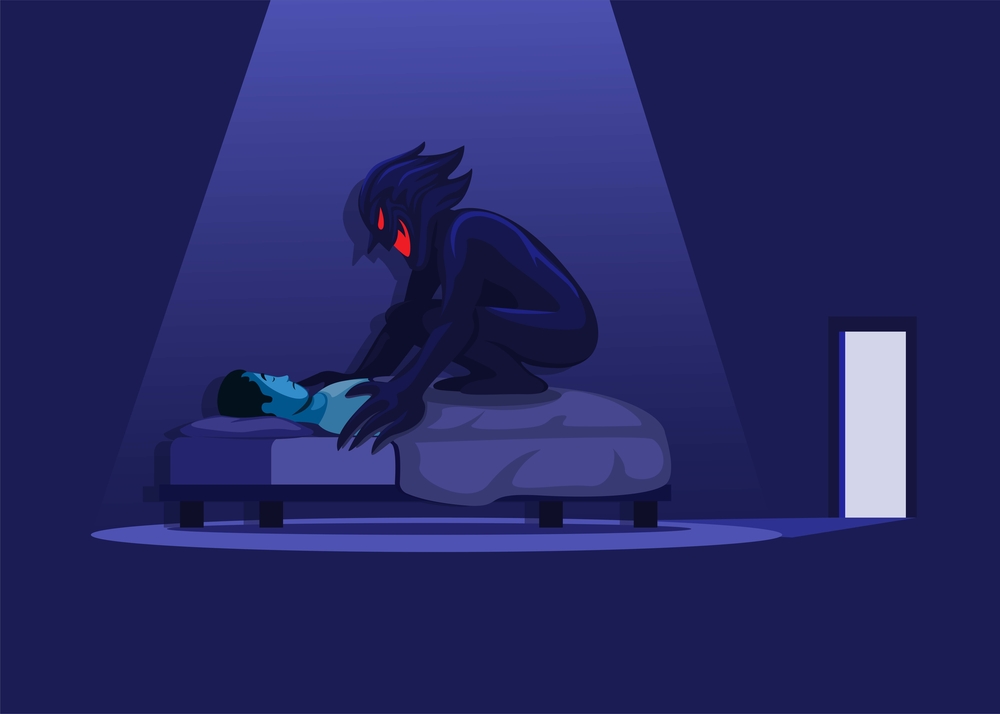



















 Written by Veronica Turner