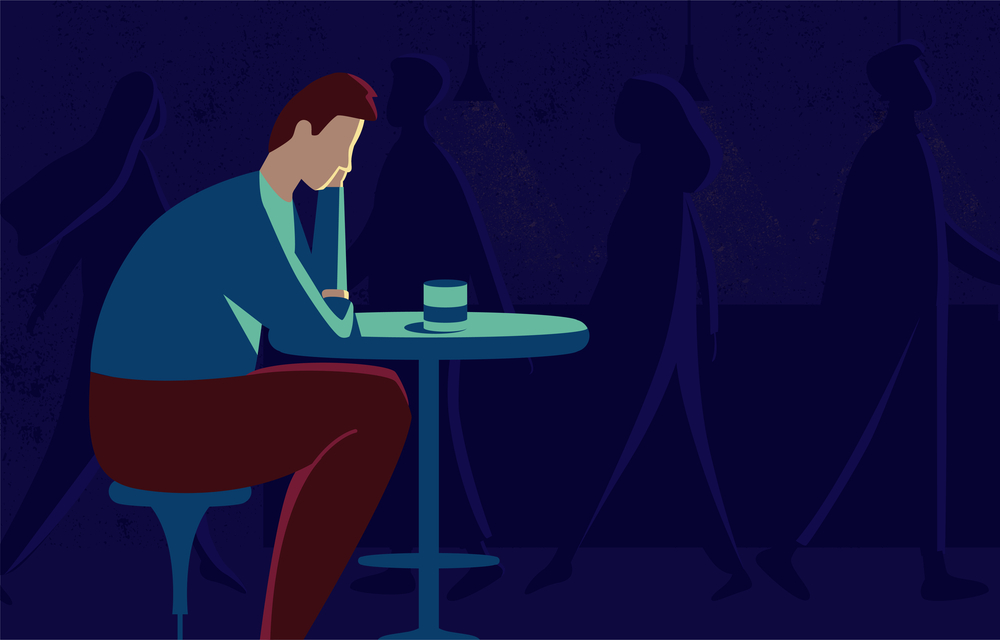
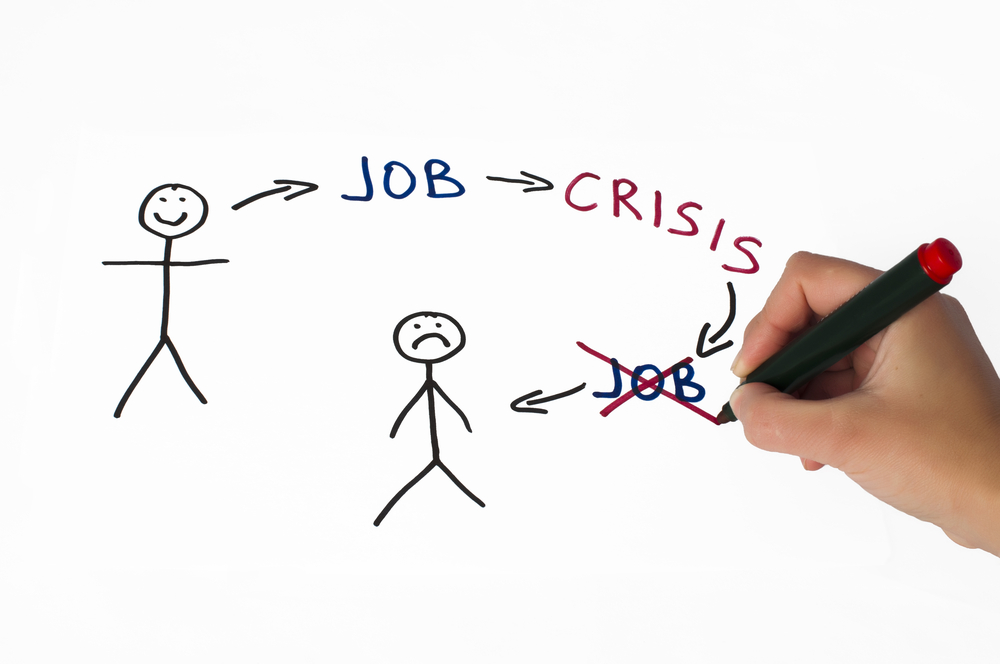
Problems in Christian Marriage Video

Marriage can be difficult enough with its many conflicts regarding each other’s family, friends, habits, finances, or personality differences.  These things usually are secondary and only become a greater issue when more core problems exist at the most intimate level.  In love, there is more than just mere feelings but hard work, patience, acceptance and mutual understanding and give and take.   When love is only passionate, or only friendship, or only companioning, then the other lacking elements can cause problems in the union.  A healthy love involves intimacy, passion and long term companionship and they all must be balanced.

Problems in marriage can sometimes relate healthiness of the love two have. Please also review AIHCP’s Christian Counseling Certification


Please also review AIHCP’s Christian Counseling Certification and see if it meets your academic and professional goals.  The program is online and independent study and open to qualified professionals seeking a four year certification


Please review the video below

6 Lucrative Healthcare Careers That Are Worth Pursuing In 2023

Telemedicine concept - asian male doctor has video call with female patient with depression online by webcam in clinicWritten by Veronica Turner

As you start evaluating all your professional options for the year, it’s crucial to consider some of the fastest-growing and most rewarding careers in healthcare.

The industry is vast and varied, offering different roles that blend passion with lucrative earning opportunities.

By focusing on these trending professions for 2023, we hope to inspire your search for a fulfilling career that aligns perfectly with your skillset and aspirations. Now let’s set off on this exciting journey together!


Taking on Telemedicine Services

Telehealth is rapidly growing and hugely beneficial, with remote consultations saving time, money and increasing accessibility to care. If technology intrigues you and flexibility appeals to your work-life balance goals, diving into telemedicine could be ideal for you.

Here are key facets to know:

  • Versatility: With options like providing remote patient monitoring or conducting online doctor visits, there’s a role suitable for every healthcare professional.
  • Work-Life Balance: By eliminating commuting completely, telemedicine offers better control over your schedule- a significant perk not only during pandemic times!
  • Income Potential: Owing to its rising demand, jobs in telehealth also command a premium. For qualified physicians in this space, hourly earnings sit at an average of just under $100. Meanwhile the overall average in this field is around $85,000 annually.

Venturing into telemedicine services opens up new arenas that combine medical expertise with innovation. This could be a perfect fit for healthcare professionals looking to thrive in a role that will be relevant going forward.


The Rising Demand for Clinical Research Coordinators

Clinical research coordinators are the pulse behind every successful clinical trial – they manage operations, ensure compliance while overseeing patient safety and data accuracy. With an increase in medical research and drug discovery, these roles are highly sought-after.

Insights into this rewarding profession:

  • Critical Role: As a coordinator, you’d be liaising between different stakeholders, including patients and doctors, to guarantee the effectiveness of trials.
  • Growth Opportunities: The Bureau of Labor Statistics reports job growth in this sector to be faster than average due to expanding areas like genetic testing.
  • Attractive Salary: Reliable compensation of over $68,000 on average reflects the responsibility for detail-oriented tasks that come with managing complex clinical trials.

A career as a clinical research coordinator is exceptionally gratifying; not only does it offer diverse opportunities but also opens doors for incredible advancements within healthcare sectors.


Exploring the Ins and Outs of Healthcare Logistics

Navigating complex logistical networks is at the core of healthcare delivery systems, making logistics professionals pivotal in patient care quality. Expanding beyond conventional supply chain management roles, logistic careers are evolving rapidly in today’s dynamic healthcare scenario.

Gauge this fascinating role below:

  • Role Influence: As a key player, you ensure inventory management or transportation processes run smoothly, which is crucial to maintaining seamless services within healthcare establishments.
  • Impact on Patient Care: Efficient logistics in healthcare translates into speedy delivery of vital supplies like medication or necessary equipment. This directly affects response times, thereby impacting patient care quality positively.
  • Career Growth: The continuous emphasis on system optimization means a robust demand for skilled logisticians now and in future years.

Intricately connected with daily operational efficiencies, a career in healthcare logistics promises unmatched professional satisfaction coupled with considerable remuneration.


Health Informatics: The Intersection of Tech and Medicine

Health informatics is a unique field where technology meets healthcare to enhance patient outcomes and streamline processes. As an information systems expert in this capacity, you’d oversee technology implementations whilst ensuring data security within medical facilities.

Consider these perks of being a health information technologist:

  • Technological Impact: You bridge the gap between clinicians and IT professionals, improving technological integration for better patient care.
  • Data Security Role: A vital part of your job involves protecting sensitive health data from cyber threats, invariably avoiding any concerns over job stability given the current climate.
  • Compensation: Given the specialized nature of this role, it offers competitive salaries compared to other healthcare careers, with median annual wages sitting at just over $55,000.

A specialization in Health Informatics not only harnesses both tech-savvy skills and clinical understanding but also promises immense potential as we inch towards digitized healthcare ecosystems. If that sounds up your street, get involved!


The Alluring Profession of Health Policy Analysts

Health policy analysts stand at the crossroads of healthcare and legislation, shaping public health policies that affect millions. If you are intrigued by law-making processes and want to impact change systematically, this role is for you.

A quick peek into a policy analyst’s world:

  • Wide Influence: You form strategies, influencing healthcare legislation on local or national levels.
  • Diverse Workplaces: From government agencies to private research organizations – your workplace choices remain vast.
  • Robust Earnings: As per Payscale reports, experience strongly influences pay for health policy analysts, with average salaries currently sitting at almost $67,000.

With immersive exposure in politically enriched environments and an opportunity to orchestrate progressive societal changes captured within their roles, health policy analysts truly undertake game-changing responsibilities with remarkable repercussions in real life.


Becoming a Medical Aesthetician: Fusing Beauty, Wellness, and Medicine

Medical aestheticians are skin care specialists working in medical settings. They merge beauty therapy with wellness treatments for patients undergoing surgery or battling illnesses that are adversely affecting their skin.

Peek into this fascinating career:

  • Unique Crossover: You’ll find beauty enthusiasts right at the junction of aesthetic treatment and medical healing.
  • Positive Impact: Working closely with dermatologists and oncologists, you will have the opportunity to restore your patients’ confidence post-surgery.
  • Lucrative Options: According to ZipRecruiter data, on average these experts can earn up to $35 hourly, and there are flexible freelance options here, as well as permanent roles.

So by combining compassion with aesthetics, becoming a medical aesthetician offers an unconventional yet fulfilling path within the healthcare industry that can be immensely rewarding both personally and financially.


The Bottom Line

Whatever skills you already have, and whatever ambitions you might hold regarding your earnings, healthcare can encompass everyone and anyone who has a passion for helping people and hard work. So make 2023 the year you take your career to the next level, and you won’t regret it.

Author Bio.

Veronica Turner is a health and lifestyle writer with over 10 years of experience. She creates compelling content on nutrition, fitness, mental health, and overall wellness.


Please also review AIHCP’s professional certification programs and see if it meets your academic and professional goals.  These programs are online and independent study and open to qualified professionals seeking a four year certification.

Brainspotting vs EMDR – Comparing the Differences and Similarities

eye macroWritten by Veronica Turner

If you have a mental health condition like PTSD or trauma-related anxiety, it can be challenging to find a therapy that works best for you. But by learning about the various options out there, you can make a more informed decision.

Two effective methods are brainspotting and Eye Movement Desensitization and Reprocessing.

In the following guide, we will take a closer look at these two powerful techniques and delve into their workings, benefits, similarities, and differences, so you can determine which one is best for your personal therapeutic journey.


What Is Brainspotting?

Brainspotting is a type of therapy designed to help individuals to access, process, and overcome trauma.

Using a technique known as “dual attunement,” the therapist guides you in locating eye positions—also known as brainspots—that correlate with internal emotional experiences. It’s believed these brainspots are reflections of different areas of your brain. The concept behind brainspotting suggests that our brain processes information about traumatic events visually.

For instance, when pointed toward a particular direction, your eyes may trigger memories of distress or discomfort. Focusing on these points can help to unlock and process unresolved issues at a deeper level than traditional talk therapy offers.

Brainspotting can effectively assist with various conditions such as anxiety disorders, PTSD, physical or emotional trauma, and performance issues. Furthermore, it can potentially aid in the recovery from substance abuse or addiction.

Tailored to meet individual therapeutic needs, brainspotting caters to each person’s unique healing pace and style while promoting self-awareness and personal growth. Therefore, brainspotting can be enormously beneficial for people struggling with numerous emotional challenges.


What Is EMDR?

Eye Movement Desensitization and Reprocessing, or EMDR as it is more commonly known, is another therapeutic technique aimed largely at relieving the distress associated with traumatic memories.

This type of therapy involves recalling distressing events while the therapist directs your eye movements.

The process of EMDR is unique because it can bring about rapid and effective relief from trauma-related symptoms. It does this by allowing your brain to reprocess the experience in a way that more effectively mitigates emotional and physical responses.

EMDR is highly beneficial for a range of conditions such as post-traumatic stress disorder, anxiety, panic attacks, and even disturbing life experiences that aren’t necessarily categorized as ‘trauma.’

One of the profound benefits of EMDR therapy is its ability to let individuals fully process past traumatic experiences and move forward in their lives. It has been widely acclaimed for its effectiveness in aiding recovery after psychological traumas, providing a path toward healing and well-being.


The Similarities of Brainspotting and EMDR

Now, let’s look at brainspotting vs. EMDR.

Both brainspotting and EMDR are gaining significant traction for their effectiveness in treating trauma and other distressing conditions. They share several of the same fundamental characteristics in how they operate.

For instance, both therapies tap into the body’s natural ability to self-heal by processing and releasing traumatic memories.

Additionally, each therapy requires the individual to recall specific distressing events while the therapist uses a technique to guide their focus — eye movements in EMDR or specific eye positions in brainspotting.

Furthermore, both methods advocate for integrating traditional psychotherapeutic practices with more modern techniques for a comprehensive therapeutic experience.


The Differences Between Brainspotting and EMDR

While brainspotting and EMDR share similarities, there are distinct differences that set them apart too.

In EMDR, external stimuli such as finger movements or sounds direct the patient’s eye movements; while in brainspotting, the therapist helps the patient to identify a specific eye position that can trigger and process responses to traumatic events.

Additionally, the two modalities diverge in their pacing.

EMDR generally follows a more structured protocol and tends to be faster-paced, allowing for quicker processing of trauma. Conversely, brainspotting encourages a slower, more individual-paced approach, offering time for the exploration of deeper emotional experiences.


How to Decide Which Method Is Best for You

Deciding between EMDR and brainspotting largely depends on your personal needs, comfort levels, and the type of trauma or distress you’re dealing with.

If you prefer a more structured approach with quicker results, EMDR might be the right pick for you. However, if you value a slow-paced method that allows more time for exploring deep-seated emotions, brainspotting could be the better option.

It’s advisable to speak about both techniques with a mental health professional who is knowledgeable about both methods. They can provide guidance based on their understanding of your unique situation and help you to make an informed choice.


Author Bio.

Veronica Turner is a health and lifestyle writer with over 10 years of experience. She creates compelling content on nutrition, fitness, mental health, and overall wellness.


Please also review AIHCP’s Health Care Life Coach Certificate program and see if it meets your academic and professional goals.  These programs are online and independent study and open to qualified professionals seeking a four year certification.


Crisis Intervention and Suicide Prevention

Suicide occurs primarily due to a unhealthy mental state of mind.  Most individuals are truly victims of their own hands.  Due to intense trauma, crisis, or over bearing chronic depression, the unhealthy state can lead to suicide.  There are signs and remarks that can be red flags for counselors, friends or family.  There are a variety of assessments that review a person’s intent, plan and ability to carry it out as well.  These tools are all extremely valuable in identifying higher risk individuals who express suicidal ideation.

Suicide is rarely a choice but due to an unstable mental mindset due to crisis, depression, or severe trauma


Statistically, men are more likely to commit suicide.  Various demographics vary and differ based on gender, faith, community, social support and individual coping abilities.  It is essential to treat all suicidal threats as serious and take appropriate action to help the person.  Crisis Intervention Specialists help individuals de-escalate from intense crisis and emotional instability in hopes of preventing an individual from making taking one’s own life in a moment of despair, intellectual confusion, and mental imbalance.

The article, “Suicide Prevention Must Expand Beyond Crisis Intervention” by Samoon Ahmad takes a closer look at preventing suicide and helping others cope through the it’s thoughts.  Ahmad states,

“There is no positive spin that one can put on the fact that just under 50,000 Americans chose to end their lives last year. And while there may not be a silver lining in this story, we at least have the epidemiological tools to better understand where more suicides are happening and who is more likely to die by suicide, which may eventually help us understand why the number of suicides is climbing. Though it is a category error to treat suicide as no different than a disease, there are most certainly social factors that are contributing to the rise in suicides, and they are affecting some communities more than others.”

“Suicide Prevention Must Expand Beyond Crisis Intervention”. Ahmad, S. (2023). Psychology Today

To review the entire article, please click here

Commentary

Mental health is a crucial aspect of our overall well-being. It affects how we think, feel, and act, and influences our ability to handle stress, relate to others, and make choices. Unfortunately, mental health issues, including the risk of suicide, are prevalent in our society. Understanding the importance of mental health and gaining knowledge about suicide prevention and crisis intervention is essential for everyone. In this comprehensive guide, we will explore the various aspects of mental health, delve into the understanding of suicide, identify risk factors and warning signs, discuss the role of crisis intervention, effective communication techniques, available resources, ways to support those struggling with mental health issues, and initiatives to promote mental health and well-being in our communities.


The Importance of Mental Health Awareness

Mental health awareness is vital for several reasons. First and foremost, it helps to eliminate the stigma surrounding mental health issues. By increasing awareness and promoting open conversations, we can create an environment where individuals feel comfortable seeking help and support. Furthermore, understanding mental health allows us to recognize the signs and symptoms of mental illnesses, providing an opportunity for early intervention and treatment. Mental health awareness also plays a crucial role in suicide prevention, as it enables us to identify individuals who may be at risk and offer them the support they need.

Understanding Suicide and Its Prevalence

Suicide is a tragic and complex issue that affects individuals of all ages, genders, and backgrounds. It is essential to gain a deeper understanding of suicide in order to address this problem effectively. Suicide is often a result of various factors, including mental health conditions, such as depression, anxiety, and substance abuse. It is crucial to recognize that suicidal thoughts and behaviors are not signs of weakness or attention-seeking but rather indications of severe distress and a cry for help. By understanding the underlying causes and risk factors associated with suicide, we can work towards prevention and provide support to those in crisis.

Risk Factors and Warning Signs of Suicide

Identifying the risk factors and warning signs of suicide is crucial in preventing tragic outcomes. Some common risk factors include a history of mental health disorders, previous suicide attempts, family history of suicide, access to lethal means, and social isolation. It is important to note that these risk factors do not necessarily mean that someone will attempt suicide, but they can help us recognize individuals who may be more vulnerable. Additionally, being aware of warning signs, such as talking about suicide, expressing hopelessness or worthlessness, withdrawing from social activities, and giving away belongings, can help us intervene and provide the necessary support.

The Role of Crisis Intervention in Suicide Prevention

When diagnosing suicidal thoughts, one goes through a rigorous process of risk assessment and viability of the plan


Crisis intervention plays a pivotal role in suicide prevention. When someone is in crisis, immediate action is required to ensure their safety and well-being. Crisis intervention aims to provide support, stabilization, and assistance to individuals who are experiencing acute psychological distress or contemplating suicide. It involves active listening, empathetic communication, and connecting individuals with appropriate resources. Crisis helplines, such as suicide hotlines, provide a valuable service by offering immediate assistance to those in need. Trained crisis intervention professionals can help de-escalate the situation, assess the level of risk, and guide individuals towards appropriate help.

Effective Communication Techniques in Crisis Situations

In crisis situations, effective communication techniques are crucial for providing support and promoting a sense of safety and trust. Active listening, empathy, and non-judgmental attitudes are essential components of effective communication. It is important to create a safe and supportive environment where individuals feel comfortable expressing their emotions and concerns. Reflective listening, paraphrasing, and summarizing can help demonstrate understanding and validate the individual’s experiences. Additionally, using open-ended questions can encourage individuals to share their thoughts and feelings more openly. By employing these techniques, we can foster a connection and provide the necessary support during a crisis.

Resources for Mental Health Support and Crisis Intervention

There are various resources available for mental health support and crisis intervention. National and local helplines, such as suicide hotlines, provide immediate assistance to individuals in crisis. These helplines are staffed by trained professionals who can offer support, guidance, and resources. Additionally, mental health organizations and community clinics often provide counseling services, therapy, and support groups. Online platforms and mobile applications also offer resources and tools for mental health support. It is important to familiarize ourselves with these resources and share them with others to ensure that individuals in need can access the help they require.

How to Support Someone Who May Be Struggling with Mental Health Issues

Supporting someone who may be struggling with mental health issues requires empathy, understanding, and patience. It is crucial to create a safe and non-judgmental environment where individuals feel comfortable discussing their feelings and concerns. Listen actively and without interruption, allowing them to express themselves fully. Avoid offering unsolicited advice or making judgments. Instead, provide reassurance, validate their experiences, and encourage them to seek professional help. Offer to accompany them to appointments or help them research available resources. By being a supportive presence, you can make a significant difference in someone’s life.

Promoting Mental Health and Well-being in Your Community

Promoting mental health and well-being in your community is a collective effort that can have a profound impact on individuals’ lives. Start by raising awareness and reducing the stigma surrounding mental health through educational campaigns and community events. Encourage open conversations about mental health and provide opportunities for individuals to share their experiences. Advocate for mental health resources and support services in your community, such as counseling services, support groups, and crisis helplines. Additionally, promote self-care practices and stress management techniques, such as exercise, mindfulness, and healthy coping mechanisms. By fostering a supportive and inclusive community, you can contribute to the overall mental well-being of those around you.

Mental Health Initiatives and Organizations

Numerous mental health initiatives and organizations are dedicated to raising awareness, providing support, and advocating for mental health. These initiatives work tirelessly to reduce the stigma surrounding mental health, promote access to mental health resources, and support individuals in crisis. Examples of such organizations include the National Alliance on Mental Illness (NAMI), Mental Health America (MHA), American Foundation for Suicide Prevention (AFSP), and Crisis Text Line. These organizations offer resources, educational materials, and platforms for individuals to share their stories. By supporting and engaging with these initiatives, you can contribute to a healthier and more compassionate society.

Conclusion: Taking Action to Support Mental Health and Prevent Suicide

Those in crisis need guidance. Please also review AIHCP’s Crisis Intervention Specialist Certification and see if it meets your goals


Understanding the importance of mental health and taking action to support individuals in crisis is crucial for suicide prevention. By increasing mental health awareness, identifying risk factors and warning signs, utilizing effective communication techniques, and providing support, we can make a significant difference in someone’s life. It is essential to familiarize ourselves with available resources and promote mental health initiatives in our communities. By working together, we can create a society that values mental health, provides support to those in need, and prevents the tragedy of suicide.

Please also review AIHCP’s Crisis Intervention Specialist Program and see if it meets your academic and professional goals.  The program is online and independent study and open to qualified professionals seeking a four year certification in Crisis Intervention.


Additional Resources

988 Suicide & Crisis Lifeline.  Access here

Suicide Prevention. CDC. Access here

“Suicide: What to do when someone is thinking about suicide” Mayo Clinic Staff. (2023). Mayo Clinic. Access here

“Suicide Prevention”. (2023). APA. Access here

A Lost Pet and Grief Video

A lost pet can bring great anxiety.  During the frantic moments one needs to be decisive and quick to try to find the lost pet.  As time progresses, long term solutions to be employed to try to find him or her.   Unfortunately, despite all efforts, sometimes a pet is never found.  There is a battle between hope and despair and when to let go or not let go.  There is also a host of emotions ranging from anger and blaming to guilt and grief. This type of grief is an unresolved grief because no one ever discovers the ultimate fate of one’s animal.

Please also review AIHCP’s Pet Loss Grief Support Certification and see if it meets your academic and professional goals.  The program is online and independent study and open to qualified professionals seeking a four year certification in Pet Loss Grief Support

Eating Disorders and Grief

Dissatisfaction with self and the primal need to eat or not eat are closely tied together.  Maslow’s first need is to satisfy hunger and thirst, but while meeting these needs is necessary for existence, other abstract dissatisfactions with self can create mental disorders in fulfilling these needs.  A person may deal with depression or great sadness over how he/she physically appears and proceed to great maladaptive approaches to rectify through unhealthy eating habits.   Hence due to emotional mindsets, grief, depression and other views of self, one can fall into a variety of different and unhealthy eating disorders.   Some may distort their eating habits to produce a certain physical look while others may distort themselves due to an addiction to food during intense grief and depression.

The Body and Eating

The necessity to eat is a need that is closely monitored by the body.  When glucose drops, the body and the brain send signals.  The hormone, Ghrelin secretes in the stomach to alert the brain of hunger.  In addition, the Hypothalamus triggers the hormone Orexin to create the feeling of hunger.  Consequentially, the body also reduces hunger through the hormone insulin which reduces sugar in the blood.  The body also produces the hormone Leptin from fat cells and when in abundance relates to the brain to increase metabolism.

Depression, bullying, and other self image issues can lead to a variety of eating disorders that go to either extreme of eating too much or not eating hardly at all


Beyond the physiology also is a psychology that surrounds hunger.  Individuals have different taste preferences due to experiences and cultural influences, which can create certain pleasures or aversions to certain tastes.  In addition when upset, the desire for carbohydrates found in comfort foods increase the neurotransmitter serotonin.  When stressed, individuals crave sweets or chocolates to reduce stress.  In addition, friends and the one’s environment can also produce needs to eat when one does not really need to eat, as well as serving size and proportions and numerous selections.  These stimuli push one to eat things one may regret later or should not eat for health reasons.  Hence peer pressure, food selection and availability, previous experiences, as well as emotional moods can all play big roles in how one eats or does not eat.

Over-eating and Obesity

Overeating can be due to depression or even bullying.  Individuals may retreat to food and solace to escape the sadness of life.   This is commonly associated with the term binge eating.  Individuals when they feel bad, may find recourse in eating in great excess or a variety of unhealthy foods.  There is usually a deep remorse following binge eating.  This maladaptive way to cope with stress or depression while temporarily fulfilling causes more guilt and remorse but also physically is unhealthy.  Binge eating is bad for maintaining healthy weight and can be a serious issues with those who suffer from diabetes.

Depression can lead to poor coping through binge eating


Many who suffer from this need to learn better ways to cope with stress, grief and loss.  It is important for those who experience higher levels of stress or facing loss to find other ways to express themselves.  Better coping strategies can be implementing that are void of food security but help one find relief though healthier outlets such as exercise, hobbies, and activities with friends.  Having a friend to call or a person to contact can also be beneficial in removing the psychological temptation to turn to food.  Like any addiction, there is a mental crutch that manifests and a false need.  Breaking the habit with healthier life styles, other options and a conscious effort is key.

Individuals can shop more healthy, limit portions,  eat smaller meals throughout day, and exercise more.  The important thing to remember when depressed or addicted to a maladaptive practice, one does lapse.  When one does lapse, one needs to be too hard on oneself.  A lapse is not a complete collapse and one needs to continue to work towards finding better ways to cope with stress and grief in life.

Anorexia nervosa and Bulimia nervosa

Some individuals deal with stress and loss differently and under eat.   Some are bullied about self image through school mates, while others face sharp criticism at home about their appearances.  Competition with siblings or friends can lead to a drastic alteration in one’s body and shape through unhealthy and maladaptive eating habits that reduce intake of food for thinner appearances.  In Western modern culture, obviously thinner appearance is the desired result but other appearances in other cultures can also be sought after in unhealthy ways as well.

Other than depression, Anorexia is fueled by a poor self image, abuse, extreme perfectionism or OCD


Those seeking a thinner appearance resort to Anorexic behaviors.  Starvation diets are implemented due to a false image of being fat.  Again due to bullying, competition, criticism, abuse, or depression, individuals will look to control the only thing they can via their appearance.  It is again important to note that all cases of anorexia are not due to sexual abuse but can also be due to bullying or competitive and hyper critical families that push a unattainable perfectionism.  This leaves a longing within the individual that can never be satisfied leading to maladaptive eating habits that harm the body and strip it of nutrients and growth. Primarily an issue with teens and younger women, the person will either starve oneself or in the case of Bulimia nervosa, eat and then vomit, excessively fast, or utilize laxatives to prevent weight gain.  Both Anorexia and Bulimia share a common origin and look to fulfill the same end but through a different strategy.

Conclusion

Eating disorders can be hereditary and psychological.  They can be an over indulgence of food or a self imposed starvation. They can stem from abuse, depression, bullying, competition, poor self image, family criticism or a disproportioned perfectionism.  They are ineffective ways to cope with stress, loss and grief.  Individuals who deal with these issues, regardless of their spectrum, need to find the root cause of their eating disorder and find better ways to cope with the mental issues that are haunting them.  Professional licensed counselors can determine the root cause of their eating disorder and help them discover better ways to reduce eating or find self esteem in the way they are.

Whether addiction to eating too much or various mental issues to eat too little, individuals need to learn the root cause of their issues and re-discover healthier eating habits to incorporate into their life.  Unhealthy eating in either extreme can have severe long term health consequences.  Again, licensed counselors can help individuals better cope with stress or grief or properly understand their core issue that cause an eating disorder.  Friends can also help by building up self esteem.

Poor coping and depression can lead to eating disorders. Please also review AIHCP’s Grief Counseling Certification


Obviously discontent, grief and depression can all be causes that lead to a variety of eating disorders.  Licensed counselors can also become certified in Grief Counseling and help individuals sort out the grief issue and help them cope better with the loss.  Please also review AIHCP’s Grief Counseling Certification and see if it meets your academic and professional goals.  The program is online and independent study and open to qualified professionals seeking a four year certification in Grief Counseling.

Reference

“Exploring Psychology” 11th Edition. Myers, D. & Deall, N. (2019). Worth Publishing, NY, NY.

Additional Resources

“Eating Disorders”. (2023). Mayo Clinic. Access here

“6 Common Types of Eating Disorders (and Their Symptoms)”. Petre, A. (2022). Healthline. Access here

“What are Eating Disorders?”. (2023). APA. Access here

“Eating Disorders and Depression”. Grave, R. (2023). Psychology Today.  Access here

“Can Depression Lead to Eating Disorders?” Lebow, H. (2022). PsychCentral.  Access here

Stress and Diabetes

Stress can cause chronic issues throughout the body.  The body is not intended to be in a fight or flight motion constantly and hence the elevated heart rate, higher blood pressure, muscle contractions and higher levels of cortisol can cause long term damage if barraged with constant stress.  Those with diabetes can also see sugar increases due to cortisol.  Hence stress can also negatively affect those with diabetes.

Stress can indirectly raise blood sugar levels. Please also review AIHCP’s Stress Management Consulting Certification


Those with diabetes should be aware of this and take into account the impact stress can have on blood sugar counts.  The article, “Understanding the link between diabetes and stress” from the Indian Express takes a closer look at the negative impact stress can have on diabetics via blood sugar spikes caused indirectly by stress.  The article states,

“Stress has become a byproduct of our lifestyles these days. Considered a normal reaction, stress can have various physical and mental effects, including elevated blood glucose levels. On its own, stress cannot cause diabetes, however, some evidence suggests that excessive and chronic stress can increase the risk of developing the condition. Diabetes and stress have a reciprocal relationship – experiencing stress can make managing diabetes more challenging and having diabetes may contribute to elevated stress levels.”

“Understanding the link between diabetes and stress”. Life Style Desk (2023). The Indian Express

To read the entire article, please click here

Commentary


Managing diabetes is a daily challenge for millions of people around the world. From monitoring blood sugar levels to carefully managing diet and exercise, there are numerous factors that contribute to maintaining stable glucose levels. However, one factor that is often overlooked is the impact of stress on blood sugar levels in diabetic patients. Recent research suggests that stress can have a surprising link to elevated blood sugar levels in individuals with diabetes. In this article, we will explore the relationship between stress and blood sugar levels, the physiological response to stress, and techniques for managing stress to control blood sugar levels.

Understanding stress and its impact on the body

Stress is a natural response that our bodies have to certain situations or events. It triggers the release of stress hormones, such as cortisol and adrenaline, which prepare us for a “fight or flight” response. While this response can be beneficial in short bursts, chronic stress can have detrimental effects on our overall health, including our blood sugar levels.

When we experience stress, our bodies release glucose into the bloodstream to provide us with energy. This is a normal response designed to help us deal with immediate threats. However, in individuals with diabetes, this can lead to elevated blood sugar levels which, if not properly managed, can result in complications.

The relationship between stress and blood sugar levels

The connection between stress and blood sugar levels is complex and multifaceted. Stress can affect glucose levels in several ways. First, stress hormones can increase insulin resistance, making it more difficult for the body to use insulin effectively. This can result in higher blood sugar levels. Additionally, stress can also lead to emotional eating and unhealthy food choices, which can further disrupt blood sugar control.

Stress hormones can raise blood sugar


Research has shown that stress can also directly impact the body’s ability to regulate blood sugar levels. Studies have found that chronic stress can lead to increased production of glucose by the liver and decreased insulin production by the pancreas. These physiological responses contribute to elevated blood sugar levels in individuals with diabetes.

The physiological response to stress and its effect on blood sugar levels

When we experience stress, our bodies go through a series of physiological changes. The hypothalamus, a small region in the brain, releases a hormone called corticotropin-releasing hormone (CRH), which signals the pituitary gland to release adrenocorticotropic hormone (ACTH). ACTH then stimulates the adrenal glands to produce cortisol, the primary stress hormone.

Cortisol plays a crucial role in the body’s stress response, including the regulation of blood sugar levels. It promotes glucose production by the liver and inhibits insulin production by the pancreas. This leads to increased blood sugar levels, providing the body with the energy it needs to respond to the stressor.

In individuals with diabetes, the body’s ability to regulate blood sugar levels is already compromised. The additional release of cortisol during times of stress can further disrupt this delicate balance, leading to elevated blood sugar levels.

Research findings on the link between stress and blood sugar levels in diabetic patients

Numerous studies have explored the relationship between stress and blood sugar levels in diabetic patients. A study published in the Journal of Diabetes Research found that individuals with type 2 diabetes who reported higher levels of stress experienced higher fasting blood sugar levels. Another study published in Diabetes Care found that stress was associated with poorer glycemic control in individuals with type 1 diabetes.

These findings highlight the importance of addressing stress as part of diabetes management. By understanding the link between stress and blood sugar levels, healthcare professionals can provide more comprehensive care to individuals with diabetes, helping them achieve better glycemic control and reduce the risk of complications.

Managing stress to control blood sugar levels

While it may not be possible to completely eliminate stress from our lives, there are strategies and techniques that can help individuals with diabetes manage stress and maintain stable blood sugar levels. Here are some effective approaches:

1. Mindfulness and meditation

Practicing mindfulness and meditation can help reduce stress levels and promote a sense of calm. These techniques involve focusing on the present moment and cultivating a non-judgmental awareness of one’s thoughts and emotions. Research has shown that regular mindfulness practice can have a positive impact on blood sugar control in individuals with diabetes.

2. Physical activity

Engaging in regular physical activity not only has numerous health benefits but can also help reduce stress. Exercise releases endorphins, which are natural mood boosters. Additionally, physical activity can help improve insulin sensitivity and blood sugar control.

3. Social support

Maintaining strong social connections and seeking support from loved ones can help alleviate stress. Talking to someone about your concerns and sharing your experiences can provide emotional relief and perspective. Joining support groups or online communities specifically for individuals with diabetes can also be beneficial.

Lifestyle changes to minimize stress and maintain stable blood sugar levels

In addition to specific stress management techniques, making certain lifestyle changes can help minimize stress and maintain stable blood sugar levels. Here are a few suggestions:

1. Prioritize self-care

Taking care of yourself is essential for managing stress and diabetes effectively. Make sure to prioritize activities that bring you joy and relaxation, such as hobbies, reading, or engaging in creative pursuits. Setting aside time for self-care can help reduce stress levels and improve overall well-being.

2. Adopt healthy coping mechanisms

Instead of turning to unhealthy habits like emotional eating or excessive alcohol consumption, develop healthy coping mechanisms for dealing with stress. This can include journaling, practicing deep breathing exercises, or engaging in activities that help you relax and unwind.

3. Maintain a balanced diet

A nutritious, balanced diet is crucial for managing diabetes and minimizing stress. Focus on consuming whole foods, such as fruits, vegetables, lean proteins, and whole grains. These foods provide essential nutrients and can help stabilize blood sugar levels. Avoid or limit the intake of processed foods, sugary beverages, and snacks high in added sugars.

The importance of holistic approaches in managing diabetes and stress

Managing diabetes goes beyond simply monitoring blood sugar levels and taking medication. It requires a holistic approach that takes into account the physical, emotional, and psychological aspects of the disease. Stress management is an integral part of this approach.

By addressing stress and its impact on blood sugar levels, individuals with diabetes can improve their overall health and well-being. This, in turn, can lead to better glycemic control and a reduced risk of complications. It is essential for healthcare professionals and individuals with diabetes to work together to develop personalized stress management strategies that fit their unique needs and circumstances.

Conclusion: Taking control of stress to improve overall health and manage diabetes effectively

Stress can have a surprising link to elevated blood sugar levels in individuals with diabetes. Understanding the relationship between stress and blood sugar levels is crucial for managing diabetes effectively and reducing the risk of complications.

Stress Management is key to overall health but also in managing diabetes and blood sugar


By implementing stress management techniques, such as mindfulness and meditation, engaging in regular physical activity, and seeking social support, individuals with diabetes can take control of their stress levels and maintain stable blood sugar levels. Additionally, making lifestyle changes, such as prioritizing self-care, adopting healthy coping mechanisms, and maintaining a balanced diet, can further minimize stress and improve overall well-being.

Taking a holistic approach to diabetes management that includes stress management is essential for achieving better glycemic control and improving overall health. By addressing stress and its impact on blood sugar levels, individuals with diabetes can lead healthier, more fulfilling lives. So, don’t overlook the power of stress management in your diabetes journey. Take control of stress today and reap the benefits of improved health and well-being.

Please also review AIHCP’s Stress Management Consulting Certification and see if it meets your academic and professional goals.  The program is online and independent study and open to qualified professionals interested in Stress Management Training.

Additional Resources
“Stress: How It Affects Diabetes and How to Decrease It”. Purdie, J. (2022). Healthline.  Access here
“Diabetes: Stress & Depression”. Cleveland Clinic. Access here
“How are diabetes and stress linked?”. Caporuscio, J. (2019). Medical News Today.  Access here


10 Different Options for Dealing With Back Pain (Including After Surgery) 

Patient with back pain consulting a doctorWritten by Veronica Turner

Living with back pain can be a daunting experience; that’s where various effective options come into play to bring relief. Ranging from physical therapy, yoga, and pilates to locally injected pain relievers and self-care practices, each approach carries unique benefits to combat this ailment.

This variety is especially important considering the complexities of back pain, as symptoms can occur due to numerous reasons, including injury, aging, surgery, or chronic conditions.


10 Options for Dealing With Back Pain Before and After Surgery

By exploring these options in-depth, we aim to empower you with knowledge so you can be proactive in managing discomfort and improve your overall quality of life substantially.


  1. Physical Therapy

Conducted by trained therapists, physical therapy incorporates a variety of structured exercises designed to stretch and strengthen back muscles. Focusing on key areas responsible for supporting your spine, physical therapy can alleviate pain by improving stability and posture.

It’s important to note that the exercises are often tailored to cater to individual needs, meaning there’s little chance you’ll get hurt. Regularly engaging in these activities enhances long-term recovery and helps mitigate future relapse of back pain while accelerating healing after surgery.


  1. Yoga and Pilates

Embracing yoga and pilates can be a beneficial approach to managing back pain. These practices bring a holistic perspective that emphasizes the harmony of the whole body. Yoga, for instance, uses specific poses that help alleviate back pain by stretching the muscles.

On the other hand, pilates mainly concentrates on building core strength—a critical component for supporting your spine. With regular practice, both options can provide long-lasting relief from chronic back discomforts and support overall muscular health as long as you’re careful.


  1. Massage Therapy

Massage therapy has been identified as a powerful tool in relieving back pain. The simple act of applying pressure to affected muscles aids in reducing tension, improving blood circulation, and promoting relaxation. Increased circulation can expedite healing after back surgery.

Session frequency will depend on the severity of the pain, but even occasional massage appointments can bring about noticeable improvements. Licensed therapists can utilize various techniques depending on your precise need, making this approach versatile.


  1. Self-Care Practices

Self-care practices play a vital role in managing back pain, and they can be as simple as daily lifestyle changes. Healthy habits such as maintaining a balanced diet, resting adequately, avoiding heavy lifting, and incorporating regular exercise are beneficial for your back.

Being proactive about managing stress through various techniques can improve your overall well-being, which indirectly impacts your health. Integrating these habits into your routine aids in effective pain management post-back surgery and contributes positively to long-term recovery.


  1. Pain Medication

Non-prescription (over-the-counter) pain medications/drugs like NSAIDs (Non-Steroidal Anti-Inflammatory Drugs) or acetaminophen can be handy for controlling mild to moderate symptoms. They function by reducing inflammation and blocking pain signals, respectively.

However, with more serious or chronic conditions, stronger prescription medications may be necessary. These should always be used under the supervision of a healthcare professional. Pain medication is often most effective when combined with other treatments.


  1. Heat and Cold Treatment

Heat and cold treatment is a readily accessible and often effective method to manage back pain. Applying heat, using tools like electric heating pads or warm compresses, helps soothe stiff or achy muscles by improving blood circulation. It promotes healing and can aid mobility.

Conversely, cold treatment with ice packs reduces swelling and numbs sore areas to dull pain. The key is to alternate between the two therapies for optimal results. This technique is usually best used for temporary relief of minor back pains or post-exercise soreness.


  1. Topical Analgesics

Applied directly onto the skin, topicals or ointment products provide localized relief from pain and inflammation. They work by producing a warm or cool sensation that distracts you from the pain or by delivering medication directly to the painful area for transdermal absorption.

Topical Analgesics come in various forms, such as gels, sprays, and patches, and are typically used in conjunction with other treatments. While they may not solve all back pain issues, especially if they’re chronic, they can provide much-needed temporary reprieve in daily life.


  1. Locally Injected Pain Relievers

Injected pain relievers are administered directly to a specific area of the body that’s generating intense discomfort, such as near-strained muscles or pinched nerves. For instance, conditions like sciatica that involve nerve pressure often respond well to these injections.

This approach can swiftly deliver higher concentrations of medication to where it’s most needed, providing rapid relief and reducing the side effects associated with systemic distribution in oral medication. This method should always be performed by a trained healthcare professional.


  1. Chiropractic Care

Chiropractic care is another important therapeutic intervention to consider when dealing with back pain. A chiropractor, trained in spinal manipulation and alignment, can help pinpoint the source of your pain before applying specific adjustments designed to address irregularities.

Studies have shown that these treatments can effectively alleviate discomfort in the lumbar region, promoting mobility and enhancing overall quality of life. This approach usually works best as part of a comprehensive treatment plan involving physical therapy or exercise programs.


  1. TENS Unit

The TENS (Transcutaneous Electrical Nerve Stimulation) Unit is a non-invasive device often used in pain management, including backaches. It functions by delivering small electrical currents through electrodes that are adhered to the skin over problem areas.

These currents interfere with the body’s pain signals, persuading your nervous system to either diminish or entirely block these signals, thereby reducing the sensation of pain. This compact device is especially handy as its portable nature allows for home use and immediate relief.


In Conclusion…

Back pain may be a common issue, but you don’t have to endure it silently. There are numerous effective options available today to manage and relieve your discomfort. It’s crucial to remember that every person is unique; what works for one might not work for another.


Author Bio.

Veronica Turner is a health and lifestyle writer with over 10 years of experience. She creates compelling content on nutrition, fitness, mental health, and overall wellness.


Please also review AIHCP’s Health Care Life Coach Certificate program and see if it meets your academic and professional goals.  These programs are online and independent study and open to qualified professionals seeking a four year certification.


Managing Your Teen’s Anger

Parenting has challenges that differ throughout the development of one’s child. Unique challenges can present themselves with different ages.  Some parents may be better with babies, while other parents may have better skills with teenagers.  Ultimately, being able to adjust to a child’s age and the changes the child goes through aids is critical to helping raise the child.   Teenage years are considered one of the most difficult times due to a variety of hormonal changes, social pressures, identity searching, and relationships with the opposite sex.   In addition, emotional outbursts and arguments are very common between parent and teen.   This strained period can be less difficult when parents are better able to maintain their anger and understand the inner psychology of their teen.

Parenting and learning how to manage an angry teen are important skills.


The article, “Take Time: Teenage anger and how to manage it” by Alisha Lalljee looks at better ways to help manage oneself as well as manage a teen’s anger.  She states,

“Adolescents are growing and changing and the hormones that drive puberty can have a big impact on mood. When children seem like they’re overreacting, it’s important to remember that they are less able to manage big feelings, like anger than adults are. The stereotype of the eye-rolling, door slamming rebellious adolescent is often played for laughs, but for parents dealing with the real thing, it’s anything but funny. Bitter outbursts, unpredictable mood swings and frequent battles about everything from school to friends to clothes to who’s going to set the table can leave parents feeling like they’re walking on eggshells. ”

“Take Time: Teenage anger and how to manage it”. Lalljee, A. (2023). The Indian Express.

To read the entire article, please access here

Commentary


As parents, it is important to understand that anger is a normal emotion that everyone experiences. However, when anger becomes frequent, intense, or leads to destructive behaviors, it can become a cause for concern. Anger management is a crucial skill that teenagers need to develop in order to navigate through the challenges they face during this phase of their lives. By recognizing the signs and symptoms of anger issues in teens, parents can help their children develop effective strategies for anger management.

Signs and symptoms of anger issues in teens

Teenagers often struggle with effectively expressing their emotions, and anger can be one of the predominant emotions they experience. It is important for parents to be aware of the signs and symptoms that may indicate anger issues in their teens. These may include frequent outbursts of anger, physical aggression, verbal aggression, irritability, and a tendency to blame others for their problems. Additionally, teens with anger management issues may have difficulty controlling their anger and may engage in self-destructive behaviors such as substance abuse or self-harm. Recognizing these signs early on can help parents intervene and support their teens in managing their anger.

The impact of anger on teens’ mental health

Uncontrolled anger can have a significant impact on a teenager’s mental health. Constant feelings of anger, when not properly managed, can lead to increased stress and anxiety in teens. It can also negatively affect their self-esteem and interpersonal relationships. Teens with anger issues may struggle with maintaining healthy friendships and may experience conflict with their peers and family members. Furthermore, uncontrolled anger can lead to impulsive decision-making, putting teens at risk for engaging in risky behaviors. It is crucial for parents to address anger management in order to prevent these negative consequences and promote their teen’s overall well-being.

How parents can help with anger management

As parents, there are several strategies you can employ to help your teen manage their anger effectively. One of the most important steps is to foster open lines of communication with your teen. Encourage them to express their emotions and thoughts without judgment. By providing a safe space for your teen to share their feelings, you can help them gain a better understanding of their anger triggers and work towards managing their emotions more effectively.

Effective strategies for anger management in teens

Parents can play a key role in helping teens and adolescents learn to manage anger in a positive way.


Teaching healthy coping mechanisms for anger is crucial for teenagers to learn how to manage their emotions. Encourage your teen to practice deep breathing exercises or engage in physical activities such as jogging or yoga to help them channel their anger in a more productive way. Additionally, teaching them problem-solving skills can empower them to find constructive solutions to the issues that trigger their anger. Encourage your teen to identify their anger triggers and work with them to develop strategies for managing their anger in those situations.

Creating a supportive and calm environment at home

The home environment plays a crucial role in teenagers’ anger management. Creating a supportive and calm atmosphere at home can significantly impact your teen’s ability to manage their anger effectively. Establish clear and consistent rules and consequences, and be mindful of your own behavior as a parent. Model healthy ways of expressing anger and resolve conflicts peacefully. Encourage open communication and active listening within the family, as this can help your teen feel heard and understood, reducing the likelihood of anger outbursts.

Seeking professional help for anger management

If your teen’s anger issues persist despite your efforts, it may be beneficial to seek professional help. A mental health professional, such as a psychologist or therapist, can provide guidance and support for your teen in developing effective anger management strategies. They can also help identify any underlying issues that may contribute to your teen’s anger. Additionally, group therapy or anger management programs specifically designed for teenagers can offer a supportive environment for your teen to learn and practice effective anger management techniques.

Resources and tools for parents and teens

There are several resources and tools available to parents and teens to support effective anger management. Books and online resources dedicated to anger management for teenagers can provide valuable insights and strategies. Additionally, mobile applications and online courses are available to help teens develop and practice anger management techniques. Support groups and community organizations may also offer workshops or counseling services specifically tailored to teens with anger issues. Explore these resources to find the ones that best suit your teen’s needs.

Conclusion

Controlling anger is key in parenting. Please also review AIHCP’s Anger Management Consulting Certification


Anger management is a crucial skill for teenagers to develop as they navigate the challenges of adolescence. By understanding the signs and symptoms of anger issues in teens and implementing effective strategies, parents can support their teens in managing their anger in a healthy and constructive way. Teaching healthy coping mechanisms, creating a supportive home environment, and seeking professional help when necessary are essential steps in helping teens overcome their anger issues. With patience, understanding, and the right tools, parents can empower their teens to navigate their anger and promote their overall well-being

Please also review AIHCP’s Anger Management Consulting Certification and see if it matches your academic and professional goals.  The program is online and independent study and open to qualified professionals seeking a four year certification in Anger Management Consulting.
Additional Resources
“Living With an Angry Teenager? How to Support Them — and Yourself”. Swaim. E.  (2022).  Healthline.  Access here
“Coping with an Angry Teenager”. Wallace, M. (2018). Psychology Today.  Access here
“How Parents Can Help Troubled Teens Cope With Anger”. Rudlin, K. (2020). VeryWellMind.  Access here
“7 Powerful Parenting Tips for Handling a Defiant Teen”. Ericson, K. (2022). Your Teen. Access here


Erik Erikson’s Stages of Development and Grief

Erik Erikson, a prominent psychologist, developed a psychosocial process to measure proper development of the human individual.  Through a series of steps in development throughout life, he theorized that the human individual must conquer certain stages in order to develop in a healthy way.  When certain stages are not properly conquered, future social and mental ramifications can occur that degrade the individual’s overall happiness.

There are a 8 stages according to Erik Erikson in human social development. They are crucial to living a fulfilled life


Obviously, when certain stages were not met, a person’s development was slowed and future consequences manifested later in life.  Unhappiness and a type of grief can develop when an individual does not reach certain milestones in life and this type of abstract grief exists in many individuals who have not fulfilled basic progression throughout life.  Hence, we will review these the 8 phases of development proposed by Erikson and see how failure to meet these developments can lead to grief and abstract loss in a qualify of life.

Erikson’s Eight Stages

Erikson’s Eight Stages correlate with infanthood to adulthood.  It transpires across a person’s complete social development from infancy to elder age and the importance within each phase to accomplish certain goals.  Erikson points out that some individuals who do meet the proper goal and virtue gained can also inherit a detrimental crux that hinders development and can later manifest in life.  Hence it is crucial for persons to develop certain skills and meet certain goals during different stages during development to build upon and become productive and mentally and emotionally healthy adults throughout life.  Individuals who do not suffer from a variety of maladies and mishaps throughout life that force mental and emotional struggles and even regression in life.  Ultimately, a very dissatisfied person can emerge at the end of life who has failed to meet many of these goals.

The first stage involves infancy from birth to 18 months.  In this age, the person learns trust or mistrust.  As a baby, the person is entirely dependent upon the caregiver.  Good and health attachments and bonds are formed that will serve a life time if the baby is given love and attention.  Trust lays the foundation and love is is the key ingredient to growth.  Hope is hence instilled in the baby’s view of the world.  Th When that bad care is given to a baby, poor attachments develop and the person will become mistrustful and have hard times forming healthy relationships.

Children need to reach basic goals in order to face the goals of adulthood


The second stage involves toddlers from age 2 to 3.  At this age, children will learn become more independent and learn new skills.   Walking, toilet training and other new skills emerge.  From this arrives autonomy or shame and doubt.  A child who successfully is able to navigate autonomy successfully will become more independent but when failure occurs, doubt and shame will emerge which can haunt a child’s ability to move forward in life.  It is important to develop a sense of will in the child to become more independent.

The third stage involves children ages 3 to 5.  Children begin to explore and take initiative through play and assertion of of power over their world.  Hence this stage is labeled initiative or guilt.  If the child exerts too much attempted control and receive disapproval, the child may experience guilt.  This can lead to the child not taking initiative in future endeavors.   It is important during this stage to form a strong sense of purpose to move forward.

The fourth stage involves the child developing skills that foster industry over inferiority.  It is critically important between ages 6 and 11 for the child to develop confidence and competence to complete tasks.  Those children who receive little encouragement will fall into doubt their abilities and become less equipped to move forward in life with confidence in their goals and skills.  It is hence important to build confidence within the child and help them develop basic skills to complete tasks.

Following this stage is the fifth stage that deals with adolescence and ages from 12 to 18.  The primary goal is identity over role confusion.  This stage looks to establish fidelity to self.  During teenage years with the many biological changes, teen agers are bombarded with pressures to succeed.  Peer pressure, future ambitions, and values are all challenged.  It is crucial during these difficult years to form an  identity of self.  It is important to understand who oneself is and what one stands for.  Sometimes this takes time and if not met, the person is constantly confused regarding what he or she stands for or wishes to be.  It is important for parents and guardians to help their teens express themselves in a healthy way so they can find a true identity as they enter into adulthood.

Adult Stages

Unfortunately many adults grew up in broken homes and had less than ideal lives.  They may never had a caring parent and may have issues of attachment or forming relationships.  Some may be fearful to be on their own or try new things.  They may have little faith in their skills or even who they are.  This leads to a very broken person who must find a way to answer these questions before he or she can ever proceed towards a fruitful and healthy life.  Many broken individuals exist because of these unconquered goals and face an uphill battle.   A sense of abstract loss hovers over them in their inabilities to form healthy relationships, set healthy boundaries and take initiatives with confidence.

Without these skills it almost impossible for them to enter into sixth stage of intimacy over isolation.  Individuals from the age of 19 to 40 look for a closer union with others.  Healthy individuals with good attachment bonds and confidence to love oneself are able to share with others.  They can share love, they can share dreams and they confidently move forward.  However, those who are not able to form healthy relationships are left to further isolation and an inability to find love.  This does not necessarily mean even romantic love, but any type of relationship.  Relationships are critical to survival.  As social creatures relationships help form one’s inter connections with the world.  Many individuals suffer immense grief due to this type of isolation.

A fulfilled life encompasses meeting the eight stages of Erikson.


Following this state is the seventh stage of middle adulthood from 40 to 65.  In this stage, the person looks to find generativity over stagnation.  Individuals who have formed solid relationships and have the core abilities from childhood to be autonomous and confident are able to succeed in life during middle age.  They are able to become educated, work, develop a career, and have family connections.  They possess mental, spiritual and physical qualities that they are proud to possess.  When middle age appears, they see themselves as caregivers to the next generation but also the previous.  They are able to care and teach.  However, those who have not been able to succeed due to lack of previous stage met goals, will find themselves in mid life crisis.  They will fear the future, lament the past and doubt where they are going in life.  This may lead to disastrous choices and foolish adventures.  Some may revert to immature behaviors well below their age.  This type of anxiety and grief is a displeasure about what they have become and where they currently are.

The final and eighth stage is integrity over despair.  Those persons from age 65 to death will experience a sense of fulfillment or a sense of failure.  Those who lived a good life and worked hard but also gave themselves time to love and live life will look back with a fond smile.  They will have grown in wisdom and have much to share with others.  They will know they have fought the good fight and left an overall good mark on the world.  However, those who have squandered their life will feel a sense of existential dread and despair.  They will see a life of mistakes and inabilities to fulfill dreams and help others.  This dark despair will lead to an unhappy death with little to show for.

Stages and Grief

While much of one’s personality is molded in the formative years, others through luck or grace of God can emerge as healthy adults.  Hence while there are contributing factors, one must ultimately accept accountability.  Those who are able to catch up with the goals of the stages and find competence can turn the rest of their life around.  Those who do not, will live a life of abstract loss and missed opportunities.  Those who takes the easy road and fail to push forward will experience the pain and grief of a failed life.

Many individuals face this grief and look to find meaning in life.   Grief Counselors can help direct individuals to better goals to satisfy the emptiness of an unfilled life.  The only answer to this type of abstract grief that leaves the soul empty is finding meaning in life.  Maslow’s Hierarchy of needs builds a foundation for basic survival but once a person’s biological needs and safety needs are met, one must have the emotional abilities to form relationships and experience love.  Have the emotional abilities to find success that fuels self esteem and to mentally, emotionally and spiritually actualize one’s overall potential.

When one lacks self fulfillment, an abstract grief emerges. Please also review AIHCP’s Grief Counseling Certification


When these things lack within the human person, a sense of depression and dread blanket them.  They feel useless and washed up.  They feel that they have no potential or ability to love or be loved.  They feel a myriad of negative emotions that chain them to a unfulfilled life.  This type of abstract grief can be as far damaging as any other type of loss.  It is hence important to help these individuals understand what they are lacking in their human development and enhance their confidence to develop and find the emotional ability to find happiness and meaning again.

Please also review AIHCP’s Grief Counseling Certification and see if it meets your academic and professional goals.  The program is online and independent study and open to qualified professionals seeking a four year certification as a Grief Counselor.


Additional Resources

“Erik Erikson’s Stages Of Psychosocial Development”. Mcleod, S. (2023). Simple Psychology.  Access here

“Erik Erikson’s Stages of Psychosocial Development Explained”. Sutton, J. (2020). PositivePsychology.com.  Access here

“What to Know About Erikson’s 8 Stages of Development”. WebMed Editorial Contributors. (2023). WebMed.  Access here

“Eriksons Stages of Psychosocial Development”. Orenstein, G & Lewis, L. (2023). PubMed.  Access here