The sacred trust between police and public has never been more strained. Between dangerous criminals, mental illness, political scrutiny, police corruption, racial profiling and riots, the police are held to a high standard they cannot sometimes keep. Good cops carry the greatest burden due to coverups and corrupt officers. Calls involving those with mental defects or drug addictions can turn violent and fatal fast. Besides reducing corruption, policing needs to return to better relationships with the public and also ensure officers are trained in de-escalation and not fatal tactics with others. Crisis Intervention Training is key for this to be successful.
In unison though, respect of police and proper reactions to officer safety is key. Individuals need to know their rights but they must also work with the police to ensure safety and open lines of communication. Unfortunately, sometimes profiling or bad police officers can make this difficult but it is still critical to de-escalate a bad officer in the moment and live later to find justice than be shot.
Please also review AIHCP’s Crisis Intervention Program and see if it meets your academic and professional goals. The program is online and independent study and open to qualified professionals seeking a four year certification
Healthcare Life Coaching is all about making the best choice!
By – James M. Katz, BA
In today’s fast-paced world, maintaining optimal health and well-being can often feel like an uphill battle. Between work, family, and personal obligations, it’s easy to neglect our own health and put our well-being on the backburner. However, there is a solution that can help transform your approach to health and wellness: healthcare life coaching.
Life coaching is a powerful tool that can guide you on your journey to optimal health. It combines the principles of traditional life coaching with a deep understanding of the healthcare system and the unique challenges individuals face when it comes to their well-being. By working with a healthcare life coach, you can gain the knowledge, support, and motivation you need to take charge of your health and transform your life.
Healthcare Coaching advice can come from a number of sources. As seen in the quoted article below, it details small yet meaningful resolutions you can follow to improve your health and well-being into the new year! They article shows these resolutions don’t have to be monstrous or life altering to help improve your health and wellness. The author suggests simple changes like a new health routine or simply expressing gratitude. For the full article please click the link below.
Making New Year’s resolutions is easy. Keeping them is hard. Too often, we set resolutions to make sweeping, multistep changes that are well-intentioned but unrealistic.
One year, I resolved to prep our family meals for the week every Sunday. I bought containers to store each meal, created a menu and grocery list, went shopping, and then came home with all the food, only to realize I was completely unmotivated to give up my Sunday afternoon cooking a week’s worth of meals at once. Instead, I decided to make each meal as needed, as I always did.
4 simple daily health resolutions that matter more than you think. By Dana Santas, CNN. Published 5:00 AM EST, Sun December 31, 2023
A healthcare life coach is a trained professional who specializes in helping individuals achieve their health and wellness goals. Unlike traditional healthcare providers, who focus primarily on diagnosing and treating medical conditions, healthcare life coaches take a holistic approach to well-being. They work with clients on a one-on-one basis, addressing not only physical health but also the emotional, mental, and spiritual aspects of well-being.
One of the key roles of a healthcare life coach is to act as a guide and mentor. They help clients navigate the often complex healthcare system, providing them with the information they need to make informed decisions about their health. They also support clients in setting realistic goals and developing a personalized plan of action to achieve those goals. Whether it’s losing weight, managing stress, or improving overall fitness, a healthcare life coach can provide the guidance and accountability needed to succeed.
Benefits of healthcare life coaching
The benefits of life coaching are numerous and far-reaching. One of the primary benefits is the ability to gain a deeper understanding of your own health and well-being. Through working with a healthcare life coach, you can gain insights into your habits, behaviors, and beliefs that may be impacting your health. This self-awareness can be a powerful catalyst for change, leading to improved overall well-being.
Another key benefit of healthcare life coaching is the personalized support and accountability it provides. Unlike other wellness programs or self-help approaches, healthcare life coaching is tailored to the individual. Your coach will work with you to develop a customized plan that takes into account your unique needs, preferences, and circumstances. They will also provide ongoing support and encouragement, helping you stay motivated and on track towards your goals.
How healthcare life coaching can transform your well-being
Healthcare life coaching has the potential to transform your well-being in profound ways. By addressing all aspects of health – physical, emotional, mental, and spiritual – you can experience a holistic transformation that positively impacts every area of your life.
One of the ways healthcare life coaching can transform your well-being is by helping you make sustainable lifestyle changes. Many people struggle with making lasting changes to their health habits because they approach it from a place of deprivation or punishment. Healthcare life coaching takes a different approach, focusing on empowering you to make choices that align with your values and priorities. This shift in mindset can lead to long-term, sustainable change that improves your overall well-being.
Another way healthcare life coaching can transform your well-being is by helping you develop a positive relationship with yourself and your body. In a society that often places unrealistic expectations on appearance and promotes negative body image, it can be challenging to cultivate self-acceptance and self-love. A healthcare life coach can help you challenge limiting beliefs, develop a positive body image, and cultivate self-compassion. This newfound self-acceptance and self-love can have a profound impact on your overall well-being.
The importance of setting goals in healthcare coaching
Setting goals is an integral part of the healthcare life coaching process. Goals provide a clear direction and focus, giving you something to work towards. They also serve as a benchmark for progress, allowing you to track your success and celebrate your achievements along the way.
When setting goals in healthcare life coaching, it’s important to be specific and measurable. Vague goals, such as “get healthy” or “lose weight,” are difficult to track and can lead to frustration and lack of motivation. Instead, set goals that are specific and measurable, such as “exercise for 30 minutes, three times a week” or “reduce sugar intake to less than 25 grams per day.” This level of specificity allows you to track your progress and make adjustments as needed.
In addition to being specific and measurable, goals in healthcare life coaching should also be realistic and achievable. Setting unrealistic goals can set you up for failure and undermine your confidence. Instead, set goals that are challenging yet attainable, considering your current circumstances and resources. Your healthcare life coach can help you set goals that are both realistic and aligned with your long-term vision for optimal health.
Techniques and strategies used in wellness coaching
Healthcare coaching encompasses a wide range of techniques and strategies designed to support your well-being journey. These techniques are tailored to your individual needs and goals, ensuring that you receive the support and guidance you need to succeed.
One commonly used technique in healthcare life coaching is motivational interviewing. This approach involves asking open-ended questions and actively listening to your responses. Through this process, your healthcare life coach can help you explore your motivations, values, and priorities, and identify any barriers or challenges that may be preventing you from achieving your goals. Motivational interviewing can be a powerful tool for increasing self-awareness and generating intrinsic motivation for change.
Another technique used in healthcare life coaching is goal-setting. As mentioned earlier, setting goals is an essential part of the coaching process. Your healthcare life coach will work with you to set SMART goals – goals that are specific, measurable, attainable, relevant, and time-bound. They will also help you break down your goals into smaller, more manageable steps, making it easier to stay on track and measure your progress.
Finding the right healthcare life coach for you
Finding the right healthcare coach is crucial to the success of your well-being journey. A good fit between you and your coach is essential for building trust, establishing rapport, and creating a supportive and empowering coaching relationship.
When searching for a life coach, it’s important to consider their qualifications and experience. Look for a coach who has completed a recognized coaching program and has experience working with clients in a healthcare setting. It’s also a good idea to ask for references or testimonials from previous clients to get a sense of their coaching style and approach.
In addition to qualifications and experience, it’s important to find a coach who you feel comfortable with and can trust. Schedule an initial consultation or discovery session to get to know the coach and determine if you have a good rapport. Trust your intuition and choose a coach who you feel understands your needs and can support you in achieving your goals.
Integrating healthcare coaching into your overall wellness routine
Health and Wellness is simple when you have the right life coach!
Integrating life coaching into your overall wellness routine is a powerful way to enhance your journey towards optimal health. While healthcare life coaching can be transformative on its own, it is most effective when combined with other wellness practices and resources.
One way to integrate healthcare coaching into your overall wellness routine is to combine it with regular exercise. Physical activity has numerous benefits for both physical and mental well-being, and when combined with coaching, it can amplify the impact. Your healthcare life coach can help you develop an exercise plan that aligns with your goals and provides the support and accountability you need to stay motivated.
Another way to integrate healthcare life coaching into your wellness routine is to incorporate it into your self-care practices. Self-care is essential for maintaining optimal health and well-being, and coaching can provide the guidance and motivation you need to prioritize self-care in your daily life. Your healthcare coach can help you develop a personalized self-care routine that addresses your unique needs and supports your overall well-being.
Conclusion: Taking the first step towards optimal health with a healthcare life coach
Embarking on a journey towards optimal health and well-being can be both exciting and overwhelming. However, with the support and guidance of a healthcare coach, you can navigate the path with confidence and transform your life.
Healthcare coaching offers a unique approach to well-being, combining the principles of traditional life coaching with a deep understanding of the healthcare system. Through personalized support, goal-setting, and a range of techniques and strategies, healthcare life coaching can help you make sustainable lifestyle changes, develop a positive relationship with yourself and your body, and achieve your health and wellness goals.
So, take that first step towards optimal health today. Find a qualified healthcare coach who resonates with you, and embark on a journey of self-discovery, growth, and transformation. Your well-being deserves it.
Ready to transform your well-being with healthcare coaching? We offer a certification program in Healthcare Life Coaching. It’s 100% online, on open enrollment and self-paced. If you’d like more information in regards to our Life Coaching program please follow this link.
Does health coaching improve health-related quality of life and reduce hospital admissions in people with chronic obstructive pulmonary disease? A systematic review and meta-analysis. Hannah Long, Et al. British Journal of Health Psychology. Volume24, Issue3 September 2019 Pages 515-546
Personal Health Coaching as a Type 2 Diabetes Mellitus Self-Management Strategy: A Systematic Review and Meta-Analysis of Randomized Controlled Trials. Pirbaglou M, Et al. American Journal of Health Promotion. 2018;32(7):1613-1626. doi:10.1177/0890117118758234
Adolescents’ Use of Digital Technologies and Preferences for Mobile Health Coaching in Public Mental Health Settings. Aschbrenner Kelly A., Et al. Frontiers in Public Health VOLUME=7 YEAR=2019 DOI=10.3389/fpubh.2019.00178 ISSN=2296-2565
Telemedicine-Based Health Coaching Is Effective for Inducing Weight Loss and Improving Metabolic Markers. Kelly E. Johnson, Et al. Telemedicine and e-Health Vol. 25, No. 25 Feb 2019
God is still present in the Church but we have to look in the right places. The Holy Spirit manifests His gifts throughout the Church through individual members with special charisms. Some share in visions, prophesy, healing or leadership. While miracles still occur and visions from Heaven happen, it is important to properly discern false prophets and charlatans who prey upon the innocence of people
The video below looks at the supernatural presence of God in the Church today but also helps one better discern from real and fake presences. Bear in mind, the Christian is called to give testimony to Christ, follow the Church and obey dogma and Scripture. If supernatural activity or zeal pushes one away from these things, then a Christian is missing the greatest miracle before his or her eyes, which is one’s personal relationship with God. While miraculous events still occur, one’s faith is not built on these things, but on the promise of Christ.
Please also review AIHCP’s Christian Counseling Certification and see if it matches your academic and professional goals. The program is online and independent study and open to qualified professionals seeking a four year certification in Christian Counseling
Counselors, certified, licensed or both, need to possess skills to access clients that are suicidal. Social workers, pastoral counselors and even family and friends should have basic suicide assessment skills to recognize high risk versus low risk. The video below offers some questions to ask and things to consider in determining if someone is high or low risk.
Suicide assessment is key in saving lives. Please also review AIHCP’s Crisis Intervention Counseling Program
Grief Counselors and Crisis Intervention Counselors may deal with these types of situations on a more regular basis and require the training needed to help others save their own life from the horrible decision of suicide. Please also review AIHCP’s Crisis Intervention Counseling Program and see if it meets your academic or professional goals.
Autoimmune diseases force the body itself to attack itself. This leads to a multitude of ailments including inflammation, weight gain, fatigue, anxiety, digestive issues, joint pain and depression. With so many random issues occurring during the body’s attack on itself, it can force an individual from a happy and active life style into a more reclusive life. Due to toxins, genetics, hormonal imbalance, intestinal issues, imbalances in the immune system or stress, there are recourses for those suffer from autoimmune diseases. Herbal and Integrative health also offers solutions through diet, herbal and vitamin intake, as well as stress management and other relaxation therapies.
Healthcare professionals trained in holistic and integrative healthcare can help individuals with autoimmune diseases find natural and healthy ways to reduce the the nature of the disease
The article, “Complementary and Integrative Medicine for The Treatment of Autoimmune Diseases” by Lauren Ann Teeter looks closer at the causes, symptoms and solutions to battling autoimmune system diseases via complimentary and integrative health practices. She states,
“While the etiology of autoimmune disease is complex and multifaceted, many treatment options can prevent further damage from taking place. By addressing autoimmune disease from an evidenced-based, root-cause perspective, providers are empowering patients to work with their body’s natural immune system to find symptomatic relief naturally.”
“Complementary and Integrative Medicine for The Treatment of Autoimmune Diseases”. Teeter. L. (2023). Rupa Health.
Autoimmune diseases are a complex group of disorders where the body’s immune system mistakenly attacks its own healthy cells and tissues. These diseases can affect various organs and systems in the body, leading to chronic inflammation and a range of debilitating symptoms. Conventional treatment options for autoimmune diseases typically involve the use of immunosuppressive drugs, such as corticosteroids and disease-modifying antirheumatic drugs (DMARDs), to manage symptoms and slow down the progression of the disease.
Understanding the Limitations of Conventional Treatment for Autoimmune Diseases
While conventional treatment approaches can provide relief from symptoms, they often come with side effects and fail to address the underlying causes of autoimmune diseases. Moreover, they may not work effectively for all individuals and may not be suitable for long-term use. Additionally, conventional treatments generally focus on managing symptoms rather than promoting overall health and well-being.
Exploring the Concept of Natural Treatment for Autoimmune Diseases
Natural treatment options for autoimmune diseases aim to address the root causes of these conditions and restore balance to the immune system. These approaches utilize the healing power of nature, focusing on diet and nutrition, herbal remedies, mind-body techniques, and lifestyle changes to support the body’s innate ability to heal itself. By adopting a holistic approach, natural treatments seek to enhance overall health and well-being while managing the symptoms of autoimmune diseases.
Many Holistic and Integrative Healthcare Specialists can help guide one for the needed solutions and answers they face regarding natural supplements, herbs, better diet, alternative practices for stress relief, and utilization of yoga and meditation.
Benefits of Natural Treatment Options for Autoimmune Diseases
One of the key benefits of natural treatment options for autoimmune diseases is their focus on the underlying causes of these conditions. By addressing factors such as inflammation, gut health, and immune system dysfunction, natural treatments can potentially help reduce the frequency and severity of flare-ups and improve overall quality of life. Moreover, natural treatments often come with fewer side effects compared to conventional medications, making them a safer long-term option for managing autoimmune diseases.
Key Natural Treatment Approaches for Autoimmune Diseases
Diet and Nutrition for Autoimmune Diseases
Diet plays a crucial role in managing autoimmune diseases. Certain foods can trigger inflammation and worsen symptoms, while others can support the immune system and reduce inflammation. A diet rich in whole, unprocessed foods, including fruits, vegetables, lean proteins, and healthy fats, is often recommended. Eliminating potential food triggers, such as gluten, dairy, and processed foods, can also be beneficial. Additionally, incorporating anti-inflammatory foods, such as turmeric, ginger, and fatty fish, can help reduce inflammation in the body.
Herbal Remedies for Autoimmune Diseases
Better diet, herbs, natural therapies and stress management can help one naturally aid the body against autoimmune diseases
Herbal remedies have been used for centuries to support the body’s natural healing processes. Many herbs possess anti-inflammatory, immune-modulating, and antioxidant properties that can help manage autoimmune diseases. Some commonly used herbs include turmeric, ginger, green tea, aloe vera, and boswellia. However, it is important to consult with a qualified herbalist or healthcare provider before incorporating herbal remedies into your treatment plan to ensure safety and effectiveness.
Mind-Body Techniques for Managing Autoimmune Diseases
The mind-body connection plays a vital role in autoimmune diseases. Chronic stress and emotional imbalances can trigger or exacerbate symptoms. Mind-body techniques, such as meditation, deep breathing exercises, yoga, and mindfulness, can help reduce stress, promote relaxation, and support the immune system. These techniques can also improve overall mental well-being, which is crucial for individuals living with autoimmune diseases.
Lifestyle Changes to Support Natural Treatment for Autoimmune Diseases
Making certain lifestyle changes can significantly contribute to the effectiveness of natural treatment options for autoimmune diseases. Regular physical activity, adequate sleep, and stress management are essential for maintaining a healthy immune system. Avoiding environmental toxins, such as cigarette smoke and harmful chemicals, can also help reduce inflammation and support the body’s healing processes. Additionally, incorporating self-care practices, such as regular relaxation activities and hobbies, can enhance overall well-being and reduce the impact of stress on the body.
Integrating Natural Treatment Options with Conventional Medicine
Natural treatment options for autoimmune diseases can be used alongside conventional medicine. It is important to work with a healthcare provider who is knowledgeable in both conventional and natural approaches to ensure a safe and effective treatment plan. Integrating these approaches allows for a comprehensive and personalized approach to managing autoimmune diseases, addressing both symptom relief and underlying causes.
Your primary healthcare provider in unison with a holistic nurse can ensure that holistic herbs will properly work with any conventional medication. Never attempt to supplement or withdraw from medication without speaking with your healthcare provider.
Finding a Holistic Healthcare Provider for Autoimmune Diseases
When seeking natural treatment options for autoimmune diseases, it is crucial to find a holistic healthcare provider who understands the complexities of these conditions and is experienced in integrative approaches. Look for practitioners who have expertise in functional medicine, naturopathy, or integrative medicine. These professionals can provide personalized guidance and support, helping you navigate the complexities of natural treatment options and create an individualized treatment plan to suit your specific needs.
AIHCP offers certifications for nurses who wish to offer holistic guidance. AIHCP’s Holistic Nurse Certification provides the public with trained professionals who can better help those suffering from autoimmune diseases.
Case Studies: Success Stories of Individuals Who Have Used Natural Treatment for Autoimmune Diseases
Real-life success stories can offer hope and inspiration to individuals living with autoimmune diseases. Many people have experienced significant improvements in their symptoms and overall well-being through natural treatment approaches. These case studies highlight the power of nature in supporting the body’s innate healing abilities and provide insights into the potential benefits of natural treatment options for autoimmune diseases.
Precautions and Considerations When Using Natural Treatment for Autoimmune Diseases
While natural treatment options can be effective, it is important to exercise caution and consider individual circumstances. Not all natural treatments may be suitable for everyone, and some may interact with medications or have contraindications for certain conditions. It is essential to consult with a healthcare provider before starting any new treatment regimen and to disclose all medications and supplements you are currently taking.
Conclusion: Embracing a Holistic Approach to Managing Autoimmune Diseases
Embracing natural treatment options for autoimmune diseases can provide a holistic and comprehensive approach to managing these complex conditions. By addressing the underlying causes, promoting overall health and well-being, and integrating natural approaches with conventional medicine, individuals with autoimmune diseases can unlock the power of nature to support their healing journey. Remember to work closely with a qualified healthcare provider who can guide you through the process and help you create an individualized treatment plan that suits your unique needs and circumstances.
Natural and holistic health can help with many issues. Please also review AIHCP’s Holistic Nursing Program
Please also review AIHCP’s Holistic Nursing Program. The program helps nurses learn the necessary skills and knowledge to better help individuals make decisions about their health from a holistic perspective. It is important for well trained holistic health professionals available for the public. AIHCP’s program is open to qualified healthcare professionals. The program is online and independent study and offers a four year certification in Holistic and Integrative Healthcare.
Additional Resources
“The Hidden Triggers of Autoimmune Disease: Integrative Medicine Explains”. CentreSpringMD. Access here
“Functional medicine: A whole-body approach to autoimmune conditions”. Body Ecology. Access here
“Therapeutic Use of Omega-3 Fatty Acids for Immune Disorders In Search of the Ideal Omega-3 Supplement”. Bland, J. (2022). National Library of Medicine. Access here
“5 Nutrients I Recommend For People Struggling With Autoimmune Diseases”. Cole, William. (2020). MBGFOOD. Access here
Everyone in life has something mentally not balanced or perfect. Neurotransmitters can be slightly off for a period of time or someone may even have a life time of imbalance and require medication to rectify it. Some suffer minor issues without need of medication but only require counseling and better coping strategies. Many have minor mental diagnosis with things such as ADHD, OCD, depression, or anxiety. Depending on the severity will determine the strength and duration of the care.
Many mental illness symptoms are minor such as ADHD, OCD or anxiety but they can become severe unless treated
Others may have suffered trauma in life and require more intensive care and treatment. Those with PTSD may require more intense care to help manage symptoms and triggers, while others may experience issues later in life from early childhood trauma, such as Bi-Polar Disorders, Borderline Personality Disorders and Attachment Disorders. In addition, some individuals may experience deeper rooted mental illness within family history and due to genetic issues. Psychosis and delusions can result from Schizophrenia or other mental maladies. Others may inherit through lack of discipline or consequences behavioral mental illnesses that are anti-social in nature. These individuals will manifest little care or regard for others, norms or values.
With this in mind, it is obvious that mental illness is a broad spectrum term. Like all health, it is important to identify and not neglect. Many feel stigma and shame associated with it because most of society labels mental health as one thing. Instead mental health can be tied to very minor and everyday disorders to severe issues. Some cases can be minor, while some very serious. Hence it is important to not neglect one’s mental health, feel stigmatized by it, or ignore the symptoms that may arise.
Some mental illnesses have their own types of symptoms, but for everyday individuals not suffering from severe past trauma, dealing with delusions, or possessing an anti-social personality, most can find cope and medicate if necessary and find balance in daily life. Many with bi-polar depression, clinical depression, anxiety, ADHD, or OCD are able to function at high levels with the proper counseling and guidance.
Most mental illness usually manifest in the teen age years or grows as result of trauma, especially if left untreated. Many individuals ignore their mental health and later in early adulthood can face multiple issues they may not understand. Those with attachment issues, or borderline personality disorders, or even bi-polar may find it very hard to function and maintain relationships and jobs. It is hence important to track one’s moods seriously to see if anything unhealthy may be manifesting. Most experts agree that one should not permit a mental or emotional symptom to persist longer than 2 weeks without seeking mental health assistance.
Symptoms of mental illness can be mental, emotional and physical. Please also review AIHCP’s Healthcare Certification programs
Some of the more common mental health changes are in mood. Some common changes include anxiety, lack of interest, sudden and dramatic mood shifts, apathy, suicidal ideation, and withdraw from life. Mental health also affects physical health. Hormones and neurotransmitters can become imbalanced leading to mood shifts, but also affect physical energy levels, sensory perception, increase fatigue or even cause the opposite and prevent one from sleeping. It can also negatively effect appetite. In addition, individuals habits may change. One may enter into a manic state, or withdraw, while others may turn to substance abuse, or abrupt sexual encounters. Sudden changes like this in personality are signs of a problem. Other changes can include negative effects on logical thinking processes. Individuals may contemplate ridiculous and over exaggerated thoughts about self, or even become delusional and enter into states of psychosis in regards to reality. Confusion, loss of time, worry, or fear can be signs of a pending problem.
All of these signs can vary in severity, frequency, or intensity, but if persistent over time represent some type of mental change that needs to be addressed. Something may be resurfacing from the past, or something may be developing that needs addressed. Sometimes it may even be physiological and connected to a physical issue. Tumors on the brain are an example.
Like physical symptoms telling oneself our body has a cold or the flu, we need to also notice these symptoms and not merely displace them or move on. With physical symptoms, one makes an appointment with a doctor. If something does not seem right, one finds the help they need to correct it. Mental health requires the same focus and care. Symptoms are a result of an issue that needs addressed. While many may be minor, some may not be and looking into it and finding the help one needs can be a the difference between life and death.
Conclusion
Mental health is as important as physical health. They are actually very much interconnected. Ignoring it due to shame or stigma can lead to greater issues. Usually most mental health issues are minor and require temporary medication and learning ways to cope, but sometimes they can be more serious pointing to one’s past, a serious emerging problem, or something that is related to physical health. It is important to find help to reduce the possibility of more severe illness.
Never put aside mental illness for feelings of shame or stigma. Instead treat it like any physical health issue and see a professional.
Please also review AIHCP’s multiple mental health certifications for mental health care professionals and those in ministry and human services. The certifications are online and independent study and open to qualified professionals seeking a four year certification. AIHCP offers certifications for mental health care professionals and those in human services in Grief Counseling, Anger Management, Stress Management, Substance Abuse Counseling, ADHD Consulting and Crisis Intervention Consulting. Please review any of AIHCP’s healthcare certifications
Remember certified and pastoral counselors can only help with non pathological issues. Licensed professional counselors can help with deeper issues regarding pathology, but many licensed counselors also enhance their resume with certifications.
Additional Resources
“Signs of Mental Illness”. Frysh, P. (2022). WebMD. Access here
ADHD can have negative effects in the workplace and cost companies income and also cost employees their jobs. It is important to understand if one has ADHD so as to correct the issue, but the litany of issues associated with ADHD can all be negative at any workplace. Whether factory or office, individuals need to be focused and disciplined in their task and responsibilities. This involves time management, focus, restraint from distractions and the ability to work with others. ADHD can take this away and cause chaos in the work place.
ADHD in the workplace can cause inattention, impulsiveness and hyperactivity. Coping helps control some of these issues but sometimes consulting and medication is needed after diagnosis
The article, “Adult ADHD and the Workplace” by Russell Ramsay takes a closer look at how ADHD can manifest in the work place and create a non profitable situation. He states,
“The workplace, including at-home parents, self-employment, and volunteer jobs, comes with performance expectations. A lifetime history of ADHD is associated with various difficulties organizing and following through on various job-related tasks and managing frustrations that result in an increased likelihood of poor work evaluations and performance improvement plans, conflicts with supervisors and co-workers, and more frequent job changes and job dismissals.”
“Adult ADHD and the Workplace”. Ramsay, R. (2023). Psychology Today
Hence forgetfulness, distractions, messiness, tardiness, emotional frustration and lack of focus on the task at hand can cripple an employee with ADHD. It is so important if many of these qualities manifest to receive screening. Many adults are shocked to discover that many of their worst traits are actually ADHD. In the workplace, it is critical to control these symptoms to allow one to competently work at a high level and succeed.
Living with Attention-Deficit/Hyperactivity Disorder (ADHD) can present unique challenges in the workplace. ADHD is a neurodevelopmental disorder that affects one’s ability to pay attention, control impulses, and manage time effectively. However, with the right support and understanding, individuals with ADHD can thrive in various career paths. In this article, we will explore the best career options for individuals with ADHD, considering their skills, strengths, and the challenges they may face.
Challenges Faced by Individuals with ADHD in Traditional Careers
Individuals facing ADHD deal with many issues at the office. Please also review AIHCP’s ADHD Consulting Program
Many traditional careers require individuals to focus for extended periods, follow strict routines, and meet deadlines consistently. For individuals with ADHD, these expectations can be overwhelming and may lead to feelings of frustration and underperformance. Additionally, the highly structured nature of these careers may not allow individuals with ADHD to fully utilize their creativity and problem-solving skills.
The Importance of Finding the Right Career Path
Finding the right career path is crucial for individuals with ADHD to thrive in the workplace. It is essential to recognize that everyone is unique and has different strengths and weaknesses. By aligning their interests, skills, and ADHD-related strengths with the demands of a particular career, individuals with ADHD can increase their job satisfaction and overall success.
Identifying Skills and Strengths of Individuals with ADHD
Although individuals with ADHD may face challenges in certain areas, they also possess several valuable skills and strengths. These include creativity, out-of-the-box thinking, high energy levels, and the ability to hyperfocus on tasks of interest. By identifying and leveraging these strengths, individuals with ADHD can excel in careers that allow them to utilize their unique abilities.
Alternative Career Paths for Individuals with ADHD
While traditional careers may not be the best fit for individuals with ADHD, alternative career paths offer opportunities for success. Fields such as graphic design, writing, and photography allow individuals with ADHD to express their creativity and work in environments that embrace their unique perspective. These careers often provide the flexibility and variety that can help individuals with ADHD stay engaged and motivated.
Creative and Entrepreneurial Careers for Individuals with ADHD
Entrepreneurship and creative careers can be particularly well-suited for individuals with ADHD. The ability to think outside the box, adapt quickly to change, and take risks can be advantageous in these fields. Starting a business or pursuing a career in the arts, music, or media production allows individuals with ADHD to cultivate their creativity and build a career that aligns with their interests and strengths.
Remote Work and Flexible Job Options for Individuals with ADHD
Remote work and flexible job options have become increasingly popular in recent years, and they can be a great fit for individuals with ADHD. These roles offer the freedom to work in environments that minimize distractions and allow for self-paced work. Remote work also eliminates the stress of commuting and provides individuals with ADHD the flexibility to manage their schedules effectively.
Resources and Support for Individuals with ADHD in the Workplace
Numerous resources and support systems are available to help individuals with ADHD succeed in the workplace. Support groups, counseling services, and ADHD coaches can provide valuable guidance and help individuals develop strategies to manage their symptoms effectively. Additionally, workplace accommodations such as flexible schedules, noise-canceling headphones, and task management tools can create a more inclusive and supportive environment for individuals with ADHD.
ADHD Consultants certified through AIHCP can offer coping strategies for those with ADHD.
Tips for Success in the Workplace for Individuals with ADHD
To thrive in the workplace, individuals with ADHD can implement various strategies. Breaking tasks into smaller, manageable parts, utilizing visual aids and reminders, and creating a structured routine can enhance focus and productivity. It is also important to communicate openly with supervisors and colleagues about ADHD-related challenges and seek their understanding and support. Taking regular breaks, practicing self-care, and maintaining a healthy work-life balance are crucial for overall well-being.
Conclusion
Navigating the workplace with ADHD may present unique challenges, but it is certainly possible to find the perfect career that aligns with one’s strengths and interests. By understanding ADHD, recognizing individual skills and strengths, exploring alternative career paths, and utilizing available resources and support, individuals with ADHD can thrive in the workplace. With the right strategies and a supportive environment, individuals with ADHD can unlock their full potential and achieve success in their chosen careers.
Please also review AIHCP’s ADHD Consulting Program and see if it meets your academic and professional goals
ADHD Consultants can help individuals facing ADHD in the workplace. It is important to help teach those with ADHD how to better cope with issues. Some may require medication but many can be coached to identify triggers or issues associated with ADHD and how to cope and better stay on track. Please also review AIHCP’s ADHD Consulting Program and see if it meets your academic and professional goals.
Additional Resources
“Common Workplace ADHD Problems and How to Fix Them”. Brennan, D. (2022). WebMD. Access here
“The silent struggles of workers with ADHD”. Brooks Olson, H. and Turits, M. (2022). BBC. Access here
“9 to 5 with ADD: Practical Work Strategies for Clever ADHD Brains”. Shankman, P. and Hallowell, E. (2018) ADDitude. Access here
“An employer’s guide to ADHD in the workplace”. Scottish ADHD Coalition. Access here
While many may deny his existence, to his applaud, Satan and his army exists within the world. Sometimes at a lower level of detection but sometimes for the terror of a few, at a higher level. When individuals do not protect themselves spiritually they become victim to possible demonic activity beyond the mere temptation and whisper, but a far louder presence that can disrupt lives and cause intense spiritual harm to individuals.
Through a blatant secularism, individuals’ spiritual immune systems are victim to oppression and possession. Without prayer and Christ, individuals fall prey to the predator. It is hence important to cultivate a spiritual hygiene in life which repels Satan. Scripture, Christ’s acceptance, the sacraments and daily prayer can help the soul repel the presence of the evil one. When the presence of Christ exists in one’s life, the evil one finds it offensive and flees.
Others through spiritualism or through the occult become prey to demonic presence. Wicca, witchcraft, spiritualism, and Satanism can lead individuals into direct contact with demons. This invitation to them can lead to spiritual harm
Please review the video below and also review AIHCP’s Christian Counseling Certification Program and see if it meets your academic and professional goals. The program is online and independent study and open to qualified professionals seeking a four year certification as a Christian Counselor. Like clergy or pastoral leaders, Christian Counselors need to be well versed in the spiritual warfare and helping others escape the demonic. It is important for Christian Counselors to be able to identify for more sinister demonic activities and help or find help for the individuals tormented by the evil one.
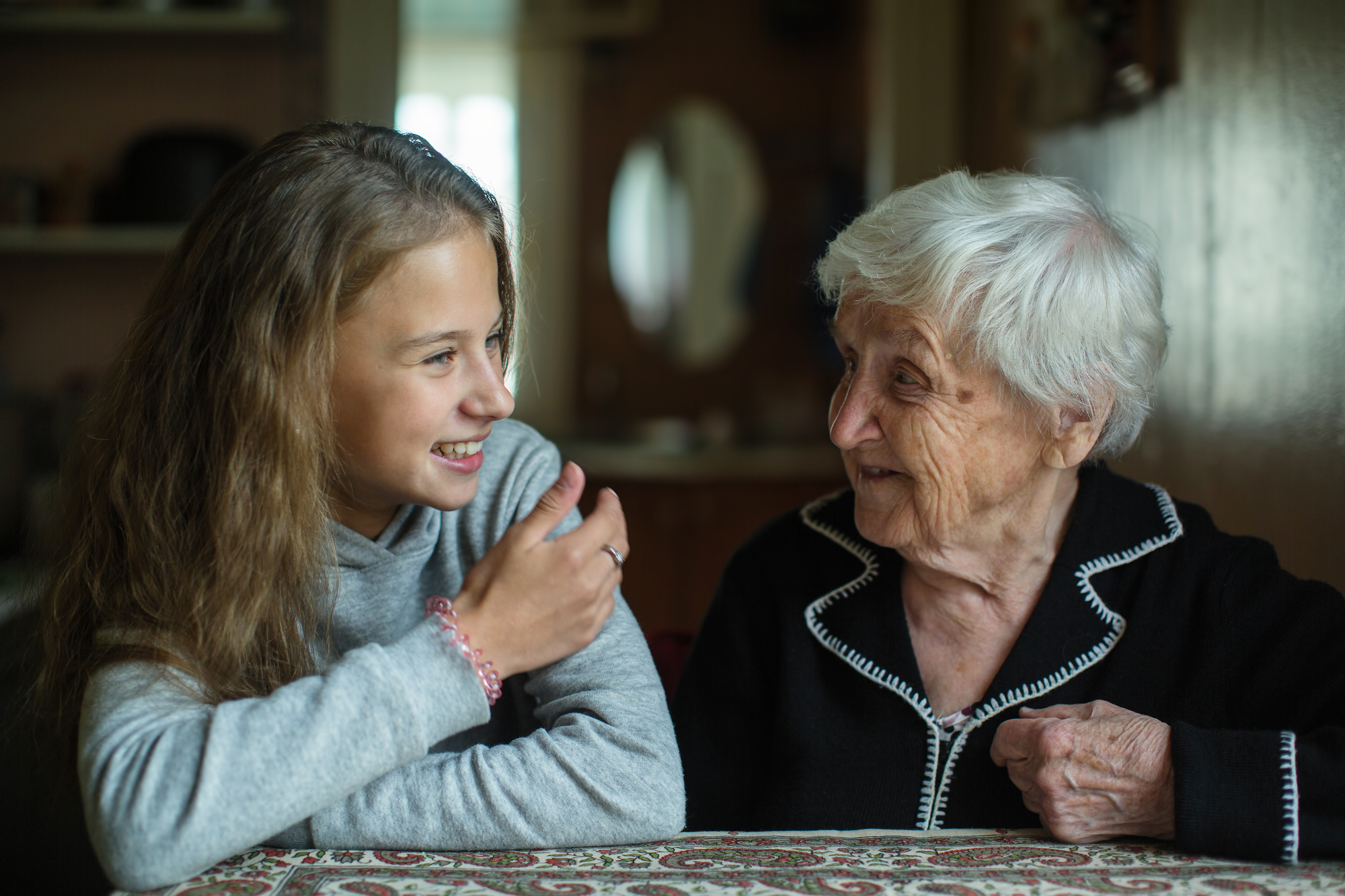
Creating lasting bonds with our senior loved ones is a precious gift that can bring joy, comfort, and a sense of connection. As our loved ones grow older, their memories become powerful vessels of their identity and life experiences. Building meaningful memories with them not only enriches our own lives but also preserves their legacy for future generations.
In this article, we will explore the magic of memory-making and provide a range of ideas to help you create lasting bonds with your senior loved ones. From exploring family history to embracing shared hobbies, and even leveraging technology to connect across distances, these activities will nurture and strengthen the relationships you have with your senior loved ones, ensuring that their stories and presence continue to shape your lives. Join us on this journey of cultivating memory-making magic and building cherished moments that will be treasured for years to come.
Create a family tree
Many seniors love to talk about their heritage and remember family members and stories from their past. Collecting old family photos and documents and putting them together into a family tree or album is a great way to help them maintain a visual record of their family history. Not only is this a way to preserve memories, but it also creates an opportunity for seniors to share stories about their family members and provide a sense of connection to their past.
Go down memory lane with music
Our memories are often tied to sounds and music. Seniors have been exposed to different music styles throughout their lifetime, and revisiting songs from their youth or favorite era can help them recall and relive past experiences. Compile a playlist of their favorite tunes and listen together or attend concerts or local music events that feature their preferred genre. Not only is this a fun activity, but it is also great for sparking conversation and reminiscing about old memories.
Document their life story
Recording a senior loved one’s life story allows you to honor their legacy and commemorate their achievements. It also allows them to reflect on their past, share their experiences, and impart any wisdom they have gained through their life journey. You can create a written or audio biography or even a video of your loved one’s life story to share with future generations and keep as a cherished family keepsake.
Take a trip down memory lane
Taking a walk or driving around your loved one’s old neighborhood or town can help them remember and share stories about their past. Visiting landmarks or restaurants from their youth can trigger memories and bring back old feelings of nostalgia. This can also be a great way to discover new and interesting details about their past that might not have previously been shared.
Cook and share family recipes
Food has a way of bringing people together and eliciting fond memories. Cooking traditional family recipes with senior loved ones or passing down their favorite recipes to younger generations is a great way to create generational ties and share stories about family traditions. It is also an opportunity for seniors to impart their culinary expertise and pass along their tips and techniques to future generations.
Share a hobby
Engaging in activities together can help build stronger bonds between family members. Sharing a hobby or activity that your senior loved one enjoys can also provide an opportunity for them to teach you something new, allowing you to learn from their expertise and experience. Whether it’s gardening, crafting, origami, or playing a game of cards, taking the time to participate in the things they love can help create lasting memories.
Explore new interests
It’s never too late to try something new. Discovering new activities and interests together can be a fun and rewarding experience for seniors and their loved ones. It can be a dance class, learning a new language, or taking up painting. The key is to find things that are interesting and accessible to seniors that can also encourage physical exercise, social interaction, and mental stimulation.
Volunteer together
Volunteering together is an excellent way to give back to the community while also spending quality time with your senior loved ones. You might volunteer at a local food bank, hospital, or animal shelter, or sign up for a community event or charity walk. This type of shared activity can be fulfilling and can provide many opportunities to connect with seniors and create lasting memories.
Attend cultural events
Attending cultural events with senior loved ones can be a great way to connect with different traditions and learn more about their heritage. This includes playing traditional music, attending community events, visiting museums, or even attending religious celebrations. It is also an opportunity for seniors to share their cultural traditions and help younger generations appreciate different ways of life.
Celebrate birthdays and milestones
Celebrating birthdays and other milestones is an essential way to create lifelong memories with seniors. You can organize a special party, bake a cake, or even make a scrapbook to commemorate important milestones. It is always a good idea to let seniors know how much they are valued and appreciated.
Preserve Memories
Technology can also play a crucial role in connecting with senior loved ones who live overseas or far away. Using screen recording software can be a practical way to preserve conversations and interactions with them. By recording video calls or screen-sharing sessions, you can capture precious moments and ensure that none of the memories shared are lost. To preserve these videos without occupying excessive storage space, consider using a video compressor, which can reduce file sizes without compromising the quality of the content. MP4 compressors can easily help you store and share these videos with other family members, ensuring that the memories made with overseas grandparents are cherished and accessible for years to come.
Conclusion
Building lasting bonds with senior loved ones requires time, effort, and a willingness to listen, learn, and share. Though communication can be challenging, taking the time to understand their life experiences and perspectives can help create meaningful memories and lasting connections. By using these ideas as a starting point, you can create memory-making magic that will ensure your senior loved ones’ legacies are cherished for generations to come.
Ron is from VEED. He is a passionate content marketer with a wealth of knowledge in the online space. His curiosity and enthusiasm led to the development of a constantly expanding portfolio that includes anything from video editing services to publishing his original creations on top-notch websites.
Please also review AIHCP’s Pastoral Thanatology Certification program and see if it meets your academic and professional goals. These programs are online and independent study and open to qualified professionals seeking a four year certification.
Approximately 17.5% of adults, or 1 in 6, experience infertility. Giving people access to affordable fertility treatment can improve many people’s ability to start a family.
But even with this access, we still need incredible medical professionals who have the training to educate couples and treat infertility issues at their source. If you choose one of the career paths in this article, you could be one of those professionals who help others with infertility.
10 Different Careers in Fertility Medicine
Going into medicine is a noble pursuit, and if you want to focus on fertility medicine, you have plenty of options. Here are 10 different careers in fertility medicine you should explore.
Sonographer
A sonographer is a medical professional who uses ultrasonic imaging equipment to diagnose various ailments. Getting an ultrasound during pregnancy is common, as it helps parents determine the age and health of the fetus. Ultrasounds can also be used for fertility issues.
After explaining the process to the patient, sonographers will capture clear ultrasounds of a patient’s uterus, ovaries, and endometrial lining to help physicians diagnose potential problems.
Lab Technician
A lab technician is responsible for performing technical, mechanical, and diagnostic tests in a laboratory. A lab technician who works for a fertility clinic or is trained to address fertility issues will use their knowledge to run the lab tests needed for a couple or an individual who is experiencing infertility.
Lab technicians may test samples for the presence or absence of hormones that help with family planning. They’ll also help with ordering supplies and managing equipment.
Medical Assistant
A medical assistant does a wide range of tasks, including showing patients to exam rooms, checking their height and weight, and taking them to the exam room. They would do the exact same thing in a fertility clinic, including sterilizing equipment with an autoclave.
A very experienced medical assistant will assist with on-site lab work (but is unlikely to take blood) and explain various fertility treatments or solutions to couples and individuals. They may administer the medications or explain the proper way to take them.
Patient Coordinator
A patient coordinator manages administrative tasks to ensure their patients receive comprehensive care. They’re often responsible for educating patients on registration, finances, and insurance companies. Some coordinators may speak to families about their fertility.
For example, they may suggest that patients work with a fertility app like Flo to track their menstrual and ovulation cycle.
Registered Nurse
A registered nurse (RN) is a medical professional who provides hands-on care in different medical and community settings. An RN in a fertility clinic could be responsible for administering in-vitro fertilization treatment and teaching patients how to self-administer treatment.
A fertility clinic RN will educate patients about their options before they make a decision. Nurses with a research focus or background, can help researchers come up with new reproductive technologies. A nurse can also pursue various certifications to expand their knowledge.
Embryologist
An embryologist works with patients, often indirectly, with fertility. They do this by helping with the different stages of IVF, from retrieval to the egg development and womb transfer. While they aren’t a doctor, their skills allow them to work with delicate cells like sperm cells and eggs.
Embryologists are also responsible for storing these cells for later use and relaying available treatment options to a patient’s doctor if they aren’t able to do this task themselves.
Midwife
A midwife can offer prenatal support to expectant patients. Some midwives are able to provide routine reproductive care, like Pap tests, but they often have to work alongside obstetricians and gynecologists. Many mothers choose a midwife to have a non-medicated/natural birth.
In regards to fertility specifically, midwives will provide psychological support and order medical tests to help parents through family planning. They may create comprehensive fertility plans.
Gynecologist
A gynecologist is a medical doctor who specializes in treating conditions of the female reproductive system. They administer multiple services and tests, including pelvic exams and pap tests. They’ll also consult patients on menstruation issues, diagnose reproductive diseases, and help with family planning.
If a patient sees a gynecologist for fertility issues, they will conduct fertility monitoring. They’ll also consider how other health problems may impact fertility and create treatment plans.
Fertility Specialist
Fertility specialists are trained medical doctors who specialize in infertility-related conditions for both men and women. They’ll educate patients on fertility preservation, infertility treatments, and genetic diseases. Some further specialize in conditions like polycystic ovarian syndrome (POS).
A fertility specialist can administer a wide variety of treatments, including ovulation induction therapy, intrauterine insemination, in-vitro fertilization, and testicular sperm extraction (TESE).
Urologist
A urologist specializes in treating diseases of the urinary system for both men and women. Since the reproductive systems of males and females are closely linked to the urinary system, a urologist may be needed to diagnose and treat various fertility and reproductive issues.
In some cases, a urologist will conduct analysis on reproductive cells, perform imaging tests, or recommend genetic testing. They often work closely with other reproductive specialists.
In Conclusion…
Fertility issues are difficult to work through on your own. If you pursue one of the career paths listed in this article, you could do a lot to help those experiencing infertility. Many of these careers don’t even require medical school, so you can more easily switch to these roles quickly.
Author Bio: Veronica Turner is a health and lifestyle writer with over 10 years of experience. She creates compelling content on nutrition, fitness, mental health, and overall wellness.
Please also review AIHCP’s Case Management Certificate program and see if it meets your academic and professional goals. These programs are online and independent study and open to qualified professionals seeking a four year certification.













 Written by Veronica Turner