Understanding the Role of a Case Manager: Key Responsibilities

By – James M. Katz, BA

In the healthcare industry, we often hear about the role of a case manager, but what does this position really entail? As someone who’s worked closely with case managers, I can tell you that their job is crucial in coordinating patient care and improving health outcomes. These professionals act as advocates, problem-solvers, and liaisons between patients, healthcare providers, and insurance companies. Their work has a significant impact on patient care management and the overall efficiency of healthcare systems.

Throughout this article, we’ll explore the many facets of a case manager’s role. We’ll look at how case management has evolved over time and examine the specific duties of hospital case managers. We’ll also discuss the tools and technologies used in case management programs, as well as the ethical considerations these professionals face daily. By the end, you’ll have a clear understanding of what case managers do in hospitals and other healthcare settings, and why their work is so important to patient care coordination and self-management.

The Evolution of Case Management

Historical Context

We can trace the roots of case management back to the late 19th and early 20th centuries. In the 1860s, settlement houses for immigrants and the poor utilized early forms of case management techniques. Around the same time, the first Board of Charities in Massachusetts was established, marking another early application of case management principles.

The role of a case manager began to take shape in the 1920s, emerging from the fields of psychiatry and social work. Initially, the focus was on managing long-term, chronic illnesses in outpatient, community-based settings. This approach laid the foundation for what would become a crucial aspect of healthcare case management.
In the early 1900s, public health nurses at Yale University School of Nursing implemented case management strategies, while social workers concurrently used care coordination techniques to link patients and families with available resources. These parallel developments in nursing and social work have continued to influence the modern practice of case management.Medical insurance template -medical case manager -modern flat vector concept digital illustration of a manager reordering the medical procedures and diagnoses, process metaphor, medical insurance plan

The 1930s saw visiting nurses adopting case management processes, with public health nursing models utilizing community-based approaches. This period marked a significant step in the evolution of the case manager role, as it began to encompass a broader range of healthcare settings and patient populations.

Modern Practices

The landscape of case management underwent a significant transformation in the 1980s with the introduction of the prospective payment system. This shift moved the model from community settings to acute care, hospital-based environments. Today, we find case management practices in virtually every healthcare setting across the continuum of care.

The 1990s brought about a major change in the healthcare industry, as it grew into a trillion-dollar business. This growth led to the development of hospital-based nurse case manager roles, focused on monitoring patient progress towards discharge. The core principle shifted to outcomes-driven care processes, a concept that continues to shape modern case management practices.

In recent years, we’ve seen a rapid evolution in case management practices due to various factors. The COVID-19 pandemic, for instance, has been a significant disruptor, pushing the industry to become more creative in healthcare delivery. This has led to an acceleration in telemedicine and home-based care, aiming to close gaps in care access.

Today’s case managers utilize a wide range of tools and technologies to improve their effectiveness. Interoperability between IT systems now allows seamless access to multiple sources of patient information, enabling the development of more individualized care plans. Wearable technology and healthcare apps have also become integral parts of modern case management, empowering consumers to better monitor and manage their own health.

As we look to the future, the role of a case manager continues to evolve. With high patient volumes and fewer staff, case managers and organizations are likely to rely more heavily on technology to help triage and prioritize cases. This shift towards data-driven approaches and outcome-driven metrics is shaping the future of case management, enabling more effective measurement and monitoring of care quality, health outcomes, cost containment, and stakeholder satisfaction.

Case Manager’s Role in Different Settings

We find that the role of a case manager varies significantly depending on the setting in which they work. Each environment presents unique challenges and responsibilities, requiring case managers to adapt their skills and approaches accordingly. Let’s explore how the role of a case manager differs across various healthcare settings.

Hospitals

In a hospital setting, case managers play a crucial role in coordinating patient care and ensuring efficient use of resources. Hospital case managers are often registered nurses who specialize in both utilization review and discharge planning. Their primary responsibilities include:

1. Assessing patients’ needs and developing comprehensive care plans
2. Coordinating care among various healthcare providers and specialists
3. Communicating with patients, families, and healthcare teams
4. Facilitating smooth transitions between different levels of care
5. Advocating for patients’ rights and ensuring quality care

One of the key aspects of a hospital case manager’s role is to work closely with health insurance companies. They act as intermediaries, ensuring that insurers have all the necessary information to approve payment for hospitalizations and prevent claim denials. Hospital case managers typically communicate with health insurers’ case managers on a daily or regular basis to keep them informed about patients’ progress and care needs.

Additionally, hospital case managers have a significant impact on resource allocation and cost management. They work to optimize care delivery while minimizing unnecessary expenses. For instance, they may negotiate coverage benefits between health insurers, providers, and patients to find cost-effective solutions that meet patients’ needs without compromising care quality.

Home Health

In the home health setting, case managers often take on a more hands-on role in patient care. Home health case managers are responsible for:
1. Developing and implementing personalized care plans
2. Coordinating services provided by other members of the healthcare team
3. Communicating with patients’ physicians and health insurance companies
4. Supervising visiting nurses and home health aides
5. Providing direct patient care and support

Home health case managers typically develop care plans with input from patients and their families. These plans are then presented to the patient’s physician for approval. Throughout the care process, case managers make necessary adjustments to the plan based on the patient’s progress and changing needs.
It’s important to note that while many home health case managers are nurses, some may have different professional backgrounds. When selecting a home health company, it’s crucial to understand whether they provide nursing care or only basic home assistance.

Community Organizations

Case management in community organizations focuses on connecting individuals with resources and services that improve their overall well-being. Community case managers work collaboratively to help clients navigate the social service system and access necessary support. Their responsibilities include:An overhead view of a case manager's meeting

1. Assessing clients’ needs and developing individualized care plans
2. Connecting clients with medical, clinical, and community services
3. Advocating for clients’ rights and access to resources
4. Coordinating care among multiple service providers
5. Monitoring clients’ progress and adjusting care plans as needed

Community case managers play a vital role in reducing healthcare costs by minimizing hospital stays, improving medication compliance, and helping clients return to work more quickly. They also work to prevent homelessness and ensure positive outcomes for their clients.

In conclusion, the role of a case manager is multifaceted and adapts to the specific needs of each healthcare setting. Whether in hospitals, home health, or community organizations, case managers serve as essential advocates, coordinators, and facilitators of care, working to improve patient outcomes and optimize resource utilization across the healthcare continuum.

Tools and Technologies in Case Management

We’ve seen a significant transformation in the tools and technologies used in case management over the years. As case managers, we’ve moved from paper-based systems to sophisticated digital solutions that enhance our ability to provide effective care coordination and improve patient outcomes. Let’s explore two key technological advancements that have revolutionized our field: Electronic Health Records (EHRs) and Care Coordination Software.

Electronic Health Records

Electronic Health Records have become an indispensable tool in our role as case managers. These digital versions of patients’ paper medical charts have greatly improved our ability to document patient information, ensure billing accuracy, and provide higher quality care. EHRs offer us quick access to patient records, enabling more coordinated and efficient care delivery.

One of the primary benefits of EHRs is the improvement in patient safety. By providing accurate, up-to-date, and complete information about patients at the point of care, we can make better-informed decisions and reduce medical errors. EHRs also enhance privacy and security of patient data, which is crucial in maintaining trust and compliance with regulations.

However, it’s important to note that EHRs have their limitations, especially when it comes to value-based care programs. Many EHRs are still designed to support the fee-for-service model, which can pose challenges as we transition to more value-based approaches. Additionally, the lack of interoperability between different EHR systems can hinder collaboration among healthcare providers treating the same patient.

Care Coordination Software

To address the limitations of EHRs and better support our role in care coordination, we’ve seen the emergence of specialized care coordination software. These tools are designed to complement EHRs and provide additional functionalities that are crucial for effective case management. Care coordination software offers several advantages over traditional EHRs. It allows for better interoperability, enabling us to share patient data and information across various EHR systems.

This improved data sharing enhances collaboration among providers, keeping the entire care team involved in the patient’s care and preventing miscommunications or duplication of work. One of the key features of care coordination software is its ability to prioritize care management tasks and automate processes like care plan creation. This automation significantly reduces the time we spend on manual data entry and compilation, allowing us to focus more on direct patient care. Moreover, care coordination software often provides more intuitive interfaces and better sorting and filtering features compared to EHRs. This makes it easier for us to access and update patient information across our entire caseload quickly and efficiently.

Another significant advantage is the integration of analytics and risk stratification capabilities. These features help us identify trends, assess patient risks, and make data-driven decisions to improve care outcomes. By aggregating data from multiple sources, care coordination software provides us with a comprehensive view of a patient’s health, enabling us to develop more effective, personalized care plans.

While care coordination software offers numerous benefits, it’s important to remember that it’s not a replacement for EHRs. Instead, it serves as a complementary tool that enhances our ability to manage patient care under value-based models. By leveraging both EHRs and care coordination software, we can provide more efficient, effective, and patient-centered care.

As case managers, embracing these technological advancements is crucial for improving our efficiency, enhancing patient outcomes, and adapting to the evolving healthcare landscape. However, we must always remember that technology is a tool to support our critical thinking and human relationships, not replace them.

Ethical Considerations

As case managers, we face numerous ethical challenges in our daily practice. Our role requires us to navigate complex situations while upholding the highest standards of patient care and professional conduct. Let’s explore some key ethical considerations that shape our work.

Patient Privacy

Protecting patient privacy is a cornerstone of ethical case management. We must adhere to strict privacy regulations, such as the Health Insurance Portability and Accountability Act (HIPAA). This law ensures that patients’ protected health information (PHI) remains confidential and secure.

In our role as case managers, we often have access to sensitive patient information. It’s crucial that we only disclose this information when necessary for treatment, payment, or healthcare operations. We must be cautious even in casual conversations, as discussing patient details in public areas or with unauthorized individuals can lead to privacy breaches.

When communicating with family members or friends of a patient, we must obtain the patient’s permission or use our professional judgment to determine if the disclosure is in the patient’s best interest. This is particularly important in mental health cases, where privacy concerns are often heightened.

Informed Consent

Obtaining informed consent is a critical ethical responsibility for case managers. This process involves educating patients about the risks, benefits, and alternatives of proposed interventions or treatments. It’s not just about getting a signature; it’s about ensuring that patients truly understand and voluntarily agree to their care plan.

As case managers, we play a vital role in facilitating informed consent. We must ensure that patients receive clear, understandable information about their care options. This includes explaining complex medical terms in plain language and addressing any questions or concerns patients may have.

It’s important to note that informed consent is an ongoing process. We must continually assess patients’ understanding and provide updated information as their care progresses. In cases where patients lack the capacity to make decisions, we must work with their legally authorized representatives to obtain informed permission.

Cultural Competence

Cultural competence is essential in our role as case managers. We serve diverse patient populations with varying beliefs, values, and practices. To provide effective, equitable care, we must develop cultural awareness and sensitivity.

Cultural competence goes beyond just recognizing differences. It involves actively working to understand and respect patients’ cultural backgrounds and how they influence healthcare decisions. This might mean adapting our communication style, considering alternative treatment approaches, or involving cultural mediators when necessary.

As case managers, we must also be aware of our own cultural biases and how they might affect our interactions with patients. Practicing cultural humility – recognizing the limits of our knowledge about others’ cultures – is crucial in building trust and rapport with patients from diverse backgrounds.

In conclusion, ethical considerations are at the heart of effective case management. By prioritizing patient privacy, ensuring informed consent, and practicing cultural competence, we can uphold the highest ethical standards in our role as case managers. These principles not only guide our decision-making but also help us provide patient-centered care that respects individual rights and promotes positive healthcare outcomes.

Impact on Healthcare Outcomes

As case managers, we play a crucial role in improving healthcare outcomes across various dimensions. Our work has a significant impact on cost reduction, patient satisfaction, and overall health improvements. Let’s explore how our role as case managers contributes to these important aspects of healthcare.

Cost Reduction

One of the primary goals of case management is to optimize resource utilization and reduce healthcare costs. By coordinating care and integrating services across different providers and settings, we help close care gaps and minimize areas of conflict in the delivery of care. This approach has led to notable reductions in healthcare utilization and associated costs.

Studies have shown that case management interventions can effectively reduce hospital readmissions, emergency department visits, and unnecessary institutionalization. By prioritizing the most urgent and important cases that require immediate attention, we can focus our efforts where they’re needed most, leading to more efficient use of healthcare resources. The implementation of case management programs has demonstrated cost-effective and, in many cases, cost-saving results. For instance, by optimizing patient processes, we can reduce hospital bed costs associated with inpatient overstay. This not only benefits healthcare organizations but also contributes to the overall sustainability of the healthcare system.

Patient Satisfaction

Our role as case managers significantly contributes to enhancing patient satisfaction. By providing personalized care coordination and support, we help patients navigate complex healthcare systems more effectively. This leads to improved experiences of care and higher consumer satisfaction.

One key aspect of our work that impacts patient satisfaction is our focus on patient engagement. We empower clients to become active participants in their own care management, motivating them to manage their health and reduce dependence on case management services. This approach not only improves patient outcomes but also enhances their overall satisfaction with the healthcare process.

Studies have shown strong evidence that case management improves adherence to treatment guidelines and patient satisfaction. By offering emotional and informational support, educating patients about their care plans and rights, and empowering them to advocate for themselves, we create a more positive healthcare experience for our clients.

Health Improvements

The ultimate goal of our work as case managers is to improve the health outcomes of individuals and populations. Through our comprehensive approach to care coordination, we contribute significantly to this objective. Case management interventions have been shown to favorably affect healthcare utilization outcomes in chronic illness care. By developing personalized care plans centered around the patient’s needs, goals, and measurable outcomes, we help ensure that patients receive the most appropriate and effective care for their specific conditions.

Our role in promoting safe and efficient transitions of care is critical to reducing readmission rates and improving the quality of patient care. We regularly evaluate disease control and management, the effectiveness of the care plan, and the patient’s self-management capabilities. This ongoing assessment allows us to make timely adjustments to care plans, ensuring optimal health outcomes.Cartoon - A case manager with many arms showing all of the responsibilities of case management

Moreover, by leveraging advancements in technology such as artificial intelligence and data analytics, we can monitor progress, evaluate outcomes, and make data-driven decisions to improve care. This approach enables us to provide more targeted and effective interventions, ultimately leading to better health outcomes for our patients.
In conclusion, our role as case managers has a profound impact on healthcare outcomes. Through our efforts in cost reduction, enhancing patient satisfaction, and improving overall health, we contribute significantly to the goals of value-based care and the Quintuple Aim in healthcare. As we continue to refine our practices and embrace new technologies, we can further enhance our ability to positively influence healthcare outcomes and improve the lives of the patients we serve.

Conclusion

The role of a case manager has a significant influence on the healthcare system, bridging gaps between patients, providers, and insurers. These professionals play a crucial part in coordinating care, optimizing resource use, and improving patient outcomes. Their work spans various settings, from hospitals to community organizations, adapting to meet the unique needs of each environment. By leveraging modern tools and technologies, case managers enhance their ability to deliver efficient, patient-centered care.

At its core, case management is about advocating for patients and ensuring they receive the best possible care. This involves navigating complex ethical considerations, such as protecting patient privacy and obtaining informed consent. As the healthcare landscape continues to evolve, the impact of case managers on cost reduction, patient satisfaction, and overall health improvements becomes increasingly clear. Their role is essential to achieve the goals of value-based care and to improve the overall quality of healthcare delivery.

If you’re a healthcare professional, our certification program in case management might be right for you. Our program consists of 5 online case management courses. Once complete you would become certified in case management with a fellowship status for a period of 4 years. For full details on the Case Management certification program, please go here.

Research Articles:

Investigating a novel population health management system to increase access to healthcare for children: a nested cross-sectional study within a cluster randomised controlled trial. Cecil E, Forman J, Newham J, et al. BMJ Quality & Safety Published Online First: 11 July 2024.
Access link here

Active case finding with case management: the key to tackling the COVID-19 pandemic. Li, ZhongjieLi, Zhongjie et al. The Lancet, Volume 396, Issue 10243, 63 – 70
Access link here

Pediatric Preventive Care: Population Health and Individualized Care. Edward L. Schor, MD; David Bergman, MD, Et Al. American Academy of Pediatrics. Volume 148, Issue 3 September 2021
Access link here

Sustainability of an Interprofessional Collaborative Practice Model for Population Health. Shirey, Maria R. PhD, Et Al. Nursing Administration Quarterly 44(3):p 221-234,
Access link here




Holistic Wellness Advice: Discover the Benefits of Berberine

By – James M. Katz, BA

In our quest for holistic wellness advice, we’re always on the lookout for natural solutions that can make a real difference in our health. That’s where berberine comes in – a powerful compound found in several plants that’s causing quite a stir in the world of integrative medicine. We’ve seen its potential to have an impact on everything from metabolic health to heart health, making it a fascinating subject for those of us interested in holistic wellness tips and activities.

As we dive into the benefits of berberine, we’ll explore how it works to improve our overall well-being. We’ll look at its role in managing type 2 diabetes and insulin resistance, its potential to help with weight loss, and how it supports our cardiovascular system. We’ll also discuss berberine’s effects on digestion and gut health, and touch on how to take berberine for optimal results. By the end of this holistic guide to wellness, we hope you’ll have a clearer picture of how berberine might fit into your own health journey.Holistic Wellness Advice: What does Berberine do for you?

Understanding Berberine’s Holistic Wellness Approach

Definition of Holistic Wellness

Holistic wellness is an approach that considers the whole person – body, mind, and spirit – in the quest for optimal health and well-being. It’s about looking at the big picture and addressing the root causes of health issues rather than just treating symptoms. In this context, berberine fits perfectly into the holistic wellness paradigm.
Berberine is a powerful compound found in several plants, including European barberry, goldenseal, and Oregon grape. It has been used for centuries in traditional Chinese and Ayurvedic medicine to treat various ailments. Today, it’s gaining recognition in integrative medicine for its potential to support overall health and wellness.

Berberine’s Multi-faceted Effects

What makes berberine particularly interesting from a holistic wellness perspective is its multi-faceted effects on the body. It doesn’t just target one specific area but has a wide-ranging impact on various aspects of health. One of the most significant ways berberine works is by activating an enzyme called AMP-activated protein kinase (AMPK). This enzyme is often referred to as the body’s “metabolic master switch” because it plays a crucial role in regulating energy balance and metabolism at the cellular level. When berberine activates AMPK, it sets off a cascade of metabolic processes that help the body use energy more efficiently.

This activation of AMPK has several downstream effects. It improves insulin sensitivity, making cells more responsive to insulin, which is key for maintaining healthy blood sugar levels. This is why berberine has shown promise in supporting metabolic health, particularly for those with type 2 diabetes or insulin resistance.

But berberine’s benefits don’t stop there. It also has a positive impact on heart health by helping to lower cholesterol levels and supporting healthy blood pressure. Some studies have shown that berberine can reduce total cholesterol, LDL (bad) cholesterol, and triglycerides while increasing HDL (good) cholesterol.

Moreover, berberine has been found to have anti-inflammatory and antioxidant properties, which can help protect against chronic diseases and support overall wellness. It also supports digestive health by promoting a healthy gut microbiome, which is increasingly recognized as crucial for overall well-being.

Why using Berberine is excellent Holistic Wellness Advice

Given its wide-ranging benefits, berberine can be a valuable addition to many holistic wellness routines. However, it’s important to remember that berberine is not a magic bullet. It works best when combined with other healthy lifestyle practices.

For those looking to incorporate berberine into their wellness routine, it’s typically taken as a supplement. The common dosage is 500 mg, taken two to three times a day before meals. However, it’s crucial to consult with a healthcare provider before starting any new supplement regimen, especially if you’re taking other medications, as berberine can interact with certain drugs.

Berberine for Metabolic Health

When it comes to holistic wellness advice, berberine stands out as a powerful ally for metabolic health. This natural compound has shown remarkable potential in supporting various aspects of metabolism, making it a valuable addition to integrative medicine approaches.

Blood Sugar Regulation

One of the most significant benefits of berberine is its ability to help regulate blood sugar levels. This is particularly important for those of us dealing with type 2 diabetes or at risk of developing it. Studies have shown that berberine can significantly lower blood sugar levels in people with type 2 diabetes. In fact, a 2008 study found that taking 1 gram of berberine per day lowered fasting blood sugar by 20%.

Berberine works through multiple mechanisms to help control blood sugar. It increases insulin sensitivity, promotes the breakdown of sugars inside cells, and even slows down the breakdown of carbohydrates in the gut. What’s really interesting is that berberine’s glucose-lowering effects are only apparent under hyperglycemic conditions. This means it’s less likely to cause hypoglycemia, which is a common concern with some diabetes medications.

Insulin Sensitivity

Improving insulin sensitivity is crucial for metabolic health, and berberine shines in this area too. It helps our cells respond better to insulin, which is key for maintaining healthy blood sugar levels. By increasing insulin sensitivity, berberine promotes better glucose uptake by our cells. What’s fascinating is that berberine has been found to be as effective as certain oral diabetes drugs in managing blood sugar levels. This doesn’t mean we should replace our prescribed medications, but it does highlight berberine’s potential as a complementary approach in our holistic wellness routine.

Lipid Profile Improvement

Beyond blood sugar control, berberine also has a positive impact on our lipid profile. This is crucial for heart health, which is often a concern for those of us dealing with metabolic issues. Studies have shown that berberine can help lower total cholesterol, LDL (bad) cholesterol, and triglycerides while increasing HDL (good) cholesterol.
In one study, taking 500 mg of berberine two to three times daily for three months led to a reduction in total cholesterol levels by up to 29%. This improvement in lipid profile can have a significant impact on our overall cardiovascular health. It’s important to note that while berberine shows promise in supporting metabolic health, it’s not a magic solution. As with any holistic wellness approach, it works best when combined with other healthy lifestyle practices like a balanced diet and regular exercise.

When considering berberine supplementation, it’s typically taken in doses of 500 mg, two to three times a day before meals. However, it’s crucial to consult with a healthcare provider before starting any new supplement regimen, especially if we’re taking other medications. In conclusion, berberine offers a holistic approach to metabolic health by supporting blood sugar regulation, improving insulin sensitivity, and enhancing lipid profiles. As we continue to explore integrative medicine and holistic wellness tips, berberine stands out as a promising natural compound that can complement our efforts to maintain optimal metabolic health.

Weight Management with Berberine

As we explore holistic wellness advice, berberine has gained attention for its potential role in weight management. While research is ongoing, some studies suggest that berberine might help with weight loss and body composition improvements.Holistic Herbs in a dish ready to be ground up.

Mechanisms for Weight Loss

Berberine’s potential for weight management stems from its effects on metabolism and energy balance. It activates an enzyme called AMP-activated protein kinase (AMPK), often referred to as the body’s “metabolic master switch.” This activation can lead to improved insulin sensitivity and more efficient energy use in cells.

A 2020 review of 35 studies from 2006-2019 indicated that berberine might be effective in reducing and preventing obesity. Another study from 2022 concluded that berberine could help with long-term weight loss and obesity prevention. These findings are promising, but it’s important to note that more high-quality research is needed to fully understand berberine’s effects on weight.

Interestingly, a 2023 study referred to a clinical trial where participants with obesity took 1.5 grams of berberine daily for 24 weeks. The results showed significant reductions in both BMI and waist circumference. However, we should interpret these results cautiously, as individual responses can vary.

Comparison to Conventional Methods

When comparing berberine to conventional weight loss methods, it’s crucial to maintain realistic expectations. While some have dubbed berberine “nature’s Ozempic,” this comparison may be overstated. Ozempic, a prescription medication for type 2 diabetes that can also lead to weight loss, works differently from berberine.
Ozempic slows down digestion, while berberine primarily influences how the body breaks down and uses energy. Unlike Ozempic, berberine is a dietary supplement that hasn’t undergone FDA approval for weight loss. This means there’s less robust evidence supporting its effectiveness for weight management compared to FDA-approved medications.

Dr. Wajahat Mehal, Co-director of the Yale New Haven Health Center for Weight Management, suggests that the impact of berberine on weight loss might be modest. He states, “If we take somebody who is moderately overweight, they’re probably looking at if anything, five to six pounds weight loss”. This underscores the importance of maintaining realistic expectations when considering berberine for weight management.

Lifestyle Integration

Integrating berberine into a holistic wellness routine requires careful consideration. It’s not a magic solution for weight loss and works best when combined with other healthy lifestyle practices. A balanced diet and regular exercise remain fundamental to any weight management plan. If you’re thinking about adding berberine to your wellness routine, it’s typically taken in doses of 500 mg, two to three times a day before meals. However, it’s crucial to consult with a healthcare provider before starting any new supplement regimen, especially if you’re taking other medications.

It’s worth noting that berberine may cause some side effects, primarily gastrointestinal symptoms such as nausea, abdominal pain, bloating, constipation, or diarrhea. These effects are generally mild and uncommon, but they’re important to be aware of. Remember, the goal of holistic wellness is to improve overall health, not just to lose weight. As Dr. Mehal points out, “I always say it’s of no importance to me what someone’s weight is, or what their waist circumference is or anything like that. But we know that both are tightly associated with diseases like diabetes, fatty liver, high blood pressure and stroke, which of course we care a lot about”.

In conclusion, while berberine shows promise for weight management, it’s just one piece of the holistic wellness puzzle. Integrating it into a comprehensive approach that includes a healthy diet, regular exercise, and other lifestyle factors is key to achieving and maintaining optimal health.

Cardiovascular Support

As we delve deeper into holistic wellness advice, it’s crucial to explore berberine’s potential benefits for heart health. Research suggests that berberine may offer significant support for cardiovascular health through various mechanisms.

Cholesterol Management

One of the most promising aspects of berberine is its ability to help manage cholesterol levels. Studies have shown that berberine can have a positive impact on lipid profiles, which is essential for maintaining heart health. In a meta-analysis of 16 clinical trials involving 2,147 patients with hyperlipidemia, researchers found that berberine significantly reduced levels of total cholesterol by 0.47 mmol/L, LDL cholesterol by 0.38 mmol/L, and triglycerides by 0.28 mmol/L.
Another systematic review of 11 clinical trials with 874 patients suffering from hyperlipidemia, type 2 diabetes, or both, revealed that berberine was associated with significant reductions in total cholesterol (0.61 mmol/L), triglycerides (0.50 mmol/L), and LDL cholesterol (0.65 mmol/L) compared to the control group. These findings suggest that berberine could be a valuable addition to holistic wellness strategies for managing cholesterol levels.

Blood Pressure Regulation

High blood pressure is a significant risk factor for heart disease, and berberine shows promise in this area as well. Some studies indicate that berberine may help lower both diastolic and systolic blood pressure. This effect could be particularly beneficial for those with type 2 diabetes, as hyperglycemia and hypertension often coexist and are considered leading risk factors for vascular disease in diabetic patients.

In one study, chronic administration of 100 mg/kg/day berberine not only lowered blood glucose but also reduced blood pressure and improved vasodilation in diabetic rats. While more research is needed to confirm these effects in humans, these findings suggest that berberine might offer a holistic approach to managing both blood sugar and blood pressure.

Arterial Health

Berberine’s cardiovascular benefits extend to arterial health as well. Research indicates that berberine may help improve vascular endothelial function, which is crucial for maintaining healthy arteries. In a recent animal experiment, berberine (50 mg/kg/d) was found to partly reduce blood pressure and circulating endothelial microparticles level in spontaneously hypertensive rats.

Moreover, berberine maintained arterial elasticity by reducing aortic pulse wave velocity and increasing the content of arterial media elastin fiber, indicating improved endothelium-dependent vasodilation. These effects suggest that berberine could play a role in protecting against arteriosclerosis and endothelial damage caused by hypertension.

It’s important to note that while these findings are promising, more research is needed to fully understand berberine’s effects on cardiovascular health in humans. As with any supplement, it’s crucial to consult with a healthcare provider before incorporating berberine into your holistic wellness routine, especially if you’re taking other medications or have existing health conditions.

In conclusion, berberine shows potential as a holistic wellness tool for supporting cardiovascular health. Its ability to help manage cholesterol levels, regulate blood pressure, and support arterial health makes it an intriguing option for those looking to take a comprehensive approach to heart health. However, it’s essential to remember that berberine should be part of a broader strategy that includes a balanced diet, regular exercise, and other lifestyle factors that promote overall well-being.

Digestive and Gut Health

As we explore holistic wellness advice, it’s crucial to understand the impact of berberine on digestive and gut health. This natural compound has shown promising effects in supporting a healthy digestive system and maintaining gut balance.

Antimicrobial Properties

One of the key benefits of berberine for digestive health lies in its antimicrobial properties. Research has shown that berberine can effectively combat various harmful bacteria, including methicillin-resistant Staphylococcus aureus (MRSA). In fact, studies have demonstrated that berberine can enhance the inhibitory efficacy of antibiotics against clinical multi-drug resistant isolates of MRSA. Berberine’s antimicrobial action seems to work by removing harmful bacteria in the gut, which in turn promotes the growth of beneficial bacteria. This dual action of eliminating harmful microbes while supporting beneficial ones makes berberine a valuable tool in maintaining a healthy gut environment.

Gut Microbiome Balance

The gut microbiome plays a crucial role in our overall health, influencing everything from digestion to immune function. Berberine has shown the potential to positively shape the composition and metabolism of the gut microbiota. This interaction between berberine and the gut microbiome is particularly interesting because it may explain some of berberine’s wide-ranging health benefits.

Studies have found that berberine can increase the proportion of beneficial bacteria in the gut. For instance, in a study involving db/db mice, berberine treatment increased the proportion of short-chain fatty acid (SCFA) producing bacteria such as Butyricimonas, Coprococcus, and Ruminococcus. These SCFAs are known to have numerous health benefits, including improved blood glucose control and enhanced insulin secretion.

Moreover, berberine has been shown to increase the relative levels of probiotic Lactobacillaceae, which has a negative correlation with the risk of type 2 diabetes. This suggests that berberine’s effects on gut microbiota could be part of its mechanism in supporting metabolic health.

Digestive Disorder Relief

Berberine shows promise in providing relief for various digestive disorders. Its ability to modulate the gut microbiome and its anti-inflammatory properties make it a potential holistic wellness tool for managing conditions like ulcerative colitis.

In animal studies, berberine has been shown to alleviate dysbiosis in rats with dextran sodium sulfate (DSS)-induced colitis. It significantly upregulates beneficial bacteria like Bacteroides and Akkermansia while decreasing the expression of conditionally pathogenic bacteria. This rebalancing of the gut microbiome could be beneficial in managing inflammatory bowel conditions.

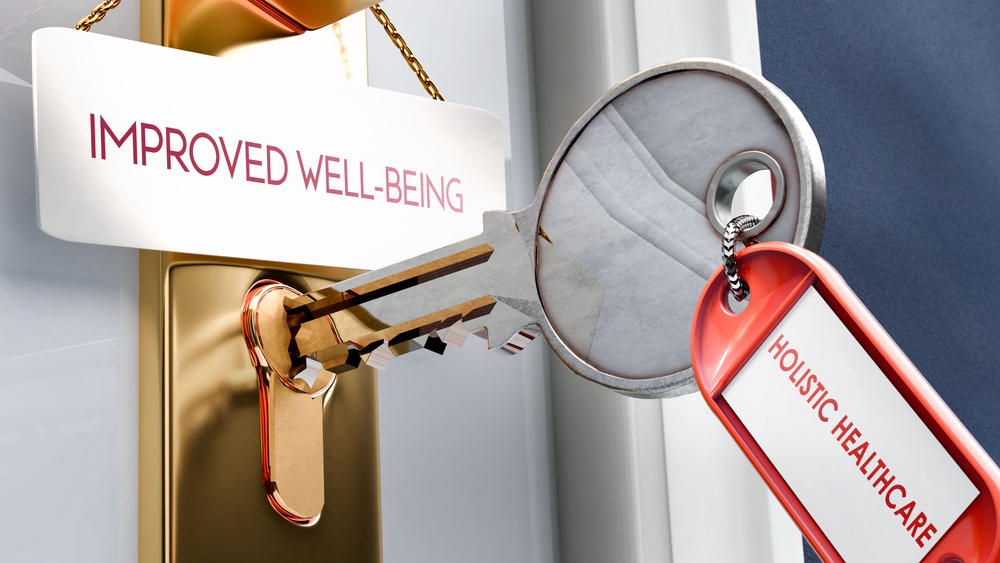
Furthermore, berberine has shown potential in treating Helicobacter pylori infections, a common cause of ulcers. When added to standard treatment regimens, berberine might work as well as other accepted treatments for this condition. It’s important to note that while these findings are promising, more research is needed to fully understand berberine’s effects on digestive health in humans. As with any supplement, it’s crucial to consult with a healthcare provider before incorporating berberine into your holistic wellness routine, especially if you’re taking other medications or have existing health conditions.Holistic Healthcare leads to Improved Well-Being - it's a key to unlock improved well-being. A door key metaphor

In conclusion, berberine’s antimicrobial properties, its ability to balance the gut microbiome, and its potential to provide relief from digestive disorders make it an intriguing option for those looking to support their digestive and gut health. As we continue to explore integrative medicine and holistic wellness tips, berberine stands out as a promising natural compound that can complement our efforts to maintain optimal digestive health and overall well-being.

Conclusion

Berberine has shown its potential as a versatile tool to enhance overall wellness. Its ability to regulate blood sugar, improve cardiovascular health, and support digestive function makes it a promising addition to holistic health routines. What’s more, berberine’s impact on weight management and metabolic health highlights its role in addressing some of the most common health concerns today.

As we continue to explore natural ways to boost our health, berberine stands out as a compound worth considering. However, it’s crucial to remember that berberine is just one piece of the puzzle. To truly embrace holistic wellness, we need to combine supplements like berberine with a balanced diet, regular exercise, and other healthy lifestyle choices. Always consult with a healthcare provider before adding new supplements to your routine, especially if you’re taking other medications.

The American Institute of Health Care Professionals offers a Certification Program in Holistic Healthcare open to students in the nursing profession. It is an excellent way to learn about the holistic wellness advice and other issues we have discussed here today. If you’re interested in becoming certified in holistic nursing then please review our Online Holistic and Integrative Healthcare Program.

FAQs

1. What effects does berberine have on the body?
Berberine plays a significant role in reducing inflammation through various mechanisms. It diminishes oxidative stress, curtails the production of inflammatory proteins, and aids in immune regulation. These anti-inflammatory properties suggest that berberine might be effective in treating conditions such as arthritis.
2. Why is berberine not commonly prescribed by doctors?
Berberine has the potential to interfere with prescription medications by altering their levels in the bloodstream, primarily because it affects certain liver enzymes involved in drug metabolism, like those that process metformin. Additionally, there’s a heightened risk of bleeding when using berberine.
3. Is long-term use of berberine safe?
Long-term consumption of berberine can be problematic due to its toxicity, which is higher in its pure form compared to plant extracts. Extended use can lead to liver function changes, stomach issues, toxicity to the liver and blood, inflammatory bleeding issues, immune cell damage, and triggered cell death.
4. How quickly can one expect to see benefits from taking berberine?
The benefits of berberine are typically observed over a period of about 90 days according to research studies. However, some individuals may notice improvements in their blood sugar levels as early as the first month of supplementation, whereas drugs like metformin tend to act more quickly.

Research Articles:

Anticancer Effects and Mechanisms of Berberine from Medicinal Herbs: An Update Review. Xiong R-G, et al. Molecules. 2022; 27(14):4523.
Access link here
Berberine: An Important Emphasis on Its Anticancer Effects through Modulation of Various Cell Signaling Pathways. Almatroodi, S.A.; Alsahli, M.A.; Rahmani, A.H. Molecules 2022, 27, 5889.
Access link here

Effects of Berberine on Atherosclerosis. Rui Rui, Yang Haolan, Et Al. Front. Pharmacol., 25 November 2021 Sec. Cardiovascular and Smooth Muscle Pharmacology
Access link here

Gut microbiome-related effects of berberine and probiotics on type 2 diabetes (the PREMOTE study). Zhang, Y., Gu, Y., Ren, H. et al. Nat Commun 11, 5015 (2020).
Access link here

Ethical Issues in Healthcare: Patient Confidentiality Challenges

By – James M. Katz, BA

In the complex world of healthcare, there are numerous ethical issues in healthcare that shape our decision-making and patient care. One of the most critical issues we encounter is patient confidentiality, which forms the bedrock of trust between healthcare providers and those we serve. As medical professionals, we have an obligation to protect sensitive information and respect the privacy of our patients. This duty not only has a profound impact on patient welfare but also raises important questions about the balance between confidentiality and other ethical principles in healthcare.Ehtical Issues in Healthcare: a compass pointing to integrity.

We’ll explore the multifaceted nature of patient confidentiality in modern healthcare, looking at the legal landscape that governs our practices, including laws like HIPAA. We’ll also dive into the unique challenges we face with special populations and how we can better train healthcare professionals to handle confidential information. Additionally, we’ll examine the role of technology in protecting patient privacy and consider what the future might hold for maintaining confidentiality in an increasingly digital world. By the end, we aim to provide a comprehensive overview of this crucial aspect of medical ethics and the ethical issues in the healthcare industry that surround it.

Defining Patient Confidentiality for Ethical Issues in Healthcare

In the realm of ethical issues in healthcare, patient confidentiality stands as a cornerstone principle. It involves safeguarding sensitive health information and respecting the privacy of individuals seeking medical care. As healthcare providers, we have an ethical obligation to protect the personal data entrusted to us by our patients.

Scope of protected information

The Health Insurance Portability and Accountability Act (HIPAA) of 1996 established national standards for protecting patient health information. Under HIPAA, protected health information (PHI) encompasses a wide range of data, including demographic details, medical history, test results, and payment information. This protection extends to all forms of communication – whether electronic, paper, or oral.

We must be vigilant in safeguarding 18 specific identifiers that constitute PHI. These include names, geographical data, contact information, medical record numbers, and even full-face photographs. When we handle this information, we’re not just managing data; we’re preserving the trust our patients place in us.

Digital age challenges

The digital revolution has transformed healthcare, bringing both benefits and new ethical dilemmas. Electronic health records (EHRs) and telehealth services have improved efficiency and access to care, but they’ve also introduced new privacy concerns. We face the challenge of protecting patient data in an increasingly interconnected world.

Cybersecurity threats pose significant risks to patient privacy. Data breaches can have severe consequences, potentially exposing sensitive information to unauthorized parties. As healthcare providers, we must implement robust security measures to prevent such incidents and ensure compliance with privacy regulations.

Emerging considerations for ethical issues in healthcare

The ethical landscape of patient confidentiality is evolving rapidly. We’re confronted with complex issues surrounding data ownership and informed consent in the digital age. When patients provide their health information, they expect it to be used solely for their care. However, the growing interest of for-profit companies in acquiring healthcare databases raises new ethical concerns.

We must grapple with questions about who truly owns patient data and who has the right to access it. The potential for commercial exploitation of altruistically provided patient information is a pressing ethical issue that demands our attention.

Moreover, the rise of artificial intelligence and big data analytics in healthcare complicates the process of obtaining informed consent. Patients may not fully comprehend how their data will be used, especially when it involves sophisticated algorithms and predictive models. This challenges us to find ways to ensure patient autonomy and informed decision-making in an increasingly complex technological landscape.

As we navigate these ethical issues in the healthcare industry, we must strike a delicate balance. We need to uphold patient privacy and autonomy while also advancing medical knowledge through research and providing efficient, beneficial patient care. This balance is at the heart of our ethical obligations as healthcare professionals in the digital age.

Legal and Regulatory Landscape

In the realm of ethical issues in healthcare, the legal and regulatory landscape plays a crucial role in shaping patient confidentiality practices. We face a complex web of laws and regulations that govern how we handle sensitive health information.

Federal laws (HIPAA, HITECH)

At the federal level, the Health Insurance Portability and Accountability Act (HIPAA) of 1996 stands as the cornerstone of patient privacy protection. HIPAA established national standards for safeguarding individually identifiable health information, known as protected health information (PHI). We must adhere to HIPAA’s Privacy Rule, which addresses the use and disclosure of individuals’ health information, and the Security Rule, which sets national standards for protecting the confidentiality, integrity, and availability of electronic PHI.

The Health Information Technology for Economic and Clinical Health (HITECH) Act of 2009 further strengthened HIPAA’s provisions. HITECH expanded the responsibilities of business associates under the HIPAA Security Rule and introduced more stringent penalties for non-compliance. This act also established the HIPAA Breach Notification Rule, requiring us to notify individuals, the Department of Health and Human Services, and in some cases, the media, of unauthorized disclosures of PHI.

State-specific regulations

While HIPAA provides a baseline for patient confidentiality, many states have enacted their own laws that offer additional protections. These state-specific regulations often fill gaps in federal legislation and can be more stringent than HIPAA. For instance, California’s Confidentiality of Medical Information Act (CMIA) provides extra safeguards for sharing data related to abortion, contraception, or gender-affirming care.

Similarly, Maryland’s Electronic Health Record Data Privacy bill (SB 786) offers additional protection for reproductive health information. These state laws specify under what circumstances certain data can be shared and when it is necessary to refrain from sharing, especially when dealing with procedures that may be legal in one state but not in another.

International privacy standards

As healthcare becomes increasingly globalized, we must also consider international privacy standards. The European Union’s General Data Protection Regulation (GDPR) has set a new benchmark for data protection worldwide. Although not a U.S. regulation, GDPR impacts U.S. healthcare entities dealing with European patients, requiring strict rules on data protection and informed consent for data processing.

To navigate this complex landscape, we must stay informed about evolving regulations and implement robust privacy policies. As healthcare professionals, our ethical obligations extend beyond legal compliance to ensure patient welfare and respect for confidentiality. By understanding and adhering to these laws and standards, we can better address the ethical issues in the healthcare industry and maintain the trust that forms the foundation of the physician-patient relationship.A Healthcare professional pulling a business card out of their pocket.

Confidentiality Challenges in Special Populations

In the realm of ethical issues in healthcare, maintaining confidentiality for special populations presents unique challenges. We face complex situations when dealing with pediatric patients, elderly and incapacitated individuals, and those seeking substance abuse treatment. These groups require extra attention to ensure their privacy rights are protected while balancing other ethical considerations.

Pediatric patients

When it comes to pediatric patients, we encounter a delicate balance between respecting the growing autonomy of young individuals and involving parents or guardians in their care. Confidentiality is crucial for encouraging adolescents to seek healthcare, particularly for sensitive topics. We must be aware of federal and state laws that affect confidentiality for minors. Generally, we inform both parents and adolescents, separately and together, that the information shared will be treated as confidential. However, we also clarify any restrictions to this confidentiality.

The adoption of electronic health records (EHRs) has introduced new challenges in maintaining confidentiality for pediatric patients. Parent or guardian access to patient visit notes through electronic portals may lead to unintended disclosure of sensitive information. To address this, we ensure private conversation time with adolescents to clarify their privileges regarding information release and obtain their preferred contact method.

Elderly and incapacitated individuals

Elderly patients often present us with unique confidentiality challenges, especially when their capacity to make informed decisions is compromised. We may face situations involving powers of attorney (POA), guardianships, and questions of mental competence. In these cases, we must determine who has the authority to make decisions on behalf of the patient.

To navigate these complex situations, we often establish consent procedures when the patient is of sound mind. We ask elderly patients if they have executed any type of POA, living will, or other document outlining decision-making authority in case they become incapacitated. This proactive approach helps us respect patient autonomy while ensuring proper care.

Substance abuse treatment

Confidentiality is particularly critical in substance abuse treatment due to the stigma and potential legal consequences associated with substance use disorders. The Federal confidentiality law and regulations, codified as 42 U.S.C. §290dd-2,  provide strict protections for individuals seeking treatment. These regulations aim to decrease the risk of discrimination and encourage people to seek help.

We must obtain proper consent before disclosing any information about a client who has applied for or received substance abuse-related services. The consent form must contain specific elements as outlined in the regulations, including the purpose of the disclosure and how much information will be shared. We are also required to provide a written statement to the recipient of the information, explaining that the information is protected by Federal law and cannot be further disclosed without permission.
In conclusion, maintaining confidentiality for special populations requires us to navigate complex ethical and legal landscapes. By understanding the unique challenges each group presents and adhering to relevant regulations, we can uphold our ethical obligations while providing appropriate care.

Training Healthcare Professionals on Confidentiality

In addressing ethical issues in healthcare, training healthcare professionals on confidentiality is crucial. We recognize that safeguarding patient privacy is a fundamental principle in our field, and ongoing education is essential to maintain the highest standards of ethical practice.

Ongoing education programs

We understand the importance of continuous learning in the rapidly evolving healthcare landscape. To ensure our staff remains up-to-date with the latest regulations and best practices, we implement comprehensive ongoing education programs. These programs cover various aspects of patient confidentiality, including the Health Insurance Portability and Accountability Act (HIPAA) requirements.

Our training initiatives are designed to address the fact that human error is a significant factor in data breaches. With statistics indicating that 88% of data breaches can be attributed to human error, we emphasize the critical role of education in mitigating risks. We ensure that all staff members, from clinicians to administrative personnel, are well-versed in HIPAA protocols to uphold patient trust and protect sensitive information.

Ethical decision-making frameworks

To navigate the complex ethical landscape of patient confidentiality, we incorporate ethical decision-making frameworks into our training programs. These frameworks help healthcare professionals balance the need for patient privacy with other ethical principles in healthcare. We focus on developing critical thinking skills that enable our staff to make informed decisions when faced with ethical dilemmas. This includes understanding the nuances of physician-patient privilege and the ethical obligations that extend beyond legal compliance.

Handling difficult situations

In our training, we address the challenges healthcare professionals may encounter when dealing with confidentiality issues. We recognize that as many as 15% of patient-physician encounters are rated as “difficult” by the physicians involved. To prepare our staff for these situations, we provide strategies for maintaining confidentiality while addressing complex patient interactions.

We emphasize the importance of recognizing personal trigger issues and the impact of physician fatigue on patient safety. Our training programs include scenarios that help healthcare professionals navigate language barriers, cross-cultural issues, and the delivery of sensitive information while upholding confidentiality standards.
By investing in comprehensive training programs, we aim to equip our healthcare professionals with the knowledge and skills necessary to protect patient confidentiality effectively. We understand that maintaining trust in the physician-patient relationship is paramount, and our ongoing education efforts reflect our commitment to upholding the highest ethical standards in healthcare.

Technological Solutions for Protecting Patient Privacy

In addressing ethical issues in healthcare, we’ve seen significant advancements in technological solutions to protect patient privacy. These innovations play a crucial role in safeguarding sensitive health information and maintaining the trust between healthcare providers and patients.

Encryption and secure communication tools

One of the most effective ways we protect patient confidentiality is through encryption. This process converts plaintext into ciphertext, https://resources.spok.com/guide-to-secure-messaging-in-healthcare making it unintelligible to unauthorized users. By implementing robust encryption protocols, we ensure that patient data remains secure both at rest and in transit.

Secure messaging platforms have become fundamental in healthcare communication. These tools employ end-to-end encryption and authentication protocols to safeguard patient information from unauthorized access. We’ve found that the best secure messaging apps integrate seamlessly with current operations on various devices, allowing physicians and nurses to communicate and collaborate in real-time over a secure network.

Access control systems

Access control systems are essential in maintaining the security of both physical spaces and digital information in healthcare settings. We implement role-based access control (RBAC) to assign specific permissions to users based on their job roles within the healthcare organization. This granular assignment of access rights ensures that individuals can only access information or areas relevant to their roles, enhancing the overall security structure. In physical healthcare facilities, we use access control systems to restrict entry to sensitive areas such as drug storage, equipment rooms, and intensive care units. These systems often come equipped with high-grade locking mechanisms and alarms to reduce the chance of theft and unauthorized access.

Audit trails and monitoring

To ensure compliance with HIPAA regulations and maintain the highest standards of patient privacy, we implement comprehensive audit trails and monitoring systems. These tools allow us to track and record user activities within applications used to access, store, or transmit electronic Protected Health Information (ePHI).
We maintain system-level audit trails to monitor events such as user authentication, modifications to security configurations, and system errors or failures. These trails provide a comprehensive view of potential security incidents and help us investigate and remediate any identified issues.

By leveraging artificial intelligence and advanced analytics, we can audit up to 100% of system accesses with a high degree of accuracy. This approach allows us to surface privacy violations that may have previously gone undetected and identify early warning signs of potential incidents.

In conclusion, these technological solutions play a vital role in addressing ethical issues in healthcare, particularly in protecting patient privacy. By implementing encryption, secure communication tools, access control systems, and comprehensive audit trails, we can uphold our ethical obligations and maintain the trust that forms the foundation of the physician-patient relationship.

The Future of Patient Confidentiality

We are witnessing a rapid transformation in healthcare, driven by technological advancements and changing societal attitudes. As we look to the future, we must consider how these shifts will impact patient confidentiality and the ethical issues in healthcare that arise from them.

AI and big data implications

Artificial intelligence (AI) and big data analytics are revolutionizing healthcare, offering unprecedented opportunities for improved patient care and medical research. However, these technologies also present new challenges for patient privacy. We face the task of balancing the potential benefits of AI-driven healthcare with the need to protect sensitive patient information.

One of the primary concerns is the vast amount of data required for AI algorithms to function effectively. This data hunger raises questions about how we can ensure patient privacy while still harnessing the power of these technologies. We must grapple with issues such as data ownership and informed consent in the digital age.
The opacity of AI algorithms, often referred to as the “black box” problem, further complicates matters. We may find it challenging to explain to patients exactly how their data is being used and manipulated, potentially undermining the principle of informed consent that is fundamental to medical ethics.

Blockchain for secure health records

Blockchain technology has emerged as a promising solution for enhancing the security and privacy of electronic health records (EHRs). This distributed ledger system offers several potential benefits for patient confidentiality:

1. Enhanced data security: Blockchain’s decentralized nature makes it more resistant to data breaches and unauthorized access.
2. Patient control: Blockchain could enable patients to have greater control over who accesses their health information and under what circumstances.
3. Improved interoperability: Blockchain could facilitate secure sharing of health records across different healthcare providers without compromising patient privacy.
However, implementing blockchain in healthcare also presents challenges.

We must address issues such as scalability, data standardization, and regulatory compliance before widespread adoption can occur.

Evolving societal attitudes towards privacy

As we move forward, we’re observing shifts in societal attitudes towards privacy that will shape the future of patient confidentiality. On one hand, there’s growing awareness and concern about data privacy, with many individuals demanding greater control over their personal information. On the other hand, we’re seeing increased willingness to share health data for research purposes, particularly among those with chronic conditions.

These changing attitudes present both opportunities and challenges for us in the healthcare industry. We must strike a delicate balance between respecting individual privacy rights and leveraging data for the collective good of medical research and public health. As we navigate these complex ethical issues in healthcare, we must remain committed to our core ethical principles while adapting to the changing technological and social landscape. The future of patient confidentiality will depend on our ability to innovate responsibly, always keeping patient welfare at the forefront of our considerations.

Conclusion

Patient confidentiality remains a cornerstone of ethical issues in healthcare as well as healthcare practice, evolving with technological advancements and changing societal attitudes. This exploration of ethical issues in healthcare has shown the complex interplay between legal requirements, technological solutions, and the unique challenges faced by different patient populations. The ongoing need to balance privacy protection with the benefits of data sharing for research and improved care highlights the dynamic nature of this field.

Looking ahead, the healthcare industry faces new frontiers in patient confidentiality with the rise of AI, big data, and blockchain technologies. These advancements have the potential to revolutionize health records management and patient care, but also bring new ethical dilemmas to consider. As we navigate these changes, our commitment to upholding patient trust and privacy while embracing innovation will be crucial to shape the future of healthcare ethics.

If you’re interested in learning more about Health Care Ethics then you should review our Online Healthcare Ethics Certification program. It gives you an opportunity to explore ethical issues in healthcare and the legal ramifications of them as well. You can check out the full Healthcare Ethics Certification Program – here.

FAQs

  1. What are the main challenges in maintaining patient confidentiality?
    Maintaining patient confidentiality faces several challenges including: time constraints and the physical environment in clinical settings, as well as communication difficulties regarding where and with whom information can be shared.
  2. What ethical issues arise from disclosing patient health information?
    Disclosing patient health information can lead to various harms. These include economic harm, such as potential employment discrimination or identity theft if health data is not adequately protected, and social harm, such as stigmatization or damage to family relationships, for example, after disclosing an HIV status.
    What ethical principles are compromised when confidentiality is breached?
  3. Breaching confidentiality primarily violates the principle of respect for patient autonomy. This principle is crucial as it encompasses a patient’s right to control their own life decisions, including the dissemination of personal health information.
  4. Why is patient confidentiality increasingly challenging in today’s healthcare environment?
    Patient confidentiality faces increased challenges today due to several factors. Legal requirements, such as those mandated by the Health Insurance Portability and Accountability Act (HIPAA) of 1996, enforce strict confidentiality of patient records, complicating data sharing. Additionally, the proliferation of digital health records and technology introduces further complexity in maintaining privacy.

Research Articles:

Nursing students’ ethical dilemmas regarding patient care: An integrative review. Jacoline Sommer Albert, ET AL. Nurse Education Today. Volume 88, May 2020, 104389
Access link here

Care and Ethics: Inseparable and Relational. Olsen, Douglas P. PhD, RN. AJN, American Journal of Nursing 121(8):p 57-62, August 2021.
Access link here

Well-Being and Professional Efficacy Among Health Care Professionals: The Role of Resilience Through the Mediation of Ethical Vision of Patient Care and the Moderation of Managerial Support. Evaluation & the Health Professions. Maffoni M, Sommovigo V, Giardini A, Velutti L, Setti I. Evaluation & the Health Professions. Volume 45 Issue 4, December 2022 2022;45(4):381-396.
Access link here

Ethical Considerations of Using ChatGPT in Health Care. Wang C, Liu S, ET AL. J Med Internet Res 2023;25:e48009
Access link here


Gestalt Therapy Video Blog

A common Rogerian practice is Gestalt which allows the person to speak to an empty chair or imagined person. Usually the person is the deceased or the person causing emotional turmoil.  The client is then able to voice what needs said but in a safe and controlled environment.  The client is able to express emotion, imagine what the other person would say and also learn how to find closure even if the other person is unable to communicate.  This release of emotion is therapeutic and it helps resolve issues of conflict.  Furthermore, it grants the individual ways to communicate messy subjects without consequence of in person tensions.

Gestalt helps individuals release emotion. Please also review AIHCP’s Grief Counseling Certification

Grief Counselors who are licensed can utilize this therapy if necessary to help the grieving find resolution.  Please review AIHCP’s Grief Counseling Certification and see if it meets your academic and professional goals.

Grief and Counseling with Asian Americans

Asian Americans, as well as those who immigrate from Asia to the West are a multicultural group that cannot be categorized completely as one group.  In many cases, the general assumption of Asian equates to those of the Orient, but Asia encompasses far more than the mere Orient Japanese, Chinese and Korean cultures, but also India and many other locations throughout the massive continent.  Hence when referring to Asian Americans, it is to be understood as Asia as a whole and not merely those of Oriental descent.  Regardless, Asian Americans share many similar traits, religious ideals and cultural and family structures.  In addition, they have also faced there own oppression at home as well as within the West and United States.  Grief counselors who wish to help Asian clients need to have a full understanding of their culture and ways of expression, in addition to understanding historical oppressions.

Please also review AIHCP’s Grief Counseling Certification and see if it matches your academic and professional goals.

The Asian American and Migrant

Asian Americans are a diverse group of individuals who share many common family structure norms. This plays a large role in their mental health and adjustment to Western culture

Like any migrant group, Asian Americans face unique challenges during acculturation, as well as unique challenges from their homeland.  Many Asians immigrated to the United States via the west coast in the 19th Century, as well as those who have fled communist and tyrannical regimes in the 20th Century.  There are numerous migrants from China, Vietnam and Korea since the mid century who fled oppressive regimes, as well as government persecution of minorities in India and Southeast Asia.   Within the West, Asian Americans have met there own discrimination especially within the United States.  In the 19th Century, many Asians were commonly mocked and ridiculed and left isolated within their own districts.  During the World War II, many Asian Americans were collected into determent camps by the US government.  Many Oriental Americans, especially of Japanese descent had to prove their American values and were treated as traitors or spies.   Even today, various racist slurs or attributed to Asian Americans of different descent and most recently, many were unjustly targeted for the spread of Covid19.

Ironically, many Asians also receive “positive” stereotypes that can also be damaging, such as the assumption all Asians are smart and receive good grades.  While education is key driving force within Asian culture, these reinforced stereotypes when applied can cause confusion and distress to the particular individual.

In addition, Asian Americans and migrants face acculturation issues within their own unique family structures  and Western society.   Asian American cultural structures place greater value on collectiveness and needs of the family.  It submits to a stronger hierarchal structure that places the individual at the need of the family. Many personal and individual decisions made by Westerners are considered family business in Asian families.  Hence obligation to family, obedience, and arrangements even in marriage are considered social necessities (Pederson, 2018. p. 122).  In addition, Asian culture emphasizes humility and modesty when speaking of self and are far less lenient with outsiders than family members in these regards.  In addition, self restraint and harmony are prized more than self disclosure and independent choices (Pederson, 2018, p. 122). With this higher respect of authority, many Asian Americans have difficult times understanding American and Western culture and its demand of freedom, pride, rebellion and personal choice.

Hence within this group, there can be a struggle between first and second generation family members as well as integration with less traditional Asian families via marriage.  This can lead to depression and anxiety for members who need their family structure and support but wish to express themselves outside the cultural norm of their family.

Counseling the Asian American

Many Asian Americans who experience better acculturation seek counseling more so than those with worst experiences.  Of course tradition, language barriers and other cultural factors can play a role in willingness to seek mental health help. Overall, Asian Americans are considered to under utilize health services (Pederson, 2018, p. 129).   Asian Americans, however, experience the same general mental issues all human beings experience despite the “model minority” stereotype (Pederson, 2018, p. 130).   Like many cultures, Asian Americans sometimes prefer a counselor of their own culture and race to help foster understanding of cultural issues.  Pederson points out that racial matches in counseling do equate to increased utilization and duration of therapy (2018, P. 134).  Racial match while able to grant better credibility within the counseling relationship is not always ideal or available and this again leads to the importance of counselors to be multicultural aware.  Of course with so much discussion about racism, many sometimes wish to turn a blind eye to race itself but turning one’s eye to race and culture ignores the fabric of the client sometimes him or herself.  Ignoring hate and removing it is the key, not denying differences that are integral to who someone is.  Hence counselors need to be aware of the differences and through this understanding be competent to bridge the cultural difference between counselor and client.  This will ultimately help population groups, such as Asian Americans, become more comfortable with a non-Asian counselor.  This involves Western counselors having a stronger understanding of authority and family structures within Asian American homes and better apply that knowledge to the counseling dynamic.  Interesting enough, it is important to discuss the counseling outcome and dynamic with Asian Americans.  Normally, Asian Americans expect answers from experts.  They wish to be told what to do and how to follow through.   The overall view for many is that counseling is directive and authoritarian. Many expect more directness in what to do (Pederson, 2018, p. 128).    This is why is it important to review expectations of mental therapy and the importance of the process of self discovery and healing instead of the counselor taking upon a role of authority.

Grief Counselors need to have multicultural competencies in Asian culture to best help clients with grief

Again noting that no two people are alike, counselors can still have a base understanding of Asian culture when working with a Asian client.  First, it is important to note that many Asians communicate in a high context style without direct or specific references (Pederson, 2018, p. 125).   In addition, many Asians do not express or communicate emotion as freely as Westerners (Pederson, 2018, p. 125).  It is important to understand this because if analyzed from a Western lens only, this may appear to be hiding feelings or pathological but in reality is merely cultural.  Other misconceptions can occur as well if a Western lens is utilized in call cases.  If an Asian client seeks parental and family advice on every issue from employment to relationships is judged as a Westerner, then diagnosis may present a maladaptive issue, while in reality, the Asian client is performing well within his or her cultural norms.  Hence it is important to have a strong understanding of the cultural emphasis of family and authority within Asian communities and how this comes into play during counseling.

One key cultural expressions within Asian communities is the issue of shame and loss of face.  The fear of shame or failure or losing face and disappointing the family can be a large motivational pull for Asian clients (Pederson, 2018, p. 124).   Feelings of shame upon one’s name and family is a large fear in collectivist cultures (Pederson, 2018, p. 124).  Hence shame can play a role in loss, grief, as well as decisions.  One may live an unhappy personal life at the expense of a living a life that spares shame upon the family name. In addition to shame and loss of face, many individuals within Asian cultures are pushed to perfection and fear failure.  The more perfectionist the family structure, the far greater stressors for the individual to succeed at all costs (Pederson, 2018, p. 127). In addition to fear of shame, or depression and anxiety associated with perfectionist model families, counseling with Asians must also take into context high contextual communication styles versus lower contextual communication styles. Most Asians associate with non-verbal cues to express ideas.  This helps avoid confrontation or disrespect.  On the contrary, most Westerners communicate with more direct communication or low contextual communication where words are purposely used to state and communicate an issue.  This can across to an Asian as direct, aggressive, or rude (Pedersen, p. 125).

Within grief, various family structures and inner frictions can cause unresolved issues during loss and death.  Anytime a person exists within a culture that has expectations of the group over the self, as well as a restraint of emotion, one can expect possible grief reactions.  The individual may experience depression or anxiety with one’s own life choices and then when family death occurs and  also possibly feel multiple guilts if one did not do as one was told to do by the deceased.  These issues need addressed in counseling to allow for proper grieving and resolution of the loss.  When dealing with Asian clients, these issues may exist during grief and loss and may need addressed or at least explored to discover if the client’s family had such cultural norms.

Conclusion

Asian Americans or migrants are more than just South East Asia but also include India and outlaying areas.   The culture for the most part is very family and collectivist orientated with emphasis on respect of authority.  Family plays a key role in decisions.  Shame also plays a key role in keeping members of the culture to performing their duties to the family.  Counselors need to be aware of the cultural dynamics when working with individual clients.  Pending on acculturation and family dynamics, different Asian clients will vary in how they respond to Western ideals.  Regardless, grief and loss can still be impacted within family structures that dismiss emotional expression and individual freedom.  Resentment and anger can build up and play a role later in loss and grief.

Helping different cultures acculturate yet maintain identity is key. Please also review AIHCP’s Grief Counseling Certification

Please also review AIHCP’s Behavioral Therapy Certifications for Human Service Professionals as well as Healthcare Professionals. In particular, please review AIHCP’s Grief Counseling Certification and see if it matches your academic and professional goals.  The program is online and independent study and open to qualified professionals.   In particular, for those who are already certified grief counselors, please review AIHCP’s specialty Grief Diversity Counseling Program.


Reference

Pederson, P. et al. (2018) “Counseling Across Cultures” Cengage

Additional Resources

Huizen, J. (2021). “Asian American mental health stigma: Why does it exist?”. Medical News Today.  Access here

Nagayama Hall, G. et al. (2011). “Culturally-Competent Treatments for Asian Americans: The Relevance of Mindfulness and Acceptance-Based Psychotherapies”. Clin Psychol (New York). Author manuscript; available in PMC 2012 Sep 1.  National Library of Medicine.  Access here

Cherry, K. (2023). “17 Mental Health Resources For Asian Americans and Pacific Islanders” Very Well Mind.  Access here

Misun Kormendi, N. (2021). “Asian American mental health during COVID-19: A call for task-sharing interventions” SSM Ment Health. 2021 Dec; 1: 100006.. National Library of Medicine. Access here


Grief Counseling and Immigration: Needs of the Migrant

Migrant populations are becoming more and more increasing in the West and this has had a large impact on Grief Counseling as well as other forms of mental therapy.  Throughout numerous blogs, we have discussed the immigration factor for population groups of Asian, African, and Hispanic groups, but the general and universal need of the immigrant and the acculturation process is a unique process within itself.  Whether from Eastern Europe or South East Asia, there are general considerations to take into account for counseling migrants.  Of course, for some population groups, the cultural shock and change are far greater as the cultures differ, but there still remains a general shared story for any traveler in a foreign land.

While some may paint the immigration story to America as perfect, the reality is somewhere in between

Please also review AIHCP’s multiple behavioral health and counseling certifications for Human Service and Healthcare professionals in the areas of Grief Counseling, Stress Management, Crisis Intervention, Anger Management, Life Coaching and Christian or Spiritual Counseling.

The Immigrant

For a nation that prides itself upon taking upon the world’s ragged and poor, the welcoming arms of the Statue of Liberty has not always been so welcoming.  As a nation built upon migrants and the concept of social melting pot, there ironically has existed a counter effort to maintain its Anglo-roots.   WASP and Nativist movements have existed within the US since the early 19th Century as an attempt to keep America White, Anglo, Saxon and Protestant.  Social agitation to Irish immigration, Italian immigration, Asian immigration and African freedom, as well as discounting of the rights of the original inhabitants, the Native Americans, have always been a priority for these racist groups.   Whether in regards to restriction of rights, rewriting history, or national intimidation tactics, the Nativist Movement within the United States has always had a minor audience that wished to keep America Anglo Saxon, or at least European.   This has led to countless cases of intimidation and hate against migrants.  This was especially true in the 19th Century at the hands of the Know Nothing Party and its attempts to suppress Irish Catholics.  Later, the KKK would take up the effort to intimidate not only African Americans recently freed from slavery, but also to all immigrants ranging from Jews and Asians to Catholics and Irish.  Unfortunately, even today, the anti-immigration rhetoric is powerful.  In 2024, our nation still exhibits racist tactics against migrants at the border as well as against Haitians accused of eating pets in Ohio.

Dehumanizing is the key part of any rhetoric.  Hispanics at the border are labeled as cartel thugs, rapists and criminals or Haitians are accused of eating pets.  These dehumanizing attempts are part of the play book of the racist.  It was done to the Jewish people in Europe and to the African American peoples during slavery.  The moment the individual is dehumanized, one is able to rationalize and justify their horrendous activity.   Downplaying the migrant is also key in the playbook of the Nativist.  Pederson points out that migrant faces various myths that attempt to make them appear as threats to the average American.  First, he points out the myth migrants have low education and little skills.  On the contrary, most migrants consist of 47 percent of the US. top academic positions within doctorate levels.  Secondly, Pederson points out that migrants are painted as threats to taking American jobs.  The reality is migrants make up about 15 percent of the American workforce. As for the jobs taken, many are low level entry positions or farming.  In fact, migrants make up 75 percent of farming jobs for fruit and vegetables, contributing to 9 billion in federal taxes and 75 billion in earnings.  Third, many label migrants as undocumented, but the reality is two-thirds of all migrants are documented.  Finally, many push the myth that a stronger border is needed to prevent invasion.  This has been suggested due to the terror attacks and security issues but while this is important, most migrants are not a threat and more focus should be to making those who are illegal into becoming legal and productive individuals, especially since so many are actually born here as children or existing on expiring visas (2018, P. 324-325).  Again, the Nativist myth that migrants are invaders are the larger myth at play here.  Border security is crucial but if the reason is due to fear of migrants, then the wrong emphasis on the wrong security issue is being emphasized to the detriment of a population group.  Unfortunately, the Nativist Movement is strong and alive again in the United States and it is something that must be addressed in the future years.

Migrant Issues in the United States

Acculturation varies upon the culture extremes between the country of origin and the host nation but also upon not just the culture but the individual.  So again, issues for one, may not exist for another.  One cannot in counseling assume one thing exists and another does not but must investigate each individual’s unique situation.  With that understood, one can still give a general and likely list of issues that can exist for a migrant during acculturation.

Migrants face different stories in their immigration and also face additional stressors within the host nation

First it is important to note that some migrants are here voluntarily, while others have had no choice.   One migrant may arrive for a better life and education or job chances, while others may be fleeing persecution, revolution or famine and disaster (Pederson, 2018, p. 323).  Obviously these two extremes present different mindsets when counseling a migrant. Hence the refugee migrant will have a far more traumatic experience than someone who has travelled to the United States or the West for opportunity.  The refugee faces various cases of potential PTSD, subjugation to relocation, detention facilities, lost family members as well as trying to adjust to a new culture, language and basic survival itself (Pederson, 2018, p. 326).  Some prior to arrival to the United States may have been tortured, abused, raped, falsely imprisoned or during time in refugee camps faced unclean sanitary conditions resulting in health issues and malnutrition (Pederson, 2018, p. 326).  Some may also experience survivors guilt issues along with PTSD.

Merely the psychosocial adjustment for forced migrant or voluntary migrant is difficult.  New schooling, or new jobs or new homes can all take time to adjust for anyone.  Merely relocate to another house across town and one is merely stressed, much less moving from an entirely different culture and nation to a new and foreign place.  The first 1 to 2 years constitute a crucial period for migrants as they attempt to find a foundation in life with basic survival (Pederson, 2018. p. 329).  This involves finding stable income and food, housing and jobs.  Many migrants who are refugees do no have the luxury as well as those who immigrated voluntarily to choose a destination.

During acculturation, migrants will experience the phenomenon of culture shock.  Some may integrate, others may not, others may gradually adjust, but the stresses of one culture clashing with another can have big affects on the individual as well as one’s family dynamics.  Pederson lists four phases that exist within culture shock.  The first is likened to a tourist who sees different and new things about a place and finds excitement regarding the differences.  The second phase can be a turning point, where the individual becomes dissatisfied or even disorientated to the change.  The third phase involves adjustment or re-orientation.  Finally, one reflects a degree of adaptation in managing cross cultural transitions (2018, p. 306-307).  Culture shock itself can manifest also in various physical ailments such as headaches, cognitive impairment, stomach issues, reduced energy and fatigue (Pederson, 2018, p. 307).  Mentally, it can lead to anxiety, depression and overall stress (Pederson, 2018. p. 307). Culture shock is a big part of acculturation depending on the culture and the person.  It is in essence an objective and subjective balance that varies from person to person, yet it is something that many migrants face due language barriers, challenges within the family due to external pressures, and racism within the host nation.

Counseling the Migrant

Whether a international student, a refugee, forced or chosen visitor, the migrant faces issues that sometimes are dismissed from the behavioral and mental health aspect.  Many migrants do not understand or wish to partake in the mental health services available due to cultural differences regarding counseling and expressions.  Pederson points out that many migrants will first seek what is comfortable and familiar to them when facing emotional issues.  Many turn to traditional forms of medication or services from their home culture.  In addition, many migrants feel the Western system of care is incapable of addressing their issues due to cultural barriers.  They also feel uncomfortable due to various language barriers that can make it difficult to communicate issues.  Finally, many are unable to find locations where services are provided due to their relocation itself (2018, p. 328-329).

Counselors need to be multi cultural proficient to help migrants from different places

Due to the wide variety of migrant cultures, counselors are called to multicultural proficiencies and practices (Pederson, 2018. p. 336).  In helping migrants, there is a multi model phased process to help migrant clients.  The first phase should involve education regarding mental health practices and interventions.  This will help eliminate any misconceived notions about the process and help the client and migrant understand the process.  Many cultures may have different ways of expressing and discussing issues.  This is why it is so pivotal to address how mental health works, however this does not mean the client’s cultural ideas and methods of healing are dismissed.  Within the second phase, traditional healing and other cultural aspects are taken into account.  The counselor learns and understands how the migrant from a particular culture expresses and migrant’s needs of family or traditional healing methods. In the third phase, counselors help migrants regain cultural empowerment within their environment.  This not only involves discussing mental issues with the migrants, but also focusing on daily issues and helping the migrant find services that meet everyday needs.  It is sometimes critical to focus on helping stabilize the migrant’s daily life before helping the migrant with his/her mental issues.  Part of this not only involves discussing daily problems but also addressing issues of racism and micro aggressions.   The final phase, it not only final, but also incorporated throughout the counseling process.  This phase involves the counselor as acting as a social advocate and as one pushing for basic human rights of the migrant (Pederson, 2018, p. 337-339).

Hence, counselors are not only helping migrants with grief, loss, relocation, but also a host of other adjustments that occur within the transitional period.  Many of the issues related to the immigration can sometimes become secondary to the new acculturation process itself.  The numerous stressors to change of environment can become overbearing to anyone, much less someone who may be fleeing a war torn nation.  Hence counseling migrants presents a whole new level of complications than the basic citizen.

Grief Counselors may be working on the pain and loss of home, family and way of life with a migrant, but also have to deal with an array of stressors arising from the acculturation process and its many demands.  This can lead to complications within grief as well.  In fact, many migrants may be dealing with traumatic grief itself.

Conclusion

Migrants face a unique challenge than other target groups.  First, they are not born within the host nation and face a more drastic change and acculturation process.  Second, they face greater discrimination and third, many are refugees and are forced into relocation due to famine, disaster or war.  Many face mental issues from the relocation and in addition face acculturation issues in the host nation.  Grief Counselors, Licensed Counselors, Social Workers or pastors need to understand not only the culture of origin but also the general pain of the migrant.  There obviously will be objective and subjective elements to each story, but counseling is definitely needed for many migrants who have faced atrocity and now face new discriminations within the host nation.  Unfortunately for many migrants, counseling can be a difficult process due to cultural differences, language and lack of access to it.

Please also review AIHCP’s multiple behavioral health certifications, especially, the Grief Counseling Certification.  The program is online and independent study and open to qualified professionals in both behavioral health as well as healthcare itself.  Please review and see if the Grief Counseling Program meets your academic and professional goals.

Reference

Pederson, P. et. al. (2018). “Counseling Across Cultures”. Cengage

Additional Resources

Line, A. (2022). “Considerations When Counseling Immigrants and Refugees” NBCC. Access here

Hodges, H. (2020). “Going To Therapy Can Be Hard, Especially For Immigrants — Here’s How To Start”. NPR. Access here

Tan. J. & Allen, C. (2021). “Cultural Considerations in Caring for Refugees and Immigrants”. National Library of Medicine. Access here

Moncrieffe, M. (2023). “Specialized care for immigrants experiencing trauma is vital. Psychologists are breaking down the mental health barriers”. APA. Access here


What Every Woman Should Know About Uterine Fibroids

Nurse Patient Educators also understand the individual needs of their patients

Written by Dr. Arlette Pacheco.

Uterine fibroids are a common health concern that many women face during their reproductive years. Despite their prevalence, there’s still a lot of misinformation surrounding these non-cancerous growths. Whether you’re experiencing symptoms or want to be informed, understanding uterine fibroids is crucial for every woman. This guide will break down what fibroids are and how they can impact your health. Let’s dive into what every woman should know about uterine fibroids.


A Deep Dive into Uterine Fibroids

Uterine fibroids are benign growths that form in or on the uterus. These benign tumors, also known as leiomyomas or myomas, can vary in size (Barjon K, 2024). They can be tiny seedlings to bulky masses that can distort and enlarge the uterus (Peddada et al., 2008). Although the word “tumor” might sound alarming, fibroids are not cancerous and rarely develop into cancer.

If you suspect you have fibroids, it’s essential to consult a fibroids specialist. They can diagnose the condition through a pelvic exam, ultrasound, or other imaging tests. Early detection and intervention can significantly prevent potential complications.


Types of Uterine Fibroids

Fibroids are categorized according to their position within the uterus (Bulun, 2013). The main types include:

1) Intramural Fibroids. Located within the uterine muscle wall.

2) Subserosal Fibroids. Found on the outer surface of the uterus.

3) Submucosal Fibroids. Protrude into the uterine cavity.

4) Pedunculated Fibroids. Connected to the uterus by a slender stem.


How Common Are Uterine Fibroids?

Uterine fibroids are incredibly common, especially among women of reproductive age (Stewart et al., 2017). It is estimated that by the age of 50, between 70% and 80% of women will likely develop fibroids. Despite their widespread occurrence, many women may not even realize they have fibroids. These growths can often be asymptomatic (Divakar, 2008).


Statistics and Demographics

The prevalence of uterine fibroids varies significantly across different demographic groups. Research shows that fibroids are more common in certain populations, particularly among African American women (Faerstein et al., 2001). In fact, African American women are two to three times more likely to develop fibroids than white women. They also tend to develop fibroids earlier in life and may experience more intense symptoms.


Risk Factors for Developing Fibroids

Any woman of reproductive age may develop fibroids. However, certain risk factors increase the likelihood (Dragomir et al., 2010):

1) Age. Fibroids are most commonly diagnosed at the ages of 30 to 40. The risk increases with age until menopause when fibroids typically shrink due to lower hormone levels.

2) Family History. If your mother had fibroids, your chances of developing them are significantly higher. Genetics plays a crucial role in fibroid development.

3) Ethnicity. African American women are at an increased risk of developing fibroids and often do so at younger ages.

4) Hormonal Factors. High levels of estrogen and progesterone seem to promote the growth of fibroids. These hormones play a significant role in fibroid development.

5) Obesity.  Women who are overweight or obese face a higher risk of developing fibroids. This is likely because body fat increases estrogen levels, which can encourage fibroid growth.

6) Diet. Diets rich in red meat and poor in green vegetables and fruit may increase the risk of fibroids.

7) Lifestyle Factors. Vitamin D deficiency and alcohol consumption may also contribute to the risk of fibroids. However, more research is needed to confirm these links.


Impact on Women’s Health

Uterine fibroids can impact on a woman’s health. The severity of this impact varies widely depending on the fibroids’ size, number, and location. Some women may experience only mild discomfort, while others may face significant challenges that interfere with their daily lives.


Physical Symptoms

The physical symptoms of uterine fibroids depend on the fibroids’ size and location. Common symptoms include:

1) Heavy Menstrual Bleeding. One of the most common symptoms of fibroids is menorrhagia, or heavy and prolonged menstrual bleeding (Puri et al., 2014). This can lead to anemia, causing fatigue, weakness, and pale skin. In some cases, the bleeding may be severe enough to require medical intervention.

2) Pelvic Pain and Pressure. Large fibroids can cause a sensation of fullness or pressure in the lower abdomen (Stewart, 2001). This pressure can lead to chronic pelvic pain, discomfort during intercourse, and pain in the lower back.

3) Frequent Urination. When fibroids press against the bladder, they can cause frequent urination or difficulty emptying it completely (Bochenska et al., 2021). This symptom can be particularly disruptive to daily life and sleep.

4) Constipation and bloating. Fibroids that press on the rectum can cause constipation, bloating, and discomfort (Stewart, 2001). These gastrointestinal symptoms are often mistaken for other digestive disorders, leading to misdiagnosis.

5) Complications during pregnancy. Fibroids can complicate pregnancy by increasing the risk of miscarriage, preterm birth, and abnormal fetal position (Freytag et al., 2021). Women with fibroids are also more likely to require a cesarean section.


Emotional and Psychological Impact

The emotional toll of living with fibroids is often overlooked. Yet, it is an important aspect of the overall impact on women’s health. The chronic pain and discomfort associated with fibroids can lead to (Chiuve et al., 2022):

– Anxiety

– Depression

– Decreased quality of life

Women may feel frustrated by the unpredictability of their symptoms, particularly heavy menstrual bleeding. This symptom can interfere with work, social activities, and relationships.


Fertility and Reproductive Health

Many women with fibroids can conceive and carry a pregnancy to term without issues. However, others may face challenges. The location of fibroids plays a crucial role in determining their effect on fertility:

1) Submucosal Fibroids. They are most likely to cause fertility problems, as they can interfere with the implantation of the embryo (Pritts et al., 2009). This type of fibroid increases the risk of miscarriage.

2) Intramural Fibroids. These fibroids can also impact fertility, particularly if they are large enough to distort the uterine cavity (Somigliana et al., 2021). They may also block the fallopian tubes, further affecting a woman’s ability to conceive.

3) Subserosal Fibroids. They are less likely to affect fertility but can still cause discomfort and complications during pregnancy (Pritts et al., 2009).

For women undergoing fertility treatments, the presence of fibroids can reduce the success rates. In some cases, surgical removal of fibroids may improve the chances of conception.


Long-Term Health Risks

While fibroids are benign and non-cancerous, they can still pose long-term health risks if left untreated. This is especially true when symptoms are severe. Chronic heavy bleeding can lead to iron deficiency anemia (Uimari et al., 2022), which, if not managed, can cause heart problems. Also, the presence of large or multiple fibroids can increase the risk of developing other conditions, such as endometrial hyperplasia (Singh et al., 2024). This condition is an abnormal thickening of the uterine lining that can rarely lead to cancer.

Furthermore, the chronic pain and pressure caused by fibroids can lead to other health complications, such as:

– Urinary tract infections (UTIs) due to bladder compression (Parker-Autry et al., 2011)

– Bowel obstructions caused by fibroid pressure on the intestines (Farooq et al., 2023)


Impact on Sexual Health

Fibroids can also affect a woman’s sexual health and intimacy. Pain during intercourse (dyspareunia) is a common symptom (Moshesh et al., 2014), particularly when fibroids are located near the cervix or within the uterine cavity. This pain can make sexual activity uncomfortable or even unbearable, leading to a decrease in sexual desire and intimacy issues within relationships.

The psychological impact of fibroids can also contribute to sexual health problems. Women who are dealing with the emotional stress and anxiety of living with fibroids  (Chiuve et al., 2022) may find it difficult to engage in sexual activities. This can further strain their relationships and impact their overall well-being.


Treatment Options

When it comes to treating uterine fibroids, there’s no one-size-fits-all approach. The best treatment plan depends on factors such as (Sefah et al., 2023):

– The size, location, and number of fibroids

– The severity of symptoms

– The woman’s age


Medications

Some medications can manage the symptoms of fibroids. However, they do not eliminate the fibroids themselves. These treatments are typically used to control heavy bleeding and reduce pain. Some of the medications include:

1) Hormonal Treatments. Birth control pills or intrauterine devices that release progestin can help control heavy menstrual bleeding (Kashani et al., 2016). Gonadotropin-releasing hormone (GnRH) agonists are another option. They temporarily induce a menopausal state by lowering estrogen levels, which can shrink fibroids and reduce symptoms.

2) Non-Hormonal Medications. Nonsteroidal anti-inflammatory drugs (NSAIDs) like ibuprofen can help manage pain. However, they do not affect bleeding or fibroid growth. Tranexamic acid is another non-hormonal option used to reduce heavy menstrual bleeding (Peitsidis & Koukoulomati, 2014).

3) Iron Supplements. For women with anemia from heavy bleeding, iron supplements are often prescribed to restore healthy levels.


Minimally Invasive Procedures

These procedures are ideal for women seeking to preserve their uterus and fertility or who prefer a less invasive approach. These treatments aim to reduce or eliminate fibroids while minimizing recovery time and risks.

1) Uterine Fibroid Embolization (UFE).  In this technique, small particles are injected into the arteries that provide blood to the fibroids. By blocking these blood vessels, the fibroids shrink, and symptoms improve. UFE is effective in reducing symptoms in most women and has a shorter recovery time compared to surgery (Spies, 2013).

2) Radiofrequency Ablation. This procedure employs radiofrequency energy to heat and eradicate fibroid tissue. It can be performed laparoscopically or transcervically, depending on the location of the fibroids. Radiofrequency ablation is still relatively new, but it may be an effective and less invasive alternative to myomectomy (Lee & Yu, 2016).

3) Myolysis. Myolysis involves using an electric current, laser, or freezing technique to destroy fibroids and cut off their blood supply (Zupi et al., 2006). This procedure is usually performed laparoscopically, meaning small incisions are made in the abdomen, and a camera is used to carry out the procedure.


Surgical Options

For women with large, symptomatic fibroids or those who haven’t found relief from other treatments, surgery may be the best option. Surgical treatments include:

1) Myomectomy. This surgical procedure removes fibroids while preserving the uterus (Levy, 2008). It’s the preferred option for women who wish to maintain fertility.

2) Hysterectomy. The removal of the uterus is the only definitive cure for fibroids (Seffah & Adanu, 2006). It’s typically recommended for women with severe symptoms who do not wish to have children in the future. While a hysterectomy eliminates fibroid-related symptoms, it is a major surgery with a significant recovery period and permanent loss of fertility.


Alternative and Complementary Therapies

Some women seek alternative therapies to manage fibroid symptoms. While these therapies may not cure fibroids, they can help alleviate symptoms. Alternative therapies include the following:

1) Dietary Changes. A diet abundant in whole grains and vegetables may help reduce the risk of fibroids symptoms (Tinelli et al., 2021). Some women find that reducing red meat and avoiding processed foods and alcohol can also be beneficial. Incorporating foods high in antioxidants and anti-inflammatory properties, such as berries, may support reproductive health.

2) Herbal Remedies. Certain herbs, such as vitex (chasteberry) and dandelion, support hormonal balance and liver health. These herbs may indirectly benefit women with fibroids (van Die et al., 2013). However, it’s important to consult with a doctor before using herbal remedies. They can interact with other medications and might not be safe for all people.

3) Acupuncture. This traditional Chinese medicine practice is used to relieve pain associated with fibroids. While scientific evidence on its effectiveness for fibroids is limited (Liu et al., 2019), acupuncture may help improve quality of life. It can address symptoms such as pelvic pain and heavy bleeding.


Conclusion

Understanding uterine fibroids is crucial for every woman, whether you’re experiencing symptoms or simply want to be informed. While fibroids are common and often benign, their impact on your health and quality of life can be significant. The good news is that there are numerous treatment options available. Remember, knowledge is power, and being informed about your options is the first step toward taking control of your health.

Short biography

Arlette Pacheco is a content writer who pursued a passion for Biology, earning a Ph.D. in Life Sciences. She discovered her love for writing, crafting scientific and divulgation articles, bridging the gap between science and society.


Please also review AIHCP’s Nurse Patient Educator Certification programs and see if it meets your academic and professional goals.  These programs are online and independent study and open to qualified professionals seeking a four year certification

Understanding Holistic Health and Bioenergetic Medicine

Holistic health and bioenergetic medicine are gaining recognition as innovative approaches to wellness. These practices consider the whole person—body, mind, and spirit—rather than focusing solely on specific symptoms or diseases. By addressing the underlying energy imbalances in the body, bioenergetic medicine aims to promote healing and overall well-being. This approach has an impact on how healthcare practitioners view and treat various health conditions, offering a complementary perspective to conventional medical practices.

The integration of holistic health and bioenergetic medicine provides a comprehensive framework to understand and address health issues. This article explores the fundamentals of these approaches, including diagnostic methods and treatment modalities used in bioenergetic medicine. It also examines how these practices can work alongside traditional healthcare to enhance patient outcomes. By delving into the principles of holistic energy therapies and bioenergetic healing, readers will gain insights into this evolving field and its potential to transform healthcare delivery.

Please also review AIHCP’s Holistic and Integrative Practitioner Program as well as its EFT certification in bioenergetics.

The Holistic Approach to Health

Holistic Nurses use a natural approach to healing. Energy medicine and EFT are also important components, as well herbs, better diets and exercise to help prevent disease

The holistic approach to health considers the whole person – body, mind, spirit, and emotions – in the quest for optimal health and wellness. This comprehensive perspective recognizes that all aspects of an individual’s life are interconnected and equally vital to achieving overall health and happiness. By addressing the physical, mental, emotional, social, and spiritual factors, holistic health aims to create a balanced and fulfilling life.

Mind-body connection

The mind-body connection is a fundamental principle in holistic health and bioenergetic medicine. This connection highlights the strong relationship between our thoughts, emotions, and physical well-being. Scientific research has shown that our mental health significantly impacts our physical health. When we experience stress, anxiety, or sadness, our bodies can react with symptoms like headaches, tense muscles, or fatigue. Conversely, a positive mindset can strengthen our immune system, boost energy levels, and expedite healing.

Holistic health practitioners recognize that nurturing emotional well-being through mindfulness and self-care can directly influence bodily health. For example, engaging in regular workout sessions triggers the release of endorphins, which serve as natural mood boosters. This demonstrates how physical activity not only benefits the body but also positively affects mental and emotional states.

Emotional and spiritual well-being

Emotional and spiritual health are essential components of the holistic approach. Cultivating emotional well-being involves developing self-awareness, managing stress effectively, and fostering positive relationships. Holistic health encourages individuals to explore their values, beliefs, and personal goals, fostering a sense of purpose and fulfillment.

Spiritual health, often overlooked in conventional medicine, plays a significant role in overall well-being. It’s about finding purpose, connecting with inner values, and seeking deeper meaning in life. Nurturing spiritual well-being through practices such as meditation or spending time in nature can positively affect mental and physical health.

Holistic health practitioners emphasize the importance of addressing emotional and spiritual aspects alongside physical health. They believe that unconditional love and support are powerful healers, and that individuals are ultimately responsible for their own health and well-being.

Environmental factors

The holistic approach to health extends beyond individual well-being to include environmental factors. Recognizing the profound connection between human health and the natural world, this approach encourages sustainable practices, spending time in nature, and being mindful of our impact on the planet.

Environmental health includes preventing or controlling disease, injury, and disability related to the interactions between people and their environment. Holistic health practitioners consider various environmental threats to human health, such as air pollution, contaminated water, chemicals in food sources, and exposure to toxic substances.

Assessing and identifying environmental health risks and potential hazards, including those within the workplace, is critical to the health of individuals, families, and communities. By evaluating the environments in which people live, work, and play, holistic health practitioners integrate environmental awareness, education, and preventive health strategies to improve health outcomes on local to global levels.

The holistic approach to health emphasizes the importance of creating healing environments and making healthier lifestyle choices. This includes promoting clean air and water, encouraging organic and locally sourced foods, and reducing exposure to harmful chemicals and pollutants.

Fundamentals of Bioenergetic Medicine

Bioenergetic medicine is a science-based approach to physical and mental healing that focuses on the relationship between energy and health. This innovative field explores the connection between the mind and body, aiming to understand a person’s psyche by examining how energy influences both mental and physical well-being. The practice is rooted in the belief that exploring the link between the body and mind provides a better understanding of how our thoughts affect our physical bodies.

Concept of life force energy

Energy fields play a key role in bioenergetic medicine. Please also review AIHCP’s EFT Practitioner Program

At the core of bioenergetic medicine is the concept of life force energy, also known as chi, qi, or prana in various traditions. This invisible energy force is believed to permeate all of reality, including living beings. Proponents of bioenergetic medicine assert that this life force energy is essential for maintaining health and vitality. When this energy flows properly within the body, it promotes overall well-being. However, if the energy becomes blocked or imbalanced, it can lead to various health issues.

Bioenergetic practitioners believe that by manipulating this life force energy, they can positively affect a person’s health. They utilize various techniques to detect and influence the flow of energy throughout the body. These methods may include hands-on approaches, such as massage or acupuncture, or non-touch techniques like Therapeutic Touch.

Biofields and energy centers

Bioenergetic medicine recognizes the existence of biofields, which are energy fields that surround and permeate the human body. These fields are thought to play a crucial role in maintaining the body’s homeodynamic regulation. The biofield concept bridges traditional and contemporary explanatory models of energy medicine, providing a common language for both clinical practice and scientific research.

Within the biofield framework, energy centers, often referred to as chakras in some traditions, are believed to exist throughout the body. Each energy center has an impact on specific aspects of physical, emotional, and spiritual well-being. For example, the heart center has an impact on love, compassion, and relationships, while the solar plexus center has an impact on personal power and self-esteem.

Energetic imbalances and disease

According to bioenergetic medicine, disease and health issues arise from imbalances or blockages in the flow of life force energy within the body. These disruptions can manifest as physical symptoms, emotional distress, or mental health challenges. Practitioners of bioenergetic medicine aim to identify these energetic imbalances and work to restore proper energy flow.

Bioenergetic therapy involves various techniques to address these imbalances. These may include grounding exercises, breathwork, and intentional physical movements. By engaging in these practices, individuals can release physical tension, clear stagnant energy, and promote overall well-being. The goal is to help patients reconnect with their bodies, release trapped emotions, and restore balance to their energy systems.

Bioenergetic medicine also recognizes the impact of environmental factors on energy balance. Practitioners consider how external influences, such as electromagnetic fields, air quality, and even the arrangement of one’s living space, can affect the body’s energy flow. By addressing these factors, bioenergetic medicine takes a holistic approach to health and healing.

As research in this field continues to evolve, bioenergetic medicine offers a unique perspective on health and wellness. By integrating the concepts of life force energy, biofields, and energetic imbalances, this approach provides a comprehensive framework for understanding and addressing various health concerns. While more scientific studies are needed to fully validate its efficacy, bioenergetic medicine continues to gain recognition as a complementary approach to conventional healthcare practices.

Diagnostic Methods in Bioenergetic Medicine

Bioenergetic medicine employs unique diagnostic methods to assess a person’s overall health and energy balance. These techniques aim to provide a comprehensive understanding of the body’s energetic state, allowing practitioners to identify imbalances and develop targeted treatment plans. Three key diagnostic methods in bioenergetic medicine are pulse diagnosis, tongue analysis, and biofield imaging.

Pulse diagnosis

Pulse diagnosis has an impact on the way practitioners evaluate a patient’s health status in bioenergetic medicine. This ancient technique involves carefully examining the pulse at specific points on the wrist to gather information about the body’s internal organs and energy flow. Unlike conventional medicine, which primarily focuses on pulse rate, bioenergetic practitioners analyze various aspects of the pulse, including its depth, force, and quality.

In Traditional Chinese Medicine (TCM), pulse diagnosis has evolved into a sophisticated art. Practitioners assess the pulse at three positions on each wrist, corresponding to different organs and meridians. They consider factors such as the pulse’s rate, rhythm, strength, and character to gain insights into the patient’s overall health and specific organ functions.

Modern research has started to explore the scientific basis of pulse diagnosis. Studies have shown that pulse patterns can provide valuable information about cardiovascular health and other physiological processes. However, the subjective nature of traditional pulse diagnosis has led to efforts to develop more objective and standardized methods, including the use of advanced sensors and machine learning algorithms to analyze pulse waveforms.

Tongue analysis

Tongue analysis has an impact on bioenergetic diagnosis by providing visual cues about a person’s internal health. This method involves carefully examining the tongue’s color, shape, size, coating, and any markings or abnormalities. Practitioners believe that the tongue serves as a mirror of the body’s internal organs and systems, reflecting imbalances and health issues.

In TCM, different areas of the tongue have an impact on specific organs and meridians. For example, the tip of the tongue has an impact on the heart, while the sides have an impact on the liver and gallbladder. The color of the tongue body and its coating can indicate various conditions, such as heat, cold, or dampness in the body.

Recent advancements in technology have led to the development of computer-aided tongue diagnosis systems. These systems use image processing and machine learning algorithms to analyze tongue images, providing more consistent and objective assessments. This approach has the potential to standardize tongue diagnosis and make it more accessible to practitioners with varying levels of experience.

Biofield imaging

Biofield imaging has an impact on bioenergetic diagnosis by providing visual representations of the body’s energy field. This innovative technique uses specialized equipment to capture and analyze the electromagnetic and biophotonic emissions from the body, offering insights into a person’s energetic state and potential health issues.

One method of biofield imaging involves using a camera and light source to capture the interaction between an external light and the person’s biofield. The resulting images are color-coded to represent different light intensities reflected off the body. Practitioners analyze these images to identify asymmetries, congested areas, or depletions in the energy field, which may indicate underlying health problems.

Another aspect of biofield imaging involves detecting ultraweak photon emissions (UPE) from the body. These biophotons, which are coherent light emissions from living tissues, have been linked to various physiological processes. Fluctuations in UPE have been correlated with cerebral blood flow, energy metabolism, and brain activity, suggesting a potential role in health assessment and monitoring.

Biofield imaging techniques offer several advantages, including their non-invasive nature and potential for early detection of energetic imbalances before they manifest as physical symptoms. However, more research has an impact on validating these methods and standardizing their interpretation in clinical settings.

As bioenergetic medicine continues to evolve, these diagnostic methods provide practitioners with unique tools to assess a person’s health from an energetic perspective. By combining traditional wisdom with modern technology, these approaches offer a holistic view of health that complements conventional diagnostic techniques.

Bioenergetic Treatment Modalities

Bioenergetic medicine offers a range of treatment modalities that aim to restore balance and promote healing in the body’s energy systems. These approaches integrate physical, emotional, and energetic aspects of health to address various conditions and enhance overall well-being. Three key modalities in bioenergetic medicine include nutritional therapy, sound and light therapies, and bodywork and movement therapies.

Nutritional therapy

Nutritional therapy has an impact on bioenergetic health by addressing the body’s energy needs through proper nutrition. This approach recognizes that a balanced diet has an impact on promoting proper bioenergetic and mitochondrial function, which can help prevent the onset and progression of metabolic syndrome and other health issues. Nutritional therapists work to create personalized dietary plans that consider the appropriate proportions of macronutrients, micronutrients, and bioactive compounds to support energetic and physiological functions.

The Mediterranean diet and traditional Asian diets have shown moderate to strong evidence for preventing type 2 diabetes, metabolic syndrome, and cardiovascular diseases. These dietary patterns emphasize the consumption of whole foods, including fruits, vegetables, whole grains, legumes, nuts, and fish, while limiting processed foods and refined sugars. By incorporating these principles, nutritional therapy aims to optimize the body’s energy production and utilization.

Sound and light therapies

Sound and light therapies have an impact on bioenergetic healing by utilizing specific frequencies and wavelengths to influence the body’s energy field. These non-invasive approaches work on the principle that energy plays a crucial role in overall health and balance.

Sound therapy, which has roots in ancient healing practices, uses various tools such as singing bowls, tuning forks, drums, and vocal toning techniques to produce specific frequencies and tones. These vibrations have an impact on restoring energetic balance, alleviating physical and emotional discomfort, and enhancing relaxation. Practitioners direct these sound vibrations toward the body, either through direct contact or the surrounding environment, to promote healing and well-being.

Light therapy, also known as phototherapy or color therapy, utilizes specific wavelengths of light to enhance well-being and promote healing. Specialized devices such as light boxes, lamps, and color filters are used to deliver specific wavelengths of light to the body. This approach has shown efficacy in treating conditions like seasonal affective disorder, sleep disorders, and certain skin conditions. Research has demonstrated that light therapy can alleviate symptoms of depression, regulate circadian rhythms, and even promote wound healing.

Bodywork and movement therapies

EFT is a growing therapy and model within bioenergetic medicine

Bodywork and movement therapies have an impact on bioenergetic healing by addressing physical tensions and promoting energy flow throughout the body. These approaches recognize that chronic muscular tension, caused by unresolved emotional conflicts, can inhibit free breathing and energy circulation.

Bioenergetic analysis, developed by Alexander Lowen, combines physical movements with psychotherapeutic exploration to release physical tensions and address underlying emotional issues. Practitioners guide clients through specific exercises designed to heighten their connection to the ground, release tension in the back, and open the breathing passage. These techniques aim to help individuals become more aware of their emotional issues on a tangible body level and facilitate change.

Other bodywork modalities, such as the Feldenkrais Method, Alexander Technique, and Pilates, focus on improving body awareness, posture, and movement patterns. These approaches have an impact on releasing physical tension, enhancing flexibility, and promoting overall well-being.

By integrating these various treatment modalities, bioenergetic medicine offers a holistic approach to health and healing. Practitioners may combine nutritional therapy, sound and light therapies, and bodywork techniques to address the unique needs of each individual, promoting balance and vitality in the body’s energy systems.

Integrating Bioenergetics with Conventional Medicine

The integration of bioenergetic medicine with conventional healthcare practices has gained momentum in recent years. This approach combines the best of both worlds, offering patients a more comprehensive and holistic treatment experience. By incorporating bioenergetic principles into mainstream medical care, healthcare providers aim to address the physical, emotional, and energetic aspects of health.

Complementary approaches

Bioenergetic medicine serves as a complementary approach to conventional treatments, enhancing overall patient care. Many hospitals and healthcare organizations have begun to offer complementary and alternative medicine (CAM) therapies alongside traditional medical interventions. These therapies include practices such as acupuncture, Reiki, and biofeedback, which focus on manipulating the body’s energy fields to promote healing.

The integration of these complementary approaches has an impact on improving patient outcomes and satisfaction. For instance, cancer treatment centers have incorporated integrative medicine programs that offer a range of CAM therapies to help patients cope with the side effects of conventional treatments and improve their quality of life. These programs often include music therapy, massage, and mind-body techniques, which work in harmony with standard medical care to address the non-medical aspects of living with cancer.

Collaborative care models

The Collaborative Care Model (CoCM) has emerged as an effective framework for integrating bioenergetic medicine with conventional healthcare. This model brings together primary care providers, behavioral health care managers, and specialists to provide comprehensive, patient-centered care. By incorporating bioenergetic principles into this collaborative approach, healthcare teams can address both the physical and energetic aspects of a patient’s health.

The CoCM has demonstrated significant improvements in patient outcomes, particularly in treating behavioral health conditions. Studies have shown that this integrated approach increases access to mental health care and has an impact on improving treatment outcomes and provider satisfaction. The model emphasizes measurement-based care, systematic follow-up, and close coordination between medical and mental health providers, creating a holistic framework that aligns well with bioenergetic principles.

Case studies

Several case studies have highlighted the successful integration of bioenergetic medicine with conventional treatments. For example, some hospitals have implemented bioenergy or bio-resonance devices as part of their treatment protocols. These devices, which are based on principles of bio-electromagnetic processes within the human body, have shown promising results in improving patients’ overall well-being.

One such study involving 260 volunteers demonstrated that the use of bioenergetic devices had a positive impact on general well-being and individually chosen health issues. The results showed clear evidence of effectiveness compared to a no-treatment control group, suggesting that these devices could be valuable additions to conventional medical care.

Another case study focused on the integration of bioenergetic therapies in cancer treatment centers. The Memorial Sloan-Kettering Cancer Center, for instance, developed an Integrative Medicine Service that offers a range of complementary therapies to both inpatients and outpatients. This holistic approach combines conventional cancer treatments with energy-based therapies, providing patients with a more comprehensive healing experience.

As the integration of bioenergetic medicine with conventional healthcare continues to evolve, it has an impact on shaping a more holistic and patient-centered approach to health and wellness. By combining the strengths of both conventional and bioenergetic practices, healthcare providers can offer patients a more comprehensive and effective treatment experience, addressing not only physical symptoms but also the underlying energetic imbalances that may contribute to illness.

Conclusion

The exploration of holistic health and bioenergetic medicine has shed light on a comprehensive approach to wellness that considers the whole person. By addressing the intricate connections between body, mind, and spirit, these practices have an impact on transforming our understanding of health and healing. The integration of bioenergetic principles with conventional medicine has opened up new possibilities to improve patient care, offering a balanced approach that combines the strengths of both traditional and alternative therapies.

Please also review AIHCP’s Integrative and Holistic Practitioner Program

As research in this field continues to evolve, the potential benefits of holistic and bioenergetic approaches become increasingly apparent. While more studies are needed to fully validate these methods, their growing acceptance in healthcare settings points to a shift towards more patient-centered, integrative care models. This evolution in healthcare has an impact on empowering individuals to take an active role in their well-being, fostering a more comprehensive and personalized approach to health maintenance and disease prevention.

Please also review AIHCP’s  Holistic Nurse Certification, as well as its EFT Program and see if they match your academic and professional goals.  The programs are online and independent study and open to qualified professionals seeking a four year certification.

FAQs

1. How effective is holistic medicine in treatment?
Holistic medicine includes well-supported methods such as exercise, a balanced diet, and stress management, alongside less scientifically supported treatments like IV vitamin therapies. It’s advisable to use these treatments alongside, rather than in place of, conventional medical treatments.

2. What does naturopathy entail and what principles is it based on?
Naturopathy, also known as naturopathic medicine, is a holistic approach to health that relies on the healing power of nature. This practice involves understanding and treating the physical, mental, and spiritual aspects of an individual to address the root causes of illness.

3. How does holistic medicine approach overall healthcare?
Holistic medicine aims to care for the entire individual, addressing physical, mental, spiritual, and social needs. This approach recognizes that imbalances in one area can impact overall health, advocating for comprehensive wellness.

4. What role does preventative medicine play in holistic healthcare?
Holistic medicine emphasizes the importance of preventative care, focusing on maintaining health through proactive measures such as making healthy lifestyle choices and undergoing regular medical check-ups to prevent diseases before they develop.


Additional Resources

Cunic, A. (2024). “What Is Bioenergetic Therapy?” Very Well Mind.  Access here

Garcia-Garcia, J. et. al. (2020). “Nutrition, Bioenergetics, and Metabolic Syndrome”. Nutrients. 2020 Sep; 12(9): 2785. National Library of Medicine. Access here

Swerdlow, R. (2014). “Bioenergetic medicine”. Br J Pharmacol. 2014 Apr; 171(8): 1854–1869. National Library Of Medicine.  Access here


Understanding Case Management Respite Care: A Comprehensive Guide

By – James M. Katz, BA

In the world of healthcare case management and other social services, we often encounter situations where individuals need a break from their usual care routines. This is where case management respite care comes into play, offering a vital lifeline to both caregivers and those receiving care. We believe that understanding this concept is crucial for anyone involved in the care continuum, from healthcare professionals to family members providing support.

In this comprehensive guide, we’ll explore the ins and outs of case management respite care. We’ll dive into its definition, examine the different types available, and highlight the benefits it brings to the table. We’ll also look at how to put it into action, tackle common challenges, and offer solutions. By the end of this article, you’ll have a solid grasp of this essential aspect of care management and how it can make a difference in people’s lives.

What is Case Management Respite Care?

Case management respite care is a specialized approach that combines the principles of case management with the concept of respite care to provide comprehensive support for individuals and their caregivers. This innovative model aims to address the complex needs of those requiring care while offering much-needed relief to their primary caregivers.A group of Case Managers meeting together.

Definition

Case management respite care is defined as a short-term, temporary relief service for caregivers that incorporates professional assessment, planning, coordination, and evaluation of services. It provides a safe and comfortable environment for individuals who need care, allowing their regular caregivers to take a break from their responsibilities.

This type of care can take place in various settings, including the individual’s home, day-care centers, or residential facilities that offer overnight stays. The duration of respite care can range from a few hours to several weeks, depending on the needs of both the caregiver and the care recipient.

Purpose

The primary purpose of case management respite care is twofold: to support caregivers and to enhance the well-being of those receiving care. For caregivers, it offers an opportunity to rest, recharge, and attend to personal needs, which is crucial for preventing burnout and maintaining their own health. Research has shown that these breaks are necessary for caregivers to provide better care by improving their focus, energy, and motivation.

For individuals receiving care, case management respite care provides a chance to experience a change in routine, engage in social activities, and receive specialized attention tailored to their specific needs. This can include structured social activities, cognitive or developmental exercises, and medical care as required.

Key Components for Case Management

The key components of case management respite care include:

1. Assessment: A case manager evaluates the needs of both the caregiver and the care recipient to develop a personalized care plan.
2. Care Coordination: The case manager works to coordinate various services and resources to meet the identified needs effectively.
3. Professional Care Providers: Trained professionals, such as nurses, social workers, and allied health workers, are involved in delivering care and support.
4. Flexible Care Settings: Respite care can be provided in-home, at day-care centers, or in residential facilities, depending on the individual’s needs and preferences.
5. Comprehensive Services: These may include assistance with daily living activities, medication management, social engagement, and specialized medical care when necessary.
6. Monitoring and Evaluation: The case manager continually assesses the effectiveness of the care plan and makes adjustments as needed to ensure optimal outcomes.
7. Caregiver Support: This includes providing education, resources, and emotional support to help caregivers manage their responsibilities more effectively.

By integrating these components, case management respite care offers a holistic approach to supporting both caregivers and care recipients. It recognizes the importance of providing temporary relief while ensuring continuity of care and addressing the unique needs of each individual involved in the care process.

Types of Case Management Respite Care

Case management respite care comes in various forms to meet the diverse needs of caregivers and care recipients. We’ll explore three main types: in-home respite, community-based respite, and facility-based respite.

In-home Respite

In-home respite care is a popular option that allows care recipients to remain in their familiar environment while giving caregivers a break. This type of care has several advantages:

1. Comfort: The care recipient stays in their own home, which can contribute to their overall well-being.
2. Convenience: It eliminates transportation barriers and the need to adjust to a new setting.
3. Personalized care: The home is already equipped for any special needs the individual may have.
4. Cost-effective: It can be relatively economical, especially if you hire and train your own provider.

In-home respite care providers can offer a range of services, including companionship, personal care assistance, medication management, meal preparation, and light housekeeping. These services can be provided for a few hours, overnight, or even for extended periods, depending on the caregiver’s needs.

Community-based Respite

Community-based respite care offers opportunities for care recipients to engage in activities outside the home while providing caregivers with a break. This type of respite can take various forms:An elderly patient at a hospice respite center.

1. Adult day services: These centers offer structured programs during the day, including exercise, music classes, and meals supervised by trained staff.
2. Recreational programs: Some communities offer specialized programs for individuals with disabilities or chronic illnesses, providing social interaction and stimulating activities.
3. Volunteer services: Faith-based organizations or community groups may offer respite care services on a volunteer basis.

Community-based respite can be particularly beneficial for adolescents or young adults with disabilities who prefer to socialize with peers their age. It also gives caregivers the freedom to enjoy time at home without the constraints of constant care.

Facility-based Respite

Facility-based respite care involves short-term stays at specialized centers or healthcare facilities. This type of respite care can be useful for caregivers who need an extended break or when the care recipient requires more intensive support. Options include:

1. Respite care facilities: These are dedicated centers that offer short-term stays, providing 24-hour care and support.
2. Nursing homes or assisted living facilities: Some long-term care facilities set aside beds for short-term respite stays.
3. Hospitals: In some cases, hospital-based respite care can be an option, especially for individuals with high care needs.

Facility-based respite care often provides a range of services, including meals, personal care, medication management, and social activities. It can last anywhere from a few days to several weeks, depending on the caregiver’s needs and the facility’s policies.

Each type of case management respite care has its own benefits and considerations. The choice depends on factors such as the care recipient’s needs, the caregiver’s preferences, and the available resources in the community. By understanding these options, caregivers can make informed decisions about the most suitable respite care services for their situation.

Benefits of Case Management Respite Care

Case management respite care offers significant advantages for caregivers, care recipients, and healthcare systems. Let’s explore these benefits in detail.

For Caregivers

Caregivers often face physical and emotional exhaustion due to the demands of providing continuous care. Case management respite care offers a vital lifeline, helping to prevent burnout and preserve their health. By providing temporary relief, it allows caregivers to manage their own time effectively, attend to personal needs, pursue hobbies, or simply rest and rejuvenate.

One of the main benefits of respite care for family caregivers is the opportunity to rest and recharge. When caregivers can take a break from their responsibilities while knowing their loved ones are receiving quality care, the stresses associated with caregiving are reduced. This leads to improved mental and physical health, helping caregivers maintain their perspective and continue providing high-quality care.

Respite care also enables caregivers to balance their other life duties more efficiently. With the extra time gained, they can maintain their social connections, which is essential for avoiding isolation. Caregivers can use their break to spend time with friends and family, staying involved with their social circle without sacrificing the care their loved ones receive.

For Care Recipients

Case management respite care provides numerous benefits for those receiving care. One significant advantage is the change of environment it offers. Moving to a respite care facility or having a new caregiver at home can provide a refreshing change for seniors or adults with disabilities. This change can stimulate their mental health, offering new experiences and social interactions.

Another key benefit is access to professional and specialized care. Respite care often provides specialized programs and experienced care, enhancing the quality of life for individuals in need. For instance, people with dementia can benefit from memory care programs tailored to their specific needs.

Respite care can also contribute to improved health outcomes for care recipients. Professional respite care services can be customized to meet the unique needs of each individual, resulting in better overall health. Additionally, the socialization opportunities provided by respite care can help prevent isolation and depression, leading to a happier and healthier care recipient.

For Healthcare Systems

Case management respite care offers significant benefits for healthcare systems as well. One key advantage is the potential to reduce the length of hospital stays following acute episodes. Respite care services have been developed to address situations where frail elderly patients develop medical conditions or family/support crises that cannot be resolved while the patient continues to reside at home.

For instance, mild respiratory or urinary tract infections may not necessarily warrant acute hospital care. However, for a frail elderly patient marginally managing at home, such infections can tip the balance into a state of functional dependency. In these cases, respite care can provide an alternative to hospitalization or nursing home placement, which often leads to further disorientation or permanent institutional care.

Moreover, for healthcare centers participating in Accountable Care Organizations (ACOs), medical respite care programs can positively influence outcome measures such as hospital lengths of stay and 30-day readmission rates. This adds value to the healthcare system by improving care coordination and potentially reducing overall healthcare costs.

In conclusion, case management respite care offers a wide range of benefits across the care continuum. It provides essential support for caregivers, enhances the quality of life for care recipients, and contributes to more efficient and effective healthcare systems.

Implementing Case Management Respite Care

Putting case management respite care into action requires a structured approach that focuses on assessment, care planning, and service coordination. These elements work together to ensure that caregivers receive the support they need while maintaining the quality of care for their loved ones.

Assessment Process

The first step in implementing case management respite care is conducting a thorough assessment. This process helps identify the specific needs of both the caregiver and the care recipient. A comprehensive assessment typically includes evaluating the care recipient’s level of functioning, existing resources, and any gaps in service provision.
For example, the Developmental Disabilities Administration (DDA) uses a Respite Assessment Worksheet to determine the level of care required. This assessment considers factors such as protective supervision needs, caregiver status, and behavioral acuity. The information gathered during this process is crucial for developing an effective care plan.

Care Planning

Once the assessment is complete, the next step is to develop a personalized care plan. This plan outlines the specific respite care services needed and how they will be delivered. Care planning should be a collaborative process involving the case manager, the caregiver, and when appropriate, the care recipient.

The care plan typically includes:

1. Identification of respite care goals
2. Types of respite services to be provided
3. Frequency and duration of respite care
4. Roles and responsibilities of all parties involved

It’s important to note that care plans should be flexible and adaptable to changing needs. Regular reviews and updates ensure that the plan remains effective and relevant.

Service Coordination

Effective service coordination is crucial for the successful implementation of case management respite care. This involves arranging and managing the various services outlined in the care plan. Case managers play a vital role in this process, acting as a link between caregivers, care recipients, and service providers.

Key aspects of service coordination include:

1. Identifying and connecting with appropriate respite care providers
2. Scheduling respite care services
3. Ensuring smooth communication between all parties involved
4. Monitoring the quality and effectiveness of services provided

In some cases, case managers may need to coordinate with multiple agencies or organizations to meet the full range of respite care needs. For instance, they might work with home health agencies, adult day care centers, and residential facilities to provide a comprehensive respite care solution.

Implementing case management respite care requires careful attention to detail and a commitment to meeting the unique needs of each caregiver and care recipient. By following a structured approach that includes thorough assessment, personalized care planning, and effective service coordination, case managers can help ensure that respite care services provide the necessary support and relief for caregivers while maintaining high-quality care for their loved ones.

Challenges and Solutions in Case Management Respite Care

Common Obstacles

Case management respite care, while essential, faces several challenges that can hinder its effectiveness. One of the primary obstacles is the limited access to respite services, particularly in rural and frontier areas. Family caregivers in these regions often struggle with fewer job opportunities, limited financial resources, and restricted access to health and social services. These factors can add extra stress to an already demanding caregiving role.Case Management: A cartoon clipboard with "Hospice Care" check list on it.

Another significant challenge is the cost associated with implementing case management respite care. Healthcare organizations often grapple with balancing care quality and costs, which can make it difficult to run comprehensive case management programs. The expenses can vary based on factors such as the case manager’s rates, caseload, complexity of the patient’s condition, and geographical location.

Compliance requirements also pose a considerable challenge. Case managers must navigate a complex web of regulations set by various entities, including the Department of Health and Human Services, Centers for Medicare and Medicaid Services, and state agencies. Adhering to these regulations, while ensuring high-quality care, can be a daunting task.

Communication and collaboration across different healthcare disciplines present another hurdle. Case managers need to work with a diverse group of stakeholders, including healthcare providers, nurses, social workers, and lawyers. Maintaining effective communication channels while managing multiple cases can be challenging.

Strategies for Overcoming Challenges

To address these challenges, several strategies can be implemented to improve the delivery of case management respite care. One approach is to prioritize the most urgent cases that require immediate attention. This helps in managing resources effectively and ensuring that those with the greatest need receive timely support.

Coordinating care and integrating services across different providers and settings is another crucial strategy. This approach helps to close care gaps and reduce conflicts in service delivery. By streamlining the care process, case managers can provide more comprehensive and efficient support to caregivers and care recipients.

Empowering clients to take an active role in their own care management is also beneficial. By motivating individuals to manage their health, case managers can reduce dependence on respite services and promote long-term well-being.

Leveraging technology and data analytics can significantly enhance case management respite care. These tools can help monitor progress, evaluate outcomes, reduce administrative tasks, and increase productivity. For instance, healthcare case management software and Customer Relationship Management (CRM) tools can facilitate effective collaboration between patients and providers, enabling personalized care delivery.

To address the challenge of limited access in rural areas, innovative approaches like ThinkCaregiver have been developed. This free phone program allows caregivers to take short breaks and talk to trained individuals from the comfort of their homes. Such initiatives can help overcome barriers like transportation issues and limited respite opportunities.

Continuous education and training for case managers are essential to stay updated with best practices. Professional development opportunities offered by organizations like the Case Management Society of America (CMSA) and American Case Management Association (ACMA) can be valuable resources.

Lastly, fostering collaboration between state and local agencies, providers, and community-based organizations is crucial to ensure access to respite care across the lifespan. Strategic partnerships, like the one established in Oklahoma between Human Services Community Living, Aging and Protective Services, and the Oklahoma Health Care Authority, can enhance care coordination and respite service delivery.

By implementing these strategies, case management respite care can overcome common obstacles and provide more effective support to caregivers and care recipients alike.

The American Academy of Case Management offers a well-rounded Certification and Fellowship in Case Management available to licensed medical professionals. In order to become certified in Case Management with the AACM, you would need to meet one of their prerequisite requirements and complete their online continuing education program. It consists of 5 online case management courses. Once completed, you could then apply and become a certified case manager. For full details, please visit the case management website.

Research Articles:

Measuring the Benefits of Respite Care use by Children with Disabilities and Their Families. Naoko Otsuki, Et Al. Journal of Pediatric Nursing
Volume 53 , July–August 2020, Pages e14-e20
Access link here

The Concept of Respite in Palliative Care: Definitions and Discussions. Rao, S.R., Gupta, M. & Salins, N. Curr Oncol Rep 23, 25 (2021).
Access link here

Respite Care for Children with Complex Care Needs: A Literature Review. Murphy, M., Hill, K., Begley, T., Brenner, M., & Doyle, C. (2021). Comprehensive Child and Adolescent Nursing, 45(2), 127–136.
Access link here

Community respite service utilisation and dementia care: A review of literature. Cherrie Jane Wakefield. Australian Journal of Advanced Nursing, The, Vol. 37, No. 2, Mar-May 2020: 31-37
Access link here

Holistic Nursing: Effective Vagus Nerve Stimulation Exercises

By – James M. Katz, BA

As a holistic nurse, I’ve seen firsthand how the mind-body connection plays a crucial role in patient care. Holistic nursing goes beyond treating symptoms, embracing a comprehensive approach to health and well-being. One fascinating area we’re exploring is vagus nerve stimulation, which has an impact on various bodily functions and emotional states. This practice aligns perfectly with our core values and standards, offering a natural way to support healing and promote overall wellness.

In this article, we’ll dive into the world of vagus nerve stimulation and its place in holistic nursing. We’ll explore what the vagus nerve is, how it connects to holistic care, and the benefits of stimulating it. I’ll share some effective exercises you can use in your practice and discuss how to put them into action. By the end, you’ll have a solid grasp of this innovative technique and how it fits into the bigger picture of holistic health nursing.

Understanding the Vagus Nerve

Anatomy and Function

The vagus nerve, also known as the tenth cranial nerve (CN X), is a fascinating and complex part of our nervous system. As a holistic nurse, I find its extensive reach throughout the body particularly intriguing. This nerve originates in the medulla oblongata of the brainstem and extends all the way down to the abdomen, earning it the nickname “the wandering nerve”.

What makes the vagus nerve unique is its mixed nature. It contains both motor and sensory fibers, allowing for two-way communication between the brain and various organs. Interestingly, about 80% of its fibers are afferent, meaning they carry information from the body to the brain, while the remaining 20% are efferent, sending signals from the brain to the body.

In my holistic nursing practice, I’ve come to appreciate how the vagus nerve influences multiple bodily functions. It plays a crucial role in regulating heart rate, digestion, immune response, and even our mood. This aligns perfectly with the holistic nursing approach, which considers the interconnectedness of mind, body, and spirit.

Role in the Nervous System

3d render illustration of female gallbladder and pancreas - back viewThe vagus nerve is a key component of the parasympathetic nervous system, which is responsible for the “rest and digest” state of our body. This is in contrast to the sympathetic nervous system’s “fight or flight” response. As holistic nurses, we often work with patients to activate their parasympathetic system to promote relaxation and healing.

One of the most important functions of the vagus nerve is its role in interoception – the process by which our nervous system senses, interprets, and integrates signals from within the body. This ability to “listen” to our internal state is crucial for maintaining overall health and well-being, a concept that aligns well with holistic nursing principles.

Impact on Overall Health

The vagus nerve’s influence on our health is far-reaching. In the digestive system, it helps regulate the movement of food through the intestines and stimulates the production of digestive enzymes. For the heart, it helps control heart rate and blood pressure. In the immune system, it plays a role in the inflammatory response.
Recent research has shown that the vagus nerve may also be involved in the gut-brain axis, potentially influencing our mental health through its connection with the enteric nervous system – often called our “second brain”. This emerging field of study highlights the importance of a holistic approach to nursing care, considering the intricate connections between different body systems.

As holistic nurses, we can leverage this knowledge to provide more comprehensive care. For instance, deep breathing exercises, which stimulate the vagus nerve, can be used as a holistic nursing intervention to help patients manage stress, reduce inflammation, and improve overall well-being.

Understanding the vagus nerve and its functions provides us with valuable insights into the body’s intricate systems. It reinforces the importance of holistic nursing care, reminding us to consider the whole person in our approach to health and healing.

The Connection Between Holistic Nursing and Vagus Nerve

As a holistic nurse, I’ve come to appreciate the profound connection between our approach to care and the vagus nerve. This remarkable nerve plays a crucial role in maintaining our body’s balance and well-being, aligning perfectly with the principles of holistic nursing.

Integrating Mind-Body Practices

In holistic nursing, we focus on treating the whole person – body, mind, and spirit. This approach resonates strongly with the function of the vagus nerve, which acts as a bridge between our mental and physical states. By stimulating the vagus nerve, we can help patients achieve a state of relaxation and reduce stress, which is essential for healing and overall wellness.

One of the most effective ways to stimulate the vagus nerve is through deep, slow belly breathing. This simple yet powerful technique can shift a patient’s focus away from stress or pain, triggering a relaxation response in the body. As holistic nurses, we can guide patients through these breathing exercises, helping them to manage stress and promote healing.

Other mind-body practices that we incorporate in holistic nursing, such as meditation and yoga, also have a positive impact on vagal tone. These practices not only enhance physical flexibility and balance but also improve mental focus and emotional well-being. By integrating these techniques into our care plans, we’re essentially providing patients with tools to stimulate their vagus nerve and support their overall health.

Promoting Patient Wellness

The vagus nerve’s influence extends far beyond stress reduction. It plays a crucial role in regulating various bodily functions, including heart rate, digestion, and immune response. This aligns perfectly with our holistic nursing goal of promoting overall wellness rather than just treating symptoms. For instance, the vagus nerve’s impact on the digestive system is profound. It helps regulate stomach acid production and digestive enzymes, ensuring optimal digestion. As holistic nurses, we can leverage this knowledge to address digestive issues more comprehensively, considering not just diet but also stress levels and emotional well-being.

Moreover, the vagus nerve’s anti-inflammatory properties have become a focal point in research. This opens up exciting possibilities for holistic nursing interventions in managing inflammatory conditions. By incorporating practices that stimulate the vagus nerve, we may be able to help patients manage chronic inflammatory disorders more effectively.

The connection between the vagus nerve and emotional health is another area where holistic nursing shines. The vagus nerve influences neurotransmitters like serotonin, which plays a crucial role in mood regulation. By enhancing vagal tone through various holistic practices, we can potentially help patients manage anxiety, stress, and even depression. In our holistic nursing practice, we can also explore alternative therapies that stimulate the vagus nerve. For example, acupuncture has shown potential in modulating vagal activity. By incorporating such therapies into our care plans, we’re offering patients a more comprehensive approach to health and healing.

As holistic nurses, our goal is to empower patients to take an active role in their health. By educating them about the vagus nerve and providing them with tools to stimulate it – whether through breathing exercises, meditation, or other practices – we’re equipping them with lifelong skills for managing their health and well-being.
The connection between holistic nursing and the vagus nerve underscores the importance of our approach. By addressing the interconnectedness of mind, body, and spirit, we’re not just treating symptoms – we’re promoting true healing and wellness.

Benefits of Vagus Nerve Stimulation

As a holistic nurse, I’ve seen firsthand how vagus nerve stimulation (VNS) can offer a range of benefits for our patients. This innovative technique aligns perfectly with our holistic approach to nursing care, addressing both physical and mental aspects of health.

Physical Health Improvements

VNS has shown promising results in improving various physical health conditions. One of the most significant benefits is its ability to reduce inflammation in the body.  The vagus nerve plays a crucial role in modulating our immune response, and stimulating it can help dampen inflammatory processes. This anti-inflammatory effect has potential applications in treating chronic conditions like rheumatoid arthritis and inflammatory bowel disease.

In my practice, I’ve observed how VNS can be particularly beneficial for patients with epilepsy. It’s been approved as a treatment for difficult-to-control epilepsy, with the goal of reducing the number, length, and severity of seizures. While it doesn’t cure epilepsy, it can significantly improve quality of life for many patients.

Another exciting application of VNS is in stroke rehabilitation. Recent studies have shown that VNS, when combined with physical therapy, can enhance limb mobility in stroke patients. In one study, patients receiving VNS during therapy sessions showed greater improvement in limb mobility compared to those who didn’t receive the stimulation.

Mental Health Benefits

The impact of VNS on mental health is particularly relevant to holistic nursing. VNS has been approved for treating depression that hasn’t responded to other treatments. In clinical trials, 20% to 30% of people with treatment-resistant depression reported significant improvement after one year of VNS treatment. This offers hope to patients who’ve struggled with conventional treatments.

VNS also shows promise in treating other mental health conditions. Research suggests it may be beneficial for post-traumatic stress disorder (PTSD). In one study, VNS was associated with a decrease in PTSD symptoms and reduced inflammatory responses to stress. This aligns with our holistic understanding of the mind-body connection in nursing care.vagus nerve. parasympathetic nervous system. Medical diagram. Vector illustration to explain about human's nerve system.

Moreover, VNS has been found to influence brain areas related to mood regulation. It affects neurotransmitters like norepinephrine and serotonin, which play crucial roles in mood disorders. This neurochemical effect contributes to its potential as a treatment for various mental health conditions.

Stress Reduction

One of the most significant benefits of VNS in holistic nursing is its ability to reduce stress. The vagus nerve is a key component of our parasympathetic nervous system, which is responsible for our “rest and digest” state. By stimulating this nerve, we can help patients achieve a state of relaxation and reduce their stress levels.
Various relaxation techniques that we often use in holistic nursing, such as deep breathing exercises, yoga, and meditation, are thought to work in part by stimulating the vagus nerve. These practices can help activate the vagus nerve, potentially leading to reduced anxiety and improved mood.

In my experience, teaching patients these techniques as part of a holistic care plan can be incredibly empowering. It gives them tools they can use on their own to manage stress and improve their overall well-being.

As holistic nurses, we’re always looking for ways to treat the whole person – body, mind, and spirit. Vagus nerve stimulation, with its wide-ranging benefits, fits perfectly into this approach. It offers a unique opportunity to address physical health, mental well-being, and stress management all at once, truly embodying the principles of holistic nursing care.

Effective Vagus Nerve Stimulation Exercises

As a holistic nurse, I’ve found that incorporating vagus nerve stimulation exercises into our practice can have a profound impact on our patients’ overall well-being. These exercises align perfectly with the principles of holistic nursing, addressing both physical and mental aspects of health. Let’s explore some effective techniques that we can use to stimulate the vagus nerve and promote healing.

Breathing Techniques

One of the most powerful tools we have at our disposal is our breath. Deep, slow belly breathing is an excellent way to stimulate the vagus nerve and activate the parasympathetic nervous system. This type of breathing, also known as diaphragmatic breathing, has been shown to reduce stress, lower heart rate, and improve heart rate variability. 

To practice diaphragmatic breathing, I guide my patients to:

1. Inhale slowly through the nose, expanding the abdomen.
2. Exhale slowly through pursed lips, making the exhale longer than the inhale.
3. Aim for about six breaths per minute, which research suggests is optimal for vagal tone improvement.

Meditation and Mindfulness

Incorporating meditation and mindfulness practices into our holistic nursing approach can significantly enhance vagal nerve activity. These practices not only reduce stress but also improve the functional connectivity of the default mode network in the brain.

I often recommend a simple mindfulness exercise where patients focus on their breath, allowing thoughts to come and go without judgment. This practice can help activate the parasympathetic nervous system and promote a sense of calm and well-being.

Physical Exercises

Physical activity is another excellent way to stimulate the vagus nerve. Both interval training and endurance exercises have been shown to increase vagal nerve activity and improve heart rate variability. As holistic nurses, we can encourage our patients to engage in regular physical activity tailored to their abilities and preferences.
Tai Chi is particularly beneficial, as it combines gentle movement with mindfulness. Studies have shown that Tai Chi may enhance vagal modulation and improve symptoms of certain digestive disorders.

Cold Exposure

An interesting and effective method for vagus nerve stimulation is cold exposure. This technique triggers the mammalian diving reflex, which activates the vagus nerve and helps calm the body.

Some ways to incorporate cold exposure include:

• Splashing cold water on the face
• Taking a brief cold shower
• Applying a cold pack to the neck or chest

As holistic nurses, we can guide our patients in safely experimenting with these techniques to find what works best for them.

By incorporating these vagus nerve stimulation exercises into our holistic nursing practice, we can help our patients achieve better overall health and well-being. These techniques address both physical and mental aspects of health, aligning perfectly with the principles of holistic nursing care. Remember, the key is to find a balance and tailor these exercises to each individual’s needs and preferences.

Implementing Vagus Nerve Exercises in Nursing Practice

As a holistic nurse, I’ve found that incorporating vagus nerve stimulation exercises into our daily practice can significantly enhance patient care and outcomes. By integrating these techniques into our care plans, we can provide a more comprehensive approach to healing that addresses both physical and mental well-being.

Patient Education

One of the most crucial aspects of implementing vagus nerve exercises in holistic nursing is patient education. It’s essential to help our patients understand the importance of these exercises and how they can benefit their overall health. I’ve noticed that when patients are well-informed about the vagus nerve’s role in their body, they’re more likely to engage in and commit to the exercises.

When educating patients, I focus on explaining how the vagus nerve influences various bodily functions, including mood, inflammation, immune function, digestion, and heart rate. I emphasize that learning to stimulate the vagus nerve can empower them to better manage stress and access a sense of deep calm when they need it most.

It’s important to note that patient education is particularly crucial for those using vagus nerve stimulation devices, as these require active involvement when there’s a need to intervene and provide on-demand stimulation. I make sure to provide clear, step-by-step instructions on how to use these devices effectively and safely.

Incorporating Exercises into Care Plans

When it comes to incorporating vagus nerve exercises into care plans, I’ve found that a tailored approach works best. Every patient is unique, and what works for one may not work for another.

Here are some effective exercises I often include in care plans:

1. Diaphragmatic Breathing: This is one of the most accessible and effective vagus nerve exercises. I guide patients through deep belly breaths, emphasizing the importance of making the exhale longer than the inhale. This technique has been shown to activate the parasympathetic nervous system, improve heart rate variability, and reduce symptoms of anxiety and depression.
2. Cold Exposure: While it may sound unpleasant, cold exposure can have a powerful effect on the vagus nerve. For patients who are open to it, I suggest ending showers with a blast of cold water or applying a cold pack to the back of the neck. These practices have been shown to decrease the sympathetic response and increase parasympathetic activity.
3. Humming and Singing: These simple activities can engage the vagus nerve by activating the muscles in the throat. I often encourage patients to incorporate humming or singing into their daily routines, perhaps while showering or doing household chores.
4. Mindful Eating: This practice not only stimulates the vagus nerve but also improves digestive function. I teach patients to focus on the textures, tastes, and smells of their food, encouraging them to eat slowly and mindfully.
5. Physical Activity: Both interval training and gentle exercises like Tai Chi have been shown to increase vagal nerve activity. I work with patients to find forms of exercise they enjoy and can sustain over time.

When implementing these exercises, it’s crucial to consider each patient’s individual needs and capabilities. For instance, for patients recovering from a stroke, I might focus more on breathing exercises and gentle physical activity, as vagus nerve stimulation paired with rehabilitation has shown promising results in improving limb mobility.

As holistic nurses, our goal is to empower patients to take an active role in their health. By incorporating these vagus nerve exercises into our care plans, we’re providing patients with tools they can use long after they leave our care. This approach aligns perfectly with the principles of holistic nursing, addressing the interconnectedness of mind, body, and spirit.Holistic Nursing : 3D illustration showing active brain and energetic vagus nerve (tenth cranial nerve or CN X)

Remember, implementing these exercises is not a one-size-fits-all approach. It requires ongoing assessment, adjustment, and collaboration with the patient and the broader healthcare team. By doing so, we can provide truly comprehensive, patient-centered care that supports overall well-being and healing.

If you’re a registered nurse and interested in becoming a certified holistic healthcare specialist with the American Institute of Health Care Professionals then you should review our online Holistic Nursing program. For full information please visit our online Certification in Holistic and Integrative Healthcare.

Research Articles:

Wellness among nursing students: A qualitative study. Chonticha Amattayakong, Et Al. Nurse Education in Practice Volume 48 , October 2020, 102867
Access link here

The importance of holistic nursing care. Silvana Gripshi. European Journal of Economics, Law and Social Sciences. IIPCCL Publishing, Graz-Austria. ISSN 2519-1284. Vol. 5 No. 2 June, 2021
Access link here

Faith Community Nursing Practice and Holistic Nursing Practice: A Comprehensive and Inclusive Comparison of Both Specialties. Sessanna L, Askew YD, Pomeroy SH. Journal of Holistic Nursing. 2021;39(1):85-102.
Access link here

Measuring wellness change in undergraduate students. Brown, C., Applegate, B., Seburg, C., & Mapondera, A. (2022). Journal of American College Health, 71(9), 2730–2739.
Access link here