ADHD affects many adults and children. Medications, such as Adderall or Ritalin while effective can also side effects. Individuals look for other ways to cope or other medications or herbal supplements to control the symptoms of ADHD.
Sometimes primary medications for ADHD have drastic side effects and individuals need to find alternative solutions. Please also review our ADHD Consulting Program
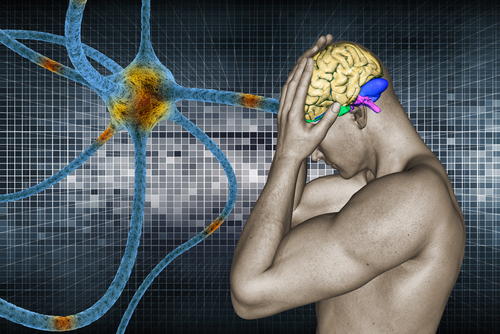
Various nootropics can come into play that can help those suffering from ADHD. While these supplemental aids may help some, they may not help everyone.
The article, “The 7 Best Nootropics For ADHD” by Erik Abramowitz looks at seven nootropics that can be utilized. He states,
“One of the biggest reasons people look into nootropics for ADHD is to quit traditional medications like Adderall or Ritalin. These drugs can do wonders but also come with harmful side-effects. These include irritability, anxiety, high blood pressure, heart problems, lack of sleep, loss of appetite, and addiction”
It is important if looking into alternative medications or herbal supplements to also contact your primary healthcare provider and ensure that the supplements listed are good for your unique situation. AIHCP offers a certification in ADHD Consulting as well as a Holistic Integrative Specialist program. These programs can also better prepare professionals in the fields of ADHD and helping individuals better cope and deal with the issues that arrive with it.
Shootings and other traumatic incidents are becoming more common in society. One was once something that only happened in other parts of the world are now happening in America. Shootings at schools or public places create an intense trauma for children. How children are able to cope after a shooting will be pivotal for the rest of their lives. It is crucial to understand the nature of trauma after a public shooting and how to talk to children.
Shootings and other traumatic events can cause deep trauma to children. Please also review our Child and Adolescent Grief Counseling Program
Whether the children or involved or witness it on television or the media, it is crucial as parents, educators and counselors to be able to better help children understand what occurred and how it affects them. It is critical after such an event to ensure the children they are safe. It is important to explain what happened and to be open to any questions. It is as best especially with younger children to try to ensure a continuance of routine but still be open to questions and reassurances of safety.
Many children after such severe traumatic events may exhibit a variety of issues. Some may exhibit irregular sleep patterns and nightmares. Others may exhibit more severe anxiety, or outbursts of emotion ranging from anger to sadness. Others may become more introverted. New fears may also emerge. It is critical for parents and educators to monitor children after a traumatic event to see if any of these issues arise.
The article, “Guide to Coping After Mass Trauma: School Grief Counseling Techniques” from Bradley University looks closer at the symptoms of post trauma as well as immediate aftermath response. The article states,
“The triggering event for trauma may be as widely shared as the terrorist attacks of September 11, 2001, or as personal as witnessing or surviving a major traffic accident. Regardless of the source of the trauma, children and adolescents need support and understanding as they work through the five stages of grief: denial, anger, bargaining, depression and acceptance.”
Grief counseling for children is essential for children who face trauma. Some children may require more indepth counseling from Licensed Professional Counselors as well. Trauma scars the mind but with proper guidance and coping methods, children can be guided through the process and find strength and security. Not acknowledging trauma is the worst thing anyone can do. Please also review our Child and Adolescent Grief Counseling Program and see if it meets your academic and professional goals.
Intuition is beyond the five senses but is a spiritual sense. It is beyond the measure of science but is something that comes from the soul and mind. It helps a person better access and judge a situation through a particular feeling of the energy surrounding it. Intuitive people are not fortune tellers but true individuals with a spiritual gift that allows them to sense emotions and things of the spiritual with more accuracy than others.
What is spiritual intuition? Please also review our Spiritual Counseling Program and see if it meets your academic and professional goals.
The article, “What Is Intuition? How Being Intuitive Can Help You Connect To Your Spiritual Side” by Rena Wells looks at this spiritual phenomenon. She states,
“When you are ready to dive deeper into your intuitive side, your sensitivity becomes your greatest gift. This is because you feel first and then rationalize it. You sort through different feelings about a situation. You feel through situations first before laying out the plan. Believe it or not, this is a profound gift! It’s a gift that is desperately needed on our planet.”
Many individuals who exercise find music to be very uplifting and inspiring. Music is able to push one further. This type of benefit upon the mind allows one to mentally push oneself to a better and stronger workout.
Music can help one have a better and more productive workout. Please also review our Healthcare Life Coach Program
The article, “Upbeat Music Boosts The Benefits Of Exercise, New Study Shows” by Eric Mack looks at the impact of music on workouts. He states,
“We found that listening to high-tempo music while exercising resulted in the highest heart rate and lowest perceived exertion compared with not listening to music,” explained Professor Luca P. Ardigò of the University of Verona in Italy. “This means that the exercise seemed like less effort, but it was more beneficial in terms of enhancing physical fitness.”
Exercise is critical to a good life and some individuals need music for the motivation and the mindset to work through sets and miles. Other good motivations can come from Healthcare Life Coaches who can help guide and prepare individuals for a better healthy life style. Please review our Healthcare Life Coach Program and see if it meets your academic needs.
In malpractice cases, emergency doctrine is sometimes applied. It looks at the situation, the urgency and the time of reflection needed to make a professional medical decision. If the person acts due to the unexpected emergency within a valued norm, then negligence is overlooked in some cases.
The article, “The Emergency Doctrine Revisited” by Thomas A. Moore and Matthew Gaier look at this doctrine and its application. They state,
“The emergency doctrine is a common law rule premised on the understanding “that when an actor is faced with a sudden and unexpected circumstance which leaves little or no time for thought, deliberation or consideration, or causes the actor to be reasonably so disturbed that the actor must make a speedy decision without weighing alternative courses of conduct, the actor may not be negligent if the actions taken are reasonable and prudent in the emergency context.”
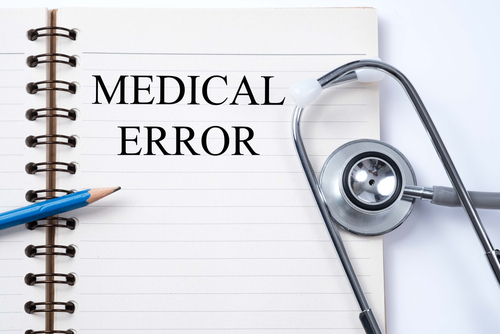
Medical error can become less culpable or forgiven in some cases according to the Emergency Doctrine. Please also review our Legal Nurse Consulting Program
This doctrine plays interesting roles in cases if it is permitted to be considered. To learn more, please review our Legal Nurse Consulting Program and see if it meets your academic and professional goals.
Teen depression and mental disorders are on the rise. Parents need to be vigilant in determining if their teen is displaying signs of depression. This can be difficult distinguishing between regular teen behavior and true pathological symptoms. If something usually seems out of the normal schedule resulting in prolonged irritability, fatigue and rogue statements, then it may be time to investigate further and see if your teen is suffering from depression.
It can sometimes be hard to know if one’s teen is depressed or not. Parents need to be vigilante with their teens mental health. Please also review our Child and Adolescent Grief Counseling Program
The article, “Keep your teen moving to reduce risk of depression, study says” by Sandee LaMotte looks at the importance of keeping your teen active. She states,
“According to the World Health Organization, depression is one of the leading causes of illness and disability among adolescents around the world, accounting for “16% of the global burden of disease and injury in people aged 10 to 19 years.””
Please also review our Grief Counseling program in Child Adolescent Grief Counseling and see if it meets your professional and academic needs. The program is for professionals who are already certified in Grief Counseling but looking to specialize in children and teen grief behavior.
Hidden depression can sometimes be so well disguised that one does not even notice that one’s life has become sad and grey. Hidden depression is also chronic in nature. It has not true reason. One has a difficult time diagnosing why one does not feel well or right.
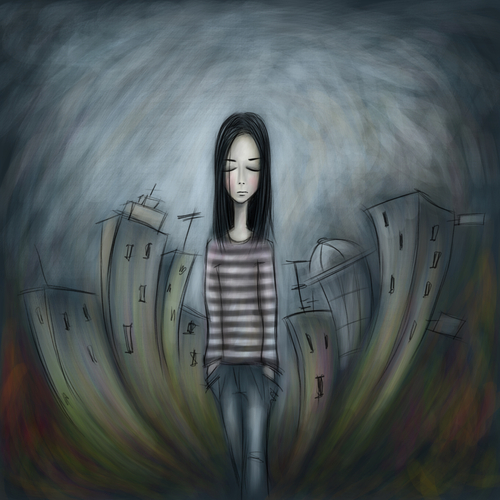
Depression can sometimes be hidden. One lives life but still feels incomplete. Please also review our Grief Counseling Program
Hidden depression can make individuals less social and push them more into a introvert like stance. Professional life may flourish but personal life suffers. Others may also experience a constant nagging of perfectionism where one is not good enough in anything one does. Also others exhibit difficulty expressing complex emotions and find fulfillment in only completion of tasks.
The article, “When Your Depression Is Perfectly Hidden (Even from Yourself)” by Margarita Tartakovsky, M.S, looks at many more symptoms and explains the reality of hidden depression. She states,
“Natalie’s depression doesn’t resemble what we typically think of depression: a heavy, chilling darkness that siphons a person’s energy and prevents them from getting out of bed. And yet it’s just as serious, exhausting, and devastating.”
Please also review our Grief Counseling Program for healthcare and behavioral health professionals. The program trains professionals in the necessities of helping others cope and work through grief
Most grief reactions are a result of an acute loss. Even then, most reactions are not labeled as pathological. Pathological reactions are associated with depression. Acute grief reactions can become pathological through depression but the depression has a cause, namely loss. However, chronic depression is chemical in nature. It has no true reason for the state of mind.
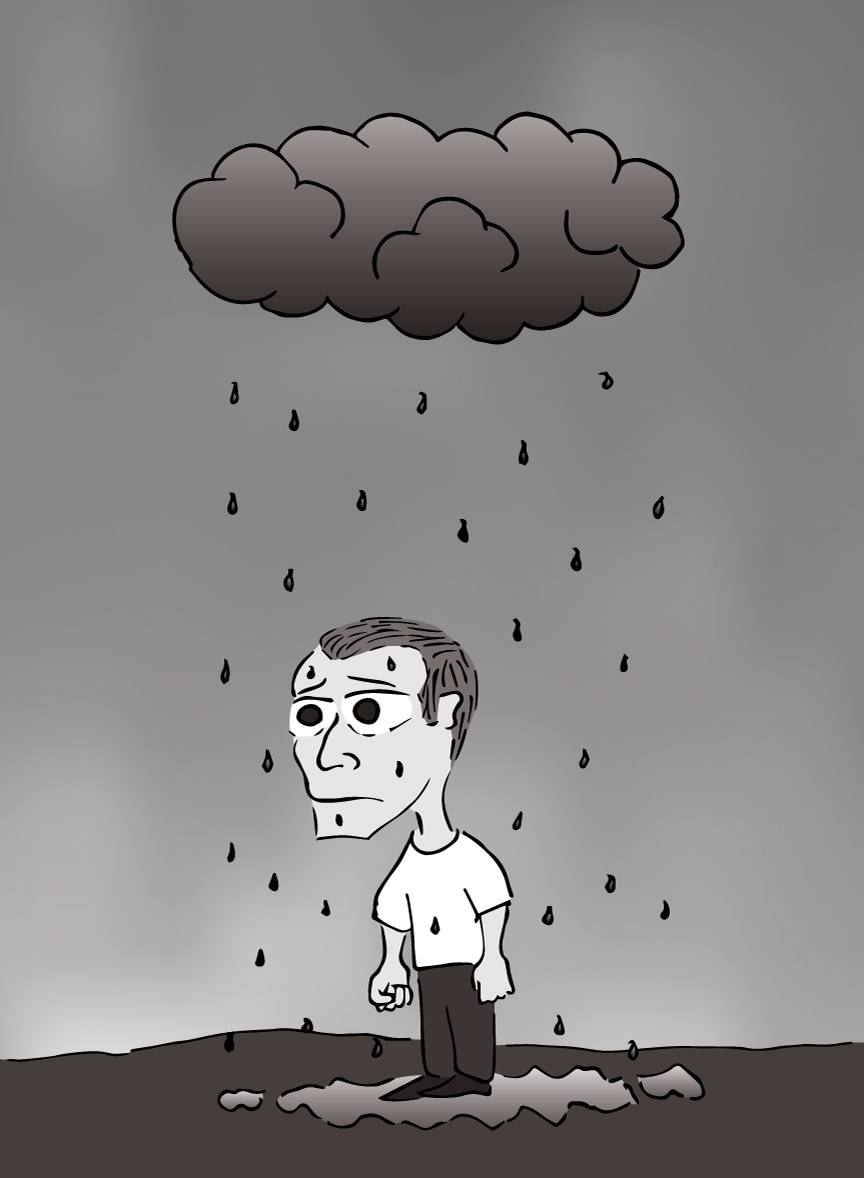
Chronic depression can make everyday seem like a cloudy dark day. Please also review our Grief Counseling Certification
Chronic depression is continual or comes and goes consistently. The person may feel bad everyday, over eat to hide emotion, possess irregular sleep patterns, or feel in general worthless. This type of state of mind requires clinical help from a licensed professional counselor. Many licensed professional counselors also possess a certification in grief counseling and even possess a more indepth knowledge of the depression
The article, “Let’s Talk About Chronic Depression” by Meirav Devash discusses many of the symptoms and reasons for chronic depression. The article states,
“People with PDD experience depressed mood for a period of two years or longer, and two or more of the additional symptoms below. Your symptoms would be distressing and affect daily functioning, and you’d never be without them for more than two months at a time.”
Hypnosis has a variety of useful applications. Hypnosis can help with mental trauma, past fears, as well as eliminating bad habits. It can also help with pain management. The ability to help the subconscious is amazing in hypnosis and hypnotherapy has the ability to help individuals through the process of pain.
With opioid use so dangerous and also the limitation of it for individuals who may need them, hypnosis is one of many alternative options for individuals to utilize. Hypnosis can play a key role in helping the reduction of pain.
Hypnosis can help one manage pain and limit it. Please also review our Hypnotherapy Certification and see if it meets your professional goals
The article, “Hypnosis vs Painkillers” by Dr. Sanchari Sinha Dutta, Ph.D, reviews how hypnosis can play a big role in limited pain. She states,
“Chronic pain can be associated with many severe health conditions, as well as can reduce the overall quality of life. It is often difficult to treat chronic pain because the reason for pain often remains unidentified. On a positive note, recent studies have identified that hypnosis and hypnotherapy can act as an effective alternative intervention to medication to treat both active and chronic pain.”
If one is seeking to alleviate pain, alternative therapies are one starting point. They are not addictive like pain killers and more easily accessible. Qualified professionals can learn more about hypnotherapy and how to utilize it in their practice by review the American College of Hypnotherapy. The Hypnotherapy Certification is a four year certification and help individuals learn the necessary skills to properly utilize hypnosis within their practice
Men traditionally find grief as a vulnerability. From an evolutionary standpoint, men must be strong and a source of protection for the family. This physical stereotype has led to an emotional abandonment of displaying grief among many men. The right way to grieve for men has been handed down through generations with ideas that “real men do not cry”, or that crying is a sign of weakness. This “John Wayne” type persona has dominated Western thought regarding social images of men.
At an early age, boys are taught the proper method of grieving according to gender and social constructs. These constructs can be emotionally stunting for the grief process.
Men have been taught to hold in their grief and grieve alone in solace. They have been shamed when tears are shown and called weak if they displayed sadness. Many men have not been able to grieve in healthy ways hence emotionally stunted their recovery from loss.
Individuals grieve differently. Some may not wish to express emotion but to simply repress emotion based upon a stereotype can be emotionally damaging.
Instead of slogans that “real men do not cry”, many have pushed that true strength is a man who can show tears and emotion. Weeping over loss is not a female only right, but also a human right. While cultures and society may create images of how men should grieve through cultural rites or movies, men need to become that grieving and weakness and are not correlated. Grieving is a natural process that everyone endures and expressing grief makes no man any less a man than the next.
The article, “How Men Grieve” by Jackson Rainer takes a deeper look into how men grieve and social perspectives surrounding it. He states,
“Men tend to lean toward the instrumental expression of grief, orienting to emotional control, a disinclination to talk about matters of the heart, to default into solitude rather than connection and to focus on action more than talk. I fall squarely in this masculine camp.”
Men and women grieve differently. This does not mean men who cry should be seen as weak. It is important to grieve and express if one feels the need. This does not make one less of a man but allows the man to grieve in a conducive way
The article does an excellent job in explaining how men grieve instrumentally, or through physical and cognitive ways, while women are taught to grieve intuitively through emotion. While both ways are equal processes of grief, the danger arises when individual grievers are socially assigned a proper way to grieve simply based on their gender. Boys and girls are taught the right way to grieve and see sometimes bad examples of grief behavior in both women and men. These bad grief behaviors later translate to future problems for the children when they reach adulthood.
To learn more about grieving or if you would like to become a certified grief counselor, then please review AIHCP’s Grief Counseling Certification and see if it matches your academic and professional goals.