Anger issues can be existent prior to an actual trigger. Some individuals are constantly upset or angry over things due to mental makeup. It can be as simple as OCD or more complex but individuals can experience an angry nature due to psychological makeup. There is help for these mental issues through counseling and possibly medication to lower the emotional symptoms.
Symptoms of anger are common with some mental maladies. Please also review AIHCP’s Anger Management Consulting Certification
The article, “Feeling angry all the time? Here’s what might have triggered it” from the “TimesofIndia” looks closer at anger and how it overflows for some people. The article states,
“Anger is an emotion that comes naturally to almost everyone. While the cause of anger or aggression may differ in people, it will only lead to rage and aggressive expression. Although some people learn the art of staying in control and keeping their minds calm, there are certain factors that can cause anger issues which are hard to tackle.”
Please also review AIHCP’s Anger Management Consulting Certification and see if the program meets your academic and professional goals. The program is online and independent study and open to qualified professionals seeking a four year certification in Anger Management.
Some individuals do face anger on a more consistent basis to biological and emotional issues. These individuals need counseling and help for the root issue. Anger Management can also help
Teaching children better ways to express emotion is key to parenting. It is essential to guide children through anger and teach them ways to express it and let it out without harming oneself or others. Limiting temper tantrums, teaching patience, setting good examples and promoting awareness of other’s needs are all important aspects in teaching children to be better people.
How well are you installing in your children control of anger? Please also review AIHCP’s Anger Management Training and see if it meets your goals
The article, “How to tackle your child’s violent behavior” from the “Times of India” looks at some ways a parent can curb bad anger tendencies. The article states,
“Are you demotivated by your child’s aggressive behaviour? Do you often think that you have failed as a parent in helping your child manage their emotions? Do not worry because emotional regulation is a skill we all can learn gradually with time. While some children may even take longer to master self behaviour, as a parent you simply need to be patient and should work on your own actions that behave as a barrier to control or manage difficult situations.”
Anger Management skills for children are critical to their development and helping them become productive and safe members of society. It is important to install and implement in their behavior.
Please also review AIHCP’s Anger Management Training and see if it meets your academic and professional goals. The program is online and independent study and open to qualified professionals seeking a four year certification in Anger Management.
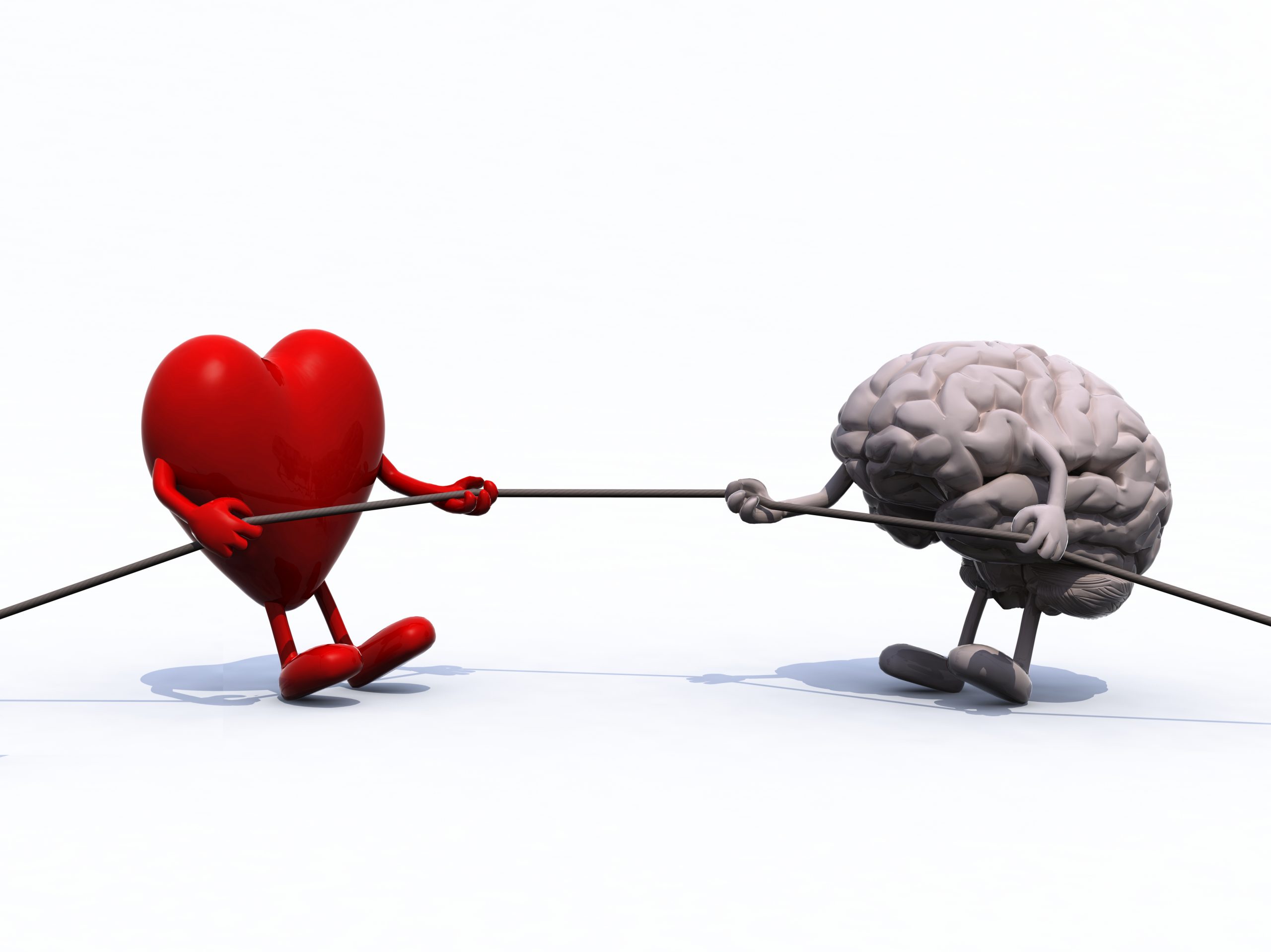
Emotions are part of life. They arise from intense reactions to situations or people and can overtake an individual. They can be good and bad depending on how the person harnesses them. Individuals who are able to balance their emotional reactions with their intellect and reason are better able to cope with issues and utilize the emotion in a positive way.
Stoic traditions tried to suppress the idea of emotion and worship reason. Star Trek’s Mr. Spock and Mr. Data both were characters that forever immortalized the idea of emotion and reason. The Vulcan, Mr Spock trying to suppress his emotion and enhance logic at all cost. The character saw emotion as something detrimental to the pursuit of logical exploration of situations. As the character evolved, the good of emotion was viewed when used in proper balance. Mr. Data, an android, pursued emotion and wished to experience it. His character eventually was able to experience emotion through an “emotion chip” that allowed him to feel anger, frustration and fear. He had to learn to channel these emotions with his reason.
Emotion is natural and good but it can be used against us. It is important to balance emotion with reason and not allow extremes to cause chaos in our lives. Please also review AIHCP’s Anger Management Program, as well as Stress Management and Meditation programs
In both cases, the value of emotion is expressed as something important to the human condition. Emotion can be detrimental to logic, it can cause havoc, but when utilized in balance with reason and logic it is a very important part of human existence.
Sadness, anger, love and other feelings are all critical to humanity. Humanity cannot exist without these emotions.
Sadness is a key emotion that lets others know when something is not right with someone. It is a reaction to loss and is experienced through grief and mourning. It is forever tied to the emotion of love. Love is an important emotion because it expresses attachment and need. As social beings, attachments are key. Every relationship has attachment and mutual need. When this attachment is broken, grief results. So as one can see grief and love are tied together in this fallen world.
Anger is an emotion that reacts to injustice or at least perceived injustice. It is critical in balancing right and wrong and protecting others. It is again important to relationships and maintaining them. Of love and sadness, anger receives more negative press because it is the emotion that is most misused. It leads to fighting, violence and war when not properly balanced yet its importance to awaken an individual to awareness of something wrong or harmful to a situation is critical in human evolution.
These three emotions are all important to maintaining and keeping relationships and understanding their role in society. Without them, attachments and relationships are merely cold calculations. There are no true enduring connections. However, when these emotions are not balanced with reason, they can cause despair, lust, and rage. Hence balance is the key to emotions and reason in everyday life.
Learning to balance emotions are no easy task. Mr Data in Star Trek had to learn this. He once told Captain Picard that he wished he could turn off the emotion chip and marveled how human beings were able to act with emotions such as anger and fear and still perform their duties. It is the essence of being human to be able to balance emotional reaction with reason and intellect and avoid the extremes of emotion that lead to devastation. Emotions are hence great assets but also when misused great detriments.
Learning to control emotions involves balancing the heart and the mind. It involves Stress Management, Anger Management and Meditation to learn to control impulses
Emotions can be controlled through a variety of practices in life. The virtue of temperance looks to balance the passions. In many religious traditions, the passions are seen as out of control. These traditions teach the inability to control one’s passions is due to sin. Other traditions see the disconnect from the ultimate reality that causes this imbalance. Whether imbalance or sin, humanity looks for many ways to control emotion. Temperance is one such virtue that balances the desires. Balance is the key word. It does not look to eliminate the passions or emotions or desires, but control them within the acceptable extreme.
Meditation, Stress Management, Anger Management are all paths to learn to better control external pressures with internal guides. Meditation naturally calms the mind and body and teaches it how to relax. Stress Management teaches individuals how to respond to stressful stimuli in a beneficial way. Anger Management teaches individuals how to identify triggers that lead to anger.
There are many individual strategies within this fields and it is important to train the mind, body and soul to use them in productive ways to learn to control emotion. Various breathing techniques as well as cognitive strategies to train the mind in how it reacts to bad situations are extremely useful in dealing with emotional outbursts. It is good to be mindful of emotions and what triggers them in private. Cooling down sometimes involves walking away and expressing emotions in a less destructive method that harms no-one. The ability to do so takes conscious effort. It takes willingness to identify triggers, study one’s past and natural inclinations and be steadfast in correcting bad habits.
If one does not take steps to control emotions, then life will be far more difficult. Emotions while good can also destroy one’s life with broken relationships, abuse, assaults and eventually jail. Even simple outbursts that carry no true legal issues can be detrimental to work, school and family life. Controlling emotions within a safe and acceptable norm is crucial to emotional development.
If you would like to learn more about controlling emotion or are a professional seeking certification to enhance one’s knowledge on these subjects, then please review AIHCP’s programs on Meditation Instructor, Anger Management and Stress Management Consultants. The programs are online and independent study and open to qualified professionals seeking four year certifications.
To learn more, please review
AIHCP’s Meditation Instructor Program, please click here
There are different types of depression that can affect someone. Some are directly correlated to an event while others are internal issues with the brain and various chemicals and hormones within the body. Others are environmentally related and others affect individuals in different waves and cycles.
Depression does not always have a direct cause. Please also review AIHCP’s Grief Counseling Program
It is important to note that in many cases depression does not have a reason. Major Depressive and Persistent Disorders, as well as Bi-Polar and Seasonal Depression have no true loss associated with them. They merely exist within the individual. Other depressions may have a root cause but regardless if intense grief persists it is important to find professional assistance in dealing with the mood.
Please also review AIHCP’s Grief Counseling Program and see if it meets your academic and professional goals. The program is online and independent study and open to qualified professionals seeking a four year Grief Counseling Certification.
It is important to note that only certified grief counselors that ARE ALSO LICENSED PROFESSIONAL COUNSELORS can treat depression. If not licensed or permitted by the state to help with mental pathology, then grief counselors without license should always refer their clients with depression to licensed professionals.
Grief is a reaction to loss. It is ultimately the price of love because its intensity correlates with attachment to the person or object lost. The adjustment period to the loss is the grieving process but the reality is the adjustment period does not completely heal but merely teaches someone how to live without the person lost. The pain of loss is never completely removed but continues to exist within the person but at acceptable levels that do not hinder everyday life on a consistent basis.
What is grief and how does it affect individuals? Please also review AIHCP’s Grief Counseling Certification Program
To learn more about grief, please also review AIHCP’s Grief Counseling Certification Program. The program is online and independent study and open to qualified professionals seeking a four year certification in Grief Counseling.
EFT in many ways imitates the ideals of acupuncture but without needles. It does look to activate various energy points within the body and move negative energy while pushing in positive energy with mental imagery. It looks in this way to help individuals deal with past trauma, as well as phobias and various anxieties.
EFT can help with phobias, trauma and anxiety. Please also review AIHCP’s EFT Training Program and see if it meets your academic and professional goals
The article, “Acupuncture without needles?” by Paula Martins looks closer at how EFT works and its numerous benefits. She states,
“EFT is the acronym for Emotional Freedom Techniques, also known as meridian tapping, which is a powerful stress relief technique, combining the principles of ancient Chinese acupressure and modern psychology. This approach aims to get to the root of the problem, to understand what may be causing the discomfort and then apply the treatment through the meridian points.”
To read the entire article, please click here
EFT while a new alternative therapy is based in age old ideals of manipulating energy within the body. It offers individuals a non invasive way to personally work on themselves and deal with past issues in their life.
Please also review AIHCP’s EFT Training Program and see if it meets your academic and professional goals. The program is online and independent study and open to qualified professionals seeking a four year certification in EFT. Instructors can help individuals learn how to utilize this amazing technique as well as guide them on a consistent basis if so desired.
Losing a parent is an impactful life event. It forever changes life and is a before/after moment. Things are never the same and one has to rediscover their life and purpose. Many struggle being parentless and find themselves loss. Others face secondary losses due to the help and aid they received from their parents. No matter what age, the loss of a parent is a stinging event in life that is probably only surpassed in pain by losing a child.
No loss is the same. Some parent relationships are poor. The loss is not as impactful from an emotional standpoint. Other losses are very intense due to a healthy relationship. While other losses differ depending on the age of the child when the parent was lost. No one box fits all when it comes to parental loss. Below are a few things to consider.
The loss of a parent can be an existential impact on one’s life.
If the relationship is estranged then complications can arise. Guilt, resentment and other forms of emotions can emerge after the parent’s death. One may feel guilty they need repair the relationship while others may resent the parent for not being there for them. Regardless, losing a parent will impact one’s own very definition of existence.
In regards to age, there are a variety of different responses. All share in common traits of missing the parent for particular events. Even those who never knew their parents, lament the fact that their parents may not be at a particular event, especially when friends have their parents present.
Infants are very young children never know their parents. They may have faded memories but they only know their parents from pictures, videos and stories. The symbolic loss is always present and in some cases complicated living arrangements arise with the child being in foster care, raised by other family members or being raised in a blended family. Adjustment is easier since the child never knew life before but as the child ages, the symbolic lost and the urge to have met them at least once is forever present.
As for older children and teens, the lost has a far greater impact because it changes their life. New living arrangements, missed present events as well as future events are a constant reminder of the loss. Mother’s Day or Father’s Day remind them of the loss as well. In addition, teens and children may have guilt and resentment issues as well as possibly magical thinking issues where they think they are to blame for the parent’s death.
Young adults face their own issues as well. Young adults deal with the reality that they are without their parent or parents for the first time. They were nurtured by their parents through their formative years but now they may feel orphaned or abandoned. Financial difficulties can arise as well as support they once possessed. Events such as a future wedding, or the birth of a first child can serve as reminders of their absence.
Older adults also suffer. Even though the lost is natural event they still feel a sharp of pain of losing a mother or father. Comments that belittle the loss such as at least you had your parents your whole life can be dismissive to the actual pain they are feeling over the loss. Furthermore, many be feel relieved after a long terminal illness. Caregiver burnout may make them feel guilty about the release from the stress of daily care.
Losing a parent at any age has its own shocks. Please also review AIHCP’s Grief Counseling Certification
Regardless, the loss of a parent is a impactful event. Different situations regarding age and the health of the relationship can create different secondary losses and reactions but when someone loses a parent, a piece of them dies with that parent. It forever changes them and their outlook on life. Holidays are never the same and the pain never truly goes away.
Grief Counselors can help individuals with the loss of a parent by guiding them through the grieving process. While each case is different, it is important to understand that parents are not always with us and we must learn to remember and celebrate their life. However, in the meantime, it is important for those blessed enough to have their parents to appreciate them everyday and respect them. To shower them with love and gratitude and realize that not any day is a given.
It is also critical for individuals to discuss death with parents. Death discussions are considered by taboo by many and the discussions of later care or funeral wishes are never conveyed. Many meaningful discussions that never would have taken place occur when such topics are broached. It is important to discuss these issues because once a parent is gone, no one will know their secret wishes or desires for a funeral. It is important to make time valuable and not take anything for granted.
If you would like to learn more about AIHCP’s Grief Counseling Certification or would like to become a certified Grief Counselor then please review the program and see if it meets your academic and professional needs. The program is online and independent study and open to qualified professionals seeking a four year certification in Grief Counseling.
Men who tend more towards their logical side of the brain unfortunately dismiss the emotional side of the brain. Social stereotypes do not help either as men are portrayed as stoic and powerful. Tears were once seen as weakness and this ideal that a man hides his emotions or keeps them within himself spread. These issues still persist today and many men avoid caring for their mental health.
Men need to express themselves and take their mental health more seriously. Please also review AIHCP’s Grief Counseling Certification
The article, “Too many men ignore their depression, phobias, other mental health issues” by Joseph Harper looks at why many men ignore their emotions and why they should not. He states,
“Too many men think they are supposed to be strong or macho all the time — even when in pain. For many, it would be unimaginable, intolerable for anyone to know they were battling anxiety, depression, or were bogged down by their emotions. Many of my male patients also seem to believe that because they are not physically ill they are not truly sick.”
It is important for men to take their mental health as serious as their physical health. They need to acknowledge anxiety, anger or grief. They need to seek help when needed.
Please also review AIHCP’s Grief Counseling Certification and see if it matches your academic and professional goals. The Grief Counseling Training is online and independent study and open to qualified professionals seeking a four year certification in Grief Counseling.
Malpractice suites happen all the time. Sometimes they are justified, other times they are not. Regardless, there are ways to avoid malpractices beyond doing a good job. While it is impossible to filter out all chances, by following certain standards and steps, to reduce the chance.
Healthcare providers need to protect themselves from malpractice. Please also review AIHCP’s Legal Nurse Consulting Program
The article, “7 tips to avoid a malpractice suit, according to experts” by Naveed Saleh, MD, MS looks at how healthcare providers can protect themselves. The article states,
“But, according to malpractice experts, many lawsuits are rooted in failures that largely relate to physician communication and trust. It may seem strange, but malpractice litigation has evolved to include patient perceptions and sentiments about failure to communicate and mistreatment, rather than medical errors. The upside is that such issues are preventable. It’s possible to avoid a malpractice suit by making the patient the center of your practice”
Healthcare providers need to protect themselves. The steps can help.
Please also review the AIHCP’s Legal Nurse Consulting Program and see if it meets your academic and professional goals. The program is online and independent study and open to qualified nurses seeking a four year certification program.
Jesus is the central aspect of life. He plays such a key role because without Him there is no redemption. Christ the New Adam took upon sin and undid the curse of Adam through His sacrifice on the cross. Hence in everything, Christ is present. Christ makes all new.
Jesus Christ is an amazing miracle within Himself. He is the Word made Flesh as stated in the Gospel of John and that alone warrants adoration and worship yet many do not understand the true inner workings of Christ and can become confused.
Jesus is both God and Man, perfectly unified in person. He deserves to be glorified
First and foremost, it is important to emphasize the importance of Jesus Christ. The Fall of Adam sent the temporal world spiraling out of control into spiritual darkness. Reparation needed made due Adam’s sin but no sacrifice was pure enough. A sacrifice that possessed both perfect priest and perfect victim were needed to be given to God.
Christ offered Himself as that sacrifice by merely being born, but permitted Himself to remain obedient even to death to fulfill the necessity of sacrifice. The Last Supper would have sufficed as the Perfect Sacrifice but the evil of humanity sought His life in a bloody sacrifice. Christ did not demand His own end but accepted the will of the Father and hence as history showed, He was crucified.
However, to be a perfect priest and sacrifice Christ had to be both God and man. He had to be perfectly both. From a Divine standpoint, His essence as the Word, was divine and eternal while from a human standpoint, He was created and not eternal.
His Body was perfectly human. The Divine Word did not create a shell to inhabit, or create the illusion of being human, but literally shared and occupied a Body with Jesus. The Divine Word did not overtake or possess but became one with the human soul and body. This hypostatic union was made possible by Mary saying yes to God’s will.
When looking at this miracle, Christ was both God and man, completely and fully, two natures but perfectly fused as one person. Hence Christ’s humanity while created, became interconnected with the Word in such a way that Christ the Person was completely God. One element was eternal, while another was finite, but together in union, represented one person and one God.
Due to this, we worship Jesus as a person. We do not reserve worship only for His divine element but His entirety.
Because of Christ’s entirety of both God and man, He could then properly represent humanity as High Priest and as Divine offer Himself as the perfect sacrifice to the Father. This is why it is so critically important that we understand that Christ is both fully human and fully God but yet one person.
This supernatural mystery of the Incarnation and Hypostatic Union show the great love Christ has for humanity and His central role in the redemption plan. This love was so perfect that many even contend, the incarnation was impossible to prevent even if Adam had remained faithful. Through Christ’s humanity, the Logos can touch us in different ways than just as a pure spirit and Deity. As a human, He can love us in every possible way.
Jesus became human not only to redeem us but also to love us at the most human level
So many heresies have confused these concepts, either dismissing His divinity (Arius) or reducing His humanity (gnostics) or misunderstanding how His natures interacted (Nestorianism and Monophysitism). These heresies miss the importance of God’s perfect love for us as well as the Christ’s role as the New Adam.
So we can confidently declare that Christ is Divine for the “Word Became Flesh”. He is the Alpah Omega as declared in Revelations and He was eternal before, as He stated, than even Abraham. We can also confidently declare Christ is human for He was indeed born in a manager, and was indeed crucified.
The Incarnation and Redemption saw the birth and death of a man and the resurrection of a God. For this reason, we glorify Christ and bend our knee. Christ is our King, Priest, Redeemer, but also our Friend and most Beloved.
If you would like to learn more about Jesus Christ, one should read the Gospels, as well as study Christology. This will enrich one’s understanding but also one’s love of Christ.
Please also review AIHCP’s Christian Counseling Program and see if it matches your academic and professional goals. The program is online and independent study and open to qualified professionals seeking a four year certification in Christian Counseling
Please also review AIHCP’s Christian Counseling Program and see if it meets your academic and professional goals
Related Links
Please review Jesus both God and Man article–Please click here
Also please review article on nature of Christ–Please click here
Also please view article on Jesus–Please click here
Please also review AIHCP’s video on the Word Made Flesh–Please click here
Finally, also review article on Jesus–Please click here