Grief and lack of sleep can go both coincide. Grief can affect sleep patterns in negative ways. The lack of sleep and depression can have multiple effects on one’s health. It is important to manage depression and sleep and to find the necessary help to be healthy emotionally and physically.
Depression and lack of sleep is an unhealthy combination. Please also review our Grief Counseling Certification
The article, “What is the relationship between depression and sleep?” by Timothy Legg states,
“According to one scientific journal, sleep loss might contribute to neurochemical changes in the brain, which can result in depression. The researchers also suggest that depression may lead to disrupted sleeping patterns.”
To read the entire article, please click here
Bad sleep and depression build on each other in the most negative ways. It is best to treat one’s depression so sleep is not affected. Please also review our Grief Counseling Certification and see if it matches your academic and professional goals.
Depression can lead to dismay and withdraw from life. It can linger and force one into a bed and afraid to exit a room. While depression may have an acute reason, it may have no reason at all and it can negatively affect the person’s social and financial life. The person will not be as productive or able to function in society and as a result, suffer far more deeply than just the symptoms but fall behind in all aspects of life.
High functioning depression is emotional state that many ignore. It is important to find help. Please also review our Grief Counseling Training Program
Depression however affects people differently. Some individuals may remain functioning at a high level but still suffer from constant depression. They are conscious of the depression but are able to move forward and function. While this is good it still represents a serious situation which can erode over time. The person can become eventually become more susceptible to various illness and emotional states that may present itself. Some also manifest a hidden depression. In this, they function but are unaware of the depression itself. This creates a a dangerous situation where individuals ignore the signs and do not seek help. Functional depressed are aware of the situation and admit to it and can seek help, while hidden depression lingers at a subconscious level while the person wonders why they are unhappy despite all they do everyday.
The article, “Do You Have High-Functioning or Perfectly Hidden Depression?” by Dr. Margaret Rutherford looks at the manifestations of high functioning depression. She states,
“Psychologically speaking, people with high-functioning depression are able to use the skill of compartmentalization, where you suppress your own personal feelings for the moment and instead, attend to the needs or expectations of the present. You metaphorically put anger or sadness or fear into a box in your emotion closet and stick it up on a shelf until it’s the right time to deal with it. It’s an important skill, and one that many people know how to use well and effectively.”
To read the entire article regarding high functioning depression, please click here
Please also review our Grief Counseling Training Program and see if it matches your academic and professional goals. The program is independent study and online. The certification lasts four years and can be renewed.
In the meantime, as grief counselors, it is important to diagnose hidden depression and lead clients to the appropriate therapists, unless of course, as a certified grief counselor, you are also a licensed therapist.
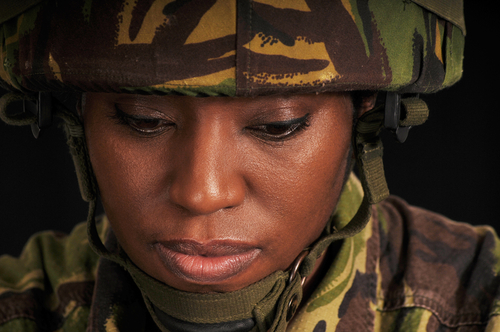
Grief among military veterans is something that does not receive enough attention. Military members come into greater contact with death and traumatic experience than any others. It is important that they receive the grief counseling and care they need
Military members deal with much grief and need continued aid and counseling. Please also review our Grief Counseling Training Program
The article, “Grief Is Common Among Military Vets — But Rarely Recognized” by Emily Dugdale looks into this problem. She emphasizes the importance of military members and their grief being recognized and discussed. She states,
Researchers have amply documented veterans’ PTSD and depression, but grief has not gotten the same level of attention, said Roxane Cohen Silver, a UC Irvine psychological science professor who co-authored a study of grief among veterans. “What we’re identifying are very important psychological consequences of serving in the war that are clearly being missed,”
Military veterans deserve continued counseling from their experiences. Grief and trauma need addressed. Please also review our Grief Counseling Training program and see if it meets your academic and professional goals.
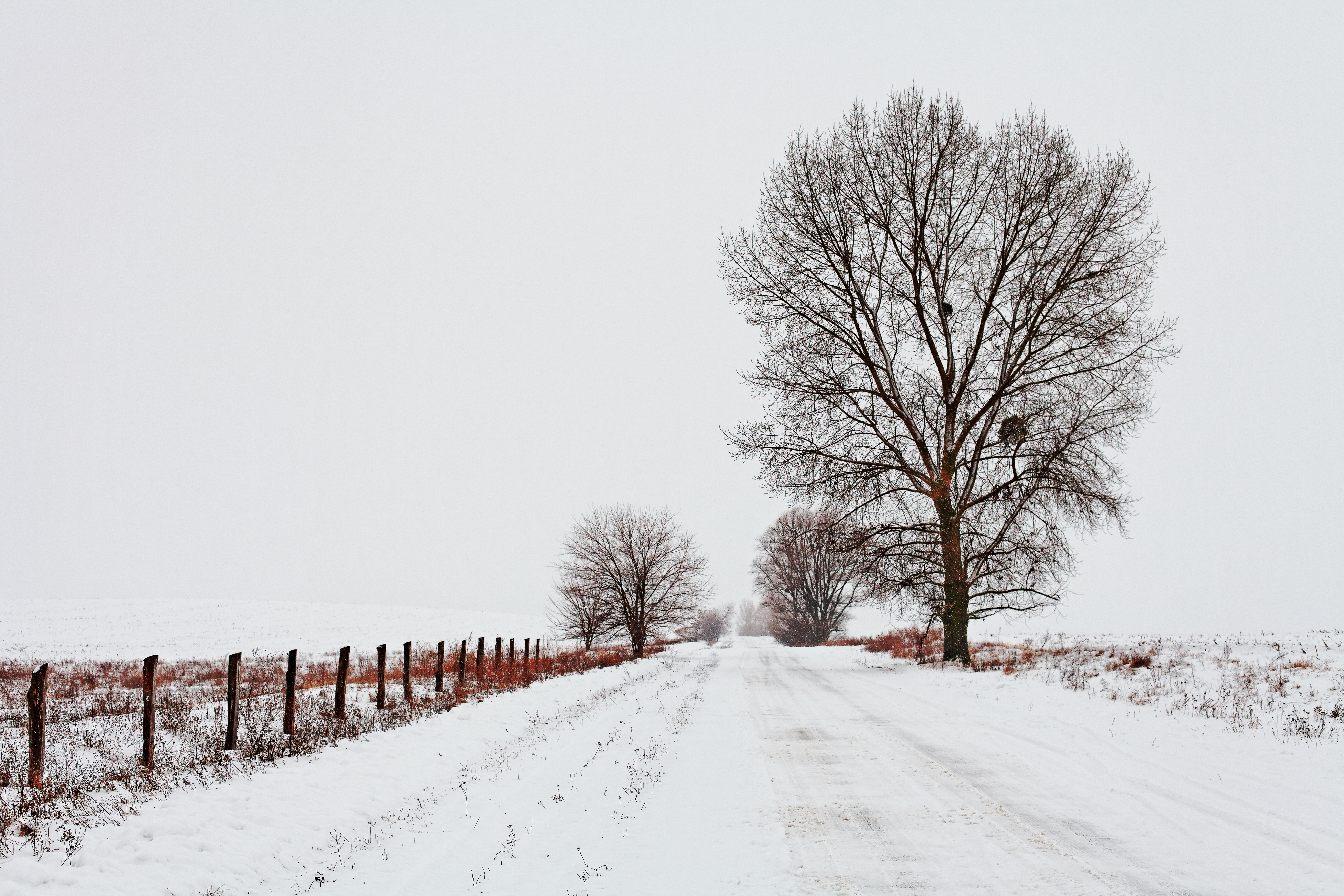
It can become very difficult to know when you are truly depressed or just dealing with the grey and cold skies of Winter. Many individuals naturally feel more depressed with less day light and the ending of the holidays and Christmas. These things are natural but for some it is hard to tell the difference between true depression and the winter blues.
Is it depression or just the winter blues? Please also review our Grief Counseling Certification Program
The article, “How to Know the Difference Between the Winter Blues and Depression – and What You Can do About It” from Localtalk Contributor looks more deeply at the differences and what can be done about it. The article states,
“More than 300 million people worldwide experience depression. Depression can affect anyone regardless of age, culture or lifestyle. Many factors can impact mental health including medical illness, environment, challenging life events and memories. There are often multiple causes, but it is not anyone’s fault. ”
Grief and loss do not always involve death. Losing anything is the recipe for grief. One of the most common forms of loss is divorce. Romantic breakups are tough but marriages that fail are even tougher. Marriage does not only involve the heart, but it also involves a sacred vow. The loss removes one from consistency of schedule and thrusts one into a new environment. Furthermore, the loss has many secondary losses associated with it. Financial burden, loss of possessions, less time with children or pets, as well as legal stress all play a large role in divorce.
Divorce loss is far more than just a broken heart but affects one’s entire existence. Please also review our Grief Counseling Program
This is why divorce is such a stressful and painful process. It is an uprooting of one’s life. It may be for the best, but the process of healing takes many years to finally become whole again.
The article,” 12 Strategies For Dealing With Grief After A Divorce” by Karen Finn looks deeper at the types of losses. She states,
“Dealing with grief after a divorce is no different. Nearly 50% of marriages (and 41% of first marriages) in the United States will end in divorce or separation. Divorce grief is, therefore, a high-odds reality.”
Veterans face a tough road with grief, anxiety and PTSD. The things soldiers see in war is sometimes traumatic and scarring to the individual soldier. Many soldiers do not receive the help they need. Instead they face many issues alone. It is important for them to meet with others, discuss and review traumatic events.
Soldiers face trauma and loss possibly everyday and have to deal with their entire life. Please also review our Grief Counseling Certification
The article, “7 WAYS GRIEF AFFECTS VETERANS” by Pat Harriman states,
“Researchers determined levels of grief, including preoccupation with a lost comrade and inability to accept the loss, through participants’ self-reported combat exposure, unit cohesion, PTSD symptoms, anger, past post-traumatic stress syndrome and depression diagnoses, and pre-deployment life events.”
Grief counselors and other specialists can help work with soldiers face these issues. There are so many issues under laying trauma that need to be exposed and discussed for proper healing. Please also review our Grief Counseling Certification.
As the weather changes, so does our moods. This is especially true of those individuals who live farther North. With the settling of Winter, one’s energy levels lower in correlation with the shorter days. As night comes earlier and earlier, individuals are drained of post work energy and find themselves sleeping and relaxing more. This has negative effects on health. Exercise is essential not just for health but also one’s mental and emotional status.
The change of weather and darker days can lead to seasonal depression. The person may not experience any loss but still become clinically depressed
Colder and darker nights do have effects on moods. Seasonal depression can set in on these grey and dark days and nights. Less exercise, less light and less energy all play into the hands of seasonal depression. Seasonal depression spikes at a higher level after the Holidays. Many suffer from depression after the Holidays. The fun and excitement disappear and the return to regular regiment and life becomes the new norm. Add the somber weather and darkness, then one can see an emotional drop compounded with negative weather.
Individuals already dealing with stress and grief will have a more difficult trek but it can also effect others with no existing grief. Depression can be over nothing. It can be a mental state with no true loss. Seasonal and winter depression hence can strike those suffering from loss but also those who are merely struck with clinical depression merely due to the change of seasons, the end of the holidays, and the beginning of a cold and dark winter.
So we can look at two individuals suffering from season depression. The first person experienced recent loss and is under enormous stress. This person is not only dealing with the change of weather, lack of energy and darker days, but also bombarded with the loss and the stress that surrounds it. The person is trying to adjust to the loss especially as the holidays approach but this becomes completely impossible.
The first holidays without a loved one can be the most difficult and most depressing. It will in fact take many years before the holidays can be viewed with some slight excitement. The bereaved person will have to learn to adapt to future holidays without the loved one and also learn to incorporate new ways of commemorating the deceased. All of these things will take years and years, but until then, the first holiday without a loved one can be a dismal affair. In fact, there may be no celebration that year. Instead the person may remain alone or avoid festivities.
Many can fall into seasonal depression after the holidays. The lack of decor and excitement and return to normal routine can cause a sadness to the soul
Compounded by this, they will suffer from the seasonal weather and lack of longer days. The grey and cold will only illustrate what they feel inside. While coping, it is possible this person may enter into a type of depression.
The other individual has no reason for grief. He or she has not lost a loved one, but for whatever reason they feel a true emptiness. There is no explanation for his or her grief. The change of weather, lack of light and end of the holidays brings a barren and empty feeling. This individual suffers from a true clinical depression. There is no loss but the individual nonetheless feels empty.
So it is true that during the end of one year and the beginning of a new year, there can season depression. Some already suffering from loss may grieve more heavily and some may even fall into a depression. Others will suffer from an unexplained depression after the holidays. The change in season definitely plays a key role whether it is the cause or merely an enhancement. The reality is this time of year is harder than other times of year to deal with grief or even stress and for those even not dealing with these things merely due to the nature of the season, weather and climate.
This time of year is physically colder, damper and darker but also spiritually bright with so many cultural and spiritual holidays. Hence it can prey on both the grieving and merely mentally unhealthy.
Those who suffer due to no reason but only mental and emotional response to the change of seasons should actively seek help. Counselors can provide the needed guidance but sometimes others need the guidance of clinical counseling. These individuals suffering from clinical depression will need medication.
Those who are suffering loss or remembering lost loved ones will also grieve. They may need professional assistance as well but if not, they can in time learn to better cope and learn to remember the loved ones not present. They can learn to commemorate the loss and find some joy in the love that was shared through memory and stories.
Some who experience loss during this time, already suffer and the climate merely compounds and reflects their inner sadness.
During the seasonal change it is important for individuals to try to remain active. Gyms and other activities are key. Physical exercise drops considerably during this time span from November through February and individuals need to remain faithful to a schedule. They need to exercise not just for good physical health but also mental health.
Also, trying to make the winter months more special is key. Perhaps going to the movies, skating, or bowling are good ideas. Making a certain night a special night with family or friends to watch a favorite show or having a night out once a week to a restaurant. It is important to take joy in the little things when the weather and time of day light is not as giving.
This of course is difficult when suffering from clinical depression or remembering a loss, but with counseling and if needed, medication, one should attempt to find some good from these months and still enjoy the little things of life. Better coping strategies, exercise and doing little things can help one get through the darker and colder months. Physical and mental health should be a top priority in these months!
Grief Counselors can help others cope through these dark months, and in some cases, licensed counselors are needed for issues that require medication, but through acknowledgement and a firm resolution, one can fight through these darker and colder months and find enjoyment during and after the holidays despite loss and despite seasonal change.
Season grief plays a large factor in depression from November through February. Please also review our Grief Counseling Certification program
If you would like to learn more about grief counseling or would like to become a certified grief counselor then please review the American Academy of Grief Counseling’s Grief Counseling certification program and see if it meets your academic and professional goals.
The loss of nature and ecological destruction plays a large role on humanity. Individuals suffer from the devastation and grieve the loss of what was once. These types of losses of beauty as well as climate problems cause distress. This type of grief and anxiety is ecological grief.
Ecological grief is a true loss that we suffer as a society. Please also review our Grief Counseling training program
For instance, some may fear the loss of beauty found in the rain forest or the coral reef. The beauty but also the instrumental role they play in our climates are a twofold loss of what we all experience with their destruction.
The article, “How to cope with the grief that comes with the world’s ecological crisis” by John Sharry looks into this type of loss. He states,
“Many of those working within the environmental charities describe their heartbreak and grief at the loss of the natural world. This is the natural world which is not only beautiful in its own right but it is the world on which we entirely depend on as humans. For communities on the frontline of the climate emergency this grief is much more acute and threatening.”
In life there are a few constants, unfortunately, death and loss is one. While one plans one’s day and deals with stress and daily plans, no one ever really thinks about a death that may occur. Life can change quickly at a moments notice and one discovers soon how fragile life truly is. What was the biggest issue of the week suddenly becomes minute and small compared to a loss or the death of a loved one. It puts one into a proper proportion of what matters most. Some individuals should learn from this from others and understand how important the lives they share with others matters.
Grief and loss can suddenly change life’s plans in a heartbeat. Please also review our Grief Counseling Training Program and see if it meets your academic and professional goals
The article, “You Can Plan For Everything, But Grief” by Tracey Wallace discusses various lives that were forever changed by loss. She states,
“After months of intense grief, a year later Phil now loves going home to their house. He’s even started dating a bit again. And while the grief has become more manageable, he still learns new insights every day about just how special he and Alan’s connection really was.”
To read the entire article, please click here
It is truly terrifying to see how lives can change through loss but it is also amazing to see how people fight back and cope and continue their lives despite the loss. One’s life will never be the same but it does not mean one’s life is over. It is altered but never over.
The holidays always play a big part in our lives. Some happy, some not so happy. Stress, loss and grief can unfortunately play a larger part than joy and peace. If grieving a loss, it is natural to experience the holidays differently than before. Individuals vary in how they will respond to the loss. Some may seek to keep tradition while others may need time to return to past traditions. There really is no true answer.
Grief during the holidays is especially painful. Please also review our Grief Counseling Training program and see if it meets your academic needs
Instead, one must navigate the holidays as best one’s ability. Grief will be present if the first holiday without a loved one but over time, it does improve. The loss never vanishes, but other ways to celebrate or even remember become possible. Others may learn how to better handle stress through a few tips.
The article, “Navigating the Holidays with Grief” by Laura Wade looks at how one can better cope with grief during the holidays. She states,
“It takes five to eight years to move through the emotions of a significant loss,” Boyd shares. “Holidays compound the feelings of loss since it is a time of connection and family. It is also a reminder the loved one is not there. Holidays are already an emotional time, especially if being together and focused on family was important to your loved one.”
To read the entire article, please click here
Holidays should be taken gently and easily during the first years of loss. Only time can ease the sharp pain of loss. It is also important to remember friends and family during these times who may be grieving a loss. Sometimes a simply hello can mean the world to an individual who is still grieving a significant loss during the holidays.
If you would like to learn more about grief counseling or would like to become a certified grief counselor, then please review our Grief Counseling Training Program and see if it meets your academic and professional goals.