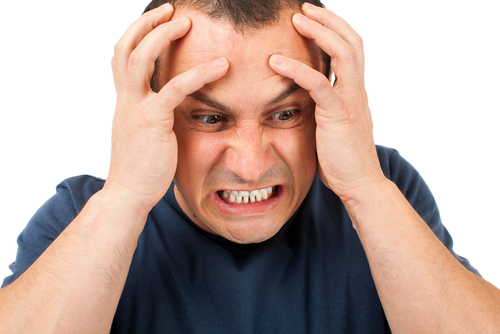
Addiction and the Mind and Body

Addiction plays out within the body and the mind and it can cause very distressing symptoms.  Fortunately, drug addiction can be treated once the person finally accepts the reality he or she is addicted and takes the steps to regain one’s life.  Understanding addiction is key for recovery.  Addiction counselors can help teach individuals what addiction is and how to better cope with it.  It is hence critical to have a complete understanding how addiction controls the body and negatively affects the brain and its functioing.
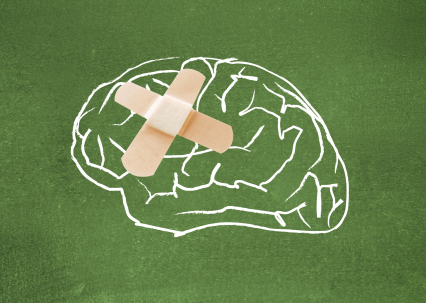
Addiction has multiple negative effects on the body and mind. Please also review AIHCP’s Substance Abuse Counseling Certification


The article, “The Effects of Drug Addiction on the Brain and Body” by Laura Dorwart looks closer at how addiction affects the brain and body.  She states,

“If you’re experiencing drug addiction, you’re not alone. Drug addiction is common, but it’s also preventable and treatable. The earlier you seek help and inform yourself about the effects of drug addiction, the faster you can achieve long-term recovery.”

“The Effects of Drug Addiction on the Brain and Body”. Laura Dorwart. January 24th, 2022.  VeryWellHealth

Substance Abuse Counselors and other mental health care professionals can help.  To review the entire article, please click here

Commentary

Addiction can be defined as a pathological condition characterized by compulsive engagement in rewarding stimuli, despite adverse consequences. It is a state of profound psychological dependence on the substance or behaviour, and results from dysregulation of the mesolimbic reward pathway in the brain. The condition is characterized by habituation to certain behaviours or substances, leading to maladaptive patterns of consumption and a propensity to continue use despite associated negative outcomes.

Addiction and the Body

The effects of addiction on the body can be multifaceted and far-reaching. Physically, individuals who are addicted to substances may experience an array of deleterious physiological implications, such as changes in their autonomic nervous system, endocrine system, metabolism and immune function. Moreover, addiction can lead to a variety of cardiorespiratory conditions due to prolonged substance abuse. Additionally, addiction has been linked to various neurological impairments and psychological dysfunctions including depression and anxiety.  Studies have demonstrated that long-term use can cause structural and functional changes to various organ systems such as the cardiovascular system, the respiratory system, and the gastrointestinal system.

When one attempts to push away from a particular substance, withdraw can occur as well.  Addiction and withdrawal are phenomena involving the dysregulation of homeostatic systems in an organism resulting from an interplay between environmental stimuli and physiological states. Specifically, addiction is a maladaptive response to conditions in which an individual continues to engage in a behavior despite potential consequences, whereas withdrawal is the physical or psychological symptoms that occur when ceasing such behavior. The underlying mechanisms for these processes remain elusive, however proposed theories focus on potential neural pathways associated with the reward system and positive reinforcement.

Addiction and the Brain

Addiction is a chronic, relapsing disorder characterized by compulsive drug seeking and use, despite adverse consequences. Neurobiological research suggests that addiction exerts its influence through alterations in the reward circuitry of the brain, which involves multiple neurotransmitters and reward pathways. These changes occur through a process of neuroadaptation whereby drug-induced stimulation of the reward system results in an increase in neuronal activity and synaptic plasticity.

Addiction impairs the functioning of different neural circuitry within the brain. It is characterized by an inability to control the use of drugs or other substances, despite the negative consequences associated with its use. Neurobiologically, addiction is thought to be caused by alterations in dopamine neurotransmission in reward pathways which may lead to a dysregulation of these systems and impairments in cognitive functioning.

Overcoming Addiction

The process of overcoming addiction is typified by the individual engaging in a series of cognitive, behavioral, and emotional interventions that are aimed at altering the maladaptive thought patterns and behaviors associated with their substance use. This includes developing healthier coping skills to manage cravings, triggers, and other environmental cues that may lead to relapse. With appropriate psychological support, individuals can learn to recognize and modify negative thought patterns that can underlie problematic substance use.

Once an individual begins to notice a trend, they can seek help to free themselves from the addictive process.  Usually this results in understanding the numerous negative effects of the particular addiction on one’s personal relationships, finances, and overall health.  No addiction can be overcome until one consciously chooses to make an effort to change and become better.  Those with better support groups and stronger coping abilities find better success in this endeavor.

Conclusion

In conclusion, addiction is a serious issue that affects millions of people worldwide. It can manifest itself in many forms and have dramatic impacts on the individual and those around them. While it may be difficult to break free from addiction, there are resources available to help those suffering. It is important to remember that addiction is a treatable condition with the right support and guidance. Every person battling addiction deserves understanding and compassion, as well as respect for their courage in addressing this difficult situation.

In addition, addiction has severe and long-lasting physical effects on the human body. This includes an altered brain chemistry, organ damage, and even changes in physical appearance. These effects can be counteracted by seeking professional help, abstaining from drugs or alcohol, and participating in healthy activities. Taking care of one’s physical health should be a priority when dealing with addiction. It is important to remember that recovery is possible and it starts by taking small steps towards a healthier lifestyle.

Please also review AIHCP’s Substance Abuse Counseling Certification and see if it meets your academic and professional goals.  The program is online and independent study and open to qualified professionals seeking a four year certification in Substance Abuse Counseling Training.  Through this training, qualified professionals can better be equipped to help individuals deal and cope with addiction.

Additional Resources

“Causes of Addiction”. Psychology Today Staff. Psychology Today.  Access here

“Understanding Drug Use and Addiction DrugFacts”. June 2018. National Institute on Drug Abuse.  Access here

“How Science Has Revolutionized the Understanding of Drug Addiction”. Nora Volkow, MD. July 2020. National Institute on Drug Abuse. Access here

“Understanding the Science of Addiction”. Richard Friedman, MD. April 20th, 2022. Weill Cornell Medicine. Access here
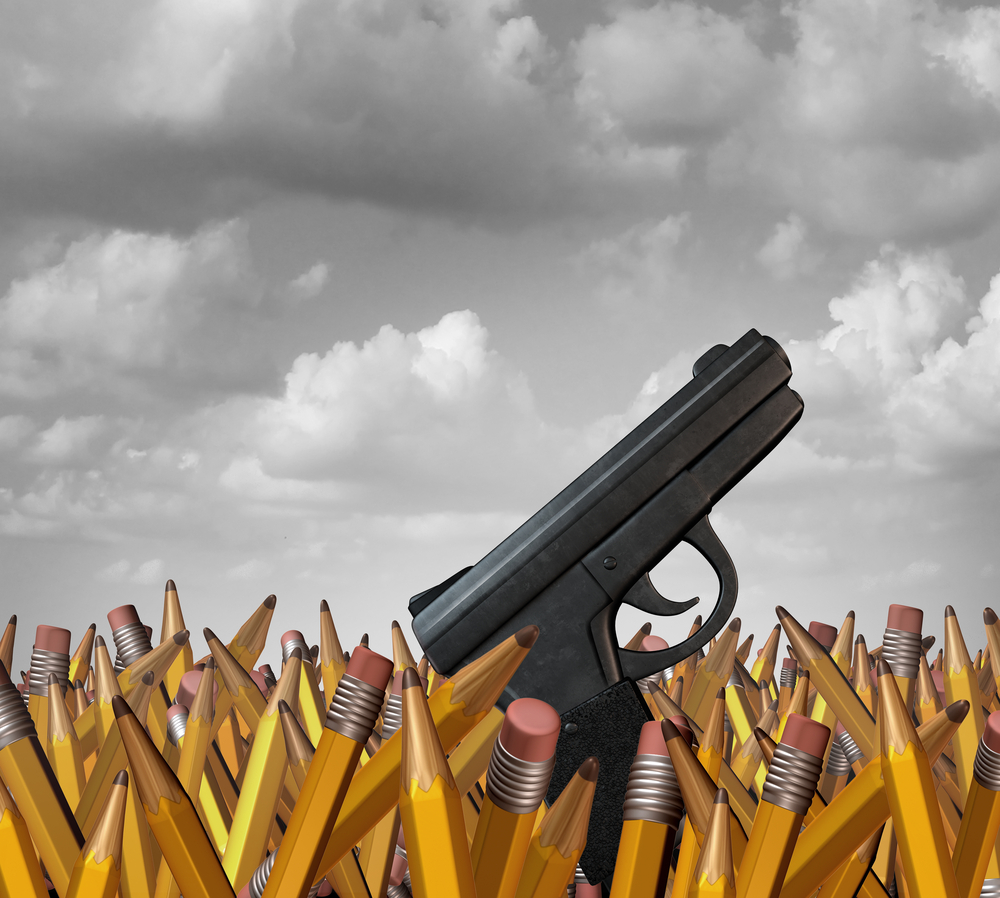

 

Grief Counseling Certification on Grief and School Shootings

School shootings are a parent’s and community’s worst nightmare.  Unfortunately, the wave of these national tragedies continue to rise and answers are still yet to be found on how to stop the senseless killing of children and teachers in schools due to mentally unstable individuals with guns.

The facts are alarming.  The “Sandy Hook Promise” organization lists a variety of horrific gun and children related facts.  Overall, each day 8 children die from gun violence and are the leading cause of death for children and teens.    Unfortunately, despite the alarming number of school shootings, many could be avoided.  In 4 out of every 5 shootings, at least one person knew beforehand or could have prevented it through proper vigilance and acknowledgement of the warning signs.  Many of the attackers showed signs in the weeks before the attack with as many as 75 percent of individuals noticing the alarming and threatening behaviors.  Finally, 68 percent of the time, most of the firearms were taken from the home due to improper storage of the weapon or parents did not believe the child knew where the gun was stored.

School shootings are a national pandemic that causes intense grief to parents, families, students, teachers and communities


This leads to two alarming trends.  First mental health and second gun safety and laws.   Better mental health care is required for youth as well as facilities to care for those exhibiting abuse, drug use as well as bullying.  Secondly, better gun control laws without restricting freedoms need to be in place to protect children and schools.  Yet, with political tug of war in Washington, little traction has been made, much less real solutions due to extremes that cannot reach common sense solutions.

The frightening reality is that shootings occur, children die and families deal with immense grief.  Grief Counseling and trained grief counselors has risen due to these traumatic events.  Families and victims need counseling from professional counselors, as well as certified grief counselors who can help with the local school district in helping teachers, staff, families and students with their grief and its processing.

In understanding a school shooting and its impact, it needs to be clearly classified as a traumatic event.  PTSD is definitely a possible short term and long term lingering effect on many students and staff.  This is especially made worst, since it was a human caused evil that baffles all logic and sense.  Individuals are left with survival guilt, death imprint and imaging that is difficult to be associated into the mind due to the extreme graphic visuals.

Traumatic events can trigger PTSD and complicated grief such as depression. Please also review AIHCP’s Grief Counseling Training


In counseling, all of these issues will be difficult to address and many may seek avoidance but the incident will continue to haunt.  Until the loss and trauma is discussed in a healthy way, then and only then can grief healing take place.   Following this though is the grieving process itself which can lead to complicated grief itself and depression due to the horrific nature.

Parents losing children, classmates losing friends, teachers losing students and communities being scattered suffer both individual and collective grief at various levels.  All parties need help in processing the loss and caring for each other in healing and preventing anyone from being left behind.   Support groups, individual counseling and helping others adjust to life after such a horrific event are parts of dealing with the crisis and part of the process of grief counseling.

Memorials, remembrance, social action and community outreach can help some heal, but the scars will always remain visible and apparent.  Sandy Hook is only one sad reminder of these events in recent American history and continue to haunt so many more.

As grief counselors, it is not the purpose necessarily to find answers because there are no true answers to complete evil and trauma.  Instead, it is the purpose to help others overcome trauma and find some balance in life.  To try to help the loss find a place in the narrative of a person’s life and where that person will go in the future.  Such tragic grief and loss usually does not end well though and it should not because it is so horrific, evil and traumatic.  Love has been uprooted and painful loss inserted.   It is a life long practice to learn to cope with the loss that will forever haunt everyone involved in such needless chaos.

Learning to help those through such difficult events is a process for qualified professionals.  Grief even traumatic grief is unique and every student or teacher will react and recover within their own paradigms.  Some may be prone to PTSD, while others will deal with naturally grieving and process it.  Others may be extremely guilty and have more vivid death imprints.  Others will be traumatized more due to relationships that were deeper.  This involves a long process of vetting, questions and determinations to see who is highest risk to PTSD and complicated grief reactions.

If you would like to learn more about Grief Counseling or would like to become a certified Grief Counselor then please review AIHCP’s Grief Counseling Certification and see if it meets your academic and professional goals.  The program is online and independent study and open to qualified professionals seeking a four year certification in Grief Counseling.


Grief Counseling Training Program Article on SAD

Seasonal depression can bring one down and it is more than just the winter blues.   It is important to try to find ways to brighten spirits via light therapies, vitamin D, exercise and other ways to break up the longer dark days.  It is important to try to find some way to find energy and optimism.   Obviously, many of these things can help with winter blues, but if SAD, then it may take more than just a few optimistic thoughts but potentially counseling and medication.

Seasonal Affective Disorder affects many individuals. Please also review AIHCP’s Grief Counseling Training


The article, “Fight Seasonal Depression With 4 Helpful Seasonal Affective Disorder Treatments” by Korin Miller looks at ways to combat SAD.  She states,

“While it’s totally normal to not exactly love winter, if you feel like you tend to struggle emotionally and physically this time of year, you may start to wonder if you’re dealing with the mental health condition, seasonal affective disorder (SAD). SAD can lead to symptoms like feeling depressed most of the day, feeling worthless, having low energy, and losing interest in things you once enjoyed, per the National Institute of Mental Health (NIMH).”

To read the entire article, please click here

Please also review AIHCP’s Grief Counseling Training Program and see if it meets your academic and professional goals.  The program is online and independent study and open to qualified professionals seeking a four year certification in Grief Counseling


Grief Counseling Program Video on Grieving Styles

Grief is unique.  It is universal but different people can have different reactions and can grieve in multiple different ways.  Grieving styles is how one expresses grief and there are multiple ways individuals express grief in a healthy way.

Please also review AIHCP’s Grief Counseling Program and see if it meets your academic and professional goals.  The program is online and independent study and open to qualified professionals seeking a four year certification in grief counseling


Please review the video below

Grief Counseling Certification Program Video on Grief and Creativity

Grief is transformative.  It forever changes an individual.  The person retains identity but outlooks and personal views can alter and how one integrates the loss into life.  From that integration can come beautiful ways to express oneself and generate new ways and new habits.  Creativity is a by product of past destruction as things are rebuilt and understood in new lights.

Please also review AIHCP’s Grief Counseling Certification Program and see if it meets your academic and professional goals.  The program is online and independent study and open to qualified professionals seeking a four year certification


Please review the video below

Christian Counseling Certification Program Video on Faith

The gift of faith is an important element in religion.  It is a virtue of this world that helps one believe what one cannot comprehend or visually see.  It is important to be able to accept what God has revealed on obedience and blind faith.

Please also review AIHCP’s Christian Counseling Certification Program and see if it meets your academic and professional goals.  The program is online and independent study and open to qualified professionals seeking a four year certification

Anger Management Training Program Blog on Child Anger

Children need to learn at a young age to control anger.  Children have untamed impulses and those impulses need restrained.  Children also need good example and keeping a cool demeanor can set a good example to children.  Anger control is a life long skill and it needs to start very young.

Dealing with angry children can be a challenge. Please also review AIHCP’s Anger Management Consulting Program and see if it meets your goals


The article, “Child-anger-management-how-to-deal-with-explosive-behavior-of-kids” by Parvin Aktor looks more closely at helping children control their temper.  He reminds everyone that how a parent reprimands is also important in training children how to behave.  Being calm and awarding good behavior and punishing bad behavior through modification and not violence or swearing are key he states.

To read the entire article, please click here

Please also review AIHCP’s Anger Management Training Program and see if it matches your academic and professional goals.  The program is online and independent study and open to qualified professionals seeking a four year certification in Anger Management.


Legal Nurse Consulting Certification Blog on Types of Malpractice

Mistakes occur and patients are deserving of compensation with medical malpractice occurs.  There are numerous different types of medical malpractice that can occur during care and treatment.  Legal Nurse Consultants help firms and patients find justice and have a thorough understanding of standard medical procedure as well as the process of malpractice cases.

Medical Malpractice can occur at anytime. Please also review AIHCP’s Legal Nurse Consulting program and see if it meets your goals

Please also review AIHCP’s Legal Nurse Consulting Certification and see if it meets your academic and professional goals.  The program is online and independent study and open to qualified professionals seeking a four year certification in Legal Nurse Consulting

ADHD Consulting Certification Blog on ADHD in Boys and Girls

ADHD manifests differently in different people but in general symptoms vary between boys and girls.    ADHD can be a big problem for children in school and at home and it is important to identify.  With ADHD Specialists, boys and girls can have symptoms managed through coping strategies or medication.

ADHD can be found in both boys and girls. Please also review AIHCP’s ADHD Consulting Certification


The article, “Do ADHD Symptoms Differ in Boys and Girls?” by Heather Jones takes a closer look at some differences.  She states,


“In general, boys with ADHD are more likely to have symptoms and behaviors that are more disruptive and, therefore, more noticeable. Not only does this have a “squeaky wheel” effect, but it reinforces the stereotype of a child with ADHD being a boy who “acts up” in class and is constantly on the go. Because girls with ADHD are usually less disruptive, it may not be as obvious that they are struggling. Daydreaming is not going to raise flags that are difficult to miss or ignore like frequent interrupting or the inability to stay seated.”

To read the entire article, please click here

Please also review AIHCP’s ADHD Consulting Certification and see if it meets your academic and professional goals.  The program is online and independent study and open to qualified professionals seeking a four year certification in ADHD Consulting.

Anger Management Specialist Program Blog on Dangers of Anger

Anger can become a tool of one’s own undoing if not properly managed.  Too many individuals give into anger and hurt others and face criminal charges, while others only hurt themselves by stressing their bodies through the stages of anger.  It is important to learn to manage anger the same way one manages stress.

Anger can become dangerous if not controlled. Please also review AIHCPs’ Anger Management Specialist Program


The article, “The Dangers of Anger” by Scott Butwell looks at the dangers of anger and how to better manage and control it. He states,

“Anger can be a destructive emotional cocktail. There is anger mixed with anxiety, anger tinged with stress, anger boiling over with resentment.  There are thousands of different kinds of anger.  Anger can destroy relationships, eat you alive by turning into resentment, and you can become easily addicted to anger like drugs or alcohol.  Anger can be passed on from one generation to the next, and if you think you don’t struggle with it, depression is often suppressed anger. Maybe, you bottle up your anger — like me.”

To read the entire article, please click here

Please also review AIHCP’s Anger Management Specialist Program and see if it meets your academic and professional goals.  The program is online and independent study and open to qualified professionals seeking a four year certification in Anger Management Training