Behavioral Health and Emotional Regulation

I. Introduction

The concept of emotional regulation is essential in understanding how individuals manage their emotional experiences and reactions in various contexts. It encompasses a range of processes that enable individuals to influence which emotions they have, when they experience them, and how they express those emotions. The importance of emotional regulation becomes particularly evident in educational settings, where the ability to foster positive emotional experiences can significantly impact childrens development. For instance, social leadership in early childhood education plays a critical role in promoting emotional intelligence and self-regulation among young learners (Dey M, 2024). Additionally, contemporary studies suggest that integrating mindfulness-based interventions can further enhance emotional regulation by teaching individuals to accept and manage intrusive thoughts without judgment (Reis A et al., 2024). Hence, a comprehensive understanding of emotional regulation is not only pivotal for personal development but also for fostering supportive educational environments.

Please also review AIHCP’s Behavioral Health Certifications, as well as AIHCP’s Anger Management Program, as well as its Grief Counseling Program.  Emotional regulation plays a key role in anger management and other stress management techniques.

You can learn to control and regulation oneself emotional through practice and various therapies

A. Definition of emotional regulation

Understanding emotional regulation is crucial for navigating the complexities of human behavior and interpersonal relationships. At its core, emotional regulation refers to the processes through which individuals influence their emotions, encompassing the awareness, management, and expression of feelings. This regulation can be considered a multifaceted construct, integrating cognitive and behavioral strategies to modify emotional responses (Rojas-Saffie JP et al., 2024). The importance of emotional regulation is underscored in various contexts, such as military leadership, where the ability to maintain emotional stability under pressure is vital for effective decision-making and responsibility (S Leshchenko et al., 2024). Moreover, the interplay between emotional regulation and personality traits suggests that these emotional management strategies are not merely reactive but can also become habitual behaviors shaped by an individuals experiences and interactions. Consequently, a comprehensive definition of emotional regulation must account for its dynamic nature and its integral role in fostering resilience and adaptive functioning across diverse situations.

B. Importance of emotional regulation in daily life

Emotional regulation plays a crucial role in daily life, influencing not only individual well-being but also interpersonal relationships and overall productivity. Effective emotional regulation enhances self-awareness, allowing individuals to identify and manage their emotions in various situations. This skill is particularly beneficial in stressful environments, as it aids in reducing anxiety and improving decision-making capabilities. For instance, young people utilizing AI-based mHealth apps have reported significant improvements in emotional self-awareness and regulation, suggesting that such tools can foster healthier emotional responses in everyday contexts (Hiller S et al., 2025). Notably, without proper emotional support, individuals may struggle to maintain these positive behaviors, leading to negative outcomes when faced with challenges (Y Vandenplas et al., 2023). Therefore, promoting emotional regulation through targeted interventions not only enriches personal experiences but also cultivates a more productive and harmonious society, underscoring its importance in daily life.

It is essential not to let anger or resentment or other emotions control us.  They are not bad in themselves but they can produce bad fruits.  Hence for work life, social life, family life and as well as personal health, it is important to control emotions from controlling us.  Emotional regulation is a key way to help one better take control of life.

C. Overview of the essay structure

An effective essay on emotional regulation should be structured to facilitate a logical flow of ideas and arguments. The introduction must present the topic, outline the significance of emotional regulation, and establish the thesis statement, guiding the reader on what to expect. The body paragraphs should systematically examine various aspects of emotional regulation, incorporating empirical evidence and expert opinions. For instance, research highlighted in (Shan J et al., 2025) provides insights into the role of emotional management in athletic performance, underscoring its practical implications. Subsequent sections could delve into the neurobiological underpinnings of emotional regulation, as discussed in (Bardel G et al., 2024), which outlines critical brain regions and pathways involved. Finally, the conclusion should synthesize the main points, reiterating the importance of emotional regulation in diverse contexts and offering recommendations for future research or applications, thereby ensuring the essay is comprehensive and impactful.

II. Theories of Emotional Regulation

Emotional regulation, a critical aspect of psychological well-being, encompasses various theoretical frameworks that explain how individuals modulate their emotional responses to diverse stimuli. One prominent theory is Grosss Process Model, which outlines strategies for regulating emotions at different stages of emotional experience, including situation selection, modification, and cognitive appraisal. This model emphasizes the importance of cognitive appraisal in influencing emotional responses, thereby suggesting that emotional regulation can be learned and adapted over time. The intersection of technology and emotional regulation has also emerged as a significant area of study, where individuals utilize digital tools to facilitate emotion management in daily life. A diary study revealed that people actively employ various technologies to navigate their emotions, highlighting the contemporary relevance of digital platforms in emotional regulation practices (Smith W et al., 2022). Moreover, understanding emotional regulation in the context of overall mental health ties directly to definitions that acknowledge both positive and negative emotional states as vital components of a fully lived experience (Galderisi S et al., 2015).

Ultimately, it takes time but the brain has plasticity.  Neuro plasticity of the brain enables new neuro networks to be carved out replacing old behaviors.  This takes time, repetition and a battle sometimes with the subconscious despite one’s conscious decision.
Learning to regulate emotions involves identifying the emotion, understanding it and reframing it. CBT can play a large role in re-interpreting an emotion and also identifying various triggers to that emotion. Please also review AIHCP’s behavioral health certifications


A. Overview of key theories (e.g., Gross’s Process Model)

In the field of emotional regulation, key theories provide insightful frameworks for understanding how individuals manage their emotional experiences. Grosss Process Model is prominently recognized for outlining a sequence of emotion regulation strategies, encompassing situation selection, situation modification, attentional deployment, cognitive change, and response modulation. This model illustrates the dynamic nature of emotional regulation, where individuals can apply varying strategies at different points in the emotional response cycle. For instance, research involving people living with HIV/AIDS (PLWHA) highlights the practical application of these strategies, underscoring how supportive environments facilitate positive emotional outcomes while maladaptive behaviors can emerge from ineffective response modulation (Nabila IN et al., 2025). Similarly, the dual-process theory of impulsivity elucidates the interplay between emotional regulation self-efficacy and risk-taking behavior among college students, emphasizing the importance of emotional self-efficacy in mitigating impulsive actions (Zhang R et al., 2025). Collectively, these theories underline the complex mechanisms that govern emotional regulation across diverse contexts.

B. The role of cognitive appraisal in emotional regulation

Cognitive appraisal serves as a critical mechanism in the process of emotional regulation, influencing both individual responses to stressors and overall emotional well-being. By evaluating the significance of various stimuli and personal circumstances, individuals engage in an intricate mental process that shapes their emotional reactions. For instance, research indicates that dispositional optimism can play a mediating role in how one perceives challenges, such as vision impairment, and subsequently regulates emotional outcomes like depressive symptoms among older adults (Ji X et al., 2025). Similarly, mindfulness has been shown to enhance the clarity of fairness judgments, further supporting adaptive emotional responses in workplace settings where perceived injustices occur (Chaprana V et al., 2025). Ultimately, the ability to appraise situations positively can foster resilience and promote healthier emotional regulation strategies, highlighting the importance of cognitive processes in managing emotions effectively across diverse contexts.

C. Differences between adaptive and maladaptive regulation strategies

Understanding the differences between adaptive and maladaptive regulation strategies is crucial for enhancing emotional well-being. Adaptive strategies, such as cognitive restructuring and mindfulness techniques, focus on altering thought processes and accepting emotional experiences, which tend to foster resilience and improve psychological outcomes (Xu M et al., 2024). In contrast, maladaptive strategies, such as avoidance or substance use, often provide short-term relief at the expense of long-term emotional stability, leading to increased stress and potential psychological distress (Eda Yılmazer, 2024). The reliance on adaptive strategies has been linked to better performance and lower levels of stress in educational settings, thereby emphasizing their importance for both students and educators. Moreover, recognizing these distinctions allows individuals to develop targeted interventions that promote emotional health, particularly in high-stress environments. Thus, the choice of regulatory strategy plays a vital role in shaping both individual well-being and broader social interactions.

III. Techniques for Emotional Regulation

In the context of emotional regulation, various techniques have emerged as effective strategies for managing emotional responses. Among these, the practice of identifying and understanding ones emotions stands out as foundational for building emotional intelligence, a construct that encompasses recognizing emotional states in oneself and others, guiding thoughts and behaviors based on emotions, and implementing effective emotion regulation strategies (Hogeveen J et al., 2016). One innovative approach is the Early Adolescent Skills for Emotions (EASE) intervention, which targets young individuals to develop coping skills through structured group sessions. This program not only teaches participants to identify their feelings but also addresses physical arousal linked with stress and provides strategies for engaging in meaningful activities that promote positive mood changes (Dawson K et al., 2019). The collective application of these techniques facilitates enhanced emotional well-being and is critical, particularly during adolescence, a period marked by heightened vulnerability to emotional dysregulation and mental health issues.

Learning to step back and reframe thoughts is a skill that can be mastered over time.
Overall healthy emotional regulation and techniques that support it involve reframing of negative thoughts, finding mindfulness in the moment, taking a break when necessary, expressing things constructively, and finding solutions.  Below we will discuss various methods to utilize to help regulate emotions.

A. Mindfulness and its impact on emotional awareness

In recent years, mindfulness has emerged as a pivotal practice in enhancing emotional awareness, impacting individuals’ abilities to regulate their emotions effectively. By promoting a non-judgmental focus on the present moment, mindfulness cultivates an increased awareness of one’s thoughts and feelings, which enhances emotional recognition and understanding. This heightened emotional awareness allows individuals to respond to stressors with greater clarity and intent, rather than reacting impulsively. Studies indicate that mindfulness practices can significantly decrease burnout and emotional exhaustion, particularly in high-stress environments like medical education, where students experience increased psychological distress ((Denisse Zúñiga et al., 2021)). Additionally, in the context of the COVID-19 pandemic, the need for emotional regulation has become even more critical, as healthcare workers face unprecedented levels of anxiety and fatigue. Integrating mindfulness into their routine has shown promise in reducing emotional fatigue and enhancing overall well-being ((Sasangohar F et al., 2020)). Thus, mindfulness emerges not just as a therapeutic tool but as a vital practice for fostering emotional resilience amidst challenges.

In addition to meditation, journaling can play a helpful tool in regulating emotion.  Simply by keeping a log and writing about how one felt and why and on what date, can help one manage emotions and understand them better when triggers emerge.   In addition, sleep, good hygiene and sometimes counseling are all ways to help manage emotions from all aspects.

B. Cognitive-behavioral strategies for managing emotions

When it comes to handling emotions, cognitive-behavioral strategies are pretty important, because they help you understand what sets off your feelings and give you better ways to deal with them. Basically, the idea is that your emotions come from how you think about stuff, pointing out how your thoughts and feelings work together. So, like, cognitive restructuring lets you question and change bad thought patterns, helping you react emotionally in a better way. This is super useful when things get intense, like in sports, where athletes often feel really anxious or frustrated. For example, a study looked at table tennis players and found that focusing your attention, which is a cognitive strategy, was the go-to way to keep emotions in check during a match – showing just how important specific cognitive strategies can be (Martinent G et al., 2015). By getting better at these cognitive-behavioral strategies, you not only get better at managing your emotions, but you can also perform better and feel better in all sorts of situations (Malekzadeh M et al., 2015).

Cognitively, one can simply name the emotion that is emerging.  Whether depressed, stressed or feeling angry, one can identify the swelling feeling inside and properly label it.   It is crucial to validate this natural emotion.  The emotion itself should not be dismissed as repugnant or bad, but instead it should be seen as simply a natural response.  It is what one does with the response or how one allows the emotion to make one feel that is detrimental.    Beyond validating, it is also crucial to identify the triggers that caused the emotional reaction and correlate them and why they triggered a certain reaction.

Through CBT and other behavioral strategies, one can learn to understand feelings and thoughts and how to reframe them and better understand them and teaching one how to change and alter thoughts that come during distress that cause unwanted emotional responses.


C. The use of expressive writing as a regulation tool

Expressive writing is a pretty useful tool; it helps people deal with their emotions. When things get tough, it allows them to put their feelings into words and work through them. Studies have actually shown that writing expressively can improve emotional management and help people become more resilient, especially when they’re dealing with trauma or chronic illnesses. For example, there was this study (U Tykha, 2025) with Ukrainian university students. It showed that when expressive writing was part of their trauma-informed learning, they got better at managing their emotions and bouncing back during conflicts. Also, people with multiple sclerosis said they felt a lot better after doing an expressive writing program. They talked about feeling more empowered and discovering things about themselves as they worked through their feelings (Pawar P et al., 2025). All of this shows that expressive writing is not just good for therapy, but also for improving emotional well-being in general. That’s why it’s important in education and psychology when we’re trying to help people regulate their emotions.

IV. Emotional Regulation in Different Contexts

Emotional regulation is really important in lots of situations. You see it especially in schools. How parents get involved and how kids are learning really changes how they feel. Studies have shown that when parents are really there for their kids, those kids tend to handle their emotions better and do better in school. For example, there’s research that says when parents use a supportive style, kids are more emotionally stable (Jain B et al., 2025). But when kids learn from home, things get tricky. They have to be good at organizing themselves and controlling their emotions so they can stay healthy. Not seeing people in person can make them feel lonely and stressed. That’s why it’s super important for teachers and other students to give them support (Puhach V, 2025). So, when we think about emotional regulation, we’ve gotta remember that family support and the learning environment work together. We need to find ways to help kids with their emotions that fit their specific needs. The interplay between the two is essential.

A. Emotional regulation in interpersonal relationships

Generally speaking, emotional regulation is quite important for healthy relationships, as it helps people manage emotions in social situations. Folks who can navigate their feelings effectively tend to communicate and empathize better, and respond constructively to others’ emotional needs. It’s a process that smooths interactions and helps prevent conflicts that can arise from feeling dysregulated; intense emotions sometimes lead to misunderstandings and disproportionate reactions, you know? Furthermore, emotional regulation builds trust and safety, encouraging openness – vulnerability even – which is essential for deeper connections. Because emotional dysregulation manifests in different ways, including anxiety or irritability, understanding this becomes vital for relational resilience. In most cases, mastering emotional regulation improves individual well-being and the quality of interpersonal bonds, making it a cornerstone of, well, effective relationship management (Subramanyam A et al., 2020), (Kioupi V et al., 2019).

B. The role of emotional regulation in the workplace

Emotional regulation? It’s pretty important in creating a workplace that actually works, influencing both how employees feel and how well the organization functions overall. It helps folks handle their emotional reactions, which in turn can prevent burnout – that state of feeling totally exhausted and cynical. Plus, it encourages work engagement, something tied to energy and commitment on the job (Arnold B Bakker et al., 2022). When people are good at managing their emotions, they become more resilient to stress at work, and they also contribute more positively to how teams work together. What’s more, emotional regulation is becoming even more vital as organizations rely more on virtual environments and digital interactions. The rise of metaverses kind of suggests that emotional subtleties can have an impact on these digital interactions, underscoring the necessity for flexible emotional capabilities in both real and virtual workplaces (Yogesh K Dwivedi et al., 2022). So, developing emotional regulation skills is crucial for keeping employees engaged and building a solid, cohesive work culture.

C. Emotional regulation in mental health treatment

Mental health treatment is increasingly recognizing the importance of incorporating emotional regulation strategies, as practitioners aim to deliver more comprehensive and effective therapy. Alternative interventions such as dance therapy exemplify this trend, demonstrating their ability to alleviate anxiety and depression symptoms and to boost emotional resilience, for example, among college students (Ying C, 2025). Moreover, the experiences of individuals with HIV/AIDS highlight the intricate aspects of emotional regulation. In these cases, social support networks can be critical in encouraging positive emotional reactions and adherence to treatment protocols (Rokhmah D, 2025). Mental health professionals, in understanding this complexity, can adapt interventions to focus not just on reducing symptoms, but also on fostering emotional well-being. Generally speaking, these strategies are vital for reducing the negative impacts of stigma and social isolation and thus help to improve the quality of life in different communities as they navigate mental health issues.

It is essential to control oneself, identify emotions and understand them.  Through positive approaches, we can cope with our emotions and control ourselves for better social relationships and better mental health.

Black woman having a panic attack and breaking into a paper bag
Learning to find healthy ways to cope vs maladaptive ways is crucial to emotional regulation. Please also review AIHCP’s Behavioral Health Certification Programs

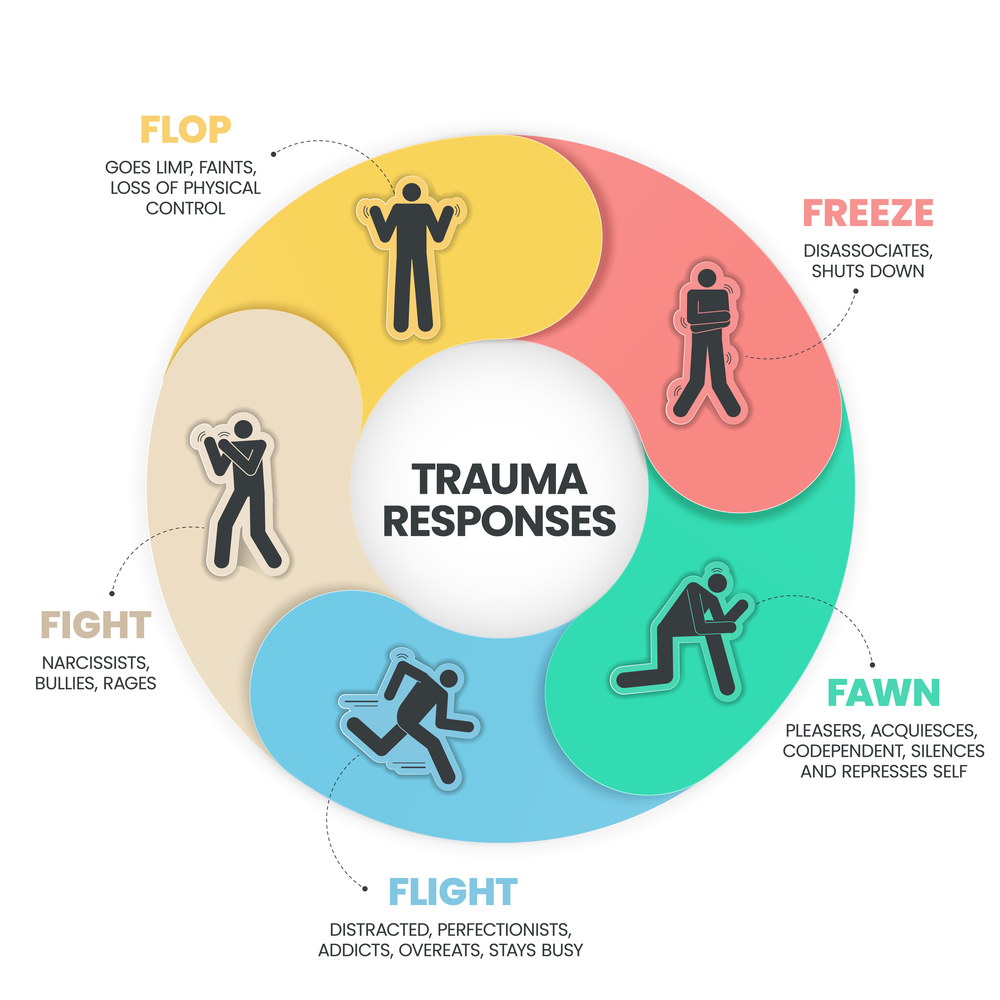
However, sometimes emotions can get the best of us and we can turn inward away from what needs done and turn to darker things.  Maladaptive coping can result when emotions become out of control.  Substance abuse, self harm, emotional eating, withdraw and isolation, and dismissing responsibilities are all results of maladaptive coping with emotions.  Hence it is important to become the pilot in control of one’s emotional self.

Anger management and stress management therapies employ emotional regulation in a healthy way to push one away from maladaptive practices and dangerous reactions.

V. Conclusion

To summarize, emotional regulation is quite important for psychological well-being; it has an impact on risk-taking and even addictive behaviors. Adolescents, in particular, are susceptible, especially since advertising and other things can change how they feel and the decisions they make about e-cigarette use (Chen Y et al., 2019). It’s also worth noting that emotion dysregulation and things like food addiction are linked; this shows just how complex these emotional processes are and that trouble managing emotions can lead to some negative behaviors (Tatsi E et al., 2019). Thus, we really need targeted interventions to help people learn effective emotional regulation strategies, particularly among those who are more vulnerable. When people can better understand their emotions and become more resilient, they might find it easier to navigate the emotional stuff that contributes to risky behaviors. These types of initiatives aren’t just good for mental health but also essential for public health strategies that aim to reduce how common addictive behaviors are.

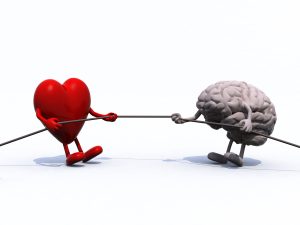
brain and heart playing tug a war
Please also review AIHCP’s Behavioral Health Certification Programs and see if they meet your academic and professional goals.

Please also review AIHCP’s Behavioral Health Certifications and see if they meet your academic and professional goals.  Many of the programs are designed for clinical and non clinical professionals within the scope of their practice.  This includes healthcare professionals as well as behavioral health professionals and those in pastoral care and ministry.  Please review AIHCP’s numerous programs in Stress Management, Anger Management, Grief Counseling, Spiritual Counseling, Crisis Intervention and Meditation Instruction.

A. Summary of key points discussed

How we handle our emotions is really a complicated interaction of things like our biology, our mindset, and what’s going on around us. And generally speaking, a major point to consider is this microbiota-gut-brain axis thing; basically, all those trillions of tiny organisms inside us appear to have a pretty important role in shaping how we feel and act. They do this through our immune system and how our brains communicate. To give you an idea, some new research is showing that when we’re stressed or when the mix of those microorganisms changes, it might contribute to mood disorders. This suggests we should look into therapies that target these microorganisms for things like anxiety and depression (John F Cryan et al., 2019). Moreover, there’s a general agreement in the sports world that concussions mess with how athletes regulate their emotions because it affects their thinking. This highlights the need for careful clinical judgment when helping them recover (McCrory P et al., 2017). These ideas show how complex emotional regulation really is and open up possibilities for interventions aimed at improving psychological health.

B. The significance of developing emotional regulation skills

Generally speaking, nurturing the ability to regulate emotions proves highly valuable in both personal and professional arenas. Individuals who can effectively manage their feelings are often more adept at handling relationships and workplace situations, given emotional intelligence’s impact on productivity and how well teams work together. Studies suggest self-awareness and clear communication, key aspects of emotional intelligence, help foster inclusive settings that value different viewpoints (Turebayeva G et al., 2025). Moreover, for some, like individuals with autism, learning to regulate emotions is connected to interoceptive awareness—that is, the ability to understand internal bodily cues that signal emotional states. Addressing this link through specific strategies not only improves emotional management but, in most cases, also boosts involvement in everyday activities (Barmpagiannis P et al., 2025). Therefore, developing emotional regulation isn’t just good for the individual; it’s also crucial for building connections and encouraging inclusivity in different social settings.

C. Future directions for research and practice in emotional regulation

Looking ahead, it seems clear that future research into emotional regulation would do well to consider complementary approaches—yoga, for example—for their ability to perhaps lessen anxiety and bolster emotional resilience. We’ve seen that yoga may regulate emotions through various mechanisms, suggesting it could be a useful addition to treatment for anxiety disorders; more research is definitely needed to see how it works across different groups of people (Thakar N et al., 2024). On another note, it’s becoming increasingly important to understand how what happens at work affects family life, especially when it comes to emotional regulation. Studies looking at how being excluded by a supervisor affects family relationships—specifically through the lens of emotional regulation—could yield some very important understanding. This could in turn inform interventions designed to foster emotional resilience in workplace settings (Zeng Q et al., 2024). To sum up, expanding our research to take into account both holistic and contextual elements will be key for developing effective strategies for helping people and improving mental well-being overall.

Other AIHCP Blogs

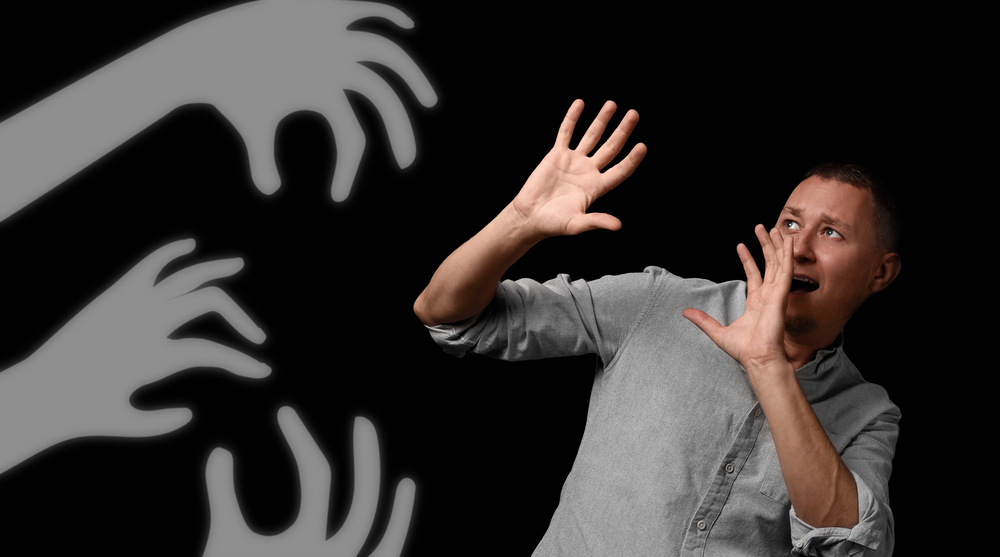
Fear of Monsters.  Access here


Behavioral Health Certifications: Psychology and the Fear of Monsters

I. Introduction

The fear of monsters or TERAPHOBIA has permeated human culture throughout history, serving as a compelling lens through which to examine psychological anxieties and societal norms. Such fears often reflect deeper concerns, including the unknown, loss of control, and existential dread, which can manifest in various forms, from folklore to modern horror media. This essay seeks to explore the psychological underpinnings of these fears, particularly how monstrous figures symbolize our innermost anxieties. By drawing parallels between literary representations and psychological theories, we uncover the ways in which these fears can illuminate our understanding of the human condition. The phenomenon of monsters in narratives can be likened to the prophetic literature found in the Hebrew Bible, where fear is intimately tied to the moral and ethical discourse of society, drawing connections that reveal the nuanced relationship between fear, representation, and individual experience (Uhlenbruch F et al., 2016). In a similar vein, the analysis of art and its interpretations during wartime highlights the subjective nature of fear and memory, emphasizing that understanding these emotions is crucial for comprehending the broader context of human experience (Waters et al., 2017).

Please also review AIHCP’s Behavioral Health and Mental Health Certifications.  Click here

What is the psychological reason for the human creation of monsters and fears of the make believe?


A. Definition of monsters in psychological context

In the psychological context, monsters often serve as metaphors for deep-seated fears and anxieties that individuals grapple with, illustrating the complex interplay between perception and reality. These entities may embody societal fears or personal traumas, which can manifest through various psychological pathways as described by Rachman’s theory of fear acquisition. This theory posits that fears can emerge through direct conditioning, vicarious learning, or through the transmission of information, revealing how external stimuli can shape an individuals understanding of monstrosity (Ajzen et al., 2001). Moreover, the societal stigmatization of certain behaviors and conditions contributes to the crafting of monsters within the psyche, emphasizing the harmful consequences of metaphorical dehumanization, as seen in discussions surrounding disability. This phenomenon not only reinforces boundaries of normality but also reflects how such narratives can lead to destructive social attitudes and actions, like the troubling concept of ‘mercy killing’ in response to perceived monstrosity (Waltz et al., 2008).

B. Overview of fear as a psychological phenomenon

Fear, as a psychological phenomenon, serves a critical role in human cognition and behavior, especially in the context of monstrous narratives. Traditionally regarded as an adaptive response, fear prepares individuals to confront perceived threats—whether real or imagined. This response is particularly evident in horror genres, where monsters symbolize deeper societal anxieties and moral dilemmas, thereby allowing audiences to explore their fears in a controlled environment. Such interaction can evoke feelings of pleasure and discomfort simultaneously, reflecting the complex interplay between fear and fascination. For instance, the interplay of sex and horror has been noted to elicit competing responses, resulting in both attraction and revulsion from viewers, suggesting that fear may not only be a mere reaction to threats but also a complex emotional experience that challenges societal norms, as discussed in (Jones et al., 2017). Ultimately, understanding fears role assists in unpacking the psychological motives behind our fascination with monsters, revealing its roots in cultural narratives and individual psychologies, as highlighted in (Burton et al., 2019).

Monsters sometimes represent deeper fears , symbols as well as humanity’s own corruption.
C. Importance of studying fear of monsters in psychology

The exploration of fear, particularly the fear of monsters, serves as a profound means of understanding psychological development and societal values. Monsters often symbolize our deepest anxieties, embodying fears of the unknown or unresolved trauma. By studying these fears, psychologists can unveil underlying emotional and cognitive processes that shape human behavior. This analysis can also encourage discussions about the nature of good and evil, paralleling Tolkiens exploration of beauty and despair in his narratives, which reveals how joy is often intertwined with sorrow and loss (Philpott et al., 2016). Furthermore, addressing the fear of monsters allows for a critical examination of societal beliefs, reflecting our collective fears and the ways these fears manifest in cultural narratives. This understanding is crucial for developing therapeutic interventions, as mitigating fear can ultimately lead to healthier coping mechanisms and a better comprehension of individual and shared human experiences (A Lathrop et al., 2015).

While fear can serve a protective device, teraphobia can cause unnecessary anxiety due to the irrational fear.  It can cause clinging in children, avoidance and cripple people from living life.  This can disrupt sleep and cause other emotional issues.  It can also cause nightmares and night terrors as well as create unhealthy ritualistic behaviors to face these fears.

II. Historical Perspectives on Monsters

The historical perspectives on monsters reveal a profound interplay between cultural narratives and psychological fears, reflecting societal anxieties that transcend time. In literature and mythology, monsters have often represented societal fears, embodying the unknown or the other in various forms. As these depictions evolved, they became reflections of the moral and cultural sentiments of their respective eras, revealing underlying societal concerns, such as justice and transgression. The work of positivist criminology illustrates this connection, positing that monsters—like criminal behavior—cannot be purely understood through scientific frameworks devoid of cultural context; they are instead shaped by the irrational tropes and images that society generates (Burton et al., 2019). Furthermore, the examination of prophetic literature in the Hebrew Bible highlights how monsters also symbolize warnings or prophetic truths, demonstrating their role in both societal critique and psychological exploration (Uhlenbruch F et al., 2016). Thus, the historical discourse on monsters serves as a window into the evolving fears and cultural dynamics of humanity.

A. Evolution of monster myths across cultures

The evolution of monster myths across cultures reflects deep-seated psychological fears that transcend geographical and temporal boundaries. Historically, monsters have served as embodiments of societal anxieties, from the grotesque beings of mythological narratives to contemporary representations in popular media. These creatures often symbolize the unknown, encapsulating fears related to mortality, chaos, and the supernatural. As detailed in the exploration of cognitive dissonance, individuals grapple with conflicting beliefs about empirical knowledge and transcendent forces, leading to a persistent discomfort that fuels the creation and adaptation of monster myths (Montell et al., 2001). Furthermore, examining prophetic literature through the lens of science fiction reveals how modern cultures reinterpret ancient fears, linking both the imaginative and empirical realms (Uhlenbruch F et al., 2016). This cyclical process of myth creation not only reflects cultural values but also offers insights into the psychological mechanisms that drive humanitys enduring fascination with the monstrous.

Whether it is Dracula, loch ness, or bigfoot, monster stories evolve across cultures.  Some monster myths surprisingly share similarities across cultures to point towards a common consciousness of human fear that is universal.

The development of the mythos and folklore of monsters has many origins and can affect individuals in pathological ways that may not have been intended


B. Psychological interpretations of historical monsters

The phenomenon of historical monsters often serves as a lens through which we can explore societal fears and psychological interpretations. These figures, whether real or mythologized, reflect the cultural anxieties and moral uncertainties of their times. For instance, the grotesque behaviors attributed to notorious figures not only illustrate individual psychopathy but also reveal broader societal concerns about deviance and order. The study of these monsters allows us to analyze the inherent contradictions in criminological thought; as noted, “positivist criminology confronts an inherent contradiction in purporting to develop a purely scientific account of phenomena that are defined by the moral and cultural sentiments of a society” (Burton et al., 2019). Furthermore, examining these figures provides insights into the collective psyche, suggesting that their “marginality” and the fear they evoke can illuminate deeper truths about a societys self-image and moral landscape (Chin et al., 2011). Thus, historical monsters are integral to understanding both psychological trauma and cultural identity.


C. The role of folklore in shaping fear of monsters

Folklore serves as a vital cultural construct, profoundly shaping human perceptions of fear, particularly in the context of monsters. It embodies collective anxieties and societal fears, transforming them into recognizable narratives that both illustrate and amplify the psychological terror associated with the unknown. For instance, the concept of Thin Places in Celtic mythology reflects an enduring belief in liminal spaces where the veil between the ordinary and the supernatural becomes tenuous, creating an atmosphere ripe for the emergence of fearful entities (Healy et al., 2014). Similarly, during the tumultuous period of World War II, the Italian populaces collective fear gave rise to the mysterious figure of Pippo, a spectral aircraft that unites their anxieties about warfare and the unseen dangers lurking above them (Perry et al., 2003). These examples illustrate how folklore not only reflects but actively constructs a societal framework for understanding and contextualizing fear, particularly in the manifestation of monstrous figures.

Many stories of monsters also delve into deeper human lessons about humanity, corruption and also protecting the self from that corruption.  Monsters serve as a fear device to keep us away from forbidden things that can corrupt or hurt us.  The stories of not entering the forest at night in both European and American folklore all teach of the inherent dangers that exist in the woods at night.  Teaching children to lock the door, or not to wander off, are all important lessons to protect but through that use of fear to protect, phobias can later develop that create irrational fears of being alone or walking in the woods.

I think many religious traditions have their teachings as well on evil.  While many do not delve as far as the mythos of monsters and folkore surrounding monsters, many monster architypes develop from religious concepts based off of demonic.  For many, the demonic is fearful and real enough to add any other dimension of monster in the world.  For this reason, while closely connected, demons need out of respect to religious traditions to be categorized differently.  While beliefs are beliefs and not up to empiric observation, the concept of demons surrounds religious dogma, while folklore delves more into the imagination.  This is not to say, demon fear and craze can erupt from ultra religious minds and create pathology but the dogmatic belief of demons within the creeds of the the faiths remains something different in extreme than monster fears but at the same time, something open to possible extremism.  I think this needs to be understood when looking at the human experience and demonology.


III. Psychological Theories of Fear

An understanding of psychological theories of fear provides significant insights into the anxiety surrounding monsters, both real and fantastical. Rachmans theory of fear acquisition posits that fears can emerge through direct conditioning, vicarious learning, and information processing; notably, childhood experiences with frightening narratives can shape perceptions of monsters ((Ajzen et al., 2001)). For instance, exposure to stories about monsters can foster fear-related beliefs, demonstrating how verbal information influences emotional responses. This interplay is particularly evident in children, whose fear may be heightened based on the source of the information, such as whether it comes from a trusted adult or peer ((Ajzen et al., 2001)). Furthermore, the broader implications of fear reveal how cultural narratives surrounding monstrosity draw on psychological principles, blending empirical research with societal beliefs. This intersection suggests that psychological frameworks not only explain individual fears but also highlight the cultural constructs that shape our collective understanding of monstrosity ().

A. Theories of fear development in childhood

Theories of fear development in childhood offer insights into why children often harbor irrational fears, particularly regarding monsters. Rachmans theory of fear acquisition posits that these fears can develop through several pathways, including direct conditioning, vicarious learning, and information or instruction, suggesting a multifaceted origin for phobias that include the fear of fantastical creatures (Ajzen et al., 2001). Moreover, the influence of information, particularly verbal cues from significant adults, can substantially alter a childs fear-related beliefs. For instance, children exposed to narratives about monsters from trusted figures demonstrated increased fear perceptions, highlighting the power of verbal instruction in shaping their understanding and responses to the unknown (Ajzen et al., 2001). Additionally, the concept of strangeness further elucidates the conditions under which fears arise; as children encounter unfamiliar stimuli that disrupt their sense of control, they often react with alarm, thus perpetuating their fear of such entities .

Children can develop fear of monsters due to social digestion of material, beliefs handed down, or stories intended to protect them but ultimately detrimental to their psychological health

Ultimately, how many children  fear the dark, the monster in the closet or under the bed.  These fears have roots in observation, digestion of social content, and stories handed down, whether for the protection of a child to avoid something, or out of pure superstition.  Yet these stories can cause intense anxiety in children, sleep disturbances, night terrors, fears of the dark, avoidance of certain rooms, as well as clinging to parents.  Children with these fears need comforted to avoid more trauma, as well as reassurances and awards for being brave and facing fears.

When teraphobia becomes crippling then serious mental help is needed.  Some individuals rooted in deep superstition, or certain belief can become terrified beyond the rituals of protection but also negatively affected in their daily activities or stricken with a deep sense of fear.  Others may face psychosis.  Many due to this can face deep trauma that is unneeded but still nevertheless present.

B. The impact of media on fear perception

The media definitely has a big impact on how scared people get, especially when it comes to “monsters”—whether we’re talking about real creatures or just scary ideas. You can see this in the way the news spreads really dramatic stories. For instance, when there’s a lot of coverage of something rare, like kids getting abducted, it can cause a huge panic, even if the actual danger isn’t as high as people think. That whole “stranger danger” idea is a good example. It’s often based on emotional stories and a general sense of moral panic pushed by the media, which can make it hard to have a reasonable conversation about how to keep kids safe (Wodda et al., 2018). Plus, the way people with disabilities are often talked about—using metaphors that make them seem weak or broken—keeps fear alive. It reinforces stereotypes, makes differences seem like problems, and ultimately, dehumanizes entire groups of people (Waltz et al., 2008). So, the things we see in the media not only make society more afraid but also make it harder to understand what the real risks are. What we really need are stories that are more thoughtful and show the world as it is, instead of just trying to shock us.

C. Cognitive-behavioral approaches to overcoming fear

Cognitive-behavioral methods offer solid strategies for tackling irrational fears, like a fear of monsters, using systematic intervention. A key piece of this is cognitive restructuring. Essentially, this involves spotting and then challenging distorted beliefs about threats we think we see. Research points to how the information kids get really matters; it can reshape those fear-based beliefs. Verbal narratives, studies show, can profoundly change how children view scary things, like monsters, more so than visual aids (Ajzen et al., 2001). Also, it’s helpful to understand how early anxiety and what’s happening at home plays into all this. This can make treatment better. Addressing, say, maternal anxiety and temperament becomes pretty vital for prevention (Briggs-Gowan et al., 2010). By mixing cognitive restructuring with exposure therapy—gradually facing fears in a safe way—people can build resilience and dial down the emotional pain these long-held phobias cause.

Counselors can help individuals identify irrational fears, as any phobias, and cognitively approach the reality behind it.  It is important to validate the emotions behind the fears but to help the person recognize the irrationality behind them intellectually.   In addition, counselors can help individuals who may have phobia induced trauma and face these fears through controlled exposure of those fears over a modified period of time.   Meditation and breathing to help calm anyone with unneeded anxiety are also excellent ways to help individuals face phobias and trauma itself.   Many other coping skills can be utilized as well that best help the person.   Finally, positive reinforcement is key in helping progress.

Ultimately it comes to cognitive recognition of the irrational nature of the fear, learning to face the fear through exposure and utilizing coping strategies to face those fears.

IV. The Role of Monsters in Modern Society

Monsters, those figures of dread, have always been crucial cultural icons. They embody our deepest anxieties, and their place in today’s world really mirrors how complex our minds are. Theories about how we learn to fear things, like Rachman’s pathways theory, shows us that our fears aren’t just there; they’re grown through what we experience ourselves, what we see others go through, and even what we hear about, especially when we’re kids (Ajzen et al., 2001). You see, through the stories we take in from media, monsters tend to become these figures that represent bigger issues in our society. They sort of act like a lens, helping us deal with what makes us uneasy. This dance between our culture and our fears makes you wonder if just cold, hard science can really explain why we do what we do and how we feel, which is pretty evident when you look at how criminology has changed over time (Burton et al., 2019). As the monsters we see in stories today evolve, they give us a peek into what we’re all afraid of. It allows us to have conversations about right and wrong, the rules of society, and those parts of us that just don’t make sense. And that’s really why they continue to be relevant in understanding the human psyche of our world


A. Monsters as metaphors for societal fears

Monsters popping up in stories, you know, kind of show what a society’s afraid of, especially as those fears change. Take zombies, for example. They weren’t always about the end of the world type stuff, but now they’re like, a big symbol of our worries about everything falling apart and a general sense of “what’s the point?” Their historical backdrop, as some have pointed out, reveals how they echo worries about revolutions, gender roles, and even different political ideas, really capturing a wide range of societal troubles (Mendoza et al., 2016). Then, there’s the uncanny valley idea. That helps explain why things that are almost human, but not quite—like, well, zombies—freak us out so much (Mendoza et al.). It’s like a built-in survival thing, trying to keep us away from danger and sickness. It really just shows how our brains and what we’re afraid of are all tangled up together in our culture. So, these monsters are more than just fun to watch; they give us a peek into what society’s worried about and what’s going on in our collective minds, generally speaking.

Societal fears of the dark, unknown or the woods are a source for creation of the unknown monster lurking. Please also review AIHCP’s behavioral health certifications


B. The influence of horror films and literature on fear

Horror films and literature, in their vastness, have significantly molded how society perceives fear, especially the unease we feel about monsters—both the real ones and those we conjure in our minds. These narratives, frequently combining psychological tension with vividly descriptive scenes, manage to reach deep into our most basic fears, letting us face the unknown from a secure vantage point. It’s a portrayal of monsters, frightening yet strangely captivating, that seems to embody broader societal anxieties, in most cases. This sort of depiction encourages a distinctive look at what makes humans vulnerable (Uhlenbruch F et al., 2016). The way fantastical aspects mix with emotions we can all identify with does more than just entertain; it prompts us to think hard about what fear really is. Then there’s the effect of these genres on how we see authority figures, which offers further insight into the intricate dance between how things are shown and how audiences take them (Dagaz et al., 2011). Generally speaking, horror becomes a reflection of our deepest terrors, offering a mirror—and a lens—through which we examine the shadows that exist both inside and outside us.

I think some good examples as well include Mary Shelley’s “Frankenstein” where we sometimes discover that the true monster is not the monster itself but who we are and what we can be.  Finding the monster within and using the monsters as symbols of the worst mankind has to offer sometimes is a way to express evil.  As human beings, we all fear evil and our deepest worst side.  Again, if we look at the Robert Stevenon’s classic “Dr Jekyll and Mr Hyde” we see the motif and fear of the monster inside of all of us.

In addition, we see this darker and evil side of humanity in the many zombie movies and series that show the corruption of humanity.  This same motif is found in the folklore of vampires and the corruption of humanity.


C. The therapeutic use of monsters in psychology

Monsters, frequently thought of as just products of our minds, can actually be quite helpful in therapy. They act as stand-ins, in a way, for what we’re afraid of and the battles we fight inside ourselves. Psychology suggests that picturing our problems as monsters can assist individuals in dealing with doubt and difficulty. The idea is to change these anxieties into something we can handle, not something that overwhelms us. This approach aligns with the idea of being in-between, as described in (Hay A et al., 2016), where people are working out who they are and how they see themselves. By thinking of emotional problems as monsters, people in therapy can sort of put those fears outside themselves, which then makes it easier to talk about them and start feeling better. What’s more, neurorhetoric shows us that these monster metaphors not only connect with our psychological challenges but also change how we react to fear, which makes the therapy even more effective (Jewel et al., 2017). Seen in this light, monsters become useful for building strength and helping people grow, as they navigate their psychological landscapes.

V. Conclusion

To summarize, when we consider the relationship between psychological ideas and that common fear of monsters, we can glean interesting points about why we behave the way we do and how we grow as people. This discussion looked at how fears of monsters, which frequently take hold in our childhood, turn up in different psychological situations, such as anxiety and specific phobias. Adolescent studies, for instance, illustrate the link between personality and phobic reactions, suggesting that these fears aren’t just random thoughts but are actually connected to our psychological nature (Alibrandi et al., 2019). Also, the history of these fears suggests that cultural stories have historically had an impact on how we view monstrosity, demonstrating a close connection between what society values and what an individual thinks (Burton et al., 2019). Grasping the fear of monsters is important for dealing with individual anxieties and for starting a wider conversation about how our culture influences our views of fear and safety.

Please also review AIHCP’s numerous behavioral health certifications for qualified mental health and healthcare professionals.

There are many reasons the mind, society and culture creates monsters. Please also review AIHCP’s Behavioral Health Certifications


A. Summary of key points discussed

So, when we’re talking about psychology and why we’re scared of monsters, we’re really digging into a lot of different stuff that shows us both who we are as humans and the things society builds around us. We touched on a few big ideas, like how fear might have started as a way to keep us alive, making us wary of the unknown. This means that our basic need to survive is actually tied to how we understand monsters in our culture. Also, the way movies and books show us monsters really matters, since these stories don’t just entertain us—they also show us what we’re afraid of as a society, acting like a mirror reflecting our worries. Like, these stories often pull from what’s happened in the past, mixing together psychology with cultural stories. That sort of makes figuring out fear and its different forms a bit complicated. It’s worth pointing out that the connection between science and what scares us reveals some disagreements within scientific thinking, (Uhlenbruch F et al., 2016) and (Burton et al., 2019) pointed this out, proving that what we believe culturally has a huge impact on how we see monsters, and it’s not just about science.

B. Implications for understanding fear in psychology

Psychological studies of fear offer crucial insights into how we react to perceived dangers, like, say, monsters. Fear, as Rachman theorized, can arise from direct experience, learning by watching others, or simply from what we’re told. This indicates that the ways children form fear-based ideas about things like monsters are significantly affected by these routes (Ajzen et al., 2001). Interestingly, what adults tell children can change what they believe about fear, stressing how important context and social influences are in the psychology of fear (Ajzen et al., 2001). However, grasping fear isn’t just about individual experiences. It also sets the stage for understanding broader anxieties molded by stories we all share. Sometimes, these stories paint the unknown as something monstrous, impacting how society acts and feels about fear. Therefore, a thorough understanding of fear is beneficial in psychology from both theoretical and hands-on perspectives.

C. Future directions for research on fear of monsters

Future research on the fear of monsters really needs to embrace interdisciplinary work to help us truly understand this common fear. We need to look at more than just psychology; we have to consider the context, too. The context can really change how we perceive and feel fear toward monsters. For example, studying the “ecological” side of fear – think about how family or the community plays a role – could give us important clues about how fear changes. It’s also helpful to remember how studies have connected temperament with childhood anxiety; so, understanding how personality and the environment interact might point us toward new ways to help. (Briggs-Gowan et al., 2011). Plus, monster stories often have cultural roots. That said, comparing how different cultures react to monsters could broaden our understanding and improve therapeutic treatments (A Lathrop et al., 2015). Overall, when researchers use these different strategies, we will get a deeper, more detailed view of the fear of monsters and what it means.

Additional AIHCP Blogs

Alien Abduction Syndrome. Access here

Additional Resources

Fritscher, L. (2023). “Coping With Teraphobia or the Fear of Monsters”. Very Well Health.  Access here

Pedersen, T. (2024). “Understanding Teraphobia (Fear of Monsters)” PsychCentral.  Access here

Nurzhynskyy, A. “What is Teraphobia: Unmasking the Fear of Monsters”. Psychology.  Access here

“How To Manage Teraphobia In Children And Adults”. (2024). Better Help.  Access here


A Counseling Approach to Alien Abduction Syndrome

Alien abduction stories have moved more into main stream acceptance since the 1950s.  No longer are many of these accounts swept under the rug as psychosis, or shared with bedtime stories of vampires or big foot sightings.  Instead, many professionals have come to some conclusion that these experiences may be real.  While there has been a shift in possible acceptance of these accounts due to more credible witnesses, discovery of possible inhabitable earth like planets, as well as official military releases and congressional investigations, there still exists plenty of mental health professionals who would deem the encounters as naturally explainable or misconstrued.

Alien Abduction Syndrome exhibits common traits in individuals who report it

I think we need to have a possible open mind but until empirical data emerges, these stories and accounts are hard to prove as gospel proof of an event.  Modern psychology, tends to drift away from un-explained phenomenon and seeks to find the rational explanations.  In this blog, we will with an open mind look at Alien Abduction Syndrome, its manifestations, psychological and rational explanations, as well as possible counter arguments that show these events as plausible.  We will also look most importantly look at the traumatic effects these events have on individuals as well as how to help them through it.

Please also review AIHCP’s many counseling based certifications for behavioral health care professionals.  Please click here.

Reality or Psychosis?

When unexplained events occur, many times psychosis, repressed memories, past trauma, cognitive distortions, or natural explanations can explain the incident.  However, many scientists as well as counselors understand that not everything in reality must be confined to the empirical code.  With this creates a sharp divide between academic professionals who adhere to strict empiricism in practice or for those who feel the world is larger than observation via the senses.

Those who adhere to strict empiricism will rule out all stories of experiences of alien abduction, as well as demonic possession, while others may have an open mind to such experiences in human behavior.  Strict empiricists would include aliens and demons in the same chapter with bigfoot, vampires and various monsters, while counselors who hold strong to spiritual ideals, are open to other options when mental illness or natural explanations are eliminated as possible solutions.

When to comes to the demonic, testimonies, unnatural events yet to be explained, and third party testimony has led many to believe that not all cases are psychosis or mental illness.  The same has held true for accounts of UFO sightings and alien abductions with many events from credible sources.  These resources have shifted possible UFO existence into the mainstream and something modern psychology cannot prove but may not be so quick to dismiss always as a psychosis event.  I think while it is important to adhere to psychological standards, it is a very atheistic and proud view to dismiss everything as explainable to our current paradigm.  While bias can play a strong motivator in evaluating cases of wanting to believe a story, sometimes, a story or testimony goes well pass any diagnosis of psychosis.

Alien abduction or psychosis? Please also review AIHCP’s Behavioral Health Certifications

So I feel counselors need to be very cautious in dismissing a story told to them by a client without first showing a strong sensitivity to the trauma level of the person, as well as reviewing all naturally explainable ingredients of the story to see what fits and what does not fit from a psychological science based view.  Some metaphysical experiences, as well as UFO or abduction stories are indeed psychosis, or misinterpreted, or naturally explainable, but sometimes, we cannot sweep under the rug every disturbing story we hear as merely explainable.   So, there is a very mixed reaction to alien abduction within the scientific community and will continue to be so until empirical evidence can support a universal claim.  Until then, it is important to shift through the variety of possible explanations within the realm of science and psychology for any demonic or alien type encounter–and only after an exhaustive search and diagnosis is completed, to come to a conclusion that the person’s story is reliable or not–and if reliable, then the even scarier attempt to understand what happened and how to help the person with this trauma.

It is important to remember that whether something occurred or did not occur, the trauma that manifested is real.

Psychological Explanations for Alien Abduction/UFO Sightings or Demonic Attack

Whether you believe in aliens or demons or UFO sightings from a spiritual belief or strong and reliable testimony, one must admit that not all alien or demonic occurrences are real.  Many people have mental trauma, psychosis, distorted memories, or misconstrued what they saw.  If every single sighting or metaphysical event was taken as truth, we would be doing our clients a disservice and playing into their own dangerous psychosis and not treating the malignant ailment causing these issues.  So it is important to investigate the more probable causes of these manifestations but to review these in such a way as to be sensitive and not demeaning to the client expressing trauma and fear in the account of the story itself.

Cognitive perceptions and beliefs can distort reality in how one experiences an event or recalls and remembers the actual event itself.  Memories themselves of the initial event can also be effected due to secondary events since the event, as well as possible recalling during hypnosis.  During intense emotion, the recalled event sometimes can be different than the initial event or how it was initially experienced.  Those who also experience PTSD can also exhibit flashbacks, vivid dreams, or dissociation from reality.  It is no secret that many who report abduction also have a case history of childhood trauma and other events in their life.

What are some psychological explanations for alien abduction?

Psychodynamic theories postulate that events or memories can stem from unconscious psychological projections due to universal human ideas regarding cultural fears and anxieties that manifest in these encounters. Karl Jung theorized that UFO sightings were a cultural manifestation of archetypal symbols that reside in humanity’s collective consciousness.  In addition, during times of historical uncertainty, fear, anxiety and war, many of these symbols manifest in a person’s life.  In addition, many of the feelings of fear, helplessness, and anxiety are closely related to repressed trauma.  Trauma can resurface after digesting various stories about other events, as UFOs, and resurface in dreams, sleep paralysis, and other manifestations.  According to Freud, many terrible events in life are repressed from the conscious mind that later resurface in this way through symbols of demons, monsters or aliens.

For the sane mind, many times, objects or events are simply misinterpreted due to lack of clear sight, weather conditions, or disorientation.  Many things in reality turn out to be merely a shadow, or object in the room, or if in the sky, merely an object that is unidentified but completely explainable.  Instead, due to media perceptions, bias, spiritual beliefs, the mind looks to fill in the gap of the story. Anomalous perception as a concept illustrates how the brain seeks to find answers and fill in gaps when the complete sensory picture evades it.

There are also numerous pathological issues that need to be addressed when someone recalls a story of alien abduction.  First, is the experience delusional due to mental psychosis or Schizophrenia?  Is the person on medication that causes psychosis?   Are the hallucinations due to drugs, or mental pathology?  Did the person exhibit sleep paralysis which is a dreamlike state where the person becomes conscious and unable to move but feels in the process traumatized, terrified and helpless?   Many of these hallucinations or perceptions can be tied to media, imagination, as well as research on a topic.

Hence without dismissing immediately and upsetting a client, a thorough case history of the person is needed, as well as a diagnosis that eliminates cognitive distortions, psychodynamic manifestations, trauma, pathological issues, drugs and sociocultural influences that may reflect in these encounters.

The Alien Abduction Syndrome Story

The alien abduction story has similarities.  This can both account to a universal disorder, that finds itself retold by study of previous accounts, or a general human psychodynamic response in the modern cultural world, but it can also account for a general theme shared by different unassociated people.  So, while the account may be consistent with other stories, one cannot assume it is a valid encounter merely based on common themes.  Within this traumatic recalling of an event or perceived event, the individual displays these common traits of the encounter.

There are numerous common threads that are universally found in alien abduction stories. Please also review AIHCP’s Behavioral Health Certifications

In these events, the first aspect relates to the capture event.  Whether in bed, or on the road, taken, or beamed, the capture event illustrates how the alien entity was able to capture the person.  Following this step, includes the second aspect of experimentation and examining which can purely medical, or even sexual in nature.  Following the experimentation, the third part of the account relates to some type of communication, followed fourth by a tour of the vessel,   The fifth element is the universal experience of loss of time.  Following the sixth part of return, most experience a seventh theophany event of some type of emotional or philosophical or metaphysical change or outlook on life.  Some may experience a high or love, while others may be filled with a complete dread.  Finally, the eighth phase includes the aftermath where the person attempts to understand the experience.

Within this account, what can we conclude?

For many, this may very well be explained by science or psychology from cognitive distortions, psychodynamic explanations, cultural biased views, unresolved trauma, drugs or some type of mental pathology.

For others,  some studies have equally shown individuals of sane mind recounting these events and sharing a common narrative.  Some of these stories come from reputable sources as well.  The same can stem from stories of exorcism where individuals all account the same phenomenon or relate events that defy logic or scientific explanation.

Some from Christian perspectives hold that alien encounters are demonic manifestations.

Others from New Age perspectives share stories of collective alien alliances and different species of aliens with different intentions.  Others claim to communicate with these entities.

With such a mixed results and theories based in bias, belief, and no true empirical universal proof, it can be very difficult to sift through what is really happening but one thing that can be agreed on is that the experience creates trauma and dread for many.  Some may walk away with curiosity or hope, while others walk away with extreme dread.  If a person illustrates no pathological or rational explanations, it is best to help the person face that trauma and not so much try to prove or disprove the event.

Counseling AAS

Whether real or imaginary, there are real traumas associated with Alien Abduction Syndrome

So from what we have concluded,  whether someone enters a counseling sessions, speaking of seeing a demon, bigfoot or an alien, the counselor must approach the story carefully as not to prove or disprove and challenge the person at first.  This can cause more trauma, especially for a person already suffering from psychosis, much less anger an individual who may have no mental issues but also strong spiritual beliefs.  The purpose of the counseling is to help the person discover on their own if what they have experienced is real or not and how to heal from that trauma.  If indeed, case study and psycho therapy or natural explanations emerge that present evidence of not a real event, the counselor as part of the healing process should help the person come to grips with that it was not real, but if such evidence is not presented, then the role of the counselor is to help the person heal from the trauma and in a healthy way come to some type of conclusion of what occurred, as unexplainable but plausible.  The client should not be labeled as crazy or insane, but instead aided in reconciling the disturbing and unexplained event, as something that may have occurred, or yet to be determined.  An individual who suffers from no true pathology,  should not be made to feel superstitious or insane if a counselor has a different view on a unexplained religious experience or alien encounter.  The goal again of the counselor is to help the client come to grips with the experience and to move forward from it.

In many of these cases,  the experience itself can cause trauma, fear, dread and anxiety.  One can develop insomnia and other sleep disturbances.  Others may become hyper vigilant and become extra cautious of their surroundings or when they go certain places.  Many exhibit what victims express during rape or assault and will share the same reactions.  Some may experience intrusive thoughts, or due to PTSD of the event manifest flashbacks, nightmares, or even dissociate.  Some may fall into depression, or social withdraw.  The fears and also frustrations of not being believed, or considered crazy can have multiple emotional reactions with the person.

Counselors can help individuals through the trauma and fear tied to these events and better understand themselves in relationship to it.

Helping individuals with PTSD usually involves grounding, EMDR, hypnosis, and meditation and breathing techniques.  For many, cognitive behavioral therapy can help individuals understand why something like this happened to them and how to learn to cope through the loss and pain associated with it.  Other emotional based Rogerian therapies may help the person express the pain and emotion of the event and the post ridicule and shame following the event.  Others may find coping with support peer groups who share similar stories, or others my reinterpret the event as something tied to their role and spirituality with God.  Those who experience demonic attack, or abductions, or even near death experiences, usually are able to tie to a deeper spiritual message that translates to a closer union with God and understanding of life.  Whether traumatic or good experience, whether real or imaginary, it is important for the counselor to help the person come to grips what was experienced and to heal and grow from the trauma of the event.

Conclusion

While alien abduction, near death experience, or demonic attack has many explanations within psychology, not all cases fit the subjective credentials of someone being cognitively distorted, pathological or experiencing past trauma, but instead present real issues to the objective nature of the event.  Many credible accounts in these experiences as well as recent investigations by the congressional house into UFO sightings have raised the bar to go beyond merely dismissing all accounts.  While the status of these accounts are separating from folklore and myth, counselors need to discern that their client is not subjectively compromised to delusion, but after such investigation is thoroughly dismissed in an individual case, the counselor needs to help the client come to grips with the event and trauma.  The trauma not the event should be the main concern in these cases for the counselor and the primary purpose to heal the client despite the counselor’s personal beliefs about it.  The client needs to be freed from dangerous labels.  In treating trauma, the counselor will need to address the issue from multiple therapies and ways to help the person again find resolution with the experience as to move forward in life.

Please also review AIHCP’s numerous behavioral health certifications

Please also review AIHCP’s Behavioral Health Certifications and see if they meet one’s professional and academic needs.  The programs are online and independent study and open to qualified professionals working within the scope of their non-clinical or clinical practice.  Obviously treatment of alien abduction and the therapies fall under a clinical scope beyond the basic disucussion.

Additional Blogs

Christian Counseling: Aliens and Christian Theology. Click here

Additional Resources

Transpersonal Psychology.  Access here

“The American UFO Encounter: Therapy and Coping Strategies for Post-Event Resilience”. Vetted.  Access here

Lehmiller, J. (2023). “Why Some People Believe They’ve Been Abducted by Aliens”. Psychology Today.  Access here

Alien Abduction. Wikipedia.  Access here

Davey, G. (2012). “Five Traits That Could Get You “Abducted by Aliens”. Psychology Today.  Access here


Behavioral Mental Health Video Blog on Ghosting and Gas Lighting

Ghosting and gaslighting are two common issues in relationships with people.  They are both manipulative and damaging to the victim.  This video takes a closer look at both issues.

Please also review AIHCP’s behavioral health certifications and see if they meet your academic and professional goals.

Behavioral Health: Psychology of Cheating Video Blog

While cheating holds a negative meaning in social norms and society, many still pursue it.  Why?  There are many personality and psychological reasons.  This video takes a closer look at why partners cheat and the psychology behind it.

Please also review AIHCP’s Behavioral Health Certifications. Click here

Behavioral Health Care Givers and Vicarious Trauma

I. Introduction

The landscape of behavioral health care is profoundly shaped by the experiences of those who provide care, particularly in relation to vicarious trauma. Caregivers often encounter the emotional and psychological burdens of their clients, which can lead to significant stress and potential trauma as they navigate the complexities of their roles. As evidenced by recent studies, understanding the context of these experiences is crucial in fostering effective support systems for caregivers. For instance, the supportive relationships built between medical providers and older LGBT adults have shown to enhance care delivery, indicating that trust plays a vital role in coping mechanisms for both caregivers and clients (Burton et al., 2020). Furthermore, initiatives like the Positive Youth Justice Initiative reveal how systemic changes can improve outcomes for vulnerable populations, highlighting the need for caregivers to be equipped with comprehensive resources to handle vicarious trauma effectively (N/A, 2016). Thus, addressing these challenges is essential in promoting resilience among behavioral health care givers.

Please also review AIHCP’s Behavioral Health Certifications.  Click here
The trauma client’s suffer can be passed onto therapists.


A. Definition of vicarious trauma

Vicarious trauma, often experienced by behavioral health care providers, refers to the profound emotional and psychological effects that arise from exposure to the traumatic experiences of others. This phenomenon encompasses a range of symptoms similar to those of post-traumatic stress disorder, including emotional numbing, avoidance behaviors, and intrusive thoughts. The nature of the work performed by caregivers, particularly in high-stress environments such as those dealing with survivors of violence, contributes significantly to the risk of developing vicarious trauma. For instance, the restoration process of survivors of Domestic Minor Sex Trafficking reveals that care providers often grapple with emotional responses to clients’ unresolved traumas, which can hinder effective support and recovery (Lister et al., 2017). Moreover, engagement with families impacted by opioid addiction underscores the psychological toll on caregivers dealing with traumatic grief, emphasizing the need for targeted resources and education to mitigate these effects (Weiss et al., 2024).


B. Importance of behavioral health care givers

The role of behavioral health care givers is crucial in managing not only their patients’ needs but also their own, as they often encounter vicarious trauma through their daily experiences. Behavioral health care givers are uniquely positioned to recognize the impact of trauma on mental health, thus facilitating comprehensive support for their patients. However, as studies indicate, the emotional labor associated with witnessing trauma can lead to burnout and secondary traumatic stress among caregivers themselves, especially intensified during crises such as the COVID-19 pandemic (Collins et al., 2023). The integration of trauma-informed care (TIC) within healthcare settings can be pivotal in mitigating these adverse effects, promoting a supportive environment that addresses both caregiver and patient needs (Stout et al., 2024). Consequently, fostering resilience among these crucial professionals not only enhances their well-being but also improves the quality of care provided, ultimately benefiting the broader healthcare system.


C. Overview of the impact of vicarious trauma on caregivers

The impact of vicarious trauma on caregivers in behavioral health settings can be profound and multifaceted, as they often bear witness to the trauma experienced by their clients. This secondary exposure can lead to emotional distress, burnout, and diminished job satisfaction, ultimately affecting the quality of care delivered. Caregivers may develop symptoms similar to those of primary trauma victims, experiencing anxiety, depression, and even a sense of helplessness. As noted in programs like the Positive Youth Justice Initiative (PYJI), addressing the systemic issues that contribute to caregiver strain is vital for fostering resilience and ensuring effective support for both caregivers and youth in the justice system(N/A, 2016). Additionally, understanding demographic factors—such as the unique needs of older LGBT adults—highlights the necessity of creating trusting environments where caregivers can process their experiences without stigma, thereby improving overall care delivery(Burton et al., 2020).

Vicarious trauma is shared trauma and can lead to secondary trauma and burnout in behavioral and healthcare professionals.


II. Understanding Vicarious Trauma

The concept of vicarious trauma is particularly pertinent for behavioral health caregivers who routinely confront the emotional and psychological impacts of their clients experiences. As these professionals witness the trauma and suffering of those they serve, they may endure secondary traumatic stress, which can lead to significant mental health challenges, including burnout and compassion fatigue. In light of the COVID-19 pandemic, the prevalence of vicarious trauma among healthcare providers has become even more pronounced, exacerbated by the toll of direct exposure to traumatic events in clinical settings (Collins et al., 2023). Furthermore, caregivers with external responsibilities, such as caring for dependents, are likely to experience heightened stress levels, complicating their ability to cope effectively with the demands of their profession (Javangwe et al., 2020). Recognizing and addressing these factors is crucial for developing supportive frameworks that foster resilience and promote mental well-being among behavioral health caregivers.

Vicarious trauma can challenge any caregiver, counselor, pastor, or educator.  When hearing about a horrible story about abuse, it is only natural to feel repulsed by the details and pain someone feels.   These stories can trigger not only our natural disgust but also potentially things in the past.  Compton uses the term absorption vulnerability to describe the indirect trauma.  Due to long hours, lack of support, and lack of trauma training, professionals can begin to absorb trauma that can filter into one’s life.  This has nothing to do with burnout but has everything to do with the filtering of trauma.  This indirect trauma can negatively effect world views, beliefs, relationships at home, as well as cause an existential crisis and impact on faith (Compton, 2024, p.236-237). Absorption vulnerability can also be effected by personal trauma history as well as one’s personal triggers.

It is also important for counselors as co-regulators to the client to also regulate themselves.  Sometimes a story by a client can de-regulate the counselor. Sometimes, maybe, despite one’s unconditional positive regard, a counselor can be repulsed internally to a client and their views and what he or she does or says.  Counselors hence as human beings can become deregulated . It is important for counselors to utilize the same grounding techniques they use with clients with themselves when such things occur.  Hypoarousal requiring activation and hyperarousal requiring settling techniques can be needed.  Counselors need to be discreet when grounding themselves because if they do not, they then can become ineffective.  They can lose empathy, concentration and basic listening skills to help the client while they face their own issue.  Breathwork, cognitive labeling, counting and naming things quietly are all ways a counselor can quietly ground oneself.  Sometimes, a glass of water, or tea, or coffee can help, or in other situations having a stress ball to squeeze, or even a short break to stretch.  Counselors can discreetly also benefit through encouraging the client to partake in these practices as well.  This makes one’s own dysregulation less apparent and less harmful to the client.


A. Psychological effects on caregivers

The psychological toll on caregivers, particularly those working in behavioral health settings, is often profound and complex. These individuals frequently encounter the traumatic experiences of their clients, which can result in vicarious trauma, a phenomenon characterized by emotional distress stemming from secondary exposure to trauma. Studies suggest that caregivers who engage with trauma narratives are at risk of developing Secondary Traumatic Stress (STS), influencing their mental health and overall well-being (Comstock et al., 2017). For instance, the impacts may manifest as anxiety, depression, or burnout, significantly affecting caregivers’ ability to provide effective care. Furthermore, the dynamics within marginalized populations, such as older LGBT adults, add layers of complexity to this scenario, as these individuals navigate societal stigmas while seeking care (Burton et al., 2020). Thus, fostering supportive environments and implementing self-care strategies are essential to mitigate the psychological effects experienced by caregivers in these challenging roles.


B. Signs and symptoms of vicarious trauma

Vicarious trauma significantly affects behavioral health caregivers, manifesting through various signs and symptoms that can hinder their professional efficacy and overall well-being. These symptoms often include emotional exhaustion, a diminished sense of personal accomplishment, and increasing cynicism towards clients. Caregivers may also experience intrusive thoughts related to their clients’ traumatic experiences, leading to heightened anxiety and emotional disturbances that compromise their ability to provide empathetic care. Moreover, physical symptoms such as fatigue and insomnia may emerge as caregivers attempt to navigate the emotional burden of their profession. The impact of vicarious trauma extends beyond individual symptoms, potentially influencing overall team dynamics and workplace morale within healthcare settings. Studies indicate that training and resources tailored to address this phenomenon can enhance caregivers readiness and resilience, ensuring they remain competent in providing essential services despite the challenges posed by vicarious trauma (Foster et al., 2017), (Jones-Ramirez et al., 2022).

In addition, vicarious trauma can lead to avoidance in helping others, or over involvement.  In regards to overinvolvement, some counselors enter into a “savior complex”.  This leads to improper management of the client because one tries to do everything even beyond abilities.  Others over involve due to their own past wounds and trying to fix others.  Whether avoiding or over involving, trauma can push individuals in the helping fields into multiple directions that lack boundaries.  It is important to be aware of vicarious trauma as well as absorption vulnerability within oneself.  When trauma indirectly affects, one is no longer capable of co-regulating and helping others in a healthy and professional way (Compton, 2024, p. 241-243).


C. Differences between vicarious trauma and burnout

In examining the nuances between vicarious trauma and burnout, it is essential to recognize how each condition uniquely affects behavioral health care providers. Vicarious trauma typically arises from the repeated exposure to clients’ traumatic experiences, leading to shifts in the caregiver’s worldview, emotional responses, and their relationships. Conversely, burnout is often characterized by emotional exhaustion, depersonalization, and a diminished sense of personal accomplishment, stemming primarily from prolonged stress and an overwhelming workload. Research indicates that individuals employing effective coping strategies, such as emotion-focused or problem-focused approaches, are less likely to succumb to burnout, even when engaged with trauma-affected populations (Baniewicz et al., 2015). Furthermore, the organizational culture significantly impacts these phenomena; strong support systems are crucial in mitigating both vicarious trauma and burnout among caregivers (Handran et al., 2013). Ultimately, understanding these differences is vital for developing targeted interventions to support the mental health of those in caregiving roles.


III. Factors Contributing to Vicarious Trauma in Caregivers

The experience of vicarious trauma in caregivers often stems from a complex interplay of individual and relational factors that may heighten their emotional distress. For instance, non-offending caregivers (NOCs) of children with trauma histories frequently grapple with their own secondary traumatic stress (STS), influenced by their relationships with the perpetrators and personal trauma histories, as evidenced by (Mangold et al., 2022). Furthermore, the emotional burden of caregiving is compounded when caregivers perceive discrepancies between their assessments and childrens self-reported PTSD symptoms, creating a cycle of anxiety and helplessness that could exacerbate vicarious trauma. In the context of severe health conditions, such as patients in a persistent vegetative state, caregivers also confront the ethical and emotional challenges of prolonged care, which can lead to burnout and discomfort due to the ambiguous nature of the patients’ conditions, as illustrated in (COSTANTE et al., 2024). Understanding these underlying factors is crucial for developing targeted support interventions for caregivers.

It is only natural and human to feel the pain of others.


A. Nature of the work in behavioral health

The nature of work in behavioral health is inherently demanding, characterized by a profound engagement with the trauma and suffering of clients. Professionals in this field, such as therapists and social workers, often navigate the complexities of mental health challenges while simultaneously managing their own emotional responses to clients experiences. This dual burden creates a propensity for vicarious trauma, wherein caregivers find themselves emotionally affected by the distress they witness (Javangwe et al., 2020). The implications of this phenomenon are significant, particularly as many caregivers also face additional stressors related to their personal lives and responsibilities (Stout et al., 2024). Consequently, the interplay between professional duties and personal well-being underscores the need for effective coping strategies and institutional support mechanisms. Understanding these dynamics is crucial for promoting resilience among behavioral health caregivers, ensuring they can provide the compassionate care necessary for their clients while safeguarding their own mental health.


B. Personal history and resilience of caregivers

Caregivers’ personal stories really do play a big part in how well they bounce back from the tough stuff they see, especially in behavioral health. You know, things like dealing with trauma in the past or being a caregiver in their own families? Those can actually make them stronger. They learn ways to cope and understand emotions better, which helps them handle the tricky parts of their jobs. This resilience is super important in tough places like oncology, where they’re always seeing patients and families go through really hard times. It’s easy to get burned out or feel too much compassion, so they need to take care of themselves. Understanding their own feelings and being able to deal with grief and trauma alongside their patients is key (Raimbault et al., 2024). What’s interesting is how the trauma clients experience can actually show up in the caregivers themselves. That whole connection between their own lives and what they do professionally? It just shows how important it is to have good support systems that help them build up their own resilience when they’re dealing with other people’s trauma (Loo et al., 2020).


C. Organizational culture and support systems

Organizational culture and support systems? They’re really intertwined, especially when we’re talking about vicarious trauma among behavioral health caregivers. Think of it like this: a supportive culture at work—one where people collaborate and trust each other—makes it easier for caregivers to share what they’re going through and ask for help. And when these cultures prioritize trauma-informed care, it’s a win-win. Not only does it help the caregivers, but it also improves the care clients receive, generally speaking. Now, as research points out (Aratani et al., 2007), good policies have to juggle best practices alongside things like financial support and teamwork across different systems. Plus, organizations need to focus on accountability and building the right infrastructure to keep these support systems going. It seems that by connecting organizational culture with trauma-informed policies, we can help behavioral health caregivers navigate those tough emotional parts of their job, which, ideally, leads to them being more resilient and doing better overall (Aratani et al., 2007).


IV. Strategies for Mitigating Vicarious Trauma

When it comes to behavioral health caregivers, dealing with vicarious trauma is common, so it’s important to have good ways to prevent and lessen its effects. One idea that’s been looked at is adding self-care training to school programs; doing this helps build strength and makes people more aware of themselves. Interestingly, when asked, music therapy clinicians mentioned various self-care methods. Still, more than half admitted their schooling didn’t really focus on teaching self-care, which really matters when you’re working with people who’ve been through trauma (Hearns et al., 2017). There are also programs like the Positive Youth Justice Initiative that really push for wraparound services and care that understands trauma. This shows how we need big changes to help caregivers do their jobs well (N/A, 2016). If we make self-care a priority and create places that offer support, behavioral health caregivers will be in a better spot to handle the emotional stress of their jobs. Plus, it can lower the chances of them going through vicarious trauma.

It is also important to remember that one can suffer trauma and dysregulation within a session.  Whether hypo or hyperarousal, a counselor is not a robot to emotions.  A counselor can become upset at how a client is acting, speaking, or even ignoring.  The story can also effect the counselor.  This is why it is critical to regulate emotions discreetly through grounding effects, or various anger or stress management techniques within a session.


A. Self-care practices for caregivers

Caregivers in behavioral health, dealing with vicarious trauma, are often under significant emotional and psychological duress. Consequently, self-care practices are crucial in offsetting secondary traumatic stress. Research indicates that cognitive-behavioral therapy and mindfulness can be effective strategies; for example, child welfare professionals, facing considerable emotional and mental demands, benefit from these (Presume et al., 2023). Moreover, educators working with students who have experienced trauma also stress how important self-care is to reduce the negative impact of secondary trauma in their day-to-day (Phillips et al., 2024). Not only do these practices assist caregivers in stress management, but they also generally improve their overall well-being, boosting their effectiveness in the caregiving role. A reliable self-care routine can really empower caregivers to remain resilient, which helps them provide necessary support.

Caregivers need to identify the signs of vicarious trauma and give themselves the appropriate self care


B. Professional support and supervision

Within behavioral health, professional support alongside careful supervision is really key when it comes to lessening the impacts of vicarious trauma on caregivers. When mental health professionals are provided structured environments where they can talk about what they’re going through, this helps them regulate emotions, and it also makes them more resilient when facing the stressors that come with the job. As research suggests, those with less hands-on clinical experience may be more at risk of vicarious trauma, making continuous support and supervision throughout their careers even more vital (Mann et al., 2024). It’s also worth noting that certain studies have shown counselors involved in traditional psychotherapy tend to show reduced compassion fatigue compared to those just using self-care, non-clinical methods alone (Many et al., 2012). In most cases, fostering a support-focused culture by using supervision is incredibly important in helping caregivers handle the emotional demands of their job, protecting their mental health, and as well as the well-being of those they’re caring for.

Sometimes, the emotional boost comes from the reward of helping.  While counselors can also vicariously suffer they can also vicariously celebrate.  Seeing others heal can help esteem, boost one’s own resiliency, and help counselors have their own post traumatic growth (Compton, 2024, p. 243).


C. Training and education on vicarious trauma

It’s pretty clear that behavioral health caregivers face vicarious trauma quite often. That’s why solid training and education, really geared to what they go through, are a must. If training programs take secondary traumatic stress into account, they can seriously boost how well caregivers cope. And that’s a win-win for everyone involved—providers and clients alike. When caregivers grasp the stress process theory—(Smith et al., 2024) nails this—they’re in a better spot to spot where vicarious trauma comes from and how it shows up. That makes it easier to jump in with the right solutions. Then there are initiatives like the Positive Youth Justice Initiative, shown in (N/A, 2016). They push for a total approach that backs up caregivers with education, trauma-informed methods, and fixing the system itself. These kinds of efforts not only arm caregivers with the smarts to deal with vicarious trauma but also help create a space that supports healing for both sides. So, yeah, focused training and educational programs are super important for tackling the problems vicarious trauma throws at the behavioral health world.

Trauma Informed Care themed agencies should have training for all staff and help counselors be more aware of not only trauma without but also within individuals.  Training in trauma informed care is essential for any agency and needs to be implemented through various staff meetings and seminars and workshops.


V. Conclusion

To sum up, the connection between behavioral health and vicarious trauma carries substantial weight for caregivers. These individuals often find themselves face-to-face with the intense emotions of their clients. As noted in the existing research, many caregivers wrestle with taking care of their own emotional health in tandem with providing critical support to those affected by trauma. Studies suggest that coping mechanisms play a vital role in shaping the intensity of secondary traumatic stress that caregivers experience. Emotion-focused or problem-focused techniques can be helpful in alleviating burnout symptoms (Smith et al., 2024). It’s also worth pointing out that a caregiver’s history, including past experiences of abuse, might amplify their susceptibility to vicarious trauma (Smith et al., 2024).  Absorption Vulnerability is a key term in identifying the level of trauma counselors and professionals are experiencing.  The understanding gathered from research on the experiences of foster parents clearly underlines the urgent need for dedicated interventions and resources that can strengthen the resilience of caregivers. Addressing the issues described is important for keeping our behavioral health support systems working long term.

Please also review AIHCP’s Behavioral Health Certifications for social workers, counselors and other mental health care professionals who both serve at clinical and non-clinical levels.  These programs are also open to healthcare professionals in nursing, as well as those in ministry.
Please also review AIHCP’s Behavioral Health Certifications and see if they meet your academic and professional needs


A. Summary of key points

When we consider the difficult issues facing behavioral health professionals in dealing with vicarious trauma (VT), a few important aspects come to light. These aspects highlight the difficulties and the opportunities for effective action. For instance, initiatives such as the Positive Youth Justice Initiative (PYJI) show how a system can help young people involved in the justice system, reducing obstacles that make trauma worse for them (N/A, 2016). Also, vicarious trauma is common among those who provide services, so it is important to have complete interventions to lessen its effects. A scoping review shows that different interventions, such as psychoeducation and mindfulness programs, seem to help reduce secondary trauma stress and burnout. However, the current research is not always thorough or specific (Chesworth et al., 2021). Therefore, there’s a real need for interventions that are designed for the specific stressors that behavioral health caregivers face, as well as organizational strategies that support a helpful work environment.


B. Importance of addressing vicarious trauma

Ensuring quality care endures in difficult settings hinges on recognizing and managing vicarious trauma in behavioral health providers. These individuals frequently witness deep suffering, which, if unaddressed, may result in accumulating psychological distress. Mitigation strategies, like the Resilience and Coping for the Healthcare Community (RCHC), play a vital role by providing tailored support (Powell et al., 2019). Furthermore, the Positive Youth Justice Initiative highlights the necessity of systemic, trauma-informed changes to support caregivers and better outcomes for vulnerable populations (N/A, 2016). Generally speaking, when organizations prioritize the mental health of care providers, provider well-being is enhanced. This can, in most cases, reduce burnout. Ultimately, improved patient outcomes are seen in communities facing significant challenges; an improvement that stems from prioritizing the mental health of care providers.


C. Call to action for improved support for caregivers

It’s increasingly clear that caregivers need more support, especially in behavioral health, where the emotional strain can sometimes lead to what’s called vicarious trauma. Working often in really stressful situations, caregivers face significant chances of burnout and compassion fatigue, as they help patients and deal with emotional distress. Thinking about older LGBT adults, for example, shows how many still encounter societal barriers, which can affect whether they’re willing to seek good medical care (Burton et al., 2020). Also, studies on oncology staff point out that expressive therapies should be integrated in order to help build resilience and reduce emotional strain among caregivers (Raimbault et al., 2024). Generally speaking, by advocating for changes that prioritize caregiver wellbeing—like mental health resources, training in trauma-informed care, and peer support—we can maybe create a more sustainable healthcare system that acknowledges and deals with the big emotional challenges caregivers face every day.

Additional Blogs from AIHCP

Click here

Resource

Compton, L & Patterson T. (2024). “Skills for Safeguarding” A Guide to Preventing Abuse, and Fostering Healing in the Church”. InterVarisity Press

Additional Resources

Luster, R. (2022). “Vicarious Trauma: A Trauma Shared”. Psychology Today. Access here

Matejko, S. (2022). “What Is Vicarious Trauma?”. PsychCentral. Access here

Nash, J. (2024). “Vicarious Trauma: The Silent Impact on Therapists”. Positive Psychology.  Access here

“Vicarious Trauma: What To Do When Others’ Distress Impacts Your Well-Being” (2024). Cleveland Clinic: Health Essentials.  Access here


Behavioral Health Certifications: The Psychology Behind Forming Habits

I. Introduction

To really get a handle on improving well-being and productivity, it’s key to understand the psychological side of how habits form. We usually think of habits as those automatic things we do, popping up from doing something over and over. These habits are influenced by our thoughts and feelings. Digging into habits gives us a peek into how our days and choices are guided, really showing how important context and reinforcement are when a behavior gets set. Research, generally speaking, shows habits are part of complex systems that take shape from what’s around us and what gets us going, which brings to light the tricky back-and-forth between what we choose and what affects us from the outside. Plus, as pointed out in (Ferdinand de Saussure, 2017), when we look at different psychological ways of thinking, we can better see the subtle points of how habits form, while (Cho S et al., 2013) suggests that the intersectionality study might boost our grasp of these dynamics within bigger social scenes. So, this intro more or less gets us ready for a deep dive into the psychology that runs habit formation.

Habits sometimes need changed and new ones need implemented to replace old ones
Forming good habits and breaking bad habits is key.  It happens at the conscious but also subconscious level.  AIHCP offers a variety of behavioral health certifications in hypnotherapy, stress management, and meditation that can help individuals find calm and peace and create better habits.


A. Definition of habits and their significance in daily life

Habits, those behaviors or routines we do almost without thinking, exert a major influence on how we live each day and our overall well-being. These behavioral patterns not only influence the management of an individual’s time and energy but also contribute quite substantially to a person’s identity and their capacity for self-regulation. Habits, as William James argued, are foundational for both ethical behavior and personal development, further highlighting how important they are to making responsible decisions (Marchetti et al., 2015). Furthermore, the psychology of how habits develop indicates that they arise from repetition and reinforcement, rendering them critically important for the accomplishment of long-term goals. Grasping the mechanisms that control habits, in this context, enables individuals to foster good routines while also letting go of harmful ones. In the end, habits influence not just a person’s own experiences, but also the collective structure of society, proving that habits are vital in both personal and community life (Bolger et al., 2016).


B. Overview of the psychological processes involved in habit formation

Essentially, building habits is a complex thing studied in psychology, pulling together how we think and what we do. It all starts with how we’re rewarded and this back and forth between doing things automatically versus thinking them through. You start by really deciding what to do, but as you repeat something, it can become automatic, almost like second nature. This shift means you don’t have to think as hard, kind of like when you’re actively involved in learning something; it sticks better and becomes easier over time (Bjö et al., 2007). Also, think about “rational addiction,” this idea that habits can be molded by what’s around us and how good we think those repeated actions are. Take sports fans, for example. Going to games a lot can build a strong connection, which then reinforces the habit of going (Smith T et al.). In most cases, grasping these psychological basics helps us understand the many layers of what goes into making and keeping habits.


C. Purpose and scope of the essay

To really understand how habits form, we need to be clear about what this essay is trying to do and what it covers. The main goal is to look closely at the psychological things that make us able to create routines, using current studies and also older ideas. This will include how society and groups affect our habits, similar to what Veblen talked about in (Lawson et al., 2014), when he discussed habit and institutions. The essay will also look at the physiological and philosophical parts of habits, things we often miss, especially how our senses and movements help us do things we’ve learned. Looking into this “backside” of habit formation will show the complex cognitive processes involved, revealing how what we see and do are connected without us even realizing it, as (Brincker et al., 2020) points out. In the end, this approach should give useful insights into human agency and how habits are formed.


II. The Science of Habit Formation

Delving into how habits come to be requires examining the psychological gears turning within us, alongside the contextual nudges that mold what we do. It’s been noted that big shifts in life or unexpected hiccups can be fertile ground for new habits to sprout ((Broersma et al., 2022)). This shows us that our personal choices and the world around us dance together, implying that habits aren’t just about willpower; social signals and our surroundings also have a say. Furthermore, unraveling the intricacies of how behavior shifts reveals how habits morph, especially when our reasons for change sync up with logical thinking, behavioral economics principles, and insights from health psychology ((Barnett et al., 2012)). As we go about our day, grasping these influencers can help us deliberately grow good habits, paving the way for behavior that sticks. So, we can see that habit formation is a many-layered thing, rooted in both our minds and our environment.

Eliminating bad habits is key to a healthy life. Understanding how habits are formed and changed are a key part


A. The role of the brain in developing habits

Habit formation, essentially automated behaviors set off by specific triggers, heavily involves the brain. The basal ganglia, a brain area controlling voluntary motor functions and how we learn procedures, houses the main neural pathways for creating habits. When we repeat actions, these pathways get better, allowing us to shift from thinking about what we’re doing to just doing it. Moreover, emotional responses appear to play a role; affective neuroscience tells us emotions can make us want to do something more, reinforcing habits over time (Gammon et al., 2019). Research also shows people with obsessive-compulsive traits might lean too much on stimulus-response habits. This may point to an imbalance between habits and doing things on purpose, something that complicates how we understand the brain’s role in forming habits, and it pushes back on usual ideas about rationality in what motivates us (de Wit et al., 2016). Getting a handle on these neural bases could be key in changing habits that aren’t helpful, boosting our psychological well-being.


B. The habit loop: cue, routine, reward

Habit loops, with their cue, routine, and reward components, offer a key understanding of habit formation’s psychology. A cue—think environmental prompt or internal feeling—initiates the routine, a behavior enacted in response. The reward then reinforces this action. Habits, once solidified, turn into automatic responses, cutting down on decision fatigue and saving brainpower. This view fits well with active inference ideas, suggesting our actions are pushed by the desire for rewards (Smith R et al., 2022). Essentially, habits are more than just reactions; they’re smart adaptations built through reinforcement. Figuring out how cues, routines, and rewards connect gives us ways to shift bad habits and build better ones, really useful in therapy and for improving ourselves.


C. Neuroplasticity and its impact on habit change

Understanding how we change our habits hinges significantly on the complex dance between neuroplasticity and habit change. Neuroplasticity, essentially the brain’s knack for rewiring itself through new connections, is absolutely key when it comes to forging habits; it lets us get used to fresh routines while ditching the old. Certain pathways in the brain get a boost through repeated actions, which, over time, make those actions feel almost automatic. Research indicates that habit formation can be improved by using personalized methods that take into account the differences in each person’s brain, which indicates that CBT and structured routines may promote behavioral awareness and disrupt deeply ingrained habits (Wyatt Z, 2024). The neural terrain for changing habits is heavily influenced by cultural and environmental elements, which demonstrates how our ability to adapt is shaped by personal experiences and societal standards (Lu Aísa Pedrosa et al., 2020). People can develop more intentional and helpful habits that improve their general well-being by utilizing the concepts of neuroplasticity.


III. Psychological Theories Related to Habits

Grasping the intricacies of human behavior and decision-making hinges on understanding psychological theories about habits. Behavioral theories, which used to hold considerable sway in psychology, state that habits develop as reactions to environmental cues; they really put the emphasis on reinforcement’s contribution to creating these automatic behaviors. But more modern critiques have pointed out the shortcomings of just a behaviorist approach, suggesting that cognitive processes are essential when looking at habits. The incorporation of embodied and enactive cognition theories—these posit that cognition isn’t just a mental thing, but is really influenced by how we interact with our surroundings—presents some obstacles to understanding long-term planning and agency within habitual behavior (Alksnis et al., 2019). Additionally, debates over representational versus non-representational mental states bring up questions about how people think about their habits and intentions (Schlosser et al., 2018). This interaction between the cognitive and behavioral aspects shows how complex habit formation is, and it shows why psychological research needs a well-rounded viewpoint.

There are many psychological theories behind forming habits


A. Behaviorism and the reinforcement of habits

Delving into behaviorism, a core psychological theory, brings forth considerable understanding regarding how habits are reinforced. Fundamentally, behaviorism suggests that we learn by interacting with our surroundings; our responses to stimuli are molded and sustained through reinforcement. A clear example of this can be seen in schools, where educators purposefully use rewards and sometimes even punishments to encourage particular behaviors, which in turn helps to create habits (Muhajirah et al., 2020). Take physical education, for instance: Behaviorist approaches, like the drill learning model, promote repeated practice, helping to make specific skills automatic responses (Mustafa et al., 2021). Furthermore, the effects of such methods aren’t just limited to academic environments; consistent reinforcement can lead to the automatization of numerous behaviors, emphasizing behaviorism’s role in understanding habit formation. Consequently, the reinforcement concepts from behaviorist theory play a key role in developing both consistent and enduring habits.


B. Cognitive theories and the role of beliefs in habit formation

Looking at how cognitive theories and personal beliefs work together is really important when we’re trying to understand how habits form. Basically, cognitive theories say that people do things on purpose, based on what they believe will happen. This highlights how important it is for people to believe in themselves and feel confident that they can actually change a habit. For example, the dual-system theory (Schlosser et al., 2019) tells us that even though a lot of our behaviors are automatic, they usually come from beliefs that we’ve developed over time. On top of that, beliefs can also control our emotions, affecting how we react to our habits and what motivates us. Studies in affective neuroscience (Gammon et al., 2019) have shown that beliefs and emotional responses are very closely linked. This shows how our cognitive frameworks have a major impact on whether we stick to our behaviors or manage to change them. So, if we truly want to grasp how habits develop, we need to really look into the cognitive processes that shape what we believe.

Unlocking good habits and better choices


C. The impact of social learning on habit development

Habit development sees a significant impact from social learning, considering people frequently base their actions on watching others in their social circles. Should people see behaviors that get rewards or reinforcement, they are more apt to make those actions habits themselves. This process isn’t just about watching, though; it gets into the psychological stuff that drives actions aimed at goals. A study, for example, found activating social goals can kick off automatic reactions tied to set habits; this shows up in studies that look at things like students drinking alcohol, proving that goal activation can spark a want to get involved with those learned habits, thus strengthening them (Aarts et al., 2005). Besides, emotions and social behaviors working together hints that how habits form gets tangled up with social regulation, pointing out even more just how complex habitual actions can be in different institutional setups (Gammon et al., 2019).


IV. Factors Influencing Habit Formation

Social and environmental elements notably shape habit formation, acting as facilitators or inhibitors. Resource and information accessibility stands out, particularly where educational efforts affect adolescent behavior. A study, for example, showed that leaflets providing information notably improved adolescents’ access to reproductive health media and shifted premarital sexual attitudes, underlining the role of informed choice (Anggraini et al., 2020). Moreover, psychological views on habit formation stress reflexivity in decision-making. Economic behavior research shows that understanding cumulative causation helps explain how individuals start and keep habits, showing the connection between decisions and habitual actions (Davis et al., 2016). Thus, these aspects stress the complex interplay of knowledge, environment, and agency in habit formation.


A. Environmental triggers and their effects on behavior

The interplay between environmental factors and behavior is, generally speaking, quite important for understanding the development and persistence of habits. In most cases, various environmental stressors can influence decision-making to a substantial degree, thereby creating a cascading effect on daily choices. Environmental stimuli – climate change and sustainability efforts, for instance – can invoke stress, which might bias individuals toward habitual responses rather than prompting reflective thought. This inclination toward habit may relate to neural circuits involved in reward processing, which suggests that stress can alter our approach to learning and risk assessment (Delgado et al., 2017). It’s also worth noting that, despite the apparent link between human actions and unsustainable practices that contribute to environmental degradation, many people remain inactive, perhaps because they lack awareness of the impact of their daily choices (Page et al., 2014). Considering these dynamics is essential for crafting effective interventions that promote pro-environmental behaviors and foster positive habit formation in response to environmental triggers.


B. The importance of motivation and goal-setting

Setting goals and staying motivated? Super important when you’re trying to build good habits. Think of it like this: they’re your map and your fuel for doing what you want to do. When you set clear, doable goals, you’re not just saying what you want, but you’re also getting yourself pumped up to actually go after it. This back-and-forth between motivation and goal-setting is a big deal, especially when it comes to getting active. Successfully getting into those healthy routines often depends on your own drive, as well as having people around you to cheer you on. Studies, (Belton et al., 2019) for instance, have indicated that programs aimed at getting people moving work better when they’ve got a social aspect – like community groups and chances to connect. It’s all about building motivation through a sense of doing it together. So, at the end of the day, grasping what makes us tick when it comes to motivation and goal-setting can really help us figure out how to make habits stick and change our behavior for the long haul (Cornelissen et al.).


C. The role of self-discipline and willpower in sustaining habits

Habit formation, at its core, hinges on the dance between self-discipline and willpower. These act as motivators, ensuring behavior sticks around for the long haul. Think of self-discipline as a muscle, getting stronger each time you use it. It allows people to say “no” to what they want right now and instead focus on what they want long term. It’s a big deal when setting up routines and breaking free from those old habits that hold you back. Willpower, on the other hand, keeps you going even when distractions and problems arise, powering up the whole habit-building process. Psychological research points out that looking closely at self-control can shed light on the moral side of habit formation, connecting what someone believes to what they actually do (Leary et al., 2013). Also, personal growth, like through yoga, echoes the hard work needed to grow habits through self-discipline and willpower, implying that constant self-development improves one’s ability to keep up those good behaviors (Spence et al., 2023).

V. Morality of Habit

Habit formation is also a moral theological discussion.  In Christianity and in most religions, good values and negative values are emphasized.  When someone commits a sin or negative action, or for that matter a good action, the action may be isolated and not defining of the person.  On the other hand, if someone consistently commits an action, good or bad, then one associates the action with the person’s character.  Consistent good acts are seen as virtue, while consistent evil acts are seen as vice.  If someone is easily inclined and consistently generous, then they possess the virtue of generosity and it emulates within the person’s character.   Likewise, if someone is lustful, their character consistently behaves in lust like habits.  Good or bad, virtues or vice, habits define character.  Unfortunately, it is very easy to form bad habits and destroy good habits.  Vice is powerful and alluring to the lower senses.  The easier road of bad habits imprint quickly within the brain as an immediate reward and pleasure, while most good habits are the long but true journey of happiness.

Spiritual training looks to garden the soul of vice and replace with virtue but this takes not only grace and spiritual discipline but also must take into account all the psychological and behavioral hurdles in removing bad and replacing with good.  This leads to up and down struggles with many as they look to develop better moral habits in daily life.


VI. Conclusion

So, wrapping up our look at the psychology of habit formation, what we see is that habits pop up from a mix of automatic stuff and what we actually *mean* to do. You know, the old way of thinking said our choices drive our actions. But, newer psych ideas suggest a lot of what we do is really run by these automatic systems that we don’t even realize are there. This kind of “two-system” view makes you rethink the idea that intention is *the* thing that makes an action real, arguing instead that many habits just run on their own, once they’re set (Schlosser et al., 2019). Research also shows that firing up a goal can kickstart established habits. It reinforces the idea that habits are goal-directed, automatic behaviors (Aarts et al., 2005). This understanding not only gives us a deeper look at habit formation, but also offers ways to tweak behaviors we don’t want. It highlights how both knowing what’s going on and the cues around us help shape our day-to-day.

Please also review AIHCP’s Behavioral Health Certifications to better help individuals make better choices and form better habits in life.  Click here
Please also review AIHCP’s Behavioral Health Certifications and see if they meet your academic and professional goals


A. Summary of key points discussed

Habit formation research uncovers core psychological principles illuminating how behavior shifts. A vital element involves unintentional bias, implying biases function similarly to habits modifiable through specific interventions (Cox et al., 2017). This underscores awareness and motivation’s role in starting change, producing lasting behavioral alterations, not surface-level attitude changes. Furthermore, akrasia—individuals struggling against established habits—shows self-regulation failures aren’t simple moral failings but reflect human motivation’s complexities (Bromhall et al., 2018). Understanding these elements allows researchers to formulate strategies facilitating sustainable habit change, enriching psychological well-being and enhancing personal efficacy. Generally speaking, the interplay between awareness, motivation, and structured environments appears essential in transforming habitual responses into adaptive behaviors.


B. Implications of understanding habit formation for personal development

Understanding how habits are formed is really important for growing as a person, mainly because it helps us build self-control and make good changes in our lives. When we get how the mind works when habits are made, we can use things like spotting triggers and giving ourselves rewards to start good habits. Research shows that sticking with it and really trying are key to making habits stick, meaning even small changes can really add up over time (Cornelissen et al.). Plus, this also makes us think more about the feelings and thoughts that help us change our behavior, suggesting that personal development is about more than just changing habits; it’s also about changing how we see ourselves and how we react emotionally (Gammon et al., 2019). So, seeing how habit formation and personal development work together opens up better ways to make changes that last and really matter.


C. Future directions for research in the psychology of habits

Looking ahead, research into habit formation should delve deeper into the psychological drivers behind habit development and endurance, especially concerning personal security and financial habits. The endowment effect, for example, might explain why people stick to familiar security measures; they might overvalue their current routines and undervalue new ones (Otondo et al., 2019). Cognitive biases, like bounded rationality and the lure of instant rewards, could also shed light on why some individuals struggle with saving and make poor decisions about building better habits (Brown et al., 2009). By exploring these areas, researchers can create frameworks that not only explain the complexities of habit psychology but also guide practical interventions for fostering healthier, more adaptive habits. So, interdisciplinary work will be key to growing our knowledge and tackling habit-related issues across different areas.

Additional AIHCP Blogs:

People Pleasing.  Click here

Additional Resources

“Habit Formation”. Psychology Today.  Access here

Gaines, J. (2023). “How Are Habits Formed? The Psychology of Habit Formation”. Positive Psychology. Access here

“Habits: How They Form And How To Break Them”. NPR. Access here

McLachlan, S. (2021). “The Science of Habit”  Healthline. Access here

Behavioral Health Certifications: Mental Health and Excessive People Pleasing

I. Introduction

Understanding the intricate relationship between mental health and excessive people pleasing is essential for addressing the psychological challenges many individuals face today. People pleasers often prioritize the approval and satisfaction of others over their own needs, leading to a silencing of their authentic selves. This behavior can stem from various factors, including societal expectations and past experiences of emotional neglect. Research has indicated that the costs associated with excessive people pleasing are significant, impacting not only personal well-being but also contributing to broader societal issues, much like the correlation seen in housing shortages and their repercussions on health care and productivity (Diamond et al., 2019). As individuals navigate their identities, particularly within marginalized groups, feelings of anxiety and self-doubt can deepen, revealing the complexity of mental health in the context of societal pressures (Mitchell A et al.). Thus, a comprehensive examination of these dynamics is critical in fostering healthier relationships with oneself and others.

Please also review AIHCP’s multiple behavioral health certifications in stress, crisis and grief counseling.  Click here

Individuals who put the mental health of others over themselves and look to please others usually have many unmet needs and emotional issues that result in low self esteem


A. Definition of mental health

Mental health is a multifaceted concept that encompasses emotional, psychological, and social well-being, significantly influencing how individuals think, feel, and act. It plays a crucial role in how we cope with stress and make decisions, shaping our interactions with others and our overall quality of life. A thriving mental health state enables individuals to engage in productive activities and maintain fulfilling relationships, which can mitigate tendencies toward excessive people pleasing. Research indicates that low vocational satisfaction and inadequate social support can heighten feelings of anxiety and depression, which may further exacerbate the compulsive desire to please others as a means of seeking validation and acceptance (Knox et al., 2002). Furthermore, the absence of strong support systems can lead to detrimental mental health outcomes, emphasizing the necessity of fostering supportive environments that can alleviate the pressures individuals face in their pursuit of social approval (Diamond et al., 2019).


B. Overview of people pleasing behavior

People-pleasing behavior is often rooted in the desire for acceptance and approval from others, which can lead individuals to prioritize others’ needs over their own. This pervasive need to be liked can have significant implications for mental health, as people pleasers may neglect their own well-being in favor of fulfilling the expectations of friends, family, or colleagues. Research indicates that such behavior can diminish self-esteem and exacerbate feelings of anxiety and depression, especially when individuals perceive their worth as contingent upon others approval. For instance, performance pressures similar to those faced by collegiate athletes can trigger maladaptive behaviors, suggesting a correlation between external pressures and mental health challenges (Apsey et al., 2019). Moreover, the complexity of social interactions, where individuals may feel compelled to meet varied expectations, can complicate self-identity, leading to internal conflict and stress (Eggleston K). Ultimately, the pursuit of universal approval can be both psychologically taxing and detrimental to ones overall health.


C. Importance of exploring the relationship between mental health and people pleasing

Understanding the relationship between mental health and excessive people-pleasing is critical, as this dynamic can significantly impact an individuals well-being. Individuals who exhibit people-pleasing tendencies often prioritize others needs over their own, leading to feelings of anxiety, depression, and low self-worth. The pressure to gain validation and approval can exacerbate existing mental health issues, creating a cyclical pattern of dependency on external affirmation. This incessant striving for acceptance not only diminishes personal autonomy but may also lead to unhealthy coping mechanisms, including disordered eating, as evidenced by athletes facing pressures regarding body image and performance (Apsey et al., 2019). Additionally, exploring these themes in varying cultural contexts, such as those discussed in McShanes analysis of political behaviors in interregnum England, can yield insights into how societal expectations shape individuals mental health experiences (McShane et al., 2010). Thus, examining this relationship is essential for developing effective interventions that promote healthier behaviors and promote well-being.


II. Understanding People Pleasing

The phenomenon of people pleasing is intricately linked to various mental health challenges, often serving as a coping mechanism for underlying issues. Individuals who exhibit excessive people pleasing behaviors may find their self-worth closely tied to external validation, leading to an increased susceptibility to anxiety and depression. This dynamic can be further complicated by personality traits such as vicarious trauma or burnout, as evidenced in the study of clergy experiencing high levels of emotional exhaustion, which ultimately impacts their professional lives and mental health (Hanson et al., 2020). Moreover, the societal pressure to conform to the expectations of others can impose significant costs on personal autonomy and well-being, paralleling the broader implications of inadequate support systems in addressing mental health (Diamond et al., 2019). Such connections between people pleasing and mental health underscore the need for awareness and intervention strategies that foster healthier relational boundaries.

We cannot please everyone in life and boundaries are necessary


A. Characteristics of people pleasers

Individuals who exhibit characteristics of people pleasing often demonstrate a profound fear of rejection and a strong desire for approval from others. This can manifest in various ways, including an inability to say no, consistently prioritizing others needs over their own, and excessive apologizing, which can significantly impact their mental health. People pleasers may struggle with feelings of inadequacy, often tying their self-worth to external validation, which can lead to anxiety and depression. Moreover, research reveals that performance pressures in specific environments, such as athletics, can exacerbate these tendencies, with disordered eating behaviors linked to the need for acceptance within peer groups (Apsey et al., 2019). Similarly, the importance of personal comfort is evident in activities where individuals, particularly women, may alter their participation based on discomfort stemming from societal pressures or physical constraints, such as inadequate clothing support (Burbage et al., 2018). Therefore, addressing these characteristics is crucial for improving mental well-being and fostering healthier interpersonal relationships.


B. Psychological motivations behind people pleasing

The psychological motivations behind excessive people pleasing often stem from deep-rooted desires for acceptance and affirmation. Individuals may engage in pleasing behaviors as a defense mechanism against feelings of inadequacy or fear of rejection, often prioritizing others needs over their own to maintain social harmony. This behavior can be linked to an internalized belief that self-worth is contingent upon external approval, leading to a cycle of dependency on others validation. Moreover, such tendencies can be exacerbated by societal expectations that equate selflessness with virtue, which may reinforce the idea that one’s identity is shaped significantly by the perceptions of others (Cabeza-Ramírez et al., 2022). This dynamic not only hampers personal development but also contributes to mental health issues such as anxiety and depression, as the relentless pursuit of external validation can lead to emotional burnout and a diminished sense of self (Nguyen et al., 2022). Ultimately, understanding these motivations is crucial for addressing the implications of people pleasing on mental well-being.

Many with these tendencies may have a backstory of personal and childhood trauma, low self image, anxious attachment disorders and faced conditional love as children.


C. Societal influences that encourage people pleasing

The phenomenon of excessive people pleasing can be profoundly influenced by societal expectations that prioritize conformity over individuality. In contemporary culture, particularly within social media landscapes, individuals are often bombarded with idealized images and norms that shape perceptions of self-worth. Those who feel compelled to align their identities with societal standards may engage in people pleasing as a strategy to gain acceptance and validation. As explored by the creators of The Autobiography of Jane Eyre, the conflict between ones authentic self and external expectations often leads to a struggle that is magnified in a digitally-driven society, where appearances hold significant weight (Gonzales et al., 2018). Moreover, motivations for adopting minimalist consumption patterns suggest that individuals may also pursue social acceptance through reduced materialism, reflecting a deeper psychological engagement with societal beliefs about success and fulfillment (Nguyen et al., 2022). Thus, the interplay between societal pressures and personal identity significantly exacerbates the tendency toward people pleasing.


III. Impact of People Pleasing on Mental Health

The pervasive tendency to engage in people pleasing can have profound implications for mental health, leading to heightened anxiety, reduced self-esteem, and even depression. Individuals who prioritize others approval over their own needs often find themselves trapped in a cycle of obligation and dissatisfaction, where their self-worth becomes inextricably tied to external validation. This disconnection from ones authentic self fosters feelings of inadequacy and the fear of rejection, which exacerbate mental health challenges. Moreover, excessive people pleasing can diminish ones capacity to engage in healthy interpersonal relationships; individuals may struggle with asserting boundaries or expressing genuine emotions, further perpetuating feelings of isolation. As the pressures associated with meeting perceived expectations mount, the risk of burnout increases. Cumulatively, these factors underscore the urgent need for interventions that promote self-acceptance and encourage autonomous decision-making to mitigate the detrimental effects of people pleasing on mental well-being (Batchelder et al., 1957), (Eggleston K).

Mental health can be negatively effected through the above and lead to a variety of issues including inauthentic relationships, poor boundaries, loss of self, poor mental health and self image, and poor self care.

Those who look to please others will commonly lack proper self care and time for self which can lead to burnout and other anxiety issues


A. Anxiety and stress related to people pleasing

The phenomenon of people pleasing often leads to significant anxiety and stress, stemming from an insatiable desire for external validation and an apprehension of disappointing others. Individuals entrenched in this behavioral pattern may experience constant internal conflict, sacrificing their own needs and well-being to maintain harmonious relationships. This unwavering commitment to pleasing others can result in emotional fatigue, as the individuals sense of identity becomes entangled with the approval of others, often leading to feelings of inadequacy when expectations are not met. Furthermore, the societal pressure to conform to specific roles can exacerbate these feelings, promoting a cycle of anxiety that not only impacts personal well-being but can also affect professional dynamics, similar to the experiences of older women in the workforce who feel compelled to downplay their health challenges such as menopause-related symptoms (Bariola E et al.). This interplay of personal expectations and external pressures can culminate in a profound sense of disconnection and distress among people pleasers (Hanson et al., 2020).


B. Effects on self-esteem and self-worth

It’s well-established that trying too hard to please everyone has a complicated, and often negative, relationship with how someone feels about themselves. When people constantly put others first and crave their approval, they often tie their self-worth to what other people think, which, in most cases, leads to ongoing insecurity. This reliance on outside validation can make feelings of inadequacy even worse, because they’re always measuring their value against the perceptions of others. Furthermore, the effects of social comparison—which are heightened in super competitive spaces like schools—can intensify this struggle. To illustrate, (Rindels et al., 2021) points out how hyper-competitiveness among high-achieving students impacts their mental well-being; it suggests that constant comparison tends to undermine self-esteem while, at the same time, raising the likelihood of mental health issues like depression. Likewise, emphasizing natural talent and intellectual success, as it’s been criticized in discussions about societal values, speaks to the risks of linking personal worth too closely to talent and approval—something that can discourage self-acceptance and instead fuel toxic self-doubt (McLendon et al., 2009). These kinds of dynamics ultimately underscore the urgent need for cultivating self-perceptions that aren’t based on trying to please other people.


C. Long-term mental health consequences

The mental health repercussions of constantly trying to please everyone can be quite deep and varied, often leading to long-term emotional issues like anxiety and depression. When people continuously put others’ needs first, seeking their approval, they might get stuck in a pattern of neglecting themselves. This, in turn, can foster feelings of not being good enough and lowering their own self-esteem. Such behavior can, over time, change how the brain responds to stress, increasing the risk of anxiety problems and even leading to addictive behaviors, like depending too much on social media for validation (Brooks et al., 2024). The result? People pleasers might struggle with a shaky sense of who they are, with their self-esteem mostly depending on what others think of them (McShane et al., 2010). Not being able to set strong boundaries can hold back personal development and damage the quality of relationships, creating a negative cycle that worsens their psychological distress in the long haul. Generally speaking, this inability to establish boundaries and prioritizing of others will lead to long-term problems.

IV. Strategies for Overcoming Excessive People Pleasing

Dealing with excessive people-pleasing isn’t a simple fix; it calls for a combined effort involving knowing yourself better, learning how to be assertive, and setting reasonable boundaries. Often, people struggle with the worry that they’ll be turned down or not liked, and this worry can fuel the habit of always putting others first. A key method involves building your own self-compassion, which helps you see your own value, even when others don’t give you praise. Methods such as using descriptive language to clearly say how you feel and what you want have been useful, particularly when vulnerable people are dealing with anxiety; consider, for example, the instance of a child who creatively overcame selective mutism (Alrabiah et al., 2017). Moreover, grasping the psychological roots of people-pleasing—think insecurity or being afraid of disagreements—helps people question what society expects of them and encourages better relationships (Rizeanu et al., 2018). When these strategies are all implemented, mental well-being can improve quite a bit, as well as reducing the negative impact of excessive people-pleasing.


A. Developing assertiveness skills

Developing assertiveness is really important when you’re dealing with too much people pleasing. It helps folks express what they need and set those crucial boundaries. People who tend to overdo the pleasing thing often feel more anxious and their self-esteem takes a hit, which, you know, can cause not-so-great relationships and even mental health stuff. Now, when we encourage assertiveness, it can help create better interactions, boosting self-respect and helping everyone understand each other better. So, what does assertiveness training look like? Well, it could be practicing how to communicate directly, learning when to say no, and standing up for yourself without feeling guilty about it. These kinds of skills don’t just improve how we deal with people; they also have a positive impact on our mental well-being. Studies have shown, in most cases, that people who are more assertive tend to be happier with their lives and experience less anxiety and depression. Generally speaking, putting assertiveness front and center in therapy might just reduce the harmful effects of excessive people pleasing, especially for those who are more susceptible (Peterson et al., 2022), (Gabrelcik et al., 2020).


B. Setting healthy boundaries

For individuals inclined to excessive people-pleasing, setting healthy boundaries is really vital, because it cultivates an atmosphere where prioritizing mental well-being becomes more feasible. These clear personal limits can ease the feelings of guilt and anxiety that sometimes accompany saying “no,” while also empowering one to practice self-care, thereby reinforcing self-worth. This balance is especially pertinent for those in caregiving professions, where pressure to meet others’ needs may lead to neglect of one’s own mental and physical health. And, as (Ojewole et al., 2017) notes, effective boundary setting involves clear communication coupled with self-advocacy, and these serve as essential tools for maintaining wholeness across various dimensions of life. Furthermore, (Hanson et al., 2020) emphasizes the importance of internal resilience strategies; without these healthy boundaries, the risk of emotional burnout increases, which ultimately undermines one’s ability to effectively support others.


C. Seeking professional help and therapy

For individuals wrestling with an overwhelming need to please, seeking professional therapeutic help is a crucial move. Therapy provides a secure environment to unpack why they feel compelled to constantly seek others’ approval, and examine the negative impact it has on their life. Through therapeutic methods, such as the narrative therapy used in programs like WISER, people are empowered to revise their own stories. This revision supports the growth of both a healthier sense of self and better relationships (Al-Khattab et al., 2019). Additionally, attending to one’s mental health through therapy is beneficial for not only immediate relief, but also can lessen the risks of enduring problems, for instance, vicarious trauma, which especially impacts those serving as caretakers, emphasizing the importance of pursuing assistance from trained professionals (Hanson et al., 2020). By valuing therapy, people are able to foster self-acceptance and build their resilience, leading to the end of people-pleasing behavior.


V. Conclusion

Ultimately, examining the connection between mental health and excessive people-pleasing offers crucial understandings about the psychological burden of consistently prioritizing the needs of others. Quite often, individuals turn to people-pleasing behaviors as a way to navigate potential conflict or fear of rejection, which can eventually result in harmful outcomes like anxiety, depression, and even burnout. This is particularly relevant in demanding fields – caregiving roles, for example – where individuals may experience a challenge balancing the needs of those under their care and their own well-being, as noted in (György Kadocsa et al.). The stigma experienced by those facing mental health challenges can intensify feelings of inadequacy and self-criticism, further perpetuating patterns of people-pleasing behavior. Studies on stigma, notably its effects on young people with conditions such as Tourette’s syndrome, emphasize the far-reaching societal obstacles that impede genuine self-expression and mental health progress. As discussed in (Forrester-Jones et al., 2015), there’s a pressing need for support and heightened awareness in order to overcome these damaging patterns.

Please also review AIHCP’s Behavioral Health Certifications and see if they meet your academic and professional goals.
Forming boundaries and having support is key to building better self esteem and identity. Please also review AIHCP’s Behavioral Health Certifications


A. Recap of the relationship between mental health and people pleasing

The dynamic between mental well-being and people-pleasing tendencies carries considerable weight when considering individual health. Often, those who prioritize making others happy tend to place the needs and opinions of everyone else above their own, which can foster chronic anxiety alongside a diminished sense of self-esteem. This kind of self-neglect initiates a damaging pattern. In this pattern, mental health suffers as the individual experiences constant anxiety about rejection, which is only worsened when external pressures are high. For instance, collegiate athletes, facing performance pressures, might develop disordered eating, according to recent studies (Apsey et al., 2019). History also shows us this in interpersonal relationships. The loyalties and rituals during interregnum England show how expectations from the outside can drive people to act against what’s best for them in the name of social cohesion (McShane et al., 2010). Understanding this interplay is therefore really important for building better relationships with oneself and others, which ultimately improves mental health.


B. Importance of self-awareness and self-care

When thinking about mental health, and especially for those who tend to excessively try to please others, becoming more aware of yourself and taking good care of yourself are really important. These things help you become stronger and feel better overall. Knowing yourself lets you see what you’re doing, so you can tell when you actually want something versus when you just want others to like you. This wanting to be liked can be draining. Doing self-care, like setting limits and focusing on what you need, can help lessen the bad effects of always trying to accommodate everyone. Research suggests that women going through changes like menopause show how work and managing yourself affect mental health (Bariola E et al.). Moreover, healthcare workers deal with special stresses that can make burnout worse, which shows why doing self-care is so important for staying healthy in both mind and body (György Kadocsa et al.). So, really, working on knowing yourself and taking care of yourself isn’t just a good idea; it’s a must for keeping your mental health in good shape over time.

C. Encouragement for individuals to prioritize their mental health over pleasing others

It’s definitely important to think about mental health, especially when so much of society seems to push us toward constantly seeking approval. When people get stuck in a pattern of trying to please everyone else, they often end up neglecting their own needs, which can lead to more stress and anxiety. This seems especially true for certain groups where societal pressures make things even harder. Take, for example, the Strong Black Women archetype; cultural expectations can really get in the way of self-care, contributing to some serious stress-related health problems, as (Gaines et al., 2018) points out. Pastors and other leaders face similar struggles; the constant demands of their roles can take a toll on their mental health, highlighting how crucial self-care is when you’re dealing with so many external obligations, as emphasized in (Johnson et al., 2018). So, creating a supportive atmosphere where people feel empowered to prioritize themselves is key to turning things around and boosting overall mental well-being. It’s about recognizing that putting your own mental health first isn’t selfish – it’s essential.

Additional AIHCP Blogs

Body Dysmorphia.  Click here

Additional Resources

Moore, M. (2024). “The Psychology Behind People Pleasing”. PsychCentral. Access here

Guttman, J. (2019). “Beware: People-Pleasing Behaviors Can Backfire”. Psychology Today.  Access here

“People-Pleasing: What It Is and What To Do About”. (2025). Mental Tool Box.  Access here


Behavioral Mental Health Certifications: Identifying and Dealing with Fake People: Understanding Why They Are Fake


I. Introduction

Nowadays, we’re stuck in a world that’s constantly online and where relationships shift before you know it, so it’s no surprise that fake behavior and insincerity pop up everywhere. People often end up putting on a show—a kind of mask to hide what they’re really feeling—for a mix of psychological, social, or even cultural reasons. In most cases, this isn’t just about personal struggles with being genuine; it also hints at bigger pressures out there, like how our society kinda turns identity into something you can buy or trade in a bid for attention (Syvertsen T et al., 2019). Advances in technology, in turn, have muddled what we once saw as clear lines between honest talk and performance (Yogesh K Dwivedi et al., 2023). This opening is meant to set the stage for digging into why folks might choose to fake it and to share some ideas on spotting and dealing with those behaviors, whether in our personal lives or at work. All in all, understanding these twists is pretty key if we hope to build healthier and more real connections.

It can be difficult to deal with fake people and their many games. Please also review AIHCP’s Behavioral Health Certifications
Please also review AIHCP’s numerous behavioral mental health certifications and if they meet your academic and professional goals.


A. Definition of fake people

Sometimes our interactions get all tangled up by folks who put on a phony act—people we might simply call fake. They twist things around to earn our trust or get ahead, hiding what they truly feel behind a neat but deceptive mask. In many settings, like in political arenas or the wild world of social media, these crafted personas are often built on purpose to steer opinions or even spark conflict; just look at those online profiles meant to stir up anger or churn out propaganda (Ali W et al., 2017). At the same time, in our communities it becomes tricky to tell who’s really struggling and who’s just faking it, which only ends up fueling divisions and mutual distrust (Rimpiläinen et al., 2017). Basically, this kind of behavior chips away at genuine bonds, since these fake characters are more into their own gain than showing true care or honesty. Generally speaking, realizing this deceptive trend goes a long way toward understanding why people choose these artificial fronts and how their actions ripple out over personal and collective ties.


B. Importance of recognizing fake behavior

Understanding when someone’s behavior just doesn’t ring true is key to keeping relationships real and our own spirits in check. Noticing these off signals helps a person steer clear of emotional pitfalls and the mess that comes with misplaced trust—it’s like having a built-in guard against manipulation. This kind of awareness usually nudges us into simpler, more natural conversations, cutting down those mix-ups that grow from deceptive acts. Digital life only makes things trickier. Nowadays, tech has slashed the hassle of storing and passing along information, which in most cases makes it easier for phony content and counterfeit online identities to spread—this naturally bumps up the effort needed to verify details, whether in our personal lives or at work (Goldfarb A et al., 2019). Plus, the constant buzz of fake news and politically skewed media tends to warp how we see the world, generally speaking, showing just how far-reaching the impact of insincere behaviors really can be on society (Chris J Vargo et al., 2017). Overall, getting good at spotting and dealing with questionable behavior remains pretty important for handling not just our personal ties but also the broader, often tangled, information landscape.


C. Overview of the essay’s structure

Fake people get a pretty detailed look in this essay, which doesn’t really stick to one neat formula. It opens with a look at what it means to be insincere in daily interactions—a point that’s both striking and important. Building on that, the piece rambles into the hidden forces behind such behavior, uncovering not only the psychological pulls but also the social nudges that steer people toward fakeness; generally speaking, these cues mirror the tactics found in widespread misinformation, where emotional hooks and mental shortcuts often take center stage (Farr Cé et al., 2022). At one stage, the discussion drifts toward spotting the common traits fake individuals tend to exhibit, much like how media stories sometimes twist gender narratives to shape what we see (Campbell et al., 2014). Then, if you will, there’s a part that gives some practical tips—okay, straightforward advice—on how to spot and deal with these inauthentic folks, aiming, in most cases, to arm readers with easy-to-use tools. Overall, the essay meanders from abstract theories to hands-on solutions, offering a less predictable yet balanced exploration of why people choose to act fake and how one might effectively respond.


II. Characteristics of Fake People

Nowadays, it’s hard to tell who’s genuine when dealing with all the pretenders around us—deception has gotten so slick that spotting the real from the fake can feel like solving a puzzle. Some people, you know, tend to jumble their words with their actions; they put on a kind of shiny, superficial charm that might seem appealing at first but turns out to be nothing more than a mask for getting ahead on their own terms. They often seem overly into status or money, treating friendships more like stepping stones than real connections—basically using people for personal gain. And then there’s our digital world, where platforms let folks craft these perfectly curated personas, hiding what’s really going on beneath the surface; this means figuring out what’s authentic gets even trickier online and offline alike. Generally speaking, this issue taps into wider worries about trust in our tech-driven lives—a point that some studies on AI and immersive digital worlds have looked into (Yogesh K Dwivedi et al., 2023) (Yogesh K Dwivedi et al., 2022). All in all, paying attention to these signs is pretty important if we want to handle the influence of such inauthentic behavior in our daily social circles.

Fake people are always hiding something and dishonesty in words, actions, or behavior masks their true intentions


A. Inconsistency in behavior and words

Trust hinges on actions matching what is said. When somebody’s deeds don’t mesh with their words, it can really dent their credibility and even get folks wondering about hidden motives. In most cases, that kind of mismatch is a red flag—a sign that the person might be putting on a false front to serve their own agenda. Research generally shows that steady behavior is key to being seen as genuine; when actions shift or conflict with spoken promises (Moulard JG et al., 2015), it slowly erodes that sense of authenticity. Studies in organizational settings even hint that people who vary their self-expression might be managing their image rather than simply being themselves (E Sandra et al., 2019). Spotting these inconsistent signals is, frankly, pretty crucial if you want to avoid getting misled and to build relationships on solid, mutual respect.


B. Lack of genuine emotions and empathy

Recognizing real emotions isn’t always easy—and that difficulty plays a huge role in spotting folks who aren’t completely genuine. Studies have shown that if you can tell a true smile from one that’s just on the surface, it’s often because you have a bit of empathy; in most cases, those with less empathy tend to struggle with truly connecting with others (Brouzos et al., 2021). This lack of felt emotion sometimes leads individuals to put on misleading displays, using these affective cues as a sort of tactic to get what they want, whether to manipulate or simply gain favor. When you’re in high-stakes emotional situations, a mismatch in what’s shown versus what’s real can give them away—basically, their inability to muster heartfelt emotion marks their insincerity (Whelan CW et al., 2014). In the end, noticing these emotional gaps helps explain why some people seem so superficial; their interactions lack that deep, reliable empathetic foundation needed for trust or meaningful relationships, so it makes sense to be careful when dealing with them.


C. Manipulative tendencies and ulterior motives

People often put on a friendly face while hiding secret plans. You might notice that trust gets taken advantage of in ways that aren’t immediately obvious—some folks carefully set up situations to benefit themselves while keeping their real aims under wraps. In many cases, these sly behaviors show up as a series of calculated moves that weaken true connections and stir up a feeling of doubt everywhere. When you dig a little deeper, it turns out that this kind of trickery usually relies on using charged stories or even deliberately twisted misinformation to push a certain agenda. Take politics, for example. Some leaders have been seen leaning on conspiracy theories to shift public opinion, painting their rivals as the bad guys while rallying support for their own causes; this clearly shows a purposeful play with what people believe to cover up genuine goals (Andrea L P Pirro et al., 2022). Similarly, when false information spreads during health crises, it ends up feeding hidden agendas and further chipping away at trust in our key institutions (Wonodi C et al., 2022). Recognizing these recurring patterns is, in most cases, a must if we want to spot and deal with people who aren’t being entirely honest.


III. Psychological Reasons Behind Fakeness

People are often pushed by deep, sometimes tangled, psychological urges that lead them to show a version of themselves that isn’t quite real. A big reason for this tendency is a craving for acceptance and that warm sense of validation—people might end up putting on an act just to fit in or to get a nod of approval. In many cases, lingering insecurities and low self-esteem drive individuals to hide their real identities behind a mask they hope will earn them respect or even a bit of admiration. Today’s digital world—with social media taking a front seat—only makes these behaviors more common because online, carefully curated spaces let people shape their impressions in ways that really blur the line between what’s genuine and what’s just for show (Appel G et al., 2019). It’s also helpful to note that ideas like cognitive dissonance explain how someone might justify putting on this facade just to keep a steady self-image, even when their actions don’t quite line up. Recognizing this mix of psychological forces is generally key to understanding why folks lean into these deceptive practices, and it sheds light on the personal and societal dynamics that keep such behavior alive (Zhou X et al., 2020).


A. Insecurity and low self-esteem

People’s inner struggles and social habits often mix in ways that push some to put on a false face. When our core needs—feeling in charge, proving we can handle challenges, and connecting with others—aren’t met, we tend to feel off-kilter and insecure; in many cases, that insecurity can lead to defensive, even misleading, actions (Ryan et al., 2013). This kind of inner fragility sometimes drives a person to hide who they really are, chasing approval with a made-up version of themselves to make up for what they think they lack. Research on family dynamics shows that rocky, high-conflict environments during our growing-up years can make these vulnerabilities even worse, really chipping away at true self-expression (Frankel et al., 2009). Generally speaking, realizing that fake behavior often springs from deep-seated insecurities gives us a helpful way to treat others with care—even if we need to keep our own boundaries in check. In the end, noticing that link helps us deal with everyday interactions a bit more wisely, understanding that what might seem like outright deceit can just be someone wrestling with inner doubts rather than pure ill intent.

Why are fake people fake?


B. Desire for social acceptance and validation

People crave acceptance deep down, which can lead them to put on a front just to feel like they belong. Sometimes folks even craft a somewhat fake version of themselves to gain approval in their social circles—a move that often ends up making interactions seem less genuine. In digital spaces, where profiles can be tailored to perfection, this tendency gets even stronger, and real authenticity might take a backseat. A lot of the time, this behavior stems from worries about rejection or shaky self-esteem, so individuals end up tweaking how others see them to keep their social status or trust intact. Generally speaking, understanding these inner drives is key to dealing with the challenges of inauthenticity, especially now as tech tools evolve to check behavior and verify trust (F Buccafurri et al., 2024). And when you consider how the need for social validation often bumps heads with the struggle for real connection, it seems that a push for more genuine acceptance might just lower the chances of people resorting to fake personas (J Kaufman et al., 2024).


C. Fear of vulnerability and authenticity

Often, we hold back from showing our true selves because deep down there’s this nagging fear of being judged, rejected, or exposed. This unease makes us put up facades instead of letting our real personality shine through—kind of like putting on a mask that stops genuine connection from happening. When it comes to figuring out who’s really being sincere, noticing this habit can be pretty important, since most people hide their true feelings to guard against what they see as threats to their self-worth. Social and tech pressures don’t help either; they push us into a world where polished digital images reign, subtly discouraging real, heartfelt exchanges (Yogesh K Dwivedi et al., 2023). And, in most cases, big external stressors—think of crises like the COVID-19 pandemic—have only cranked up our collective anxiety and made us even more guarded (Lu Aísa Pedrosa et al., 2020). In short, learning to deal with this fear of vulnerability is key if we’re ever going to tear down these fake fronts and forge truly sincere relationships.


IV. Impact of Fake People on Relationships

Trust stands as the bedrock of every genuine connection, but when people choose to hide behind insincere facades, that vital base can quickly crumble. When someone keeps their true intentions under wraps and wears a deceptive front, it stirs up a jumble of confusion and mistrust that often paves the way for unexpected hurt. This kind of double-dealing generally sparks a series of misunderstandings, leaves a bitter aftertaste of betrayal, and creates a persistent, unsettling insecurity that lingers among those involved. Authenticity slipping away tends to choke off real communication—which, as we all know, is key to untangling conflicts and building real closeness. In everyday work or social settings, running into these fake characters can skew how we see things and muddle our teamwork, ultimately diminishing both effectiveness and satisfaction. With technology now better at flagging misleading behaviors and false information, our growing awareness of true authenticity underscores the urgent need to spot and tackle these phony personas (Yogesh K Dwivedi et al., 2023) (Zhou X et al., 2020). In the end, recognizing the impact of such behavior is absolutely crucial for keeping relationships healthy and our personal well-being intact.


A. Erosion of trust and authenticity

Trust forms the foundation of our everyday connections, yet its delicate nature often becomes painfully obvious when people act dishonestly. When someone keeps showing signs of insincerity, trust tends to crumble—slowly but surely—and folks begin doubting even the simplest bonds. Authenticity fades, leaving behind a setting where surface-level behaviors and subtle manipulation sneak in, making relationships feel increasingly off-kilter. Often, people hide their true feelings under complex social and mental pressures, which, in most cases, just undermines the very core of what we hope is a meaningful tie between individuals. In our hyper-digital world, where the line between genuine and fake identities gets blurry, that sense of doubt and disconnect quickly intensifies (Heidenreich F et al., 2022). Similarly, just as government bodies might sometimes co-opt cultural symbols to mask deeper issues and project a polished image (Biasioli M, 2023), individuals who keep up facades end up warping how we view each other, further shaking the trust that should bind us together.


B. Emotional toll on individuals and groups

Fake people in our social settings can really mess with our overall emotional vibe. Victims often wrestle with feelings of betrayal, distrust, and a deep sense of being isolated—even after just one encounter. Sometimes these off-putting experiences spill over into group situations, creating an environment where suspicion seems to take the place of true, heartfelt connection. The mental strain from dealing with such inauthentic behavior can erode self-esteem and ramp up anxiety, which in turn muddies personal relationships and community harmony. Often, folks end up feeling like they’ve got to hide their true feelings just to cope with the ongoing dishonesty—a pattern that, in most cases, researchers have linked to poorer mental health and increased sensitivity to stress (Chapman L et al., 2022). In situations like romance fraud, the fallout isn’t limited to just financial losses; it also leaves behind long-lasting emotional scars that reveal just how deep the damage from fake people can run (Kassem R et al., 2023). Figuring out what drives this kind of behavior is key if we’re going to lessen the harm and help people heal.


C. Influence on social dynamics and group cohesion

Groups come together in ways that feel like a delicate dance—trust and common beliefs are what keep everyone moving in sync. Sometimes, however, fake folks step in and mess things up with a mix of unpredictable twists and subtle meddling; this kind of interference tends to shake the overall stability of the network. Take tellurium nanoparticles as an odd example: generally speaking, they sometimes tighten their bonds to boost cohesion even while their internal structure gets thrown off balance—so too can some group members grow closer, even when imposters chip away at trust and tear relationships apart (Kawahata et al., 2024). This uneasy mix can really muddle how genuine info and heartfelt support spread, leaving room for doubt and division to pop up. And think about platforms like Flickr: although they’re made to spark community, they can ironically end up encouraging more surface-level interactions rather than the deep connections we expect, which only worsens the impact of insincerity on group dynamics (Cox et al., 2008). In most cases, figuring out these quirks proves essential for spotting fake personas and cutting back on the damage they inflict on our social fabric.


V. Strategies for Dealing with Fake People

Figuring out how to handle relationships when someone isn’t really genuine often means checking in with yourself and setting some personal limits. Instead of blindly reacting the moment you sense a bit of deceit or manipulation, it can really help to just watch what people do over time—staying a bit emotionally apart sometimes saves you from needless hurt. Taking a moment to sort out real intentions from surface-level talk might just save you from being exploited. Even clear, straightforward talk seems to push those putting on a false front into a tougher spot. Technology, for its part, offers ways to verify details and keep things transparent, although leaning on online interactions calls for extra care since virtual spaces can sometimes nurture tricky behaviors (Huynh T‐The et al., 2023). Building and sticking with a trustful inner circle, and genuinely valuing mutual respect, usually does wonders for your well-being. Altogether, mixing these ideas into your day-to-day not only keeps you safer but also builds a more robust social vibe, effectively softening the impact of those who act inauthentic (Kairouz P et al., 2021).

Dealing with fake people can be emotionally draining.


A. Setting boundaries and maintaining distance

Dealing with people who aren’t exactly genuine takes a bit of thought to keep your feelings safe. Sometimes, setting clear boundaries—and honestly, just keeping a respectful distance—works best to cut down on the influence of those who tend to manipulate others, chipping away at trust and throwing off the social vibe. Generally, spotting the familiar signs of deceit and emotional misuse helps you dodge some pretty harmful interactions, keeping your independence and mental grit intact. It really comes down to mixing a good dose of self-awareness with straightforward, sometimes gritty, conversations so that your limits are noticed without sparking extra conflict. In today’s hyper-connected world, where digital spaces can ramp up manipulation through slick designs and plenty of misleading info (Kozyreva A et al., 2020), building up your mental defenses is pretty much a must. Public policies aiming for resilient, inclusive recovery further point out that both personal and community boundaries are key to nurturing a healthier social environment (OECD, 2022).


B. Cultivating self-awareness and emotional intelligence

Spotting insincere behavior goes beyond simply watching what’s happening; it often calls for a deep look at our own feelings and those of the people around us. In most cases, building self-awareness helps people notice their own emotional triggers and biases—those little influences that might blur judgment when dealing with pretentious or fake individuals. At the same time, developing emotional intelligence lets us pick up on subtle hints about others’ motives, encouraging a kind of empathy that isn’t overly naive. These skills, when put together, tend to create clearer personal boundaries and guide us through relationships with both authenticity and a steady resilience. It is also generally observed that emotional intelligence links closely with better mental health and more effective social interactions, serving as a kind of shield against manipulation and deceit (M Zhylin et al., 2024). Yet, one must be cautious: applying emotional insights in leadership and everyday interactions needs a careful balance. Sometimes, too much focus on these emotional aspects without proper empowerment can inadvertently hinder creativity and even lead to a less productive emotional atmosphere (Ahmad T et al., 2023). In short, nurturing both self-awareness and emotional intelligence is key for identifying and dealing with insincere behavior in a way that protects one’s psychological well-being and helps build truly genuine connections.


C. Seeking genuine connections and supportive relationships

Today’s digital world makes forming truly supportive, genuine relationships feel a bit messy and unpredictable. Online spaces blur the line between real connections and shallow, almost staged interactions. Generally speaking, research shows that while staying connected all the time is convenient, it also pushes us to put forward a polished version of ourselves—one that often hides our true feelings(Jan et al., 2024). This kind of performance tends to obscure what real trust is, making it harder to tell sincere bonds from those that are merely for show. At the same time, algorithms rush content through our feeds, sometimes twisting social narratives and complicating our ability to judge the true credibility of our ties(Pangrazio et al., 2018). In most cases, if you really want authentic connections, you need to step away from the screens and spend quality time face-to-face, chatting openly and honestly—even if it means breaking away from the neat, digital script. After all, genuine interaction, with its occasional little hiccups and informal quirks, remains the best bet for building trust and mutual support.


VI. Conclusion

Dealing with people who aren’t genuine means staying alert and ready to react so your feelings stay safe. Instead of just shutting them out, you might notice that their fakeness usually comes from deep-seated insecurity or a selfish pull for personal gain—a nuance that often calls for a thoughtful, if imperfect, response. In most cases, realizing these hidden motivations can help you find better ways to cope, which eventually leads to more balanced interactions and less hurt. Social media, for instance, really muddles these waters by sometimes amplifying deceptive behaviors and blurring what feels authentic (Yogesh K Dwivedi et al., 2020) (Appel G et al., 2019). In the end, picking up on the typical signs of insincerity gives you the power to set clearer boundaries and build genuine connections, all of which support your own growth and emotional resilience in an increasingly messy social landscape.

Please also review AIHCP’s Mental Health Training programs and see if they meet your academic and professional goals.  The programs are designed for both mental health and healthcare professionals in a variety of mental health and also nursing areas of practice.

Please also review AIHCP’s Mental and Behavioral Health Certifications.


A. Recap of key points discussed

Fake folks show up in unexpected ways, driven by deep-seated insecurities, a need to control, and the pressures our society often piles on them. You can usually spot these individuals by their off behavior, uneven displays of empathy, and self-serving quirks that mask what they’re really about. A solid way to deal with them is to set clear boundaries, trust your gut, and stick to your own identity so as not to get worn out or taken advantage of. It’s helpful, in most cases, to dig into why someone might act this way—understanding those inner drives can sometimes point to both ways to prevent their tricks and how best to react. Even as technology and shifting social norms make our interactions a bit messy, keeping things genuine and open remains key. There’s also a broader side to consider, with digital spaces giving rise to fake online personas that echo modern concerns about trust and authenticity in both real life and the virtual world (Yogesh K Dwivedi et al., 2023) (Yogesh K Dwivedi et al., 2022).


B. Importance of fostering authenticity in relationships

Digital communication rules our days, and true human connection gets lost amid quick, shallow exchanges and sometimes all-twisted feelings. Real bonds—the kind that build honest trust and give real emotional backup—offer something that those staged ties just can’t, keeping us steadier inside. When someone shows who they really are, it naturally forms a sort of shield against the usual tricks and manipulations from insincere folks, letting personal limits become a bit clearer. Our favorite chatting tools can even push us to hide behind smiles or a fake mask of agreeableness, upping the chances of emotional mismatch and relational letdowns (Jan et al., 2024). Generally speaking, choosing to be genuine not only helps check the spread of fake behavior but also deepens our empathy, letting us spot and drift away from misleading connections. That chase for real connection also mirrors the push for honest info sharing—a point flagged by methods built to catch off-base narratives in modern media (Borse et al., 2025).


C. Final thoughts on navigating interactions with fake people

When dealing with people who aren’t being genuine, you really have to watch your head. It helps to stay balanced so that you don’t get drawn in by trickery while still making room for real bonds. Often, figuring out why someone might put on a show can guide you to better ways to cope—it’s like learning their secret playbook. These types tend to twist social settings for their own gain, which can hurt your feelings and slowly erode the trust you once had. Keeping an eye out and questioning what you see can protect your personal space and mental well-being, in most cases. I’ve noticed that boosting your emotional smarts and hardening up a bit can help you deal with these tricky encounters instead of just snapping back impulsively. Plus, the shallow vibe of online chatter kind of mirrors what happens elsewhere—misinformation and over-the-top behaviors can break down trust and make navigating social life all the more confusing (Crosby et al., 2017) (Malki et al., 2024). All in all, being mindful—and yes, a bit on guard—when interacting with fakes is key to keeping your relationships a bit healthier.

Additional Resources

“12 Signs Of Fake People And How To Deal with Them”. Our Mindful Life.  Access here

“How to Deal with Fake People: 9 Effective Tips for Any body”. Believe in Mind.  Access here

Smith, T. (2020). “Staying Authentic When Those Around You Are Not”.  Psychology Today.  Access here

Patel, D. (2018). “9 Telltale Signs You’re Dealing With an Inauthentic Person” Entrepreneur. Access here

Behavioral Health Certifications: Positive Psychology and Improving One’s Relationship

I. Introduction

The exploration of positive psychology offers valuable insights into enhancing interpersonal relationships, which is a crucial aspect of human well-being and overall life satisfaction. By emphasizing strengths, virtues, and resilience within individuals, positive psychology effectively shifts the focus from merely problem-solving toward actively fostering healthy connections among individuals in various settings. The potential of this approach becomes particularly evident when examining interactions within diverse contexts, such as educational environments, where social dynamics profoundly impact learning outcomes and overall student engagement. For instance, interpersonal relationships that are characterized by aspects like responsiveness and control have been shown to correlate significantly with students’ self-esteem and motivation levels, illustrating just how the quality of these interactions can extensively influence individual success in academic settings ((Creech et al., 2011)). Furthermore, the development and use of synthetic characters or embodied conversational agents elucidates how fostering friendships through innovative interactive technology can mirror the fundamental elements of human relationships. This exploration contributes to a deeper understanding of friendship dynamics in our modern context and highlights the integration of technology in social interactions ((Heylen et al., 2003)). This comprehensive perspective not only reinforces the importance of nurturing personal relationships but also sets a solid foundation for exploring actionable strategies designed to improve personal interactions through the lens of positive psychology. By harnessing these insights, we can create environments that promote personal growth, better communication, and deeper connections, ultimately enhancing the quality of our relationships while supporting mental and emotional health across various spheres of life.

Please also review AIHCP’s Behavioral Health Certifications and see if they meet your academic and professional needs.

A. Definition of Positive Psychology

Positive Psychology looks to promote mental and emotional wellness through proactive and holistic methods

The definition of positive psychology encompasses a proactive and holistic approach to mental well-being, emphasizing the importance of exploring, nurturing, and enhancing positive human experiences and intrinsic traits that contribute to overall quality of life. Unlike traditional psychology, which often tends to focus predominantly on pathology, dysfunction, and the treatment of mental illnesses, positive psychology seeks to shift the narrative by highlighting personal strengths, virtues, and the multitude of factors that lend themselves to leading a satisfying and fulfilling life. This forward-thinking branch of psychology assists individuals in not only coping with challenges but also thriving in their relationships and pursuing personal growth in meaningful ways. The scientific study of optimal functioning integrates essential and research-backed concepts, such as the enhancement of positive affect and the development of critical interpersonal skills, which ultimately lead to improved relational dynamics and deeper connections with others. For instance, the role of interpersonal emotion regulation processes, as thoroughly examined in the development of the Interpersonal Emotion Regulation Questionnaire, emphasizes how essential factors like perspective-taking and social modeling can greatly bolster the overall quality of relationships, thereby enriching social interactions (Carpenter et al., 2016). In addition, the intricate interplay of appearance, self-presentation, and interpersonal dynamics within various career contexts further underscores the significance of aesthetic components and effective interpersonal skills in fostering positive relationships. Overall, positive psychology aspires to create well-rounded frameworks that uplift human interactions, encourage a more meaningful existence, and promote social well-being in diverse aspects of life (Barnard M et al., 2014).


B. Importance of Relationships in Human Well-being

People’s connections matter a whole lot—they give us essential support and help weave a web of care. Establishing strong bonds not only lifts our mood but often boosts our overall quality of life. Sometimes genuine, heartfelt relationships act as a buffer against stress and even skirt around mental health challenges, building resilience and, in many cases, a deeper sense of happiness. The places where these bonds form play their own part, too. Some research generally points out that our social ties are tightly linked with the very spaces we live in; environments designed with a bit of care might really enhance everyday interactions—and yes, even improve wellbeing. This idea, often raised in the context of positive psychology, suggests that diverse settings can carry a certain healing potential. By giving due credit to both our relationships and the contexts in which they flourish, individuals and communitites can approach mental and emotional health with fresh insight, ultimately lifting collective well-being (Peterson et al., 2021), (Henry et al.).


C. Overview of the Essay Structure

A good essay design really impacts how we grasp tricky ideas, especially when looking at how positive psychology can boost our relationships. It starts off simple by stating what the piece is about, then meanders into a few sections that might seem separate but actually share a lot in common. Sometimes a section will focus on one idea—like self-affirmation techniques or building resilience—and then throw in some proof and thoughts to back it up. For example, some research shows that practicing self-affirmation can strengthen personal integrity, which often helps foster healthier connections (Geoffrey L Cohen et al., 2014). The transitions between sections aren’t overly rigid; they guide you along in a relaxed way without overthinking things. In the end, the essay winds up by stitching together its central ideas and noting that promoting positive psychology daily really can lead to practical gains in how we relate to others—a perspective that taps into the many faces of personal growth (Lo CK, 2023).


II. The Role of Positive Emotions in Relationships

Unhealthy relationships are a result in multiple areas of life but positive psychology can help create positive situations for relationships to flourish

The impact of positive emotions on interpersonal relationships is profound, functioning as a catalyst for enhanced social connectivity and emotional resilience. In fostering positive interactions, individuals not only strengthen their bonds but also cultivate an environment conducive to emotional growth and well-being. This environment is essential, as it allows individuals to express themselves authentically without fear of judgment, thus promoting trust and openness among partners. Research indicates that emotional intelligence, comprising empathy and social competence, plays a critical role in facilitating these positive emotions, which in turn are linked to greater resilience in the face of relational challenges (Grant et al., 2010). This resilience is particularly important as it helps partners navigate conflicts more effectively, allowing them to resolve disagreements in a manner that preserves the integrity of the relationship. Moreover, evidence suggests that interventions aimed at increasing positive affect lead to significant improvements in social connectedness, particularly for those grappling with anxiety and depression (Kakaria et al., 2020). Such interventions provide individuals with tools to recognize and amplify positive emotions, further enhancing their relationships. By integrating positive psychology principles into relational dynamics, individuals can create richer connections and develop a shared sense of purpose, ultimately enhancing their overall satisfaction and emotional health. This proactive approach not only strengthens existing ties but also encourages the formation of new, meaningful relationships. Thus, recognizing and nurturing positive emotions is essential for the development of healthy, enduring relationships, as they serve as a foundation for long-lasting partnership success.


A. How Positive Emotions Foster Connection

Positive emotions play a crucial role in fostering interpersonal connections, significantly enhancing the quality and depth of relationships among individuals. When people experience feelings such as joy, gratitude, or love, these emotions not only promote individual well-being but also create a conducive environment for meaningful interactions that are foundational to building strong social ties. Such positive emotional states can substantially increase one’s sensitivity and responsiveness to others, thereby facilitating deeper relationships characterized by trust, understanding, and empathy. Research indicates that positive emotional exchanges between teachers and students, for instance, bolster academic performance by enhancing overall psychological well-being and creating supportive educational ecosystems that nurture growth and development (Carmona-Halty M et al., 2024). This synergistic effect demonstrates that when positive emotions are present, they not only benefit the individuals directly experiencing them but also ripple through their interactions, positively impacting those around them. Furthermore, in organizational contexts, the infusion of positive psychology components not only elevates employee morale but also strengthens collaborative engagement, fostering an atmosphere that promotes creativity and innovative thinking, ultimately leading to improved adaptive performance among teams (Tang G et al., 2024). Consequently, understanding how positive emotions cultivate these connections is not merely an academic exercise; it is essential for implementing effective strategies that optimize relationships and promote relational success across various contexts, whether they be familial, educational, or professional. By harnessing the power of positive emotions, we can build stronger, more resilient connections that enrich our lives and the lives of those around us.


B. The Impact of Gratitude on Relationship Satisfaction

Gratitude really works to shift how we connect with each other, quietly reshaping relationship satisfaction in ways that aren’t always upfront. People who show thanks aren’t just ticking off a polite gesture – they’re helping set up an atmosphere of warmth and genuine appreciation that can deepen bonds over time. Research generally shows that a grateful mindset often goes hand in hand with better moods and improved mental well-being (Lyudmila P Karavaeva et al., 2023); it’s as if thankfulness plants seeds for healthier emotional states. And when things get rough – like during the COVID-19 period – a bit of gratitude can ease the grip of anxiety, almost acting like a soft buffer against stress (Mei Y et al., 2023). Couples who make an effort to nurture this habit sometimes find that their closeness and overall satisfaction naturally improve. All in all, it seems that in many cases, embracing gratitude isn’t just a courteous nod but a real cornerstone for building strong, resilient connections.


C. Techniques for Cultivating Positive Emotions

The cultivation of positive emotions stands as an essential aspect of enhancing relationships, particularly through targeted practices that promote gratitude and mindfulness. Engaging in gratitude exercises, such as maintaining a gratitude journal, writing letters of appreciation, or verbally expressing appreciation toward others, has been shown to significantly fortify interpersonal connections while simultaneously boosting individual well-being. By taking the time to reflect on and articulate the things we are grateful for, we open ourselves up to experiencing deeper connections with others in our lives. Studies indicate that when individuals adopt an attitude of gratitude, they not only foster stronger bonds with those around them but also experience a range of personal benefits, including heightened resilience, improved mental health, and overall life satisfaction, which positively influences their interactions with others (Harris et al., 2015). Additionally, mindfulness practices, particularly those derived from meditation, encourage a deeper awareness of one’s emotional state, allowing individuals to create space for empathy and compassion in their relationships. Such enhanced emotional intelligence facilitates more meaningful exchanges with others. A qualitative study demonstrates that participants who engaged in Meditation Awareness Training reported marked improvements in their psychological well-being, enabling them to approach interpersonal conflicts with a calmer demeanor and enrich their relational dynamics (Griffiths et al., 2014). Together, these techniques not only elevate individual emotional states but also lay the groundwork for more harmonious and satisfying relationships, ultimately leading to a more positive and fulfilling life. By incorporating these practices into our daily routines, we can cultivate a nurturing environment that benefits not just ourselves but also those we interact with.


III. Communication Strategies from Positive Psychology

Effective communication strategies grounded in positive psychology play a pivotal role in enhancing relationship dynamics across various contexts, making them essential not only for personal interactions but also for professional environments. The emphasis on maintaining relationship quality through strategies such as openness, conflict management, and positivity underscores the importance of creating a supportive environment where both parties feel valued and understood, thereby improving the overall interaction experience. Research indicates that these strategies not only foster closeness and commitment but also facilitate complementarity and co-orientation, which are vital elements of interpersonal connections. For instance, a study exploring coach-athlete relationships identified significant maintenance strategies such as motivation and social support, which can be effectively translated into personal relationships as well, providing insights that could be beneficial in diverse scenarios (Jowett et al., 2009). Additionally, family-focused treatments highlight the necessity of enhancing family support and communication skills to address interpersonal challenges effectively, especially for children facing emotional difficulties. These interventions underscore the critical role of effective communication in building resilience within familial structures and beyond (Asarnow et al., 2017). Ultimately, by implementing these communication strategies, individuals can create a foundation for healthier and more resilient relationships that not only enhance personal well-being but also contribute positively to the broader social fabric. As we cultivate these skills, we empower ourselves and others to engage in more meaningful dialogues, fostering an atmosphere of mutual respect and understanding that is essential for thriving in any relational context.


A. The Importance of Active Listening

Active listening prevents future fights in a relationship. Please also review AIHCP’s Behavioral Health Certifications

Genuine communication builds strong bonds between people, and truly listening isn’t just about hearing words—it’s about diving into the feelings and unspoken intentions behind them. Listening this way, as many would say, confirms what the speaker is going through, and it sets up a trusting, warm atmosphere that, in most cases, helps relationships grow. Sometimes, this deep focus on what’s being said not only makes the other person feel seen but also smooths the way for resolving conflicts, a point often highlighted in positive psychology. The Family-Focused Treatment for Childhood Depression (FFT-CD) puts this idea into practice by encouraging heartfelt, supportive exchanges within families, which ultimately boosts everyone’s emotional health (Asarnow et al., 2017). It’s also worth noting that the upsides of this attentive approach reach far beyond casual chats; for instance, in music therapy settings, such listening has been seen to ease anxiety and depression (Shotts et al., 2018). When folks genuinely tune in, they tend to form connections that deepen over time, proving just how transformative really listening can be.


B. Using Affirmations to Strengthen Bonds

The practice of affirmations has emerged as an effective tool for strengthening relational bonds, particularly within the framework of positive psychology. By consistently affirming the value and importance of a partner, individuals can foster self-confidence and enhance relational dynamics that are often crucial in nurturing a loving and supportive environment. This psychological reinforcement not only serves to validate feelings but also encourages mutual support, thereby cultivating a healthier communication environment that can withstand the stresses of daily life. Research indicates that affirmations can positively influence self-judgments of confidence and relationship satisfaction, reinforcing the need for partners to engage in socially designed interactions that promote this affirmation practice, which in turn helps prevent misunderstandings and conflicts from escalating (MacLellan et al., 2013). Additionally, when individuals set self-determined goals that incorporate affirmational elements, such as improving interpersonal relationships through open dialogue and shared experiences, they become more motivated to pursue meaningful change within their partnerships, making the relationship more dynamic and fulfilling (Santirso A-E et al., 2023). Thus, by integrating affirmations into daily interactions—such as expressing gratitude, celebrating achievements, or simply acknowledging each other’s efforts—couples can significantly enhance their emotional connections and overall relationship resilience. Over time, these affirmations can help to establish a solid foundation of trust and mutual respect, ultimately leading to stronger partnerships where both individuals feel valued, understood, and deeply connected.


C. Conflict Resolution through Positive Framing

Positive framing serves as a crucial strategy in conflict resolution, particularly within the context of relationships influenced by principles of positive psychology. By reframing challenges as opportunities for growth, individuals can shift their perspectives from adversarial stances to collaborative problem-solving approaches. This transformation in mindset not only fosters optimism but also enhances interpersonal communication, making it easier to navigate disputes and misunderstandings that often arise. Such an environment encourages open dialogue, where parties feel safe to express their thoughts and emotions without fear of judgment or retaliation. Research highlights that collaborative reflective sense-making significantly improves the resolution of employment relationship problems, suggesting that a positive framing approach can mitigate conflict escalation and encourage enduring relationships (Greenwood et al., 2017). This dynamic approach encourages a view of conflicts as shared challenges rather than personal attacks. Furthermore, understanding cognitive biases in mediation, such as framing and categorization, allows individuals to better manage their perceptions during conflicts, leading to more equitable and fair outcomes that satisfy all involved parties (Burns et al., 2008). Equipped with this knowledge, individuals can find common ground more easily and create constructive solutions that address the needs and concerns of everyone. Ultimately, positive framing empowers individuals to view conflicts not merely as obstacles but as catalysts for deeper understanding, personal growth, and strengthened connections that can lead to more harmonious interactions and lasting relationships in both personal and professional contexts. Through this lens, conflicts become stepping stones toward greater resilience and cooperation among individuals.


IV. Building Resilience in Relationships

Building resilience in our relationships really matters – it boosts our emotional well-being and helps us feel more connected. Resilient people often handle conflicts and challenges with a mix of natural empathy and straightforward communication. In most cases, research shows that resilience isn’t just a personal asset; it also grows from the support we get from others, sharing our ups and downs and getting a word of encouragement when we need it most (Abonil et al., 2023). Sometimes, when folks look back on tough times or stay close with family and friends, they notice that this support builds up their resilience—a point made in studies on young womens recovery from adversity (Charmaz K et al., 2010). All in all, by nurturing these resilient qualities, people not only improve their day-to-day relationships but also find a richer sense of compassion and understanding, leading to bonds that can weather life’s storms.


A. Understanding the Concept of Resilience

Resilience isn’t just a fancy term—it’s something that shows up in how we handle tough days and connect with others. It’s that ability to adjust and even grow when life throws curveballs, and it often pops up in moments when environments aren’t too harsh but instead offer a bit of care and support. Sometimes, you see this quality emerging naturally alongside a little extra attention to our inner feelings, even if we don’t notice it at first. Schools and community programs, in most cases, have started layering in initiatives that stress the role of a positive mindset and solid emotional know-how as keys for moving forward. When people work on their resilience, they often find it easier to navigate everyday challenges, and this can really help improve personal connections. Research has noted that creating supportive settings both at home and in school is crucial for this growth (Nicoll et al., 2014). A few personal glimpses—like watching underprivileged Brazilian kids take part in play therapy—also hint at how resilience can be that bridge to stronger relationships and better mental health (Machado DL et al., 2008). All in all, while resilience might be complex and sometimes a bit unpredictable, it mainly comes down to learning how to bounce back, even if not perfectly, when obstacles appear.


B. Strategies for Overcoming Relationship Challenges

Working together to build resiliency in relationships. Please also review AIHCP’s Behavioral Health Training programs

Navigating the complexities of relationships often requires deliberate strategies to overcome challenges and enhance connection between partners. One effective approach involves fostering resilience through open communication and shared experiences, principles that are deeply rooted in the field of positive psychology. By encouraging couples to engage in activities that promote adventure, such as outdoor challenges or team sports, partners can build a stronger bond while simultaneously developing essential coping mechanisms for stress and adversity. This concept aligns with the notion that resilience is intrinsically linked to our brain’s remarkable capacity to adapt in response to environmental stimuli, as highlighted in research pertaining to adventure programming (Allan et al., 2012). Such engagement not only strengthens the relationship but also promotes a sense of teamwork and collaboration. Furthermore, implementing targeted positive psychological interventions can significantly enhance emotional intelligence, increase empathy, and foster a sense of optimism, which proves invaluable in effectively addressing and resolving relational conflicts. For instance, trained coaches can guide individuals in recognizing and embracing their unique strengths, ultimately leading to improved self-esteem and, subsequently, healthier relationships overall (Berger (Hopkins) et al., 2014). By integrating these multifaceted strategies into their daily lives, couples can cultivate a more harmonious, resilient, and fulfilling partnership that can withstand the tests of time and adversity, allowing both partners to thrive individually and together. This ongoing commitment to growth and connection is essential in navigating the inevitable ups and downs that relationships may encounter throughout their journey.


C. The Role of Support Systems in Resilience

A strong support network can boost resilience and shape how we handle life’s ups and downs. Often, the most resilient people draw strength from close ties with family, friends, and local community members. These bonds offer not only an emotional cushion but also hands-on help when things get rough, making it easier to deal with setbacks. Research generally shows that environments which build social and emotional skills while encouraging genuine support can spark meaningful changes in both personal and academic settings (Nicoll et al., 2014). There’s also evidence pointng to protective factors, like keeping your feelings in check and relying on community backing, that help preserve overall health even when childhood was challenging (Banyard et al., 2017). By forming real connections and nurturing warm, positive relationships, people equip themselves with better tools to overcome adversity and improve how they relate to others.


V. Conclusion

Please also review AIHCP’s Behavioral Health Programs for qualified professionals

In conclusion, the exploration of positive psychology reveals its significant impact on enhancing interpersonal relationships, a field that merits thoughtful consideration of its underlying principles and broader implications. By fostering a mindset that emphasizes strengths, resilience, and emotional well-being, individuals can cultivate deeper connections with others, prompting a critical evaluation of how these attributes can be practically applied in everyday interactions. This approach not only nurtures empathy and understanding but also equips individuals to navigate conflicts constructively, highlighting the importance of self-awareness and emotional intelligence. Furthermore, as individuals actively engage with positive psychological principles, they may find themselves more motivated to seek improvement in various aspects of their lives, including personal and professional relationships; however, it is essential to recognize the role of individual context and personal agency in this process. For instance, programs designed to meet individuals “where they are” can be instrumental in encouraging meaningful change, as emphasized by (Dunlap N, 2012), and it prompts us to ask whether one-size-fits-all solutions can truly accommodate diverse experiences. Likewise, focusing on how to strengthen connections within one’s career can lead to more profound relational successes, reinforcing the notion that improving one’s image with superiors is a crucial component of overall success, as noted in (Tan et al., 2008). Ultimately, embracing positive psychology can serve as a transformative tool in building and maintaining fulfilling relationships, but we must remain critical about its applicability and the potential for varying results among individuals.

Please also review AIHCP’s Behavioral Health Programs and see if they match your academic and professional goals. Please click here to learn more!


A. Summary of Key Points

Positive psychology really zeros in on harnessing our unique strengths and feeling good about ourselves. Instead of spending all our time trying to fix what’s wrong, it nudges us to build on the moments that already make us shine, which can turn our connections into something more genuine. Simple acts—like saying thanks, really tuning in to someone’s feelings, and learning to bounce back from setbacks—can knit people together and help fend off burnout. For instnace, (Maslach C et al., 2016) shows that noticing stress and dealing with it early is a key part of keeping our mental health steady, which usually leads to better relationships. And as noted in (John J Shaughnessy et al., 2016), mixing solid scientific ideas with the everyday way we interact proves that a positive outlook plays a big part in crafting more balanced, harmonious connections.


B. The Long-term Benefits of Positive Psychology in Relationships

The application of positive psychology in relationships offers an array of long-term benefits that not only enhance individual well-being but also promote relational flourishing and stability. By emphasizing personal strengths and fostering uplifting, positive emotions, individuals can significantly improve their relational dynamics, which leads to more resilient, harmonious partnerships that can weather life’s challenges. For example, the adoption of positive parenting practices not only strengthens the bonds between parents and children but also cultivates a supportive environment that nurtures emotional and social development. Such a foundation is vital in shaping healthy adult relationships, as these early experiences lay the groundwork for how individuals interact with others later in life (Bierman K et al., 2017). Additionally, established frameworks that support integrated approaches to mental health can effectively facilitate smoother transitions for individuals navigating the complexities of relationships. This holistic perspective contributes to overall adaptive success across various social contexts, ensuring that individuals are better equipped to handle diverse interpersonal challenges (Cameron et al., 2012). Therefore, when partners actively engage in practices grounded in positive psychology, such as expressions of gratitude and the cultivation of empathy, they build a robust repository of relational resources. These resources significantly improve key aspects of their partnerships, including communication, conflict resolution, and emotional intimacy, leading to a mutually enriching experience that deepens over time and reinforces the strength of their bond.


C. Encouragement for Continued Growth and Improvement

Fostering an environment that promotes ongoing growth and improvement is essential for enhancing interpersonal relationships through the lens of positive psychology. This approach emphasizes the importance of resilience and social-emotional competencies, which enable individuals to navigate challenges collaboratively and effectively, thereby creating a robust support system among peers. By cultivating a mindset geared toward transformative change, relationships can evolve as partners engage in continuous learning, sharing insights and experiences that ultimately deepen and strengthen their emotional connections. Research has demonstrated that when educators adopt resilience-focused practices, as outlined in (Nicoll et al., 2014), they create supportive frameworks that not only benefit academic achievement but also enhance social adjustment among peers, fostering a sense of belonging and community. Furthermore, the establishment of professional learning communities, as discussed in (Gerde et al., 2019), can serve as a powerful model for relational dynamics, where individuals collectively seek to improve their interactions and shared experiences. In these communities, the focus on professional development is coupled with personal growth, encouraging members to support one another in their journeys. Such an environment nurtures encouragement for both personal and mutual growth, illustrating the profound impact positive psychology can have on relationships, as individuals learn to celebrate each other’s successes while also addressing challenges together. As this collaborative spirit permeates through the group, it further reinforces the notion that everyone can benefit from an atmosphere of encouragement and understanding, ultimately leading to deeper connections and more fulfilling relationships.

References:

  • John J. Shaughnessy, Eugene B. Zechmeister (2016). Research Methods in Psychology. . https://doi.org/10.24926/8668.2201
  • Banyard, Victoria, Grych, John H., Hamby, Sherry L. (2017). Health Effects of Adverse Childhood Events: Identifying Promising Protective Factors at The Intersection of Mental and Physical Well-Being. 
  • Cameron, Gary, Frensch, Karen, Smit-Quosai, T. (2012). Improving Community Adaptation Outcomes for Youth Graduating from Residential Mental Health Programs: A Synthesis Review (SUMMARY). 
  • Karen Bierman, Pamela Morris, Rachel Abenavoli (2017). Parent Engagement Practices Improve Outcomes for Preschool Children. 
  • Lyudmila P. Karavaeva, Lyudmila V. Tarasova (2023). Positive Psychology: Gratitude Phenomenon as a Tool to Ensure Personal Well-Being. Общество: социология, психология, педагогика. https://www.semanticscholar.org/paper/41ccaa39f3a1899e1754c5fa7eec7e6c4c2081b0
  • Ying Mei, L. Tan, Wenmin Yang, Jie Luo, Lei Xu, Y. Lei, Hong Li (2023). Risk perception and gratitude mediate the negative relationship between COVID-19 management satisfaction and public anxiety. Volume(13). Scientific Reports. https://www.semanticscholar.org/paper/78bf699fe1edc3df0b22806942a4de7a4aec65c8
  • Geoffrey L. Cohen, David K. Sherman (2014). The Psychology of Change: Self-Affirmation and Social Psychological Intervention. Volume(65), 333-371. Annual Review of Psychology. https://doi.org/10.1146/annurev-psych-010213-115137