
 Written by Agwalogu Bob,
Telehealth has totally changed the nature of care delivery. Now, many seriously ill patients can receive much of the care they need without ever entering the four walls of a hospital.
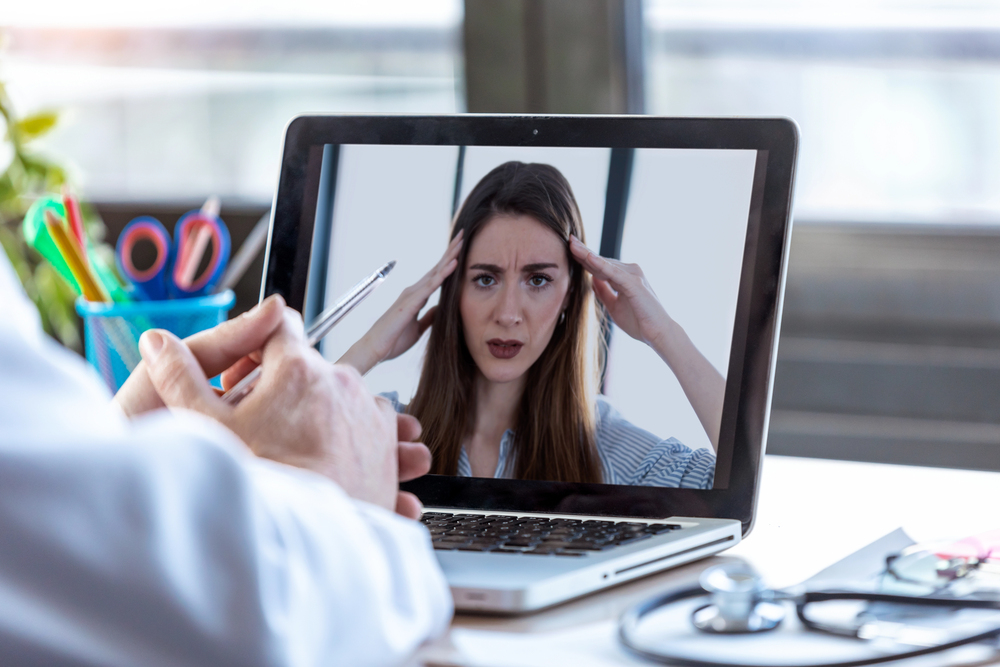
This model, known as remote palliative care, uses video calls, phone check-ins, and monitoring devices to deliver care planning straight into a patient’s living room. And nurses are a key part of it.
Nurses easily build trust with patients and their families. They’re also quite skilled at picking up on subtle changes.
These skills are vital in remote care. A 2025 review in the Journal of Medical Internet Research puts it succinctly: nurse-delivered telehealth boosts palliative care access and cuts unplanned hospitalizations a lot. That’s how effective nurses’ role is in remote care.
So, what exactly is the nurse’s role in remote palliative care, and how does it improve outcomes? Let’s discuss.
Why Remote Palliative Care Is Growing
Remote palliative care is growing for many key reasons. One of the biggest is age. The population is growing old at a fast rate, and a lot of these older adults live with a myriad of health challenges, including heart failure, COPD, and cancer.
Some of these people may not be able to go to the hospital often, and so need long-term, home-based support. Another key driver of remote palliative care is the increasing popularity of telehealth. What was a workaround for the pandemic is now something patients genuinely expect.
New data from the American Medical Association shows that telehealth use has more than doubled since pre-pandemic times. In fact, as of 2024, 71.4% of medical practitioners use it in their practice. For context, telehealth use in 2018 was just 25.1%.
Don’t get this wrong. Remote palliative care is now the norm, yes, but it isn’t meant to totally replace in-person visits. The goal is to extend specialist care to those who, without it, won’t have access to the care they need because of very poor health or location.
The Responsibilities of Nurses in Remote Palliative Care
Let’s now take a closer look at what nurses actually do in remote palliative care.
Conducting Virtual Patient Assessments
Virtual patient assessments are structured video check-ins where clinicians evaluate a patient’s overall physical and mental state.
You’d think that assessing someone through video is easy. It isn’t. Doctors who see up to five patients per hour may not have time for lengthy assessments. Nurses, while just as busy, often have more opportunities to monitor patients closely.
They evaluate the patient by asking targeted questions. They also monitor changes in how they describe their symptoms and watch for non-verbal cues. Even without physical touch, a skilled nurse can spot changes over a screen.
Managing Symptoms Between Physician Visits
Between scheduled appointments, nurses are often the first to hear, “Something feels off.” That’s because they regularly check in on patients remotely between doctor’s visits. Sometimes it’s via video.
Sometimes, it’s just a phone call. And because of these frequent check-ins, it’s a lot easier to catch worsening symptoms before they turn into emergencies.
Maybe a patient’s pain medication isn’t working, for example. This information often comes up during a remote consultation. The nurse can then relay these concerns to the physician who’ll decide which medication to increase, which to reduce, or which to put on hold until the next physical examination.
Coordinating Care Across Multiple Providers
Nurses often act as the central hub of communication between every professional involved in a patient’s treatment. The goal is to make sure everyone is working toward the same long-term goals.
In larger health systems, this may also involve partnering with experienced chronic care management companies. These are licensed companies that help clinicians monitor patients and coordinate ongoing care remotely, making it possible for healthcare teams to serve more patients.
This approach makes logistical sense. There’s only so much a hospital’s digital health center can handle, especially when caring for growing numbers of older adults living with complex chronic illnesses.
Some of these services reduce cardiac hospitalization rates by 50%, according to data from CoachCare.
Providing Emotional Support
Emotional support is a key part of nurses’ role in remote palliative care. To provide this support, nurses listen deeply to patients and their loved ones, offering reassurance and compassionate guidance as they navigate everyday health challenges.
It is incredibly heavy work. We already know that the demand for end-of-life care is rising rapidly. The Organisation for Economic Co-operation and Development says the number of people needing this care will likely reach 10 million by 2050.
Nurses help families work through planning this process, especially those difficult conversations about what kind of care someone wants if things get worse. They also help families understand treatment goals so everyone is on the same page.
It might be heavy work, but it’s also one of the biggest help nurses can give patients and their families.
Technology Helping Nurses Deliver Better Remote Care
None of this works without the right tools. Video equipment, remote monitoring devices, mobile health apps, secure messaging, and EHRs all give nurses a fuller picture of how a patient is doing between visits.
Some of these tools are now powered by AI and machine learning. In fact, there are AI-powered daily symptom check-ins that get automatically risk-scored, so the care team can step in quickly when something looks off.
According to a peer-reviewed publication in JMIR, “These symptom checkers prompt clinicians to consider diagnoses that may not be immediately apparent, thereby improving the overall diagnostic process.”
Technologies and tools like these are especially useful for chronic care management, which can’t happen without ongoing monitoring and frequent communication.
But it’s important to remember that they are there to support clinical instinct, not replace it. A nurse or some other clinician still has to interpret what the data is actually saying.
Challenges Nurses Face in Remote Palliative Care
Let’s be honest, remote palliative care comes with real challenges. Here are some of the top recurring ones:
- Some patients lack reliable internet or struggle with video visits.
- Digital literacy varies, and not many patients know how to use telehealth tools.
- Some clinical signs can’t be assessed remotely.
- Supporting seriously ill patients can contribute to burnout, which currently affects 11.23% of nurses worldwide.
- Regulatory challenges can be a problem, especially when the patient is in another state.
Of course, a lot of these problems can be managed. This includes better training for patients, caregivers, and clinicians. But more importantly, it means more support for nurses’ mental health.
FAQs
What is remote palliative care?
Remote palliative care uses telehealth tools to provide healthcare support for the seriously ill at home. While this approach does a good job of reducing the need for in-person visits, it doesn’t eliminate them.
What role do nurses play in remote palliative care?
Nurses play key roles in remote palliative care. They handle patient assessments, symptom monitoring, medication management, and care coordination. They also educate and provide emotional support to patients and families.
Can remote palliative care replace in-person visits?
Not entirely. While remote palliative care complements face-to-face care, patients still have to go to the hospital for physical exams and during emergencies.
Nurses in Remote Palliative Care: Key Stats
The following key points highlight the palliative landscape and the key role nurses play in it.
| Details | Statistics |
| Number of practitioners using telehealth in 2024 | 71.4% |
| Telehealth adoption growth between 2018 and 2024 | 25.1% — 71.4% |
| The number of people that’ll need end-of-life care by 2050 | 10 million (OECD) |
| The total number of nurses affected by burnout worldwide | 11.23% |
Final Words
As you’ve seen throughout this guide, in the world of remote palliative care, nurses aren’t just clinical helpers.
They play very important roles that might otherwise remain unmet without them. And if the current trend is anything to go by, these roles will only keep on expanding. Nurses will remain increasingly vital to remote care as the population gets older and technology improves.
Author Bio
Agwalogu Bob believes great content doesn’t just inform; it resonates and then sticks. For over eight years, he’s been helping agencies across four continents craft just that kind of content: sharp, engaging cut-through-the-noise copy across SaaS, finance, tech, health, and lifestyle.
When he’s not putting pen to paper, you’ll likely find him scouring the internet for funny memes.
Connect with him on LinkedIn or Medium.