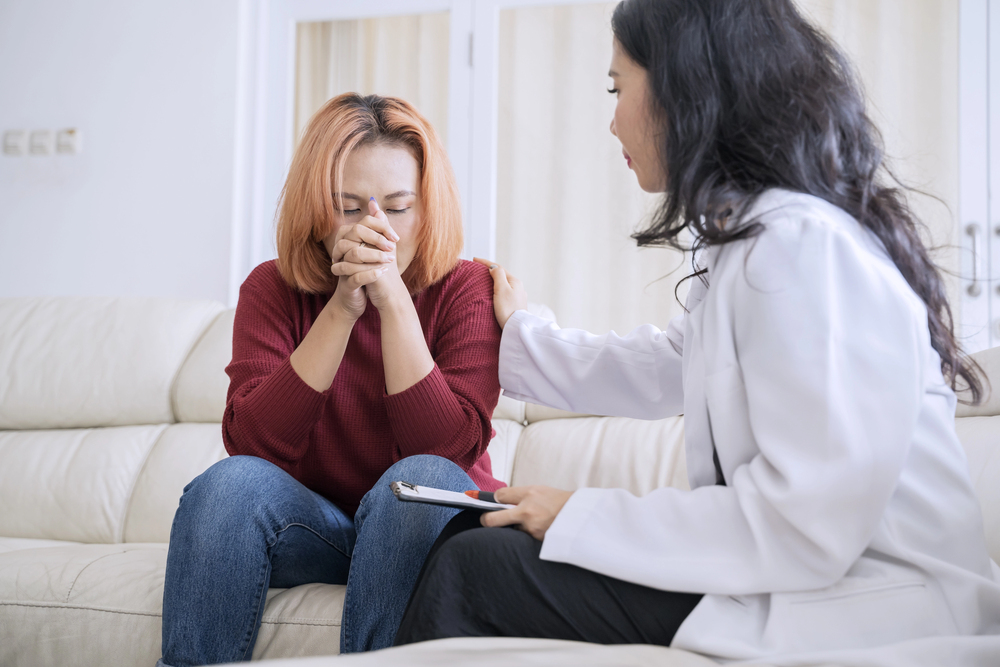
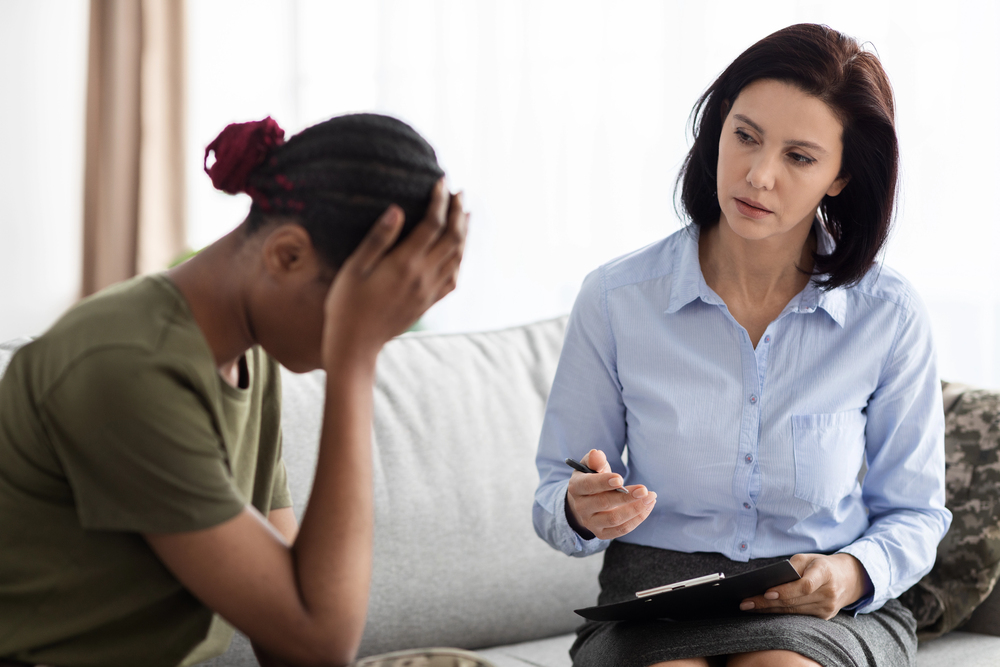
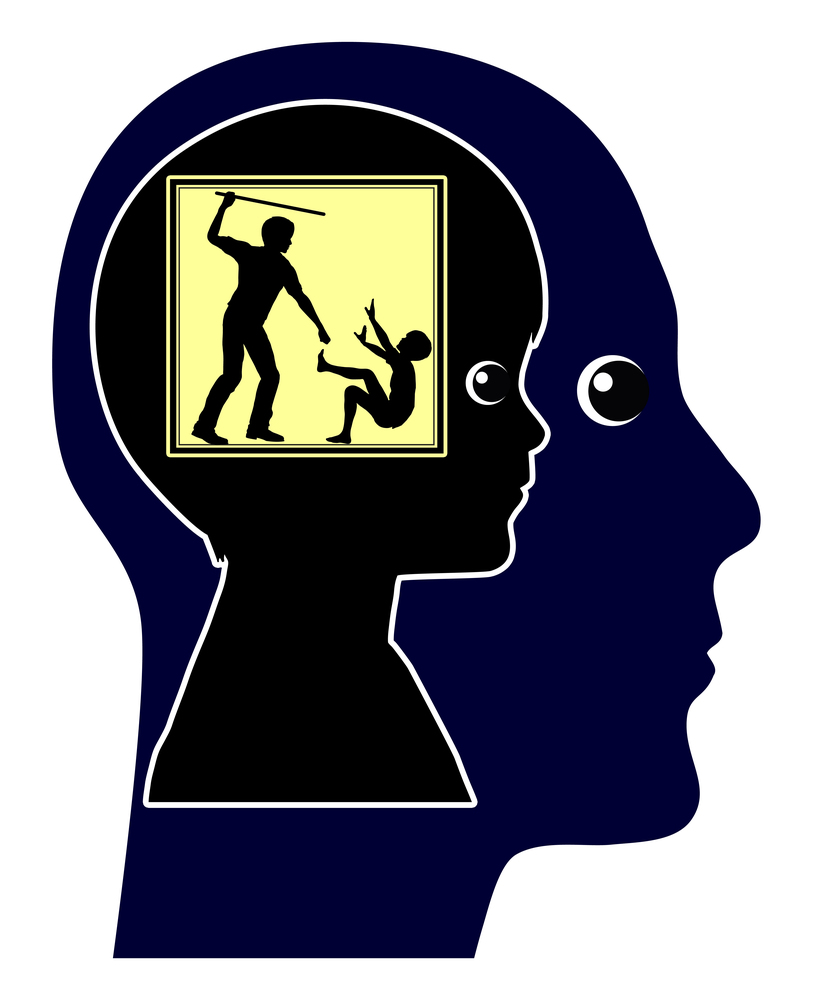
Forensic nursing started within health and legal systems and shows its deep value by handling abuse cases well. This field changed a lot and grew after it first started. It joins nursing knowledge with skills used in investigations. These nurses help people with trauma care and safeguard vulnerable populations. Forensic nurses give medical help to patients right away, and they record evidence carefully. This work can be pivotal in court cases later. They do both of these tasks at the same time. This two-part focus requires different teams to work together. Nurses need constant training in areas like domestic violence, child abuse, and human trafficking. Early books in the field support this view. They describe many ways to find injuries and explain ways to keep evidence in its original state. Forensic nursing connects health and justice in a deep way. It acts as a necessary part of preventing and reporting abuse.(Donna M Bader G et al., 2010). By understanding the complex interplay between health and justice, forensic nursing emerges as an indispensable component in the prevention and reporting of abuse (N/A).
Please also review AIHCP’s Forensic Nursing Certification
Definition and Scope of Forensic Nursing
Forensic nursing acts as a link between healthcare and the legal system. This field meets the many needs of people who suffer from violence and trauma. The field grows and covers several main areas. These areas include checking and recording injuries. Nurses collect evidence and speak for people who suffer from abuse. Forensic nurses give medical care to patients. They keep evidence in good condition for court cases. This work makes them a key part of the law. Recent papers show that forensic nursing is getting larger. It now includes special programs like Sexual Assault Nurse Examiners (SANEs). These programs help nurses give better care and support to survivors (). New tools and research projects help the field move forward. These changes lead to better results for victims. This work helps to serve justice ().(Anandharam M et al., 2025)). Moreover, the development of new technologies and research initiatives is pivotal for advancing practices within this field, ultimately improving outcomes for victims and contributing to justice ((N/A)).
Importance of Reporting Abuse in Healthcare
Reporting abuse in healthcare matters a great deal. Forensic nursing especially shows this fact. This field connects health services with the justice system. Accurate reports help staff provide the right medical care that their patients need. These reports record useful evidence for future legal court cases too. Nurses handle many types of abuse, such as domestic violence and elder abuse. They act as advocates for victims and help keep those victims safe. This work creates a supportive space. There, victims feel that people believe and support them. Patients need that support to recover fully. As outlined in , documenting and stopping injuries from abuse form core parts of forensic nursing. shows that medical workers have an ethical duty to report abuse. This action protects both the patient and the community at large.(Donna M Bader G et al., 2010), the documentation and prevention of injuries linked to abuse are foundational elements of forensic nursing. Furthermore, (N/A) emphasizes the ethical responsibility of healthcare providers to report abuse, thereby safeguarding both the individual and the community at large.
Role of Forensic Nurses in Identifying Abuse
Forensic nurses identify and report cases of abuse. They act as links between medical teams and the legal system. Their training helps them perform detailed physical exams and write down findings with care. They provide trauma-informed care to victims of violence. These skills help other medical staff diagnose injuries. Nurses collect physical evidence for use in legal trials and courtroom cases. Research shows that forensic nursing has grown over many years. It is now a key part of treating child abuse, domestic violence, and human trafficking. Using these nursing practices in hospitals helps patients get better results and health outcomes. These practices make the justice system more honest and strong for all people.(N/A). Moreover, the integration of such nursing practices into health care fosters a holistic approach, ultimately enhancing both patient outcomes and the integrity of the justice system (Donna M Bader G et al., 2010).
Techniques for Recognizing Signs of Abuse
Forensic nurses must spot signs of abuse early. Quick detection helps victims get better health care and legal help. These nurses learn to see physical marks like bruises or cuts. They also check for mental signs like anxiety or acting distant. Nurses use tools like victim interviews and detailed checks to build a forensic history. Courts value this history during legal cases. New tools help nurses record and save evidence. The growth of the field shows how these tools work. This process makes each case stronger. This careful method makes sure nurses spot and report every detail of abuse. This work follows the rules found in forensic nursing guides.(Anandharam M et al., 2025). This meticulous approach ensures that the nuances of abuse are recognized and reported effectively, aligning with the comprehensive guidelines provided in resources dedicated to forensic nursing practice (Donna M Bader G et al., 2010).
Collaboration with Law Enforcement and Legal Systems
Forensic nurses must work well with police and the legal system when they report cases of abuse. These nurses act as links between healthcare and the justice system. They create accurate records of injuries and collect evidence that is necessary for legal proceedings. Nurses work with other professionals to make sure survivors receive a full range of support. They protect the quality and the integrity of the evidence they find during medical exams. In , using advanced technology as part of this teamwork improves forensic nursing practices. Better tools create exact records that are important in court. In , specialized programs such as Sexual Assault Nurse Examiners (SANEs) show the value of this teamwork. These programs use a trauma-informed approach. This builds trust and helps everyone talk clearly about cases.(Anandharam M et al., 2025), the integration of advanced technologies within this collaboration enhances forensic practices, allowing for precise documentation that can be pivotal in court. Furthermore, as noted in (N/A), specialized programs like Sexual Assault Nurse Examiners (SANEs) exemplify the benefits of such collaboration, promoting a trauma-informed approach that fosters trust and effective communication among all parties involved.
Ethical and Legal Responsibilities in Reporting Abuse
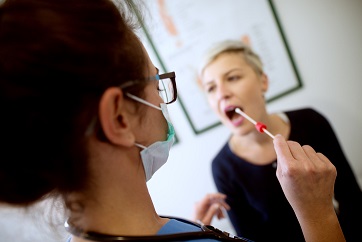
Ethical and legal duties for forensic nurses in reporting abuse are a top priority. This role makes them key advocates for people at risk. Forensic nurses handle hard ethical choices and follow legal rules every day. These laws require them to report suspected harm like child abuse or domestic violence. These nurses must record evidence in detail and provide care based on trauma. This care helps victims get support and keeps their dignity and rights safe. Literature shows that forensic nursing has grown a lot in recent years. It combines medical skills with legal duties to help victims of violence and trauma. Teamwork in forensic nursing helps many different experts work together. This work improves patient care and makes the legal process stronger. These duties require forensic nurses to stay up to date on laws and ethical rules. They match the needs of patients with the duty to report. This work builds a safe and supportive place for survivors of abuse.(Anandharam M et al., 2025). Furthermore, the collaborative nature of forensic nursing encourages interdisciplinary approaches that not only enhance patient care but also reinforce the integrity of the legal process (N/A). These responsibilities compel forensic nurses to remain current with relevant laws and ethical standards, ensuring they effectively balance the needs of their patients with their obligations to report, ultimately fostering a supportive environment for survivors.
Mandatory Reporting Laws and Policies
Mandatory reporting laws and policies are important rules for forensic nurses and the reporting of abuse. These laws create legal duties for specific professionals to report suspected abuse or neglect. Such rules protect vulnerable people like children and the elderly. They help the right authorities provide quick help and support. Forensic nurses have special training and work between healthcare and the justice system. The law requires many of these nurses to report. They help find abuse early and assist with legal cases. Education and teamwork help nurses follow these laws. This work builds trust between nurses and survivors. It makes sure that care is sensitive and based on facts. Mandatory reporting is more than a legal rule. It is a moral duty. It shows that caregivers must protect the people they help.(Anandharam M et al., 2025)(N/A). Ultimately, mandatory reporting is not merely a legal obligation but a moral imperative that emphasizes the responsibility of caregivers to protect those in their care.
Maintaining Patient Confidentiality and Rights
Forensic nurses must keep patient information and rights safe. They deal with cases like abuse and trauma, so this task matters most. The ethical duty of these nurses goes past medical tasks. They must protect patient privacy and respect their right to make choices. This balance builds trust. Victims of violence often fear the results of sharing their stories. This fear can stop them from looking for help. Ethical work requires nurses to get full training on the legal rules of privacy. They need this training for times requiring reports to the law. Studies show experts from different fields help forensic nurses manage these hard situations. This teamwork keeps ethical standards high. It gives victims a role in their own healing process.(Anandharam M et al., 2025)(N/A).
Challenges Faced by Forensic Nurses in Abuse Reporting
Forensic nurses play a key part in spotting and reporting abuse. They face many hurdles, and these problems hurt the quality of their work. One major hurdle involves talking to victims, and these people often feel trauma and fear. This makes it hard to get the right facts for reports. These nurses manage a mix of medical rules and legal duties. This mix can create hard choices about patient privacy and mandatory reporting laws. A lack of special training and hospital help makes these problems worse. This is true in places like India, and forensic nursing is still a new field there. Reports and show how to fix these problems. We need better teamwork between groups, new policies, and more schooling. These steps help forensic nurses and they help victims of abuse in the end.(Anandharam M et al., 2025) and (N/A), addressing these challenges demands enhanced interdisciplinary collaboration, policy development, and ongoing education to empower forensic nurses and ultimately improve outcomes for victims of abuse.
Emotional and Psychological Impact on Nurses
Forensic nurses face heavy emotional stress in high-pressure jobs. They use trauma-informed care. People call this care TIC. These nurses work with different patients every day. These patients lived through very scary events. They have serious mental illness. These difficult cases affect nurse health and mental strength. Nurses know the value of each patient’s trauma history. Scientific research shows this. Lack of support from the organization stops this care. Patient illness and job stress stop this care. Society often labels behavior a disease during legal forensic tests. This creates moral and ethical problems. Forensic nurses must show great courage. They must name a diagnosis for each patient. Conflicting stories often make this task hard. Nurses need full training and better institutional tools. These resources improve the health of the nurses. They aid patient recovery in difficult clinical settings.(Roberts C et al., 2024). Moreover, the societal tendency to pathologize behavior in the context of forensic assessments can lead to moral and ethical dilemmas, requiring nurses to exercise diagnostic courage amidst competing narratives (Victor G Petreca, 2025). Consequently, the need for comprehensive training and institutional resources is critical, enabling nurses to enhance their own emotional well-being while improving patient outcomes in a challenging clinical landscape.
Barriers to Accurate and Timely Reporting
Obstacles to accurate reporting on time hurt the work of forensic nursing. These barriers damage the quality of evidence. They hurt the overall care for survivors in medical settings. Many different factors within these systems cause this reporting problem. Healthcare and legal systems often lack the right structure. They fail to help forensic nursing programs. For example, a lack of training and tools limits the recording of abuse. It limits the response to these cases. Cultural shame often forces victims into silence. Unclear communication between doctors and police leads to more reporting errors. Recent talks about the role of Sexual Assault Nurse Examiners (SANEs) show this problem. Fixing these problems needs cooperation across many different professional fields. Strong laws must support the work of forensic nursing. This support provides victims with help and faster medical intervention.(Anandharam M et al., 2025). Addressing these barriers requires an interdisciplinary approach and robust policy support to elevate forensic nursing practices and ensure timely intervention for victims (N/A).
Conclusion
Forensic nursing connects healthcare and the justice system to address the difficult and complex needs of abuse victims. The history of this field shows how these nurses work. They provide medical care. These professionals act as advocates. They serve as witnesses in legal systems to make evidence from physical exams more credible. Forensic nursing has many uses. These include responses to sexual assault and elder abuse cases. The roles require nurses to adapt. They must stay informed about current practices. This growth requires constant education and specialized training. They must work with other experts to meet the many challenges of violence and trauma. New technology and strong support systems help this field. Forensic nursing improves healthcare results. It helps survivors get justice. These steps confirm its key role in both medicine and law.(Anandharam M et al., 2025). The diverse applications of forensic nursing—spanning from sexual assault responses to addressing elder abuse—highlight the necessity for practitioners to remain adaptable and knowledgeable about contemporary issues and practices within the field (N/A). Such evolution necessitates ongoing education, specialized training, and interdisciplinary collaboration to effectively address the multifaceted challenges presented by violence and trauma. By embracing advancements in technology and continuing to advocate for robust support systems, the field of forensic nursing can significantly improve healthcare outcomes, ensure justice for survivors, and further solidify its essential role in both medicine and law.
Please also review AIHCP’s Forensic Nursing Program
Summary of Forensic Nursing Contributions to Abuse Reporting
Forensic nursing has become a key part of how we report abuse. It improves the way we respond to victims of violence and trauma. These nurses combine clinical skills with the rules of the legal system. They document physical injuries and they collect evidence. They provide emotional support to survivors of abuse. This work is necessary to help the justice system work well. This field includes specialists like Sexual Assault Nurse Examiners (SANEs). These nurses learn to do thorough exams using a trauma-informed method. This work helps victims receive respectful care. New forensic technology has made evidence gathering more precise. These tools improve the accuracy of facts in reports. Experts say this field meets medical needs and it changes how systems handle abuse cases. This work helps create a more compassionate and effective legal system.(Anandharam M et al., 2025)(N/A).
Future Directions and Improving Practices in Forensic Nursing
Forensic nursing keeps evolving. New goals should focus on better training and teamwork across fields. They help nurses handle the difficulties of reporting abuse. Using new technology like telehealth and digital records helps nurses gather evidence. These tools help support victims in places with few services. Specialized training programs like those for Sexual Assault Nurse Examiners (SANEs) raise the level of care for victims. These programs give nurses the skills they need to handle complex legal rules. Doctors, legal experts, and researchers work together to build a united way to give care. This brings justice and dignity to victims of violence, as highlighted in and ..(Anandharam M et al., 2025) and (N/A).
Please also review AIHCP’s Forensic Nursing Courses
Additional AIHCP Blog
“The Role of a Forensic Nurse in Sexual Assault Cases: A Comprehensive Guide”. Access here
Additional Resources
Carlson, K. (2025). “Understanding a Nurse’s Role as a Mandated Reporter”. NurseJournal. Access here
“Resources for Forensic Examiners & Healthcare Professionals”. Ohio Alliance to End Sexual Violence. Access here
Childers, L. (2024). “Mandated Reporters: Steps and Strategies for Nurses Who Spot Abuse”. Nurse.com. Access here