Nurses should always protect themselves against liability. With malpractice cases happening all the time, it is critical that nurses have liability insurance. In case of malpractice, the insurance can help find legal aide to help defend them against lawsuits.
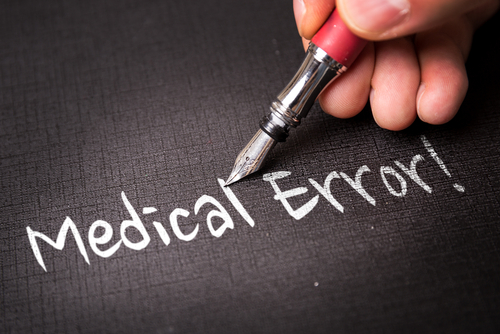
Medical errors can happen and nurses need to be protected with liability insurance. Please also review our Legal Nurse Consulting Program
The article, “Why You Should Always Carry Nurse Liability Coverage” by Elizabeth Binsfield relates the critical importance of possessing such insurance. She states,
“Nursing is consistently voted the most trusted of all professions. One that involves providing medical and personal care for individuals at their most vulnerable. So, why should nurses consider carrying nursing liability insurance to protect themselves from litigation? Because we live in an increasingly litigious society. Nurses are human, and, unfortunately, they can make mistakes. ”
Grief is loss and all loss needs vindicated in one’s life. When grief is not acknowledged it can cause many problems in the grief process. Disenfranchised grief is when grief is not respected. Examples include pet loss. Many people are told when they lose a pet that it does not matter. This is the type of rejection that the grieving should not be subjected to. Other examples include stigmas that surround loss, such as the loss of a same sex partner, or the minimizing of an individuals connection to another person who may have passed away. In all these cases, the grief is not accepted socially or acknowledged as legitimate.
A grief that is not respected or acknowledged is a disenfranchised grief. Please also review our grief counseling certification program to see if it meets your needs
The article, “What Is Disenfranchised Grief?” by Linnea Crowther looks at the nature of disenfranchised grief. She states,
“It’s painful when others don’t understand your grieving or don’t believe that you’re really feeling the loss that you are. Disenfranchised grief is more common than you might realize, and it increases the trauma of a loss.”
Good article on discipleship and what it is not. So many times, we may feel or think we are following in the steps of Christ but good discipleship is guided by the Holy Spirit and imitates Christ in everything.
What is discipleship? Please also review our Christian Counseling certification and see if it matches your academic and professional goals
The article, “What discipleship isn’t” by Greg Garner looks at discipleship as not just a moment in life but a continued vocation.
He states,
Discipleship is a lifelong, till death do us part relationship between the Creator and His creation… between a Savior and those whom he has saved. Unfortunately, no Easy Button exists. Maturity in Christ is a slow, oftentimes painful process that requires the blazing hot fire of God’s refinery.
Substance Abuse is a national crisis. The use of drugs ranging from merely recreational to more mind altering is affecting all ages and destroying families and lives. In the recent year of 2017, 19.7 million Americans ranging from 12 years and older suffered from addiction. Regarding alcohol, of those addicted, 74 percent dealt with misuse, while 38 percent dealt with illicit drug use. In all, 740 billion was spent or lost on the issue. From workplace hours lost, healthcare expenses and criminal related costs, the amount of money, time and effort to curb this type of abuse is staggering. (1)
What causes substance abuse and addiction?
The national crisis continues in both 2018 and 2019 to show similar trends. Whether it is basic addiction with beer and liquor, or through the darker use of heroin, cocaine, or meth, addiction is tearing the fabric of the nation apart. So what is the source of this problem? What is the underlying issues that are tearing apart so many lives? It is important to understand addiction and what causes it to fight the root of this social epidemic.
Addiction
Addiction can be mental or physical. In essence, it is a dependence upon other substances or habits to escape a reality or replace something loss. The dependence can very in extremes. Obviously physical addictions can be the most dangerous. Physical addictions enslave the person to the necessity of a foreign substance to properly function. Mental addictions can also entrap someone into habits that can become very hard to escape. These habits can be substances or also things or functions such as gaming or gambling.
While smoking, drinking and illicit drugs are the most common form of addictions one first thinks of, one must also be aware that addiction can involve other habits, ranging from gaming and gambling to even sex. The addiction is the outlet or inappropriate escape from a reality. Addiction to a substance can itself can be genetic and nearly 40 to 60 percent of Americans can fall prey to this, but many forms of addiction are due to lack of contentment.
All human beings look to find happiness in this life. Some have an easier time and are blessed with family life, love, a home and hobbies, but many are constantly searching for happiness. Happiness is something that can never be complete in temporal reality. So individuals who seek to find happiness in material things only will be greatly disappointed when those things break or are stolen. Others who place their whole stock of happiness in others can also find despair and loss. People break relationships, or even worst, our most loved ones eventually die. So while love is far more noble than possessions, even the happiness afforded from love can be lost in this world.
The lack of a strong spiritual and moral compass is a big problem for despair and while spiritual people tend to cope better, it does not mean spiritual and religious people are immune to drug use and addictive behaviors. Spiritual people can lose faith and suffer break downs.
Ultimately, it is how one copes with loss and despair. How well can one cope will determine how healthy their reactions are to grief and loss. Support and other environmental issues are obviously important in determining how well individuals cope as well. While some individuals may be strong and able to handle adversity, many are not. Bad family life at a young age, trauma, mental issues, and other financial issues limit some to the ability to cope with adversity.
This opens many to the lure of addictions. The need to escape reality and cope through illicit means to smother the pain and the loss. It is because of this that many individuals find themselves in the vicious cycle of addiction. The new illusion of happiness leads them down dark paths that they are unaware of. Instead of killing the pain, the addictions only break the individual further down.
Individuals look for foreign substances to cope against real life issues
Substance abuse is a way individuals look to cope. This unfortunate fact leads to the national crisis now faced. Here are some sobering facts. 4 percent of the adolescent population faces some sort of addiction problem. That is 1 in every 25 teenagers. 3.4 million young adults, aged between 18 and 25 suffer from addiction. That is around 10 percent of the young adult population. 2,5 million are involved with illicit drug use. For ages 26 and older, there were over 13 million cases of substance abuse in 2017. 4.3 million involved illicit drug use. Ages of 65 and older reported around 1 million suffering from substance abuse. (2)
The largest drug abused obviously is alcohol. As a legal drug, anyone over 21 may purchase which leaves it open to almost everyone to encounter with minimal penalties. 14.5 million individuals in 2017 accounted for alcohol related addiction statistics. An estimated 88, 000 people died in 2017 due to alcohol related deaths and the health issues related to drinking are even higher. While drinking may seem to be a normal thing, it is also one of the leading causes of preventable deaths in the United States, ranking third. (3)
In regards to other uses of drugs, marijuana contributed to 4.1 million people. With many states looking to legalize marijuana, the illegal nature of it will no longer be an issue, but like any addiction, whether legal or illegal, it still can have its consequences. Marijuana is a gateway drug to many other dangerous drugs and opens the mind to exploring different forms of ways to cope with stress, trauma and depression. (3)
Experimentation with prescription drugs, in particular pain relievers is on the rise. 1.7 million people misused pain relievers in 2017, leading to multiple stricter laws in the use of them within the medical field. This attempt to curb misuse has led to less effective pain management strategies for individuals who really need the pain relief. The biggest issue is how to balance need against risk of addiction. In addition to prescription pills, 2017 saw 652,00 cases of Heroin use. The deadly reality of Heroin is that 25 percent of its users become physically addicted. Cocaine also saw 966,00 cases of addiction. (4)
Addiction can be found in a multitude of different drugs. Some more dangerous than others. Please also review our Substance Abuse Counseling Certification
These figures towards more dangerous and addicting drugs and the emergence of Meth show a big problem in America with regards to substance abuse. If one adds, smoking, vaping, and other addictions ranging from gambling and gaming to sex, one can see a true problem in emerging in how Americans cope with stress, trauma, depression and loss. Counseling is a big first step not only to help individuals cope with addiction and the cause of it, but also preventative counseling in forms of stress, anger, and grief counseling.
Substance Abuse Counseling Certification
The American Institute of Health Care Professionals offers a Substance Abuse Counseling Certification for qualified professionals who seek to help others deal with addiction and properly cope with real life issues. The program is online and independent study. The certification for Substance Abuse Counseling lasts four years and can be renewed.
Licensed counselors and those who have the necessary education and work in addiction facilities are eligible to become certified in Substance Abuse Counseling. If you are interested and would like to help curb this problem in America, then please consider the Substance Abuse Counseling Certification from AIHCP and see if it meets your academic and professional needs.
Grief is a natural reaction but over time it can become complicated. Grief that does not adjust to loss but becomes toxic requires assistance. Counseling can help but sometimes treatment is also needed. Licensed professional counselors can help with this but usually a simple certified grief counselor can help someone learn to cope with the grief in a healthy way.
When has your grief become complicated and no longer just a normal reaction to loss? Please also review our Grief Counseling Certification
The article, “Here’s When It’s Time to See Someone About Your Grief” by Patia Braithwaite states,
“As awful as it feels, grief is a natural human response to losing someone close to you. The intense emotions that come with grief can all be an appropriate part of eventually helping you heal as much as possible. But there are times when grief is even more overwhelming than usual—times when it hinders your life and happiness long-term”
Complicated grief can become a big issue if not treated. Please also review our Grief Counseling Certification and see if it meets your academic and professional goals.
Children who lose a parent need guidance, counseling and care. The loss of a parent is a permanent loss that has life long implications for a child and it is important a child receives emotional support. Children need to learn how to adjust to life but also still be secure.
Helping a child deal with the loss of a parent is a difficult thing. Please also review our Child and Adolescent Grief Counseling Program
The article, “How To Help Children Handle Grief After The Death Of A Parent” by Kelsey Borresen states,
For bereaved children dealing with the loss of an important figure like a parent, these intense feelings can be particularly hard to process. Kids need their surviving parent, caregivers or the other trusted adults in their lives to help them navigate the murky waters of grief.
Losing a parent at any age is a painful process. When losing a parent, the intensity of the loss can drain adult children. The loss can be overwhelming and is life altering. Special care is needed for the surviving adult children as they learn to cope with a world without their parents.
Who cares for the caregiver during the loss of a parent. Please also review our Pastoral Thanatology Program
The article, “How To Take Care Of Yourself When Your Parent Is Dying” by Nicole Pajer states,
“When a parent receives a terminal diagnosis, it can instantly sweep you into caretaking mode ― chauffeuring to doctor appointments, picking up medications, keeping a positive attitude, running errands and doing anything you can to keep your loved one comfortable. But it’s important not to forget yourself in the process.”
Anger is a natural human reaction. Anger is not something evil in itself but still is something that can lead to many evil deeds. Anger as a reaction to injustice promotes action which is good but when anger disproportionately it can become true vice.
Anger as a vice can be seen when one loses rationality and reacts upon pure emotion. The anger can be a reaction against injustice or the anger itself may be an injustice. Regardless, when reason is absent, anger becomes a dangerous emotion. If one reacts to a murder of a loved one in anger and revenge, the reaction is against an injustice but the reaction is guided by vengeance and hate. Other times, one’s anger can be a reaction to nothing deserving of hatred. Angry people abuse spouses, children and animals without even a reason.
Anger is an emotion we all deal with. It can either be useful and productive or unhealthy and dangerous
Anger is only truly virtuous when reason guides it with appropriate response and authority. Anger can wake people up to social evils and also guide someone away from bad people. In this anger is not a vice but a reaction and disgust of evil. For Christians, Christ showed anger in the temple to the money lenders. His reaction was just and proportionate and reasonable to the evil.
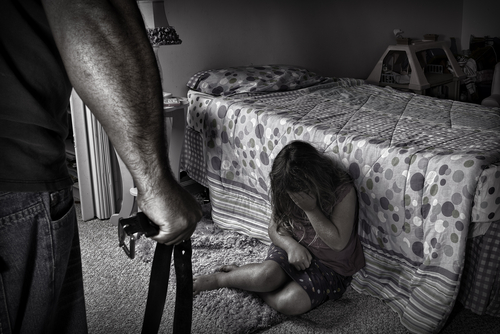
So in essence, anger can both be a good and bad reaction to things. When properly tuned with reason, it can be a great emotion to help society overcome social ills. It can help individuals avoid evil by the detest of the actions seen. However, when anger becomes an unbridled passion, it can lead to multiple evils. When it reacts without reason, it can lead people to abuse of others. Anger can lead to domestic abuse, child abuse, animal abuse, fights, shootings and a barrage of other crimes.
More and more individuals are abused each other in relationships. Physically, most reports deal with women being abused, but men are also abused physically but this is rarely reported. Abuse is beyond physical, but anger can lead to also emotional abuse. Emotional abuse may not have scars, but they devalue the human soul and can be devastating as well. (1)
Due to anger, domestic violence is a key health and criminal problem in the United States. 3 to 5 percent of adult relationships possess some type of domestic violence. This only involves reported offenses. Over 2 million women suffer from this and 800,000 men. Women are more vulnerable to domestic violence from a physical perspective. (2)
Anger directs individuals in these cases of violence. Whether it be children or spouses, anger that is uncontrolled leads to abuse. The abuser is also very manipulative. The abuser will blame the other person for the outburst. The abuser will make the victim feel guilty. The abuser will also seek silence from his victim. Many victims, such as children and spouses, are financially tied to the abuser and have no way to escape. Some from other cultures are tied to the abuse and become a perpetual victim.
Ultimately the pathology that causes the anger must be discovered. Individuals convicted of abuse to family, children, friends and pets are usually forced to seek special help. Many already possess drug problems or drinking issues, while others are in need of counseling for past abuse they faced. Anger Management is also an effective treatment to help the individual learn to control his anger.
Abusers who are seeking treatment must learn to control the intense emotion of rage and direct it in a healthy and constructive way. Anger techniques look to help others learn how to identify stress and other triggers that may cause an explosion of rage. Some are able to identify triggers and are able to follow certain protocols to diffuse the anger or relinquish it in a non violent way. Some are able to accomplish this, others are not and remain hostile individuals that need to be incarcerated. Abuse, road rage, and other violent crimes are all fruits of uncontrolled anger.
Domestic abuse is a fruit of unchecked anger
Anger Management can help others learn to control and curb anger but it has to be ultimately the person who wishes to change one’s life and stop the cycle of abuse towards others. Controlling one’s temper is the first step. In fact, anger can eat at many non violent abusers. Many suffer from anger outbursts with no abuse. Some may throw a glass vase, or punch a wall. These physical manifestations of anger on a consistent basis are signs of concern.
Those who merely yell or scream or restrain most of the anger within are still at high risk. Anger that is not allowed to escape in a healthy fashion can cause numerous health issues, including high blood pressure, as well as heart attack. Anger can also play a role in causing a stroke. Studies show that anger has multiple short term but also long term negative health effects on the body. So even if not an abuser, or violent person, anger needs to be controlled. (3)
So is anger a bad thing? It is most definitely not as we have shown. It can expose evil and promote healthy action, but when anger is misused, it can cause harm to others we love and care for, and lead to multiple cases of domestic abuse and other dangerous crimes. Yet anger is also a health risk for non violent offenders.
Anger Management is hence key for individuals who both are within the court system and merely those who deal with a non violent temper. Individuals need to learn various strategies to overcome stress, identify triggers and in healthy way release the anger. Anger Management can help in these cases, but one can also seek other therapies. Meditation, prayer, and relaxation techniques can all help with not only controlling one’s anger but also keeping it in check. One can learn from meditation on how to prevent things and people from causing severe irritation. Meditation can help diffuse anger and create a better barrier against it.
Anger Management classes can help those with anger issues. Please also review our Anger Management Consulting Program
The American Institute of Health Care Professionals offers a program in Anger Management. Online courses teach the basics of anger and Anger Management. Individuals seeking to control anger as well those hoping to become certified as an Anger Management Consultant can take the courses. Many professionals in counseling look to earn this certification, as well as other court officials.
Anger Management Specialists can utilize this certification in their private practice or offer it to a variety of social out reach programs, as well as court ordered program. An Anger Management Certification is an excellent way to help a enhance a professional career. Please review our Anger Management Consulting Program and see if it meets your academic and professional goals and needs.
The loss of a pet can be very traumatic. Pets are family and the loss of a pet can be as traumatic as losing a family member. Unfortunately, many individuals mock this type of loss and mock it as insignificant. This is unfortunate and very untrue. The loss of a pet needs to be respected as a significant loss.
The loss of a pet can be as traumatic as the loss of any family member. Please also review our Pet Loss Grief Counseling Program
The article, “Here’s How the Death of a Pet Can Be Just as Traumatic as Other Forms of Grief” by Philip Ellis states,
“So often, when an animal companion dies and the human partner is bereft, well-meaning people say things such as: ‘it’s only a dog,’ ‘come on, get over it,’ ‘you can always get another one,’ ‘they’re better off,’ ‘be strong,’ ‘you’re crying too much,’ ‘get a life.’ And so the grief-stricken suffer again.”
Pharmacies and pharmacists are not immune to substance abuse. With the access they have and the professional livelihood at risk, it is important for ethical use of their position. Not only with themselves but with how drugs are dispensed.
Pharmacies must have high standards. Please also review our Substance Abuse Counseling Training program and see if it marches your needs
The article, “Substance Abuse Poses Challenges in Pharmacies” by Ned Milenkovich states,
“A state pharmacy board generally does not allow a pharmacist to resume practicing if evidence shows that the individual in question has been involved in substance abuse. ”