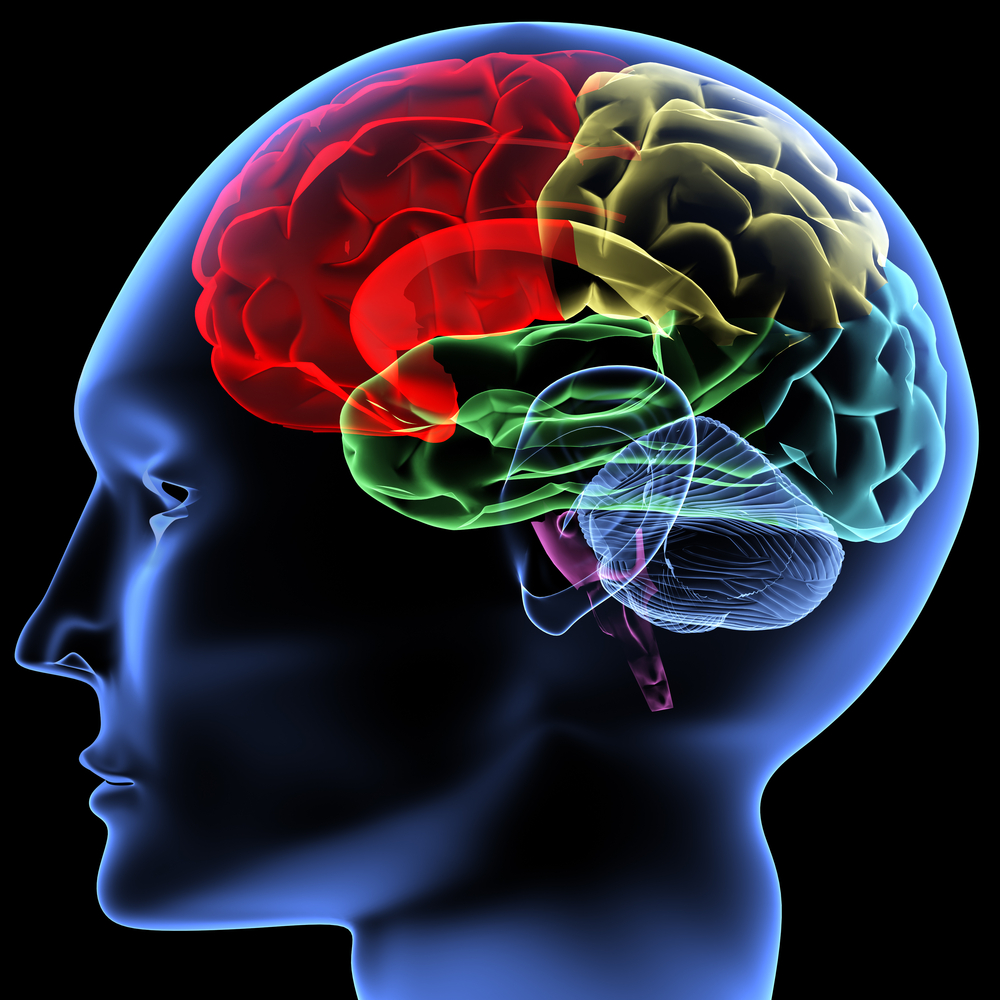
Anger Management: Limiting Work Place Anger


I. Introduction

In contemporary workplace settings, managing emotions, particularly anger, has become an essential focus for both organizational productivity and employee well-being. The prevalence of workplace anger can undermine collaborative efforts and hinder overall morale, necessitating effective strategies to mitigate its impact. Establishing healthy relationships among employees can foster an environment that encourages open communication and emotional intelligence, crucial components in reducing instances of workplace anger. An essential strategy involves adopting an empathetic approach, wherein leaders and team members connect on a personal level, thus creating a supportive atmosphere. As highlighted, Beyond rules, procedures, and manuals lie relationships. Jettisoning a formal hierarchical company structure allows all levels of management and employees to positively interact – this is where the key driver of empathy is so critical to continue building these relationships and molding a common organizational purpose (Holt et al., 2017). Furthermore, incorporating techniques that promote positive emotions can enhance emotional coherence, ultimately leading to improved workplace dynamics (Childre D et al., 2002).

Controlling anger at work is critical to team success and safety of everyone. Please also review AIHCP’s Anger Management Consulting Program
Please also review AIHCP’s Anger Management Program. Click here


A. Definition of workplace anger

Workplace anger can be defined as the emotional response that arises from various stressors and injustices experienced within a professional environment. This form of anger often stems from factors such as perceived inequities, ineffective communication, and cultural profiling that can create a hostile atmosphere, particularly for marginalized groups. As suggested by recent research, discriminatory practices can foster an environment filled with scrutiny, which stifles authenticity and innovation among employees (Roberts et al., 2007). Moreover, the communication practices in a workplace significantly influence how employees express and manage their anger. Effective communication, particularly during changes within an organization, is crucial, as it addresses employees’ needs for timely and relevant information and provides opportunities for meaningful feedback (Brown et al., 2012). Therefore, understanding the roots of workplace anger and its implications is vital for fostering a healthier work environment, ultimately contributing to the overall success and well-being of the organization.


B. Importance of addressing workplace anger

Understanding the significance of addressing workplace anger is vital for fostering a productive environment, as unchecked emotions can lead to detrimental consequences for both individuals and organizations. Anger, when left unaddressed, can escalate conflicts and create a toxic atmosphere, stifling collaboration and innovation. Research has shown that workplaces rife with anger often experience increased stress levels among employees, which can impair decision-making and hamper overall performance. Moreover, marginalized groups may face additional challenges, as unproductive cultural dynamics can lead to scrutiny and identity performance constraints, effectively stifling their contributions and perpetuating inequalities (Roberts et al., 2007). Addressing workplace anger proactively not only promotes emotional well-being but also nurtures a culture of inclusion and engagement. As studies reveal, the effectiveness of programs designed to manage workplace anger hinges on recognizing the complex experiences individuals face (Ahl H et al., 2009). Consequently, implementing strategies to mitigate anger becomes essential for sustaining a healthy organizational culture.


C. Overview of strategies to limit workplace anger

To effectively mitigate workplace anger, organizations must adopt a multifaceted approach that encompasses emotional awareness, coping strategies, and supportive workplace environments. Providing training programs that enhance emotional intelligence can empower employees to recognize their feelings and those of others, fostering a more empathetic workplace culture. Such programs can help individuals develop necessary skills for managing stress, ultimately leading to reduced emotional exhaustion and increased job satisfaction, as highlighted in a qualitative study of child welfare workers that linked emotional skills to positive workplace outcomes (Frensch et al., 2007). Furthermore, integrating methodologies that measure and analyze emotions can significantly inform organizational climate and decision-making. By systematically assessing employees emotional states, companies can tailor interventions to address specific issues and transform organizational practices to nurture a healthier work environment (H PRIESMEYER R et al.). Collectively, these strategies create a proactive framework to limit workplace anger and enhance overall organizational well-being.


II. Understanding the Causes of Workplace Anger

Exploring the causes of workplace anger necessitates an understanding of the multifaceted dynamics within organizational environments. The interplay of occupational stressors, such as unrealistic expectations, insufficient support, and workplace inequality, often exacerbates feelings of frustration and resentment among employees. Particularly within gendered work contexts, women frequently encounter indirect inequalities that can intensify workplace anger, as evidenced by findings indicating that higher educations employability mechanisms may inadvertently perpetuate these disparities (Ahl H et al., 2009). Additionally, conventional management practices often employ fear as a motivational tool, which can lead to an environment rife with anxiety, further fueling anger among employees (Thomas et al., 2014). By critically examining these contributing factors, organizations can better identify the root causes of workplace anger, leading to proactive strategies that foster a more equitable and supportive atmosphere. Ultimately, addressing the sources of anger is essential for cultivating a healthier workplace culture and enhancing overall employee satisfaction.

It is important to understand the basics of what cause friction in a business. Please also review AIHCP’s Anger Management Program


A. Common triggers of anger in the workplace

Understanding the common triggers of anger in the workplace is essential for fostering a productive environment and mitigating conflict. One significant catalyst is poor communication, which can lead to misunderstandings and exacerbate frustration among team members. Additionally, high-stress workloads often drive employees to feel overwhelmed, resulting in heightened irritability and anger responses. Workplace dynamics, such as favoritism or perceived inequality, can further contribute to feelings of resentment and anger among staff. Inconsistent leadership and lack of support can also trigger negative emotions, particularly if employees feel undervalued or disrespected. Addressing these triggers proactively can aid in creating an atmosphere conducive to collaboration and respect. Employing strategies highlighted in relevant studies, such as those presented in (Childre D et al., 2002), can promote emotional regulation and effective communication, ultimately decreasing instances of workplace anger and fostering a healthier organizational culture. Identifying these common triggers allows for targeted interventions that can significantly improve workplace dynamics.


B. The role of stress and workload in anger

In contemporary work environments, the interplay between stress, workload, and anger is increasingly recognized as a critical area of concern. As employees face escalating demands, the resultant occupational stress can lead to heightened levels of frustration and irritability, which may manifest as anger towards colleagues or work-related situations. Research indicates a significant correlation between stress and turnover intentions, suggesting that individuals burdened by excessive workload may either disengage or react with hostility when their limits are tested (Abdullah et al., 2007). This phenomenon is not solely confined to educational settings but spans across various sectors, including corporate environments where bullying and interpersonal conflicts can exacerbate workplace stress and anger (Kleinheksel et al., 2019). Therefore, addressing workplace stressors and adopting effective stress management strategies are imperative to mitigate anger, foster a healthier work atmosphere, and ultimately enhance employee well-being and productivity.


C. Impact of workplace culture on employee emotions

A robust workplace culture significantly influences employee emotions, directly impacting overall job satisfaction and productivity. When cultural dynamics foster an inclusive environment, employees experience heightened levels of engagement and emotional security, which can effectively mitigate feelings of anger and frustration. Conversely, a workplace that emphasizes identity performance can create pressures that lead to negative emotional outcomes. For instance, when employees perceive that they must conform to certain cultural norms, particularly those from marginalized groups, they may exhibit less authenticity, resulting in decreased innovation and increased emotional strain (Roberts et al., 2007). Furthermore, an organizational culture characterized by open relationships, rather than rigid hierarchies, fosters empathy and collaboration among employees. This relational aspect helps build a shared purpose that can alleviate workplace tensions and anger, promoting a healthier emotional environment overall (Holt et al., 2017). Thus, understanding the intricate interplay between workplace culture and employee emotions is vital for limiting workplace anger.


III. Strategies for Managing Anger

Effective management of anger in the workplace is crucial for fostering a productive and harmonious environment. One of the primary strategies involves promoting open communication, allowing employees to express their concerns before they escalate into anger. Additionally, implementing conflict resolution frameworks tailored to the sources of disputes can significantly mitigate tension. According to organizational scholars, failure to recognize the root causes of conflict undermines the effectiveness of dispute resolution strategies, emphasizing the need for a nuanced understanding of workplace dynamics (Budd et al., 2017). This is particularly important as cultural profiling can lead to a stifling atmosphere where employees feel pressured to conform, thereby stifling authentic expression and innovation (Roberts et al., 2007). By prioritizing diversity and providing tools for both emotional regulation and constructive dialogue, organizations can reduce incidents of anger and create a more inclusive and effective workplace.

Various anger management strategies can be implemented to reduce stress and anger at work


A. Techniques for self-regulation and emotional control

In the pursuit of effective emotional control within the workplace, self-regulation techniques emerge as critical tools for managing anger and stress. Central to these methods is the concept of physiological coherence, which captures the beneficial state achieved through sustained positive emotions. The Institute of HeartMath has developed techniques such as Freeze-Frame® and Heart Lock-In®, which engage the hearts connection to emotional experiences and promote a calming effect on the body’s stress response. By fostering emotional regulation, these techniques can significantly improve individual performance and interpersonal relationships in a work environment. Moreover, the integration of online panel data (OPD) research illustrates a growing acknowledgment of the need for structured emotional management strategies in contemporary organizational settings. As workplaces become increasingly complex, applying these self-regulation strategies can mitigate anger occurrences and encourage a more harmonious professional atmosphere (Childre D et al., 2002), (Cho et al., 2018).


B. Importance of communication skills in conflict resolution

To effectively manage workplace anger, strong communication is key for conflict resolution. When disagreements occur, individuals who can clearly express themselves foster greater understanding among their peers. This clear communication reduces confusion and builds a collaborative atmosphere where everyone feels valued. Research indicates that organizations with open communication generally manage conflicts better. However, these systems often fail without a commitment to a communicative culture. Indeed, without this groundwork, even robust conflict resolution methods might not succeed ((Rabinovich-Einy et al., 2011)). Conflict resolution via discussion also promotes lasting solutions that improve teamwork and output, as people are encouraged to collaborate instead of opposing each other ((Ljung et al., 2005)). In most cases, developing communication skills proactively minimizes workplace anger and promotes a positive organizational culture.


C. Role of mindfulness and stress-reduction practices

Generally speaking, mindfulness and stress-reduction techniques are pretty important when it comes to reducing anger in the workplace. They do this by helping people regulate their emotions and feel better overall. When people do things like meditation or focused breathing, they become more aware of how they’re feeling and what sets them off. This awareness can help employees spot frustration before it turns into full-blown anger, leading to better conflict resolution. Studies have shown that resilience training, which often includes mindfulness, can improve mental health and psychosocial well-being (*Abbott et al., 2015). Plus, when employees get good at mindfulness, they not only become more resilient but also help create a more positive work environment, which in most cases leads to improved performance and job satisfaction. It’s essential to include these practices in company cultures to create a healthier workplace and minimize instances of workplace anger (Kheng et al., 2018).


IV. Creating a Supportive Work Environment

Generally speaking, crafting a work environment that is supportive stands as essential in mitigating anger in the workplace, due to the fact that it can help boost collaboration and has been shown to help reduce the number of instances where conflicts occur among staff. Studies have indicated that things like bullying at work and certain types of inappropriate behavior can have remarkably negative effects on both individuals and the culture of the organization as a whole, and that can result in higher levels of stress and decreased productivity (Burford et al., 2013). An important aspect is ensuring that policies are put in place that promote both equality and diversity, ensuring that each employee feels that they are both valued and respected in their work environment (Joy et al., 2015). Organizations can cultivate a culture that not only works to prevent anger, but can also enhance employee satisfaction, by prioritizing open communication, offering resources to resolve conflicts, and further encouraging teamwork. Proactive management centered around inclusivity and support helps create a healthier organizational climate where individuals thrive, which in turn can limit the potential for anger and its detrimental effects.

It is important to create policies and practices to incorporate less stress and anger at work


A. Encouraging open dialogue about emotions

It’s generally understood that cultivating a work environment that allows employees to openly discuss emotions goes a long way toward minimizing anger. Moreover, it helps build trust and understanding among team members. Organizations, when employees feel safe, can move away from historically stiff emotional expectations. These expectations often force individuals to bury anger and frustration. Instead, they can seize opportunities for shared healing and development. Some studies suggest that, while traditional methods often push for emotional suppression to uphold professionalism, a restorative justice approach presents a better option. This is because it recognizes and deals with the complex emotions at the heart of workplace disputes (Gregory D Paul et al., 2015). Also, acknowledging how important emotions are to decision-making highlights that managers need to create a space where emotional expressions–like fear or anxiety–are not just acknowledged, but woven into ethical thinking (Santosuosso et al., 2016). When organizations encourage such dialogue, they improve employee well-being and reduce the chances of anger issues in the workplace.


B. Implementing policies that promote respect and inclusion

Generally speaking, to really build a workplace that values respect and inclusion, organizations have to put strong policies in place. These policies should do more than just deal with misconduct; they also need to encourage a culture where people are held accountable. Evidence indicates that in some industries–think about the study of sexual harassment among factory workers in Thailand–harassers often don’t face consequences, which can create a cycle of anger and fear among employees (Kompipote et al., 2002). To stop these negative effects, companies should actively monitor and standardize how people behave at work. This way, everyone knows what is expected when it comes to respectful interaction. Furthermore, as Adelle Blackett and Colleen Sheppard pointed out in their working paper, collective bargaining can be very important for setting fair standards and supporting workers’ rights to a safe and inclusive environment (Blackett et al., 2002). By making these things a priority, organizations can reduce workplace anger and build a more harmonious culture.


C. Providing resources for mental health support

These days, giving mental health support the attention it deserves at work is a must, especially if we want to reduce anger and help everyone get along. Companies really need to put money and effort into making sure their employees are doing well, since there’s a clear link between how someone feels mentally and how well they perform on the job. Putting resources into things like health and wellness coaching isn’t just about dealing with the stress people are feeling right now; it’s also about helping employees build the ability to bounce back from tough situations. Studies show that when employees get involved in wellness coaching, they start to understand their own health better, which means they can handle stress and take care of themselves more effectively. Actions like these can boost how engaged and productive employees are, and that can lead to the organization doing better overall (Lawson et al., 2019). Moreover, having guidelines for setting up transitional job programs can provide a organized way to encourage work environments that are inclusive and supportive, and that can really help both employees and employers (N/A, 2010).


V. Conclusion

To sum it up, keeping workplace anger in check is super important for a smooth and productive work life. It’s not a one-size-fits-all solution; we need to tackle it from different angles, both as individuals and as a company. Workers should get the tools to understand and deal with their feelings, which helps them get along better and work as a team. At the same time, companies should have rules that encourage people to talk openly and offer ways to solve problems. Doing this stuff isn’t just about reducing anger; it also makes employees happier overall. Studies, like those from the Joseph Rowntree Foundation, show that handling tough topics, including how we manage our emotions at work, can create a more positive vibe (Lloyd et al., 2010). Plus, using tech to make communication easier can build a supportive environment, kind of like what educational research has found with group learning (Linares et al., 2013).

Please also review AIHCP’s Anger Management Consulting Program
Please also review AIHCP’s Anger Management Consulting program


A. Recap of the importance of limiting workplace anger

Dealing with anger at work isn’t just about keeping folks happy; it’s also about building a team-oriented company vibe. Unchecked anger? That can really crank up the tension, making for a pretty unpleasant place to work, which then messes with how much people get done and how they feel about their jobs. Instead of telling people to bottle up their feelings, acknowledging and handling those emotions actually lines up with newer ideas, like restorative justice. Restorative justice promotes talking things out and finding emotional closure (Gregory D Paul et al., 2015). Also, building good relationships between managers and staff is key. And, you know, maybe easing up on super strict hierarchies could boost empathy and respect, which are super important for smoothing out disagreements (Holt et al., 2017). Basically, when companies focus on keeping workplace anger in check, they end up with a much nicer atmosphere. This, in turn, helps everyone get along better, work towards the same goals, and ultimately makes for a more effective and satisfying workplace.


B. Summary of effective strategies discussed

To create a more positive work environment, organizations should consider several key approaches when dealing with anger in the workplace. A core strategy involves improving communication, as studies show a clear link between how well employees are informed and how happy and engaged they feel at work (Brown et al., 2012). This doesn’t just mean pushing out information, though. It also involves creating opportunities for employees to share their thoughts and feedback through different channels. Furthermore, workplaces should focus on building stronger relationships. In most cases, this means shifting away from strict top-down management and fostering a sense of shared purpose. By encouraging interaction between all levels, companies can create a culture of empathy. An empathetic workplace can limit potential conflict and reduce dissatisfaction, as it helps to reduce feelings of anger and frustration among employees (Holt et al., 2017). Implementing these types of initiatives could significantly improve employee emotional well-being, enhancing workplace harmony overall, generaly speaking.


C. Call to action for organizations to prioritize emotional well-being

To effectively lessen workplace anger and build a healthier environment, emotional well-being should be a priority for organizations. Traditional methods that tell employees to suppress how they feel can make tensions worse and affect authentic communication, which further complicates interactions between individuals. Companies can, by implementing restorative justice principles, encourage a culture that recognizes how hurtful situations affect people’s emotions and fosters dialogue between employees, which can help healing and understanding occur (Gregory D Paul et al., 2015). An empathetic approach can improve employee satisfaction, as well as strengthen how teams work together and their productivity. Furthermore, when organizations understand that leadership can be romanticized, they can then re-evaluate and connect with employees in a more meaningful manner; this helps to create belonging and agency among all staff (Collinson et al., 2017). Organizations not only limit workplace anger when doing this, but also nurture an emotionally resilient workforce.

Additional AIHCP Blogs

Psychology Behind Enablers. Click here

Additional Resources

Golden, B. (2025). “Recognizing, Understanding, and Managing Workplace Anger”. Psychology Today.  Click here

Castrillon, C. (2024). “5 Healthy Ways To Manage Your Anger At Work”. Forbes.  Access here

“How To Manage Anger in the Workplace: Strategies and Tips” (2024). Indeed.  Access here

Fossilen, L. & Duffy, M. (2024). ” How to Manage Anger at Work”. Harvard Business Review. Access here

Behavioral Health Certifications: The Psychology behind Enabling and Enablers

I. Introduction

The phenomenon of enabling, particularly within interpersonal relationships, presents a complex interplay of psychological dynamics that merits thorough exploration. Enablers often arise from a place of compassion or misguided support, inadvertently perpetuating harmful behaviors in individuals they aim to assist. Understanding this psychological backdrop is paramount, as it helps distinguish between genuine support and detrimental reinforcement. Engaging with various sub-topics of entrepreneurial ventures can illuminate these dynamics, given that fostering new ventures requires not only individual initiative but also a network of support that may unintentionally enable dependency (Gruber et al., 2020). Furthermore, examining frameworks of inclusion, such as those found in educational settings, reveals how the perspectives of different stakeholders enrich the conversation on enabling behaviors (Buck et al., 2024). Ultimately, a comprehensive analysis of enabling through psychological lenses can guide interventions and foster healthier, more constructive relationships.

Please also review AIHCP’s Behavioral Health Certifications and see if they meet your academic and professional goals. Click here
It is good to support our loved ones but we need to be sure we are not enabling.


A. Definition of enabling and enablers

The concept of enabling and enablers is multifaceted, reflecting a dynamic interplay between individuals and their environments. At its core, enabling refers to the processes that allow individuals to achieve autonomy and make choices, while enablers are those who facilitate this growth, often through guidance, resources, or support mechanisms. This relationship can be particularly observed in collective settings, such as organizations, where knowledge sharing and collaborative practices determine success. As highlighted in recent research, the ways in which knowledge measures, such as organizational value chains and pivotal talent pools, contribute to enhancing enabling processes are critical for long-term viability and competitive success (Boudreau et al., 2002). Furthermore, psychological aspects of resilience inform how individuals respond to enabling environments, indicating that adaptive capacity is crucial in developing personal agency. Understanding this framework deepens our comprehension of not only enabling dynamics but also the broader psychological implications of these interactions (Adger et al., 2018).


B. Importance of understanding the psychological aspects

Understanding the psychological aspects of enabling behaviors is crucial for both identifying enablers and developing effective interventions. Psychological motivations often drive the choices individuals make, particularly in contexts where enabling behavior can lead to detrimental outcomes, such as substance abuse or dependency. By examining these motivations, researchers and practitioners can gain insight into how certain actions are reinforced or discouraged. For instance, frameworks that explore behavioral change emphasize the significance of habits, lifestyle choices, and decision-making processes that influence energy consumption and related behaviors (Ehrhardt-Martinez et al., 2009). Similarly, the importance of creating supportive environments, informed by psychological principles, cannot be overstated. Such environments can foster healthier choices and diminish enabling behaviors. Therefore, understanding these psychological dimensions is essential for the effective prevention and intervention strategies aimed at reducing enabling behaviors (Allan et al., 2017).


C. Overview of the essay structure

To effectively convey the intricate dynamics of enabling behaviors and their psychological underpinnings, the structure of this essay is strategically designed. The introduction establishes the foundational concepts, leading into a comprehensive literature review that synthesizes relevant theories and empirical studies. Each subsequent section methodically dissects the roles of both enablers and those they enable, examining the motivations and consequences of these interactions. For instance, as noted in recent academic discourse, innovative capacities within organizations are substantially influenced by managerial roles and cognitive elements, thereby enhancing the overall framework of our analysis (Bosch et al.). The concluding section will not only summarize key findings but will also propose practical strategies for fostering healthier enabling behaviors, contributing to a more nuanced understanding of interpersonal dynamics in various contexts. This structured approach aims to enrich readers insights into the complex interplay shaping enabling relationships (Emmanuel et al., 2010).


II. The Psychological Profile of Enablers

The psychological profile of enablers reveals a complex interplay of motivations that influence their behaviors. Enablers often exhibit high levels of empathy and altruism, compelling them to support others despite potential negative outcomes. This inclination may stem from a deeply ingrained need for connection and validation, where enabling behaviors provide a sense of purpose or contribution to another persons life. However, psychological barriers such as fear of abandonment or low self-esteem may exacerbate their enabling actions, leading to detrimental cycles. According to research, factors like social preferences drive citizen responses in altruistic contexts, highlighting the motivations behind enabling behavior in disaster relief scenarios (Gunesse et al., 2017). Additionally, enablers often wrestle with their self-efficacy beliefs, leading them to overestimate their capacity to affect change positively within others lives, which can perpetuate the cycle of enabling in interpersonal relationships (Adab et al., 2017). Understanding these psychological dimensions is crucial for addressing the enabling phenomenon effectively.

Many enablers suffer from a family history of past dismissal, or attachment disorders which push one to over help.  Some may be due to over-protection of a person, or anxious attachment disorders that push one to do to much even if doing to much makes a situation worst for the person they are trying to protect.

Enablers are consumed to fix other people issues for them or help individuals continue in non-healthy directions


A. Common traits and characteristics of enablers

Enablers often share a range of common traits and characteristics that facilitate their roles in various interpersonal dynamics, particularly in contexts involving addiction or maladaptive behaviors. A profound sense of empathy tends to drive enablers, as they often desire to alleviate the suffering of those around them, even at the expense of their own well-being. This empathy is frequently coupled with a lack of personal boundaries, resulting in behaviors that can unintentionally perpetuate dysfunction. Additionally, enablers typically exhibit a strong need for control, which manifests in their attempts to manage the circumstances of the individuals they enable. This interplay of empathy and control can create a cyclical pattern where the enabler finds a sense of purpose in the relationship, while the individual remains dependent on them. Understanding these common traits is crucial when addressing the psychological underpinnings of enabling behaviors and their implications for personal and relational health (Hands et al., 2018), (Godinho et al., 2019).

Enablers will commonly dismiss or deny issues, make excuses, hide issues, take over responsibilities, aid in destructive behavior, or seek to rescue the person but ultimately they are not helping but hindering true health of the person.

Enablers enable in a variety of ways from finance to substance abuse to over care and cleaning.


B. Motivations behind enabling behavior

Understanding the motivations behind enabling behavior is crucial in examining the dynamics between enablers and those they support. Often, enablers are driven by a desire to protect or assist individuals who may be struggling, yet their actions can inadvertently perpetuate harmful patterns. This behavior is evident in various contexts, such as mentorship programs, where the challenge lies in balancing support with encouraging autonomy. For instance, (Eric K Grimes, 2014) highlights the importance of involving mentors who can guide youth through obstacles while simultaneously fostering independence. Additionally, enablers may believe that their actions are necessary for social change, as suggested by (Rivers A et al.), which underscores the complexities that arise when young people are seen as potential agents of change. Ultimately, recognizing these motivations can assist in developing more effective interventions that promote healthy empowerment rather than dependency.


C. The role of empathy and compassion in enabling

Empathy and compassion are foundational elements in the process of enabling, as they foster an environment where individuals can explore their emotions and experiences safely. In clinical settings, for instance, the interplay of empathy within reflective practice groups can significantly enhance nurses ability to manage the emotional labor associated with their profession. As noted in research, such group interventions create a supportive atmosphere, allowing nurses to share their vulnerabilities and, in turn, increase their capacity for self-reflection and self-evaluation, aligning with the ideals of compassionate care (Debbie J Reschke et al., 2021). Furthermore, the cultivation of compassion, backed by a biopsychosocial understanding of caring behavior, enables practitioners to connect on a deeper level, addressing mental suffering and encouraging prosocial behaviors (Gilbert P, 2020). Therefore, empathy and compassion not only facilitate personal growth but also reinforce communal bonds among individuals, making them essential components in the enabling process.


III. The Impact of Enabling on Relationships

The dynamics of enabling within interpersonal relationships can lead to significant ramifications, often obstructing the authentic connection between individuals. Enablers, driven by a desire to help, may inadvertently perpetuate maladaptive behaviors in those they seek to support. For instance, the study cited (Gardner et al., 2002) illustrates how enabling behaviors can mirror organizational dysfunctions where well-intentioned human resource practices fail to produce productive outcomes, similarly reflecting how enablers may create environments that stifle accountability. Moreover, the complex narratives surrounding disengagement from enabling behaviors reveal an interesting dichotomy. As noted in a study examining individual accounts of disengagement from Pro-Ana websites (Firkins A et al., 2019), the journey away from enabling may be marked by both a search for autonomy and a fear of losing an entrenched identity. Thus, the impact of enabling extends beyond individual relationships, affecting the relational dynamics at large and underlining the critical nature of agency within these interactions.


A. Effects on the enabler and the enabled

The dynamics between enablers and those they enable reveal profound psychological impacts on both parties involved. Enablers often develop a sense of identity rooted in their caregiving roles, which can fulfill intrinsic desires for connection and purpose. However, this can lead to a cycle of dependency where the enabled individuals may struggle with self-efficacy, relying excessively on external assistance instead of fostering their independence. As evidenced in the Coaching and Mentoring (C&M) Programme within the NHS, effective support systems can produce significant personal and professional growth among participants, indicating that when enablers adopt structured and supportive frameworks, mutual development is possible (Baillie et al., 2017). Conversely, the absence of adequate managerial support can stifle this growth, leaving enablers feeling isolated and overwhelmed in their roles (Allan et al., 2017). Thus, the psychological interplay underscores the necessity for balanced relationships that empower rather than diminish the agency of the enabled.

Many parents enable without truly seeing the damage.  They make excuses for their children, clean up for them, over supporting them when older financially, and not sticking to boundaries and plans.  Instead, in a non-judgmental way, parents need to hold children accountable, celebrate success and provide reasonable emotional support to help them through difficulties.  It is important to learn to say NO.


B. Dynamics of power and control in enabling relationships

Enabling relationships present a labyrinth of power and control, their intricacies revealing the complex psychology at play. Power, in these dynamics, is not simply a one-way street; it’s a tool that can be used to support or, subtly, to manipulate. The line, as individuals navigate their roles, often blurs between the two. Dependency is often fostered, acting as a means of control by enablers. By engineering a reliant environment, enablers make those they enable feel like they must remain dependent, which underscores the delicate, sometimes uneasy, dance between care and what could be considered coercion. Indeed, dynamics such as these often reflect much larger cultural narratives surrounding behavior, and maybe even, violence. Societal attitudes towards certain actions end up reshaping how people perceive legitimacy in their relationships (E Anderson et al., 2007). Looking at these themes via organizational resilience reveals the ways in which various strains within relationships can, in fact, impact functionality and how relationships adapt overall. Essentially, power dynamics in relationships might just be seen as mirroring organizational structures; parts are competing for resources, thus directly affecting how adaptable the relationship manages to be as a whole (Barton et al., 2017). To unravel the behaviors present in enabling contexts, understanding these complex mechanisms is indeed critical.

While the enabler may need something to fix or help, the enabled many times is lazy, or uncaring to fix the situation.  An imbalanced relationship of abusing each other can occur.  One may like the control or the other may manipulate to get what one needs, but ultimately, no improvement occurs in this dysfunctional relationship due to the inner mental or emotional issues between the two persons.

Those enabled become co-dependent and unable to fix and problem solve on themselves.

In addition many times the enabling is not just a problem but a bad habit.  The enabler helps support the bad habits or addictions out of fear, or loss of the person and abandonment.  They feel they can control the addiction under their care but end up being used themselves.

Enablers will many time cooperate with the enabled in bad habits and addiction to keep them satisfied


C. Long-term consequences for interpersonal relationships

Enabling behaviors, in the long run, really do a number on relationships. You see these cycles of dependency that just don’t quit, and folks losing their ability to stand on their own two feet. Enablers—when they’re always jumping in with too much help or covering up bad behavior—they kinda keep this whole thing going, which, in turn, can wear away at trust and respect. It all ties back to how we read each other in relationships—what some call “folk theory of mind” (Malle et al., 2003). The enabler? Well, they might just end up burned out, while the other person never learns how to handle things themselves. Resentment starts brewing, no doubt about it. And when it’s hard to tell where one person’s job ends and the other’s begins, both end up feeling lost and cut off from each other. It highlights the emotional well-being of all those involved, which can be seriously compromised. Figuring out this stuff is key, showing us why we need to talk straight and set some lines to rebuild some balance and start getting along better in relationships (Akerlof et al., 2019).


IV. Psychological Theories Related to Enabling

Delving into the psychology behind enabling necessitates a thorough look at the complicated nature of behavior and what drives it. Quite often, enabling appears as a reaction to unmet psychological needs. People might unknowingly nurture dependence in others in order to fill their own emotional voids. To illustrate, the dynamics between enablers and those they aid can be examined using theories about learned behavior and reinforcement. Such an analysis suggests that enabling actions can perpetuate cycles of dysfunction, offering immediate comfort without tackling the fundamental problems. Research also shows that the perceived normality of certain omissions significantly impacts how enablers justify what they do. Take, for example, the realization that failing to step in might not just enable but also prolong damaging behaviors. This aligns with research indicating that social norms frequently influence how we interpret cause and effect in social interactions. This interaction of psychological stories and accepted norms emphasizes just how complex enabling behaviors can be across different situations (Allan et al., 2017), (Bello et al., 2019).


A. Attachment theory and its relevance to enabling

Attachment theory, broadly speaking, offers some pretty deep insights into how relationships work, especially how our attachment styles mess with how we interact with others. A secure attachment style tends to nurture trust and open lines of communication, which is super important for enabling effectively. On the flip side, those with insecure attachment might fall back on enabling behaviors as a way to keep relationships afloat, even if it leads to, well, not-so-great results. Now, research kinda backs up the idea that securely attached folks are usually better at handling attachment-related info, showing more emotional control and bounce-back-ability in social situations (Bosmans et al., 2014). This knack for healthy relating can lessen the chances of getting tangled in enabling behaviors, seeing as these people usually think about both their own and others’ well-being. Plus, the link between feeling compassionate and mental health shines a light on how secure attachments play a role in boosting positive mental vibes, making attachment theory a critical piece of the puzzle when trying to get what makes enablers tick (Gumley et al., 2012).

Many who enable have attachment issues


B. The role of cognitive dissonance in enabling behavior

Cognitive dissonance, it turns out, holds considerable sway over enabling behaviors, mostly because people are generally trying to smooth out any bumps between what they think and what they do. Someone who does something that clashes with their core beliefs may feel uneasy, which then pushes them to either change their actions or tweak their beliefs so things line up better. This is quite visible in areas like tech adoption, where users might feel that push-and-pull between not wanting to dive into new gadgets and seeing the upsides they offer. As an example, studies point to folks getting past their initial hesitation with AI voice assistants by shifting how they see these devices. (Boy F et al., 2021) This is kinda like what the Technology Acceptance Model tells us. Furthermore, when monitoring and reflective habits are woven into health tech, it can aid individuals in navigating cognitive dissonance, boosting self-awareness, and sparking positive behavioral shifts, as we see in (Alomainy et al., 2016). So, a solid grasp of cognitive dissonance is, in most cases, super important in empowering enablers to help make those constructive behavioral tweaks.


C. Behavioral reinforcement and its impact on enabling

Behavioral reinforcement is really important when trying to understand enabling behaviors, since it impacts both the person enabling and the person being enabled. It can show up in different ways, like saying nice things or giving rewards. This can create a kind of loop where the enabler’s actions get validated by how the other person reacts right away. For example, a caregiver who always helps someone avoid their problems might actually make that person more dependent. This, in turn, reduces their own responsibility and belief in themselves. Academic Enablers (AEs), like good interpersonal skills and motivation, are important for doing well in school, but how they work can depend on the situation (Kirk et al., 2019). So, even though behavioral reinforcement might seem helpful at first, it can often hurt long-term development and independence. This means the relationship is complicated and needs a closer look (Allan et al., 2017). It’s generally speaking a really complex thing to consider.

It is important to differentiate between helping and enabling another person.  If you are giving or helping to avoid conflict, making excuses for problematic behaviors, suffering due to helping this individual or being told from outside sources, it is a good chance you are enabling.   It is important to understand that helping improves the situation it does not continue to contribute to the issue itself.


V. Conclusion

To sum up, looking at how enabling and enablers work gives us key ideas about how people think and act in groups. Enablers, who we often see as helpful, can either help people grow or make them rely on others, which affects how well a group works as a whole. This complex connection means we need to change how organizations work, putting teamwork and respect before just making money. Like how important knowledge measures are, which show how much intellectual capital is flowing and stored, creating a connected environment can boost how well an organization does and how well it bounces back (Boudreau et al., 2002). Plus, the Rocky Flats case study shows that trust and caring feelings between groups that usually disagree can cause big, positive changes, proving how powerful these dynamics are (Cameron et al., 2012). In the end, a well-thought-out way of enabling can lead to lasting growth and help people go beyond their limits.

Please also review AIHCP’s Behavioral Health Certifications
Please also review AIHCP’s certifications for health and mental health care professionals. Click here


A. Summary of key points discussed

Looking into the mindset of both enablers and the act of enabling reveals some interesting, complicated ideas. It’s really important to look at how organizations handle and use information, particularly since having good data can really boost a company’s edge over the competition (Boudreau et al., 2002). To get a grip on this, you have to see how important skilled people are and the ways knowledge moves around—this is key to doing well. Also, when trying to shake things up in professional settings, figuring out what’s holding people back or helping them can lead to better plans. If you take a methodical approach, like using the Theoretical Domains Framework, you can get a better understanding of how to make changes that actually stick (Buchbinder et al., 2012). All of this shows that psychological aspects have a big influence on enabling actions and how well people support each other.


B. Implications for personal growth and relationship health

Enabling behaviors, it’s clear, have a pretty big effect on how we grow as people and the quality of our relationships. When someone falls into the trap of enabling, they’re often unintentionally holding back the other person’s ability to take charge of their own life and make independent decisions. This can create a cycle where no one’s really taking responsibility, which then keeps both people from maturing emotionally and psychologically. As Dr. Candis Best notes, if you want people to lead themselves well, which is super important for personal growth and being involved in decisions (Best et al., 2012), you need to foster holistic leadership. On the flip side, without this growth, relationships can suffer because people start depending too much on each other. It’s also worth noting that things like optimism, creativity, and even spirituality – all key parts of Positive Psychology – aren’t just good for individuals; they can also make relationships better by building a more supportive and fulfilling atmosphere (Garces et al., 2018). So, understanding what enabling behaviors do is key to helping people grow and building healthier relationships.

C. Suggestions for further research and understanding

Given the ongoing unfolding of complexities related to enabling behaviors and their psychological foundations, additional research becomes essential for deepening our understanding of these very dynamics. Research into the part knowledge management plays, especially inside organizational settings, could clarify exactly how these processes work as enablers within both personal settings and broader group dynamics. Further, taking a look at the synergies dynamic capabilities share with enabling behaviors should give some truly valuable insights into just how organizations manage to cultivate resilience, and overall adaptability, amongst their various teams. As existing studies show, the social parts of knowledge management end up contributing quite significantly to the fostering of dynamic capabilities, most noticeably when it comes to product development environments (REVILLA E). Moreover, taking a look at just how important those knowledge measures are – measures that end up reflecting the flow and stock of knowledge – is something that can enhance our own comprehension of how enabling behaviors might be a strategic resource when it comes to getting a competitive advantage inside varying contexts (Boudreau et al., 2002). Such kinds of inquiries have the potential to start bridging existing gaps in understanding around the intricate balance between the enabling of individuals and the fostering of lasting systemic change.

Additional AIHCP Blogs

Loss of a Co-Worker. Click here

Additional Resources

WU, J, (2020). “How to Recognize (and Correct) Enabling Behavior”.  Psychology Today. Access here

“4 Signs of Enabling and How To Stop”(2023). Cleveland Clinic Health Essentials.  Access here

Silva, S. &  Montijo, S. (2022). “How to Spot and Stop Enabling Behavior”. PsychCentral. Access here

Gupta, S. (2024). “Understanding Enabler Behavior: Motivations, Signs, and Strategies for Change”. Very Well Mind. Access here



Moving more: the unexpected health benefits of increasing your steps

a couple walking a dog in the parkWritten by Harriet O’Neil,

With many people prioritizing convenience and becoming more reliant on technology, our lifestyles are only getting more sedentary – in fact, lots of us spend the majority of our days sitting down, whether at our desks, in the car, or at home relaxing. Unfortunately, it’s all too easy to overlook the impact that this can have on our health.

High-intensity workouts can be intimidating to many, so for an accessible way to stay active, medical professionals should promote walking as an easy and simple way to stay healthy. 

In addition to the well-known benefits of increasing step count, there are some more unexpected ways your health could get a boost when you walk more. From supporting mental wellbeing to helping the body fight diseases, here’s why staying active is a great way to take care of the body and mind.

Cognitive function and brain health

We know that walking benefits the cardiovascular system, but it’s less often that we discuss the impact of walking on cognitive function and brain health. Regular walking has been shown to enhance memory, attention, and problem-solving skills, thanks to the release of hormones that boost neuron generation as a result of increased blood flow to the brain. In addition, getting extra steps may reduce your risk of developing Dementia or Alzheimer’s disease.

Mental health and mood

Walking stimulates the release of ‘happy’ hormones, such as endorphins and serotonin, which help us to feel good. It can also reduce cortisol levels, helping us to feel calm and centered.

Studies have found that the more vigorously a person walks, the higher their reported mental health perceptions – so it’s worth picking up the pace for a true mood boost. However, even ten minutes or so of gentle walking can help many people to feel better.

Many mental health professionals offer walking therapy, whereby the therapist provides counselling to their patients outside the usual four walls of the therapy room. Walking and talking can be a great way to open up, clear your mind, and feel better about issues that are troubling you.

Joint health and mobility

As a low-impact exercise, walking can be excellent for preventing joint and mobility issues, and can also help to alleviate the symptoms for those who already have them. Walking prompts synovial fluid to be released in the joints, helping to lubricate them, which can be particularly beneficial for people with arthritis or joint stiffness, allowing them to become more mobile while increasing their fitness.

Because the muscles around our joints are worked when we walk, we can build up strength in these areas over time. Not only does this boost mobility, but it can also make us more resistant to injuries. With stronger muscles, you’re less likely to hurt yourself during exertion, and even if there is an unfortunate accident, muscles can help to cushion the blow and protect your joints. 

Sleep quality

For people who struggle with sleep, walking during the day may help. Physical activity helps regulate the circadian rhythm by stimulating the release of melatonin, which helps us to feel alert during the day and sleepy at night – this aids us in getting a good night’s sleep.

Of course, a more vigorous walk will help to tire you out, setting you up for an even deeper night’s sleep. However, any amount of steps can be beneficial for improving sleep quality. As  walking also has a positive impact on our mental health, it can help you to feel more relaxed at bedtime, too.

Social connections and community

It’s common for people to join social walking groups, take walks with a friend, or even greet neighbors on short strolls around the neighborhood. Because of this, increasing daily steps can also boost opportunities for social interaction, which can have a positive impact on physical and mental health.

The health benefits of socializing include a reduced risk of experiencing loneliness, anxiety and depression. It may also lower your risk of developing diabetes, high blood pressure and impaired immune function.

A gateway healthy habit

Perhaps one of the most unexpected benefits of regularly walking is that it can have a knock-on effect on other healthy habits. For example, someone who starts walking and enjoys it may then go on to try a sport or other physical activity.

This may also extend to other areas of life. Those who focus on getting enough steps each day may then begin to make healthy changes to their diet, stress management, or sleep hygiene. In essence, once positive behavior leads to another, and simply getting into walking can often lead to a more proactive, positive mindset about overall health and self-care.

How can healthcare professionals encourage movement?

For many people, fitting in the recommended amount of steps each day simply isn’t feasible among other responsibilities. For example, commuting long distances to work at a desk will inevitably lead to less time spent walking. However, healthcare professionals can do their bit by encouraging those who don’t have the time to try online exercise instead, which they can do from the comfort of their homes each morning or evening – or even at the office during their lunch break.

It’s important to note that some people may not have access to safe walking areas, while others may not know just how much walking can impact their health. It’s a healthcare professional’s job to educate the public on the benefits of walking – and the risks of not moving enough – and to help find a solution if a patient finds it difficult to get out to take a walk.

By spreading awareness of the health benefits of getting enough steps, as well as acknowledging barriers to exercise, health professionals will be better equipped to support the community and advocate for their patients.

Author bio: Harriet O’Neil

Harriet is a healthcare professional who understands the value and importance of getting the recommended amount of daily steps. She supports her patients to improve their fitness and find joy in low-impact exercise.

References

Wojtys, E. M. (2015). Keep on Walking. Sports Health: A Multidisciplinary Approach, 7(4), 297–298. https://doi.org/10.1177/1941738115590392 

Han, A., Kim, J., & Kim, J. (2021). A Study of Leisure Walking Intensity Levels on Mental Health and Health Perception of Older Adults. Gerontology and Geriatric Medicine, 7(1-8), 233372142199931. https://doi.org/10.1177/2333721421999316 

‌CDC. (2024, May 15). Health Effects of Social Isolation and Loneliness. Social Connection; CDC. https://www.cdc.gov/social-connectedness/risk-factors/index.html

Virtual exercise trends | Compare the Market. (2025). Comparethemarket.com; Compare the Market. https://www.comparethemarket.com/life-insurance/content/online-exercise/ 


Please also review AIHCP’s Health Care Life Coach Certification programs and see if it meets your academic and professional goals.  These programs are online and independent study and open to qualified professionals seeking a four year certification

Behavioral Health Certifications: The Trauma of Sexual Harassment Video Blog

Sexual harassment in the workplace or any place is never appropriate but a form of abuse.  It can be traumatic as well as causing relapse of past trauma for victims. This video takes a closer look at sexual harassment and how to help others through it


Please also review AIHCP’s Behavioral Health Certifications and see if they meet your academic and professional goals.


How Do Medical and Legal Experts Collaborate After Auto Accidents

Stethoscope and judgement hammer. Gavel and stethoscope. medical jurisprudence. legal definition of medical malpractice. attorney. common errors doctorsWritten by Charles Schubert

Las Vegas is all about excitement. From the neon-lit Strip to world-class entertainment, it is a city known for energy and action. But an unexpected car accident can throw your plans off track in an instant.

Instead of enjoying what Vegas has to offer, you are dealing with injuries, paperwork, and stress. That is when medical professionals and legal experts step in to help untangle the mess.

Doctors treat your injuries while carefully documenting your recovery. Lawyers work on navigating insurance claims or potential lawsuits to ensure you are fairly compensated. Together, their collaboration plays a critical role in protecting both your health and legal rights. 

Let us take an in-depth look at this partnership to see how it makes a difference after accidents. 

The Role of Medical Records in Legal Cases  

Medical records serve as the bridge between healthcare and legal teams after a car accident. They provide detailed documentation of injuries, treatments, and long-term prognosis. This evidence becomes critical when determining fault or calculating compensation for pain, suffering, and medical expenses.

For lawyers to build strong cases, they rely on accurate and complete medical documentation from doctors or other providers. These records can substantiate claims during settlement discussions or courtroom trials.

Key details that make medical records essential include:  

  • Descriptions of injuries sustained directly from the accident.  
  • Dates of treatment, showing continuity in care post-crash.  
  • Doctor’s notes about expected recovery timelines or permanent impairments.
  • Documentation linking your injuries to the accident event itself.
  • Prescriptions or therapy recommendations highlighting ongoing needs.  

This collaboration ensures injured individuals receive fair outcomes while focusing on healing effectively.

Expert Testimony Links Medical Facts to Legal Arguments  

Medical records alone are not always enough for legal proceedings. When cases escalate, expert testimony often becomes a vital connection between healthcare details and courtroom arguments. Doctors or specialized medical consultants explain complex injuries and treatment processes in plain terms for judges, juries, or insurance adjusters.

A treating physician might testify about the severity of an injury and how it impacts daily life. Similarly, nurse experts may clarify recovery timelines or costs tied to ongoing care needs.

Legal teams use this input to strengthen claims around compensation for pain, suffering, lost wages, and future expenses. Without this professional insight from the medical side, key elements of an accident case can go overlooked. 

Medical Documentation Shaping Settlement Negotiations  

Expert testimony may provide clarity in court, but medical documentation often carries equal weight during settlement negotiations. Attorneys rely on these records to support claims and counter lowball offers from insurance companies.

When lawyers present well-documented medical evidence, it strengthens the argument for fair compensation. Insurance adjusters cannot dismiss facts clearly outlined in a patient’s treatment history or prognosis.  

Key elements that make medical documentation valuable include:  

  • Detailed injury reports directly linking harm to the accident.
  • Records of all diagnostic tests confirming the extent of injuries.
  • Notes on how treatments impact daily life or the ability to work.
  • Estimates for future care costs based on long-term conditions.

The more detailed the documentation is, the more likely it is that victims receive settlements that reflect their actual needs, without unnecessary delays caused by insufficient proof.

Nurse Consultants Translating Medical Terms for Legal Clarity  

While detailed documentation and testimony carry weight, interpreting medical jargon can be challenging in legal settings. Nurse consultants step in to bridge this gap, offering explanations that make complex medical information accessible.

Legal teams often consult these professionals when preparing cases. A nurse consultant can break down treatment plans or explain how an injury impacts a person’s ability to function daily. Their input ensures the evidence presented is clear and easy for non-medical audiences like juries or insurance representatives to understand.

It also prevents misunderstandings about diagnoses, timelines, or necessary treatments. By aligning medical accuracy with legal clarity, attorneys can build stronger cases while ensuring injured clients feel supported throughout the process.

Accident Reconstruction with Medical Insights  

Translating medical details into clear evidence often extends beyond documents or testimony. In some cases, legal teams use accident reconstruction specialists to combine medical insights with physical evidence from the crash site. 

Doctors or medical experts provide critical input during this process. For instance, they may explain how specific injuries occurred based on impact forces and body mechanics. This helps reconstructionists determine key facts about the accident, such as vehicle speeds or angles of collision.

These findings are then used in court or negotiations to demonstrate fault clearly and accurately reflect what victims endured physically. Incorporating both scientific analysis and medical expertise ensures that all parties understand the event’s real-life consequences, which is vital for achieving fair outcomes for those injured in serious accidents.

Determining Future Care Needs for Compensation  

Evaluating the long-term effects of injuries necessitates close collaboration between medical and legal professionals. Doctors evaluate recovery progress and provide estimates for future care, helping lawyers calculate compensation that reflects ongoing needs.

For example, a physician might outline necessary surgeries or rehabilitation sessions that lie ahead. This information allows attorneys to argue effectively for damages covering medical expenses beyond immediate treatments. It also helps address non-economic losses such as reduced quality of life or inability to return to work.

These projections often play a pivotal role in settlement discussions or trial outcomes. Without input from healthcare providers, victims may face financial burdens that could have been accounted for in their compensation package—leaving them struggling with preventable challenges later on.

Quantifying Pain and Suffering with Medical Input  

Understanding the long-term care needs of an injured person often leads to another important factor: quantifying pain and suffering. Medical professionals contribute significantly in this area, providing insight into how physical injuries translate to daily struggles and reduced quality of life.

Doctors may describe chronic pain or lasting limitations caused by accident-related injuries. This information helps attorneys argue for damages beyond just medical bills or lost income. They can present a case that highlights the emotional toll on the victim, supported with tangible medical evidence.

Courts and insurance companies rely on this collaboration to assign fair monetary values to non-economic losses. Without accurate assessments from healthcare providers, victims risk having their hardships undervalued during settlements or trials.

Establishing Causation Through Medical Evidence  

Accurately quantifying pain and suffering requires solid proof of causation. Medical experts play a crucial role in connecting injuries directly to the accident. Their evaluations and diagnoses provide the foundation for establishing this link, which is essential in both settlement negotiations and courtroom proceedings.  

For instance, doctors may identify trauma patterns consistent with specific types of collisions or impacts. They also confirm that pre-existing conditions were aggravated due to the accident rather than unrelated factors. This medical input helps lawyers counter arguments from insurance companies trying to downplay liability or compensation amounts.  

Clear causation strengthens legal claims by demonstrating undeniable connections between an accident and its resulting injuries, ensuring victims are represented fairly when seeking damages for what they have endured physically and emotionally.  

The Timing of Involving Medical Experts  

The involvement of medical experts starts immediately after an accident when healthcare providers treat and document injuries. Early medical evaluations not only aid in recovery but also create a critical foundation for any legal case that may follow. Timely and thorough documentation ensures key evidence is preserved from the start.

However, as cases evolve, lawyers often decide when to bring in additional specialists. For example, they might engage a nurse consultant or physician for expert testimony if the case heads toward litigation or settlement negotiations require more detailed insights.

Strategic timing allows legal teams to align expert contributions with specific needs, whether clarifying injury severity or forecasting future care costs.

Why the Right Lawyer Complements Medical Expertise   

Pairing medical expertise with a skilled attorney is essential for navigating an auto accident claim effectively. Doctors provide vital records and insights, but without proper legal representation, this information may not be used to its full potential in negotiations or courtrooms.  

When choosing an attorney, look for experienced Las Vegas car accident lawyers who are knowledgeable in handling car accident claims and who understand how to utilize medical evidence strategically. 

Seek a lawyer with strong communication skills, proven results in similar cases, and a commitment to your best interests. This combination ensures your case gets the attention it deserves while maximizing compensation outcomes tied directly to both physical harm and financial losses caused by the accident.  

Wrapping Up

Medical and legal professionals work together seamlessly to support individuals after auto accidents, ensuring fair outcomes and holistic care. Medical experts provide detailed documentation, expert testimony, and projections for future needs, while lawyers navigate the legal landscape to secure rightful compensation. Their collaboration bridges gaps between healing and justice, translating complex details into actionable results for victims.

Whether through thorough medical records or skilled accident reconstruction insights, this partnership strengthens cases and prioritizes recovery. If you’re navigating life post-accident, having a cohesive team of medical and legal experts is essential in helping you rebuild your life with the resources you deserve.  


Author’s Bio

Charles Schubert is a seasoned legal writer with over a decade of experience covering personal injury law, medical-legal collaborations, and accident claims. Passionate about empowering readers with actionable insights, Charles combines his legal expertise and storytelling skills to simplify complex topics. He is committed to advocating for victims’ rights through education.


Please also review AIHCP’s Legal Nurse Consulting Certification programs and see if it meets your academic and professional goals.  These programs are online and independent study and open to qualified professionals seeking a four year certification

Treating More Than Wounds: Counseling Needs in the Wake of Road Rage Bicycle Accidents

Bicycle accident on a roadway. Written by Mark San Juan

When a cyclist is targeted in a road rage incident, the damage usually runs deeper than cuts and bruises. Beneath the surface injuries, there’s often a quieter, more enduring crisis—one shaped by fear, constant vigilance, and emotional upheaval. These moments don’t just break bones; they fracture a person’s sense of safety and control in the world.

Road rage bicycle accidents have become an unsettlingly common headline, especially in dense urban environments where drivers and cyclists vie for space. But while news stories often focus on the legal consequences or traffic violations, far less attention is given to what happens after the sirens fade and the cyclist is discharged. For many victims, the trauma doesn’t end with physical recovery. In fact, it may just be beginning.

That’s where mental health professionals come in—not simply to offer comfort, but to provide structured, trauma-informed care that speaks to the full scope of harm caused by these violent encounters.

The Overlooked Psychological Impact of Road Rage Bicycle Accidents

When someone experiences a road rage incident while cycling, the emotional damage often lingers well beyond the moment of impact. Unlike accidents caused by distraction or misjudgment, these encounters are fueled by hostility, leaving the victim not only injured but also violated. That sense of targeted aggression can take a deep psychological toll, especially when the victim had no way to prevent or defuse the situation.

Common responses include anxiety, recurring nightmares, difficulty sleeping, and panic attacks near traffic. Some cyclists develop symptoms consistent with post-traumatic stress disorder, reliving the event in flashbacks or feeling a constant need to scan for danger. Many begin to avoid biking altogether, cutting off a key part of their daily lives and identity.

And then there’s the isolation. Friends or family members might understand broken ribs or stitches, but emotional aftershocks are harder to describe—and even harder to validate. When victims feel dismissed or told to “move on,” it compounds their distress. Without the right support, what began as a violent encounter on the road can evolve into months or even years of internal suffering.

Mental health professionals, particularly those trained in trauma and crisis recovery, are essential here. They help translate invisible wounds into language and action, giving victims not just empathy but tools to move forward.

Why Mental Health Counseling Is Critical

Emotional trauma from road rage bicycle accidents rarely resolves on its own. Left unaddressed, the psychological effects can deepen, showing up as intrusive thoughts, persistent tension, or sudden mood shifts. Some individuals begin to avoid riding altogether. Others struggle with a lingering sense of vulnerability, even in familiar surroundings.

Mental health counseling provides a structured and compassionate response to this kind of trauma. Unlike informal support systems, clinical therapy offers targeted strategies to help victims process their experiences, regulate their responses, and reestablish trust in their surroundings. It also creates space for emotional validation, acknowledging that the incident was not just dangerous, but also profoundly destabilizing.

Counselors often employ techniques such as cognitive behavioral therapy (CBT), exposure therapy, or somatic processing to help clients move through fear and regain autonomy. Early engagement is especially effective. According to the American Psychological Association, evidence-based treatment significantly improves outcomes for individuals recovering from trauma, especially when initiated promptly.

For a cyclist recovering from a violent confrontation, the counseling room becomes a crucial site of repair. It’s where emotional wounds are named, understood, and addressed with professionalism and care, often long before the broader world acknowledges their existence.

How Grief and Crisis Counselors Can Help

Grief and crisis counselors bring a specialized lens to trauma that extends beyond symptom relief. They understand that road rage bicycle accidents can produce more than fear—they often generate loss. For some, it’s the loss of physical confidence or independence. For others, it’s a disruption of daily life, identity, or purpose. These forms of loss don’t always receive public acknowledgment, but they’re deeply felt by those who experience them.

Grief counseling creates room to explore that emotional landscape. It recognizes the layered experience of having something taken, whether that’s a sense of safety, control, or self-worth. Through structured dialogue and client-led reflection, counselors help individuals work through these feelings without rushing them toward resolution. They serve not as fixers, but as steady companions through a complicated recovery.

Crisis intervention, on the other hand, focuses on immediate stabilization. After a traumatic event like a violent road encounter, a person might be in emotional freefall. Crisis-trained professionals know how to respond calmly, assess risk, and restore a baseline of emotional safety. They offer concrete tools—grounding techniques, safety planning, and short-term coping strategies—that help clients navigate the early days when everything feels uncertain.

Both grief and crisis specialists play distinct but complementary roles. Together, they ensure that the emotional needs of someone recovering from a road rage incident are neither minimized nor overlooked. Their work reminds us that healing isn’t limited to regaining physical strength—it includes reclaiming a sense of wholeness.

The Role of Health Care Education and Certification

Professionals who work in trauma recovery—whether in counseling, nursing, or crisis response—benefit from specialized training. The emotional complexity of road rage bicycle accidents demands more than general empathy; it calls for clinical insight, ethical clarity, and a toolbox of therapeutic techniques that can be tailored to the individual.

That’s where advanced education and certification make a difference. Programs that focus on grief counseling or crisis intervention prepare practitioners to work confidently with trauma survivors. They cover best practices for emotional triage, narrative reconstruction, and long-term recovery—all essential components of post-incident care.

Incorporating this kind of training doesn’t just enhance a professional’s skill set; it deepens their ability to connect, respond, and support. It also builds credibility within multidisciplinary teams, especially when working alongside legal or medical personnel.

For professionals supporting trauma recovery, it’s just as important to recognize how emotional volatility contributes to violent encounters in the first place. Integrating education around coping mechanisms for high-stress driving situations can strengthen therapeutic outcomes and broaden the scope of care, especially when working with individuals who have experienced or even witnessed road rage on the streets they travel every day.

Conclusion

Recovery from road rage bicycle accidents doesn’t end when the physical injuries heal. For many victims, the emotional aftermath is more disorienting than the crash itself. Hypervigilance, grief, and persistent fear can interfere with routines, relationships, and confidence.

Health care professionals trained in trauma response, grief counseling, and crisis intervention are essential to this process. They offer more than sympathy; they bring structure, clinical knowledge, and a steady presence to help victims process what happened and rebuild emotional stability. With the right support, healing becomes more than just possible—it becomes tangible and attainable.

By recognizing the full scope of harm caused by road rage incidents and by responding with skill and empathy, practitioners help their clients move forward, not by erasing the past, but by making peace with it.


Author’s Bio

Mr. Mark San Juan is an accomplished writer, storyteller, and creative thinker whose passion for the written word has captivated readers worldwide. With a keen eye for detail and a gift for weaving compelling narratives, Mark explores themes of resilience, transformation, and the human experience.


Please also review AIHCP’s Grief Counseling Certification programs and see if it meets your academic and professional goals.  These programs are online and independent study and open to qualified professionals seeking a four year certification

Grief Counseling: Coping with the Death of a Co-Worker


I. Introduction

The death of a co-worker is a profound event that can significantly impact the emotional and psychological landscape of the workplace. Such an experience not only triggers the natural processes of grief but also stirs feelings of confusion, anxiety, and vulnerability among employees. In light of the challenges presented by contemporary work environments, particularly amidst the backdrop of crises like the COVID-19 pandemic, the need for effective coping mechanisms becomes even more paramount. Studies indicate that workplace factors play a crucial role in moderating mental health during such traumatic events; employees may experience heightened anxiety and depression as a result of job insecurity and interpersonal disruptions ((Giorgi G et al., 2020)). Furthermore, the development of supportive practices, such as team communication and peer support, can foster psychologically safe spaces crucial for healing ((Blake H et al., 2020)). Thus, a structured approach to coping with the death of a co-worker is essential for maintaining workplace morale and productivity.

Please also review AIHCP’s Grief Counseling Certification.  Click here
The loss of a coworker can have numerous effects on employees emotionally, physically, mentally and also professionally


A. Importance of addressing grief in the workplace

The impact of grief in the workplace can be profound, influencing not only individual employees but also organizational culture and productivity. When a co-worker passes away, it can create an atmosphere of sorrow and tension, leading to potential declines in morale and performance. Recognizing and addressing this grief is imperative for leaders, as it fosters a supportive environment that allows employees to process their emotions. As highlighted in (Rathnayake S et al., 2021), the psychological distress caused by loss can impede workplace functioning, making it essential for managers to implement support mechanisms such as counseling and open discussions. Furthermore, the economic and social disruptions related to the COVID-19 pandemic have underscored the necessity of recognizing grievances as a crucial aspect of coping with collective trauma, as noted in (Margaret C Campbell et al., 2020). By actively addressing grief, organizations can maintain team cohesion and promote resilience among employees during difficult times.


B. Overview of the impact of a co-worker’s death on employees

The death of a co-worker can profoundly affect employees, often manifesting in emotional, psychological, and occupational dimensions. Grief in the workplace not only disrupts interpersonal relationships but also impacts overall productivity and morale. Employees may experience a range of emotional responses, from sadness to anger, which can lead to increased absenteeism and decreased job performance. The void left by the deceased can also alter team dynamics, challenging collaboration and communication efforts. Furthermore, the modern context, amplified by crises like the COVID-19 pandemic, underscores these issues as workplaces increasingly confront psychological health challenges amidst loss (Cort W Rudolph et al., 2021). Addressing the needs of grieving employees is crucial for organizations to foster resilience and maintain a supportive environment. By implementing strategies that acknowledge grief and promote wellness, employers can help mitigate the negative impacts of such losses on their workforce, as outlined in comprehensive well-being frameworks (N/A, 2021).


C. Purpose of the essay: to explore coping strategies and support systems

Coping with the death of a co-worker necessitates not only personal resilience but also strong support systems within the workplace. Individuals often encounter complex emotional responses, including grief, anxiety, and depression, which can be exacerbated by the work environment and broader societal issues such as the COVID-19 pandemic (Giorgi G et al., 2020). Effective coping strategies may involve creating open channels for communication, allowing employees to share their feelings and concerns. Furthermore, implementing structured support systems, such as peer support groups or employee assistance programs, can facilitate healing by fostering a sense of community and belonging. These initiatives are crucial in mitigating the emotional distress that arises from loss, as evidenced by the overwhelming care responsibilities faced by colleagues of the deceased (N/A, 2023). Ultimately, cultivating an atmosphere of support and understanding can significantly enhance coping mechanisms, thereby promoting a healthier workplace following a traumatic event.


II. Understanding Grief in the Workplace

Grief in the workplace represents a complex emotional landscape that significantly influences employee performance and morale. When a co-worker dies, the resulting emotional turmoil can disrupt team dynamics and lead to a decline in productivity as colleagues grapple with their loss. Recognition of this phenomenon is critical, particularly in high-stress environments such as healthcare, where employees often experience overwhelming psychological distress during crises, such as the COVID-19 pandemic. The pressure faced by healthcare workers has highlighted the need for effective psychosocial support systems to help individuals cope with both the physical and emotional ramifications of their roles. Addressing grief becomes essential not just for personal healing but also for fostering a supportive workplace culture that mitigates the effects of such loss. Establishing support mechanisms, including counseling services and open communication, can play a pivotal role in helping employees navigate their grief and maintain workplace efficacy, as reflected in the recent studies on frontline workers (Billings J et al., 2021), (Rathnayake S et al., 2021).

It is important to communicate with fellow coworkers and watch over others after a co workers death. Please also review AIHCP’s Grief Counseling Certification


A. Common emotional responses to the death of a co-worker

The death of a co-worker often elicits a range of emotional responses among their colleagues, affecting workplace dynamics and individual well-being. Grief is the most prevalent emotion, commonly manifesting as sadness, shock, and confusion. Many individuals struggle with feelings of guilt, questioning whether they could have done something to prevent the tragedy. In addition to personal sorrow, employees may also experience anxiety about job security and workplace stability, particularly if the deceased played a significant role within the organization. The impact of such a loss extends beyond immediate emotional responses, potentially leading to long-term mental health issues, including depression and post-traumatic stress disorder (PTSD) in some cases. Furthermore, workplace support systems, or the lack thereof, can significantly influence how employees cope with these feelings, highlighting the importance of effective communication and supportive relationships during such difficult times (N/A, 2023), (Primavera A Spagnolo et al., 2020).

In addition to the profound shock and disbelief, death anxiety is reality for many shaken by a sudden death.  For those who witnessed the death at work, or heard about the death, or even if the coworker died at home, there will be varying levels of anxiety.  In some cases, individuals at work may be present for the death and have a more traumatic experience and face death imprint and more severe death anxiety.  Others could possibly face PTSD issues.  In addition, a sudden loss and the anxiety associated with it can push a person into a variety of mental anxious states that manifest physically and emotionally.  The loss can also mentally affect coworkers on their own views about death as well as rekindle past losses.

In regards to the professional relationship, some co workers may have survival guilt, or feel guilty in general about unfinished projects, arguments, or merely thoughts about the coworker.  It is essential for management and employees to discuss these emotions as well as ways to handle workload in a compassionate way. Ultimately, employees need to be able to discuss the loss, receive counseling and commemorate in some way the deceased.


B. The role of workplace culture in shaping grief experiences

The influence of workplace culture on the grief experiences of employees following the death of a co-worker is profound and multifaceted. A supportive workplace environment fosters open communication and emotional expression, allowing individuals to navigate their grief more effectively. Conversely, a culture that stigmatizes emotional vulnerability can exacerbate feelings of isolation and distress among grieving employees. Organizational responses, such as memorial services or grief support programs, can significantly impact how team members cope with loss, illustrating the need for a compassionate approach during such crises. Importantly, research indicates that socio-economic factors and gender can mediate individuals mental well-being when confronted with environmental stressors, suggesting that a diverse and inclusive workplace culture is crucial ((Hayward G et al., 2021)). Therefore, promoting an empathetic workplace culture not only aids in the grieving process but also reinforces a collective resilience that enhances overall team cohesion and morale in the face of loss.


C. Differences in grief responses among individuals

Understanding the variations in grief responses among individuals is crucial when addressing the death of a co-worker. Grief is inherently subjective, shaped by numerous factors such as personal history, relationship dynamics, and cultural background. For instance, one employee may exhibit visible signs of sorrow, such as tears and withdrawal, while another may respond with anger or even a sense of relief, particularly if the deceased struggled with prolonged illness. These differing responses can be further complicated in emotionally charged environments, such as healthcare settings, where workers frequently face mortality. The COVID-19 pandemic has intensified these complexities, revealing significant mental health challenges among healthcare workers, a group that has shown resilience yet remains vulnerable to grief and trauma (Manchia M et al., 2021). Despite their critical role in pandemic response, the individuality of their grief often goes unrecognized, leading to a pressing need for tailored psychosocial support strategies (Billings J et al., 2021).

It is also important to notate the nature of the loss in regards to responses.  Sudden losses can trigger shock and disbelief and also sometimes complicated reactions.  Complicated grief while only affecting 10 percent of people thrives in situations that are not expected or normal.  In sudden loss of a co-worker, there is a chance and ingredient for complications in the grieving trajectory that should be monitored closely by those affected by the loss.


III. Coping Strategies for Employees

The death of a co-worker can severely impact employee morale and mental health, necessitating effective coping strategies within the workplace. One pivotal approach involves establishing a support system that fosters open communication, allowing employees to express their grief and seek support. Research suggests that structured support mechanisms, such as peer groups or counseling services, can significantly alleviate the emotional burden following a colleagues passing, reinforcing that access to professional help is crucial ((Heineman et al., 2009)). Furthermore, organizations can implement wellness programs to help employees develop resilience, addressing the stress associated with loss. Understanding that stress, as defined by Dr. Hans Selye, is an inherent aspect of life, employers should create an environment where employees feel safe to discuss their experiences and emotions, thus promoting a culture of collective healing ((Brown et al., 2019)). Ultimately, these strategies not only aid individuals in coping but also strengthen team cohesion during challenging times.

Instead of isolation, teams and coworkers need to come together to help each other heal and adjust to the loss of a coworker who has suddenly passed away


A. Personal coping mechanisms: self-care and emotional expression

The emotional turmoil following the death of a coworker can be profound, necessitating robust personal coping mechanisms such as self-care and emotional expression. Engaging in self-care practices—such as maintaining a regular schedule, exercising, and seeking social support—can facilitate both recovery and resilience during this challenging period. These activities help to mitigate stress and promote overall well-being, allowing individuals to process their grief effectively. Moreover, emotional expression through conversations with trusted colleagues or professional counselors can serve as a therapeutic outlet, fostering a sense of community and shared experience during mourning. For instance, reflecting on memories of the deceased, or participating in memorial activities, can aid closure and reinforce social bonds. Acknowledging the emotional burdens often experienced by caregivers and the workforce in general, as noted in (N/A, 2023) and (Primavera A Spagnolo et al., 2020), emphasizes the importance of adopting comprehensive coping strategies in the face of loss.


B. Seeking support from colleagues and friends

Dealing with the loss of a co-worker? Well, turning to colleagues and friends for support? Absolutely key. It’s a coping thing, right? Helps build resilience and start the healing process. Chatting openly about grief? Creates a shared understanding, and look, it builds a sense of community among employees going through the same tough stuff. This camaraderie thing? It’s especially important at work. Relationships formed? They can provide emotional relief and practical help during difficult times. Plus, acknowledging the grief together helps create a supportive vibe where people feel okay showing their feelings. This support is crucial not just for feeling better, but for mental health. Just think about the mental health impact on healthcare workers during COVID-19. The calls for psychosocial support became super urgent, (Billings J et al., 2021). And ultimately, leaning on colleagues and friends can ease that deep feeling of isolation that often comes with these kinds of tragedies, (N/A, 2023).


C. Utilizing professional resources: counseling and employee assistance programs

The emotional impact following the loss of a colleague can be deeply significant. Therefore, the use of professional support—think counseling and employee assistance programs (EAPs)—becomes key for building resilience. These resources act as vital lifelines; they give immediate emotional support and guidance when people are having a hard time processing their grief. Counselors in EAPs, often specializing in bereavement, give employees coping mechanisms suited to their individual experiences. The COVID-19 pandemic has also made the need for structured support even more apparent (Cort W Rudolph et al., 2021), given challenges like heightened work stress and the blending of work and home life. Companies that promote counseling access help in individual recovery. These companies also build a supportive work environment promoting employee well-being, and that helps to lessen the long-term consequences of loss in the workplace (Rocard E et al., 2022).

Certified grief counselors are a good way to find help.  Business and management can have a certified grief counselor come for training meetings and briefly speak about grief and loss and help facilitate better communication.  AIHCP certifies many professionals in the area of grief counseling.


IV. Supporting Colleagues Through Grief

Supporting colleagues navigating grief after a co-worker’s death requires a mindful strategy. Team dynamics, productivity, and individual well-being can all be severely impacted by the emotional toll of such a loss. Thus, organizations should prioritize psychological support and open communication; creating this type of environment is of the utmost importance. Recent mental health discussions highlight just how important such support is, particularly when it comes to the mental health of healthcare workers who experienced trauma and loss during events like the COVID-19 pandemic (Billings J et al., 2021). A multisystem approach suggests that both individual and communal adaptive capacities play a crucial role in resilience when coping with grief and promoting healing (Ann S Masten et al., 2020). Organizations, by prioritizing collective grieving and building structured support, can cultivate a more compassionate workplace. This benefits the emotional and, ultimately, the operational health of the team.


A. Creating a supportive environment for grieving employees

When considering workplace resilience and overall well-being, cultivating a supportive atmosphere for employees experiencing grief is really important. Grief affects each person uniquely, and as such it often has an impact on both how productive someone is and their emotional state. It’s critical for organizations to recognize this. Providing both structured and more casual types of support—things like bereavement leave and access to counseling—plays a vital role in aiding employees as they work through their loss. Moreover, when a workplace embraces openness, colleagues can show empathy and offer support, helping to reduce feelings of loneliness at what’s a tough time. Literature emphasizes that the support offered by employers not only helps the individual develop coping mechanisms but that there is a need for legal structures to promote systemic changes in how grief is accommodated professionally (Bloomer et al., 2010). Employers who focus on a caring approach can foster a climate where those who are grieving feel valued and supported. Ultimately, this improves morale and productivity in the workplace (Gerdt et al., 2018). Prioritizing the well-being of grieving employees represents a vital element of organizational harmony and health.

Self care and reflection is important after the death of a colleague or co-worker


B. The importance of open communication about grief

When a co-worker passes, creating avenues for workplace conversations centered on grief is essential. Specifically, these open dialogues provide a means for staff to articulate their emotions, which helps lessen the feelings of being alone and helpless that can often accompany loss. What’s more, a transparent environment around grief promotes healing as a group. People can then support each other, learning from each other’s experiences. As research indicates, healthcare professionals dealing with the intense pressures of the COVID-19 pandemic described feelings of anger, of betrayal, and isolation – feelings that stemmed from not being able to talk openly about their problems. The range of emotions these workers experienced reinforces why businesses must focus on mental health; they must build an environment where talking about grief is encouraged and met with real understanding, which helps people cope and leads to a healthier work environment (Billings J et al., 2021), (Iheduru-Anderson K, 2020).

Communication about the loss is so important. Teams need to keep an eye on each other and ensure everyone is grieving on a natural trajectory. This is not only important for the emotional wellbeing but also the sustainment of the business itself.


C. Organizing memorials and remembrance activities

Following the passing of a colleague, arranging memorial services and remembrance events emerges as a really important part of how a workplace collectively deals with grief. These gatherings give employees a chance to celebrate the life of the person who died, and at the same time help build a stronger sense of community and shared understanding among coworkers. Memorials, broadly speaking, might include things like candlelight ceremonies, sessions where people share memories, or even brief moments of silence during the workday to think about the loss. Participating in these kinds of activities generally leads to healthier ways of coping, giving people chances to express their sadness in places where they feel supported. Furthermore, as some research points out, the emotional consequences of unexpected losses—for example, the death of a client in social work—can be quite significant, requiring ways for people to release their feelings and get support (Kolochuk S, 2023). When companies make these kinds of remembrance practices a regular thing, they not only show that they understand and value the feelings connected to the loss but also encourage strength and unity among everyone involved (Bartulovi Ać et al., 2023).

Ultimately, coworkers will also need to support the family at the funeral and share their condolences.   This is an important place for co-workers to also meet and discuss the loss.


V. Conclusion

When we think about how deeply a co-worker’s death affects us, it’s clear that employees can feel a lot of emotions, so we often need to find specific ways to help them. Studies show that healthcare workers often feel a lot of grief, not just for themselves, but also because they see the families they help going through bereavement; because of this, it’s really important to understand how this all works. Teaching self-care and coping techniques in training programs can really help staff become more resilient when they experience these losses, which shapes their work experiences in good ways (Bagatell R et al., 2016). Also, building a setting where people can talk openly and support each other can lessen feelings of loneliness and hopelessness among workers dealing with these issues, as seen in the success of peer support groups (AKUROMA et al., 2016). To sum it all up, knowing and dealing with the emotional and professional effects of losing a colleague is key to keeping the workplace positive and working well.

Please also review AIHCP’s Bereavement Counseling Training and see if it meets your academic and professional goals.
Issues surrounding the death of a co-worker need addressed for the overall health of employees and the business. Please also review AIHCP’s Bereavement Counseling Training

A. Recap of the importance of coping with grief in the workplace

Addressing grief in the workplace is something that really matters, especially when a co-worker passes away. It really has a big impact on employees as individuals, and also on how the whole organization functions. Staff who are grieving might have a hard time emotionally, and this can affect how well they work, how they feel about their jobs, and how they get along with others. Think about the COVID-19 pandemic; healthcare workers were under so much stress, facing all kinds of mental health problems while caring for patients. This really brings home the point that we need solid support systems (Billings J et al., 2021). Dealing with grief well at work can help create a supportive and strong environment. It lets employees work through their sadness while still doing their jobs. Also, what frontline nurses went through during the pandemic showed us how crucial it is to have access to support, training, and counseling. This helps lessen the mental strain caused by loss (Rathnayake S et al., 2021). So, putting strategies in place to support grieving employees isn’t just the right thing to do; it’s also a key part of keeping things running smoothly and maintaining good productivity at work.


B. Encouragement for fostering a compassionate workplace culture

Dealing with the loss of a co-worker underscores the crucial role of a compassionate workplace culture in supporting the emotional health of the remaining staff. An empathetic environment enables colleagues to grieve together and encourages open communication about their emotions. Organizations really need to focus on the psychological wellbeing of their employees. As recent research points out, when this isn’t a priority, it can seriously affect employees and the quality of patient care (Bamforth K et al., 2023). Moreover, recommendations such as those from the National Academy of Medicine emphasize the necessity of having structured support systems that boost mental health and resilience among employees (Mangurian C et al., 2023). When organizations actively promote a culture of compassion, they not only ease the pain of loss but also improve overall workplace morale and productivity—showing that caring for each other is key when navigating shared grief.


C. Final thoughts on the long-term impact of support during grief

To summarize, providing support during times of grief makes a significant difference long term, especially when people are dealing with the complicated emotions that come after a co-worker’s death. Good support systems help lessen feelings of loneliness and encourage better ways of coping, which allows individuals to deal with their loss in a constructive manner. Recent studies have really driven home the fact that mental health takes a hit for frontline workers, making psychosocial support all the more important. Sharing stories and feelings in a group setting becomes crucial (Billings J et al., 2021). Not only does this kind of support build resilience, but it can also stop more serious psychological problems from developing, such as the moral injury and burnout that are often seen in high-stress jobs (Heather A Lillemoe et al., 2021). In the end, creating a space where talking about grief and its related struggles is seen as normal can greatly improve employees’ emotional health, helping them recover as they go through their personal grief journeys.

Additional AIHCP BLOGS

Vicarious Trauma : Click here

Additional Resources

“Coping with the Death of a Co-Worker”. Be Well at Work. University of Berkeley.  Click here

“Coping with the death of a co-worker” APA.  Access here

“How the Death of a Coworker Can Affect the Team and How To Cope With It”. MVT. Access here

“Death of a Co-worker”. (2013). What’s Your Grief. Access here

Behavioral Health: Psychology of Cheating Video Blog

While cheating holds a negative meaning in social norms and society, many still pursue it.  Why?  There are many personality and psychological reasons.  This video takes a closer look at why partners cheat and the psychology behind it.

Please also review AIHCP’s Behavioral Health Certifications. Click here

Behavioral Health Care Givers and Vicarious Trauma

I. Introduction

The landscape of behavioral health care is profoundly shaped by the experiences of those who provide care, particularly in relation to vicarious trauma. Caregivers often encounter the emotional and psychological burdens of their clients, which can lead to significant stress and potential trauma as they navigate the complexities of their roles. As evidenced by recent studies, understanding the context of these experiences is crucial in fostering effective support systems for caregivers. For instance, the supportive relationships built between medical providers and older LGBT adults have shown to enhance care delivery, indicating that trust plays a vital role in coping mechanisms for both caregivers and clients (Burton et al., 2020). Furthermore, initiatives like the Positive Youth Justice Initiative reveal how systemic changes can improve outcomes for vulnerable populations, highlighting the need for caregivers to be equipped with comprehensive resources to handle vicarious trauma effectively (N/A, 2016). Thus, addressing these challenges is essential in promoting resilience among behavioral health care givers.

Please also review AIHCP’s Behavioral Health Certifications.  Click here
The trauma client’s suffer can be passed onto therapists.


A. Definition of vicarious trauma

Vicarious trauma, often experienced by behavioral health care providers, refers to the profound emotional and psychological effects that arise from exposure to the traumatic experiences of others. This phenomenon encompasses a range of symptoms similar to those of post-traumatic stress disorder, including emotional numbing, avoidance behaviors, and intrusive thoughts. The nature of the work performed by caregivers, particularly in high-stress environments such as those dealing with survivors of violence, contributes significantly to the risk of developing vicarious trauma. For instance, the restoration process of survivors of Domestic Minor Sex Trafficking reveals that care providers often grapple with emotional responses to clients’ unresolved traumas, which can hinder effective support and recovery (Lister et al., 2017). Moreover, engagement with families impacted by opioid addiction underscores the psychological toll on caregivers dealing with traumatic grief, emphasizing the need for targeted resources and education to mitigate these effects (Weiss et al., 2024).


B. Importance of behavioral health care givers

The role of behavioral health care givers is crucial in managing not only their patients’ needs but also their own, as they often encounter vicarious trauma through their daily experiences. Behavioral health care givers are uniquely positioned to recognize the impact of trauma on mental health, thus facilitating comprehensive support for their patients. However, as studies indicate, the emotional labor associated with witnessing trauma can lead to burnout and secondary traumatic stress among caregivers themselves, especially intensified during crises such as the COVID-19 pandemic (Collins et al., 2023). The integration of trauma-informed care (TIC) within healthcare settings can be pivotal in mitigating these adverse effects, promoting a supportive environment that addresses both caregiver and patient needs (Stout et al., 2024). Consequently, fostering resilience among these crucial professionals not only enhances their well-being but also improves the quality of care provided, ultimately benefiting the broader healthcare system.


C. Overview of the impact of vicarious trauma on caregivers

The impact of vicarious trauma on caregivers in behavioral health settings can be profound and multifaceted, as they often bear witness to the trauma experienced by their clients. This secondary exposure can lead to emotional distress, burnout, and diminished job satisfaction, ultimately affecting the quality of care delivered. Caregivers may develop symptoms similar to those of primary trauma victims, experiencing anxiety, depression, and even a sense of helplessness. As noted in programs like the Positive Youth Justice Initiative (PYJI), addressing the systemic issues that contribute to caregiver strain is vital for fostering resilience and ensuring effective support for both caregivers and youth in the justice system(N/A, 2016). Additionally, understanding demographic factors—such as the unique needs of older LGBT adults—highlights the necessity of creating trusting environments where caregivers can process their experiences without stigma, thereby improving overall care delivery(Burton et al., 2020).

Vicarious trauma is shared trauma and can lead to secondary trauma and burnout in behavioral and healthcare professionals.


II. Understanding Vicarious Trauma

The concept of vicarious trauma is particularly pertinent for behavioral health caregivers who routinely confront the emotional and psychological impacts of their clients experiences. As these professionals witness the trauma and suffering of those they serve, they may endure secondary traumatic stress, which can lead to significant mental health challenges, including burnout and compassion fatigue. In light of the COVID-19 pandemic, the prevalence of vicarious trauma among healthcare providers has become even more pronounced, exacerbated by the toll of direct exposure to traumatic events in clinical settings (Collins et al., 2023). Furthermore, caregivers with external responsibilities, such as caring for dependents, are likely to experience heightened stress levels, complicating their ability to cope effectively with the demands of their profession (Javangwe et al., 2020). Recognizing and addressing these factors is crucial for developing supportive frameworks that foster resilience and promote mental well-being among behavioral health caregivers.

Vicarious trauma can challenge any caregiver, counselor, pastor, or educator.  When hearing about a horrible story about abuse, it is only natural to feel repulsed by the details and pain someone feels.   These stories can trigger not only our natural disgust but also potentially things in the past.  Compton uses the term absorption vulnerability to describe the indirect trauma.  Due to long hours, lack of support, and lack of trauma training, professionals can begin to absorb trauma that can filter into one’s life.  This has nothing to do with burnout but has everything to do with the filtering of trauma.  This indirect trauma can negatively effect world views, beliefs, relationships at home, as well as cause an existential crisis and impact on faith (Compton, 2024, p.236-237). Absorption vulnerability can also be effected by personal trauma history as well as one’s personal triggers.

It is also important for counselors as co-regulators to the client to also regulate themselves.  Sometimes a story by a client can de-regulate the counselor. Sometimes, maybe, despite one’s unconditional positive regard, a counselor can be repulsed internally to a client and their views and what he or she does or says.  Counselors hence as human beings can become deregulated . It is important for counselors to utilize the same grounding techniques they use with clients with themselves when such things occur.  Hypoarousal requiring activation and hyperarousal requiring settling techniques can be needed.  Counselors need to be discreet when grounding themselves because if they do not, they then can become ineffective.  They can lose empathy, concentration and basic listening skills to help the client while they face their own issue.  Breathwork, cognitive labeling, counting and naming things quietly are all ways a counselor can quietly ground oneself.  Sometimes, a glass of water, or tea, or coffee can help, or in other situations having a stress ball to squeeze, or even a short break to stretch.  Counselors can discreetly also benefit through encouraging the client to partake in these practices as well.  This makes one’s own dysregulation less apparent and less harmful to the client.


A. Psychological effects on caregivers

The psychological toll on caregivers, particularly those working in behavioral health settings, is often profound and complex. These individuals frequently encounter the traumatic experiences of their clients, which can result in vicarious trauma, a phenomenon characterized by emotional distress stemming from secondary exposure to trauma. Studies suggest that caregivers who engage with trauma narratives are at risk of developing Secondary Traumatic Stress (STS), influencing their mental health and overall well-being (Comstock et al., 2017). For instance, the impacts may manifest as anxiety, depression, or burnout, significantly affecting caregivers’ ability to provide effective care. Furthermore, the dynamics within marginalized populations, such as older LGBT adults, add layers of complexity to this scenario, as these individuals navigate societal stigmas while seeking care (Burton et al., 2020). Thus, fostering supportive environments and implementing self-care strategies are essential to mitigate the psychological effects experienced by caregivers in these challenging roles.


B. Signs and symptoms of vicarious trauma

Vicarious trauma significantly affects behavioral health caregivers, manifesting through various signs and symptoms that can hinder their professional efficacy and overall well-being. These symptoms often include emotional exhaustion, a diminished sense of personal accomplishment, and increasing cynicism towards clients. Caregivers may also experience intrusive thoughts related to their clients’ traumatic experiences, leading to heightened anxiety and emotional disturbances that compromise their ability to provide empathetic care. Moreover, physical symptoms such as fatigue and insomnia may emerge as caregivers attempt to navigate the emotional burden of their profession. The impact of vicarious trauma extends beyond individual symptoms, potentially influencing overall team dynamics and workplace morale within healthcare settings. Studies indicate that training and resources tailored to address this phenomenon can enhance caregivers readiness and resilience, ensuring they remain competent in providing essential services despite the challenges posed by vicarious trauma (Foster et al., 2017), (Jones-Ramirez et al., 2022).

In addition, vicarious trauma can lead to avoidance in helping others, or over involvement.  In regards to overinvolvement, some counselors enter into a “savior complex”.  This leads to improper management of the client because one tries to do everything even beyond abilities.  Others over involve due to their own past wounds and trying to fix others.  Whether avoiding or over involving, trauma can push individuals in the helping fields into multiple directions that lack boundaries.  It is important to be aware of vicarious trauma as well as absorption vulnerability within oneself.  When trauma indirectly affects, one is no longer capable of co-regulating and helping others in a healthy and professional way (Compton, 2024, p. 241-243).


C. Differences between vicarious trauma and burnout

In examining the nuances between vicarious trauma and burnout, it is essential to recognize how each condition uniquely affects behavioral health care providers. Vicarious trauma typically arises from the repeated exposure to clients’ traumatic experiences, leading to shifts in the caregiver’s worldview, emotional responses, and their relationships. Conversely, burnout is often characterized by emotional exhaustion, depersonalization, and a diminished sense of personal accomplishment, stemming primarily from prolonged stress and an overwhelming workload. Research indicates that individuals employing effective coping strategies, such as emotion-focused or problem-focused approaches, are less likely to succumb to burnout, even when engaged with trauma-affected populations (Baniewicz et al., 2015). Furthermore, the organizational culture significantly impacts these phenomena; strong support systems are crucial in mitigating both vicarious trauma and burnout among caregivers (Handran et al., 2013). Ultimately, understanding these differences is vital for developing targeted interventions to support the mental health of those in caregiving roles.


III. Factors Contributing to Vicarious Trauma in Caregivers

The experience of vicarious trauma in caregivers often stems from a complex interplay of individual and relational factors that may heighten their emotional distress. For instance, non-offending caregivers (NOCs) of children with trauma histories frequently grapple with their own secondary traumatic stress (STS), influenced by their relationships with the perpetrators and personal trauma histories, as evidenced by (Mangold et al., 2022). Furthermore, the emotional burden of caregiving is compounded when caregivers perceive discrepancies between their assessments and childrens self-reported PTSD symptoms, creating a cycle of anxiety and helplessness that could exacerbate vicarious trauma. In the context of severe health conditions, such as patients in a persistent vegetative state, caregivers also confront the ethical and emotional challenges of prolonged care, which can lead to burnout and discomfort due to the ambiguous nature of the patients’ conditions, as illustrated in (COSTANTE et al., 2024). Understanding these underlying factors is crucial for developing targeted support interventions for caregivers.

It is only natural and human to feel the pain of others.


A. Nature of the work in behavioral health

The nature of work in behavioral health is inherently demanding, characterized by a profound engagement with the trauma and suffering of clients. Professionals in this field, such as therapists and social workers, often navigate the complexities of mental health challenges while simultaneously managing their own emotional responses to clients experiences. This dual burden creates a propensity for vicarious trauma, wherein caregivers find themselves emotionally affected by the distress they witness (Javangwe et al., 2020). The implications of this phenomenon are significant, particularly as many caregivers also face additional stressors related to their personal lives and responsibilities (Stout et al., 2024). Consequently, the interplay between professional duties and personal well-being underscores the need for effective coping strategies and institutional support mechanisms. Understanding these dynamics is crucial for promoting resilience among behavioral health caregivers, ensuring they can provide the compassionate care necessary for their clients while safeguarding their own mental health.


B. Personal history and resilience of caregivers

Caregivers’ personal stories really do play a big part in how well they bounce back from the tough stuff they see, especially in behavioral health. You know, things like dealing with trauma in the past or being a caregiver in their own families? Those can actually make them stronger. They learn ways to cope and understand emotions better, which helps them handle the tricky parts of their jobs. This resilience is super important in tough places like oncology, where they’re always seeing patients and families go through really hard times. It’s easy to get burned out or feel too much compassion, so they need to take care of themselves. Understanding their own feelings and being able to deal with grief and trauma alongside their patients is key (Raimbault et al., 2024). What’s interesting is how the trauma clients experience can actually show up in the caregivers themselves. That whole connection between their own lives and what they do professionally? It just shows how important it is to have good support systems that help them build up their own resilience when they’re dealing with other people’s trauma (Loo et al., 2020).


C. Organizational culture and support systems

Organizational culture and support systems? They’re really intertwined, especially when we’re talking about vicarious trauma among behavioral health caregivers. Think of it like this: a supportive culture at work—one where people collaborate and trust each other—makes it easier for caregivers to share what they’re going through and ask for help. And when these cultures prioritize trauma-informed care, it’s a win-win. Not only does it help the caregivers, but it also improves the care clients receive, generally speaking. Now, as research points out (Aratani et al., 2007), good policies have to juggle best practices alongside things like financial support and teamwork across different systems. Plus, organizations need to focus on accountability and building the right infrastructure to keep these support systems going. It seems that by connecting organizational culture with trauma-informed policies, we can help behavioral health caregivers navigate those tough emotional parts of their job, which, ideally, leads to them being more resilient and doing better overall (Aratani et al., 2007).


IV. Strategies for Mitigating Vicarious Trauma

When it comes to behavioral health caregivers, dealing with vicarious trauma is common, so it’s important to have good ways to prevent and lessen its effects. One idea that’s been looked at is adding self-care training to school programs; doing this helps build strength and makes people more aware of themselves. Interestingly, when asked, music therapy clinicians mentioned various self-care methods. Still, more than half admitted their schooling didn’t really focus on teaching self-care, which really matters when you’re working with people who’ve been through trauma (Hearns et al., 2017). There are also programs like the Positive Youth Justice Initiative that really push for wraparound services and care that understands trauma. This shows how we need big changes to help caregivers do their jobs well (N/A, 2016). If we make self-care a priority and create places that offer support, behavioral health caregivers will be in a better spot to handle the emotional stress of their jobs. Plus, it can lower the chances of them going through vicarious trauma.

It is also important to remember that one can suffer trauma and dysregulation within a session.  Whether hypo or hyperarousal, a counselor is not a robot to emotions.  A counselor can become upset at how a client is acting, speaking, or even ignoring.  The story can also effect the counselor.  This is why it is critical to regulate emotions discreetly through grounding effects, or various anger or stress management techniques within a session.


A. Self-care practices for caregivers

Caregivers in behavioral health, dealing with vicarious trauma, are often under significant emotional and psychological duress. Consequently, self-care practices are crucial in offsetting secondary traumatic stress. Research indicates that cognitive-behavioral therapy and mindfulness can be effective strategies; for example, child welfare professionals, facing considerable emotional and mental demands, benefit from these (Presume et al., 2023). Moreover, educators working with students who have experienced trauma also stress how important self-care is to reduce the negative impact of secondary trauma in their day-to-day (Phillips et al., 2024). Not only do these practices assist caregivers in stress management, but they also generally improve their overall well-being, boosting their effectiveness in the caregiving role. A reliable self-care routine can really empower caregivers to remain resilient, which helps them provide necessary support.

Caregivers need to identify the signs of vicarious trauma and give themselves the appropriate self care


B. Professional support and supervision

Within behavioral health, professional support alongside careful supervision is really key when it comes to lessening the impacts of vicarious trauma on caregivers. When mental health professionals are provided structured environments where they can talk about what they’re going through, this helps them regulate emotions, and it also makes them more resilient when facing the stressors that come with the job. As research suggests, those with less hands-on clinical experience may be more at risk of vicarious trauma, making continuous support and supervision throughout their careers even more vital (Mann et al., 2024). It’s also worth noting that certain studies have shown counselors involved in traditional psychotherapy tend to show reduced compassion fatigue compared to those just using self-care, non-clinical methods alone (Many et al., 2012). In most cases, fostering a support-focused culture by using supervision is incredibly important in helping caregivers handle the emotional demands of their job, protecting their mental health, and as well as the well-being of those they’re caring for.

Sometimes, the emotional boost comes from the reward of helping.  While counselors can also vicariously suffer they can also vicariously celebrate.  Seeing others heal can help esteem, boost one’s own resiliency, and help counselors have their own post traumatic growth (Compton, 2024, p. 243).


C. Training and education on vicarious trauma

It’s pretty clear that behavioral health caregivers face vicarious trauma quite often. That’s why solid training and education, really geared to what they go through, are a must. If training programs take secondary traumatic stress into account, they can seriously boost how well caregivers cope. And that’s a win-win for everyone involved—providers and clients alike. When caregivers grasp the stress process theory—(Smith et al., 2024) nails this—they’re in a better spot to spot where vicarious trauma comes from and how it shows up. That makes it easier to jump in with the right solutions. Then there are initiatives like the Positive Youth Justice Initiative, shown in (N/A, 2016). They push for a total approach that backs up caregivers with education, trauma-informed methods, and fixing the system itself. These kinds of efforts not only arm caregivers with the smarts to deal with vicarious trauma but also help create a space that supports healing for both sides. So, yeah, focused training and educational programs are super important for tackling the problems vicarious trauma throws at the behavioral health world.

Trauma Informed Care themed agencies should have training for all staff and help counselors be more aware of not only trauma without but also within individuals.  Training in trauma informed care is essential for any agency and needs to be implemented through various staff meetings and seminars and workshops.


V. Conclusion

To sum up, the connection between behavioral health and vicarious trauma carries substantial weight for caregivers. These individuals often find themselves face-to-face with the intense emotions of their clients. As noted in the existing research, many caregivers wrestle with taking care of their own emotional health in tandem with providing critical support to those affected by trauma. Studies suggest that coping mechanisms play a vital role in shaping the intensity of secondary traumatic stress that caregivers experience. Emotion-focused or problem-focused techniques can be helpful in alleviating burnout symptoms (Smith et al., 2024). It’s also worth pointing out that a caregiver’s history, including past experiences of abuse, might amplify their susceptibility to vicarious trauma (Smith et al., 2024).  Absorption Vulnerability is a key term in identifying the level of trauma counselors and professionals are experiencing.  The understanding gathered from research on the experiences of foster parents clearly underlines the urgent need for dedicated interventions and resources that can strengthen the resilience of caregivers. Addressing the issues described is important for keeping our behavioral health support systems working long term.

Please also review AIHCP’s Behavioral Health Certifications for social workers, counselors and other mental health care professionals who both serve at clinical and non-clinical levels.  These programs are also open to healthcare professionals in nursing, as well as those in ministry.
Please also review AIHCP’s Behavioral Health Certifications and see if they meet your academic and professional needs


A. Summary of key points

When we consider the difficult issues facing behavioral health professionals in dealing with vicarious trauma (VT), a few important aspects come to light. These aspects highlight the difficulties and the opportunities for effective action. For instance, initiatives such as the Positive Youth Justice Initiative (PYJI) show how a system can help young people involved in the justice system, reducing obstacles that make trauma worse for them (N/A, 2016). Also, vicarious trauma is common among those who provide services, so it is important to have complete interventions to lessen its effects. A scoping review shows that different interventions, such as psychoeducation and mindfulness programs, seem to help reduce secondary trauma stress and burnout. However, the current research is not always thorough or specific (Chesworth et al., 2021). Therefore, there’s a real need for interventions that are designed for the specific stressors that behavioral health caregivers face, as well as organizational strategies that support a helpful work environment.


B. Importance of addressing vicarious trauma

Ensuring quality care endures in difficult settings hinges on recognizing and managing vicarious trauma in behavioral health providers. These individuals frequently witness deep suffering, which, if unaddressed, may result in accumulating psychological distress. Mitigation strategies, like the Resilience and Coping for the Healthcare Community (RCHC), play a vital role by providing tailored support (Powell et al., 2019). Furthermore, the Positive Youth Justice Initiative highlights the necessity of systemic, trauma-informed changes to support caregivers and better outcomes for vulnerable populations (N/A, 2016). Generally speaking, when organizations prioritize the mental health of care providers, provider well-being is enhanced. This can, in most cases, reduce burnout. Ultimately, improved patient outcomes are seen in communities facing significant challenges; an improvement that stems from prioritizing the mental health of care providers.


C. Call to action for improved support for caregivers

It’s increasingly clear that caregivers need more support, especially in behavioral health, where the emotional strain can sometimes lead to what’s called vicarious trauma. Working often in really stressful situations, caregivers face significant chances of burnout and compassion fatigue, as they help patients and deal with emotional distress. Thinking about older LGBT adults, for example, shows how many still encounter societal barriers, which can affect whether they’re willing to seek good medical care (Burton et al., 2020). Also, studies on oncology staff point out that expressive therapies should be integrated in order to help build resilience and reduce emotional strain among caregivers (Raimbault et al., 2024). Generally speaking, by advocating for changes that prioritize caregiver wellbeing—like mental health resources, training in trauma-informed care, and peer support—we can maybe create a more sustainable healthcare system that acknowledges and deals with the big emotional challenges caregivers face every day.

Additional Blogs from AIHCP

Click here

Resource

Compton, L & Patterson T. (2024). “Skills for Safeguarding” A Guide to Preventing Abuse, and Fostering Healing in the Church”. InterVarisity Press

Additional Resources

Luster, R. (2022). “Vicarious Trauma: A Trauma Shared”. Psychology Today. Access here

Matejko, S. (2022). “What Is Vicarious Trauma?”. PsychCentral. Access here

Nash, J. (2024). “Vicarious Trauma: The Silent Impact on Therapists”. Positive Psychology.  Access here

“Vicarious Trauma: What To Do When Others’ Distress Impacts Your Well-Being” (2024). Cleveland Clinic: Health Essentials.  Access here