Mental exhaustion, also known as mental fatigue, is a debilitating condition that affects individuals on multiple levels, leading to a decline in emotional, physical, and cognitive well-being. It often arises from prolonged periods of stress, emotional strain, or overexertion, leaving one feeling drained and unable to function optimally. Understanding the signs of mental exhaustion is crucial for early detection and intervention, which can help prevent more severe mental health issues. This article delves into the various manifestations of mental exhaustion and provides insight into managing and overcoming this increasingly common condition.
Mental Exhaustion is a combination of stress, trauma and poor coping. Stress Management and Meditation, selfcare, time off from work and activities can help one find some relief
Stress is a key component to mental exhaustion. Better Stress Management and coping can help individuals manage stress. Please review AIHCP’s Stress Management Consulting Certification.
Key Takeaways
Mental exhaustion is a multifaceted syndrome characterized by emotional, physical, and behavioral symptoms such as persistent mood fluctuations, chronic fatigue, and decreased motivation.
Physical symptoms like headaches, digestive issues, and a weakened immune system are telltale signs that the body is under significant stress and may be approaching mental exhaustion.
Behavioral changes, including social withdrawal, substance dependence, and cognitive impairments, are critical indicators of mental exhaustion and should be addressed promptly.
Emotional indicators such as feeling overwhelmed, high anxiety levels, and emotional numbness highlight the profound psychological impact of mental exhaustion on an individual’s well-being.
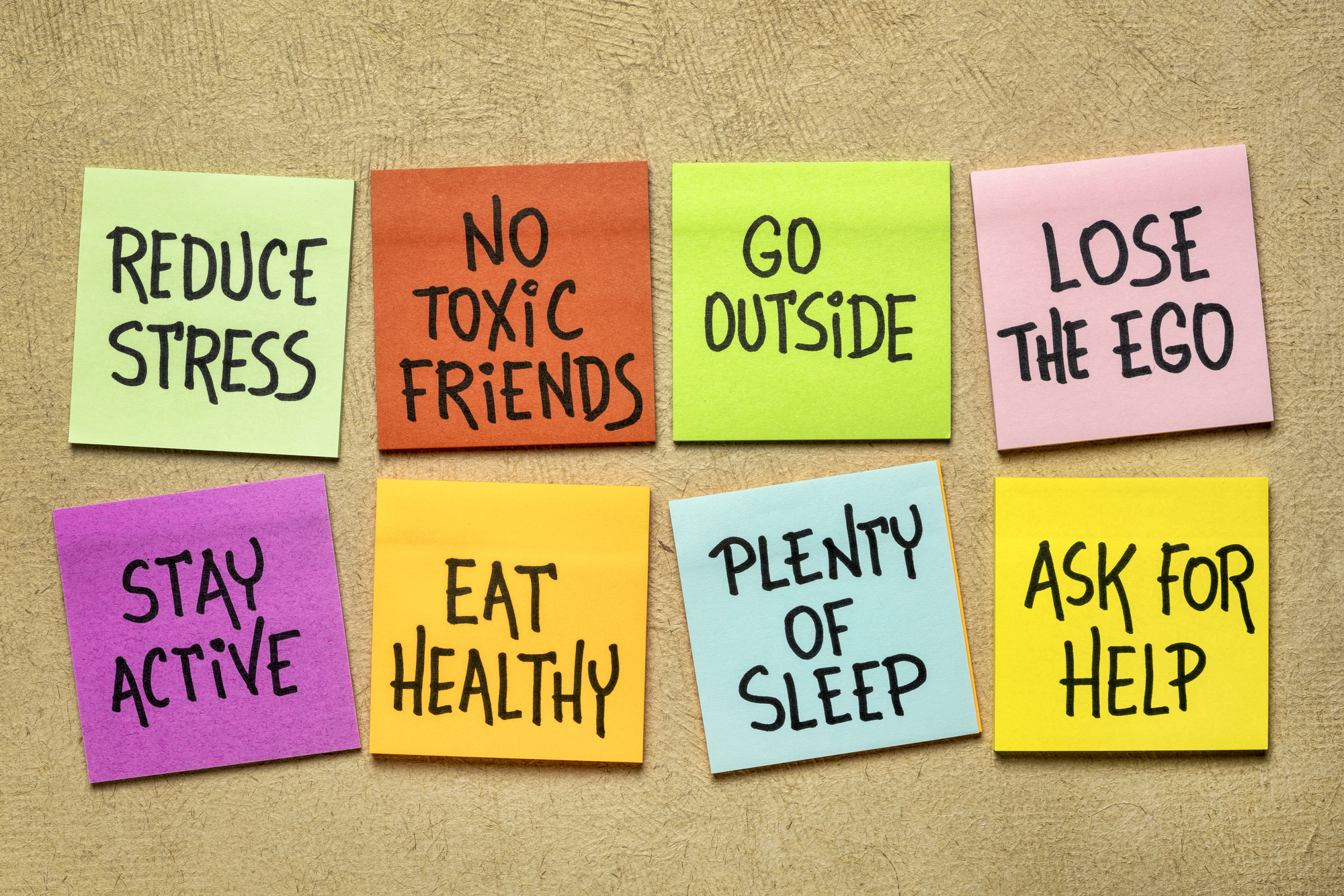
Effective strategies for managing mental exhaustion include identifying triggers, implementing self-care practices, seeking professional help, and making lifestyle adjustments to promote sustainable well-being.
Understanding Mental Exhaustion
Defining Mental Fatigue
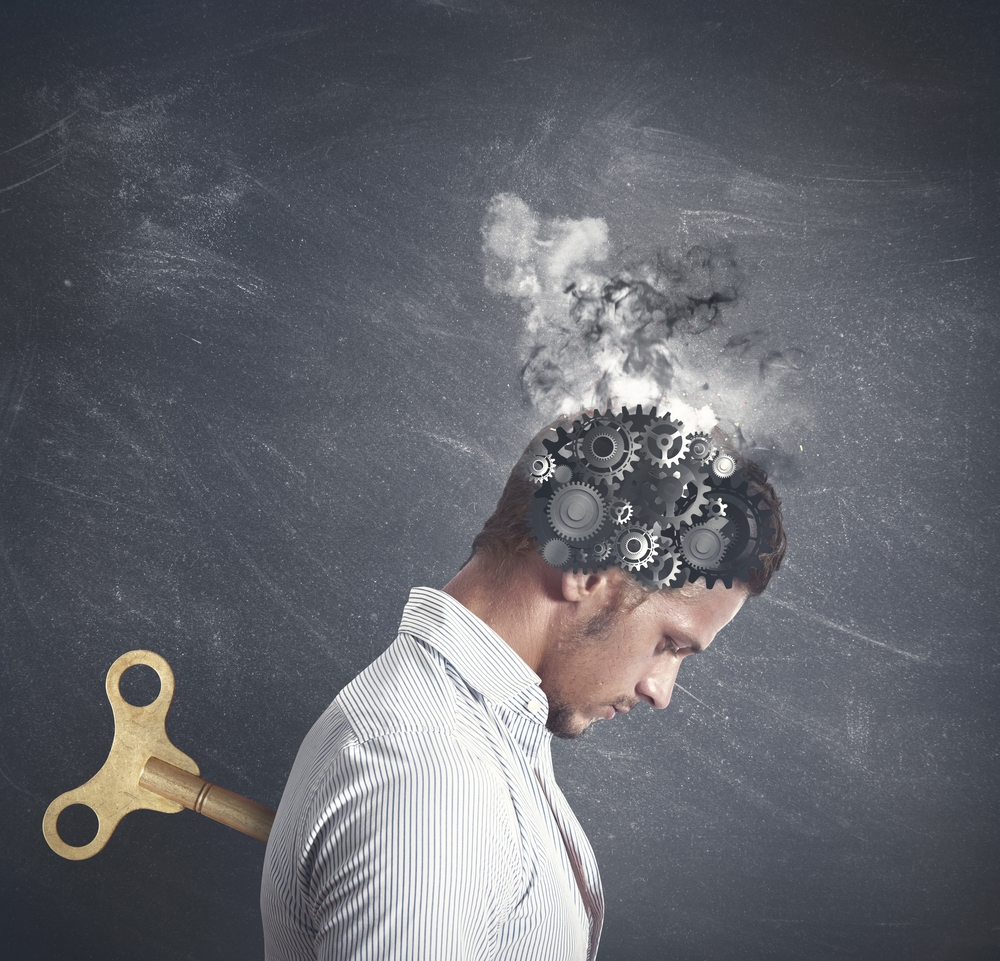
Mental exhaustion, also known as mental fatigue, is a state where the mind is overwhelmed by prolonged cognitive activity, stress, or emotional distress, leading to a sense of severe tiredness and reduced mental capacity. It is characterized by a feeling of being drained, where the mind is unable to function at its usual capacity.
Mental fatigue can manifest in various forms and is not solely the result of intellectual overwork; emotional and mental weariness often intertwine, especially under sustained or intense stress. While one may still retain some cognitive function or emotional control, the co-occurrence of these states typically signifies a deeper level of mental exhaustion.
Mental exhaustion should not be confused with simple tiredness. It is a more complex condition that can be triggered by a range of factors, including but not limited to, work-related stress, personal challenges, and ongoing life pressures.
The following list outlines common causes of mental exhaustion:
Prolonged periods of stress or overworking
Difficult life situations or personal problems
Continuous cognitive demands without adequate rest
Emotional strain from personal or professional relationships
Recognizing the signs and understanding the underlying causes of mental fatigue is crucial for addressing and managing this condition effectively.
Prevalence and Statistics
Mental exhaustion is a pervasive issue, affecting individuals across various demographics and professions. The prevalence of mental exhaustion is alarmingly high, with certain populations experiencing more acute symptoms. For instance, healthcare workers (HCWs) are particularly susceptible to emotional exhaustion and traumatic stress, with significant percentages reporting depression, anxiety, and post-traumatic stress disorder (PTSD).
Recent studies highlight the extent of the problem within the United States. Americans are reported to be 20 percentage points more stressed than the global average, with stress-induced breakdowns becoming increasingly common. The year 2023 has seen a rise in concerns over global conflicts, racial injustice, and economic pressures, contributing to the nation’s mental health crisis.
Condition
Prevalence Among HCWs
Depression
24%
Anxiety
30%
PTSD
13%
The figures underscore the critical need for addressing mental exhaustion as a public health priority. Without intervention, the consequences can extend to various aspects of personal and professional life, leading to a decline in overall well-being.
The Mind-Body Connection
The intricate link between our mental and physical well-being is increasingly acknowledged in the realm of health sciences. The mind-body connection signifies a pivotal aspect of our overall health, where psychological factors can manifest as physical symptoms, and vice versa. This bi-directional relationship suggests that our mental state can influence bodily functions and that physical health can impact mental well-being.
Incorporating practices that nurture both mind and body is essential for addressing mental exhaustion. Such practices include:
Mindfulness and/or meditation
Yoga
Engaging in physical exercise
Maintaining a nutritious diet
Exercise is now recognized as a viable and important component of holistic care in managing mental health challenges like depression, anxiety, and stress.
Understanding and leveraging this connection can lead to more effective strategies for managing mental exhaustion. It encourages a holistic approach to health that encompasses both psychological resilience and physical vitality.
Physical Manifestations of Mental Exhaustion
Chronic Fatigue and Energy Depletion
Mental Exhaustion has many physical symptoms, including migraines
Chronic fatigue is a hallmark of mental exhaustion, often manifesting as a persistent sense of lack of energy and lethargy. Despite adequate sleep, individuals may find themselves feeling drained, a condition sometimes referred to as ‘Fatigue NOS‘ (Not Otherwise Specified).
Physical signs such as headaches, muscle tension, and sleep disturbances are common, and these symptoms can disrupt daily routines and exacerbate the sense of fatigue. The body’s stress response system, including hormonal imbalances and neurotransmitter level adjustments, plays a significant role in this energy depletion.
Recognizing the signs of exhaustion is crucial for maintaining overall well-being. By understanding these signals and incorporating self-care practices into our routines, we can prevent burnout and function at our best.
The following list outlines the physical symptoms commonly associated with mental exhaustion:
Fatigue or low energy levels
Headaches or body aches
Digestive issues, such as stomach pain or nausea
Difficulty sleeping or changes in sleep patterns
Weakened immune system, leading to frequent illnesses
Sleep Disturbances and Insomnia
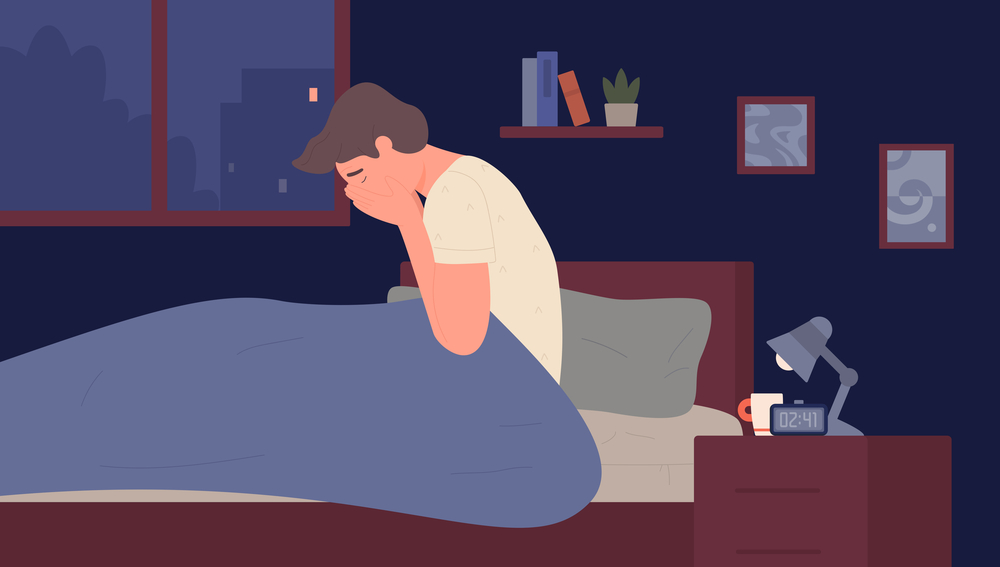
The repercussions of mental exhaustion often extend into the night, manifesting as sleep disturbances and insomnia. These conditions not only signify a troubled mind but also perpetuate a cycle of fatigue that hampers recovery. Anxiety, concerns, and racing thoughts can impede the onset of sleep or cause frequent awakenings, depriving individuals of the restorative rest they need.
Insomnia
Anxiety
Irritability
Depression
Fogginess
Sleep deprivation weakens the ability to handle stressors effectively, making an individual more susceptible to mental health issues. It disrupts proper brain functioning and can exacerbate conditions such as anxiety disorders and depression.
The table below summarizes the common symptoms associated with sleep disturbances due to mental exhaustion:
Symptom
Description
Difficulty Focusing
A lack of concentration and mental clarity.
Emotional Exhaustion
Feelings of being drained and overwhelmed.
Physical Discomfort
Manifestations like stomachaches and headaches.
Cognitive Impairment
Poor decision-making and decreased performance.
Persistent sleep issues can accelerate the onset of mental fatigue, affecting mood, cognitive abilities, and overall well-being. It becomes increasingly challenging for individuals to manage stress and fulfill their responsibilities, leading to a heightened risk of burnout.
Somatization: Digestive and Muscular Discomfort
Mental exhaustion not only affects cognitive and emotional states but also manifests physically, often through somatic symptoms. These symptoms can be misleading as they mimic those of various medical conditions, yet they originate from mental strain and stress. Common physical complaints include digestive issues such as nausea, vomiting, abdominal pain, bloating, gas, and diarrhea, as well as nonspecific symptoms like fatigue and dizziness.
Mental exhaustion can lead to a range of somatic symptoms, which are physical manifestations of psychological distress. Recognizing these signs is crucial for addressing the underlying mental fatigue.
The following list outlines some of the physical symptoms related to mental exhaustion:
Difficulty breathing or panic attacks
Sleep disturbances, including insomnia
Persistent fatigue, even with adequate rest
Muscle aches, headaches, and body pains
Gastrointestinal discomfort, such as indigestion or heartburn
It is important to consider these symptoms in the context of one’s overall health and well-being. Persistent or unexplained physical discomforts warrant further evaluation to rule out other medical conditions and to consider the possibility of mental exhaustion as a contributing factor.
Immune System Impairment
The repercussions of mental exhaustion extend beyond mere fatigue, manifesting in the body’s most fundamental defenses: the immune system. A weakened immune system is often a telltale sign of overexertion, leaving individuals more susceptible to infections and illnesses. This vulnerability can be observed in the frequency and severity of sicknesses one experiences when mentally drained.
Frequent headaches or muscle tension are not just discomforts; they are the body’s distress signals, indicating that the immune system may be compromised. The following list outlines common physical symptoms that suggest an impaired immune response due to mental exhaustion:
Increased susceptibility to colds and infections
Prolonged recovery times
Frequent headaches
Muscle tension and soreness
It is crucial to heed these physical signs as they are vital cues urging us to slow down and engage in self-care practices. Ignoring these symptoms can lead to a further decline in immune function and overall well-being.
Emotional Indicators of Mental Exhaustion
Overwhelm and Persistent Mood Fluctuations
Mental exhaustion can precipitate a state where individuals feel constantly overwhelmed and experience persistent mood fluctuations. This condition often manifests as a sense of hopelessness and a feeling of being out of control, which can be precursors to more severe mood disorders. The emotional toll of such exhaustion is profound, leading to frequent mood swings, irritability, and anxiety that strain personal relationships and social interactions.
The following questions can help identify if one is experiencing emotional indicators of mental exhaustion:
Do I feel emotionally exhausted and unable to cope with everyday tasks and responsibilities?
Am I experiencing intense feelings of sadness, hopelessness, or despair that persist for an extended period?
Are my sleep patterns significantly disrupted, either through insomnia or excessive sleeping?
Have my eating habits changed drastically, either resulting in a loss or gain of appetite?
Do I find it challenging to concentrate, make decisions, or stay focused on tasks?
Negative thoughts or feelings of hopelessness can further exacerbate mental exhaustion, creating a cycle that’s hard to break without intervention and support.
Mental exhaustion does not emerge in isolation; it is often the culmination of prolonged stress and unaddressed emotional strain. Recognizing these emotional indicators is crucial for seeking timely support and preventing the escalation of mental exhaustion into more debilitating conditions.
Anxiety and High Stress Levels
Anxiety and high stress levels are often the harbingers of mental exhaustion, signaling that the mind’s resources are nearing depletion. The persistent presence of stress can erode an individual’s mental resilience, leading to a state where even minor challenges seem insurmountable. This can manifest in various ways:
Negative thought patterns such as catastrophizing, rumination, and self-criticism can increase stress and make it difficult to cope.
Perfectionism can cause people to get anxious because they put too much pressure on themselves to perform well and fulfill lofty goals.
Previous traumas, such as child abuse or neglect, can result in long-term emotional distress and an increased risk of developing mental health problems.
Anxiety might make it challenging to concentrate, maintain motivation, or make decisions when one feels as though they are carrying a heavy weight.
High levels of stress are commonly associated with mental exhaustion. Please also review AIHCP’s Stress Management Program
Furthermore, the risk of physical health issues such as heart disease, obesity, and diabetes might rise due to overwork, adding to the stress and fatigue as a person attempts to manage both their health and their professional obligations. Stress Management Consultants can help others learn the signs of mental exhaustion and how to better cope with stress and anxiety. Please review AIHCP’s Stress Management Certification for qualified professionals.
Emotional Detachment and Numbness
Emotional numbness, often a paradoxical result of mental exhaustion, is characterized by a disconnection from one’s own feelings and a diminished ability to connect with others. This emotional blunting can make it challenging to engage in meaningful relationships or experience joy from activities that were once pleasurable.
Emotional numbness is not just a psychological state; it can also be a protective mechanism, shielding individuals from further emotional distress.
The symptoms of emotional numbness can vary widely, but common experiences include:
A lack of enthusiasm for hobbies and activities that were once enjoyable
Difficulty empathizing with others, potentially leading to strained relationships
A general sense of disinterest or indifference towards life events
Recognizing these symptoms is the first step towards addressing the underlying mental exhaustion. It is essential to identify the factors contributing to this state and to seek appropriate interventions to rekindle emotional responsiveness and re-establish connections with oneself and others.
Behavioral Changes as Symptoms of Mental Exhaustion
Decline in Motivation and Productivity
A decline in motivation and productivity is a significant indicator of mental exhaustion. In the workplace, this can manifest as decreased productivity, absenteeism, and a detached attitude, often symptomatic of burnout. Similarly, in personal life, individuals may exhibit a diminished interest in activities and relationships, leading to a sense of neglect or irritability towards loved ones.
Mental Signs:
Difficulty concentrating or focusing
Increased forgetfulness
Overwhelm or irritability at minor inconveniences
Loss of interest in hobbies and passions
While an unwillingness to work may be a sign of mental exhaustion, it is crucial to consider other potential causes behind this behavior. Mental fatigue can make one feel overburdened, uninspired, and disconnected, resulting in a loss of excitement and trouble focusing.
Behavioral symptoms related to mental exhaustion include withdrawal from social activities, increased reliance on substances, and avoidance of responsibilities. Recognizing these signs is the first step towards addressing the underlying issues and seeking appropriate solutions.
Social Withdrawal and Isolation
Social withdrawal and isolation are not merely preferences for solitude; they are often indicative of deeper mental exhaustion. Individuals experiencing mental exhaustion may find themselves avoiding social gatherings, opting out of activities they once enjoyed, and feeling overwhelmed at the thought of engaging with others. This retreat from social interaction can intensify feelings of loneliness and further compound mental fatigue.
Social isolation can stem from feelings of shame or embarrassment.
It may also be a protective response to avoid stress triggers.
The absence of social support can exacerbate stress, leading to a decline in self-esteem and problem-solving abilities.
The cycle of withdrawal feeds into a self-perpetuating loop of decreased social contact, which can negatively impact one’s sense of self-worth and ability to cope with stress.
The consequences of social withdrawal are multifaceted, affecting emotional well-being and cognitive functions. Without the buffer of social support, individuals may experience heightened stress and a narrowed perspective, unable to benefit from the diverse opinions and ideas that social interactions typically provide.
Substance Dependence and Coping Mechanisms
The intersection of mental exhaustion and substance dependence is a critical area of concern. Substance abuse often emerges as an unhealthy coping mechanism in response to the overwhelming stress and fatigue associated with mental exhaustion. This maladaptive strategy can lead to a vicious cycle where the temporary relief provided by substances further exacerbates mental fatigue, creating a dependency that hinders recovery.
Substance dependence can manifest in various forms, from increased caffeine intake to cope with energy depletion, to the use of alcohol or drugs as a means of emotional escape. The table below outlines common substances used and their associated risks:
Substance
Usage
Risks
Caffeine
To combat fatigue
Anxiety, insomnia
Alcohol
For emotional relief
Addiction, liver damage
Prescription Drugs
To alleviate symptoms
Dependence, side effects
It is essential to recognize the signs of substance dependence and take proactive steps to address them. Alternative coping strategies, such as engaging in physical activity, seeking social support, and practicing mindfulness, can offer more sustainable relief and contribute to long-term well-being.
The link between mental health disorders and substance abuse is well-documented. For instance, individuals with bipolar disorder may use substances to manage the severe mood swings characteristic of the condition. Addressing the root causes of mental exhaustion and providing appropriate interventions are crucial in breaking the cycle of dependence and promoting healthier coping mechanisms.
Substance abuse is a serious issue that can is a maladaptive coping mechanism. Please review AIHCP’s Substance Abuse Practitioner Program and see how it can help train you in helping others facing serious substance abuse issues.
Cognitive Impairments: Concentration and Decision-Making
Mental exhaustion not only saps one’s energy but also impairs cognitive functions critical for daily activities. Difficulty concentrating and making decisions are hallmark signs of mental fatigue. Prolonged stress and fatigue can alter brain chemistry and hormone levels, leading to these cognitive difficulties.
Difficulty focusing on tasks
Increased forgetfulness
Frustration with minor inconveniences
Loss of motivation
These symptoms can severely impact personal and professional life, reducing productivity and increasing the likelihood of errors. It’s essential to recognize these signs early and take steps to address them.
Mental exhaustion can lead to a vicious cycle where the inability to concentrate exacerbates stress, which in turn further impairs cognitive functions.
Addressing mental exhaustion requires a holistic approach that includes adequate rest, nutrition, and management of stressors. Without intervention, the cognitive impairments associated with mental exhaustion can persist, leading to a decline in overall well-being.
The Psychological Impact of Mental Exhaustion
Cognitive Dysfunction and Forgetfulness
Cognitive dysfunction and forgetfulness are hallmark indicators of mental exhaustion. The impaired ability to concentrate or remember can significantly disrupt daily life and work performance. Mental fatigue can lead to a cycle where stress impairs cognitive functions, which in turn increases stress levels, further exacerbating mental exhaustion.
Mental exhaustion can manifest in various cognitive symptoms, each contributing to a decline in overall mental efficiency and quality of life.
The following list outlines common cognitive symptoms associated with mental exhaustion:
Difficulty focusing on tasks
Increased forgetfulness and misplacing items
Challenges with decision-making and problem-solving
A sense of mental fogginess or confusion
Decreased mental and physical performance
These symptoms can have a profound impact on an individual’s personal and professional life, often leading to a negative feedback loop that perpetuates the cycle of exhaustion.
Loss of Interest in Pleasurable Activities
A marked decrease in enthusiasm for activities that once provided joy is a significant indicator of mental exhaustion. This disinterest can manifest in various aspects of life, from hobbies and sports to social engagements, leading to a diminished quality of life. Individuals may find themselves withdrawing from activities they used to look forward to, experiencing a sense of disengagement and apathy.
Apathy and a lack of motivation can permeate through daily responsibilities, making it challenging to find purpose or meaning. This emotional detachment is not only detrimental to personal well-being but can also impact work or school performance.
Recognizing this symptom is crucial as it often signifies a deeper level of burnout. Addressing it may involve reevaluating priorities and incorporating restorative practices into one’s routine. Below is a list of signs that may indicate a loss of interest in pleasurable activities:
Feeling emotionally spent and unable to focus or complete tasks
Sensation of hopelessness and a gloomy or disengaged outlook
Increased irritability and impatience with minor inconveniences
Physical symptoms such as headaches, muscle tension, or stomach issues
Understanding these signs can help in taking proactive steps towards regaining a sense of enjoyment in life.
Heightened Irritability and Agitation
Heightened irritability and agitation are common emotional responses to prolonged mental exhaustion. These symptoms can manifest as a short temper, impatience, and a general sense of being overwhelmed by minor irritations that previously would have been manageable. The intensity of these reactions can strain personal and professional relationships, leading to a cycle of stress and frustration. Anger while a neutral emotion can become dangerous to self and others through improper outlets. Anger Management is an important way to help curb unhealthy anger outbursts due to mental exhaustion. Please review AIHCP’s Anger Management Specialist Certification Program and see if it meets your academic and professional goals.
Individuals experiencing mental exhaustion may notice an increased sensitivity to sensory stimuli, such as light and sound, which can exacerbate feelings of irritability.
The following list outlines some of the emotional and behavioral symptoms associated with heightened irritability and agitation due to mental exhaustion:
Persistent feelings of being overwhelmed or burdened
Anxiousness and a pervasive sense of dread
Difficulty enjoying life and a loss of sense of humor
A tendency to feel neglected or isolated
Worsening of pre-existing mental health issues
It is crucial to recognize these signs and take proactive steps to address the underlying causes of mental exhaustion. Failure to do so can lead to a decline in overall well-being and quality of life.
Strategies for Managing and Overcoming Mental Exhaustion
Identifying stress triggers and finding better ways to cope with them can help prevent mental exhaustion
Identifying Triggers and Stressors
The journey to managing mental exhaustion begins with the identification of personal stress triggers. These triggers are often deeply ingrained in our daily routines, interactions, and environments. By pinpointing the specific sources of stress, individuals can devise strategies to either avoid or cope with them more effectively.
Recognizing personal stress triggers is crucial. It might be particular situations, tasks, or even certain people that consistently generate stress. Once these triggers are identified, one can begin to work on strategies to manage them.
Regular self-assessment is a key practice in identifying triggers. Asking oneself about physical sensations, thoughts, and emotions on a daily basis can reveal early signs of stress. This proactive approach allows for timely interventions before stress escalates into full-blown mental exhaustion.
Limiting exposure to known stressors can significantly reduce their impact. For instance, if large social gatherings are draining, one might choose to engage in smaller, more intimate settings. Emotional journaling can also serve as a tool to gain clarity on stress patterns and emotional health. Below is a list of steps to help identify and manage stressors:
Reflect on and write down each stressor after careful consideration.
Differentiate between stressors that are within your control and those that are not.
Focus on managing the controllable stressors by setting boundaries or reducing obligations.
Implement regular check-ins with yourself to monitor stress levels.
Seek support when needed to navigate through challenging stressors.
Implementing Self-Care Practices
In the pursuit of mental well-being, implementing self-care practices is a cornerstone of recovery from mental exhaustion. Start by choosing one or two self-care practices that resonate with you and gradually build from there. Regular check-ins with oneself can foster a deeper understanding of personal needs and highlight areas requiring attention.
Self-care is not a luxury but a fundamental aspect of maintaining mental and emotional well-being. It is essential to dedicate time each day to activities that bring joy and relaxation.
Here are some tips to help you build and maintain self-care awareness:
Prioritize self-care by getting adequate sleep, eating a balanced diet, and engaging in regular physical activity.
Set boundaries to protect your emotional energy and learn to say no when feeling overwhelmed.
Practice mindfulness to stay connected with the present moment and reduce stress.
The key is to find what best supports your health and happiness and make it a consistent part of your life. Embracing self-care is an act of kindness to oneself and a profound statement of self-respect and self-love.
Seeking Professional Help and Therapy
Recognizing when to seek professional help is a critical step in managing mental exhaustion. Therapy can provide a structured environment for individuals to explore their feelings, develop coping strategies, and work through stressors in a supportive and confidential setting. It is essential to understand that reaching out for professional assistance is a sign of self-awareness and a proactive approach to mental health.
Identify the need for help: Acknowledge feelings of overwhelm and the inability to cope as indicators that professional guidance may be beneficial.
Research options: Explore various therapy modalities and mental health professionals to find the right fit for your needs.
Make the commitment: Prioritize mental health by scheduling and attending therapy sessions regularly.
Seeking therapy is not an admission of failure, but rather an investment in one’s mental well-being and future resilience. It is a step towards regaining control and enhancing the quality of life.
Lifestyle Adjustments for Sustainable Well-being
In the pursuit of sustainable well-being, lifestyle adjustments play a pivotal role. Adopting a holistic approach to daily living can significantly enhance mental resilience and energy levels. Small, consistent changes in routine can lead to profound impacts on overall health.
Mindfulness and/or meditation practices
Yoga
Engaging in movement / physical exercise
Maintaining a nutritious diet
Navigating through the burnout spectrum and implementing solutions is a dynamic process that demands awareness, action, and a supportive environment.
Establishing boundaries is crucial for maintaining well-being. For example, avoid checking emails after work or only say yes to favors you can realistically handle. Prioritize self-care, which can manifest in various forms such as adequate nutrition, exercise, and relaxation, to support overall well-being and prevent burnout. Engaging in hobbies and non-work-related activities can help reduce stress and foster personal growth.
Efficient time management is another key aspect, allowing for the prioritization of important tasks and minimizing time spent on less critical activities. Seeking social support, whether from friends, family, or colleagues, can help reduce feelings of isolation and promote a positive work-life balance. Each individual’s experience with burnout is unique, thus necessitating personalized strategies that can be tailored to one’s preferences and circumstances.
Preventive Measures Against Mental Exhaustion
Work-Life Balance and Time Management
Achieving a harmonious work-life balance is crucial for preventing mental exhaustion. It involves creating clear boundaries to ensure that work does not encroach upon personal time, thereby safeguarding one’s mental health. Effective time management is a key component in this process, as it allows individuals to prioritize tasks and allocate appropriate time for rest and leisure activities.
Promote overall well-being by building an identity outside of work.
Seek social support to reduce feelings of isolation.
Practice time management to prioritize important tasks.
Organizations play a pivotal role in facilitating a work-life balance for their employees. They can adopt policies that encourage taking time off and respect personal time. Additionally, job sharing and part-time opportunities can cater to the diverse needs of the workforce, promoting a balance that benefits both the employee and the organization.
Cultivating a positive work environment and setting personal boundaries are essential strategies for maintaining work-life balance. These practices help individuals manage their responsibilities without succumbing to the pressures that lead to mental exhaustion.
Mindfulness and Relaxation Techniques
Learning to balance life and utilize meditation is a key way to help prevent mental exhaustion. Please also review AIHCP’s Meditation Instructor Program
In the pursuit of mitigating mental exhaustion, mindfulness and relaxation techniques have emerged as effective tools. These practices aim to cultivate a state of active, open attention on the present moment. When you’re mindful, you observe your thoughts and feelings without judgment. Mindfulness meditation, deep breathing exercises, and yoga are not only accessible but also versatile, fitting into various lifestyles and schedules. Meditation can help one find peace against the turmoil and chaos of mental exhaustion. Please review AIHCP’s Meditation Instructor Program to better help others face mental exhaustion through the use of meditation. The program is online and independent study and open to qualified professionals.
Engaging in mindfulness practices can lead to significant reductions in stress and improvements in mood, contributing to overall mental resilience. Regular incorporation of these techniques into one’s daily routine can serve as a preventive measure against the accumulation of stress and mental fatigue.
The following list outlines some key relaxation techniques and their primary benefits:
Deep Breathing: Lowers blood pressure, reduces heart rate, and relaxes muscles.
Progressive Muscle Relaxation: Alleviates muscle tension and promotes physical relaxation.
Mindfulness Meditation: Enhances self-awareness and helps in managing stress-related thoughts.
Yoga: Increases body awareness, relieves stress, improves concentration, and sharpens attention.
It is essential to recognize that even brief periods of relaxation can counteract the effects of chronic stress. Therefore, setting aside a small portion of the day for these practices can contribute significantly to one’s mental well-being.
Building Resilience Through Healthy Habits
Resilience against mental exhaustion is not just about coping with stress, but also about cultivating a lifestyle that promotes overall well-being. Healthy habits form the cornerstone of a resilient mind and body, enabling individuals to better withstand and recover from mental fatigue.
Mindfulness and/or meditation practices
Regular physical exercise
Adequate sleep and rest
Balanced and nutritious diet
Each of these habits contributes to a more robust mental state, capable of navigating the complexities of daily life without succumbing to exhaustion. For instance, mindfulness practices can enhance one’s awareness and reduce stress, while a nutritious diet provides the necessary fuel for both mental and cognitive functions.
By integrating these habits into daily routines, individuals can create a sustainable foundation for mental resilience. This proactive approach not only mitigates the effects of stress but also improves overall quality of life.
The Role of Social Support in Alleviating Mental Exhaustion
Importance of Community and Relationships
The fabric of our mental health is often woven tightly with the threads of our community and relationships. Strong community support fosters mental well-being by providing a sense of belonging and social connection. These bonds can act as a buffer against the pressures that lead to mental exhaustion.
Reach out to loved ones for emotional support and practical help.
Cultivate mindfulness and personal growth outside of work.
Seek support when needed, recognizing it as a sign of strength.
Promoting open dialogue within these networks reduces mental health stigma and encourages individuals to share their experiences, creating an environment where seeking help is normalized and encouraged.
Support groups and peer-to-peer counseling are invaluable resources, offering inclusion and validation that can be particularly comforting during recovery from mental health challenges.
Professional Networks and Mental Health Resources
In the realm of mental health, professional networks play a crucial role in providing support and resources to individuals facing mental exhaustion. Professional networks can offer a wealth of information, ranging from self-care strategies to professional counseling services. These networks often encompass a variety of services tailored to specific needs, such as anxiety, grief, and stress management.
The following list outlines some key mental health resources available through professional networks:
Apps & Resources for managing mental health conditions
Guidance on dealing with Low Mood, Self-esteem issues, and Self-harm
Support for addressing Sexuality and Gender Identity concerns
Strategies for improving Sleep and coping with Stress and Burnout
Assistance with Substance use and addressing Suicidal Ideation
Resources dedicated to Staff Welfare and well-being
It is essential for professional networks to not only provide resources but also to ensure that these are accessible and effectively meet the diverse needs of the workforce. This includes supporting lower-resourced employers in evolving mental health strategies and allocating resources appropriately.
Moreover, partnerships between mental health organizations and workplaces are instrumental in extending the reach of these resources. For instance, some services offer therapy sessions covered by insurance or company plans, making mental health support more attainable for employees.
Family and Peer Support Dynamics
The dynamics of family and peer support play a crucial role in mitigating the effects of mental exhaustion. Support groups and peer-to-peer counseling offer a sense of inclusion and validation, which is essential for recovery from mental health challenges. These groups provide a platform for sharing experiences and fostering a community that understands the intricacies of mental health struggles.
The presence of a robust support network can be a bulwark against the isolating effects of mental exhaustion. It offers a space for emotional expression and practical assistance, which can be invaluable during recovery.
Lack of social support can lead to increased stress and a diminished capacity to manage life’s pressures. Without a variety of perspectives and ideas, individuals may experience heightened feelings of loneliness and a decline in problem-solving abilities. To illustrate the importance of social support, consider the following points:
Lean on your loved ones: Reaching out to loved ones and asking for help can provide emotional support and a sense of connection.
Cultivate mindfulness: Mindfulness practices can enhance resilience and help maintain a balanced perspective during stressful times.
Mental Exhaustion in the Workplace
Occupational Hazards and Job-Related Stress
Work place stress is a key contributor to mental exhaustion. Please also review AIHCP’s Stress Management Program
The modern workplace can be a significant source of stress, with a multitude of factors contributing to mental exhaustion. Nearly 3 in 5 employees report negative effects of job-related stress, including a loss of enthusiasm and a lack of effort at work. Physical fatigue, cognitive tiredness, and emotional exhaustion are alarmingly prevalent, with substantial increases in reported cases over recent years.
Job-related stress is not just about the volume of work; it’s about the quality of the work environment and the support systems in place.
Interpersonal conflicts, excessive tasks, and a lack of autonomy are persistent stressors that can lead to a range of mental health issues. Organizational chaos, such as poor communication and unclear expectations, exacerbates this stress, while work-life imbalance further drains emotional reserves. The table below summarizes the key stress-related symptoms reported by employees:
Symptom
Percentage Reporting Increase
Physical Fatigue
44%
Cognitive Tiredness
36%
Emotional Exhaustion
32%
Understanding these occupational hazards is crucial for developing effective strategies to mitigate job-related stress and prevent burnout.
Corporate Wellness Programs and Initiatives
Corporate wellness programs are integral to fostering a supportive work environment that prioritizes the physical, mental, and emotional well-being of employees. These initiatives are designed to address the multifaceted nature of work-related stress and burnout, offering a range of solutions tailored to individual and organizational needs.
By implementing structured wellness programs, companies can help employees manage stress, improve resilience, and maintain a healthy work-life balance.
Key components of successful corporate wellness programs include promoting a culture that values work-life balance, encouraging open communication, and providing resources for stress management. Employee involvement in these programs is crucial, as it enhances engagement and fosters a sense of agency.
Promoting work-life balance: Encouraging time off and respecting personal time.
Open communication: Allowing employees to voice concerns and discuss workload.
Stress management resources: Providing tools and support for managing stress.
Evaluation and feedback mechanisms are essential for assessing the effectiveness of wellness initiatives and making necessary adjustments. This continuous improvement cycle ensures that programs remain relevant and beneficial to employee well-being.
Employee Assistance and Mental Health Policies
In the realm of workplace mental health, employee assistance programs (EAPs) have emerged as a cornerstone of support. These programs typically encompass a range of services designed to help employees navigate personal and professional challenges. Most notably, EAPs often include mental health counseling, financial advising, and crisis management, which are crucial in mitigating the effects of mental exhaustion.
Organizations are increasingly recognizing the importance of mental health resources as part of employee benefits. Access to therapy services, mental health programs, and regular mental health awareness training are pivotal in creating a supportive work environment. Leadership and management training in empathy and effective communication further enhance this environment, directly impacting employees’ mental well-being.
The integration of mental health policies within the workplace is not just a matter of compliance, but a strategic move towards fostering a resilient and productive workforce.
The following list outlines key components often found in robust mental health policies:
Mental health support services and resources
Training sessions on mental health awareness
Leadership skills development for managers
Job sharing and part-time opportunities for work-life balance
Wellbeing initiatives aimed at making a difference in workplace culture
Future Directions in Mental Health and Exhaustion Research
Emerging Trends and Treatments
The landscape of mental health care is rapidly evolving to meet the increasing demand for psychological services. Innovative approaches are being developed to address the gap between the need for therapy and the availability of qualified professionals. One such trend is the rise of digital therapeutics, which offer a promising avenue for expanding access to mental health resources, especially in underserved communities.
In the face of a growing shortage of mental health providers, technology-based solutions are emerging as a critical component in the delivery of mental health care.
Another significant trend is the integration of personalized medicine into mental health treatment. This approach tailors interventions to the individual’s unique genetic makeup, lifestyle, and environmental factors, potentially leading to more effective and efficient care. Below is a list of key areas where personalized medicine is making an impact:
Genomic testing to inform drug therapy
Lifestyle interventions based on individual health profiles
Environmental adjustments for better mental health outcomes
As research continues to advance, these emerging trends and treatments are expected to transform the mental health landscape, offering new hope and possibilities for those affected by mental exhaustion.
The Impact of Technology on Mental Well-being
The advent of technology has brought about significant changes in the way we manage and perceive mental health. Digital platforms now offer unprecedented access to mental health resources, ranging from informational articles to interactive support communities. For instance, apps and online services provide various forms of assistance, including anxiety and stress management, sleep improvement, and coping strategies for burnout.
Mental Health Support Services
Apps & Resources
Anxiety
Grief, Loss and Death
Low Mood
Self-esteem
Self-harm
Sexuality and Gender Identity
Sleep
Stress and Burnout
Substances
Suicidal Ideation
Staff Welfare
However, the relationship between technology and mental well-being is complex. While some individuals find solace and support through online communities, others may experience an increase in stress due to the constant connectivity and information overload. The table below illustrates the dual nature of technology’s impact on mental health:
Aspect of Technology
Positive Impact
Negative Impact
Accessibility of Resources
Increased reach and anonymity
Potential information overload
Community and Support
Connection with peers
Risk of cyberbullying
Self-help Tools
Empowerment and self-management
Over-reliance without professional guidance
It is crucial to navigate the digital landscape with mindfulness, ensuring that technology serves as a tool for enhancement rather than a source of additional stress. Balancing the benefits of online resources with mindful consumption can help maintain a healthy mental state.
Policy Implications and Advocacy
The intersection of mental health and policy-making is crucial for the development of supportive environments that prevent mental exhaustion. Policy implications in mental health are vast, ranging from workplace regulations to insurance coverage for mental health services. Advocacy plays a pivotal role in shaping these policies, ensuring that they are informed by the latest research and tailored to meet the needs of those affected by mental exhaustion.
Legislative action: Advocates can push for laws that mandate mental health days and require employers to provide mental health training.
Insurance reform: Efforts to include comprehensive mental health coverage in insurance policies can reduce the financial burden on individuals seeking help.
Public awareness campaigns: These can destigmatize mental health issues and promote understanding among the general population.
The effectiveness of policy interventions is contingent upon their alignment with empirical evidence and the lived experiences of individuals. It is essential that policies are not only well-intentioned but also practically applicable and accessible to those in need.
In the realm of advocacy, it is important to highlight the role of research, such as the Path Analysis of Factors Related to Burnout for campus-based professionals. This underscores the need for data-driven approaches to policy-making, where the limited research on specific populations, like victim advocates in higher education, is addressed and used to inform targeted interventions.
As we continue to explore the evolving landscape of mental health and exhaustion research, it’s imperative that we engage with the latest advancements and educational resources. The American Institute of Health Care Professionals (AIHCP) is dedicated to continued learning, growth, and achievement in healthcare practice. We invite you to visit our website to discover a wealth of information on certifications, continuing education courses, and professional development opportunities. Take the next step in your professional journey and join a network of certified healthcare specialists today. Visit AIHCP for more information and to register for courses that will enhance your expertise and career. AIHCP offers a variety of certification programs that can help professionals aid others with mental exhaustion. Programs include Stress Management Consulting, Crisis Intervention, Anger Management, EFT, Hypnosis, Substance Abuse, Grief Counseling and Meditation. Many of these certifications have unique concepts and strategies to help others better cope and avoids mental exhaustion.
Conclusion
Please also review AIHCP’s Stress Management, Anger Management, Crisis Intervention, Grief Counseling and Substance Abuse mental health certification programs
In summary, mental exhaustion is a multifaceted condition that manifests through a spectrum of physical, emotional, and behavioral symptoms. The academic discourse on this topic highlights the importance of recognizing these signs, such as persistent fatigue, headaches, moodiness, and decreased motivation, as indicators of underlying mental strain. The increasing prevalence of mental exhaustion in the workforce underscores the need for greater awareness and proactive measures to address this pervasive issue. As we conclude this article, it is imperative to acknowledge the significance of consulting mental health professionals when symptoms arise and to prioritize self-care strategies to mitigate the impact of mental fatigue on our overall well-being.
Please also review AIHCP’s Stress Management Consulting Certification and see if it matches your academic and professional goals. The program is online and independent study and open to qualified professionals seeking a four year certification in Stress Management.
Frequently Asked Questions
What is mental exhaustion?
Mental exhaustion, or mental fatigue, is a state where your mind feels extremely tired and worn out due to excessive thinking, stress, or emotional strain. It’s characterized by a feeling of being drained and low on energy, with more focus on mental tiredness than physical fatigue.
What are the physical symptoms related to mental exhaustion?
Physical symptoms of mental exhaustion include fatigue or low energy levels, headaches or body aches, digestive issues such as stomach pain or nausea, difficulty sleeping or changes in sleep patterns, and a weakened immune system leading to frequent illnesses.
What are the emotional symptoms of mental exhaustion?
Emotional symptoms include feeling overwhelmed, persistent sadness or moodiness, increased irritability or frustration, a high level of anxiety or worry, and feeling emotionally drained or numb.
How does mental exhaustion affect behavior?
Behavioral symptoms of mental exhaustion consist of decreased motivation or productivity, withdrawal from social activities or relationships, increased reliance on substances like caffeine or alcohol, difficulty concentrating or making decisions, and avoidance of responsibilities or tasks.
What are the signs of cognitive dysfunction due to mental exhaustion?
Cognitive dysfunction from mental exhaustion can manifest as difficulty concentrating or focusing, increased forgetfulness, and a loss of motivation or interest in hobbies and activities that once brought joy.
How prevalent is mental exhaustion in the workforce?
In 2017, 16% of workers between the ages of 15 and 75 reported feeling mentally exhausted at least several times a month due to their jobs, an increase from 13% in 2015. Workers experience these issues at approximately twice the rate of self-employed individuals.
Can mental exhaustion lead to physical health issues?
Yes, mental exhaustion can lead to physical health issues such as frequent headaches or muscle tension, digestive problems, and a weakened immune system, which can result in getting sick more often.
What should you do if you notice symptoms of mental exhaustion?
If you notice symptoms of mental exhaustion, it’s important to consult a psychologist or mental health expert to understand the root cause and find solutions to overcome the issue. Implementing self-care practices and making lifestyle adjustments can also help manage and alleviate symptoms.
Things that motivate us to change or react are sometimes in themselves not totally bad things. The need to do this or that, or prepare for something, or be pushed to meet a deadline help individuals strive and become better. While some may not process these natural everyday ‘stressors’ in a good way, many can cope properly and allow them to propel individuals. Stress that is about negative things are true stressors in real sense of the and cause distress. Good things that push us, and if not properly coped with, is referred to as Eustress. While Eustress can cause damage like stress to the body since the body itself does not know the difference, the mind and how we cope can let good stress be a tool to a better life. The mind can identity good stressors as eustress and not allow it to negatively effect the body like distress.
Please also review AIHCP’s Stress Management Consulting Certification and see if it meets your academic and professional goals. The program is online and independent study and open to qualified professionals seeking a certification in Stress Management.
5 Simple Meditation Techniques to Alleviate Stress in Your Daily Life
In our fast-paced lives, stress has become a familiar yet unwelcome companion, often overstaying its welcome and impacting our well-being. Meditation offers a sanctuary, a way to alleviate the pressures we face daily. This article explores five simple meditation techniques that can be seamlessly integrated into your routine, providing you with the tools to combat stress and enhance your quality of life.
Meditation is an excellent way to alleviate stress and promote peace and calmness in daily life
Please also review AIHCP’s Meditation Instructor and also its Stress Management Consultant Certification programs and see if they meet your academic and professional goals. Meditation and stress management are two very interconnected disciplines that can help many individuals find peace and calmnesss.
Key Takeaways
Meditation is a powerful tool for stress reduction, helping to restore calm and balance in your daily life.
Deep breathing is a quick and effective method to reduce stress on the spot, and it can be practiced anywhere, at any time.
Progressive muscle relaxation can relieve physical tension and can be easily incorporated into your daily routine for long-term benefits.
Guided imagery and visualization are creative forms of meditation that can transport you to a state of peace and tranquility.
Regular practice of these meditation techniques can lead to a more resilient, healthier, and fulfilling life.
Introduction to Meditation and Stress Reduction
Understanding the Impact of Stress on Well-being
Stress is an omnipresent factor in modern life, manifesting in various forms and intensities. Chronic stress can severely impact both physical and mental health, leading to a myriad of issues that can diminish one’s quality of life. The body’s response to stress, often referred to as the ‘fight or flight’ reaction, is a complex interplay of hormones and physiological changes designed for short-term survival. However, when stress becomes a constant fixture, it can contribute to the development of health conditions such as hypertension, heart disease, and metabolic syndrome.
The relationship between stress and well-being is bidirectional; not only can stress lead to health problems, but existing health issues can also exacerbate stress levels, creating a vicious cycle that is hard to break.
To illustrate the pervasiveness of stress and its effects, consider the following points:
Stress can manifest as physical symptoms, including headaches, muscle tension, and fatigue.
It can also lead to emotional disturbances such as anxiety, depression, and irritability.
Behavioral changes are common under stress, with impacts on sleep patterns, eating habits, and social interactions.
Understanding these impacts is the first step towards adopting strategies, such as meditation, to manage stress effectively and enhance overall well-being.
The Role of Meditation in Alleviating Stress
Meditation serves as a powerful tool in the quest for stress reduction, offering a sanctuary from the relentless pace of modern life. It provides a pause that can refresh the mind and restore a sense of calm, enabling individuals to approach their daily challenges with a clearer perspective. The practice of meditation has been shown to lower stress levels, enhance focus, and foster an increased awareness of one’s thoughts and emotions, contributing to better mental and emotional well-being.
Meditation is not a one-size-fits-all remedy; finding the right form that resonates with your lifestyle and preferences is crucial for it to be effective.
The benefits of incorporating meditation into one’s routine are manifold and can include:
Enhanced emotional control, allowing for a more thoughtful response to situations rather than impulsive reactions.
Improved memory retention and recall by providing the mind with moments of clarity and rest.
A heightened ability to refocus on tasks with renewed energy and clarity after meditative breaks.
Even brief periods of meditation can initiate the body’s relaxation response, which helps to reduce stress and anxiety levels. This can be particularly beneficial in high-pressure environments where taking a step back can lead to a more balanced and composed approach to challenges.
Incorporating Meditation into Your Daily Routine
Incorporating meditation into your daily routine need not be a daunting task. Begin by setting aside a specific time and place each day for your practice, ensuring consistency and allowing it to become a natural part of your daily life. Start with brief sessions, perhaps just one minute long, and gradually extend the duration as you grow more comfortable.
Regular meditation, even if brief, can have a cumulative positive effect on mental health and well-being. It’s the quality of mindfulness and the regularity of the practice that counts, not necessarily the length of time spent in silence.
Consider these simple steps to integrate meditation into your daily routine:
It is imperative to learn how to incorporate meditation for stress reduction in one’s daily routine. Please also review AIHCP’s Meditation Instructor Certification
Choose a consistent time each day for meditation, such as morning or before bed.
Find a quiet and comfortable space where you won’t be disturbed.
Begin with short, one-minute sessions and slowly increase the time as you become accustomed.
Integrate meditation into activities you already do daily, like during a morning shower or while waiting for your coffee to brew
By making meditation an integral part of your day, you can harness its stress-reducing benefits and enhance your overall sense of well-being.
Practise Deep Breathing
The Physiology of Deep Breathing
Deep breathing exercises are a cornerstone of stress reduction, engaging the body’s natural relaxation mechanisms. The act of taking slow, deliberate breaths can activate the parasympathetic nervous system, which is responsible for signaling the body to unwind and relax. This physiological response is the opposite of the ‘fight or flight’ state induced by stress and anxiety.
When you breathe deeply, the air fills the abdomen, causing it to protrude. This abdominal breathing expands the diaphragm, allowing the lungs to fill more completely and increasing oxygen uptake. The subsequent exhalation not only releases carbon dioxide but also facilitates the release of muscular tension.
To effectively harness the benefits of deep breathing, it is essential to focus on the rhythm and depth of breaths. Avoid shallow, chest-based breaths and instead, allow the belly to expand with each inhalation. Here is a simple sequence to follow:
Inhale slowly through the nose, counting to four, and feel the abdomen rise.
Hold the breath momentarily, allowing the lungs to fully expand.
Exhale gradually through the mouth, also to the count of four, visualizing stress leaving the body.
Pause briefly before the next breath to complete the cycle.
This technique can be practiced in any comfortable setting, making it a versatile tool for managing stress in various situations.
Step-by-Step Guide to Deep Breathing Techniques
Deep breathing is a fundamental technique for stress reduction, capable of eliciting a relaxation response within the body. The process involves a conscious and deliberate approach to inhaling and exhaling, which can be mastered through practice. Here is a simple guide to deep breathing:
Meditation Instructors can help others learn necessary breathing techniques to reduce stress in daily life
Find a quiet and comfortable place where you can sit or lie down without interruptions.
Close your eyes to help focus on the breathing process and eliminate external distractions.
Inhale slowly through your nose, allowing your lungs to fill with air and your abdomen to expand. Count to four during this process.
Hold your breath for a count of four, experiencing the sensation of fullness.
Exhale slowly through your mouth, counting to four, and visualize the stress leaving your body with the breath.
Repeat this cycle for several minutes, gradually increasing the duration as you become more comfortable with the technique.
By incorporating this breathing pattern into your daily routine, you can create a moment of peace and tranquility amidst the chaos of everyday life. It serves as a bridge to a calmer state of mind, where stress is managed and well-being is enhanced.
Remember, the key to effective deep breathing is consistency and mindfulness. With each breath, aim to become more aware of the present moment and the calming effect the air has as it enters and exits your body. This simple practice can be a powerful tool in your stress-reduction arsenal.
Integrating Deep Breathing into Stressful Situations
Integrating deep breathing into stressful situations can be a powerful tool for regaining a sense of calm and control. When stress levels rise, taking a moment to focus on your breath can significantly reduce anxiety and improve focus. It is a simple yet effective technique that can be discreetly practiced in almost any environment.
To effectively integrate deep breathing into your daily life, especially during stressful times, consider the following steps:
Identify the signs of stress early. This could be a rapid heartbeat, shallow breathing, or tension in the body.
Find a quiet space if possible, or simply pause and shift your attention inward.
Adopt a comfortable posture, whether sitting or standing, with a straight spine.
Begin the deep breathing cycle, inhaling slowly and deeply through the nose, holding for a moment, and exhaling fully through the mouth.
Repeat this cycle for several minutes, focusing solely on the rhythm of your breath.
By consistently practicing deep breathing, you can train your body to automatically respond to stress with a relaxation response, making it a reflexive action rather than a conscious effort.
Remember, the goal is not to avoid stress entirely but to manage it in a way that minimizes its impact on your well-being. With regular practice, deep breathing becomes a readily available tool to help navigate the complexities of daily life with greater ease and resilience.
Progressive Muscle Relaxation
The Science Behind Muscle Relaxation
Progressive Muscle Relaxation (PMR) is a technique that has been scientifically proven to reduce stress and anxiety by alternating between tensing and relaxing muscle groups. This practice promotes a deep state of relaxation that can alleviate physical tension and mental stress.
The process of PMR involves a two-step approach:
Deliberately tensing or tightening specific muscle groups.
Releasing the tension and noticing the sensation of relaxation.
By becoming more aware of physical sensations, individuals can learn to distinguish between the feelings of a tensed muscle and a completely relaxed one. This awareness can help in recognizing and reducing the onset of stress.
Regularly engaging in PMR can lead to a variety of benefits, including improved sleep quality, decreased symptoms of chronic pain, and a reduction in anxiety levels. The table below summarizes the key benefits of daily PMR practice:
Benefit
Description
Improved Sleep Quality
PMR can help in reducing the time it takes to fall asleep and improve the overall quality of sleep.
Chronic Pain Relief
Regular practice can decrease the perception of pain.
Anxiety Reduction
PMR has been shown to lower levels of anxiety and physiological symptoms of stress.
Incorporating PMR into your daily routine can be a simple yet effective way to combat stress and enhance overall well-being.
Executing Progressive Muscle Relaxation
Progressive Muscle Relaxation (PMR) is a technique that involves the sequential tensing and relaxing of muscle groups. It is a powerful method to release physical tension and promote mental calmness. The process typically starts with the muscles in the feet and gradually works up to the face. Here’s a basic sequence to follow:
Tense the muscles in your toes for 5 seconds, then release for 30 seconds.
Move to your foot muscles, following the same tense-and-release pattern.
Continue this pattern through the legs, abdomen, chest, arms, hands, neck, and face.
After completing the sequence, take a moment to enjoy the sensation of relaxation that envelops your body. Feel the contrast between tension and relaxation, which can enhance your awareness of stress-induced muscular discomfort.
Regular practice of PMR can help you recognize the early signs of stress in your body, allowing you to respond more effectively. By incorporating this technique into your daily routine, you can maintain a relaxed state and reduce overall stress levels.
Daily Practice and Its Long-Term Benefits
Daily practice and use of meditation is essential to reduce stress. Please also review AIHCP’s Stress Management Certification
The essence of meditation lies not in the length of each session, but in the consistency of practice. Regular, daily meditation has been shown to accumulate significant benefits for mental health and well-being. It is the quality of mindfulness and the regularity that are paramount, suggesting that even one-minute of meditation each day can be more impactful than sporadic, longer sessions.
Establishing a daily meditation routine can be the cornerstone of stress reduction, fostering a sense of calmness, clarity, and renewed focus that can be carried throughout the day’s activities.
The table below outlines the potential long-term benefits of daily meditation practice:
Duration
Benefits
1 Week
Improved focus and reduced anxiety
1 Month
Enhanced emotional regulation
3 Months
Reduced stress levels, better sleep quality
6 Months
Increased resilience to stress
1 Year
Sustained improvements in overall well-being
To integrate meditation into your daily life, start with a few minutes each day and gradually increase the time as you become more comfortable with the practice. Remember, the goal is to cultivate mindfulness and presence in the moment, regardless of the time spent in silence.
Guided Imagery and Visualization
Exploring the Concept of Guided Imagery
Guided imagery, also known as visualization meditation, is a form of mental escape that involves conjuring up calming images in the mind’s eye. It capitalizes on the brain’s ability to visualize scenarios and environments that induce tranquility and relaxation. This technique leverages the power of the imagination to create a peaceful sanctuary within the mind, which can be particularly effective in managing stress and anxiety.
Visualization meditation is not just about seeing a serene image but engaging all senses to deepen the experience. By imagining the sounds, smells, and textures of this personal haven, individuals can enhance the calming effect.
The practice of guided imagery can be self-directed or facilitated by a guide or recording. Here’s a simple breakdown of the process:
Find a quiet and comfortable space.
Close your eyes and take a few deep breaths to center yourself.
Begin to visualize a peaceful scene, engaging as many senses as possible.
Allow the imagery to evolve naturally, focusing on details that enhance the sense of calm.
Continue to explore this mental landscape until you feel a sense of deep relaxation.
The versatility of guided imagery makes it a valuable tool for stress reduction, allowing individuals to tailor the experience to their personal preferences and needs.
How to Perform Visualization Techniques
Visualization meditation leverages the brain’s difficulty in distinguishing between vivid mental images and actual events, creating a profound impact on our well-being. To practice visualization meditation, find a quiet space and settle into a comfortable position. Begin with deep breaths to induce relaxation, then vividly imagine a serene setting. Engage all your senses to enrich the experience—note what you see, hear, and feel. The more detailed the mental image, the more immersive and effective the meditation.
Visualization is not merely a retreat from reality but a creative process that can foster a positive mindset and influence real-life outcomes.
For enhanced clarity, some individuals may opt for guided recordings that narrate the scene, aiding in the visualization process. This technique is not only a tool for stress relief but also a method used by athletes and professionals to envision success, thereby improving performance.
Step 1: Find a quiet and comfortable place to sit or lie down.
Step 2: Close your eyes and take several deep breaths to relax.
Step 3: Picture a peaceful scene in your mind’s eye.
Step 4: Incorporate sensory details to make the scene as vivid as possible.
Step 5: Use guided recordings if necessary for a clearer image.
Regular practice can rewire neural pathways, fostering new emotional responses and behaviors that are beneficial in managing stress and navigating life’s challenges.
Creating Your Own Stress-Relief Imagery
Crafting personalized stress-relief imagery is a powerful self-soothing technique that can be practiced anywhere, at any time. Developing your own mental sanctuary not only provides immediate relief but also empowers you to cultivate a space of tranquility that is uniquely yours.
To begin, identify environments or scenarios that evoke a sense of peace and contentment for you. This could be a serene beach, a quiet forest, or even a cherished memory. The key is to choose imagery that resonates deeply with your personal experiences and preferences.
When creating your imagery, engage all your senses to enrich the experience. Imagine the sights, sounds, and smells that contribute to the calming effect of your chosen environment.
Here are some steps to guide you in creating effective stress-relief imagery:
Find a comfortable and quiet space where you won’t be disturbed.
Close your eyes and take a few deep breaths to center yourself.
Begin to construct your scene in your mind, adding details that enhance its realism.
Incorporate sensory experiences, such as the warmth of the sun or the sound of waves.
Allow yourself to fully immerse in the experience, letting go of external stressors.
Remember, the more vividly you can imagine your stress-relief imagery, the more effective it will be in reducing your stress levels. With practice, you’ll be able to summon your personal haven with ease, providing a quick and effective way to manage stress throughout your day.
Embark on a transformative journey with our Guided Imagery and Visualization techniques at the American Institute of Health Care Professionals. Enhance your skills and knowledge in health care practice through our comprehensive certification programs. Don’t wait to elevate your professional expertise. Visit our website now to learn more and register for our Meditation Instructor Certification program.
Final Takeaways
In conclusion, the practice of meditation offers a powerful antidote to the stress that pervades our fast-paced lives. The five simple techniques outlined in this article—deep breathing, progressive muscle relaxation, body scan meditation, guided imagery, and mindfulness meditation—provide accessible tools for individuals seeking to cultivate a sense of calm and balance. By dedicating a few minutes each day to these practices, one can not only alleviate immediate stress but also build resilience against future stressors. It is essential to remember that the journey towards stress reduction is a personal one, and incorporating these techniques into daily routines requires patience and persistence. Ultimately, the consistent application of these meditation methods can lead to a more centered, peaceful, and fulfilling life.
You can take control of your life and stress via meditation. Please also review AIHCP’s Meditation Instructor Certification
Please also review AIHCP’s Meditation Instructor Program as well as its Stress Management Consulting Program. Both programs are online and independent study and open to qualified professionals seeking a four year certification.
Frequently Asked Questions
What are some calming techniques for stress?
Calming techniques for stress include deep breathing, progressive muscle relaxation, visualization, listening to soothing music, and engaging in calming hobbies or activities.
How can I reduce stress quickly?
To reduce stress quickly, practice deep breathing, take short breaks, or engage in a physical activity like a brisk walk to release tension.
How do you incorporate meditation into your daily life?
Incorporate meditation into your daily life by allocating a few minutes each day to practice deep breathing, mindfulness, or guided meditation. These practices can help you stay grounded and centered, even when facing life’s challenges.
What are the 10 stress management techniques?
The 10 stress management techniques include deep breathing, mindfulness meditation, regular exercise, healthy eating habits, quality sleep, time management, seeking social support, relaxation techniques, positive self-talk, and engaging in hobbies and leisure activities.
What types of yoga postures help to reduce stress?
Yoga postures that help reduce stress include those that promote relaxation, such as Child’s Pose, Standing Forward Bend, and Corpse Pose. These postures help to calm the mind and reduce physical tension.
Can exercise be a form of stress management?
Yes, regular exercise is a powerful stress management technique. It can improve mood, increase endorphin levels, and provide a sense of accomplishment, all of which contribute to stress reduction.
How does mindfulness meditation reduce stress?
Mindfulness meditation reduces stress by fostering a non-judgmental awareness of the present moment. This practice can help interrupt the cycle of stress and anxiety by allowing individuals to respond to situations with clarity and calmness.
What is the role of healthy eating in stress management?
Healthy eating plays a crucial role in stress management by providing the body with the necessary nutrients to cope with stress, stabilizing blood sugar levels, and improving overall mood and energy levels.
Additional Resources
“Meditation: A simple, fast way to reduce stress”. Mayo Clinic Staff. Mayo Clinic. Access here
“Mindfulness meditation: A research-proven way to reduce stress”. APA. Access here
“The Benefits of Meditation for Stress Management”. Scott, E. (2022). VeryWellMind. Access here
“Breath meditation: A great way to relieve stress”. (2014). Harvard Health Publishing. Access here
Stress Reduction Strategies are used to combat stressors in our daily lives. Stress is a common experience that affects everyone at some point in their lives. It can be caused by various factors, such as work pressure, personal relationships, financial difficulties, and health issues. When we are stressed, our bodies release hormones like cortisol, which can have negative effects on our physical and mental well-being.
Chronic stress can lead to a range of health problems, including high blood pressure, heart disease, and depression. It can also impair our ability to think clearly and make rational decisions. Understanding the causes and effects of stress is the first step towards finding effective stress reduction strategies. In the article below details ways you can combat your holiday stress. They list several easy to follow techniques. For the full article (The 5 best tips for dealing with all your holiday stress, according to experts. ) please visit the link below.
“Whether you need to get yourself or your whole family organized, setting up a plan for the busier times of year can help feel less frazzled when they arrive.
“I’m a big advocate of planners and use them to schedule both work and personal activities,” says Carolyn Kraut, founder and owner of Hands of Time Concierge. “There are also families that still hang wall calendars in their kitchens to track family activities, keeping them separate from their work calendars/planners.”
The 5 best tips for dealing with all your holiday stress, according to experts. Edwards T., CNN Underscored, 4:48 PM EST, Mon December 4, 2023 “
Given the detrimental effects of stress on our health and well-being, it is crucial to prioritize stress reduction strategies in our daily lives. By implementing these strategies, we can minimize the impact of stress on our physical and mental health, improve our overall quality of life, and enhance our ability to cope with challenges.
Stress reduction strategies can help us develop resilience, improve our emotional well-being, and increase our productivity. They provide us with the tools to manage stress in a healthy way, rather than letting it overwhelm us. By incorporating these strategies into our daily routine, we can achieve a better balance between work, personal life, and self-care.
Stress reduction techniques: Breathing exercises and meditation
One of the most effective stress reduction techniques is practicing deep breathing exercises and meditation. These practices help to calm the mind, relax the body, and promote a sense of inner peace. By focusing on our breath and being present in the moment, we can reduce anxiety and tension.
To practice deep breathing exercises, find a quiet and comfortable space. Sit or lie down in a relaxed position and close your eyes. Take a deep breath in through your nose, filling your lungs with air. Hold your breath for a few seconds, then exhale slowly through your mouth. Repeat this process for a few minutes, focusing on the sensation of each breath.
Meditation involves sitting in a quiet space and bringing your attention to the present moment. You can focus on your breath, a mantra, or simply observe your thoughts without judgment. Regular practice of breathing exercises and meditation can help to reduce stress levels, improve concentration, and promote a sense of overall well-being.
Physical activities for stress reduction: Yoga and exercise
Engaging in physical activities is another effective way to reduce stress. Regular exercise releases endorphins, which are natural mood boosters that can help alleviate stress and anxiety. Yoga, in particular, combines physical movement with deep breathing and mindfulness, making it a powerful stress reduction tool.
Yoga involves a series of poses, known as asanas, that promote flexibility, strength, and balance. It also incorporates breathing exercises and meditation, further enhancing its stress-relieving benefits. By practicing yoga regularly, you can improve your physical fitness while also reducing stress and promoting relaxation.
In addition to yoga, other forms of exercise, such as jogging, swimming, or dancing, can also be effective stress reduction strategies. Find an activity that you enjoy and make it a part of your routine. Not only will it help you manage stress, but it will also contribute to your overall health and well-being.
Cognitive strategies to manage stress: Positive thinking and reframing
Our thoughts and beliefs have a significant impact on our stress levels. Negative thinking patterns can contribute to increased stress and anxiety, while positive thinking can help us cope with stress more effectively. By practicing cognitive strategies, such as positive thinking and reframing, we can change our perspective and reduce the impact of stress on our lives.
Positive thinking involves focusing on the positive aspects of a situation, rather than dwelling on the negative. It can be helpful to challenge negative thoughts and replace them with more positive and realistic ones. For example, instead of thinking, “I’ll never be able to finish this project on time,” you can reframe it as, “I’ll do my best and ask for help if needed.”
Reframing is a technique that involves looking at a stressful situation from a different perspective. It allows us to see the situation in a more positive light and find solutions or opportunities within it. By reframing our thoughts, we can reduce stress and develop a more optimistic outlook on life.
Time management and organization for stress reduction
Poor time management and disorganization can contribute to feelings of stress and overwhelm. By implementing effective time management and organization strategies, we can reduce stress and increase our productivity. This, in turn, allows us to have more time for relaxation and self-care.
Start by prioritizing your tasks and creating a schedule or to-do list. Break down larger tasks into smaller, more manageable ones, and allocate specific time slots for each task. Avoid multitasking, as it can lead to increased stress and decreased productivity. Instead, focus on one task at a time and give it your full attention.
Organize your physical and digital spaces to minimize clutter and create a sense of order. Keep your workspace clean and tidy and establish systems for organizing your files and documents. By decluttering your environment, you can declutter your mind and reduce stress.
Building a support system: Friends, family, and therapy
Having a strong support system is essential for managing stress effectively. Friends and family members can provide emotional support, understanding, and a listening ear when we need it. Sharing our thoughts and feelings with loved ones can help us gain perspective, feel validated, and find solutions to our problems.
In some cases, professional support may be necessary. Therapy or counseling can provide a safe space to explore our stressors, learn coping strategies, and gain insight into our thoughts and behaviors. A therapist can help us develop personalized stress reduction techniques and provide guidance on how to navigate difficult situations.
Remember, seeking support is not a sign of weakness, but rather a sign of strength and self-care. Building a support system and seeking professional help when needed are crucial steps towards managing stress effectively.
Creating a healthy lifestyle: Nutrition and sleep
A healthy lifestyle is a key component of stress reduction. Proper nutrition and adequate sleep are essential for maintaining physical and mental well-being. When we nourish our bodies with nutritious food and give ourselves enough rest, we are better equipped to handle stressors and maintain a balanced state of mind.
Eating a well-balanced diet that includes fruits, vegetables, whole grains, lean proteins, and healthy fats can provide the nutrients our bodies need to function optimally. Avoid excessive caffeine, sugar, and processed foods, as they can contribute to increased stress and energy crashes.
Getting enough sleep is equally important. Aim for 7-8 hours of uninterrupted sleep each night. Establish a bedtime routine that promotes relaxation, such as reading a book, taking a warm bath, or practicing relaxation techniques. Create a sleep-friendly environment by keeping your bedroom cool, dark, and quiet.
By prioritizing nutrition and sleep, you can support your body’s ability to cope with stress and maintain overall well-being.
What leads you on the path to no more stress?
Stress reduction at work: Time management and setting boundaries
Work-related stress is a common problem that can significantly impact our overall well-being. Implementing stress reduction strategies in the workplace is crucial for maintaining a healthy work-life balance and preventing burnout. Time management and setting boundaries are two effective strategies for managing stress at work.
Effective time management involves prioritizing tasks, setting realistic deadlines, and delegating when necessary. Avoid overcommitting yourself and learn to say no to additional responsibilities or tasks that are not essential. Break down larger projects into smaller, more manageable tasks, and allocate specific time slots for each task.
Setting boundaries is equally important. Clearly communicate your availability and limitations to your colleagues and superiors. Learn to say no when your workload becomes overwhelming or when you need time for self-care. Establish a work-life balance by setting aside time for relaxation, hobbies, and spending quality time with loved ones.
By implementing these strategies, you can reduce work-related stress and create a more harmonious and fulfilling work environment.
Overcoming stressors in daily life: Dealing with relationships and financial stress
In addition to work-related stress, daily life can present a variety of stressors, such as relationship issues and financial difficulties. Learning how to cope with these stressors is essential for maintaining a balanced and stress-free life.
When it comes to relationships, effective communication is key. Express your feelings and needs openly and honestly and listen to the perspectives of others with an open mind. Seek compromise and find solutions together. If necessary, seek professional help or couples therapy to work through more challenging relationship issues.
Financial stress can be overwhelming, but there are steps you can take to manage it effectively. Create a budget, track your expenses, and prioritize your financial goals. Seek professional advice if needed and explore options for increasing your income or reducing your expenses. By taking control of your finances, you can reduce stress and create a more secure future.
Remember, everyone faces challenges in their relationships and finances. It’s how we choose to handle these challenges that can make all the difference in our stress levels and overall well-being.
Incorporating stress reduction strategies into your daily routine
To effectively manage stress, it’s important to incorporate stress reduction strategies into your daily routine. Consistency is key when it comes to reaping the benefits of these strategies. Here are some tips for integrating stress reduction techniques into your daily life:
Start your day with a few minutes of deep breathing or meditation.
Schedule regular exercise sessions throughout the week, whether it’s yoga, jogging, or dancing.
Practice positive thinking and reframing throughout the day. Challenge negative thoughts and replace them with more positive ones.
Take regular breaks throughout the day to relax and recharge. Use this time to engage in activities that bring you joy and promote relaxation.
Prioritize sleep and establish a bedtime routine that promotes restful sleep.
Make time for social connections. Schedule regular catchups with friends and family or join a support group.
Incorporate healthy eating habits into your daily life. Prepare nutritious meals and snacks and avoid excessive caffeine and sugar.
Set boundaries at work and establish a healthy work-life balance. Avoid overcommitting and prioritize self-care.
Practice stress reduction techniques whenever you feel overwhelmed or anxious. Take a few deep breaths, practice mindfulness, or engage in a calming activity.
By making stress reduction strategies a part of your daily routine, you can build resilience and lead a more balanced and stress-free life.
Conclusion: Achieving a stress-free life
What Stress Reduction Strategies would you use for your “Stress Free Zone”?
Stress is an inevitable part of life, but with the right strategies, it can be effectively managed. By understanding the causes and effects of stress, prioritizing stress reduction techniques, and implementing them into our daily lives, we can achieve a more balanced and stress-free existence.
From breathing exercises and meditation to physical activities like yoga and exercise, cognitive strategies like positive thinking and reframing, and lifestyle factors such as time management, organization, and building a support system, there are numerous techniques to choose from.
By incorporating stress reduction strategies into our daily routine, we can improve our physical and mental well-being, enhance our ability to cope with stress, and lead a more fulfilling and joyful life.
Remember, managing stress is a lifelong journey. It’s important to be patient with yourself and practice self-compassion along the way. With perseverance and the right tools, you can overcome daily stressors and achieve a greater sense of peace and well-being.
Now, take a deep breath, and start implementing these stress reduction strategies into your life today.
Stress Management is an important aspect of every walk of life. It is part of the healthcare system, mental healthcare system as well as the business world and even our private lives. Stress Management Consultants are key to maintaining a healthy environment for our employees. If you would like to learn more about how to become a stress management consultant, then please review our online stress management courses here
Stress, Resilience, and Coping of Healthcare Workers during the COVID-19 Pandemic. Croghan IT, Chesak SS, Adusumalli J, et al. Journal of Primary Care & Community Health. 2021;12. doi:10.1177/21501327211008448
Mental Health Crisis and Stress Coping among Healthcare College Students Momentarily Displaced from Their Campus Community Because of COVID-19 Restrictions in Japan. Tahara M, Mashizume Y, Takahashi K. International Journal of Environmental Research and Public Health. 2021; 18(14):7245.
In today’s fast-paced world, stress has become a common and often overwhelming part of our lives. The demands of work, personal relationships, and societal expectations can take a toll on our mental and physical health. That’s where stress management consulting comes in. In this comprehensive guide, we will explore the importance of stress management, the role of stress management consultants, and effective strategies for achieving balance and wellness.
Before you can consult someone on their stress, we need to know what triggers it! There are plenty of common as well as uncommon triggers of stress. Several of these stressors are highlighted in the article (These Are The Top-Ranked Stressors Of 2023. Here’s How To Manage Them.) below.
Unlike worry about a work presentation or the coordination of a family wedding, these stressors aren’t things that you can just squash with a simple action.
“It’s not an area that you have a lot of control over … and then on top of that, you still have to figure out, how do I pay for my groceries? Will I make the rent this month?” Bufka said.
Below, experts break down the most common issues highlighted in the report and share how you can manage them if you’re struggling, too:
These Are The Top-Ranked Stressors Of 2023. Here’s How To Manage Them. Wilson J. Nov 14, 2023, 05:45 AM EST Huffington Post
Before delving into the realm of stress management consulting, it’s important to understand what stress is and how it can affect us. Stress is not always a negative thing. In fact, there is a healthy amount of stress that can help us perform at our best. This is known as eustress, which provides motivation and focus. However, when stress becomes excessive or prolonged, it can lead to detrimental effects on our physical and mental health.
The Impact of Stress on Performance
Excessive stress can impair our cognitive abilities and hinder our performance in various aspects of life. When we are under stress, our brain’s capacity to think clearly and make rational decisions becomes compromised. We may find ourselves unable to see the bigger picture, make nuanced judgments, or build meaningful relationships. Additionally, chronic stress can lead to a range of physical and mental health issues, including anxiety, depression, cardiovascular problems, and more.
The Need for Stress Management
Given the negative consequences of stress on our overall well-being, it is crucial to prioritize stress management. Stress management consulting is the process of identifying and implementing strategies to cope with and reduce stress levels. It involves recognizing stressors, understanding their impact on our lives, and developing effective techniques to manage them. Stress management is not a one-size-fits-all approach; it requires personalized strategies tailored to each individual’s needs and circumstances.
Stressed out? Try stress management!
What is Stress Management Consulting?
Stress management consulting is a specialized field that focuses on helping individuals navigate the challenges of stress and develop effective coping mechanisms. Stress management consultants are trained professionals who provide guidance, support, and personalized solutions to help individuals manage their stress levels. They employ a holistic approach, considering various aspects of a person’s life, such as work, relationships, and lifestyle, to develop comprehensive stress management plans.
The Role of a Stress Management Consultant
A stress management consultant plays a crucial role in assisting individuals in their journey towards stress-free living. They conduct comprehensive assessments to identify the underlying causes of stress and develop tailored strategies to address them. These professionals guide individuals in recognizing their stress levels, understanding the impact of stress on their lives, and implementing effective stress management techniques. By working closely with a stress management consultant, individuals gain the tools and knowledge to take control of their stress and achieve greater overall well-being.
The Benefits of Stress Management Consulting
Engaging in stress management consulting offers numerous benefits for individuals seeking to improve their quality of life. Some of the key advantages include:
Enhanced self-awareness: Stress management consulting helps individuals gain insight into their stress triggers and develop a better understanding of how stress affects their mental and physical health.
Customized solutions: Stress management consultants provide personalized strategies and coping mechanisms that align with each individual’s unique circumstances and goals.
Improved resilience: Through stress management consulting, individuals learn how to build resilience and effectively navigate life’s challenges, developing the ability to bounce back from stressful situations.
Better overall well-being: By effectively managing stress, individuals can experience improved mental and physical health, increased focus, better decision-making abilities, and enhanced relationships.
Strategies for Effective Stress Management
Stress management consulting incorporates various evidence-based strategies to help individuals reduce and cope with stress. Some of the key strategies include:
8.1 S.O.S Method: Stop, Observe, Strategize The S.O.S method is a simple yet powerful technique that helps individuals gain control over their stress response. By pausing, observing their physical and emotional state, and strategizing the appropriate action, individuals can interrupt the stress cycle and make more informed decisions.
8.2 The Power of Breath: Deep Breathing Techniques Deep breathing exercises are a valuable tool in stress management. By consciously focusing on slow, deep breaths, individuals can activate their body’s relaxation response, calm their nervous system, and reduce stress levels.
8.3 Personalized Stress Management Plans Stress management consultants work closely with individuals to develop personalized stress management plans. These plans take into account specific stressors, triggers, and goals, and provide a roadmap for effectively managing stress in daily life.
8.4 Mindfulness and Relaxation Techniques Practicing mindfulness and relaxation techniques, such as meditation, progressive muscle relaxation, or guided imagery, can help individuals cultivate a sense of calm and reduce stress. These techniques promote present-moment awareness and can be easily incorporated into daily routines.
8.5 Cognitive-Behavioral Stress Management Cognitive-behavioral stress management focuses on identifying and challenging negative thought patterns and behaviors that contribute to stress. Through this approach, individuals learn to reframe stressful situations, develop positive coping strategies, and build resilience.
8.6 Coping Strategies for Everyday Life Stress management consultants provide individuals with practical coping strategies tailored to their specific challenges. Whether it’s managing workplace stress, addressing relationship issues, or dealing with health concerns, these strategies equip individuals with the tools to navigate daily stressors effectively.
8.7 Building Resilience to Stress Building resilience is a key component of stress management. Stress management consultants guide individuals in developing resilience by teaching them how to bounce back from setbacks, maintain a positive mindset, and cultivate healthy habits that support overall well-being.
Integrating Stress Management into Daily Life
Effective stress management consulting goes beyond specific techniques; it involves integrating stress management strategies into daily life. This includes creating a supportive environment, setting boundaries, practicing self-care, and prioritizing activities that promote relaxation and stress reduction. By making stress management a priority and integrating it into daily routines, individuals can experience long-term benefits and maintain a healthier, more balanced lifestyle.
The Role of Stress Management Consulting in Overall Wellness
Stress management is a crucial component of overall wellness. By effectively managing stress, individuals can experience improved mental and physical health, enhanced cognitive abilities, better emotional well-being, and stronger relationships. Stress management is not a one-time fix; it is an ongoing process that requires self-awareness, commitment, and the support of a stress management consultant or other resources.
Finding the Right Stress Management Coach
Stress Coaching starts with you!
When seeking stress management coaching support, it’s important to find the right stress management coach who aligns with your needs and goals. Look for a qualified professional who has experience in stress management consulting and a deep understanding of the challenges individuals face. Consider their approach, expertise, and compatibility with your personality and communication style. A good stress management coach will provide guidance, support, and practical tools to help you effectively manage stress and achieve greater overall well-being.
Conclusion
Stress management consulting is a valuable resource for individuals seeking to overcome the challenges of stress and achieve a healthier, more balanced life. By working with a stress management consultant, individuals gain the knowledge, skills, and support needed to effectively manage stress, build resilience, and prioritize their well-being. Stress management is not a luxury; it is a necessity in today’s fast-paced world. Take the first step towards a stress-free life by exploring stress management consulting and embarking on a journey of self-discovery and wellness.
Coping the Academic Stress: The Way the Students Dealing with Stress. Q Aina, P Hermilia Wijayati. KnE Social Sciences / International Seminar on Language, Education, and Culture (ISoLEC) / Pages 212–223. Mar 17, 2019
Dealing With Stress: A Review of Plant SUMO Proteases. Rebecca Morrell, Et Al. Front. Plant Sci., 18 September 2019 Sec. Plant Physiology Volume 10 – 2019
Coping strategies of nursing students for dealing with stress in clinical setting: A qualitative study. Foozieh Rafati, Et Al. Electron Physician. 2017 Dec; 9(12): 6120–6128. Published online 2017 Dec 25.
Did you know there is such a thing called good stress? Eustress is our basic challenges everyday. They call us to duty. Without these challenges that awaken us and push us to accomplish chores, goals, and dreams, then we would not be able to progress in life. The eustress of the challenges encompassed with earning a degree, or the eustress that accompanies a new but better paying job position, or even the eustress of dealing with the needs of a new infant are all examples of duties and needs individuals must face. When these obstacles are ignored, delayed or forgotten, then worst things happen in life. Jobs are lost, the house becomes a mess, relationships fail and an individual no longer meets goals, deadlines or accomplishes dreams.
There are good forms of stress that exist in life itself. They push towards goals and accomplishments and reward us with a sense of pride and resiliency. They are aspects of life itself and should not be seen as distress itself
There are obstacles and issues with every good thing in life. Waking up and getting out of bed and facing the world is a cross, or obstacle for many but we must do it. The push to face these good stresses keep us alive and ultimately are rewarding. A new position or job, or earned degree, or a beautiful home are all blessings but blessings that are earned. The body responds to these good stressors and realizes that things must be done to continue living, earning, enjoying and fulfilling life. In turn, the body rewards good work with a sense of accomplishment and pride.
Hence it is important to respond to daily life and good stress or eustress are all examples of good stresses that we deal with each day, week, and month. The article, “Good stress vs bad stress: know the difference by paying attention to your body’s reaction – and be alert to the danger of overload” from Tribune News Service looks at the importance of good stress but also warns against the dangers of bad stress. While experts speak of the important of good stress and the resilience and reward it builds in individuals, the article also warns of toxic and bad stress. The article states,
“It may be surprising to hear, but medically speaking, not all stress is bad. Healthy stress levels help build resilience, says Dr Safia Debar, a stress management expert at Mayo Clinic Healthcare in London, a branch of the Mayo Clinic in Rochester, in the US state of Minnesota. She explains the difference between good and bad stress, and how to tell when you are in danger of overload. Stress is a physical and psychological reaction to a demand, and that demand can be anything, Debar says. Stress that is good for us and may even give us a sense of well-being is called eustress, and is the opposite of distress”.
“Good stress vs bad stress: know the difference by paying attention to your body’s reaction – and be alert to the danger of overload”. Tribune News Service. (2023).
According to the article, events in life, such as marriage, can be great but also stressful. This is referred to eustress. Eustress deals with the things that come with everyday life that surround good events or everyday life itself, from work to school to family. Good stress management skills and organization can prevent these natural stresses which push us towards goals from becoming toxic. Stress Management skills can help us cope and deal with life and find better organization, planning and enjoyment out of it. Hence daily obstacles do not need to incur the fight or flight stress response within the sympathetic nervous system. Instead we can cope and work with life and find joy in accomplishments and find a resiliency within oneself to grow and become stronger.
However, when obstacles become distress, or when even good things become distress due to bad coping, the fight of flight system can be activated. Obviously during a death of a loved one, loss job, conflict, pain, divorce, or natural disaster the body is fighting off distress and the body enters into a state of fight or flight. This is needed in the acute moments to help the body prepare itself for the more demanding issues. The sympathetic system is activated via the pituitary gland and epinephrine a type of adrenaline is pumped into the body, aided by cortisol to increase the heart rate and blood pressure. Muscles are tightened and the digestive system decreases operation to deal with the distress. Overtime, if continual, this can become chronic stress and damaging to the body.
Daily basic stresses that are part of our daily obstacles should not become distress but in many cases they do and the fight or flight response is activated. A party, or a dead line, or a mere family event of joy can all be turned upside down. These good stresses push one to strive to be better and accomplish and should not become distress but for many without stress management skills and good coping and support, they can become detrimental.
Hence it is good to find joy in life and to recognize that daily challenges are not necessarily distress but reminders that we are alive and are correlated with our life choices, connections, accomplishments as well as interactions with those we love. If one is able to better realize this and utilize basic stress management, meditation and coping skills, then one can better see the joy in daily life and its minor obstacles. These obstacles are a product of living and should be embraced and then applauded when accomplishment and satisfaction occur.
So in the future, enjoy the ride. Enjoy the wedding planning, the holiday get togethers, the gift searching, the dinner planning, the first date, the love of a crazy pet, or anything else that surrounds life. Part of living is dealing with by products of good things or obstacles that lead to greater things. They do not need to be seen as the enemy or distress in life but merely part of life and that mindset can change many things.
Not all obstacles in life are meant to be stress. Please also review AIHCP’s Stress Management Program
Please also review AIHCP’s Stress Management Consulting Certification and see if it meets your academic and professional goals. The program is online and independent study and open to qualified professionals.
Additional Resources
“Eustress: The Good Stress”. Lindberg, S. (2018). Healthline. Access here

“What Is Eustress?”. Scott, E. (2022). VeryWellMind. Access here
“What Is Eustress? A Look at the Psychology and Benefits”. Moore, C. (2019). PositivePsychology.com. Access here
Stresses ability to hurt an individual or organism for that matter occurs when it is able to overtake and weaken and the body is unable to respond. The body hence depletes its resources in its ability to cope or deal with the stressor. In human beings, it takes alot of stress over a long period of time to kill, unlike a fish or smaller animal, but it can overtake a person. Chronic stress activates the sympathetic nervous system which controls our fight or flight response. The body’s awakening to potential danger pumps cortisol and epinephrine into the body to speed up heart rate, blood flow and tighten up muscles for action. This is good temporarily but overtime it can weaken bodily organs, especially the heart.
Intense stress overtime weakens and breaks down the body of any organism. Please also review AIHCP’s Stress Management Program
Hence stress management looks at numerous things in daily life to lessen chronic stress. How well does one respond to stress is referred to as resiliency. The ability to not only adjust to the stressor but also overcome it in a healthy way is critical to overall health. Also, it is important for one to be able to identify triggers and potential stress overload. Simply knowing what may cause an overload or using coping mechanisms to prevent it are key to a long and healthy life.
The article, “The Two Faces of Stress: Nurturing Resilience and Recognizing Overload” by Safia Debar looks closer how these two important stress management skills can protect oneself for the long term from the negative aspects of stress. She points out that not all stress is bad and that basic life incidents can be episodes to overcome. She refers to this as eustress, while she refers to chronic stress as a dangerous continual stress that weakens the human body. It is important hence to be resilient but also avoid overload. She states,
“Stress, a reaction to demands, isn’t universally negative; it has its benefits. The positive side, eustress, can foster well-being and resilience. Researchers clarify that the difference between helpful and harmful stress is largely a matter of perception and bodily response. Chronic stress, however, affects every organ and can cause anxiety, depression, and various health issues.”
“The Two Faces of Stress: Nurturing Resilience and Recognizing Overload”. Debar, S. (2023). Neuroscience News.
Resilience is the ability to bounce back from adversity, to adapt to change, and to face challenges with strength and fortitude. It’s a crucial factor in maintaining mental and emotional well-being, especially in today’s fast-paced world. Understanding resilience involves recognizing the importance of having a strong internal foundation that allows individuals to navigate through life’s ups and downs. It’s about developing a mindset that focuses on growth, learning, and adaptability rather than being overwhelmed by stress and setbacks.
Resilience is not a fixed trait; it can be cultivated and nurtured over time through various strategies and practices. It involves building a support system, fostering positive thinking, and developing effective coping mechanisms. By understanding resilience as a dynamic and evolving characteristic, individuals can proactively work towards enhancing their ability to manage stress and overcome challenges.
In today’s society, where demands and pressures are ever-present, understanding resilience is crucial for maintaining overall well-being and mental health. By recognizing the importance of resilience, individuals can take proactive steps to develop and strengthen this vital trait, ultimately leading to a more balanced and fulfilling life.
The Impact of Stress Overload
Stress overload is a prevalent issue in today’s fast-paced world, with individuals often facing overwhelming pressures from various sources, including work, personal responsibilities, and societal expectations. The impact of stress overload can be far-reaching, affecting both physical and mental health. Chronic stress has been linked to a range of health problems, including heart disease, obesity, and anxiety disorders. Furthermore, prolonged exposure to stress can impair cognitive function, leading to decreased productivity and hindered decision-making abilities.
It is important to identify stress triggers to prevent stress overload
Moreover, the impact of stress overload extends beyond individual well-being and can affect relationships, work performance, and overall quality of life. It can create a ripple effect, influencing the dynamics of workplaces, families, and communities. Recognizing the pervasive impact of stress overload underscores the importance of developing effective resilience strategies to mitigate its negative effects and foster a healthier, more balanced lifestyle.
Understanding the impact of stress overload serves as a catalyst for individuals to prioritize their mental and emotional well-being. By acknowledging the detrimental effects of chronic stress, individuals can take proactive steps to address its underlying causes and develop resilience-based approaches to cope with and overcome stress overload.
Resilience Statistics and Research Findings
Research on resilience has yielded valuable insights into the prevalence and impact of this vital trait. Studies have shown that individuals with higher levels of resilience are better equipped to manage stress, adapt to change, and maintain overall well-being. According to the American Psychological Association, resilience is a key factor in promoting mental health and reducing the risk of developing mental health disorders.
Furthermore, research findings have highlighted the significant role of resilience in various aspects of life, including academic and professional success, relationship satisfaction, and overall life satisfaction. Individuals with higher levels of resilience are more likely to persevere in the face of adversity, recover from setbacks, and thrive in challenging environments.
Statistics regarding the prevalence of stress and its impact on mental health further underscore the critical need for resilience-building interventions. According to the World Health Organization, stress-related disorders are on the rise, with millions of individuals experiencing symptoms of anxiety and depression due to stress overload. These statistics emphasize the urgency of promoting resilience as a proactive approach to mitigating the detrimental effects of stress and fostering mental and emotional well-being.
Developing Coping Strategies for Stress Management
Coping strategies play a pivotal role in managing stress and building resilience. Effective coping mechanisms enable individuals to navigate through challenging circumstances, maintain a sense of control, and mitigate the negative impact of stress overload. Developing coping strategies for stress management involves identifying individual stressors, understanding their triggers, and implementing proactive measures to address them.
One of the key aspects of developing coping strategies is building self-awareness and emotional regulation. By recognizing the signs of stress and understanding their underlying causes, individuals can develop targeted coping mechanisms that address specific stressors. This may involve practicing mindfulness, engaging in physical activity, or seeking social support to alleviate stress and promote emotional well-being.
Additionally, developing coping strategies for stress management entails fostering a positive mindset and reframing negative thoughts. Cognitive restructuring techniques, such as challenging irrational beliefs and cultivating a resilient outlook, can empower individuals to approach stressors with a sense of optimism and resilience.
Building Resilience in the Workplace
The modern workplace presents a myriad of challenges and stressors that can significantly impact employees’ well-being and productivity. Building resilience in the workplace is essential for fostering a positive and supportive work environment, enhancing employee satisfaction, and promoting overall organizational resilience.
It is important to build resiliency within work for all team members
Employers can play a crucial role in promoting resilience by creating a culture that prioritizes mental health and well-being. This may involve providing resources for stress management, offering resilience training programs, and implementing policies that support work-life balance and employee autonomy.
Moreover, fostering a sense of community and social support within the workplace can contribute to building resilience among employees. Encouraging open communication, creating opportunities for team-building activities, and promoting a healthy work environment can enhance employees’ ability to cope with stress and overcome workplace challenges.
By building resilience in the workplace, organizations can cultivate a workforce that is better equipped to navigate through change, adapt to challenges, and thrive in a dynamic and fast-paced professional landscape.
Personal Resilience: Overcoming Stress in Daily Life
Personal resilience is the foundation of an individual’s ability to cope with stress and overcome adversity in daily life. It encompasses a range of psychological and behavioral attributes that enable individuals to navigate through life’s challenges with strength and flexibility. Cultivating personal resilience involves developing a holistic approach to well-being that encompasses physical, emotional, and cognitive aspects of resilience.
One of the key components of personal resilience is self-care. Engaging in activities that promote physical health, such as regular exercise, adequate sleep, and a balanced diet, can bolster individuals’ resilience and enhance their capacity to cope with stress. Additionally, nurturing emotional resilience through practices like journaling, meditation, and self-reflection can contribute to a more resilient mindset and emotional well-being.
Furthermore, personal resilience involves fostering a growth-oriented mindset that embraces challenges as opportunities for learning and growth. By reframing setbacks as valuable learning experiences and maintaining a sense of optimism, individuals can cultivate a resilient outlook that empowers them to overcome stress and thrive in their daily lives.
Mindfulness and Resilience
Mindfulness practices have gained widespread recognition for their role in promoting resilience and enhancing mental well-being. Mindfulness involves cultivating a present-moment awareness and non-judgmental acceptance of one’s thoughts and emotions. By integrating mindfulness into daily routines, individuals can develop greater resilience in the face of stress and adversity.
Research has shown that mindfulness practices can reduce the impact of stress on the brain and body, enhance emotional regulation, and promote a sense of calm and clarity. By incorporating mindfulness meditation, breathing exercises, or other mindfulness techniques into their daily lives, individuals can strengthen their resilience and build a foundation for coping with stress more effectively.
Moreover, mindfulness practices can foster a greater sense of self-awareness, enabling individuals to recognize the early signs of stress and implement proactive coping strategies. By cultivating a mindful approach to daily experiences, individuals can develop a resilient mindset that empowers them to navigate through life’s challenges with greater ease and composure.
Seeking Professional Help: Therapy and Counseling
In some cases, overcoming stress overload and building resilience may require professional guidance and support. Therapy and counseling provide individuals with a structured and supportive environment to address underlying stressors, develop coping strategies, and cultivate resilience.
Mindfulness is an excellent strategy to avoid stress overload
Therapy sessions offer individuals the opportunity to explore their thoughts and emotions in a safe and non-judgmental space, gaining insights into the root causes of stress and learning effective techniques for managing it. Therapists and counselors can provide tailored guidance and support, helping individuals develop personalized resilience-building strategies that align with their unique needs and circumstances.
Furthermore, seeking professional or stress management consultant help can empower individuals to address underlying emotional challenges and develop a deeper understanding of their resilience capacity. By engaging in therapy and counseling, individuals can gain valuable tools and insights that enhance their ability to cope with stress and overcome adversity.
Resilience Training and Workshops
Resilience training and workshops in stress management offer structured programs designed to equip individuals with practical tools and strategies for building resilience and managing stress. These programs typically incorporate evidence-based techniques, such as cognitive-behavioral strategies, stress management exercises, and mindfulness practices, to empower participants to cultivate resilience in their daily lives.
Participating in resilience training and workshops provides individuals with the opportunity to learn from experts in the field, connect with peers facing similar challenges, and gain practical skills for enhancing their resilience. These programs often focus on building self-awareness, fostering adaptive coping mechanisms, and promoting a resilient mindset that enables individuals to thrive in the face of adversity.
Moreover, resilience training and workshops can offer a supportive and encouraging environment for individuals to explore their resilience capacity, gain insights into effective stress management strategies, and develop a personalized resilience action plan. By engaging in these structured programs, individuals can proactively invest in their mental and emotional well-being, ultimately mastering resilience in today’s fast-paced world.
Conclusion: Mastering Resilience in a Fast-Paced World
In conclusion, mastering resilience is a fundamental aspect of overcoming stress overload and thriving in today’s fast-paced world. By understanding the nature of resilience, recognizing the impact of stress overload, and proactively developing coping strategies, individuals can cultivate a resilient mindset that enables them to navigate through life’s challenges with strength and flexibility.
Please also review AIHCP’s Stress Management Consulting Certification
Building resilience in the workplace, fostering personal resilience, integrating mindfulness practices, seeking professional help, and engaging in resilience training are all valuable pathways towards mastering resilience. By embracing these approaches, individuals can enhance their ability to manage stress, overcome adversity, and maintain mental and emotional well-being.
In a world where demands and pressures are ever-present, mastering resilience is a transformative journey that empowers individuals to embrace change, adapt to challenges, and live a more balanced and fulfilling life. By prioritizing resilience, individuals can navigate through the complexities of today’s fast-paced world with resilience and grace, ultimately achieving a greater sense of well-being and fulfillment.
Please also review AIHCP’s Stress Management Consulting Program. The program is online and independent study and open to qualified professionals seeking a four year certification in Stress Management Consulting.
Additional Resources
“Stress Resilience: It’s a Real Thing and You Can Develop It”. Sepalla, E. (2021). Psychology Today. Access here
“Resilience: Build skills to endure hardship”. Mayo Clinic. Access here
“How Resilience Helps You Cope With Life’s Challenges”. Cherry, K. (2023). Very Well Mind. Access here
Stress plays a large role in everyone’s life. Whether one works in an office, employed in labor, or attends school, one will experience stress in some form. Unfortunately, stress causes reactions within the body reserved for life or death situations. The body cannot tell the difference but prepares the body for fight or flight producing cortisol. While this is good in the heated moment, it is not good for mundane and non life threatening annoyances that one encounters daily in the modern world. Hence it is critical to curb and manage stress to maintain a healthy body.
Stress has numerous long term negative physical ramifications on the body. Please review AIHCP’s Stress Management Consulting Certification
The article, “Stress Management: 6 Simple Everyday Habits To Lower Cortisol Level” briefly recounts the critical importance of stress management and offers some key ways to manage stress hence reducing cortisol. The India.com Lifestyle staff comments that…
“Stress management is crucial for maintaining both your physical and mental health. By prioritizing exercise, mindfulness, a healthy diet, sleep, social connections, and effective time management, you can build a foundation for a less stressful and more balanced life. Start small, be consistent, and over time, you’ll find that these habits become second nature, helping you lead a happier and healthier life.”
Stress Management hence plays a key role in controlling stress and reducing un-needed cortisol production. This leads to a healthier blood pressure and better heart health. The remainder of this article will in greater detail review the nature of Stress Management and reducing cortisol for better long term health.
Commentary
Stress is an inevitable part of life, and our bodies have a natural response to it. One of the key players in our stress response is cortisol, often referred to as the “stress hormone.” Cortisol is produced by the adrenal glands and plays a crucial role in regulating various bodily functions. Understanding cortisol and its effects on the body is the first step towards managing stress and reclaiming your inner peace.
When we experience stress, whether it’s due to work pressure, relationship issues, or financial concerns, our body releases cortisol into the bloodstream. Cortisol helps us cope with the immediate stressor by increasing our heart rate, boosting energy levels, and sharpening our focus. This is known as the “fight-or-flight” response, which is essential for survival in certain situations.
The Link Between Stress and Cortisol
Chronic stress, however, can lead to persistently high cortisol levels, which can have detrimental effects on our overall well-being. Prolonged exposure to high cortisol levels can disrupt the balance of other hormones in the body, weaken the immune system, and contribute to the development of various health problems, including anxiety, depression, and cardiovascular diseases.
The link between stress and cortisol is a complex one. While short-term stress can be beneficial, chronic stress keeps cortisol levels elevated, leading to a cascade of negative effects. It’s important to recognize the signs of chronic stress and take proactive steps to manage cortisol levels for long-term well-being.
The Negative Effects of High Cortisol Levels
High cortisol levels can wreak havoc on both our physical and mental health. From a physical standpoint, elevated cortisol levels can lead to weight gain, particularly in the abdominal area, as cortisol promotes the storage of fat. It can also impair the functioning of the immune system, making us more susceptible to infections and diseases.
To limit consistent high levels of cortisol in your blood, practice stress management techniques to reduce stress induced moments in life
Mentally, high cortisol levels can contribute to increased anxiety and irritability, as well as interfere with our sleep patterns. Chronic stress can lead to a constant state of alertness, making it difficult to relax and unwind. This can have a significant impact on our overall quality of life and make it challenging to find inner peace.
Techniques for Lowering Cortisol Levels Naturally
The good news is that there are several techniques for lowering cortisol levels naturally and reclaiming your inner peace. One of the most effective ways is through regular exercise. Physical activity not only helps to reduce stress directly but also stimulates the release of endorphins, which are natural mood boosters. Engaging in activities such as walking, jogging, or yoga for at least 30 minutes a day can go a long way in managing cortisol levels.
Another technique for lowering cortisol levels is through deep breathing exercises. When we’re stressed, our breathing tends to become shallow and rapid. Taking the time to practice deep breathing can activate the body’s relaxation response, leading to a decrease in cortisol levels. Find a quiet space, sit comfortably, and take slow, deep breaths in through your nose and out through your mouth. Focus on your breath and let go of any tension or worries with each exhale.
The Importance of a Healthy Lifestyle in Managing Cortisol
In addition to specific stress-reducing techniques, maintaining a healthy lifestyle is crucial for managing cortisol levels. This includes getting enough sleep, eating a balanced diet, and staying hydrated. Lack of sleep can disrupt the body’s cortisol regulation, so it’s important to prioritize sleep hygiene and aim for 7-9 hours of quality sleep each night.
A balanced diet plays a significant role in cortisol management. Consuming a diet rich in fruits, vegetables, whole grains, and lean proteins can help stabilize blood sugar levels and prevent spikes in cortisol. Avoiding excessive caffeine and refined sugars is also beneficial, as they can contribute to increased cortisol production and exacerbate stress levels.
Hydration is often overlooked but is equally important in managing cortisol. Dehydration can trigger stress responses in the body, so make sure to drink enough water throughout the day to stay properly hydrated.
Incorporating Stress-Reducing Activities Into Your Daily Routine
Managing cortisol levels requires a holistic approach that includes incorporating stress-reducing activities into your daily routine. This can range from engaging in hobbies you enjoy, spending time in nature, practicing relaxation techniques such as yoga or tai chi, or simply taking breaks throughout the day to disconnect from work and recharge.
Setting aside dedicated time each day for activities that bring you joy and help you relax not only lowers cortisol levels but also improves overall well-being. Find activities that resonate with you personally and make a conscious effort to prioritize them in your schedule.
The Role of Mindfulness and Meditation in Cortisol Management
Mindfulness and meditation have gained significant attention in recent years for their ability to reduce stress and promote a sense of calm. These practices involve focusing your attention on the present moment and cultivating a non-judgmental awareness of your thoughts and emotions.
Research has shown that regular mindfulness and meditation practices can lower cortisol levels and improve stress resilience. By training the mind to stay present and observe thoughts without attachment or judgment, we can reduce the impact of stress on our cortisol levels and reclaim our inner peace.
The Impact of Diet and Nutrition on Cortisol Levels
While we’ve briefly touched on the importance of a balanced diet, it’s worth exploring the impact of specific nutrients on cortisol levels. Certain foods and beverages can either increase or decrease cortisol production, so being mindful of what you consume is essential for cortisol management.
Foods rich in omega-3 fatty acids, such as fatty fish, flaxseeds, and walnuts, have been shown to reduce cortisol levels. Dark chocolate, in moderation, can also have a positive effect on cortisol due to its antioxidant properties. On the other hand, foods high in refined sugars, processed carbohydrates, and caffeine can elevate cortisol levels, so it’s best to limit their consumption.
Seeking Professional Help for Cortisol Management
While self-help strategies can be effective in managing cortisol levels for many individuals, it’s important to recognize when professional help may be necessary. If chronic stress and high cortisol levels persist despite your best efforts, it may be beneficial to seek the guidance of a healthcare professional or therapist who specializes in stress management.
They can provide personalized recommendations and support to help you develop a comprehensive cortisol management plan. Remember, seeking help is a sign of strength, and there are professionals available who can assist you on your journey towards reclaiming your inner peace.
Conclusion: Taking Control of Your Stress and Reclaiming Inner Peace
Managing cortisol levels is a key component of stress management and reclaiming your inner peace. By understanding cortisol and its effects on the body, you can take proactive steps to lower cortisol levels naturally and improve your overall well-being.
Please also review AIHCP’s Stress Management Consulting Certification and see if it meets your academic and professional goals
Incorporating stress-reducing activities into your daily routine, practicing mindfulness and meditation, maintaining a healthy lifestyle, and seeking professional help when needed are all important strategies for managing cortisol levels effectively. Remember, managing stress is a lifelong journey, and it’s essential to prioritize self-care and stress-reducing techniques on a regular basis.
By taking control of your stress and managing cortisol levels, you can reclaim your inner peace and live a more fulfilling life. Start implementing these strategies today and watch as your overall well-being improves. Don’t let stress hold you back – you have the power to unlock the secrets of stress management and reclaim your inner peace.
Please also review AIHCP’s Stress Management Consulting Certification and see if it matches your academic and professional goals. The program is online and independent study and open to qualified professionals seeking a four year certification in Stress Management.
Additional Resources
“Stress management”. Mayo Clinic Staff. (2023). Mayo Clinic. Access here
“How to Reduce Cortisol and Turn Down the Dial on Stress”. Health Essentials. (2020). Cleveland Clinic. Access here
“Understanding the stress response”. Harvard Health. (2020). Harvard Health Publishing: Harvard Medical School. Access here
“11 Natural Ways to Lower Your Cortisol Levels”. Davidson, K. (2023). Healthline. Access here
Stress can cause chronic issues throughout the body. The body is not intended to be in a fight or flight motion constantly and hence the elevated heart rate, higher blood pressure, muscle contractions and higher levels of cortisol can cause long term damage if barraged with constant stress. Those with diabetes can also see sugar increases due to cortisol. Hence stress can also negatively affect those with diabetes.
Stress can indirectly raise blood sugar levels. Please also review AIHCP’s Stress Management Consulting Certification
Those with diabetes should be aware of this and take into account the impact stress can have on blood sugar counts. The article, “Understanding the link between diabetes and stress” from the Indian Express takes a closer look at the negative impact stress can have on diabetics via blood sugar spikes caused indirectly by stress. The article states,
“Stress has become a byproduct of our lifestyles these days. Considered a normal reaction, stress can have various physical and mental effects, including elevated blood glucose levels. On its own, stress cannot cause diabetes, however, some evidence suggests that excessive and chronic stress can increase the risk of developing the condition. Diabetes and stress have a reciprocal relationship – experiencing stress can make managing diabetes more challenging and having diabetes may contribute to elevated stress levels.”
“Understanding the link between diabetes and stress”. Life Style Desk (2023). The Indian Express
Managing diabetes is a daily challenge for millions of people around the world. From monitoring blood sugar levels to carefully managing diet and exercise, there are numerous factors that contribute to maintaining stable glucose levels. However, one factor that is often overlooked is the impact of stress on blood sugar levels in diabetic patients. Recent research suggests that stress can have a surprising link to elevated blood sugar levels in individuals with diabetes. In this article, we will explore the relationship between stress and blood sugar levels, the physiological response to stress, and techniques for managing stress to control blood sugar levels.
Understanding stress and its impact on the body
Stress is a natural response that our bodies have to certain situations or events. It triggers the release of stress hormones, such as cortisol and adrenaline, which prepare us for a “fight or flight” response. While this response can be beneficial in short bursts, chronic stress can have detrimental effects on our overall health, including our blood sugar levels.
When we experience stress, our bodies release glucose into the bloodstream to provide us with energy. This is a normal response designed to help us deal with immediate threats. However, in individuals with diabetes, this can lead to elevated blood sugar levels which, if not properly managed, can result in complications.
The relationship between stress and blood sugar levels
The connection between stress and blood sugar levels is complex and multifaceted. Stress can affect glucose levels in several ways. First, stress hormones can increase insulin resistance, making it more difficult for the body to use insulin effectively. This can result in higher blood sugar levels. Additionally, stress can also lead to emotional eating and unhealthy food choices, which can further disrupt blood sugar control.
Stress hormones can raise blood sugar
Research has shown that stress can also directly impact the body’s ability to regulate blood sugar levels. Studies have found that chronic stress can lead to increased production of glucose by the liver and decreased insulin production by the pancreas. These physiological responses contribute to elevated blood sugar levels in individuals with diabetes.
The physiological response to stress and its effect on blood sugar levels
When we experience stress, our bodies go through a series of physiological changes. The hypothalamus, a small region in the brain, releases a hormone called corticotropin-releasing hormone (CRH), which signals the pituitary gland to release adrenocorticotropic hormone (ACTH). ACTH then stimulates the adrenal glands to produce cortisol, the primary stress hormone.
Cortisol plays a crucial role in the body’s stress response, including the regulation of blood sugar levels. It promotes glucose production by the liver and inhibits insulin production by the pancreas. This leads to increased blood sugar levels, providing the body with the energy it needs to respond to the stressor.
In individuals with diabetes, the body’s ability to regulate blood sugar levels is already compromised. The additional release of cortisol during times of stress can further disrupt this delicate balance, leading to elevated blood sugar levels.
Research findings on the link between stress and blood sugar levels in diabetic patients
Numerous studies have explored the relationship between stress and blood sugar levels in diabetic patients. A study published in the Journal of Diabetes Research found that individuals with type 2 diabetes who reported higher levels of stress experienced higher fasting blood sugar levels. Another study published in Diabetes Care found that stress was associated with poorer glycemic control in individuals with type 1 diabetes.
These findings highlight the importance of addressing stress as part of diabetes management. By understanding the link between stress and blood sugar levels, healthcare professionals can provide more comprehensive care to individuals with diabetes, helping them achieve better glycemic control and reduce the risk of complications.
Managing stress to control blood sugar levels
While it may not be possible to completely eliminate stress from our lives, there are strategies and techniques that can help individuals with diabetes manage stress and maintain stable blood sugar levels. Here are some effective approaches:
1. Mindfulness and meditation
Practicing mindfulness and meditation can help reduce stress levels and promote a sense of calm. These techniques involve focusing on the present moment and cultivating a non-judgmental awareness of one’s thoughts and emotions. Research has shown that regular mindfulness practice can have a positive impact on blood sugar control in individuals with diabetes.
2. Physical activity
Engaging in regular physical activity not only has numerous health benefits but can also help reduce stress. Exercise releases endorphins, which are natural mood boosters. Additionally, physical activity can help improve insulin sensitivity and blood sugar control.
3. Social support
Maintaining strong social connections and seeking support from loved ones can help alleviate stress. Talking to someone about your concerns and sharing your experiences can provide emotional relief and perspective. Joining support groups or online communities specifically for individuals with diabetes can also be beneficial.
Lifestyle changes to minimize stress and maintain stable blood sugar levels
In addition to specific stress management techniques, making certain lifestyle changes can help minimize stress and maintain stable blood sugar levels. Here are a few suggestions:
1. Prioritize self-care
Taking care of yourself is essential for managing stress and diabetes effectively. Make sure to prioritize activities that bring you joy and relaxation, such as hobbies, reading, or engaging in creative pursuits. Setting aside time for self-care can help reduce stress levels and improve overall well-being.
2. Adopt healthy coping mechanisms
Instead of turning to unhealthy habits like emotional eating or excessive alcohol consumption, develop healthy coping mechanisms for dealing with stress. This can include journaling, practicing deep breathing exercises, or engaging in activities that help you relax and unwind.
3. Maintain a balanced diet
A nutritious, balanced diet is crucial for managing diabetes and minimizing stress. Focus on consuming whole foods, such as fruits, vegetables, lean proteins, and whole grains. These foods provide essential nutrients and can help stabilize blood sugar levels. Avoid or limit the intake of processed foods, sugary beverages, and snacks high in added sugars.
The importance of holistic approaches in managing diabetes and stress
Managing diabetes goes beyond simply monitoring blood sugar levels and taking medication. It requires a holistic approach that takes into account the physical, emotional, and psychological aspects of the disease. Stress management is an integral part of this approach.
By addressing stress and its impact on blood sugar levels, individuals with diabetes can improve their overall health and well-being. This, in turn, can lead to better glycemic control and a reduced risk of complications. It is essential for healthcare professionals and individuals with diabetes to work together to develop personalized stress management strategies that fit their unique needs and circumstances.
Conclusion: Taking control of stress to improve overall health and manage diabetes effectively
Stress can have a surprising link to elevated blood sugar levels in individuals with diabetes. Understanding the relationship between stress and blood sugar levels is crucial for managing diabetes effectively and reducing the risk of complications.
Stress Management is key to overall health but also in managing diabetes and blood sugar
By implementing stress management techniques, such as mindfulness and meditation, engaging in regular physical activity, and seeking social support, individuals with diabetes can take control of their stress levels and maintain stable blood sugar levels. Additionally, making lifestyle changes, such as prioritizing self-care, adopting healthy coping mechanisms, and maintaining a balanced diet, can further minimize stress and improve overall well-being.
Taking a holistic approach to diabetes management that includes stress management is essential for achieving better glycemic control and improving overall health. By addressing stress and its impact on blood sugar levels, individuals with diabetes can lead healthier, more fulfilling lives. So, don’t overlook the power of stress management in your diabetes journey. Take control of stress today and reap the benefits of improved health and well-being.
Please also review AIHCP’s Stress Management Consulting Certification and see if it meets your academic and professional goals. The program is online and independent study and open to qualified professionals interested in Stress Management Training.
Additional Resources
“Stress: How It Affects Diabetes and How to Decrease It”. Purdie, J. (2022). Healthline. Access here

“Diabetes: Stress & Depression”. Cleveland Clinic. Access here

“How are diabetes and stress linked?”. Caporuscio, J. (2019). Medical News Today. Access here

Stressful events upset our inner self. They cause anxiety, worry and mental anguish. Life stress which occurs daily but is not necessarily deadly is the one of the worst stresses because it causes the same inner reactions than life threatening stress. The body reacts and activates the Fight or Flight Response which in turn informs the adrenal glands to produce various hormones such as cortisol and epinephrine to prepare the body for a struggle. The heart rate increases, the blood vessels constrict, the muscles tighten and any resources are utilized to prepare the body to defend, flee or fight.
Many individuals suffer severe anxiety with dental visits. Please also review AICHP’s Meditation Instructor Program
It is hence very important to mentally calm oneself when mundane day to day events occur. Mindfulness is one way to do this. Meditation and relaxation in the moment is key to keeping the inner systems of the body calmer. It is about recognizing the situation, the stress itself, and also subjectively modifying one’s response to it. Hence it is cognitive but also physiological. One utilizes the meditation to activate the body’s Parasympathetic System which reverses many of the Fight or Fight reactions found in the Sympathetic System. Through this, the blood pressure lowers, the heart rate decreases, the vessels relax, the muscles unconstrict and the mind finds ease. Fortunately, anyone can learn Mindfulness Meditation and apply this to everyday situations.
One stressful situation that this can be applied to is the visit to the dentist. For many, there is a true fear and trauma in visiting the dentist. Maybe a child one had a difficult experience, or even as an adult, one fears any type of medical procedure. As each day becomes closer to the appointment there can be a build up of anxiety and stress. The body and mind become more occupied with the visit and stressed hence producing a stress response in the body. The day of the appointment, the anxiety may even be higher and upon arrival, one may in a high state of stress. Mindfulness Meditation can help negate the effects of stress on the body and help ease the mind prior to a visit.
In the article, “How Mindfulness Can Ease Your Dental Anxiety. Even if You Don’t Love Meditating” by Heather Beasley Doyle, the usefulness of Mindfulness prior to dental visits is explored. The article speaks of an interview with a dental professional who utilized Mindfulness not only for dental students but also as a way to help patients better prepare for their visit. The article states,
“For patients anticipating a stressful procedure, I think diaphragmatic breathing is probably the most effective, easiest way to ease their anxiety. It’s called the three-part breath. It uses the diaphragm, the lungs, and then the upper chest. You start by breathing from the belly, into your lungs, and then you lift your collarbone as you breathe into your chest. Then you exhale on a long slow breath that’s twice as long as the inhale. It engages the parasympathetic nervous system, and it’s a very conscious and effective way to relax the body, the nervous system, and to focus the mind.”
“How Mindfulness Can Ease Your Dental Anxiety. Even if You Don’t Love Meditating”. Beasley Doyle, H. (2023). Tufts Now.
Dentist anxiety, also known as dental phobia or odontophobia, is a common condition that affects millions of people worldwide. It is characterized by intense fear or anxiety related to dental visits and procedures. This fear can be so overwhelming that it prevents individuals from seeking necessary dental care, leading to a decline in their oral health.
The impact of dentist anxiety on oral health is significant. Avoiding dental visits can result in untreated dental problems such as tooth decay, gum disease, and oral infections. Neglecting oral health can also lead to more serious conditions, including tooth loss and systemic health issues like cardiovascular disease and diabetes.
The benefits of meditation for managing anxiety
Meditation, a practice that involves focusing the mind and achieving a state of calm and relaxation, has been proven to be an effective tool for managing anxiety. It offers a wide range of benefits for both mental and physical well-being. Regular meditation practice can help reduce stress, promote emotional stability, enhance self-awareness, and improve overall health.
When it comes to dentist anxiety, meditation can be particularly beneficial. By calming the mind and soothing the nervous system, meditation can help individuals manage their fears and anxieties associated with dental visits. It allows individuals to cultivate a sense of inner peace and tranquility, making it easier to face dental procedures with a greater sense of calm and control.
How meditation can specifically help with dentist anxiety
Meditation provides a variety of specific techniques and approaches that can help individuals overcome dentist anxiety. One such technique is mindfulness meditation, which involves focusing one’s attention on the present moment without judgment. By practicing mindfulness, individuals can learn to observe their anxious thoughts and emotions without getting caught up in them. This allows for a greater sense of detachment and a reduction in the intensity of anxiety.
Mindful Meditation can help ease the anxiety of visiting the dentist.
Another helpful meditation technique is guided imagery. This involves visualizing positive and calming images, such as serene landscapes or peaceful scenes, to create a sense of relaxation and well-being. By engaging the imagination in this way, individuals can create a mental escape from their dental anxieties and replace them with more positive and calming thoughts.
Breathing exercises are also commonly used in meditation to promote relaxation. Deep, slow breathing can help activate the body’s relaxation response and reduce anxiety. By focusing on the breath during dental procedures, individuals can maintain a state of calm and reduce the physical symptoms associated with anxiety, such as rapid heartbeat and tense muscles.
Techniques for incorporating meditation into your dental routine
Incorporating meditation into your dental routine can help make dental visits more manageable and less anxiety-provoking. Here are some techniques to consider:
Pre-dental meditation: Before your dental appointment, set aside a few minutes to practice meditation. Find a quiet space where you can sit comfortably and focus on your breath or use guided meditation apps or videos specifically designed for dental anxiety. This can help you enter the dental office with a calmer state of mind.
During dental procedures: Practice mindfulness and deep breathing during dental procedures. Focus on your breath and try to keep your attention in the present moment. Whenever anxiety arises, acknowledge it without judgment and gently bring your attention back to your breath. This can help distract your mind from anxious thoughts and promote a sense of relaxation.
Post-dental meditation: After your dental visit, take some time to relax and restore your calm. Spend a few minutes engaging in a mindfulness practice or listening to a guided meditation that focuses on relaxation and self-care. This can help you process any residual anxiety and maintain a positive mindset towards future dental visits.
Finding the right meditation style for you
There are various meditation styles to choose from, and finding the one that resonates with you is essential for overcoming dentist anxiety. Here are a few popular styles to consider:
Mindfulness meditation: This style focuses on being fully present in the moment and observing thoughts and emotions without judgment. It can help build resilience to anxious thoughts and cultivate a sense of calm.
Loving-kindness meditation: This practice involves directing well-wishes and compassion towards oneself and others. It can foster feelings of self-acceptance and reduce self-criticism, which can be helpful for managing dental anxiety.
Transcendental meditation: Transcendental meditation involves the use of a mantra or repeated sound to achieve a state of deep relaxation. It can help calm the mind and reduce anxiety.
Experiment with different meditation styles and see which one resonates with you the most. Remember that meditation is a personal practice, and what works for one person may not work for another. Find the style that brings you the most peace and tranquility.
Additional strategies for overcoming dentist anxiety
In addition to meditation, there are several other strategies you can employ to overcome dentist anxiety:
Communication with your dentist: Openly discuss your fears and anxieties with your dentist. A compassionate and understanding dentist can help alleviate your concerns and create a more comfortable dental experience for you.
Gradual exposure: If your anxiety is severe, consider gradually exposing yourself to dental visits. Start with short, non-invasive procedures and gradually work your way up to more complex treatments. This incremental approach can help desensitize you to dental anxiety over time.
Relaxation techniques: In addition to meditation, practice other relaxation techniques such as deep breathing, progressive muscle relaxation, or listening to calming music. These techniques can help you relax before, during, and after dental visits.
Distraction techniques: Engage in activities that distract your mind during dental procedures. Bring a book, listen to music, or use noise-canceling headphones to focus on something other than the dental environment.
The link between stress and oral health
It is essential to recognize the link between stress and oral health. Stress can have a detrimental impact on oral health by contributing to conditions such as bruxism (teeth grinding), temporomandibular joint disorder (TMJ), and gum disease. By managing stress through meditation and other stress-reduction techniques, you can significantly improve your oral health and overall well-being.
Tips for maintaining a healthy smile despite anxiety
Despite experiencing dentist anxiety, it is crucial to prioritize your oral health. Here are some tips for maintaining a healthy smile:
Maintain a consistent oral hygiene routine: Brush your teeth twice a day, floss daily, and use mouthwash to keep your teeth and gums healthy. A clean mouth reduces the risk of dental problems and promotes overall oral health.
Eat a balanced diet: Opt for a diet rich in fruits, vegetables, whole grains, lean proteins, and low-fat dairy products. This ensures that your teeth receive the essential nutrients they need to stay strong and healthy.
Limit sugary foods and drinks: Sugary foods and drinks can contribute to tooth decay and other dental problems. Limit your consumption of sugary snacks, sodas, and candies to protect your teeth.
Schedule regular dental check-ups: Regular dental check-ups are essential for maintaining good oral health. By visiting your dentist regularly, you can catch any dental issues early and prevent them from progressing into more severe problems.
Seeking professional help for dentist anxiety
The dentist visit for many can be overwhelming. Some may need counseling and help in managing stress.
If your dentist anxiety is severe and significantly impacts your daily life, it may be beneficial to seek professional help. A mental health professional experienced in treating anxiety disorders can provide you with the necessary tools and techniques to manage your dental phobia effectively. They can guide you through exposure therapy, cognitive-behavioral therapy, or other evidence-based treatments to help you overcome your fears.
Remember, you are not alone in your dental anxiety, and there is no shame in seeking help. Your oral health is essential, and by addressing your anxiety, you can ensure that you receive the dental care you need for a healthy smile.
Conclusion: Embracing meditation as a tool for oral health and overall well-being
Meditation is a powerful practice that can help individuals overcome dentist anxiety and achieve a healthy smile. By incorporating meditation techniques into your dental routine, you can manage anxiety, reduce stress, and promote a sense of calm during dental visits. Finding the right meditation style for you is key, as everyone’s experience with anxiety is unique. Additionally, employing other strategies such as communication with your dentist, gradual exposure, and relaxation techniques can further support your journey towards overcoming dentist anxiety.
Remember, your oral health is a vital component of your overall well-being. By prioritizing your dental care and seeking professional help if needed, you can embrace meditation as a valuable tool for maintaining a healthy smile and living a happier, more anxiety-free life.
Please review AIHCP’s Meditation Instructor Program as well as AIHCP’s Stress Management Consultant Program
Please also review AIHCP’s Meditation Instructor Program, as well as AIHCP’s Stress Management Consulting Program. Both programs are online and independent study and open to qualified professionals seeking a four year certification. Please review the Meditation and Stress programs and see if they meet your academic and professional goals.
Additional Resources
“Coping with Dental Anxiety”. Higuera, V. (2021). Healthline. Access here
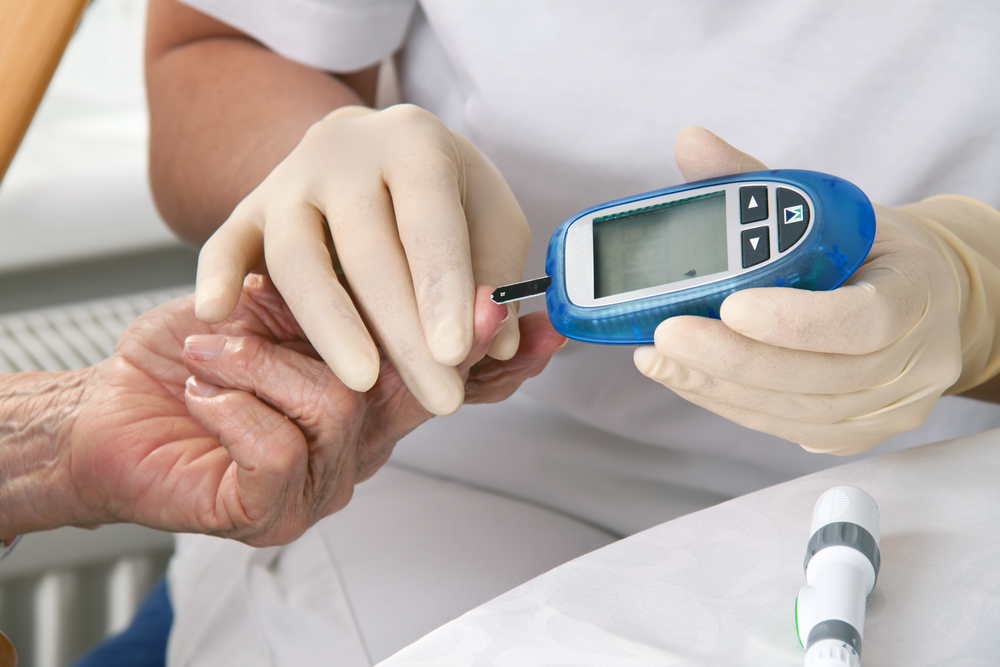
“Easing Dental Fear in Adults”. WebMD Medical Contributers. ( 2021). WebMD. Access here
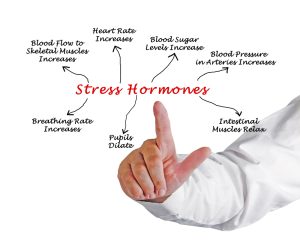
“How To Deal With Dental Anxiety”. HealthEssentials. (2023). Cleveland Clinic. Access here

“What to know about dental anxiety”. Fletcher, J. (2022). Medical News Today. Access here