Holistic and Functional Psychiatry in Depression and Mental Issues

Psychiatry is seen primarily as a tool to aid with mental maladies.  It looks to the brain and its functioning to resolve issues mental problems.  It looks to utilize therapies and medications that help balance the brain or correct issues that are brain related to the pathology itself.  Holistic or Functional Psychiatry looks not just at the mind but looks at a variety of other social, physical, and diet related issues that may also overlap and play issues in mental pathology

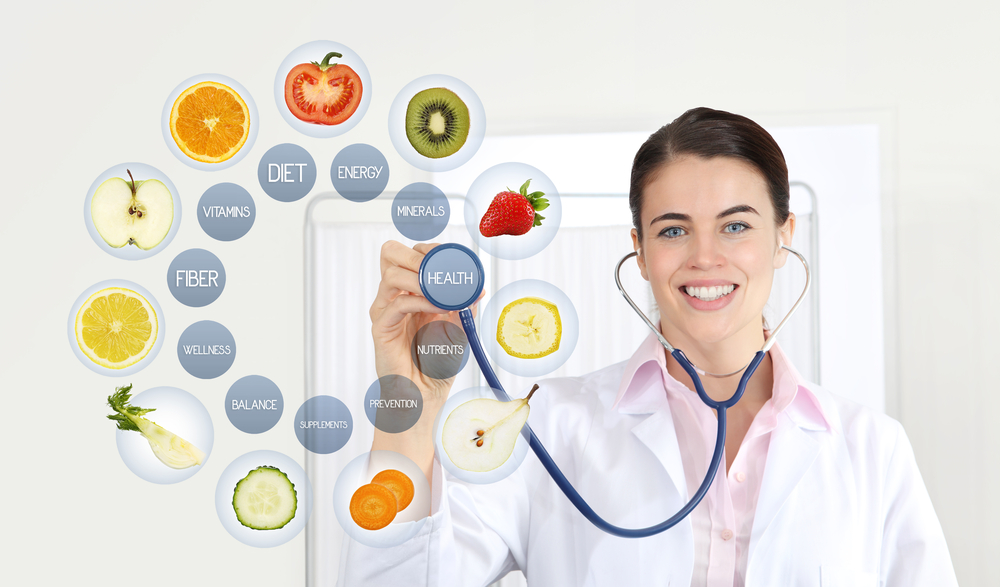
Functional Psychiatry and Holistic Care looks to treat depression or anxiety from a more comprehensive approach of the totality of the human person


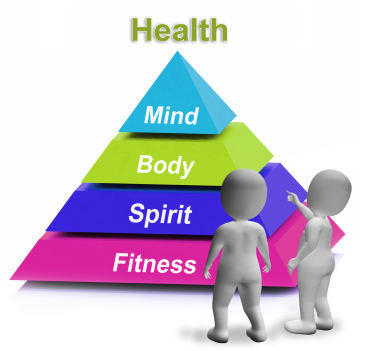
Holistic and Integrative Healthcare Professionals look at a broader spectrum of the human person and how it relates to specific issues.  In addition to mental therapies or only medication, Functional or Holistic Psychiatrists will employ meditation, changed diets, different social interactions and even adjustment to sleeping issues that may also reflect upon the primary problem. This more broad range approach encompasses the idea of holistic medicine as being something that just does not analyzes one aspect of human health but  numerous aspects that target just not one specific area but multiple fronts. In this way, it can be less intrusive with side effects and also not merely mask the symptoms but find a long term cure that prevents future issues.

The article, “What Is Holistic Psychiatry?” by Susan Trachman emphasizes many of these points regarding Holistic Psychiatry and its many uses in helping individuals with mental maladies.  She endorses a more broad range approach that includes meditation, diet, exercise and better sleep patterns.  She believes that this more broad approach can produce better results for mental issues such as depression.   She states,

“Functional or holistic psychiatry is an emerging approach to mental healthcare that emphasizes the underlying biological, psychological, and social factors contributing to mental health issues. It considers the unique genetic, environmental, and lifestyle factors influencing each individual’s mental health. Functional psychiatry is an approach to mental illness that considers the whole individual when treating psychiatric conditions like depression or anxiety.”

“What Is Holistic Psychiatry?”. Susan Trachman. April 22nd, 2023. Psychology Today.

To read the entire article, please click here

Commentary

Depression for many is an issue that has no direct correlation with loss itself.  While depression can grow from pro-longed grief and unresolved grief issues directly related to loss, many suffer from depression based solely on genetics or issues within the brain and its production of various chemicals.  Imbalances can cause a sense of lost and lack of meaning in life.  It can lead to all the symptoms associated with loss but without the specific reason.   Hence a person suffering from depression usually requires counseling and medication to rectify the imbalance.  For many this is a life long journey with reoccurring bouts of depression.

Holistic and Integrative Health looks to find the source of anxiety and depression not just treat the symptoms


The same holds true for anxiety.  Unlike stress which has a direct correlation with a stressor, anxiety is an extreme nervousness and uneasiness when nothing is wrong in one’s life.  One can feel extremely paranoid, nervous, and uneasy to the point one is crippled from even leaving one’s own bed.   This mental ailment also requires professional guidance and the imbalance created in the mind is usually treated with a variety of medications, including Xanax.

Many individuals unfortunately cope improperly when dealing with depression or anxiety.  They can turn to drugs and alcohol or turn to other unhealthy life choices when looking to escape the depression or anxiety.  This is why if dealing with anxiety and depression it is important to face it with the aid of a licensed counselor, or a healthcare professional with the appropriate training and legal abilities to help one learn better coping strategies and also provide, if necessary, the required medication.

Holistic and Integrative Mental Care

When dealing with these intense issues, one should finding a professional who is also well versed in holistic and integrative health care.  Some licensed mental care providers are also trained and certified in Holistic and Integrative healthcare.  Functional Psychiatry is an excellent source to help individuals receive the care they need when facing depression, anxiety or other health maladies.  As stated above, these healthcare providers can supply an individual with a more broad based plan that goes beyond just analyzing one’s mental state and brain but also look at other social and behavioral aspects in one’s life.  While medication is still pivotal, Holistic and Integrative Healthcare Professionals can also guide individuals with proper exercise, sleeping patterns, meditation and even diet.  Sometimes, issues within the mind are interconnected with one’s own social and behavioral patterns and diet, meditation, lack of sleep and exercise can be big issues in finding peace and calm from depression, anxiety and other mental maladies.

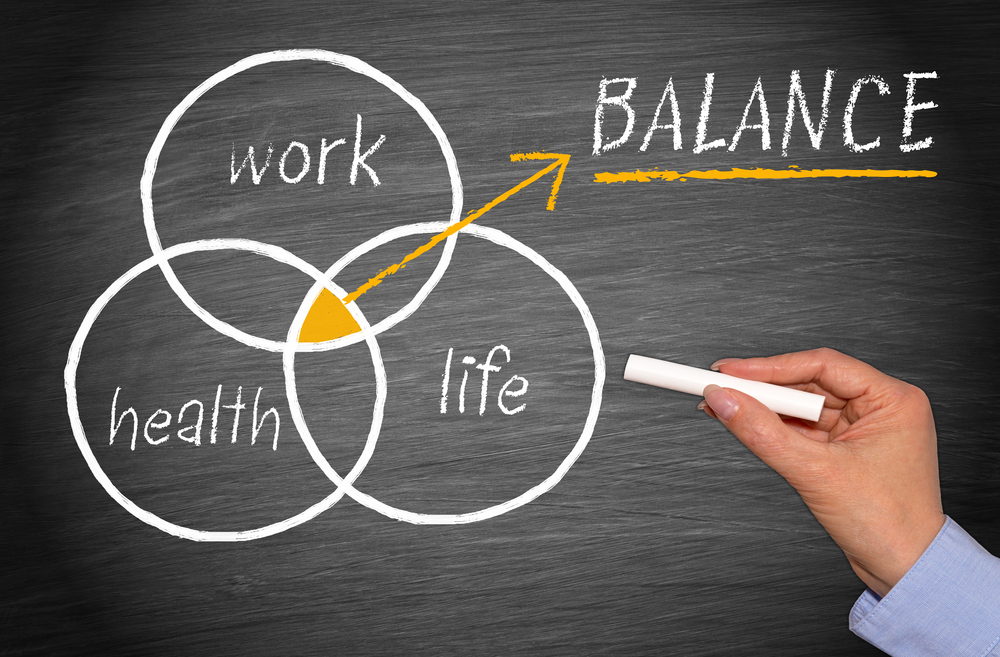
Many healthcare providers share in a mindset of total balance of health. Please also review AIHCP’s Holistic Nursing Program


Those who utilize this type of broader review of mental malady have an interest in a more whole view of health instead of merely analyzing one’s mind and the symptoms.  Instead, providers of this nature look to treat the entirety of the person and look to find any interconnections within the totality of the person.  Instead of masking symptoms with medication, one looks to find the source of the issue and attempt to fix it with better life style and healthier diet.

Numerous healthcare professionals approve of a holistic approach, one just merely has to research and find those who adhere to those principles.  Registered Nurses, Nurse Practitioners with Psychiatric training, Physicians, Social Workers and Licensed Counselors, as well as Psychologists and Psychiatrists can all play key roles in applying holistic principles.   Many of these healthcare professionals also have additional training in Functional Psychiatry or Holistic and Integrative Health and can apply it to treatment.

Conclusion

Treating the entirety of the human person is a core principle in holistic health.  It looks not just at the symptoms but looks to discover the source through a multifaceted investigation of the totality of the human person.  Functional Psychiatry looks at the entirety of the human person beyond merely the mental aspect, but also ones physical, emotional and behavioral self.  In this way it looks at exercise, meditation, sleep and diet as additional areas of concern when dealing with depression, anxiety or other mental ailments.

AIHCP offers for professionals who are seeking an additional certification in holistic health, a Holistic Nursing or Holistic and Integrative Healthcare Certification.  The program is online and independent study and open to qualified professionals seeking a four year certification in Holistic Nursing.  Please review the program and see if it meets your academic and professional goals.

Additional Resources

“Holistic Therapy: Treating Body, Mind, and Spirit for Whole Person Healing”. Ann Mayer.  February 9th, 2022. Healthline. Access here

“Is Holistic Therapy Right for You?”. Kendra Cherry. April 13th, 2023. VeryWellMind.  Access here

“A Holistic Approach to Treating Depression”. Ellen Greenlaw. July 6th, 2010. Access here

“Holistic Approach to Anxiety and Depression Treatment”. Dr. Joseph N. Ranieris D.O. November 5th, 2020. Discovery Institute.  Access here

Finding the Right Integrative and Holistic Healthcare Professional for You

Integrative health is becoming more and more popular with various holistic therapies and herbs available for individuals to utilize.  It is very important though for individuals who wish to use holistic and integrative practices, therapies and medicines to consult a healthcare professional to ensure things interact properly and safely.  Dosing, interactions with other medications and safety for particular individuals are key in determining if something is right for a particular individual.  This is is why it is important to find the right Holistic and Integrative Healthcare Specialist to help guide oneself and even work in unison with one’s primary healthcare provider.

Learn more about becoming a certified Holistic and Integrative Healthcare Specialist with AIHCP’s online certification program for qualified professionals


The article, “5 Things to Know When Selecting an Integrative Healthcare Provider” by Lauren Bedosky looks at important aspects one should review in finding the guidance of a Holistic and Integrative Healthcare Specialist.  She states,

“Complementary and integrative medicine practitioners often provide services and therapies in conventional healthcare settings such as hospitals and clinics. Practitioners can also be found in private practice and at wellness centers. Unfortunately, finding a qualified complementary and integrative medicine practitioner to provide safe and effective care isn’t always easy. But it’s essential to choose carefully, as some complementary therapies may have adverse effects if performed incorrectly.”

“5 Things to Know When Selecting an Integrative Healthcare Provider”.  Lauren Bedosky.  April 17th, 2023. EveryDayHealth.

To review the entire article, please click here

Commentary

Due to the numerous possible complications and wrong directions one can take with integrative care, it is hence a prerequisite for good health to have proper guidance from a holistic and integrative healthcare specialist.


Introduction to Holistic and Integrative Health Practitioners

Healthcare professionals trained in Holistic and Integrative practices can help guide individuals in a safe and informative way with alternative care


Integrative health practitioners are professionals who use a holistic approach to wellness. They look at the whole person, not just their symptoms, and aim to address the root cause of health issues. Integrative health practitioners combine conventional medicine with alternative and complementary therapies to help their patients achieve optimal wellness. They focus on prevention and education, empowering patients to take control of their health.

What is Holistic and  Integrative Health and How Does it Differ from Conventional Medicine?

Integrative health is a patient-centered, holistic approach to wellness that combines conventional medicine with alternative and complementary therapies. Integrative health practitioners look at the whole person, not just their symptoms, and aim to address the root cause of health issues. They focus on prevention and education, empowering patients to take control of their health.

Conventional medicine, on the other hand, typically focuses on treating symptoms rather than addressing the root cause of health issues. It tends to rely heavily on pharmaceuticals and other medical interventions. While conventional medicine can be effective in treating acute conditions, it often falls short when it comes to chronic conditions and overall wellness.

Benefits of Working with an Holistic and Integrative Health Practitioner

Working with an integrative health practitioner can have many benefits. Here are just a few:

Holistic Approach

Integrative health practitioners take a holistic approach to wellness. They look at the whole person, including their physical, emotional, and spiritual health, and aim to address the root cause of health issues. This can lead to a more comprehensive and effective treatment plan.

Personalized Care

Integrative health practitioners provide personalized care. They take the time to get to know their patients, their health history, and their goals for wellness. This allows them to tailor their treatment plan to each individual.

Emphasis on Prevention

Integrative health practitioners focus on prevention and education. They work with their patients to identify risk factors and develop strategies to prevent illness and maintain optimal wellness.

Reduced Reliance on Pharmaceuticals

Integrative health practitioners aim to reduce their patients’ reliance on pharmaceuticals. They use a variety of alternative and complementary therapies, such as acupuncture, massage, and herbal medicine, to help their patients achieve optimal wellness.

Improved Quality of Life

Working with an integrative health practitioner can improve your quality of life. By addressing the root cause of health issues and developing a comprehensive treatment plan, they can help you feel better and live a healthier, more fulfilling life.

How to Choose the Right Holistic and  Integrative Health Practitioner

Choosing the right integrative health practitioner is an important decision. Here are some tips to help you find the right practitioner for you:

Credentials and Experience

Look for a practitioner who is licensed, certified, or registered in their field. They should also have experience working with patients with your specific health concerns.

Philosophy and Approach

Find a practitioner whose philosophy and approach align with your own. Do they take a holistic approach to wellness? Do they focus on prevention and education? Do they use a variety of alternative and complementary therapies?

Communication and Rapport

It’s important to find a practitioner with whom you feel comfortable communicating. Look for someone who listens to your concerns, answers your questions, and explains things in a way that you can understand.

Referrals and Reviews

Ask for referrals from friends, family, or other healthcare professionals. You can also look for reviews online to get an idea of what other patients have experienced.

Holistic and Integrative Health Practitioner Techniques and Treatments

There are numerous safe and effective therapies and medications one can utilize for numerous chronic conditions. Holistic and Integrative Healthcare Specialists can help find what is best for you


Integrative health practitioners use a variety of techniques and treatments to help their patients achieve optimal wellness. Here are some examples:

Acupuncture

Acupuncture is a traditional Chinese medicine technique that involves inserting thin needles into specific points on the body. It is used to treat a variety of conditions, including pain, anxiety, and digestive issues.

Massage

Massage therapy involves manipulating the muscles and soft tissues of the body to promote relaxation and alleviate pain. It is often used to treat stress, tension, and musculoskeletal conditions.

Herbal Medicine

Herbal medicine involves using plant-based remedies to treat a variety of conditions. It can be used to alleviate symptoms, boost the immune system, and promote overall wellness.

Mind-Body Therapies

Mind-body therapies, such as meditation and yoga, aim to promote relaxation, reduce stress, and improve overall wellness. They can also be used to treat a variety of conditions, such as anxiety and depression.

Examples of Conditions Treated by Integrative Health Practitioners

Integrative health practitioners can treat a wide range of conditions, including:

Chronic Pain

Integrative health practitioners can help manage chronic pain through acupuncture, massage, and other therapies.

Anxiety and Depression

Integrative health practitioners can help alleviate symptoms of anxiety and depression through mind-body therapies, such as meditation and yoga, as well as herbal medicine and other treatments.

Digestive Issues

Integrative health practitioners can help treat digestive issues, such as irritable bowel syndrome (IBS) and acid reflux, through dietary changes, herbal medicine, and other therapies.

Autoimmune Disorders

Integrative health practitioners can help manage autoimmune disorders, such as rheumatoid arthritis and lupus, through dietary changes, supplements, and other therapies.

Holistic and Integrative Health Practitioner vs Other Healthcare Professionals

Integrative health practitioners differ from other healthcare professionals, such as medical doctors and naturopathic doctors, in their approach to wellness. While medical doctors tend to focus on treating symptoms and rely heavily on pharmaceuticals, integrative health practitioners take a holistic approach and use a variety of alternative and complementary therapies. Naturopathic doctors also take a holistic approach, but they focus more on natural remedies and may not use conventional medicine.

Integrative Health Practitioner Success Stories

Integrative health practitioners have helped many patients achieve optimal wellness. Here are a few success stories:

Chronic Pain

A patient with chronic back pain had tried many conventional treatments without success. After working with an integrative health practitioner, who used a combination of acupuncture, massage, and herbal medicine, the patient experienced significant pain relief and improved mobility.

Anxiety and Depression

A patient with anxiety and depression had been taking medication for many years with limited success. After working with an integrative health practitioner, who used mind-body therapies and herbal medicine, the patient was able to reduce their medication and experienced significant improvement in their symptoms.

Digestive Issues

A patient with IBS had tried many conventional treatments without success. After working with an integrative health practitioner, who used dietary changes and herbal medicine, the patient experienced significant improvement in their symptoms and was able to reduce their reliance on medication.

Holistic and Integrative Health Practitioner Resources

There are many resources available to help you find an integrative health practitioner, including:

Professional Associations

Please review AIHCP’s certification program in Holistic and Integrative Healthcare and see if it meets your academic and professional goals


Professional associations, such as the American Association of Integrative Medicine and the Integrative Health Policy Consortium, can provide information on integrative health practitioners in your area.

Also look for individuals who may be certified with AIHCP and its Holistic and Integrative Healthcare Specialist Program.

Referral Services

Referral services, such as the National Certification Commission for Acupuncture and Oriental Medicine and the American Massage Therapy Association, can help you find integrative health practitioners who are licensed, certified, or registered in their field.

Online Directories

Online directories, such as HealthProfs and Zocdoc, allow you to search for integrative health practitioners by location, specialty, and insurance coverage.

Conclusion

Working with an integrative health practitioner can have many benefits, including a holistic approach to wellness, personalized care, emphasis on prevention, reduced reliance on pharmaceuticals, and improved quality of life. When choosing an integrative health practitioner, look for someone with credentials and experience, whose philosophy and approach align with your own, with whom you feel comfortable communicating, and who has positive reviews and referrals. Integrative health practitioners use a variety of techniques and treatments to help their patients achieve optimal wellness, and they can treat a wide range of conditions, from chronic pain to autoimmune disorders. Resources are available to help you find the right integrative health practitioner for you.

AIHCP offers a four year certification for qualified professionals seeking a certification in Holistic and Integrative Healthcare.   The program is online and independent study and open to qualified professionals.  Please review and see if it matches your academic and professional goals and needs.


Holistic Approaches with Exercise for Depression

If one is dealing with grief or loss it can be a difficult time to balance oneself emotionally.  Adapting to loss can take a long time.  Unfortunately, complications in the grieving process can occur which can lead to depression.  Clinical Counselors can help individuals deal with depression however sometimes medication are required to help balance the brain during depression.  Many prefer healthy coping strategies or herbal remedies.

Exercise can help against depression but it can be difficult to start when depression itself causes fatigue. However studies show exercise has an extremely positive effect against depression for those who are able to utilize it


One successful strategy is exercise. Exercise has an ability to release endorphins that elevate one’s mood and grant a higher sense of self and accomplishment.  Of course the biggest problem is motivation to work out or exercise while depressed but for those who are able to find the ability to exercise, will find rewards during depression.  Exercise has been shown to be more effective for individuals dealing with depression.  The article, “Move Your Mind: Exercise Outperforms Medication for Depression and Anxiety” by Ben Singh, Carol Maher,  and Jacinta Brinsley from University of South Australia reviews the benefits of exercise to cope with depression over various medications.  The article states,

“Exercise is believed to impact mental health through multiple pathways, and with short and long-term effects. Immediately after exercise, endorphins and dopamine are released in the brain. In the short term, this helps boost mood and buffer stress. Long term, the release of neurotransmitters in response to exercise promotes changes in the brain that help with mood and cognition, decrease inflammation, and boost immune function, which all influence our brain function and mental health.”

“Move Your Mind: Exercise Outperforms Medication for Depression and Anxiety”. Ben Singh, Carol Maher,  and Jacinta Brinsley. April 11th, 2023. SciTechDaily.

To review the entire article, please click here

Commentary

Holistic and Integrative Health Care Specialists look for alternative and other ways to help individuals face mental and physical issues from a more natural standpoint.  Grief Counselors also look to help individuals cope with grief through support and advice. The simplicity of exercise alone can play a key role in a grief counseling plan as a well as a holistic perspective in dealing with loss and if worst depression.

A Closer Look at Grief and Exercise in Holistic and Integrative Practices


Depression is a complex mental health condition that affects millions of people worldwide. It can be caused by a variety of factors, including genetics, trauma, and environmental stressors. Symptoms of depression can include persistent feelings of sadness, loss of interest in activities, changes in appetite and sleep patterns, and difficulty concentrating.

While depression is often treated with medication and therapy, these methods may not be enough for some individuals. That’s where a holistic approach comes in. Rather than simply addressing the symptoms of depression, a holistic approach takes into account the whole person and aims to treat the root cause of the problem.

The Limitations of Traditional Treatment

Traditional treatment methods for depression can be effective, but they often only address one aspect of the problem. Medication, for example, can help alleviate symptoms of depression, but it doesn’t address the underlying causes of the condition. Similarly, therapy can be helpful in providing coping mechanisms and support, but it may not be enough to fully address the problem.

That’s why a holistic approach that considers the whole person is so important. By addressing all aspects of the problem – physical, mental, and emotional – a holistic approach can be more effective in treating depression.

What is a Holistic Approach to Depression?

A holistic approach to depression is one that takes into account the whole person – mind, body, and spirit. Rather than simply treating the symptoms of depression, a holistic approach aims to treat the root cause of the problem. This can include addressing physical health issues, such as poor nutrition or lack of exercise, as well as emotional and spiritual issues.

A holistic approach to depression may include a variety of different treatments, such as therapy, medication, and alternative therapies like acupuncture or massage. The goal is to create a comprehensive treatment plan that addresses all aspects of the problem.

The Importance of Exercise for Mental Health

Exercise has a large impact on mental health. Please also review AIHCP’s Holistic and Integrative Healthcare Specialist Certification


Exercise is a powerful tool in the fight against depression. Research has shown that regular exercise can be just as effective as medication in treating mild to moderate depression. Exercise releases endorphins, which are natural mood-boosters, and can help reduce stress and anxiety.

In addition, exercise can have a positive impact on self-esteem and confidence, both of which can be negatively affected by depression. By incorporating exercise into a depression treatment plan, individuals can improve their overall mental health and well-being.

How Exercise Affects the Brain and Body

Exercise has a powerful impact on both the brain and body. Physically, exercise can help improve cardiovascular health, increase muscle strength and flexibility, and improve overall physical fitness. Mentally, exercise can help reduce stress and anxiety, improve mood, and increase cognitive function.

Research has also shown that exercise can help promote the growth of new brain cells, which can help improve cognitive function and reduce the risk of cognitive decline. By incorporating regular exercise into a depression treatment plan, individuals can improve both their physical and mental health.

The Benefits of Incorporating Exercise into Your Depression Treatment Plan

Incorporating exercise into a depression treatment plan can have a number of benefits. First and foremost, exercise can help improve mood and reduce symptoms of depression. In addition, exercise can help improve overall physical health and well-being, which can have a positive impact on mental health.

Regular exercise can also help individuals develop a sense of routine and structure, which can be helpful in managing depression. Exercise can provide a sense of accomplishment and can help improve self-esteem and confidence.

Types of Exercises Recommended for Depression

There are a variety of different types of exercise that can be effective in treating depression. Aerobic exercise, such as running or cycling, can be particularly effective in reducing symptoms of depression. Yoga and other mind-body practices can also be helpful in reducing stress and anxiety.

Strength training, such as weightlifting, can help improve overall physical fitness and can have a positive impact on mental health as well. Finding an exercise routine that you enjoy and can stick to is key in incorporating exercise into a depression treatment plan.

Incorporating Other Holistic Practices into Your Routine

In addition to exercise, there are a variety of other holistic practices that can be helpful in treating depression. These can include therapy, meditation, acupuncture, massage, and more. By incorporating a variety of different practices into a depression treatment plan, individuals can address all aspects of the problem and improve overall health and well-being.

Additional Resources for Holistic Depression Treatment

If you’re interested in a more holistic approach to depression treatment, there are a variety of resources available. Talk to your doctor or mental health professional about incorporating exercise and other holistic practices into your treatment plan. You can also look for local support groups or classes that focus on holistic health and wellness.

Conclusion: Taking a Holistic, Whole-Person Approach to Depression

Please also review AIHCP’s Grief Counseling Certification Program, as well as its Holistic and Integrative Healthcare Specialist Certification


Depression is a complex condition that requires a comprehensive treatment plan. While traditional treatment methods can be effective, they often only address one aspect of the problem. By incorporating exercise and other holistic practices into a depression treatment plan, individuals can address all aspects of the problem and improve overall health and well-being.

It’s important to remember that there is no one-size-fits-all approach to depression treatment. What works for one person may not work for another. That’s why it’s important to work with your doctor or mental health professional to develop a personalized treatment plan that addresses your unique needs and circumstances.

If you’re struggling with depression, know that there is hope. By taking a holistic, whole-person approach to treatment, you can improve your mental, physical, and emotional health and live a happier, healthier life.

Please also review AIHCP’s Holistic and Integrative Healthcare Specialist Program as well as AIHCP’s Grief Counseling Certification.  The program is online and independent study and open to qualified professionals.  Please review and see if the programs meet your academic and professional goals.


Acupuncture as a Holistic and Integrative Therapy

Holistic and Integrative Practices in Healthcare have always existed side by side with Western medicine but not till the 20th Century did these other methods start to make an impact and entry into Western society.  Many of these methods when utilized under the care of a healthcare professional can be very beneficial and can sometimes work in unison with Western medication.  Various therapies that were once not mainstream such as chiro, massage therapy, hypnosis and acupuncture have no taken important roles in health and wellness within Western society.

Acupuncture is a type of holistic and integrative healthcare therapy that is an alternative to many pain pills


Acupuncture is one such therapy that can help one with a list of maladies and issues from physical pain to mental stress.  Utilizing a concept on various points of the body, the healthcare professional looks to alleviate pressure at certain points to manipulate negative energy.  Of course, the concept is tied to deep spiritual concepts found in Eastern religions, but the concepts also from a physiological standpoint also bear merit in how the body reacts to acupuncture.

The article, “Acupuncture Explained: What is It & How Can It Help You” by  Sophie Steiner and Dr. Evan Pinto looks closer at acupuncture.  Within the article, they detail what acupuncture it is, its history and what is used to treat.  While it may not be for everyone, the authors of the article are confident in its abilities to treat a broad range of maladies with many benefits.  The authors state,

“Acupuncture, a form of alternative medicine and core component of TCM, is a welcome antidote to the prescription meds and quick-fix interventions typical of Western biomedical culture. By strategically inserting hair-thin, stainless steel needles into specific pressure points, acupuncture helps relieve the symptoms of a wide variety of conditions by shifting the body from attack mode to a more balanced, restful state. Acupuncture helps balance out one’s Qi, or energy center, leading to a calmer, healthier person.”

“Acupuncture Explained: What is It & How Can It Help You”.  Sophie Steiner and Dr. Evan Pinto.  March 17th, 2023. Thats

To review the entire article, please click here

Commentary

Acupuncture is an alternative therapy utilized by a variety of Holistic and Integrative Healthcare Specialists to treat a variety of pain and stress disorders


Acupuncture is a form of alternative medicine that involves the insertion of thin needles into specific points on the body. These needles are typically made of stainless steel and are about as thick as a human hair. Acupuncture is based on the belief that the body has energy pathways, or meridians, that can become blocked or disrupted, leading to illness or pain. By inserting needles into these specific points, acupuncturists aim to unblock the energy flow and restore balance to the body.

The History of Acupuncture

Acupuncture has been practiced in China for thousands of years and is believed to have originated in the Neolithic era. The earliest written records of acupuncture date back to the Han dynasty (206 BCE-220 CE), and the practice has been continuously used and refined ever since. In the 1970s, acupuncture gained popularity in the West, as practitioners sought out new approaches to healthcare that were less reliant on drugs and surgery.

How Acupuncture Works

The exact mechanism by which acupuncture works is not fully understood, but there are several theories. One theory is that acupuncture stimulates the release of endorphins, the body’s natural painkillers. Another theory is that acupuncture triggers the release of neurotransmitters, which can help to regulate the body’s nervous system. There is also evidence to suggest that acupuncture can help to reduce inflammation and improve blood flow to certain areas of the body.

The Benefits of Acupuncture

Acupuncture has been shown to be effective in treating a wide range of health conditions, including chronic pain, anxiety, depression, and infertility. One of the main benefits of acupuncture is that it is a natural and non-invasive form of treatment, which can be used to complement or replace traditional medical approaches. Unlike drugs or surgery, acupuncture has few side effects and is generally very safe when performed by a qualified practitioner.

Acupuncture and Holistic Medicine

Acupuncture points correlate with spiritual energy points that allow the movement of negative energy and promote healing


Acupuncture is an integral part of holistic medicine, which focuses on treating the whole person rather than just the symptoms of a specific condition. Holistic practitioners believe that the mind, body, and spirit are interconnected, and that any imbalance in one area can lead to health problems in another. Acupuncture can be used as part of a comprehensive treatment plan that includes other holistic approaches, such as nutrition, exercise, and meditation.

Acupuncture and Integrative Medicine

Integrative medicine is a broader approach that combines traditional medical treatments with complementary therapies, such as acupuncture. Integrative medicine practitioners believe that a patient’s overall health can be improved by addressing all aspects of their health, including their physical, emotional, and spiritual wellbeing. Acupuncture is often used as part of an integrative approach to treat a variety of conditions, from chronic pain to cancer-related symptoms.

Acupuncture and Pain Management

Acupuncture is perhaps best known for its ability to relieve pain. Studies have shown that acupuncture can be an effective treatment for a variety of pain conditions, including back pain, neck pain, and headaches. Acupuncture works by stimulating the body’s natural painkillers, such as endorphins, and by reducing inflammation in the affected area. For patients seeking a natural alternative to drugs or surgery, acupuncture can be an effective and safe option.

Acupuncture and Mental Health

Acupuncture can also be an effective treatment for mental health conditions, such as anxiety and depression. Studies have shown that acupuncture can help to regulate the body’s nervous system, which can lead to a reduction in symptoms of anxiety and depression. Acupuncture can also be used to treat insomnia, which is often a symptom of mental health problems. For patients seeking a natural and non-invasive approach to mental health treatment, acupuncture can be a valuable option.

Acupuncture and Fertility

Acupuncture is becoming an increasingly popular treatment for infertility. Studies have shown that acupuncture can help to regulate the menstrual cycle and improve blood flow to the uterus, which can increase the chances of conception. Acupuncture can also be used to reduce stress and anxiety, which can be a barrier to conception. For couples struggling with infertility, acupuncture can be a safe and effective complement to traditional fertility treatments.

What to Expect During an Acupuncture Treatment

During an acupuncture treatment, the practitioner will insert thin needles into specific points on the body. The needles are typically left in place for 20-30 minutes, during which time the patient may feel a slight tingling or numbness. The practitioner may also use other techniques, such as cupping or moxibustion, to enhance the effects of the treatment. Patients should wear loose, comfortable clothing and should avoid eating a large meal before the treatment.

Finding an Acupuncture Practitioner

When seeking out an acupuncture practitioner, it is important to choose someone who is qualified and experienced. In many states, acupuncturists are required to be licensed, so be sure to check their credentials before making an appointment. It is also a good idea to ask for referrals from friends or family members who have had acupuncture treatments. Many health insurance plans now cover acupuncture, so be sure to check with your insurer to see if your treatment will be covered.  Many Holistic and Integrative Specialists can also help one find someone trained and qualified to perform acupuncture.

Frequently Asked Questions About Acupuncture

  • Is acupuncture painful?
  • Is acupuncture safe?
  • How many acupuncture treatments will I need?
  • What conditions can acupuncture treat?
  • How long do the effects of acupuncture last?

Conclusion

Please also review AIHCP’s Holistic and Integrative Healthcare Specialist Program and see if it meets your academic and professional goals


Acupuncture is a safe and effective form of alternative medicine that can be used to treat a variety of health conditions. Whether you are seeking relief from chronic pain, mental health issues, or infertility, acupuncture can be a valuable part of a holistic or integrative treatment plan. By working with a qualified practitioner, you can experience the many benefits of acupuncture and take control of your health naturally.  Contact your healthcare professional or a holistic and integrative specialist to find a qualified practitioner in acupuncture.

AIHCP offers a Holistic and Integrative Healthcare Specialist Program for qualified healthcare professionals, especially in nursing, who look to utilize both Eastern and Western medicine in helping patients.  It is important to have a qualified and trained professional in guidance of many of the alternative therapies.  Holistic Nurses and other Holistic and Integrative professionals can safely guide individuals in utilizing these types of alternative therapies.  Please review AIHCP’s Holistic and Integrative Healthcare Specialist Certification and see if it matches your academic and professional goals.  The program is online and independent study and open to qualified professionals seeking a four year certification.

Additional Resources

“The Benefits and Side Effects of Acupuncture”. Cathy Wong.  June 29th, 2022. VeryWellHealth. Access here

Acupuncture. Mayo Clinic Staff.  Mayo Clinic.  Access here

Acupuncture. October 14th, 2020. Cleveland Clinic. Access here

“Is Acupuncture the Miracle Remedy for Everything?”. Danielle Sinay. September 18th, 2018.  Healthline.  Access here

Holistic Health and Vitamin Supplements

Supplements and vitamins are important to overall health.  With many diets lacking certain vitamins and minerals, individuals can face a variety of deficiencies within one’s body.  Hence it is critical to sometimes supplement vitamins for overall health.  It is important when taking vitamins to understand the dosage and frequency in taking them.  Some vitamins such as C can be quickly passed through the body without negative results, while other vitamins can be stored and lead to higher levels that are detrimental to the body.  This is why it is important to work with a healthcare professional whenever looking to address a deficiency within the body.  Holistic and Integrative Healthcare Professionals can also present guidance and information.

Vitamin supplements can treat a deficiency within the body but should be started under the guidance of a healthcare professional or holistic and integrative healthcare specialist

Commentary

One of the main benefits of taking vitamins and supplements is that they can help to fill the nutritional gaps in our diets. Many of us do not get all the nutrients we need from the foods we eat, and taking vitamins and supplements can help to provide us with the essential vitamins and minerals we need to stay healthy.

Vitamins and supplements can also help to support our immune system, improve our energy levels, and support our overall health and wellbeing. For example, taking vitamin C supplements can help to boost our immune system, while taking a probiotic supplement can help to improve our gut health.

Another benefit of taking vitamins and supplements is that they can help to reduce the risk of certain health conditions. For example, taking calcium supplements can help to reduce the risk of osteoporosis, while taking folic acid supplements can help to reduce the risk of birth defects in pregnant women.

Common Types of Vitamins and Supplements

There are many different types of vitamins and supplements available, each with their own unique benefits. Some of the most common types of vitamins and supplements include:

  • Multivitamins: These are supplements that contain a combination of different vitamins and minerals.
  • Vitamin D: This is a vitamin that is essential for strong bones and teeth.
  • Omega-3 fatty acids: These are supplements that are commonly taken for heart health.
  • Probiotics: These are supplements that contain live bacteria and yeasts that are beneficial for our gut health.
  • Calcium: This is a mineral that is essential for strong bones and teeth.

Understanding Vitamin Labels

When choosing vitamins and supplements, it is important to understand how to read the labels. The label will provide information on the ingredients, dosage, and any potential side effects.

The label will also provide information on the recommended daily intake (RDI) of each nutrient. This can help you to determine whether the supplement is providing you with the right amount of each nutrient.

It is important to note that the RDI is just a guide, and the amount of each nutrient that you need may vary depending on your age, gender, and overall health.  Holistic and Integrative healthcare specialists and holistic nurses can provide key insight.  If one is not available, a primary physician can also guide one in understanding the label and dose.

How to Choose the Right Vitamins and Supplements for You

Choosing the right vitamins and supplements can be overwhelming, especially with so many different options available. The best way to choose the right vitamins and supplements for you is to speak to your healthcare provider.

A Healthcare professional can guide one to better diets and vitamin supplementation


Your healthcare provider or Holistic Nurse can help you to determine which vitamins and supplements you need based on your age, gender, and overall health. They can also help you to choose high-quality supplements that are safe and effective.

When choosing vitamins and supplements, it is also important to look for products that are third-party tested. This means that the product has been tested by an independent laboratory to ensure that it contains the ingredients listed on the label and that it is free from contaminants.

Best Practices for Taking Vitamins and Supplements

When taking vitamins and supplements, there are several best practices that you should follow to ensure that you are getting the most benefit from them.

One of the most important things to remember is to follow the dosage instructions on the label. Taking too much of a vitamin or supplement can be harmful and can cause side effects.

It is also important to take your vitamins and supplements with food, as this can help to improve absorption. Some vitamins and supplements are better absorbed when taken with fat, so taking them with a meal that contains healthy fats, such as avocado or nuts, can help to improve absorption.

Potential Risks and Side Effects of Vitamins and Supplements

While vitamins and supplements can provide many benefits, they can also come with risks and side effects. Taking too much of a vitamin or supplement can be harmful and can cause side effects such as nausea, diarrhea, and stomach cramps.

Some vitamins and supplements can also interact with certain medications, so it is important to speak to your healthcare provider before taking them.

It is also important to be aware of the potential risks associated with certain vitamins and supplements. For example, taking high doses of vitamin A supplements can be toxic and can cause liver damage.

Myths About Vitamins and Supplements

There are many myths and misconceptions about vitamins and supplements, and it is important to separate fact from fiction. One common myth is that taking high doses of vitamin C can cure the common cold. While vitamin C can help to support our immune system, there is no evidence to suggest that it can cure the common cold.

Another myth is that all supplements are safe and effective. While many supplements are safe and effective, not all of them are. It is important to do your research and choose high-quality supplements that have been third-party tested.

Tips for Incorporating Vitamins and Supplements into Your Daily Routine

Incorporating vitamins and supplements into your daily routine can be easy and convenient. One way to do this is to set a reminder on your phone or calendar to take your vitamins and supplements at the same time every day.

You can also try incorporating vitamins and supplements into your meals. For example, you can add a scoop of protein powder to your morning smoothie or sprinkle some chia seeds on your yogurt.

Conclusion: Unlocking the Power of Vitamins and Supplements

Vitamins and supplements can be a great way to support our overall health and wellbeing. By understanding the benefits, risks, and how to choose the right vitamins and supplements for you, you can unlock the power of these essential nutrients and take control of your health.

Please also review AIHCP’s Holistic and Integrative Healthcare Specialist Program


If you have any questions or concerns about vitamins and supplements, be sure to speak to your healthcare provider. They can provide you with personalized recommendations and help you to choose high-quality supplements that are safe and effective.

CTA: Speak to your healthcare provider today to learn more about how vitamins and supplements can support your overall health and wellbeing. Holistic Nurses and other Holistic and Integrative Healthcare Specialists can provide guidance as well.

Please also review AIHCP’s Holistic and Integrative Healthcare Specialist Program and see if it matches your academic and professional goals.  The program is online and independent study and open to qualified healthcare professionals looking to earn a certification dealing with holistic health.

Additional Resources

“What are vitamins, and how do they work?”.  Yvette Brazier. December 16th, 2020. MedicalNewsToday.  Access here

“9 Vitamins and Minerals You Should Take Daily”.  HealthEssentials.  November 4th, 2021.  Cleveland Clinic.  Access here

“Why take vitamin and mineral supplements?”. Anne Harguth. August 23rd, 2022. Mayo Clinic Health System . Access here

Vitamin D. Mayo Clinic Staff.  Mayo Clinic.  Access here


Holistic Integrative care and Herbs

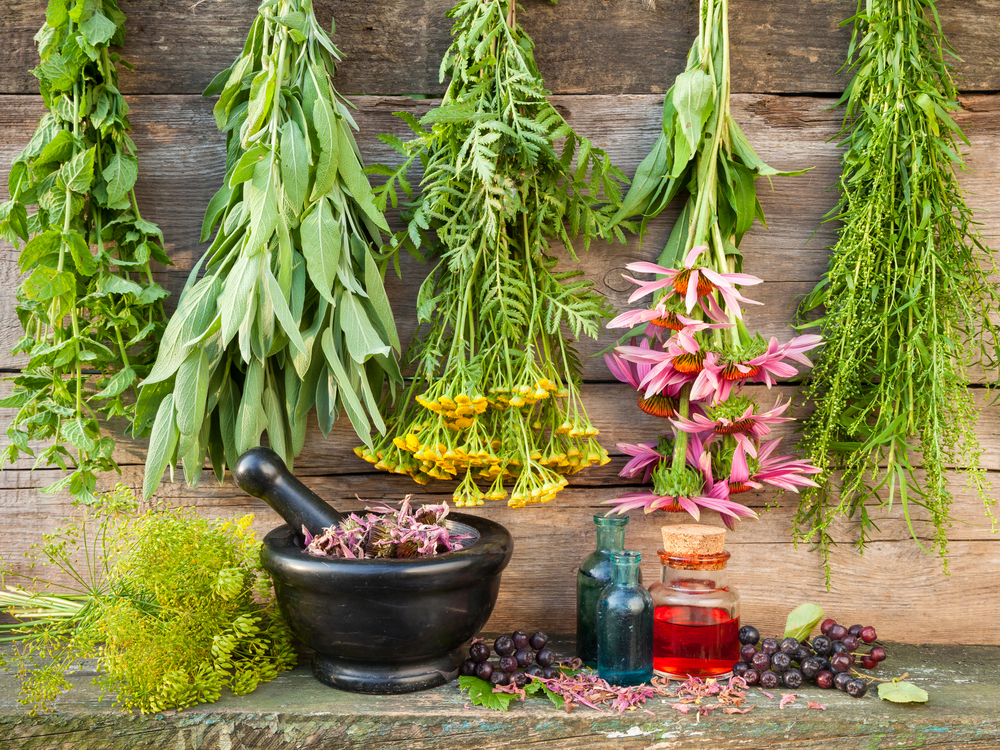
Various herbs play key roles in helping individuals with anxiety, depression, the flu, and other mild maladies with cholesterol and sugar levels.  These supplements can be utilized but should be utilized with caution as not to counter act any pharmaceutical drugs.  When exploring various herbs it is important to understand their use and how they are measured and applied.  They also need to used in harmony. Without proper guidance, Eastern herbs can be detrimental if not used properly.  This is why it is important to work with a primary physician or a holistic integrative healthcare specialist who can help guide one through the process of utilizing herbs

There are a variety of herbs for various maladies. Please also review AIHCP’s Holistic and Integrative Healthcare Certification


AIHCP offers a four year certification for qualified professionals in Holistic Integrative Healthcare.  The program is designed for Holistic Nurses and other specialists.  The program is online and independent study and can help professionals gain the knowledge to help others utilize holistic health and herbs.  Please review AICHPs’ Holistic and Integrative Healthcare Specialist certification


Please review the video below

Chinese Medicine and Holistic Health

Chinese medicine is a venue many turn to in search of herbs and managing long term health.  Chinese medicine practitioners usually own local shops and expertise in these areas.  They consider balance to be the key in life itself and utilize Chi and concepts of Yin and Yang in managing health.  When something in the body is imbalanced, they look for herbs or practices to restore that balance in the body.

It is imperative though that individuals who look to these resources inform primary caregivers and have proper guidance to know what can mix with current medications.  Holistic and Integrative Healthcare Specialists understand both Eastern and Western concepts and how they interact.  Holistic Nurses can play key roles in helping individuals identify the best resources and Chinese herbs to utilize as well as individuals to potentially purchase from and work with.

Chinese medicine is about balance. It looks at Chi or breath as well as balance of Yin and Yang.


Commentary

‍Chinese Herbal Medicine (CHM) is a traditional form of healing that has been used for centuries in Asia and has recently gained popularity in the West. It is based on the principles of Traditional Chinese Medicine (TCM) which is a holistic approach to health and wellness that emphasizes the balance between mind, body, and spirit. CHM involves the use of natural herbs and plants to treat a variety of ailments, from digestive issues to mental health. In this article, we’ll explore the history of CHM, its many benefits, the common herbs used in it, its relationship to Western medicine, how to get started with CHM, and its safety considerations.

What is Chinese Herbal Medicine?

Chinese Herbal Medicine is a branch of Traditional Chinese Medicine (TCM) that uses natural herbs and plants to treat a variety of ailments. It is a holistic approach to health that focuses on treating the whole person, rather than just a single symptom or condition. The herbs used in CHM are believed to be able to balance the qi, which is the energy that flows through the body and is responsible for its overall health. The herbs used in CHM are usually combined into formulas that are tailored to the individual’s needs.

CHM is one of the oldest forms of medicine, with a history that dates back thousands of years. It is still widely used in Asia and is gaining popularity in the West. CHM is often seen as a complementary form of medicine, meaning it can be used together with conventional Western medicine to treat a variety of ailments.

Traditional Chinese Medicine History

Traditional Chinese Medicine (TCM) has a long and storied history that dates back more than 2000 years. It is based on the ancient Chinese philosophy of Daoism, which emphasizes the balance between yin and yang and the importance of keeping the body’s qi (energy) in balance. The earliest forms of TCM used herbal medicines, acupuncture, and moxibustion (a form of heat therapy) to treat various ailments.

Over the centuries, TCM has been refined and developed and is now used to treat a wide range of ailments. It is still widely used in Asia and is gaining popularity in the West. In recent years, more and more Western doctors have begun to incorporate TCM into their practice, and it is now widely accepted as a valid form of medicine.

Benefits of Chinese Herbal Medicine

Chinese Herbal Medicine (CHM) has many benefits. It is a holistic approach to health that focuses on treating the whole person, rather than just a single symptom or condition. The herbs used in CHM are believed to be able to balance the qi, which is the energy that flows through the body and is responsible for its overall health.

The herbs used in CHM have a wide range of therapeutic effects, from soothing digestive problems to boosting the immune system. In addition, the herbs used in CHM can be tailored to the individual’s needs, meaning the treatment is personalized and effective.

CHM is also seen as a complementary form of medicine, meaning it can be used together with conventional Western medicine to treat a variety of ailments. This makes it a great option for those who are looking for an alternative form of treatment.

Common Chinese Herbal Medicines

Chinese Herbal Medicine (CHM) uses a variety of herbs and plants to treat a variety of ailments. Some of the most common herbs used in CHM include ginseng, ginger, astragalus, licorice, and dong quai.

Ginseng is believed to have a tonic effect on the body and is often used to boost energy and vitality. Ginger is used to treat digestive issues, while astragalus is thought to boost the immune system. Licorice is used to treat respiratory issues, such as asthma, and dong quai is used to treat menstrual cramps.

These are just a few of the herbs used in CHM, and many more can be used to treat a variety of ailments. The herbs used in CHM are often combined into formulas that are tailored to the individual’s needs.

Chinese Herbal Medicine and Western Medicine

Chinese Herbal Medicine (CHM) and Western medicine have different approaches to health and wellness. Western medicine is based on the scientific method and is focused on treating the symptoms of a disease or condition. CHM, on the other hand, is focused on treating the whole person and restoring balance and harmony to the body.

Despite their differences, CHM and Western medicine can be used together to treat a variety of ailments. In fact, many Western doctors now incorporate CHM into their practice, and it is widely accepted as a valid form of medicine.

How to Get Started with Chinese Herbal Medicine

If you’re interested in trying Chinese Herbal Medicine (CHM), the first step is to find a qualified practitioner. It’s important to find someone who is experienced and knowledgeable in CHM and can tailor the treatments to your individual needs.

Once you’ve found a practitioner, you’ll discuss your health concerns and the practitioner will create an individualized treatment plan for you. This may include dietary and lifestyle recommendations, as well as herbal formulas tailored to your needs.

Finding a Qualified Practitioner of Chinese Herbal Medicine

When looking for a qualified practitioner of Chinese Herbal Medicine (CHM), it’s important to find someone who is experienced and knowledgeable in CHM and can tailor the treatments to your individual needs.

A qualified healthcare professional should work with anyone considering supplementing Chinese medicine with traditional medicine


It’s a good idea to do your research and ask for recommendations from friends or family who have used CHM. You can also ask your doctor for a referral or check online for practitioners in your area who specialize in CHM.

Once you’ve found a qualified practitioner, it’s important to discuss your health concerns and ensure that your practitioner is familiar with the herbs and formulas they are recommending.

Chinese Herbal Medicine for Holistic Health

Chinese Herbal Medicine (CHM) is a great option for those looking for a holistic approach to health and wellness. It is based on the ancient principles of TCM and focuses on treating the whole person, rather than just a single symptom or condition. The herbs used in CHM are believed to be able to balance the qi, which is the energy that flows through the body and is responsible for its overall health.

CHM is also seen as a complementary form of medicine, meaning it can be used together with conventional Western medicine to treat a variety of ailments. This makes it a great option for those looking for an alternative form of treatment.

Chinese Herbal Medicine Safety Considerations

As with any form of medicine, there are safety considerations when it comes to Chinese Herbal Medicine (CHM). It’s important to make sure that the herbs and formulas used in CHM are safe and appropriate for your individual needs.

It’s also important to make sure that the herbs and formulas used in CHM are of good quality and have been tested for safety. It’s a good idea to ask your practitioner for a list of ingredients and to make sure that the herbs and formulas they are recommending are safe for you.

Finally, it’s important to make sure that the practitioner you are working with is qualified and experienced in CHM. As with any form of medicine, it’s important to find a qualified practitioner who can tailor the treatments to your individual needs.

Conclusion

Chinese Herbal Medicine (CHM) is an ancient form of healing that has been used for centuries in Asia and is gaining popularity in the West. It is a holistic approach to health and wellness that focuses on treating the whole person, rather than just a single symptom or condition. The herbs used in CHM are believed to be able to balance the qi, which is the energy that flows through the body and is responsible for its overall health.

AIHCP offers a comprehensive program for Healthcare Professionals to earn a certification in Holistic Health

CHM is often seen as a complementary form of medicine, meaning it can be used together with conventional Western medicine to treat a variety of ailments. It is important to find a qualified practitioner who is experienced and knowledgeable in CHM and can tailor the treatments to your individual needs.

Chinese Herbal Medicine can be a great option for those looking for a holistic approach to health and wellness. It is important to be aware of the safety considerations and make sure that the herbs and formulas used in CHM are safe for your individual needs. With the right practitioner, CHM can be a great way to achieve holistic health and wellness.

Please also review AIHCP’s Holistic and Integrative Healthcare Practitioner Program. Also known as Holistic Nursing, nurses and other qualified healthcare professionals can take the online and independent study program to earn the four year certification.  Please review the Holistic Nursing Program and see if it matches your academic and professional goals.

Additional Resources

“Chinese Medicine and The Causes of Disease”. Emma Suttie.  March 24th, 2022. MindBodySoul.  Access here

. 2019;47(3):495-506. doi: 10.1142/S0192415X19500253. Epub 2019 Apr 25. National Library of Medicine.  Access here

“Holistic Health”. Suzan Walter, MBA. American Holistic Health Association. Access here

Benefits of Vitamin D: The “Sunshine Vitamin”

By – James M. Katz, BA

Vitamin D is often thought of as a nutrient that helps our bones and teeth stay strong, but its benefits go far beyond this. Often overlooked, vitamin D is a key part of a healthy diet, as it has been shown to play a role in controlling inflammation, cell growth, and even our mood. This essential holistic nutrient is critical to keeping us healthy, and a deficiency can lead to a number of health issues. In this article, we’ll explore the surprising benefits of vitamin D and how it can impact your health and well-being. From its role in immunity to its ability to lower your risk of chronic disease, the importance of vitamin D cannot be underestimated. So read on to learn more about this important nutrient and how it can help you stay healthy and happy.

Vitamin D is often referred to as the ‘sunshine vitamin’, Vitamin D is a micronutrient that is produced by our skin in response to sunlight exposure. It plays an important role in our bodies, and recent research has highlighted a range of surprising health benefits associated with Vitamin D. These include improved immunity, better bone health, and a lower risk of certain diseases.

Vitamin D helps to reduce the risks of later in life cognitive decay as seen in the article below. By taking vitamin D you can stop and prevent many mental issues such as dementia as stated by a third. Please read below and press the link for the full article.

 “Vitamin D may reduce the risk of dementia by up to a third, a study has suggested.

Researchers at Tufts University in America looked at levels of vitamin D in 290 adults in the Rush Memory and Ageing Project, a long-term study of Alzheimer’s that began in 1997.

The team looked at vitamin D levels in four regions of the brain. Two were linked to Alzheimer’s – one known to be involved in dementia, and another believed to not be linked to cognitive decline with age.

They found that vitamin D was present in all four regions and people with more of it had better cognitive function.”

Vitamin D could reduce the risk of dementia by a third,  Joe Pinkstone. The Telegraph. Wed, December 7, 2022
Access link here

Sources of Vitamin D. Includes Mushrooms, Fish, Cheese, etcCommentary:

Sources of Vitamin D

Most people acquire their vitamin D through the sun. UVB light from the sun is absorbed by the skin and converts into Vitamin D. Hence, people who live in regions where there is a lot of sunlight throughout the year, such as the tropics, have a lower risk of developing a Vitamin D deficiency. In the United States, most people get their Vitamin D from fortified foods, such as milk, yogurt, and cereal, and supplements. Although Vitamin D is naturally created by the sun, the majority of us do not spend enough time in the sun to get the recommended amount of Vitamin D. This is especially true for those who live in Northern climates where the days are shorter and there is less sunlight. Certain groups, such as pregnant women, infants, the elderly, and people with darker skin, are at an even higher risk of developing a deficiency. People with conditions like osteoporosis and autoimmune diseases, such as psoriasis, may also need to pay special attention to their Vitamin D levels.

Vitamin D and Immunity

Most people are aware of the role Vitamin D plays in bone health. However, you may not be aware that it also plays a significant role in immunity. Studies have shown that a Vitamin D deficiency can reduce your body’s ability to fight off infections. This is particularly problematic during the colder months, as you are more likely to come into contact with germs like cold and flu viruses, which can be very contagious. Vitamin D is known to enhance the effects of certain white blood cells, known as T cells, which are the guardians of your immune system and prevent infections from forming. Vitamin D deficiency can also negatively impact your B cells, which are responsible for making antibodies in response to an infection, as well as natural killer cells, which fight off cancer cells. A Vitamin D deficiency can increase your risk of contracting and spreading infections, such as the common cold and influenza, and may be particularly common in groups who are at an increased risk of deficiency, such as pregnant women.

Vitamin D and Bone Health

Vitamin D is not only critical for helping your bones stay strong and preventing osteoporosis, but it also helps to build and maintain bone density. When you are young and your bones are still developing, Vitamin D is essential for building strong and healthy bones, as it helps your body to absorb calcium and phosphorus, two essential minerals needed for bone growth. As you age, Vitamin D is also needed to maintain existing bone density as you are more likely to experience age-related bone loss, which is known as osteoporosis. If you have a family history of osteoporosis or have experienced a fracture in the past due to weak bones, you may be at an increased risk of developing a deficiency. This is because Vitamin D is known to affect the rate of bone turnover, which can increase your risk of fractures if your bones are not as strong as they should be. In fact, research suggests that Vitamin D deficiency may be linked to an increased risk of fractures, especially in older people.

Vitamin D and Mood

Several studies suggest that a Vitamin D deficiency may be linked to an increased risk of depression, anxiety, and other mood disorders. While it is unclear how Vitamin D may impact the production of neurotransmitters in the brain that regulate mood and emotions, it is believed that a deficiency may disrupt the serotonin and dopamine pathways, which can increase risk of depression. Individuals who are more likely to be at risk of developing a deficiency include pregnant women, people living with certain chronic diseases, such as autoimmune diseases, and those who do not get enough exposure to sunlight. While more research is needed to determine the exact link between Vitamin D and mood and anxiety disorders, it may be advantageous to pay attention to your Vitamin D levels and speak with your doctor if you are experiencing mood changes that you believe may be related to a deficiency.

Vitamin D and Cancer Prevention

Studies have shown that higher levels of Vitamin D are associated with a lower risk of certain cancers, including breast cancer and colorectal cancer. Vitamin D can influence cell growth and plays an important role in controlling abnormal cell proliferation. This may explain how Vitamin D can help to reduce the risk of contracting certain cancers. Further research is needed to understand how exactly Vitamin D impacts cancer prevention, but it is believed that Vitamin D may also play a role in regulating genes that can increase the risk of these types of cancers. People who are more likely to be at an increased risk of developing a deficiency include pregnant women, people living with certain chronic diseases, such as autoimmune diseases, and those who do not get enough exposure to sunlight.

Vitamin D and Heart Health

It is often thought that cardiovascular disease is caused by high cholesterol, hypertension, and other major risk factors. However, Vitamin D deficiency has been associated with an increased risk of heart disease. Research suggests that Vitamin D may also play a role in regulating blood pressure and preventing blood clots. A Vitamin D deficiency can reduce the amount of calcium in your blood, which can lead to an increased risk of heart attack and stroke. People who are more likely to be at an increased risk of developing a deficiency include pregnant women, people living with certain chronic diseases, such as autoimmune diseases, and those who do not get enough exposure to sunlight. Given the link between Vitamin D and heart health, it is important to pay attention to your Vitamin D levels and ensure that you are getting enough. While Vitamin D deficiency can be overcome with proper supplementation, heart disease cannot and may be more difficult to prevent.

Vitamin D and Diabetes

Research suggests that a Vitamin D deficiency may be linked to an increased risk of type 2 diabetes. While it is unclear why Vitamin D may play a role in preventing diabetes, it may be related to its ability to reduce inflammation and regulate insulin production. Individuals who are at an increased risk of developing a deficiency include pregnant women, people living with certain chronic diseases, such as autoimmune diseases, and those who do not get enough exposure to sunlight. Given the link between Vitamin D and diabetes, it is important to pay attention to your Vitamin D levels and ensure that you are getting enough. If you are at a higher risk of developing a deficiency, you may want to pay special attention to your Vitamin D levels and talk to your doctor about supplementation.

Vitamin D and Osteoarthritis

While many people suffer from joint pain and inflammation due to rheumatoid arthritis and osteoarthritis, there are many ways to prevent or slow down the progression of these diseases. One of these is getting enough Vitamin D. Research suggests that Vitamin D may be able to help ease joint pain and reduce the risk of developing osteoarthritis. Individuals who are at an increased risk of developing a deficiency include pregnant women, people living with certain chronic diseases, such as autoimmune diseases, and those who do not get enough exposure to sunlight. Given the link between Vitamin D and joint health, it is important to pay attention to your Vitamin D levels and ensure that you are getting enough. If you are at a higher risk of developing a deficiency, it may be beneficial to pay special attention to your Vitamin D levels and speak with your doctor about supplementation.

Conclusion

While Vitamin D is naturally created by the sun, most of us do not spend enough time in the sun to get the recommended amount of Vitamin D. This is especially true for those who live in Northern climates where the days are shorter and there is less sunlight. There are several foods that are rich in Vitamin D, including fish and fatty fish, but many of us get too little of this vital nutrient. For example, we only need to spend about 10 minutes in the sun to get our Vitamin D needs met. If you’re spending more time indoors, you may want to supplement with vitamin D. That’s it! Keep this article handy as a reference when you’re looking for the best sources of vitamin D – and remember, you can always ask your pharmacist or doctor for advice.

Proactive health care is sometimes the best solution to our healthcare needs. Action is always faster than reaction! If you are interested in learning more about Holistic and Integrative Health Care approaches and have more questions about it then perhaps you should visit our Holistic Health Care Certification program FAQ page

References:

Mayo Clinic – Vitamin D and MS 

Wikipedia Vitamin D

Additional Resources:

Vitamin D for Health: A Global Perspective, Arash Hossein-nezhad, et al, Mayo Clinic Proceedings, Volume 88, Issue 7, 2013, Pages 720-755, ISSN 0025-6196,

Access Here 

Vitamin D deficiency in Europe: pandemic?, Kevin D Cashman, et al, The American Journal of Clinical Nutrition, Volume 103, Issue 4, April 2016, Pages 1033–1044,

Access Here 

Vitamin D deficiency 2.0: an update on the current status worldwide. Amrein, K., Scherkl, M., Hoffmann, M. et al.  Eur J Clin Nutr 74, 1498–1513 (2020).

Access Here 

St. John’s Wort: Its Many Uses

By: Dominick L. Flarey, Ph.D, RN-BC, ANP-BC
Certified Adult Nurse Practitioner
St. John's Wort Plants and flowers laying around three brown medicine bottles

Many people have heard of St John’s Wort (1) (Hypericum perforatum) because of its popularity as a depression remedy, but not everyone is aware of its other use as a burn remedy. First, a little history about this yellow flower. The herb is named after John the Baptist because it normally blooms around his birthday, June 24. The word ‘wort’ is the middle English word for ‘herb’. St. John’s wort is a plant that has been used medicinally for centuries. The most common use of St. John’s wort is for the treatment of depression. The active ingredients in St. John’s wort are thought to be hypericin (2) and hyperforin (3). Hypericin is thought to work by inhibiting the reuptake of serotonin, norepinephrine, and dopamine in the brain.

St. John’s Wort as a Burn Remedy

Long before it was used as a mood stabilizer, St. John’s Wort was traditionally used as a burn remedy. Herbalists in ancient times would make a paste from an infusion of St. John’s Wort and corn starch. This mixture was spread on the burn and dressed with clean bandages made of linen or cotton. Sometimes, an oil made from the flower petals was applied to an inflamed or burned area.

Although herbalists from centuries ago managed to figure out the various uses of this herb, they did not know why it worked. Today science can give us some insight as to why this herb works so well as a natural burn remedy, but its pharmacology is still not completely understood.

Here’s what we do know. The herb contains the chemical compound ‘hypericin’ which has anti-inflammatory, antimicrobial, and antibiotic properties. When applied topically to the skin, burns heal faster and with less scarring. Its anti-inflammatory properties make it a great sunburn remedy as well.

Many people report that they’ve had success using St. John’s Wort as a remedy for other skin ailments like psoriasis and warts. Medical studies are under way that may prove St. John’s Wort as a remedy for these skin ailments  and some types of skin cancer.

St. John’s oil or cream is readily available from health food stores or may be ordered online. Store it in a cool dark place, and it should keep for up to two years. If you’re adventurous and prefer to make your own, follow this recipe:

St johns wort herbs flowers laying in a jar with tea mix

* In blender grind one cup of fresh St. John’s Wort flowers to a pulp

* Place the pulp in a clean jar

* Cover with extra virgin olive oil

* Let the jar stand in a warm place, out of direct sunlight

* Shake/stir it daily for two weeks

* Use a cheesecloth to strain and bottle for use

The color should be a deep red. If it’s pink, use fresher flowers next time.

Burns are serious injuries, and if you ever experience even a minor burn, you should immediately apply first aid by immersing the burned area in cold water. Also, be sure to follow your doctor’s recommendations; however, you can consider using complementary therapies in addition to your doctor’s treatment. It’s quite likely that you will heal faster, and that there will be less scarring.

St. John’s Wort for Depression

The active ingredient in the herb is hypericin, which is thought to work by inhibiting the reuptake of certain neurotransmitters in the brain, including serotonin (4). Studies have shown that St John’s wort is effective in treating mild to moderate depression, and it may also be effective against anxiety and other mood disorders. It is a popular herbal remedy for depression that is thought to work by increasing levels of serotonin in the brain. It usually takes about 2-4 weeks for St. John’s wort to start working for depression, though some people may notice a difference sooner.

There is some evidence to suggest that St. John’s wort may act as a monoamine oxidase inhibitor. Monoamine oxidase inhibitors (MAOIs) are a class of drugs used to treat depression. They work by preventing the breakdown of monoamines, which are chemicals that play a role in mood and emotion. MAOIs can cause a variety of side effects, including fatigue, insomnia, and gastrointestinal problems.

There is a significant body of research indicating that St. John’s Wort is an effective treatment for mild to moderate depression. The mechanism of action is believed to be similar to that of other antidepressants, such as selective serotonin reuptake inhibitors (SSRIs), by increasing levels of neurotransmitters in the brain. Given the lack of serious side effects and the low cost of this herbal remedy, it should be considered as a first-line treatment option for depression.

The dosage of St. John’s wort for depression can vary depending on the severity of the depression and the individual’s response to the herb. A common starting dose is 300 mg per day, divided into three doses. If the depression is mild, this dose may be sufficient. If the depression is more severe, the dose may be increased to 600 mg per day. Typically, patients will take St. John’s wort for at least six weeks to see if it is effective for their depression. If the patient does not see any improvement after six weeks, they may discontinue use of the herb.

table with the words Depression written on it and different supplements tablets laying on the table

Can St. John’s Wort be taken along with Benzodiazepines? Benzodiazepines are a class of drugs that are commonly used to treat anxiety and other mental health conditions. There is some evidence to suggest that this herb may interact with benzodiazepines, and it is therefore important to speak with a healthcare professional before taking these two substances together.

Side Effects and Precautions

The most common side effects of taking St. John’s Wort for depression are gastrointestinal upset, fatigue, and dizziness. Less common side effects include headache, dry mouth, and constipation. Some people may also experience photosensitivity, meaning their skin becomes more sensitive to sunlight. While most side effects are mild and go away on their own, more serious side effects have been reported in rare cases. These include liver damage, mania, and serotonin syndrome.

There are some medications that St. John’s Wort can interact with. These include:

– Antidepressants

– Birth control pills

– Blood thinners

– Cancer medication

– Cyclosporine

– Cancer medications

– Heart medications

– HIV/AIDS medications

If you are taking any of these medications, it is important to talk to your doctor or health care provider before taking St. John’s Wort.

There are a few foods that St. John’s Wort cannot be taken with. These include anything high in tyramine, such as aged cheese, red wine, and cured meats. These foods can cause an increase in blood pressure when taken with the herb. There are other food interactions that are known with St. John’s wort. The herb can decrease the absorption of fat-soluble vitamins, such as vitamins A, D, E, and K. It can also reduce the effectiveness of birth control pills, and it may increase the metabolism of certain drugs, such as antidepressants, leading to reduced efficacy. Therefore, it is best to avoid taking St. John’s wort with birth control pills or other medications.

Is drinking alcohol permissible when taking St. John’s Wort? There are no definitive studies that indicate whether it is safe to drink alcohol while taking St. John’s Wort. However, it is generally recommended that people avoid drinking alcohol while taking any medication, as alcohol can interfere with the body’s ability to process and absorb the medication. Additionally, alcohol can increase the risk of side effects from medications, including St. John’s Wort. Therefore, it is advisable to err on the side of caution and avoid drinking alcohol while taking this supplement.

The side effects of this herb can be divided into two main categories: those that are caused by the plant itself, and those that are caused by the interaction between the plant and other medications. The most common side effect of St. John’s Wort is gastrointestinal upset, which can include nausea, vomiting, and diarrhea. Other side effects that have been reported include headaches, dizziness, insomnia, and anxiety.

Other Uses for St. John’s Wort

The modern use for St. John’s Wort besides treating mild to moderate depression and burns is that it has also been traditionally used for nerve pain, such as sciatica and neuralgia and used for insomnia and menopausal symptoms.

Neuropathic Pain

St John’s Wort has been used traditionally in the treatment of neuropathic pain (5), due to its purported antinociceptive and anti-inflammatory properties. It is thought that these effects are derived from its constituent hypericin, which is a flavonoid found in the plant. Hypericin is a potent inhibitor of voltage-gated sodium channels, which may reduce neuronal hyperexcitability and therefore alleviate nerve pain.

a 3D illustration of the spine, the neck showing a lite up area in red and yellow signifying pain

St John’s Wort has been the subject of research in terms of its efficacy in providing relief for nerve pain. Studies have suggested that this herbal remedy can provide significant levels of analgesia when taken regularly and in doses that are consistent with the recommended guidelines. Additionally, the active ingredient Hypericum perforatum has been shown to have anti-inflammatory properties which may be beneficial in reducing inflammation caused by nerve damage and thus provide alleviation of associated symptoms such as pain.

Insomnia

St. John’s Wort, is an herbal remedy that has been used for centuries to treat insomnia. It works by modulating serotonin pathways and interacting with neurotransmitter receptors in the brain, resulting in improved sleep quality. Studies have shown its efficacy in reducing symptoms of primary insomnia, particularly when combined with other therapies such as cognitive-behavioral therapy.

St John’s Wort has been documented to have positive effects on the treatment of insomnia, with some studies suggesting that it could be as effective as traditional pharmacological treatments. The active constituents in this herb, including hyperforin, flavonoids and terpenoids, are believed to be responsible for its sedative effect.  It is thought to modulate the serotonergic system, which plays a role in sleep-wake regulation, particularly through its effect on the hypothalamic-pituitary-adrenal axis.

Menopausal Symptoms

The herb has been evaluated for its efficacy in alleviating menopausal symptoms, with research demonstrating that it can be an effective treatment for reducing the severity of hot flashes. The active components found in St. John’s Wort are believed to be Hypericins and hyperforin, which have been suggested to possess a range of pharmacological activities, including modulating serotonin and opioid receptor activity and increasing GABA neurotransmitter levels.  It is also theorized that the active constituents of St John’s Wort, particularly hypericin and hyperforin, possess potent phytoestrogenic properties which may account for its efficacy in alleviating menopausal symptomatology.

Conclusion

In conclusion, St. John’s wort is a beneficial herb with many potential uses. It has been used since ancient times to treat mental health disorders, may have antifungal properties, and can be used to treat skin wounds and burns, as well as neuropathic pain and menopausal symptoms. Additionally, research suggests that St. John’s wort may be useful for treating symptoms of menopause and improving moods and cognitive function in the elderly. With its many potential benefits, it is becoming increasingly popular as an alternative remedy for a variety of ailments. Certified Holistic Nurses will find the information in this article to be particularly useful in their professional practices especially related to education of their clients.

Are you a Registered Professional Nurse who has an interest in learning more about Holistic and Integrative Nursing Practice? The American Institute of Health Care Professionals, Inc. offers a full curriculum of continuing education courses leading to a Certification in Holistic and Integrative Nursing Practice. You may preview the program by accessing here.

References

  1. St. John’s Wort. National Center for Complementary and Integrative Health. US Department of Health and Human Services. National Institutes of Health. access here
  2. Hypericin. Wikipedia. access here
  3. Hyperforin. National Library of Medicine. access here
  4. Serotonin. The Cleveland Clinic. March 18, 2022. access here
  5. Neuropathic Pain. The Cleveland Clinic. December 7, 2020. access here

Suggested Readings

1. Clinical relevance of St. John’s Wort interactions revisited. Simon Nicolussi, et. al. British Journal of Pharmacology. November 19, 2019. Vol 177 (6):1212-1226. access here

2. Hypericum perforatum (St John’s wort) beyond depression: A therapeutic perspective for pain conditions. Nicoletta Galeotti. Journal of Ethnopharmacology. March 2017. Vol 200 (22):136-146. access here

3. St. John’s Wort. The Mayo Clinic. By: Mayo Clinic Staff. February 13, 2021. access here

Stress and Better Diet

Stress is something everyone deals with and cannot escape but that does not individuals must become victims to it.  Chronic stress is a large problem in the modern world and through simple stress management techniques, stress can be reduced.  However, diet also plays a key role.  Maintaining a healthy diet can keep the body healthy and immune system stronger.  In addition, there are a variety of herbs and teas that can also supplement diet to help the body deal with daily stress.

Better balance, supplements and diet can help the body ward off negative effects stress.


The article, “How your diet can help reduce anxiety and stress naturally” from the Life Style Desk of  The Indian Express takes a closer look at certain dietary habits that can help strengthen the immune system and reduce stress.  The article recommends fibers, carbohydrates, healthy fats and proteins in proper proportion.  Until the ultimate culprit of stress is identified, a proper diet can help the body fight off sickness caused by stress.  The article states,

“In today’s time, stress and anxiety have become increasingly common. While there are many asanas, workouts, and medications to manage the same, experts believe that eating a balanced diet can also help in myriad ways. “Being stressed or anxious is the body’s way of telling you to slow down, take some time, and reduce the pressure. If left unattended, this pressure goes up to the brain and interferes with the body’s daily responses and concentration levels,” said Ishti Saluja, a nutritionist.”

“How your diet can help reduce anxiety and stress naturally” LifeStyleDesk.  November 14th, 2022. TheIndianExpress.

To read the entire article, please click here

Commentary

Understanding that stress weakens the body physically, especially the immune system, it is important to fortify the body with good diet and supplements.  When the body is in the fight or flight response, it produces cortisol and other hormones that prepare the body for conflict.  Muscles tighten, heart rate increases, and mental alertness increases.  This over a long period of time can cause damage to the body and weaken it.  Good diet can help the body fight off the negative effects of chronic stress.

Diet and Stress

The relationship between stress and diet is a complex one. Diet can influence stress levels, and vice versa. For example, someone who is dieting may be more likely to experience stress due to the restrictions placed on their eating. And someone who is under a lot of stress may be more likely to turn to comfort foods or overeat.
There is some evidence that certain nutrients can help to reduce stress levels.

There are many types of foods that can help reduce stress levels. Some examples include:
1. Foods rich in omega-3 fatty acids: These nutrients are known for their anti-inflammatory properties and have been shown to help reduce stress and anxiety. Some good sources of omega-3 fatty acids include oily fish (such as salmon and tuna), flaxseeds, and chia seeds.  2. Foods high in magnesium: Magnesium helps to relax the body and mind. 3. Foods containing probiotics: Probiotics have been shown to help reduce stress and anxiety.

There are a number of supplements that have been traditionally used for stress relief. These include herbs such as chamomile and valerian, as well as nutrients such as magnesium and vitamin B. While there is some scientific evidence to support the use of these supplements, it is generally considered to be weak.  Omega-3 fatty acids, magnesium, probiotics, and Ashwagandha are all examples of supplements that have been shown to be effective in reducing stress levels.

Among two of the most useful herbs for stress are Chamomile and Valerian. Chamomile (Matricaria chamomilla) is a dried flower that can be found pre-packaged at most health food stores. When brewed as a tea, chamomile is thought to be a relaxant, can be helpful in restoring insomnia, and be a soothing detoxifier of the gut. Chamomile tea infusion has demonstrated anti-anxiety properties in animal studies and shown to be effective in treating human anxiety disorders.  Valerian is an herbal remedy that has been used for centuries to treat a variety of conditions, including stress. The active ingredients in valerian are thought to be volatile oils and valerenic acid, which have sedative and anxiolytic effects. A number of studies have shown that valerian can reduce stress and improve sleep, although the exact mechanisms are not fully understood.

Conclusion

In conclusion ,stress and diet are two important factors that go hand-in-hand. When you are feeling stressed, it is important to eat healthy foods that will help you manage your stress levels. Herbs can help to reduce stress and improve overall health. There are a variety of herbs that can be used, and it is important to find the right one for each individual. With the help of herbs, people can reduce stress and improve their health.  Likewise, when you are following a healthy diet, it is important to manage your stress levels so that you can stay on track. by following these simple tips, you can help improve your overall health and well-being.

Before trying any herbs or dietary changes be sure to consult a physician to ensure you are following the right procedure for yourself.

Please also review AIHCP’s Stress Management Consulting Program and see if it meets your academic and professional goals.  The program is online and independent study and open to qualified professionals seeking a four year certification in Stress Management.  Please also review AIHCP’s Holistic Nursing Program as well.

Additional Resources

“Strengthening the Immune System and Reducing Inflammation and Oxidative Stress through Diet and Nutrition: Considerations during the COVID-19 Crisis”. Mohammed Iddir, etc. al. May 27th, 2020.   Nutrients 2020.   Access here

“Probiotics as Beneficial Dietary Supplements to Prevent and Treat Cardiovascular Diseases: Uncovering Their Impact on Oxidative Stress”. Elisardo C. Vasquez, etc. al. May 7th, 2019. Oxidative Medicine and Cellular Longevity. Access here

“The 13 Best Herbs for Stress”. Siobhan Mendicino. October 7th, 2022. The Botanical Institute. Access here

“How to Use Herbs for Anxiety and Stress”. Tiffany La Forge. December 10th, 2021. Healthline.  Access here