
Childhood development is key to mental health. Healthy attachments, love, nurture, family support and basic necessities help children grow into healthy adults, while lack of healthy attachments and serious neglect lead to many emotional issues. These emotional issues do no vanish in adulthood but continue to plague the person leading to future suffering for the next generation of children. Society pays the ultimate price for deregulated and mentally damaged people. This is why not only helping adult populations find healing is essential but also preventing future damage by identifying the needs of children today is so important. In this blog we will look at the role of Adverse Childhood Experiences and Benevolent Childhood Experiences and how they play a key role and blue print for the future mental health of children. We will also look at how individuals can better foster empathy and charity with others who had opposite experiences as children and ways to better find a healthy common future.
Please also review AIHCP’s Behavioral Healthcare Certifications. AIHCP offers Grief Counseling, Crisis Intervention, Trauma Informed Care, Spiritual Counseling, Anger Management, Stress Management and a multitude of other behavioral health certifications to help individuals find emotional regulation and healing. The programs are offered for both clinical and non-clinical professionals for use within the legal scopes of their practice.
Examples of ACE and BCE
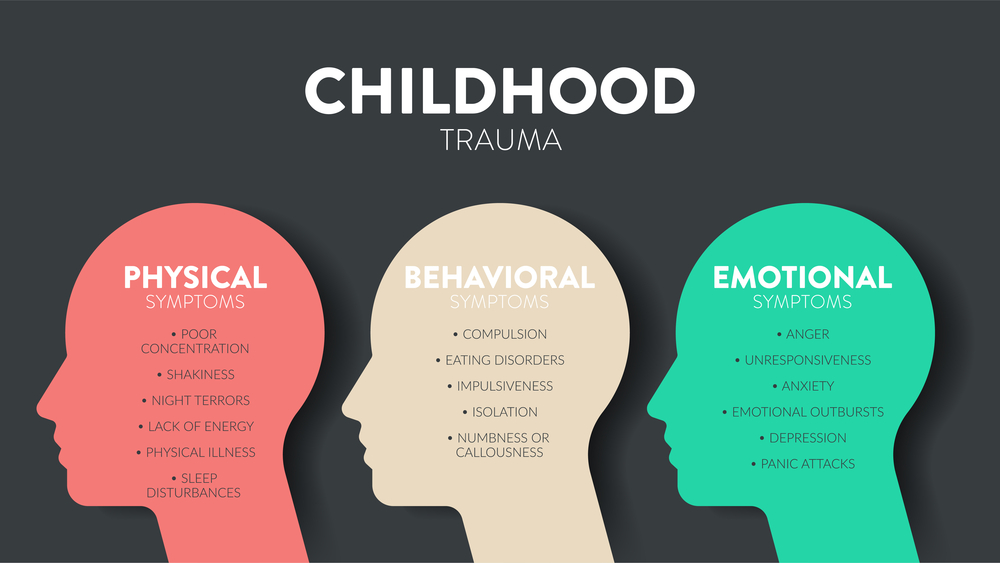
Adverse Childhood Experiences (ACE) include many things that can lead to Acute Stress Disorder, as well as longer term Complex PTSD. I refer to Complex PTSD because these experiences are not merely singular events but a collection of events that weaken a child emotionally through revisited traumas that steal from the child senses of security, healthy attachment, basic care and other physical necessities. ACE can include a variety of events such as physical or mental abuse, neglect, as well as circumstances of extreme poverty, lack of housing, food, family arrests, and lack of close friends. Ironically, the original ACE did not include disaster. Natural disasters as well as acts of terrorism are experiences that can traumatize a child and forever alter the child’s outlook on life. In counseling, especially Trauma Informed Care, there is a ACE form where clients can select various experiences. A certain level score can indicate higher susceptibility to stress and trauma disorders. While ACE is not directly causal to all individuals having stress or trauma disorders in life, there is a higher correlation with those who experience ACE than not.
As for Benevolent Childhood Experiences (BCE) or sometimes referred to as Positive Childhood Experiences (PCE), children who naturally have a healthier and more stable childhood experience a higher chance for a more stable mental and emotional life. This again does not directly guarantee but it does correlate to healthier emotional states found within studies. BCE includes stability in the home and secure caregivers. It includes security and the meeting of basic needs via food, shelter and clothing. It also includes pleasant aspects of life which include moments of joy with family, vacations, or good and healthy experiences. It includes friendships and the ability to confide in others. In essence, while no life is perfect, the balance of BCE vs ACE is in the positive for individuals who have better mental health in adulthood.
The roots of charity and love are essential aspects to the growth of the human soul, mind and body. Individuals dragged into despair, hate and pain are naturally rooted more in mental health reactions to that. From a spiritual perspective, generations of spiritual neglect that translate into mental neglect, can emerge as a pattern within a family genealogy. This is not just spiritual but also a concept of a handing down of morals for those less spiritual. In some spiritual traditions, the concept of generational curses is a belief. So in this way, concepts of spiritual ACE and spiritual BCE should be a concept of study for spiritual counselor and pastoral counselors.
Vulnerabilities of Children

Children naturally are more positively and and negatively vulnerable due to their stage of development. Traumatic events can thwart a child’s physical, mental and spiritual growth (Webber. et al., 2018). Negative events can disrupt critical parts of a child’s attachment to the primary caregiver. Children without secure and consistent care can suffer from Avoidant as well as Anxious Attachment Disorders if they are not given consistent and loving care in their first years (Webber, et al., 2018). Adverse Childhood Experiences can also shape how a child views the world. The child can cognitively distort blame to him or herself for things that were beyond the control of the child. This can have long lasting negative cognitive effects on a child’s self esteem and value (Webber, et al., 2018). In addition, children whose sympathetic nervous system is constantly at fight or flight, can not only experience mental and traumatic burnout, but also suffer a variety of physical maladies due to living in a constant state of stress and alert (Webber, et al., 2018). Ultimately, the child’s inability to be a child, to play, sense security and develop healthy relationships has long term negative effects.
From a financial perspective, ACE can limit a child’s ability to learn, go to school, have proper diet and nutrition, receive necessary medical care and basic needs of clothing and shelter. Living in extreme poverty or social disadvantage has many physical affects, but also can develop many mental pathologies which result in behavioral disorders which can lead to a life of dissent, anger, jealousy and crime. Individuals who have nothing and have no moral guidance will have a world view that is far from kinder than a child who has received basic needs. This in turn, molds by the fire of injustice and pain, an individual whose morality is to survive at any cost and reject numerous social norms of behavior.
Considerations of How We React to Others
Obviously from a clinical perspective, trauma informed care analyzes ACE as a source to discover unrooted trauma. It understands why many individuals react and behave the way they do due to childhood events. In this way, Freud was very correct in understanding the impact of childhood experiences and how they can subconsciously trap individuals into certain ways of thinking. It is equally important from a pastoral and social perspective to understand our fellow brothers and sisters in life. It is so easy to judge a person without walking in his or shoes. ACE should not be a device to justify one’s behaviors or possible criminal deeds, but it should be a consideration in showing empathy and understanding of why certain individuals are the way they are. This is essential in helping these individuals face their past and find healing but also in preventing children from suffering the same fate.
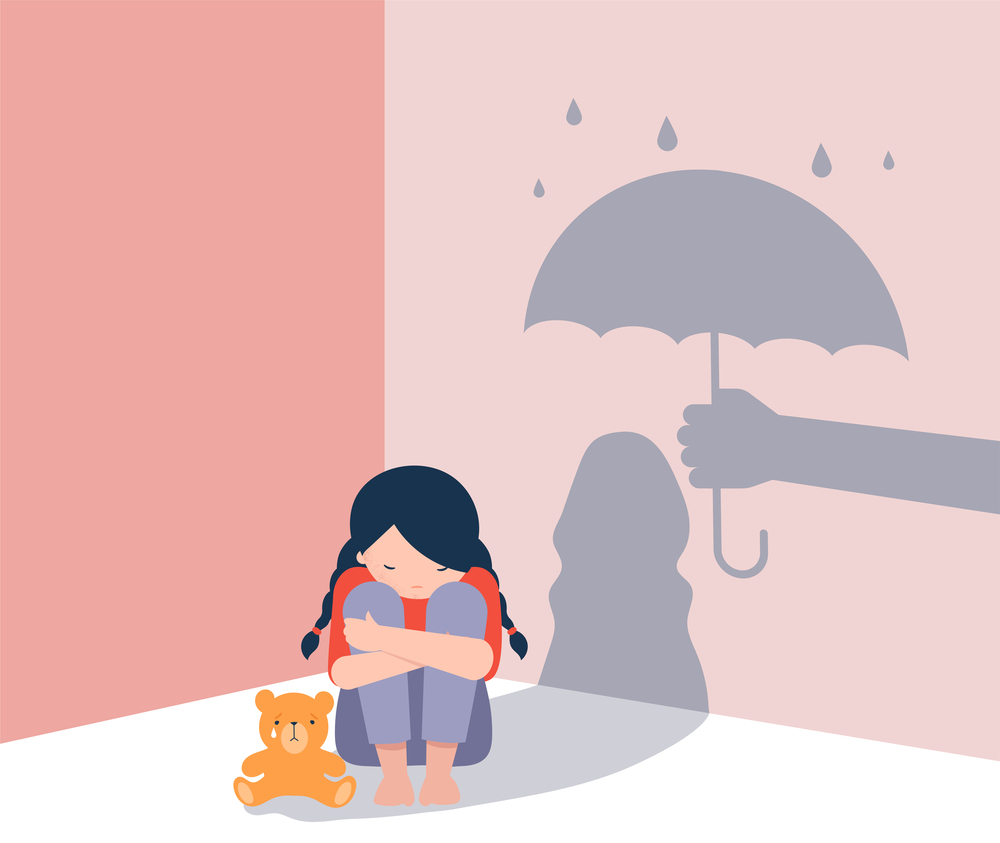
For those who have experienced more ACE in life, mental health should be a priority, but many of these individuals may suffer other challenges in life, such as financial difficulties and physical health problems. It is very easy to take the low and wide road and blame others and take no responsibility for current choices. The spirit of envy and wrath can exhibit and lead one down an even darker path. Instead, one should channel those feelings into positive ways to reframe the past and invent the future. One should find grounding and a type of morality that grounds one despite one’s past suffering. Finding meaning is key.
For those who have experienced more BCE in life, one should show enormous gratitude for the emotional stability and health, as well as the many financial blessings. Those in these situations should be good stewards that look to help others with less as well as to help heal those who have suffered. It should include humility and empathy for those with less and an understanding of their pains and plights.
In society, unfortunately, we have many who look down upon others as inferior, or judge those with mental defect or emotional pathology. Individuals condemn criminals or mentally ill individuals without seeking true justice or even examining one’s own failures in life. In retrospect, others with less, look with wrath and envy towards those with more blessings. They label them as privileged and not worthy of their own individual achievements. They look to blame the system instead of taking responsibility and justify their immoral actions.
In turn, what needs to be addressed is a fair evaluation of all people that illustrates compassion, empathy, understanding and justice. Systems created to hinder minorities and the poor, need removed and compensation granted. A system that recognizes past injustice but also looks to presently limit ACE in all populations is essential for a fair and greater future. This involves recognition of personal success and resiliency regardless of ACE or BCE. Many times, we are judged by our past, but should be celebrated for the personal and inward strive for success. This involves also supplying education, financial support, counseling/mental health access and healthcare for all to prevent the chance of one population to experience more ACE over BCE. If justice and fairness is instilled for ALL, then divisions of haves and have nots will fade.
Conclusion
Bad things can occur but it does not necessarily define us. Good things can also occur but it does not guarantee we will use these blessings to our success. The past can help tell the story and give reasons for it, but it ultimately does not define us. Some individuals may need counseling and healing due to trauma of the past, others may have harder treks but as a society, we all must come together to recognize the unique roads we have travelled. Some roads have been traumatic, while others less traumatic, but all roads must be recognized. In addition, society needs to ensure all populations receive equal access at the healthcare, counseling, educational and financial levels to succeed. As a society, it is our duty to ensure children, our most vulnerable, receive the best chance possible to succeed. While we cannot eliminate all ACE, we can try to limit it through just and fair laws, as well as recognizing the needs of others. This may include not being judgmental to those with less, or not being envious towards those with more. It involves understanding the choices one can make despite the past.
Please also review AIHCP’s Mental Health and Behavioral Health Certifications and see if they meet your academic and professional goals.
Additional AIHCP Blogs
Trauma and Children. Access here
Reference
Webber, J. & Mascari, B. (Eds.) (2018). Disaster mental health counseling: A guide to preparing and responding (Fourth Edition). American Counseling Association.
Additional Resources
Kaufman, S. (2024). “Why We Should Focus on Positive Childhood Experiences”. Psychology Today. Access here
Childhood Trauma & ACES (2025). Cleveland Clinic. Access here
Hagan, M. “What Are Adverse Childhood Experiences (ACEs)?”. Child Mind Institute. Access here