Holistic Nurse Certification Article on Managing Pain

Chronic pain is an issue for millions of Americans.  How to overcome that pain is the question.   Some medications have side effects or are too powerful and deemed illegal for use.  With such questions, many seek various safe, alternative forms of treatment for chronic pain.

Please review our Holistic Nurse Certification and see if it meets your academic or professional goals

The article, “Health Talk: Alternative therapies for chronic pain” by Michael Kenosh, M.D, et all takes a closer look into ways to manage pain The article states,

“The New York Times recently reported that opioid overdose was the leading cause of death for people under the age of 50 in the United States (2018). The incidence of prescription medication overdose that occurs outside of health-care facilities has increased exponentially in the last 20 years. In the United States, people often perceive medication as the sole source of relief from pain. However, alternative methods of treatment exist that may have lower risks and lead to improvements in long-term outcomes.”

To read the entire article please click here

Please also review our Holistic Nurse Certification and see if it matches your needs.  As a Holistic Nurse one can help others manage pain through safe and alternative methods

Certified Holistic Nurse Specialist Article

With alternative therapies and Eastern medicine becoming more and more prevalent and used by people within the West, it is only natural that there should be experts who understand their use.   While many go to alternative medical practitioners in China town or other small herbal shops, it is equally important to have Western minded experts on the subject as well

Please also review our certified Holistic Nurse Practitioner Program
Please also review our certified Holistic Nurse Specialist Program

Western medicine needs to be used in proper balance with many of the herbs and alternative practices flooding the streets.   The reason is important because many herbs may already exist in pharmaceutical drugs, or certain herbs may react in a harmful way with other medicines.  While traditional practitioners can guide in use and dosage, it is still important to have one also well trained in Western medicine.

With this in mind, to avoid the dangers and enhance the positives, the American Institute of Health Care Professionals offers a Holistic Nursing Certification which can give nurses the necessary information in alternative and herbal studies to offer guidance and care from both a Western and Eastern perspective.

With the growth in interest for alternative care with less side effects, people want to find reliable guidance from healthcare professionals with herbal decisions.  Again, the certified Holistic Nurse is able to meet those needs and provide that guidance to patients.

A certified Holistic Nurse can help not only with Western medication, but also guide the individual with the Eastern instruction a person needs in administering and choosing proper herbs and practices in conjuncture with Western medication.   This maximizes the benefits and lowers the risk.

No person should change medications or seriously alter doses of any medication, much less go on a new herb or herbal treatment without consulting a healthcare professional.  The self-diagnosis and treatment of self through herbs can cause great problems for a patient.

Many patients wish to find results or find themselves at a dead end with no hope and hence turn to alternative medicine.  Some forms are beneficial, while others may simply be snake oil.  This is why it is so critical for good guidance and care from a healthcare professional well equipped with both Eastern and Western knowledge on the subject of care.

If you would like to learn more about becoming a certified Holistic Nurse Specialist, then please review our program and see if it meets your academic and professional guidelines.  If a nurse and qualified, you can enter into the program, take the online courses and earn a Holistic Nursing Certification.  The certification lasts four years and is renewable.

In the meantime, there is a strong demand for expertise from qualified professionals in Eastern and Holistic care.  Nurses can meet that demand and with a certification from AIHCP, they can offer patients with confidence the guidance they need in helping others with alternative needs.

Learn more about becoming a certified Holistic Nurse Practitioner
Learn more about becoming a certified Holistic Nurse Specialist


Holistic Nurse Certification Article on Alternative Pain Control Methods

Good article about alternative therapies to help with pain management.  Pain management has many conventional methods but new alternative methods are helping patients find relief.  Aromatherapy and others are but an example of new ways to fight pain.  These new ways give healthcare professionals other options to help their patients.

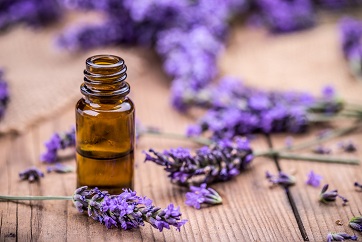
Aromatherapy is a new alternative for some pain management. Please also review our Holistic Nurse Certification

The article, “How Aromatherapy and Reflexology Are Changing Approaches to Pain Management” by Lisa Blackburn discusses this topic and how it can be utilized.  The article states,

“FOR SOME CANCER patients, those who are treated with brachytherapy, the pain and anxiety that accompanies treatment can be significant. Brachytherapy is used to treat cancers that occur deep within the body, such as cervical or prostate cancer. For this treatment, the radiation source is positioned very close to the tumor itself in order to maximize the radiation dose to the cancer while decreasing exposure to normal body tissues.”

To read the entire article, please click here

Please also review our Holistic Nurse Certification and see if it matches your academic and professional needs.

Holistic Nursing Education Article on Alternative Medications Today

Where is the Health Community on Alternative Medicines Today?

Alternative medicines are more commonly accepted today by the health community than in the past. Certain alternative medicines, previously considered ineffective and illegitimate health solutions, are now being used by more doctors and gaining endorsements from much of the health community.

Common alternative health practices used today include:

• Aromatherapy (e.g., essential oils, incense)

• Hydrotherapy

• Acupuncture

• Herbal Remedies (e.g., dietary supplements)

• Meditation

• Massage Therapy

• Spiritual Therapy (e.g., beliefs, religious practices or prayer to treat disease)


Many of these alternative medicines are useful for common health problems and they’re also used to bring about total well-being. Often these are associated with more holistic healing approaches that address the body as a whole rather than just one part or symptom. This basic practice is something doctor use in diagnostics, but lack in overall treatments. These alternative approaches offer patients a whole body healing experience and are often more successful.

Studies Show More Americans Turning to Alternative Medicine

The health community recognizes that many people prefer the advantages of the natural effects that alternative medicine and natural therapies have to offer, rather than experience the side effects of health products to help health problems. Approximately 4 in 10 US adults (about 38 percent) are using some form of complementary or alternative medicine (CAM). People in the US spend about $34 billion on CAM practices and products each year. This is a trend that seems to only go upward as prices for traditional medical practices increase. Time and money is something all these alternative practices use to their advantage in comparison to their competitors.

National Center for Complementary and Integrative Health

Acceptance of alternative medicines has grown so much that the US Department of Health and Human Services created the National Center for Complementary and Integrative Health (NCCIH). In 1998, the NCCIH was founded as the federal government’s leading agency for scientifically researching different health care systems, practices, and products that aren’t considered part of conventional health. The agency receives more than $100 million each year to conduct research and update the public on alternative medicine information. This agency has been instrumental in getting many alternative treatments off the ground.

Relief Management

A 2007 National Health Interview Survey reported that the most common reason people in the US turn to alternative medicine is for relief. Researchers have focused their efforts on health solutions such as acupuncture, aromatherapy and massage therapy with natural products like doTERRA products, and chiropractic aid.

Conventional and Alternative Medicine Trends

One NCCIH study revealed a substantial number of Americans used both normal health products along with dietary supplements:

• About 75 percent used one health product and one supplement

• About 33 percent used three or more health product and three or more supplements

• About 10 percent used five or more health product with five or more supplements.


As more research and education reveals the benefits of complementary and alternative medicines, wider acceptance by the health community should continue to increase.


Eileen O’Shanassy is a freelance writer and blogger based out of Flagstaff, AZ. She writes on a variety of topics and loves to research and write. She enjoys baking, biking, and kayaking. Check out her Twitter @eileenoshanassy.


Please also review our Holistic Nursing Education and see if it matches your academic and professional needs


Patience and Prevention: Taking a Holistic Approach to Heart Health

Holistic Nursing and Health

Heart disease is the leading cause of death in the US, accounting for about 25% of all deaths. People who are at risk for the disease or other heart-related issues may wish to take a proactive and holistic approach to their heart health and treatment. Research into preventative strategies has come a long ways in recent decades, so people have access to more knowledge and more ways to stay healthy than ever before. Holistic or integrative medicine is one of the choices that healthcare professionals should know about.

Traditional Medicine

Heart disease treatment or prevention generally focusing on lowering blood-pressure and reducing bad cholesterol levels. This is frequently accomplished through the use of medication. In general, these remedies are quite effective for many people, although certainly more so for some than for others. Those who are not achieving healthy heart goals with medication alone are the most likely to benefit from a holistic approach.

Mind-body Practices

These include a wide variety of interventions ranging from therapeutic massage to meditation to mindfulness. The goal for the majority of these practices is to reduce stress and induce a higher degree of relaxation, both of which can reduce the amount of strain on the heart and lead to lower blood-pressure and improved quality of life for the patient. Participation in guided medication or mindfulness training can be very helpful as a component of a holistic program designed to improve heart health and prevent blood-pressured-related medical conditions.

Nutrition and Exercise

According to a specialist from ICE, Institute of Cardiovascular Excellence, a person’s diet and activity level can both impact their heart health. Following guidelines and meal plans created by a nutritionist or dietitian can help reduce the likelihood of these complications. One frequent piece of advice is to reduce sodium intake to help manage blood-pressure and kidney function. With the approval of a physician, a program or light to moderate exercise can help as well. Walking and yoga are popular activity choices for heart health.

Treating the Emotions Behind the Disease

Negative emotions like anger, frustration, resentment, and so forth are linked to heart issues. Learning to effectively recognize and manage these feelings can be an important component for preventing heart disease. Counseling, whether individual or in a group setting, can help teach ways to express and manage these emotions in an adaptive or positive way. Therapy can be an important component in an integrated approach to managing heart conditions.

Conclusion

Holistic approaches to treating modern diseases and conditions have made great strides in recent years, demonstrating that traditional medicine alone may not be the most effective way to manage every condition or treat every patient. When patients are interested in pursuing holistic treatment options with regards to their heart health, practitioners should be aware of these and how to best apply them to each individual case.

About the Author: Marlena Stoddard is a freelance writer who received her BA from the University of Georgia.

If you would like to learn more about holistic nursing and other holistic approaches to health then please review our holistic nursing program

Holistic Nursing and Drug Free Options for Back Pain

Four Drug-Free Treatment Options for Back Pain Patients

Even a minor injury can cause some people to experience intense and persistent back pain. This pain can go down in a few days, or it can have longer-lasting consequences. Other people experience back pain because of poor posture, age, sagging mattresses, or family genetics.

Whatever the cause behind your aching back, you want to alleviate the pain, but you might think you don’t have any treatment options besides over-the-counter or prescription pain killers. Actually, you can find a variety of drug-free, relatively low-cost treatments that can reduce your pain and improve your quality of life.

Chiropractic Care

Qualified chiropractors use their hands and body to realign your spine and neck. In some cases, this means you can experience reduced back and joint pain without enduring invasive procedures or surgeries. Over time, chiropractic treatments can reduce pain, restore mobility, and increase flexibility. They can also relieve headaches from whiplash and neck misalignment.

Chiropractic treatment works best on acute back and neck pain. Your doctor may recommend that you seek chiropractic care in conjunction with over-the-counter painkillers and other treatments like massage.

In the event of a car accident, your insurance (or the other driver’s insurance) should cover your chiropractic treatments. Talk to your lawyer and insurance provider to learn more about chiropractic care and compensation in your particular case.

Massage Therapy

Like chiropractic care, massage therapy uses non-invasive spinal manipulation and muscle relaxation techniques to reduce pain. During a deep-tissue massage therapy session, a certified massage therapist will use his or her hands to smooth out your body’s muscles. This can lead to better circulation and blood flow, less muscle tension, and better muscle relaxation.

If possible, and with your doctor’s approval and recommendation, schedule several massage therapy appointments per month. Your back should feel more flexible and less painful.

3. Yoga

Most people with back pain find that motion and stretching can relieve stiffness and pain in their back. At the same time, they don’t want to participate in strenuous activities that could injure their back further.

For gentle, pain-relieving exercise, try yoga. A gentle yoga class can help you perform light stretches that strengthen and relax your back. Like chiropractic care, yoga poses can help your back realign. They’ll also strengthen your back’s muscles so your spine can retain its proper alignment.

4. Physical Therapy

If an accident has caused extensive back pain or a debilitating injury caused you to lose mobility and flexibility in your back, physical therapy can help you return to normal. While there are many different types of physical therapy, many of these focus on improving healing time and minimizing pain. According to a specialist from Ladah Law Firm, physical therapy can be used to treat certain types of nerve compression injuries in the back, which commonly occur after falls. A licensed physical therapist will work with you to lower your pain, increase your mobility, and help you learn exercises that maintain your increased mobility once you stop physical therapy.

Thanks to these four steps, you can reduce your back pain without resorting to more invasive treatments. Talk to your doctor to find out if any of these methods will work for you.

About the Author: Marlena Stoddard is a freelance writer who received her BA from University of Georgia.

 If you are a licensed nurse then you may wish to review our Holistic Nursing Program and see if it matches your educational and professional needs.



Steps for Discussing Alternative Treatments With Your Patients

Steps for Discussing Alternative Treatments With Your Patients

Numerous doctors hold to the motto that science comprises the driving force behind a proper understanding of medicine. This attitude in the medical community ultimately leads patients to losing faith and trust in the modern medical community. The situation becomes one where doctors drive their own patients away with the “My way or the highway” approach to healthcare. Fortunately, numerous physicians see the folly of this approach and actively seek to learn more about the alternative medical treatments with which their patients are experimenting. Instead of dismissing a patients efforts as pure rubbish, a better approach will lead a physician to develop steps to effectively discuss the hazards as well as the legitimate results arrived at through the use of alternative treatments.

Step 1: Having an Open Mind

A major disconnect between doctors and patients arises when doctors’ beliefs about medicine clash with their patient’s beliefs about medicine. Doctors pride themselves as being professionals that belong to the scientific community. The idea that healing occurs beyond the realm of known scientific reasons will often be a sore point of contention. When a patient gets a more favorable result than their doctor, through the use of an alternative treatment, the typical professional reaction dismisses such a result as a placebo effect; however, to automatically jump to such an unwarranted conclusion tends to betray the very scientific basis on which doctors rest their credentials. Testable claims, not arbitrary assumption, comprises the true framework of science. A doctor should always remember that tangible results will speak far louder to the patient than the physician’s credentials; hence, an open mind becomes the by default basis for a healthy dialog with an unconventional patient.

Step 2: Acknowledge the Reality of Bad Science in the Medical Field

The term “science” simply fails to bear the weight it used to carry in the past. Patients go online and read scientific journals and medical blogs alike. It is easy for patients to access the latest information on debates like the questionable science behind certain popular medical theories which have since been proven wrong. The science behind such a theory actively reaps opposition from physicians themselves. Examples like that will fuel the fire behind why a patient will seek for alternative treatments. As a physician, you must be prepared to understand that patients using alternative medicine harbor legitimate concerns about Western medical practices raised by physicians themselves.

Step 3: The Secret to Opening a Patient up About Alternative Treatments.

If a physician wants a patient to talk about the alternative treatments they use, simply ask. In fact, let the patient know that their doctor is one of them. It really will not kill a doctor to try some supplements, massage therapy, or other form of complementary alternative medicine. Often, physicians who try some of these alternative approaches actually find they like the results they get, too. It is simply easier to get patients to talk about their experiences with alternative medicine, if they genuinely believe that their doctor has given these alternative approaches a fair shake.

Step 4: Delivering the Bad News

Once a patient has filled their doctor in on some of the alternative treatments they have tried, they will be in a far better position to help a patient see why certain alternatives do more harm than good. Make it a point to not judge the patient. Rather, commend them for taking an active interest in their health before explaining why a given alternative medical practice could be dangerous or noneffective. A medical records administrator with a Bachelor’s degree in Health Information Management says it’s important to record any and all alternative treatments a patient has undergone, as these could be relevant to future treatments.  Try to understand that many patients have seen the laundry list of side effects conventional drugs cause on television commercials and seek to avoid these outcomes with alternative approaches when possible. Their intellect drives them to avoid these outcomes. To ignore that reality means a physician does not have a grasp on why their patients are so reluctant to talk about alternative treatments in the first place.

Conclusion

The medical community built itself on a foundation of research and clinical testing. Despite this advantage, common diseases and epidemics still abound. Patients today exhibit an awareness of this unavoidable reality. Some even see it as a major failure on the part of physicians and the pharmaceutical companies alike. This attitude, by those who prefer complementary alternative medical treatments, will continue to persist until physicians do what is necessary to erase the skepticism and lacking trust that abounds towards the medical industry as a whole.

About the Author: Marlena Stoddard is a freelance writer who received her BA from the University of Georgia.


If you are a registered nurse and would like to learn more about a Holistic Nursing Certification and alternative treatments and medicine, then please review our program.


Eating green leafy vegetables keeps mental abilities sharp

Something as easy as adding more spinach, kale, collards and mustard greens to your diet could help slow cognitive decline, according to new research. The study also examined the nutrients responsible for the effect, linking vitamin K consumption to slower cognitive decline for the first time.

Source: www.sciencedaily.com

Are you concerned about cognitive decline, well research has shown that eating more green is better for your mind.  Spinach, Kale, Collards and other Mustard Greens could all help keep a sharper mind.

If you are interested in Holistic Nursing Training, then please review the program

#holisticnursingtraining

The Four Major Trends Driving Healthcare Job Growth

The Four Major Trends Driving Healthcare Job Growth and Holistic Nursing Certification

Whether the role calls for a physician or medical assistant, the need for qualified healthcare workers shows no signs of slowing down. Experts from a variety of medical fields agree that the decades ahead will show a robust growth in healthcare jobs working with patients, information technology, and medical records. This future job growth will be driven by four major trends.

Obesity

According to the Centers for Disease Control and Prevention (CDC), predicts that 42% of Americans will suffer from obesity by 2030. Health conditions, sometimes terminal, linked to obesity include heart disease, diabetes, and cancer among others. Those patients will require treatments in cardiology and oncology.

Despite continued warnings from the healthcare community, public, and the media, obesity continues to prevail. In the Unites States alone, obesity has more than doubled over the past four decades. It is a simple fact that Americans live in a society that encourages food consumption—until this changes, the obesity epidemic will create a demand for more healthcare experts.

An Aging Population

Millions of baby boomers have reached retirement age. These individuals are living longer due to advancements in healthcare. Many have chronic illnesses, such as heart disease and high blood pressure that require ongoing medical attention, testing, and preventive care. As a result, the need for qualified healthcare professionals will increase. The retirement of healthcare professional will also open the door to additional career opportunities.

Information Technology Growth

Healthcare technology always seeks to improve through the reduction of errors, streamlined procedures, and the improvement of care that patients receive. These impending changes always require professionals who are adept at working with new technology. Healthcare workers with training from online radiology schools and those with information technology expertise will likely find their skills in demand as the role of technology in healthcare expands. Healthcare providers are increasingly required to play a role in helping educate and treat their patients. Healthcare equipment, ever-advancing, also requires an army of well-trained personnel.

Interest in Holistic Treatments

As interest in holistic healing strategies, alternative medicine and other non-traditional treatments increases, so does the demand for healthcare practitioners skilled in the administration of alternative therapies. Certified Complementary and Alternative Medicine (CAM) practitioners are already finding the number of patients seeking them out increasing. Certain aspects of the Information Age, especially the widespread availability of information and educational materials becoming accessible to those who would not have otherwise known of alternative treatment options.

Healthcare practitioners skilled in the areas of massage therapy, chiropractic healing, aromatherapy, Traditional Chinese Medicine, Ayurveda, and other holistic therapies will find that patient trends demonstrate increased interest in holistic medicine. Mainstream practitioners, for this reason, will benefit from receiving education in CAM methods and possibly integrating alternative therapies into their patient treatments.

Conclusion

Diversity and culture are additional factors that will help drive the growth of healthcare jobs. Today, healthcare services in the Unites States are administered by multilingual healthcare specialists. The need for these specialists will only increase. Government mandates also affect the regulatory and legal aspects of healthcare initiatives. Staffing ratio laws are being lobbied by healthcare professionals that will increase the number of available healthcare professionals.

Those choosing to work in the healthcare field are aware that it will be around for years to come. It is a field that can offer competitive wages and the ability to work with a diverse group of people. Many industry professionals also take pride in helping others work through and cope with their illnesses.

About the Author: Marlena Stoddard is a freelance writer who received her BA from the University of Georgia.


If you would like to learn more about AIHCP’s Holistic Nursing Certification, then please review the program

AIHCP


Holistic Nursing Help To Make Eating Healthy Easier.

11 Holistic Nursing Ways to Make Dieting A Lot Easier.

Lets face it, dieting is not an enjoyable past time.  Holistic Nursing might not even be in your vocabulary.   If you are anything like me, you love bacon, cheese, desserts, and a few adult beverages.   Of course these foods are not diet friendly.   So how can you stay on your diet and still love the food you eat?  Hint, it is not as hard as it seem.   Luckily for us there are holistic healthcare tips to make dieting a lot easier and a lot more tasty!   An article from Active Times has 11 sure fire ways to keep you on your diet and loving it.

By Katie Rosenbrock
From Active Times

“Long commutes, long work days, busy schedules, kids, spouses, and other activities are all common challenges,” says Lisa Hugh, a Registered Dietitian and creator of “Single Ingredient Groceries”. “Shopping and cooking are chores that can be pushed aside by eating out, eating on the run, skipping meals, eating fast food, and drinking too much caffeine.”

Maybe you can’t find a way around your long work day or an extra busy schedule, but that doesn’t mean you have to forgo healthy eating entirely.

Fruits on grass in the shape of a heart.
Holistic Nursing diet tips do not have to be bad tasting. Follow these 11 ways and put a little bit of flavor back in your diet.

As you can see, by keeping track of what you eat, making a plan, sticking to it, and giving yourself enough move to “Cheat” you can apply these holistic nursing tips to your diet.   Soon you will find out that you do not miss those bad for you foods when you keep healthier options on hand and at the ready.   If you are interested in learning more about becoming a holistic healthcare professional, you might want to check out our online certificate in holistic nursing.