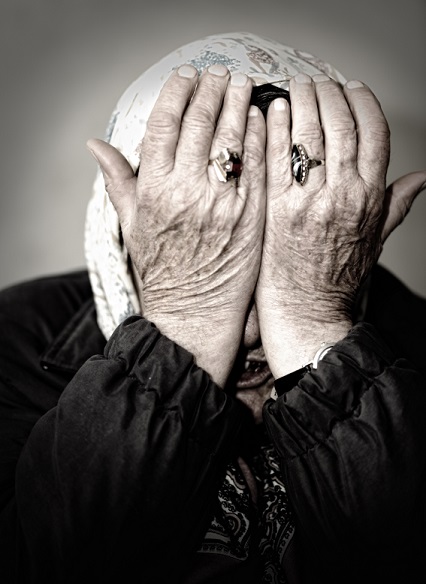
Good article on the importance of funding palliative care and assisting life and dealing with suffering than ending life through assisted suicide. Pastoral Care is about preserving life and helping others find comfort in the end of life.
Pastoral Care never endorses assisted suicide but looks for helping others overcome. Please also review our Pastoral Thanatlogy Certification
The article, “Catholic Medical Association: fund palliative care, not assisted suicide” by JD Flynn states,
“Palliative care involves medical care and pain management for the symptoms of those suffering from a serious illness, and refraining from taking actions that directly take the life of the patient, as opposed to the practices of assisted suicide and euthanasia.”
Meditation is an important spiritual tool for individuals. It is a form of deeper prayer for others and a source of handling stress and keeping a clear mind. While meditation has secular uses as well as spiritual, one can never truly divorce meditation from its religious and spiritual roots.
Many may utilize secular forms of meditation for business and stress reduction, or even for health purposes, but the spiritual roots of both Eastern and Western meditation always circle back to its spiritual roots. As a religious and spiritual tool, meditation hopes to clear the mind from temporal reality and help individuals find the divine. In the East, that type of divine union is absorption, but in the West, that type of union is relationship.
Meditation, especially Eastern forms of it, has become utilized in the secular and business world
While the final ends of Eastern and Western meditation may differ, they both nonetheless share in a spiritual opening to the divine. Eastern forms of meditation utilize various techniques in meditation to free the mind from the body and open itself to the divine. Hindu and Buddhist meditation is centered on escaping the false reality of the world and discovering the true reality of the divine. The purpose is to again find union with the divine. (1)
In Hinduism, the soul is separated from the divine, like a spark from the fire. In this separation, the soul through meditation seeks to find closer union with God on earth. God is not so much seen as a being but more a sense of all being. Through a series of reincarnations, the soul finally is able to become re absorbed into the divine. In Buddhism, the state of nothingness is the ultimate goal, or Nirvana. In this, the soul escapes suffering. (2)
In all of these cases, meditation serves as a tool to better prepare the soul for the divine. Eastern meditation utilizes many physical exercises to remove one’s mind from the temporal reality. it is critical to escape the temporal reality when meditating. Disturbances or lack of focus on the divine, prevents this type of union. In Eastern Meditation, the soul is opened to another reality. Certain techniques are utilized to open the soul and allow it to attract the divine.
This type of Eastern Meditation is the primary type of meditation used in the Western secular world. Many of these practices, yoga, reiki, and forms of meditation are simply used for their physical and mental applications in the secular world. Businesses executives and those in bad health due to stress, look to these practices only for productivity and good health with little need for the spiritual overtones that accompany it.
Ultimately Eastern meditation is very spiritual and has spiritual ends
As a Meditation Instructor, one may teach the spirituality behind meditation, but in many cases, Meditation Instructors utilize the practice to teach executives and those seeking better health. Ultimately whether meditation is a spiritual practice or simply a secular practice depends upon the individual and what they are seeking from it. Meditation Instructors can help either in the quest to utilize meditation in the spiritual life or the health field.
Christian meditation differs greatly. While, it seeks to find the divine, it seeks a relationship with a Being, not a state of being that one can be absorbed into. Christian meditation while it can reduce stress, however, does not have as much secular application as Eastern meditation. Christian meditation is always extremely spiritual and not something that one would find being conducted in a studio or in an executive business environment.
Christian meditation is more seen as only spiritual and connected to the religion of Christianity. Its aims are to unite one with God in a relationship. it is a deeper form of vocal prayer. Like Eastern meditation, Christian meditation seeks to escape the noise of the temporal world, but it is not totally necessary to find deep dialogue with God. Instead of utilizing breathing postures and trances, Christian meditation focuses on scripture and the life of Christ.
Meditation or communication with God starts with simply talking to God and gradually finding deeper communication. Some forms of meditation can lead one to deeper states of communication where God speaks to one’s heart, and in more extreme cases, union can become deeper through more extraordinary spiritual encounters.
St Teresa of Avila, speaks of deeper union with God through meditation. She speaks of various mansions one can enter into dialogue with God. Of the seven mansions she lists, the first four are the lowest, with the final three dealing with a deeper union. Many utilize meditation to find these deeper relationship with God. The first mansions acknowledge God and have relationship but the relationship is still tainted with the world. The final three are seen as engagement with God. Where the soul detaches more and more from the world and seeks God as its final end. (3)
Unlike Eastern religions, there is no reincarnation in Christianity and the seeking of a more perfect union on earth with God before the afterlife is crucial. Living a good life and becoming closer to God prepares the soul for Heaven. Hence meditation is very important for the more enlightened soul that sees beyond the temporal illusions.
Temporal illusion is a key theme in both traditions. In the East, temporal reality is an illusion or Maya, while in the West, reality is not an illusion, but the ideals offered are illusions. The false ideals that this world offers is the illusion that Christians must escape. This idea is similar in many ways. Meditation is the key to escape the lies of this world. It elevates the soul to a greater cause beyond the physical senses. It is a communication with a higher essence although the type of essence and the relationship with that essence differs.
Christian meditation is based on relationship with God and focuses on the life of Christ and the Word of God
Christians for the most part despite the similar theme and purpose of meditation find Eastern themes to be of a spiritual danger. Christians do not condone the methodology or attempts of divinization sought after in Eastern Meditation. It finds many of the practices also to be harmful to spiritual well being in how one opens one soul to the spiritual realms. Christian meditation is closed and focused only to one Being, not a collection that may exist within the state of being.
The Meditation Instructor Program at AIHCP is more designed towards Eastern applications of meditation. It aims more for health and well being but also incorporates the spiritual teaching. The program is not designed towards Christian meditation, but there are a few courses that are focused on Christian meditation. These courses on St Teresa of Avila and St Ignatius are excellent courses for anyone interested in Meditation or individuals within the Christian Counseling Program seeking additional coursework.
If you are interested in meditation and would like to become a certified Meditation Instructor, then please review the program and see if it meets your professional and academic goals.
Losing a child is the greatest loss a parent can face. How the child dies can make the loss even more unbearable. The loss of a child through suicide is even a greater loss. Many parents need emotional and professional support in dealing with such a loss.
The loss of a child through suicide may be one of the most painful losses. Please also review our Grief Counseling Training
The article, “How do you live after your child commits suicide & you never saw it coming? A grieving parent reflects” by Linda Collins explores this painful grief. She recounts from a book about such sad tales.
“Victoria was their only child. Three years after the incident occurred, Collins recounts her 17-year-old daughter’s suicide in this book, weaving in her daughter’s diary entries, personal memories and accounts from the people in her life.”
The article offers an excellent book for others to investigate and read. If you would like to read the entire article, please click here
Please also review our Grief Counseling Training and see if it meets your academic and professional needs.
Meditation is helpful for many things. Reducing workplace stress and increasing productivity at work are among benefits of employee meditation. Many employers look for meditation instructors to offer their services to employees. Larger corporations have applied this practice and seen good results
Meditation in the workplace is an excellent practice in larger corporations. Please also review our Meditation Instructor Program
The article, “Why Meditation Works Wonders for Better Workplace Productivity” by Pinky Daga states,
“Meditation has been proven to not only help enhance work satisfaction, but also enhance productivity and general happiness. With a host of far-reaching benefits, it can effectively aid an employee in achieving the maximum results at the workplace, both on an individual and an organisational level.”
The loss of a mother for a child alters the child’s life permanently. Grief Counseling and a strong family life is important for the child to cope and adapt to life without his or her mother.
Please also review our Child and Adolescent Grief Counseling Program and see if it meets your academic and professional goals
The article, “Children Mourning the Loss of a Mom” by Mike McEnaney looks at the loss of a mother and the difficulties children have mourning the loss of their mother. How to deal with this type of loss is difficult but varies depending on the age. The article states,
“Grief takes on many forms, sometimes it’s sad and sometimes it can be powerful and lifechanging as well. For Aidan the spirit of his Mom is alive within him and that mutual love has been a force in his life. That love is in a lot of places if you take the time to look.”
Terminally ill patients deserve good care during their last months. Hospice is a critical aspect to that. Hospice needs to ensure that patients are cared for and meet standards that ensure the best qualify of care for the dying.
End of life care and hospice is important and needs to be at its best. Please also review our Pastoral Thanatology Program
The article, “Terminally Ill Patients Deserve Hospice Care Reforms” by Ross Marchand states,
“Every year, hospices offer millions of sick and vulnerable Americans a refuge from medical tests and endless injections in their final days. In 1982, lawmakers realized that a growing network of hospices offered similarly effective but more pleasant care than hospitals for terminally ill patients, at a fraction of the cost.”
A strong spiritual life involves prayer, detachment from the world and union with God. The world attempts to block this union through illusions and distractions. Grace from the Holy Spirit helps produce virtue within our lives that lead towards better habits in developing union with God.
Virtue is a good quality, or internal disposition towards good. It is habitual in nature and becomes part of one’s character. It guides one’s actions and leads one to a closer spiritual life with God. Virtue rejects the vices of the world and focuses on the good. In many cases, virtue are supernatural in nature or moral. Some virtues deal with one’s relationship with God while others direct one in proper relationship with others. (1)
Virtue is a consistent and habitual quality or disposition of the soul towards a particular good. Please also review our Christian Counseling Certification
The three theological virtues are faith, hope and love and direct one to God. The four moral virtues are prudence, justice, temperance and fortitude. While virtue can exist naturally in humanity, grace alone infuses them at a supernaturally level and allows one to utilize virtue towards the action of good. Without grace, one cannot earn virtuous merit. So while, one may cultivate virtue in one’s daily lives, it is only through co-operation with the grace of the Holy Spirit, that such endeavors can ever produce the fruit of a healthy spiritual life. (2)
Hence, it is critical to in spiritual life to cultivate virtue. Virtue and its natural disposition and habitual nature, allows the person to maintain a constant relationship with God and a healthy relationship with one’s neighbor. Grace is essential in feeding virtue. In this, one must cooperate with grace and indulge in spiritual practices that allow virtue to grow. One’s spiritual garden can become neglected without the Word of God, the sacramental life, and daily prayer.
The devil and the world have a way of eroding one’s spiritual garden with a variety of weeds and drought when one does not cooperate with grace and feed the soul the many graces the Holy Spirit affords the soul. Too many times, individuals become distracted from what matters most and the temporal illusions of this world and their false promises of happiness, lead good Christians away from God.
St Teresa of Avila refers to this in and out of one’s spiritual life as the first mansion with God. In this mansion, the individual discovers God and realizes there is more to this world than temporal things. While this is only an invitation to spiritual life, it is an essential mindset. In this mindset, the individual begins to seek out God. So many individuals walk and in and out of this mansion, regaining fervor only to lose it months later. Many spiritually are in this mud of the temporal world, escaping, only again to fall. (3)
This constant tug of the war of the soul between the world and God is a natural state of humanity’s broken nature. The scars of Original Sin, lead one to one’s lower flesh. The will identifies lesser goods as superior and in some cases, bad consciences identify evil ends as good. Without prayer, virtue and grace, the soul sputters into bad habits, or vices. The soul falls to the seven capital sins, of pride, envy, anger, lust, greed, gluttony, and sloth. (4)
In some cases, the spiritual war that leaves individuals in between the first and second mansions of spiritual union is a back and forth conflict, until one master emerges victorious over dominion of the soul. In this struggle, the soul eventually chooses a life of virtue or vice, God or the world, good or evil.
While Christ the Good Shepherd, will always run after the stray lamb, the lamb still must wish to be found. In this, Christian Counselors, pastors, spiritual advisers and confessors find the most common soul. This type of soul is neither truly saintly or evil, but is inherently good, but lost. These souls wish entrance into the first mansion of spiritual life, but falter. Virtue is far from a habit, prayer life is inconsistent, and the love of the world is still too high of a priority. Yet, the desire to be saved remains.
It is important in developing spiritual development in one’s spiritual children to help direct these souls to sources of grace and better habits. A confessor or spiritual mentor must be patient with the conflict. Habits, especially bad habits are difficult to break and one must gradually move from them and seek God. More frequent prayer, scripture and for Catholics, sacramental participation are essential to opening oneself to the graces needed to convert to a more spiritual orientated life.
As a spiritual mentor, one does not merely direct the soul to better choices and habits, but also teaches the soul how to better discern. Forming a good conscience that is based on the absolute moral law of God. One’s conscience must reflect the Ten Commandments and mirror virtue. It cannot be subjective, or worldly, but must be aligned firmly with God’s law. Only through this can a conscience be of any service to a soul and help it find a more healthy and balanced spiritual life.
Spiritual mentors can be elders, ministers, priests, confessors, or close spiritual friends who can help guide you towards God
What spiritual directors, mentors and pastors must also present is the image of God as a loving father. In this, God’s love is so intense, so passionate, that he seeks out the soul. Even beyond this analogy, God’s love is so strong, it even bypasses any of our most intense relationships. God is so passionate, He awaits our call, our time. It pleases Him so greatly to receive even the smallest token of our love or even our smallest effort to do good. As Christ taught, the Father rewards ten fold for even the soul’s smallest endeavors.
However, there is a very thin line a spiritual director must walk with a troubled soul when preaching God’s mercy and love. While it is infinite, one cannot over emphasize it at the expense of God’s justice. God demands change from the soul. Christ Himself forgave the sinners but also instructed them to sin no more. While the soul may falter, it still must look towards perfection. It must try despite the struggle and understand that change is necessary for union and salvation. Only a spiritual director who knows the soul in question can truly discern if mercy or justice needs to be emphasized at a given time.
In conclusion, spiritual life and union with God is a conscious decision. It is habitual and its ultimate end is God for the sake of loving Him. Grace fuels the soul’s broken ability to enter into this union. Prayer is the language and virtue is the map. The soul is fed through the Word of God and the sacraments in maintaining a healthy relationship. Through these tools given to the soul by God and the direction of a spiritual adviser, a soul is able to enter beyond the initial mansions and begin to enter into true union with God in the later stages of spiritual life.
If you would like to learn more about AIHCP’s Christian Counseling Certification or would like to become a certified Christian Counselor, then please review the program and see if it matches your academic and professional goals. For other spiritual traditions, please also review our Spiritual Counseling Certification
The first castle is the first step into meeting Christ. Many are unable to enter into this initial relationship due to the many traps of the evil one.
I find the First Mansions St. Teresa talks about interesting because I believe they are the most difficult to enter as one begins a spiritual life, with all the distractions in the world that keep us from fully entering into a life with God. St. Teresa describes snakes, vipers and poisonous creatures, which could be analogous with technology, secularism, and the constant barrage of noise created by television and radio.
It is heartening to know that God has created within us, this beautiful castle that is ours to explore if we make the conscious choice to do so. It does not come without being vigilant to our own failures and constantly striving to do good so as not to offend God. He created us in his image and so we have the ability, love and support we need to become One with Him. Why then, do we not do what we need to do in order to obey him?
We have fallen short of the task God has set before us – to know ourselves through Him. We don’t take the time to understand and know God, so we do not understand ourselves. We are like zombies walking through life – without life. We don’t understand that God is an ever-lasting river flowing through us. We thirst for Him, but through our own ineptness, we don’t know that we thirst and we wouldn’t know how to quench that thirst even if we did. Only through Him can we hope to have life.
In our darkness we cannot see the beauty that lies within us. We look outside of ourselves to satisfy the need that resides within us, but it cannot be filled by outside influences, people or things. Only God can feed our souls and nourish us. The food of which I am speaking is in Scripture and in praising God for his goodness, for the blessings He grants us, and for the mercy He shows us.
By understanding ourselves, through God’s eyes, we see where we fall short and are able to enter the Mansion with hope and a will to succeed. Through prayer and meditation and an understanding of who we are praying to, we come to know God’s will for us and we strive to release ourselves from the ways of the world in order to please Him. This is not a one-time event. We must continually come into communion with Him so we are prepared as we move through the First Mansion and into the other mansions.
Unless we have the understanding that our soul belongs to God, and we always strive to please Him, we can, through our ignorance, fall into the darkness of mortal sin. We believe we are separated from God and because we are distant from Him, it gives the devil pleasure to do evil works through us. We must be constantly vigilant and discerning that our thoughts and actions are pleasing to God, and in all humility realize that He is our one and only source of good.
Through self-knowledge and our desire to know God, we realize our true nature and strive more every day to be in alignment with that. We put aside worldly concerns, even for just a little while, and commune with God. We come back to our true source and we live better lives in accordance with God’s will for us.
By Teresa Martens
“It is necessary in every state of life for our help to come from God.
May His Majesty grant us this through His mercy. Amen.”
~ St. Teresa of Avila ~
Please also review our Christian Counseling Certification Program and see if it meets your academic and professional goals. The program is online and independent study. After completing the four core courses, one can apply for a four year certification. Most individuals who apply for this certification are counselors, ministers or pastoral care givers. If you would like to learn more, then please review.
Also please review our Meditation Instructor Program. It is also online and independent study and focuses on mindfullness meditation and other stress reducing strategies in meditation. Various schools of meditation are identified and reviewed as well.
Grief is more about just physical loss but also the thought of loss itself. When someone is diagnosed with an illness or disease that is terminal, one has yet to lose but acknowledges that loss will come. This type of anticipatory grief is very common with family who live with terminal diagnosis of a loved one. Parents can also live with this type of loss when a child is diagnosed with a disease, terminal or not. They have to live with the new reality imposed by the disease or the potential future of loss. This can create an uneasy existence of hope and loss existing side by side.
Sometimes while anticipating loss, we still must enjoy the present. Please also review our Grief Counseling Program
Living and dealing with grief with hope and love is a difficult thing to do but sometimes it is the best thing to do even if darker days lay ahead. One cannot deny the future, but one can definitely love the present. Please also review our Grief Counseling Program
Grief that is not processed or acknowledged can cause long term mental issues. Complications in grief are due to not facing grief and processing the loss in a healthy fashion. When we purposely ignore our feelings due to loss, we open ourselves to greater damage down the road. Grief is part of healing and is essential to adjusting to the loss in a healthy fashion. If we do not grieve, we will suffer more. Acknowledging grief is an essential ingredient to recovery.
One must accept the grief associated with their journey in life. Please also review our Grief Counseling Certification and see if it meets your academic goals
One cannot dismiss emotion due to shame or fear of weakness, but realize that anything worth love is also worth grieving over.
The article, “The Grief We Avoid Is The Grief That We Need” by LaLaine Dawn looks at how grief is important and essential to the very reality of living. She states,
“A lot of us are so afraid to admit we are grieving for fear that people may see us as weak or stupid for feeling that way. Honestly, I can’t blame you. In my experience, there were people in my life who would laugh at my grief. They would tell me I deserved to suffer.”
To read the entire article, please click here
Grief is hence an important element of the human condition. It cannot be ignored but must be acknowledged and dealt with. To learn more, please review our Grief Counseling Certification and see if it meets your academic and professional goals.