Workplace Violence Prevention in Healthcare: Bridging Clinical Training and Security

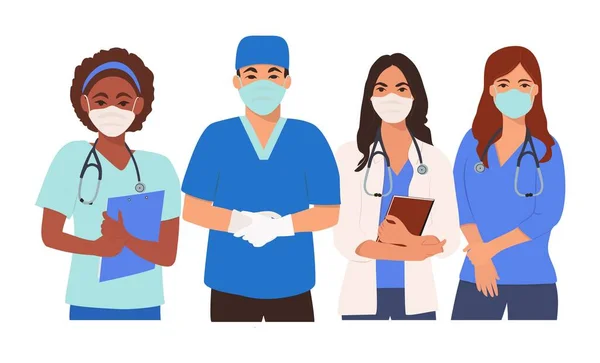
Vector imagine of doctors and nurses togetherWritten by Harry Wolf

According to the U.S. Government Accountability Office, it is estimated that those wonderful people who work in healthcare facilities sadly experience substantially higher rates of workplace violence – compared to workers in other sectors, that is. So, prevention strategies matter!

Workplace Violence 

Workplace violence… It extends far beyond physical altercations. It includes any act or threat of physical violence, harassment, intimidation, or disruptive behavior from patients, family members, visitors, students, colleagues, or outside individuals. 

Verbal abuse, psychological intimidation, sexual misconduct, and physical assault – they all fall within its scope.

Nurses and frontline clinicians face heightened exposure. Why is that? Because of their close proximity to patients. 

A 2021 Press Ganey survey, highlighted by the American Nurses Association, found that – staggeringly – two nurses per hour are assaulted in acute care settings. Such frequency underscores just how routine aggression can become in high-acuity environments.

Violence also exists on a continuum. Incivility refers to low-intensity, disrespectful behaviors that violate norms of mutual respect. And bullying involves repeated, intentional hostility. Both can erode psychological safety and contribute to distress.

Aggression… It may originate from distressed patients or family members. But internal hostility between colleagues is also documented across healthcare settings. 

Clear definitions matter. Why is that? Quite simply, because underreporting remains common. 

When verbal threats or intimidation are normalized as part of clinical work, patterns remain hidden.

Now, let’s explore how to prevent workplace violence in the healthcare sector.

Conduct a Data-Driven Risk Assessment 

Prevention in healthcare begins with rigorous risk identification. Organizations cannot manage what they do not measure, after all. 

And anecdotal impressions… Well, they often underestimate patterns of escalation.

If it goes unaddressed, workplace violence can create:

  • High employee turnover
  • Recruitment challenges
  • Reputational risk for the healthcare facilities

A comprehensive risk assessment should include:

  • Reviewing historical incidents and near-miss reports 
  • Mapping high-risk locations 
  • Evaluating staffing ratios and wait-time pressures during peak operational hours

Expand Data Sources Beyond Incident Reports

Incident reporting systems… Unfortunately, they capture only a portion of actual events. Yes, underreporting remains common, particularly when staff perceive aggression as part of the job (which they really shouldn’t have to do!).

Leaders should incorporate workers’ compensation data, security logs, patient complaint records, and even exit interview feedback. Patterns often emerge when data sources are cross-referenced.

Align Assessment With Regulatory Guidance

National frameworks offer structure for local programs. The Occupational Safety and Health Administration outlines core elements of an effective workplace violence prevention program, which includes:

  • Management commitment
  • Employee participation
  • Hazard identification
  • Ongoing evaluation

Alignment with federal guidance strengthens compliance posture and supports accreditation readiness. Documented risk assessments also help justify capital investments in staffing, training, and physical infrastructure.

Strengthen De-Escalation and Provide Training

Training serves as a frontline defense against escalation. However, meaningful prevention requires interactive, skill-based education – rather than passive online modules, that is.

The National Institute for Occupational Safety and Health emphasizes that effective prevention combines administrative controls with targeted worker training. For clinicians, preparation influences not only safety outcomes but also therapeutic rapport.

Comprehensive training programs typically include:

  • Simulation-based role play 
  • Education on trauma-informed communication techniques
  • Clear guidance on when and how to activate security or emergency response systems

Standardize Escalation Protocols Across Departments

De-escalation techniques… They must align with clear escalation pathways. Code terminology, alarm activation procedures, and response hierarchies should all remain consistent across departments – to reduce confusion, that is.

Interdisciplinary drills reinforce readiness. Practicing realistic scenarios involving aggressive visitors, psychiatric emergencies, or intoxicated patients improves response coordination – and reduces hesitation, as well.

Implement Controlled Access and Layered Physical Security

Clinical skill mitigates risk but cannot eliminate all threats. Healthcare facilities remain open and dynamic environments. In turn, that unfortunately increases exposure to unpredictable behavior.

Physical security infrastructure… It functions both as a deterrent and a response support. Effective physical security measures often include:

  • Badge-based access control limiting entry to restricted clinical areas
  • Visitor management systems with identity verification and time tracking
  • Clearly identifiable security presence in high-risk departments

Design Environments That Support Safety

Environmental design influences behavior. For instance? Open sightlines reduce concealment opportunities, and secure nursing stations limit direct access to staff.

Also, furniture placement can prevent entrapment and ensure unobstructed exit routes. And exam rooms and triage spaces should allow clinicians to position themselves closer to exits when feasible.

Lighting, signage, and controlled entry points… They all further contribute to perceived and actual safety. Balanced design maintains patient-centered accessibility while reinforcing boundaries.

Partner With Experienced Security Firms

Healthcare organizations frequently collaborate with a trusted security system installer to implement integrated access control, surveillance, and alarm systems. Professional system integration reduces compatibility issues – and enhances reliability, too. 

Layered security measures, when thoughtfully implemented, reinforce clinical efforts –  and that’s without creating a punitive or intimidating environment.

Deploy Real-Time Monitoring and Communication Systems

Video surveillance systems, duress alarms, and centralized monitoring centers… They all enable security personnel to assess unfolding events quickly. And integration with mobile devices ensures that supervisors and administrators remain informed.

Core monitoring components? They frequently include:

  • Discreet panic buttons
  • Centralized video management systems with live-feed capabilities
  • Two-way communication platforms connecting clinical staff and security teams

Integrate Technology Into Clinical Workflow

Technology must remain intuitive and unobtrusive. Alarm systems should be easily accessible yet discreet – to avoid escalating patient agitation, that is.

Clear response expectations reduce uncertainty. Staff members should understand who responds to alerts, anticipated response times, and post-incident documentation requirements.

Leverage Data 

Monitoring systems generate valuable data. Video recordings and alarm logs allow leadership teams to conduct structured root cause analyses – after incidents occur, that is.

Foster a Culture of Reporting 

Organizational culture ultimately determines whether workplace violence prevention efforts succeed. Underreporting undermines risk assessment – and leaves systemic vulnerabilities unaddressed, too.

And for individual clinicians, repeated exposure to workplace violence without institutional support increases burnout risk and may contribute to workforce attrition.

A strong safety culture includes:

  • Anonymous reporting channels
  • Access to counseling, peer-support networks, and post-incident debriefings

Address Psychological Impact 

Exposure to aggression… It can produce anxiety, sleep disturbance, and moral injury. Early psychological support mitigates long-term effects.

Structured debriefings following significant incidents provide emotional processing space. And they encourage feedback on system improvement. 

Establish Measurable Benchmarks

Continuous improvement… It requires measurable goals. Organizations may track:

  • Incident frequency
  • Injury severity
  • Response times

Long-term success depends on:

  • Leadership commitment
  • Adequate funding
  • Ongoing education

So, prevention programs should evolve in response to: demographic shifts, emerging threats, and technological advancements.

Strengthen Policy Infrastructure 

Workplace violence prevention in healthcare cannot rely solely on frontline efforts. Clear policy infrastructure and defined governance structures ensure consistency – across departments, campuses, and affiliated outpatient sites, that is.

Formal governance signals that prevention is an organizational priority rather than a unit-level initiative. When executive leadership, clinical directors, human resources, legal counsel, and security leaders collaborate, policies become more enforceable and sustainable.

Core governance elements? Well, they often include:

  • A multidisciplinary workplace violence prevention committee
  • Written zero-tolerance policies 
  • Standardized documentation and investigation procedures

Clarify Behavioral Definitions and Consequences

Ambiguity… It weakens enforcement. Policies should define (in explicit terms):

  • Verbal threats
  • Intimidation
  • Harassment
  • Physical assault

Progressive response pathways must also be documented. Consequences for visitors, patients, contractors, or staff should align with legal requirements and ethical obligations.

Clear behavioral agreements for high-risk patients may also reduce escalation. In some cases, care plans include behavioral expectations – which are developed collaboratively with the patient and care team.

Integrate Legal and Regulatory Considerations

Of course, healthcare facilities operate within a complex regulatory environment. State laws governing assault on healthcare workers, mandatory reporting requirements, and patient rights statutes must be reflected in policy language.

Legal counsel should review reporting protocols and ensure alignment with:

  • Labor law
  • Privacy standards
  • Accreditation expectations. 

Documentation processes must support potential litigation or regulatory review.

Regular policy audits help identify outdated procedures or inconsistent application – across departments, that is. Governance structures that meet quarterly and review aggregate data promote accountability at the highest level.

Design Workforce Support and Resilience Programs

Preventing workplace violence in healthcare also requires strengthening workforce resilience. Staff who feel supported and psychologically prepared are better equipped to manage volatile encounters.

Violence prevention efforts should, therefore, extend beyond physical safety measures and into professional well-being initiatives. Resilience-building programs reinforce coping strategies and reduce cumulative stress.

Effective workforce support strategies? Well, they may include:

  • Structured resilience training integrated into professional development programs
  • Peer-mentor systems for new clinicians entering high-risk specialties
  • Scheduled wellness check-ins following critical incidents

Address Fatigue and Staffing Pressures

Operational stressors such as long shifts, mandatory overtime, and high patient acuity… They can all potentially amplify vulnerability to violence. And the thing is: fatigue impairs situational awareness and reaction time.

Leaders should evaluate:

  • Scheduling practices
  • Staffing ratios
  • Float pool availability

Strategic staffing adjustments during historically high-risk shifts may prevent escalation before it begins.

Incorporate Prevention Into Academic and Residency Training

Academic medical centers and teaching hospitals play a crucial role in shaping professional norms. Curricula should integrate:

  • Prevention principles
  • Reporting expectations
  • Communication skills training

Early normalization of reporting reduces long-term underreporting trends.

Simulation laboratories can replicate high-risk scenarios in controlled environments. Exposure to structured practice increases confidence and preparedness before trainees encounter real-world volatility.

Workforce resilience initiatives complement physical security and policy infrastructure. Together, they reinforce a comprehensive, prevention-oriented culture.

Advancing Workplace Violence Prevention 

Workplace violence prevention in healthcare. As we have seen, it demands coordinated action across clinical practice, education, security operations, and executive leadership. 

Healthcare organizations that invest in integrated security infrastructure and interdisciplinary collaboration will strengthen both staff well-being and patient care quality.

Was this article helpful? If so, be sure to take a look at our other insightful content. 


Author bio: Harry Wolf is a freelance writer. For almost a decade, he has written on topics ranging from healthcare to business leadership for multiple high-profile websites and online magazines.

References:

  • Unauthored, 2016, Workplace Safety and Health: Additional Efforts Needed to Help Protect Health Care Workers from Workplace Violence, U.S. Government Accountability Office.

https://www.gao.gov/products/gao-16-11


  • Unauthored, 2021, Workplace Violence: Protect Yourselves, Protect Your Patients, American Nurses Association.

https://www.nursingworld.org/practice-policy/work-environment/wpv/

  • Unauthored, 2016, Workplace Violence, Occupational Safety and Health Administration.

https://www.osha.gov/healthcare/workplace-violence

  • Unauthored, 2024, Violence and Work, Centers for Disease Control and Prevention.

https://www.cdc.gov/niosh/violence/about/?CDC_AA_refVal=https%3A%2F%2Fwww.cdc.gov%2Fniosh%2Ftopics%2Fviolence%2Fdefault.html

  • Behrens, M., Gube, M., Chaabene, H., Prieske, O., Zenon, A., Broscheid, K.-C., Schega, L., Husmann, F., & Weippert, M., 2022, Fatigue and Human Performance: An Updated Framework, National Library of Medicine.

https://pmc.ncbi.nlm.nih.gov/articles/PMC9807493/


Please also review AIHCP’s Nursing Management Certification program and CE courses see if it meets your academic and professional goals.  These programs are online and independent study and open to qualified professionals seeking a four year certification

Holistic Approaches to Manage Occupational Health Hazards in Nursing

Exhausted Nurse sitting on the groundWritten by Zainab Shakil,

Nursing is often called a labor of love, but it’s just as much about physical endurance and high-stakes clinical judgment, especially in places grappling with workforce challenges.

In Denver, for instance, rural areas like Montrose are facing a 25% shortage of healthcare workers, including nurses. Extra shifts and heavier patient loads translate into musculoskeletal disorders, besides chronic fatigue. 

Nurses working in the emergency department, in particular, report the highest rates of neck pain in the hospital. Consulting a neck pain chiropractor in Denver can help these professionals relieve strain. 

Beyond that, there are several other occupational health hazards nurses face. This is why a holistic approach is needed to protect your well-being and help manage occupational health hazards. 

Below, we’ll walk you through some common occupational health hazards in nursing and share a few ways to help you manage them. 

Common Occupational Health Hazards Nurses Are at Risk Of

Nurses face wide-ranging risks in their daily work environment, and some of them are as follows:

1. Physical Strain

Nurses are more likely to strain their muscles and joints than workers in almost any other job, including construction or factory work. These injuries are often called work-related musculoskeletal disorders (WMSDs). 

Recent studies show that about 77% of nurses suffer from work-related aches and pains every year. They happen because of the physical demands of the job, such as lifting patients, moving heavy equipment, and standing for long hours.   

These often affect the lower back, neck, and shoulders, causing chronic pain. 

2. Infections and Biological Hazards

Nurses are on the front lines when it comes to germs. They are in close contact with patients who have many different kinds of infections. This exposure happens through the air, through touch, or through accidental pokes with needles. 

One of the biggest worries is bloodborne pathogens. These are germs that live in the blood, such as Hepatitis B (HBV), Hepatitis C (HCV), and HIV. Hepatitis B is actually the most common infection that people get at work in the U.S. healthcare system.   

Airborne illnesses are another major risk. Nurses deal with tuberculosis (TB), the flu, and various coronaviruses. Tuberculosis is a bacterial disease that usually affects the lungs and can spread when an infected person coughs or sneezes.

3. Psychosocial Hazards

The mental and emotional stress of nursing is just as real as the physical risks. Nurses often work long shifts, sometimes 12 hours or more, which can lead to extreme tiredness and burnout. 

More than simple exhaustion, burnout is a clinical state of total depletion resulting from prolonged exposure to high-stress environments. Data shows that more than half of all nurses (54%) in the U.S. and South America are currently struggling with burnout.

Holistic Approaches to Manage Occupational Health Hazards in Nursing

Here are a few strategies that can help you protect yourself from the unique stresses of your work:

1. Prioritize Musculoskeletal Health 

We’ve all seen the posters: “Bend your knees, not your back.” But if lifting techniques were enough, back pain wouldn’t be so common in nursing. Strengthening the body’s natural support systems is one of the best ways to prevent chronic pain and injury. 

Your core muscles act like a shield for your back. If your core is weak, your joints have to do all the work, which leads to pain. Doing planks is a great way to strengthen these muscles, so you can maintain proper posture during long shifts.

You also spend a significant portion of your day looking down at charts, adjusting IV pumps, or leaning over a bed to start a line. This leads to what many call text neck or tech neck. When the cervical spine is constantly tilted forward, it puts huge pressure on the muscles and nerves extending into the shoulders and arms.

Practice Bruegger’s relief position as well. It’s a great exercise to relieve tension in your neck. However, if the pain is chronic, spinal adjustments can provide lasting relief. Denver Integrated Spine Center explains that chiropractors use gentle, hands-on techniques on the neck muscles, which help reduce muscle tension, improve blood flow, and alleviate pain.

2. Build Emotional Resilience, Not Just Endurance

Endurance is the ability to just keep going when things are hard. But resilience is the ability to bounce back and stay healthy even after dealing with stress. As a nurse, building emotional resilience is essential to prevent burnout and compassion fatigue. The latter is so common that almost 8 out of 10 nurses experience it. 

Use the 5-4-3-2-1 grounding technique to snap yourself out of moments of acute stress. This technique is very simple. All you have to do is name 5 things you can see, 4 things you can feel, 3 things you can hear, 2 things you can smell, and 1 thing you can taste. This can help you re-engage with your physical environment and exit the autopilot mode of high-stress reactivity.

Tactical breathing is another trick you can try to stay calm. Just inhale for a count of 4, hold the air for 4, and exhale for 4. You can do this while washing your hands or walking between rooms to lower your heart rate and stay steady during a busy shift.

3. Strengthen Immune Health Through Lifestyle Habits

Your immune system is the best shield against the infections you face every day. While you cannot control every germ you come across, you can make your body stronger through simple lifestyle changes. 

What you eat provides the building blocks for your immune cells. Focus on a diet rich in fruits, vegetables, lean proteins, and healthy fats. These provide the essential building blocks your immune cells need to function effectively.

If you work night shifts, try to align your meals with your body’s natural internal clock. Eating at consistent, strategic times helps your body process nutrients more efficiently and prevents energy crashes.

During your shift, choose foods with a low glycemic index. These are foods that digest slowly and give you steady energy without a sugar crash later. Good choices include nuts, seeds, yogurt, whole grains, and vegetables.

Keep a water bottle nearby and take frequent, small sips throughout the day. Steady hydration is key to maintaining your energy levels. Aim for 7 to 9 hours of rest. During deep sleep, your immune system produces cytokines, which are proteins that help fight off infections. 

Putting it all together, the culture of nursing has long glorified self-sacrifice. But you cannot pour from an empty cup. When you neglect your own health, your ability to provide safe, empathetic care diminishes.

Embrace these holistic strategies, and you transform from a reactive caregiver into a sustainable healer. You deserve the same compassion you extend to your patients. Reclaim your well-being, not as an indulgence, but as a necessity. After all, your health is the foundation of your practice.

Author’s Bio: 

Zainab Shakil is a writer with over six years of experience in fields like tech, health, and finance. She is great at creating content that helps businesses reach more people. Currently, she works as a freelancer, helping SaaS, e-commerce, and lifestyle businesses grow their online presence.

Please also review AIHCP’s Nursing Management Certification program and Nurse Manager Courses see if it meets your academic and professional goals.  These programs are online and independent study and open to qualified professionals seeking a four year certification

Next-Generation Nurse Leaders Emerge from Innovative Online Programs

Portrait of a confident female doctor in scrubs, smiling and giving a thumbs up. The image captures the positive, professional healthcare environment in a hospital setting.Written by Esme Wang.

Thanks to new technological advancements, evolving care models, and the intrusion of artificial intelligence in the healthcare industry, it has become more important than ever for nurses to hone their skills, expand their knowledge, and come up as real leaders in the field.

Various innovative online programs have now emerged to help those professionals develop the leadership skills needed to deal with the challenges of modern healthcare systems. These programs use a combination of cutting-edge curriculum and real-world training to prepare the next generation of nurse leaders to drive positive change in today’s challenging healthcare environment.


The Growing Importance of Nurse Leadership

Nurse leaders are vital for establishing patient-centered care cultures in healthcare organizations. The knowledge they bring to the facility helps improve the safety and quality of healthcare services, which also plays a role in driving innovation in clinical practices.


Nurse leaders also serve as a connection between bedside nursing and administrative decisions, ultimately ensuring the focus remains on meeting the highest patient care standards. They are in a position to achieve all that because they have clinical expertise, interpersonal skills, and strategic vision, which puts them in a position to mentor nursing teams, advocate for patients, and introduce/implement best practices.


The Importance of Degree and Non-Degree Innovative Online Programs

Innovative online programs, both degree and non-degree options, have really made it possible to prepare the next generation of nurse leaders in the best way possible. The most impressive thing about these innovative programs is that they are highly flexible and allow nurses to pursue advanced education while fulfilling their current job responsibilities.

The introduction of a cutting-edge curriculum is another benefit of going for innovative online programs. They focus on the latest developments in healthcare, including quality improvement, information technology and evidence-based practice. If you are already a registered nurse (RN), you can find many full-length programs and certifications to expand your knowledge and move up to leadership roles in various healthcare settings. Here are some of the best options to consider:


Doctor of Nursing Practice (DNP) Programs

It wouldn’t be wrong to suggest that DNP programs represent the pinnacle of nursing education that prepares nursing professionals, especially advanced practice registered nurses (APRNs) to take leadership roles in various healthcare settings. These programs equip these professionals with the skills and knowledge required to improve health policy, patient care, and health systems as a whole.

The availability of online DNP programs has made it much easier for busy nurses to improve their knowledge and expand their career prospects. It is worth mentioning that most DNP programs are at least a couple of years long and require full-time study beyond a master’s degree, but it changes if you opt for accelerated BSN-to-DNP tracks. Mostly, your coursework covers various areas, such as quality improvement, evidence-based practice, informatics, health policy, and organizational leadership. The DNP project is also part of these programs and involves applying the knowledge in real-life situations.

Going for a DNP program is a great option for nurses interested in moving to leadership positions. Depending on the institute and curriculum, the program prepares nurses with the knowledge and skills needed for high-level decision-making in various settings. They learn how to translate research into real-life situations to drive improvements.

The programs also teach them how to decipher healthcare policy and get ready for executive roles like Chief Nursing Officer. With these credentials under your belt, you may be allowed to lead interdisciplinary teams where you can influence organizational strategy and take patient safety initiatives.

When selecting an online DNP program, it’s vital to consider exactly what’s included and how comprehensive the curriculum is. For instance, the best programs will have flexible, asynchronous coursework so you can complete most things on your own schedule. Similarly, it is a good idea to pick a program where you are allowed short on-campus residences, as it facilitates networking and hands-on learning.

Similarly, the use of virtual simulation is something that makes online courses a lot more interactive and easier for students to practice skills remotely. Getting one-on-one guidance and opportunities to work with other students are other important factors to consider. Many new degree programs offer all these features, like Wilkes University, where you can find a 100% online DNP program with 12-week courses and ample student support. It offers three start dates a year and stands as an affordable path to completing your DNP degree.

Once you complete your degree, you can join various healthcare settings to perform influential leadership roles, including health system executive, chief nursing officer, clinical director, health policy advisor, quality improvement director, nurse entrepreneur and so on. No matter the role you choose, you will have the knowledge to drive improvements in patient outcomes and care delivery.


Health Care Manager Certification

When it comes to non-degree options, RNs can choose from various programs designed to help them excel in management roles. Healthcare Manager Certification by the AIHCP is one interesting option because it prepares RNs with advanced leadership and management skills. It is among the most popular certification programs considering it focuses on front-line managers as well as department directors.

Quite like many other certification programs, it requires at least 220 contact hours with a focus on essential topics, such as leadership, healthcare administration, quality management, and human resources. Considering the curriculum, it is safe to say that the program is not directly aimed at executive-level positions but is more geared towards professionals interested in improving their competitiveness in management roles.

However, the good thing is that the program offers access to various resources, including e-newsletters, professional publications and thought-leadership articles. This ongoing access to information helps certified managers update their knowledge keeping industry trends in mind.

To be eligible for the certification, you must be a licensed social worker or a registered nurse or have a bachelor’s degree in a health-related field. It also requires you to have no less than five years of work experience in any healthcare setting with a focus on management duties. Also, bear in mind that the certification is good for four years, after which you will have to go through a recertification process, which requires 50 hours of continuing education.

The interesting thing is that once you complete the certification, you gain a competitive edge in the healthcare job market because of your advanced management skills. The certification also serves as a stepping stone to various top-level executive roles, such as Chief Nursing Officer or other C-suite positions in the healthcare industry.  The job outlook for those completing the HCM-C certification is quite positive as a whole, with a 28% growth projected until 2031.


Nursing Management Certification

While a Health Care Manager Certification focuses on overall healthcare management and administration, a Nursing Management Certification is focused only on nursing leadership and management skills. A healthcare manager learns more about topics like human resources, healthcare finance, and operations, whereas a nursing management program includes clinical leadership and nursing administration.

The Nursing Management Certification by the AIHCP is an interesting choice because it is primarily designed for RNs looking to improve their skills in nursing management. The program requires 270 contact hours of continuing education and is focused on maintaining high educational standards while providing mechanisms for peer advisory oversight to ensure its relevance.

To qualify, you need to be a registered nurse in the U.S or come with an equivalent international license. Once completed, you will receive your certification that is valid for four years after which you will have to apply for recertification that involves 50 hours of continuing education.

As a nursing manager, you will be responsible for facilitating communication between nursing staff and top-level management in a healthcare setting to ensure proper transmission and implementation of policies, directives, and feedback. Staff nurses will also look up to you for any support they might need related to patient care and assistance to patients’ family members during visits.

Nursing managers are required to help nurses handle electronic health records more effectively. Their role is especially appreciated in settings where the organizations haven’t already embraced e-health records, as a nurse manager can guide them and explain how to file and access them as a patient or a physician.

Your duties become more complicated when you complete your certification and start working as a nursing manager. However, iit also offers many opportunities to excel in your career and find more job opportunities with higher earning potential.


Endnote

Considering how quickly the healthcare industry is evolving due to a huge shift in care models and patients’ expectations, it’s vital to have a new generation of leaders to drive innovation in the healthcare field. Various innovative online programs, both degree and non-degree options, are available and help healthcare professionals to expand their knowledge without compromising their existing jobs.

Whether you should opt for a full-length degree or go with a certification depends on your future goals and time constraints. Remember, degree programs are longer, but are going to offer new opportunities and better salaries. Take your time, consider your unique circumstances, and then enroll online to learn new skills to lead the ever-changing healthcare industry.


Author Bio:

Esme Wang is a copywriter and content strategist. She helps businesses stop playing around with content marketing and start seeing the tangible ROI. She loves writing as much as she loves the cake.


Please also review AIHCP’s Health Care Manager Certification programs and see if it meets your academic and professional goals.  These programs are online and independent study and open to qualified professionals seeking a four year certification

Revamping The Old: Cleaning And Sanitation In “The New Normal” Of Healthcare

hospital bed

Written By Lucy Peters

Nearly 600 healthcare workers in the US have died from COVID-19, according to Lost on The Frontline. The study, conducted by the Guardian and Kaiser Health News, includes doctors, nurses, paramedics and other essential hospital staff like cleaning crews, administrators and special care caregivers. The pandemic has certainly made an impact on travel and how people live their daily lives. Another thing it will have a lasting impact upon is the concept of cleanliness in healthcare.

Hospital Cleaning Staff Gear

It is generally thought that Personal Protective Equipment (PPE) is necessary to keep doctors, nurses and paramedics safe from COVID-19. However, it is now clear that it is no longer sufficient to keep a hospital in working order. Hospital cleaners who enter the premises must also have additional gear like an FFP2 mask, gloves, gown, face shields, and secure working boots, according to a study published by the Turkish Journal of Medical Sciences.

As cleaning crews often pass through different rooms and halls of hospitals, they must be duly protected from the transmission to enable them to keep rooms and areas sanitized. Beyond safety gear, their cleaning tools must have validated removal ratings that are certified from third-party laboratories. This is to ensure that their cleaning tools are actually doing their job rather than unknowingly spreading the virus around the hospital.

The Necessity Of Professional Sanitation Services

While hospitals do have their own sanitation staff, they may not be enough to ensure complete disinfection of surfaces, walls, hallways and bedding. There may simply be too much to do for regular cleaning crews to take on the load. As such, the presence and necessity of professional cleaning crews will increase in the immediate future. Professional crews possess heavy-duty cleaning equipment like steam machines that are 99.99% effective in removing germs and bacteria over a wide array of surfaces. The study, conducted by Michael Cazaban and others, established that a steam vapor system significantly eradicates S. capitis and other organisms from sensitive hospital areas.

Additional Cleanliness Protocols For Healthcare Workers

Gone are the days when healthcare professionals could simply perform hand-washing, take off any infectious gloves, and head on home. Now, it is advisable that healthcare professionals take spare clothing to wear separately and keep any work clothes and shoes in a separate plastic container, according to the Minnesota Department of Health. They found that excessive use of harder chemicals to wash clothes or bedding is unnecessary. Regular detergent is fine – as long as the laundry is done immediately prior to coming into any contact with any family members. The habit of wiping down surfaces of any vehicles used to go home with sanitation wipes must also be normalized.

This pandemic is effectively ushering new health protocols and stringent cleanliness requirements that will remain in place for the foreseeable future. While they may seem excessive, they are critical to maintaining the integrity and safety of healthcare workers everywhere. After all, it is they that are in the front lines fighting a virus that continues to threaten the human population.


Please also review AIHCP’s Nursing Management Program and see if it matches your academic and professional goals.  The program in online and independent study and open to qualified professionals.


AIHCP’s New Healthcare Management and Nursing Management Programs

The American Institute of Health Care Professionals has and continues to offer the most affordable, dependable and quality certifications in the healthcare field.  It has for twenty years offered Healthcare Case Management and Legal Nurse Consulting certifications for healthcare professionals and nurses.  It has since added a variety of programs, including Forensic Nursing, Holistic and Integrative Specialist and Nurse Educator Programs.  It now is offering a new and exciting program for nurses seeking to rise up the corporate ladder in leadership and management positions.

Learn how to enhance your resume and become a leader and manager within your nursing fields. Please review our Nursing Management Program


AIHCP is offering two new certification programs, Healthcare Management and Nursing Management.  Both aim to help nurses find the education and knowledge necessary to learn the key components of organizational leadership and healthcare departmental management.  The program offers 6 key courses for Healthcare Management and additional course for Nursing Management.  The courses focus on key concepts of healthcare management and nursing management, as well as leadership, organizational behavior, human resource, delivery models, budgeting concepts and insurance and reimbursement procedure.

With management and leadership positions so competitive it is key to have every advantage necessary to climb the corporate ladder.   Experience and good work history are the first ingredient with knowledge and education as the next critical ingredient.  Nurses who possess leadership qualities, can utilize their experience and education to boost their resume and present to management their qualification as a perfect candidate for manager positions within the healthcare system.   Certifications boost this credibility.

Certifications orbit the primary education, licence and experience of a nurse.   They enhance the resume and present additional education beyond the undergraduate and graduate degree.  AIHCP’s continuing education and certification model present an excellent tool to make a qualified nurse stand out among his or her peers.   The Healthcare Management and Nursing Management Certifications prepare and help the candidate to become viable options at the leadership level.

Again, the programs at AIHCP are online, self paced and independent study.  They allow the busy schedule of a licensed professional to not become interrupted by scheduled classes and exam times.  Instead, the programs at AIHCP allow the student to pick the time to read and take the exam.  Furthermore, all courses are mentored and the student has unlimited mentorship as needed from qualified instructors.

In addition to the certification, nurses have an opportunity, while working towards certification, to earn continuing education hours towards a renewal of nursing licenses.  All courses have the State Board of California Nursing approvals which have reciprocity in many states.   For those not seeking continuing education, the courses nonetheless, give the candidate the necessary skills and education to handle any manager position with confidence.

Make the transfer to leadership through AIHCP’s Healthcare Management and Nursing Management Programs and see if they meet your academic and professional goals


The Healthcare Management and Nursing Management certifications are four-year certifications.  Upon expiration, the certified member needs to demonstrate 500 hours of clinical, academic or professional work within the field of management and also present 50 hours of continuing education.  Renewal pushes certification to another four-year limit until re-certification again is required.

Nurses who become certified as a Healthcare Manager or Nurse Manager can have the confidence of possessing not only the skills and knowledge necessary to succeed, but also the comfort of possessing a high quality certification that will enhance their resume and status within the healthcare community and facility.  If you would like to learn more about the Healthcare Management Program and Nursing Management Program then please review them and see if they match your academic and professional goals.   With this certification, qualified applicants could be operating at a leadership and management level very soon and fulfilling their leadership aspirations.


Nursing Management Certification Program Article on Authentic Leadership

In Nursing Management, leadership is a quality that cannot be taught but one that is inherent with the individual.  Qualities that encourage excellence in others through dedication, trust and example help a unit or department excel.  Nurse Managers have the knowledge of their station but also must be able to make a cohesive unit work.  This in turn benefits the department and the patients that are served within the department.

Learn more about becoming a nurse manager. Please also review our Nurse Management Certification Program


Authentic leadership within the relation between a nurse manager and other staff is key.  The article, “Be you! Authentic leadership” by Rosanne Raso delves deeper into the importance of leadership, especially authentic leadership and how it plays out within the particular department.  She states,

“One of the relational leadership styles, authentic leadership is rooted in positive psychology—the scientific study of the strengths that enable individuals and communities to thrive. The values of honesty, trust, and integrity are the underpinnings of authentic leadership. The importance of these values is as old as Greek philosophy and as relevant today as it was centuries ago”

To read the entire article, please click here

Please also review our new Nurse Management Certification Program.  The program is designed for nurses looking to enter into various management fields.  The program is online and independent study and offers a four year certification.  Please review to see if it meets your academic and professional goals.