Exploring the Role of Forensic Nursing in Healthcare

By – James M. Katz, BA

Forensic nursing stands at the intersection of healthcare and criminal justice, playing a crucial role in bridging these two vital fields. This specialized area of nursing combines medical expertise with legal knowledge, enabling professionals to provide care for victims of violence while also collecting and preserving evidence for legal proceedings. The role of forensic nursing has grown significantly in recent years, as healthcare systems and law enforcement agencies recognize its importance in addressing issues such as sexual assault, domestic violence, and child abuse.

Forensic nurses work in various settings, including hospitals, correctional facilities, and community health centers. They perform a wide range of duties, from conducting forensic examinations and documenting injuries to offering victim support and testifying in court as expert witnesses. This article explores the multifaceted role of forensic nursing, delving into its core competencies, ethical considerations, and the impact of technology on the field. It also examines career paths and advancement opportunities for those interested in pursuing this challenging yet rewarding profession.Forensic Nurses wearing PPE and working in a lab

The Intersection of Healthcare and Law

Forensic nursing stands as a vital bridge between healthcare and the criminal justice system, playing a crucial role in addressing the complex needs of patients affected by violence and trauma. This specialized field combines medical expertise with legal knowledge, enabling professionals to provide comprehensive care while supporting legal investigations.

Defining Forensic Nursing

Forensic nursing is a unique discipline that merges nursing care with forensic sciences and legal principles. These specialized nurses care for patients who have experienced various forms of trauma, including sexual assault, domestic violence, child abuse, and other violent crimes. Their role extends beyond traditional healthcare, encompassing victim advocacy and collaboration with law enforcement agencies.

The International Association of Forensic Nursing (IAFN) recognizes several subspecialties within forensic nursing, with Sexual Assault Nurse Examiners (SANEs) forming the largest group. Approximately 72% of IAFN members are SANEs, highlighting the significance of this role in addressing sexual violence. SANEs receive specialized training to conduct forensic examinations, collect evidence, and provide expert testimony in court proceedings.

Legal Aspects of Patient Care

Forensic nurses must have a thorough understanding of legal concepts relevant to healthcare, such as consent, confidentiality, and documentation standards. This knowledge is crucial when interacting with law enforcement agencies and participating in legal proceedings. These professionals are trained to manage patients involved in criminal or civil investigations, ensuring they receive appropriate medical care while preserving crucial forensic evidence.

One of the key responsibilities of forensic nurses is to collect and preserve evidence following strict legal protocols. This evidence can be pivotal in court proceedings, making their role essential in the pursuit of justice. Forensic nurses must maintain a delicate balance between providing compassionate care and fulfilling their legal obligations, ensuring that their actions withstand judicial scrutiny.

Collaboration with Law Enforcement

Effective collaboration between forensic nurses and law enforcement is fundamental to addressing cases involving physical or sexual assault, abuse, and other instances where health and legal issues intersect. This partnership requires clear communication and a shared understanding of each other’s roles and responsibilities.
Forensic nurses work closely with police officers, detectives, and attorneys to develop cases and provide expert testimony when needed. They serve as a crucial link between medical care and law enforcement, offering valuable insights that can strengthen investigations and legal proceedings. Their ability to communicate medical findings clearly and concisely to non-medical professionals, such as juries and judges, can be a deciding factor in the success of prosecutions.

The collaboration between forensic nurses and law enforcement has a significant impact on modern justice systems, particularly in cases involving physical and sexual violence. By bridging the gap between healthcare and criminal justice, forensic nurses contribute to both victim recovery and the pursuit of justice. Their unique position allows them to advocate for patients’ rights while supporting the legal process, ensuring that victims receive comprehensive care and have a voice in the justice system.

As the field of forensic nursing continues to evolve, it faces challenges such as the need for standardized education and training across jurisdictions. However, these challenges also present opportunities for growth and improvement within the profession. The ongoing development of forensic nursing will undoubtedly continue to have a significant impact on both healthcare and justice systems, further solidifying its role as an essential bridge between the two.

Core Competencies of Forensic Nurses

Forensic nurses possess a unique set of skills that combine medical expertise with legal knowledge, enabling them to provide specialized care for patients involved in criminal or civil cases. These professionals play a crucial role in bridging the gap between healthcare and the justice system. To excel in this field, forensic nurses must develop and maintain several core competencies.

Medical Expertise

A strong foundation in medical knowledge is essential for forensic nurses. They must have a comprehensive understanding of anatomy, physiology, and pharmacology to assess and treat patients effectively. This expertise allows them to recognize and interpret injuries and other physical findings related to criminal acts or traumatic events. Forensic nurses must be adept at providing compassionate care for all facets of a victim’s well-being, including emotional and psychological support.

Forensic nurses work in various settings, including hospitals, community anti-violence programs, and psychiatric units. They commonly encounter victims of domestic violence, sexual abuse, and child abuse. To develop their medical expertise, forensic nurses often pursue specialized training programs and certifications, such as the Sexual Assault Nurse Examiner (SANE) certification.

Forensic Evidence Collection

One of the most critical competencies for forensic nurses is the ability to collect and preserve forensic evidence accurately. This skill is paramount in supporting legal investigations and ensuring justice for victims. Forensic nurses must be meticulous in their approach, paying close attention to detail and following strict protocols to maintain the integrity of the evidence.

The importance of avoiding cross-contamination cannot be overstated. Forensic nurses must ensure that their tools are clean or sterilized and change gloves between handling each sample. They employ various collection techniques depending on the type of evidence and the surface on which it is found. These methods may include cuttings, wet absorption, scraping, tape lifting, and visual collection.

Forensic nurses must also be familiar with proper packaging and storage procedures for biological evidence. Samples should be dried before packaging to minimize degradation, and packaging in paper is generally preferred. Liquid samples require special handling and should be refrigerated as soon as possible.

Legal Knowledge

A thorough understanding of legal concepts and procedures is crucial for forensic nurses. They must be well-versed in laws related to patient care, reporting requirements, and the legal process. This knowledge enables them to navigate the complexities of healthcare litigation effectively and ensure that their actions can withstand judicial scrutiny. Forensic nurses serve as vital links between healthcare and the judicial system. They must operate within the bounds of jurisdictional laws and maintain high standards of practice. Their expertise in evidence collection is critical, as they must adhere to strict protocols to maintain the chain of custody and prevent contamination.

In addition to collecting evidence, forensic nurses may be called upon to provide expert testimony in court proceedings. They must be able to communicate medical findings clearly and concisely to non-medical professionals, such as juries and judges. This ability to bridge the gap between medical and legal terminology can be a deciding factor in the success of prosecutions.

To develop their legal knowledge, forensic nurses can take continuing education courses, attend legal and ethical conferences, and participate in multidisciplinary meetings. Some may choose to pursue advanced degrees that combine nursing and criminal justice, further enhancing their expertise in this specialized field.

Forensic Nursing in Different Healthcare Settings

Forensic nursing plays a crucial role in various healthcare settings, addressing the unique needs of patients involved in legal matters. These specialized nurses apply their expertise in different environments, each presenting distinct challenges and opportunities for providing comprehensive care.

Emergency Departments

Emergency departments serve as a critical frontline for forensic nursing. In these high-pressure settings, forensic nurses must balance life-saving interventions with evidence preservation. The prevalence of injuries related to violence creates a need for enhanced knowledge of trauma and proper forensic evidence collection procedures.
Emergency nurses caring for patients who have experienced violence or trauma have significant responsibilities. These include providing trauma-informed care, accurate documentation, evidence recognition and collection, photographic documentation, maintaining chain of custody, and preserving evidence. They may also need to prepare for potential court proceedings or depositions.

The Emergency Nurses Association (ENA) and the International Association of Forensic Nurses (IAFN) emphasize the importance of emergency nurses understanding their role in forensic nursing. This includes proper identification, collection, and preservation of forensic evidence, as well as maintaining proper documentation and chain of custody.

Correctional Facilities

Correctional nursing represents a unique and often overlooked area of forensic nursing. In these settings, nurses provide care to incarcerated individuals, addressing a wide range of health issues. The patient population in correctional facilities often includes individuals with complex medical histories, mental health concerns, and substance abuse problems.

Correctional nurses face unique challenges, including managing emergencies such as attempted suicides, assaults, and mental health crises. They must also navigate the delicate balance between providing patient care and maintaining security protocols. The work can be demanding and fatiguing, requiring nurses to handle inmate complaints, family phone calls, and communications with attorneys.

In correctional settings, forensic nurses may also be involved in specific legal procedures. For instance, they may assist in cases of “gassing,” where inmates intentionally expose officers to bodily fluids. Forensic nurses in these situations must follow strict protocols for evidence collection to support potential criminal charges.

Community Health Centers

Forensic nurses also play a vital role in community health centers, where they often work as part of multidisciplinary teams. In these settings, they provide care for victims of various forms of violence and abuse, including sexual assault, child abuse, and domestic violence.Role of Forensic Nursing: A picture of a book.
Community-based forensic nurses often engage in prevention efforts and public health initiatives. They may participate in anti-violence programs, working alongside law enforcement, social workers, and public health organizations to develop strategies that prevent violence and support victims.

In community settings, forensic nurses may also be involved in crisis response efforts, such as responding to mass disasters or situations involving widespread community trauma. Their role extends beyond immediate medical care to include victim advocacy and support throughout the legal process.

Across all these settings, forensic nurses serve as a crucial link between healthcare and the justice system. They combine their medical expertise with specialized knowledge of legal procedures, ensuring that patients receive comprehensive care while also supporting potential legal proceedings. As the field of forensic nursing continues to evolve, its impact on patient care and justice outcomes in these diverse healthcare settings is likely to grow.

The Role of Forensic Nurses in Criminal Investigations

Forensic nurses play a crucial role in criminal investigations, bridging the gap between healthcare and the justice system. These specialized professionals combine their medical expertise with legal knowledge to provide comprehensive care for victims while supporting law enforcement efforts. The role of forensic nursing in criminal investigations encompasses several key areas, including evidence preservation, expert testimony, and case documentation.

Evidence Preservation

One of the most critical responsibilities of forensic nurses is the preservation of evidence. These professionals are trained to identify, collect, and preserve forensic traces that may be crucial in solving criminal cases. Forensic nurses must follow strict protocols to maintain the integrity of evidence and ensure its admissibility in court.
When examining victims of violence or trauma, forensic nurses carefully collect DNA samples, document injuries, and preserve clothing and other physical evidence. They understand the importance of avoiding cross-contamination and follow proper procedures for packaging and storing evidence. For instance, DNA evidence must be stored  dry or frozen to prevent degradation. Forensic nurses also play a vital role in maintaining the chain of custody, which is essential for ensuring the credibility of evidence in legal proceedings. They meticulously document who has handled the evidence and when, creating a clear trail from collection to analysis.

Expert Testimony

Forensic nurses often serve as expert witnesses in court proceedings, providing valuable insights that can significantly impact the outcome of criminal cases. Their unique combination of medical knowledge and understanding of legal procedures makes them invaluable assets in the courtroom.

As expert witnesses, forensic nurses may be called upon to explain medical findings, interpret injuries, and provide professional opinions on various aspects of a case. They must be able to communicate complex medical information clearly and concisely to judges, juries, and other non-medical professionals. The testimony provided by forensic nurses can be crucial in establishing the facts of a case and helping the court understand the medical evidence presented. Their expertise can be particularly valuable in cases involving sexual assault, domestic violence, child abuse, and other forms of trauma.

Case Documentation

Accurate and thorough documentation is a fundamental aspect of a forensic nurse’s role in criminal investigations. These professionals are responsible for creating detailed records of their examinations, findings, and any evidence collected.

Forensic nurses must document their observations objectively, using clear and concise language. They often use specialized forms and protocols to ensure consistency and completeness in their documentation. This includes recording the patient’s medical history, describing physical findings, and noting any statements made by the patient that may be relevant to the investigation. Photographic documentation is another crucial aspect of case documentation. Forensic nurses may take photographs of injuries or other physical evidence, following specific guidelines to ensure the images are admissible in court. The documentation prepared by forensic nurses serves multiple purposes. It provides a comprehensive record of the medical forensic examination, supports the investigation and potential prosecution of crimes, and may be used by the nurse to refresh their memory if called to testify in court.

In conclusion, the role of forensic nursing in criminal investigations is multifaceted and essential. By preserving evidence, providing expert testimony, and maintaining meticulous case documentation, forensic nurses contribute significantly to the pursuit of justice while ensuring compassionate care for victims of crime.

Ethical Considerations in the Role of Forensic Nursing

Forensic nursing presents unique ethical challenges due to the intersection of healthcare and the legal system. These professionals must navigate complex situations while maintaining their commitment to patient care and justice. This section explores the key ethical considerations that forensic nurses face in their practice.

Patient Confidentiality

Maintaining patient confidentiality is a fundamental ethical principle in healthcare, but it can become particularly challenging in forensic nursing. Forensic nurses often have access to sensitive information that may be relevant to legal proceedings. They must carefully balance their duty to protect patient privacy with their obligation to assist in criminal investigations.

Forensic nurses should inform patients about what information will be shared with other team members and what will remain confidential. It’s crucial to obtain written authorization before disclosing any information to law enforcement. In cases where mandatory reporting laws apply, nurses should only release the information specified by law without patient consent.

Informed Consent

Obtaining informed consent is a critical ethical and legal requirement in forensic nursing. Patients must fully understand the procedures they will undergo, both for medical treatment and evidence collection. This process becomes more complex when dealing with vulnerable populations, such as minors, individuals with cognitive impairments, or those experiencing severe trauma.

Forensic nurses must ensure that consent is obtained in a manner that is both legally sound and ethically correct. They should explain all steps of the examination in a developmentally appropriate manner, allowing patients to cooperate or decline any part of the process. It’s important to recognize that informed consent is an ongoing process throughout the examination, not just a one-time event.

Balancing Care and Evidence Collection

One of the most significant ethical dilemmas forensic nurses face is balancing their duty to provide compassionate care with the need to collect evidence for legal cases. This dual responsibility can sometimes create conflicts, particularly when evidence collection procedures may cause additional distress to patients who have already experienced trauma.

Forensic nurses must strive to provide patient-centered, trauma-informed care while also fulfilling their role in the justice system. They should be sensitive to the impact of trauma on patients’ mental and physical health, applying principles of trauma-informed care to avoid secondary traumatization.
When patients refuse necessary medical examinations or evidence collection procedures, forensic nurses face the ethical challenge of respecting patient autonomy while trying to convey the importance of these procedures for both health and justice. Clear, compassionate communication about the consequences of non-adherence is crucial, but nurses must avoid coercing patients into consent.

In conclusion, ethical considerations in forensic nursing require a delicate balance between patient care, legal obligations, and professional integrity. By adhering to principles of patient confidentiality, informed consent, and trauma-informed care, forensic nurses can navigate these complex ethical landscapes while providing crucial support to victims and contributing to the pursuit of justice.

Technology and Forensic Nursing

The role of forensic nursing has been significantly enhanced by technological advancements, allowing for more efficient and accurate evidence collection, improved patient care, and better collaboration with law enforcement agencies. These technological tools have revolutionized the field, enabling forensic nurses to provide crucial support to victims while contributing to the pursuit of justice.

Digital Evidence Collection

Forensic nurses now have access to sophisticated digital tools that aid in the collection and preservation of evidence. DNA technology has become an integral part of forensic nursing, helping to examine and analyze evidence carefully collected from victims of violence. This technology can assist in determining the weapons used in violent altercations, identifying individuals present at crime scenes, and even establishing the identity of victims in mass traumatic events.

Alternative light sources have also become essential tools for forensic nurses. These devices can detect injuries and bruises beneath a victim’s skin, making them particularly useful in documenting cases of strangulation. Forensic nurses must be proficient in using these light sources and interpreting the materials they reveal.
Digital cameras and video recording equipment have become standard tools for forensic nurses. High-definition digital cameras allow for detailed documentation of injuries and crime scenes, providing crucial visual evidence for legal proceedings. Video recordings can help prove the authenticity of the evidence collected, as uncut videos demonstrate that nothing has been tampered with once forensic nurses arrive at the scene.

Telemedicine in Forensic Examinations

The use of telemedicine in forensic nursing has gained significant traction, particularly in areas with limited access to specialized providers. Telehealth applications have shown promising results in improving the confidence of providers in their forensic examination skills, enhancing the quality of care, and increasing patient satisfaction.
Synchronous or live videoconferencing has been found to be particularly helpful in serving patients presenting for medical forensic services. About 56% of survey respondents envisioned synchronous telehealth as “helpful or very helpful” in this context. This technology allows for real-time feedback, guiding bedside nursing staff through the evidence collection process, providing staffing support, and alleviating staffing burdens.

Telemedicine has also proven valuable in pediatric sexual abuse care and forensic examinations. It enables higher quality evaluations, more complete examinations, and more accurate diagnoses in areas with limited access to specialized providers.

Electronic Health Records

Electronic Health Records (EHRs) have transformed the way forensic nurses document and manage patient information. These digital systems allow for more comprehensive and secure storage of patient data, including forensic examinations and evidence collection details.

EHRs can contain a wealth of information that may be relevant to forensic investigations. However, medical facilities may not always be aware of the full extent of data available within their EMR systems. Forensic experts can help identify and preserve all digital information hidden within EMR systems that is relevant to a case.
Some advanced EHR systems designed specifically for forensic nursing, such as the Meta Platform™, combine case management applications with integrated modules for storing forensic images, charting, and documentation in a single location. These systems allow for secure sharing of electronic case folders for peer review, enhancing collaboration among forensic nursing teams.

As technology continues to evolve, forensic nurses must stay updated on the latest advancements to provide the best possible care for victims of violence and trauma. While these technologies may not always seem cutting-edge, they play a crucial role in accurately documenting potential crimes and the trauma they cause to victims, ultimately supporting the vital role of forensic nursing in the healthcare and justice systems.

Career Paths and Advancement in Forensic Nursing

Forensic nursing offers a diverse range of career opportunities for professionals seeking to combine their nursing expertise with the field of criminal justice. As the role of forensic nursing continues to evolve, nurses in this specialty can pursue various paths for career advancement and specialization.

Specialization Options

Forensic nurses have several options for specialization, each focusing on specific aspects of patient care and legal proceedings. Some common specializations include:

1. Sexual Assault Nurse Examiner (SANE): These nurses specialize in providing comprehensive care to survivors of sexual assault, including conducting forensic medical examinations and collecting evidence.
2. Forensic Psychiatric Nurse: Working in correctional facilities, forensic hospitals, and mental health institutions, these nurses provide healthcare to offenders and individuals with mental health issues involved in the legal system.
3. Forensic Nurse Death Investigator: This role involves assisting medical examiners or coroners in determining the cause and manner of death in cases of suspicious or unexplained death.
4. Correctional Nursing Specialist: These nurses examine, diagnose, and treat patients incarcerated in prisons, detention centers, or halfway houses.
5. Legal Nurse Consultant: Working as liaisons, these nurses aid attorneys, physicians, and their clients in civil cases, often employed by insurance companies, healthcare facilities, and forensic agencies.
6. Forensic Gerontology Specialist: This specialization focuses on addressing legal and human rights issues for the elderly population.

Leadership Roles

As forensic nurses gain experience and expertise, they can advance into leadership positions within their field. These roles often involve program development, policy-making, and mentoring other forensic nurses. Some leadership opportunities include:

1. Forensic Nursing Program Coordinator: Overseeing forensic nursing programs in healthcare facilities or community organizations.
2. Clinical Educator: Developing and implementing educational programs for forensic nurses and other healthcare professionals.
3. Forensic Clinical Nurse Specialist: These nurses are involved in the development, implementation, and evaluation of policies, procedures, and educational programs related to forensic nursing and violence-related healthcare issues.

The International Association of Forensic Nurses recognizes the importance of leadership in the field through awards such as the DAISY Nurse Leader of the Year Award in Forensic Nursing. This award acknowledges forensic nursing leaders who exemplify competencies specific to working with persons experiencing trauma and violence, along with resilience and dedication.

Research Opportunities

Forensic nursing offers numerous opportunities for research and scholarly pursuits. As the field continues to evolve, there is a growing need for evidence-based practices and innovative approaches to patient care and legal proceedings. Research opportunities in forensic nursing may include:

1. Conducting studies on the effectiveness of various forensic examination techniques.
2. Investigating the long-term impacts of trauma on victims and developing improved care strategies.
3. Exploring the intersection of mental health and criminal behavior to inform better treatment approaches in forensic psychiatric settings.
4. Evaluating the efficacy of current forensic nursing education programs and developing new curricula.

The Texas A&M Health Center of Excellence in Forensic Nursing is an example of an institution that offers research opportunities in the field. Their mission is to improve health outcomes for those affected by violence and disaster through research, academic programs, and continuing education.

As the demand for forensic nurses continues to grow, professionals in this field can expect a positive job outlook. The Bureau of Labor Statistics projects a 6% increase in nursing employment from 2021 to 2031. By pursuing advanced education, certifications, and specializations, forensic nurses can position themselves for career growth and contribute significantly to the evolving landscape of healthcare and criminal justice.A forensic nurse working a crime scene.

Conclusion

Forensic nursing has emerged as a vital bridge between healthcare and the criminal justice system, playing a crucial role to address the complex needs of patients affected by violence and trauma. The field combines medical expertise with legal knowledge, enabling professionals to provide comprehensive care while supporting legal investigations. From emergency departments to correctional facilities and community health centers, forensic nurses have a significant impact on patient care and justice outcomes. Their unique position allows them to advocate for patients’ rights while supporting the legal process, ensuring that victims receive comprehensive care and have a voice in the justice system.

As technology continues to advance, forensic nursing is evolving, with new tools and methods enhancing evidence collection, patient care, and collaboration with law enforcement. The field offers diverse career paths, from specializations like Sexual Assault Nurse Examiners to leadership roles in program development and research. With a growing demand for these specialized professionals, forensic nursing presents a promising future for those looking to make a difference in both healthcare and criminal justice. As the field continues to develop, it will undoubtedly have an ongoing impact on how society addresses violence and supports victims.

Interesting in becoming a forensic nurse? AIHCP offers a wonderful Forensic Nursing Certification program. It consists of 5 online forensic nursing courses. Once completed, you could then apply and you would be a certified Forensic Nursing professional. If you want more information on the Forensic Nursing Certification Program then please go here.

FAQs

  1. What are the main challenges encountered by forensic nurses?
    Forensic nurses often deal with unique challenges, including the emotional impact of vicarious trauma which arises from assisting survivors of violence.
  2. What are some drawbacks of working as a forensic nurse?
    Among the challenges faced by forensic nurses are patient resistance during examinations and the emotional strain from dealing with the trauma experienced by their patients.
  3. Can you share an interesting detail about forensic nursing?
    Forensic nurses not only provide care to victims of crimes such as violence and abuse but also apply their medical knowledge to help analyze and interpret criminal evidence. They may also prepare reports for law enforcement or testify in court proceedings.
  4. What are the daily responsibilities of a forensic nurse?
    On a typical day, a forensic nurse is responsible for delivering comprehensive care to violence victims, performing medical forensic examinations proficiently, collecting evidence, and providing testimony in court with compassion and sensitivity towards the survivors.

Research Articles:

Providing trans-affirming care for sexual assault survivors: An evaluation of a novel curriculum for forensic nurses. Janice Du Mont, Megan Saad, Sarah Daisy Kosa, Hannah Kia, Sheila Macdonald, Nurse Education Today, Volume 93, 2020, 104541, ISSN 0260-6917,

Access link here

Factors affecting high secure forensic mental health nursing workforce sustainability: Perspectives from frontline nurses and stakeholders.
Jennifer Oates, Et Al. Psychiatric and Mental Health Nursing. First published: 10 February 2021

Access link here

Forensic professional’s thoughts on New Zealand emergency nurse’s forensic science knowledge and practice. A.E. Donaldson, International Emergency Nursing, Volume 62, 2022, 101151, ISSN 1755-599X,

Access link here


Health Care Case Management: Essential Ethical Practices

By – James M. Katz, BA

Health care case management plays a crucial role in modern healthcare systems, bridging the gap between patients and complex medical services. This specialized field has a significant impact on patient outcomes, resource allocation, and the overall quality of care. As healthcare becomes increasingly intricate, case managers serve as vital advocates, coordinators, and navigators for clients navigating the often-overwhelming landscape of medical treatments and services.

The ethical dimensions of healthcare case management are at the forefront of this profession, shaping every aspect of a case manager’s work. From respecting client autonomy to ensuring fair access to healthcare resources, ethical considerations are woven into the fabric of daily practice. This article delves into the essential ethical practices in health care case management, exploring key principles such as beneficence, nonmaleficence, and veracity. It also examines the challenges case managers face when dealing with ethical dilemmas and offers insights on making sound ethical decisions in complex healthcare scenarios.A row of Health Care Case Management cartoon characters

Key Takeaways

  • Understanding key ethical principles like autonomy and justice is essential for effective case management.
  • Patient-related dilemmas, such as confidentiality and informed consent, require careful navigation to protect patient rights.
  • Provider-related challenges, including conflicts of interest, need attention to maintain professional integrity.
  • A strong organizational culture can promote ethical awareness and provide guidelines for decision-making.
  • Emerging issues like telemedicine and AI present new ethical challenges that healthcare managers must address.

Ethical Foundations of Case Management

Health care case management is built upon a strong ethical framework that guides professionals in their decision-making processes and interactions with clients. This foundation is crucial for ensuring that case managers provide high-quality, client-centered care while navigating the complex healthcare landscape.

Core Ethical Principles

The ethical foundations of case management are rooted in five core principles: autonomy, beneficence, nonmaleficence, justice, and veracity. These principles, popularized by ethics scholars Tom Beauchamp and James Childress, serve as the cornerstone for ethical practice in healthcare case management.

Autonomy refers to respecting clients’ right to make their own decisions about their health care. Case managers must advocate for their clients’ independence and self-determination, fostering an environment where clients can exercise control over their treatment options. Beneficence involves acting in the best interests of clients and maximizing their benefits. This principle requires case managers to continuously evaluate their decisions to ensure they uphold client advocacy, even when faced with cost constraints and limited healthcare resources. Nonmaleficence, often summarized as “do no harm,” obligates case managers to refrain from actions that could potentially harm their clients. This principle extends beyond physical harm and includes protecting clients from emotional, financial, or other forms of harm that may result from negligence or poor decision-making.

Justice in case management emphasizes fair and equitable treatment for all clients. This principle ensures that case managers provide access to resources and services based on individual needs, regardless of socioeconomic status, ethnicity, or other personal characteristics. Veracity, or truthfulness, is essential in building trust between case managers and their clients. This principle requires honest communication and the sharing of accurate, clear, and understandable information.

Professional Codes of Ethics

Case managers are guided by professional codes of ethics that provide specific guidelines for ethical conduct. The Case Management Society of America (CMSA) has established Standards of Practice that emphasize the case manager’s role as a client advocate. These standards clearly state that when conflicts arise, the needs of the client must take priority over other considerations.

The National Association of Case Management (NACM) has also developed a comprehensive Code of Ethics that outlines the commitments case managers must make to their clients, profession, and colleagues. This code addresses various aspects of ethical practice, including respect for client dignity, promotion of self-determination, and the importance of maintaining professional boundaries.

Legal and Regulatory Considerations

Case managers must be well-versed in the legal and regulatory frameworks that govern their practice. This knowledge is crucial for making ethical decisions that align with legal requirements and protect both clients and case managers from potential liabilities. Key legal considerations include maintaining client confidentiality, reporting suspected abuse, and complying with HIPAA regulations. Case managers must also be aware of state and federal laws that protect clients’ rights and act in accordance with these laws.

Understanding the legal implications of their actions helps case managers navigate ethical dilemmas more effectively. For instance, when faced with situations where an insurance company’s actions may violate a client’s legal rights, case managers have an ethical duty to inform the client and advocate for their interests. By adhering to these ethical foundations, professional codes, and legal requirements, case managers can provide compassionate, fair, and effective care that prioritizes client well-being while navigating the complex healthcare system.

Respecting Client Autonomy in Practice

Respecting client autonomy is a fundamental ethical principle in health care case management. It involves recognizing and supporting the client’s right to make their own decisions about their health care. Case managers play a crucial role in fostering client autonomy by providing information, guidance, and support while respecting the client’s values and preferences.

Promoting Self-Determination

Self-determination is at the heart of client autonomy in health care case management. Case managers have a responsibility to empower clients to make informed decisions about their care. This involves providing clients with comprehensive information about their health condition, treatment options, and potential outcomes. By doing so, case managers enable clients to actively participate in their care planning and decision-making processes.

To promote self-determination, case managers can employ various strategies. One effective approach is the use of motivational interviewing techniques to uncover the client’s real concerns and address them appropriately. Additionally, case managers can involve members of the client’s support system in discussions, with the client’s consent, to provide a more comprehensive perspective on the situation.

Addressing Capacity Concerns

While respecting client autonomy is crucial, it is equally important to address capacity concerns when they arise. Case managers must be able to assess a client’s cognitive ability to understand, reason about, and appreciate the nature and likely consequences of their decisions. In situations where a client’s capacity is compromised, case managers have a duty to protect the client from potential harm.

When working with clients who lack judgmental capacity or have been legally declared incompetent, case managers must ensure that they coordinate care with the client’s legally authorized surrogate or proxy. This approach helps maintain ethical standards while still respecting the client’s rights and best interests.

Supporting Shared Decision-Making

Shared decision-making (SDM) is a collaborative approach that has gained prominence in health care case management. It involves a partnership between the client and the case manager, where they work together to figure out the best course of action based on the client’s situation, preferences, and available evidence. SDM is not just another task for case managers to complete; rather, it is a method of care that is central to the case manager’s role. It involves fostering conversations that invite collaboration and lead to the formulation of a co-developed care plan. This process requires case managers to be curious and work to understand which aspects of the client’s situation require action.

To support SDM effectively, case managers can use specialized tools designed to facilitate these conversations. These tools can help clients and case managers select treatments together to reduce the risk of adverse outcomes. However, it is important to note that SDM should not be reduced to simply distributing these tools; it requires active engagement and collaboration between the case manager and the client.

By implementing these practices, case managers can effectively respect client autonomy while providing high-quality, ethical care. This approach not only empowers clients but also strengthens the relationship between the case manager and the client, leading to better outcomes and more satisfying healthcare experiences.

Beneficence: Maximizing Client Benefits

Beneficence, a core ethical principle in health care case management, emphasizes the commitment to act in the best interests of clients and maximize their benefits. This principle guides case managers in their efforts to provide high-quality, client-centered care while navigating the complex healthcare landscape.

Identifying Client Needs

The first step in maximizing client benefits is accurately identifying their needs. Case managers employ a comprehensive assessment process to gather information about the client’s health status, social circumstances, and personal goals. This assessment serves as the foundation for developing a tailored care plan that addresses the client’s unique requirements.A picture of healthcare professionals and case managers discussing a patient.

During the intake and needs assessment stages, case managers collect demographic information, identify immediate needs, and establish trust with the client. This process goes beyond surface-level data collection, delving into the client’s challenges, interests, and potential risks to success. By conducting thorough assessments, case managers can better understand the client’s situation and develop strategies to maximize their benefits.

Advocating for Appropriate Services

Once client needs are identified, case managers play a crucial role in advocating for appropriate services. This involves navigating the healthcare system, coordinating care across multiple providers, and ensuring clients have access to necessary resources. Case managers act as a bridge between clients and the complex set of services available within benefit plans, organizations, and communities.

Advocacy in case management extends to various activities, including:

1. Facilitating timely access to care
2. Coordinating transitions between care settings
3. Communicating with payers to obtain authorizations for treatments and services
4. Educating clients about their rights, health care services, and available resources
5. Promoting shared decision-making and informed consent

By actively advocating for their clients, case managers help ensure that individuals receive the most appropriate and beneficial care possible.

Balancing Short-term and Long-term Benefits

One of the key challenges in maximizing client benefits is striking a balance between short-term needs and long-term goals. Case managers must consider both immediate concerns and the overall trajectory of the client’s health and well-being.

Short-term adaptations often involve quick fixes or temporary solutions to address urgent issues. These may include taking on additional work tasks or responsibilities to ensure quality of care in peak situations. While these adaptations can be valuable in the moment, they are not intended to permanently change the system and may require repeated actions to address similar challenges in the future.

Long-term solutions, on the other hand, focus on re-organizing and re-designing routines and practices to address systemic issues. These adaptations and innovations have the potential to create lasting improvements in client care and outcomes. Case managers should strive to implement long-term solutions whenever possible, as they can provide a proactive response to system deficiencies and contribute to the overall resilience of healthcare services.

To effectively balance short-term and long-term benefits, case managers can:

1. Develop comprehensive care plans that address both immediate needs and long-term goals
2. Regularly reassess client needs and adjust plans accordingly
3. Collaborate with interdisciplinary teams to implement sustainable solutions
4. Advocate for system-level changes that improve care delivery and resource allocation

By focusing on both short-term adaptations and long-term innovations, case managers can maximize client benefits while contributing to the overall improvement of healthcare services.

In conclusion, the principle of beneficence guides case managers in their efforts to maximize client benefits through careful needs assessment, effective advocacy, and balanced decision-making. By prioritizing client well-being and striving for both immediate and long-term improvements, case managers play a vital role in enhancing the quality and effectiveness of health care case management.

Nonmaleficence: Minimizing Harm in Case Management

The principle of nonmaleficence, often summarized as “above all, do no harm,” is a cornerstone of ethical practice in health care case management. This principle obligates case managers to refrain from causing harm to their clients while providing care and support. In the complex landscape of healthcare, where multiple stakeholders and competing interests often intersect, adhering to nonmaleficence requires vigilance, ethical decision-making, and a commitment to client well-being.

Recognizing Potential Harms

Case managers must be adept at identifying potential sources of harm in their practice. These harms can manifest in various forms, including physical, emotional, financial, or social consequences for the client. For instance, failing to comply with relevant standards described in the Code of Professional Conduct for Case Managers can lead to unintended harm. Case managers should be particularly mindful of situations where their personal feelings or biases might negatively impact client care. Ignoring client questions, lecturing, or feeling a strong aversion to communicating with challenging clients can all compromise the quality of care and potentially harm the client-case manager relationship.

Ethical Risk Management

To uphold the principle of nonmaleficence, case managers must engage in ethical risk management practices. This involves proactively identifying, assessing, and mitigating risks that could lead to client harm. Effective risk management in healthcare encompasses clinical and administrative systems, processes, and reports employed to detect, monitor, assess, mitigate, and prevent risks.

Case managers should prioritize patient safety and work towards reducing medical errors that could jeopardize an organization’s ability to achieve its mission. This may involve participating in sentinel event investigations, which are crucial for addressing immediate patient safety issues and reducing future risks. By fostering a culture of transparency and encouraging reporting of adverse events, case managers can contribute to the development of prevention measures and best practices.

Addressing Challenging Client Behaviors

One of the most significant challenges in upholding nonmaleficence is managing difficult client behaviors. Case managers may encounter clients who are controlling, overly critical, demanding, angry, manipulative, or even threatening. In such situations, it’s essential to remain calm and objective, avoiding defensive reactions that could escalate conflicts or compromise care quality.

To effectively address challenging behaviors, case managers can employ several strategies:

1. Practice empathic communication: Validate the client’s feelings and express understanding of their perspective, even if it feels unfair.
2. Set clear boundaries: Establish limits on aggressive or inappropriate behavior while assuring the client that the healthcare team is working in their best interests.
3. Reframe resistance: Instead of confronting client resistance head-on, acknowledge and even praise it as a form of self-advocacy.
4. Seek peer support: Discussing challenging cases with colleagues, while respecting confidentiality, can provide valuable insights and emotional support.
5. Consider termination when necessary: In extreme cases where the client-case manager relationship has become irreparably damaged, it may be in the client’s best interest to transfer their care to another professional.

By implementing these strategies, case managers can minimize the risk of harm while maintaining a professional and supportive relationship with their clients. Ultimately, the goal is to provide ethical, client-centered care that prioritizes the well-being and safety of individuals navigating the complex healthcare system.

Promoting Justice in Healthcare Access

Promoting justice in healthcare access is a critical aspect of health care case management. Case managers play a vital role in addressing healthcare disparities and advocating for equitable policies to ensure all individuals have access to quality care.

Addressing Healthcare Disparities

Healthcare disparities are preventable differences in the burden of disease, injury, violence, or opportunities to achieve optimal health experienced by socially disadvantaged groups. Case managers are uniquely positioned to address these challenges as they serve as a bridge between healthcare providers and patients. They work to identify and eliminate barriers to care, such as inadequate access to basic needs, mental health issues, substance abuse problems, and health literacy concerns.
One significant barrier to healthcare access is the lack of culturally competent care. Many patients, especially those from minority groups, may feel more comfortable working with providers who understand their cultural background and experiences. Case managers can help by advocating for diverse healthcare teams and promoting cultural sensitivity training for healthcare professionals.

Advocating for Equitable Policies

Case management leaders play an integral role in identifying gaps in community healthcare services and working to organize networks and collaboratives to address these issues. They can advocate for policies that promote equitable healthcare access at local, state, and national levels. This may involve supporting initiatives to expand Medicaid funding and enrollment, which can significantly improve access to care for underserved populations.

Advocacy efforts should also focus on addressing social determinants of health, such as housing, education, and economic opportunities. Case managers can collaborate with community development organizations to implement comprehensive approaches that address both health and socioeconomic factors contributing to disparities.

Balancing Individual and Societal Needs

One of the challenges in promoting justice in healthcare access is balancing individual needs with broader societal concerns. Case managers often face ethical dilemmas when allocating limited healthcare resources. They must consider factors such as cost-effectiveness, quality of life, and long-term outcomes when making decisions about care.

In some cases, case managers may need to advocate for experimental treatments or costly interventions that could significantly benefit individual patients. However, they must also consider the broader implications of such decisions on the healthcare system and society as a whole. This requires careful ethical deliberation and a commitment to transparency in decision-making processes.

To address these challenges, case managers can employ strategies such as shared decision-making, which involves collaborating with patients and their families to develop care plans that align with individual values and preferences while considering available resources. Additionally, case managers should stay informed about emerging healthcare policies and participate in discussions about resource allocation to ensure that ethical considerations are at the forefront of healthcare decision-making.
By focusing on addressing healthcare disparities, advocating for equitable policies, and balancing individual and societal needs, case managers can play a crucial role in promoting justice in healthcare access. Their efforts contribute to a more equitable healthcare system that strives to provide quality care to all individuals, regardless of their socioeconomic status or background.

Veracity and Ethical Communication Practices

Veracity, the ethical principle of truthfulness, plays a crucial role in health care case management. It obligates case managers to communicate honestly with clients, their support systems, and professional colleagues. Adhering to this principle adds value to both the case manager and the clients they serve.

Importance of Truthful Disclosure

Truthful disclosure is grounded in respect for client autonomy and the right to self-determination. By providing accurate, clear, and understandable information, case managers enable clients to make informed decisions about their care. This practice aligns with the principles of patient empowerment, shared decision-making, and client-centered care, which are fundamental to effective case management.

Veracity also contributes to building trust between case managers and clients. When case managers practice habitual truthfulness, they establish credibility and earn the respect of their clients and professional colleagues. This trust is essential for developing strong therapeutic relationships and improving overall clinical outcomes.

Addressing Sensitive Information

While truthfulness is paramount, case managers must also navigate situations where clients may not want to know the full truth about their condition or prognosis. In such cases, respecting the client’s wishes does not violate the principle of veracity. Case managers must balance the ethical obligation to provide truthful information with the client’s right to refuse information.

When dealing with sensitive information, case managers should consider the following:

1. Assess the client’s readiness to receive information
2. Use clear, jargon-free language to explain complex medical concepts
3. Provide information gradually, allowing time for the client to process and ask questions
4. Offer emotional support and resources to help clients cope with difficult news

Managing Communication Challenges

Case managers often face challenges in maintaining veracity while addressing the diverse needs of clients and their families. Cultural differences, language barriers, and varying levels of health literacy can complicate truthful communication. To overcome these challenges, case managers should:

1. Develop cultural competence to understand and respect diverse perspectives on truth-telling
2. Use professional interpreters when language barriers exist
3. Tailor communication strategies to the client’s level of understanding and preferences
4. Collaborate with interdisciplinary teams to ensure consistent and accurate information sharing

In situations where clients lack decision-making capacity, case managers must work closely with legally authorized representatives while still striving to honor the client’s known wishes and values.

Veracity in health care case management extends beyond direct client interactions. Case managers must also maintain truthfulness in documentation, reporting, and communication with other healthcare providers and stakeholders. This includes accurately representing client needs, avoiding omissions or distortions of information, and promptly addressing any errors or misunderstandings that may arise.

By prioritizing veracity and ethical communication practices, case managers can enhance the quality of care, promote client autonomy, and uphold the integrity of the case management profession. These practices are essential for navigating the complex ethical landscape of healthcare and ensuring the best possible outcomes for clients.

Ethical Decision-Making in Complex Cases

Health care case management often involves navigating complex ethical dilemmas that require careful consideration and a structured approach to decision-making. Case managers frequently encounter situations where multiple stakeholders’ interests intersect, and competing values come into play. To address these challenges effectively, case managers must be well-versed in ethical principles and decision-making frameworks.

Identifying Ethical Dilemmas

Recognizing ethical issues is the first step in addressing them. Case managers may face dilemmas such as balancing client autonomy with beneficence, managing conflicts between client needs and organizational policies, or addressing disparities in healthcare access. For instance, a case manager might encounter a situation where a client’s desire to return to work conflicts with medical recommendations, or where limited resources necessitate difficult choices in care allocation.
To identify ethical dilemmas, case managers should be attuned to situations that involve competing values or potential harm to clients. They must also be aware of their own biases and how these might influence their perception of ethical issues. Developing this awareness requires ongoing reflection and a commitment to ethical practice.

Applying Ethical Frameworks

Once an ethical dilemma has been identified, case managers can apply ethical frameworks to guide their decision-making process. The principles of autonomy, beneficence, nonmaleficence, justice, and veracity, as popularized by ethics scholars Tom Beauchamp and James Childress, serve as a foundation for ethical analysis in healthcare case management.

These principles can be applied systematically to evaluate the ethical implications of different courses of action. For example, when considering a client’s treatment options, a case manager might weigh the principle of autonomy (respecting the client’s right to make their own decisions) against beneficence (acting in the client’s best interest) and nonmaleficence (avoiding harm).

Case managers can also utilize decision-making models that provide a step-by-step approach to ethical reasoning. These models typically involve gathering relevant information, identifying the ethical issues at stake, considering alternative courses of action, and evaluating the potential consequences of each option.

Consulting Ethical Resources

When faced with particularly complex or challenging ethical dilemmas, case managers should not hesitate to seek additional guidance. Many healthcare organizations have ethics committees or consultation services that can provide valuable insights and support in ethical decision-making. Case managers can also consult professional codes of ethics, such as those provided by the Case Management Society of America (CMSA) or the Commission for Case Manager Certification (CCMC). These codes offer guidelines for ethical conduct and can serve as a reference point when navigating difficult situations.

Additionally, case managers should stay informed about relevant laws and regulations that may impact their ethical decision-making. This includes understanding patient rights, privacy laws, and legal requirements related to healthcare delivery and case management practice. Continuing education in ethics is essential for case managers to maintain their competence in addressing ethical challenges. Participating in ethics training, attending workshops, and engaging in discussions with colleagues can help case managers refine their ethical reasoning skills and stay current with evolving ethical issues in healthcare.

By developing a strong foundation in ethical principles, utilizing decision-making frameworks, and leveraging available resources, case managers can approach complex ethical dilemmas with confidence and integrity. This approach not only supports better outcomes for clients but also contributes to the overall ethical climate of healthcare organizations and the broader healthcare system.

Conclusion

The ethical practices in health care case management have a profound influence on patient outcomes and the overall quality of care. Case managers play a crucial role to navigate the complex healthcare landscape, balancing the principles of autonomy, beneficence, nonmaleficence, justice, and veracity. By upholding these ethical standards, case managers not only advocate for their clients but also contribute to a more equitable and effective healthcare system.

To wrap up, the field of health care case management continues to evolve, presenting new challenges and opportunities to improve patient care. Case managers must stay committed to ongoing ethical education and reflection to address these challenges effectively. By fostering a culture of ethical decision-making and promoting justice in healthcare access, case managers can make a lasting impact on the lives of their clients and the healthcare system as a whole.

If you’re in the healthcare or nursing field and would like to expand your career to Case Management then our Fellowship in Case Management Certification program might be for you! You would need to complete 5 online case management courses then submit the online application along with your prerequisite documentation. After that is completed you would then be Certified as a Case Manager with a Fellowship status for a period of 4 years. If this is something you’re interested in, please visit our Case Management program webpage here.

FAQs

  1. What are the key ethical considerations in case management?
    Case managers are expected to conduct themselves legally, ethically, and morally, adhering strictly to their professional code. This includes maintaining the integrity of the code and avoiding any actions that could harm others or exploit relationships with clients for personal gain.
  2. Which ethical principles are crucial for case managers to uphold?
    Case managers must be particularly sensitive to the principles of autonomy, beneficence, nonmaleficence, justice, and veracity. Autonomy involves respecting the personal liberty of individuals to make their own decisions based on their personal plans.
  3. What are the fundamental principles outlined in the code of ethics for case management?
    The code of ethics for case management primarily revolves around the principles of autonomy, beneficence, nonmaleficence, and justice. These principles guide how case managers should approach their practice in healthcare settings.
  4. What common ethical dilemmas do healthcare managers face?
    Healthcare managers frequently encounter ethical issues related to confidentiality, informed consent, and patient relationships. These issues can arise unexpectedly and are complicated by legal and ethical standards that may change over time. Managers also face the risk of legal action for negligence or malpractice.
  5. What are the key ethical principles in health care case management?
    The main ethical principles include autonomy (respecting patient choices), beneficence (doing good for patients), non-maleficence (avoiding harm), and justice (fair treatment for all).
  6. How do patient rights affect case management decisions?
    Patient rights are crucial as they ensure that patients have a say in their care, including informed consent and privacy. Case managers must respect these rights when making decisions.
  7. What are some common ethical dilemmas faced by health care providers?
    Common dilemmas include issues of confidentiality, informed consent, and making decisions about end-of-life care.
  8. How can health care organizations promote ethical decision-making?
    Organizations can promote ethics by providing training, having clear guidelines, and creating a culture that values ethical discussions.
  9. What role does technology play in ethical issues in health care?
    Technology, like telemedicine and AI, brings new ethical challenges such as privacy concerns and the need for informed consent.
  10. What strategies can help resolve ethical dilemmas in health care?
    Strategies include ongoing education, developing clear policies, and encouraging teamwork in decision-making.

Research Articles:

COVID-19, ethics of care and feminist crisis management. Layla J. Branicki. Volume27, Issue5 Feminist Frontiers Special Issue: Gendered labor and work, even in pandemic times. September 2020. Pages 872-883
Access link here

Ethics in contemporary health care management and medical education. Naci Balak MD, Et Al. Evaluation in Clinical Practice. Volume26, Issue3.
June 2020. Pages 699-706
Access link here

Principles of Clinical Ethics and Their Application to Practice. Basil Varkey. Medical Principles and Practice. Volume 30, Issue 1
February 2021.
Access link here

Clinical ethics consultations: a scoping review of reported outcomes. Bell, J.A.H., Salis, M., Tong, E. et al. BMC Med Ethics 23, 99 (2022).
Access link here

How to Identify Early Symptoms of Dementia in Patients

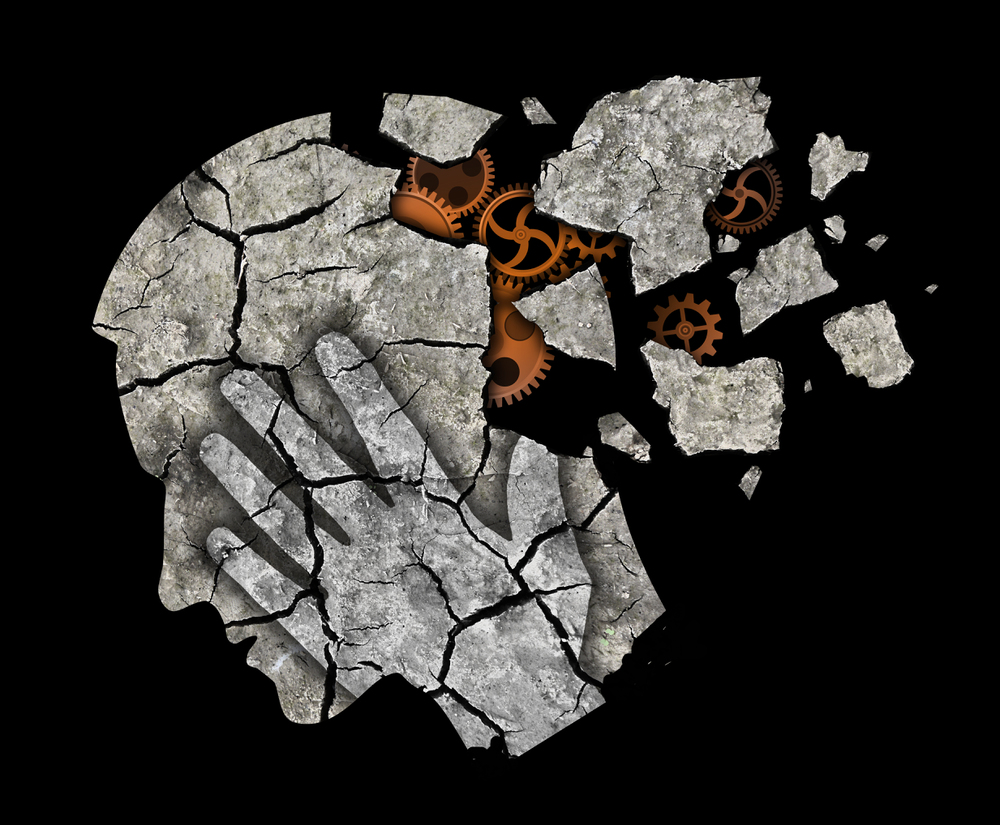
Mental illness Alzheimer disease, demention. Stylized male head silhouette with Dry cracked earth and gear, symbolizing psychiatric problems. The image does not show real people. — Illustration
Written by Veronica Turner.

In the complex landscape of cognitive health, early detection of dementia can make a significant difference in patient outcomes. Understanding how these initial symptoms manifest enables healthcare professionals to implement timely interventions.

This article delves into various aspects of early symptom identification and offers practical insights for professionals navigating the challenges associated with dementia diagnosis and care planning.

Recognizing the Early Symptoms of Dementia

Understanding early dementia symptoms is vital. Prompt detection can lead to more effective interventions, improving patients’ quality of life and care strategies.

While each individual’s experience with dementia differs, common signs tend to emerge that offer critical insights.

So, let’s explore the most common ones.

Memory Loss

Memory loss is often the most recognizable early symptom of dementia. This isn’t just forgetting where you left your keys; it’s consistently struggling to remember recent events or important dates. Such memory lapses can interfere with daily life, causing stress and confusion for individuals who previously managed these tasks effortlessly.

Challenges in Problem-Solving or Planning

Another indicator involves difficulties in thinking processes that were once routine. People may struggle with complex problem-solving or planning activities such as managing finances or following a familiar recipe.

Difficulty Completing Familiar Tasks

Individuals may find everyday tasks increasingly challenging. Whether it’s navigating a usual route to work or remembering the rules of a favorite game, what once seemed second nature becomes perplexing.

Confusion with Time or Place

Dementia can blur an individual’s understanding of time and location. Patients might lose track of dates and seasons, or even forget where they are at any given moment. Such disorientation often leads to anxiety and increased dependence on others for navigation through daily routines.

Problems with Visual Images and Spatial Relationships

Some individuals experience challenges in perceiving visual information accurately. Misjudging distances or seeing color contrasts differently affect activities like driving and reading maps, adding layers of risk and confusion to ordinary situations.

Language Difficulties in Speaking or Writing

Struggles with communication arise when dementia affects language skills. People with early dementia might pause mid-conversation as they search for the right words or repeat themselves frequently without realizing it – reflective of disruptions in their ability to express thoughts coherently.

Misplacing Things and Losing the Ability to Retrace Steps

Dementia often causes individuals to put items in illogical places, leading to frequent misplacement. This symptom is not just about forgetting where things are; it’s an inability to backtrack and logically search for lost objects, which can disrupt daily routines significantly.

Decreased or Poor Judgment

Patients may exhibit poor decision-making skills that were once intact. They might display carelessness with finances, like giving away large sums of money or buying unnecessary items impulsively. Personal neglect in grooming or hygiene can also signal diminishing judgment abilities.

Withdrawal from Work or Social Activities

Early dementia may cause a withdrawal from activities previously enjoyed due to struggles with keeping up mentally. Patients might avoid social interactions, work tasks, or hobbies they once loved because of frustration and embarrassment over their cognitive difficulties.

Changes in Mood or Personality

Mood swings are common as the disease progresses. Patients may experience anxiety, depression, confusion, fearfulness, or suspicion unexpectedly – reflecting deeper emotional changes rooted in their evolving condition.


Exploring Less Common Early Symptoms of Dementia

While the primary symptoms of dementia are well-known, some less common signs might surface in certain individuals.

These subtle cues often require keen observation to identify:

  • Apathy, which involves a lack of interest or motivation, a reduced emotional response, and an indifference towards social activities.
  • Hallucinations, which can involve seeing things that aren’t there, hearing unexplained sounds or voices, and experiencing unusual smells.
  • Unexplained physical changes, such as an altered gait or coordination difficulties and sudden changes in appetite or weight.

It’s important to note that the progression and manifestation can vary widely among individuals. Each person’s journey with dementia is unique, requiring careful observation for any atypical changes in behavior or cognitive function beyond these primary symptoms.

Recognizing these less common indicators can aid healthcare professionals in tailoring more effective care strategies for their patients.


Leveraging Cognitive Assessments for Early Detection

Cognitive assessments play a crucial role in identifying early symptoms of dementia. These structured evaluations test memory, problem-solving, attention, and language skills to pinpoint cognitive changes indicative of dementia.

Administered by trained professionals, tools like the Mini-Mental State Examination (MMSE) or Montreal Cognitive Assessment (MoCA) offer quantitative insights into a patient’s mental function.

Such assessments help differentiate normal aging from pathological decline.

Regularly incorporating these evaluations allows healthcare providers to track changes over time, facilitating earlier interventions when necessary.

They serve as objective benchmarks that guide further diagnostic procedures and treatment planning – providing a foundation for comprehensive care strategies tailored to each individual’s unique cognitive profile.


Conducting Comprehensive Medical Histories and Evaluations

Comprehensive medical histories and evaluations are vital in identifying early dementia symptoms.

Detailed assessments explore a patient’s past health issues, medications, and family history of cognitive decline. These elements provide context for understanding current symptoms.

Evaluating existing medical conditions like hypertension or diabetes reveals potential risk factors contributing to cognitive changes.

Assessments also include neurological exams to gauge reflexes, coordination, and sensory responses.

Such thorough evaluations help distinguish dementia from other treatable conditions with similar symptoms.

This holistic approach equips healthcare providers with the information necessary for accurate diagnoses and tailored care plans – ensuring that interventions address both immediate needs and long-term management.


Gaining Insights from Caregivers and Family Members

Caregivers and family members can offer invaluable insights into a patient’s behavior that might not be evident during clinical assessments. These close observers can notice subtle changes in daily routines, social interactions, and emotional responses – which are often the first signs of cognitive decline.

Open communication channels between healthcare providers, caregivers, and families are essential. Encouraging them to document specific incidents or patterns can provide detailed context for potential dementia symptoms. This collaborative approach ensures that observations from different environments inform diagnosis processes.


Analyzing Behavioral Patterns Through Advanced Analytics

Advanced analytics offers powerful tools for identifying early dementia symptoms by examining patients’ behavioral patterns.

Data-driven techniques analyze diverse datasets, including speech patterns, activity levels, and social interactions.

Algorithms identify deviations from typical behaviors that may indicate cognitive decline. For instance, changes in communication frequency or complexity can reveal emerging language difficulties.

Machine learning models further enhance this process by continuously refining their accuracy with new data inputs. These sophisticated systems provide healthcare professionals with actionable insights into subtle cognitive shifts often overlooked during traditional evaluations.

By leveraging these technologies, clinicians can make informed decisions about early interventions – optimizing patient care and potentially delaying the progression of dementia through timely and personalized treatment strategies.


Utilizing Technology and Wearables

Technologies and wearables offer innovative ways to identify and monitor early dementia symptoms. These tools provide continuous, objective data on patients’ cognitive and physical activities:

  • Smartwatches can track daily movements, monitor sleep patterns, and detect unusual changes in routine.
  • Mobile apps can provide memory games to evaluate cognitive health and send reminders for medications or appointments.
  • Home sensors can monitor daily activities like cooking or dressing habits and alert caregivers of deviations from normal patterns.

These technologies enable healthcare professionals to gather comprehensive insights beyond clinical settings, offering real-time updates on a patient’s condition.

By integrating this data into patient care plans, clinicians can detect potential warning signs earlier and adjust treatment strategies more effectively.


Distinguishing Dementia from Alzheimer’s Disease

As healthcare professionals will know, while dementia and Alzheimer’s disease are related, they differ in scope.

Dementia is an umbrella term encompassing a range of symptoms affecting memory, thinking, and social abilities to the extent that they disrupt daily life. It includes various forms like vascular dementia and Lewy body dementia.

Alzheimer’s disease specifically refers to a progressive neurological disorder causing brain cell degeneration, leading to cognitive decline. It is the most prevalent form of dementia.

Recognizing this distinction aids in accurate diagnosis and treatment planning. Although all individuals with Alzheimer’s experience dementia symptoms, not all cases of dementia stem from Alzheimer’s – emphasizing the need for precise medical assessments.

Proper differentiation between dementia types allows healthcare professionals to tailor treatment approaches effectively. This precision is crucial as various dementias may require distinct therapeutic strategies and interventions.

Identifying the specific warning signs of Alzheimer’s disease enables targeted care plans that address these symptoms early on.

By understanding each condition’s unique characteristics, clinicians can provide more effective management strategies to potentially slow disease progression and improve patient outcomes through customized support and therapies.

Progress is slowly being made in Alzheimer’s disease treatment.

For instance, the FDA recently approved lecanemab (Leqembi) and donanemab (Kisunla) for treating mild Alzheimer’s disease and cognitive impairment. Clinical trials showed these medicines can slow cognitive decline in early Alzheimer’s patients. The monoclonal antibodies in these medicines can help prevent and remove beta-amyloid plaques in the brain, similar to natural immune responses.

A study performed by researchers at the University of Cincinnati showed that the unintended increase in critical brain protein levels correlates equally with cognitive benefits.

Production blockers and the medicine saracatinib are also now being tested for treating Alzheimer’s disease.


Final Thoughts

Early identification of dementia symptoms is essential for effective intervention and care. By leveraging assessments, technology, comprehensive evaluations, and more, healthcare professionals can address cognitive decline proactively and develop personalized strategies that enhance patient quality of life and optimize treatment outcomes.


Author Bio: Veronica Turner is a health and lifestyle writer with over 10 years of experience. She creates compelling content on nutrition, fitness, mental health, and overall wellness.


Please also review AIHCP’s Nurse Patient Educator Certification programs and see if it meets your academic and professional goals.  These programs are online and independent study and open to qualified professionals seeking a four year certification

Why Healthcare Professionals Should Advocate for PFAS Awareness

A bottle of water pouring into a glassWritten by Nadine Westwood.

Per- and polyfluoroalkyl substances (PFAS) are known to cause various health issues – specifically cancer. These man-made chemicals are known for being resistant to water, oil, and heat.

What appeared to be a benefit at the outset has led to something more harmful for those that have consumed water in containers that had PFAS present. As such, the public health concern is continuing to grow at an alarming rate due to what’s being known as “forever chemicals”.

Healthcare professionals around the world have the opportunity to advocate for awareness regarding PFAs and the health issues that it can cause.

Understanding that they work with patients (including those who may be affected by PFAs), they have a first-hand look at how it can harm patients and have the information at their fingertips to generate awareness and present the evidence.

Let’s take a deeper look now as to why healthcare professionals should speak up about PFAS and more.


The Potential Health Risks That Are Linked To PFAs Exposure

There are known to be several studies that are linked to PFAs and how they can trigger various health issues.

From cancer caused by PFAS-contamination to other potential risks, it’s important for healthcare professionals to pay attention to see if there is an actual connection between PFAs and these certain health issues.

Here’s what we believe are those issues connected to the chemicals are:

  • Increased risk of certain cancers: Cancers such as kidney, pancreatic, and testicular cancers may be connected to PFAS exposure according to some researchers and studies.
  • Developmental issues in children: If a child is exposed to PFAS during pregnancy or early development, this can lead to adverse issues including low birth weight, immunity functions being impaired, and a delay in childhood development.
  • Thyroid issues: Thyroid hormone production could be interfered due to PFAS exposure, which in turn could lead to issues regarding growth, development, and metabolism.
  • Cholesterol issues: Increased levels of bad cholesterol (LDL) and decreased levels of its good cholesterol (HDL) counterparts can lead to various cardiovascular issues, which can lead to increased risk of heart disease, heart attack, stroke, and other related issues.
  • Other health concerns: Health issues such as decreased fertility, suppressed immune systems, and high blood pressure have been linked to exposure in PFAS

In today’s healthcare sector, there may be various studies that could shed light on how PFAS can affect persons around the world. Such chemical exposure may have been contributors as to why certain health issues may be on the rise over the past several decades.

Meanwhile, healthcare professionals have the responsibility to sound the alarm about PFAs while encouraging patients to not only be aware of potential health issues but to also get tested as early as possible.


Where Are PFAs Founds?

Despite the fact that commercial products with PFOA and PFOS have already been phased out, they can still be found. Specifically, they can be present in the environment and even substances including foams used to extinguish fires. Nevertheless, there may be other products that contain other PFAs (despite being replacements for PFOA and PFOS).

Where else could PFAs be found? They may be found in the following products:

  • Personal care products (i.e – Shampoo, cosmetics, dental care products, etc.)
  • Cleaning products
  • Cookware with non-stick features
  • Stain-resistant products for carpets, upholstery, etc.

Whether we know it or not, there may be products that contain PFAS currently found in your home at the moment. Knowing what specific products they are will be one of the major steps in awareness. It may be a challenge to avoid products that may contain PFAS, especially if it’s things that we use on a regular basis.


How Are People Exposed to PFAS?

Many people may not be aware of the ways they have been exposed to PFAS. That’s why we are pointing out what may be considered the common situations where they might be exposed including the following:

  • Contaminated water from municipal or private sources
  • Food that was produced and raised in or around areas where PFAS are made or used
  • Packaging materials derived from PFAS
  • Consuming fish with high PFAS levels
  • Swallowing soil or dust that is contaminated
  • Using products like nonstick cookware, sprays with stain or water repellant properties, etc.

Again, many people may have already been exposed to PFAS in the past. Thus, it is always important to continue emphasizing that early detection for health conditions is critical. Especially when we’re doing our part to solidify the narrative that early detection does indeed save lives.

Healthcare professionals must also do their part to encourage their patients to get tested for such health issues like cancers, heart disease, and other conditions that may be connected to PFAS themselves – especially during regular checkups.


What Are Some Available Resources For Detection of PFAS Exposure?

Even though medical science is continuing its evolution (especially with PFAS and research connected to such chemicals and health issues), there are still resources for healthcare professionals and their patients that will be accessible.

Such resources include but are not limited to the following:

  • PFAS Blood Testing: One way to approach testing is by making blood testing for PFAS more available. This will empower healthcare professionals to determine whether or not their patients have been exposed.

As such, the specific health implications from PFAS and the connection between them remain under continuous review. For now, it is important for healthcare professionals to help patients make the necessary decisions pertaining to their health and managing any potential risks that may arise due to PFAS exposure.

  • Environmental Testing: This is where it can be more than possible to determine the environmental source of PFAS exposure. It also includes testing the environment in an area where there may be water sources along with the surrounding area where PFA exposure may have been recent due to the use of products or potential sources of contaminants in the area.

Needless to say, PFAS contamination can occur due to activities associated with various industries. Unfortunately, negligence can also play a role in causing such exposures to occur, not knowing persons in the affected area may be exposed themselves.

As such, those who may be dealing with health issues linked to PFAS may also seek potential legal action if such proof and evidence is linked to determine negligence on the part of an organization or party known to have created situations where PFAS contamination was present.


Strategies To Follow For Advocating PFAS Awareness

Healthcare professionals can implement several different strategies in an effort to generate more awareness regarding PFAS. It’s important to make sure that they do this effectively in order to be successful in their message. These strategies include but are not limited to the following:

Continuous Education and Training

It is paramount for healthcare professionals to remain in the loop regarding PFAS and the health effects surrounding it.

This includes staying up to date with the latest research, attending workshops and conferences specializing in environmental health, and collaborating with medical schools in their area to include education programs pertaining to PFAS and environmental health.

Even leadership programs can help create a new generation of health care professionals that will help continue driving more awareness for PFAS exposure and the health affects surrounding them.

Educating Patients and Recommended Screenings

By communicating with their patients about PFAS risks, healthcare professionals can discuss exposure during checkups, especially in areas where a high-risk for exposure exists. As such, healthcare professionals should also put together screening protocols to positively identify patients that are at risk for exposure as well.

Finally, creating educational materials for patients will help them become aware of the risks of PFAS and how they can prevent such exposure from happening.

Increasing Public Outreach

The public should be aware of PFAS in so many ways. That’s why healthcare professionals and advocates should consider creating articles to be published in online and offline publications while contributing their knowledge to community forums and town halls.

Even government entities such as the US Department of Defense have done their part at this point. In today’s digital age, spreading awareness beyond local communities is more than possible thanks to the power of social media platforms.

At the end of the day, getting the word out about PFAS should be the first step in reducing exposure and subsequent health issues that arise from them. Without generating the proper levels of awareness, the health concerns will still run rampant.

Awareness can lead to actions taken such as creating policies that are designed to protect the health and safety of the general public while curtailing future exposure of PFAS including policies designed to hold industries accountable.


Final Thoughts

As PFAS continues to become more evident in causing various health problems, healthcare professionals have a responsibility to make sure that patients and the community as a whole are aware of the dangers that may exist.

By implementing various strategies to generate awareness, healthcare professionals can lead the charge both in their local areas and around the world in preventing health issues linked to PFAS by taking the necessary actions.

In the meantime, they must also assist their patients in helping them get tested for any potential health issues that may arise. Especially if the patients reside or work in environments where PSAS exposure is high.


Author Bio:

Nadine Westwood is a health coach and writer who helps her clients achieve phenomenal and sustainable results by combining nutrition, fitness, education and fun!


Please also review AIHCP’s Certification programs and see if it meets your academic and professional goals.  These programs are online and independent study and open to qualified professionals seeking a four year certification

Why Healthcare Professionals Are Turning to Call Recorders for Better Service and Documentation

Nurse using a voice recorderWritten by Stephen Carter.

In the fast-paced world of healthcare, every second counts. Medical professionals work tirelessly to ensure that they provide the best possible care while managing an array of tasks—patient records, consultations, and follow-ups are just the tip of the iceberg. So, what happens when communication becomes a crucial piece of the puzzle? What happens when a single detail from a phone conversation might be the difference between accurate treatment or a potential misunderstanding? It’s here that the role of call recording technology is gaining momentum in the healthcare sector, delivering unprecedented advantages.


The Need for Accurate Communication in Healthcare

Phone calls in the healthcare environment aren’t just quick chats. They are often laden with essential information—lab results, medication adjustments, follow-up instructions, or even urgent consultations between providers. Inaccurate documentation or missing details from these conversations can lead to mistakes that affect patient outcomes. A nurse jotting down instructions on a sticky note or a doctor trying to recall a complex discussion from memory isn’t just risky—it’s outdated.


Enhancing Service Quality through Call Recording

One of the key reasons healthcare professionals are adopting call recording is to improve service quality. Imagine a scenario where a patient calls their doctor’s office with a question about their prescription. The receptionist answers, promises to follow up, but later forgets to relay the message. The patient doesn’t receive the necessary guidance, leading to potential health complications.

This is a failure in communication that could easily be avoided with call recording. If the call had been recorded, the receptionist or another staff member could revisit the conversation, ensuring nothing was missed. The result? Fewer dropped balls, happier patients, and smoother operational workflows.

Moreover, when healthcare providers can replay conversations, they can evaluate the clarity and tone of their communication. This capability enables continuous improvement, as staff can learn from past interactions and refine how they handle calls, particularly sensitive ones.


Compliance and Legal Protection 

Healthcare is a heavily regulated field.   Providers must adhere to a myriad of laws concerning patient privacy and data security, such as HIPAA in the United States. This is where the documentation of the power of call recording becomes vital.   If a patient claims they weren’t informed about the risks of a procedure or the importance of follow-up care, call recordings can serve as legal evidence.

Call recording in healthcare helps to achieve enhanced patient care and improving patient service, but the main thing is to protect the interests of the institution. Now this can be achieved even by installing a call recorder app on the iPhone. Often, healthcare companies use iCall for iOS to use a call recorder at any time. The app allows you to create recording calls even in the free trial period. It also offers a built-in phone recorder for the iPhone.


Supporting Accurate Medical Documentation 

Documentation is a cornerstone of healthcare. Every interaction, treatment, and diagnosis must be meticulously recorded to provide an ongoing narrative of the patient’s health. But here’s the catch: healthcare professionals are human. They can forget details or misinterpret notes taken during a call. As a result, call recordings can become an invaluable tool for ensuring medical records are accurate and comprehensive.

A call between a physician and a specialist discussing a patient’s treatment plan is not just another conversation—it is a critical exchange of medical information. Recording that call means the healthcare professional doesn’t have to rely on memory when entering information into the patient’s chart. With the ability to review conversations, more thorough and precise documentation is possible, which translates to better care for the patient.

Consider this: What if a patient calls to report a change in symptoms, but the physician mishears or forgets to note a key piece of information? With call recording, that vital data isn’t lost, enabling healthcare providers to take more informed actions.


Reducing Miscommunication and Disputes

In the world of healthcare, miscommunication is a leading cause of errors . Whether it’s between medical staff, or between staff and patients, unclear or incomplete communication can lead to improper treatment, unnecessary tests, or even worse outcomes. Call recording eliminates the “he said, she said” nature of disputes by providing an objective record of what was communicated.

For example, suppose a patient insists that they were told by a nurse that their test results were normal, but later finds out they weren’t. This could escalate into a serious complaint or even legal action. With a recorded conversation, healthcare providers can verify exactly what was said, potentially defusing the situation or correcting the misunderstanding before it spirals out of control.


Improved Training for Healthcare Teams

Call recordings aren’t just a tool for documenting and protecting professionals—they’re also a way to train and educate. Recorded conversations can be used in training sessions to highlight effective communication, identify areas of improvement, and reinforce policies and procedures. 

For instance, new staff members can listen to past recorded calls to better understand how to handle difficult situations, such as a patient in distress or a complex medical inquiry.


Data Analytics and Insights

While the primary use of call recording in healthcare is for documentation and service improvement, it also opens the door to data analytics. This data can then be used to optimize processes, reduce waiting times, and even identify gaps in care.

For example, if data from call recordings reveals that patients frequently ask about specific symptoms or medications, healthcare organizations can address these common queries in their patient education materials or FAQs, reducing the need for follow-up calls and improving overall patient satisfaction.


Conclusion

Tap into the power of call recording to revamp healthcare communication, maintain regulatory compliance, keep accurate documentation, and upskill staff. Imagine having a reliable record of every conversation and action – this enables you to resolve disagreements, safeguard your institution’s reputation, and make meaningful improvements to patient care. Recording patient calls gives healthcare providers a snapshot of what’s working – and what’s not – so they can make meaningful changes. With every breakthrough, healthcare gets a fresh shot of innovation – let’s seize the opportunity and forge a new path.


Stephen CarterAuthor’s Bio:

Stephen Carter is an experienced content creator and marketing expert who writes about software development at VeePN. He has been helping authors to improve their blogs for over five years, enabling them to turn this hobby into a business. He enjoys researching and discussing technology-related topics and sharing her experiences with like-minded audiences. He also writes about digital marketing, business, and careers.

Content Marketing Specialist at VeePN

Miami Beach, Florida, USA


Please also review AIHCP’s Nurse Patient Educator Certification programs and see if it meets your academic and professional goals.  These programs are online and independent study and open to qualified professionals seeking a four year certification

Holistic Healthcare Techniques: The Role of Guided Imagery

By – James M. Katz, BA

Holistic healthcare is all about treating the whole person—body, mind, spirit, and emotions. This approach helps individuals achieve better health by looking at how all these parts connect. Guided imagery is one of the tools used in holistic healthcare to boost well-being. In the realm of holistic healthcare, practitioners are constantly seeking innovative approaches to enhance patient well-being. Guided imagery is a powerful tool that harnesses the mind’s ability to influence physical and emotional health. This approach, rooted in mindfulness and meditation, has found its way into various holistic healthcare clinics and services, offering a non-invasive method to promote healing and reduce stress.

Guided imagery has an impact on multiple aspects of health, from pain management to anxiety reduction. It involves the use of mental visualization to create positive changes in the body and mind. This article will explore the science behind guided imagery, its numerous benefits, and practical techniques for implementation. Additionally, it will examine how guided imagery integrates with other holistic healthcare services, its applications in nursing and family healthcare, and provide insights on how to begin incorporating this powerful tool into one’s wellness routine.

Key Takeaways

  • Holistic healthcare treats the whole person, not just symptoms.
  • Guided imagery uses imagination to promote relaxation and healing.
  • Mind, body, and spirit are interconnected in achieving wellness.
  • Personalized care plans are essential for effective holistic treatment.
  • Preventative measures, like stress management, are key to maintaining health.

Understanding Holistic Healthcare

Holistic Healthcare: Guided imagery as dream, thoughts and mind control tiny person concept. Calm relaxation method with psychological self therapy vector illustration. Emotional recreation and depression stress reductionDefinition and Core Principles

Holistic healthcare is a way of looking at health that considers the whole person, not just their symptoms. It focuses on the connection between the body, mind, and spirit. This means that to be truly healthy, all parts of a person need to be in balance. Instead of just treating a sickness, holistic healthcare aims to understand what caused it and how to help the person heal completely.

Benefits of Holistic Healthcare

The benefits of holistic healthcare are many. It helps people feel better not just physically, but also emotionally and spiritually. By treating the whole person, individuals often find they have more energy, less stress, and a greater sense of well-being. This approach encourages people to take charge of their health and make choices that support their overall happiness.

Common Holistic Practices

Common practices in holistic healthcare include things like yoga, meditation, and healthy eating. These activities help people connect with themselves and promote healing. Holistic practitioners often use a mix of traditional medicine and alternative therapies, like acupuncture or herbal remedies, to support their patients. This way, they can address health issues from multiple angles, leading to better outcomes.

What is Guided Imagery?

Definition

Guided imagery is a powerful relaxation technique that harnesses the mind’s ability to create positive changes in the body and mind. It involves using one’s imagination to visualize calming scenes or scenarios, engaging all the senses to promote relaxation and well-being. This holistic healthcare approach is also known as guided visualization or imagery therapy.

In essence, guided imagery is a mind-body technique that alters a person’s physical condition through the power of their mind. It works by directing thoughts toward a special place, creating images that help calm the sympathetic nervous system. This technique is particularly useful in holistic healthcare clinics and services, where it’s employed to help patients manage stress, pain, anxiety, and depression.

How it works

The process of guided imagery typically begins with relaxation exercises, followed by exploring visual images offered through verbal cues. These cues help build a framework for the setting, which can be a peaceful location like a beach, a forest path, or a quiet walkway. As individuals practice this technique, they may find it easier to form these scenes without prompts, allowing them to return to their calming mental space whenever needed.

Guided imagery works because the brain and body respond to imagined experiences almost as strongly as if they were really happening. This powerful connection between mind and body makes guided imagery an effective tool in holistic family healthcare and other holistic healthcare services. During a guided imagery session, individuals remain in complete control. Unlike hypnosis, guided imagery doesn’t put the person in a trance-like state. Instead, it encourages active participation in creating and exploring the mental imagery.

Types of guided imagery

There are various types of guided imagery used in holistic healthcare settings:

1. Nature-based imagery: This involves visualizing peaceful natural settings like beaches, forests, or mountains. Nature-based guided imagery has been found to be particularly effective in decreasing symptoms of anxiety. https://www.everydayhealth.com/integrative-health/guided-imagery/guide/
2. Healing imagery: This type focuses on visualizing the body healing itself. For example, cancer patients might imagine their white blood cells fighting off cancer cells.
3. Goal-oriented imagery: This involves visualizing successful outcomes, such as quitting smoking or achieving athletic goals.
4. Somatic Imagery™: This technique uses multi-sensory image-making to access inner experiences and resources that may not be available through talking therapy alone.
5. Safe space imagery: This is particularly useful for individuals dealing with trauma-related concerns, offering them a secure mental retreat.

Guided imagery can be practiced alone, with a group, or under the guidance of a practitioner in holistic healthcare clinics. It’s a versatile technique that can be used as a regular relaxation exercise or in times of stress. The main benefit of guided imagery is reducing physical and emotional stress, making it a valuable tool in holistic healing behavioral healthcare.

In the context of holistic healthcare services, guided imagery has shown promise in various applications. For instance, it has been used to help patients manage anxiety before medical procedures, cope with the side effects of chemotherapy, and improve sleep quality in older adults undergoing surgery.

As a holistic healthcare technique, guided imagery offers a non-invasive, accessible, and inexpensive method to promote overall well-being. Its ability to engage both the mind and body makes it a valuable addition to any holistic healthcare approach, complementing other therapies and treatments in the pursuit of balanced body holistic healthcare.

The Science Behind Guided Imagery

Neurological basis

Guided imagery, a key component of holistic healthcare, has a strong neurological foundation. Research has shown that the brain responds to imagined experiences almost as strongly as it does to real events. This powerful mind-body connection makes guided imagery an effective tool in holistic healthcare services.
Studies have revealed that mental imagery involves the activation of visual areas in the prestriate occipital cortex, parietal cortex, and temporal cortex. These areas represent the same types of specialized visual information in imagery as they do in perception. This suggests that when individuals engage in guided imagery, they’re activating similar neural pathways as they would when experiencing the real event.

Interestingly, different components of imagery processing appear to be lateralized in the brain. The generation of mental images from memory primarily depends on structures in the posterior left hemisphere, while the rotation of mental images relies more on structures in the posterior right hemisphere. This lateralization highlights the complexity of the neural processes involved in guided imagery.

Psychoneuroimmunology

Psychoneuroimmunology, the study of the interaction between psychological processes and the nervous and immune systems, provides further insight into the effectiveness of guided imagery in holistic healthcare clinics. This field explores how mental processes can influence physical health, which is a fundamental principle of guided imagery meditation.

Research in psychoneuroimmunology has shown that stress can have a significant impact on the immune system. Guided imagery, as a stress-reduction technique, can potentially influence immune function. Studies have demonstrated that guided imagery practices can help patients relax, improve sleep, and feel calmer and more comfortable, all of which can have positive effects on the immune system.

The connection between the mind and the immune system is particularly relevant in holistic family healthcare. By using guided imagery to reduce stress and promote relaxation, individuals may be able to enhance their overall health and well-being.

Research findings

Numerous studies have demonstrated the effectiveness of guided imagery in various healthcare settings. One study found that guided imagery of aversive events led to greater reporting of increased anxiety compared to when the same events were described verbally. This suggests that imagery is especially powerful for anxiety symptoms because anxiety is a foundational ‘perceptually based emotion’ more likely to be responsive to perceptual-sensory representation.

In the context of pain management, a key area in holistic healing behavioral healthcare, research has shown that meditation-induced reductions in pain intensity ratings were associated with increased activity in the anterior cingulate cortex and anterior insula. These areas are involved in the cognitive regulation of nociceptive processing. Additionally, reductions in pain unpleasantness ratings were associated with orbitofrontal cortex activation, an area implicated in reframing the contextual evaluation of sensory events.

A study using arterial spin labeling functional magnetic resonance imaging found that meditation reduced pain-related activation of the contralateral primary somatosensory cortex. This suggests that guided imagery meditation can alter the construction of the subjectively available pain experience from afferent information.
These research findings provide a scientific basis for the use of guided imagery in holistic healthcare services. They demonstrate that this technique can have measurable effects on brain activity and physiological processes, supporting its role in promoting overall well-being and managing various health conditions.

Benefits of Guided Imagery

Guided imagery, a powerful tool in holistic healthcare, offers a wide range of benefits for both physical and mental well-being. This technique, which harnesses the mind’s ability to influence the body, has shown promising results in various aspects of health and performance enhancement.

Physical health benefits

One of the primary advantages of guided imagery is its ability to reduce physical stress. When individuals engage in this practice, they often experience a decrease in their breathing rate and heart rate, leading to a state of calm. This physiological response has a significant impact on overall health and well-being. Guided imagery has also demonstrated effectiveness in pain management. Studies have shown that patients with chronic conditions such as arthritis and joint diseases reported significant pain reduction and improved mobility after practicing guided imagery visualization. As a result, many were able to reduce their reliance on pain medications.
For individuals undergoing medical procedures, guided imagery has proven beneficial in managing anxiety and discomfort. Research has indicated that this technique can help patients cope with medical-related anxiety, making it a valuable tool in holistic healthcare clinics.

Mental health benefits

The mental health benefits of guided imagery are equally impressive. This technique has shown to be particularly effective in reducing anxiety symptoms. Studies have found that imagery of aversive events led to greater reporting of increased anxiety compared to when the same events were described verbally, suggesting that imagery is especially powerful for anxiety symptoms.

Guided imagery also has an impact on depression and overall mood. By bringing the mind to a better moment, individuals can disconnect from negative thoughts that often fuel depression and anxiety. This shift in focus can lead to improved emotional well-being and a better sense of control. Sleep quality is another area where guided imagery has shown positive effects. By helping individuals detach from the worries of the day, this technique can promote the relaxation needed to fall asleep more easily. This benefit is particularly valuable in holistic family healthcare, where improving sleep quality can have a ripple effect on overall family well-being.

Performance enhancement

Beyond its health benefits, guided imagery has gained recognition as a powerful tool for performance enhancement. This technique is widely used in sports psychology to help athletes improve their performance. By visualizing success, athletes can train their brains to expect their best performance before competing. The principles of performance enhancement through guided imagery extend beyond sports. In the business world, entrepreneurs and professionals use visualization techniques to stay motivated and on track towards achieving their goals. This application of guided imagery aligns well with the holistic approach to healthcare, which considers all aspects of an individual’s life and well-being. In educational settings, guided imagery has been used to enhance academic performance. Students who practice this technique may find it easier to manage test anxiety and improve their focus during exams.A Holistic Wellness Infograph detailing various activities to help you relax. (meditation, Singing, Dancing, etc.

Guided imagery’s versatility makes it a valuable component of holistic healthcare services. Whether used for stress reduction, pain management, or performance enhancement, this technique offers a non-invasive, cost-effective approach to improving overall well-being. As research continues to uncover its benefits, guided imagery is likely to play an increasingly important role in balanced body holistic healthcare approaches.

Guided Imagery Techniques

Guided imagery is a powerful tool in holistic healthcare that harnesses the mind’s ability to influence physical and emotional well-being. This technique involves using one’s imagination to create positive changes in the body and mind. There are several approaches to guided imagery, each tailored to specific goals and outcomes.

Relaxation-based imagery

Relaxation-based imagery is a fundamental technique in guided imagery meditation. It focuses on creating a calm and peaceful mental environment to reduce stress and promote relaxation. This approach often begins with deep breathing exercises to induce a state of relaxation. Practitioners guide individuals to visualize a serene setting, such as a quiet beach, a shady forest, or a peaceful meadow.

During a relaxation-based imagery session, individuals are encouraged to engage all their senses. They might imagine the warmth of the sun on their skin, the sound of waves lapping at the shore, or the scent of flowers in a garden. This multi-sensory approach helps to deepen the relaxation experience and make it more vivid and effective.
Research has shown that relaxation-based imagery can have significant benefits for both physical and mental health. Studies have demonstrated that this technique can help reduce anxiety, lower blood pressure, and improve sleep quality. In holistic healthcare clinics, relaxation-based imagery is often used as a complementary therapy to manage stress and promote overall well-being.

Goal-oriented imagery

Goal-oriented imagery is a technique that focuses on visualizing specific outcomes or achievements. This approach is particularly useful in holistic family healthcare and sports psychology. It involves creating detailed mental images of successfully accomplishing a goal, whether it’s quitting smoking, improving athletic performance, or managing a health condition.

In goal-oriented imagery, individuals are guided to imagine themselves successfully overcoming challenges and achieving their desired outcomes. For example, a person trying to quit smoking might visualize themselves refusing a cigarette and feeling proud and healthy. An athlete might imagine executing a perfect performance in their sport.

This technique works because the brain and body respond to imagined experiences almost as strongly as if they were really happening. By repeatedly visualizing success, individuals can train their brains to expect positive outcomes, which can enhance motivation and performance in real-life situations.

Healing imagery

Healing imagery is a powerful technique used in holistic healthcare services, particularly for individuals dealing with chronic health conditions or recovering from injuries. This approach involves visualizing the body’s healing processes or imagining oneself in a state of perfect health. In a healing imagery session, a person might be guided to imagine their immune system fighting off an infection or their body repairing damaged tissue. For example, a cancer patient might visualize their white blood cells as strong warriors defeating cancer cells. This type of imagery can be particularly effective when combined with traditional medical treatments.

Studies have shown that healing imagery can have significant benefits for pain management and overall well-being. Research has demonstrated that patients who practice healing imagery often report reduced pain, decreased use of pain medications, and improved mobility. In holistic healing behavioral healthcare, healing imagery is often used as a complementary therapy to support recovery and promote a positive outlook.

Applications in Healthcare

Guided imagery has gained recognition as a valuable tool in holistic healthcare, offering numerous applications across various medical fields. Its versatility and non-invasive nature make it an attractive option for healthcare providers seeking to enhance patient care and well-being.

Pain management

One of the most significant applications of guided imagery in holistic healthcare is pain management. Studies have shown that this technique can provide substantial relief for individuals suffering from chronic pain conditions. In a review of seven randomized-controlled trials focusing on arthritis and other joint diseases, researchers found that guided imagery led to significant pain reduction, improved mobility, and decreased reliance on pain medications, including nonsteroidal anti-inflammatory drugs (NSAIDs).

The effectiveness of guided imagery in pain management extends to various conditions. For instance, patients with fibromyalgia have reported positive outcomes when using this technique. A randomized study revealed that guided imagery relaxation helped manage pain at tender points, reduced anxiety, improved sleep quality, and enhanced self-efficacy in fibromyalgia patients.

Stress reduction

Guided imagery has a powerful impact on stress reduction, making it a valuable tool in holistic healthcare services. By calming the sympathetic nervous system, this technique helps reduce the body’s production of stress hormones, leading to improved overall health. The relaxation induced by guided imagery can have multiple effects, including anxiety reduction, immune system enhancement, and an increased sense of well-being.

Healthcare providers often recommend guided imagery as a complementary intervention for stress management. Its ability to promote relaxation and reduce stress has made it particularly useful in critical care settings. A review of guided imagery’s impact on the immune system supported its use in stress reduction, with favorable outcomes reported in critical care interventions.

Cancer treatment support

In the realm of cancer care, guided imagery has shown promise as a supportive therapy. Studies have demonstrated its potential to help patients cope with the challenges of cancer treatment and improve their quality of life. For instance, a study involving breast cancer patients undergoing chemotherapy found that those who practiced progressive muscle relaxation training (PMRT) and guided imagery experienced less nausea, vomiting, anxiety, depression, and irritability compared to those receiving chemotherapy alone.

Another study conducted at Oregon Health and Science University focused on women with stage I and II breast cancer. Participants were led through individual hypnotic-guided imagery sessions, encouraging them to imagine their immune system cells finding and destroying cancer cells. The results showed that after eight weeks of practice, the women experienced reduced depression and higher natural killer cell counts.

These findings suggest that guided imagery can be a valuable addition to holistic healthcare approaches in cancer treatment, potentially enhancing the immune system and improving emotional well-being. As research continues to explore its benefits, guided imagery is likely to play an increasingly important role in comprehensive cancer care strategies.

Empowerment Through Holistic Practices

Self-Care and Self-Awareness

Holistic practices encourage individuals to take charge of their own health. By understanding their own needs and feelings, people can make better choices for their well-being. This self-awareness helps them recognize what truly supports their health, whether it’s through relaxation techniques, exercise, or healthy eating.

Patient Education and Participation

Education is key in holistic healthcare. When patients learn about their health and the different options available, they feel more involved in their care. This participation not only boosts their confidence but also helps them make informed decisions that align with their personal health goals.

Building Resilience Through Holistic Approaches

Holistic practices can help individuals develop resilience. By focusing on the mind, body, and spirit, people can learn to cope better with stress and challenges. This balanced approach leads to a stronger sense of inner peace and the ability to bounce back from difficulties.

Holistic Healthcare for Mental and Emotional Well-Being

Emotional Balance and Mental Clarity

Holistic healthcare looks at the whole person, including their emotions and thoughts. By focusing on emotional balance, individuals can find greater mental clarity. This means understanding feelings and learning how to manage them effectively. When people feel balanced emotionally, they often think more clearly and make better decisions.

Mindfulness and Meditation

Mindfulness and meditation are important parts of holistic healthcare. These practices help people stay present and calm. They can reduce stress and anxiety, making it easier to handle daily challenges. Regular practice can lead to a more peaceful mind and a happier life.

Therapies for Emotional Healing

Different therapies can help with emotional healing in holistic healthcare. These might include talking therapies, art therapy, or even music therapy. Each of these approaches aims to help individuals express their feelings and work through difficult emotions. By addressing emotional wounds, people can improve their overall well-being and lead more fulfilling lives.

Integrating Mind, Body, and Spirit for Enhanced Well-Being

Mind-Body Connection

The connection between our mind and body is very important for our overall health. When we feel stressed or anxious, it can lead to physical problems like headaches or tiredness. On the other hand, taking care of our bodies through exercise can help improve our mood and reduce feelings of sadness. This shows how closely our thoughts and feelings are linked to our physical health.

Spiritual Wellness

Spiritual wellness is about finding meaning and purpose in life. It helps us feel connected to something bigger than ourselves. Engaging in spiritual practices can provide comfort during tough times and help us feel more balanced. When we nurture our spirit, we often find a sense of peace and happiness that supports our mental and physical health.

Physical Health and Holistic Practices

Taking care of our physical health is essential for overall well-being. Eating well, getting enough sleep, and staying active are all part of this. Holistic practices, like yoga or meditation, can enhance our physical health while also supporting our mental and spiritual well-being. By focusing on all three areas—mind, body, and spirit—we can achieve a more balanced and fulfilling life.

Integrating Guided Imagery with Other Therapies

Complementary use with conventional medicine

Guided imagery has gained recognition as a valuable complementary approach in holistic healthcare. It’s increasingly being integrated with conventional medical treatments to enhance overall patient care and well-being. This mind-body technique has shown promise in various medical settings, particularly in pain management and stress reduction.

In the realm of pain management, guided imagery has demonstrated significant benefits when used alongside traditional interventions. Studies have shown that patients with chronic pain conditions, such as arthritis and other joint diseases, experienced substantial pain reduction and improved mobility when practicing guided imagery. As a result, many were able to decrease their reliance on pain medications, including nonsteroidal anti-inflammatory drugs (NSAIDs).

The integration of guided imagery with conventional medicine has also shown promise in cancer care. Research has indicated that cancer patients undergoing chemotherapy and radiotherapy experienced better outcomes when guided imagery was incorporated into their treatment plan. These patients reported less nausea, vomiting, anxiety, depression, and irritability compared to those receiving conventional treatment alone.

In the context of surgical procedures, guided imagery has proven beneficial in preparing patients and supporting their recovery. Healthcare providers often recommend this technique to help patients manage anxiety before surgery and cope with post-operative pain. This complementary approach has been associated with improved outcomes and faster recovery times in some cases.

Combining with other mind-body practices

Guided imagery is often combined with other mind-body practices to create a comprehensive approach to holistic healthcare. This integration enhances the overall effectiveness of these techniques and provides patients with a wider range of tools to manage their health and well-being.
One common combination is the use of guided imagery with progressive muscle relaxation. This pairing has shown particular effectiveness in stress reduction and pain management. The relaxation induced by these combined techniques helps calm the sympathetic nervous system, leading to reduced production of stress hormones and improved overall health.

Another powerful combination is the integration of guided imagery with meditation and mindfulness practices. This approach, often referred to as guided imagery meditation, helps individuals achieve a deeper state of relaxation and self-awareness. It’s particularly useful in holistic family healthcare settings, where it can be practiced together to promote overall family well-being.

In some holistic healthcare clinics, guided imagery is combined with music therapy to create a more immersive and therapeutic experience. The Bonny Method of Guided Imagery and Music, for example, uses guided imagery alongside music therapy to access elements of a client’s inner world that may not be accessible through traditional talking therapies alone.

The integration of guided imagery with other complementary and integrative health (CIH) strategies has gained traction in various healthcare systems. For instance, the Veterans Health Administration, the nation’s largest integrated healthcare system, has been a leader in offering CIH therapies, including guided imagery, to address chronic pain and other health issues.

As research continues to support the benefits of guided imagery and other mind-body practices, their integration into conventional medical care is likely to increase. This holistic approach to healthcare, which addresses both the physical and mental aspects of health, offers promising avenues for improving patient outcomes and quality of life.

Getting Started with Guided Imagery

Guided imagery is a powerful tool in holistic healthcare that can be easily incorporated into daily life. This mind-body technique offers numerous benefits, from stress reduction to pain management, making it a valuable addition to one’s wellness routine. Here’s how to begin your journey with guided imagery.

Self-guided practice tips

For those who prefer to practice guided imagery on their own, here are some helpful tips to get started:

1. Choose a quiet, comfortable place where you won’t be interrupted.
2. Turn off electronic devices to minimize distractions.
3. Begin with deep breathing exercises to relax your body and mind.
4. Visualize a peaceful scene, such as a garden, lake, or seaside.
5. Engage all your senses in the visualization – imagine the sights, sounds, smells, and textures of your chosen scene.
6. Allow yourself to linger in this peaceful setting for several minutes.
7. Gently open your eyes and stretch when you’re ready to conclude the session.

It’s important to remember that mind wandering is normal and perfectly acceptable during guided imagery practice. The key is to return your focus to the visualization gently when you notice your thoughts drifting.

For beginners, starting with a pleasant memory can help ease into the practice. Focus on reconstructing the memory in detail, incorporating all your senses to make the experience more vivid and engaging.

Recommended resources

To support your guided imagery practice, consider exploring the following resources:

1. Apps: The Mindfulness App, Calm, Insight Timer, and Wellscapes offer guided imagery sessions.
2. Podcasts: Kaiser Permanente provides free guided imagery podcasts.
3. Books:
• “Staying Well With Guided Imagery” by Belleruth Naparstek
• “Guided Imagery for Self-Healing” by Martin Rossman
• “Guided Imagery Work with Kids” by Mellisa Dormoy
4. Online resources: The University of Michigan Rogel Cancer Center offers podcasts focused on using guided imagery to manage stress and encourage relaxation during cancer treatment. https://positivepsychology.com/guided-imagery-scripts/
5. Professional training: For those interested in deepening their practice or incorporating guided imagery into their professional work, organizations like Imagery International and the Academy of Guided Imagery offer workshops and training programs.

Remember, guided imagery is a skill that improves with practice. Start with short sessions of 5-10 minutes and gradually increase the duration as you become more comfortable with the technique. With consistent practice, guided imagery can become a powerful tool in your holistic healthcare toolkit, supporting both physical and mental well-being.

Preventative Measures in Holistic Healthcare

Lifestyle Modifications

Holistic healthcare emphasizes the importance of making healthy lifestyle choices to prevent illness. By adopting better habits, individuals can significantly improve their overall health. This includes engaging in regular physical activity, getting enough sleep, and avoiding harmful substances. These changes can lead to a more balanced and vibrant life.

Stress Management Techniques

Managing stress is crucial in holistic healthcare. Techniques such as deep breathing, yoga, and meditation can help individuals cope with daily pressures. These practices not only reduce stress but also promote mental clarity and emotional stability, contributing to overall well-being.

Nutritional Therapy

Nutrition plays a vital role in holistic health. Eating a balanced diet rich in whole foods can help prevent various health issues. By focusing on nourishing the body with the right nutrients, individuals can enhance their energy levels and support their immune systems, leading to better health outcomes.Mindfulness word cloud on a white background.

Personalized Holistic Care Plans

Assessing Individual Needs

To create a personalized holistic care plan, it’s important to first understand each person’s unique needs. This means looking at their physical health, emotional state, and even their spiritual beliefs. By recognizing these different aspects, we can better support their overall well-being.

Creating a Holistic Care Plan

Once we know what someone needs, we can design a care plan just for them. This plan might include different therapies, lifestyle changes, and self-care practices that fit their life. The goal is to help them feel balanced and healthy in all areas.

Monitoring and Adjusting Care Plans

A personalized care plan isn’t set in stone. It’s essential to check in regularly and see how things are going. If something isn’t working, adjustments can be made to ensure the person continues to move toward better health and happiness.

Conclusion

Guided imagery has proven to be a powerful tool in holistic healthcare, with a significant impact on both physical and mental well-being. Its versatility allows for use in various settings, from pain management and stress reduction to cancer treatment support. The integration of guided imagery with conventional medicine and other mind-body practices has opened up new avenues to enhance patient care and improve overall health outcomes.

As research continues to uncover the benefits of guided imagery, its role in holistic healthcare is likely to grow. Whether practiced with a professional or self-guided, this technique offers a non-invasive, cost-effective way to boost health and wellness. By tapping into the mind’s ability to influence the body, guided imagery empowers individuals to take an active role in their health journey, aligning perfectly with the principles of holistic healthcare.

If you’re interested in exploring more holistic healthcare techniques and learning about integrative medicine, then you should review our Holistic and Integrative Healthcare Certification program. You would need to complete 6 online holistic nursing courses and be a licensed nurse to become certified in Holistic Healthcare. For full information on our Holistic Healthcare program please go here.

FAQs

  1. What are the benefits of guided imagery?
    Guided imagery can be very beneficial as it allows you to mentally escape from stressful situations, leading to immediate relaxation. This relaxation can slow your breathing and reduce your heart rate. With regular practice, guided imagery can be particularly effective in managing stress when it arises.
  2. How does guided imagery influence overall health?
    Guided imagery serves multiple health purposes. It not only aids in relaxation, helping to lower blood pressure and alleviate stress-related issues, but it also supports goal achievement (like weight loss or quitting smoking), pain management, and the promotion of healing processes.
  3. Are there any potential risks associated with guided imagery?
    While guided imagery is generally safe, it can sometimes trigger anxiety, disturbing thoughts, or fears of losing control, particularly in individuals with existing psychiatric conditions.
  4. What is the typical duration of a guided imagery session?
    Guided imagery sessions usually last between 20 to 30 minutes and can be conducted several times a week. If guided imagery is used as part of multiple interventions in a general clinic setting, each session should last at least 5 minutes.
  5. What is holistic healthcare?
    Holistic healthcare looks at the whole person, including their body, mind, emotions, and spirit, to promote overall health and wellness.
  6. How does guided imagery work?
    Guided imagery uses mental images and visualization to help relax the mind and body, making it easier to cope with stress and anxiety.
  7. What are the benefits of holistic healthcare?
    Holistic healthcare can improve your overall well-being by addressing physical, emotional, and spiritual needs, leading to a more balanced life.
  8. Can guided imagery help with stress management?
    Yes, guided imagery is a helpful technique for reducing stress and promoting relaxation, making it easier to handle daily challenges.
  9. How can I create a personalized holistic care plan?
    To create a personalized holistic care plan, assess your individual needs, set health goals, and include practices that support your overall well-being.
  10. What are some common holistic practices?
    Common holistic practices include mindfulness, yoga, nutrition, meditation, and acupuncture, all aimed at promoting balance and health.

Research Articles:

The Impact of Guided Imagery on Pain and Anxiety in Hospitalized Adults. Linda Cole. Pain Management Nursing, Volume 22, Issue 4,2021, Pages 465-469, ISSN 1524-9042.
Access link here

The effects of preoperative guided imagery interventions on preoperative anxiety and postoperative pain: A meta-analysis. Cristina Álvarez-García, Züleyha Şimşek Yuban, Complementary Therapies in Clinical Practice, Volume 38,2020,101077, ISSN 1744-3881,
Access link here

The effects of neuro-linguistic programming and guided imagery on the pain and comfort after open-heart surgery. Aysel Doğan PhD, Et Al Journal of Cardiac Surgery First published: 24 March 2021
Access link here

Mental Imagery as a Rehabilitative Therapy for Neuropathic Pain in People with Spinal Cord Injury: A Randomized Controlled Trial. Kaur J, Et Al. Neurorehabilitation and Neural Repair. 2020;34(11):1038-1049.
Access link here


Recent Trends in Education for Health Care of the Elderly

Stethoscope on red smartphone on a grey background. Calling for doctor appointment concept or phone repair service concept.Written by Vivian Kane.

The face of senior healthcare is experiencing one remarkable transformation based on technological advances and deeper understandings brought into personalized care and evolving policy frameworks.

These changes not only reshape how care is delivered but also the way it is taught. From integrating telemedicine into curricula to an increased focus on the mental and financial aspects of healthcare, the newest trends in senior healthcare education weave together an entirely new standard that is anything but unexciting.

The following are some of the most exciting and influential trends that change the face of senior healthcare education.


Technology Integration

From telemedicine to electronic health records, digital tools are being used increasingly instrumentally in the delivery of efficient and effective care to seniors. It’s a question of using technology to deliver care and training healthcare professionals in competent technology use. Technology literacy has become one of the leading emphases of such training programs.

This gives the process of better-equipping health providers by adopting new devices and systems to use competently, hence taking better care of patients.

Through technology, older adults can manage their chronic states more skillfully, communicate with their medical professionals more conveniently, and provide better health outcomes.

Allowing it into the training means more preparedness for the health professions to meet and manage an aging yet technology-savvy population. It will provide a generation of health professionals who know how to apply technology to support and continue, besides conventional caregiving, a better quality of life for seniors.


Focus on Personalized Care

Health education in caregiving is increasingly trending toward designing a treatment plan that addresses a senior’s specific health conditions, lifestyle, and personal preferences. It goes against the one-size-fits-all concept of more personalized caregiving plans for patients.

Clinical programs also train professionals in rendering appropriate planning of care for the elders. It includes those with mobility issues or mental disorders, and treatment of debilitating chronic diseases. Personalized care also involves emotional and psychological support.

Given the struggle of seniors to cope with loneliness and cognitive decline, health professionals have to be trained on how to identify their reactions and respond well. New programs are increasingly covering courses on empathy, communication, and patient-centered care. It makes professionals well-primed in handling their elderly patients’ emotional needs, apart from their physical health.


Medicare Outreach

With more and more health professionals becoming Medicare-eligible, education programs are most definitely in need of adjustments in outreach strategies to tap into such a highly qualified population. Health Education contains Medicare marketing solutions that will help professionals understand the benefits of Medicare and how it can be applied positively to their practice.

Outreach to the community through workshops and partnering with senior centers is combined with electronic campaigns through social media and emails. It could help reach Medicare clients on common aspects, such as out-of-pocket expenses and the extent of the coverage, and be tailored to craft messaging even more effectively. For example, allowing an individual to get an answer concerning their interest.

Programs also focus on educating seniors about their options under Medicare so that informed choices can be made about health insurance.

This trend is part of the more considerable socio-cultural shift toward more proactive, better-informed healthcare with the same knowledge that would take providers and patients through the system maze.


Increased Emphasis on Mental Health

Major concerns clinically include depression, anxiety, and a decline in cognitive ability. Professionals in health require training that equips them to handle such conditions. Modern training involves modules in mental health that will enable health professionals to know the early signs of cognitive decline, like dementia, and what interventions are appropriate.

Also, the stigma about problems with mental health is raging downward, and health education is contributing to that process. It trains future professionals to engage in such a concern area with much ease and expertise by normalizing such conversations even within educational platforms.


Telemedicine

Telehealth has changed healthcare, especially for older people with movement problems. Training in telemedicine began to be included in training that would instruct health professionals in the performance of virtual consultations, data interpretation from wearables, and the provision of remote support. This is increasingly important as the demand for telemedicine services among seniors continues to surge.

Beyond just the immediate increase in access to care by seniors, healthcare practitioner training in telemedicine allows professionals to expand their practice without geographical limitation. This emphasis on telemedicine education is a visionary step that prepares the health workforce for the future when virtual care will be no less common than an in-person visit.


Holistic Approaches to Health in Senior Care

Holistic health encompasses physical, emotional, and social components and is fast becoming accepted in education for senior health care. It is now training health professionals to address the whole person rather than disease-specific treatment. Nutrition, mental health, physical activities, and social engagement have become part of coursework in educational programs regarding a senior’s care plan.

This whole circle of care reveals that elderly individuals fight not just aspects of the disease but rather manage to sustain an adequate quality of life. The provision of information to health providers on the need for a more balanced approach to health sees seniors obtain comprehensive care that deals with every aspect of their well-being.


Interdisciplinary Education

With health care becoming even more of a team-oriented process, there is a greater emphasis on interdisciplinary education. Care for older individuals often requires representatives from many walks of life: physicians, nurses, social workers, and therapists.

Programs are now designed to foster good teamwork and communication among the disciplines so that services provided are coordinated, comprehensive, and less fragmented.

This trend is much more significant for senior caring, where complex medical and social support needs widely require several specialists. The programs make the care experience smooth for seniors by teaching them how healthcare providers need to work in an effective team, reducing the chances of miscommunication.


Policy Changes and Their Impact on Education

Healthcare policies change frequently and are very influential in the health professional curriculum and learning process. For instance, Medicare policies affect reimbursement policies for services and the type of care to be provided. These changes mean that all training programs are meant to help healthcare professionals realize the new regulations in service delivery.

Apart from insurance education, the programs also advocate for the art of health for senior patients. That would include navigating through issues regarding insurance or understanding how to access those governmental-funded resources for seniors.


Cultural Competency

With diversity among seniors continuing to increase, health professionals should be ready to accept and understand cultural differences as they relate to healthcare beliefs and practices. Training in cultural sensitivity forms part of the curricula that help health professionals learn to communicate better with their patients.

It is a great trend for building confidence among seniors and health professionals for better care outcomes. Indeed, this is achieved through different programs that educate health professionals about exemplary aspects of cultural competency that care for seniors while maintaining respect for their values and traditions.


Palliative and End-of-Life Care Education

Programs now offer training in the delivery of appropriate, patient-centered, palliative care with consideration of the goals and needs of the seniors and their families. This is a shift towards healthcare providers being better positioned to support seniors in the most challenging times in their lives.

Care during the end of life requires sensitivity, which results from being able to communicate and, at the same time, being deeply knowledgeable about medical and emotional needs. This is ensured through education focusing on these aspects, ensuring seniors receive dignified and respectful care at whatever stage of life.


Geriatric Specialization

The need for geriatric care is growing, so many practitioners are undergoing further training in this field. The programs deal with those special health concerns expected in later years of life that are managed as one sees increases in multiple chronic conditions, mobility problems, and cognitive impairments.

Specialization courses in geriatrics would thus equip health providers with the necessary knowledge and expertise to provide specialized care to seniors. This trend is bound to emerge due to increasing senior populations, hence ensuring a corresponding sufficiency of qualified professionals to meet the complex needs of this demography.


Caregiver Support Training

Caregivers play a very significant role in the lives of many seniors, yet they are highly under-supported and under-resourced. Healthcare education programs consequently develop curricula that direct attention to how to support the caregivers themselves. These may include caregiver stress management training, training of the caregiver in medical care, and connecting them with resources.

Such programs improve seniors’ care experience by educating healthcare providers on the importance of support for caregivers. When caregivers themselves feel well-supported, seniors benefit from improved care and a more stable home environment.


Financial Literacy

Most seniors find it complex to handle the financial aspects of Medicare, out-of-pocket expenses, and long-term care planning. With those factors in mind, financial literacy is now part of the education that better equips healthcare providers to guide Seniors through these complex issues.

This trend ensures even health professionals are concerned with medical care while helping seniors make informed decisions in terms of money matters. Healthcare could also make the elderly aware of Medicare and long-term care insurance, among other issues, so they are better prepared for the financial turmoil of aging.


Endnote

Senior healthcare education is changing day in and day out. These trends reflect a growing dependence on technology and policies that work in an effort to develop an efficient healthcare system. Through such moves, seniors will continue to get the best possible care from competent and informed providers.


Author Bio

Vivian Kane is a health writer with a passion for improving care for the elderly. With over a decade of experience in healthcare policy and senior care, she focuses on educating the public about innovative trends and best practices in eldercare. Vivian has contributed to various healthcare journals and blogs. Her work aims to bridge the gap between healthcare professionals and caregivers, ensuring that the latest trends in eldercare education are accessible to everyone. When she’s not writing, Vivian volunteers at local senior care centers and advocates for better care standards for aging populations.


Please also review AIHCP’s Nurse Patient Educator Certification programs and see if it meets your academic and professional goals.  These programs are online and independent study and open to qualified professionals seeking a four year certification

Rogerian Therapy Video Blog

Rogerian Therapy is based on client centered care and empathic approaches.  It sees healing as a process of the client confronting emotions and discussions based on those emotions.  It can involve empty seat, emotion analysis, as well as grounding techniques that capture emotional distress with physical manifestation.  The key is to help clients understand emotion and to guide client empathetically at every step of the way


Please also review AIHCP’s Grief Counseling Certification, as well as AIHCP’s other behavioral health certification programs in crisis counseling, Christian counseling, Stress Management, Anger Management and Meditation.  The programs are online and independent study and open to qualified professionals.  Please review and see if the program meets your academic and professional goals


Multi Cultural Counseling Challenges within the Arab/Islamic Community

The Islamic religion is a strong and proud one that has the same objective tendencies found within Christianity.  These objective dogmas and beliefs present a theology that points to Islam as the only way to God and as a faith that encompasses the complete truth of God’s revelation.  While other faiths are not mocked or looked down upon by Muslims, fanatics like found in any religion, have created images of terrorists and murderers that far from represent the true tenets of Islam.  Yet, combined with a mutual historical rivalry with the Christian West, later colonization by the then secular West, has created deep gaps between the predominant Western culture of the United States and Arab Muslims.  In particular with US foreign policies in Israel and Palestine and the wars in Iraq, and the events of 911, there exists many bias and prejudices between both societies.  These biases can be on full display when migrants from the Middle East who profess Islam come into contact with both many Christian, as well as, secular Americans of European descent.  Hence there exists a bi polarizing system of thought between many Westerners and Muslims that mutually accuse one of oppressor and the other as terrorist.  This is one of the biggest thing Western counselors must dismiss from their own prejudice as well as Muslim clients who come for therapeutic care.

Please also review AIHCP’s Grief Counseling Certification and see if it meets your academic and professional goals.

The American Arabic Muslim Profile

Muslim Americans hope to share in the American dream and also share their unique cultural heritage

The Arabic Muslim represents over 1.7 to 5.1 million Americans living within the United States as citizens or living on Visas (Pederson, 2018, p. 188).  They range in all socio-economic classes but for the most part exceed the national level of income due their commitment to the educational process.  For a many, not all, Islam plays a key role in their life.  Of course, there are variances of adherence to the faith, as in any faith, but for the most part, most Arab Americans profess a belief in Islam.  Islam means submission to God (Pederson, 2018, p. 186).  It is an Abrahamic faith that shares in the same belief of the same God professed in Judaism and Christianity.  Albeit, the interpretation of the God of Abraham is quite different than Christians which profess the revelation of the Trinity and belief in the Incarnation of the Logos and Jesus Christ as both God and man.   Another key difference is the belief in Mohammad as the last messenger sent by God to fulfill the Judaic and Christian religions.  This message is primarily found in the Quaran and the story of God’s final revelation through Mohammad.

The faith of Islam teaches key core rules that are expected of all adherents to believe and commit oneself.  First, the Shahada or profession of faith that there is only God who is Allah and that Mohammad is His prophet.  Second, is the Siyam, or fasting period during Ramadan.  Third, the Salah, or call to prayer five times a day.  Fourth, the Zalah, or tax to be given to the poor, and finally the hajj, or pilgrimage to Mecca if one can afford (Pedersen, 2018, p.186).  These five core concepts shape the inner spiritualty and faith of the Muslim as well as direct one to the needs of others within the community.

Islamic cultures, like all the Abrahamic religions, emphasize the value of family and the importance of authority, especially from a patriarchal standpoint.  In some cases, Islam retains a more strict stance on male authority than Judaism and Christianity, especially since Islam historically has been less exposed to secularism than Christian and Jewish communities.  Within Islam, the individual and family are interdependent and the family is ruled via a patriarchal system.

Men have strict gender roles as well as women.  Both are expected to adhere to rituals and social norms associated with their gender.  Many of these gender roles in extreme cases lead to the abuse or subjugation of women.  Many women through openly choose the traditions and limit themselves in what they may wear or do individually or even advance themselves academically or professionally.  Again, this is not the case in all Muslim nations.  In more strict Muslim nations where personal freedoms are tied to Sharia law, women are persecuted but in other Arabic nations, women are able to excel while also holding to faith and social norms of dress and of wearing the Hijab (head covering) as a sign of Muslim identity and pride (Pederson, 2018, p. 187).

Individual Challenges and Collective Challenges of Arabic Muslim Americans

Like all acculturation cases, when two different cultures meet, there is reaction within the person.  One cannot simply generalize because the nature of individuals are so different.  In essence based on general and individual traits, individuals assimilate or become loss in the predominant host culture, integrate or retain old values while interacting in the predominant society, separate or denounce the host society, or become marginalized, losing interest in own culture and also not integrating into the predominant culture (Pederson, 2018, p. 384).   Many first immigrants initially did not have the religious facilities to help integrate.  Like past Catholic immigrants, they needed to found their own schools, hospitals and agencies that best met their unique spiritual and cultural needs.

With Muslim Americans, most acculturation experiences are due to migration to the United States. Many came for a better life, while others fled persecution or authoritarian regimes.  In processing the acculturation, there are numerous points to understand for each group or individual’s unique experience.  Some Muslim Americans may have greater social support from co-nationals and family, as well as from the local American community.  In addition to social support, family support can play a key role in how a Muslim American perceives and blends into the American melting pot.  While the predominant American cultures has its own social norms, the inner dynamics of the Muslim family may have quite different values and norms. (Pederson, 2018, p. 391).  In these cases, how have family relationships been altered? How have duties and influences of obligation changed?  How do family members agree or disagree with new norms that are being introduced into their lives and how does this create potential problems (Pederson, 2018, p. 392).   It is documented that acculturation outcomes for immigrants vary greatly between different generation (Pederson, 2018, p. 394).   The fear of American secular values which are contrary to many Muslim beliefs can become a great stress for the Islamic family with children born within the United States.   Some Islamic families that retain a stronger tradition, may see youth with a more foreclosed and diffused ego identity that connects to the needs of the community than oneself, while others more exposed to secularism may begin to seek out individualism at the expense of the family approval (Pederson, 2018, p. 190).  For those who migrated, many Islamic immigrants hold even tighter to beliefs than they may have when in the country of origin because they hope to maintain their identity (Pederson, 2018. p. 395).  Others who already possess a strong identity, sometimes are able to adjust to the American culture with less issue because of their strong sense of identity (Pederson, 2018, p. 395).   With the pressure of secularism, sexual images, and individualist call of the Western culture constantly displaying itself, many younger Muslims or next generation American Muslims sometimes find themselves at odds with the family.  Furthermore, marriages can sometimes occur with other Muslim families that are less traditional and lead also to additional stressors.  In many cases, the traditional laws that are tied with the faith and marriage can sometimes come into conflict with American social laws.  This also involves adjustment.

Muslim Americans face a variety of external and internal struggles with acculturation

Some Muslims who are secularized may find themselves at odds with their faith.  There may exist great guilt if one accepts different moral life styles. In this way, spirituality can play a negative role in coping with moral decisions and loss for secularized Muslims.  The Quran, like the Bible,  dictates a very clear moral code to be followed. It emphasizes that all deeds one commits will be accounted for and illustrates graphic depictions of Hell and punishment for those who not adhere (Johnson, 1998, P. 140).  In Islam, there is a scale of balance between good and evil deeds which will dictate whether a Muslim will enter into paradise or torment (Johnson, 1998, p, 141). Many American Muslims may also have difficulty integrating with what they perceive as an immoral Western secular society.  While Americanism permits more freedom of choice and morality, many of these freedoms present immoralities that are considered sins in Islam, but as well as Christianity and Judaism.  Sometimes, Muslim Americans who migrate from Sharia Law nations  may become culture shocked to see what is perceived as criminal immoral offenses under Sharia Law to be freedoms of choice within the United States.  Some Muslims may be able to see the value of freedom at the price of immoral choice, but some may have harder difficulties seeing freedom and immorality side by side.  This is especially true with homosexuality and its public display in the West and how American Muslims may have difficulty comprehending it.  While some Muslim Americans may have harder difficulties, many embrace American idealism and remain socially conservative, as any Christian American and voice their disagreements and disappointments at the ballot box.   Within Sharia Law, it is seen that immorality itself is a detriment to society and looks to protect the greater whole based upon Islam’s moral beliefs and to live a moral life is contributing to being a good citizen.  Hence, for many the moral tenets of Sharia Law embraces good life and maintaining a healthy social structure.

Obviously, the view of the immigrating culture and the acceptance of that identity is also key.  Whether resilient or not, one does also carry their cultural identity and race with them and the biases and prejudices of another land rarely will acknowledge the individual but instead recognize the bias associated with a culture.  Muslims, especially due to the 911 terrorist attacks, are seen as a very marginalized and disenfranchised society by many in the West,  This leads to difficulty in acculturating in a healthy way (Pederson, 2018. p. 395).  This leads to labels of terrorist or fanatic as well as microaggressions in schools, airports or other public places.  The American Muslim in many ways must learn to balance his/her American identity as well as Muslim identity.  The proof to show oneself as an American as a good American is as strong as it was for Irish Catholics to prove their allegiance to the flag.   Muslim Americans face similar challenges in the public eye especially when many foreign policies within the United States are contrary to the needs of Muslims throughout the world such as in Palestine.

Many Palestinian Americans feel as if they are labeled as terrorists, when the reality is their story is always second hand to the Jewish narrative.  Within the issue arises the reintroduction of Israel into the Middle East in in 1948 and the far reaching effects of unfair practices by the Israeli government in regards to the property of the host Palestinians.   After decades of war, unjust atrocities by both sides, and a labeling of terrorist to only the Palestinian and not also the Israeli, has lead to an oppression within itself for many Muslim Americans who are chastised or seen an Un-American for protesting Israeli domestic policies.  The recent war of 2023 and 2024 has shown the true imbalance of presentation in this sad story and the need for stronger two state solution policies that respect the Palestinian plight as much as the Israeli concerns of existence. Yet for the Muslim American, this remains an issue that many deal with on a daily basis where they devotion to the United States is unjustly called into question.  Many Muslims must balance love and patriotism of nation with discontent with American foreign policy.  It should also be equally noted that many Muslim Americans live in communities that work together or have little interest in political ideals pushed in mainstream media.  Hence there are multiple stories and experiences for different Muslim Americans based on their unique up-brining, location and community that can express little to no discrimination based on their unique situation.

Aside from these social and historical labels, as well as stressors of Islamic culture to adjust to the secularism, there is the individual who also faces stress, griefs and losses due to acculturation within his/her own culture.  Since Islamic and Arabic tradition is fiercely collective and family valued, those who deviate from the culture can find themselves at odd with family and the security of the family.  The individual can submit to the family dynamic and receive support or relinquish the support for more personal freedom and choices (Pederson, 2018, p. 189).  The quest for individualist expression can be with young women seeking an education or professional career, or youth experiencing drinking or more free moral living with sexuality.  These choices can lead to greater alienation and rebuke from the hierarchy of the family.  Many Muslims feel a social obligation to show respect (ihtiram), fulfill social duties (wajib) and avoid confrontations at all costs with elder family members (mosayara) (Pederson, 2018, p. 189).   There comes into play then a outward false appearance with a closet life style to avoid confrontation.  This can lead to great dysfunction for the individual as they attempt to balance mosayara with their own personal life styles.  This can lead to strong cases of depression (Pederson, 2018, p. 193).

Counseling American Muslims

It is obviously important for counselors  to be multi culturally competent with faith, family and the general history of Islam and how it translates into the unique individual experience.  It is also noted, many Muslims may not trust Western counselors.  While therapy is utilized, many personal cases of grief and loss are usually discussed within the family itself.    For many grief and loss is seen as fate and something ordained by God.  One is to submit to faith and place all trust in God. While spirituality is critical in healing, it sometimes can also become dysfunctional when faith is not properly manifested and understood in a healthy way.  Anger against God could be kept held within and this is not healthy.  Many Muslims may prefer a fellow Muslim counselor who understands the faith and the dangers of the secular world, but others may feel embarrassed or exposed if speaking with a counselor within the community and may purposely seek counselors outside their social confines to discuss issues.  Western counselors must also be aware, in many cases, women may feel more uncomfortable with a man alone or speaking about sensitive issues of sex with a man due to their religious beliefs.

Counselors need to understand multicultural issues when trying to help Muslim clients

One must also understand the transference and countertransference of bias between Western counselor and Muslim client.  The Western counselor may have very strong anti-Islamic views about treatment of women or the wars in the Middle East or the event of 911.  These biases can be very dangerous to counseling but also being a fair and just person.   Other counselors may have a negative view on authoritarian and patriarchal family structures.  Counselors need to dismiss their own cultural understanding of family and not ridicule other cultural norms within the family of the Muslim client (Pederson, 2018, p. 191).  In addition, Muslim clients may have their own prejudices against Americans from wars fought on their soil or pro-Israeli policies.  They may see Americans as oppressors because of this.  When dealing with this, it is important when collective words such as “we” or direct accusatory words as “you” to avoid taking it personally.  Therapists should not take offense but instead defuse the situation by questioning the pronouns and differentiating him/herself from the collective.   A good response would be when the pronoun “you” is stated, do you mean “America” or myself the therapist?(Pederson, 2018, p. 195)

When first meeting with any immigrant, whether Muslim or not, it is always important to calculate the level of acculturation.   Is the client an immigrant as an adult or a child?  Was the client born in the United States?  In regards to the family, what is the level of dependence of the Muslim client with his/her family. Does the client possess independence or is the client more dependent upon the family (Pederson 2018, p. 195). In some cases, consultation with the family is also key in helping Muslim clients who may exhibit more interdependence, while those who do not, may not need this type of inclusion.

In regards to grief, again, many Muslims turn to the community and faith to understand loss.  They see prayer as the primary tool utilized to overcome grief and not usually conventional counseling.  Many contend that everything happens for a reason or Allah has willed it and it must be accepted.  Counselors, especially grief counselors,  need to be aware of internal emotions tied to grief and loss with religion and how they all interplay with mental health of the individual.

In addition, it is important to understand Islamic burial and mourning in grief counseling.  Muslims themselves go through a very important burial process where purification and cleaning of the body is important. Before death, prayers are recited from the Quran and following the death there is a cleaning of the body.  Usually professional cleaners are employed to fulfill this funeral process.  The body’s orifices are plugged and then wrapped in a white shroud (Johnson, 1998, p. 136-137).  Following, the person is laid in a simple coffin and processed for burial.  Upon the grave site, the body is removed from the coffin and placed in the ground.  In Islam, it is believed that the body must return to the ground as soon as possible.  While traditionally, mourning was forbidden by Mohammad, today, many women still cry loudly, or even professional mourners are hired (Johnson, 1998, p. 137).  However, the crying must not be associated with doubt or lack of faith in God’s goodness.  Hence grief and turning to Allah is acceptable when it is understood that Allah is the source of grief and suffering but it is part of a larger plan. Grief Counselors may sometimes need to access the spiritual mindset if a Muslim client is grieving the loss of a loved one and to ascertain if religious beliefs are preventing mourning. Like any religion, the faith can give comfort, but sometimes it can also lead to unneeded pathology.

Conclusion

Muslim Americans, like all ethnic groups, face their own unique challenges in acculturation into the melting pot known as America.  Oppression, stereotypes and negative history with the United States all play key roles in racism against Muslim Americans.  Understanding Islam, Arabic cultural norms and family structure and the individual person, counselors can better help Muslim clients.  In addition, counselors must be aware of inherent bias the may possess or biases that might exist within the Muslim client towards the West. Counselors have unique challenges they must meet if they wish to better help Muslim clients in everyday issues.

Learn more about multicultural counseling as well as helping Muslims through the grieving process.

Please also review AIHCP’s behavioral health certifications for those in human service and counseling fields.  The programs are online and independent study and open to qualified professionals seeking a four year certification.  The most popular program is AIHCP and the American Academy of Grief Counseling’s, Grief Counseling Certification.  Upon completion of the four core courses, one can apply for the four year certification as a grief counselor.

References

Pederson, P. et. al. (2018). “Counseling Across Cultures”. (7th) Cengage

Johnson, C. & McGhee, M (1998). “How Different Religions View Death and the After Life”(2nd). The Charles Press

Additional Resources

APA. “Shifa: A Guide of Contemporary and Traditional Healing Practices for Muslim Americans”.  Access here

Khawaja, S. & Khawaja, N. (2019).  “Coping with loss and bereavement: An Islamic perspective”.  New Zealand Journal of Psychology Vol. 48, No. 1 April 2019. Access here

Saherwala, Z. et al. (2021). “Providing Culturally Competent Mental Health Care for Muslim Women”.  Innov Clin Neurosci. 2021 Apr-Jun; 18(4-6): 33–39.  Access here

Rassool, G. (2015). “Cultural Competence in Counseling the Muslim Patient: Implications for Mental Health”. Archives of Psychiatric Nursing Volume 29, Issue 5, October 2015, Pages 321-325. Access here


Effective Case Management in Mental Health: A How-to Guide

Case management in mental health plays a crucial role in delivering comprehensive care to individuals facing mental health challenges. This systematic approach has a significant impact on improving patient outcomes and enhancing the overall quality of mental health services. As mental health issues continue to affect a growing portion of the population, the demand for skilled mental health case managers and effective case management strategies has increased substantially.

This guide aims to provide a thorough overview of case management in mental health, covering essential aspects such as the responsibilities of a mental health case manager, conducting comprehensive assessments, and developing individualized care plans. It also delves into coordinating and implementing services, managing crises, promoting client empowerment, and evaluating outcomes. By exploring these key components, healthcare professionals can gain valuable insights to enhance their case management practices and ultimately improve the lives of individuals struggling with mental health issues.

Please also review AIHCP’s Case Management Certification and see if it meets your academic and professional goals.

Understanding Case Management in Mental Health

Case management is also critical in the mental health fields for good patient outcomes and care. Please also review AIHCP’s Case Management Certification

Case management in mental health is a collaborative and holistic approach to providing support and services to individuals with mental health needs. This systematic process aims to ensure that clients receive appropriate care, resources, and support to maintain their mental well-being and improve their quality of life. As a specialty practice within the health and human services profession, case management plays a crucial role in delivering comprehensive care to individuals facing mental health challenges.

Definition

Case management in mental health can be defined as a collaborative process of assessment, planning, facilitation, and advocacy for options and services to meet an individual’s health needs. This process involves communication and the utilization of available resources to promote quality, cost-effective outcomes. It is important to note that case management is not a profession in itself, but rather a cross-disciplinary and interdependent specialty practice guided by ethical principles such as autonomy, beneficence, nonmaleficence, veracity, equity, and justice.

Goals

The primary goals of case management in mental health are focused on improving the client’s clinical, functional, emotional, and psychosocial status. These goals include:

  1. Enhancing the development, problem-solving, and coping capacities of clients
  2. Creating and promoting the effective and humane operation of systems that provide resources and services to people
  3. Linking individuals with systems that provide them with resources, services, and opportunities
  4. Improving the scope and capacity of the delivery system
  5. Contributing to the development and improvement of social policy
  6. Helping clients achieve wellness and autonomy through advocacy, comprehensive assessment, planning, communication, health education, and engagement
  7. Ensuring that care provided is safe, effective, client-centered, timely, efficient, and equitable

Key Components

The key components of case management in mental health include:

  1. Case finding: Identifying individuals who may benefit from case management services
  2. Joining and engaging: Establishing a therapeutic relationship with the client
  3. Assessment: Conducting a comprehensive evaluation of the client’s needs, including mental state examination, physical examination, and assessment of co-occurring mental health and substance use concerns
  4. Goal setting: Collaborating with the client to establish clear, measurable objectives and desired outcomes
  5. Planning: Developing an individualized service or recovery plan that outlines strategies to meet the client’s needs
  6. Coordination and implementation: Facilitating access to appropriate services and resources across various care settings
  7. Monitoring and evaluation: Regularly reviewing the client’s progress and adjusting the care plan as needed
  8. Advocacy: Acting on behalf of the client to ensure they receive the best possible services
  9. Crisis management: Providing support and intervention during times of crisis
  10. Transition planning: Preparing the client for discontinuation of services when appropriate

Effective case management in mental health requires a range of competencies, including clinical and communication skills, organizational abilities, and assessment capabilities. Mental health professionals must have a comprehensive understanding of the complexities of mental illness and the ability to holistically assess client needs. By utilizing these key components and working towards established goals, case managers can help individuals with mental health challenges access the resources and support they need to manage their condition and improve their overall quality of life.

The Role of a Mental Health Case Manager

A mental health case manager plays a crucial role in organizing and managing care for individuals who need assistance with mental health issues or social services. Their primary objective is to ensure that each client receives appropriate help at the right time, facilitating a smooth transition back into the community and promoting overall well-being.

Responsibilities

Case manager play a key role in helping patients stay on top of their mental health care through a variety of responsibilities

Mental health case managers have a diverse range of responsibilities that encompass various aspects of client care. These include:

  1. Comprehensive Assessment: Case managers conduct thorough evaluations of clients’ needs, including mental state examinations, physical assessments, and evaluations of co-occurring mental health and substance use concerns. This initial assessment forms the foundation for developing an individualized care plan.
  2. Care Planning and Coordination: Based on the assessment, case managers develop and implement personalized service or recovery plans. They coordinate with various healthcare providers, social services, and community resources to ensure clients receive comprehensive care.
  3. Service Implementation: Case managers facilitate access to appropriate services and resources across different care settings. This may involve linking clients directly to services specified in their individual service plans and assisting them in locating and effectively using community resources.
  4. Monitoring and Evaluation: Regular monitoring of clients’ progress is essential. Case managers review and adjust care plans as needed, ensuring that services remain appropriate and effective.
  5. Advocacy: Acting on behalf of clients, case managers work to ensure they receive the best possible services and support. This may involve coordinating with other agencies, such as the Department of Rehabilitative Services, Health Department, or Social Security Administration.
  6. Crisis Management: Case managers provide support and intervention during times of crisis, helping clients navigate challenging situations and maintain stability.
  7. Documentation and Reporting: Maintaining accurate and up-to-date records is crucial. Case managers document the provision of services, ensuring compliance with legal and health standards.
  8. Client Education and Support: Case managers assist clients with medication management, provide education about their illness, and offer support in developing self-care skills and activities of daily living.

Required Skills

To effectively fulfill their responsibilities, mental health case managers must possess a combination of hard and soft skills:

Hard Skills:

  1. Understanding of Healthcare Systems: A comprehensive knowledge of healthcare processes and systems is essential for guiding clients through treatment options and services.
  2. Resource Management: Efficiently utilizing available resources, including funding and community support, to meet clients’ needs without unnecessary delays or costs.
  3. Compliance and Reporting: Proficiency in maintaining records and ensuring all activities adhere to legal and health standards.
  4. Assessment Skills: The ability to conduct thorough evaluations, considering medical issues, mental health, and other relevant factors in a client’s life.

Soft Skills:

  1. Empathy: Demonstrating genuine understanding and compassion is crucial for building trust with clients who may be experiencing challenging circumstances.
  2. Communication: Clear and effective communication with clients, healthcare providers, and other stakeholders is essential for coordinating care and ensuring everyone is aligned on the client’s needs.
  3. Problem-Solving: The capacity to address unexpected challenges and develop creative solutions to overcome barriers to care.
  4. Organization: Managing multiple clients and extensive paperwork requires strong organizational skills to ensure no client is overlooked and all processes run smoothly.

By combining these skills with their professional knowledge and experience, mental health case managers can effectively support clients in their journey towards recovery and successful reintegration into the community.

Conducting a Comprehensive Assessment

A comprehensive assessment plays a crucial role in effective case management for mental health. This systematic process involves gathering and analyzing information about the client’s mental health status, needs, and circumstances. The assessment serves as the foundation for developing an individualized treatment plan and ensuring appropriate care.

Initial Evaluation

The initial evaluation is a critical step in the assessment process. It typically involves a combination of questions and a physical examination to gain a holistic understanding of the client’s mental health. During this phase, the case manager or mental health professional aims to:

  1. Establish rapport and create a safe environment for the client to share information
  2. Gather relevant background information about the client’s situation
  3. Identify the client’s concerns, symptoms, and goals for therapy
  4. Assess any immediate safety risks or crisis issues

To conduct an effective initial evaluation, case managers should:

  • Ask open-ended questions to encourage clients to share freely
  • Inquire about specific examples of thoughts, behaviors, and physical symptoms
  • Gather information about the client’s medical and mental health history
  • Explore the client’s family history, including any hereditary mental health issues
  • Assess the client’s living arrangements, employment status, and social support system
  • Evaluate the client’s strengths, coping skills, and interests

It is essential to address sensitive topics, such as suicidal thoughts, self-harm behaviors, or substance abuse, in a gentle yet direct manner. This information helps determine the appropriate level of care and identify any potential risks.

Ongoing Assessments

Ongoing assessments are crucial for monitoring the client’s progress and adjusting the treatment plan as needed. These assessments help case managers to:

  1. Track changes in the client’s symptoms and overall mental health status
  2. Evaluate the effectiveness of current interventions
  3. Identify new challenges or emerging issues
  4. Assess the need for additional services or referrals

To conduct effective ongoing assessments, case managers should:

  • Use standardized measures and assessment tools when appropriate
  • Regularly review the client’s progress towards their treatment goals
  • Assess any changes in the client’s social, occupational, or personal circumstances
  • Monitor the client’s adherence to medication and other treatment recommendations
  • Evaluate the client’s satisfaction with the services provided

It is important to note that while many clinicians report conducting frequent assessments throughout the treatment process, the use of standardized measures remains relatively rare. Incorporating more practical measures and providing additional training for clinicians may improve the integration of standardized assessments into routine practice.

By conducting thorough initial evaluations and ongoing assessments, case managers can ensure that clients receive appropriate, personalized care throughout their mental health journey. This comprehensive approach to assessment allows for timely adjustments to treatment plans and helps clients achieve better outcomes in their mental health recovery.

Developing an Individualized Care Plan

Developing an individualized care plan is a crucial step in effective case management for mental health. This process involves collaboration between the mental health professional and the client to create a tailored approach that addresses the client’s unique needs and goals. The care plan serves as a roadmap for treatment, outlining specific objectives and interventions to support the client’s recovery journey.

Setting Goals

Goal setting is a fundamental aspect of developing an individualized care plan. Mental health goals provide a focus for treatment, whether it’s managing anxiety, boosting mood, or building stronger relationships. The process of setting goals encourages self-reflection and has a significant impact on the client’s mental wellbeing.

When setting goals, it is essential to adopt a SMART approach:

  1. Specific: Clearly define what the client wants to change or improve in their mental wellbeing.
  2. Measurable: Establish criteria for tracking progress and success.
  3. Achievable: Ensure the goals are realistic and attainable.
  4. Relevant: Align goals with the client’s overall mental health priorities.
  5. Time-bound: Set a timeline for achieving the goals.

Breaking down larger goals into smaller, manageable steps helps prevent overwhelming the client. It is crucial to write down these goals, as this visual reminder can serve as a powerful motivator. Additionally, sharing goals with trusted individuals can provide support and accountability.

Identifying Interventions

Once goals are established, the next step is to identify appropriate interventions to help achieve these objectives. Interventions are the specific techniques, exercises, and strategies that will be applied to work toward each goal. The mental health professional and client collaborate to determine the most suitable interventions based on the client’s needs, preferences, and circumstances.

When identifying interventions, consider the following:

  1. Evidence-based practices: Select interventions that have demonstrated effectiveness in addressing the client’s specific mental health concerns.
  2. Client preferences: Take into account the client’s comfort level and willingness to engage in different types of interventions.
  3. Available resources: Consider the resources available to the client, including time, finances, and support systems.
  4. Cultural sensitivity: Ensure that interventions are culturally appropriate and respectful of the client’s background and beliefs.

It is important to note that the care plan should be flexible and subject to regular review and adjustment. As the client progresses through treatment, their needs and goals may evolve, necessitating changes to the interventions and overall approach.

By developing a comprehensive and individualized care plan that incorporates well-defined goals and appropriate interventions, mental health professionals can provide more effective support to their clients, ultimately leading to improved outcomes and enhanced quality of life.

Coordinating and Implementing Services

Case Managers can play a key role in coordinating with other mental health care professionals in patient care

Coordinating and implementing services is a crucial aspect of effective case management in mental health. This process involves connecting clients with appropriate providers and resources while monitoring their progress throughout treatment. By ensuring that clients receive comprehensive care, case managers play a vital role in supporting their recovery journey.

Connecting with Providers

To effectively connect clients with mental health providers, case managers can employ various strategies:

  1. Utilize insurance resources: Case managers can assist clients in obtaining a list of covered providers from their health insurance company. Many insurance companies offer online directories of in-network mental health professionals.
  2. Seek professional referrals: Encouraging clients to request referrals from their primary care providers can lead to appropriate mental health specialists.
  3. Leverage community connections: Case managers can suggest that clients seek recommendations from trusted friends, family members, or faith community leaders.
  4. Explore workplace and educational resources: Employee assistance programs (EAPs) and student health centers often offer mental health services or can provide referrals to suitable providers.
  5. Consult mental health organizations: National and local mental health organizations, such as the National Alliance on Mental Illness (NAMI), can provide valuable resources and referrals.
  6. Utilize professional directories: Case managers can guide clients to search professional associations’ directories, such as those maintained by the American Medical Association, American Psychiatric Association, or American Psychological Association.
  7. Access local resources: Case managers can help clients find community service numbers, counselors, psychologists, or social service organizations through phone book listings or online searches.

When assisting clients in choosing a mental health provider, case managers should encourage them to consider factors such as the provider’s education, training, licensing, and years of practice. It is also helpful to prepare a list of questions for clients to ask potential providers to ensure a good match and maximize the benefits of treatment.

Monitoring Progress

Monitoring client progress is essential for ensuring the effectiveness of mental health interventions and making necessary adjustments to treatment plans. Case managers play a crucial role in this process by:

  1. Implementing regular assessments: While many clinicians report conducting frequent assessments, the use of standardized measures remains relatively rare. Case managers can encourage the adoption of more practical measures to improve the integration of standardized assessments into routine practice.
  2. Tracking individual progress: By consistently monitoring clients’ progress over time, case managers can identify patterns of change and assess the impact of various interventions.
  3. Utilizing personalized evaluation methods: Instead of relying solely on standardized tests, case managers can advocate for more personalized forms of evaluation that are directly tied to a client’s treatment goals. For example, if a client’s goal is maintaining stable employment, assessments should focus on their recent work history and job performance.
  4. Adopting a multi-disciplinary approach: Case managers can promote the use of various assessment tools, including psychological testing, interviews, and alternative modalities such as art or music therapy, to gain a comprehensive understanding of a client’s progress.
  5. Incorporating feedback into treatment: Case managers can encourage clinicians to use feedback from progress monitoring for clinical decision-making, as this practice has been shown to enhance treatment outcomes and reduce the risk of deterioration.

By effectively coordinating services and monitoring progress, case managers can ensure that clients receive appropriate, personalized care throughout their mental health journey. This comprehensive approach allows for timely adjustments to treatment plans and helps clients achieve better outcomes in their recovery process.

Crisis Management and Intervention

Case Managers can work with mental health professionals to ensure patients receive the care they need when in crisis

Recognizing Warning Signs

Mental health crises can manifest in various ways, and recognizing the warning signs is crucial for effective intervention. Common indicators of a mental health crisis include rapid mood swings, increased agitation, risk-taking behavior, and an inability to perform daily tasks. Individuals experiencing a crisis may also exhibit signs of extreme withdrawal, verbal or physical abuse, or express thoughts of self-harm or suicide.

For adults, warning signs may include:

  • Acting in violent or aggressive ways
  • Engaging in risky activities without consideration of consequences
  • Experiencing intense feelings of anxiety, hopelessness, or rage
  • Neglecting personal hygiene
  • Increasing misuse of alcohol or drugs
  • Losing interest in work, school, or hobbies

In youth, crisis indicators may present as:

  • Extreme agitation or lethargy
  • Rapid mood swings
  • Confusion or irrational thoughts
  • Significant changes in eating or sleeping patterns
  • Isolation from friends and family

It is important to note that what constitutes a crisis can vary from person to person. What may not seem like a crisis to one individual might be a significant emergency for another. Therefore, it is essential to approach each situation with empathy and understanding.

Emergency Response Protocols

When faced with a mental health crisis, having a clear emergency response protocol is vital. The first step is to assess the immediacy of the situation to determine the appropriate course of action.

If the person is in immediate danger of harming themselves or others, call 911 for emergency assistance. In non-life-threatening situations, contact the local county crisis line or the 988 Suicide & Crisis Lifeline for guidance and support.

Key elements of an effective emergency response protocol include:

  1. Ensuring safety: Prioritize the safety of the individual in crisis and those around them.
  2. Contacting appropriate resources: Reach out to mental health professionals, crisis response teams, or emergency services as needed.
  3. Providing support: Offer emotional support and reassurance to the person in crisis.
  4. Following crisis plans: If available, refer to the individual’s pre-established crisis plan for specific guidance.

To prepare for potential crises, individuals with mental health concerns are encouraged to create a written crisis response plan. This plan should include:

  • Personal warning signs of an impending crisis
  • Self-help strategies for managing symptoms
  • Reasons for living (for those at risk of suicide)
  • Contact information for social and professional supports
  • Emergency hotline numbers and local crisis resources

By having a comprehensive crisis management and intervention strategy in place, mental health professionals and support systems can provide timely and effective assistance to individuals experiencing a mental health emergency. This approach can significantly reduce the risk of harm and improve outcomes for those in crisis.

Promoting Client Empowerment and Recovery

Promoting client empowerment and recovery is a crucial aspect of effective case management in mental health. This process involves fostering independence, self-advocacy, and personal growth in individuals facing mental health challenges. By empowering clients, mental health professionals can help them regain control over their lives and actively participate in their recovery journey.

Building Self-Advocacy Skills

Self-advocacy is a vital skill that enables individuals to make informed decisions and take actions that protect their mental health and well-being. It involves clear communication, transparency with others, and self-awareness to identify and express one’s needs and goals. Developing self-advocacy skills can boost self-confidence and self-competency, empowering clients to take control of their mental health.

To build self-advocacy skills, mental health professionals can:

  1. Encourage clients to prioritize their mental health needs
  2. Help clients establish and protect their boundaries
  3. Teach clients to communicate their needs effectively
  4. Support clients in making informed decisions about their treatment

It is important to note that becoming a proficient self-advocate takes time and practice. Mental health professionals should be patient and provide ongoing support as clients develop these skills.

Encouraging Independence

Encouraging independence is a key component of promoting client empowerment and recovery. This process involves helping clients develop the skills and confidence necessary to manage their daily lives and mental health effectively. Mental health professionals can foster independence by:

  1. Breaking down tasks into manageable pieces
  2. Recognizing and celebrating small successes
  3. Focusing on the client’s abilities rather than disabilities
  4. Helping clients develop a structured routine for daily activities
  5. Encouraging clients to maintain a calendar for appointments and activities

It is crucial to remember that independence is relative and may vary for each individual. Mental health professionals should work with clients to determine appropriate goals and levels of support based on their unique needs and circumstances.

To promote independence, mental health professionals can also:

  1. Encourage clients to participate in activities of daily living (ADLs)
  2. Help clients develop a support network outside of professional care
  3. Assist clients in identifying and pursuing their talents and passions
  4. Support clients in developing emotional independence

By fostering self-advocacy skills and encouraging independence, mental health professionals can empower clients to take an active role in their recovery process. This approach not only enhances the client’s quality of life but also promotes long-term mental wellness and resilience.

Evaluating Outcomes and Adjusting Care

Evaluating outcomes and adjusting care is a crucial aspect of effective case management in mental health. This process involves measuring progress and modifying treatment plans to ensure that clients receive the most appropriate and effective care. Mental health clinicians have long been tasked with demonstrating treatment progress, and recent advancements in technology and research have led to new approaches in this area.

Measuring Progress

Traditionally, mental health professionals have relied on standardized testing, such as the Mental Status Exam (MSE), to evaluate a client’s cognitive and emotional functioning. However, recent research suggests that progress in mental health treatment may be more subjective than clinical. The MSE, while still widely used, has limitations due to its reliance on the clinician’s subjective judgment and interpretation.

With the rise of telehealth and electronic health record systems, new methods for measuring progress have emerged. These include outcome measures such as the CAGE-AID for substance abuse screening, GAD-Y for anxiety screening, and PCL-5 for PTSD screening. These tools can be integrated into a patient’s record without interrupting therapy sessions, providing valuable data on treatment progress.

To obtain a more accurate assessment of progress, clinicians should consider adopting a personalized and multi-disciplinary approach. This may involve:

  1. Using standardized tests primarily to establish a baseline
  2. Implementing personalized forms of evaluation tied directly to a patient’s treatment goals
  3. Incorporating various assessment tools, including psychological testing, interviews, and alternative modalities like art or music therapy
  4. Regularly tracking changes throughout the course of treatment

It is important to note that measuring progress in mental health treatment can be challenging due to the complex nature of psychological changes. Factors such as the timing of assessments and the use of generic tools for all patients can distort results. Therefore, clinicians should be critical when evaluating research on mental health treatment progress and strive for more individualized approaches.

Modifying Treatment Plans

Treatment plans serve as a guide for both therapists and clients, providing a structured approach to mental health care. These plans typically include the client’s personal information, diagnosis, treatment outline, and space to measure outcomes as the client progresses through treatment. The ability to modify treatment plans based on ongoing evaluations is essential for effective case management.

To facilitate the modification of treatment plans, clinicians should:

  1. Regularly review and update the treatment plan with the client
  2. Use progress data to inform clinical decision-making
  3. Adjust interventions based on the client’s response to treatment
  4. Document changes in the treatment plan and the rationale behind them

Research has shown that routinely monitoring client progress and using feedback for clinical decision-making can enhance treatment outcomes and reduce the risk of deterioration. However, despite the compelling evidence supporting this practice, it remains relatively rare in clinical settings.

Barriers to implementing monitoring and feedback systems include resource constraints, lack of training, concerns about client willingness to complete measures, and apprehensions about the economic and political motives for their use. To overcome these barriers, mental health professionals should consider:

  1. Advocating for the integration of progress monitoring tools in their workplace
  2. Seeking training in the use of standardized progress measures
  3. Educating clients about the benefits of ongoing progress assessment
  4. Collaborating with colleagues to develop efficient monitoring systems

By regularly evaluating outcomes and adjusting care based on client progress, mental health professionals can provide more effective, efficient, and personalized treatment. This approach not only improves individual client outcomes but also contributes to the overall quality of mental health services.

Conclusion

Please also review The American Academy of Case Management and its Case Management Certification program and see if it meets your academic and professional goals

Effective case management in mental health has a significant impact on improving patient outcomes and enhancing the overall quality of mental health services. By following a comprehensive approach that includes thorough assessments, personalized care plans, and ongoing monitoring, mental health professionals can provide targeted support to individuals facing mental health challenges. This holistic strategy empowers clients to take an active role in their recovery journey, fostering independence and self-advocacy skills that are crucial for long-term well-being.

To wrap up, the key to successful case management lies in the ability to adapt and refine treatment plans based on regular evaluations of client progress. By staying flexible and responsive to client needs, mental health professionals can ensure that their interventions remain effective and relevant throughout the recovery process. This approach not only benefits individual clients but also contributes to the ongoing improvement of mental health services as a whole, paving the way for more efficient and client-centered care in the future.

Please also review AIHCP’s and The American Academy of Case Management’s, Case Management Certification.  The program is online and independent study and open to qualified healthcare professionals looking to enter into the case manager program.

FAQs

What does the case management approach entail in mental health?
Case management in mental health aims to minimize hospitalizations and enhance recovery by addressing each individual’s comprehensive biopsychosocial needs, while also considering economic efficiency.

What are the four main components of case management?
Effective case management involves four key elements: intake, needs assessment, service planning, and monitoring and evaluation.

Can you list the seven core functions of case management?
The seven fundamental steps in case management include: screening and case intake, assessment and evaluation, risk evaluation, planning and goal setting, implementation, monitoring and review, and outcome evaluation.

What qualities are essential for a competent mental health case manager?
A proficient mental health case manager typically possesses strong critical thinking, communication, listening, and interpersonal skills. These abilities are crucial for accurately assessing patients’ mental states and devising tailored treatment plans.