The 12 steps of AA recognizes substance abuse as more than a mental and physical issue but also a spiritual one. This is what makes it so successful. The program looks at one’s spiritual life and values and through peers, looks to find strength to face trauma, addiction and forge a strong future with healthy coping.
Please also review AIHCP’s Substance Abuse Practitioner Program and see if it meets your Academic and professional goals. Qualified professionals in both clinical and non-clinical fields can earn AIHCP’s Substance Abuse Counseling Certification.
Trauma is part of life. Bad things occur and for some the bad things are more horrific and imprinting upon the person. Estimates themselves reflect this. It is calculated that 70 percent of all human beings will experience some type of trauma that is beyond the basic losses and pains of this temporal world. In addition, 75 percent of children will experience some type of adverse childhood experience (ACE) that can negatively effect their emotional, mental, social and physical development.
While natural disaster trauma and collective social traumas leave deep marks on human beings, it is the violent and mystifying actions of evil at the hands of other human beings that leave the most devastating marks on the soul. Wars, genocides, human trafficking, sexual abuse, rape, shootings as well as being witness to horrific murders and abusive events can all leave a horrible imprint on a person, whether child or adult. While the event itself plays a key role, amazingly some individuals can process trauma and not linger with the effects of prolonged pain or PTSD. This does not make those succumb to trauma weak, or cowardly, but illustrates the reality that trauma is not just about the horrific event but also the subjective experience and the lingering effects following it. One’s genetic makeup, the social constructs and support around them, individual character and resiliency, as well as genetic and mental makeup due to past history can all play roles in how one may digest and cope trauma as opposed to another.
Victims need their trauma identified so they can heal. Please also review AIHCP’s Trauma informed care program and other behavioral health certifications
In states of crisis, a person suffers from disequilibrium and de-stabilization of self. The brain loses ability to handle the current situation because it overwhelms one’s coping mechanism. This leads to emotional distress and inability to cope. One is unable to think or act clearly. Those who experience severe trauma in the acute moment of it usually experience this overwhelming leaving them in the aftermath confused, lost and emotional unstable. The purpose of crisis intervention and emotional triage via emotional and psychological first aid are essential in these moments to help the person find equilibrium as well as stabilization but the efforts of long term trauma care and counseling falls under trauma informed care.
Within the population there is a high level of individuals suffering from long term trauma and PTSD. It is important for mental health and healthcare professionals to understand the signs of trauma and be better equipped to help those experiencing it in the present as well as those suffering from the past lingering effects.
Please also review AIHCP’s Trauma Informed Care, as well as Crisis Intervention and other behavioral and mental health certifications. Qualified professionals can utilize these certifications within the scope of their practice to better help those in pastoral or clinical settings of needed care.
Trauma Signs
Flight, Flee, Freeze or Fawn
The most common reactions to trauma include fight, flight, freeze or fawn (Compton, 2024 p. 105-107). The latter two have been added over the years and are equally important. In understanding human survival, these mechanisms are key in helping an individual make it through a life threatening situation. How a a person responds or does not respond does not equate to inadequacy or cowardice or acceptance of an event, but relates to numerous subconscious immediate decisions in a given situation based on subjective experiences within the person’s life. These particular reactions also play key roles in later trauma recovery because individuals may question, feel guilty or be ashamed of particular reactions.
When the body experiences a threat, the brain and body activate the sympathetic nervous system. This system releases cortisol into the blood stream and other hormones to help prepare the body for danger. The heart rate rises, blood flow increases and muscles tighten to help the body fend off the threat. In this moment of extreme stress, the brain mixed with multiple emotional responses decides to fight off the situation, flee the situation, or in some cases, shuts down the body to freeze. This is seen in nature as well. Animals will fight back, flee or sometimes freeze in utter fear in hopes of being left alone. In human beings, many of the same thoughts race through the mind. With emotion, comes intellectual thoughts based on our subjective history and experience. Can I fight this threat, if not, can I flee or avoid it, or should I freeze and hope. Many times in horror movies, we see the later. We scream at the television for the actor or actress to run or move, but the person is so terrified, he or she shows no resistance to the killer, slasher or monster. This response of freeze is referred to tonic immobility and it tied to the body’s psychological attempt to detach from reality and the danger since it has accepted fight of flight as an impossible option (Compton, 2024, p. 106). Hence some women who are raped, may completely freeze and the body shuts down while the brain experiences the fear and trauma. During this shutdown, some psychologists use other terms to explain this sensation of immobility. During the intense moments of fright of the trauma, the body may flag itself into immobility. During this intense freeze or flagging, ironically the sympathetic nervous system and its reaction releases itself to the parasympathetic system which returns blood back to the core of the body, eases muscle tension, and the body becomes almost frozen. Frozen in fright, the mental brain looks to shut down or dissociate from the trauma. In these cases, many victims may not even feel physical pain, see as clearly, or hear but they remain frozen and in some cases, even dissociate to the point of almost feeling as if out of the body and looking downward. In addition, since the trauma is so intense, the body’s coping mechanism looks to detach and many details of the assault or trauma or not properly logged. Instead, the emotional part of the brain takes over. This is also why sometimes details of survivors in regards to trauma may be not be as precise as law enforcement sometimes may wish. Finally, beyond this freezing, fright and flagging, occurs the final defense mechanism of the body which involves faint. In this, the body shuts down consciousness to the horrible ideal.
Fight, flight, freeze or fawn responses to survival situations.
In regards to fawn, victims in an attempt to survive will work with the assailant and not resist but attempt to be be accepting of the situation. Children, and again women in assault cases, many times to survive will use this last option as a way in hopes of reducing the pain inflicted. Without escape or any hope, they succumb to the wishes of the assailant whether it involves laughing with them, or taking drugs with them, or pretending to enjoy, or partake to avoid physical injury. According to Compton, this response is completely unique to humans as a way to escape a situation in hopes of making it less worst and later survive (2024, p. 107). Some victims may consider the price of cooperating better than the price of being beaten and killed if they attempt to resist. Sometimes, pending on the psychopath or assailant, this may work in reducing injuries, while in some cases, the perpetrator injures or kills regardless. However, within the subjective mind of the victim, the call to fawn or not fawn is gamble that is made in the heat of the moment.
What later plays a role in prolonged and unresolved trauma for survivors are the cognitive distortions that can result from whichever action one chose. Those who did not fight back or flee, but froze may be hard on themselves and feel they could have saved themselves if they had just acted. A woman who did not flee a rapist, or a soldier who froze in an attack may all suffer deep remorse or regret for their actions. Yet, their responses were not so much conscious but related to inner wiring of how they would respond in this particular situation. The trauma was so powerful, they were forced to detach from the utter horrific nature of the event. Equally if not more harmful cognitive distortions can emerge with those who utilize fawning as a way to survive. They display shame and guilt and even to some extent may think they partook in it voluntarily. A woman may feel shame in laughing or accepting drugs during a rape and even doubt her victimhood but the reality is the woman entered into a survival mechanism to limit harm to self (Compton, 2024, p. 107). Counselors need to affirm the fears these individuals feel, listen with empathy and without judgement the reactions in the moment and help cognitively realign the experience with reality of “having to do what you had to do to survive”. The survivor needs vindicated in the choices made to keep him/her alive in a horrific moment no person should have to endure.
Intrusions
PTSD causes many forms of intrusions on victims/survivors. Please also review AIHCP’s Trauma Informed Care Program
In addition to trauma responses and their linger effects, individuals, especially those with PTSD, suffer from intrusions. Intrusions, flashbacks, or nightmares can be triggered by simple scents, sights, sounds, or places. Due to the fact the horrific trauma imprinted upon the emotional part of the brain within the amygdala, the emotions and sounds of the moments became associated with the event. Hence even a simple backfire of a car can send an Iraq or Afghanistan veteran into a flashback on a city street. Due to the trauma, many of the normal reasoning functions of the pre-frontal cortex associated with the memory were never properly filed within the brain and processed as a healthy moment in time. Instead, the memory is raw and unprocessed as closely tied to the emotional responses of the day of trauma. In turn, a sight, scent, taste, or sound closely associated with that traumatic event can trigger a response that intrudes into the mind and takes the person away from the present. Severity of these responses vary in flashbacks but some can completely cause dissociation from the present. The person will enter into a flashback where they are no longer present. Some individuals may lose hours of the day or merely minutes pending on severity. Others will be haunted by unresolved nightmares that place the survivor back in the traumatic situation. Counselors who work with trauma survivors or individuals they suspect of past trauma will be able to identify these key signs of abuse or unresolved issues.
Hyperarousal or hypervigilance
One key sign of trauma is hyperarousal or hypervigilance. Many who suffer from trauma have a heightened sense of awareness of certain places or people. This heightened awareness activates a survivor’s sympathetic nervous system and leaves them in a state of watching or preparing for the worst. A retired soldier may watch various entrances of all escape routes or doorways even when at a simple dinner with his wife and children. A rape victim may be terrified to walk by an alley. School shooting survivors may during class time also experience issues returning to school or walking into the building. Due to the hypervigilance and the imprinted trauma, ones arousal level is so high that the thinking part of the brain cannot differentiate between the traumatic historic event and current situations that pose no threat. In addition, many completely seek shelter and protection from the public eye and seek isolation to cope with their states of hyperarousal. The person hence becomes disconnected from the present, hyper-focuses on non-existent threats, and is in a state of fear or anxiety within normal situations (Compton, 2024, p.108-109). Counselors will need to employ various emotional regulation strategies, ground techniques, exposure and EDMR therapies, or cognitive behavioral to help the person gain control of these rampant emotional memories and flashbacks.
Changed World Views and Attitudes of Survivors
Hyperarousal and lack of emotional regulation are signs of past trauma. Please also review AIHCP’s behavioral health certifications
Due to this new altered sense, even when not hyper aroused, the past trauma can reshape and damage previous held world views (Compton, 2024. p, 2009). Traumatic events can alter the view that the world is a safe place. Unlike many individuals in rural areas, those who frequently experience inner city violence will definitely frame a different world view from childhood onward, especially children who were never able to experience safety and security. For those who lived the American dream, those who suddenly become victim or witness to school shooting, or experience a violent crime suddenly may come to new realities that may make them challenge their worldview, faith, God, and moral framework how the world operates. Some may become cynical, others hopeless, some angry and vindictive, others may look to over-protect others because they see danger everywhere.
World views and previous held ideas lead to different reactions to situations and life itself. Some of the key points according to Compton include a lack of safety and a sense of vulnerability that did not previously exist. In addition, Compton lists a lack of trust. This lack of trust may be towards the power of God, or the power of local government to protect oneself. Many may feel forsaken and left to fend for oneself in this state of despair. Also, Compton lists esteem and defectiveness that follows trauma. Trauma survivors can exhibit negative views about themselves and doubt their worthiness to be loved after the event, or are not deserving of a good and productive post trauma life. Others may also alter views on others and stereotype races, religions, cultures and others that are associated with the trauma itself. Through this, the person is filled with anger, suspicion and bitterness towards other people who may share the same skin color or faith of the perpetrator. Compton points out that other survivors may exhibit unnecessary power and control over others or situations in an attempt to prevent the trauma from occurring again. This type of survivor may be a person who lives in constant hyperarousal and promises that what occurred will never happen again to the point of compulsion driven by anxiety. This leads to controlling even smaller aspects of life and relationships. Some may even feel erroneously partial responsible for the trauma and will look at any cost to control all aspects to avoid the same outcome. Finally, Compton lists that intimacy and how future trauma survivors respond to others and relationships can be altered. Children who experience trauma at a young age will have different attachment disorders based on trauma ranging from anxious relationship, to avoidant ones, while adults who are reshaped by trauma may experience difficulties with intimacy. A wife who was raped may be unable to have intercourse with her husband because of the violation of the sexual act in her rape. The movements or act may activate a flashback or cause intense emotional pain. Some who are not in a relationship may seek isolation and avoid attachment and at the expense of genuine human connection, forfeit future relationships due to the traumatic event (2024. p. 109-113).
Long Term Mental and Physical Signs
Trauma damages the entirety of the human person. Untreated trauma looks to numb and escape the pains through various maladaptive ways. Whether it is isolation, avoidance, or control measures, the person still exhibits the pains of trauma. Because of this, many associated with trauma become alcoholics or drug addicts hopes of numbing the pain and escaping the memories. These short term tricks however only further damage the mind and body with addiction and all the legal, financial, social, mental and physical troubles associated with it. In addition, many mentally may attempt to numb psychic pain with physical pain and self harm themselves or even idealize suicide to escape the pain. Others may utilize sex or gambling or other unhealthy way habits. Hence, those who are associated with long term and unresolved trauma are tied to depression, anxiety, physical injuries, substance abuse, and sexually transmitted diseases (Compton, 2024, p. 116).
Long term trauma can negative effects socially, mentally, emotionally, and physically on a person.
Physically, those who deal with long term trauma even if they avoid maladaptive practices find themselves in a constant state of hyperarousal and the activation of the sympathetic nervous system. Like chronic stress, the continual state of alert has negative effects on the body, especially the cardiovascular system. Due to the constant stress, trauma survivors or life long victims of trauma find themselves with many digestive diseases, migraines and sleep issues. This leads to immune issues related to chronic inflammation throughout the body (Compton, 2024. p. 116-117). These physical issues to lead to social issues with work, education and advancement, leaving many life long trauma survivors in perilous situations beyond their trauma itself. This all has reflections on every aspect of their life and choices which can also affect other individuals negatively. When those suffer from a singular and isolated trauma, as opposed to a communal trauma, many times the individual never finds affirmation, connection, or support. These individuals, without healing, slowly rot from the vine and deteriorate. Many fall under the rug and find themselves homeless, or imprisoned for petty crimes. Others develop more severe mental illness and can lash out at others within the community.
Hence, it is a communal issue to identify trauma signs and help individuals find the help and aid they need to heal. Counselors can look for these long term mental, physical, emotional and social signs of long term trauma to better help individuals find healing via trauma informed care.
Conclusion
When signs of trauma and abuse or missed initially, or permitted to fester, the wholeness and dignity of the person erodes. Whether it is a life long series of traumas or adverse childhood experiences, or one horrible life altering event, trauma victims/survivors need help to heal. While some individuals are resilient due to numerous and multiple subjective factors, others through no fault, fall victim to PTSD or trauma induced wounds. These individuals if not helped are unable to cope in productive ways and can harm themselves, others, relationships or ruin their own careers. This overflows into society and without a empathetic and compassionate approach to help these individuals, then society as a whole suffers. Trauma Informed Care looks to identify many of the signs listed above and better help and equip individuals to find healing and healthy coping mechanisms to heal and overcome trauma. Trauma may leave a scar but it does not need to be a destructive event in the person’s life that destroys everything the person is. Instead, human beings can heal, create new neuropathways, find meaning in horror and create positive outcomes out of the darkness.
Please also review AIHCP’s Mental and Behavioral Health Certifications
Please also review AIHCP’s Trauma Informed Care Program, as well as its many behavioral and mental health certifications for human service workers, both clinical and pastoral, as well as healthcare professionals who seek to help and make a difference for those who have experienced trauma.
If you think that slip and fall accidents are a rare occurrence, think twice. In fact, they are pretty common; it’s just that people and the media, in general, do not talk about them a lot. But the reality is, they can happen to anyone at any time.
You can walk on a wet surface without even noticing or falling, or on an icy sidewalk, etc. In some cases, these accidents can be relatively minor, resulting in bruising only. However, at times, they can be so severe that a person can experience a concussion, broken bones, or end up in a life-threatening situation.
The point is that whatever the situation may be with you, you should never take these things lightly, and even if you feel okay, you should still seek medical help immediately because that’s something that will not only affect your recovery, but life in general.
As stated previously, since this topic isn’t discussed enough, today this informative guide is going to further delve into it, to accentuate the link between fast medical care and speedy recovery.
Common Causes of Accidents
Before we cut to the chase, let’s first talk about the most common causes of these types of accidents. There are lots of factors that may lead to this; however, according to the statistics, the most common causes of slip and fall accidents include wet floors, uneven sidewalks, poor lighting, cracks, loose floorboards, and others. There are a number of places where these incidents can occur, but the most common include:
Restaurants
Stores
Shopping centers
Swimming pools
Nursing homes
Apartment buildings
Slips and falls are no joke, and aren’t only painful, but expensive, as well, meaning that you should expect your medical bills to be pretty high! If your injuries are a direct result of someone’s negligence, then be sure to contact a personal injury lawyer who’s going to prove that, and, at the same time, help you get the compensation you deserve.
These people know how stressful all of this can be, and they’ll do whatever is in their power to properly present your case in court and fight for your rights!
The Importance Of Quick Medical Assistance
As concluded previously, slip and fall accidents can be relatively benign and visible, yet there are those that seemingly look harmless but are, in fact, far more dangerous. This refers to:
Fractures (wrist, hip, and shoulder)
Back and spinal injuries
Head injuries (concussion, or serious trauma to the brain)
Soft tissue damage (bruises, muscle injuries)
Some of these injuries will instantly cause swelling and pain; however, some, like a concussion, may showcase symptoms after a few hours or even days. If you do not want to risk anything when it comes to this, then you cannot delay your visit to the doctor because only they are capable of treating these injuries properly.
Early Medical Assessment Is Mandatory In These Situations
An early medical assessment is pivotal after a slip and fall accident, not only because it’s going to help you mitigate the pain that you are enduring, but also to establish the connection between the injuries you sustained and the incident. With it, you will:
Get the precise diagnosis – As concluded above, certain injuries may be noticeable after a while, and if you do not get professional help, they may go unnoticed. On the flip side, early diagnosis enables you to keep things under control and prevent further complications.
Medical records – If by any chance you decide to file a claim against a liable party, then precisely these records will further strengthen your lawsuit. They perfectly show the severity of your injuries, the necessary medications, procedures, and treatments, and the projected recovery timeline.
It will help your attorney, too! – The more information (regarding your injuries) you collect, the stronger your case will be, increasing the odds of a favorable outcome that’s going to help you cover your medical bills and receive compensation for lost wages.
Delayed Medical Care Can Only Make Things Worse!
You may think that time doesn’t play a key role in these circumstances and that if you delay medical care, it’s not going to matter as much, but bear in mind that this type of reckless behavior will ultimately backfire on you.
Fractures may become worse over time if they aren’t treated on time, and then medications won’t get the job done, but you’ll probably need surgery.
Ligament and/or tendon injuries, if left untreated, may cause permanent instability
Back issues that were relatively benign may turn into a chronic problem
Early intervention isn’t only beneficial for your overall health, but for your financial health, as well! The more you postpone these things, the higher your medical expenses are going to be, because you’ll be needing treatments that are far more complex and pricey.
Symptoms To Watch Out For
As stated several times above, specific symptoms won’t appear right after the accident, but after a while, and if you haven’t already seen a healthcare provider, then it’s essential to carefully monitor your condition and pay attention to the symptoms that might be more dangerous than you may think at first glance:
Headache – If it comes and goes, then it’s probably nothing. In contrast, if it persists, then it may indicate a concussion or something more serious.
Abdominal pain – This may indicate that you have internal bleeding, which needs urgent medical assistance!
Numbness or tingling – They may be a sign of spinal cord injury or nerve damage
Mood swings – Slip and fall accidents do not impact a person only physically, but also mentally. Many people become depressed, have frequent mood swings, anxiety, and many other mental health issues. That’s also something you need to work on if you notice that it’s affecting your everyday life.
Depending on the severity of your injuries, your recovery can be relatively fast or slow, but what’s most important is to address them as soon as possible, because every other option can only slow down the healing process.
About the Author:
Arthur Brown – A dad of 3 kids and is a keen writer covering a range of topics such as Internet marketing, SEO, and more! When not writing, he’s found behind a drum kit.
Please also review AIHCP’s Certification programs and see if it meets your academic and professional goals. These programs are online and independent study and open to qualified professionals seeking a four year certification
Abusive predators seek the most vulnerable as their prey and strike when the opportunity best presents itself. Many targets are those who have already been targeted in the past. The scars and emotional trauma associated with initial abuse signal opportunity for the predator to strike a new victim who has already once been injured. Counselors in trauma need to be aware of the potential for someone who has been abused to be abused again. This is why the work of healing is so critical. Healing helps the person find wholeness again and find strength in everyday life to proceed in a healthy way that can better equip the victim/survivor to protect oneself from future abuse at anyone’s hands. In this short blog, we will look at the most vulnerable for re-victimization as well as the open wounds of unhealed trauma that present opportunities for predators and abuses to inflict more trauma on past victims.
Trauma informed care can help prevent re-victimization of abuse survivors
Please also review AIHCP’s Trauma Informed Care Program, as well as its Crisis Intervention Certification and other Behavioral Health Certifications for qualified professionals seeking certification.
At Risk Populations
Naturally the marginalized, isolated, and injured populations present opportunistic targets for predators. As a predator in nature monitors the the herd of prey, it looks for members who seem and appear physically weaker or isolated or confused or who are already injured. Likewise, human predators and abusers look for those in society that are an easier target with less chance of fighting back physically or emotionally and as well those who mentally possess low self esteem and emotional disorders. This protects them and lowers the chance for reprisal or being apprehended. This is the nature of an abuser-cowardice and opportunistic.
Some populations that are natural targets for any type of abuse include children, the elderly, emotionally and mentally comprised and those with disabilities (Compton, 2024, p.124). Hence individuals within these categories present excellent targets by the abuser not only for initial abuse but also fall into re-victimization themselves. Counselors and safe-guarders need to be aware of these target populations and look to protect them from potential dangerous environments, especially ones with previous abuse history.
What Makes the Risk Higher for Re-victimization?
Ultimately lack of healing from the initial abuse makes someone a higher risk for re-victimization at the hands of abuser or predator. The lack of healing injures the very soul of the person and prevents them from integrating into society. Many enter into maladaptive coping strategies to numb the pain of the trauma or enter into unhealthy relationships due to low self esteem and again find themselves in the same patterns.
Compton points out that attachment deficits, emotion regulation disruptions and cognitive distortions play key roles in making victims susceptible to future abuse. Compton points out that children and others who have continually experienced abuse have been stripped healthy of attachments that non-abused individuals experience with family and caregivers. Instead of a loving and caring family that promises safety and security, abused individuals live in a world of uncertainty, terror and no safety. This drastically alters their ability to understand normal relations, much less form future healthy attachments with other people. Instead of finding secure bonds, many abused that never find healing, find themselves in the same situation with a different person. The individual ultimately expects abuse as a norm (2024, p. 125-126). Hence when approached or targeted, many abused are familiar with it. While they may seek to escape it or fear it, they do not respond as an un-abused person. Instead many either isolate, feel the re-traumatization, and become unwilling victims not understanding why or how to escape.
Helping stop re-victimization of at risk populations is a key component of trauma informed care. Please also review AIHCP’s Behavioral Health Certifications
Compton also refers to emotional regulation disruptions. Like anyone with PTSD or trauma, unresolved trauma resides in the subconscious. It remains trapped in the emotional part of the brain, not properly filed within the intellectual part. The trauma is dis-fragmented and the horrible nature of the trauma continues to haunt a person. Hence when a person experiences a similar sound, or scent, or visual of the past trauma, the body responds emotionally without rationale into a fight, flight or freeze mode. This is a common state of hyperarousal that many with PTSD or trauma experience. The long term defensive mechanisms for this unhealed trauma results in isolation from other people, as well as numbing through alcohol or other drugs, as well as lashing out at others, Abusers target those who are isolated, friendless, or who are intoxicated or in need of drugs to numb their pain (2024, p. 127-128). in the mind of an abuser, an isolated individual has no-one for support and a drug user is far from reliable as a witness.
Finally, cognitive distortions can persist in the unhealed victim. Without counseling and cognitive therapies to correct incorrect perceptions of self, the abused develops an poor image of self and the value of one’s body. The very design of sexuality and its purpose can also be distorted. Victims reflect low self esteem, misuse of sex as a way to find instant gratification, or allow one’s body to be used by others. This can result in how a victim interacts with others, dresses, or expects to be touched or touches others (Compton, 2024, p. 128-129). These cognitive distortions, views of one’s body, or the misinformed nature of sex, open many unhealed victims to new abusers who can use these distortions to their advantage in luring the victim back into abuse.
Why Not Find Help?
It is easy as non-traumatized individuals to ask this question but if someone is injured through abuse or trauma, the whole self is injured. Until the whole self again finds healing, purpose and meaning and the issues of emotional, cognitive and bonds are corrected, then many never seek help or even report the initial abuse. In addition, those who seek help may feel intimidated, labeled, judged, or felt no-one will believe them.
Some may feel embarrassed over the abuse. During fight, flight or freeze, survivors make a choice in how to respond to the violence. Some individuals may fight, others may try to escape, or others my freeze in utter fear. We see this constantly in horror movies. As we shout at the television screen, for the person to fight back or run, we see some literally freeze. Maybe subconsciously an individual feels if they have a better chance of not fighting back and allowing the abuse to occur in hopes of survival as opposed to being kills in an attempted act of self defense. It is very hard to understand why some individuals fight, flight or freeze, but after traumatic events, the brain thinks back. There is survival guilt for some in war or shootings where the individual re-analyzes their reactions. This can lead to shame, or guilt or regret. Some in abuse, may feel they should have screamed, or fought back, while others lament the fact, that despite the abuse, in some cases, of sex, part of the physical engagement was pleasurable. This is especially true in the case of men who find themselves raped by women abusers. Others who are raped or molested may feel like a “whore” or if a man is assaulted by a man, feel as if their sexuality is now questioned and feel ashamed about being labeled a sexuality that they are not (Compton, 2024, p. 130-131).
Others may feel no-one will believe them and in some cases, authorities do not always believe. Parents may doubt a story of their child about a pastor or coach, or a church member may dismiss a report about a priest, or a police detective may question the details of an abuse story, but when help is not given, re-victimization can occur. One thing to remember, victims of severe trauma have fragmented memories. The brain is protecting the person from the trauma by fogging many of the details. Since the trauma is not properly filed and stored in the intellectual pre-frontal cortex of the brain, the emotional centers of the brain collect the trauma and revisit it through affective disturbances that involve similar sounds, sights, or scents. A similar cologne of an abuser can send a victim into a flash back of the horrible abuse, or a the backfire of a car can send a military veteran back to a war scene. Hence triggers play a key role, as well as intrusive memories, in taking the victim back to the initial trauma, while in regular conscious states, the victim may not recount completely every detail regarding the abuse. The details haunt, but the general story remains the same. This type of lack of detail can sometimes make others doubt a survivor/victim, but a trained professional should see the overwhelming evidence of trauma induced PTSD that reflects far greater evidence of abuse than mere details (Compton, 2024, p. 131-132)
When reporting never occurs, or when authorities do not believe victims, re-victimization usually occurs later in life. It is hence important to prevent future re-victimization to believe the abused. Counselors, pastors, and even friends need to believe and encourage disclosure and when legally required report the incidents to protect the victim. As a safeguarder and protector, one has the unique opportunity to help reconnect to a injured person and help them again find wholeness, meaning and justice (Compton, 2024, p. 133).
Conclusion
Please also review AIHCP’s Trauma Informed Care Program as well as its Behavioral Health Certifications
It is truly sad that anyone is a victim of any type of abuse in this world. It is especially horrific that individuals who find no healing continue to find themselves in a cycle of abuse at the hands of predators and abusers. It is important for behavioral healthcare and health providers, as well as pastoral caregivers, families and friends to recognize the signs the abuse, as well as to understand those who are potential victims for possible future abuse. This involves utilization of trauma informed care practices that encourage disclosure through safe environments, as well as transparency, empathy, trust, and the utilization of therapeutic skills to help the person again find healing and meaning.
Compton, L & Patterson, T (2024). “Skills for Safeguarding: A Guide to Preventing Abuse and Fostering Healing in the Church”. Academic
Additional Resources
Marie, S. (2024). “Abuse Survivors Can Be Revictimized — Here’s What You Should Know”. Healthline. Access here
Gillette, H. (2022). “Can Family Members Revictimize Sexual Abuse Survivors?”. PsychCentral. Access here
Patrick, W. (2022), “Why Some Sexual Assault Victims Are Revictimized”. Psychology Today. Access here
Pittenger, S. et al. (2019). “Predicting Sexual Revictimization in Childhood and Adolescence: A Longitudinal Examination Using Ecological Systems Theory”.
Child Maltreat . Author manuscript; available in PMC: 2019 May 1. PubMed. Access here
Trauma Informed Care highlights the reality of trauma as a universal human experience. Whether deeply effected to the point of PTSD, long term effects or no effects at all, traumatic events do occur and leave an imprint on some individuals. Ultimately, the these events occur but it is our experience and how it effects ourselves that determine impairment later in life. Unfortunately, most traumatic cases, especially in abuse, never go reported and individuals live with unresolved trauma that manifests in many maladaptive ways later in life. TIC looks to uproot trauma when identifying various symptoms that point towards it possible existence. Hence, if one is counseling from a TIC perspective, then it is only natural that eventually trauma will re-emerge in a victim/survivor/client.
When someone discloses abuse or trauma, the counselor needs to understand how to listen, and help the victim/survivor heal. Please also review AIHCP’s Behavioral Health Certifications
Obviously basic counseling and advanced counseling skills and techniques all play a key role in helping the individual discuss these difficult events in his/her life, but there are also particular skills key to addressing trauma that are essential. While TIC looks to search for trauma, trauma specific interventions are essential to help the person express and heal from the trauma. In addition, how the trauma is discussed and handled within the counseling room is equally key. In this blog, we will look at trauma, its sources, counselor reaction to the client, discussing trauma itself, and ways to better facilitate the discussions of trauma itself.
Please also review AIHCP’s Trauma Informed Care programs, as well as all of AIHCP’s Behavioral and Mental Health Programs in Grief Counseling, Crisis Intervention, Stress Management, Anger Management and Spiritual Counseling programs.
Trauma Lurks Below
We are well aware that the traumatic events are universal and 70 percent of the population will experience some type of trauma. Of course how the trauma affects the person has numerous subjective factors based upon the person and many surrounding aspects. Ellis points out that individuals in childhood have different levels of exposure to trauma based on their Adverse Childhood Experiences (2022). ACE refers to these adverse childhood experiences and categorizes them as actual events but also deeper seeded social issues that act as roots to the trauma tree and its many branches and fruits. Adverse Community Environments or roots of the problem include multiple negative social issues such as poverty, discrimination, community disruption, lack of economic mobility and opportunity, poor housing and frequent exposure to social violence. These horrible things manifest into various possible traumatic experiences for individuals that will shape them for the rest of their lives. This includes issues that the child might experience at a young age such as maternal depression, emotional, physical and sexual abuse, substance abuse, domestic violence, homelessness, incarceration of self or family members, divorces, physical and emotional neglect and exposure to mental illness (Ellis, 2022).
In turn, later in adolescence and life, fruits of these abuses and traumas will emerge. Behaviors that include drug use, alcoholism, smoking, lack of physical activity and lack of work ethic. In addition, these fruits can manifest in severe obesity, diabetes, depression, suicide attempts, STDs, heart disease, cancer, stroke and various injuries. TIC looks to identify these warning signs and fruits of ACE and acknowledges that not every one’s life was calm, peaceful and loving. This is not to say even the most loving home can face loss and trauma or violent crime, but it does awaken us as a while that people are just much nurture as they are nature in what they become and how their behaviors exhibit themselves. This is why as counselors, we must show empathy even to undesired behaviors. We are not dismissing choice, or condoning bad behaviors or life styles or even later criminal actions, but we are putting a spot light on a great systematic breakdown in society as a whole and how trauma can alter and turn so many people into persons they would never have been. The role of a counselor when facing emerging trauma in counseling is to help the person find peace with the past, cope in the present and find hope in the future.
Shattered but Not Broken
I believe that despite horrible trauma, one can be shattered, but it does not mean one has to be permanently broken. One will always have the scars from that trauma, one will have a far different life due to it as well, but that does not mean it breaks the person. While some may become overwhelmed and lose themselves or become the evil itself that destroyed them, it does not have to be that way.
Individuals who suffer trauma and abuse may be shattered but through a caring counselor and support can find healing and a new self actualization
Trauma can be like the story of the comic hero Batman, who as a child witnessed the murder of his parents, only to turn that trauma and pain into a life long crusade against crime. While a fictional character, I think still, if we look at the story of young Bruce Wayne and his traumatic experience, we can take a lesson from it and see how when trauma is properly processed, while life altering, it can bring out resiliency and growth, and an ability to find meaning.
Outside TIC mindsets, most trauma survivors who are shattered are afraid to bring up the past in counseling and rarely spontaneously disclose their trauma. (Sweeney. A, 2018). It is hence important to understand how to help heal the broken through discussion of trauma and how to facilitate healing. Cochran points out that all human beings are in a state of “becoming” We are constantly changing whether into a traumatic event or out of it, we are never the same but learning how to adjust. Who we are today are not who we were in the past but we are constantly in flux in our experiences and how we interpret them (2021, p. 8). All individuals look however to meet a certain self actualization of self. These self actualizations when molded in a healthy and loving trauma free environment possess healthy concepts of self image and self worth. Trauma and abuse can destroy these images (Cochran, 2021, p. 9-15). Cochran uses the oak tree as an example of self actualization. While the mighty oak is the final concept of what we see as the fullest potential of an acorn, or small sapling, sometimes, those who are victims of abuse or trauma are unable to fulfill their initial abilities or design. Like a young tree that was struck by lightening or partially uprooted, the ideal self actualization has been altered. Unlike a tree though, human beings have far better abilities to recreate image and self actualization. Although shattered, altered and changed, human beings through guidance and support can still grow and meet new goals and fulfill new self actualizations, albeit shatter, but not broken (Cochran, 2021, p. 11-12).
Hence, Cochran points out that as a person develops, like a tree, one can develop and grow without interruption, while others trees may experience difficult times of drought, poor soil, damage, or broken limbs. Each life experience is different and through trauma, individuals develop different self concepts of what is regular or normal as well as what to expect of oneself. Trauma hence can be very damaging. It is important in TIC to find this trauma and to help the shattered find wholeness again and a new way to exist with the past. When trauma is discovered in counseling or finally disclosed, it is hence important to know how to cultivate the discussion and navigate the difficult discussions.
The Calm in the Storm: Counselor Qualities in Trauma Informed Care
Counselors in general need to display certain qualities with their clients but this is especially true in the case of trauma victims or trauma survivors. Karl Rogers approached all counseling in a very client based approach that emphasized complete emotional support via empathy, genuineness and unconditional positive regard. These three qualities not only create a safe environment for disclosure but also helped create a sense of trust between counselor and victim that facilitated healing. Robin Gobbel, LMSW, emphasizes the importance of safety and the necessity of “felt safety” within between the counselor and the victim or survivor or client. Many individuals who are victims of trauma feel chronic “danger, danger” feelings. Due to PTSD, certain triggers can alert the brain to the dangers that are not truly present. The lack of the prefrontal cortex to dismiss the false alarm is not present in trauma survivors. Hence the scent of a cologne similar to a molester, or a car backfiring in a public street can send a trauma survivor into a flight, fright or freeze sense. Helping a person feel safe internally is hence key. In addition to internal issues, “felt safety” also applies to the counseling room itself. In previous blogs, we discussed the importance of agencies creating a environment that promotes a safe feeling for the individual to disclose and discuss the abuse or trauma. They must feel private, secure and free of threat, free of retribution, or even judgement. Physical environment can be helpful in this, but it also must be accompanied with the counselor’s ability to implement basic counseling skills, via word use, tone, body language and facial expressions.
A counselor can supply empathy, genuineness, and unconditional positive regard for the victim.
This is all best implemented through empathetic listening, genuine interest and unconditional positive regard. Empathetic listening is not judgmental but it allows oneself to not feel what one thinks another should feel, but attempts to understand and share what one is feeling and why. Cochran describes empathy as feeling with the client (2021, p. 79). Empathy can be emitted by sharing the same emotions and words that describe those emotions with the client. Empathy does not require one agreeing with the client, their beliefs, choices or actions, but it does involve walking with the client and attempting to understand all the things that make him/her feel the way he/she does.
In addition to empathy, Karl Rogers emphasized the importance of being genuine. Rogers pointed out that the therapist is being him/herself without professional facade of being all knowing or merely a person with letters behind his/her name. Rogers continued that the counselor needs to be genuine in the feelings of the moment and aware of those moments where feelings are expressed. Ultimately, the therapist becomes transparent and down to earth with the client without any ulterior motives but the healing of the client. This helps the client see that the therapist is truly there to help and more willing to open and disclose issues (Cochran, 2021, p. 132). Ultimately, Cochran points out that all counselors if they seek to be genuine need to know oneself and express oneself.
Tying together empathy and genuineness is the key Rogerian concept of Unconditional Positive Regard for a client. This concept is a cornerstone for counseling. It is also sometimes a difficult concept. It does not mean that the counselor again always agrees with beliefs, choices, or actions of a client, but it does entail an unwavering support for the client/victim/survivor that looks not for an agenda or conditional response but a gentle guidance of self development that does not demand but instead listens, nods and recommends without condition. Studies have shown that when conditions are tied to change, change becomes far more difficult. Unconditional Positive Regard retains the autonomy of the client to learn how to change on their own terms.
Rogers listed warmth, acceptance and prizing as three key elements of UPR. Warmth represents the care of the client and genuine empathy. It is the fertile soil that produces a an atmosphere of trust and disclosure. Acceptance is the ability of the counselor without bias to accept the immediate emotions of a person in counseling-whether illogical, angry, hateful, confused or resenting (Cochran, 2021, p. 103). In trauma, many emotions that are sputtered out are helpful in healing. If they are diagnosed, judged or refuted, then this can stunt disclosure. Trauma victims or survivors need a place to express their feelings anytime and anyway without judgement. Acceptance allows the person to express without regret. Many times, the emotions displayed can help the counselor see clues to past incidents, or even help understand the current emotional state of the person. Cochran points out that when a person is allowed to swear, scream, express, or seem illogical without reproach, many times, they will re-evaluate their own reactions in a healthy way (2021, p. 103). Finally, prizing is a concept of UPR that emphasizes the person as a treasure and someone special who is unique and special. Prizing is not an overstatement or infatuation but is a sensitive way of caring and a genuine way of expressing to the client that he/she matters (Cochran, 2021. p. 104). Prizing despite the pain and downfalls, also looks to lift the person up by highlighting the strengths of the person and helps encourage the person to healing and change. Rogers believed that UPR helps clients discover who they truly are. He believed that self-acceptance leads to real change. Through full expression of the spectrum of emotions, one can in a safe environment see the counselor acceptance and hence accept themselves in expressing issues and trauma (Cochran, 2021, p.109-110).
We cannot put agendas, our own judgements, moral beliefs, or expected outcomes upon clients. Some clients in trauma need certain environments to feel safe to heal, or they need to feel that their story has no conditions that must be met. When counselors put agendas on the table, expect outcomes, or think they know better, then their regard becomes conditioned which is detrimental to disclosure and healing (Cochran, 2021, p. 114-116). Many times, well trained analytic minded counselors have a difficult time displaying pragmatic solutions or just letting go of an agenda or idea and instead just listening and being present. Hard to like clients, bad people in the prison system, moral differences, and biased initial thoughts can all play negative roles in how we show unconditional positive regard for a client (Cochran, 2021, p119-121). It is hence important to see each client, no matter who, as a person that is there to be helped and hopefully understood. This does not mean suggestions are guidance are not given, but it does mean, an acknowledgement of the client’s current state and an attempt to understand why. The biggest question should not be “WHAT IS WRONG WITH YOU” but instead “WHAT HAPPNED TO YOU” (Sweeney, A. 2018).
Discussing the Trauma
The concept of trauma can be difficult to discuss. Many clients feel embarrassed, or fear judgement or retaliation if they speak. Others may feel weak if they express traumatic injuries. Others may have in the past attempted to tell but where quickly dismissed. Others may have been difficult ways expressing verbally abuse due to PTSD. Many trauma survivors have a difficult time chronologically making sense of the story but vivid scents, sights, or touches can open the emotional part of the brain. Hence those who experience trauma in many cases fear labeling when discussing trauma (Sweeney, A. 2018).
Learning how to discuss trauma is important in trauma informed care to avoid re-traumatization
Questions about trauma hence need to be done in a safe environment with genuineness and empathy and with a sensitivity about the story. Questions about trauma are usually better during assessment than when in actual crisis. They can be asked within the general psychosocial history of the client to avoid a feeling of purposeful probing. In addition, it is important to preface trauma with a normalizing comment that does not make the person feel like the exception to the rule. The person should feel completely free not to disclose or discuss details that upset him/her (Sweeney, A, 2018).
Sweeney recommends that for those who disclose or are tentative about disclosure that it is s good thing to disclose and that the person is completely safe from the person, judgement, or labeling. If the person does not wish, details should not be dissected from the story. In addition, it is sometimes helpful to help the person slowly enter into the traumatic story by first discussing the initial part of the day prior and then the after feelings before diving deep into the intensity of the story. The counselor should be aware of any changes in the person’s triggers and reactions to re-telling the story. The counselor should discuss if this story has ever been told before and if so, how the other party reacted to the story, as well as how the past trauma affects their current life, especially if maladaptive coping is taking place. When trauma is disclosed, particular trauma specific treatments may be need employed to help healing. In some cases, the counselor or social worker is clinical and can supply those services, but if not, and non-clinical or pastoral in nature, the counselor will need to refer the person to an appropriately licensed, trained and trusted colleague. Finally, following any disclosure, it is critical to check on the person’s emotional state to avoid re-traumatizing the person. This is important because individuals could leave the session feeling less safe and return to maladaptive coping later in the day or even worse, suicidal ideation or attempts. Follow up is key and consistent monitoring. (Sweeney, 2018).
One important note, if the trauma and abuse is current, counselors and social workers, and certain clergy pending on the nature of disclosure and state laws, except within the seal of Catholic/Orthodox confession, have the legal obligation to report abuse.
Facilitating Better Trauma Response
To respond better to the needs of those in trauma due to abuse, it is key to better facilitate responses to individuals who are dealing with past or present trauma, whether in the counseling room, or short term crisis facilities. It is even crucial to better respond to those in trauma who are in longer term facilities, or even correctional facilities.
Individuals who suffer from trauma fear labeling, lack of control in decisions, judgement, retribution and lack of safety. Counselors and facilities need to make them feel safe
A team that responds to victims of trauma with no judgement and empathy is key but this involves dismissing older notions. Notions that dismiss holistic biopsychosocial models for mental distress and only highlight biomedical focus can play a role in impeding healing. Instead of merely prescribing a medication and taking a pill, alternative practices need to be supplementing with many individuals. In addition, agencies need better exposure to social , urban, cultural and historical traumas that underline the person’s makeup. They also need to dismiss notions that treatment involves assessment and conditional parameters for healing that involves an imbalance of power. In these cases, the caregivers have power over the person, make the decisions, and determine the outcomes. In many cases, these same types of lack of control for the abused can cause re-traumatization (Sweeney, 2018). For instance, not granting a person a say in what they do or take, or unnecessarily constraining an individual can all be triggers to the original abuse.
Ultimately, many agencies and facilities do not have a good trauma informed care plan, as we discussed in other blogs. In addition, they are underfunded, staff is stressed and morale may be low and the facility may staff shortages. This leads to stressed, under trained, and confused lower staff members in dealing with patients. In addition, many of the higher staff in counseling are themselves facing burnout, overwhelmed with paperwork or dealing with inconsistent policies or social networking that never follows through (Sweeney, 2018). We can hence see the many challenges that facilities and agencies face but the goal and mission must still remain the same to overcome these pitfalls and introduce real healing strategies for individuals experiencing crisis, trauma and abuse.
Conclusion
When someone discloses trauma or abuse, it is a big moment in that person’s life. Each person with their abuse story is different. Some have other underlying issues. Some may have been mocked or not believed, while others may be maladaptively coping. It is imperative to reach back to each person and give them the security and dignity he/she deserves in disclosing the story. The counselor must be empathetic, genuine and provide as Rogers calls it, Unconditional Positive Regard. Older methods of understanding trauma and assessment and conditional plans need dismissed the counselor needs to help the person validate emotions and find constructive ways to heal. The counselor must be well versed in how to discuss trauma related issues and be careful not only of their own burnout but also in re-traumatizing the client. Facilities also need to reassess their own mission and policies in helping those in abuse find better solutions and healing.
Please also review AIHCP’s Trauma Informed Care programs, as well as its other multiple behavioral health certifications in grief, crisis, anger and stress management
With the escalation of chronic illnesses like diabetes, arthritis, and other mental illnesses, it is evident that traditional medical treatments would not be enough to treat them. The reason is that medication only treats the symptoms, not the root causes.
Lifestyle medicine is a healthcare approach that seeks to address the root causes of different chronic illnesses, including cardiovascular diseases, diabetes, metabolic syndrome, and obesity [i]. Thus, it has the potential to reduce the morbidity rate associated with chronic disease management significantly.
This behavioral intervention involves nutritional support, physical activity, stress management, avoidance of substance use, restorative sleep, and social engagement. Overall, lifestyle intervention is a clinical and population-level approach supported by integrated health coaching. It empowers patients to adopt healthy lifestyle habits, eliminating the need for conventional medications.
Read on to learn about the emerging trends in lifestyle medicine that are transforming healthcare!
Emerging Trends in Lifestyle Medicine
Lifestyle medicine employs a whole-person approach with integrated patient care. The seven emerging trends in lifestyle medicine are as follows:
1. Precision in Lifestyle Medicine Based on Genomics
Precision lifestyle medicine incorporates multiomics data, including genomics, proteomics, metabolomics, and transcriptomics. Such data helps tailor lifestyle prescriptions, such as physical exercise, diet, and supplement intake, to the individual’s unique lifestyle.
Genomic precision also varies from person to person when it comes to personalized dosing. For instance, in a study, vitamin D was found to benefit individuals with a specific genotype (rs7968585 AA), while for others, it proved to be detrimental. This highlights the importance of personalized dosing in genomics [ii].
2. Digital Therapeutics and AI-Powered Behavioral Coaching
Digital lifestyle medicine (DLM) has become an emerging field in medicine. It highlights and elevates the importance of daily behaviors to prevent and reverse chronic diseases. Typically, using virtual or digital platforms, digital lifestyle medicine reaches out to patients to empower them to take charge of their healthcare journey.
Digital lifestyle medicine has also taken a next step in personalized treatments. By leveraging data from wearable devices, physicians are able to plan tailored treatment plans for their patients, incorporating their unique choices and preferences. Further, combined with AI powered coaching, digital lifestyle medicine is transitioning into precision lifestyle medicine.
Additionally, AI-based digital interventions integrated with Cognitive Behavioral Therapy (CBT) systems support behavioral strategies [iii]. These strategies are implemented for sustainable life changes.
3. Microbiome Modulation as a Lifestyle Medicine Strategy
Microbiome modulation refers to intentional alteration of the composition and functioning of the microorganisms in the body through lifestyle interventions. Diet, exercise, sleep, and fasting are a few lifestyle behaviors that play pivotal roles in these alterations and prevent chronic diseases.
According to the research, gut microbiome supplementation, such as probiotics, prebiotics, and symbiotics, assists in managing dysbiosis, a condition related to dysregulation of intestinal bacterial homeostasis [iv].
Contemporary research aims to find appropriate treatments to increase beneficial microbiota in the gut microbiome to modulate metabolic syndrome and reduce chronic inflammation and insulin resistance.
4. Lifestyle Medicine in Mental Health and Neuroplasticity
Lifestyle medicine uses non-pharmaceutical strategies to support mental health through neuroplasticity. For instance, physical activities stimulate the production of BDNF (Brain-Derived Neurotrophic Factor), which is essential for the growth of neurons [v]. These particular neurons are mostly found in the brain’s hippocampus region, which is pivotal for learning and memory.
Several meta-analyses reveal that exercises positively impact your mood more than psychotherapy and medications. Agitation, depression, anxiety, and other mental illnesses can be cured with some routine exercise snacks [vi]. These are some short bouts of physical activities like push-ups, squats, or even stair climbing.
5. Community-Based Interventions
Social prescribing and community-based interventions are among the most effective strategies for transforming healthcare through lifestyle medicine. A systematic review of random trials found that social prescribing interventions targeted specific chronic conditions, resulting in improved quality of life and disease-specific psychological outcomes [vii].
Social cohesion has also improved community engagement through various community-based initiatives. These community outreach programs keep the members active and engaged with each other, fostering their mental well-being.
6. Lifestyle Medicine Meets Planetary Health
Planetary healthcare is the most undervalued area in medicine. It contends that human health is deeply connected to the earth’s natural system, and environmental degradation is a big public health challenge. Climate change is adversely affecting the very foundation of lifestyle medicine, which we all rely on to prevent chronic conditions [viii].
The situation posits that healthcare professionals should guide individuals to adopt climate-friendly behaviors to improve their quality of life. These include active transport, a biodiversity diet, the use of catalytic inverters in vehicles, and the avoidance of toxins. Such initiatives would build resilience in both individuals and the planet.
7. Value-Based Care Models Support Lifestyle Medicine
Value-based care models refer to healthcare systems that reward healthcare professionals for providing quality care at affordable prices. Unlike volume-based models, which operate on a quantitative approach, value-based care models prefer quality over quantity [ix]. Coordinated care among the providers and the setting not only encourages prevention but also suggests tools to manage chronic diseases.
Lifestyle medicine completely resonates with the goals of Meadows Place Associates, which offers a value-based care model. Both prevent costly chronic disease conditions, improve long-term health goals, and ensure patient engagement and satisfaction.
Lifestyle Medicine – A Sustainable Solution for the Future of Healthcare
Lifestyle medicine is a medical approach that uses evidence-based behavioral changes to treat, prevent, or even reverse chronic diseases. It focuses on addressing the root causes of illness through evidence-based behavioral change in healthcare.
In the contemporary healthcare system with spiking healthcare challenges, lifestyle medicine provides a powerful tool to overcome these hurdles. Non-pharmaceutical interventions provide integrative healthcare coaching and incorporate nutritional support with healthy habits.
As we move through 2025, lifestyle medicine is becoming essential for everyone’s healthcare journey. Incorporating digital health tools, AI solutions, planetary healthcare, genomics, social prescribing, and microbiome modulation furthers the impact of lifestyle medicine.
Based on these principles, Meadows Place Associates is the one initiative that offers judgment-free, virtual care for adults who are tired of short visits and insurance headaches.
Author’s Biography
Muhammad Numan is a healthcare writer and Content Marketing Executive at Practice EHR, where he has spent the past two years creating impactful content for healthcare professionals. With a Master’s degree in Pharmacy, he brings a unique blend of clinical knowledge and marketing expertise to help health tech companies communicate more clearly and effectively. His work focuses on bridging the gap between complex healthcare concepts and accessible, audience-friendly messaging.
REFERENCES
Kushner, R. F., & Mechanick, J. I. (2016). The importance of healthy living and defining lifestyle medicine. In Lifestyle Medicine: A Manual for Clinical Practice (pp. 9-15). Cham: Springer International Publishing.
Ballard, J. L., Wang, Z., Li, W., Shen, L., & Long, Q. (2024). Deep learning-based approaches for multi-omics data integration and analysis. BioData Mining, 17(1), 38.
Chen, C., Liu, A., Zhang, Z., Chen, J., & Huang, H. (2024). Digital therapeutics in hypertension: How to make sustainable lifestyle changes. The Journal of Clinical Hypertension, 26(10), 1125-1132.
Manske, S. (2024). Lifestyle medicine and the microbiome: Holistic prevention and treatment. Integrative Medicine: A Clinician’s Journal, 23(5), 10.
Huizenga, A. (2025). Neuroplasticity and mental health: Implications for depression and anxiety treatment. The Cognitive Neuroscience Journal, 8(1), 251.
Amiri, S., Mahmood, N., Javaid, S. F., & Khan, M. A. (2024, November). The effect of lifestyle interventions on anxiety, depression and stress: A systematic review and meta-analysis of randomized clinical trials. In Healthcare (Vol. 12, No. 22, p. 2263). MDPI.
O’Sullivan, D. J., Bearne, L. M., Harrington, J. M., Cardoso, J. R., & McVeigh, J. G. (2024). The effectiveness of social prescribing in the management of long-term conditions in community-based adults: a systematic review and meta-analysis. Clinical Rehabilitation, 38(10), 1306-1320.
Pathak, N., Pollard, K. J., & McKinney, A. (2022). Lifestyle medicine interventions for personal and planetary health: the urgent need for action. American Journal of Lifestyle Medicine, 16(5), 589-593.
Fernández-Salido, M., Alhambra-Borrás, T., Casanova, G., & Garcés-Ferrer, J. (2024). Value-based healthcare delivery: a scoping review. International Journal of Environmental Research and Public Health, 21(2), 134.
Please also review AIHCP’s Holistic Nursing Certification programs and see if it meets your academic and professional goals. These programs are online and independent study and open to qualified professionals seeking a four year certification
Fake people can cause damage professionally, financially, and socially. It is important as a social skill to protect oneself from deceptive individuals and form the proper boundaries to secure oneself against a fake and deceptive person. Please also review AIHCP’s Behavioral Health Certifications and see if they meet your academic and professional goals.
No two people process grief in the same way, which makes it essential for healthcare professionals to ensure that support for dealing with it is varied and flexible.
Music can be compelling in this context, and there are various ways to use songs as a means of encouraging individuals and groups to work through their complex emotions. Its effects can be subtle or seismic, but in either case, the outcome is positive progress.
It’s vital to implement songs in a grief support setting in a manner that’s structured and clinically sound. So with that in mind, here’s a look at a few different intervention options that work well, and how to make the most of them in your own groups.
Reflecting on Lyrics
Lyrics are the emotional core of many songs, and yet it’s easy to overlook their meaning when listening casually. In a support group dealing with the emotion of grief, the facilitator can encourage members to reflect on what the songwriter has to say on a much deeper level, in turn allowing them to explore their own emotional responses to the message conveyed.
The choice of song matters here, of course, so you need to pick tracks that cover themes or stories related to the kinds of experiences that group members are facing themselves. Loss is a common talking point in popular music, although not all of the songs you use need to be steered by this theme. There’s just as much to be gained from including those whose lyrics deal with resilience and perseverance, for example.
Printing out the lyrics so that members can read along as you play the song in full is a must, as it makes the meaning more transparent and the experience more engaging. Once a full playthrough is complete, ask some specific questions regarding the lyrics.
For instance:
What line stood out most, and why?
What aspect of the lyrics connected with your own story, and how?
What emotion did the lyrics evoke most strongly, and what do you feel about the journey the songwriter takes you on?
The overarching idea is to provide grief support group attendees with a way to express their own emotions and responses to emotive content, while ensuring that this process is less intimidating than a more direct approach.
Collaborative Songwriting
There’s space for creativity in grief support groups, and collaborative songwriting provides an avenue for introducing music as a therapeutic method while also making it less focused on the individual.
It’s useful to begin the songwriting process by deciding on a top-level theme together; ideally, one that’s relevant to the experiences and emotions of everyone. Popular options include hopefulness, resilience, and remembrance of loved ones, but feel free to explore other suggestions from the group.
Again, facilitators must prompt the creative process with questions that spark input from group participants, as it’s likely that many people will be reticent to experiment with songwriting, given that this is a pastime few will have attempted for themselves until this point.
You might ask:
What emotions are you feeling most frequently at the moment?
What message do you want to get across over the course of the song?
What other songwriters inspire you, and what features define their lyrics?
Get input from everyone and note down what they say on a whiteboard or large paper flip chart so that everyone can see the ideas building and recognize that their contributions are relevant. Simplicity and brevity of expression are recommended here, although again, if there are more complex themes and thoughts in play, it’s better to explore and unpack them than suppress them.
Keeping things simple also applies when developing the melody. If there are gifted musicians already within the group, they might take the lead here. If not, it is sensible to take existing tunes and repurpose them as the backdrop for your new lyrics. This takes the pressure off everyone.
Most importantly, don’t force anyone to go outside of their comfort zone. Some will be happy to be more actively involved in the songwriting and any subsequent performance than others. This has to be an inclusive experience.
Sharing what you’ve created is another beneficial outcome, and digital tools make this a breeze. For instance, if you record your finished song, you can then use a service like DistroKid to add it to streaming platforms, including Spotify and Apple Music. From here, the broader network of friends and family who are also within the sphere of grief will be able to hear the songs and take their own comfort from them.
Creating Playlists
Putting together a playlist is a soothing and satisfying process regardless of the aim or intention, so its application in a grief support scenario has obvious upsides.
Here, the motivation for the playlist is to create a combination of songs that reflect the life and legacy of the loved one who has been lost. Every track can spur a memory and hold special meaning for the individual who’s grieving. This is inevitably going to create moments of pain. Still, there is also the opportunity to start looking back and finding moments of positivity and light, rather than every aspect of grieving feeling like a struggle.
Facilitators must stimulate the playlist creation process with guiding questions to inspire participants, because not everyone will find it simple to come up with suitable song choices.
You might ask open-ended queries like:
What was their favorite song, and what time in their life is it connected to?
What music did you listen to together?
What genre or artist do you most associate with them, and why?
As playlists are put together, this also serves as a conduit for sharing stories and having conversations about loved ones within the group. People feel more connected with one another when it’s clear that grieving is a universal experience.
In terms of the technical side of playlist creation, turning to streaming services like Spotify and YouTube is the obvious option. You can, of course, allow those without the technical skills or inclination to use digital tools to write down songs by hand, which you can then add to playlists later.
Once finished, playlists can be shared and enjoyed by group members and their families, allowing for moments outside of the group in which memories and emotions can be discussed freely. It gives structure to this without being overly conspicuous as a clinical tool, so it is especially useful in the case that participants are resistant to more traditional forms of support.
Guided Imagery with Music (GIM)
GIM is a specific therapeutic technique that integrates music with visualization. In a grief support setting, it can be deployed to enable a more personal approach to processing emotions and confronting memories about a loved one who has been lost, without the need for verbal expression.
Facilitators typically choose music which is calming, soothing, and lyric-free, while giving participants instructions on how to visualize a scene which sets out to deal with the emotions they are feeling around the death of someone close to them. Classical music is a popular choice, although ambient music from modern artists can also be appropriate.
The guidance provided by the facilitator does not need to be overly specific. Invite group participants to picture themselves somewhere safe, secure, and ideally connected with a cherished memory they have of the loved one in question. Combine this with talking points about the future and the thoughts of hope and strength that will enable them to move forward positively.
Additionally, ensure that your own input is broken up to allow for moments of quiet reflection on what’s been said, during which only the music is heard. This gives participants space to think and absorb.
The final stage of GIM can revolve around a discussion of the experience, including the opportunity for participants to speak openly about what they felt. Non-verbal options for reflection, such as journaling, are also worth offering, as not everyone will want to share what they’ve encountered with an audience.
The results of GIM vary, and some will find that it taps into memories, thoughts and emotions that were previously obscured from them. In contrast, others will simply appreciate the calmness and tranquility it encourages.
The Last Word
The introduction of song lyrics, songwriting, playlists, and GIM in grief support groups gives facilitators more options for empowering participants and assisting them as they face the toughest period of their lives.
All of the interventions discussed can be effective, but only if they are adopted in a way that’s structured and non-confrontational. Making people participate in activities that they’re not comfortable with is not wise, even if the intentions are good. Be inclusive, sensitive and communicative as you roll out songs for therapeutic purposes, or risk backlash.
Also, keep in mind that you will need some level of tech know-how to enable participants to make playlists and record songs if you decide to adopt this approach. It might add a modicum of complexity to the running of grief support groups, but the payoff more than justifies this.
Author bio:
Emily Stokes is a freelance writer with experience in the higher education and non-profit industries. She creates content for blogs and other online resources, and enjoys distilling down complex concepts through her writing.
Please also review AIHCP’s Grief Counseling Certification programs and see if it meets your academic and professional goals. These programs are online and independent study and open to qualified professionals seeking a four year certification
Today, breaking into health care can be both exciting and urgent, especially with people’s “virus scare” every now and then. According to studies, there are about 1.9 million openings in health care each year, reportedly driven by retirements and its growing demand.
So, if you want a more practical way in, some stackable credentials can offer you the fastest, most flexible pathway to lasting career growth in this arena. That’s why it’s best to keep this guide close.
Start Smart: Choose Your First Entry-Level Role
You’re not running amok; you need a target you can hit fast and with precision. You may also want reasonable cost, accredited training, and real demand (not just projections).
Most competing entry roles you may want to bet on today
Medical assistant
Phlebotomy technician
Certified nursing assistant (CNA)
EKG technician
Why these specialties? In the United States health care labor market these days, entry-level roles like CNAs and medical assistants show consistent growth, even projecting that the need for medical assistants is expected to increase by12% percent from 2024 to 2034, adding 102000 jobs locally and even out of the country. That’s why having a credential anchored in an accredited program gives you legitimacy and access to some employers who can offer a position on their team.
Some beneficial programs to focus on
Accredited by recognized bodies like the Commission on Accreditation of Allied Health Education Programs or state nursing boards
Approved for continuing education tracking
Short enough that you can complete quickly, ideally 4 to 12 weeks
With these skill designs, making efforts forcontinuing education can easily help you move from zero to getting more credentials fast, especially if you’re in healthcare. It’s also where you gain confidence and start earning right away.
Get Accredited Training that Sets You Apart
Actually, you need a program that ticks boxes: recognized, efficient, and aligned with employer expectations, allowing you time to avoid wasted time or expense.
Weighty criteria to look for
Accreditation, not just marketing promises
Real employer referrals or job placement rates are published
Transparent costs broken down by program components, like materials, tests, and clinical time
Clear timeline projections so you can plan your life
When you shop around online or locally, aim to find training programs offered by community colleges, vocational schools, or health career institutions. Many list job placement percentages. In 2025, the US Department of Education reports that vocational health programs with 60 percent or higher placement outperform general adult ed programs that average 45 percent placement.
Choosing Your Launching Pad
When it comes to reputable, career-ready training courses that align with health care entry roles, especially those focused on patient-facing skills, considerBTI career training programs via the non-credit career training offerings at berks.edu/career-training-programs. That page lists key health-care-adjacent programs that give you a fast path to credentials, accredited training, and reputable certificates. It’s a smart first step when you look for programs that employers recognize, with cost and timeline clearly laid out.
Earn That Baseline Credential and Build Patient Experience
Once you’re enrolled in training, go all the way and focus on your success.
Tricks to make them stick from day 1
Commit to attending all sessions live or virtually
Engage hands-on during labs or clinical training to build real skills
Connect with instructors and ask about job leads or employer connections
Track your hours and documentation meticulously
When you finish each program, you get your certificate or license, and you also get your baseline credentials. Next stop? You need to gain patient-facing experience ASAP. Most of today’s employers care about that almost as much as the credentials you present.
Some arena where you get the skill-learning, fast
Volunteer at clinics, nursing homes, and health fairs
Do short gigs like temp assignments for clinics or blood drives
Network with instructors for job referrals
Layer on Specialty Certifications that Match Your Capabilities
Here’s where that “stackable” idea kicks in for you. Once you’ve earned that initial role and experience, you add certifications that deepen your worth and make you more valuable to future employers. Each of them can cement your profile in a specific direction and specialization.
You need to pick based on your career projections, with powerful options, such as:
Case Management, if you like coordination and community health
Holistic or integrative health certifications, if you skew alternative medicine
Specialty areas like phlebotomy, EKG, coding, or dental assisting
However, you also need to be aware of and watch out for some issues, like:
Each certification needs to be recognized by employers, ideally with a national credential, not just a school certificate
You want Continuing Education Units (CEUs) or renewal timelines that align well with your practice area
Try to find programs that build on your base credential, not duplicate learning
For example, you earn a Medical Assistant certificate and get some patient-work time in a clinic or healthcare provider’s office. Then you add a phlebotomy certification, making you now skilled in both assisting and venipuncture.
Some data today shows that professionals with two or more certifications can earn additional percentages per hour compared to single-certified holders. This matters most when you negotiate pay or choose employers that can level up your compensation or benefits.
Track CEUs and Stay Current While You Stack
You are already building credentials, it’s but apt that you have to maintain them and keep up with your profession’s updates. Today, most certifications require continuing education, that’s why you may need to:
Set a calendar or digital reminder for all renewal dates
Choose CEUs that serve multiple credentials at once—for example, a patient-safety course might count for both case management and MA renewal
Look for affordable or even free CEUs offered by professional associations or community providers
Keep a credential binder or digital folder with certificate images, transcript copies, and CEU records
Why keep them that organized? If your employer asks for documentation upon hire or audit, you can deliver and present it easily with confidence. With the competition in this sector, complying and earning your continuing education units is already considered a non-negotiable condition of employment and promotion eligibility. All these can keep you marketable, where hiring managers consistently screen out candidates who seem to lack these qualifications.
Meet Employer Expectations and Set Yourself Apart
You now have credentials, documented experience, and CEU compliance, boosting your hirability. All you need now is to present this smartly to your employers. Usually, here’s what they may expect:
Patient-interaction demonstrated through letters, timesheets, or supervisor contact
Optional but valuable: evidence of continuous learning—a CEU log, LinkedIn updates, or affiliation with professional associations
This is why you may need to customize your resume and cover letter to highlight credibilities, like:
Your baseline credentials, next certifications, and how they make you versatile
Your patient work hours and what you learned (teamwork, empathy, efficiency)
Your commitment to maintain competence via CEUs
That sells you beyond “entry-level” to someone employers can invest in.
Use Search-Friendly and Relevant Phrases to Be Found and Hired
If you are posting your resume online,applying via ATS (applicant tracking system), or even optimizing your LinkedIn presence, you want keywords that match how employers search. You have to keep them natural, not robotic, at all. Think about how hiring managers look at your:
Location: your region plus role, like “Kansas medical assistant” or “healthcare training in Philadelphia”
Certification abbreviations plus full names, like “CNA” plus “Certified Nursing Assistant”
Specialty ability, like “phlebotomy certified” or “EKG tech skilled”
Stay Agile: Turn Stackable Strategy into Long-Term Advancement
Today, working on your credential stacking is not just a well-timed stepping stone; it’s your sure way to career agility and success. Here’s how you can stay flexible and future-ready immediately:
Watch trends in nursing, telehealth, coding, and holistic care; add related certs early
Join professional forums or associations that spotlight future job growth, like the American Health Care Association, or integrative health networks
Be ready to reposition, like after stacking MA plus case management, you can transition into patient navigator roles, care coordination, or even health coaching
Also, health care is now shifting toward value-based care and more holistic results. Many employers these days want team members who understand both clinical basics and patient navigation across the services they offer. That’s why you have to stack smart certifications that align with that shift, and you become that rare hire who already fits future models.
Final Thought
When walking your way towards the industry, you’re not just starting a healthcare job; you’re actually engineering your future in it, layering one credential at a time. It’s a more precise way of earning respect through experience and expertise. You keep yourself current, letting your resume speak to your employers as someone who is nimble, credible, and invested in success.
Each of your steps builds on the last taken, with each credential compounding more opportunities. So, just trust the process and you’ll get a clear path.
Be confident, therefore, you’ve got what it takes.
——————————————
About the Author
Shai Curimo is a communication arts professional with a multidisciplinary background in banking, law, human resources, and health-related studies. She focuses more on writing that clarifies complex subjects in healthcare, education, law, and professional development. Through her continued training and applied experiences, she produces content that’s interestingly simple, precise, well-researched, and crafted to meet the needs of her professional and academic readership.
Please also review AIHCP’s Certification programs and see if it meets your academic and professional goals. These programs are online and independent study and open to qualified professionals seeking a four year certification
The concept of holistic nursing transcends the mere administration of medical treatments; it embraces the intricate interplay between physical, emotional, and spiritual well-being. In an era where healthcare increasingly emphasizes patient-centered approaches, holistic nursing embodies a philosophy that recognizes the individual as a whole person rather than a set of symptoms. This approach is particularly significant within military healthcare settings, where the integration of creative therapies has enhanced the overall wellness of service members and their families (N/A, 2013). Moreover, understanding spiritual needs and their impact on overall health underscores the necessity for nursing education to incorporate spiritual care competencies (Ali et al., 2015). By cultivating an appreciation for the art of nursing as more than just a science, practitioners can foster healing environments that promote recovery and resilience, thereby redefining the very essence of care in a rapidly evolving healthcare landscape.
Holistic nursing looks to help individuals find also natural ways to supplement their health. Please also review AIHCP’s Holistic Nursing Certification
A. Definition of holistic nursing
Holistic nursing encompasses a comprehensive approach to patient care that transcends traditional medical practices by addressing the physical, emotional, social, and spiritual dimensions of the individuals health. This perspective recognizes that effective healing involves more than merely treating symptoms; it requires understanding the interconnectedness of a persons various life aspects. In Aotearoa New Zealand, the integration of complementary and alternative medicine (CAM) into nursing highlights this approach, as it emphasizes the necessity for nurses to be educated on these modalities to enhance patient wellness and health outcomes (Huia T et al., 2019). Furthermore, spirituality plays a crucial role in holistic care, yet it is often neglected due to challenges in understanding its concept and application within nursing practice. Recognizing spirituality as an integral component allows nurses to cultivate a more compassionate and comprehensive patient care experience, ultimately enhancing both the caregivers and the recipients healing journey (Rogers et al., 2015).
B. Importance of holistic approaches in healthcare
In contemporary healthcare, the importance of holistic approaches cannot be overstated, as they emphasize the integration of physical, emotional, and spiritual well-being in patient care. Such an approach recognizes that effective healing goes beyond merely addressing physical symptoms; it encompasses the patients overall experience and quality of life. Research indicates that spirituality plays a significant role in individuals health perceptions and coping mechanisms, with studies suggesting that spiritual care competencies are still underdeveloped in nursing education (Ali et al., 2015). The incorporation of arts and creative therapies within this framework further illustrates the multifaceted nature of holistic care. These therapies enhance emotional resilience and cognitive functioning, providing an invaluable complement to traditional medical interventions (N/A, 2013). Thus, embracing holistic nursing practices ultimately fosters a more comprehensive understanding of health, paving the way for improved patient outcomes and satisfaction.
C. Overview of the essay’s structure
The structure of this essay on holistic nursing is meticulously designed to guide the reader through the multifaceted nature of this practice. Beginning with an introduction that establishes the importance of holistic approaches in nursing, the essay progresses through clear, thematic sections that explore both theoretical and practical components. Each section integrates evidence from relevant literature, illustrating how holistic nursing transcends traditional medical paradigms to prioritize emotional and spiritual well-being alongside physical health. Notably, the discussion highlights the significance of reflective practice in nursing education, emphasizing its role in nurturing critical-thinking skills and ethical considerations in patient care, as noted in (Foskett et al., 2017). Additionally, the exploration of spiritual care within nursing frameworks elucidates the complexities of addressing patients’ spiritual needs, further reinforced by insights gleaned from (Ali et al., 2015). This well-organized structure facilitates a comprehensive understanding of holistic nursing’s essential role in contemporary healthcare.
II. The Philosophy of Holistic Nursing
Holistic nursing embodies a philosophy that transcends conventional medical practices, emphasizing the interconnectedness of the body, mind, and spirit. This comprehensive approach seeks to address the myriad factors influencing a patients health, including emotional, psychological, and social dimensions, thereby fostering a more profound healing experience. As demonstrated in various healthcare models, such as those integrating complementary and alternative medicine (CAM), holistic nursing incorporates methodologies that consider the individual as a whole (Huia T et al., 2019). Practices like anthroposophic medicine illustrate this philosophy effectively, wherein caregivers focus on nurturing the patient’s innate healing abilities rather than merely alleviating symptoms (Huia T et al., 2018). By prioritizing a patient-centered paradigm, holistic nursing not only enhances the effectiveness of care but also promotes a deeper connection between the caregiver and the patient, ultimately leading to improved health outcomes and patient satisfaction. This artful synthesis of scientific and holistic approaches reflects a growing recognition of the need for a more inclusive understanding of health care.
Holistic nursing is a growing field that gives individuals guidance on nutrition, herbal remedies and other natural alternatives from a trusted healthcare source
A. Historical context and evolution of holistic nursing
The historical context of holistic nursing reveals a significant evolution from traditional medical practices to more comprehensive approaches that consider the whole person—mind, body, and spirit. Rooted in ancient healing traditions, this paradigm began to gain traction in the late 20th century as healthcare professionals recognized the limitations of disease-focused treatments. As the discipline progressed, the necessity for integrating spiritual care within nursing became evident. An exploration of literature between 1993 and 2015 indicates that while spirituality plays a crucial role in individuals experiences of meaning and purpose, the integration of spiritual competencies in nursing education remains under-researched (Ali et al., 2015). Furthermore, both holistic nursing and social work have identified the intersection of spirituality and overall well-being, emphasizing the need for comprehensive frameworks that support this integration (Mathews et al., 2009). This historical trajectory underscores the growing recognition that effective nursing extends beyond mere medical interventions.
B. Core principles of holistic nursing practice
In the realm of holistic nursing practice, the core principles emphasize an integrative approach that prioritizes the patient as a whole individual rather than merely a set of symptoms. This practice involves understanding the interconnectedness of the physical, emotional, spiritual, and social dimensions of health. The significance of spirituality in patient care cannot be overstated; it serves as a crucial element that influences wellness and the sense of purpose in life. However, challenges persist in developing spiritual care competencies within nursing education, as revealed by recent literature which highlights a shortage of studies addressing how these essential skills can be imparted to future nurses (Ali et al., 2015). Moreover, the incorporation of the arts and creative therapies has shown promise in enhancing patient readiness and well-being, offering a remarkable avenue to engage patients at a deeper level (N/A, 2013). Thus, the core principles of holistic nursing practice foster a comprehensive understanding of health that transcends conventional medical models.
C. The role of the nurse as a caregiver and advocate
In the realm of holistic nursing, the role of the nurse as both caregiver and advocate emerges as a critical component in delivering comprehensive patient care. Nurses not only address the immediate health needs of their patients but also recognize the importance of fostering a supportive environment that enhances overall well-being. This advocacy extends beyond the clinical setting; for instance, as the healthcare landscape shifts, the concept of aging in place is becoming increasingly important, particularly for seniors who wish to maintain independence in their homes. (N/A, 2013) highlights that such approaches can significantly reduce healthcare costs and improve life satisfaction among older adults. Furthermore, a deep understanding of cultural influences on health behaviors enables nurses to effectively advocate for marginalized communities, as underscored by (Harper B et al., 2006). This multifaceted role allows nurses to ensure that each patient receives not merely treatment, but holistic care that honors their values and promotes dignity throughout the health journey.
III. Integrative Techniques in Holistic Nursing
In the realm of holistic nursing, integrative techniques are pivotal in bridging the gap between traditional medical practices and complementary health approaches. These techniques often encompass a variety of modalities, including mindfulness, music therapy, and aromatherapy, which collectively aim to address the physical, emotional, and spiritual needs of patients. For instance, the implementation of music interventions has been studied extensively, revealing significant benefits in both chronic and acute medical settings. Unfortunately, the validity and replicability of such findings are often compromised due to inconsistent terminology and inadequate reporting standards within the research community, as highlighted in recent studies (Allison et al., 2018). Moreover, conferences such as the 3rd Java International Nursing Conference emphasize the importance of complementary therapies, encouraging a multidisciplinary approach to nursing that furthers the quality of patient care and fosters interprofessional collaboration (Nurmalia (Editor) et al., 2015). Ultimately, these integrative techniques exemplify the art of holistic nursing, promoting healing beyond mere symptom management.
Holistic Nurses can introduce alternative practices and techniques and other viable options that complement patient health
A. Mind-body connection and its significance
The mind-body connection plays a pivotal role in holistic nursing, emphasizing the intricate relationship between mental, emotional, and physical health. Recognizing this interconnectedness allows healthcare professionals to address the whole person, fostering healing that transcends traditional medical practices. Studies indicate that emotional states can significantly impact physical health, highlighting the necessity for nurses to incorporate assessments of spiritual and emotional well-being into their care paradigms. By embracing concepts such as belief and interconnectedness, which are central to holistic nursing, practitioners can enhance patient outcomes and satisfaction (Wolf et al., 2008). Moreover, the integration of complementary therapies—like mindfulness and yoga—demonstrates how addressing mental and emotional needs can facilitate physical healing (Nurmalia (Editor) et al., 2015). Ultimately, understanding and nurturing the mind-body connection not only enriches nursing practices but also empowers patients to take an active role in their healing journeys.
B. Complementary therapies used in holistic nursing
Holistic nursing is changing, and complementary therapies are now seen as really important for improving patient care, going beyond what traditional medicine offers. These therapies—things like massage, aromatherapy, and mindfulness—focus on treating the whole person, taking care of patients’ physical, mental, and emotional health. Studies suggest that using these therapies can lead to better health results and happier patients, which shows how important they are for more complete nursing care. Massage therapy, for example, can really help improve mental well-being, making it a good and safe addition to treatment (Cavaye et al., 2012). Also, nursing research is moving from just numbers to understanding individual experiences, which shows we’re realizing how complex care can be (Biley et al., 1999). This change highlights that holistic methods are key for making nursing better and focusing on what patients really need.
C. The impact of nutrition and lifestyle on health
Holistic nursing really highlights the importance of looking at the whole person, especially when it comes to how nutrition and lifestyle affect your health. Good nutrition is super important for both your body and mind – a diet full of essential nutrients can really help your immune system and keep your mood steady. Plus, things like exercise and managing stress can make a big difference in dealing with anxiety and depression, which can improve your overall mental and social well-being. Studies have shown that holistic wellness programs, which focus on your mind, body, and spirit, can be really helpful. They’ve been linked to increased mindfulness and lower levels of anxiety and depression (Chopra et al., 2019). This kind of shows why it’s so important for nurses to include advice about lifestyle and nutrition in their care plans, helping patients build both physical health and emotional strength (Nurmalia (Editor) et al., 2015).
IV. Patient-Centered Care in Holistic Nursing
Holistic nursing really revolves around patient-centered care, with a big emphasis on tailoring approaches to each patient’s many different needs. It’s about more than just clinical results; it also takes into account a person’s emotional, spiritual, and psychological state. For example, bringing creative arts therapies into healthcare might help patients get ready for, and bounce back from, treatments – sort of in line with the idea that holistic methods boost both recovery and general health (N/A, 2013). Plus, paying attention to spiritual needs is becoming a recognized, important part of holistic nursing. This means nurses need to consider a patient’s beliefs, values, and how they feel connected to themselves and to others (Wolf et al., 2008). Highlighting all this in patient-centered care allows nurses to connect more deeply with their patients. And this deeper connection should lead to a more effective and kind of caring approach that goes beyond just standard medical care and improves a patient’s overall well-being on multiple levels.
A. Building therapeutic relationships with patients
Nursing isn’t just about knowing the clinical stuff; it’s also seriously about how well you connect with patients. When you build good relationships, you get trust and understanding going, and that makes patients more involved and happier with their care. Good communication and feeling what patients feel are super important in holistic nursing. They help nurses really connect with patients, which makes for a healing atmosphere where everyone’s working together. You know, (Huia T et al., 2019) even suggests that thinking about things like complementary and alternative medicine (CAM) can make these relationships even better because patients often like those holistic health ideas. Plus, there was this study showing that people who took therapeutic classes got better at understanding and feeling empathy, which means learning is a big deal for making relationships better ((Kwaitek et al., 2005)). So, taking care of those therapeutic relationships doesn’t just help patients feel good; it also makes nursing a richer experience, highlighting the real art that’s part of holistic nursing.
Holistic health looks at treating the entire person and considers multiple aspects regarding overall health of a person. Please also review AIHCP’s Holistic Nursing Program
B. Individualized care plans and their importance
Individualized care plans are really important in holistic nursing, because they help make sure each patient gets the best possible care. These plans acknowledge that everyone’s different—they consider things like what each person needs, what they like, and where they come from. This helps nurses build a stronger, more caring connection with patients than you might get with just regular medical treatments. When nurses change treatments to fit each person’s situation, they can get patients more involved in taking care of themselves, which is super important for making sure they stick with the plan and feel good about it. For example, studies have shown that good preparation with a personalized approach before surgery is generally linked to patients doing better (Ablan et al., 2016). Also, programs in military health show how things like art can help with tough feelings and mental health problems, which can really make holistic care work better (N/A, 2013). So, care plans aren’t just about treatment—they’re about helping patients feel strong and in control, which is good for their overall health. They’re a means to empower patients, benefiting their overall health and well-being.
C. The role of communication in holistic nursing
When it comes to holistic nursing, good communication is really important for giving well-rounded care that takes care of patients’ bodies, feelings, and spirits. This complete way helps nurses build trust, which then leads to better relationships with patients. When nurses actively listen and show they care, they can figure out what patients are worried about. This helps them create treatments that not only work well but also mean something to the patient. According to research, using different clinical decision-making methods emphasizes the need for clear communication that acknowledges both the patient’s own situation and bigger things that affect their care (MJ A et al., 2007). Also, dealing with health differences by using culturally sensitive communication makes holistic nursing even better, making sure everyone gets fair treatment and support (Mondi A Mason, 2007). So, communication does more than just share information; it’s a key part of holistic healing.
V. Conclusion
To summarize, holistic nursing moves beyond standard medicine, understanding how deeply connected our physical, emotional, and spiritual selves are. This change in thinking helps patients right away, sure, but it also really helps them get healthier and stronger overall. As (Rogers et al., 2015) points out, when nurses include spiritual care, they can connect better with patients. This leads to a more complete healing that considers parts of being human we often miss. Plus, using art in therapy shows how being creative can help us heal and feel better. Programs like those in (N/A, 2013) prove that art can be a big help in healing, like we see in the military, which is similar to what holistic nursing does. In the end, using these different ways of helping people not only makes patient care better but also builds a kinder, more helpful healthcare system that understands how complex we are as people.
Please also review AIHCP’s Holistic Nursing Certification
Please also review AIHCP’s Holistic Nursing Certification. The program is online and independent study and open to nurses seeking to utilize integrated and holistic care into nursing.
A. Summary of key points discussed
When we consider holistic nursing from various angles, some important ideas come up that show why it’s more than just regular medical stuff. One big thing to talk about is how gut feelings and know-how work together. Benner’s idea about nursing says that using your intuition makes you better at helping patients (Chassy et al., 2007). Also, it’s super important for healthcare folks to learn about spiritual care. Studies show that when they do, they feel more caring, like their jobs more, and don’t stress out as much (Association of Hospice et al., 2005). This means holistic nursing isn’t just about taking care of the body; it’s also about feelings and spiritual needs, which helps patients in a complete way. Because of this, pushing for things like [extractedKnowledge2] integrative methods in nursing programs can really make healthcare better overall. It makes holistic care a strong part of how we help people feel good in today’s nursing world and boosts patient well-being.
B. The future of holistic nursing in healthcare
Holistic nursing’s trajectory, as healthcare progresses, places increasing value on a comprehensive integration of care. This encompasses the physical, emotional, and spiritual facets of a patient’s health. Acknowledging health as more than simply the absence of illness, this approach focuses on a multi-dimensional experience—meaning and purpose in life—which is often vital to patients looking for personalized care that speaks to their individual requirements. Even so, inserting spiritual care abilities into nursing education remains a challenge, indicating a demand for more research in this field (Ali et al., 2015). Creative arts therapies, when included as basic pieces of holistic practice, show the potential for various healing methods to improve care, serving as important tools for healthcare, civilian and military (N/A, 2013). So, holistic nursing’s future should be a vivid interaction between conventional practices and creative methods, promoting a more caring healthcare setting, generally speaking.
C. Final thoughts on the importance of holistic approaches in nursing
To sum up, it’s clear that holistic methods are super important in nursing, especially because they look at health and well-being from all angles. Holistic nursing acknowledges that treating patients goes beyond just medicine; it means understanding how connected we are in body, mind, emotions, and spirit. Bringing spirituality into nursing is really crucial, even though it can be tricky since spirituality is kind of vague, and it sometimes gets pushed aside in hospitals (Rogers et al., 2015). Plus, studies show that nursing students aren’t getting enough training in how to handle spiritual needs (Ali et al., 2015). If we can fix these issues with better education and clear guidelines, nurses will be better equipped to offer care that’s not only more caring but also more effective. This, in turn, can lead to better results for patients and a deeper sense of what health really means, going beyond what medicine typically focuses on.
Other AIHCP Blogs
“The Essential Role of Holistic Nursing in Promoting Holistic Health”. Click here
Additional Resources
Faubion, D. (2025). “What is Holistic Care in Nursing? (With Examples, Principles, & Challenges)”. NursingProcess.org. Click here
“The Importance of Holistic Nursing Care: Enhancing Patient Outcomes and Nurse Well Being” (2024). Nursing Science. Click here
“Holistic nursing: Focusing on the whole person” (2013). American Nurse. Access here
Konuch, C. (2024). “Understanding Holistic Nursing Care”. Nurse.com. Access here


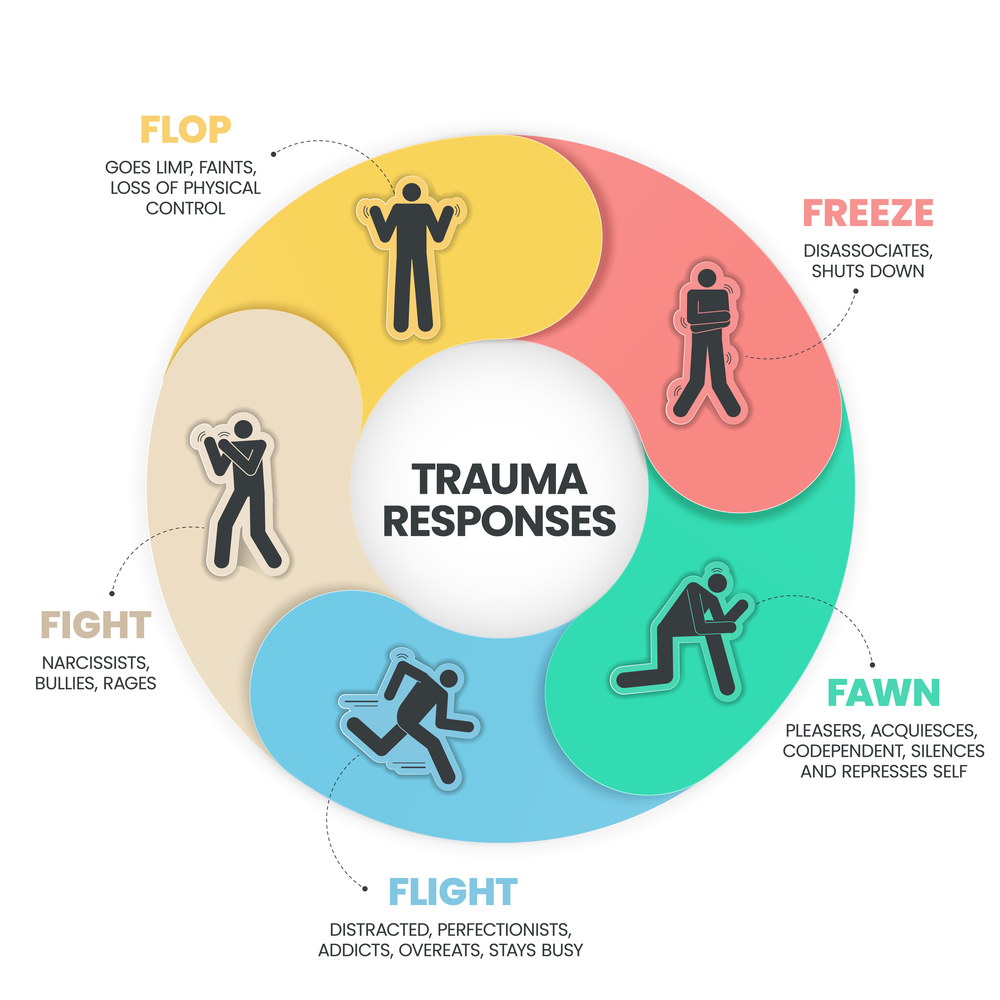


 Written by Arthur Brown.






 Written by
  Written by