Toxic Positivity and Grief Counseling

Those who enter into the human service fields quickly learn that helping individuals is not about necessarily fixing them but more so guiding them and walking with them.  It would be so nice to be able to magically make the hurt go away or the problem vanish but the reality is problems never go away in life.  Life is about coping and overcoming issues and learning to live with them. So when someone appears with a fix it all approach to life, then that particular someone should be avoided or at least not enter into the helping fields.

Toxic Positivity ignores the painful reality and prevents healing.


Individuals who think a phrase or few words can make someone forget the love of their life, or something extremely important obviously have not loss anything important yet.  Sometimes life teaches the hard lessons for those even in the helping professions.  Many times, the solution is listening and sojourning, perhaps even offering a few coping strategies, but never is their a solution or a fix to loss or pain in life.  When something bad happens, the loss of a family member, the loss of a job, or the loss of a pet, the pain is real.  The pain is real because what is lost mattered.  No words can fix that except a return to the pre-loss state.  In this world, there is no return to the pre-loss state, so one must learn to cope and adjust to the loss.  Those in the helping fields, counseling, human services and social work understand that listening, offering solicited advice and sojourning are how one performs one’s professional duty.

When one tries to fix, then one ultimately misses the importance of the loss.  When one tries to fix, one obviously has never lost anything oneself.  Hence any short cuts or attempts to lessen the loss or invoke recovery goes against the healing process of grief itself.  Many well intentioned individuals offer a plentitude of sayings or quotes to help fix, but these rarely help.  Professionals know, or at least should know, that there is no magic word to heal loss itself.

One of the quick fixes that many employ is toxic positivity.  This type of attitude is toxic because it is not real and does more damage to the griever or mourner.  Instead it insults the loss, insults the pain, and ignores the reality.  It hopes to make the situation lighter or less extreme but by doing so it becomes a lie.  This type of lie stunts healing growth and disenfranchises the loss of the griever.  Many times, “grief bullies” a term used in our blogs below, will attempt to enforce a false and toxic positivity  or spin on a loss and become irritated when a mourner refuses to accept the silver lining.  Hence it is important to identify what toxic positivity is, correct those who utilize it and remove it from anyone’s practice in grief counseling.

The article, “What Is Toxic Positivity?” by Chloe Carmichael looks the problems of toxic positivity not so just from the point of the griever but also the person who may employ it for one’s own life views.  She states,

“Toxic positivity can sound like a confusing phrase at first: After all, positivity is supposed to be positive, right? However, just like even something as innocent and healthy-sounding as jogging can become toxic if taken to an extreme, so can positivity. Taken to an extreme, positivity becomes toxic and deprives us of the motivation to make healthy changes that the awareness of a negative, uncomfortable reality would otherwise stimulate us to make”

“What Is Toxic Positivity?”. Carmichael, C. (2021). Psychology Today

To access the full article, please click here

Commentary

When individuals utilize toxic positivity they do so to protect themselves from hurt and pain.  They do not wish to face the issue at hand so they attempt to silver coat everything.  In doing so, they lose the true reality of life.  They create a false veil of happiness.  This silver lining attitude is not only false to the life narrative but can have harmful effects on the grieving process.  In other cases, individuals may fear to face conflict, or wish to minimize discomfort because they do not wish to offend another person.  This keeps many individuals in unhealthy relationships as they create alternative realities not anchored in reality. Many would rather exist in a false reality without conflict or anger.  They see anger or emotion as something to be avoided at all costs, even to the point of giving up one’s own happiness.

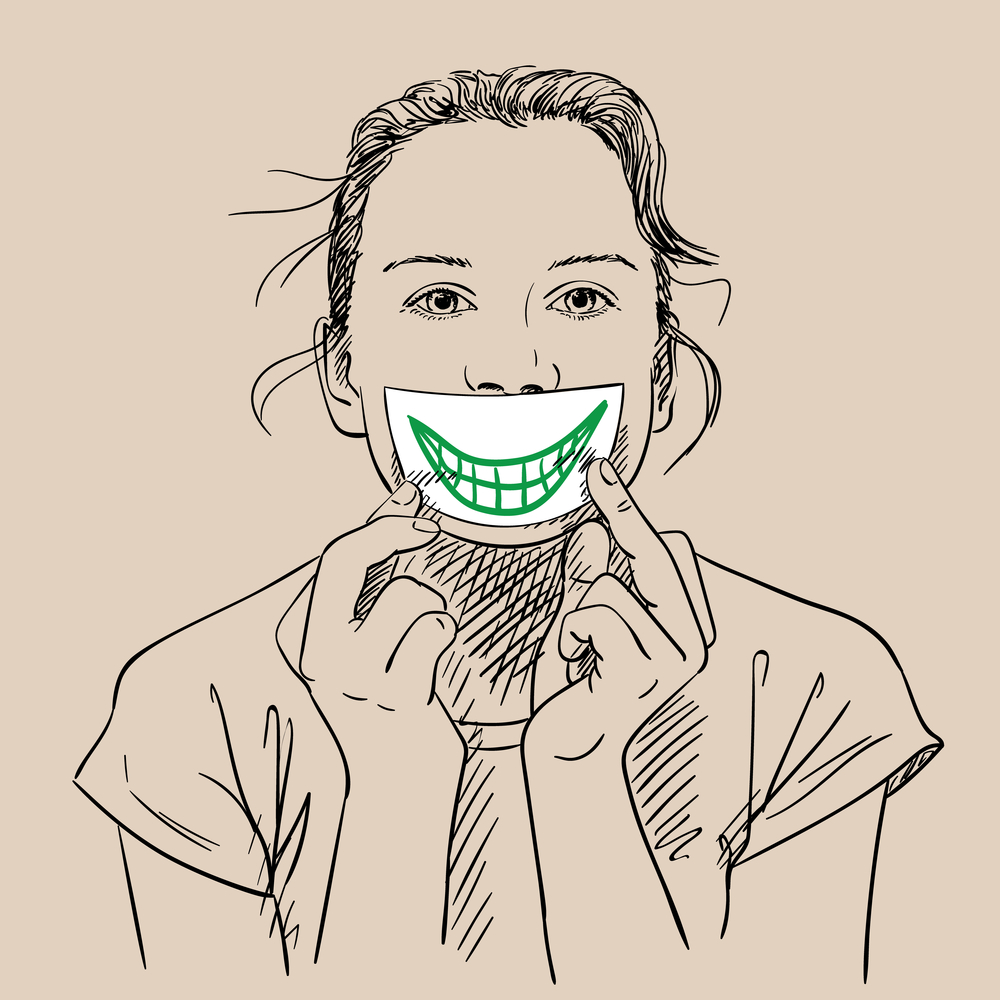
Many who exhibit toxic positivity ignore “bad” feelings, confrontation, or hope to put a false spin on something bad to protect feelings


Those who are trapped in this attitude need reminded gently that it is OK to be true to oneself.  It is OK to sometimes express anger, or grief.  In fact it is healthy to express these feelings and part of being a human being.  Those who resort to avoidance or creating a false narrative harm themselves and also keep themselves trapped in horrible relationships and situations.  Individuals need told they can express themselves but also need to be shown sometimes the reality and ugliness of human life and to accept it.  By accepting it, one can finally move forward and find true solutions.  If the truth is ignored with false positivity, then the problem will never receive the solution it needs.

Again, there are those who are not only victims of their own toxic positivity, but also victims of others hoping to impose their narratives on them.  Individuals who try to cheer others up with pithy sayings when individuals are grieving are sharing a form of toxic positivity.   The famous saying to make lemonaide when life gives you lemons is healthy advice, but if given in the acute and intense moment of grief, then it is very toxic.  It ignores the “lemons”.  It is important to acknowledge the “lemons” before one can heal.  Others may remark that negativity only begets negativity, but they forget that sometimes one must first acknowledge the negativity before one can heal from it and find positivity.  Imposing positivity too soon can be harmful to one’s healing process. Instead of trying to fix or present solutions, simply acknowledge the loss and listen.  This is more helpful in the overall healing to a person than trying to fix them with an imposed positivity that is way too soon to help someone heal.

Hence while, “at least he or she…” or “he or she is in a better place” type comments are well intended, they can cause more damage than good.  Avoid bully phrases as “good vibes only”, “it could be worse”, or “things happen for a reason” and replace them with ” I am here”, “bad things happen and how can I help”, or ” This must really be hard”.

Conclusion

Positivity is important in life but when it is forced to ignore reality or an issue it can be detrimental.  Whether one is trying to sell it or buys it, it needs to be properly utilized.  When in acute pain or in a bad situation, it is OK to be sad or mad and it is definitely OK to focus on it.  Positive spins on bad situations are not needed when true solutions of facing the issue is needed.\

It is best to acknowledge the bad and the good truthfully in life. Please also review AIHCP’s Grief Counseling Certification


Please also review AICHP’s Grief Counseling Certification and see if it meets your academic and professional goals.  The program is online and independent study and open to qualified professionals seeking a four year certification.

As certified grief counselors or anyone in the human service field, remember to be there not to fix a loss but to help one through it via acknowledgement and listening.

Additional Resources

“Toxic Positivity—Why It’s Harmful and What to Say Instead”. Cherry, K.  (2023). VeryWellMind.  Access here

“Toxic Positivity: Definition, Examples And What To Say Instead”. Mona, B. Forbes Health.  Access here

“What to know about toxic positivity”. Villines, Z.  (2021). Medical News Today.  Access here

“How Positivity Can Turn Toxic”. Davis, T. (2022).  Psychology Today.  Access here


What is “High Functioning” Depression?

A interesting term gaining momentum in mental health is “high functioning” depression.  It is not a new type of depression.  Major Depressive Disorder which last up to 2 weeks, or Season Affective Disorder which coincides with the season, or even Persistent Depressive Disorder which is chronic are all major types of depression seen in individuals.  Whether one is high functioning or unable to function does not differentiate the type, but it does point out towards a person’s attitude towards being depressed and possibly the intensity of the one experiencing depression.

High Functioning Depression is not a type of depression but an attitude that looks to ignore the symptoms despite the mental health risks


The article, “High-Functioning Depression: the Symptoms and Treatments” by Paul Wynn takes a closer look at this type of depression.  Again, he reiterates that there is no clinical term for high functioning depression but merely more of an attitude towards it.  He states,

“The American Psychiatric Association’s official diagnostic handbook does not recognize high-functioning depression as a clinical disorder. It’s also not a common term used among doctors to classify patients; High-functioning depression is one way people talk about having a depressive disorder to friends and family. “When speaking to my patients, I never describe them as a person with high-functioning depression; it’s just not a term we use around the office,” says Dr. Lorenzo Norris, associate professor of psychiatry and behavioral sciences and chief wellness officer at the GW School of Medicine and Health Sciences in Washington, D.C.”

“High-Functioning Depression: the Symptoms and Treatments”. Wynn, P. (2022). US News.

To read the entire article, please click here

Commentary

Like any depression, one who experiences it, still faces the basic symptoms.  Those with high functioning depression are no different.  Individuals suffer from low self esteem, lack of energy, increased irritability, loss of interest, preferred isolation, and overall apathy.  The difference is how they manage it and react to it.  The ability to still perform tasks,  go to school or work, or still manage to be seen, stems more towards the severity of the depression itself, or the attitude towards it.  Numerous individuals who still keep functioning despite depression, usually are suffering from a more mild form of Major Depressive Disorder but many also have certain attitudes or feelings towards mental illness.

Some individuals may see mental health as something of a stigma or something to be ignored.  They may come from families where mental health issues are a sign of weakness and that individuals should work through their feelings and not permit them to affect their everyday work.  These types of individuals may see depression as an excuse or a weakness within character that others employ to escape reality.  They do not wish to be seen as weak or unable to cope

This is the case with many in business who feel they cannot be seen as weak or unable to perform tasks.  Instead of dealing with the emotions, they bury them and proceed forward.  Others may see they do not have the time to be mentally ill and need to focus on tasks and others under their care.  Hence an image and responsibility overtakes these types of individuals where they feel the need to hide the emotions, or dismiss them so that they can continue to operate at a high level.  These types of individuals may also ignore other health issues, but mental health is definitely something they do not have time to worry about.

Helping Those Who Do Not Want Help

Those around colleagues or family members will see the signs of depression. While the person remains seen, functioning and performing duties, the person still will manifest signs of depression.  Increased irritability and lack of patience in daily tasks will mount over time.  Disorganization, emotional outbursts and more fatigue may also start to manifest.  Maybe, the individual will also express less interest in hobbies, or activities outside of work or school.  They may not find interest in things that usually excite them.  For this reason, only those closest can truly tell if someone who is high functionally and depressed needs help.  Others from a distance will not know the individual well enough to pinpoint the exact issue.

Those close the person, can better see the wearing of depression upon an individual and look to help the person find help.


Once something is noticed, the closest within the circle and have an intervention and discuss the issues.  This may not be the most pleasant discussion but an emotional inventory needs to be completed.  The individual may finally admit to not feeling his or her best and finally admit certain feelings.  It is critical to identify these feelings so the person may receive the counseling or medication necessary to prevent further worsening of the condition and mental decline.  When individuals ignore mental symptoms of a larger problem, they do not usually disappear but only worsen.  This will not only negatively effect the person’s health but also eventually wear down on the ability of the person to function.

Conclusion

High Functioning Depression is not a different type of depression but a type of depression combined with a particular person’s attitudes about mental health. It may have to do some with severity of the depression but it usually has to do with a person’s attitude about mental health or the person’s roles that he or she feels cannot be put to the side.  It is hence important for individuals close to the person to help the person realize the importance of finding treatment and educating them on the issues that surround untreated depression itself.

Many individuals see depression as a sign of weakness. Please also review AIHCP’S Grief Counseling Program


Grief Counselors, as well as licensed counselors can help individuals find the help they need.  Grief Counselors can direct clients to licensed therapists who can better help those with any type of depression find the balance and counseling they need to better cope with it.  Please also review AIHCP’s Grief Counseling Certification and see if it matches your academic and professional goals.  The program is online and independent study and open to qualified professionals seeking a four year certification in Grief Counseling.

Additional Resources

“What is high-functioning depression?”. Coelho, S. (2020). Medical News Today.  Access here

“What Is ‘High-Functioning’ Depression?”, Gupta, S. (2022). VeryWellMind. Access here

“What does ‘high-functioning depression’ mean? We asked experts”. Chiu, A. (2022).  The Washington Post. Access here

“Please Stop Thinking My High-Functioning Depression Makes Me Lazy”. Shannon-Karasik, C. (2019). HealthLine.  Access here


Grief Counseling Human Development Video

As human beings, we reach certain points in social development that are key to a successful life.  From a mere toddler to teenage years and from midlife to elderly days, we need to meet certain goals and points.  Erick Erickson listed numerous points of achievement that need to be completed within the human life span.  When these goals are not met, individuals regress or unable to find satisfaction in life.

This obviously has allot to do with individuals and their overall happiness or unhappiness in life.  Many grieve a life that has not met one’s aspirations.  This is due many times because individuals did not develop socially.  They look back with sadness or inability to move forward.  They have regrets and remain stagnant in life.  Grief Counselors through an understanding of a person’s life narrative, can better address abstract grief in an individual and help diagnose where the grief is coming from by understanding a person’s life story.

Please also review AIHCP’s Grief Counseling Certification.  The program is online and independent study and open to qualified professionals seeking a four year certification in grief counseling.

The Loss of a Job and Grief

Losing a job is a loss.  It has many elements that lead to grief, sadness, loss of identity, pride and numerous secondary financial implications.   One can lose a sense of hope when one loses the financial security a good job provides and lead one into despair and poor coping.  It is important, as in any loss, to maintain good coping strategies and remain optimistic and confident in one self.  One needs to find the ability, despite the pain, fear and grief, to proceed forward with courage and optimism to find a new job.

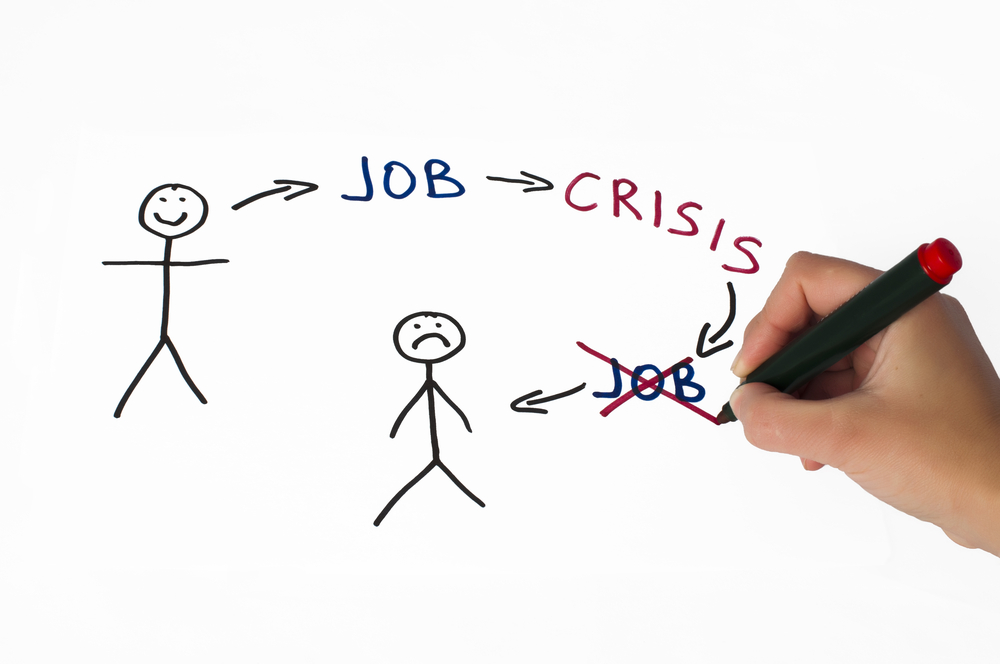
Losing a job is emotional. It can be a loss of self, plus the numerous secondary financial, healthcare related, and family care related issues that come with it


The article, “Job loss, grief and professional identity” by Mark Carey takes a closer look at the implications surrounding job loss.  He notes the initial shock and anger associated with it but also pushes the reader to find hope and cope in healthy ways to find a new job.  He does not dismiss the pain or secondary issues surrounding job loss, but looks to provide some guidance in better responding to the loss itself.  He states,

“Losing a job can also become an unforeseen positive transformation and I have seen clients over the years pivot successfully without losing a sense of self-identity. Many clients do not buy into the idea that their job is who they are. These clients transition between jobs without falling apart and making huge leaps forward in a way thought impossible before the termination. One door closes and another opens. I have to say that most clients I have worked with actually find better paying and more personally satisfying jobs after being terminated or laid off.”

“Job loss, grief and professional identity”. Carey, M. (2023). Westfair Business Journal. Access here

Commentary

Job loss involves numerous losses.  Albeit many of them do not need to define one or prevent one from reaching even better positions with other employers.  Still, the loss for some can be very overbearing.  One element is sense of self.  Some individuals, who even retire, have the issue of not knowing who they are outside their profession.  A life long cop may have issues retiring or being let go.  Likewise, helping professions and skilled laborers who are defined by these professional talents may feel they no longer matter without those positions or responsibilities.  While a career plays a big role in what we do and love, we cannot equate a job identically to oneself.  Individuals are more than what they do and it is important to understand that.  Also, there are transitions in life, when one position in life transitions into another and while our positions change, we still remain ourselves. They are accidental qualities.  While some positions in life mean more than others, we are still simply us.  It is important during job loss, retirement, or transition, that we are more than what we do, even if what we do matters alot.

Losing a job affects numerous aspects of self and life itself. Please also review AIHCP’S Grief Counseling Program


Beyond loss of identity, many individuals also suffer from change itself.  The change of finding a new place to work.  The change of new co-workers.  The change of new work schedules or new training skills.  Others have a difficulty emotionally.  Maybe they feel betrayed, or upset over the termination.  Maybe they feel angry over the job loss.  During the transition, negative emotions may limit their ability to cope and lead to a down time of bad decisions involving drugs, or excessive sleep.  Individuals may let themselves physically and mentally lose focus and neglect their physical and mental health.

Still others may be haunted by the financial and secondary losses of job loss.  The worry of rent, or house payments, or car payments, or basic utilities.  They may worry over the loss of certain life styles, or even the fear of caring for their family and children.  Some children may need healthcare or need funds for school.  These worries become very real very fast when a financial line is suddenly cut.

Coping through Job Loss

While job loss presents so many issues as noted above, individuals can still proceed forward and find new employment.  Skilled workers rarely remain unemployed and unskilled workers can still find supplemental jobs that may not be as good but may fill the gap till a better job comes along.  Individuals need to remain in contact with family and friends and utilize their support system to maintain confidence and self esteem.  They should work on building a resume and preparing for job interviews.  With optimism, energy should be put into a job search.

Maintaining a positive outlook and creating a plan are key coping strategies during job loss


In addition, the individual should maintain mental and physical care of oneself.  Self care is key during this period.  Exercise and gym are pivotal to maintaining the schedule one once had.  Bad habits can easily creep into life and derail an individuals hard work ethic.  There are sometimes some good at that can come out of it.  Sometimes, it opens doors to a better job and sometimes it also gives one time, especially if laid off, to find a little bit of rest for a short period of time.  Try to find positives while finding a new job.

For those retiring, it may be good to look maybe to a hobby or finding volunteer work that can fill the void.  Those in human service rarely are able to stop helping people and many who retire eventually doing side projects and volunteer work.  Others should take the time to enjoy family and vacation or at least a new hobby.

Some may not cope well and feel depressed or even enter into depression.  If so, one should seek help from a licensed professional counselor with emphasis in grief counseling to help one through the dark period of time.

Conclusion

Job loss or retirement is a transition or change.  As a change it can cause grief and distress. It is clearly a loss because it takes something away.  It can take away self image, or self value, but it can also take away life style by limiting one’s financial or social status.  While a job is not who one is, it very much plays a big role in what one does and is able to do in life.  It plays a large role in a person’s sense of purpose.

Please also review AIHCP’s Grief Counseling Certification


Please also review AIHCP’s Grief Counseling Certification and see if it matches your academic and professional goals.  The program is online and independent study and open to qualified professionals seeking a four year certification in Grief Counseling.


Additional Resources

“Job Loss and the Stages of Grief: Coping and Recovering”. McLaren, P. (2020). PsychReg.  Access here

“The 5 Stages of Grief After a Loss”. Health Essentials. (2022). Cleveland Clinic.  Access here

“How to Handle Being Laid Off”. Smith, L. (2021). WebMed. Access here

“How to Support Clients With Job Loss Depression & Stress”. Latif, S. (2022). Positive Psychology.  Access here


Parenting While Grieving

Parenting is not an easy vocation to start but when extra issues in life pile up, then parenting can become even more difficult.  When stressors, losses, illness, or problems arise, parents still need to be able to fulfill their duties to their children. There are no days off when it comes to helping the kids with school, taking them places, cooking, caring and spending time with them but sometimes parents can feel the weight of life, especially during loss and grief.  When grieving and mourning enter into a parent’s life, mother or father do not have the luxury to call off work, or not the children to school, or skip dinner or not wash clothes.  Parents are called to march forward.  This is critical but it can also be bad for grieving and mental health.

Parenting is challenging but when a parent is grieving it is even more difficult. Please also review AIHCP’s Grief Counseling Certification


The mental health for a parent is extremely important.  Like in an airplane, when the steward or stewardess explains that in an emergency, adults should place the oxygen mask on first before applying to a child, it is for a reason.  If a parent falls, the child or children will also fall.  So while duty is critical, it is also critical for parents to find the space and time needed to grieve or mourn.  In this blog, we will look closer at the difficult times, when parents have to grieve and still perform at high levels for the welfare of their children.

Mental Health and Support

In times of loss, mental health care and support are so important.  While to many of us, our parents appeared as super powered beings, the reality is they suffered the same emotions we suffer as adults.  They had good and bad days.  They did not always choose the right decision and had to learn the hard way and they also dealt with loss.  As younger children, we may not have noticed this, or maybe even very rarely, but our childhood image of our parents is due to their excellent ability to care.  Unfortunately, some individuals may have negative experiences with parents.  Their parents may have fallen victim to drinking and abuse, or vanished when loss occurred.  They may have spoken nothing of loss or pain and hid it to their own detriment.

For some, family support is available, for others it is lacking. However, the importance of a family that can grieve together and communicate cannot be over emphasized


Our experiences with our parents can easily shape our own when parenting-for good and bad.  It is important when grieving to find a balance.  It is OK to show vulnerability to a child but also to ensure that the child still feels secure.   So when dealing with grief and loss, parents need to be able to balance their own feelings and the need to maintain the security and welfare of their children.  This involves allowing oneself time to mourn.  The grief needs to be processed and experienced. If the grief persists and intensifies, then one should seek help from a grief counselor, and if it becomes pathological, one should seek the aid of a licensed professional counselor,

Some parents have better support than others.  Some have a spouse to help lean on, while others have a bigger family to share the grief.  Some parents though may be single parents, or have little or no family support.  They may be over worked and have a full schedule that prohibits time.  These over bearing responsibilities may compound the grief.  So while some may be able to find the help they need or take time off, others live in a colder reality.  Whether blessed, supported or alone and over worked, one can still find basic help services and as well as find time.  Time may need carved out of the day, but one needs to find the time to process the loss, mourn, and be able to express it outwardly.  If one does not find time to re-generate, whether through a walk, meditation, spiritual journey, exercise, or a discussion with a good friend, then the grief will only become stronger and parental burnout may occur.

Sharing Emotion within the Family Unit

Families may tend to be overtly open with emotion or introvert in regards to expressing it.  Grief myths that dictate time schedules, or expression of grief, or sharing grief with children, can only fracture the family unit more.  Instead, express grief with a spouse, or the children.  Communicate that daddy or mommy are very sad.  Reassure to the children that this will not affect their security but share with them the reality that you are going through grief and loss.  This is an excellent way for children to learn to express empathy.  Children will hug and listen and in their own way express grief too.  The grief may very well be affecting not just you but the children as well.  Hence it is important to discuss the loss and include the children in discussion of the loss with real and concrete words about the nature of death.  Let the children partake in rituals and ceremonies and allow them to comfort you.

Communicating feelings and grief not only helps the parent but also teaches the child empathy and proper grieving and coping


For most parents, the loss in all probability is of a parent, or tragically a sibling.  These types of losses are extremely painful and children will also experience a shared loss.  While it may be your parent you lost, it still their grandparent.  Hence, it is important to share grief with the child or children and both mutually heal from each other.  This not only helps heal but it also passes on good mourning skills.  Many children inherit bad mourning skills.  They learn to hide emotion, or turn to improper coping methods to curb grief through imitation of mom or dad.

Families can also grow together closer through grief.  While also expressing, they can also memorialize loss and remember together the person over time.  In addition, they can build relationships that are stronger through this shared experience of loss.  Parents can be good grieving examples to their children and children can be good and empathetic listeners when they are permitted into a circle.  Excluding them can have negative effects on yourself but also their development.

The Loss of a Child

If a mother miscarries, or the couple lose a child already born, this has life long ramifications.  It is in itself, its own blog, but this is when parents need to not only grieve for the loss but also help the child grieve the loss of his/her sibling.  It is so important to involve the child in the rituals and to let the child speak verbally or through play.  Monitoring the child and ensuring they are exhibiting no magical thinking is important.  If the child has guilt for the death, then it needs dismissed.  So while the parent grieves, the parent also is ensuring that the surviving child still heals properly from the loss.  Again this is why it is so critical that the family grieves together and proper grieving styles are passed on to the next generation.

Conclusion

Parenting not easy but when grief and loss are thrown into the middle, it becomes far more difficult.  Parents need to not only care for their own mental health but they also need to express loss and grief to their children to ensure security for the child but also an understanding of what grief is and how to share it and be empathetic.

Please also review AIHCP’s Grief Counseling Certification as well as its specialty program in Child and Adolescent Grief Counseling


Please also review AIHCP’s Grief Counseling Certification, as well as its Child and Adolescent Grief Counseling Certification and see if the programs meet your academic and professional goals.  The program is online and independent study and open to qualified professionals seeking a four year certification.  The Child and Adolescent Grief Program is a specialty program that is only available for already those certified in Grief Counseling.

Additional Resources

“Can Parenting While Grieving Force You to Heal?”. Cytrynbaum, P. (2013).  Psychology Today.  Access here

“Parenting While Grieving”. Haley, E. (2015). Whats Your Grief.  Access here

“Grieving While Parenting”. Eiseman, J. (2019). Mental Health Match.  Access here

“Parenting while grieving”. Hetter, K. (2011). CNN.  Access here

Grief Counseling and Eating Disorders

Eating disorders stem from within.  The person has a low self image or utilizes eating as a coping mechanism to deal with loss, stress or trauma.  Some starve themselves, while others over-eat to escape the pain.   Individuals with low self image of themselves have a inaccurate view and are obsessed due to low self esteem to starve oneself and an attempt to find a never attainable weight.  While those who face pain and loss, may cope by binge eating.  Both extremes are unhealthy and can lead to multiple health issues.

Counseling and proper coping are key to remove poor self image and poor coping strategies.  Grief Counseling and therapy from a licensed counselor can help.  Licensed counselors who are also certified in Grief Counseling can also help.  Please review AIHCP’s Grief Counseling Certification and see if it meets your academic and professional goals.

Grief and Unfulfilled Needs Video

In life we can lose what we possess but also lose ideas of what we thought we would one day possess.   If one ever wanted children, or to have a family and this never occurs, then there is a void and sense of loss in adulthood.  While it was never possessed, one possessed the concept.  One became attached to the concept and when this concept was not actualized or fulfilled, a sense of loss can still overcome a person.

Sometimes sadness is a result of things never had but never gained. Please also review AIHCP’s Grief Counseling Certification


The video below reviews some concepts in this type of abstract grief and how individuals can learn to be better cope with unfulfilled dreams.  Please also review AIHCP’s Grief Counseling Certification and see if it meets your academic and professional goals.  The program is online and independent study and open to qualified professionals seeking a four year certification in Grief Counseling.


Please review the video below

Seasonal Depression and How to Cope

Seasonal Depression or Seasonal Affective Disorder (SAD) is considered a major depressive disorder.  This particular type of depression exist with the turns of the season, most prominently as Summer turns to Fall and the days become shorter and the weather cooler and more wet.  The weather change and lack of light can create within the brain an altered chemistry   While negative mindset can play a role, most who experience Seasonal Affective Disorder already have a history with depression.   The early darkness, change of biorhythms, aligned with colder weather tend to force individuals inside and quartered with less exercise and social interaction.

Seasonal Affective Disorder (SAD) coincides with the change of seasons, usually Fall into Winter. Please also review AIHCP’s Grief Counseling Certification


Coupled with less vitamin D that sustains higher levels or serotonin, individuals can experience SAD.  While 20 percent of the population experiences Winter Blues, especially after Christmas, those with SAD experience a true depression.  Like all depression, individuals will lose interest in life, isolate, become anxious, feel bad and low about sense of self, lack energy, and have difficulties interacting with others.   The Cleveland Clinic in its article, “Seasonal Depression (Seasonal Affective Disorder)” gives a comprehensive review of the disorder, as well as possible treatment options and ways to reduce its severity.  The article states,

“If you have symptoms of seasonal affective disorder (SAD), don’t try to diagnose yourself. See your healthcare provider for a thorough evaluation. You may have another reason for your depression. Many times, seasonal affective disorder is part of a more complex mental health condition. Your provider may refer you to a psychiatrist or psychologist. These mental health professionals will ask you about your symptoms. They’ll consider your pattern of symptoms and decide if you have seasonal depression or another mood disorder. You may need to fill out a questionnaire to determine if you have SAD.”

“Seasonal Depression (Seasonal Affective Disorder)”. Cleveland Clinic. (2022).

To review the entire article, please click here

Commentary

Of the 5 percent of the population more prone to SAD, those who have a family history of depression, have a greater chance of experiencing it. Obviously, those who suffer from it also live in temperate areas in the Northern and Southern Hemispheres who experience the four seasons.  Interesting enough, some individuals can experience SAD during Summer months as well.  To be diagnosed, mental healthcare professionals will ask for a case history and only if one has experienced depression correlated with seasonal change two straight seasons can one possibly be labeled with SAD.

SAD is more than the Winter Blues but is associated with a lack of serotonin causing depression. This is due to less light and new sleeping pattern during the Winter season for those with predisposition to depression


Again SAD is more than merely the Winter Blues, but a true depression in all of its fury.  Individuals will suffer the classical physical and mental symptoms associated with depression with the turn of the season.  The depression is related to brain chemistry and hence it is important for many to be prescribed an anti-depressant by a mental healthcare professional.  The need to balance the serotonin is key in helping most. In addition, supplementing Vitamin D is critical.  Many individuals in temperate zones, especially during the Winter, exhibit extremely low levels of vitamin D in the body.   This is not merely an issue for those suffering from SAD, but also anyone who lives in areas with less sun over an extended period of time.

For some, cognitive behavioral therapy or CBT can be beneficial.  Talking about the situation and understanding how SAD works and how to reframe things can help some individuals better cope.   Reframing can look at the positives of the months during Winter and some of the experiences that others do not have, such as the beauty of fresh snow upon the trees, or Winter sports, or particular festivals pertaining to the season.  One can create a cozy Winter atmosphere that brings joy to oneself inside.  Whether its a fire, or comfortable slippers, the little things can make oneself feel better.  In addition, individuals should attempt to do special things during the darker months.  At least once a week, one should attempt to plan something to look forward to despite the bad weather.  Most importantly, exercise is critical to good health but also mental health.  The movement of the body, the heart rate, and physical motions can help neurotransmitters better operate in the brain.  Many individuals “hibernate” the Winter away and eat poorly and sleep too much.  It is so important to step outside, walk, or go to the gym during Winter.  It is essential for both physical and mental health.

It is important to get out, exercise and be active during the Winter months


An extreme treatment for those with severe SAD can turn to light therapy.  White light at a higher level than regular lighting in the house can be set up throughout the house.  The treatment encourages more vitamin D and also more serotonin in the body.  While the therapy can be successful, it can also carry risks causing potential eye damage if not properly utilized, as well as headaches or migraines for some.  Moderate and safe use of it is an important rule to follow with light therapy.

Conclusion

Please also review AIHCP’s Grief Counseling Certification and see if it meets your academic and professional goals.  The program is online and independent study and open to qualified professionals seeking a four year certification in Grief Counseling.  It is important to note that while many grief counselors are also licensed counselors, only licensed counselors can discuss and treat Seasonal Depression.   Pastoral and non-licensed counselors can discuss it with a client but must refer those who exhibit signs of it to a licensed professional who can treat the pathological condition.

While SAD only affects 5 percent of the population, it is important to find treatment if you are one of those 5 percent.


For those who do suffer from SAD, it is important to seek treatment and utilize coping strategies.  While Winter may not be favorite season of the year for many, it does not need to become a horrific experience.  There is joy and light in any season and how one operates and maintains a schedule is key to keeping healthy and strong during the long Winter months.

Additional Resources

“What is seasonal affective disorder?”. National Institute of Mental Health. Access here

“Seasonal affective disorder (SAD)”. Mayo Clinic. (2021).  Access here

“What to Know About Seasonal Depression”. Seo, H. (2022).  New York Times.  Access here

“14 Ways to Ease Seasonal Depression”. Orenstein, B. & Pugle, M. (2023). Everyday Health. Access here

Grief and Memory Video

The way grief memory imprints on the human brain is important because it helps keep the moment vivid and remembered for a long period.  While during acute grieving this poses issues for healing, in the long term, it keeps the precious memories of the loved one intact far stronger.  No-one wishes to lose the memory of a loved one.  In fact, many go to lengthy processes to keep the memory alive.  Keeping a certain object, clothing, or journaling are all ways individuals try to keep the memory strong.  Fortunately the brain keeps it strong as well.

The way sad events are filed in the brain allow the memory to imprint better. Please also review AIHCP’s Grief Counseling Certification


The Hippocampus and the Amygdala play a key role in keeping the emotion imprinted.  The Amygdala processes emotion to the Hippocampus sometimes in intense ways that even bypass longer cognitive thought in a more direct route.  The Hippocampus imprints these types of emotional images and for long term.  The Cortex also imprints these images.  Unfortunately, sometimes trauma and intense grief can cause PTSD where these images are fragmented and never properly processed.  These are not the types of long term grief memories we want.

The video below discusses how grief and memory interact with other.  Please also review AIHCP’s Grief Counseling Certification and see if it meets your academic and professional goals.

What is Postpartum Depression?

While having a child is supposed to be the most exciting and wonderful thing in life, sometimes after the birth of a child,  the mother, or even the father, can experience sadness and even depression.  This is not due to actual loss but a chemical imbalance within the neurotransmitters that is offset.  In mothers, it can be due to a variety of hormonal issues, while in fathers, it can be due to past depression history.   “Baby Blues”, when it does occurs, lasts anywhere from a few days to a two weeks, but if it persists into depression, it is important to seek help from one’s doctor to help properly balance oneself.  This is why it is so important for spouses, family and friends to observe each other during the first few weeks after child birth.  Usually the emphasis is on the infant only but changes in mood for parents are also important things to watch and monitor.  This type of situation is not anything to be ashamed of or a dismissal of the joyous occasion, but merely is mental health and properly taking care of it.

Postpartum Depression can rob one of the joy of having a child. It is important to seek medical help if symptoms persist for more than 2 weeks


Many of the symptoms associated with Post Partum Depression mirror any other type of depression but the biggest issue is it prevents proper bonding with one’s child and can make it harder to meet the needs of the new infant.   This happy moment should be an experience of joy, but when depression sinks in, it can be difficult to enjoy these memorial moments or even worst, cause risk to self or the child.  This is why it is so critical to seek help.

The article, “Post Partum Depression” from the Mayo Clinic takes a closer look at issues surrounding sadness, depression or even psychosis after child birth.  The article states,

“The birth of a baby can start a variety of powerful emotions, from excitement and joy to fear and anxiety. But it can also result in something you might not expect — depression.  Most new moms experience postpartum “baby blues” after childbirth, which commonly include mood swings, crying spells, anxiety and difficulty sleeping. Baby blues usually begin within the first 2 to 3 days after delivery and may last for up to two weeks.  But some new moms experience a more severe, long-lasting form of depression known as postpartum depression”.

“Post Partem Depression”. Mayo Clinic. (2022).  Mayo Clinic

To read the entire article, please click here

Commentary

Becoming a mother is a life-changing experience, but it can also bring about unexpected challenges. One such challenge is postpartum depression, a condition that affects many women after giving birth. Understanding postpartum depression is the first step towards finding effective strategies to deal with it. Postpartum depression is not simply a case of “baby blues” or feeling a bit down; it is a serious mental health condition that requires attention and support.

Postpartum depression can manifest in different ways, but some common signs and symptoms include persistent feelings of sadness, anxiety, and irritability. Women experiencing postpartum depression may also struggle with sleep disturbances, changes in appetite, and a lack of interest in activities they once enjoyed. It’s important to recognize these symptoms and seek help if they persist for more than a couple of weeks. Postpartum depression can have a profound impact on a mother’s overall well-being, as well as on her relationships and family dynamics.

The impact of postpartum depression on mothers and families

Postpartum depression not only affects the mother, but it can also have a significant impact on her relationships and family. The emotional and physical toll of postpartum depression can strain the bond between the mother and her partner, leading to feelings of isolation and resentment. In some cases, postpartum depression can even affect the mother’s ability to bond with her newborn baby, potentially impacting the child’s development.

Post Partum Depression can cause major strains on families after child birth and also play a role in not providing the infant with the care he/she needs


Furthermore, postpartum depression can disrupt the entire household dynamic. Partners may need to take on additional responsibilities, and other family members may need to step in to provide support. This can create stress and tension within the family, further exacerbating the challenges faced by the mother. Recognizing the impact of postpartum depression on mothers and families is crucial in order to provide the necessary support and understanding during this difficult time.

Effective strategies for dealing with postpartum depression

Dealing with postpartum depression requires a multi-faceted approach that addresses both the physical and emotional aspects of the condition. While it is important to seek professional help, there are also effective strategies that can be implemented on a daily basis to manage symptoms and promote recovery.

One such strategy is self-care. Taking care of oneself is often overlooked when dealing with postpartum depression, but it is essential for the mother’s well-being. This can include engaging in activities that bring joy and relaxation, prioritizing sleep and nutrition, and finding ways to manage stress. Self-care is not selfish; it is a necessary step towards healing and recovery.

Building a support system is another crucial aspect of dealing with postpartum depression. Surrounding oneself with understanding and supportive individuals can make a world of difference. This can include reaching out to family and friends, joining support groups specifically for postpartum depression, or connecting with other mothers who have gone through similar experiences. Having a support system in place provides a sense of validation and helps combat feelings of isolation.

Seeking professional help for postpartum depression

While self-care and support systems are important, it is essential to seek professional help when dealing with postpartum depression. Mental health professionals, such as therapists or counselors specializing in postpartum depression, can provide the necessary guidance and support. They can help identify underlying causes, develop coping mechanisms, and provide effective treatment options.

Antidepressant medication may also be prescribed in some cases, especially if the symptoms of postpartum depression are severe. It is important to consult with a healthcare provider to determine the best course of action. Seeking professional help is not a sign of weakness; it is a proactive step towards recovery and empowerment.

Support groups and resources for postpartum depression

Support groups can be a valuable resource for women dealing with postpartum depression. These groups provide a safe and understanding space where mothers can share their experiences, receive support, and learn from others who have faced similar challenges. Support groups can be found both online and in-person, offering flexibility and accessibility.

There are also numerous resources available for women experiencing postpartum depression. Websites, books, and podcasts dedicated to postpartum depression provide valuable information and strategies for coping. Additionally, many organizations offer helplines and online chat services where women can seek guidance and support in real-time. Utilizing these resources can help women feel empowered and less alone in their journey towards recovery.

Self-care tips for managing postpartum depression

Self-care is an essential component of managing postpartum depression. Here are some practical self-care tips that can be incorporated into daily routines:

  1. Prioritize sleep: Aim for quality sleep by establishing a regular sleep schedule and creating a relaxing bedtime routine.
  2. Nourish your body: Focus on eating a balanced diet that includes nutrient-rich foods to support overall well-being.
  3. Engage in gentle exercise: Physical activity, such as yoga or walking, can help boost mood and reduce stress.
  4. Practice mindfulness: Incorporate mindfulness techniques, such as deep breathing or meditation, to promote relaxation and reduce anxiety.
  5. Delegate and ask for help: Don’t be afraid to ask for assistance from loved ones or hire help with household tasks to alleviate some of the pressure.
  6. Engage in activities you enjoy: Make time for hobbies or activities that bring you joy, whether it’s reading, painting, or listening to music.

Remember, self-care is not a luxury but a necessity for your well-being. By prioritizing self-care, you are better equipped to navigate the challenges of postpartum depression.

Building a support system for postpartum depression

Building a support system is crucial for women dealing with postpartum depression. Here are some strategies for creating a strong support network:

  1. Communicate with your partner: Openly discuss your feelings with your partner and seek their understanding and support.
  2. Reach out to family and friends: Share your experiences with trusted loved ones who can provide emotional support and practical assistance.
  3. Join support groups: Connect with other women experiencing postpartum depression through local support groups or online communities.
  4. Seek professional help: Consult with mental health professionals who specialize in postpartum depression for guidance and support.
  5. Consider therapy for couples: Couples therapy can help improve communication and strengthen the relationship during this challenging time.

Remember, you don’t have to face postpartum depression alone. Building a support system can provide the encouragement and understanding you need to navigate this difficult period.

Creating a postpartum depression action plan

Creating an action plan can help you navigate the challenges of postpartum depression proactively. Here are some steps to consider when developing your plan:

  1. Educate yourself: Learn about postpartum depression, its symptoms, and available resources.
  2. Set realistic goals: Break down your recovery journey into manageable steps to avoid feeling overwhelmed.
  3. Identify triggers: Recognize the situations or circumstances that worsen your symptoms, and develop strategies to manage them.
  4. Establish a routine: Creating a daily routine can provide structure and stability during this unpredictable time.
  5. Practice self-care: Incorporate self-care activities into your daily routine to prioritize your well-being.
  6. Seek professional help: Consult with mental health professionals to develop a personalized treatment plan.

By creating an action plan, you are taking an active role in managing your postpartum depression and empowering yourself towards recovery.

Conclusion

Please also review AIHCP’s Grief Counseling Certification and see if it meets your academic and professional goals


Dealing with postpartum depression can be challenging, but it is important to remember that you are not alone. By understanding postpartum depression, recognizing its impact, and implementing effective strategies, you can navigate this difficult period and empower yourself towards recovery. Whether it’s through self-care, seeking professional help, or building a support system, each step you take brings you closer to healing and embracing the joys of motherhood. Remember to be kind to yourself and reach out for the support you deserve.

Please also review AIHCP’s Grief Counseling Certification and see if it meets your academic and professional goals.  The program is online and independent study and open to qualified professionals seeking a four year certification.  Licensed professionals in counseling are excellent candidates to earn a Grief Counseling Certification.

Additional Resources

“Postpartum Depression”. HealthEssentials. (2022). Cleveland Clinic.  Access here

“Everything You Need to Know About Postpartum Depression: Symptoms, Treatments, and finding help”. Pietrangelo, A. (2022). Healthline.  Access here

“Postpartum Depression”. OASH. (2023). Office on Women’s Health.  Access here

“Postpartum Depression”. Bruce, D. (2022). WebMD. Access here