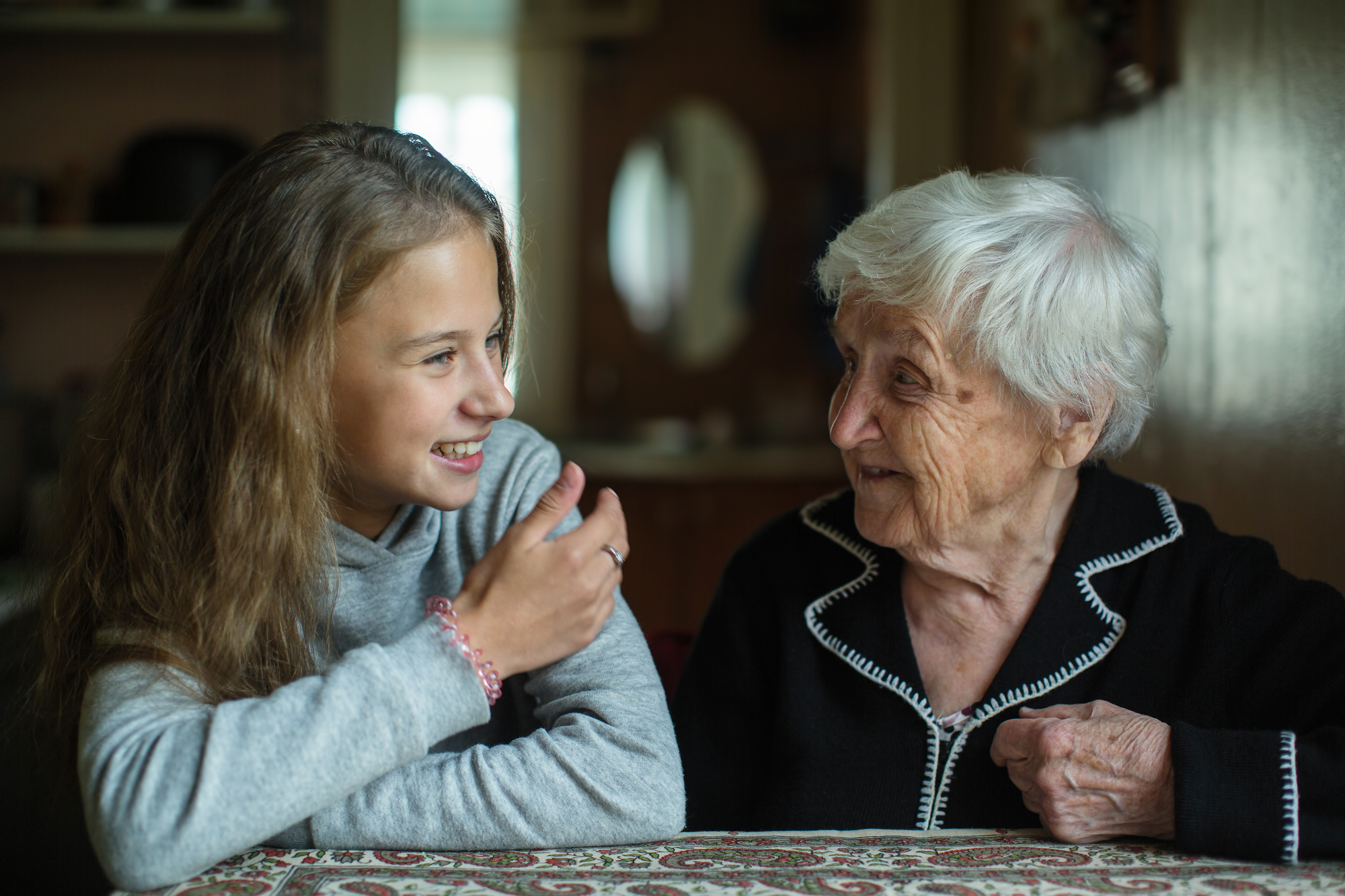
In our youth, epochs of our life seem forever. Since it is all we ever knew, we sometimes felt maybe it would last forever and felt very shocked when something ended. As time progressed, we learned that things come and go, traditions and family customs change over time with the deaths of others, and that we ourselves change. In later adulthood and middle age, the reality of this really begins to set in as we see our parents age or possibly pass and our own selves begin to assume new authority roles. We learn to show more gratitude for the present and realize that life and what we do on a daily basis can change.
Your life is a book with chapters. How we conclude each chapter with its changes and losses is important to understanding the overall theme of one’s life.
When I was younger, we always went to grandma and grandpa’s house for Sunday dinner. For me, that ten year period of time was most of my life and all I knew, but now that I am older, I understand that it was a happy period but one that ended and was never destined to last forever. It is important to recognize the lack of permanence to things. As a youth, 25 years seemed like two distant epochs, but as we age, we discover 25 years is not so long and time begins to go quicker. For those who have a difficult time adjusting to change or are unable to cope with the loss of time, one can quickly become trapped in the past, or unable to process the beautiful book of life. Life is a chapter to chapter process, we must enjoy the chapter we are reading, remember the past chapters and realize there are other chapters yet to read. Understanding grief, loss and how to honor the end of certain chapters is critical to coping and living a happy and productive life.
Whether it is an end of a marriage or relationship, the change of career, retirement, the death of a loved one, or finally realizing you no longer look the same as 25 years ago, it is crucial to understand change in life and how to tie the “endings” of each chapter together in one’s book of life. This involves cognitive recognition of certain realities which sometimes involves meaning re-construction especially with loss as well as coping strategies. In this short blog, we will look at how we recognize time and change and how to better cope with it.
First, we must accept the fact change is uncomfortable but also necessary. We cannot remain the same. It is impossible and would be a sad life if experiences, education, maturity, and relationships did not change us. We are constantly in a state of change but sometimes we do not notice it. We notice major changes when they occur and seem surprised we did not notice the minor incremental changes between then and the present surprise moment. Change while good also holds pain. The loss of something we care about or a transition from something that was once to something that is no longer. Sometimes this change is good other times it can be bad, but the value of change does not alter the reality of it. Nothing remains the same over time and we must be able to accept the good and the bad of change. A death of a loved one or an end of a relationship is critical but we must be able to adjust and adapt.
In dealing with the change, one must be able to experience all of its raw emotions associated with it. When a change occurs, such as a death, we cannot bypass emotions or push forward until the change is properly concluded. Hence, it involves feeling the change and working through the process of it. Even the end of chapters in a book have a page space before the next chapter starts. So in life, we have to conclude the chapter properly. This is a process of experiencing the fullness of the entire chapter and the effects of the it’s conclusion on one’s overall book of life. The past chapter must be processed, felt and experienced.
Resiliency to loss or change is a key proponent in life. Individuals who are more resilient are better equipped to more forward in life and adjust to change. When a resilient person gets knocked down, a resilient person is able to get back up. Outlooks on life and support systems in life all play critical roles in resilient people and how they are able to cope with change and move forward to one’s next chapter in life. Those who utilize positive outlooks over negative ones as well as utilize adaptive coping strategies over maladaptive coping strategies are better equipped to heal, adjust and integrate a past chapter into the next chapter of life. Processing change and properly concluding an ending emotionally involves a deep conversation with our heart. Sometimes this involves self care and giving oneself one day at a time to process, heal and properly move forward. When one rushes to conclude a chapter, one then will never understand the lesson and what is needed for the next chapter of one’s book of life.
Processing change and life involves not only emotional experience and resilience but also cognitive restructuring. This is an intellectual exercise to reframe change and loss in an understanding of the overall whole of life. When one loses someone, a relationship or career, one sometimes grasps for meaning. They are not only emotional distraught but also confused about their future role or function and what this particular negative event or change means to their life. Meaning Reconstruction is a key way one can learn to understand how change in a life relates to the individual’s past, present and future. It helps the person tie together the concluding ends of certain chapters and helps them push forward. It helps them understand events and certain characters in one’s life and the roles these events and persons played in the overall story. Robert Neimeyer, a psychologist and grief expert points out that one must be able to incorporate the change and event and tie it into one’s overall life story. Whether good or bad, these events and people make us who we are and if we cannot tie the good and the bad chapters together, then we cannot properly face endings and proceed.
Journaling is a important way to express both emotion and intellect during change. It gives the person the ability to express oneself in privacy and to later read words on paper that reflect feelings. It empowers an individual to feel some control and document one’s life story. It helps one reflect and understand the lessons of life. One can list the good and the bad of a certain chapter and the outlook and excitement for a future chapter of life. It help give one guidance in the chaos of change itself. For those do not journal, discussion, counseling, meditation, prayer or other forms of expression through art, dance or music are also excellent ways to find direction.
When individuals empower themselves with direction, they can find some order in the chaos of change. They can organize the chapters of life with each lesson, character, loss, and theme to fully more better understand their life’s plot and story. Every life is a book and how we understand the chapters plays a key role in how one proceeds gracefully from both good and bad endings in the overall story.
Please also review AIHCP’s Grief Counseling Certification
Please also review AIHCP’s Grief Counseling Certification. Grief Counselors play a key role in helping individuals with change and loss. Change and loss if processed properly is not pathological and many unlicensed pastoral counselors can help individuals navigate through the chaos. Sometimes complications occur and licensed mental health counselors are needed but for many, just the simple direction from a good pastoral counselor or grief counselor is all they need to understand their plot in the story of their life. Again, if looking to help others through grief and change, please review AIHCP’s Grief Counseling Certification. The program is online and independent study and open to qualified professionals.
Additional Resources
Grover, D. “Honoring Endings: 6 Ways to Make Peace when things End.” (2023). Elephant Journal. Access here
Neimeyer, R. “Meaning Reconstruction in the Wake of Loss: Evolution of a Research Program”. (2016). Cambridge University Press. Access here
Hibberd, R. “Meaning reconstruction in bereavement: sense and significance” (2013). Death Stud . 2013 Aug;37(7):670-92.doi: 10.1080/07481187.2012.692453. NIH. Access here
Botella, L. “Psychotherapy and the Meaning of Life”. (2020). Psychology Today. Access here
Self image plays a large part in mental health. One can have a too high opinion of oneself, care too much what others think, or have a very low self image of oneself. Either direction or extreme can have large ramifications on self image and social interaction. Obviously, the more discussed issue is lower self esteem since it is associated with depression and happiness. Many suffer from a lower self of esteem and this can lead to multiple issues with ability to value oneself. Depression is one of the key culprits that can rob oneself of self esteem and the necessary self image to be successful.
The video below discusses the important connection between self image and mental health. Please also review AIHCP’s Grief Counseling Certification and see if it meets your academic and professional goals. The program is online and independent study and open to qualified professionals seeking a four year certification in Grief Counseling.
The loss of a child is an unimaginable tragedy that plunges parents into profound grief. This article explores the multifaceted journey of bereavement, offering insights into the grieving process, the role of faith, and the importance of support systems. It serves as a guide to help bereaved parents find solace, navigate their relationships, and ultimately foster resilience and hope for the future. Many parents who lose become lost and need counseling again to find meaning to the loss and incorporate it into life. Certified grief counselors can help with non pathological issues while licensed and certified grief counselors can help parents with more serious issues. Regardless, child loss (adult or young) is considered the most extreme grief loss that exists and most require deeper counseling and many years to finally accept the loss and incorporate it. This involves many days of emotional outpouring, anger, temporary loss of faith, possible family breakups and a multitude of other secondary losses. To help grieving parents as a certified grief counselor, then please review AIHCP’s Grief Counseling Certification
Key Takeaways
Understanding the stages of grief and the emotional impact helps parents to acknowledge and cope with their loss over time.
Faith and spirituality can be vital sources of comfort and resilience, providing a framework for understanding and enduring the pain.
The dynamics of marital and family relationships can shift significantly after a child’s loss, requiring open communication and mutual support.
Creating memorials and engaging in legacy projects can offer therapeutic benefits and help parents honor their child’s memory.
Professional support, such as counseling and support groups, plays a crucial role in helping bereaved parents navigate their grief journey.
Understanding the Grieving Process After Child Loss
The most horrifying loss imaginable is the loss of one’s child.
Stages of Grief in Bereaved Parents
The loss of a child is an incomprehensible tragedy that thrusts parents into a complex grieving process. This process is often characterized by a series of emotional stages that, while not linear, provide a framework for understanding the myriad of feelings that bereaved parents endure. The stages of grief, as conceptualized by Elisabeth K”ubler-Ross, include denial, anger, bargaining, depression, and acceptance. Each stage represents a different response to the loss, and parents may oscillate between stages or experience them simultaneously.
Denial serves as a temporary defense mechanism, often manifesting as shock or disbelief.
Anger may be directed towards oneself, others, or even the circumstances surrounding the loss.
Bargaining reflects a desire to negotiate a way out of the pain, accompanied by ‘what if’ and ‘if only’ statements.
Depression signifies the deep sorrow and emptiness felt in the wake of the child’s absence.
Acceptance, while not indicative of happiness, represents a gradual coming to terms with the new reality.
It is crucial to recognize that these stages are not prescriptive; they are descriptive of common patterns observed in grief. Each parent’s journey is unique, and the duration and intensity of each stage can vary widely. The acknowledgment of these stages can serve as a guide for parents and those supporting them, providing a language to articulate their experiences and a lens through which to view their emotional landscape.
Emotional and Psychological Impact
The emotional and psychological impact of losing a child is profound and far-reaching. Parents may experience a range of mental health issues, including depression, anxiety, and post-traumatic stress disorder (PTSD). These conditions can persist for years, altering the very fabric of a parent’s well-being.
The loss is all-encompassing, casting a shadow over every aspect of life, where hope seems distant and joy feels like a distant memory.
The journey through grief is marked by various stages, each with its own set of challenges. Parents often grapple with intense emotions such as:
Anger
Guilt
Profound sadness
A sense of emptiness
These feelings can disrupt daily life, affecting relationships, work, and the ability to engage in previously enjoyed activities. The pain of loss cuts deep, leaving scars that may never fully heal, and every waking moment can be filled with a deep sense of loss, a void that cannot be filled.
The Role of Time in Healing
The journey through grief after the loss of a child is deeply personal and varies greatly among individuals. Time does not heal all wounds, but it does provide the space for healing to occur. It is a gradual process that unfolds in its own rhythm, without a prescribed timeline. The notion that healing happens gradually and cannot be forced resonates with the understanding that grief is a complex and non-linear experience.
The passage of time allows for the emergence of new coping mechanisms and the gradual acceptance of loss. It is a period of adjustment where bereaved parents learn to integrate the reality of their child’s absence into their lives.
While some parents may begin to find solace within weeks or months, others may take years to reconcile with their loss. This variability underscores the importance of patience and self-compassion during the grieving process. The table below illustrates the diversity in the duration of grief among bereaved parents:
Timeframe
Percentage of Parents
< 6 months
10%
6-12 months
20%
1-2 years
30%
> 2 years
40%
These figures are not meant to set expectations but to highlight that each person’s journey is unique and should be honored as such.
The Role of Faith and Spirituality in Coping with Loss
For many, religion can give comfort but for many, anger can be directed towards religion for a very long time throughout the healing process
Seeking Comfort in Prayer
In the wake of child loss, parents often turn to prayer as a means of solace and support. Prayer serves as a spiritual sanctuary, offering a private space for the expression of grief and the search for comfort. It acts as a conduit for the complex emotions that accompany bereavement, allowing individuals to communicate their pain and seek understanding in a higher power.
Prayer can be particularly potent as it taps into the deep reservoirs of faith, providing a sense of connection and hope. For many, it is a practice that brings a measure of peace in the midst of turmoil:
It wraps the sorrow and despair, offering consolation.
It roots individuals in faith, giving strength to withstand adversity.
It serves as a reminder that they are not alone in their journey of grief.
The strength derived from prayer is like the sturdy trunk of a tree, providing stability amidst the stormy waves of grief.
Prayer also functions as a means of honoring the memory of the lost child, as well as a way to articulate the often inexpressible feelings of loss. The title ‘Why, Lord?’ is an appropriate invocation for grieving parents, encapsulating the profound questioning and search for meaning that follows the death of a child.
Religious Practices and Bereavement Support
Religious practices offer a framework for bereaved parents to express their sorrow and seek solace within a community of faith. These rituals and customs provide a sense of continuity and stability during a time when life seems most chaotic. For many, participating in religious ceremonies or adhering to spiritual traditions can act as a bridge between the pain of loss and the journey toward healing.
The communal aspect of religious practices is particularly significant. It allows parents to feel less isolated in their grief as they connect with others who share similar beliefs and experiences.
Acceptance of divine will and seeking peace through prayer are central to coping with the loss of a child.
Religious communities often extend care beyond immediate family, recognizing the collective nature of mourning.
Spiritual guidance can prepare parents for the long and unpredictable path of grief, offering resilience and hope.
The integration of faith into the grieving process can be a powerful tool for parents grappling with the loss of a child. It is not only about the personal solace found in prayer but also about the support and understanding that comes from being part of a religious community.
Spiritual Resilience and Recovery
In the aftermath of child loss, parents often seek a foundation upon which to rebuild their shattered lives. Spiritual resilience emerges as a cornerstone for many, providing a sense of continuity and hope. This resilience is not a quick fix but a gradual process, akin to the regrowth of a forest after a wildfire. It involves a deep connection with one’s faith, a steadfast belief in a higher power, and the utilization of spiritual practices to foster healing and recovery.
The journey towards spiritual resilience may include several key elements:
Embracing spiritual beliefs as a source of comfort and strength
Engaging in religious or spiritual rituals to honor the memory of the child
Finding solace in the community and support from faith-based groups
Reflecting on spiritual teachings that offer perspectives on suffering and the afterlife
While the path to spiritual resilience is deeply personal, it is also marked by common milestones. Bereaved parents often report a renewed sense of purpose and a redefined understanding of their own spirituality as they navigate their grief. It is important to recognize that this process is not linear and may ebb and flow with time.
Navigating Marital and Partnership Dynamics Post-Loss
Following a traumatic loss, family relationships can be strained
Challenges in the Marital Relationship
The loss of a child can precipitate a profound identity shift within a marital relationship, often leading to an increased focus on marital issues. Couples may find themselves navigating an ’empty nest syndrome’ prematurely, which can create feelings of uncertainty and may lead to questioning the purpose and direction of their marriage. This period of adjustment is marked by a need for mutual support and understanding as each partner grieves differently.
Communication becomes paramount in maintaining a healthy relationship post-loss.
It is essential to recognize and respect the individual grieving processes.
Finding common ground and shared rituals can help in coping with the loss together.
Allow us to lean on each other and to find solace in each other’s presence. Give us the wisdom to know when we need to be alone, and when we need to be together.
While prayer and spiritual practices can offer solace, they may not resonate with every couple, particularly where beliefs differ or in the case of single parents. The challenges faced are multifaceted and require a compassionate approach that acknowledges the unique dynamics of each relationship.
Communication and Emotional Support
In the wake of child loss, communication becomes a pivotal element in the support system for bereaved parents. It is through the exchange of words and emotions that couples can begin to understand and process their shared grief. Open dialogue allows for the expression of individual pain, but also for the sharing of memories and experiences that honor the lost child.
Effective communication can take many forms, from verbal exchanges to written notes or even shared silence. Each couple may find different methods suitable for their unique situation. However, the goal remains the same: to provide a safe space where feelings can be acknowledged and validated.
Encourage open and honest dialogue without fear of judgment.
Listen actively and offer empathy, not solutions.
Recognize and respect that each partner may grieve differently.
Use written communication if verbal conversation is too difficult.
In this journey of grief, it is crucial for partners to remain connected, offering each other the emotional support needed to navigate the turbulent waters of loss. By maintaining a line of communication, they can help each other find a path toward healing, even in the midst of sorrow.
Strengthening Bonds in the Wake of Tragedy
The loss of a child is an unparalleled tragedy that can either fracture or fortify the bonds between partners. In the aftermath, couples often find themselves navigating a complex emotional landscape, where the shared sorrow can become a source of deep connection or a dividing chasm. It is essential for bereaved parents to actively engage in open communication and mutual support to strengthen their relationship.
Open communication allows for the sharing of grief and the expression of individual needs.
Mutual support provides a foundation for understanding and empathy, crucial for healing.
Joint activities, such as creating a memorial, can serve as a therapeutic process and a means to honor the child’s memory together.
While the journey through grief is personal and unique, the concept of ‘continuing bonds’ offers a framework for understanding how relationships with the deceased can evolve and integrate into ongoing lives.
The delicate balance of maintaining individual grieving processes while supporting each other is vital. It requires patience, compassion, and often, the willingness to seek external support or counseling. By nurturing their partnership through this harrowing time, parents can find solace and strength in one another, paving a path toward collective healing.
Supporting Siblings and Family Members
It is important not to forget other siblings during the loss of a child.
Addressing the Needs of Surviving Children
In the wake of a child’s death, the emotional well-being of surviving siblings often necessitates special attention. These children may struggle with complex feelings of grief, guilt, and confusion. It is crucial for parents and caregivers to create a supportive environment that acknowledges each child’s unique experience of loss.
Open communication is essential, allowing siblings to express their emotions and ask questions.
Age-appropriate explanations about death can help demystify the experience and reduce fear.
Encouraging the expression of feelings through creative outlets such as drawing, writing, or music can be therapeutic.
Maintaining routines provides a sense of stability and normalcy amidst the upheaval.
It is important to remember that surviving siblings might need to celebrate their deceased sibling’s life in their own way. This can be a vital part of their healing process.
While parents may be consumed by their own grief, it is imperative to monitor the surviving children for signs of depression or behavioral changes. Professional guidance from a child psychologist or counselor can be beneficial in navigating this difficult journey. The family should also consider involving the children in memorial activities, which can serve as a bridge to discussing and processing their feelings.
Maintaining Family Unity
In the aftermath of a child’s death, the fabric of the family unit is often tested. Maintaining family unity becomes a paramount concern, as each member processes the loss differently. It is essential to create a supportive environment that acknowledges individual grief while fostering collective healing.
Encourage open communication, allowing each family member to express their feelings without judgment.
Establish family rituals or activities that honor the memory of the child and provide a sense of continuity.
Seek external support if necessary, such as counseling or support groups, to help navigate the complexities of grief as a family.
The family’s ability to remain cohesive and supportive of one another is a critical factor in the healing process. It is through this unity that the family can find the strength to face the future together.
The concept of family unity is not only about staying together but also about growing together through the adversity. It involves adapting to a new family dynamic that respects the absence of the child while continuing to cherish their memory. This delicate balance is crucial for the well-being of surviving children and the marital relationship.
Extended Family and Community Support
The loss of a child not only affects the immediate family but also resonates through the extended family and community. Extended family members often play a crucial role in providing support and maintaining a sense of normalcy during such a tumultuous time. They can offer practical help, such as taking care of daily chores or providing meals, which can be a significant relief for grieving parents.
The community’s involvement is equally important, as it can offer a wider network of support. Community members can come together to provide emotional support and assistance, creating a buffer against the isolation that often accompanies grief.
The following points highlight the importance of extended family and community in the healing process:
Extended family can provide a listening ear and a shoulder to cry on, offering emotional support that is both familiar and comforting.
Community groups, including faith-based organizations, can organize events or services that honor the child’s memory and allow for collective mourning.
Neighbors and friends can help with everyday tasks, giving parents the time and space needed to grieve.
Local businesses and organizations may contribute resources or services, such as venues for memorials or fundraising for causes important to the family.
Prayer as a Source of Healing and Acceptance
Crafting Personal Prayers for Comfort
In the wake of a child’s loss, crafting personal prayers can be a profound source of comfort for bereaved parents. These prayers provide guidance, healing, and a sense of connection with a higher power as they navigate their grief and find the strength to carry on. Personal prayers often reflect the unique relationship between the parent and the child, encapsulating memories, hopes, and the deep sorrow of separation.
During these challenging times, prayers offer a path of healing and a source of strength. As parents pour out their feelings of grief before the throne of grace, they are reminded that they are not alone in their journey. Through prayer, many find a perfect peace that surpasses all understanding, which can be a crucial step towards acceptance and healing.
Crafting a personal prayer involves introspection and a heartfelt dialogue with the divine. It is a private moment where emotions can be expressed without reservation, and comfort can be sought in the midst of pain.
The process of creating personal prayers may include several steps:
Reflecting on the child’s life and the impact they had on those around them.
Expressing gratitude for the time spent with the child, no matter how brief.
Seeking solace and understanding in the face of incomprehensible loss.
Asking for strength to endure the pain and for wisdom in navigating the aftermath.
This intimate form of communication with the divine can bless parents with wisdom for effectively handling the challenges that arise post-loss, including financial concerns and finding opportunities to make more income. Even in the midst of uncertainty, the act of prayer can bring a sense of stability and hope.
The Therapeutic Power of Prayer
The act of prayer serves as a profound therapeutic tool for bereaved parents. It offers a sense of solace and a means to articulate the depth of their sorrow. Prayer becomes a conduit for expressing the inexpressible, transforming internal turmoil into a shared spiritual experience. This shared experience fosters a sense of community and solidarity among those who grieve.
Prayer provides a connection to a higher power, offering reassurance and guidance.
It acts as a communal symphony, where each individual’s grief is met with collective support.
The hope offered by Christian faith, through the narrative of resurrection, can serve as a comforting balm.
The strength derived from prayer is not just spiritual but also emotional, providing stability and resilience in the face of overwhelming grief.
The practice of prayer not only addresses the spiritual needs of grieving parents but also contributes to their emotional well-being. It is a source of comfort, akin to a warm blanket on a cold night, enveloping them in hope and consolation. As they navigate the turbulent waters of loss, prayer remains an anchor, steadying them amidst their storm of emotions.
Acceptance and Moving Forward
In the wake of a child’s death, parents may find themselves grappling with the concept of acceptance. Acceptance does not imply forgetting or diminishing the significance of the loss, but rather, it involves acknowledging the reality of the situation and learning to live with it. This process is often nonlinear and can vary greatly among individuals.
For many, the journey towards acceptance is facilitated by engaging in certain practices or rituals that honor the memory of the child. These can include:
Crafting personal prayers for comfort
Establishing memorialization practices
Participating in legacy projects or charitable acts
It is important to recognize that acceptance is a personal journey and may require a redefinition of one’s identity and purpose.
Moreover, the path to acceptance often involves seeking support from various sources. This may encompass joining a support group, consulting with a therapist, or finding solace in spiritual guidance. Taking care of oneself is crucial during this period, as it lays the foundation for healing and moving forward.
The Impact of Child Loss on Individual Identity and Purpose
The loss of a child can affect one’s identity as a father or mother
Reconstructing Self-Identity
The loss of a child is a profound event that can shatter the foundational aspects of a parent’s identity. Parents often define themselves through their relationship with their children, and when a child dies, this sense of self can be deeply disrupted. The process of reconstructing self-identity involves navigating through the complex layers of grief and redefining one’s role in life without the physical presence of the child.
Acknowledgment of the loss and its impact on one’s identity is a critical first step.
Exploration of personal values and beliefs that remain unchanged by the loss can provide a stable foundation for rebuilding.
Engagement in new activities or roles can facilitate the discovery of aspects of self that are independent of parenthood.
The journey towards reconstructing self-identity is not linear and may involve revisiting past stages of grief as new layers of understanding and acceptance are uncovered.
The process is further complicated by the societal expectations placed on bereaved parents. There is often an unspoken pressure to ‘move on’ or to return to a pre-loss state of normalcy, which can invalidate the ongoing nature of their grief. It is essential for parents to find a pace and path that honors their unique experience and allows for the gradual integration of the loss into their evolving identity.
Finding Meaning After Loss
In the aftermath of a child’s death, parents often confront an existential void that challenges their sense of self and purpose. The quest for meaning becomes a pivotal aspect of the healing journey, as it allows individuals to integrate the loss into their lives in a way that honors their child’s memory. This search for significance is not a linear process but rather a gradual unfolding that can manifest in various forms.
Some may find solace in spiritual beliefs, seeing their child’s life as part of a larger cosmic plan.
Others may channel their grief into action, engaging in advocacy or charitable work that commemorates their child’s impact.
Reflection on personal values and life goals can lead to a redefined sense of identity and a renewed commitment to living fully.
While the pain of loss may never fully subside, the pursuit of meaning offers a pathway to transform grief into a narrative of love and legacy. It is a testament to the enduring bond between parent and child, transcending the physical separation.
The support of a compassionate community and the guidance of professionals can be invaluable during this time. It is essential for bereaved parents to allow themselves the space to grieve and to seek help and support when needed.
The Quest for New Purpose
In the aftermath of child loss, parents often confront a profound shift in their sense of identity and life’s direction. The quest for new purpose becomes a pivotal aspect of their journey through grief. This pursuit is not about replacing the child or forgetting the loss, but rather finding a way to honor their memory and channel the love for the child into meaningful actions.
Reflect on personal values and passions that resonate deeply.
Explore activities that provide a sense of fulfillment and connection.
Consider engaging in charitable work or advocacy related to the child’s life or interests.
The process of discovering a new purpose can be gradual and requires patience and self-compassion. It is a path marked by introspection and the courage to embrace new possibilities while carrying the love for the lost child forward.
The journey towards a new purpose is deeply personal and can lead to a transformation in how bereaved parents perceive themselves and their place in the world.
Creating Memorials and Honoring the Child’s Memory
Memorials and remembering are painful but as time progresses, they become extremely important
Memorialization Practices
Memorialization practices serve as a vital component in the journey of bereavement, offering a tangible way for parents to honor the memory of a child who has passed away. These practices can vary widely, reflecting the unique life of the child and the family’s cultural, religious, or personal preferences.
Some families may choose to establish a scholarship in their child’s name, supporting others in the pursuit of education or a specific passion the child had.
Planting a tree or creating a garden can provide a living tribute that grows over time, symbolizing the enduring nature of love.
Memorial services or annual remembrance events allow families to gather and share memories, continuing the child’s legacy through storytelling and communal support.
The act of creating a memorial does not just acknowledge the loss; it also celebrates the life that was lived, no matter how brief. It is a step towards integrating the loss into the fabric of the family’s ongoing life.
While the process of memorialization can be therapeutic, it is also important to recognize that it may evoke strong emotions. Parents should be encouraged to engage in these practices at their own pace and in ways that feel most healing to them.
Continuing Bonds with the Deceased
The concept of maintaining continuing bonds with a deceased child is a therapeutic approach that acknowledges the enduring relationship between the bereaved and their loved one. This practice can manifest in various forms, from integrating memories into daily life to creating traditions that honor the child’s legacy. It is a dynamic and personalized process that evolves over time, reflecting the unique nature of the individual’s grief journey.
The idea of maintaining continuing bonds with a loved one who has died is relatively new. It was first explored in the 1996 book Continuing Bonds: New Understandings of Grief.
While the approach is beneficial, it is not without its challenges. Bereaved parents may find it emotionally taxing to reflect on memories, and it may not resonate with those who do not believe in an afterlife. However, for many, it provides a sense of meaningful closure and celebrates the life of the child. Below is a list of potential activities that can foster these bonds:
Crafting a prayer focused on cherishing memories and time spent with the child.
Establishing a memorial space in the home or community.
Participating in charitable acts or legacy projects in the child’s name.
Incorporating the child’s memory into family events and milestones.
Legacy Projects and Charitable Acts
In the wake of a child’s passing, parents may seek to create a lasting tribute that encapsulates the essence of their child’s spirit and the impact they had on the world. Legacy projects and charitable acts serve as a means to channel grief into positive action, providing both a memorial for the child and a benefit to the community. These initiatives can take various forms, from scholarships and foundations to community service projects and fundraising events.
Legacy projects not only honor the memory of the child but also offer a tangible way for the bereaved to contribute to the greater good, finding solace in the act of helping others.
The following list outlines common types of legacy projects that parents and families might consider:
Establishing a scholarship fund in the child’s name to support education in a field they were passionate about.
Creating a foundation to raise awareness and funds for a cause that was important to the child or the family.
Organizing community service days to engage friends, family, and community members in acts of kindness.
Hosting charity events, such as walks or runs, to gather support and honor the child’s memory.
Each of these endeavors not only keeps the child’s memory alive but also creates a ripple effect of positivity that can help the bereaved find a renewed sense of purpose.
Professional Support and Therapeutic Interventions
After the loss of a child, many require grief counseling while others may require higher forms of therapy
Counseling and Psychotherapy
In the wake of child loss, counseling and psychotherapy emerge as vital resources for bereaved parents. Professional guidance can offer a structured approach to navigating the complex emotions that accompany such a profound grief. A trained counselor supports a child in coping with grief and loss by creating a safe space with creative activities for emotional expression. This therapeutic relationship fosters a sense of security, allowing parents to explore their feelings in a supportive environment.
The process of psychotherapy often involves multiple stages, each tailored to the individual’s needs and coping mechanisms. It is a journey of self-discovery, acceptance, and gradual healing.
Counselors and therapists employ a variety of techniques to assist individuals in processing their loss. These may include cognitive-behavioral therapy (CBT), grief counseling, and support groups, each offering a unique avenue for healing. The choice of therapy is often influenced by the bereaved individual’s personal preferences, circumstances, and the nature of the loss.
Cognitive-behavioral therapy helps in identifying and changing negative thought patterns.
Grief counseling provides a focused space to discuss and understand the emotions tied to the loss.
Support groups offer a community of individuals with similar experiences, fostering a collective healing environment.
Support Groups and Peer Networks
Support groups and peer networks play a crucial role in the healing journey of bereaved parents. These groups provide a safe space where individuals can share their experiences and feelings with others who have endured similar losses. The collective empathy and understanding within these networks can significantly alleviate the sense of isolation that often accompanies the grief of losing a child.
The benefits of participating in support groups are manifold. They include the opportunity to express grief openly, to learn coping strategies from peers, and to receive emotional support. Moreover, these groups can serve as a platform for bereaved parents to honor their child’s memory through shared stories and experiences.
In the context of bereaved parents, the solidarity found in support groups and peer networks is invaluable. It provides a communal strength that bolsters the individual’s capacity to navigate their grief.
While the structure and focus of support groups may vary, the core objective remains the same: to foster a community of support that can help parents move through their grief at their own pace. It is important for individuals to find a group that resonates with their personal needs and preferences.
Integrative Therapies for Grief
Integrative therapies for grief encompass a range of holistic approaches that aim to treat the emotional, mental, and sometimes spiritual aspects of a person’s well-being. These therapies recognize the multifaceted nature of grief and offer a more communal approach to healing. They extend beyond traditional counseling and psychotherapy to include practices such as art therapy, music therapy, and mindfulness techniques.
Art therapy allows individuals to express their emotions through creative mediums, often revealing subconscious thoughts and feelings.
Music therapy can provide a soothing and cathartic experience, helping to articulate emotions that might be difficult to express verbally.
Mindfulness and meditation practices encourage a present-focused awareness, which can alleviate the intensity of grief.
While these therapies offer a broad scope of care, it is important to note that they are not exclusively focused on the parent’s loss. Instead, they aim to address the overall experience of grief in a more holistic manner. The pros and cons of integrative therapies can be summarized as follows:
Pros
Cons
Extends the scope of care
Not exclusively focused on parent’s loss
Recognizes the communal aspect of grief
Acceptance may be difficult in early stages
Integrative therapies for grief are not a one-size-fits-all solution, but they can provide a valuable complement to traditional support mechanisms, offering new pathways for healing and acceptance.
Legal and Practical Considerations After a Child’s Death
Navigating the Aftermath
In the wake of a child’s death, parents are confronted with a new reality that demands navigation through a complex array of emotions and practicalities. The loss is all-encompassing, casting a shadow over every aspect of life, including the legal and practical considerations that follow.
Parents may find themselves dealing with a multitude of tasks that can seem insurmountable in their state of grief. These tasks range from arranging funerals to handling the child’s belongings and managing financial affairs. It is a time when the support of family, friends, and professionals becomes invaluable.
The journey through the darkest corners of grief is fraught with challenges, yet it is also a path that can lead to growth and transformation.
The following list outlines some of the key steps parents may need to take:
Arranging a memorial service or funeral
Managing the child’s estate and belongings
Navigating insurance claims and financial obligations
Seeking legal advice, if necessary
Each step requires energy and focus, resources that are often in short supply for grieving parents. It is important for those around them to offer support and understanding, rather than unsolicited feedback or advice, which can lead to additional stress or anger issues.
Financial and Estate Issues
In the aftermath of a child’s death, parents are often confronted with complex financial and estate issues that require immediate attention. While the emotional toll is paramount, practical matters such as inheritance and asset distribution cannot be overlooked. When considering passing an inheritance to children, there are some essential personal financial issues to deal with first. Inheritance refers to the assets a person leaves to others after they die, and it is crucial to ensure that these matters are handled with care and in accordance with legal requirements.
Review and update wills and other legal documents.
Assess the child’s assets and debts.
Understand tax implications and potential benefits.
Seek professional financial and legal advice.
It is imperative for bereaved parents to take a step back and evaluate their financial situation, making necessary adjustments to reflect the change in their family structure. This may involve revisiting investment strategies, updating beneficiaries, and considering the future needs of surviving family members.
Navigating these issues can be overwhelming during a period of intense grief. However, addressing them promptly can prevent additional stress and complications in the future. It is advisable for parents to seek the support of financial advisors and estate planners who specialize in such matters to guide them through the process.
Advocacy and Policy Changes
In the wake of a child’s death, parents and communities may seek to channel their grief into advocacy and policy changes. These efforts can serve as a powerful means to honor the memory of the lost child and to potentially prevent future tragedies. Advocacy can extend the scope of care and recognize the communal aspect of grief, though it may not always focus exclusively on the parent’s loss.
The process of advocating for change often involves several steps:
Identifying areas in need of reform, such as healthcare, education, or safety regulations.
Building a coalition of supporters, including other bereaved parents, community leaders, and professionals.
Engaging with policymakers to raise awareness and propose specific legislative or regulatory changes.
Monitoring the implementation of new policies to ensure they are effective.
The collective voice of bereaved parents can be a catalyst for meaningful change, ensuring that their child’s legacy has a lasting impact on society.
Recent developments have seen the federal government request comments on interventions to improve the care of bereaved persons. In 2023, as a result of concerted efforts, Congress was directed to address these concerns, reflecting the growing recognition of the need for comprehensive bereavement care.
Fostering Resilience and Hope for the Future
Moving forward and finding support and talking about the loss is key
Building a Supportive Community
In the aftermath of child loss, the formation of a supportive community is paramount. Bereaved parents benefit immensely from a network that provides empathy, understanding, and practical assistance. This community can take various forms, from close family and friends to broader support groups and organizations.
Family and friends often form the first layer of support, offering a shoulder to lean on and help with daily tasks.
Support groups provide a space for parents to connect with others who have experienced similar losses, fostering a sense of belonging.
Organizations and charities can offer specialized resources and guidance to navigate the complexities of grief.
The presence of a supportive community acts as a beacon of hope, illuminating the path towards healing and resilience.
While the community’s role is to offer support, it is crucial to recognize the individuality of the grieving process. Each parent’s journey is unique, and the community should strive to respect and accommodate these differences. The collective aim is to create an environment where parents feel safe to express their grief and find solace in the compassion of those around them.
Incorporating Positive Coping Strategies
In the aftermath of child loss, bereaved families often seek various coping strategies to navigate their grief. These strategies may include creating alternative rituals, normalizing the loss, and addressing faith and hope. It is essential to highlight the perks of each approach, as they can offer a sense of control and continuity in a world turned upside down by loss.
While no single strategy fits all, a combination of personalized coping mechanisms can provide a foundation for resilience and healing.
Positive coping strategies can be categorized into personal, social, and spiritual practices. Below is a list of strategies that bereaved parents may find beneficial:
Engaging in meaningful activities that honor the memory of the child
Seeking solace in spiritual or religious practices
Establishing a routine to provide structure and normalcy
Connecting with support groups to share experiences and feelings
Allowing oneself time to experience and express emotions
Each strategy serves to support the bereaved in their journey towards acceptance and reconstruction of a life that acknowledges their loss.
Envisioning a Path Forward
In the aftermath of child loss, bereaved parents may struggle to envision a future that once included their child. The journey towards healing necessitates the reconstruction of a life narrative that honors the past while embracing the future. This process is deeply personal and unfolds at an individual pace, much like seeds in a garden that sprout in their own time.
The path forward is not linear, and it is marked by moments of reflection, growth, and the gradual acceptance of a new reality.
Parents may find solace and guidance in spiritual practices, such as prayer, which can provide a sense of connection with a higher power and the child they mourn. Crafting personal prayers can be a therapeutic exercise, focusing on healing the heart and cherishing the memories shared with the child. However, it is important to acknowledge that acceptance may be a challenging concept, especially in the early stages of grief.
Celebrating the life of the child
Aiming for eventual peace and acceptance
Respecting the uniqueness of each individual’s grieving process
Ultimately, fostering resilience and hope involves building a supportive community and incorporating positive coping strategies. As bereaved parents navigate this difficult journey, they gradually reconstruct their self-identity and find new meaning and purpose in life.
In a world that can often feel uncertain, it’s essential to cultivate resilience and nurture hope for the future. Our comprehensive programs at the American Academy of Grief Counseling are designed to empower professionals with the knowledge and skills necessary to support those navigating the complexities of grief. Whether you’re seeking certification, fellowship, or continuing education, we are dedicated to your growth and achievement in healthcare practice. Take the first step towards enhancing your expertise and making a meaningful impact in the lives of others. Visit our website to explore our certification programs and join our community of compassionate professionals.
Conclusion
The loss of a child forever changes a parent. Please also review AIHCP’S Grief Counseling Certification and see if it matches your professional goals
The journey through the heart-wrenching grief of losing a child is one that no parent should have to endure. Yet, for those who face this dark valley, the solace found in prayer and the support of loved ones can serve as beacons of hope. This article has explored the multifaceted role of prayer in providing comfort, building spiritual resilience, and preparing parents for the grieving journey. While the pain may never fully dissipate, the act of turning to a higher power can offer a profound sense of solace and a pathway towards healing. It is important to acknowledge that the grieving process is deeply personal and varies in its expression; thus, the prayers and insights shared herein aim to offer guidance and support rather than a prescriptive solution. In the end, the love and memories of the child lost remain an indelible part of the parents’ lives, and through faith and community, they can find the strength to carry on and honor the precious life that was.
Please also remember to review AIHCP’s Grief Counseling Certification and see if it meets your academic and professional goals.
Frequently Asked Questions
What are the stages of grief that bereaved parents go through?
Bereaved parents typically go through stages of grief that include denial, anger, bargaining, depression, and acceptance. These stages are not linear and parents may experience them in different orders or revisit stages multiple times.
How can faith and spirituality aid in coping with the loss of a child?
Faith and spirituality can provide comfort, a sense of community, and a framework for understanding and processing grief. Prayer and religious practices can offer solace and a way to express pain and hope.
What challenges might couples face in their relationship after the loss of a child?
Couples may face challenges such as communication difficulties, emotional distance, and differing grief responses. It’s important for couples to seek support and find ways to connect and support each other through their grief.
How can siblings and family members be supported after a child’s death?
Supporting siblings and family members involves acknowledging their grief, providing age-appropriate explanations and support, and maintaining routines and family unity. It’s also helpful to include them in memorial activities and discussions about the deceased child.
Is there a specific prayer for parents who have lost a child?
There are many prayers that can be tailored to the needs of bereaved parents. While there isn’t a universal prayer for child loss, many find comfort in prayers that reflect their personal beliefs and emotions.
How does losing a child impact a parent’s sense of identity and purpose?
Losing a child can profoundly affect a parent’s identity and purpose, leading to questions about the future and their role in life. It’s a process that may involve redefining oneself and finding new meaning.
What are some ways to memorialize a child and honor their memory?
Memorializing a child can be done through creating a physical memorial, participating in charitable acts, or starting legacy projects. These acts can help keep the child’s memory alive and provide a sense of continuity.
What professional support and therapeutic interventions are available for grieving parents?
Grieving parents can seek professional support through counseling, psychotherapy, support groups, and integrative therapies such as art or music therapy. These interventions can provide a space to process grief and learn coping strategies.
Additional Resources
Vallie, S. (2022). “What to Know About Grieving the Death of a Child”. WebMD. Access here
Porrey, M. (2024). “Managing Grief After Losing a Child”. VeryWellHealth. Access here
Christ, G., Et al. (2003). “APPENDIX EBEREAVEMENT EXPERIENCES AFTER THE DEATH OF A CHILD”. Institute of Medicine (US) Committee on Palliative and End-of-Life Care for Children and Their Families; Field MJ, Behrman RE, editors. Washington (DC). Access here
Stephens, P. (2020). “What I Wish Other People Understood About Losing A Child”. mbgrelationships. Access here
Doka, K. (2017). “Dealing with the Death of a Child”. Psychology Today. Access here
Emotions are critical. As an outward and physical wound bleeds, mental trauma and loss bleeds through the manifestation of emotions. Emotional expressions are the bleeding and healing of emotional wounds. Part of the grieving process is grief work. An essential part of grief work is experiencing emotions. When someone emotionally bypasses their feelings the person is refusing to do the necessary grief work to heal. This can stunt someone’s healing process.
How we process emotions is key to healing from loss, pain and trauma. When emotions are kept to oneself or hidden, this can cause deeper issues and prevent healing
In addition, many individuals beyond basic loss, can become trapped in trauma. They can become stuck in the trauma of an event and become victim to many of the restrictions on life imposed by the trauma. Both situations prevent healing. The first one prevents individuals from processing basic emotions to an incident, while the other, refuses to move beyond the crippling consequences of extreme trauma.
There are many individuals who refuse to do grief work and choose to run from the loss and the emotions associated with it. The article, “What is Emotional Bypassing and Why It Matters” by Evelyn Lim points out various ways individuals look to avoid facing their emotions. She states,
“Emotional bypassing is a form of coping mechanism. After all, we have been taught to put up a brave front. It’s embarrassing to let others know how vulnerable we feel. Unfortunately, when we don’t allow ourselves to release our negative feelings safely, they build up over time. It is possible that we develop issues like anxiety, depression and mental disorders. According to Traditional Chinese Medicine, excess emotional activity can also create organ impairments and affect physical health”
Lim, E. (2021). “What is Emotional Bypassing and Why It Matters”. EvelynLim.
Some common ways individuals bypass emotion is through ignoring the pain and pretending it is OK. Many men perceive crying or expression of emotion as a sign of weakness. This results in them not expressing or discussing the pain. Either gender can ignore loss and whether man or woman, it is important to not pretend something did not happen or something does not matter. One needs to address the emotions. Even if anger exists, it is important to express it in a healthy way. It is when sadness or anger boil and persist within oneself that damaging mental and emotional issues can arise. Whether one hides their emotions due to shame or pure denial, one cannot mask them with fake smiles or projections of other emotions to hide the source of pain. One needs to address the root cause of the emotional distress in order to understand it and heal from it.
When individuals suppress emotions, they prevent healing but they can also harm themselves in other ways. Individuals who bypass emotions can also tend to withdraw from others to avoid discussion of these issues. Others may become defensive and take out their inner frustration on others. In addition, some may turn to substance abuse to deflect from the source of agony. Those who are dealing with deeper trauma and possibly PTSD sometimes completely withdraw from public due to triggers and disassociation issues. Many feel unsafe in public areas and will find solace in only withdraw and substances. Others will have a hard time forming any type of relationships and suffer from extreme trust issues that lead to attachment and relationship distress as well as feelings of depression and unworthiness. When withdraw occurs, one becomes prisoner to one’s own demons. Without communication and discussion of the issues, they can rot deeper within one’s soul.
Hence it is important to find therapy in cases of PTSD but also in other less severe losses, to discuss it with family and friends, or if necessary in counseling. The article, “Processing Emotions: Theory, Techniques and Benefits” by Zindzy Garcia explores why it is important to address emotions. She states,
“At their most basic form, emotions are automatic reactions to situations. They tend to be short-lived and automatically triggered by specific situations. We have no control over our initial emotional reaction, but we can choose how to respond to that emotion. Contrary to popular opinion, there are no “good” or bad” emotions. All emotions serve a purpose and can be useful in specific situations. For example, the emotion of fear can help us avoid danger, while the emotion of anger can help us stand up for ourselves when we’re being treated unfairly.”
Zindzy, G. (2022). “Processing Emotions: Theory, Techniques and Benefits”. BetterMe.
Processing emotions and avoiding emotional bypass involves feeling the emotion, acknowledgement of it, and labeling it. This helps understand the emotion and why it may be occurring. Some emotions may be guilt, or regret and through discussion one can better understand why they are emerging. Discussion is the best way to understand emotion and in some cases help one process it in a healthy way. Other ways to face emotions and properly process them involve journaling, artistic expression, music, prayer and expression of self through mindfulness.
Suppressing emotions prevents healing. Please also review AIHCP’s Grief Counseling Certification and see if it meets your goals.
Learning to process emotions helps one through grief and loss. It also helps individuals stuck in trauma move forward. The results are not only healing from the pain and loss but also better physical and mental health. The process dismisses false notions, poor coping, and dangerous actions because it frees one from the acute emotional distress. This in turn leads to better health but also healthier relationships and pre-loss/trauma activities.
If as an individual one suppresses emotion due to a painful loss or a severe personal trauma, one needs grief counseling and in trauma, a licensed counselor to help guide them through the emotions to properly again find emotional balance. Grief work or facing trauma is a difficult process. It is not easy but it is necessary to find healing. If emotions overwhelm, control, interfere or cause destructive expressions, or push oneself into seclusion or denial or substance abuse, then one requires grief and professional counseling to help confront the emotions and trauma.
The American Academy of Grief Counseling offers certification in Grief Counseling for mental health and pastoral counselors. Both licensed counselors and pastoral counselors can take the program but obviously only licensed counselors can treat pathological levels of grief. Pastoral grief counselors can help others face their emotions but when PSTD or severe trauma has occurred or states of depression, then it is essential for a licensed counselor to help the person.
The Grief Counseling Certification is online and independent study. Please review the program and see if it meets your academic and professional goals. Through training, one can better help individuals face emotions and the loss to find healing and hope while avoiding the pitfalls of emotional suppression.
Additional Resources
Linder, J. (2024). “Pitfalls of Suppressing Emotions and Pros of Processing Them”. Psychology Today. Access here
Henriques, G. (2017). “Understanding Emotions and How to Process Them”. Psychology Today. Access here
Marais, S. (2024). “6 Ways to Identify and Process Your Emotions”. PsychCentral. Access here
Sutton, J. (2016). “5+ Benefits of Positive Emotions on Psychological Wellbeing”. Positive Psychology. Access here
Journaling in grief and bereavement offers a personal and reflective way to navigate the complex emotions and experiences that accompany loss. It provides a therapeutic outlet for expressing thoughts and feelings, preserving memories of loved ones, and finding solace through the written word. As we explore the multifaceted aspects of grief journaling, from its theoretical foundations to its practical applications, we uncover how this simple yet profound practice can support individuals during one of life’s most challenging times
Journaling about loss is a creative and expressive way to cope with grief and has multiple benefits long term. Please also review AIHCP’s Grief Counseling Certification
Certified Grief Counselors can also guide individuals in utilizing journaling as complimentary device for healing and finding solace and peace after a loss. Please also review AIHCP’s Grief Counseling Certification.
Key Takeaways
Journaling serves as a safe and private medium for expressing grief-related thoughts and emotions, aiding in the healing process.
The act of writing can help in preserving memories and maintaining a continuing bond with the deceased, contributing to legacy building.
Grief journaling is not only accessible and adaptable to individual needs but also beneficial in managing stress and regulating emotions.
Incorporating journaling into professional grief counseling can enhance therapeutic outcomes through structured writing exercises.
Future research and innovation in grief journaling promise to expand its accessibility and effectiveness as a bereavement support tool.
Theoretical Foundations of Journaling in Grief Work
Putting things into words are powerful ways to cope with loss
Historical Perspectives on Bereavement and Writing
The practice of journaling during times of grief is not a modern invention but has deep historical roots. Throughout history, individuals have turned to writing as a means to process loss and articulate their mourning. This tradition spans across various cultures and epochs, reflecting the universal need to capture and make sense of the emotional turmoil caused by bereavement.
The act of writing in response to grief serves multiple purposes. It can be a private refuge for the bereaved to express feelings that might be difficult to communicate verbally. It also stands as a historical record, offering insights into personal and collective experiences of loss. The following list highlights some of the ways in which journaling has been utilized in the context of grief:
As a therapeutic tool for emotional release
To preserve memories of the deceased
As a means to share one’s grief journey with others
To explore and make meaning of the loss
The intimate relationship between writing and grieving underscores the enduring significance of journaling as a coping mechanism. It is a testament to the power of words to comfort, heal, and connect us across time.
The conference titled ‘Death, Grief and Mourning in the Long Eighteenth Century’ revisits established narratives surrounding these themes, indicating a scholarly interest in understanding the historical dimensions of grief journaling. Such academic inquiries not only enrich our knowledge but also validate the contemporary use of journaling as a beneficial practice in grief work.
Psychological Mechanisms of Expressive Writing
Expressive writing, particularly within the context of grief and bereavement, serves as a powerful tool for emotional processing and healing. The act of translating complex emotions into language can significantly alter an individual’s approach to their grief, facilitating a form of meaning reconstruction. This process is not only cathartic but also instrumental in enabling individuals to navigate their emotional landscape more effectively.
Grief journaling is one way of allowing yourself the space for genuine healing to take place, whether or not you are ready and willing to express yourself to others.
Journaling can decrease stress, help to level out emotions, and foster a sense of gratitude and optimism. It is a personal journey, one that does not require special skills or tools. Any notebook will suffice, and the writing is for the individual’s eyes only. Here are a few journal writing prompts to guide this introspective process:
The hardest time of day is…
I find it helpful when…
My favorite memory of my loved one is…
The things I miss most…
These prompts can help individuals get in touch with what might be showing up for them so they can better show up for their healing. It is important to note that if thoughts or memories become deeply troubling, some situations are best explored with the help of a professional grief counselor.
Comparative Analysis of Journaling and Traditional Grief Therapies
Journaling offers a unique approach to grief work that differs from traditional therapies in several key aspects. Journaling provides a private, flexible space for self-expression, allowing individuals to explore their grief at their own pace. Unlike structured therapy sessions, journaling does not require appointments or adherence to a specific therapeutic model. This autonomy can be particularly empowering for those who may feel constrained by the formalities of traditional counseling.
Journaling about grief facilitates a personal dialogue with one’s emotions and memories, which can lead to profound insights and a deeper understanding of the grieving process.
Traditional grief therapies often involve interpersonal interactions with a therapist or support group, which can be invaluable for many. However, some individuals may find solace in the solitary reflection that journaling affords. The table below contrasts the key features of journaling with those of traditional grief therapies:
Feature
Journaling
Traditional Grief Therapies
Privacy
High
Variable
Flexibility
High
Moderate
Cost
Low
Higher
Personal Pace
Self-determined
Structured
Expression
Unfiltered
Guided
While journaling is a low-cost and easily accessible form of grief work, it is important to recognize that it may not be suitable for everyone. In cases where thoughts or memories become deeply troubling, professional guidance should be sought. The integration of journaling into a comprehensive care plan can offer a balanced approach to healing.
Methodological Approaches to Grief Journaling
Structured Prompts and Unstructured Reflections
Journaling in the context of grief and bereavement can take many forms, ranging from structured prompts that guide the writer through specific memories and emotions, to unstructured reflections that allow for free expression. Structured prompts are designed to be simple yet meaningful, providing a scaffold for individuals to explore their feelings without becoming overwhelmed.
Structured prompts may include questions about shared stories, feelings during the farewell, or music played at memorial services.
Unstructured reflections offer space for additional thoughts, memories, or feelings that arise spontaneously.
The balance between structured and unstructured journaling is crucial, as it accommodates both the need for guidance and the freedom for personal exploration.
While structured prompts ensure that key aspects of the bereavement process are addressed, unstructured journaling honors the unique and evolving nature of individual grief. The integration of both approaches can facilitate a comprehensive and therapeutic journaling experience.
Quantitative and Qualitative Measures of Healing
Many grief counselors encourage their clients to write about their grief and document it
The assessment of healing in the context of grief journaling encompasses both quantitative and qualitative measures. Quantitative data often derive from standardized measurement tools, providing structured insights into the efficacy of journaling interventions. For instance, studies on self-healing practices for suicide loss survivors have utilized a range of grief measurement tools to quantify progress.
Qualitative measures, on the other hand, capture the nuanced, personal experiences of individuals as they navigate their grief journey. These can include narrative accounts, thematic analyses, and subjective reports that reflect the complex emotional landscape of bereavement.
The integration of both quantitative and qualitative methodologies is crucial for a comprehensive understanding of grief journaling’s impact.
Future research should aim to balance these approaches, ensuring that the depth of personal healing is not overshadowed by numerical data alone.
Ethical Considerations in Guided Grief Journaling
Guided grief journaling offers a private space for individuals to express and process their emotions. However, ethical considerations must be taken into account to ensure that this practice is conducted with sensitivity and respect for the bereaved. Journaling should empower individuals to confront their grief without fear of judgment or exposure.
When facilitating grief journaling, it is crucial to maintain confidentiality and provide clear guidelines on how personal reflections will be handled. Participants should be informed about the potential emotional impact of journaling and the availability of professional support if needed.
The act of journaling should not replace professional therapy but can serve as a complementary tool for those navigating the complexities of bereavement.
Ethical considerations also extend to the creation and use of grief journals. Thoughtful design and prompts should encourage reflection without leading the writer to distressing or traumatic memories without adequate support. Here are some key points to consider:
Respect for the individual’s pace and readiness to engage in journaling
Sensitivity to the diverse ways individuals experience and express grief
Awareness of the potential for re-traumatization and the need for professional guidance
Ensuring that the journaling process is voluntary and free from coercion
The Role of Journaling in Memory Preservation and Legacy Building
Journals also serve as ways to preserve legacies and are creative ways of remembering the deceased
Creating Tangible Memories Through Written Narratives
The act of journaling transcends mere record-keeping; it serves as a bridge connecting the past, present, and future. By crafting written narratives, individuals immortalize the essence of their loved ones, creating a legacy that can be revisited and cherished. This process not only aids in the preservation of memories but also in the emotional healing journey of the bereaved.
Journaling provides a structured approach to memory preservation, allowing for a reflective exploration of the life and impact of the deceased. It offers a space for the bereaved to articulate their thoughts and feelings, often leading to a deeper understanding and acceptance of their loss.
The following list outlines steps to effectively use journaling for creating tangible memories:
Collect stories and anecdotes that capture the essence of the loved one.
Reflect on significant life events and the emotions they evoke.
Use guided prompts to explore different facets of the loved one’s life and personality.
Share the written narratives with family and friends, fostering a collective remembrance.
Journaling not only honors the memory of the deceased but also provides a therapeutic outlet for the writer. It is a personalized process that can be adapted to fit the unique needs and preferences of each individual.
The Impact of Journaling on Continuing Bonds
The practice of journaling in the context of bereavement serves not only as a tool for emotional expression but also as a means to maintain and nurture the continuing bonds with the deceased. This concept, which emphasizes the ongoing relationship between the bereaved and their lost loved ones, can be profoundly therapeutic. Journaling allows for the preservation of memories and the expression of ongoing dialogues that might otherwise remain internalized.
Through the written word, individuals are able to articulate their evolving relationship with the person who has passed away, often finding solace in the act of writing itself. The process of journaling can transform the nature of grief, from one of loss to one of enduring connection. It is not merely about recording events or feelings; it is about exploring the deep-seated connections that continue to influence the bereaved’s dreams and aspirations.
The act of journaling can be a powerful catalyst for personal growth, providing clarity and understanding to the bereaved as they navigate their journey of loss.
While the benefits of journaling on continuing bonds are widely acknowledged, quantifying this impact can be challenging. However, some structured approaches have been developed to measure the therapeutic outcomes of journaling in this context:
Legacy Projects and Their Therapeutic Value
Legacy projects, as a component of grief journaling, offer a unique avenue for individuals to honor their loved ones while engaging in therapeutic activities. These projects can serve as a bridge between the past and the future, allowing for the preservation of memories and the expression of enduring love.
The therapeutic value of legacy projects is multifaceted, encompassing emotional, psychological, and sometimes even physical benefits. For instance, the act of creating a legacy item, such as a scrapbook or a digital memorial, can provide a sense of purpose and accomplishment during a time when feelings of helplessness are common.
Legacy projects are not just about remembering the deceased; they are about making meaning out of loss and finding a way to carry forward the essence of the loved one in everyday life.
The process of working on legacy projects can also foster a sense of community and support, as family members and friends often come together to contribute to the creation of these meaningful tributes. Below is a list of common types of legacy projects and their potential impacts:
Heartbeat songs: Integrating a loved one’s heartbeat into a piece of music, providing a unique and personal auditory memory.
Memory books: Compiling stories, photos, and mementos into a book that captures the essence of the loved one’s life.
Digital memorials: Creating online spaces for sharing memories and continuing bonds with the deceased.
Artistic expressions: Using art to convey emotions and memories, such as through paintings or sculptures.
Each of these projects can play a crucial role in the grieving process, helping individuals to navigate their emotions and find comfort in the continuation of their loved one’s legacy.
Journaling as a Tool for Emotional Regulation and Stress Reduction
Mechanisms of Emotional Catharsis in Writing
Journals and writing help express emotion and free it. It can be seen and read and better understood
The act of journaling during times of grief serves as a conduit for emotional catharsis. Writing allows for the articulation of sorrow and the beginning of the healing process. It is a private endeavor that does not require any special skills or tools; a simple notebook suffices. Through writing, individuals can express thoughts that may be uncomfortable to share aloud, thereby decreasing stress and helping to level out emotions.
Journaling is a personal journey of healing, where the pen’s power is unleashed, allowing for a deeper understanding of one’s emotions and experiences.
Journaling prompts can be particularly effective in guiding individuals to confront and articulate their grief. The process of writing can increase a sense of gratitude and optimism, even when the writer is not ready to express themselves to others. Below is a list of benefits that journaling can provide in the context of grief:
Expression of difficult emotions
Decrease in stress levels
Emotional leveling
Enhancement of gratitude and optimism
Journaling is fundamentally a solitary activity, yet it can profoundly impact the individual’s emotional landscape.
Journaling to Foster Mindfulness and Presence
In the midst of grief, journaling serves as a bridge to mindfulness, guiding individuals to anchor themselves in the present moment. Mindfulness can calm your grieving brain, promote neuroplasticity, and rewire neural pathways, offering a respite from the turbulence of loss. By focusing on the act of writing, one can engage in a form of meditative practice, which can help to level out emotions and foster a sense of gratitude and optimism.
Journaling about your grief is a safe way to express feelings, thoughts, and emotions. It encourages a closer examination of grief-related memories, facilitating a healing process that is both reflective and introspective.
Journal prompts are particularly effective in this context, as they can guide the bereaved through a structured path of self-discovery. The prompts can help individuals to connect with their inner experiences, which is crucial for healing and showing up for oneself. Below is a list of mindfulness practices that can be integrated into the journaling process:
Engaging in deep breathing exercises before writing
Writing with intention, focusing on the present moment
Reflecting on daily moments of gratitude
Describing sensory experiences to ground oneself
Practicing self-compassion through affirming writing exercises
Stress Biomarkers and Journaling Interventions
The intersection of journaling and its impact on stress biomarkers presents a compelling area of study, particularly in the context of bereavement. Journaling interventions have been shown to influence stress-related physiological measures, such as salivary cortisol levels, which are indicative of the body’s response to stress. This is particularly relevant in light of recent findings, such as the high level of psychological stress in COVID-19 recovered individuals, where stress biomarkers were assessed using validated questionnaires and biological indicators.
In the realm of grief journaling, the therapeutic prompts provided can serve as a catalyst for emotional processing and stress reduction. For instance, prompts that encourage reflection on gratitude and optimism can help to level out emotions during the grieving process. The table below summarizes common journaling prompts and their potential impact on stress reduction:
Prompt Type
Potential Impact on Stress
Reflection on hardest time of day
Aids in identifying stress patterns
Expressing gratitude
Enhances positive emotional states
Recalling favorite memories
Fosters a sense of connection and peace
Addressing missed aspects
Facilitates acceptance and coping
The act of journaling during grief is not just a method of coping, but a structured approach to navigating the complex emotions that accompany loss. It is a personal journey that can lead to a heightened sense of self-awareness and emotional resilience.
While journaling is a powerful tool for emotional regulation, it is important to recognize its role as a complement to professional therapy, rather than a standalone treatment. The personal narratives crafted through journaling can serve as a valuable adjunct to therapeutic interventions, offering a space for private reflection and personal growth.
Integrating Journaling into Professional Grief Counseling
Training Counselors in Expressive Writing Techniques
Certified grief counselors should encourage their clients to utilize grief journaling as a way to heal
The incorporation of expressive writing techniques into grief counseling requires a nuanced understanding of the grieving process and the therapeutic power of writing. Counselors are trained to guide clients through structured writing exercises that facilitate emotional expression and reflection. The goal is to equip counselors with the skills to help clients articulate their grief and embark on a healing journey.
Counselors learn to recognize when journaling can be most beneficial and how to introduce it to clients in a way that feels safe and supportive. They are taught to use prompts that resonate with the individual’s experience and to respect the unique pace at which each person processes grief. The training also emphasizes the importance of creating a non-judgmental space for clients to explore their feelings through writing.
Understanding the client’s grief narrative
Selecting appropriate writing prompts
Creating a supportive environment for self-expression
Encouraging regular writing as a tool for healing
The process of grief journaling is not about crafting a perfect narrative but about finding a personal voice in the midst of loss. It’s about making sense of the chaos of emotions and memories, and ultimately, forging a path forward.
Counselors are also introduced to various resources, such as the guidebook Techniques of Grief Therapy, which serves as a comprehensive reference for innovative interventions in grief counseling. This resource aids counselors in staying abreast of the latest developments and best practices in the field.
Client-Centered Approaches to Journaling
Client-centered approaches to journaling in grief counseling emphasize the unique experiences and needs of the individual. Journaling about your grief is a safe way to let out feelings, thoughts, and emotions, as well as to engage with grief-related memories in a reflective manner. This personalized method respects the client’s pace and comfort level, allowing them to explore their emotions without pressure.
Journaling can decrease stress, help to level out your emotions, and increase your sense of gratitude and optimism.
For those who find it challenging to start journaling, structured prompts can be particularly beneficial. They guide the reflection process and can make it easier to begin writing. Here is a list of potential benefits clients might experience through client-centered journaling:
Expression of uncomfortable thoughts
Stress reduction
Emotional leveling
Enhanced gratitude and optimism
It is important to note that while journaling is a powerful tool, it is not a replacement for professional therapy. It can, however, complement therapeutic sessions effectively.
Case Studies: Journaling in Clinical Settings
Journaling has a good record of helping individuals better cope with loss and grief
Clinical settings offer a unique environment where the structured use of grief journaling can be observed and analyzed. Case studies in these settings have provided valuable insights into the efficacy of journaling as a complementary therapy. For instance, patients who engage in journaling alongside professional therapy sessions often report a sense of relief and a clearer understanding of their emotional landscape.
Patient A reported a decrease in anxiety levels after 4 weeks of journaling.
Patient B found journaling helpful in organizing thoughts and memories.
Patient C experienced improved sleep patterns correlating with regular journaling practice.
Embracing grief journaling within clinical settings has shown to be a guide to healing and self-discovery for many individuals. It allows for a safe exploration of grief-related memories and experiences, which is crucial for emotional processing.
While some individuals may find selecting a single thought to journal about challenging, the use of prompts has been shown to be beneficial. These prompts guide the journaling process and can be particularly helpful for those who are new to the practice or find it difficult to articulate their grief.
Cultural and Individual Variations in Grief Journaling Practices
Cross-Cultural Perspectives on Bereavement and Writing
Grief journaling transcends cultural boundaries, offering a universal medium for expressing loss and mourning. Cultural norms and traditions significantly influence the grieving process, shaping how individuals use writing as a tool for healing. In some cultures, writing about grief is encouraged as a form of emotional release, while in others, it may be a private affair, rarely discussed or shared.
In Western societies, grief journaling often includes structured prompts and space for photos, creating a tangible connection to the bereaved.
Eastern traditions may emphasize collective mourning, with less focus on individual expression through writing.
Indigenous cultures might integrate storytelling and oral history into their grieving practices, which can be reflected in written narratives.
Grief is a normal reaction to losing someone, but everyone mourns in their own way. This diversity necessitates a flexible approach to grief journaling, one that respects and incorporates various cultural practices. Journaling can serve as a bridge between personal experience and communal support, allowing for a healing journey that is both introspective and connected to others.
Personalizing Journaling to Fit Individual Grief Journeys
Grief journaling is a deeply personal practice, and its efficacy is enhanced when tailored to the unique experiences and needs of the individual. Personalization of journaling approaches can significantly influence the healing process, allowing for a more intimate and relevant exploration of one’s emotions and memories.
Journaling need not be a one-size-fits-all activity; it can be adapted to fit various preferences and capacities. For some, structured prompts provide a guided pathway through the complexities of grief, while others may find solace in the freedom of unstructured reflections. The inclusion of photographs and tangible mementos can create a multisensory experience, anchoring the written word in the reality of cherished memories.
The transformative power of journaling lies in its flexibility to become what the griever needs it to be – a space for unfiltered expression, a repository for memories, or a tool for legacy building.
The table below outlines potential journaling elements that can be customized to support individual grief journeys:
Element
Description
Prompts
Guided questions to stimulate reflection
Free Writing
Unrestricted expression of thoughts and feelings
Photo Integration
Inclusion of images to accompany narratives
Legacy Sections
Dedicated areas for documenting legacy projects
By recognizing the diverse ways in which people experience and process grief, journaling can be a versatile companion on the path to healing. It is not about the act of writing itself, but about harnessing the therapeutic potential of storytelling in its many forms.
Journaling in Diverse Sociodemographic Groups
The practice of journaling during bereavement transcends cultural and socioeconomic boundaries, offering a versatile tool for processing grief. Journaling provides a voice to the unique experiences of diverse sociodemographic groups, allowing for the expression of grief in a manner that is both personal and culturally resonant. For instance, parents in low- or middle-income settings may find solace in journaling as a form of bereavement care, incorporating farewell rituals and letters of gratitude into their written reflections.
Journaling can be particularly empowering for those who may not have access to professional grief counseling. It serves as a safe space to explore troubling thoughts and memories, with the potential to complement therapy sessions rather than replace them. The prompts provided in various journals are tailored to assist individuals in focusing on what matters most, guiding them through life’s challenging questions and emotions.
The adaptability of journaling makes it an inclusive practice, capable of supporting individuals across different ages, cultural backgrounds, and life stages. It is a testament to the universal human need to find meaning and continuity in the face of loss.
The table below illustrates the range of journaling resources available, catering to specific needs within diverse sociodemographic groups:
Journal Title
Target Demographic
Therapeutic Focus
MY BIG FEELINGS JOURNAL
Children (5-18)
Emotional Processing
MY POSTPARTUM JOURNAL
New Parents
Postpartum Support
While journaling is a powerful tool for many, it is important to recognize and address the barriers that may prevent some individuals from engaging in this practice. These barriers can include resistance to writing about grief, limited literacy skills, or the absence of journaling traditions within certain cultures.
Digital and Multimedia Dimensions of Grief Journaling
Online Platforms and Virtual Memorialization
Journaling whether in a book or on an online blog has a benefit in remembering the deceased. There are many ways individuals can utilize online platforms to commemorate their deceased
In the digital age, the bereavement process has expanded into the virtual realm, where online platforms and virtual memorialization play a significant role. These platforms offer a space where the memories of loved ones can be preserved and accessed by friends and family from anywhere in the world. They serve as eternal places for communal sharing, where grief and support are omnipresent, reflecting the evolving nature of mourning practices.
Online memorials can range from simple digital guestbooks to elaborate multimedia tributes. They often include features such as:
Personal stories and anecdotes
Photographs and videos
Interactive elements like virtual candles or flowers
These features contribute to a rich tapestry of memory that can be continually woven by those who grieve. Virtual memorials are not only a repository of past memories but also a living space for ongoing remembrance and connection.
The shift towards digital memorialization represents a profound change in how we commemorate and connect over loss. It acknowledges the need for accessible, personalized spaces for grief in an increasingly digital world.
While the benefits of these platforms are manifold, they also raise questions about privacy and the digital legacy of the deceased. It is crucial to navigate these concerns with sensitivity and foresight, ensuring that the digital afterlife of our loved ones is treated with the same care and respect as their physical legacy.
Incorporating Visual and Audio Elements into Journals
The integration of visual and audio elements into grief journals represents a significant evolution in the practice of journaling. Visual components, such as photographs and mementos, can serve as powerful catalysts for memory and emotional expression. Similarly, audio recordings offer a unique dimension to the journaling experience, allowing individuals to capture the nuances of their voice and emotions.
In the context of bereavement, these multimedia elements can enhance the therapeutic process by providing a more holistic approach to capturing and preserving memories. For instance, Promptly Journals offer space for photos and archival paper to ensure longevity, while podcasts like Journal with Jenny provide guidance on writing and journaling strategies.
The convergence of written narratives with visual and audio memorabilia creates a rich tapestry of personal history, enabling a deeper connection with the loved one’s legacy.
While the benefits are clear, it is important to consider the individual’s comfort level with these mediums and to provide options that align with their preferences and technical abilities.
Privacy and Digital Legacy in the Age of Social Media
In the digital era, the concept of a legacy has evolved to include the vast array of information we leave online. A digital legacy is the digital information that remains after a person passes away. This can encompass a variety of elements such as social media profiles, blogs, photos, and videos. The management of this digital footprint is crucial, not only for preserving the memory of the deceased but also for ensuring privacy and respecting the wishes of the departed.
The creation of online memorials and the maintenance of social media accounts posthumously have raised important questions about digital privacy and legacy. It is essential to balance the public’s desire to remember with the need for discretion and adherence to the individual’s privacy preferences.
The following table outlines common concerns and considerations regarding digital legacy management:
Concern
Consideration
Access Control
Who has the right to access and manage the digital assets?
Privacy Settings
How can privacy be maintained in online spaces?
Content Ownership
Who owns the content and can decide its fate?
Legacy Instructions
Are there clear instructions for handling digital assets?
As we navigate the complexities of digital legacies, it is imperative to develop guidelines that honor the individual’s memory while protecting their digital presence. The role of journaling in this context becomes a tool for individuals to express their wishes and provide instructions for their digital afterlife.
Overcoming Barriers to Journaling During Bereavement
Addressing Resistance to Writing About Grief
Resistance to journaling during bereavement is a common hurdle, often stemming from the raw intensity of grief-related emotions. Journaling provides a private, therapeutic outlet for these emotions, yet initiating the process can be daunting for many. To address this resistance, it is crucial to establish a non-judgmental space where individuals feel safe to express their sorrow and memories.
Acknowledge the difficulty of confronting painful emotions.
Offer simple prompts to ease into the writing process.
Encourage consistency with regular, focused writing sessions.
Emphasize the personal nature of the journal, assuring privacy.
Journaling about grief is not about creating a literary masterpiece; it’s about honoring one’s feelings and experiences in a tangible form. It is a step towards healing, providing a structured way to navigate the complexities of loss.
By incorporating these strategies, individuals may find it easier to begin journaling, allowing them to confront and overcome the resistance identified by Steven Pressfield in his concept of ‘Writing Wednesdays’.
Journaling for Individuals with Limited Literacy Skills
Journaling in the context of grief can present unique challenges for individuals with limited literacy skills. Adapting journaling practices to accommodate these individuals is crucial to ensure that the therapeutic benefits of journaling are accessible to all. Simplified prompts, the use of symbols, and the incorporation of visual storytelling can bridge the gap between the desire to express and the ability to articulate complex emotions in written form.
Simplified language in prompts
Use of symbols and pictograms
Visual storytelling techniques
Audio recordings as journal entries
The essence of journaling lies in the expression of personal experiences and emotions. For those with limited literacy, alternative forms of expression are not only valid but necessary to facilitate healing.
Furthermore, the design of grief journals should be mindful of the needs of those with visual impairments or other difficulties that may hinder reading and writing. Larger print, high-contrast colors, and tactile elements can make journaling more accessible. It is also beneficial to explore digital solutions that offer speech-to-text capabilities, allowing individuals to dictate their thoughts and memories. The table below summarizes potential adaptations for grief journals catering to individuals with limited literacy skills.
Adaptation Type
Description
Simplified Prompts
Use clear, concise language to guide reflection.
Visual Aids
Incorporate images, symbols, or colors to convey meaning.
Audio Options
Provide the ability to record thoughts verbally.
Tactile Features
Include raised lines or textures to assist with writing.
Adapting Journaling for Non-Traditional Grievers
Journaling as a grief tool is not a one-size-fits-all solution. Non-traditional grievers—those who may be experiencing loss outside the death of a loved one, such as the end of a relationship, job loss, or even the loss of a dream—can find solace in adapting journaling to their unique circumstances. Adapting journaling practices to fit these diverse experiences is crucial for providing effective support.
Identify the loss: Acknowledge the specific nature of the non-traditional grief.
Customize prompts: Develop journal prompts that resonate with the individual’s experience.
Encourage personalization: Allow space for photos, drawings, or other personal memorabilia.
Provide flexibility: Offer a mix of structured and unstructured journaling opportunities.
Journaling has been found to assist individuals in expressing certain emotions surrounding grief they may not feel comfortable talking about. This is particularly important for non-traditional grievers, who may lack other outlets for their unique form of bereavement.
While traditional grief journaling often focuses on the bereavement following a death, non-traditional grievers benefit from a broader approach. This includes creating spaces in journals for stories, adding photos, or including significant tokens of the past. The goal is to facilitate a process of healing that is as individual as the grief itself.
Evaluating the Efficacy of Grief Journaling
Long term results show positive effects from grief journaling. Please also review AIHCP’s Grief Counseling Certification
Longitudinal Studies on Journaling Outcomes
Longitudinal studies provide a window into the long-term bereavement outcomes for individuals who engage in grief journaling. These studies track changes over time, offering insights into the efficacy of journaling as a therapeutic intervention.
While severe grief is highly distressing and prevalent up to 1 year post-death, longitudinal research is crucial to understand the full spectrum of bereavement experiences.
Researchers have begun to quantify the benefits of journaling, with some studies indicating a decrease in symptoms of depression and an increase in coping skills among participants. However, the data is complex and often requires nuanced interpretation. Below is a table summarizing key findings from recent studies:
Study
Duration
Key Outcomes
A
6 months
Reduced depression
B
1 year
Increased coping skills
C
2 years
Sustained emotional well-being
These findings suggest that journaling can be a valuable tool in the grief process, but further research is needed to understand its long-term impact fully. Tailoring journaling interventions to individual needs and circumstances is likely to enhance their effectiveness.
Subjective Reports and Objective Assessments
The evaluation of grief journaling often hinges on a balance between subjective reports and objective assessments. Subjective reports provide personal insights into the therapeutic journey, capturing the nuanced emotions and personal growth experienced by individuals. These narratives are rich in detail and offer a deep understanding of the personal impact of journaling.
Objective assessments, on the other hand, aim to quantify the healing process through measurable outcomes. Researchers may use various scales and metrics to assess changes in grief intensity, psychological well-being, and stress levels. The table below presents a simplified view of common metrics used in objective assessments:
Metric
Description
Grief Intensity Scale
Measures the perceived severity of grief symptoms
Psychological Well-being Index
Evaluates overall mental health and happiness
Cortisol Levels
Indicates stress levels through biochemical analysis
While both approaches have their merits, the challenge lies in integrating these diverse data streams to form a comprehensive understanding of the efficacy of grief journaling. Practitioners often emphasize the importance of acceptance and commitment in the healing process, recognizing that grief is a natural response rather than a problem to be fixed.
Challenges in Measuring the Impact of Journaling
Assessing the efficacy of grief journaling presents unique challenges, as the experience of grief is highly individualized and subjective. Quantitative measures may not fully capture the nuanced changes that occur within a person’s emotional landscape. Moreover, the differentiation of normal grief reactions from pathological grief is complex, as highlighted in the literature review titled Clinical and research measures of grief: A reconsideration.
The impact of journaling on grief is not always linear or predictable, making it difficult to establish standardized metrics for success.
Researchers and clinicians often rely on a combination of self-reported data and observable behavioral changes to gauge the benefits of journaling. However, these methods can be influenced by a variety of factors, including the individual’s willingness to engage in the process and the presence of concurrent therapeutic interventions.
Self-reported mood and well-being
Frequency and content of journal entries
Changes in social and occupational functioning
Use of journaling prompts and their therapeutic value
Ultimately, the goal is to respect the personal nature of grief while seeking to understand the broader patterns and effects of journaling as a therapeutic tool.
Future Directions in Grief Journaling Research and Practice
Innovative Journaling Methods and Emerging Technologies
The advent of digital technology has revolutionized the way we approach journaling in the context of grief and bereavement. Emerging technologies offer new platforms and methods for individuals to express and process their emotions. These innovations range from simple web-based applications to more complex virtual reality environments that simulate physical spaces for memorialization.
Web-based journaling platforms provide accessibility and convenience, allowing users to document their grief journey from anywhere.
Virtual reality experiences can create immersive environments for reflection and memory sharing.
Mobile apps with prompts and reminders encourage regular writing habits and emotional processing.
The integration of multimedia elements such as audio recordings and videos has enriched the journaling experience, offering a multi-sensory approach to grief work.
While these technologies present exciting opportunities, it is crucial to evaluate their effectiveness and ensure they are used ethically and sensitively. The personal nature of grief requires that digital journaling tools are designed with privacy and security in mind, to protect the intimate details shared by users.
Training and Resources for Grief Journal Facilitators
The provision of adequate training and resources for grief journal facilitators is paramount to ensure that they are equipped to guide individuals through the complexities of bereavement. Facilitators must be well-versed in the psychological underpinnings of grief and the therapeutic mechanisms of journaling.
Resources for facilitators range from literature on grief processing to multimedia tools that enhance the journaling experience. Below is a list of resources that can be instrumental in training facilitators:
Grief Works: Stories of Life, Death, and Surviving by Julia Samuel, which provides insights from real-life grief counseling scenarios.
Journaling Through: Unleashing the Power of the Pen in Grief Recovery by Sandy Peckinpah, offering prompts and exercises for journaling.
Podcasts such as Terrible, Thanks for Asking and Griefcast, which discuss the human aspects of loss and healing.
It is essential for facilitators to create a safe and supportive environment where grievers can explore their emotions and preserve memories through writing.
In addition to literature and audio resources, online platforms and grief recovery programs offer structured support for both facilitators and those in mourning. These programs often include guided prompts and space for personal reflection, which are critical components of effective grief journaling.
Expanding Access to Journaling as a Bereavement Support
The expansion of journaling as a bereavement support mechanism is crucial in providing a universally accessible tool for those navigating the complexities of grief. Accessibility to journaling resources can significantly enhance the coping strategies of individuals in mourning. A multi-faceted approach is necessary to ensure that journaling aids are available to all who need them, regardless of socioeconomic status or geographic location.
Outreach Programs: Initiatives to introduce journaling in community centers, hospitals, and support groups.
Digital Platforms: Leveraging technology to provide online journaling tools and resources.
Educational Materials: Distributing guides and prompts to facilitate the journaling process.
Training for Professionals: Equipping counselors and therapists with the skills to integrate journaling into their practice.
The present study aimed at exploring the experiences of BNLS bereavement counsellors in providing bereavement support to affected families.
By addressing barriers such as literacy and cultural differences, journaling can be tailored to meet the needs of diverse populations. It is imperative to evaluate the efficacy of these interventions through both qualitative and quantitative measures to continually refine and improve access.
Conclusion
Please also review AIHCP’s Grief Counseling Certification and see if it meets your academic and professional goals.
In conclusion, journaling emerges as a profound tool in navigating the tumultuous journey of grief and bereavement. It offers a private sanctuary for individuals to express their deepest sorrows, fears, and memories without judgment or reservation. The act of writing serves not only as a cathartic release but also as a means to honor and preserve the legacy of lost loved ones. While grief is an intensely personal experience, journaling provides a universal outlet that requires no special skills or prerequisites, making it accessible to anyone in need of solace. As we have explored, the benefits of journaling are manifold, from reducing stress to fostering a sense of gratitude and optimism. It is a testament to the resilience of the human spirit and the healing power of putting pen to paper. Whether used independently or alongside professional counseling, journaling stands as a beacon of hope, guiding the bereaved through the darkness towards a path of recovery and peace.
Please also review AIHCP’s Grief Counseling Certification. Qualified professionals can become certified in grief counseling through AIHCP’s online and independent study program. Certified Grief Counselors can better utilize the important function of grief journaling and help clients find better ways to express and cope with loss.
Frequently Asked Questions
What is grief journaling and how can it help during bereavement?
Grief journaling is a personal writing practice where individuals express their feelings, thoughts, and memories related to loss and bereavement. It provides a safe space to confront and process grief-related emotions, potentially leading to genuine healing.
Do I need to be a skilled writer to start a grief journal?
No, you do not need to be a skilled writer to start grief journaling. Any notebook will do, and the focus is on expressing your thoughts and emotions for your own healing, not for an audience.
Can grief journaling help with losses other than the death of a loved one?
Yes, grief journaling can help with various forms of loss, including job loss, relationship breakups, health issues, or the collapse of a dream. It’s a versatile tool for processing many types of grief.
Are there specific prompts or structures I should follow in grief journaling?
Grief journaling can be both structured with specific prompts and questions or unstructured with free-form reflections. It can be personalized to best suit your needs and preferences.
What are some benefits of grief journaling?
Benefits of grief journaling include stress reduction, emotional regulation, increased gratitude, and the preservation of memories. It can also help in establishing a continuing bond with the deceased.
How can I incorporate memories and keepsakes into my grief journal?
Many grief journals offer spaces for writing stories, adding photos, or including mementos like obituaries. Some may also have pockets to keep physical keepsakes safe.
What should I do if my grief becomes overwhelming while journaling?
If journaling brings up deeply troubling thoughts or memories, it’s important to seek the help of a professional grief counselor to explore these emotions safely.
Can grief journaling be done digitally or with multimedia elements?
Yes, grief journaling can be adapted to digital platforms, allowing for the incorporation of audio, visual, and other multimedia elements, as well as online memorialization.
Additional Resources
Mendoza, M. (2021). “How Journaling Can Help You Grieve”. Psychology Today. Access here
Barkley, S. (2024). “5 Grief Journaling Prompts, Plus Tips on How to Stay Consistent” PsychCentral. Access here
Lancia, G. (2021). “9 Grief Books, Worksheets, & Journal Prompts to Help Clients”. Positive Psychology. Access here
Sutton, J. (2018). “5 Benefits of Journaling for Mental Health”. Positive Psychology. Access here
Grief changes and evolves over time. In healthy grieving, the acute intensity and frequent oscillation of moods and emotions lessens. The wound and the loss remains but it is accepted and adjusted to without any pathology. Yes, dates, or memories can push forward emotions and tears, but one is able to function.
Still, as grief proceeds forward, the griever notices multiple changes in life that he or she must adjust to, in addition, to discovering less social and public support of others. As time proceeds, the individual loss becomes more personal and well wishers seem to vanish little by little. It is important to grieve properly throughout the grieving process to avoid potential complications in grief. This is why it is so important to do one’s “grief work”.
Please also review AIHCP’s Grief Counseling Certification and see if it meets your academic and professional goals. The program is online and independent study and open to qualified professionals seeking a four year certification.
Written by Paul J. Moon, Ph.D, M.ED, BA, GC-C, FAAGC,
Grief is a human response to loss. When we sense loss, we can grieve.
Human grief has been referred to as the quintessential mind-body problem (see Genevro et al., 2004 for more), suggesting a holistic impact. As such, when we grieve, various emotions can well up and also fluctuate in us, sometimes drastically, unpredictably, surprisingly so. When we grieve our sleep cycle can be disturbed: some mourners sleep more than usual while others struggle to rest. We might find ourselves becoming easily (and uncharacteristically) irritated, confused, or forgetful. When we grieve we may even get tired of being around people (or certain people) at times. In grief, we can crave solitude and find some solace in being alone, being quiet. On the other hand, some of us in grief may prefer to have company more often than less.
Of course, there is sorrow and sadness that accompany grief. Sadness may involve tearfulness, but not always. We may also have our appetite to teeter: some of us may tend to overeat when in grief distress, while others of us go on a ‘hunger strike’, as it were. Moreover, our immune system can be weakened for a span of time, making us feel sapped of energy and vulnerable to illnesses. All these can be a part of grief.
Strangely enough, for some mourners, there can also be a sense of relief in the midst of sorrow. This can be a bit unsettling as it doesn’t feel like it fits with what grief ‘ought’ to be like. But sensing relief amid the pain of loss can be a part of grief. Human grief is rather complex.
Now, there’s a particularly important point to consider, and that is regarding individual differences. This means that not all human beings share identical grief responses. This makes sense as it is the individual who grieves: grieving is never separate from the individual-person who is enduring loss. As no two persons are precisely alike, grief, too, will be experienced differently to varying degrees from person to person.
So why is the point of personal differences so important to keep in mind? It is because we must take care to not judge another person’s grief experience. Pain (whether physical, psychological, or spiritual in nature) is a terribly personal – subjective – matter. There is no way I can truly know another person’s grief pain, just as there is no way for me to expect another person to truly know the grief pain that rages inside of me. It’s hard enough to really know one’s own grief, let alone know someone else’s. So being patient with other grievers is a virtue. It is a virtue we can only hope others would exercise towards us when we are grieving.
Author Biography:
Dr. Paul Moon is an instructor with AIHCP and you can review all of his credentials at the following link: Access here.
Reference.
Genevro, J. L., Marshall, T., Miller, T., & Center for the Advancement of Health. (2004). Report on bereavement and grief research. Death Studies, 28(6), 491–491.
Please also review AIHCP’s Grief Counseling Certification program and see if it meets your academic and professional goals. These programs are online and independent study and open to qualified professionals seeking a four year certification.
Positivity is important to resilience but it can also become a toxin to grief response. Bad situations need to be acknowledged. Things cannot be sugar coated as OK when someone is experiencing loss. Positive lines or ways to make things appear better when they are not are detrimental to healing. It fails to acknowledge the loss or trauma and help individuals face the issue.
It is OK not to be OK. Toxic Positivity ignores pain and prevents healing
Hence there is a balance when positivity is a good thing and when it is not. Grief Counselors need to recognize this when helping others cope with grief and loss.
Please also review AIHCP’s Grief Counseling Certification and see if it matches your academic and professional goals. The program is online and independent study and open to qualified professionals.
Many individuals experience depression at different levels. Some have less intensity, while others may have different coping abilities. High Functioning Depression refers to someone who experiences depression but is still able to complete daily tasks. Many hide the depression due to political or professional status. Others exhibit changes in personality at work or home, being more irritable or unable to partake in social events beyond work or chores. Some may resort to drinking or drugs to mask the symptoms.
Many professionals deal with high functioning depression. Please also review AIHCP’s Grief Counseling Certification
Although they are able to function, it does not mean they are not dealing with an emotional issue that needs treatment. Family and friends are usually needed to recognize the symptoms and help the person find the aid the person needs.
Please also review AIHCP’s Grief Counseling Certification and see if it matches your academic and professional goals. The program is online and independent study and open to qualified professionals seeking a four year certification
Creating lasting bonds with our senior loved ones is a precious gift that can bring joy, comfort, and a sense of connection. As our loved ones grow older, their memories become powerful vessels of their identity and life experiences. Building meaningful memories with them not only enriches our own lives but also preserves their legacy for future generations.
In this article, we will explore the magic of memory-making and provide a range of ideas to help you create lasting bonds with your senior loved ones. From exploring family history to embracing shared hobbies, and even leveraging technology to connect across distances, these activities will nurture and strengthen the relationships you have with your senior loved ones, ensuring that their stories and presence continue to shape your lives. Join us on this journey of cultivating memory-making magic and building cherished moments that will be treasured for years to come.
Create a family tree
Many seniors love to talk about their heritage and remember family members and stories from their past. Collecting old family photos and documents and putting them together into a family tree or album is a great way to help them maintain a visual record of their family history. Not only is this a way to preserve memories, but it also creates an opportunity for seniors to share stories about their family members and provide a sense of connection to their past.
Go down memory lane with music
Our memories are often tied to sounds and music. Seniors have been exposed to different music styles throughout their lifetime, and revisiting songs from their youth or favorite era can help them recall and relive past experiences. Compile a playlist of their favorite tunes and listen together or attend concerts or local music events that feature their preferred genre. Not only is this a fun activity, but it is also great for sparking conversation and reminiscing about old memories.
Document their life story
Recording a senior loved one’s life story allows you to honor their legacy and commemorate their achievements. It also allows them to reflect on their past, share their experiences, and impart any wisdom they have gained through their life journey. You can create a written or audio biography or even a video of your loved one’s life story to share with future generations and keep as a cherished family keepsake.
Take a trip down memory lane
Taking a walk or driving around your loved one’s old neighborhood or town can help them remember and share stories about their past. Visiting landmarks or restaurants from their youth can trigger memories and bring back old feelings of nostalgia. This can also be a great way to discover new and interesting details about their past that might not have previously been shared.
Cook and share family recipes
Food has a way of bringing people together and eliciting fond memories. Cooking traditional family recipes with senior loved ones or passing down their favorite recipes to younger generations is a great way to create generational ties and share stories about family traditions. It is also an opportunity for seniors to impart their culinary expertise and pass along their tips and techniques to future generations.
Share a hobby
Engaging in activities together can help build stronger bonds between family members. Sharing a hobby or activity that your senior loved one enjoys can also provide an opportunity for them to teach you something new, allowing you to learn from their expertise and experience. Whether it’s gardening, crafting, origami, or playing a game of cards, taking the time to participate in the things they love can help create lasting memories.
Explore new interests
It’s never too late to try something new. Discovering new activities and interests together can be a fun and rewarding experience for seniors and their loved ones. It can be a dance class, learning a new language, or taking up painting. The key is to find things that are interesting and accessible to seniors that can also encourage physical exercise, social interaction, and mental stimulation.
Volunteer together
Volunteering together is an excellent way to give back to the community while also spending quality time with your senior loved ones. You might volunteer at a local food bank, hospital, or animal shelter, or sign up for a community event or charity walk. This type of shared activity can be fulfilling and can provide many opportunities to connect with seniors and create lasting memories.
Attend cultural events
Attending cultural events with senior loved ones can be a great way to connect with different traditions and learn more about their heritage. This includes playing traditional music, attending community events, visiting museums, or even attending religious celebrations. It is also an opportunity for seniors to share their cultural traditions and help younger generations appreciate different ways of life.
Celebrate birthdays and milestones
Celebrating birthdays and other milestones is an essential way to create lifelong memories with seniors. You can organize a special party, bake a cake, or even make a scrapbook to commemorate important milestones. It is always a good idea to let seniors know how much they are valued and appreciated.
Preserve Memories
Technology can also play a crucial role in connecting with senior loved ones who live overseas or far away. Using screen recording software can be a practical way to preserve conversations and interactions with them. By recording video calls or screen-sharing sessions, you can capture precious moments and ensure that none of the memories shared are lost. To preserve these videos without occupying excessive storage space, consider using a video compressor, which can reduce file sizes without compromising the quality of the content. MP4 compressors can easily help you store and share these videos with other family members, ensuring that the memories made with overseas grandparents are cherished and accessible for years to come.
Conclusion
Building lasting bonds with senior loved ones requires time, effort, and a willingness to listen, learn, and share. Though communication can be challenging, taking the time to understand their life experiences and perspectives can help create meaningful memories and lasting connections. By using these ideas as a starting point, you can create memory-making magic that will ensure your senior loved ones’ legacies are cherished for generations to come.
Ron is from VEED. He is a passionate content marketer with a wealth of knowledge in the online space. His curiosity and enthusiasm led to the development of a constantly expanding portfolio that includes anything from video editing services to publishing his original creations on top-notch websites.
Please also review AIHCP’s Pastoral Thanatology Certification program and see if it meets your academic and professional goals. These programs are online and independent study and open to qualified professionals seeking a four year certification.























 Written by Paul J. Moon, Ph.D, M.ED, BA, GC-C, FAAGC,