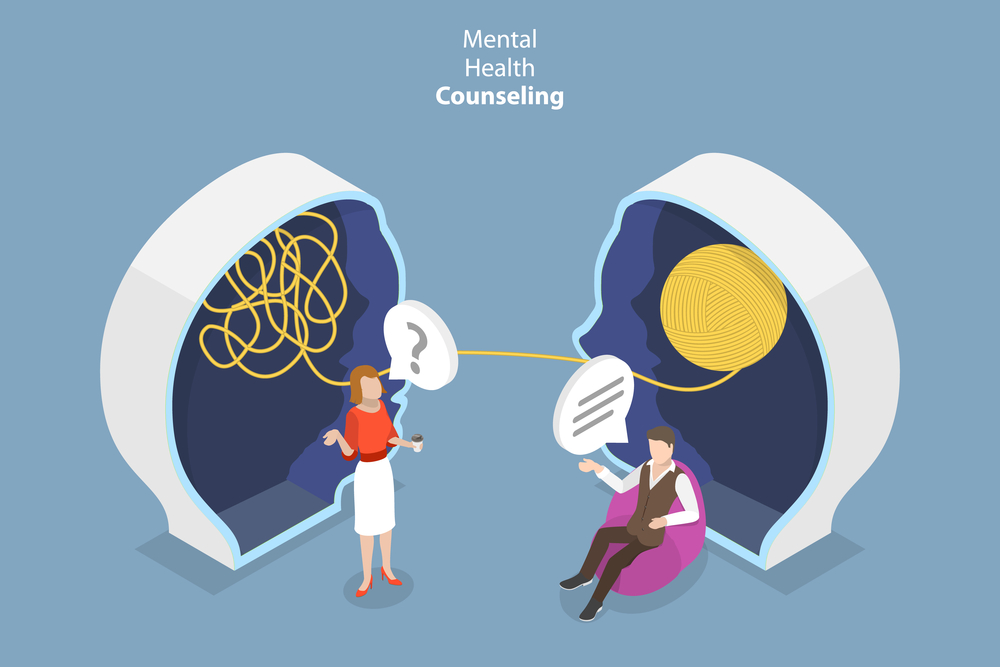
Fear can play a strong role in grieving. Whether anticipatory and fearful of a future event, or fear that cripples one while grieving to express or reach out, or fear that becomes maladaptive with other types of losses, it needs addressed. This video looks at how fear can affect grieving. Please also review AIHCP’s Grief Counseling Certification
The pain of a breakup and divorce has many levels of loss and secondary losses. While each can be horrible for a person, different individuals have different experiences for a variety of reasons. This video takes a closer look at the multiple factors in relationship loss and grief.
Fritz Pearls and his wife are considered the pioneers behind the development of Gestalt Therapy and its numerous techniques. While, like many numerous systems, Gestalt by itself is limited by its own definitions and guidelines, but still nonetheless has supplied the counseling sciences with numerous theories as well as practices to aid counselors in helping people. Pearls, a German immigrant, spent most of his later lifetime in the USA, developing and implementing the concepts of Gestalt. It remains to this day an original way to help individuals face psychological issues and pursue change.
Gestalt focuses on the here and now and awareness of one’ internal and true emotions. Please also review AIHCP’s Behavioral Health Certifications, especially in Grief Counseling
Please also review AIHCP’s numerous Behavioral Health Certifications, including Grief Counseling, Christian Counseling, Trauma Informed Care, Crisis Intervention, as well as Stress Management, ADHD Consulting, Anger Management, Clinical Hypnotherapy, EFT, and Meditation.
Gestalt Therapy
Gestalt is very focused on the now of the person. It sees current problems in how individuals hide behind their issues and avoid them. It is less concerned with issues of the past but how more so the person deals with the now and how that person transforms. It is very person centered in finding the answers in the client but unlike classical person centered therapies which has a more gentle guiding approach, Gestalt employs more direct confrontation when necessary to push a person in facing oneself in the present. Like most person centered therapies, Gestalt feels the power of change and how to live resides in the subjective reality of the person and that when a person accepts who he or she is and faces the illusions of self and takes responsibility for oneself, then one can become free and have a more healthy mental life. In this way, Gestalt looks at the wholeness of the person and challenges the person to self awareness. It is because of this approach, Gestalt is immersed in the human experience and how life is experienced. In its concern of the here and now, as well self awareness, it is more concerned with the question of how than the question of why.
Utilization of Gestalt
Pearls utilized exercises and experiments as the way to help clients find self awareness. Exercises helped clients experience the now of emotion, but experiments were deeper techniques to help a person become self aware and challenge oneself. Many of these experiments employed by the therapist was utilized as ways for the client to become self aware and how to properly express oneself to find balance with one’s inner voice. In many cases, Pearls would identify acts of phoniness by a person due to external pressures that subdued the internal personality of a person. He would note how one’s tone of voice, or facial expressions, or body postures would not match the feeling internally. He utilized various exercises and experiments to help the person break free of these uncomfortable anxieties and to better express oneself.
Gestalt therapy challenges a person to be more self aware of how the person feels
Pearls employed various linguistic alterations to a person’s vocabulary or how the person stated something in therapy. This involved utilizing personal pronouns more in the client’s speech. Instead of making a statement that was void of personal need, Pearls would instruct the person to utilize the pronoun “I” to own the statement. Instead of a passive declaration of what one desired or wanted or disliked, Pearls instructed the client to say “I need, or I want, or I dislike”. In addition, he removed such contractions as “can’t” to “won’t”. Instead of stating I cannot do something, he pushed clients to say I will not do something. Also, instead of the conjunction “but” used to imply an excuse, he instructed clients to use the word “and”. For example, if someone has a paper to write and states “I cannot write the paper tonight, but I may try to do it tomorrow”, Pearls would have the client transfer the statement to “I will not write the paper tonight and I will try do it tomorrow”. Pearls also would emphasize the use of the phrase, “I take responsibility for this”. Hence a person would say “I take responsibility for not writing the paper tonight”. This clearly shows an emphasis of owning one’s inner feelings more deeply and also expressing what one wants in a more authoritative, responsible and personal way. Excuses, passive language and not asserting one’s own needs into a sentence were signs of the person not being self aware of what one needs and not taking responsibility for it. Hence, Pearls was less concerned about other pronouns of “them” or “us” or how others make one feel but more interested in how oneself makes one feel.
In addition to speaking with more authority and emphasizing responsibility for one’s words, thoughts and actions, Pearls would help individuals identify body posture, nervous ticks, or uncomfortable laughs as the ways the body and its physiology would manifest discord between expression and the actual feeling. Pearls would frequently call a person out with confrontation for expressing oneself in contradiction to how one felt. He would suggest exaggeration of these tics, or tones, to see how truly silly or phony they were in contrast to how the person felt in the moment. Through the experiment of exaggeration, Pearls encouraged one to bite one’s lip harder, or tense their jaw more pronounced so that the person could recognize these manifestations when internal feelings emerged. The key for Pearls was to help the client discover and become aware of one’s deeper feelings in the now moment and how to properly communicate and express them. This involved analyzing one’s own bodily reactions in correlation with the feelings internally.
The most famous experiments of Pearls was the empty chair. This created an opportunity for one to confront oneself, or another in the safety and privacy of therapy. It permitted one to become aware of self, but also to express emotions that may have been kept in check. The first usage of this experiment was direct dialogue between self. For example, a middle age man may have many regrets in life and has two images of himself; namely the driving and commanding side of himself and then the more relaxed version of self. At direction of the therapist, the man would move from his chair to the other chair and imagine speaking to himself in a more authoritative way. In response, the man then would remove to his original chair and respond to his more aggressive and demanding side. This dialogue would continue to until the man discovered his many needs. In other cases, the empty chair can be utilized as a way for an individual to confront another person. This may be an ex spouse, a parent, a boss, a deceased family member, or even God. The client is encouraged to speak to this person if as the person was truly sitting there. Obviously this is an advanced therapeutic tool and should be conducted by a trained therapist due to emotional eruptions that can occur. Pearls saw this as a way for a person to truly express one’s emotions without filter or restraint free from possible danger of physical confrontation.
Conclusion
Please also review AIHCP’s numerous behavioral and healthcare certifications
Gestalt has many beneficial applications to help people properly express their feelings, be aware of themselves and become more connected to how they truly feel. It is beneficial for those suffering from anxiety as well as depression. However it does possess some limitations. It is more emotional in nature and does not give enough attention to the intellectual and cognitive issues surrounding mental health. It also focuses more the now without less concern for the past. Questions such as why and what are more replaced with how can we handle this now. It is also weighs heavily on one’s own personal needs for self actualization and less concern for the needs of others. This is a double edged sword if not properly put into context. Further, it possesses a more subjective morality in place of universal objective standards of behavior or morality. Yet, many of its experiments and uses are widely accepted and utilized in daily practice. Very few counselors completely adhere to one particular school over another, so the percentage is quite low of a counselor being a strictly Gestalt therapist. Most modern day counselors share Gestalt techniques and implement them with person centered therapies and behavioral therapies for maximum results.
Meaning of existence plays a key role in understanding one’s daily trials, anxieties, stresses, as well as losses. Meaning in life can re-interpret an event for a person. From an bad event, individuals with meaning, can move forward with a better understanding and a fuller interpretation within life. Those without meaning to loss, or meaning to horrible things can fall victim to hopelessness and despair. Without an anchor of meaning, one can be swept by the various currents of life with no true direction. Existential philosophy, as well as Existential therapy, looks to find meaning in life. In this short blog, we will examine Existentialism and its influence on Existential therapy, as well as address the critical necessity of meaning in grief counseling, as well as conflicting issues between Christian theology and Existentialism.
Existentialist therapy helps individuals find meaning in loss and to also face existential anxiety. Please also review AIHCP’s Grief Counseling Certification as well as its Christian Counseling Program
Please review AIHCP’s Grief Counseling Certification, as well as AIHCP’s Christian Grief Counseling Certification and see if they meet your academic and professional goals.
Existentialist Philosophy and Therapy
Existentialist philosophy has two branches. One which encompasses a theist and sometimes Christian perspective, as well as an atheistic or nihilist branch. Philosophers such as Gabriel Marcel, Soren Kirkegaard and Paul Tillich approach existentialism from a theistic perspective, while others such as Frederick Nietzsche, Martin Heidegger and Paul Sarte present a atheistic and nihilist approach to existence. The core of the philosophy addresses humanity’s existential realities without reserve. Death, choice, freedom, isolation and meaning or lack of meaning in life are all important aspects of that cannot be ignored. Within this state of humanity, existence and its subjective and phenomenological interpretation of that existence details what a person is to be or find meaning in. There is no collective pre-existing template or essence of the human blueprint, but merely existence. As Sarte famously stated, “existence precedes essence” which at its core puts a subjective morality and choice at odds with a pre-existing objective template of reality and moral choice.
Humanity’s freedom to choose and become without fear is one of the guiding principles of non-theistic existentialist approach. As Frederick Nietzsche proposed, one must courageously drop the shackles of objective morality or the concept of God and become a “super man” who forges forward with great courage in creating one’s own essence and identity. While this is not the purpose of this blog to counter theological arguments over moral objectivity and the existence of God, this type of existentialist thought obviously places more power over one’s own decision what is good or evil.
Existentialist philosophy looks at human experience as a way one encounters life and discovers meaning. Through one’s inner self, one’s self with nature and one’s self and experiences with others. Human beings are free to relate and form one’s own meanings based on these three basic levels of existence (Tan, 2022). In this self discovery, one must be true to one’s self or authentic. It is when one ceases to be authentic with self, that pathology emerges. This becomes difficult because of natural existential dread and anxiety which in itself is not a bad thing but quite a natural thing. Within existential anxiety, one must deal with death and life, the need to act or not act, isolation versus companionship, and finally meaning or meaninglessness (Tan, 2022). A healthy existence is when these issues are faced, discussed and analyzed. When one does not dismiss these truths, as well as live authentically with oneself, then one finds a healthy balance in life.
Nietzsche presented an atheistic and nihilist perspective to finding meaning in existence
Tan lists some of the key elements of existentialist philosophy of being human. He lists first, the capacity for awareness, second, freedom and responsibility, third, creating identity and establishing relationships, fourth, searching for meaning, fifth, accepting anxiety as part of life and finally, awareness of death and non being (2022). It is when one lies to oneself and avoids these principles that pathology can occur in life. Rollo May, a existentialist therapist contends that anxiety is a critical part of life itself and now all of it is toxic but something that needs faced and addressed. Clients need taught how to face anxiety and solve the issues and problems while remaining true to oneself (Tan, 2022).
Application of Meaning in Life
Victor Frankl, a holocaust survivor, discussed in detail the grave importance of finding meaning in life, especially, in loss and suffering. He saw a deeper purpose that could help drive one beyond the mere presence of suffering. His meaning was found in love and the dignity of the human person to push beyond mere tasks and elevate them to a higher power. In this way, Frankl was not atheistic in existential thought and like others, saw the importance of spirituality as a way to find meaning. Kirkegaard also saw the importance of emptying one’s anxiety and existential angst into the grounding of all existence which is God. Hence, while to some therapists, meaning can be subjective and coming from within the person, other theistic existentialists promote the possibility that meaning can come from an outside source.
Regardless, the power of meaning is a strong driving force in interpreting life events. Frankl helped individuals find deeper meaning in his Logotherapy which utilized four primary techniques. First, he employed the Socratic dialogue, second, paradoxical intent, dereflection and attitude modification (Tan, 2022). Within the Socratic dialogue, one is directed to take a complete inventory of one’s life. This helps the person discover direction but also what matters most. Within paradoxical intent, Logotherapy looks to present the absurdity of a habit or behavior by exaggerating it. Within dereflection, the therapist helps the client see other elements of an event. In this way it hopes to utilize a type of behavioral cognitive therapy where the individual rethinks the event in different perspectives. The idea is not to dismiss or devalue the event but to approach it from different aspects. Finally, attitude modification, helps the client to change certain views or behaviors by not lamenting over the past which cannot be changed, but instead by learning from it and making good changes.
Frankl saw in humanity that all are good initially at one’s core and that it was the purpose of the therapist to help enlighten a person of one’s inner talents to utilize the goodness of the inner core. He also pointed out that life has meaning and it is one’s goal to find meaning, which usually should be in something transcending, albeit, life does not guarantee happiness even with meaning, However, it the meaning and finding that meaning in the moment that all can find direction even in the most worst case scenarios. In this way, a person retains his core, his uniqueness as well as his freedom.
Meaning and Grief
Finding meaning in existence is key but especially when loss and grief occur.
Existential philosophy and therapy plays a key role in grief and loss. Robert Neimeyer has emphasized the critical importance of meaning making in loss. Meaning is essential in understanding the nature of the loss and how the loss plays a role in the overall life of a person. Individuals who utilize meaning and find meaning not only in loss but overall life can find smoother ways to adapt to the loss and move forward with the loss incorporated into one’s life. Those without meaning struggle with suffering and loss. This was also the case that Frankl noticed in the Nazi concentration camps. Those who lost hope or meaning, even meaning in the most dire situations, would gradually fade quicker to despair and death.
Existential philosophy also demands that we do not hide from natural anxieties. In the modern world, death becomes a taboo subject, but in the lens of existentialism, it is something that should be addressed, confronted and spoken about. If we ignore death, if we ignore unpleasant thoughts of non being, then one is not living authentically according to existentialist philosophy. Existentialist therapists will help clients face the loss, understand it, and find meaning moving forward from the loss. These are all concepts and techniques that coincide with modern bereavement science.
Existentialism and Christian Counseling
As stated, there are many forms of existentialism. Some forms adapt a Christian view on life that surrenders the existential experience to God under the example of Christ. In addition, many of the concepts are concepts to use in counseling. Seeking to find answers about existence, freedom, responsibility and meaning are important concepts for the Christian but the answers from secular existentialism seeks the inner self and experience instead of the moral law of God and established dogma. In secular settings, existentialism can allow one to become one’s own god in decisions. It also tends to find most pathology from within or failure to acknowledge the existential anxieties of life and ignores many other sources of issues. Many issues stem from also biological or social settings, not just one’s imbalance with authenticity and existential anxieties (Tan, 2022).
Again, when one surrenders oneself to the autonomous self, one does not find true peace or meaning as secular existentialists would contend. That peace is through surrender of one’s anxieties to God, which is a self grounding in the Self (Tan, 2022). Kierkagaard illustrates this importance, and even Frankl addresses the surrender of self to something to a higher transcendence as something more benefitting and long lasting than merely surrender to the autonomous self. In these ways, some concepts of existentialism are useable in Christian Counseling with a strong precaution of avoiding its more secular and atheistic roots.
Conclusion
There are many good and bad aspects of existentialist therapy. Please review AIHCP’s Healthcare Certifications
Existentialist therapy while more so a philosophy than a true therapeutic concept employs meaning as a key concept for modern counseling. Meaning is essential for understanding loss, suffering and death. Existentialist therapy also helps one to not ignore the anxieties of life but to face them and find meaning in them. While some aspects of it have theistic wrappings, other elements are more atheistic in thought and look for the autonomous self and one’s authenticity to help build one’s character. This leads one ultimately to a subjective perspective on each person’s meaning of life as opposed to an objective and more dogmatic one. Regardless of belief, it has numerous benefits for counseling, in particular for Grief Counseling. Obviously, if not religious, the power of meaning in life, even if subjective, can be a powerful source for success in the world.
Please also review AIHCP’s Grief Counseling Program as well as AIHCP’s Christian Grief Counseling Program and Christian Counseling Program. AIHCP also offers a wide range of secular programs in grief but also as well in both healthcare and behavioral healthcare programs.
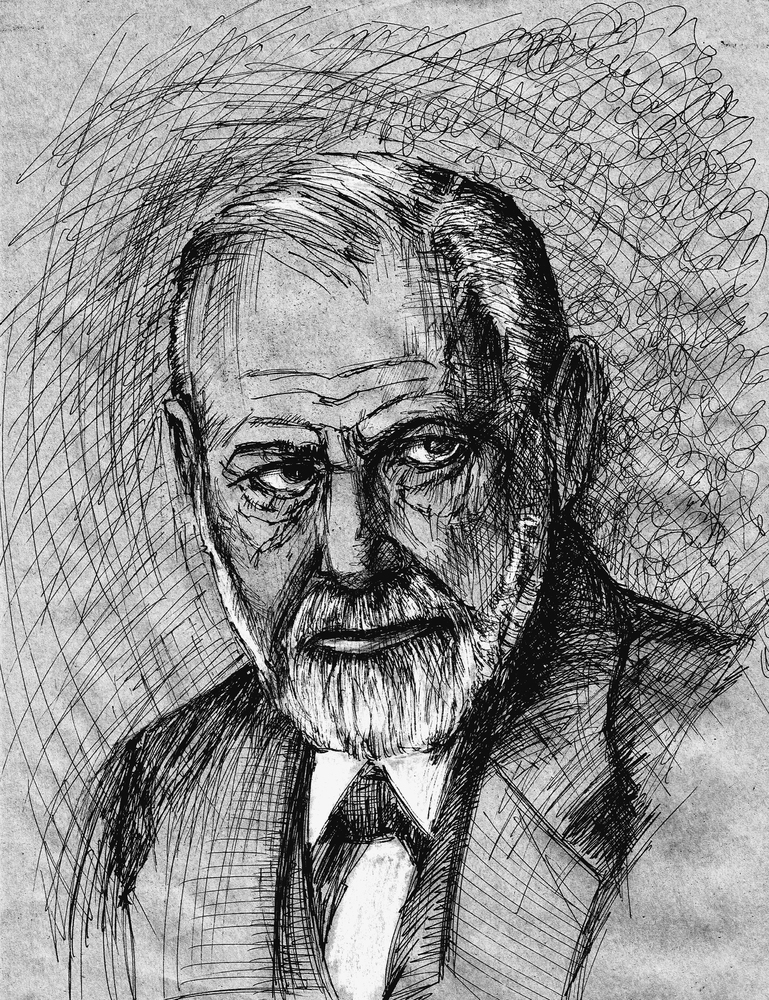
Despite numerous modern objections to various aspects of Freud and psychoanalytic theory and counseling, Sigmund Freud nonetheless gave psychology many beneficial concepts that can be borrowed from his school of thought and utilized to help one understand human nature. Among one of these useful tools are Freud’s defense mechanisms of the ego. To recall, Freud considered the makeup of the human mind to consist of the id, ego, and superego. The id referred to humanity’s natural inclinations and instinctive drives, the ego was in essence the executive drive behind the self and the interaction with the outside world and the superego was humanity’s alteration of self to customs, social patterns and inherited morality. When these three were at odds with each other or in imbalance, then psychological discomfort resulted. This short blog will look at these Freudian defense mechanisms.
Freud identified defense mechanisms people utilize to avoid pain, stress and conflict
When dealing with anxiety, or distress, the ego, according to Freud, would attempt to cope with the issues, but sometimes in an unhealthy way through defense systems (Tan 2011, p. 41). Freud stated that in particular, neurotic or moral anxiety caused most individuals to look to defend their actions or views. Neurotic anxiety referred to one’s own fears of being overwhelmed by one’s own desires and drives, while moral anxiety was the fear of being at odds with one’s conscience (Tan 2011, p. 41). Since many individuals’ actions are at odds with their beliefs, then naturally, individuals look to find a way to exist creating a cognitive dissonance. In therapy, it is important to identify these defense mechanisms since they prevent the truth of the matter or the reality of the situation.
Repression
Freud considered repression to the most fundamental and important defense mechanism (Tan 2011, p. 41). At the subconscious level, Freud believed that individuals within their first formative years could repress and block out past and painful memories. Many of these subconscious memories would be lost to consciousness but could only be retraced through therapy or dream work. In addition to these memories, emotions tied to them could also be repressed but remain boiling within one’s subconscious. This involuntary type of defense mechanism helped the person find peace but still left unresolved issues that could fester in one’s later life if not faced.
Denial
Our subconscious looks to repress and deny uncomfortable things
Denial is a common defense mechanism and even one of the first responses in grief. Denial looks to push away the horrid reality and to pretend it does not exist. In grief, denial is temporary, but for some denial can become a very dangerous thing as it festers. For instance, if one is diagnosed with a disease, one may live in a state of denial for a very long time, or if one refuses to accept the consequences of bad habits, one can continue down a unhealthy path.
Displacement
Displacement is a common mechanism that is quite unfair to others. Instead of coping with the issue directly or facing the person causing it, one displaces the confrontation and frustration onto an easier substitute. For instance a man who returns home from work, may instead yell at his spouse or children. It is very common for individuals with high level stress to displace the stress source onto someone else. This can cause great turmoil at home or with family and friends for individuals who are unable to channel their frustration into the proper source.
Sublimation
In a very similar way, the stressed person may aim their frustration or energy into other things or projects instead of facing the primary stress itself. This is far better than blaming a person for one’s own issues, but this defense mechanism nonetheless re allocates the problem to something else without finding resolution. In the end, the person at least temporarily is defended from the stress but it remains waiting later.
Reaction Formation
Ironically, some individuals ignore the intense feeling they experience by acting out the exact opposite emotional reaction in a hope of controlling the situation. Instead of confronting a person one dislikes, one instead over exaggerates the response of kindness. While this may seem nice, it is nonetheless toxic as it builds up resentment because the stress or emotion is not being acknowledged or the issue is not being resolved.
Projection
This defense mechanism is very toxic because it places one’s own impulses or behaviors on another person. This permits the person to blame others and to defend oneself from one’s own judgement and consequence. This can occur when a boy hates his father because he believes his father hates him (Tan 2011, p. 42). In essence, projection permits the person to escape the emotion by placing it on the other person.
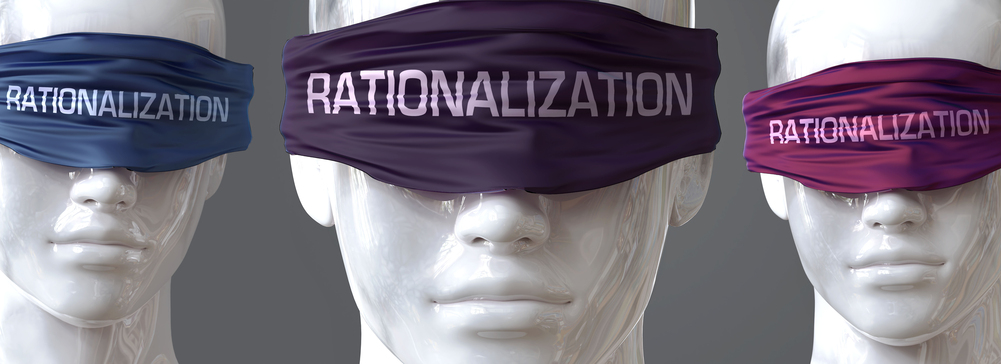
Rationalization
Rationalizing is defense mechanism that blinds us to the truth. Please also review AIHCP’s Healthcare Certifications
Sometimes when something bad happens, individuals try to convince themselves that what occurred is not that bad after all. This false attempt to find a silver lining does not permit the person to grieve the situation from a truthful perspective. Because of this, the person then misses the opportunity to face the issue as well as to learn from it. This is why especially in grief counseling, it is important to acknowledge the reality of the situation. It is OK to feel something went wrong and to feel bad about it, but sometimes subconscious defense mechanisms try to derail this process for temporary relief.
Regression
When things go wrong, sometimes people fall back. If something is terrible instead of facing it, sometimes people may feel the need to hide or not confront and return to more childlike behaviors or even immature behaviors. In children, this is even more common and visible in behavior, such as bed wetting, or other thumb sucking.
Intellectualism
Sometimes individuals may try to theorize or philosophize a bad event instead of focusing on the emotions themselves. This defense mechanism again looks to keep the painful emotion away through rational thought about the situation. This mechanism like many others is only prolonging the issue. In grief counseling, it is detrimental to bury emotion and not acknowledge it. One cannot avoid what needs to be faced.
Identification
Sometimes, the cross or problem is so big, that one feels oneself is not equipped to face it. In this regard, they identify with other people who have successful faced these issues. While this can be good, it can also be bad when one begins to emulate the other person at a pathological level. It is fine to see how others handled problems, but ultimately our problems are unique to us and we must sometimes walk the road alone and figure it out for ourselves.
Conclusion
Defense mechanisms may help in the moment but they do not resolve long term issues
In society and counseling, one can see many of these defense mechanisms. It may be with a client or a relative or friend, but these are common place issues. In grief counseling, many of these issues shuffle the current emotion away to find temporary relief. Sometimes, in the moment this may be necessary, but as time goes on, these defense mechanisms can lead to pathological grief and stress reactions. The mind hopes to spare the body as much emotional pain as possible, but sometimes, we need to face pain and suffering so that we can completely heal.
In recent years, the growing interest in mental health has prompted a significant examination of both herbal and pharmaceutical approaches to managing conditions such as depression and anxiety. This exploration is particularly relevant given the chronic nature of these disorders, where traditional medications may not always yield satisfactory outcomes for patients. With the rise of integrative medicine, there is an increasing recognition of the potential benefits derived from herbal remedies alongside conventional treatments. While herbal options may offer a path less traveled, they are not without risks; interactions between these remedies and pharmaceutical drugs must be carefully considered to ensure patient safety (Aiello et al., 2018). Furthermore, the role of dietary choices, such as the Mediterranean diet, can also contribute positively to mental health, highlighting the intricate relationship between nutrition, lifestyle, and well-being (Emerson et al., 2009). This essay will delve into these dimensions, evaluating their efficacy and applicability in treating depression and anxiety.
Understanding how herbal and pharmaceutical drugs help affect mental wellness. Please review AIHCP’s Holistic Nursing as well as its Stress Management programs
Understanding the definitions of depression and anxiety is crucial for comprehending their pervasive impact on mental health. Depression is characterized by persistent feelings of sadness, hopelessness, and a loss of interest or pleasure in activities once enjoyed, affecting daily functioning. Conversely, anxiety manifests as excessive worry or fear, often leading to physical symptoms such as increased heart rate, restlessness, and fatigue. Both conditions are deeply intertwined and can exacerbate one another, complicating diagnosis and treatment. Recent research has established the efficacy of certain herbal remedies, like saffron, in alleviating symptoms associated with these mental health disorders. In a study featuring teenagers with mild-to-moderate anxiety and depression, saffron extract (affron®) demonstrated significant improvements in internalizing symptoms, suggesting its potential as a complementary treatment option (Drummond et al., 2018). Further exploration into nonpharmacological approaches alongside traditional pharmaceuticals continues to be vital in addressing these prevalent mental health challenges (Swezey et al., 2018).
B. Overview of treatment options
The landscape of treatment options for depression and anxiety encompasses both herbal and pharmaceutical interventions, reflecting a diverse approach to managing these pervasive conditions. Herbal treatments, such as St. Johns Wort and kava, have gained prominence due to their perceived efficacy and fewer side effects compared to traditional pharmaceuticals. Research indicates that these herbal remedies may offer relief by modulating neurotransmitter levels, thereby alleviating symptoms of mood disorders. Conversely, pharmaceutical drugs, including selective serotonin reuptake inhibitors (SSRIs) and benzodiazepines, are often prescribed for their established effectiveness in treating severe cases. However, concerns regarding potential adverse effects and long-term dependency have prompted interest in complementary therapies. The integration of nutritional supplements, like Pycnogenol, into treatment regimens could further enhance therapeutic outcomes by addressing underlying physiological imbalances (Emerson et al., 2009), (Ceulemans et al., 2017). Ultimately, a comprehensive treatment approach that combines both modalities may provide optimal relief for individuals suffering from depression and anxiety.
In utilizing these treatments, stress management consultants also can use a variety of calming techniques and therapies to help teach individuals to calm themselves in stressful situations, as well as grief counselors can help utilize other cognitive treatments to help individuals cope with grief.
C. Importance of understanding both herbal and pharmaceutical approaches
Integrating both herbal and pharmaceutical approaches in the treatment of depression and anxiety is essential for a holistic understanding of patient care. The efficacy of traditional herbal remedies often lies not solely in their active constituents but also in the therapeutic experience associated with their use, as underscored by findings that highlight a hedonic placebo effect contributing to high satisfaction levels among users of traditional medicines (Costa-i-Font et al., 2012). Furthermore, advancements in pharmaceutical formulations, such as the development of Bacopa Naturosome, which illustrates the potential for enhancing the bioavailability of herbal extracts, demonstrate that a synergistic approach can lead to improved clinical outcomes (Bobde et al., 2016). Recognizing the complexities of both modalities allows healthcare providers to tailor interventions that resonate more effectively with patients, ultimately enhancing treatment satisfaction and outcomes in managing depression and anxiety. Thus, a comprehensive approach that values both systems is imperative for informed clinical practice.
II. Overview of Pharmaceutical Drugs
An overview of pharmaceutical drugs used in treating depression and anxiety reveals a range of therapeutic options, each with unique mechanisms and effects. Selective serotonin reuptake inhibitors (SSRIs) and serotonin-norepinephrine reuptake inhibitors (SNRIs) are commonly prescribed due to their efficacy in enhancing neurotransmitter levels, which can alleviate common mood disorders. Furthermore, benzodiazepines and various sedative antidepressants serve as alternatives, particularly for rapid symptom relief. Despite their benefits, these drugs are not without drawbacks, including potential dependence and adverse side effects. Recent guidelines suggest incorporating cognitive-behavioral therapy (CBT) as a primary intervention, which may be supplemented with pharmacological options when necessary, especially in cases of treatment-resistant insomnia associated with anxiety and depression (Riemann D et al., 2023). Moreover, evolving research underscores the necessity for a comprehensive understanding of age factors in clinical trials, as studies often overlook older adults, thereby affecting treatment outcomes (Fiona E Lithander et al., 2020).
Benzodiazepines help reduce anxiety. Please review AIHCP’s Stress Management program
A. Commonly prescribed medications for depression and anxiety
The landscape of depression and anxiety treatment often prominently features pharmaceutical interventions, particularly selective serotonin reuptake inhibitors (SSRIs) and benzodiazepines. SSRIs, such as fluoxetine and sertraline, are commonly prescribed due to their efficacy in increasing serotonin levels in the brain, which can positively influence mood regulation. Common brand names include Prozac, Luvox, Zoloft, Lexapro, and Celaxa. Benzodiazepines, including drugs like diazepam and lorazepam, serve as anxiolytics, providing rapid relief from acute anxiety symptoms; however, their potential for dependence limits their long-term use. Common brand names include Xanax, Ativan and Valium. Recent studies highlight a concerning trend regarding the prescribing patterns of these medications, underscoring significant variances across different regions and patient demographics (Bjornsdottir et al., 2014). Furthermore, the rise of nootropics, aimed at cognitive enhancement, draws attention to the nuanced interplay between mental health and performance in contemporary society, suggesting a shift toward multifaceted approaches in managing depression and anxiety (Bersani et al., 2020). This evolving understanding emphasizes the importance of tailoring treatment plans to individual needs and contexts.
SSRI – Selective Serotonin Reuptake Inhibitor
B. Mechanisms of action of pharmaceutical drugs
Understanding the mechanisms of action of pharmaceutical drugs is crucial for addressing depression and anxiety effectively. The majority of these drugs target neurotransmitter systems, primarily involving serotonin (5-HT), norepinephrine, and dopamine. For instance, selective serotonin reuptake inhibitors (SSRIs) enhance serotonergic activity by inhibiting the reabsorption of serotonin in the brain, thus increasing its availability and improving mood. This approach highlights the significance of neurotransmitter balance in mental health, where disruptions can lead to various mood disorders. However, the pharmacodynamics of these drugs remain complex, as evidenced by the varied responses observed among patients, necessitating ongoing research into more effective and tailored treatments. Moreover, the lack of approved pharmacological options for conditions such as tinnitus exposes the need for novel therapies. As noted, effective relief from symptoms is still a pressing challenge, underscoring the potential of advancements in pharmacotherapy to revolutionize treatment approaches (Bel Aén Elgoyhen et al., 2009), (Overy et al., 2013).
Benzodiazepines increase GABBA in the brain. By reducing Gamma-aminobutyric acid, a neurotransmitter that helps the efficiency of transmitting messages between neurons, the overall process is slowed through the increase of GABBA hence relaxing the mind. Some of the more common brand names include Xanax, Valium and Ativan. All have addictive qualities and have potential minor side effects. The dose and frequency is determined by a physician or prescribing mental health professional. It is imperative to discuss any herbal supplements with a provider if already taking a prescribed benzodiazepine.
C. Potential side effects and risks associated with pharmaceutical treatments
The growing reliance on pharmaceutical treatments for depression and anxiety raises significant concerns regarding potential side effects and risks associated with these medications. Many prescribed drugs can elicit adverse reactions, ranging from mild symptoms like drowsiness and headaches to more severe effects such as mood changes, anxiety, and substance dependence. For instance, the uncontrolled availability of certain medications has been linked to the induction of psychological symptoms, which may exacerbate existing conditions in vulnerable populations, particularly those with psychiatric disorders (Chillemi E et al., 2014). Furthermore, while complementary and alternative therapies are often sought for their perceived safety, they too can contain active ingredients that pose risks when combined with pharmaceutical treatments; thus, the safety and efficacy of both conventional and alternative options warrant careful evaluation within this context (Ekstein et al., 2014). Consequently, the assessment of side effects must be integral to the discourse on optimal treatment for mental health disorders.
Any pharmaceutical drug can have a potential side effect and some can be addictive
The potential of side effects is always a possibility and that is why prescribers work with their patients starting with lower doses over the first weeks to see if any reactions exist. Sometimes, a different type of SSRI or Benzodiazepine is needed. While closer related, different types of generic names within the family can sometimes work for different individuals. In addition, these same reactions push many individuals to more herbal solutions. This is fine but it must be done with caution and guidance since many prescriptions are important or need to be gradually weaned off of to avoid withdraw. In addition, many other grief and anxiety related therapies and counseling techniques exist to help individuals cope. Whether or not someone needs pharmaceutical or herbal or merely treatment or a combination of all depends on the individual and the guidance of the mental health and primary physician teams.
III. Herbal Remedies for Depression and Anxiety
The exploration of herbal remedies for depression and anxiety has gained significant traction in both clinical settings and popular belief systems. Among these remedies, Lavandula angustifolia, commonly known as lavender, has been shown to exhibit promising results. In a study involving patients receiving Citalopram, those who consumed a lavender infusion alongside their medication exhibited a notable decrease in depression scores after both four and eight weeks, suggesting its potential as an adjunct therapy (Asghari et al., 2013). The implications of such findings position herbal treatments as a viable complement to pharmaceuticals, particularly for individuals seeking holistic approaches to mental health. Additionally, the conversation surrounding nootropics emphasizes the cultural shift towards enhancing cognitive function and overall well-being, revealing an increasing interest in natural substances that may improve quality of life without the adverse effects often associated with conventional medications (Bersani et al., 2020). As research continues to unfold, the integration of herbal remedies into mainstream treatment protocols remains a promising avenue for further investigation.
A. Popular herbal treatments and their uses
Valerian Root is an excellent herbal remedy for anxiety
The increasing prevalence of mental health disorders has spurred interest in popular herbal treatments, particularly for conditions such as depression and anxiety. Among these treatments, herbs like St. Johns Wort and valerian root have garnered significant attention for their therapeutic potential. St. Johns Wort, for instance, has been extensively studied for its ability to alleviate mild to moderate depression, with some research supporting its efficacy comparable to conventional antidepressants. In addition to St John’s Wort, is lavender, passion flower, chamomile, and other natural serotonin reuptake inhibitors. In regards to anxiety, Valerian root, known for its calming effects, is often utilized as a natural remedy for anxiety and insomnia, promoting improved sleep quality without the sedative side effects commonly associated with pharmaceutical alternatives. Furthermore, the anti-inflammatory properties of curcumin, a compound found in turmeric, suggest a broader role in addressing mood disorders linked to chronic inflammation, making it a compelling candidate for further study in the development of herbal treatments (Peng Y et al., 2021). In addition to valerian root, Understanding the abundance and biodiversity of these medicinal herbs is crucial for sustainable sourcing and effective drug development (Heinrich M et al., 2021)
B. Scientific evidence supporting herbal remedies
There’s a growing buzz around using herbal remedies to ease depression and anxiety. Interestingly, a rising amount of research is trying to back up whether they actually work and are safe to use. For example, lots of studies have looked at how well-known herbs might work, and some have found that particular plants contain active ingredients that can tweak the brain’s mood-regulating chemicals. That said, it’s important to be careful about jumping to conclusions. The research on many herbal treatments isn’t always solid or consistent. It’s really important to put these treatments under a microscope, especially because how the herbs are extracted and how much you use can change things. What’s more, even though some people swear by these remedies based on what they’ve seen, we often don’t have the scientific proof to say for sure that they work. More research is needed to figure out if they truly cause the improvements or if something else is going on (Ghosh et al., 2010), (Elliott et al., 2002). So, it’s best to keep an open mind when thinking about using herbal remedies alongside standard treatments.
C. Safety and efficacy concerns regarding herbal treatments
Herbal treatments for things like depression and anxiety definitely call for some serious thought, especially when it comes to how safe and effective they really are. Sure, there are studies suggesting that certain herbal supplements, saffron, could help with mental health. But the thing is, how consistent are these results, really? Take, for example, a controlled trial where they saw some improvement in young people dealing with mild to moderate anxiety and depression. Even there, the researchers pointed out that what the kids said and what their parents noticed didn’t always line up, suggesting it might work differently for different people (Drummond et al., 2018). Then you’ve got a review looking at acupuncture and herbs for premenstrual syndrome. It showed some relief, but the studies themselves weren’t that big, and the methods used weren’t always top-notch, which makes you wonder if the results hold up in the long run, or apply to everyone (Kim DI et al., 2014). So, while herbal treatments might seem like a good option, we need to make sure we really nail down how safe they are, how well they actually work, and that we put them to the test in proper clinical trials.
IV. Comparative Analysis of Herbal and Pharmaceutical Approaches
When exploring treatments for depression and anxiety, it’s useful to compare herbal and pharmaceutical options, focusing on how well they work, how safe they are, and how patients feel about them. Medicines like SSRIs are clinically proven to help, but side effects can push people toward other options. Herbal remedies, like St. John’s Wort, are popular because they seem natural and have fewer side effects reported. It’s worth noting that Ginkgo biloba, for instance, comes up a lot when talking about possible benefits and drawbacks, so it’s good to be careful (Chillemi E et al., 2014). Additionally, some research suggests that acupuncture and herbal remedies can really help with things like premenstrual syndrome, hinting that these approaches could work for some people (Kim DI et al., 2014). So, while both ways have something to offer, more research would help us understand how they stack up against each other for mental health overall.
It is important to understand how drugs work and how they can interact with herbal remedies in positive or negative ways. Always contact a holistic nursing specialist or mental health professional or primary physician before mixing herbs with pharmaceutical drugs
A. Effectiveness of herbal vs. pharmaceutical treatments
The discussion around how well herbal treatments work for depression and anxiety, when stacked up against pharmaceutical options, has really picked up steam in both the academic world and in clinical practice. Pharmaceutical drugs, which often come with side effects and the risk of dependency, are usually the go-to treatment. But herbal remedies, like St. John’s Wort and other plant-based therapies, have become alternatives people are considering. Studies seem to be showing that these herbal options could help ease symptoms, and maybe with fewer bad side effects, hinting at them being fairly safe. For example, one review pointed out that treatments like acupuncture and herbal medicine led to noticeable improvements in things like premenstrual syndrome, with more than half the people in the study saying their symptoms got better. This underlines how they might help with mood issues and stress-related symptoms (Kim DI et al., 2014). Plus, as integrative medicine becomes more popular, it’s super important to look at how herbal supplements and regular medications might interact, especially for groups like veterans, where other health problems might make treatment trickier (Aiello et al., 2018). So, taking a good look at and comparing these different treatment methods is key for creating well-rounded and effective ways to tackle mental health.
B. Patient preferences and accessibility issues
When we look at how patients feel about herbal versus pharmaceutical treatments for depression and anxiety, alongside how easy it is for them to get these treatments, it’s clear that how happy they are with their treatment really affects how well it works. A lot of people seem to like old-fashioned herbal medicines better, thinking they’re easier to get and fit better with what they believe. This might be because of something called the hedonic placebo effect, where just taking traditional medicines makes people feel better, even if there’s not a lot of scientific proof (Costa-i-Font et al., 2012). Also, getting access to treatments is a big deal. Patients often have trouble getting regular pharmaceutical drugs because they cost too much, aren’t available, or the healthcare system doesn’t work well. It’s really important to think about how people try to get healthy. Discussions at events like the 3rd Java International Nursing Conference highlight the need to consider patient experiences when treating them in clinics and in their communities (Nurmalia (Editor) et al., 2015).
C. Integration of both approaches in treatment plans
Combining herbal and pharmaceutical methods in depression and anxiety treatment is becoming a really important step forward in mental health. Healthcare providers can create full treatment plans that deal with both the symptoms and the root causes by mixing the power of regular medicines with the overall health benefits of herbal treatments. For example, patients might feel better emotionally when they use herbal medicines with their regular antidepressants, which can lead to a better life and easier management of side effects (Howard et al., 2015). This combined method not only makes the treatment options wider but also takes into account what patients like, helping them stick to their treatment plans. Plus, knowing things like a patient’s age, education, and how far their illness has progressed can help doctors choose the right herbal and pharmaceutical treatments, making sure the plans fit what each patient needs (Catalani et al., 2019). So, putting these two treatment types together looks like it could provide more useful and customized care in mental health.
Holistic nursing professionals can also guide individuals in properly utilizing in a safe way the integration of herbal remedies with pharmaceutical medications.
V. Conclusion
To conclude, combining herbal remedies with pharmaceutical drugs presents a potentially beneficial strategy for treating depression and anxiety, offering a more comprehensive approach to mental health care. Research has demonstrated, for example, that compounds such as curcumin possess notable anti-inflammatory effects, indicating a possible role in affecting mood disorders (Peng Y et al., 2021). This highlights the value of integrating both traditional and modern medical practices to potentially improve treatment effectiveness and patient results. Additionally, as emphasized in current guidelines, the importance of personalized treatment plans highlights the necessity of accounting for individual patient needs and preferences when managing these mental health issues (Sharon L Kolasinski et al., 2020). As clinicians and researchers further investigate the interactions between herbal treatments and conventional medications, a deeper understanding of these dynamics will probably result in improved care for depression and anxiety, leading to better overall mental well-being across various populations.
Medical and herbal remedies can help anxiety and depression when under the guidance of a licensed and qualified professional. Please also review AIHCP’s numerous mental health certifications in stress management, holistic nursing and grief counseling
It is always important to consult a physician or mental health professional when supplementing herbal remedies with pharmaceutical ones. Sometimes, they share similar traits that can enhance the prescription in power and increase a desired effect, or another herb may counteract a different medical prescription. Ultimately, herbal remedies can serve as a long term supplement when used correctly and under care with less side effects but many require pharmaceutical treatments in more acute cases.
When we consider the main points about using both herbal remedies and prescribed drugs for depression and anxiety, we see that these two types of treatments affect each other in complicated ways. Lots of people use herbal medicines together with their prescriptions, especially older folks; numbers show that anywhere from about 5% to almost 90% do this (A Cherubini et al., 2017). Antidepressants are often taken with herbs like St. John’s Wort, which worries doctors because these combinations might cause problems, particularly with bleeding (A Cherubini et al., 2017). Also, even though we don’t have a lot of scientific proof that traditional medicine works well, people seem happy with it, maybe because of a strong placebo effect that makes them feel good. Because of all this, it’s important for doctors to really understand what their patients are doing to take care of themselves and to think about how helpful treatments are, both in terms of the process and the results.
B. Implications for future research and treatment
Delving into both herbal and pharmaceutical approaches to tackle depression and anxiety carries weighty implications for what’s next in research and treatments. The latest breakthroughs in grasping how G protein-coupled receptors (GPCRs) work hint that we might be able to design drugs that are much better at targeting mental health issues (Yang D et al., 2021). On another front, looking at herbal remedies that have historically been used for breathing problems, especially during today’s health scares, has shown they could be helpful additions to treatment plans (Dâmaris Silveira et al., 2020). This blend of old herbal wisdom and new pharmaceuticals really drives home the point that we need thorough clinical trials to check if these combinations are both effective and safe. If we push for these combined methods, future research could really open doors to tailored treatments that improve how patients do overall, all while tackling the many-sided challenges of mental health more broadly.
C. Final thoughts on the role of herbal and pharmaceutical drugs in mental health care
To sum up, looking at both herbal remedies and pharmaceutical drugs in mental health care, you find a tricky mix that really needs some thought. Things are always changing in mental health, and both ways of treating it have their good points. For quite a few people dealing with depression and anxiety, pharmaceutical drugs have shown they can work well. On the other hand, herbal treatments might add some extra help, maybe without as many side effects as some of the drugs. Still, there’s a chance that drugs could interact with each other, especially for certain groups like veterans, who might have specific health concerns. That’s why it’s so important to tailor treatment to each person. (Aiello et al., 2018) Also, nootropics are becoming more popular, showing that people are really interested in boosting their brainpower, probably because society is pushing for better mental performance in demanding situations. (Bersani et al., 2020) So, when it comes down to it, the best way forward could be a whole-person approach that focuses on being safe, giving personalized care, and putting different methods together. This could really help folks who are having a hard time with their mental health.
Grief counseling and its intersection with psychological disorders such as Body Dysmorphic Disorder (BDD) present an intricate landscape for understanding mental health treatment. Grief is a universal experience, often accompanied by profound emotional and psychological consequences, particularly when coupled with disorders that distort self-image. Individuals suffering from BDD frequently grapple with an intense preoccupation with perceived flaws in their appearance, which can be exacerbated by grief stemming from any significant loss. Such losses may heighten feelings of inadequacy or shame, leading to further emotional distress and impaired functioning. The lack of recognition and treatment for these multifaceted connections is concerning, especially considering that eating disorders, prevalent in broader populations, remain under-recognized in individuals with higher weight and specific disorders like BDD (Angelique F Ralph et al., 2022). Moreover, continual research indicates that grief can significantly alter cognitive functioning, akin to the processes seen in chronic mental health conditions (Heyat MBB et al., 2024). Understanding this interplay is crucial for developing effective therapeutic interventions.
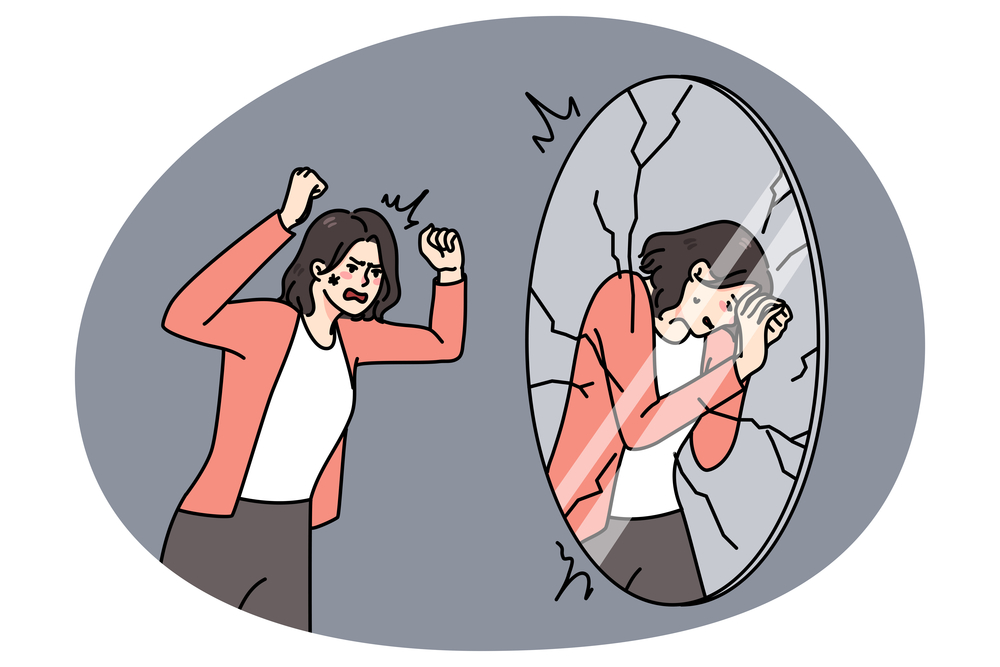
Many individuals suffer from a low self image that can result in unreal self perceptions of oneself. Body Dysmorphia is an example when a person loses touch and reality with one’s true physical appearance
Please also review AIHCP’s Grief Counseling Certification. Please click here
A. Definition of Grief Counseling
Grief counseling is a specialized form of psychological support aimed at individuals grappling with loss, whether through death, separation, or significant life changes. This counseling seeks to facilitate the grieving process, promoting emotional healing and fostering coping strategies to help individuals navigate their pain. Central to grief counseling is the understanding that grief is a highly individualized experience, influenced by personal, cultural, and social factors. Techniques often employed include empathetic listening, validating feelings, and encouraging clients to express their emotions openly. As indicated in related research, methods that address body image concerns during grief can significantly enhance the therapeutic relationship, illustrating the complex interplay between emotional distress and self-perception in individuals facing body dysmorphic disorder. By recognizing these nuances, grief counselors can offer tailored support that acknowledges both grief and body image issues, ultimately improving the efficacy of therapeutic interventions (Dave et al., 2023), (Ali et al., 2023).
B. Overview of Body Dysmorphic Disorder (BDD)
Body Dysmorphic Disorder (BDD) is a debilitating mental health condition characterized by an extreme preoccupation with perceived flaws in ones appearance, which are often nonexistent or markedly exaggerated. Those suffering from BDD can experience significant distress, social avoidance, and impaired functioning in daily life, highlighting the critical need for effective interventions. Research indicates that BDD is frequently comorbid with other mental health disorders, including anxiety and depression, complicating treatment approaches and underscoring its complexity within the broader spectrum of psychological conditions (Stutterheim et al., 2024). Additionally, the experience of grief—whether stemming from a loss or a significant life change—can intensify the symptoms of BDD, creating a cyclic pattern that further entrenches the individuals negative self-image (Cummings et al., 2020). Understanding these interconnections is imperative for developing targeted grief counseling strategies that address both the emotional and psychological ramifications of BDD.
C. Importance of exploring the intersection between grief and BDD
The exploration of the intersection between grief and Body Dysmorphic Disorder (BDD) is essential for enhancing therapeutic practices and understanding the psychosocial complexities involved in both conditions. Grief often manifests in various forms, significantly influencing an individuals self-perception and relationship with their body. For those suffering from BDD, this interplay can exacerbate feelings of inadequacy and isolation, triggering an intricate cycle of despair and distorted self-image. Understanding this intersection through a critical lens is vital, as it reveals how grief can amplify BDD symptoms, ultimately necessitating an empathetic and nuanced approach in grief counseling. Feminist theoretical frameworks enhance this discourse by illuminating the societal pressures that contribute to body image dissatisfaction, as noted in the empirical study that highlights the intertwined nature of social relations and bodily experiences during times of crisis (Feather E, 2024). Additionally, considering the profound influence of cultural narratives in literature can provide valuable insights into these dynamics, underscoring the need for an interdisciplinary approach (Jacques W, 2020).
II. Understanding Grief and Its Impact
Grief is a complex emotional response that can have profound effects on individuals, especially in the context of body dysmorphic disorder (BDD). The experience of loss can trigger or amplify existing insecurities about ones appearance, leading to heightened anxiety and distress. As individuals grapple with their grief, they may develop maladaptive coping mechanisms, such as obsessively focusing on perceived flaws, which can exacerbate BDD symptoms. This interplay suggests that grief counseling must be tailored to address these unique challenges. Incorporating techniques such as mindfulness and education about body image can offer clients valuable support during their grieving process. Moreover, counselors themselves may face body image concerns when working with clients struggling with BDD, affecting their therapeutic presence and effectiveness (Ali et al., 2023). Thus, understanding the emotional nuances of grief and its impact on body image can enhance the efficacy of grief counseling as a pivotal intervention (Dave et al., 2023).
Shaming and trauma can cause low self esteem regarding one’s self image.
A. Stages of Grief according to Kübler-Ross
In understanding the intricate relationship between grief counseling and body dysmorphic disorder (BDD), the stages of grief formulated by Elisabeth Kübler-Ross provide a valuable framework. Originally identified in the context of terminal illness, Kübler-Rosss model outlines five stages: denial, anger, bargaining, depression, and acceptance. Individuals with BDD often experience profound grief over their perceived flaws and societal standards of beauty, which can lead to intense emotional turmoil similar to that found in bereavement. For instance, the denial stage might manifest as an unwillingness to acknowledge the severity of their condition, while anger may arise from feelings of isolation and frustration with societal expectations. Depression may be particularly pronounced, echoing themes from recent qualitative studies that highlight emotional suffering and identity transformation as pivotal to the experience of distress in depression (Pilkington et al.). Integrating these stages into therapeutic practices can enhance understanding and treatment outcomes, contributing to more effective grief counseling models for this unique population (Dumper et al., 2014).
B. Emotional and psychological effects of grief
The emotional and psychological effects of grief are profound, often manifesting in various maladaptive behaviors that can complicate recovery and healing. Individuals grappling with loss may experience heightened anxiety, depression, and low self-esteem, which can be especially pronounced in those with body image issues, such as Body Dysmorphic Disorder (BDD). Research indicates that women, particularly those with trauma histories, frequently use numbing behaviors—including substance abuse or self-injury—as coping mechanisms during their grieving process (Franco et al., 2015). This interplay between grief and distorted body image can further exacerbate feelings of inadequacy and isolation. Moreover, the therapeutic relationship plays a crucial role in addressing these intertwined issues; counselors who are conscious of their own body image concerns may find that these influences affect their efficacy in supporting grieving clients (Ali et al., 2023). Thus, a comprehensive understanding of these emotional responses is critical for effective grief counseling, especially in those struggling with BDD.
C. The role of grief in mental health disorders
Grief is a multifaceted emotional response that can significantly influence mental health disorders, including Body Dysmorphic Disorder (BDD). Individuals experiencing BDD often grapple with a distorted self-image and obsessive concerns about perceived flaws in their appearance, which can be exacerbated by unresolved grief. This sorrow may stem from a variety of losses, including the death of a loved one, a lost relationship, or unmet expectations, manifesting as profound emotional distress (Dave et al., 2023). The interplay between grief and BDD necessitates comprehensive grief counseling, which addresses underlying emotional pain while promoting healthier coping mechanisms and self-acceptance. Furthermore, the efficacy of therapies such as Eye Movement Desensitization and Reprocessing (EMDR) has shown promise in alleviating both grief and its psychological impacts, suggesting that specialized training in these therapeutic approaches can enhance practitioners ability to navigate the complexities of grief within the context of BDD (Farrell et al., 2013).
III. Body Dysmorphic Disorder: An Overview
The intricate relationship between grief and Body Dysmorphic Disorder (BDD) underscores the multifaceted challenges faced by individuals experiencing this condition. BDD manifests as an obsessive focus on perceived physical flaws, often leading to significant distress and impairment in daily functioning. For many, grief stemming from loss—whether of a loved one, a relationship, or even an idealized self—can exacerbate the symptoms of BDD, creating a cycle where emotional pain and distorted body image intertwine. This can be particularly evident among those with trauma histories, where grief may trigger maladaptive coping mechanisms, including self-harm and substance use, as indicated by the challenges faced by women in forensic settings (Franco et al., 2015). Understanding the context of grief in BDD can aid mental health providers in tailoring therapeutic interventions, enhancing the overall efficacy of grief counseling and addressing the emotional underpinnings of body image issues (Dave et al., 2023).
BDD can distort what one sees in the mirror. Grief Counseling, CBT, Rogerian therapies and other holistic therapies can help individuals restore self image
A. Symptoms and diagnostic criteria for BDD
Understanding the symptoms and diagnostic criteria for Body Dysmorphic Disorder (BDD) is integral to effectively addressing this often debilitating condition within the context of grief counseling. BDD is characterized by an excessive preoccupation with perceived flaws in one’s appearance, which are typically unnoticeable to others. Individuals may engage in compulsive behaviors, such as excessive grooming or seeking reassurance, as a means to alleviate their distress. One can also display disgust or shame towards one body and look to change or manipulate it in extreme cases.The diagnostic criteria, as outlined in the DSM-5, require the presence of such obsessions and compulsions, alongside significant impairment in social, occupational, or other important areas of functioning. Furthermore, the cognitive-behavioral therapy (CBT) approach has shown promise in treating BDD by restructuring distorted beliefs related to body image (N/A, 2021). Moreover, integrating grief counseling techniques can provide valuable support for those who may be grappling with the emotional losses associated with their disorder, ultimately fostering a sense of healing and recovery (Cummings et al., 2020).
B. Causes and risk factors associated with BDD
To truly tackle Body Dysmorphic Disorder (BDD), we need a firm grasp on its origins and what puts people at risk; it’s a complex dance between mental well-being and societal expectations. Studies suggest BDD typically springs from a mix of genes, life circumstances, and one’s own mind. Those who’ve endured trauma, specifically intimate partner violence or sexual abuse, bullying, shaming, and intense teasing seem more likely to develop BDD, if we consider actions seen in women within forensic systems that may utilize self-injury and substance abuse as harmful coping mechanisms (Franco et al., 2015). Furthermore, beauty ideals promoted by society and the constant stream of images from media can amplify feelings of worthlessness about one’s looks, sparking constant comparisons and skewed views of oneself. Given these varied roots, a well-rounded counseling strategy is key, one that considers both personal stories and the bigger picture of society (Mann et al., 2010). By acknowledging these factors, counselors are better equipped to help those struggling with BDD as they heal.
Others who suffer from perfectionism, or become obsessed through compulsion can fall victim to BDD.
C. The impact of BDD on daily functioning and relationships
Body Dysmorphic Disorder, or BDD, can really throw a wrench into daily life and relationships, mainly because folks get hung up on what they see as flaws in how they look. This preoccupation? It can bring about a whole host of bad stuff, like pulling away from friends, slipping at work or school, and feeling super anxious just trying to get through the day. It makes it tough to connect with people, since they might dodge social events or just clam up, which only makes them feel more alone and bummed out. In addition to isolation, individuals can suffer from depression and in some cases suicidal ideation. This can also lead to eating disorders or substance abuse. Now, counselors who are helping people with BDD, or other body image stuff, often run into their own snags. Their job experiences can mess with how they see their *own* bodies and how well they connect with clients. So, we really need to focus on teaching and supervising folks about body image problems; it’s key to helping clients navigate BDD (Ali et al., 2023). As research kinda shows, getting a handle on this not only helps the client, but it also makes grief counseling for BDD way more effective (Mann et al., 2010).
IV. The Role of Grief Counseling in Treating BDD
Grief counseling and Body Dysmorphic Disorder (BDD) can be a surprisingly helpful combination. This is especially true when considering the deep emotional pain related to body image problems. Often, people with BDD feel a sense of loss concerning how they wish they looked. This can come across as sadness over perceived flaws. Since grief counseling is all about helping people deal with loss, it offers vital support, assisting patients through feelings of inadequacy and isolation. Through cognitive-behavioral methods, professionals can assist individuals in rethinking negative thoughts and building a more positive self-image. As noted in (N/A, 2021), integrating cognitive therapy can boost the impact of grief counseling, leading to a more comprehensive treatment. Such a method considers both the psychological side of BDD and the emotional grief involved, paving the way for healing and greater self-acceptance; generally speaking, this is a good approach.
Grief Counselors can help restore self image, confidence and healing for those suffering from BDD
A. Techniques used in grief counseling that can benefit BDD patients
Dealing with grief can be especially helpful for those struggling with Body Dysmorphic Disorder (BDD), given their often intense feelings of loss around how they see themselves and how accepted they feel socially. Expressive therapies, think painting or even making music, are a really good way to help, letting people show how they feel and sort through their sadness about what society says is beautiful and if they feel okay about themselves. And, it’s worth noting, recent studies have shown that things like mindfulness and relaxation can play a big role; they help BDD patients be kinder to their bodies, which can ease some of the worry they have about what they see as flaws (Dave et al., 2023). It is also of value that counselors who understand their own body image can build a stronger connection with patients, and research does point to how much a counselor’s own view of their body can affect how well treatment goes (Ali et al., 2023). All of this really underlines how important it is to be both understanding and see the whole picture when offering grief support, guiding folks toward a healthier self-image and better mental health.
Rogerian therapies can also be very powerful in helping those with BDD. Empathetic listening and care can go a long way in showing the person compassion but also allow the person to express many of the things that do not correlate with reality. Utilizing the empty chair to speak to past abusers, or even as a mirror to speak to oneself can be strong emotional therapies to tap into the deep seeded issues that malign one’s self image.
B. The importance of addressing underlying grief in BDD treatment
Body Dysmorphic Disorder (BDD) treatment often overlooks grief, which is a shame, since individuals with BDD frequently struggle with significant feelings of loss concerning their self-image and who they think they are. You see, these feelings might arise from past traumas, like social rejection or even bullying, events which can foster a lasting sense of inadequacy. It’s essential to address these underlying grief experiences, mainly because they can show up as maladaptive coping mechanisms. These mechanisms? Things like self-injurious behaviors or even substance abuse. It’s worth nothing that this lines up with the numbing effects highlighted in studies concerning trauma histories across different populations (Franco et al., 2015). Grief counseling incorporated into BDD treatment not only helps in processing those losses but also, and importantly, it encourages healthier emotional expression. This, in turn, could reduce the intensity of BDD symptoms. (Darin et al., 2014). In most cases, a treatment approach that acknowledges and addresses grief leads to more sustainable therapeutic outcomes for individuals with BDD.
C. Case studies highlighting successful integration of grief counseling in BDD therapy
It’s been observed that incorporating grief counseling into body dysmorphic disorder (BDD) therapy can be quite beneficial, especially when focusing on the emotional underpinnings, as highlighted in various case studies. For example, those with BDD frequently grapple with intense grief connected to their body image, sometimes rooted in past trauma or experiences of social rejection. Therapists, by using grief counseling strategies, can develop a more complete therapeutic approach. This lets patients delve into feelings of loss while, at the same time, confronting skewed views of themselves. Studies suggest that clinicians trained to blend these therapies well tend to see better results, a conclusion that echoes research supporting integrated therapeutic models (Farrell et al., 2013). Furthermore, within populations marked by complex trauma histories, like incarcerated women, specialized grief counseling may help lessen negative coping mechanisms. This, in turn, encourages better emotional health and the development of resilience (Franco et al., 2015). Overall, this approach really emphasizes how important grief counseling can be as part of a good BDD treatment plan.
V. Conclusion
Ultimately, the complex dance between grief counseling and body dysmorphic disorder (BDD) merits further study, since both exist within the psychological realm. Those experiencing grief may frequently confront significant shifts in how they see themselves and their bodies, which, in most cases, may worsen BDD symptoms. Mental health pros should therefore adopt a comprehensive method, one that tackles both the expressions of grief *and* the related body image troubles. As (Dave et al., 2023) points out, using conversational models such as ChatGPT within therapy settings might increase access to support, all while respecting the nuanced experiences of each individual. Moreover, (Ali et al., 2023) notes that grasping a counselor’s *own* body image concerns is vital in developing helpful therapeutic bonds. By spotting these linked aspects, practitioners may generally improve treatment results, pointing clients toward better coping mechanisms and more favorable self-perceptions.
Please also review AIHCP’s Grief Counseling Certification for qualified professionals. Obviously when dealing with BDD, a grief counselor must also be a licensed mental health professional to properly aid someone within the scope of practice. For those who are, grief counseling can help individuals grieve and express emotions and better repair self image and self esteem through caring practice.
Please also review AIHCP’s Grief Counseling Certification
A. Summary of key points discussed
When we consider grief counseling alongside Body Dysmorphic Disorder (BDD), some important considerations surface. Grief’s complications, frequently mixed with body image problems, demand a thoughtful counseling strategy. This strategy needs to understand the psychological trauma that can come from society’s appearance ideals. Counselors, generally speaking, should be conscious of their own body image worries. These worries might affect how they work with BDD clients, impacting therapy effectiveness (Ali et al., 2023). We should also consider the distinctive traumas women experience, especially those who’ve faced violence. It’s important to tackle numbing behaviors tied to unresolved grief (Franco et al., 2015). By integrating these ideas, we gain a fuller individual understanding. This understanding then encourages healing and resilience through customized therapy.
B. The significance of a holistic approach in mental health treatment
A holistic approach, when brought into mental health, is vital for really getting at conditions that are, well, complex. Think body dysmorphic disorder (BDD), and the grief that tags along a lot of the time. This way of doing things acknowledges how emotions, the mind, and social stuff all connect, which helps everyone get a fuller picture of what a patient is going through. As an example, counselors dealing with body image issues have to be super aware of how their own thoughts affect the relationships they have with patients, as (Ali et al., 2023) points out. Also, people who’ve been through trauma—like those in the forensic system—often show behaviors where they kind of shut down, and this is because of what they’ve experienced before, which can make therapy really tough. This means we need strategies tailored just for them ((Franco et al., 2015)). When we look at all these different angles, a holistic approach doesn’t just get clients more involved; it also makes it more likely that they’ll find real, lasting recovery from grief and body dysmorphic disorder.
I would hence suggest a combination of care strategies from EMDR, CBT and Rogerian techniques to help the person express the pain, meet it, and reframe it.
C. Future directions for research and practice in grief counseling and BDD
With growing awareness of the connections between grief counseling and Body Dysmorphic Disorder (BDD), it’s important for future work to create combined treatment methods. Grief, appearing in different ways, can change how people see their bodies and worsen or start BDD issues. As studies show with depression’s many causes (Heyat MBB et al., 2024), a mix of psychological, neurological, and social factors is needed. These methods could give a better understanding of the difficult feelings felt by people dealing with both grief and BDD. Also, we need to better recognize and treat the specific issues faced by higher-weight individuals with eating disorders, particularly about body image and grief (Angelique F Ralph et al., 2022). Mental health pros can offer all-around support to more effectively handle these issues together, leading to better results for those affected. Generally speaking, this all helps to improve outcomes.
While the term is overused, clinically narcissism does exist and many individuals do fall into relationships with them. It can be overbearing and abusive and counseling sometimes is required and needed to help a person maintain the relationship or recover from it. Please also review AIHCP’s Grief Counseling Certification as well as other mental health certification programs. Please click here
In contemporary discourse surrounding emotional well-being, the phenomenon of toxic positivity has emerged as a significant barrier to authentic expressions of grief. This pervasive mindset emphasizes the importance of maintaining a positive outlook, often at the expense of acknowledging genuine feelings of sadness, loss, and despair. The implications of toxic positivity can be particularly detrimental, as it marginalizes those who are grieving, pressuring them to suppress their emotions in favor of an unrealistic standard of happiness. Without recognition of sorrow as a natural response to loss, individuals risk further alienation and psychological distress. The delicate balance between fostering joy and validating grief is crucial for healthy emotional processing, as highlighted by the need to create safe spaces for healing. In this context, it becomes essential to challenge cultural narratives that prioritize cheerfulness over the complex realities of human emotion, which is essential for communal support and personal resilience (Leu et al., 2018), (White et al., 2020).
In grief, you do not need to pretend everything is OK, in fact you should grieve and express your emotions.
When toxic positivity is forced on individuals who are acutely grieving a loss, it can numerous negative effects which we will explore. Please also review AIHCP’s Grief Counseling Training Program and see if it meets your academic and professional goals. The program is online and independent study and open to qualified mental health professionals.
A. Definition of toxic positivity
Toxic positivity is a pervasive cultural phenomenon characterized by an overwhelming insistence on maintaining a positive outlook, to the detriment of genuine emotional expression. It manifests when individuals dismiss or invalidate emotions such as grief, anger, or sadness, often in an effort to promote a façade of relentless optimism. This approach can lead to a suppression of authentic experiences, causing individuals to feel isolated in their struggles. By prioritizing a bright side mentality, one may inadvertently contribute to a cycle of emotional distress, as the real feelings surrounding loss are unacknowledged. For example, while cathartic writing has historically served as a therapeutic outlet for grappling with grief and anxiety, toxic positivity may undermine its effectiveness by overshadowing the complexities of these emotions and promoting superficial coping strategies instead (Brown et al., 2022), (White et al., 2020). Understanding toxic positivity is essential for fostering a healthy dialogue around grief and the myriad emotions that accompany it.
B. Overview of grief as a natural response to loss
Grief is an inherent human response to loss, encompassing a spectrum of emotions that reflect the magnitude of the relationships and experiences we cherish. This emotional turmoil can manifest in a variety of responses, including sadness, anger, and confusion, which are essential for processing the impact of loss. The societal tendency toward toxic positivity often discourages individuals from fully experiencing their grief, promoting a superficial acceptance of feelings that does not align with their lived reality. As illustrated in Mourning Wave, a project commemorating collective grief, the interplay between personal loss and environmental concerns highlights how both individual and communal grief can serve as transformative experiences. Rituals and altars, as integral aspects of mourning, provide opportunities for authentic expression, facilitating discussions about loss that encompass not only personal sorrow but also broader societal issues ((White et al., 2020); (Stewart et al., 2015)). Understanding grief as a natural response is crucial in fostering environments that allow for genuine emotional expression and healing.
C. Importance of addressing the intersection of toxic positivity and grief
Exploring the intricate relationship between toxic positivity and grief is vital in fostering a healthier dialogue surrounding mourning practices. Toxic positivity, which demands an unwavering optimism even in the face of profound loss, often exacerbates an individuals sense of isolation and invalidates their emotional experiences. This phenomenon aligns with contemporary critiques of grief narratives, highlighting the dangers of dismissing authentic feelings in favor of superficial positivity. The historical context provided by the Death Positive movement, rooted in Victorian attitudes towards mourning, underscores the significance of bringing intimacy back into collective grief responses, challenging the commercialization and institutionalization of death (Reagan et al., 2023). Furthermore, understanding how mainstream narratives often prioritize certain victimhood constructs—overwhelmingly white and innocuous—can illuminate the systemic issues at play in both toxic positivity and grief. By addressing these intersections, we may cultivate a more inclusive and empathetic space for processing loss (White et al., 2020).
II. Understanding Grief
The complexities of grief are often underscored by cultural narratives that demand a sense of positivity in the face of loss, leading to what is termed toxic positivity. This phenomenon can obscure the authentic emotional responses individuals experience, hindering the natural progression through grief. Research has shown that the bereaved often navigate similar emotional landscapes whether mourning real individuals or fictitious characters, highlighting a shared human experience of loss ((Jansen et al., 2023)). Moreover, the concept of relational savoring offers insight into how individuals process these emotions, suggesting that positive memories connected to lost relationships can act as a protective mechanism against the psychological distress of grief ((Basic et al., 2024)). Understanding these dynamics reveals that while society may pressure individuals to remain positive, acknowledging and embracing the full spectrum of grief is essential for healing and authenticity, allowing for a more genuine connection to both personal and collective experiences of loss.
Grief cannot be cheated. Grief work is necessary and toxic positivity denies this basic part of healing
A. Stages of grief according to Kübler-Ross
The stages of grief articulated by Kübler-Ross serve as a fundamental framework for understanding the emotional responses encountered during loss, which are often overshadowed by toxic positivity. According to Kübler-Ross, individuals typically navigate through five distinct stages: denial, anger, bargaining, depression, and acceptance. Each stage encapsulates unique emotional experiences that validate the complexities of grief, exacerbated when societal norms pressure individuals to adopt a façade of positivity. For instance, empirical investigations reveal that responses to grief are not only applicable to real-life scenarios but also resonate within narrative-driven media, underscoring the emotional investment in fictitious character deaths (Jansen et al., 2023). Furthermore, the intersection of grief and environmental concerns illustrates how collective mourning can be manifested through rituals, emphasizing the need for authentic engagement with feelings rather than immediate resolutions (Stewart et al., 2015). Recognizing these stages as integral to the grieving process can mitigate the adverse effects of toxic positivity on mental health.
B. Emotional and physical manifestations of grief
Grief manifests in a multitude of emotional and physical ways, reflecting the profound impact of loss on an individual’s psyche and body. Emotionally, individuals may experience a devastating array of feelings, including sadness, anger, and guilt, which can lead to further isolation in the face of toxic positivity. Such societal pressures to maintain an outwardly positive demeanor often dismiss the legitimate struggles associated with grief, complicating the healing process. Physically, grief can express itself through symptoms like fatigue, insomnia, and even chronic pain, highlighting the interconnectedness of emotional and physical health. As the boundaries of conventional mourning practices shift, innovative therapeutic tools, such as those proposed in the LifeWrite initiative, may serve to bridge these gaps. By creating new rituals and digital spaces for remembrance, we can better facilitate authentic expressions of grief, allowing for a comprehensive understanding of the grieving experience (Drinan et al., 2016), (Drinan et al., 2016).
C. Cultural differences in grieving processes
Grieving processes are profoundly shaped by cultural contexts, influencing how individuals express sorrow and cope with loss. For instance, Western cultures often promote the notion of moving on quickly from grief, which can inadvertently foster toxic positivity and discourage individuals from fully experiencing their emotions. In contrast, many Indigenous cultures embrace a more holistic approach to grief, recognizing it as a communal experience that necessitates deep emotional engagement and expression, often tied to cultural and spiritual practices. This understanding highlights the diversity of grieving processes, as seen in the responses of Indigenous peoples to trauma stemming from historical injustices, where connection to culture and spirituality enhance emotional resilience (Fast E et al., 2020). Furthermore, contemporary discussions about eco-anxiety reveal how grief can manifest in various emotional states, such as anger and despair, indicating that acknowledging and validating these feelings is crucial for healing (Pihkala P, 2020). Thus, recognizing cultural differences in grief is essential for promoting genuine emotional support.
III. The Concept of Toxic Positivity
In exploring the interplay between toxic positivity and grief, it becomes evident that the pressure to adopt a relentlessly positive mindset can severely inhibit authentic emotional processing. By promoting an unrealistic expectation that individuals should maintain an uplifting demeanor, toxic positivity dismisses the complexity of grief, thereby denying people the essential space to navigate their painful experiences. This phenomenon becomes particularly apparent in the context of grieving parents who have lost an adult child to a drug overdose, where overwhelming emotions such as anger and despair are often overshadowed by societal pressures to “stay positive” (Brun D et al., 2019). Moreover, the emotional expression of children affected by trauma, such as those from war zones, reflects similar challenges, indicating that the journey through grief requires an acknowledgment of pain alongside the potential for hope (Zhou et al., 2024). Thus, recognizing and validating these emotions is crucial for fostering genuine healing and resilience.
Toxic positivity takes light the pain and emotion that needs expressed with twists to pretend it is not that bad or that someone needs to move on faster than one should
A. Definition and examples of toxic positivity
Toxic positivity can be defined as the pervasive belief that individuals should maintain a positive mindset, regardless of their circumstances, particularly during times of grief or hardship. This paradigm often manifests through societal pressures to suppress negative emotions, leading to the invalidation of genuine feelings of sorrow or distress. For instance, phrases like “just think positive” or “everything happens for a reason” can overlook the complexities of grief, prompting individuals to feel ashamed or guilty about their authentic emotional experiences. During the COVID-19 pandemic, positivity imperatives intensified, encouraging individuals, especially women, to embody an unwavering optimism despite overwhelming challenges. Such pressures serve to divert attention from structural inequalities and personal struggles, reinforcing a neoliberal narrative that emphasizes individual resilience over collective healing (Gill et al., 2021). In this context, the promotion of positivity can inhibit meaningful expressions of grief, ultimately hindering emotional processing and recovery (Brown et al., 2022).
B. Psychological impacts of toxic positivity on individuals
For those grappling with grief, toxic positivity can have significant, often negative, psychological effects. Although positive affirmations can sometimes be a helpful way to cope, constantly pushing for a positive mindset when someone is grieving can actually make them feel guilty and alone. Instead of dealing with their sadness or anger, people might try to force themselves to be positive, which can get in the way of truly processing their loss. Think of grieving parents, for example; they might feel like they’re on a lonely island because society expects them to be strong and happy (Brun D et al., 2019). On the other hand, there’s something called relational savoring, which is about focusing on happy memories of the people we’ve lost. This can actually help protect us from psychological distress. Practices like these could help people feel more secure and allow them to grieve while still cherishing the memories they have (Basic et al., 2024). Ultimately, these points highlight just how important it is to understand all the different ways people express their emotions when they’re grieving.
C. The role of social media in promoting toxic positivity
Social media? It’s practically a pipeline for pushing toxic positivity, especially when we’re talking about grief. The pressure to be relentlessly upbeat can really drown out genuine sorrow. Because everything moves so fast online, we mostly see these highlight reels of strength and resilience. And that often pushes people to downplay their real pain and sadness. Instead of opening up real talks about grief, this can leave people feeling totally alone, like they’re breaking some rule by *not* being positive. And honestly, putting on that happy face can mess with the whole grieving thing, not giving people the room they need to work through their complicated feelings. Research (Brun D et al., 2019), (Patnaik et al., 2022) shows grieving is way more complex than you’d guess from the internet, and toxic positivity online? It’s not helping anyone heal or feel better, generally speaking.
In addition, numerous individuals look to push positive outlooks and bully grievers into accepting different outlooks or denying grievers the right to grieve. They put timetables on tears, or push for certain dates that only happiness is permitted after a loss. These types of grief bullies can cause more damage to the bereaved in preventing the natural expression of emotion and also shaming them to express the important feelings that need expressed.
IV. The Effects of Toxic Positivity on Grieving Individuals
Grief, at its core, is a tangled web of emotions, a process that sometimes gets more complicated thanks to what we call “toxic positivity.” This is when there’s an unspoken rule that everyone should always be upbeat, no matter what. When people are grieving, they might feel like they *have* to hide their real feelings—the sadness, the anger, the feelings of hopelessness—and put on a happy face instead. But this can really mess with their ability to heal. When you can’t be honest about how you feel, grief becomes a lonely journey, one where you don’t feel seen or supported, and that can drag out the pain. What’s more, toxic positivity can make us miss the good that can come out of grief, much like eco-anxiety, where feeling despair and guilt can push us to do something positive (Pihkala P, 2020). If we ignore all the different feelings that come with grief, even well-meaning folks might shut down important conversations, so we have to build spaces where people can show their true colors (Golovianko M et al., 2023).
The bereaved need to grieve to heal. When this denied, grief complications can occur. Please also review AIHCP’s Grief Counseling Training
A. Dismissal of genuine emotions and experiences
When we look at toxic positivity, one big problem is how it ignores real feelings and what people go through, especially when they’re grieving. Pushing everyone to always be positive doesn’t just make sorrow seem less important, it also makes people feel like their own experiences don’t matter. People might start to feel really alone and annoyed when others tell them to just think happy thoughts or look for the good side. This can happen in different cultures. Studies show that when people feel less human and can’t express their emotions, they might look for other ways to heal, like in Native communities (Steinmeyer et al., 2020). Avoiding painful emotions can also make it harder to deal with hard times. So, it’s important to talk about grief openly, so people know their feelings are okay and that they matter (Rada et al., 2023).
B. Increased feelings of isolation and shame
It’s especially heartbreaking how toxic positivity amplifies feelings of isolation and shame, especially when people are grieving. There’s this pressure from society to always seem emotionally strong, and it can really disconnect you from what you’re actually feeling. So, people kind of bury their grief to fit in with what’s expected of them, right? This can make you feel even more alone because you might think showing your sadness is like, a weakness, or that you’re bringing other people down. Take healthcare workers dealing with burnout, for example. They’re not just tired; they also feel ashamed when they can’t keep up with how competent they’re *supposed* to be, so they don’t ask for help ((S Watkins et al., 2021)). And you see something similar with women getting HPV tests. They often feel anxious and isolated because of all the pressure to be healthy, which just shows how much unnecessary shame can mess with your head ((C Liverani et al., 2018)). In most cases, these situations demonstrate how toxic positivity gets in the way of showing real emotions, which, generally speaking, makes the loneliness even worse when you’re grieving.
C. Hindrance to the healing process and emotional recovery
Toxic positivity, pushing relentless happiness, often throws a wrench into both healing and emotional recovery, particularly when grieving. Insisting on a happy face can bottle up real feelings, making people feel alone in their sadness. When society tells us to “look on the bright side,” it kind of dismisses the complicated nature of grief, which really needs acknowledging and accepting all those painful emotions. Sometimes, cultural stories that equate being vulnerable with being weak make it even harder to ask for help. Discussions about how cultures work constantly challenge those simple stories, underlining that we need a more thoughtful understanding of emotional recovery, as we see in [extractedKnowledge33]. The end result of this toxic positivity? It gets in the way of the real connections that help us heal, potentially dragging out the pain of grief (Krasny E, 2023), (Krasny E, 2023).
V. Conclusion
To summarize, comprehending the intricate relationship between toxic positivity and grief underscores the importance of a detailed awareness of emotional reactions to loss. Constant positivity can diminish the intense pain felt during bereavement, particularly following tragic events like losing a child to a drug overdose. Navigating this challenging emotional space demands that health professionals offer sensitive, empathetic care to those grieving, as conventional support methods might prove inadequate. Studies suggest using models such as the Kawa model can better understand the experiences of grieving parents ((Brun D et al., 2019)). Furthermore, grief isn’t limited to actual events; even the death of fictional characters can stir strong emotional reactions akin to those from real-world losses ((Jansen et al., 2023)). As our society continues to face issues surrounding loss and mourning, we must tackle the problems created by toxic positivity to encourage healthier emotional atmospheres.
Never allow someone to dismiss your grief. Please also review AIHCP’s Grief Counseling Program
Please also remember to review AIHCP’s Grief Counseling Program. Grief Counselors can play a key role in helping individuals acknowledge and experience their feelings. Grief Counselors can help individuals put in the grief work necessary and dismiss the pressure of toxic positivity outside the counseling room. They can help the bereaved understand that is OK to grieve and experience emotions and not feel happy for a time being. They can even help the bereaved understand that no twist on the situation can repair the loss. The loss is not curable but it is adaptable with the proper attitude towards the grieving process and healing.
A. Summary of key points discussed
When we consider how toxic positivity interacts with grief, we find some important things that show how bad it is to ignore real emotions. First of all, toxic positivity kind of acts like a roadblock, pushing people to hide their grief and pretend to be happy. But this can leave emotional pain unresolved. This is made worse when society encourages cheerfulness and discourages showing any vulnerability. Also, when we start treating these overly positive sayings as normal, it can make those who are grieving feel like they’re all alone in their sadness. Studies have shown that people who show certain characteristics, like Conduct Reconstrual and Dehumanization, might even see toxic positivity as a good thing in social interactions and don’t fully understand the seriousness of emotional battles ((Nicole A Beres et al., 2021)). If we don’t pay attention to toxic positivity, it could harm mental health by not acknowledging the normal grieving process, which is necessary for getting better. Therefore, talking about these problems is a call to rethink how society helps people as they go through grief.
B. The importance of validating grief and emotions
Dealing with grief is tough, and it’s super important to let people feel what they feel. Validating emotions is really key when someone’s going through a loss. It gives them a base to recognize and be okay with their feelings, without someone trying to force happiness on them. If you brush grief aside or act like it’s nothing, folks can wind up feeling totally alone in what they’re going through, which just makes everything worse. You see something similar with eco-anxiety; those feelings of grief, guilt, and just plain despair get all mixed up with how we react to environmental problems (Pihkala P, 2020). Creating safe places where people can share and show their grief helps them bounce back and heal. When we let people honestly share what they’re feeling, it tells them their experience is real, and it fights back against the way society often tries to bury negative emotions. Ultimately, it makes for a more supportive place for people dealing with really deep losses (Koco Jń et al., 2023).
C. Encouragement for a balanced approach to emotional support during grief
Dealing with grief, it turns out, isn’t straightforward; it’s a bit like finding your way through a maze. What’s really needed is a sensitive way to offer support that doesn’t accidentally push someone towards “toxic positivity.” See, when people mean well and say things like “just focus on the bright side,” it can actually downplay the really complicated feelings someone’s going through. It’s vital to really see and accept all the different parts of grieving to help someone heal. So, a good strategy involves making sure people feel safe enough to really express their sadness, *and* teaching them ways to bounce back, too. Taking up something like yoga, for example, can be really helpful along with getting emotional support; yoga can boost emotional regulation by helping people understand and accept themselves a bit better (Saurabh1 S, 2025). Also, when we foster good relationships and have helpful talks about grief, we build a community where each person’s experience is respected without making them feel like their feelings are less important (Y Singgalen, 2024). This comprehensive approach acknowledges the challenges of grieving and, maybe more importantly, gives folks the tools to navigate toward healing in a way that works for the
Additional Blogs
Please also review AIHCP’s blog on Autism and Grief. Click here
Additional Resources
“What is ‘Toxic Positivity’ in Grief?” (2021). Whats Your Grief. Access here
Villines, Z. (2021). “What to know about toxic positivity”. Medical News Today. Access here
Razettl, G. (2021). “The Antidote to Toxic Positivity”. Psychology Today. Access here
Silver, K. (2024). “Toxic Positivity: When ‘Good Vibes Only’ Goes Too Far”. WebMD. Access here
Autism effects how a child grieves and is able to express that grief. Please also review AIHCP’s Grief Counseling Certification
When delving into grief as it’s experienced by those with Autism Spectrum Disorder (ASD), it’s important to start with a careful look at the specific hurdles these individuals encounter when dealing with loss. People with ASD might show grief in ways that are different from what’s considered typical; this often involves emotional expression that seems more limited, and their ways of processing emotions can make it harder for them to connect with others who are also grieving. This can cause misunderstandings, where others might not pick up on the less obvious signs of grief in someone with autism. We should also consider how evolving classifications of mental health conditions, like those in the International Classification of Diseases (ICD-11), emphasize the importance of fully understanding how grief can manifest differently across this group (Dan J Stein et al., 2020). Besides this, research looking at the neurobiology behind social behaviors, such as the part oxytocin plays, offers crucial understanding of how people with ASD feel and show their grief (Robert C Froemke et al., 2021).
Grief counselors need to be aware of the different grieving styles found in ASD clients. Please also review AIHCP’s Grief Counseling Certification and see if it meets your academic and professional goals. Please click here to learn more.
A. Definition of grief and its universal impact
Experiencing grief, that profound sorrow and emotional pain that comes after losing someone important, is something everyone deals with, no matter their background or culture. It shows up in different ways and affects not just how we feel inside, but also how we interact with others and our overall mental health. Now, for individuals on the autism spectrum, dealing with grief can look quite different compared to those who are neurotypical, which brings about its own set of difficulties when trying to navigate these deep emotions. As we see when talking about Prolonged Grief Disorder, autistic individuals may struggle to put their feelings of loss into words or reach out for help, possibly making them feel even more alone ((Bobadilla T, 2024)). Furthermore, certain online communities, like those of incels, really highlight how grief and a sense of hopelessness can get all mixed up, especially for people who feel like their chances in life are limited ((Tirkkonen S et al., 2023)). So, when all is said and done, understanding how complex grief can be is super important for being empathetic and providing the right kind of support.
B. Overview of Autism Spectrum Disorder (ASD)
Autism Spectrum Disorder, or ASD, is a fairly intricate condition. It’s neurodevelopmental, which means it has to do with how the brain grows and changes, and it’s really defined by a whole bunch of different symptoms. These symptoms mainly affect how people interact with others, how they communicate, and their general behavior. People diagnosed with ASD can show different levels of difficulty – some may really struggle, but others might actually have super sharp minds. Given this wide range, it can make dealing with grief extra tough because, well, everyone’s experience is a bit different. Research, (Tirkkonen S et al., 2023), tells us that ASD can leave people more open to emotional hurts, so nasty places online, like incel groups, may just make those with self-described autism feel even more lost and without hope. Further, when we look at the similarities between ASD and things like anorexia, (Nimbley E et al., 2023), we see they sometimes share similar weak spots, especially when it comes to handling social situations and sensory stuff. All this just points to the need for custom support that gets what each person with ASD needs, particularly when they’re going through tough emotional times like grief and loss.
C. Importance of understanding the intersection of grief and ASD
It’s really important that we get how grief and Autism Spectrum Disorder (ASD) affect each other so we can build good support for people with ASD and their families. Grief is something everyone deals with, but it can show up differently for folks who also have ASD challenges. Sometimes, parents and caregivers might feel a big sense of loss because their child’s development isn’t what they expected. This loss might feel even harder because people don’t always understand autism (Boling et al., 2024). On top of that, it can be tricky for people with ASD to get a handle on their feelings about losing someone or something and express them properly. This can result in feeling lonely and confused when they’re grieving (McElroy et al., 2022). When we take a closer look at these different experiences, experts can come up with better ways to help by dealing with both the feelings and the everyday stuff that comes with grief. By doing so, we can create spaces that help people heal and understand what’s going on. When all is said and done, acknowledging how these things come together can make our academic work and clinical stuff better, making it easier to help those working through the tough stuff of grief connected to ASD.
II. Understanding Grief
Grief, it’s a complex thing, often not really understood, and it shows up differently in families, especially those with autistic kids. Raising autistic teens, parents often deal with grief mixed with accepting their child’s autism. These caregivers’ experiences, particularly when things get tough, show how grief and recognizing their child’s strengths can exist together. Research suggests that even when parents accept the situation, grief can still pop up now and then as they face ongoing autism-related challenges. This includes planning for future care, especially without enough support (Manohar H et al., 2024). The neurobiology of autism, like dopamine issues linked to inflexible behavior, makes this emotional journey even harder, pointing to a need for a full understanding of grief in this situation (Carbonell-Roig J et al., 2024).
Children with autism will have a hard time expressing grief within the standard forms of expression. Some may breakdown while others may lockup within
A. Stages of grief according to Kübler-Ross model
When a child is diagnosed with autism, the Kübler-Ross model—outlining denial, anger, bargaining, depression, and eventual acceptance—can help understand a parent’s emotional journey. Many parents, at first, might find it hard to fully accept what the diagnosis means, as studies show autism diagnoses can be emotionally taxing ((Ryan et al., 2012)). Feelings of anger might then surface, often directed at what seems unfair, and this can be intensified by the stigma society sometimes attaches to disabilities. In their quest to help their child, parents may start bargaining, seeking solutions to lessen the challenges. Worries about their child’s future might then give way to depression, a sentiment observed in families dealing with significant disabilities ((Kantor et al., 2019)). Gaining acceptance, while tough, is crucial because it allows parents to actively look for support for both themselves and their child.
B. Emotional and psychological responses to loss
Reactions to loss, emotionally and psychologically speaking, can vary quite a bit among people on the autism spectrum; their experience of grief is often profoundly individual. Now, studies suggest family caregivers of kids diagnosed with autism spectrum disorder (ASD) often feel deep sorrow due to caregiving, exhibiting ambiguous grief stemming from the diagnosis and life’s difficulties (Baron-Cohen et al., 2019). For autistic individuals, the loss of someone close can bring about a variety of reactions, such as increased sensitivity to sensory input and altered emotional regulation, both closely tied to their specific neurological wiring (Pang et al., 2023). In most cases, these experiences emphasize how vital it is to acknowledge that grief unfolds uniquely in those with ASD, pointing to the need for customized support systems. Such programs should tackle the complex emotional terrain these individuals cross, because understanding these responses truly helps in promoting resilience and boosting overall well-being when loss occurs.
C. Cultural variations in grieving practices
How grief is handled changes quite a bit depending on culture, shaped as it is by what’s considered normal, religious views, and how families are set up. In quite a few cultures, grieving together is really important; these shared mourning events help people who are grieving feel more connected. You see this, for example, in some African and Latin American communities where public grieving is common. Think about the support that Black and Latino fathers of students with autism talk about – these shared experiences are key when dealing with loss (Christian et al., 2017). On the other hand, in Western cultures, there’s often a focus on individual grief, which can unfortunately lead to isolation, especially for those with Autism Spectrum Disorder who might find social communication difficult. Now, when we look at what’s written about grieving teenagers, we see that culturally sensitive therapies that let them express themselves – like songwriting – can really help them work through their emotions, regardless of their background. So, the big takeaway here is that grief support should be personalized to really meet the diverse needs of different communities (Waters et al., 2022).
III. Grieving in Individuals with Autism Spectrum Disorder
When considering grief in Autism Spectrum Disorder (ASD), one must recognize how neurodiversity shapes their experiences. Research into ambiguous loss offers valuable insights into this, particularly for parents. They often grapple with a specific kind of grief, reconciling their expectations with the realities of raising a child with autism. (Pasichniak R, 2024) highlights how this can manifest as emotional ambivalence and future uncertainties. What’s interesting is that traditional models of grief might not neatly apply to those with ASD. Individuals may find concepts of loss and emotional expression challenging, which subsequently limits their ability to express what they’re feeling. It’s worth noting the emergence of innovative approaches like game-driven social and emotional skill development; these can help build better coping strategies and promote healing. Addressing these complex grief experiences is paramount to supporting individuals with ASD, as well as their families (Kim B et al., 2023).
It is important as a grieving family to be able to help the autistic child also grieve and express his or her feelings in a healthy way
A. Unique emotional processing in individuals with ASD
Individuals with Autism Spectrum Disorder (ASD) tend to show certain specific traits when it comes to how they process emotions, and this is especially noticeable when they are dealing with grief and loss. Research suggests that when adolescents with ASD grieve, they often go through similar stages as people who aren’t on the spectrum, although it might take them a bit longer (Johnson et al., 2016). However, this difference in emotional response can be made more complicated because they often have unique ways of processing sensory information, which can lead to bigger problems when they are dealing with bereavement. During this time, as they come to terms with the loss, they may exhibit increased emotional distress, sometimes showing it through shutdowns or even meltdowns (Pang et al., 2023). Furthermore, their need for stability and predictability can become even stronger. Because of this, it’s vital to understand these emotional processing patterns so that effective therapeutic interventions can be made to resonate with autistic individuals, thus allowing them to investigate their grief and develop connections, even though their emotional experiences may be complex.
B. Challenges faced by individuals with ASD during grief
Dealing with grief can be especially tough for people with Autism Spectrum Disorder (ASD), since their way of thinking and feeling affects how they handle loss. Unlike people who aren’t on the spectrum, those with ASD often struggle to express what they’re feeling, and this can make them feel even more alone when they’re grieving. For instance, someone with ASD might focus more on what happens next after a loss, rather than dealing with the emotional aspects, which can make it harder to express themselves and connect with people who can support them. What’s more, the unpredictable nature of grief can really ramp up anxiety related to sensory overload, as some studies have noted when looking at how autistic people handle big life changes (Pang et al., 2023). Also, family caregivers of kids with ASD often experience a kind of ongoing sadness that makes their own grieving process harder, because they’re trying to deal with both their child’s reactions and their own feelings of loss (Baron-Cohen et al., 2019). It’s really important to understand all of this in order to create support that’s tailored to their needs.
C. Communication barriers in expressing grief
Grief, as a process, presents unique communication challenges, particularly for those on the autism spectrum, impacting their ability to convey emotions and cope with loss. The experience of grief for autistic individuals is often unique; typical mourning expressions may clash with their communication styles and sensory sensitivities. Sensory processing changes during bereavement, for example, can be overwhelming, possibly leading to masking behaviors or shutdowns, thus obscuring emotional expression. These situations may intensify feelings of marginalization, especially when societal norms don’t quite align with autistic experiences (Pang et al., 2023). The issue is that accessible support systems are often lacking, further complicating the articulation of grief and potentially increasing the social stigma around the individual’s emotional responses (A Miranda et al., 2017). Therefore, understanding these distinct communication barriers becomes paramount in order to develop effective support and communication strategies tailored for autistic individuals navigating the grieving process.
IV. Support Strategies for Grieving Individuals with ASD
For individuals on the Autism Spectrum Disorder (ASD) navigating grief, support strategies must be carefully tailored to their specific emotional and communicative profiles. Because adolescents with ASD often find peer interactions and emotional expression challenging, their experience of grief might look quite different from their neurotypical counterparts, sometimes unfolding over a longer period (Johnson et al., 2016). A promising route could involve innovative support like grief therapy combined with interactive tools—perhaps even video games—allowing them to explore emotions within a context they understand. Such therapeutic routes could really help connect abstract notions of death with the realities of their lives, boosting their comprehension and ability to process grief. It’s also essential to recognize the ongoing sorrow and ambiguous grief felt by the family caregivers of kids with ASD, as they manage their complex roles (Baron-Cohen et al., 2019). Through comprehensive support, both those with ASD and their families can find better emotional health and more effective ways to cope during times of loss.
Grief counselors need to understand autism and how it affects grieving to better help autistic clients
A. Tailored therapeutic approaches for ASD individuals
Addressing the specific difficulties faced by individuals with Autism Spectrum Disorder (ASD) through tailored therapeutic interventions is incredibly important, especially when considering grief and loss. Often, standard therapeutic approaches don’t fully account for the unique emotional and social needs of individuals with ASD, and this, in turn, can impede effective coping during bereavement. Studies suggest it’s important to incorporate family-centered psychosocial support, focusing on each person’s cognitive and emotional skills (Suzanne M Nevin et al., 2023). Furthermore, early assessment and diagnosis are key, as they can greatly assist targeted interventions intended to improve overall quality of life, and reduce psychosocial issues linked to grief (Hayes N et al., 2023). Practitioners can foster supportive settings by customizing therapeutic strategies, which not only build resilience but also enable individuals with ASD to navigate their emotions, improving the experience of grief and promoting adaptation to loss.
Grief counselors with special training in ASD can help clients who are grieving with ASD. Obviously, these types of grief counselors are licensed professionals and able within the scope of their practice to offer more than merely pastoral counselors, but understanding ASD and its role in grief is something every counselor-both non-clinical and clinical alike-need to understand to better help and direct these individuals towards healing.
B. Role of family and caregivers in the grieving process
For individuals with autism, the grieving process presents unique challenges, making the support of family and caregivers incredibly important. Because these individuals often have heightened emotional responses and struggle to understand loss, families are essential as a primary support system, helping them navigate the complexities of grief while addressing the specific needs tied to autism. Stability and consistency are vital during times of emotional upheaval, and families provide these. Caregivers often help facilitate communication about grief, and generally speaking, they use tailored approaches that align with the person’s cognitive and emotional abilities. The COVID-19 pandemic, for instance, demonstrated how external stressors can intensify isolation and anxiety in families experiencing loss, underscoring the need for family cohesion and support in building resilience (Cécile Rousseau et al., 2020). Psychoeducation about grief is a component of effective family interventions that can empower families to manage their emotional states, thus enhancing the overall grieving process (Varghese M et al., 2020). Ultimately, this collaborative approach becomes essential for promoting healing within the family unit.
C. Community resources and support groups available
Dealing with grief, especially when Autism Spectrum Disorder (ASD) is involved, means that community resources and support groups become super important for families and individuals. These resources? They don’t just offer emotional backup; they also give real, useful ways to handle loss, shaped to fit how people on the spectrum see things. For example, some groups might use cool tech like the Metaverse to build spaces where people can show their grief without feeling unsafe, like (Chengoden R et al., 2023) mentions. Plus, assistive tech is a big deal for making learning and support easy to get to, which helps everyone feel included and understood, even if they have a hard time learning or are dealing with a loss, as (Yenduri G et al., 2023) reminds us. Really, mixing new tech with community help builds a network that’s key to helping people connected to ASD heal and adjust when they’re grieving. Also, it is important to remember some orginizations offer group settings that can assist.
V. Conclusion
In summary, when we’re talking about grief and autism spectrum disorder (ASD), it’s super important to understand the deep, complicated emotions that family caregivers go through. Raising a child with ASD often brings up a lot of ambiguous grief, because parents are dealing with the loss of typical milestones and social experiences for their kids. Research shows that caregivers experience ongoing sadness because ASD has such a big effect on their everyday lives and hopes for the future (Baron-Cohen et al., 2019). Plus, things like disasters and other societal problems can make their grief even worse and recovery harder (A Miranda et al., 2017). So, it’s crucial to create specific support systems that really understand what they’re going through. This will help build resilience and improve the well-being of both the caregivers and their families, generally speaking.
Grief within an autistic person needs to find healthy ways to be expressed within the person’s unique processing and communicative fashion. It is up to grief counselors to discover that and help the grief become expressed
Looking at grief through the lens of Autism Spectrum Disorder (ASD) shows us a connection that’s both intricate and fascinating, especially when we consider how emotions and sensory experiences interact. People with ASD might not grieve in the way we typically expect. You might see a stronger reaction to sensory input, alongside a diverse array of emotional expressions. Studies have suggested that those natural tendencies to notice sensory details can actually become more intense in individuals with ASD. This can unfortunately make it harder for them to move through the grieving process smoothly (Hannah R Monday et al., 2023). It’s also worth noting that new technologies, like what’s being developed in the Metaverse, could open up some interesting possibilities for helping people with ASD cope with loss. Think about immersive digital spaces – they could make grief support more readily available and customizable to the individual (Chengoden R et al., 2023). What all this points to is the clear need for grief counseling strategies that are customized to meet the distinct needs of individuals on the autism spectrum, really emphasizing how crucial it is for us to understand what they’re going through when they experience loss.
B. The importance of empathy and understanding in grief
Grief’s complexity is often magnified, particularly for those on the autism spectrum, whose emotional navigation differs markedly from neurotypical individuals. Empathy and understanding are crucial in supporting these individuals as they grieve. Bereavement, research suggests, significantly destabilizes relational and emotional foundations, resulting in distinct grief reactions in autistic individuals, potentially manifesting as heightened sensory sensitivity and alterations in social interaction (Pang et al., 2023). Caregivers and support systems should therefore tailor their empathetic approaches. Indeed, communal activities like music have proven effective in enhancing emotional comprehension and social engagement among individuals with autism, thus promoting empathetic bonds (Baron-Cohen et al., 2014). Integrating empathy into grief support is therefore of significant importance, allowing for a more profound connection that acknowledges and respects the unique emotional experiences of each individual, fostering healing during times of loss. One might even say that, generally speaking, such support is beneficial in most cases.
C. Future directions for research and support in grieving and ASD
Looking ahead, as we learn more about how grief and Autism Spectrum Disorder (ASD) overlap, future studies really need to focus on new ways to tackle the specific difficulties people with ASD encounter when grieving. For example, using virtual reality (VR) in therapy seems like a good idea. It offers immersive simulations that could assist people with ASD in dealing with tricky emotional situations and social interactions connected to loss (Zhang M et al., 2022). Also, studying biomarkers linked to grief responses might improve how we diagnose and personalize support, giving us a better understanding of the physical reasons behind grief in this group (Jensen A et al., 2022). Setting up partnerships between psychologists, neurologists, and tech experts could also lead to useful interventions that really connect with the different ways grieving people with ASD experience loss. By concentrating on these new avenues, research and support can do a better job of dealing with the intricate nature of grief within the ASD community.
Srinivasan, H. (2024). “The Spectrum of Loss: Grief Through the Autistic Lens”. Psychology Today. Access here
Wheeler, M. “Supporting Individuals on the Autism Spectrum Coping with Grief and Loss through Death or Divorce” Indiana University Bloomington. Access here