Developing Skills in Chinese Meridian Therapies for Healthcare Professionals

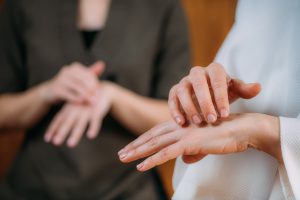
Chakra Clearing Tapping Technique, Triple Burner Meridian, EFT or Emotional Freedom Technique.Written by Lucy Peters

As integrative and complementary approaches continue to gain traction in modern healthcare, many professionals are exploring modalities that extend beyond conventional Western frameworks. Among these, Chinese meridian therapies offer a distinct perspective on health, balance and physiological function.

For healthcare practitioners, developing skills in this area can provide additional tools for addressing complex, multifactorial conditions, in particular those involving chronic pain, stress or functional imbalances.


Understanding the meridian system

At the core of Chinese meridian therapies is the concept of energy pathways, or meridians, through which vital energy is believed to flow. These pathways are associated with specific organs and physiological functions, forming an interconnected network that reflects the body’s overall state of balance.

While the meridian system does not map directly onto Western anatomical structures, parallels are often drawn with the nervous system, fascial networks and circulatory pathways. Increasingly, healthcare professionals are approaching these concepts. The idea is not to replace biomedical models, but to use them as complementary frameworks that can enhance patient assessment and care.

This shift reflects a broader movement within healthcare toward systems thinking. Rather than viewing the body as a collection of isolated parts, practitioners are recognizing the importance of interactions between different systems. Meridian-based approaches fit naturally within this perspective, offering a way to consider how seemingly unrelated symptoms may be connected through underlying patterns of imbalance.


Clinical applications in modern practice

Chinese meridian therapies encompass a range of techniques. These include acupressure, acupuncture, meridian-based muscle testing and energy balancing techniques. In clinical settings, these approaches can be used to address a range of conditions including the following:

For practitioners trained in conventional medicine, these therapies can offer additional insight into patterns that may not be fully explained by structural diagnosis alone. One area where meridian theory has found particular relevance is in applied kinesiology.

Kinesiology-based assessments often incorporate meridian concepts to evaluate how different organ systems and energy pathways may be influencing muscle function and overall health. Through muscle testing and functional analysis, practitioners aim to identify imbalances that could be contributing to a patient’s symptoms.

This integrative approach reflects the broader healthcare trend of combining structural, biochemical and energetic perspectives to form a more comprehensive understanding of patient health. Some practitioners exemplify this multidisciplinary approach. For example, Zibo Gao incorporates Chinese meridian therapies alongside chiropractic care, sports medicine and nutritional counselling. This type of practice illustrates how Eastern and Western methodologies can be combined in a clinical setting.


The role of assessment and patient-centered care

An important aspect of developing skill in meridian therapies is learning how to assess patients in a more holistic and individualized way.

Rather than focusing solely on symptoms, practitioners are encouraged to look at patterns over time. This may include considering lifestyle factors, stress levels, movement habits and even emotional wellbeing. Meridian-based assessments can help identify subtle imbalances that may not yet have developed into diagnosable conditions but are still affecting overall health.

This patient-centered approach aligns closely with modern healthcare priorities, particularly in preventative care. By identifying early signs of imbalance, practitioners may be able to intervene sooner, potentially reducing the risk of more serious or chronic conditions developing later.

It also encourages greater patient engagement. When individuals feel that their health is being considered more holistically, they are often more motivated to take an active role in their own care, which can improve long-term outcomes.


Developing competency as a healthcare professional

For healthcare professionals interested in expanding their skill set, training in Chinese meridian therapies typically involves both theoretical and practical components including meridian pathways and their associated organ systems, principles of energy flow, application of acupressure and a range of diagnostic techniques, including palpation and observation.

In addition, practitioners often benefit from training that bridges Eastern and Western perspectives, helping them translate traditional concepts into clinically relevant insights. Education programs and workshops can provide structured pathways for developing these competencies. Importantly, training should emphasize both safety and scope of practice, ensuring that therapies are applied appropriately within a practitioner’s professional framework.

Hands-on experience is particularly important. Developing sensitivity to touch, understanding subtle changes in tissue response and learning how to apply techniques effectively all require practice over time. Mentorship and supervised clinical experience can also play a valuable role in building confidence and competence.


Benefits and considerations

The integration of Chinese meridian therapies into healthcare practice offers several potential benefits:

  • A more holistic view of patient health
  • Additional tools for managing chronic or functional conditions
  • Opportunities to address stress and emotional factors alongside physical symptoms
  • Enhanced patient engagement through personalized care approaches

However, it is equally important to recognize the limitations. Scientific evidence supporting some aspects of meridian theory and related therapies remains variable, and ongoing research is needed to better understand their mechanisms and efficacy. As such, these approaches are best positioned as complementary to, rather than replacements for, evidence-based medical care.

At the same time, interest in integrative approaches continues to grow, both among practitioners and patients. As healthcare systems increasingly recognize the value of personalized and preventative care, therapies that consider the whole person instead of isolated symptoms are likely to play a more prominent role.


A broader perspective

Developing skills in Chinese meridian therapies offers healthcare professionals an opportunity to broaden their clinical perspective and enhance patient care. By integrating traditional concepts with modern medical knowledge, practitioners can adopt a more comprehensive approach to health. This is one that acknowledges the complexity of the human body and the many factors that influence wellbeing.

While continued research is essential, the practical value of these approaches in supporting holistic, patient-centred care makes them a worthwhile area of exploration for many healthcare professionals.


Author bio

Lucy is a freelance writer who enjoys contributing to a range of publications, both in print and online. She spent almost a decade working in the care sector with vulnerable people before taking a step back to start a family and now focuses on her first love of writing.


Please also review AIHCP’s Meditation Emotional Freedom Technique & Meridian Energy Health Tapping Certification and see if it meets your academic and professional goals.  These programs are online and independent study and open to qualified professionals seeking a four year certification
Massage Therapy for Mental Health: Unlocking the Power of Therapeutic Touch to Reduce Anxiety and Depression

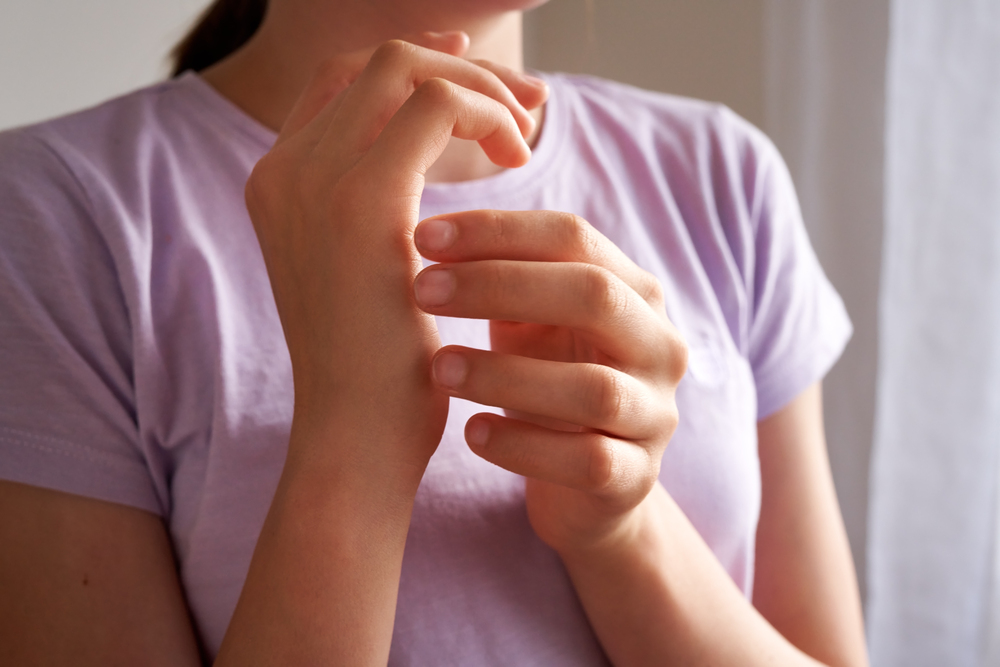
Teenage girl practicing EFT or emotional freedom technique - tapping on the karate chop point, closeupWritten by Nick Gabriele.

Mental health has taken center stage as a pressing concern. Stress, anxiety, and depression are on the rise, fueled by the constant demands of work, personal responsibilities, and global uncertainties.

Mental health challenges don’t just affect the mind—they impact every aspect of an individual’s well-being, often spilling over into physical health.

Amid this growing mental health crisis, massage therapy has emerged as a powerful complementary therapy. While it has long been known for its physical benefits, research increasingly supports its effectiveness in promoting emotional and psychological well-being.

For healthcare professionals, this presents an opportunity to incorporate massage therapy as part of a holistic mental health care plan.

In this article, we’ll dive into how massage therapy impacts mental health, explore its physiological and emotional benefits, and discuss practical ways for healthcare professionals to integrate it into their practice.


How Massage Therapy Impacts Mental Health

To understand how massage therapy supports mental health, it’s important to first examine the intricate connection between the mind and body.

Stress and mental health disorders like anxiety and depression don’t just remain confined to thoughts—they manifest physically as muscle tension, chronic pain, and even sleep disturbances. Massage therapy acts as a bridge, addressing both the mental and physical symptoms of these conditions.

Globally, the statistics are staggering. Anxiety disorders affect approximately 301 million people, while 280 million individuals suffer from depression, according to the World Health Organization. These conditions often require a multi-pronged approach to treatment, combining traditional methods like therapy and medication with complementary therapies such as massage.


Activation of the Parasympathetic Nervous System

One of the most significant ways massage therapy impacts mental health is by activating the parasympathetic nervous system. This is the part of the nervous system responsible for the “rest and digest” state, which counteracts the “fight or flight” response triggered by stress.

During a massage, the soothing touch stimulates sensory receptors in the skin, sending signals to the brain that promote relaxation. This calms an overactive sympathetic nervous system and allows the body to enter a state of rest.

Research supports this mechanism: a meta-analysis by Moyer et al. (2004) found that massage therapy reduces cortisol levels by up to 31%, while increasing serotonin by 28% and dopamine by 31%—neurotransmitters crucial for regulating mood and promoting a sense of well-being.

The science is clear: activating the parasympathetic nervous system through massage can provide immediate and long-term relief from anxiety and depression symptoms.


Easing Physical Manifestations of Stress

Mental health disorders like anxiety and depression often come with physical symptoms, including:

  • Chronic muscle tension
  • Tension headaches
  • Fatigue
  • Digestive issues

These physical manifestations not only worsen mental health but also create a vicious cycle of stress and discomfort. Massage therapy breaks this cycle by relieving muscle stiffness, improving circulation, and releasing tension in areas prone to stress, such as the neck, shoulders, and back.

A study in the Journal of Clinical Psychology revealed that individuals with generalized anxiety disorder reported a significant reduction in physical symptoms after just three massage sessions. These findings underscore the importance of addressing the physical side of mental health challenges to achieve comprehensive relief.


The Benefits of Massage Therapy for Mental Health

As we transition from the mechanisms of how massage therapy works, let’s delve deeper into the tangible benefits it offers for mental health. Massage therapy addresses anxiety and depression on multiple fronts, making it an invaluable tool for healthcare professionals and patients alike.

Regulation of the Nervous System

One of the most profound benefits of massage therapy is its ability to regulate the nervous system. By lowering cortisol levels and boosting serotonin and dopamine production, massage helps stabilize mood and reduce feelings of stress. These effects are not limited to the duration of the massage session—they often last for days, providing lasting relief for individuals with anxiety or depression.

Research from Harvard Health highlights how the calming effects of massage can lead to sustained improvements in mental health, particularly when combined with other therapeutic interventions.

Alleviation of Physical Symptoms

Physical symptoms often accompany mental health challenges, creating additional burdens for patients. Chronic pain, headaches, and muscle tension are common complaints among those with anxiety and depression. Massage therapy targets these physical symptoms, offering relief that can have a ripple effect on emotional well-being.

Imagine a patient with persistent neck pain caused by stress. A targeted massage not only alleviates the physical discomfort but also reduces the underlying stress, creating a positive feedback loop that enhances both physical and emotional health.

Studies, including those published in ERIC, confirm that even a few sessions of massage therapy can significantly reduce physical symptoms, making it an effective adjunct to traditional mental health treatments.

Enhancement of Emotional Balance

Massage therapy goes beyond physical relief to foster emotional healing. The act of therapeutic touch can help patients reconnect with their bodies, grounding them in the present moment and reducing rumination on negative thoughts. Additionally, the nurturing environment of a massage session provides a safe space for emotional release, helping patients process unresolved feelings.

By fostering mindfulness and emotional balance, massage therapy empowers patients to take an active role in their mental health journey.

Improvement of Sleep Quality

Sleep disturbances are a hallmark of both anxiety and depression. Poor sleep not only exacerbates mental health symptoms but also diminishes emotional resilience, creating a cycle of exhaustion and stress. Massage therapy promotes relaxation, enabling patients to fall asleep more easily and enjoy deeper, restorative sleep.

Research from the American Massage Therapy Association demonstrates that regular massage therapy sessions can significantly improve sleep quality, even in individuals with chronic insomnia. For mental health professionals, this makes massage an invaluable tool in addressing sleep-related issues in their patients.

Support for Trauma Recovery

Massage therapy can be beneficial for individuals with unresolved trauma or post-traumatic stress disorder (PTSD). It addresses PTSD on a physiological level, helping clients reconnect with their bodies and process trauma. Studies have shown that massage therapy can provide relief for distressing physical and psychological symptoms attributed to trauma exposure.

Boost in Immune Function

While often overlooked, the connection between mental health and the immune system is significant. Chronic stress and depression can suppress immune function, making individuals more susceptible to illness.

Massage therapy has been shown to enhance immune function by reducing stress hormones and increasing the activity of natural killer (NK) cells, which play a critical role in fighting off infections.

For individuals with anxiety or depression, improved immune function can lead to better overall health, which in turn contributes to emotional resilience and mental well-being.


Practical Applications for Healthcare Professionals

Now that we’ve explored the benefits of massage therapy, let’s discuss how healthcare professionals can effectively incorporate it into their practices. Integrating massage therapy doesn’t just benefit patients—it also enhances the overall effectiveness of mental health care plans.

Personalizing Techniques for Mental Health Needs

Each patient’s mental health needs are unique, and tailoring massage techniques can significantly enhance their therapeutic experience.

For anxiety relief, gentle strokes like those in Swedish massage promote relaxation by calming the nervous system and reducing stress hormone levels. These techniques help patients feel grounded and safe.

For depression support, deeper pressure techniques such as deep tissue massage target muscle tension and improve circulation, helping to alleviate the physical lethargy often associated with depression. Techniques like trigger point therapy can also release stored tension in key areas like the shoulders and neck.

By discussing preferences and comfort levels with patients, therapists can ensure each session meets both their emotional and physical needs. This personalized approach helps maximize the benefits of massage therapy for mental health.

Collaboration in Mental Health Care

Massage therapy becomes even more effective when integrated into a collaborative mental health care plan. By working alongside psychologists and psychiatrists, massage therapists can help create a comprehensive approach that addresses both emotional and physical symptoms.

For example, psychologists can provide insights into a patient’s stress patterns, while massage therapists address the physical tension linked to those stressors. Educating patients on how massage therapy complements traditional treatments, such as therapy or medication, ensures they see it as a valuable part of their overall care plan.

Leveraging Technology for Better Outcomes

As mental health care evolves, technology plays an increasingly important role in improving patient outcomes. Tools like massage therapy client software help healthcare professionals manage patient information, schedule appointments, and track treatment progress. These tools enable therapists to focus on delivering exceptional care while simplifying administrative tasks.


Conclusion: A Holistic Tool for Mental Wellness

Massage therapy offers a unique and effective way to support mental health. By calming the nervous system, alleviating physical symptoms of stress, and fostering emotional balance, it provides a holistic approach to managing anxiety and depression.

For healthcare professionals, integrating massage therapy into treatment plans can lead to better patient outcomes and more comprehensive care. As mental health continues to be a global concern, massage therapy stands out as a valuable complementary therapy that bridges the gap between physical and emotional well-being.

If you’re a healthcare professional, consider incorporating massage therapy into your practice. With its proven benefits, it can play a vital role in helping your patients achieve long-term mental wellness.


Author’s Bio.

Nick Gabriele, Director of Noterro since 2012, has transformed the company into a leading practice management software provider, helping users streamline note-taking, appointments, and overall practice management.

Drawing from over a decade in Independent Medical Evaluations and experience in chiropractic, physiotherapy, and massage therapy, Nick brings a wealth of expertise.

He is also a seasoned speaker and writer on topics like electronic record-keeping, featured in publications like Hamilton News and podcasts including Business Blueprint

Reference:

Field, T. (2016). Massage therapy research review. Complementary Therapies in Clinical Practice, 24, 19-31. https://doi.org/10.1016/j.ctcp.2016.04.005

Diego, M. A., Field, T., & Hernandez-Reif, M. (2004). Massage therapy improves mood and reduces serum cortisol levels in adults. International Journal of Neuroscience, 114(10), 1313-1330.

Moyer, C. A., Rounds, J., & Hannum, J. W. (2004). A meta-analysis of massage therapy research. Psychological Bulletin, 130(1), 3–18.

https://www.sciencedirect.com/science/article/abs/pii/S1360859210000896


Please also review AIHCP’s Meditation Emotional Freedom Technique & Meridian Energy Health Tapping Certification and see if it meets your academic and professional goals.  These programs are online and independent study and open to qualified professionals seeking a four year certification


Using the Emotional Freedom Technique to Be Free of Anxiety

The Emotional Freedom Technique (EFT)

According to the U.S. National Institute of Mental Health, 18% of the population suffers from anxiety. Today, the eft tapping certificationleading treatment for this issue involves talk therapy, and the prescription of medications like Xanax and Ativan. However, these can have serious side effects like absent-mindedness, hallucinations and even depression. More and more anxiety sufferers are turning to an empowering, non-intrusive solution: the Emotional Freedom Technique (EFT), or “Tapping.”

The Meridian System

Based on the meridians of Chinese medicine, the Emotional Freedom Technique targets nine key points to unblock the negative energy created by trauma or stress that leads so many people into mental health issues. Tapping works on meridians related to the kidneys, heart, liver, spleen, bladder, lungs and lymphatic system. It is incredibly simple to use, and requires nothing but a pair of hands and an openness towards the roots of one’s anxiety.

Our Meridian system carries energy throughout our bodies. It is this energy system that drives all of our life processes and it vital to optimal functioning in body, mind and spirit. When our energy system becomes block, or the energy becomes low or stagnant, it is said that dysfunctions in body, mind and spirit occur. This includes the development of anxiety states. Tapping on about twelve of the main meridian points causes vibrations throughout the meridians and leads to energy becoming “unstuck” and free flowing once again. When energy becomes unstuck and free flowing we go back to states of homeostasis, of wellness. As many thousands have experienced, anxiety states are often rapidly relieved using EFT, the Emotional Freedom Technique.

EFT and Working with Energy

Using EFT is much more involved than just tapping on meridian end points. The process involves also using psychology. Working with the psyche. Here we work with the conscious issues and also memories. In doing so, while working and tapping on the meridians, the subconscious mind often awakens and suppressed memories come to the surface. That is just fine as we can use EFT/Tapping to move blocked energy around such suppressed memories and remove the terrible bodily and psyche symptoms that they elicit, often permanently.

Overall, EFT and Meridian Energy Tapping is really about working with energy. It is newer modality that is focused on energy healing. While many believe they can learn it from just reading a book, I firmly believe that such methods are totally inadequate if you are seeking quality outcomes and permanent solutions to problems and issues. EFT and Tapping are in-depth modalities and require considerable knowledge and skills in their applications. One must be well educated in theory, process and applications of the modality in order to achieve ultimate successes. One must be well educated and full understand body energy system, how to work with body energy and under the human psyche as an energy system as well in order for EFT/Tapping to be meaning and highly effective.

Uses of EFT

To use this system, the user simply taps the middle and ring fingers of one hand on the outer edge of her other hand, the top of her head, various facial points, her lower collar bone area and underarm. As she begins, she says out loud or silently, “Even though [truthful phrase], I still love and accept myself, anyways.”

This technique can be particularly useful for individuals who have experienced traumatic events such as physical abuse, rape or war trauma. However, it is also excellent for minor daily hiccups, and the kind of anxiety that arises seemingly from nowhere. The Emotional Freedom Technique has been shown to be useful for many other issues and problems including phobias, PTSD, depression, weight loss, self-image disturbances, smoking cessation, panic disorder, agoraphobia, sports performance, learning disorders, time management issues, relationship issues, and so much more. Its uses and effectiveness are vast as our body energy systems are involved and are instrumental in everything we are and do in life.

“Anxiety just creeps up on me, and then I get anxious about that and it just becomes a vicious cycle,” explains Andrea Vance, an Emotional Freedom Technique user from Vancouver, B.C., “I usually have no idea what caused it, but with EFT I’ve been able to locate the source a lot more easily, and to tap it down. I still get anxious sometimes, but it doesn’t stay as long.” EFT and Meridian Energy Tapping has shown great effectiveness in the treatment of anxiety disorders and panic disorder. It is a quick modality that can be applied in any situation where anxiousness or feelings of panic may begin to emerge. Countless thousands of people have found great relief using EFT/Tapping.

The key to success with EFT is to tell the truth. Unlike many modern techniques that use affirmations to move the mind to positive beliefs that the individual doesn’t yet accept, EFT provides a release valve for anxiety, smoothly allowing the person to express the underlying fear, anger and stress that cause obsessive thought patterns. For example, a rape survivor might say, “Even though I couldn’t stop it, I still love and accept myself, anyways.” As she moves through the other points, she might say, “I didn’t fight back,” “I was too scared to move,” or “I blame myself.” The science of EFT, again, is not always simple and really requires that one work and learn how to do it from a qualified, educated and importantly a Certified Practitioner of EFT.

Using EFT and Becoming a Practitioner

If you’re interested in trying EFT as an empowering solution not only to your anxiety, but also to what caused it, there are numerous ways to learn. Various web pages and Youtube videos abound, and you can also make an appointment with an EFT practitioner.  There are options to learn simple EFT/Tapping protocols which may provide some relief of problems and issues. Other options include working with a Certified Emotional Freedom Technique Practitioner who is qualified to work on an advanced level with the modality to get clients to maximum outcomes and lasting relief of symptoms and issues.

The AIHCP offers a very comprehensive and inclusive Education and Certification program in EFT and Meridian Energy Tapping. This program is open for enrollment to qualified health care professionals. Upon successful completion of the program, candidates are conferred the Master EFT Practitioner Certification status in the AIHCP. If you feel called or are interested in becoming a Certified Master EFT Practitioner, you may review our full program by accessing this link.  We also offer a fourteen hour EFT training course for those who wish to learn basic EFT/Meridian Tapping for use for personal health only. You may preview this course by accessing this link.

If you have any questions about our program or the basic course please contact us at: info@aihcp.org