Developing Skills in Chinese Meridian Therapies for Healthcare Professionals

Chakra Clearing Tapping Technique, Triple Burner Meridian, EFT or Emotional Freedom Technique.Written by Lucy Peters

As integrative and complementary approaches continue to gain traction in modern healthcare, many professionals are exploring modalities that extend beyond conventional Western frameworks. Among these, Chinese meridian therapies offer a distinct perspective on health, balance and physiological function.

For healthcare practitioners, developing skills in this area can provide additional tools for addressing complex, multifactorial conditions, in particular those involving chronic pain, stress or functional imbalances.


Understanding the meridian system

At the core of Chinese meridian therapies is the concept of energy pathways, or meridians, through which vital energy is believed to flow. These pathways are associated with specific organs and physiological functions, forming an interconnected network that reflects the body’s overall state of balance.

While the meridian system does not map directly onto Western anatomical structures, parallels are often drawn with the nervous system, fascial networks and circulatory pathways. Increasingly, healthcare professionals are approaching these concepts. The idea is not to replace biomedical models, but to use them as complementary frameworks that can enhance patient assessment and care.

This shift reflects a broader movement within healthcare toward systems thinking. Rather than viewing the body as a collection of isolated parts, practitioners are recognizing the importance of interactions between different systems. Meridian-based approaches fit naturally within this perspective, offering a way to consider how seemingly unrelated symptoms may be connected through underlying patterns of imbalance.


Clinical applications in modern practice

Chinese meridian therapies encompass a range of techniques. These include acupressure, acupuncture, meridian-based muscle testing and energy balancing techniques. In clinical settings, these approaches can be used to address a range of conditions including the following:

For practitioners trained in conventional medicine, these therapies can offer additional insight into patterns that may not be fully explained by structural diagnosis alone. One area where meridian theory has found particular relevance is in applied kinesiology.

Kinesiology-based assessments often incorporate meridian concepts to evaluate how different organ systems and energy pathways may be influencing muscle function and overall health. Through muscle testing and functional analysis, practitioners aim to identify imbalances that could be contributing to a patient’s symptoms.

This integrative approach reflects the broader healthcare trend of combining structural, biochemical and energetic perspectives to form a more comprehensive understanding of patient health. Some practitioners exemplify this multidisciplinary approach. For example, Zibo Gao incorporates Chinese meridian therapies alongside chiropractic care, sports medicine and nutritional counselling. This type of practice illustrates how Eastern and Western methodologies can be combined in a clinical setting.


The role of assessment and patient-centered care

An important aspect of developing skill in meridian therapies is learning how to assess patients in a more holistic and individualized way.

Rather than focusing solely on symptoms, practitioners are encouraged to look at patterns over time. This may include considering lifestyle factors, stress levels, movement habits and even emotional wellbeing. Meridian-based assessments can help identify subtle imbalances that may not yet have developed into diagnosable conditions but are still affecting overall health.

This patient-centered approach aligns closely with modern healthcare priorities, particularly in preventative care. By identifying early signs of imbalance, practitioners may be able to intervene sooner, potentially reducing the risk of more serious or chronic conditions developing later.

It also encourages greater patient engagement. When individuals feel that their health is being considered more holistically, they are often more motivated to take an active role in their own care, which can improve long-term outcomes.


Developing competency as a healthcare professional

For healthcare professionals interested in expanding their skill set, training in Chinese meridian therapies typically involves both theoretical and practical components including meridian pathways and their associated organ systems, principles of energy flow, application of acupressure and a range of diagnostic techniques, including palpation and observation.

In addition, practitioners often benefit from training that bridges Eastern and Western perspectives, helping them translate traditional concepts into clinically relevant insights. Education programs and workshops can provide structured pathways for developing these competencies. Importantly, training should emphasize both safety and scope of practice, ensuring that therapies are applied appropriately within a practitioner’s professional framework.

Hands-on experience is particularly important. Developing sensitivity to touch, understanding subtle changes in tissue response and learning how to apply techniques effectively all require practice over time. Mentorship and supervised clinical experience can also play a valuable role in building confidence and competence.


Benefits and considerations

The integration of Chinese meridian therapies into healthcare practice offers several potential benefits:

  • A more holistic view of patient health
  • Additional tools for managing chronic or functional conditions
  • Opportunities to address stress and emotional factors alongside physical symptoms
  • Enhanced patient engagement through personalized care approaches

However, it is equally important to recognize the limitations. Scientific evidence supporting some aspects of meridian theory and related therapies remains variable, and ongoing research is needed to better understand their mechanisms and efficacy. As such, these approaches are best positioned as complementary to, rather than replacements for, evidence-based medical care.

At the same time, interest in integrative approaches continues to grow, both among practitioners and patients. As healthcare systems increasingly recognize the value of personalized and preventative care, therapies that consider the whole person instead of isolated symptoms are likely to play a more prominent role.


A broader perspective

Developing skills in Chinese meridian therapies offers healthcare professionals an opportunity to broaden their clinical perspective and enhance patient care. By integrating traditional concepts with modern medical knowledge, practitioners can adopt a more comprehensive approach to health. This is one that acknowledges the complexity of the human body and the many factors that influence wellbeing.

While continued research is essential, the practical value of these approaches in supporting holistic, patient-centred care makes them a worthwhile area of exploration for many healthcare professionals.


Author bio

Lucy is a freelance writer who enjoys contributing to a range of publications, both in print and online. She spent almost a decade working in the care sector with vulnerable people before taking a step back to start a family and now focuses on her first love of writing.


Please also review AIHCP’s Meditation Emotional Freedom Technique & Meridian Energy Health Tapping Certification and see if it meets your academic and professional goals.  These programs are online and independent study and open to qualified professionals seeking a four year certification


Chinese Medicine and Holistic Health

Chinese medicine is a venue many turn to in search of herbs and managing long term health.  Chinese medicine practitioners usually own local shops and expertise in these areas.  They consider balance to be the key in life itself and utilize Chi and concepts of Yin and Yang in managing health.  When something in the body is imbalanced, they look for herbs or practices to restore that balance in the body.

It is imperative though that individuals who look to these resources inform primary caregivers and have proper guidance to know what can mix with current medications.  Holistic and Integrative Healthcare Specialists understand both Eastern and Western concepts and how they interact.  Holistic Nurses can play key roles in helping individuals identify the best resources and Chinese herbs to utilize as well as individuals to potentially purchase from and work with.

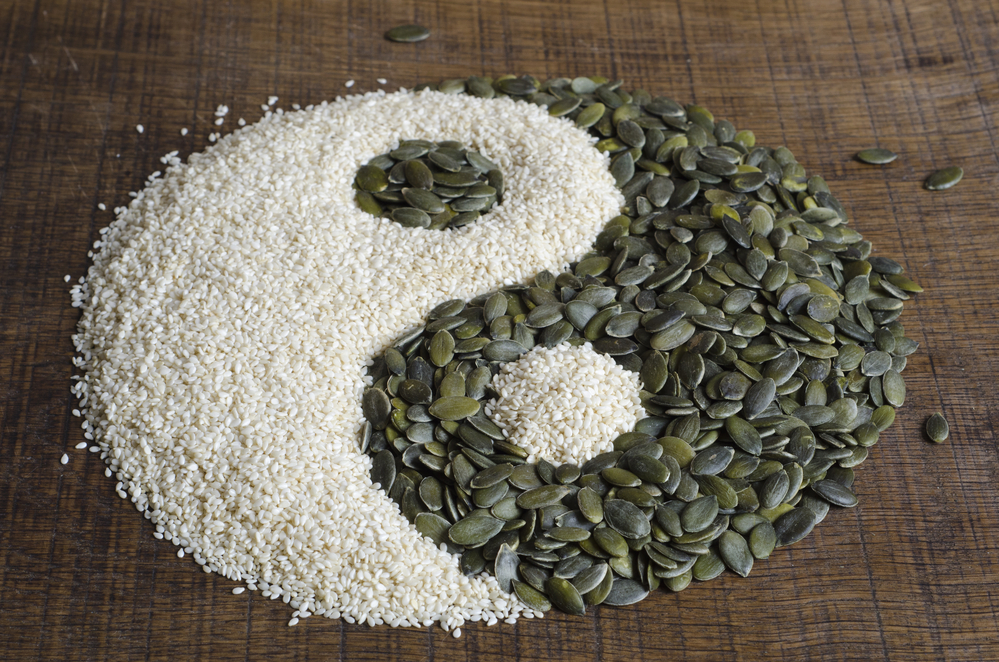
Chinese medicine is about balance. It looks at Chi or breath as well as balance of Yin and Yang.


Commentary

‍Chinese Herbal Medicine (CHM) is a traditional form of healing that has been used for centuries in Asia and has recently gained popularity in the West. It is based on the principles of Traditional Chinese Medicine (TCM) which is a holistic approach to health and wellness that emphasizes the balance between mind, body, and spirit. CHM involves the use of natural herbs and plants to treat a variety of ailments, from digestive issues to mental health. In this article, we’ll explore the history of CHM, its many benefits, the common herbs used in it, its relationship to Western medicine, how to get started with CHM, and its safety considerations.

What is Chinese Herbal Medicine?

Chinese Herbal Medicine is a branch of Traditional Chinese Medicine (TCM) that uses natural herbs and plants to treat a variety of ailments. It is a holistic approach to health that focuses on treating the whole person, rather than just a single symptom or condition. The herbs used in CHM are believed to be able to balance the qi, which is the energy that flows through the body and is responsible for its overall health. The herbs used in CHM are usually combined into formulas that are tailored to the individual’s needs.

CHM is one of the oldest forms of medicine, with a history that dates back thousands of years. It is still widely used in Asia and is gaining popularity in the West. CHM is often seen as a complementary form of medicine, meaning it can be used together with conventional Western medicine to treat a variety of ailments.

Traditional Chinese Medicine History

Traditional Chinese Medicine (TCM) has a long and storied history that dates back more than 2000 years. It is based on the ancient Chinese philosophy of Daoism, which emphasizes the balance between yin and yang and the importance of keeping the body’s qi (energy) in balance. The earliest forms of TCM used herbal medicines, acupuncture, and moxibustion (a form of heat therapy) to treat various ailments.

Over the centuries, TCM has been refined and developed and is now used to treat a wide range of ailments. It is still widely used in Asia and is gaining popularity in the West. In recent years, more and more Western doctors have begun to incorporate TCM into their practice, and it is now widely accepted as a valid form of medicine.

Benefits of Chinese Herbal Medicine

Chinese Herbal Medicine (CHM) has many benefits. It is a holistic approach to health that focuses on treating the whole person, rather than just a single symptom or condition. The herbs used in CHM are believed to be able to balance the qi, which is the energy that flows through the body and is responsible for its overall health.

The herbs used in CHM have a wide range of therapeutic effects, from soothing digestive problems to boosting the immune system. In addition, the herbs used in CHM can be tailored to the individual’s needs, meaning the treatment is personalized and effective.

CHM is also seen as a complementary form of medicine, meaning it can be used together with conventional Western medicine to treat a variety of ailments. This makes it a great option for those who are looking for an alternative form of treatment.

Common Chinese Herbal Medicines

Chinese Herbal Medicine (CHM) uses a variety of herbs and plants to treat a variety of ailments. Some of the most common herbs used in CHM include ginseng, ginger, astragalus, licorice, and dong quai.

Ginseng is believed to have a tonic effect on the body and is often used to boost energy and vitality. Ginger is used to treat digestive issues, while astragalus is thought to boost the immune system. Licorice is used to treat respiratory issues, such as asthma, and dong quai is used to treat menstrual cramps.

These are just a few of the herbs used in CHM, and many more can be used to treat a variety of ailments. The herbs used in CHM are often combined into formulas that are tailored to the individual’s needs.

Chinese Herbal Medicine and Western Medicine

Chinese Herbal Medicine (CHM) and Western medicine have different approaches to health and wellness. Western medicine is based on the scientific method and is focused on treating the symptoms of a disease or condition. CHM, on the other hand, is focused on treating the whole person and restoring balance and harmony to the body.

Despite their differences, CHM and Western medicine can be used together to treat a variety of ailments. In fact, many Western doctors now incorporate CHM into their practice, and it is widely accepted as a valid form of medicine.

How to Get Started with Chinese Herbal Medicine

If you’re interested in trying Chinese Herbal Medicine (CHM), the first step is to find a qualified practitioner. It’s important to find someone who is experienced and knowledgeable in CHM and can tailor the treatments to your individual needs.

Once you’ve found a practitioner, you’ll discuss your health concerns and the practitioner will create an individualized treatment plan for you. This may include dietary and lifestyle recommendations, as well as herbal formulas tailored to your needs.

Finding a Qualified Practitioner of Chinese Herbal Medicine

When looking for a qualified practitioner of Chinese Herbal Medicine (CHM), it’s important to find someone who is experienced and knowledgeable in CHM and can tailor the treatments to your individual needs.

A qualified healthcare professional should work with anyone considering supplementing Chinese medicine with traditional medicine


It’s a good idea to do your research and ask for recommendations from friends or family who have used CHM. You can also ask your doctor for a referral or check online for practitioners in your area who specialize in CHM.

Once you’ve found a qualified practitioner, it’s important to discuss your health concerns and ensure that your practitioner is familiar with the herbs and formulas they are recommending.

Chinese Herbal Medicine for Holistic Health

Chinese Herbal Medicine (CHM) is a great option for those looking for a holistic approach to health and wellness. It is based on the ancient principles of TCM and focuses on treating the whole person, rather than just a single symptom or condition. The herbs used in CHM are believed to be able to balance the qi, which is the energy that flows through the body and is responsible for its overall health.

CHM is also seen as a complementary form of medicine, meaning it can be used together with conventional Western medicine to treat a variety of ailments. This makes it a great option for those looking for an alternative form of treatment.

Chinese Herbal Medicine Safety Considerations

As with any form of medicine, there are safety considerations when it comes to Chinese Herbal Medicine (CHM). It’s important to make sure that the herbs and formulas used in CHM are safe and appropriate for your individual needs.

It’s also important to make sure that the herbs and formulas used in CHM are of good quality and have been tested for safety. It’s a good idea to ask your practitioner for a list of ingredients and to make sure that the herbs and formulas they are recommending are safe for you.

Finally, it’s important to make sure that the practitioner you are working with is qualified and experienced in CHM. As with any form of medicine, it’s important to find a qualified practitioner who can tailor the treatments to your individual needs.

Conclusion

Chinese Herbal Medicine (CHM) is an ancient form of healing that has been used for centuries in Asia and is gaining popularity in the West. It is a holistic approach to health and wellness that focuses on treating the whole person, rather than just a single symptom or condition. The herbs used in CHM are believed to be able to balance the qi, which is the energy that flows through the body and is responsible for its overall health.

AIHCP offers a comprehensive program for Healthcare Professionals to earn a certification in Holistic Health

CHM is often seen as a complementary form of medicine, meaning it can be used together with conventional Western medicine to treat a variety of ailments. It is important to find a qualified practitioner who is experienced and knowledgeable in CHM and can tailor the treatments to your individual needs.

Chinese Herbal Medicine can be a great option for those looking for a holistic approach to health and wellness. It is important to be aware of the safety considerations and make sure that the herbs and formulas used in CHM are safe for your individual needs. With the right practitioner, CHM can be a great way to achieve holistic health and wellness.

Please also review AIHCP’s Holistic and Integrative Healthcare Practitioner Program. Also known as Holistic Nursing, nurses and other qualified healthcare professionals can take the online and independent study program to earn the four year certification.  Please review the Holistic Nursing Program and see if it matches your academic and professional goals.

Additional Resources

“Chinese Medicine and The Causes of Disease”. Emma Suttie.  March 24th, 2022. MindBodySoul.  Access here

. 2019;47(3):495-506. doi: 10.1142/S0192415X19500253. Epub 2019 Apr 25. National Library of Medicine.  Access here

“Holistic Health”. Suzan Walter, MBA. American Holistic Health Association. Access here